Why Your Grandmother's Attic Might Be a Goldmine or a Landfill
The relationship between age, beauty, and value seldom follows a logical pattern. That ornate Victorian settee everyone compliments is probably worth less than the mid-century modern chair someone is using as a plant stand. The collectibles your grandfather swore would fund your college education are often worthless; meanwhile, that weird art pottery vase you almost tossed last weekend could fetch thousands at auction. Here are ten vintage pieces that appreciate in value and ten that don’t.
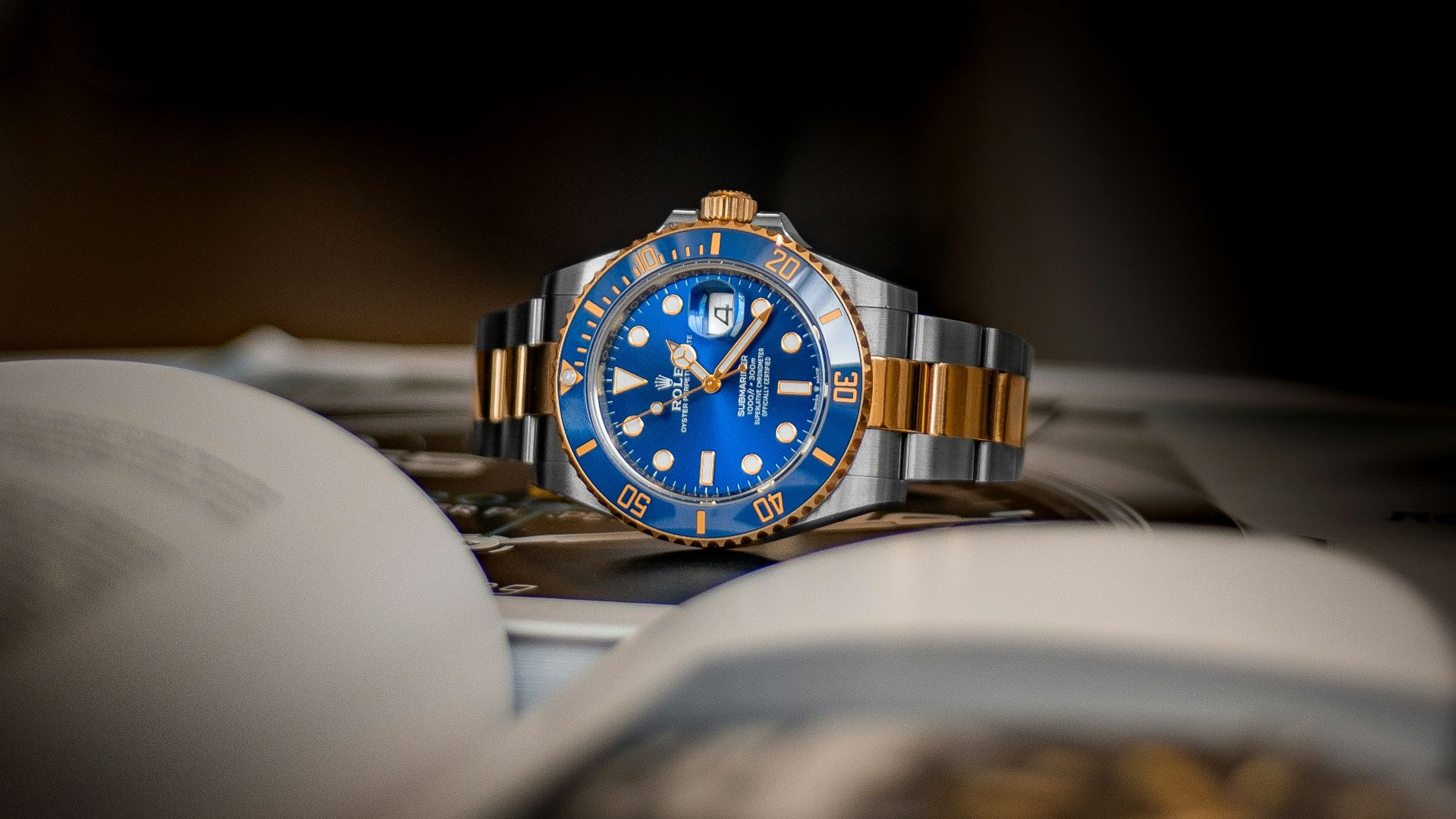
1. Rolex Watches
A Rolex Submariner from the 1960s that sold for a few hundred dollars new can now command $40,000 or more at auction. Even standard vintage Rolexes from the 1970s and 1980s have appreciated steadily, benefiting from the growing global market of collectors. Condition matters enormously, and there’s a premium on original parts, unpolished cases, and intact documentation.
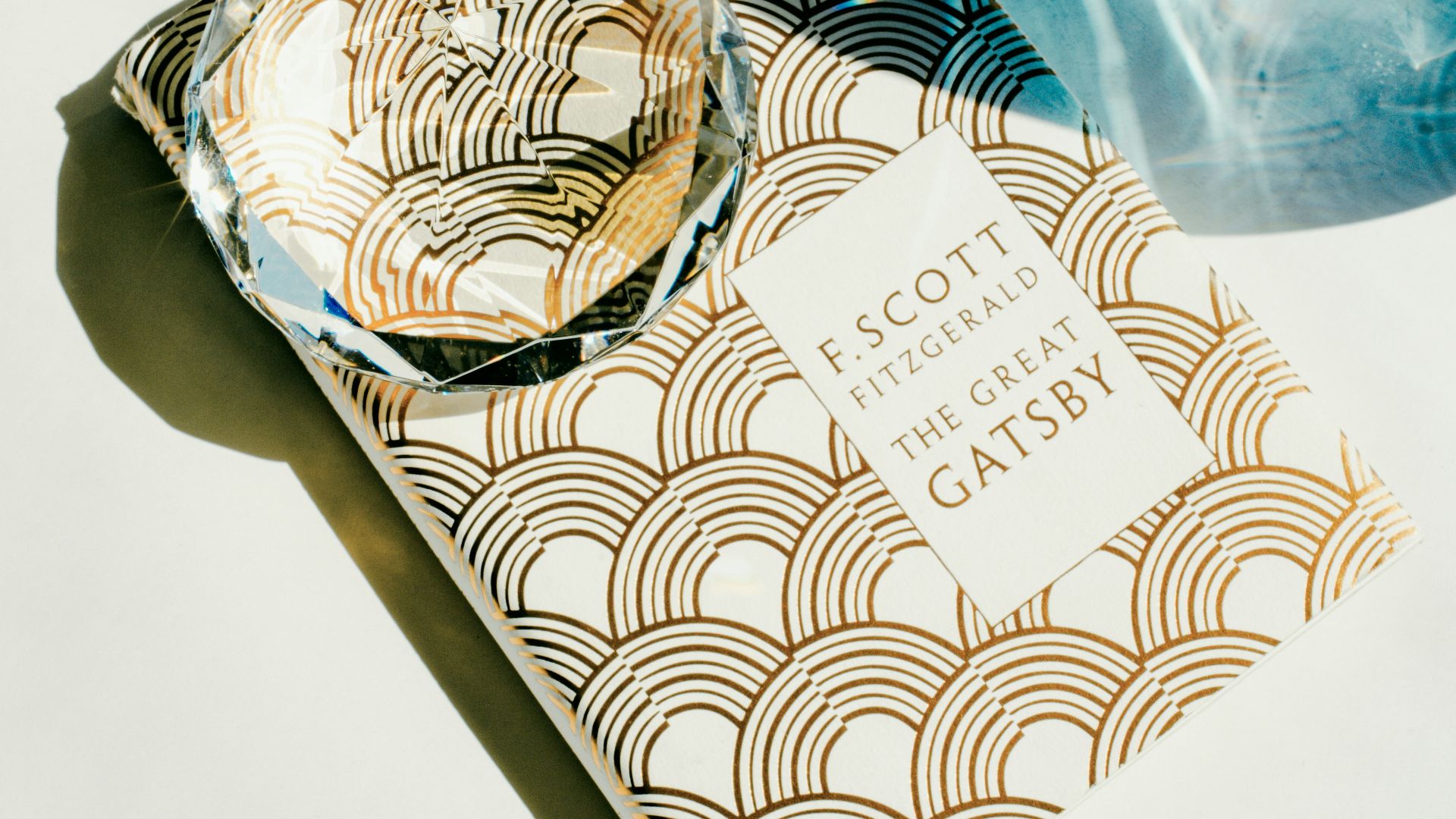
2. First Edition Books by Significant Authors
We’re talking first edition Hemingway, Fitzgerald, Morrison, and Pynchon—among others. A first edition The Great Gatsby with its original dust jacket sold for $194,000 in 2021. Even more recent first editions appreciate if the author becomes culturally significant. The key is condition and completeness, as missing that dust jacket can slash value by 80% or more.
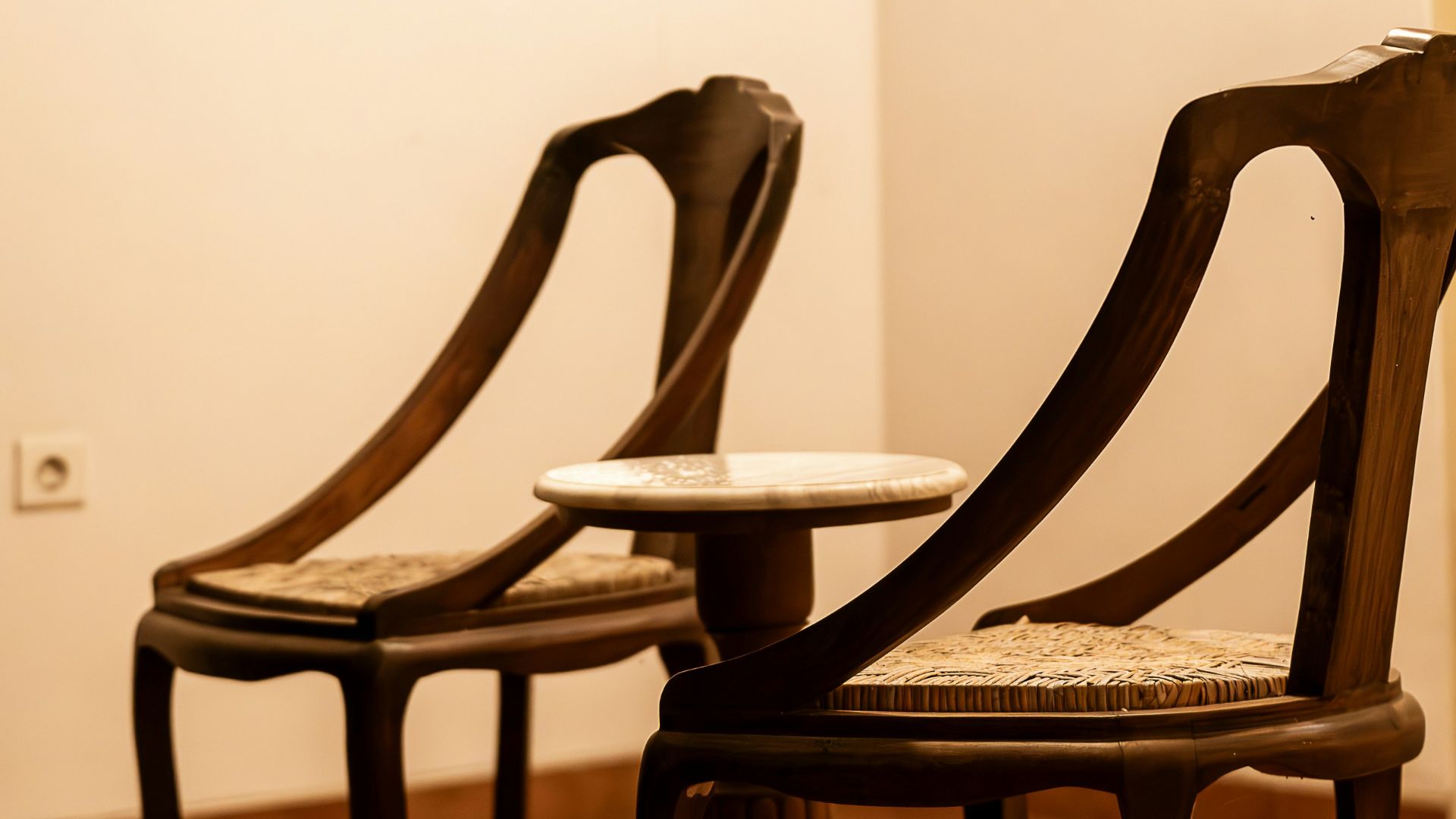
3. Mid-Century Modern Furniture from Known Designers
Pieces from designers like Charles and Ray Eames, George Nakashima, and Eero Saarinen can command astonishing prices. An original Eames lounge chair and ottoman from the 1950s sells for $5,000 to $8,000 now, sometimes more depending on condition. Nakashima pieces regularly fetch six figures at major auctions.
 Mitchell Soeharsono on Unsplash
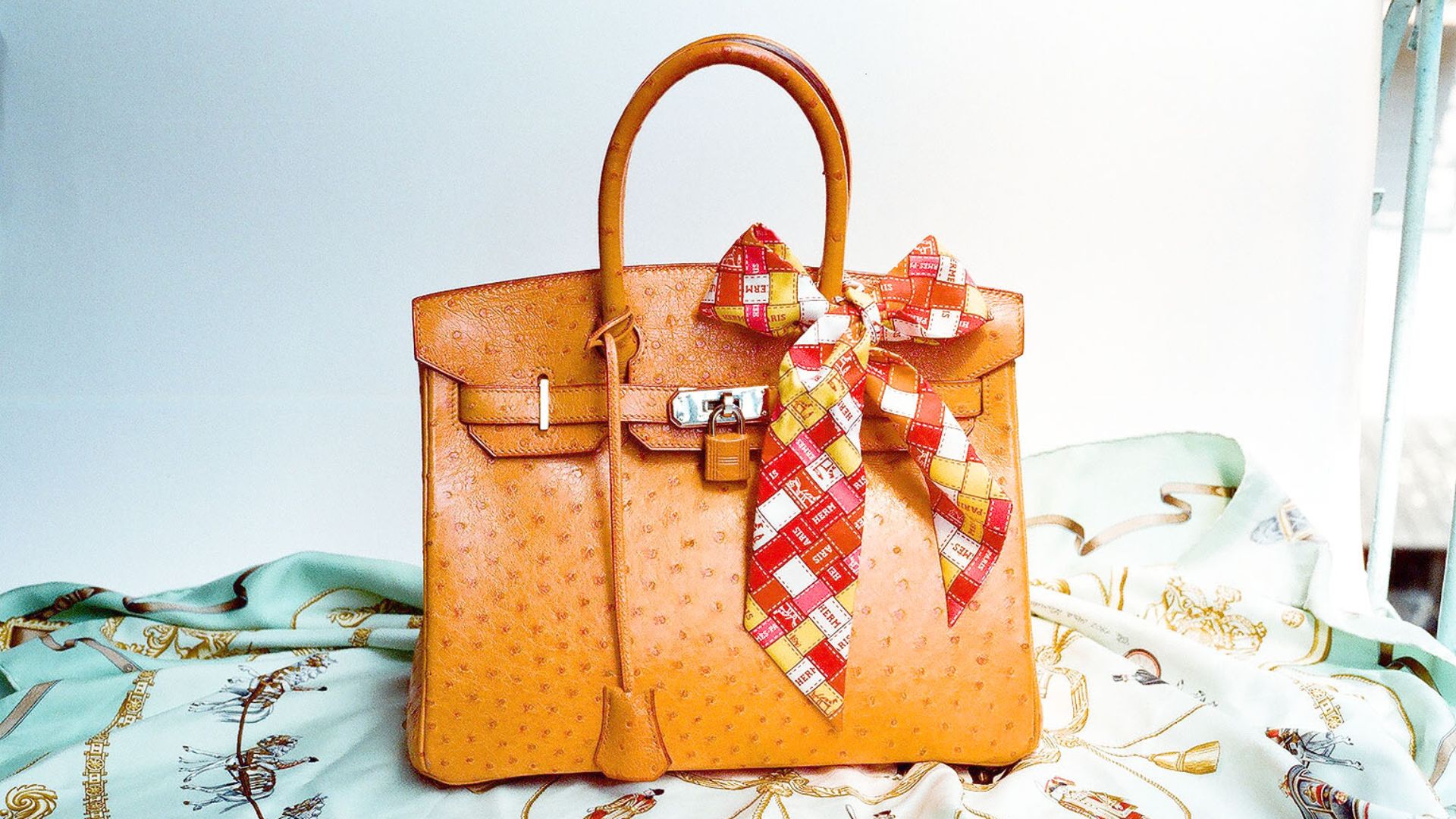
4. Vintage Hermès Birkin and Kelly Bags
These appreciate faster than stocks. A Birkin in good condition typically sells above retail on the secondary market, and rare colors or exotic skins can command multiples of the original price. Christie's regularly auctions Birkins for $50,000 to $300,000, with one Himalaya Birkin selling for $379,261 in 2017.
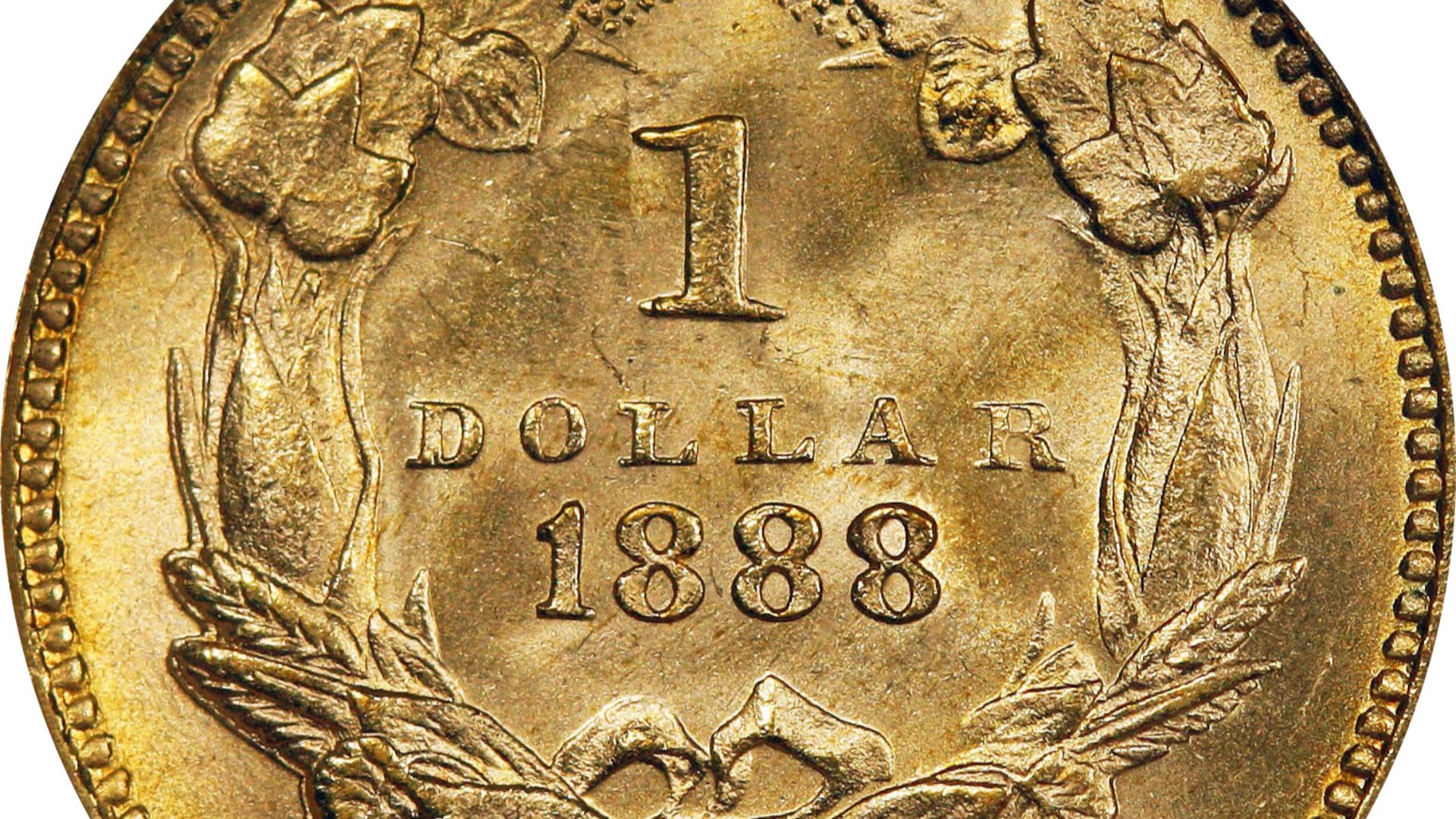
5. Pre-1933 U.S. Gold Coins
The gold content alone provides value, and numismatic value adds significantly for rare dates and mint marks. A $20 Saint-Gaudens double eagle in uncirculated condition has climbed from around $500 in the 1970s to $2,000 or more depending on market conditions. Some rare dates fetch tens of thousands. Precious metal plus collectibility equals reliable appreciation.
 Lost Dutchman Rare Coins for image, James B. Longacre for coin on Wikimedia
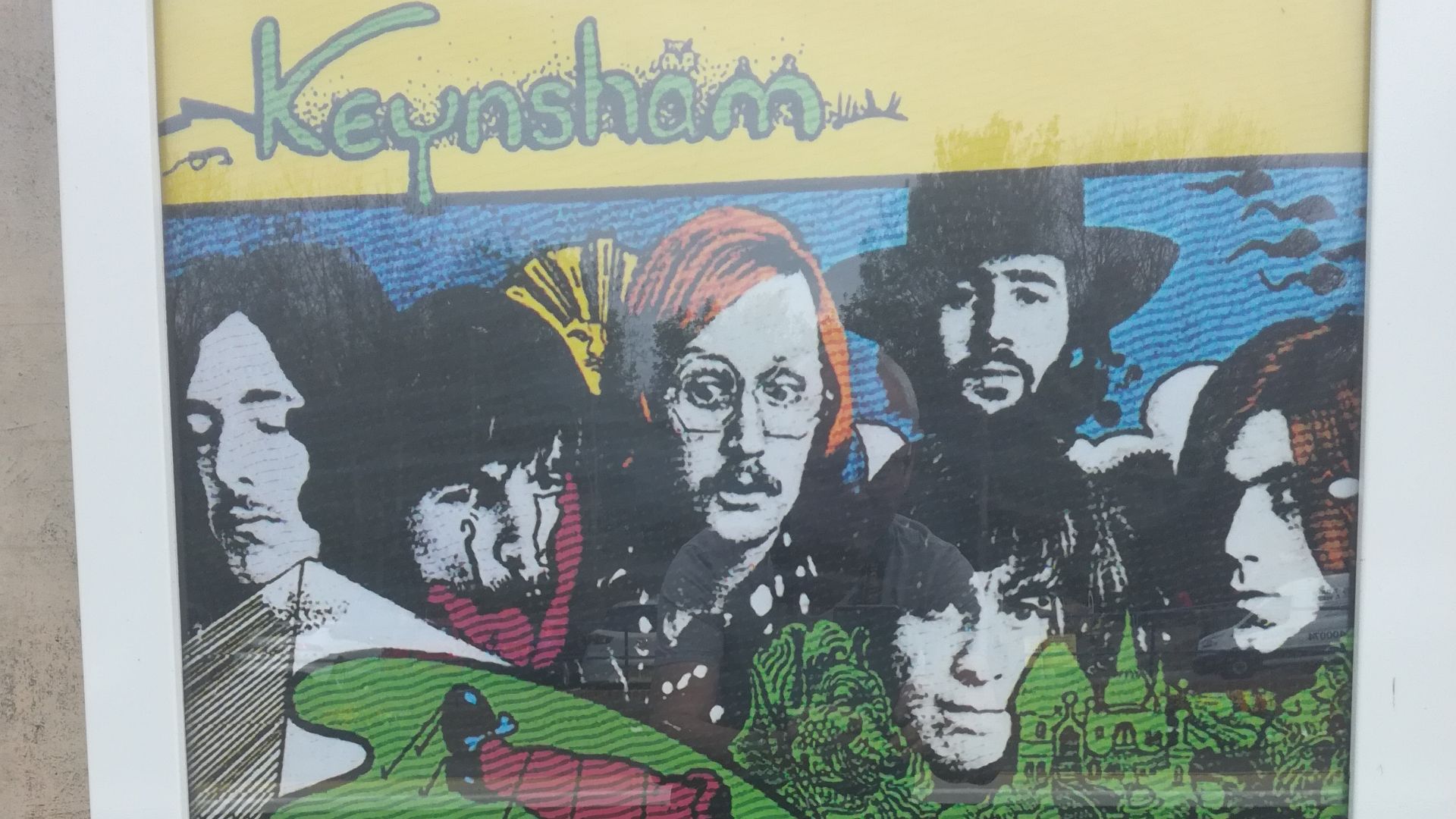
6. Original Concert Posters from the 1960s
Posters from artists like Wes Wilson, Victor Moscoso, and Rick Griffin are in demand these days. These psychedelic posters from San Francisco venues advertising Grateful Dead, Jimi Hendrix, and Jefferson Airplane shows now sell for thousands each. A first printing Fillmore poster can range from $2,000 to over $20,000 depending on the artist and band.
 Hugh Llewelyn from Keynsham, UK on Wikimedia
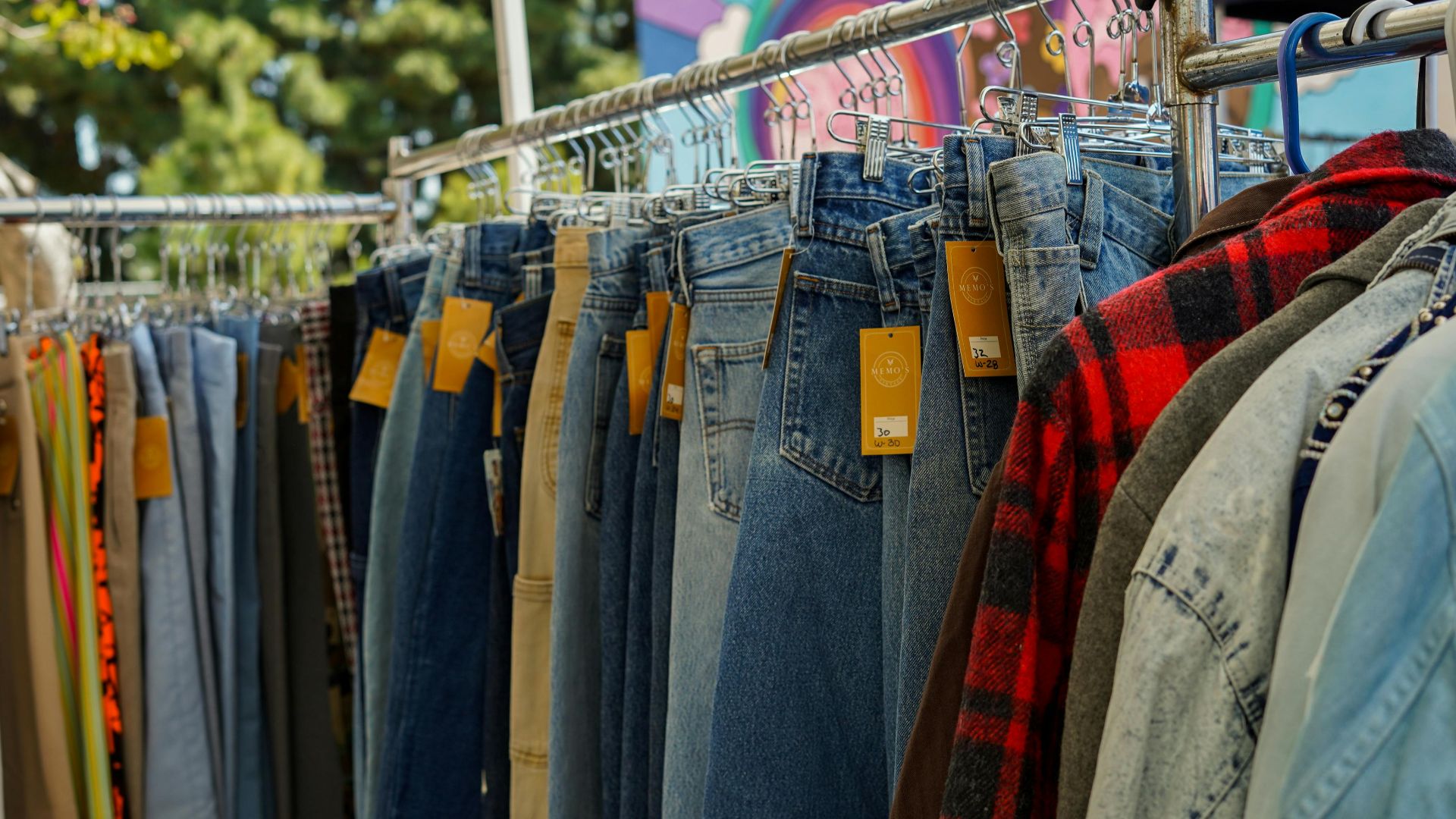
7. Vintage Levi's Jeans from Pre-1971
Not all Levi’s are cut from the same cloth—no pun intended. The valuable ones are specifically the 501s with the capital "E" in the red tab. Denim collectors obsess over these. A pair from the 1950s in wearable condition sells for $5,000 to $10,000.
8. Important 20th Century Photography
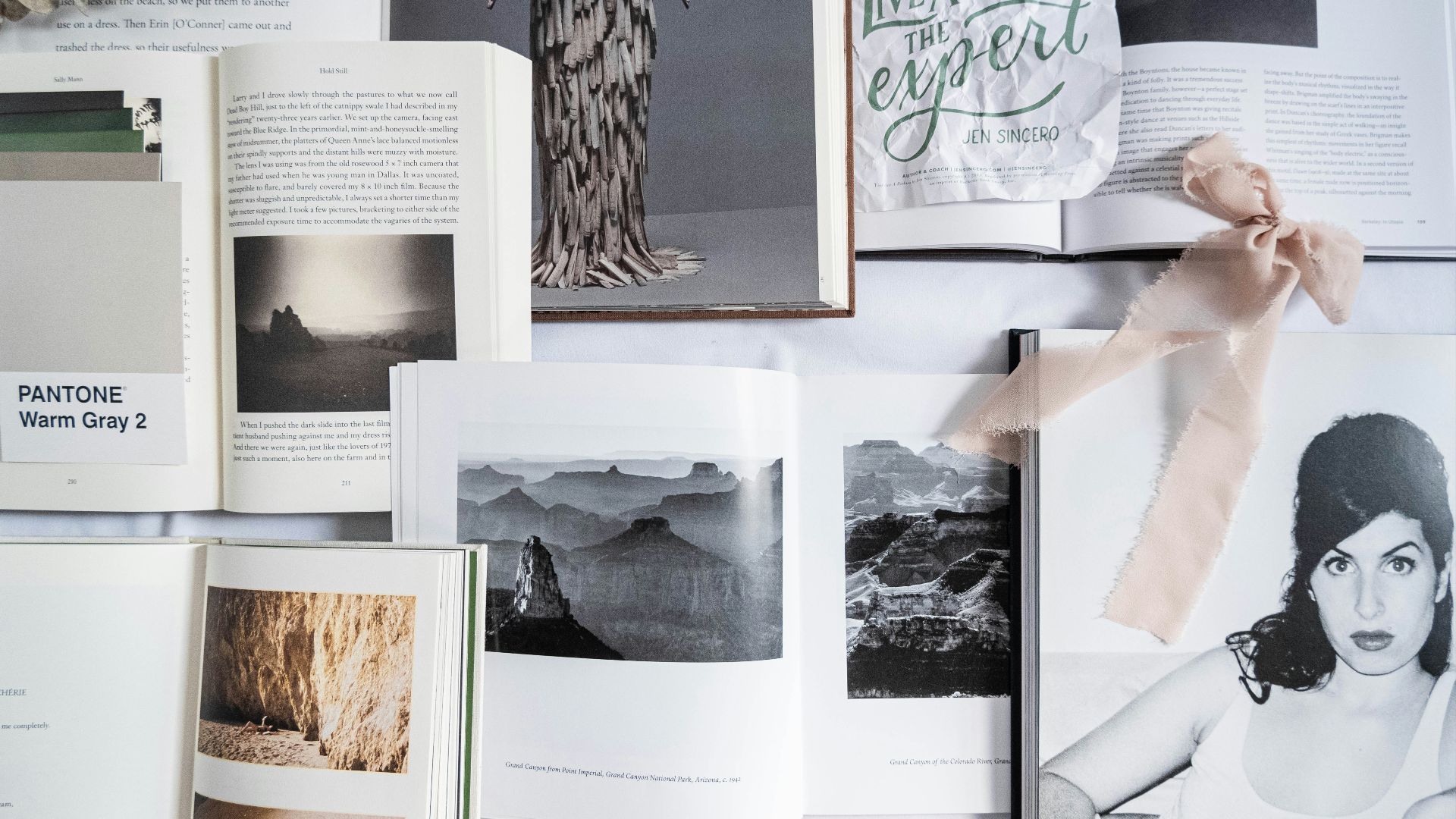
Original prints signed by photographers like Ansel Adams, Diane Arbus, Robert Mapplethorpe, and Cindy Sherman appreciate significantly, particularly as institutional collections buy up available works. An original Ansel Adams print that sold for a few hundred dollars in the 1970s now brings $10,000 to $40,000, sometimes far more for iconic editions.
 Fiona Murray-deGraaff on Unsplash
9. Patek Philippe Watches
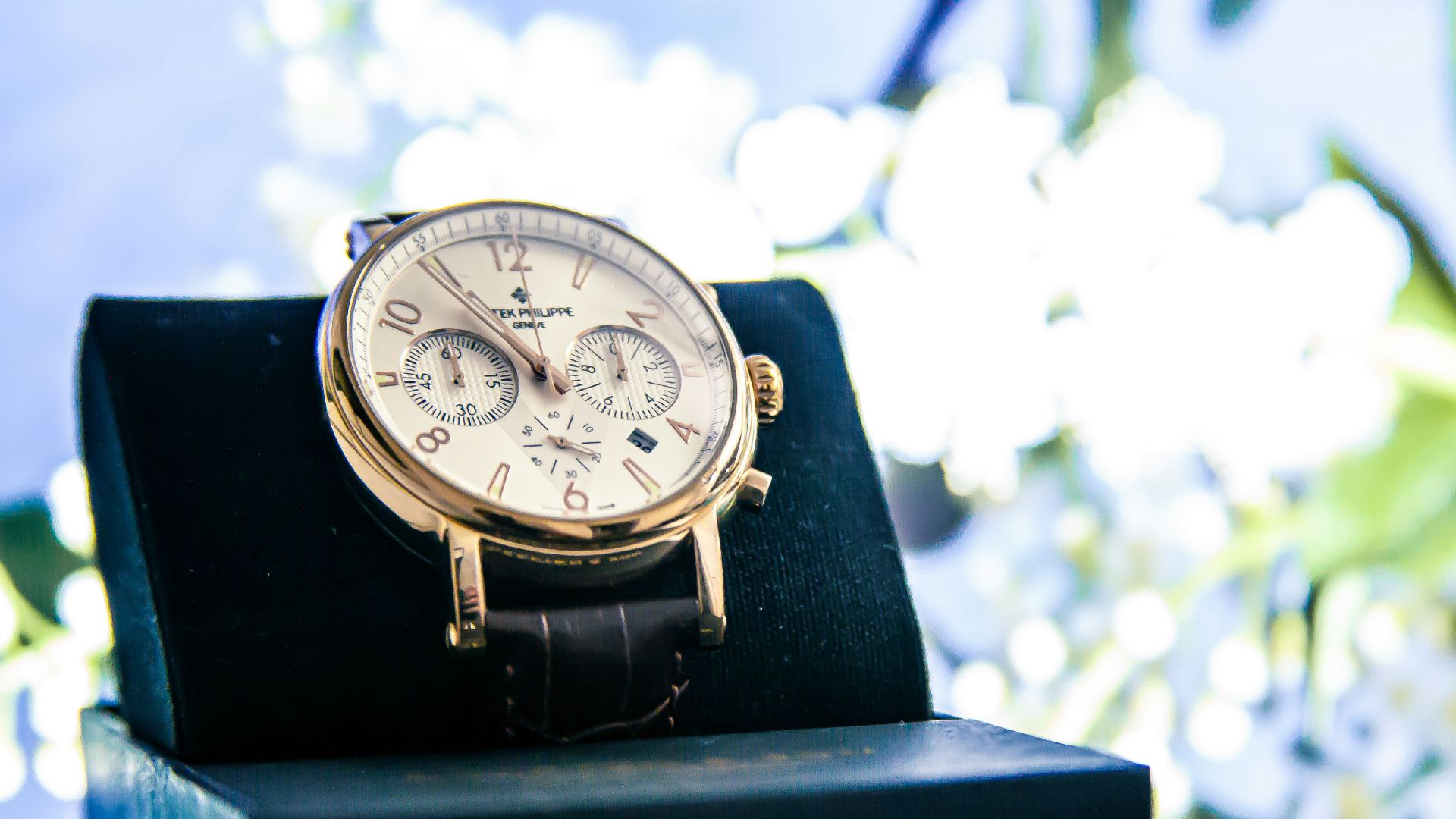
The saying goes you never actually own a Patek Philippe; you merely look after it for the next generation. Turns out that's financially accurate too. A 1941 Patek perpetual calendar chronograph sold for $11 million at auction. Even simpler vintage models from the 1950s and 1960s have climbed to the $20,000-$50,000 range.
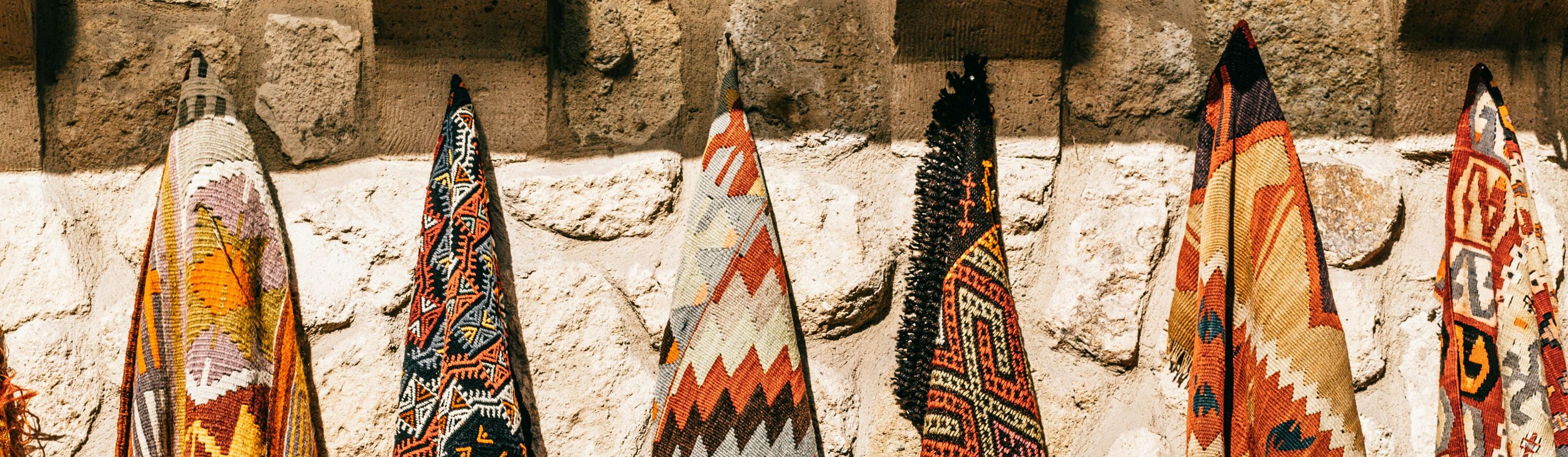
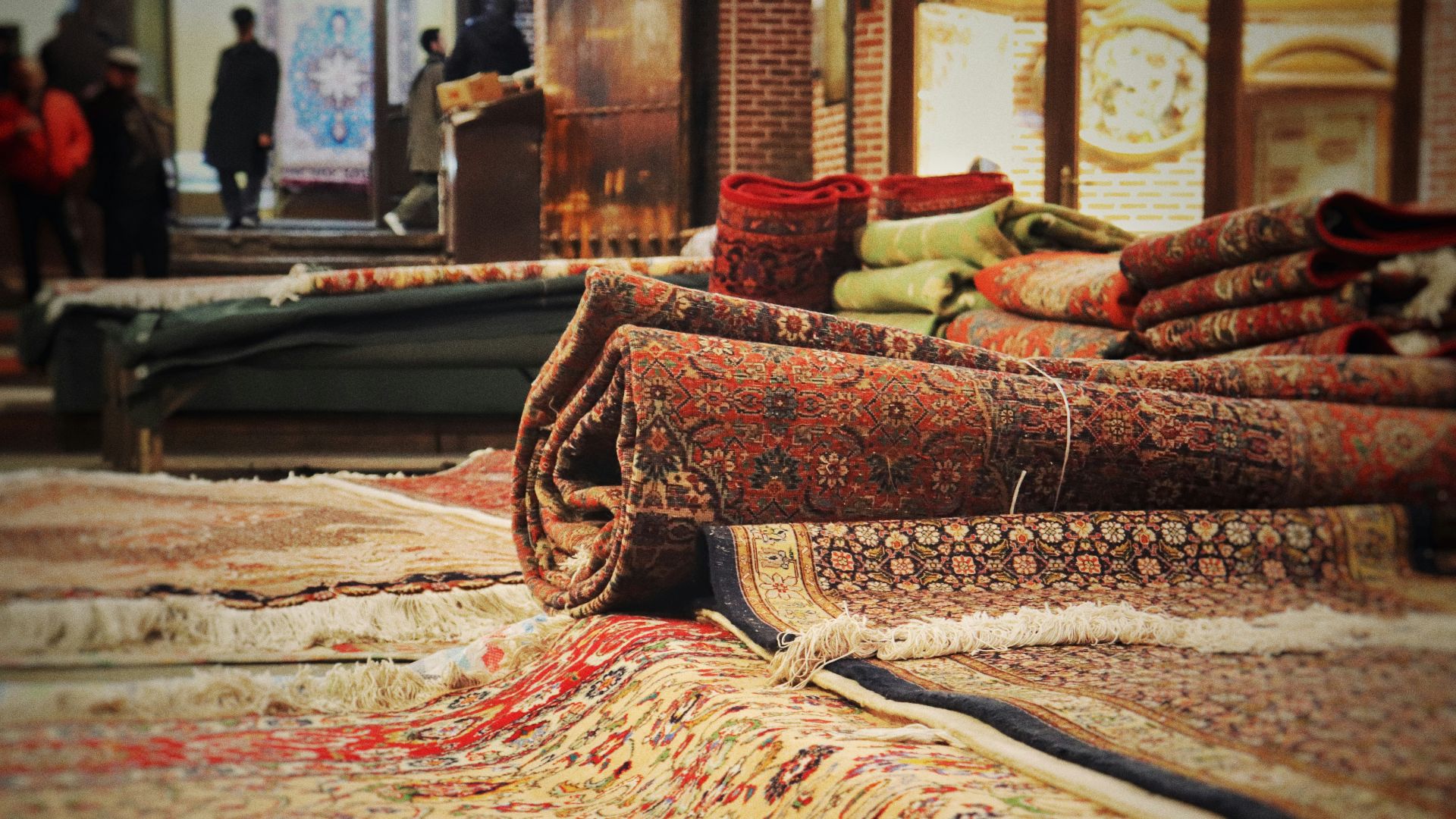
10. Vintage Persian and Turkish Rugs
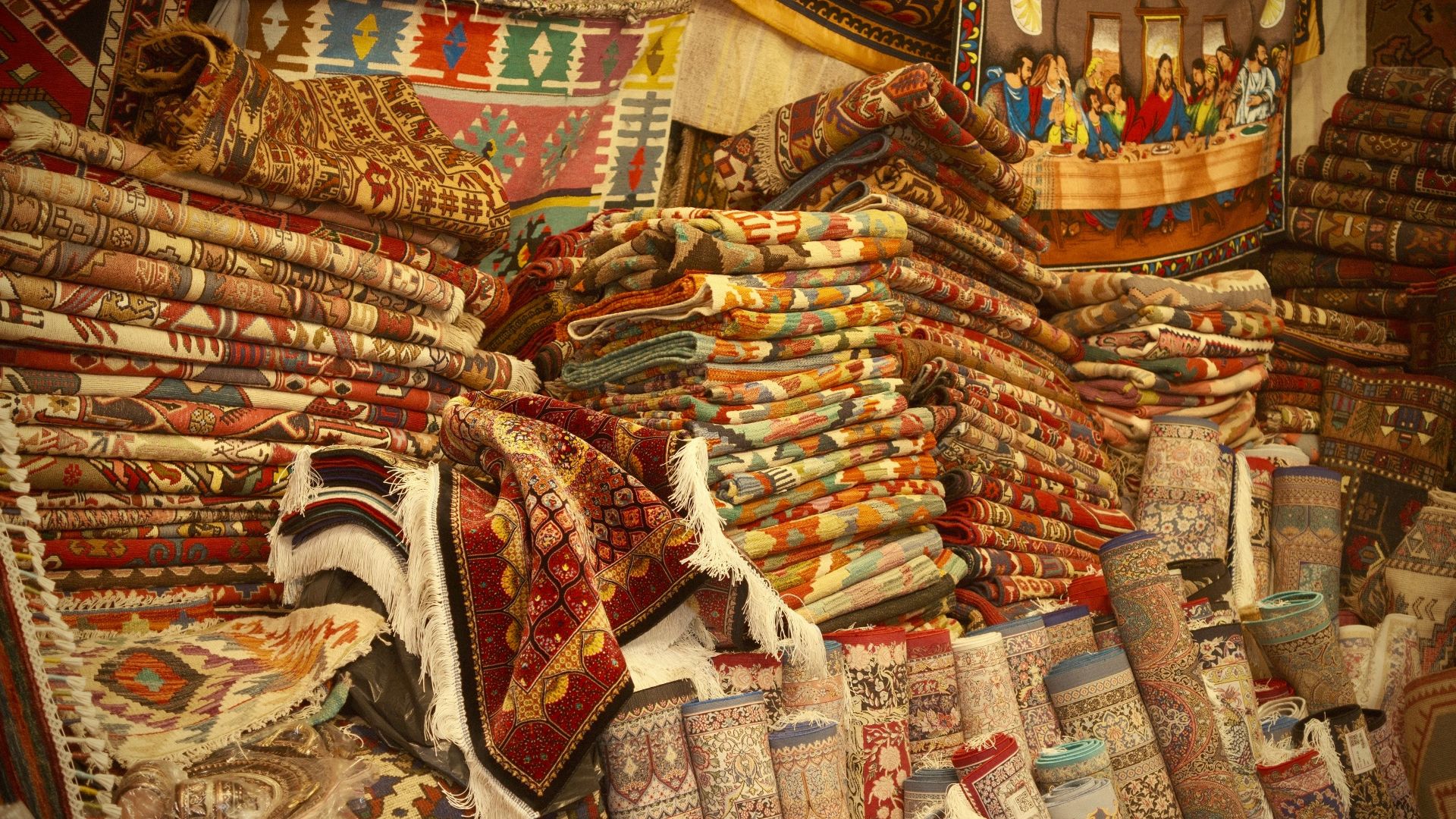
Handwoven antique rugs from specific regions and periods keep appreciating, assuming they're well-maintained. A quality 19th-century Serapi or Heriz rug that sold for $5,000 in 1990 might bring $30,000 or more now. The handmade aspect matters, and worn examples lose value quickly.
And now, here are ten vintage items that didn’t live up to expectations.
1. Hummel Figurines
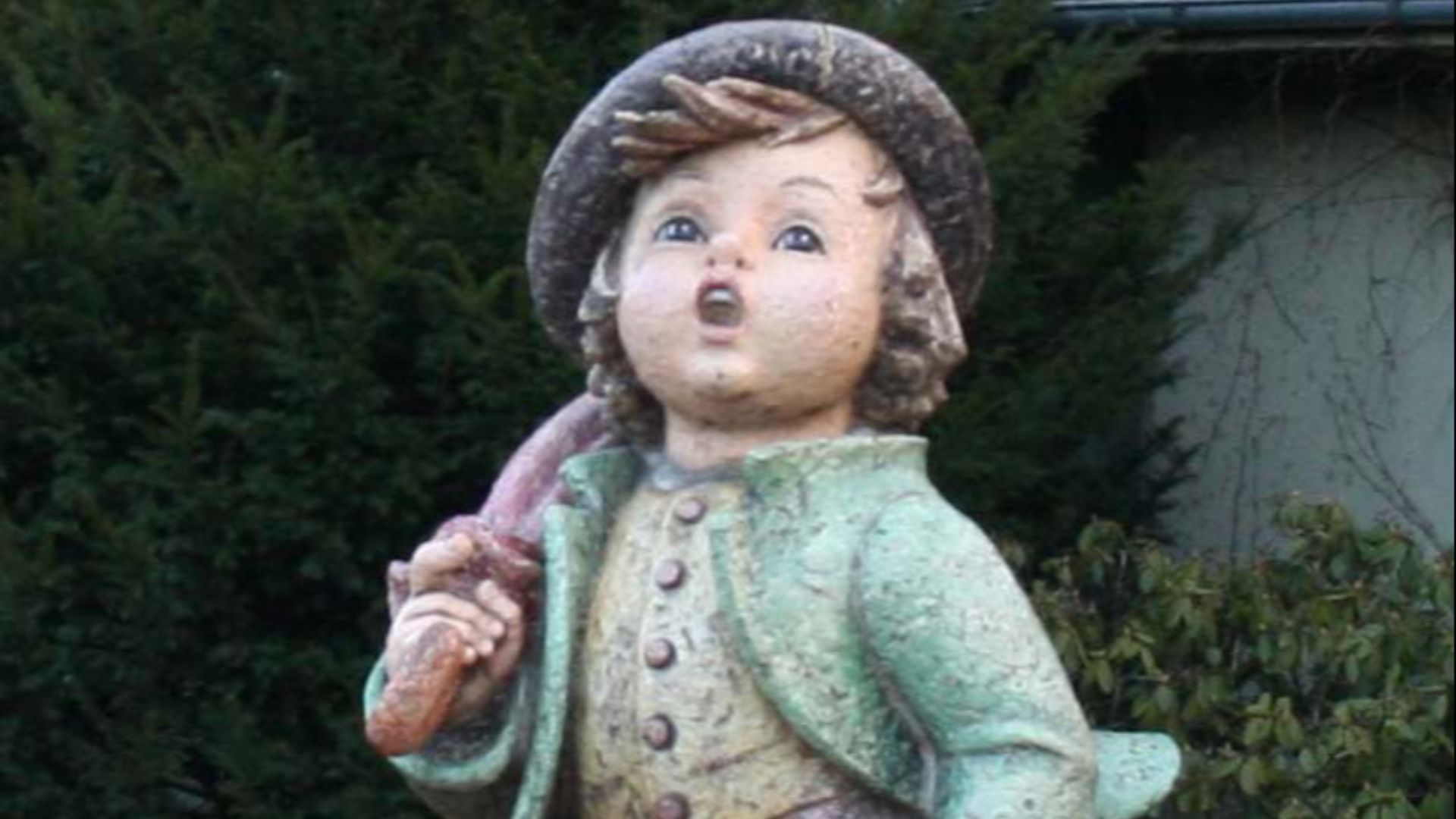
Grandmothers accumulated these 20th-century collectibles thinking they'd fund nursing homes. They didn't. The secondary market collapsed as the generation that loved them died off. Most Hummels sell for $5 to $20 at estate sales regardless of what price guides from 1985 claim.
2. Beanie Babies
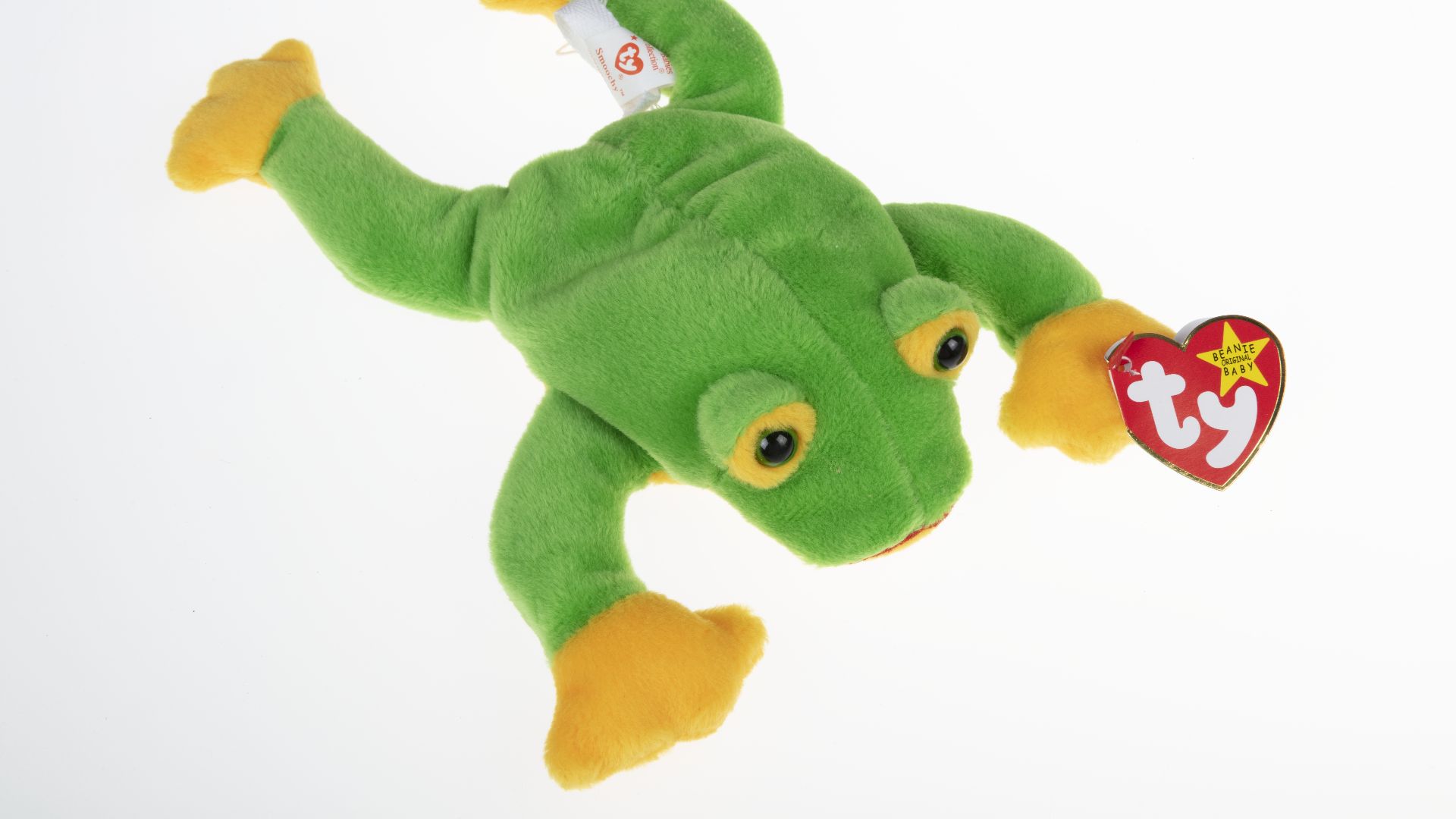
These are the cautionary tale of artificial scarcity and manufactured collectibility. People paid hundreds or thousands for specific Beanies in the late 1990s, convinced they were investments. They weren't.
3. Depression Glass
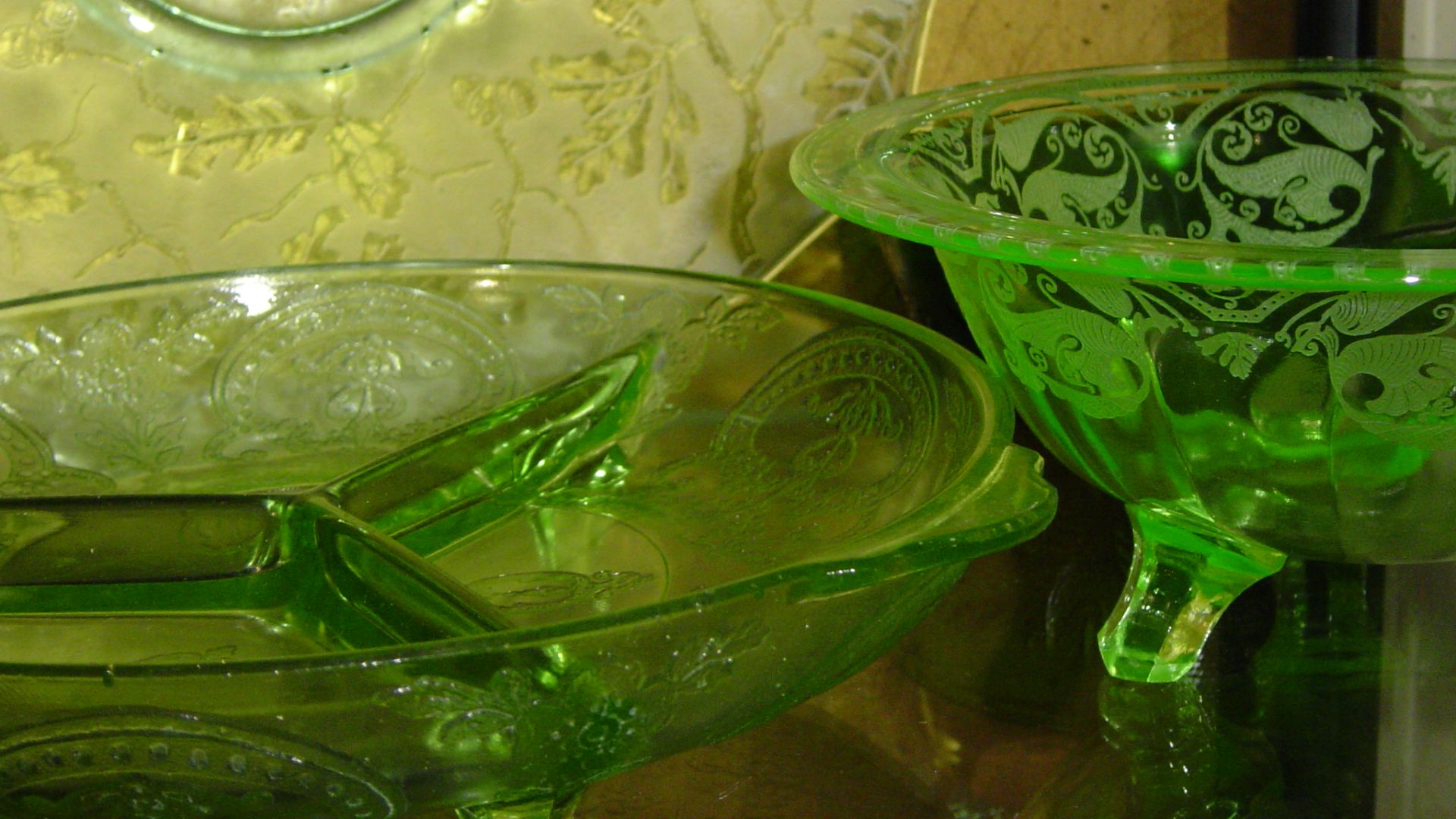
Once eagerly collected, that pink or green glassware from the 1930s is now largely ignored by younger buyers. Most pieces sell for $5 to $25 at antique malls. The market shifted as tastes changed and the generation that remembered Depression glass from childhood aged out of collecting.
 holly from asheville, NC on Wikimedia
4. Franklin Mint Collector Plates
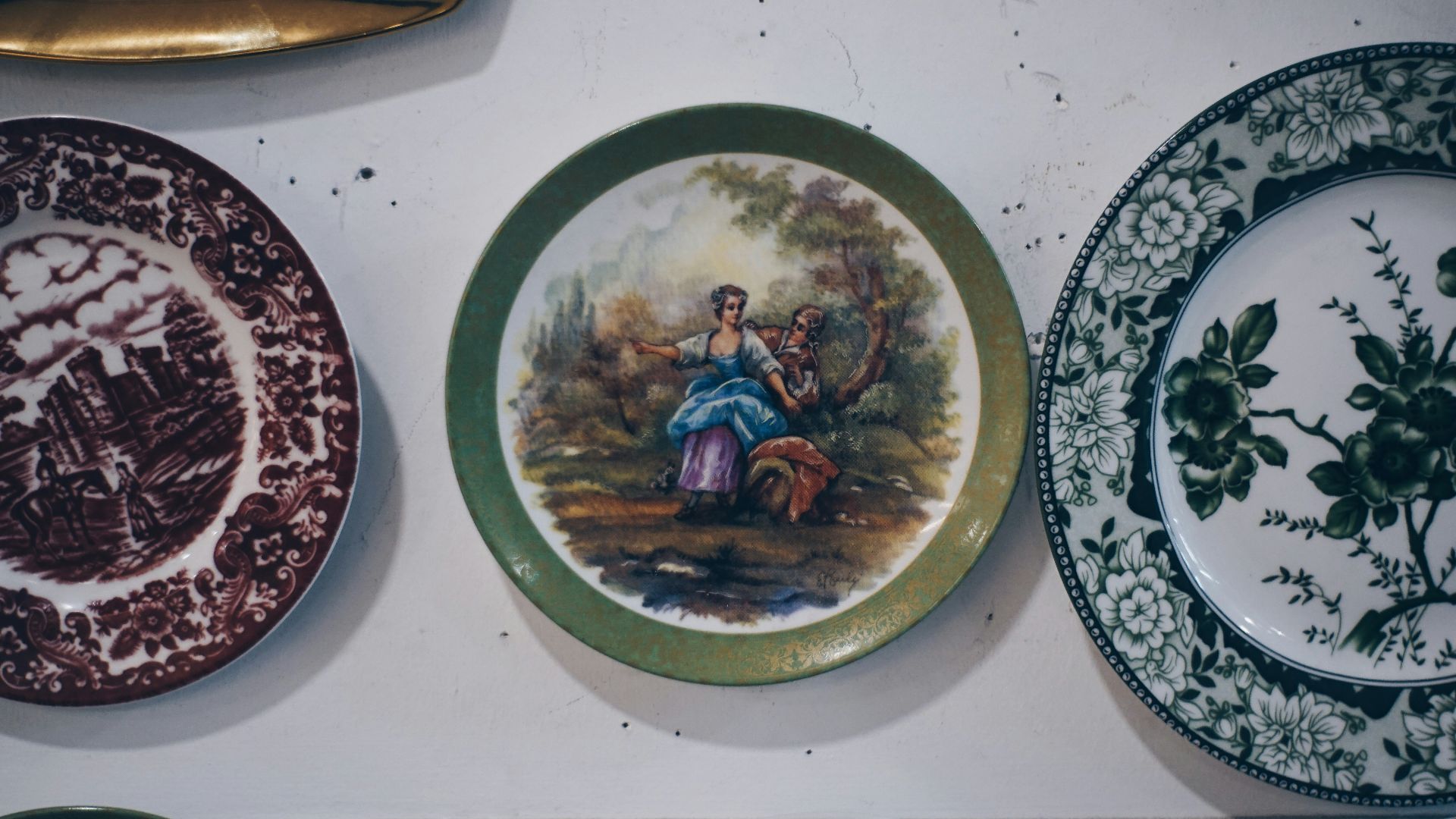
The Franklin Mint created artificial scarcity through "limited editions" that weren't actually limited enough to create real value. Most sell for $5 to $15, well below their original $40 to $100 purchase prices.
5. Brown Furniture
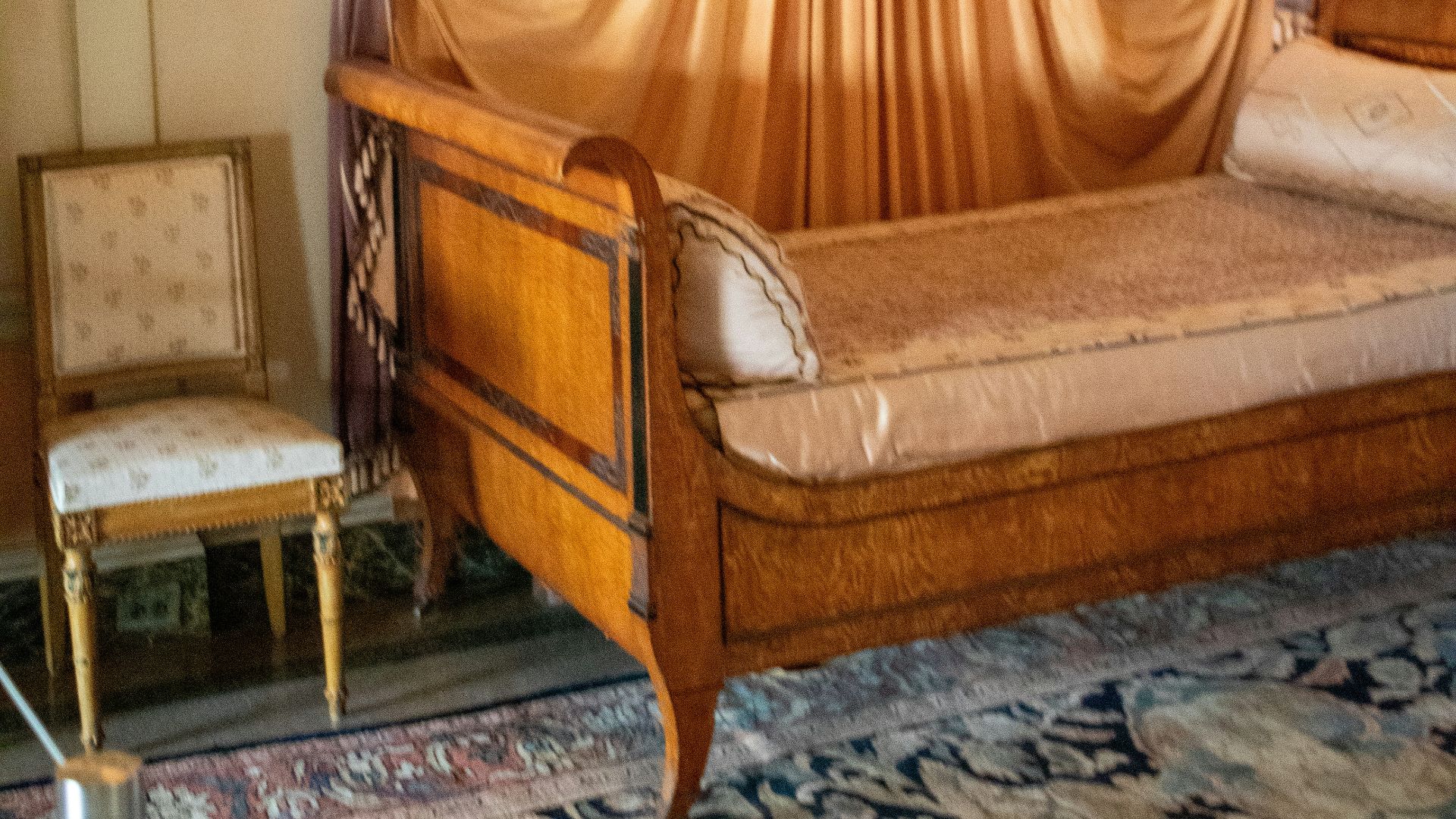
Victorian sideboards, oak dining sets, and ornate carved dressers dominated estate sales in the 2000s and 2010s as homeowners downsized, causing prices to crater. Younger buyers want smaller, lighter furniture or mid-century pieces. The market for dark, heavy, formal furniture essentially disappeared.
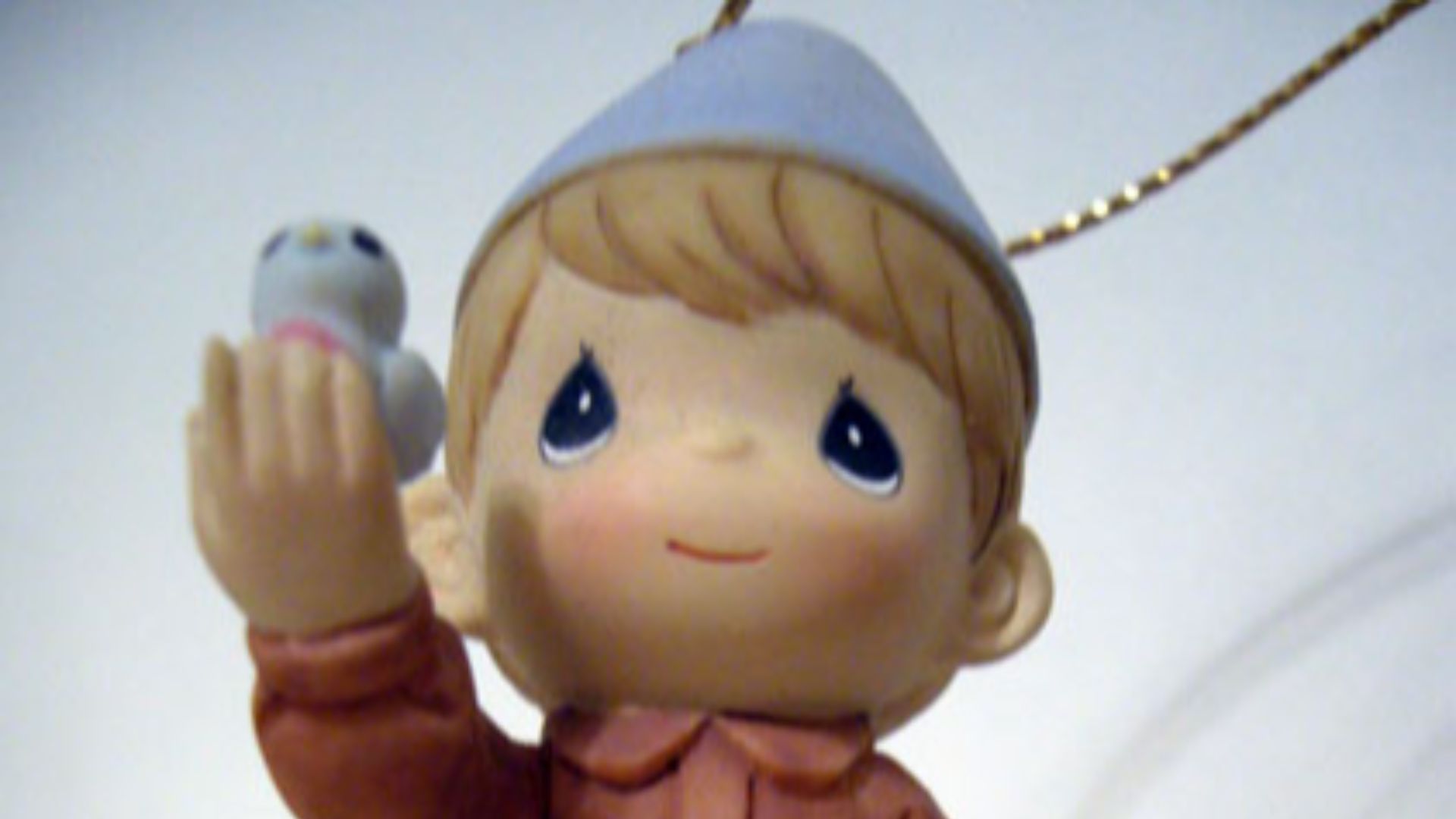
6. Precious Moments Figurines
Enthusiastically collected through the 1980s and 1990s, these little figurines are largely abandoned now. Most sell for $5 to $20. The collector clubs dissolved, the secondary market evaporated, and a whole category of collectibles became essentially worthless outside of sentimental value.
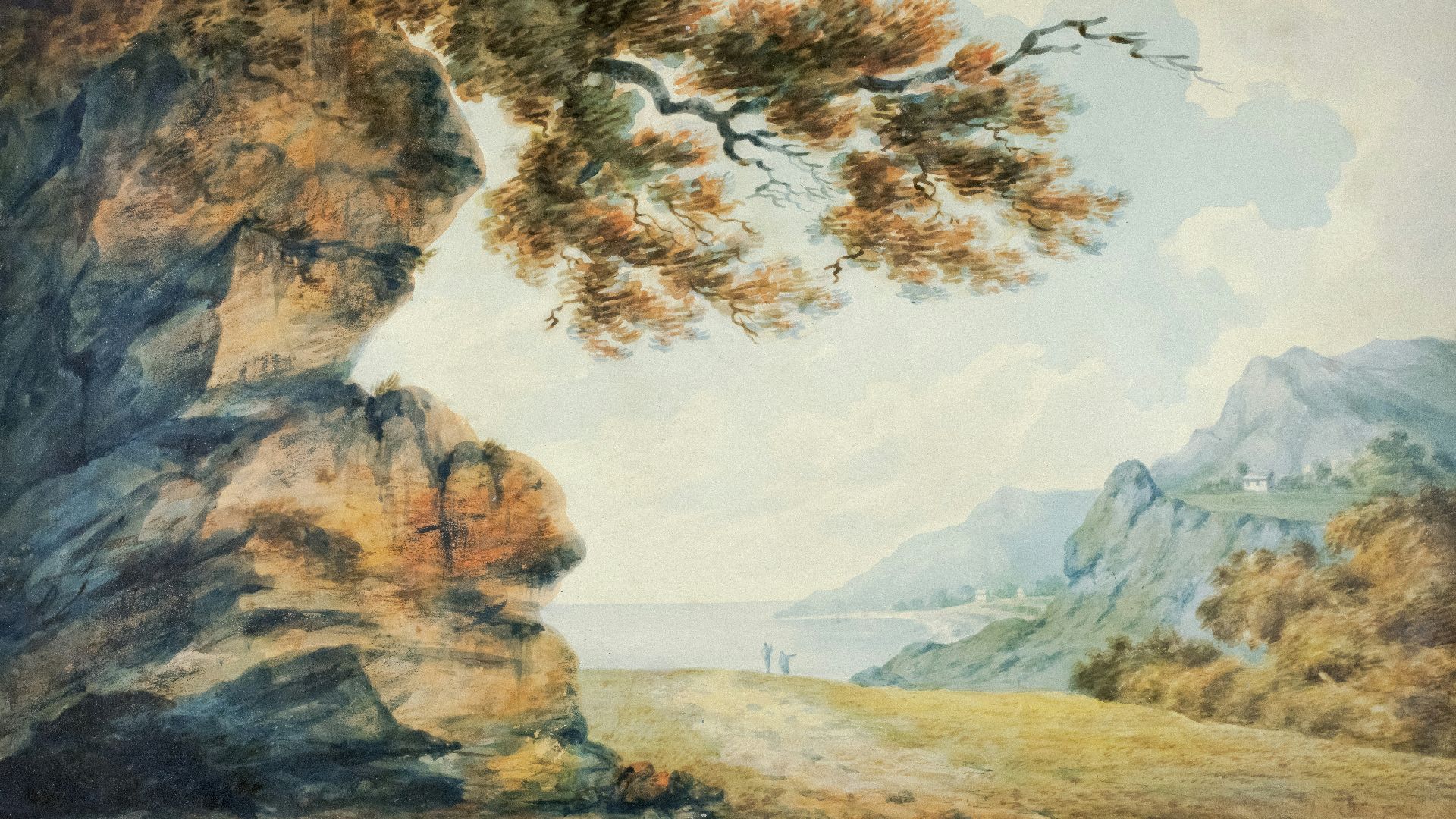
7. Thomas Kinkade Prints
Mass-produced "limited edition" prints sold through mall galleries for hundreds or thousands. The secondary market revealed the truth: they're worth $20 to $50 typically. Original paintings do better, occasionally reaching thousands, though still far below the hype.
 Art Institute of Chicago on Unsplash
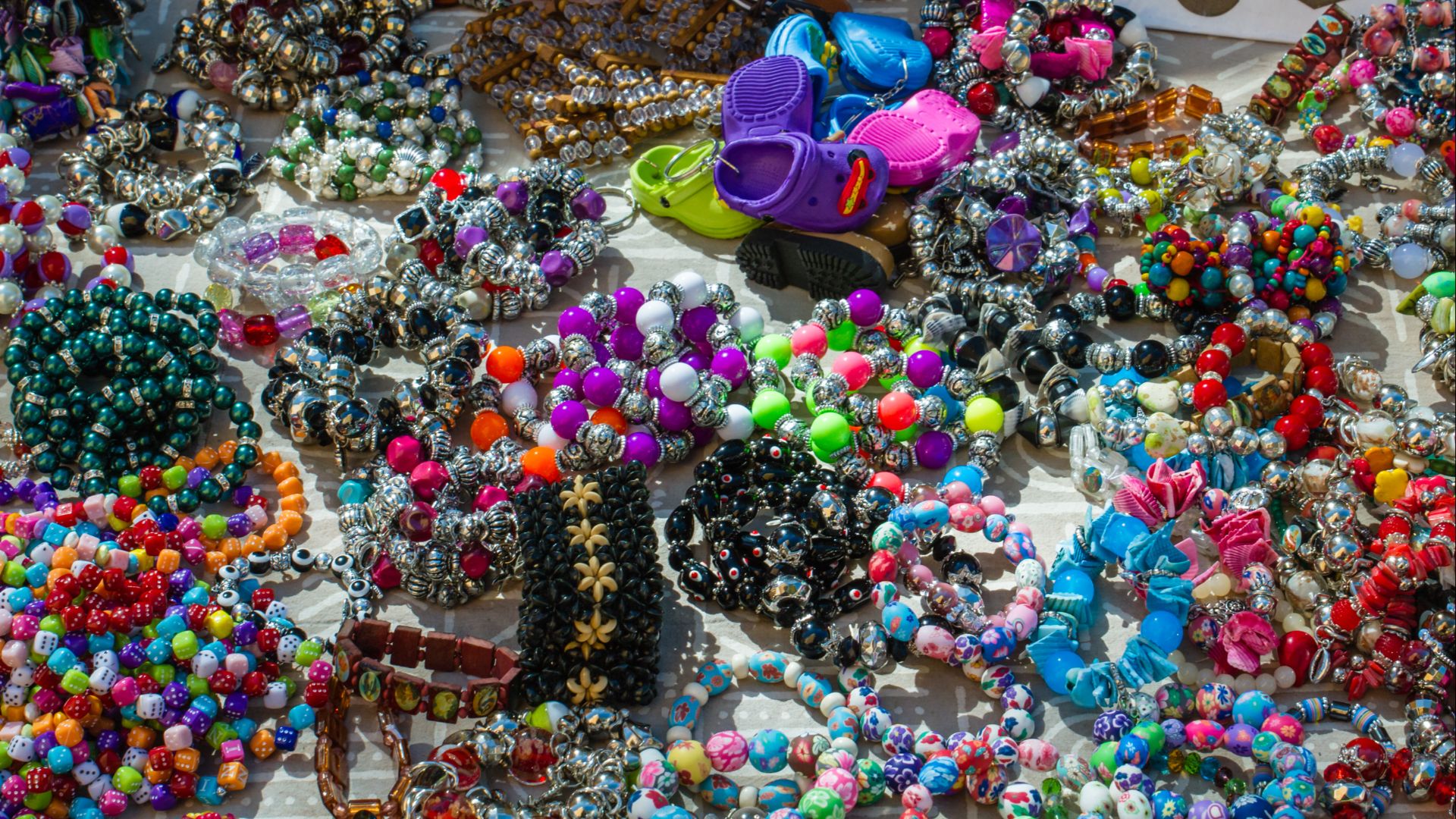
8. Most Costume Jewelry
Unless it's signed by important designers like Miriam Haskell, Eisenberg, or Joseff of Hollywood, vintage costume jewelry brings almost nothing. That rhinestone brooch your grandmother loved is worth maybe $10 at an antique store.
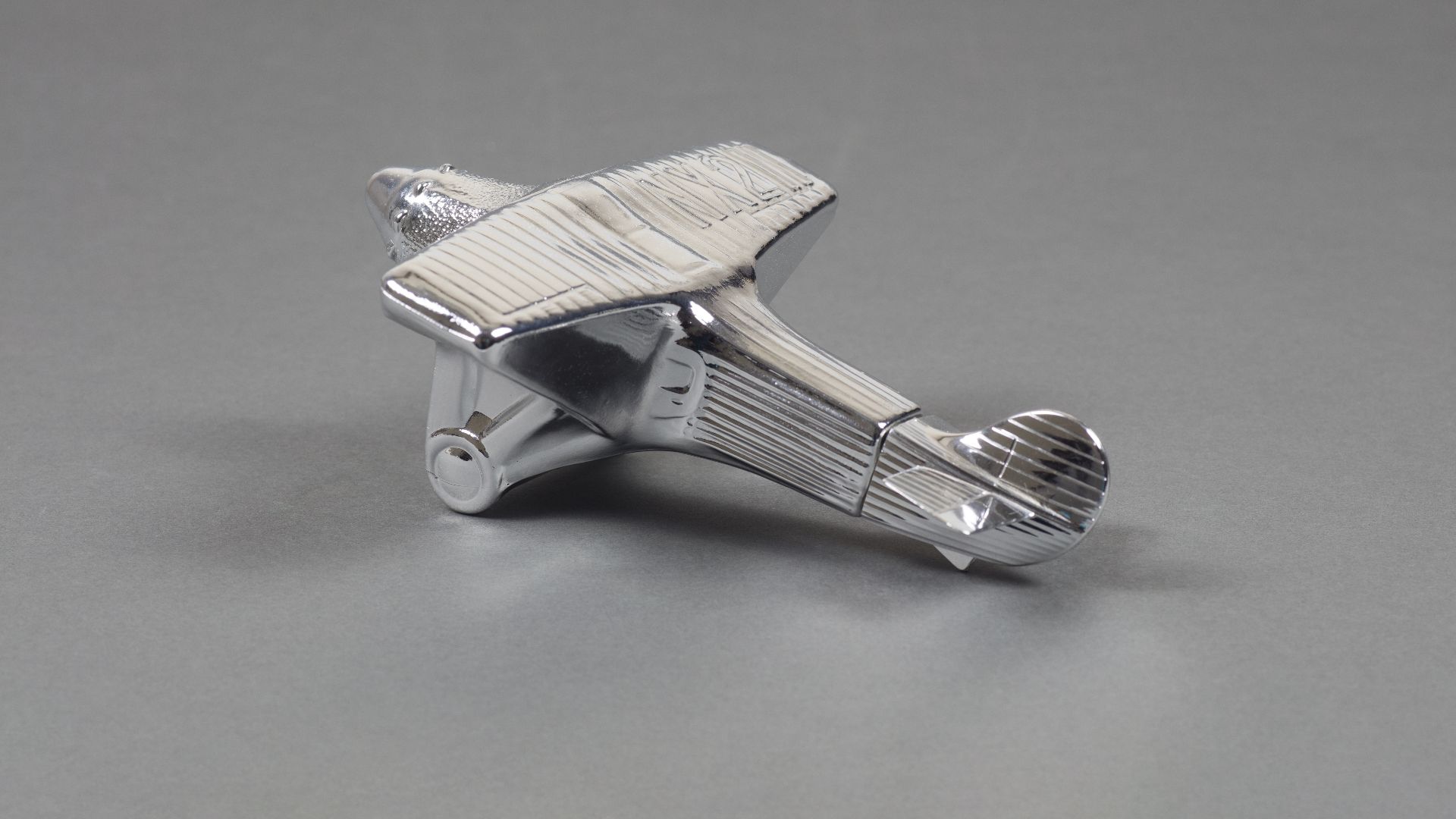
9. Avon Bottles
Shaped like cars, boots, and animals, this was another collectible that seemed promising in the 1970s and 1980s. The market collapsed, and most sell for $1 to $5 at flea markets. Even rare examples struggle to break $50.
 Avon Products, Inc on Wikimedia
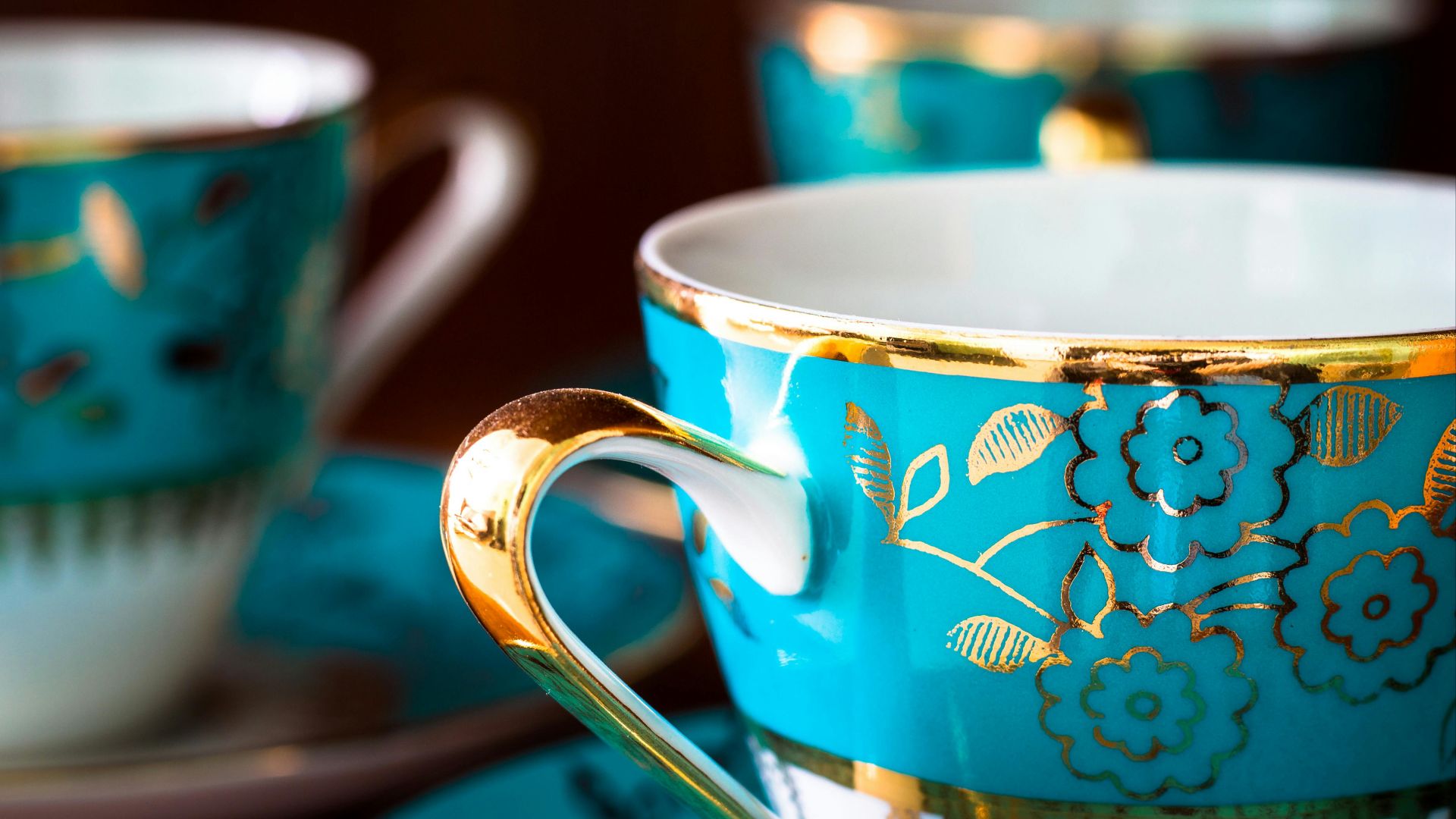
10. China Sets, Especially with Gold Trim
Fine china once represented substantial investment, and family heirlooms got passed down reverently. Millennials and Gen Z aren't interested. The gold trim can't go in dishwashers or microwaves, making these sets impractical for contemporary life.