

Your Hair’s Mood Swings
Hair tells its own story, often in more ways than we realize. The way it feels, the way it behaves, and the subtle patterns we notice all reveal clues about its nature. Understanding those signals can make everyday care feel easier and more intentional. Instead of guessing, you’ll see how to recognize what your strands are really saying. Let’s start with the signs that point to thin hair first.

1. Scalp Visibility Test
Part your hair in natural light and check what shows. If the scalp is easy to spot on dry strands, density may be under 80,000 follicles. Ongoing visibility can be an early sign of androgenetic alopecia, which affects about half of women by age 50.
2. Ponytail Circumference Check
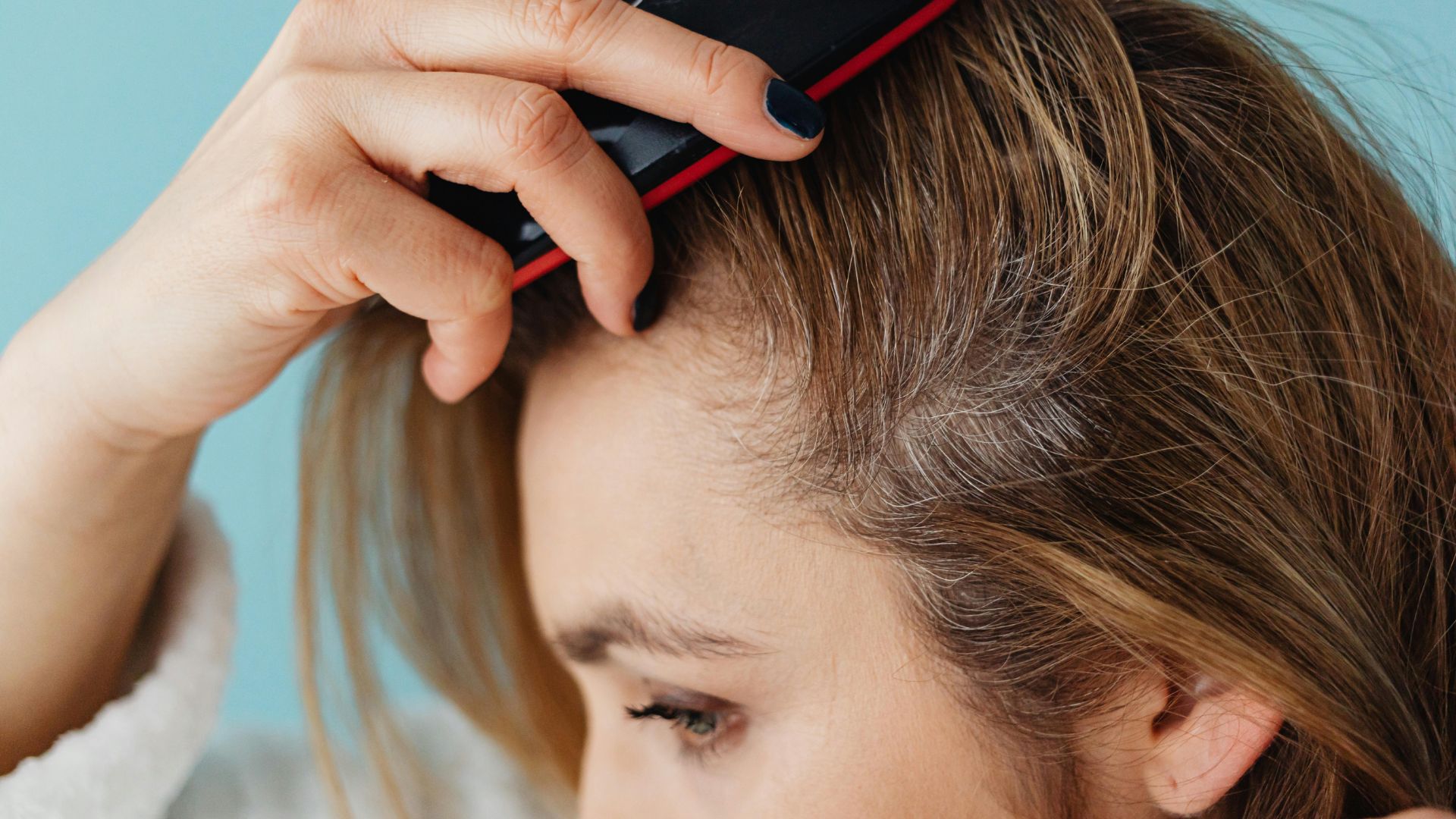
You’ve probably noticed how your ponytail feels smaller on some days, and the circumference explains why. A measurement under two inches typically shows thin or low-density hair. The test only works right when the hair is straight and untouched.
3. Product Absorption Speed
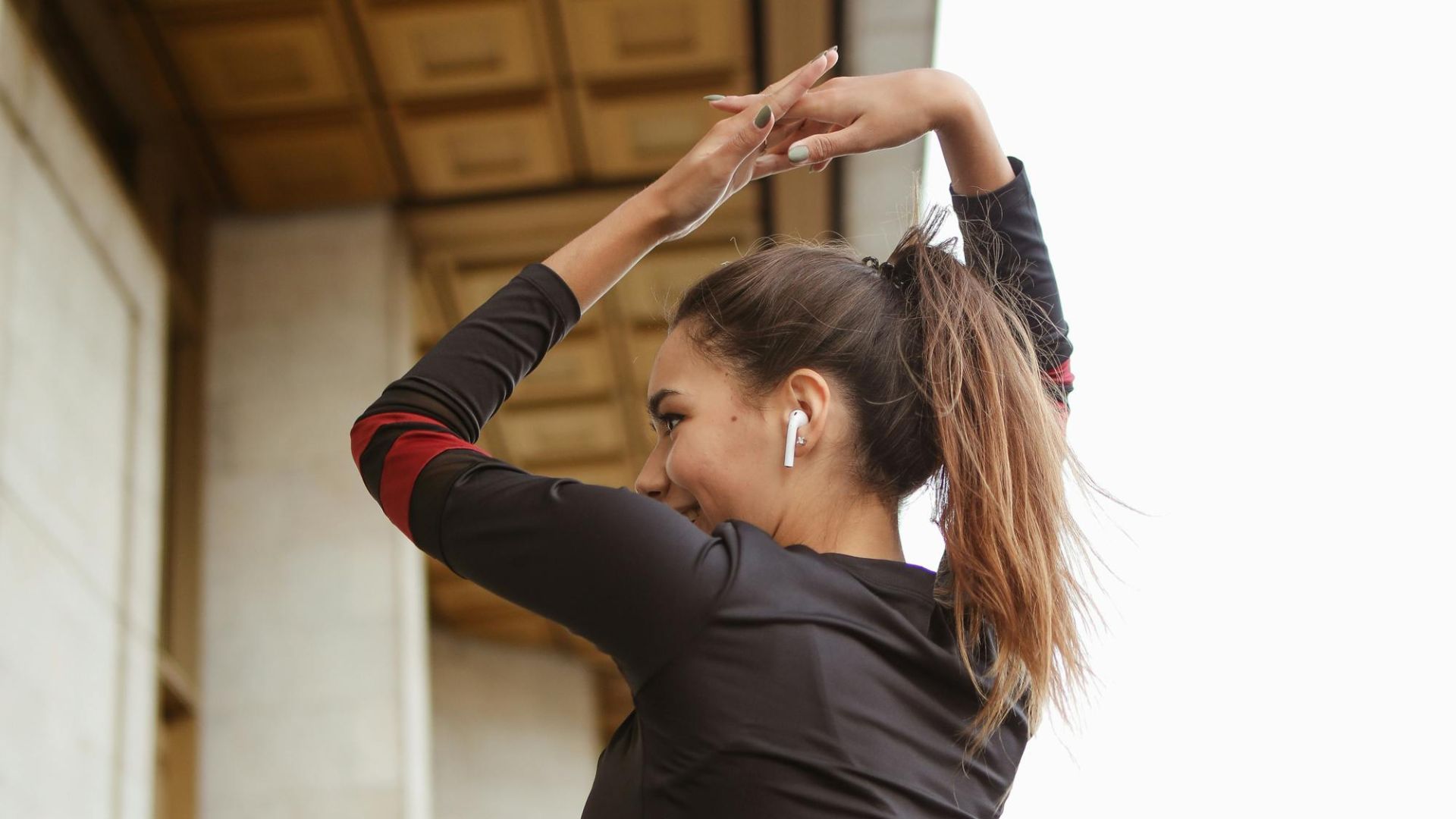
Thin strands absorb oils, conditioners, or serums quickly because fewer cuticle layers slow nothing down. That rapid uptake often leaves hair greasy sooner, making careful product measurement essential for balance without overwhelming delicate strands.

4. Widening Part Observation
Monthly photos under consistent lighting catch subtle widening long before mirrors reveal it. That shift typically reflects follicle miniaturization, a hallmark of female-pattern thinning. People who jump in early often use minoxidil, a simple scalp-applied treatment meant to encourage longer growth from shrinking follicles.

5. Brittle Breakage Check
Sometimes the clue shows up when a strand snaps with barely any effort. Fine, thin hair breaks easily on its own, but color, bleach, and heat make it worse fast. Regular trims and protein treatments help protect length. Ancient Greek beauty routines included olive oil and honey to fight this exact problem.
6. Sound Of Brushing
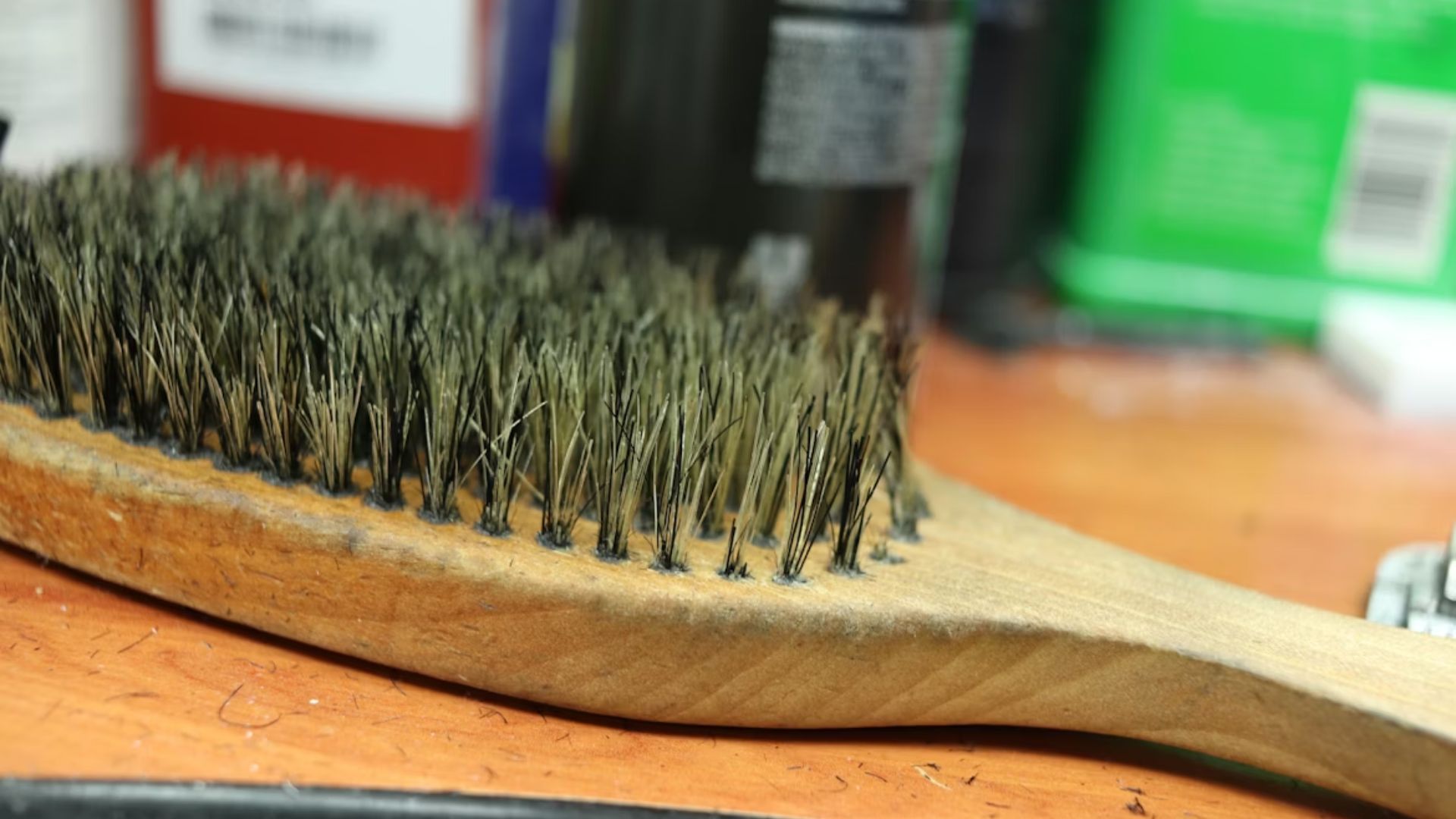
Stylists listen while they brush. Thin hair creates a whisper instead of a rasp. The soft sound comes from a finer texture. This auditory detail helps professionals understand your strand thickness before they pick up scissors or apply heat to your hair.
7. Static Electricity Clues
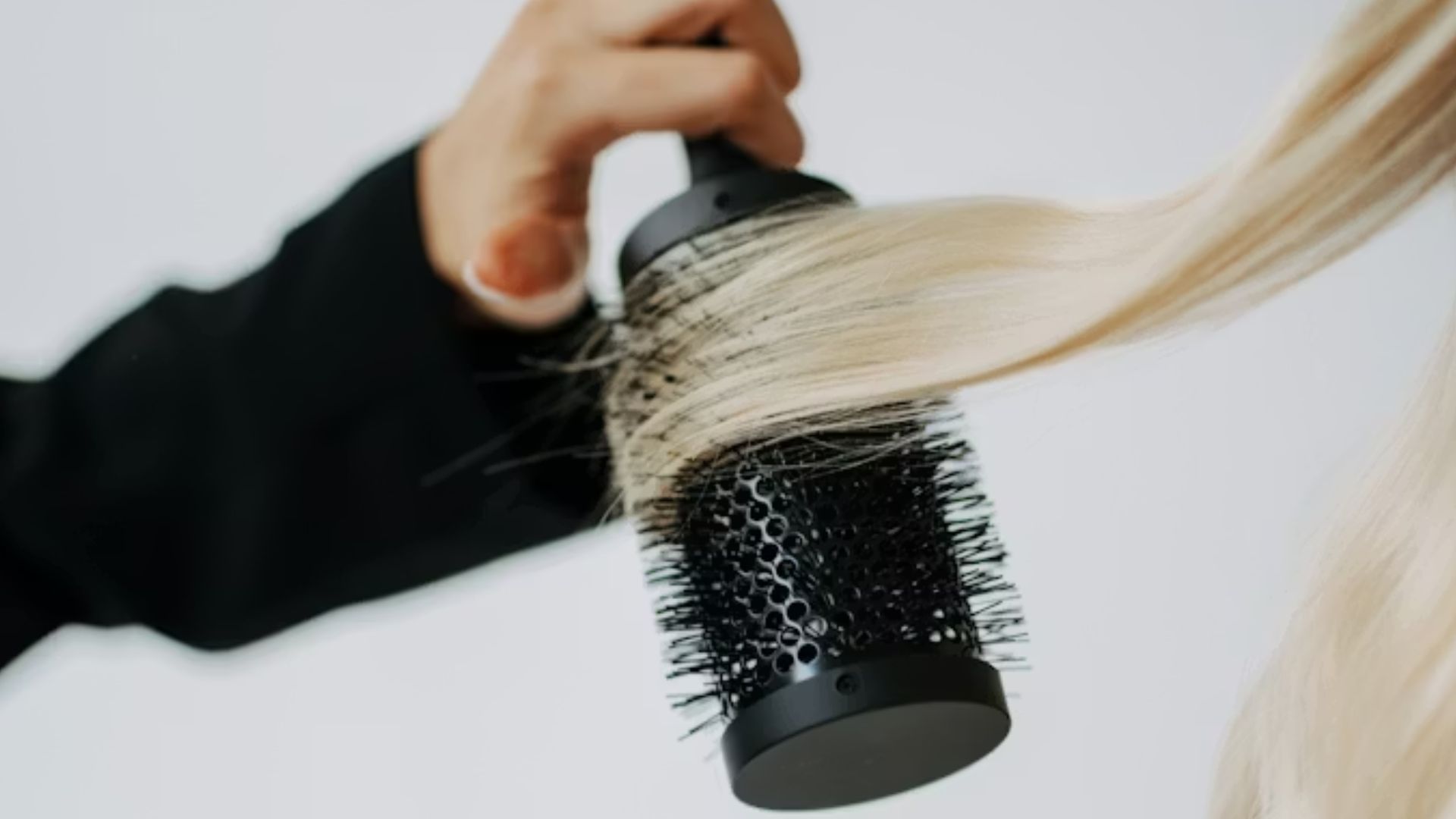
Dry weather turns thin hair into a magnet for friction. Strands lift off your shoulders and cling to fabric. The fine diameter makes flyaways appear instantly. Every brushstroke becomes a small battle against weightless strands that refuse to stay down.

8. Finger Roll Sensation
Roll a single strand between your fingers. Thin hair feels almost invisible and glides smoothly without resistance. You barely sense the texture. Thicker strands create noticeable friction and feel rough. This simple touch test reveals strand diameter instantly.
9. Volume Styling Test
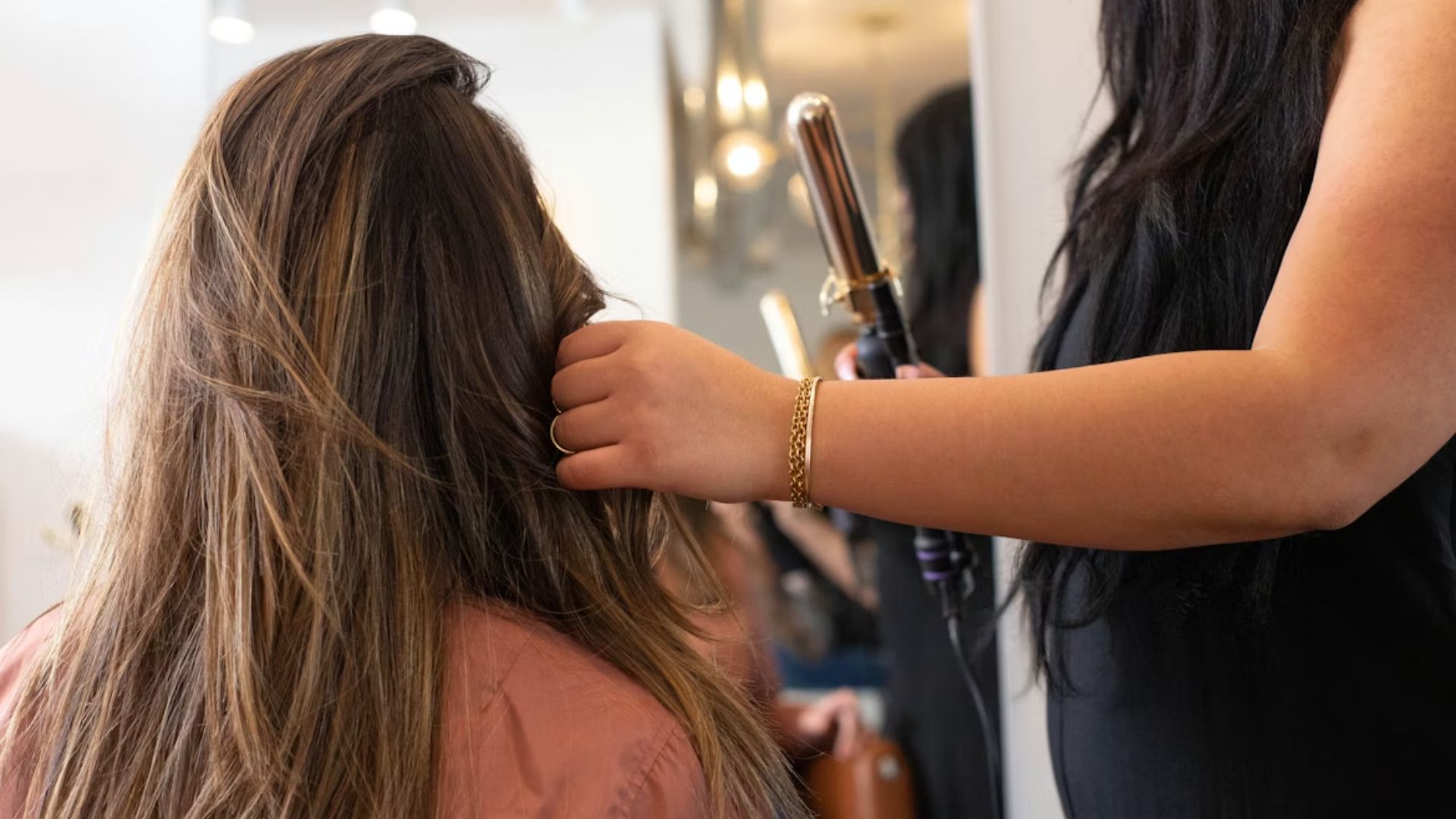
You style your hair, see it lift beautifully, and moments later, it sinks. That quick drop usually points to lower density because there’s not enough internal support. No wonder the 1980s relied on giant, structured volume to fight the fall.
10. Scalp Sunburn Ease
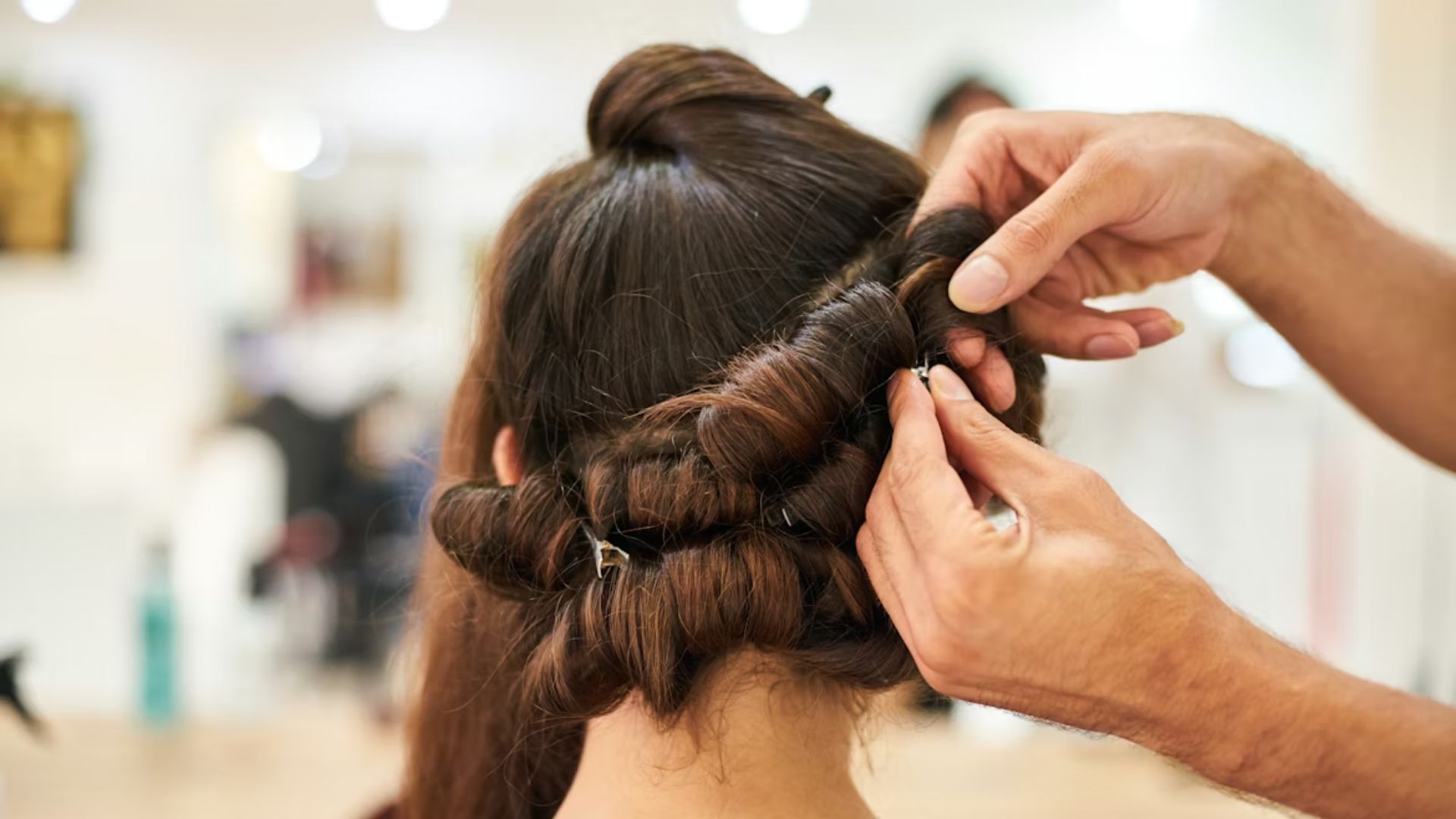
Sunny weather exposes thinning faster than mirrors do. When the scalp burns in just 10 to 15 minutes, the hair above isn’t blocking much UV. Sparse spots take in up to nine times more sunlight. Luckily, hats or scalp SPF help.

If the first half helped things click, the next one sharpens the contrast. Thick hair plays by different rules, and those signals are up next.
1. Minimal Scalp Exposure
Some people part their hair in bright light and still barely glimpse the scalp. That usually means serious density—often 110,000 follicles or more. It’s a strong genetic trait seen in Mediterranean, South Asian, and Hispanic families.

2. Effortless Style Hold
Some people barely use pins, and their hair still stays put. Thick strands naturally grip each other, so braids and buns lock into place almost instantly. Geisha hairstyles could even be held for days because of this strong, natural support.

3. Opaque Light Test
Lift a thick strand toward bright light, and it barely lets anything through. That solid, opaque look comes from a dense cortex and multilayered cuticle blocking the glow. Hair like this absorbs dye evenly and gives a deeper, richer color.
4. Inherent Bounce And Fullness
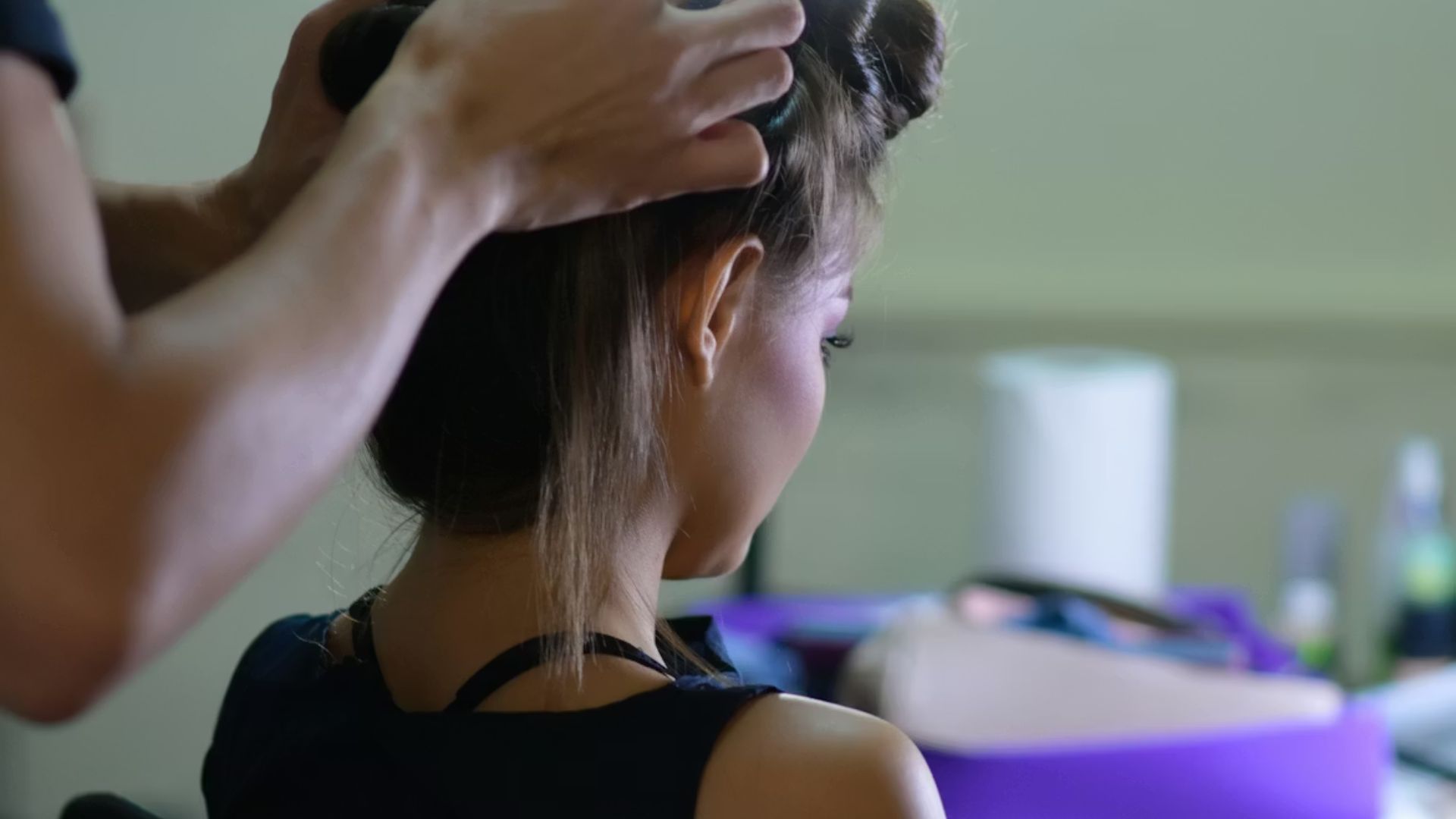
In some people, hair rises once in the morning and barely budges again. Dense strands stack to keep the shape firm at the root. Layered cuts hold beautifully, and updos stay put. The classic 1960s beehive became iconic because thick hair carried it effortlessly.

5. Brush Wear And Tear
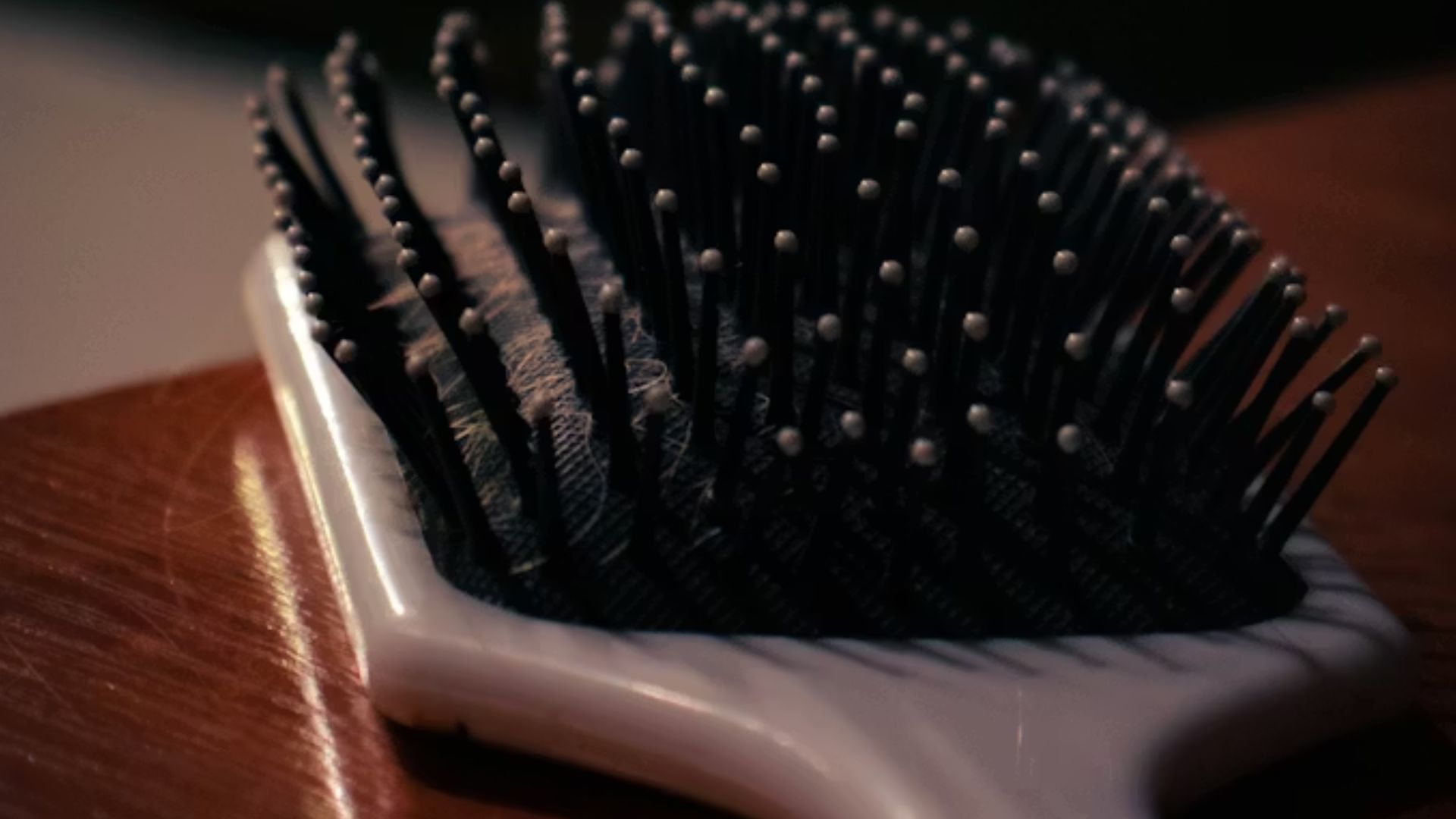
Thick hair destroys brushes faster than you expect. Bristles bend under pressure. Handles loosen after repeated use. The constant tension from dense strands creates visible damage. Your tools show the wear before you notice it.
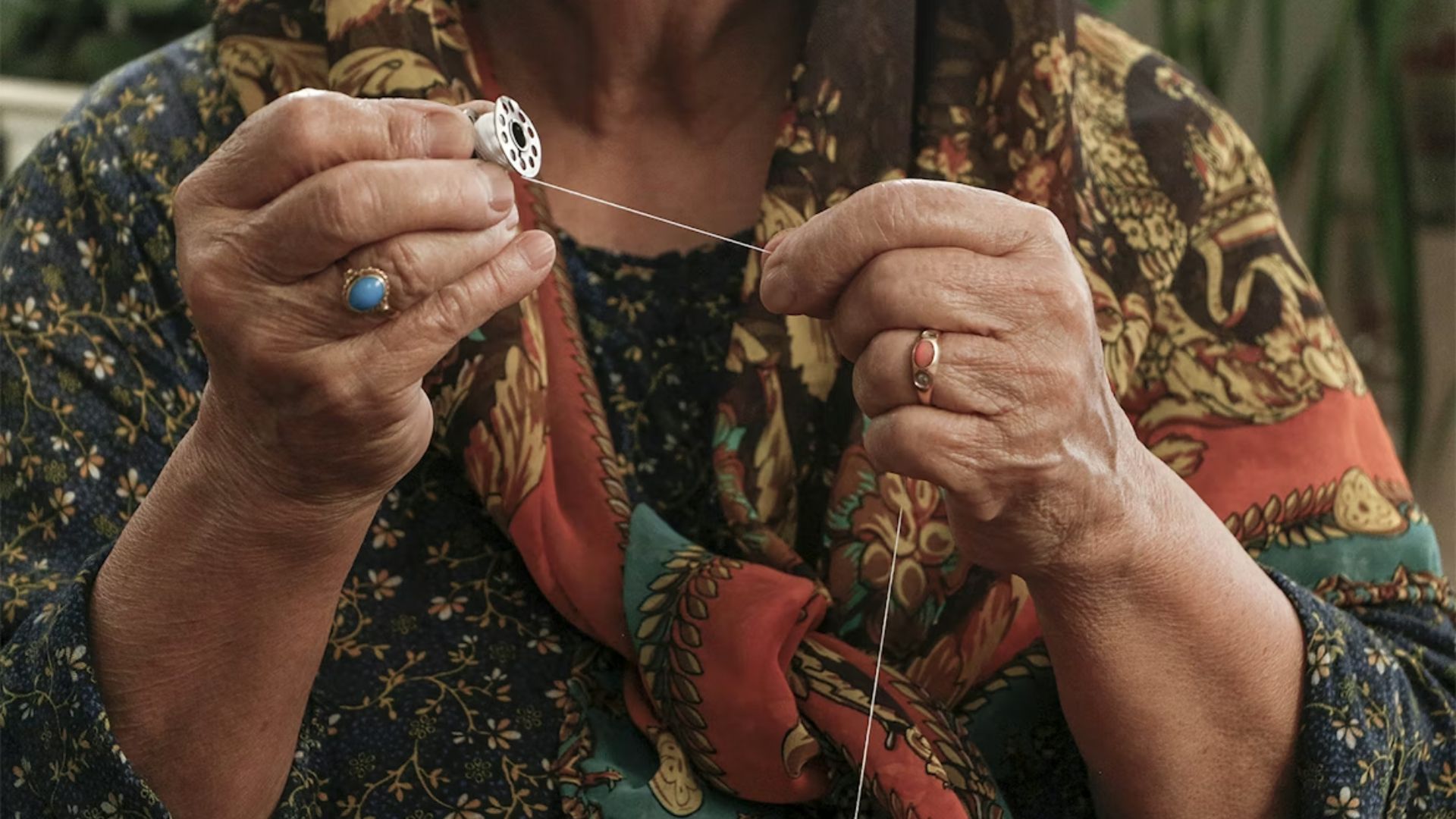
6. Thread-Equivalent Width
Holding one strand next to sewing thread tells a clear story. If it matches or exceeds the thread’s width, it’s coarse and thick. That larger diameter reflects more light, which explains the shine people notice. Each strand adds extra bulk.
7. Heat Styling Resistance
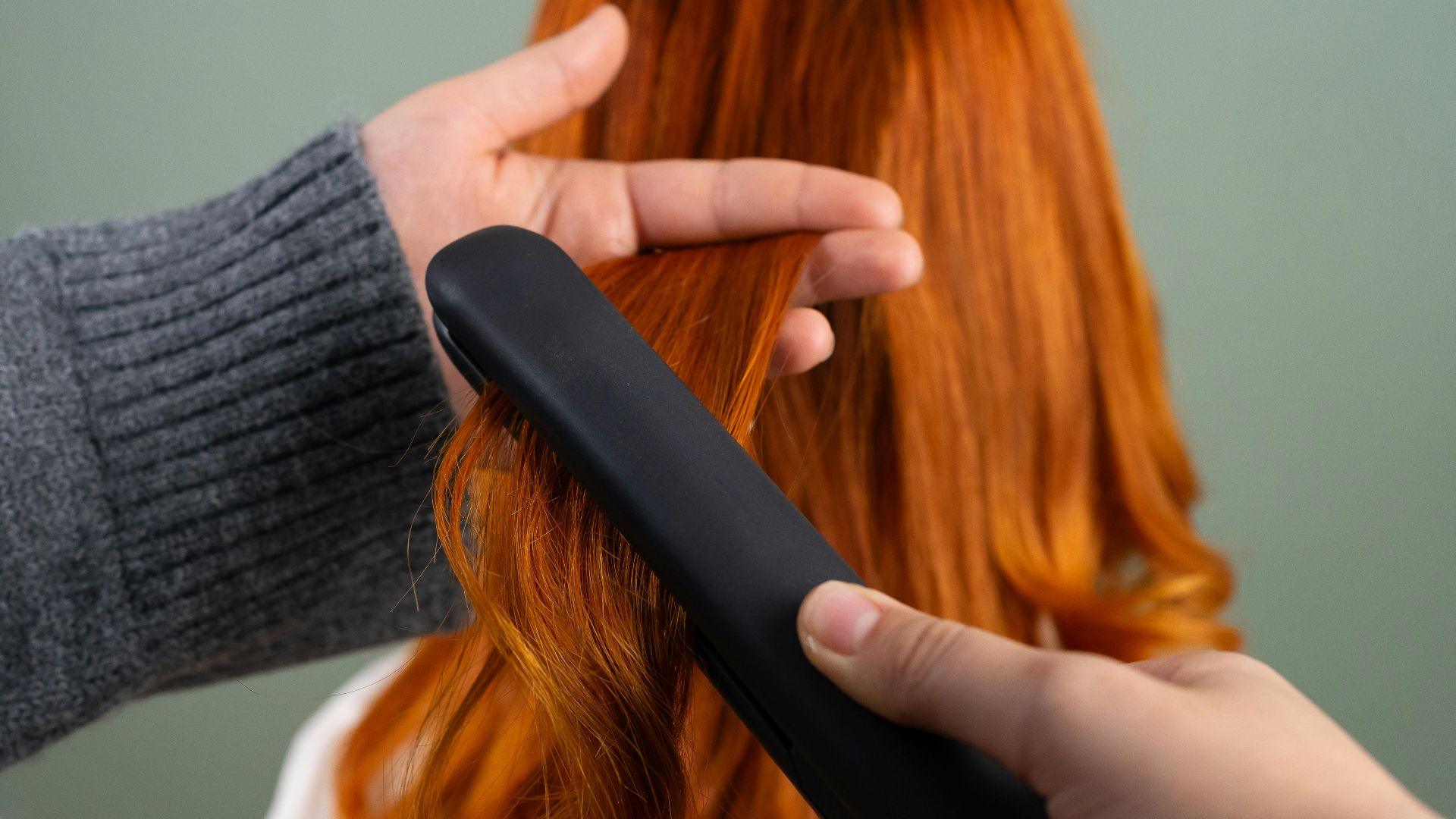
Thick strands fight back against heat tools. You need higher temperatures and multiple passes to lock in curls or straighten sections. The dense structure resists change but holds styles longer once you finish. Every transformation takes patience and persistent effort.
8. Heavy Hand Grasp
Pick up a handful of long, dry hair, and the weight tells the whole story right away. Once soaked, that same hair can reach 200 to 300 grams, sometimes enough to spark a quick headache when worn up.

9. Stiff Resilience
When a strand bends and springs straight back, that’s high keratin content doing the work. This stiffness keeps thick hair full in humidity, even when finer textures collapse. Deep-conditioning masks help soften it without weakening the structure.
10. Complete Coverage When Wet
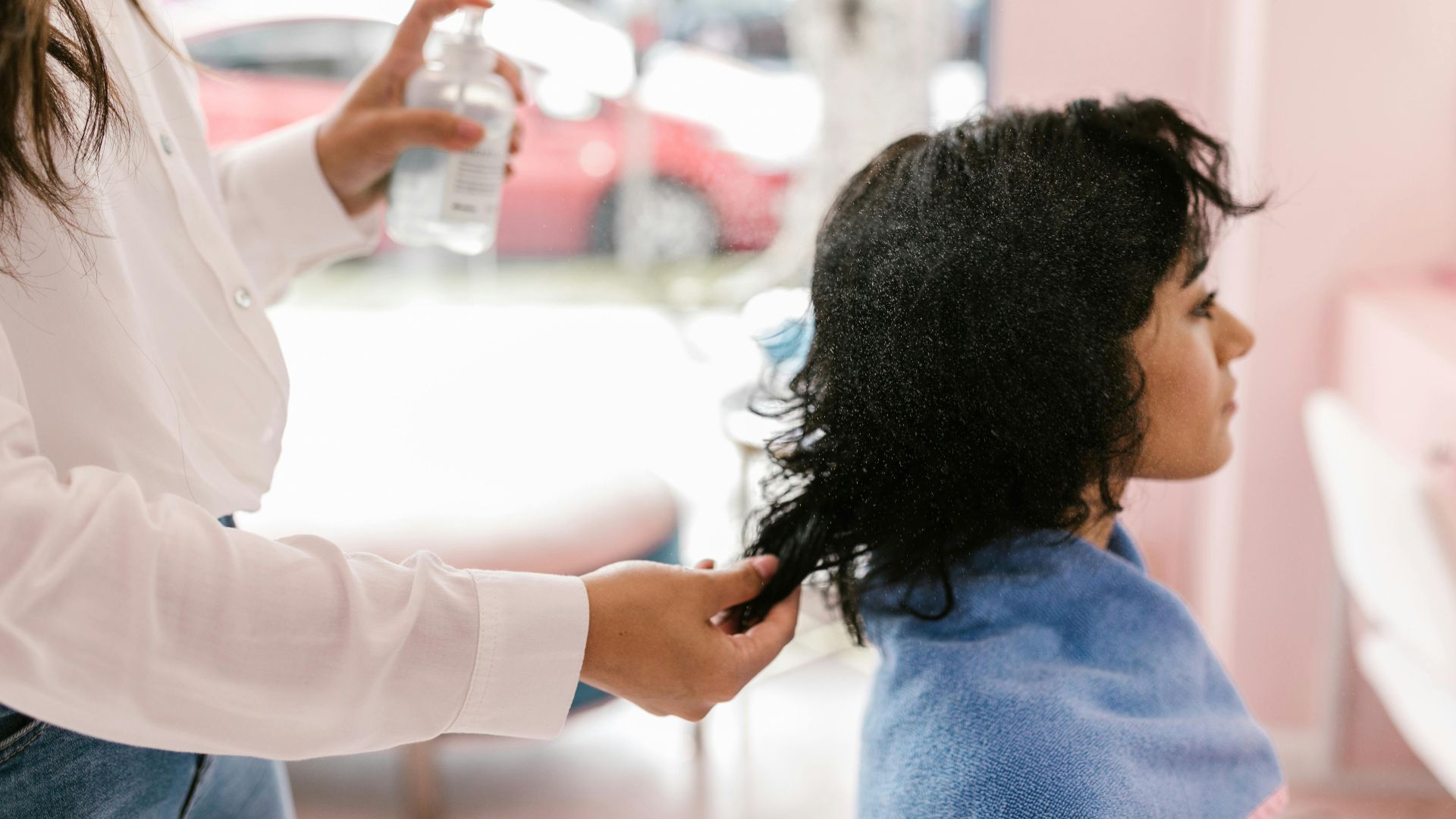
Dense hair shows its strength the moment it’s soaked: the scalp stays hidden, and the strands remain opaque. All that volume stretches drying time to two or three times longer since the cuticles pack tightly and resist water.