

The Price Tag Changes Everything
A lot of style starts as problem-solving, not aesthetics. People make do with what’s available, what’s durable, what’s easy to repair, and what won’t get ruined the first time it rains or the first time you have to walk five miles. Then the look gets noticed, cleaned up, and reintroduced to the world as taste, usually with the rough edges sanded off and the story quietly removed. The strange part is how fast something can go from practical necessity to premium identity once the right people decide it’s cool. Here are ten trends that grew out of scarcity, followed by ten ways those same kinds of looks get repackaged and sold back as luxury.
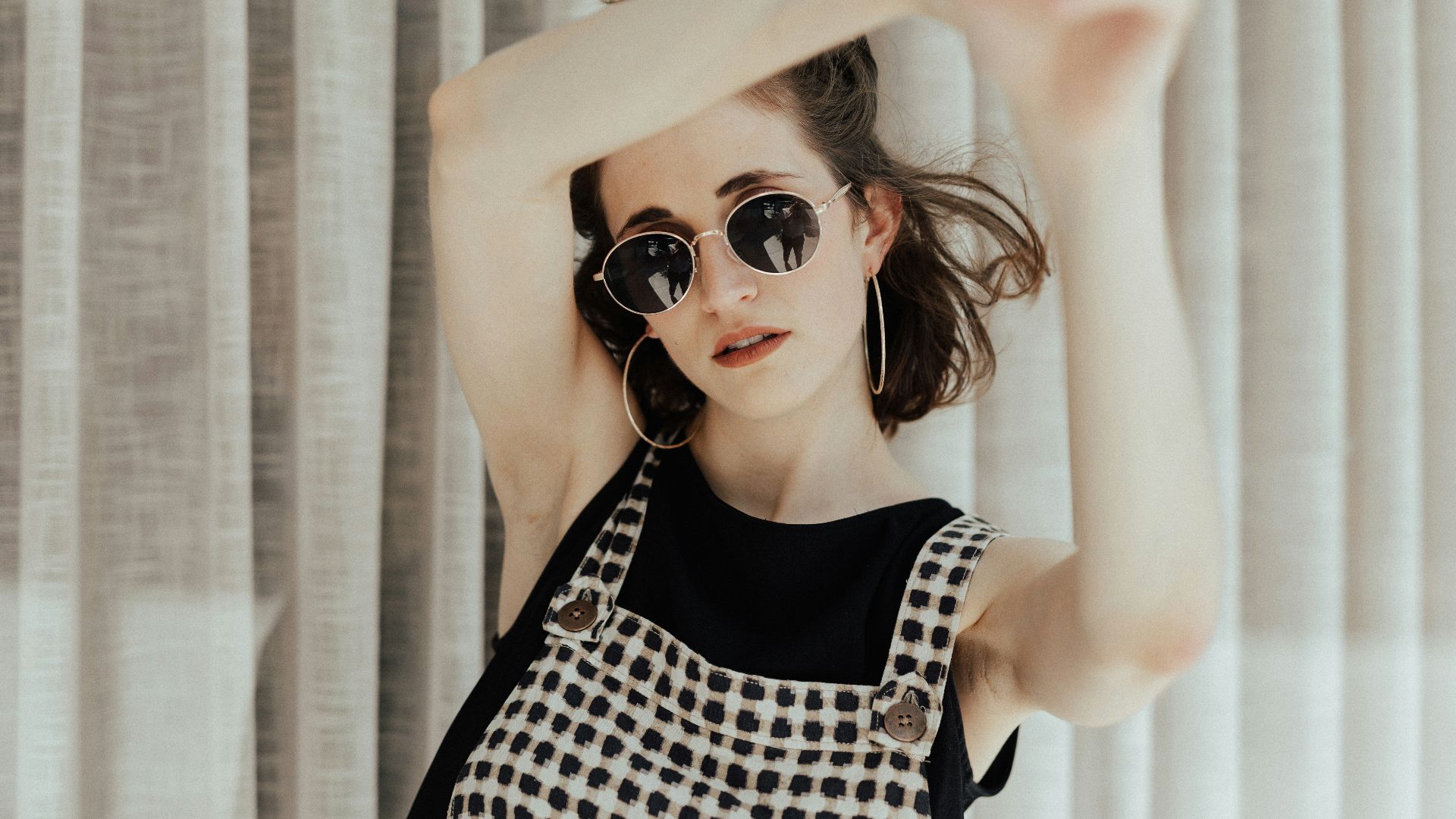
1. Denim Work Pants
Denim earned its reputation because it took abuse and didn’t quit, which mattered when clothing had to last. Now the same rugged origin gets used to sell limited-run jeans that cost more than a week of groceries, with distressing that imitates years of hard wear.
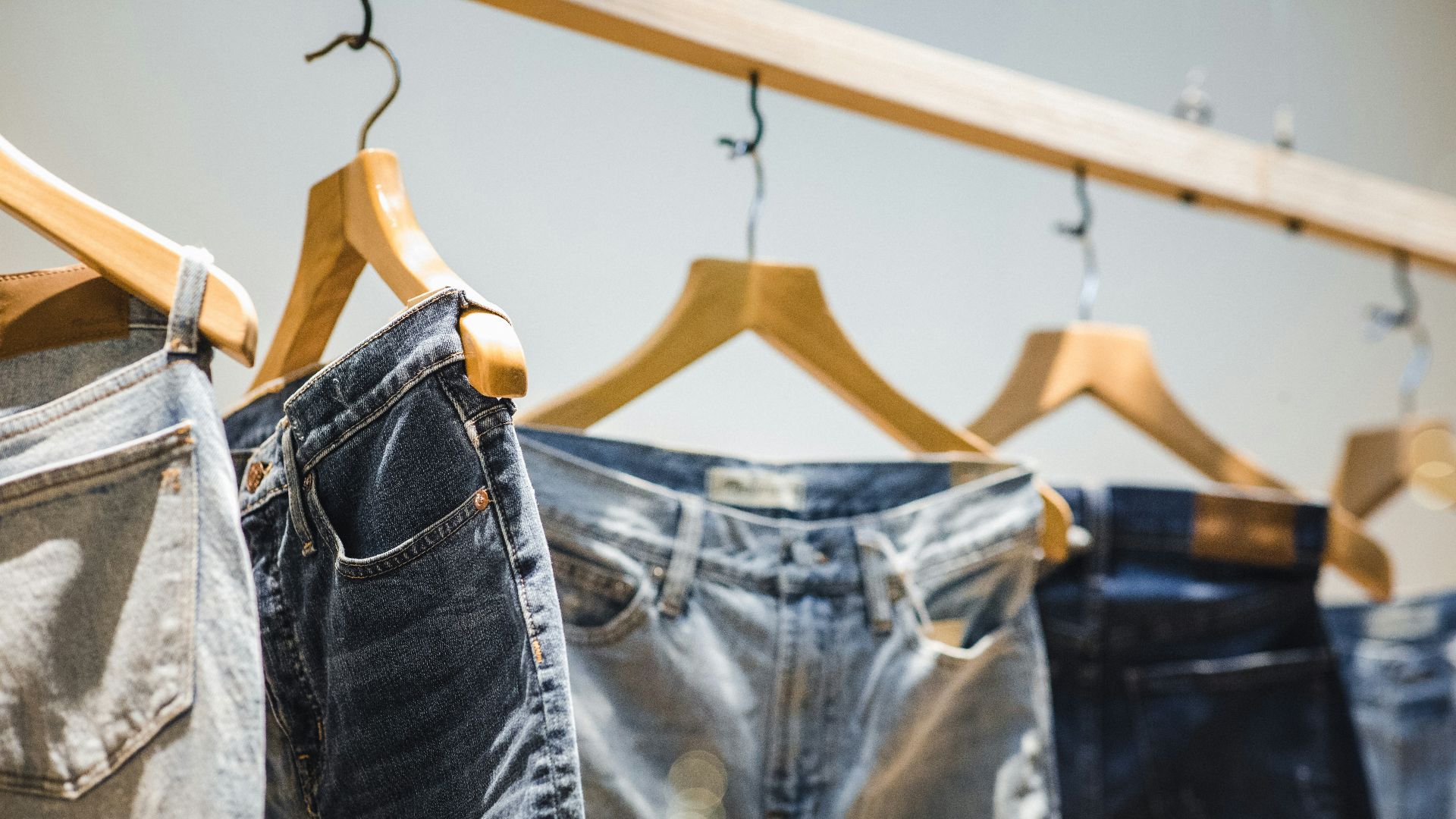
2. Workwear Chore Coats
Chore coats were built for dirt, tools, and daily repetition, and the appeal was always durability, not style. In luxury circles, the same jacket shows up in refined fabrics and curated fades, priced like an heirloom even when it’s meant to look beaten in.
 commons.wikimedia.org on Google
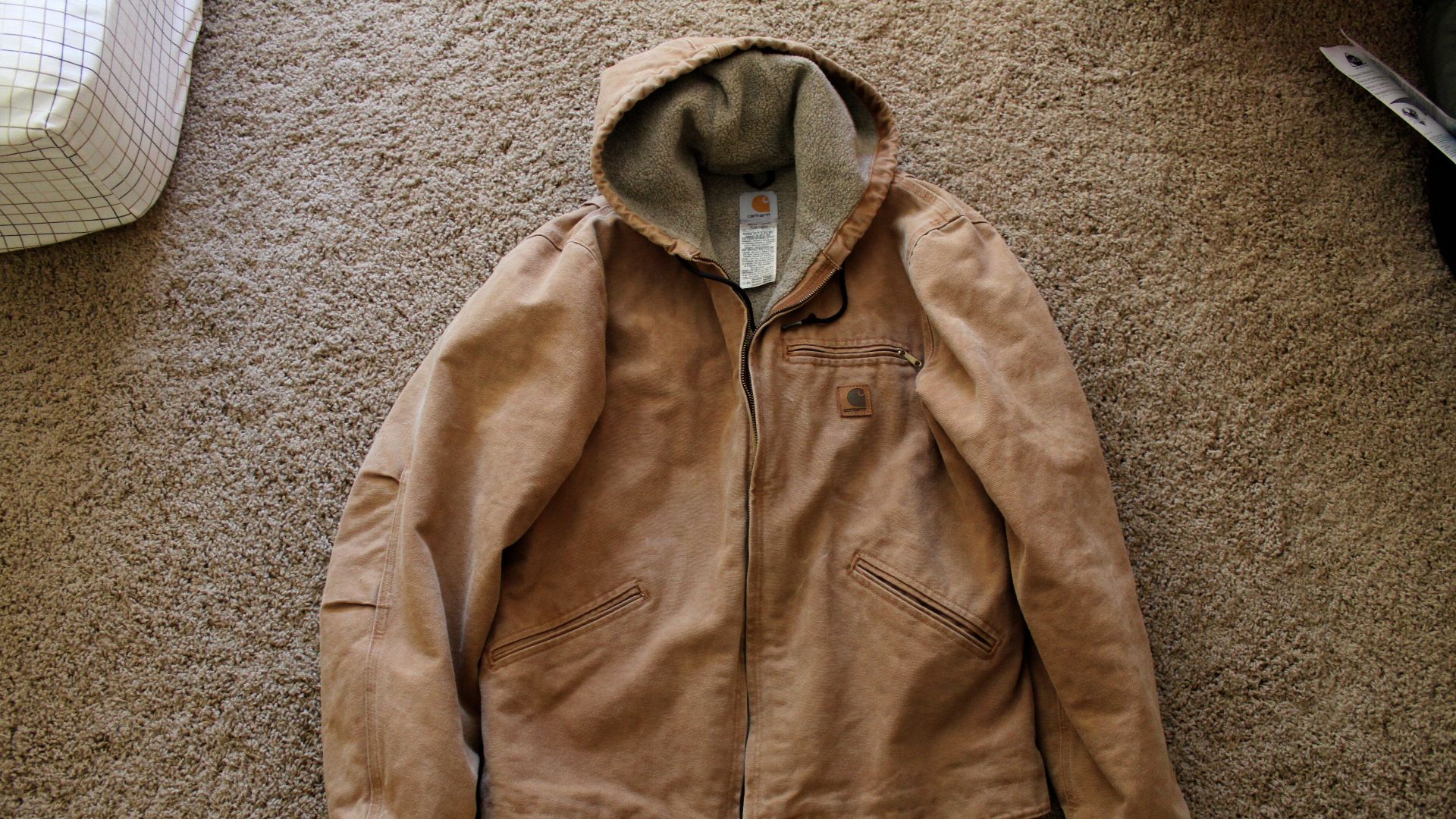
3. Military Surplus Boots
Surplus boots were a practical answer to needing serious footwear on a tight budget, especially when weather and distance didn’t care about your finances. The luxury version keeps the tough profile and adds premium leather and branding, then asks you to treat them gently.
 Raviraj Singh Tomar on Unsplash
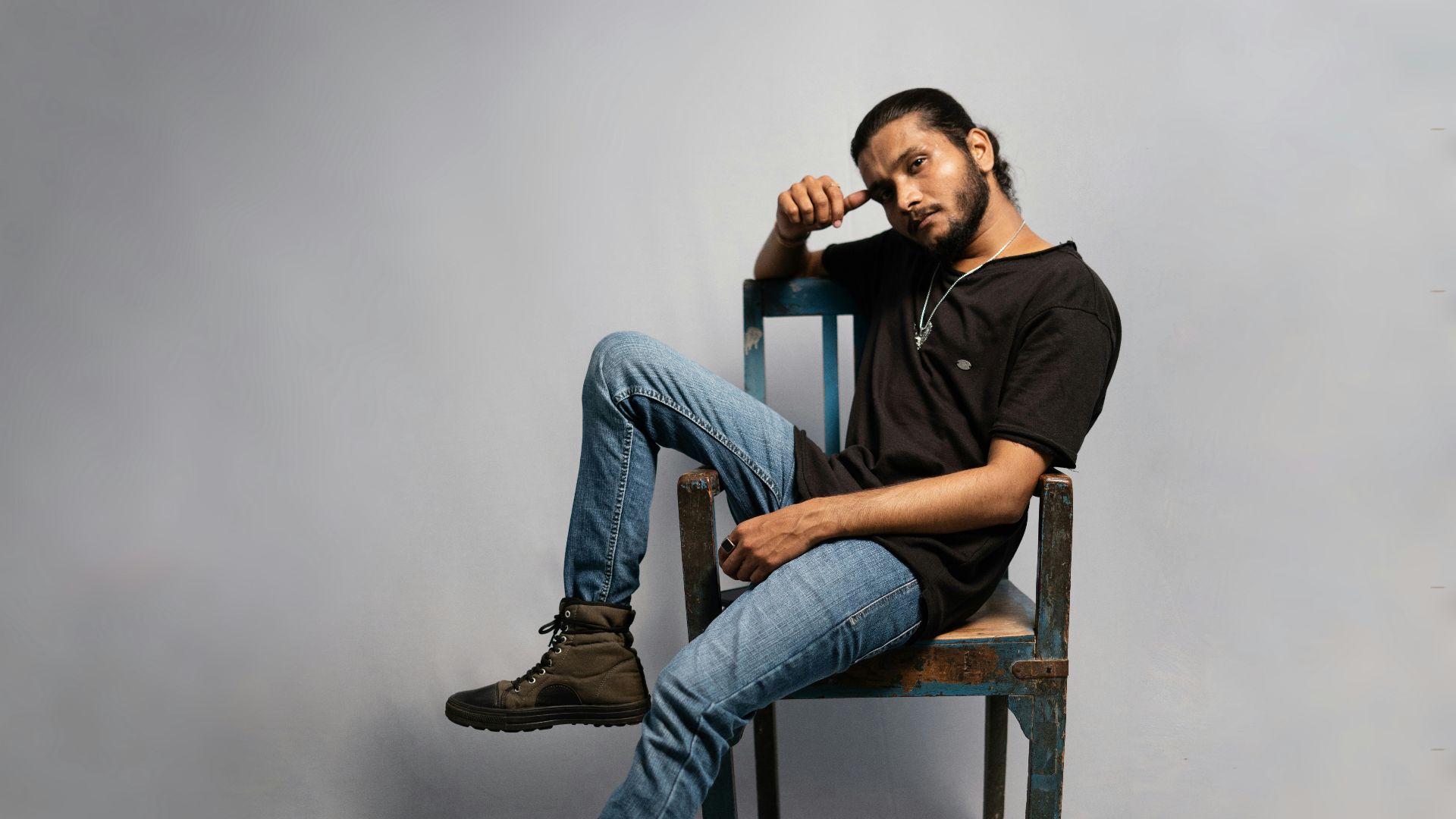
4. Patchwork And Visible Mending
Patches started as a way to keep a garment alive when there was no money for a replacement. Now visible repairs get reproduced as design, sold as craft and authenticity, even when the buyer has never had to make a shirt last another season.
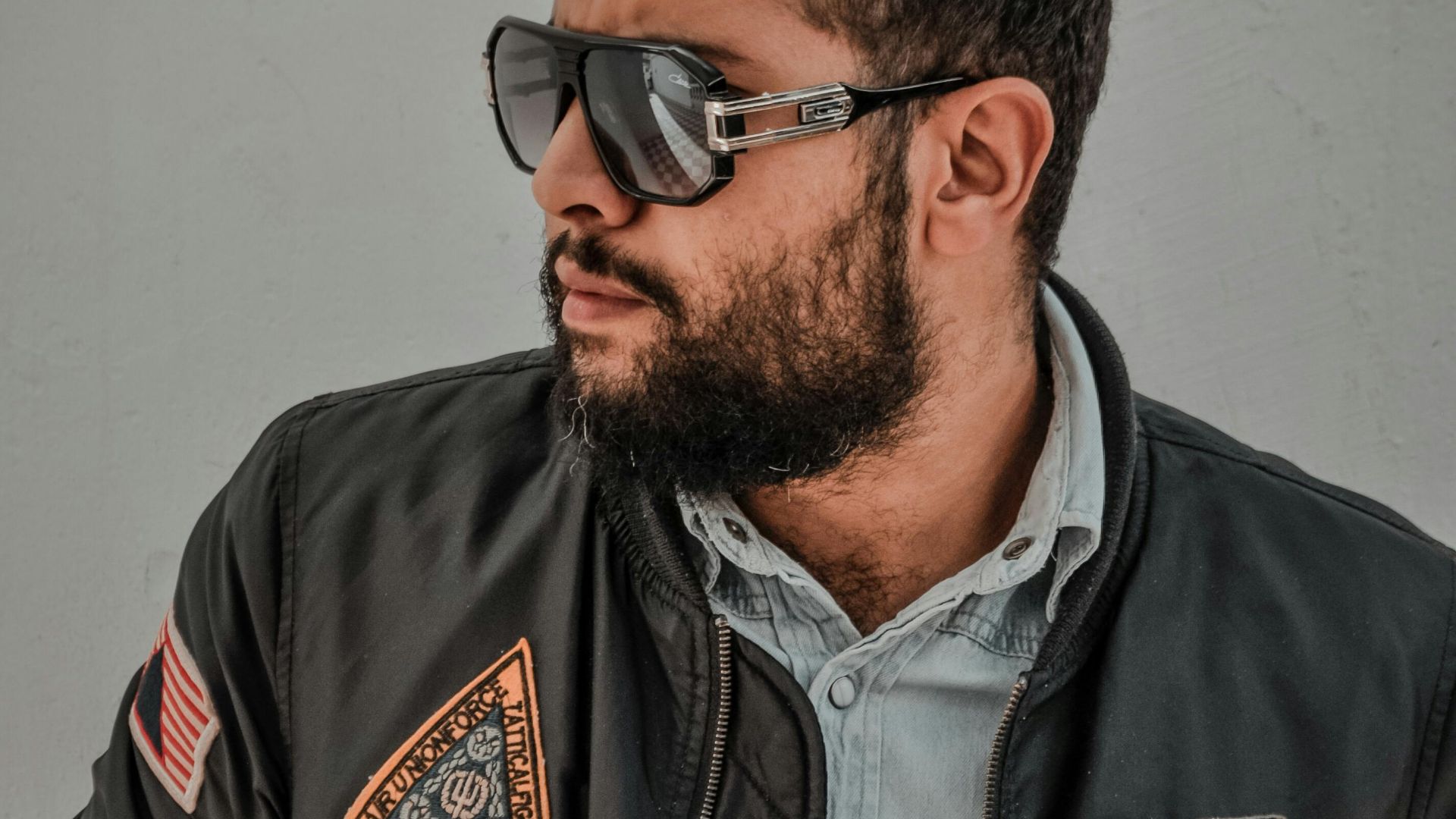
5. Hand-Me-Down Oversizing
Oversized clothes often came from wearing whatever fit well enough, not from chasing a silhouette. Fashion turned that same looseness into a premium drape story, with expensive fabric doing the same job a donated sweatshirt once did.
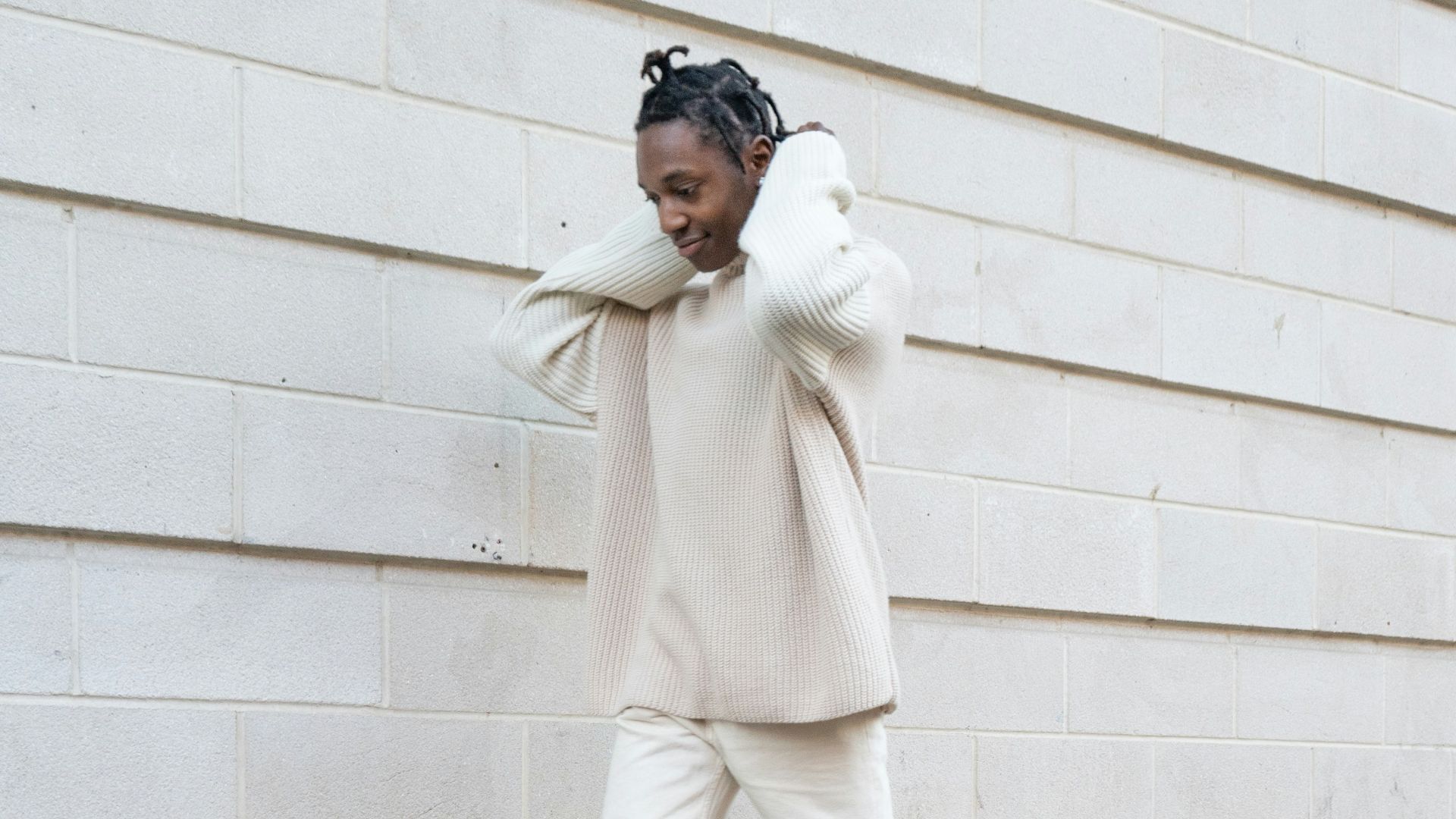
6. Plain Uniform Basics
Simple tees and repeatable outfits were often about budgeting and reducing decisions when life was already heavy. Luxury rebrands the same plainness as elevated essentials, then charges for the privilege of looking like you didn’t try.
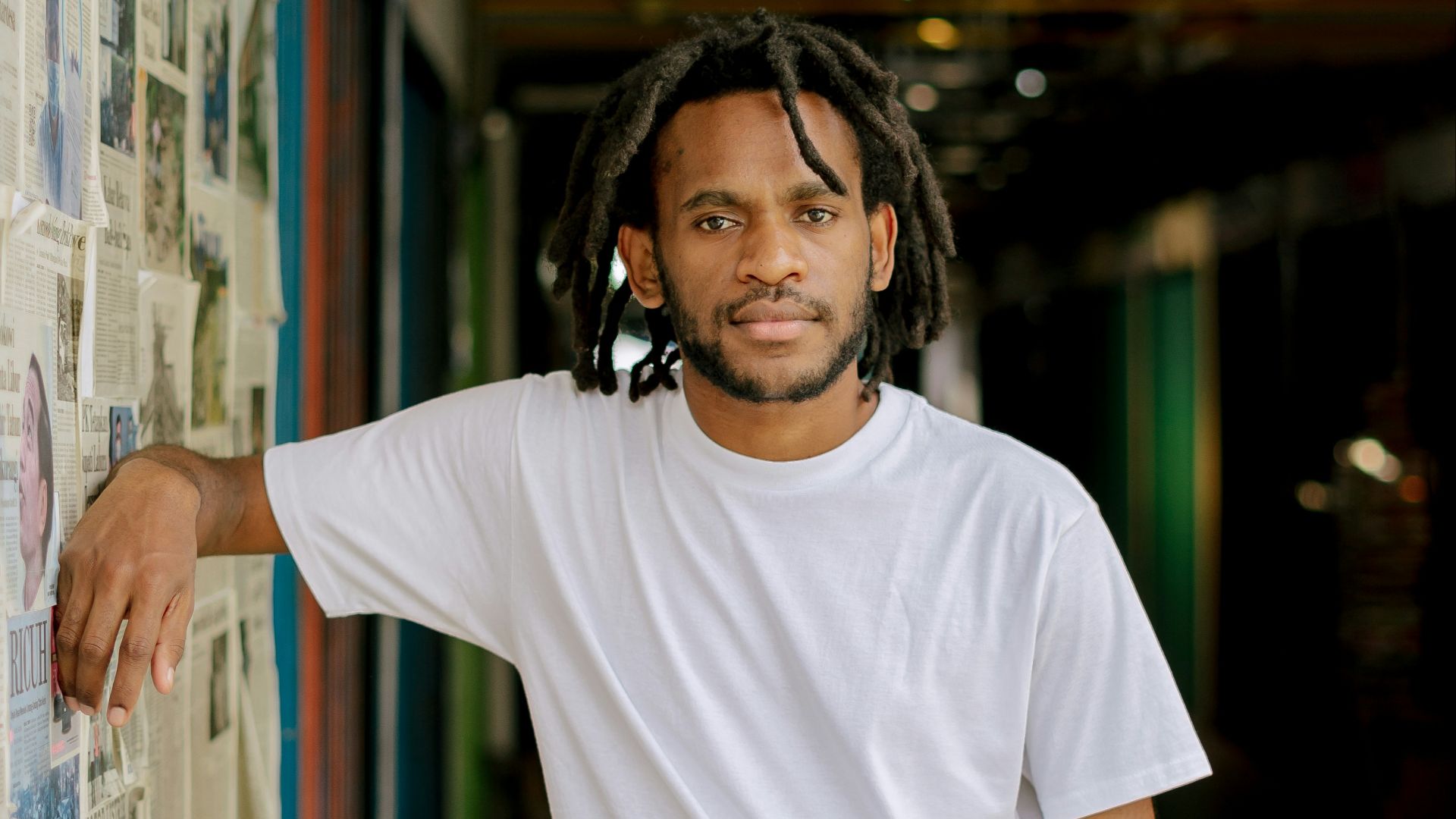
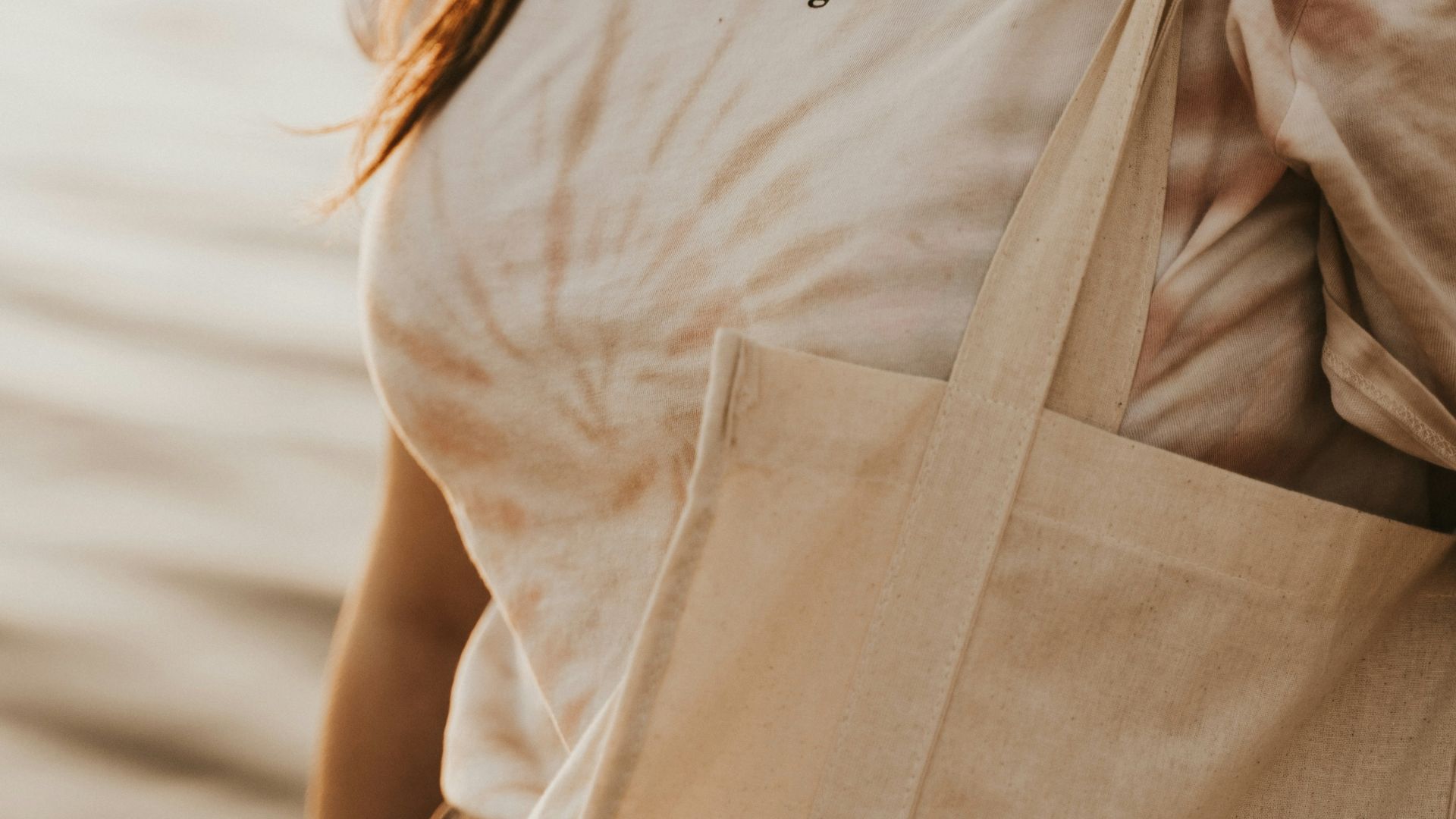
7. Canvas Totes For Carrying Everything
A sturdy tote is a tool when you’re hauling groceries, laundry, or work supplies without a car. Luxury turned the tote into a logo object, then made people anxious about scuffs on a bag that was originally built to survive scuffs.
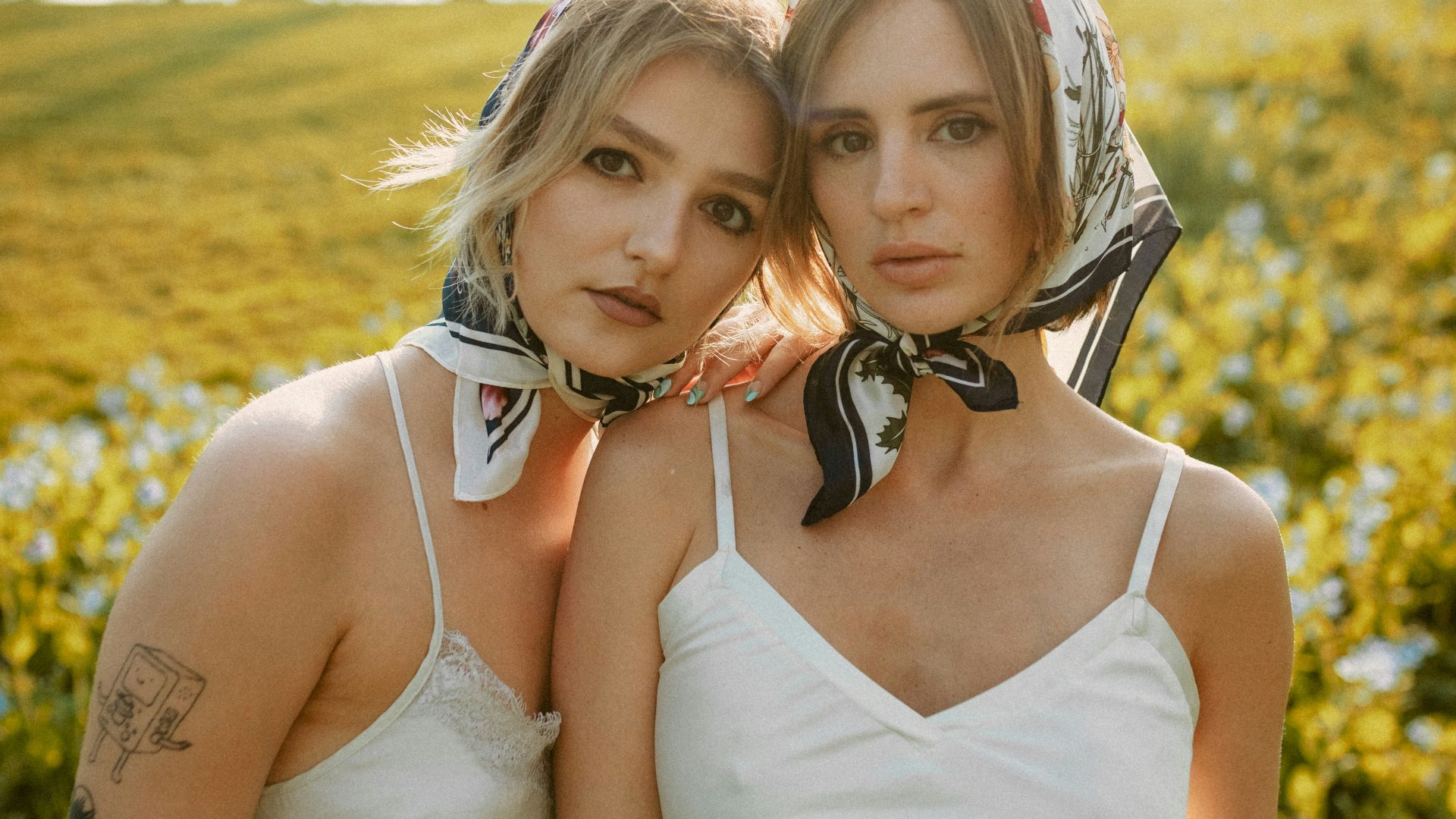
8. Practical Head Coverings
Hair coverings have deep cultural roots, and they’ve also been used as practical protection in dusty, greasy, or sun-heavy work. Luxury sells the look as a styled accessory while quietly dropping the daily reality that made it useful in the first place.

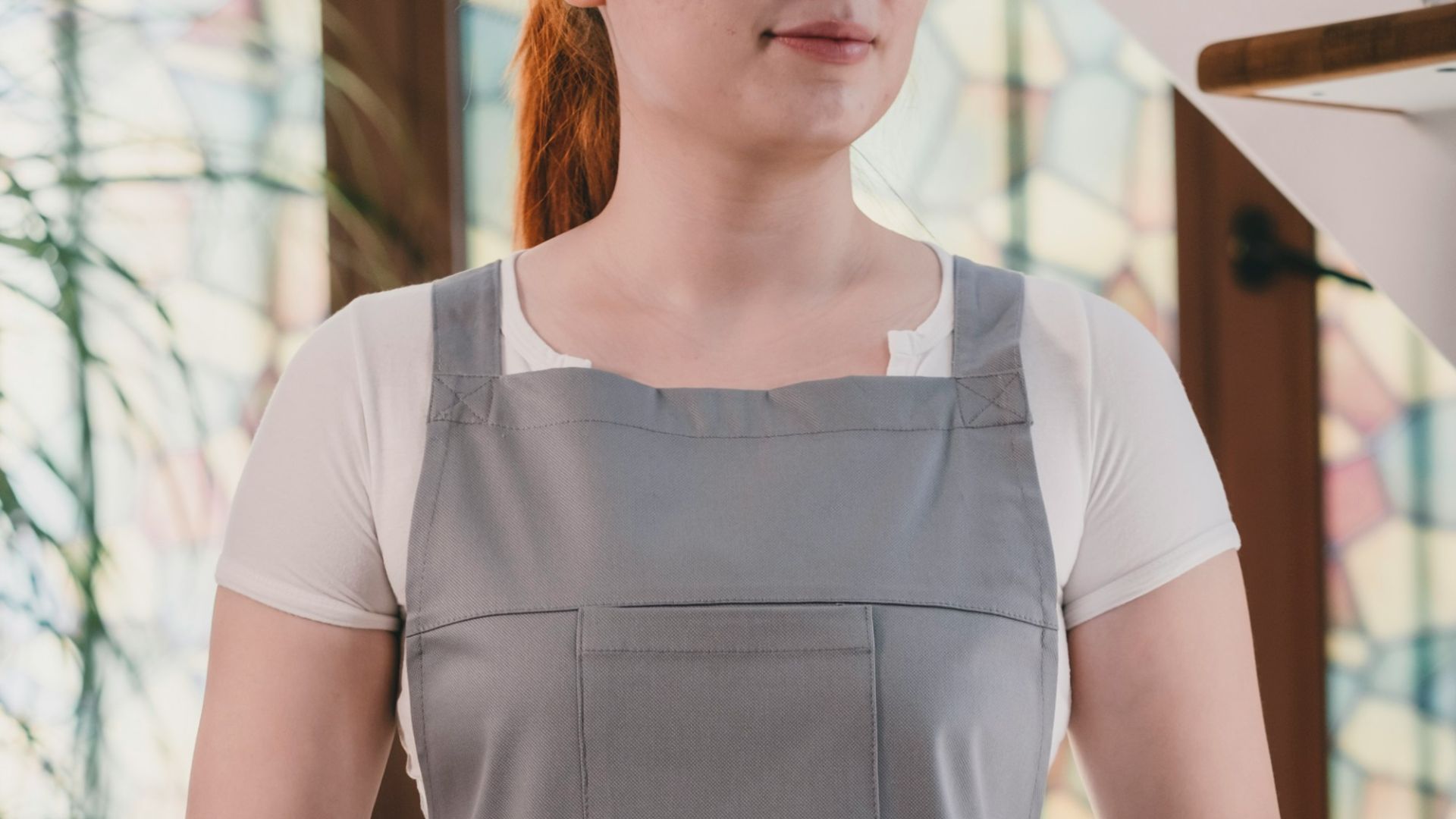
9. Work Aprons And Utility Bibs
Aprons and bibs existed to keep clothes from getting wrecked, especially in kitchens, shops, and workshops. Now they show up as premium lifestyle gear, sold to people who want the feeling of making something without needing the protection.
 Golden Horn Bridge on Unsplash
10. Thrifted Vintage As A Wardrobe Strategy
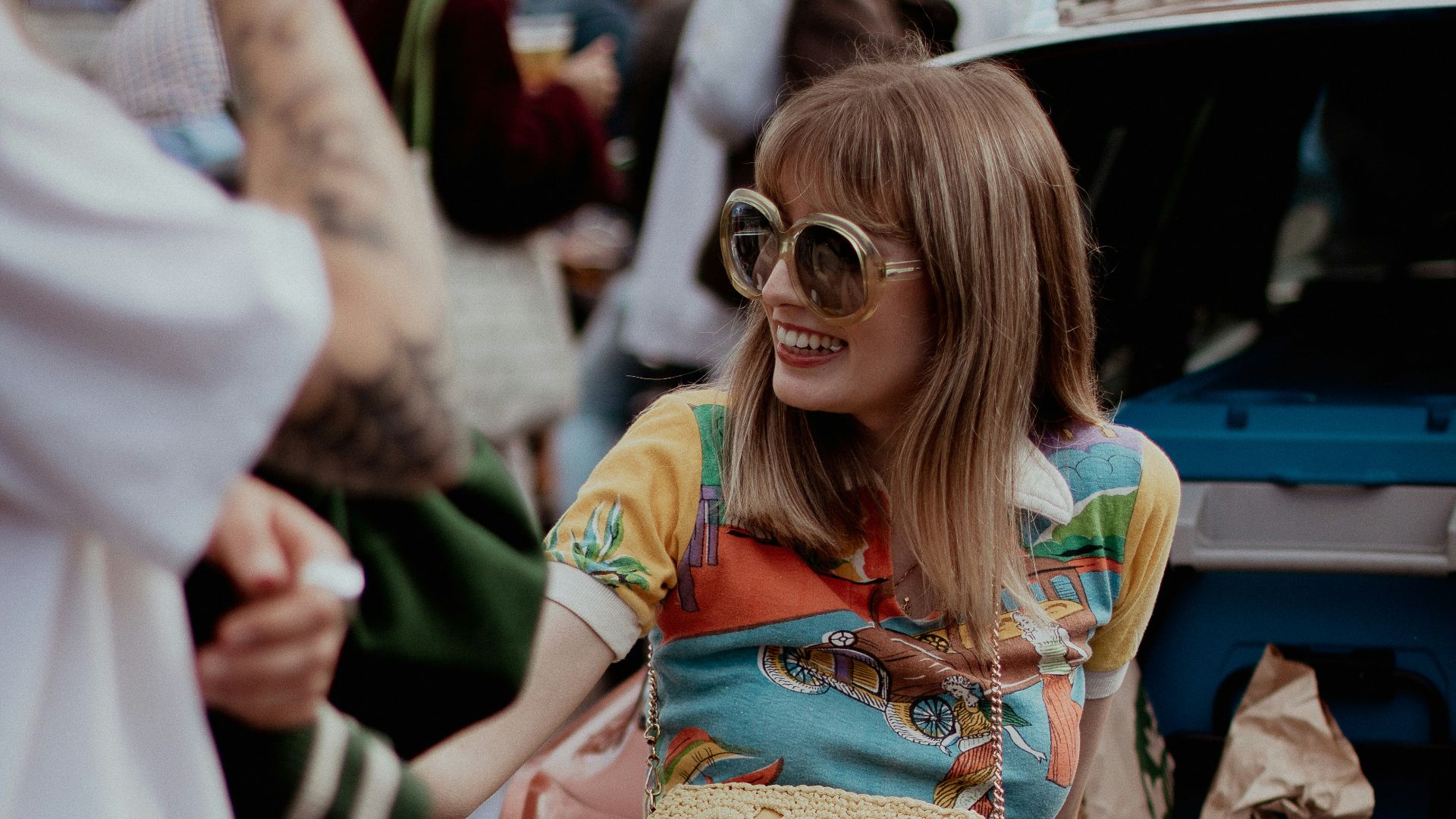
Thrifting has long been a way to dress well when retail prices aren’t realistic, and it takes skill, patience, and a strong eye. Luxury flipped it into curated vintage, then priced the same secondhand pieces like museum objects because someone else did the digging.
11. Sneakers As Everyday Shoes
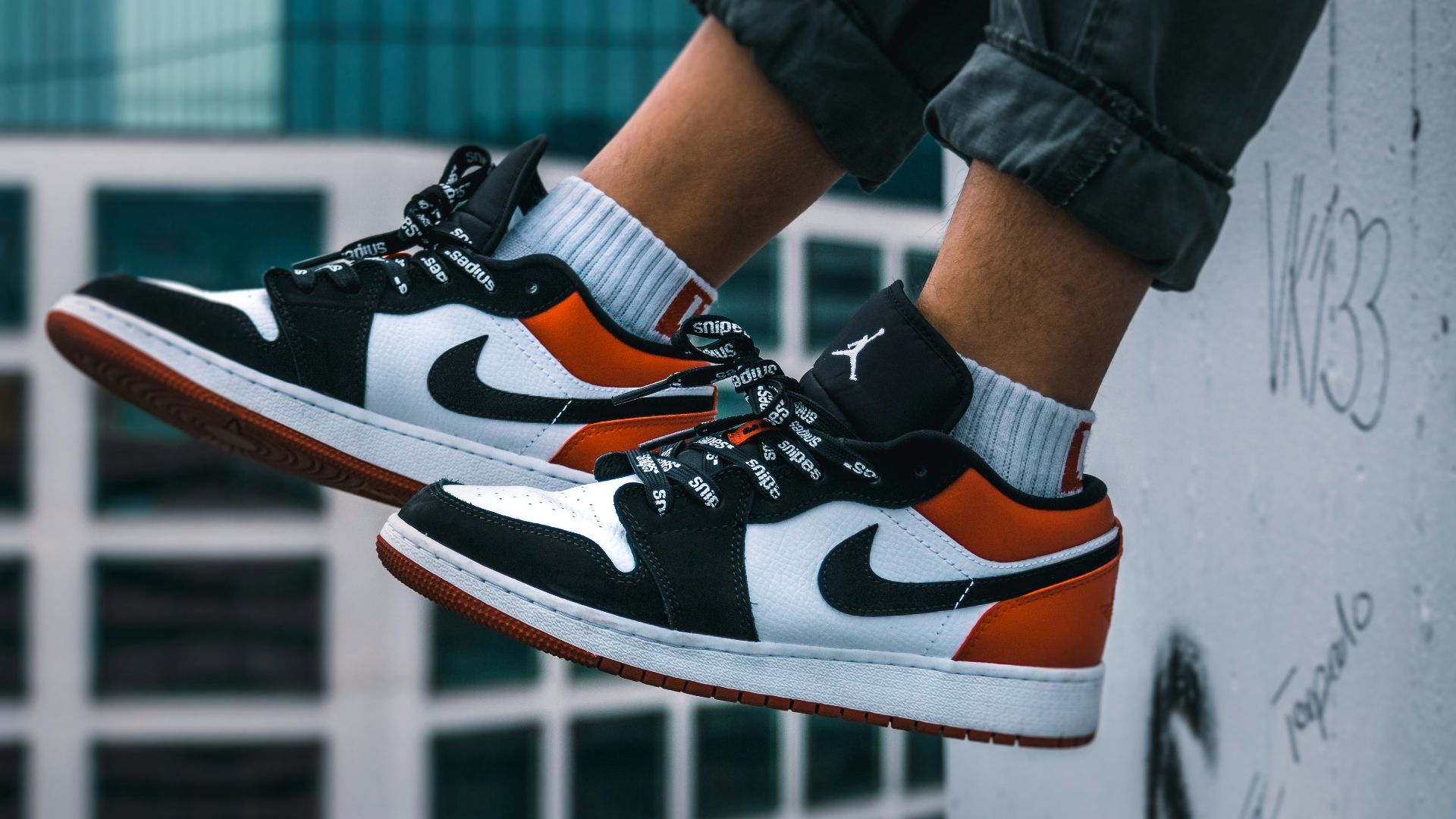
Sneakers became default footwear for people who walked, worked, and commuted in shoes that had to be comfortable and forgiving. Now certain pairs are sold as collectibles, with scarcity and resale culture turning a wear item into something people are scared to wear.
12. Tracksuits And Athletic Sets
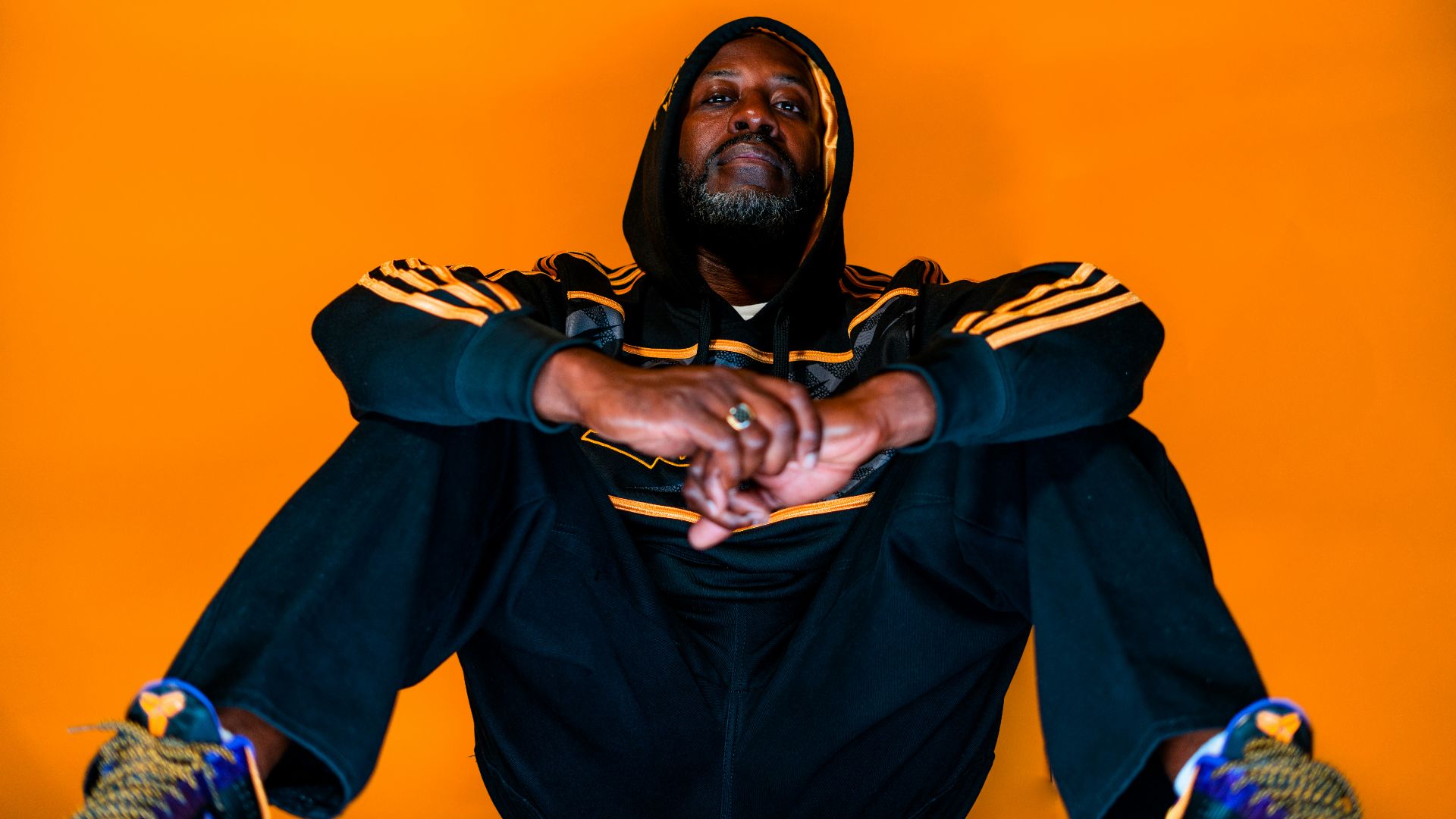
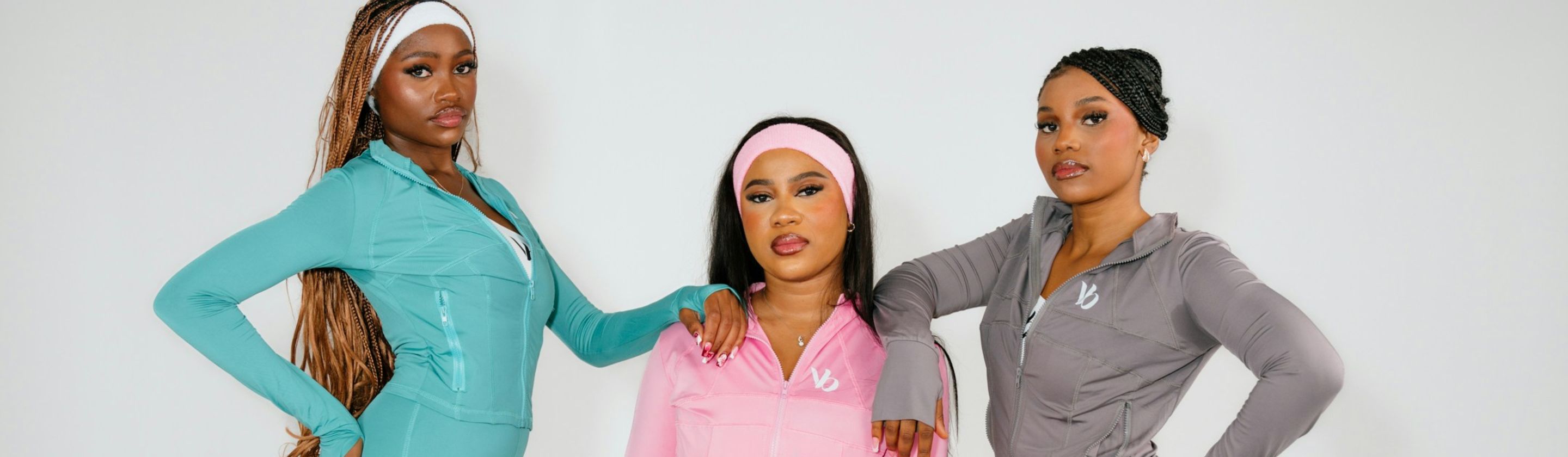
Matching athletic sets were practical for movement and affordable as a repeat outfit when you needed something easy. Luxury pulled the look into designer logos and premium materials, then framed comfort as a lifestyle flex instead of a basic need.
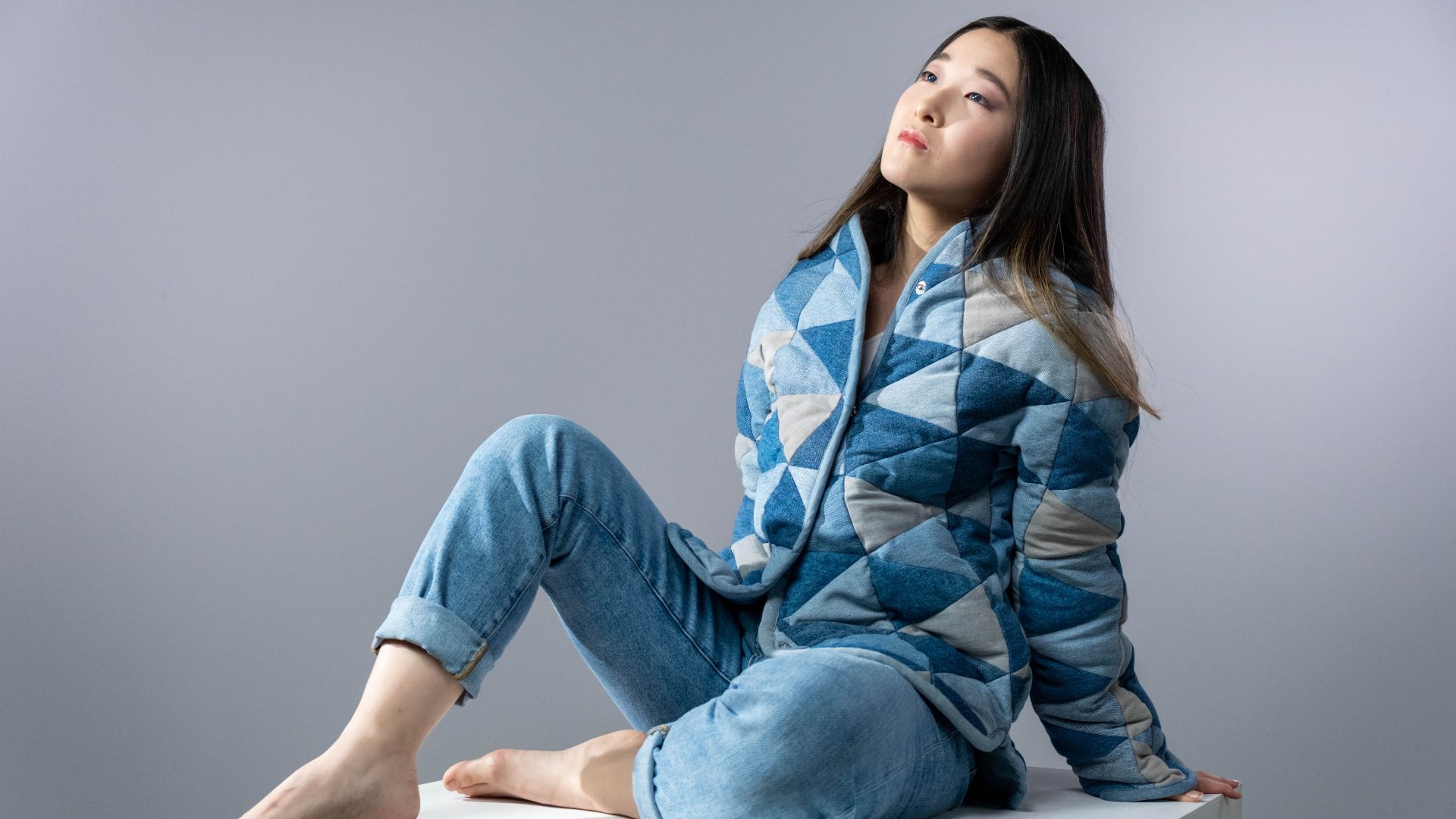
13. Quilting And Scrap-Fabric Craft
Quilting often grew out of using every usable scrap because fabric was valuable and waste was a luxury. Now patchwork quilts and quilted jackets get sold as artisanal pieces, with the romance highlighted and the original scarcity softened into a charming backstory.
14. Wool Caps And Simple Knit Beanies
Knit caps were about warmth for people who couldn’t afford to be cold, especially in jobs that kept you outside. Luxury took the same shape, added a label, and turned a basic survival item into a quiet status marker.

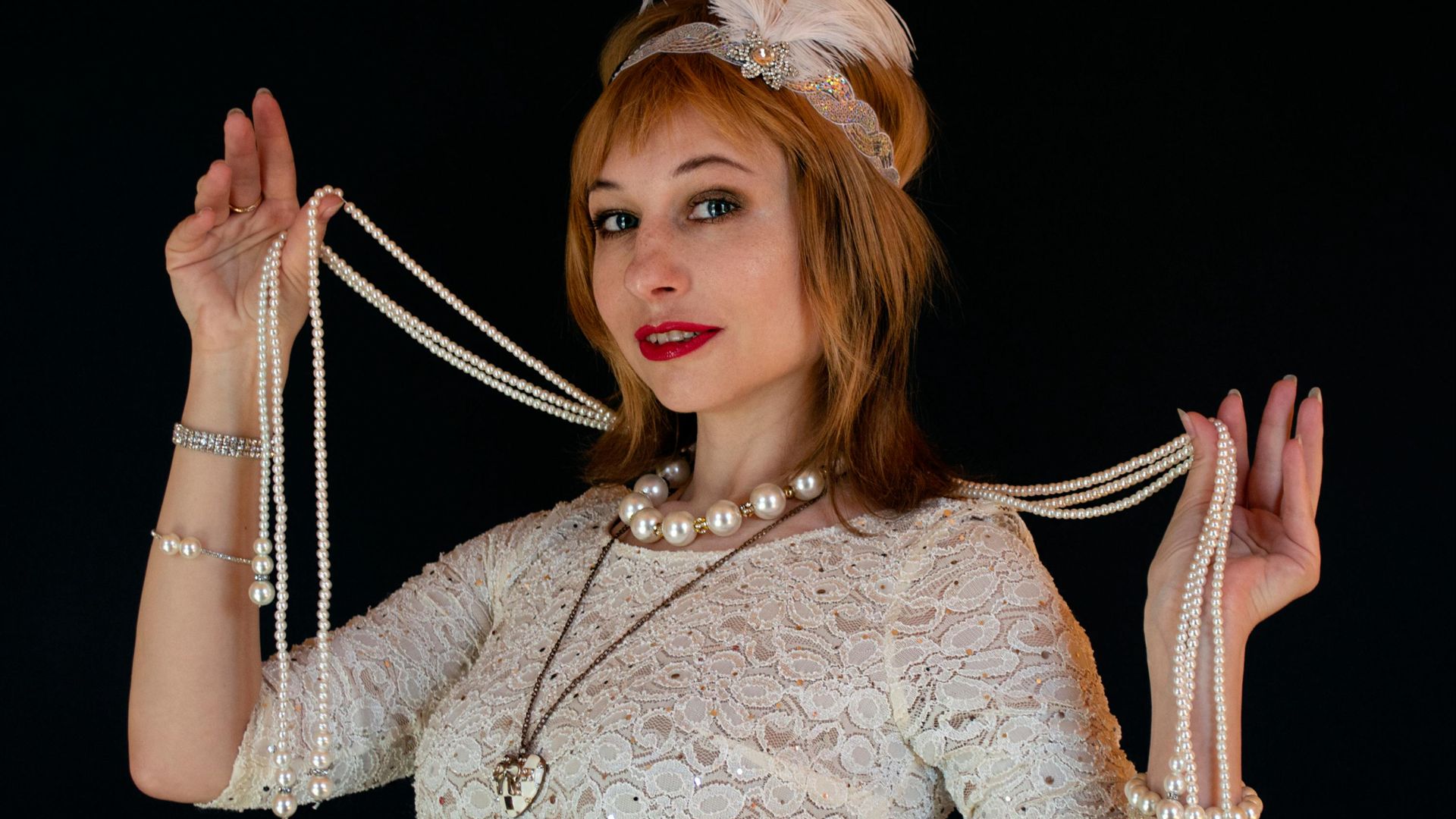
15. Secondhand Jewelry And Costume Pieces
Costume jewelry let people look polished without spending like the wealthy, and it was often the only realistic option for dressing up. Luxury now sells the same kind of bold, playful look as collectible vintage, with pricing that forgets why it existed.
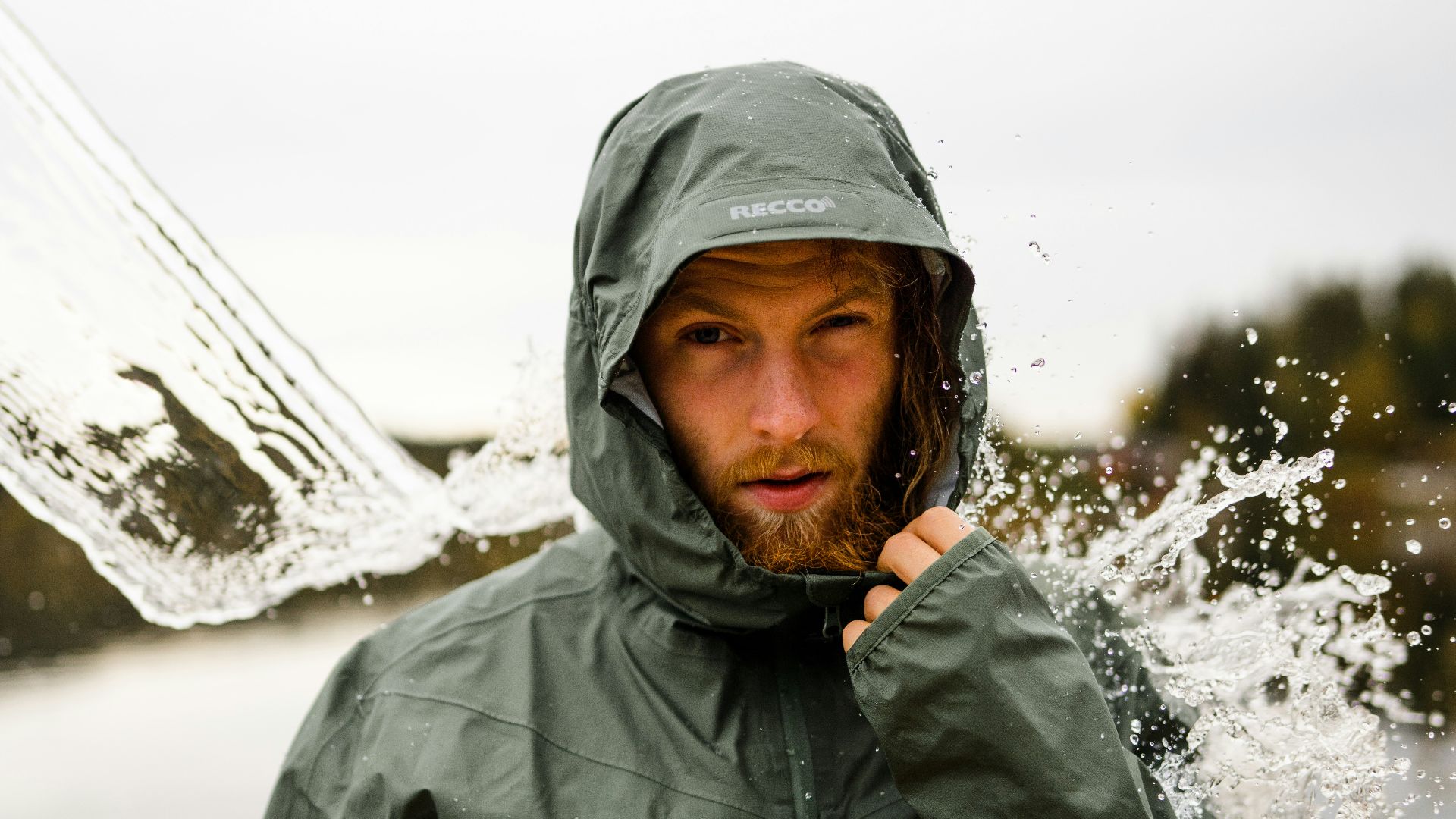
16. Practical Rain Gear
Reliable rain gear matters most when you can’t just stay indoors, and cheap ponchos and sturdy shells filled that gap. Luxury sells technical outerwear as fashion, with prices that treat weather protection like a premium experience instead of basic coverage.
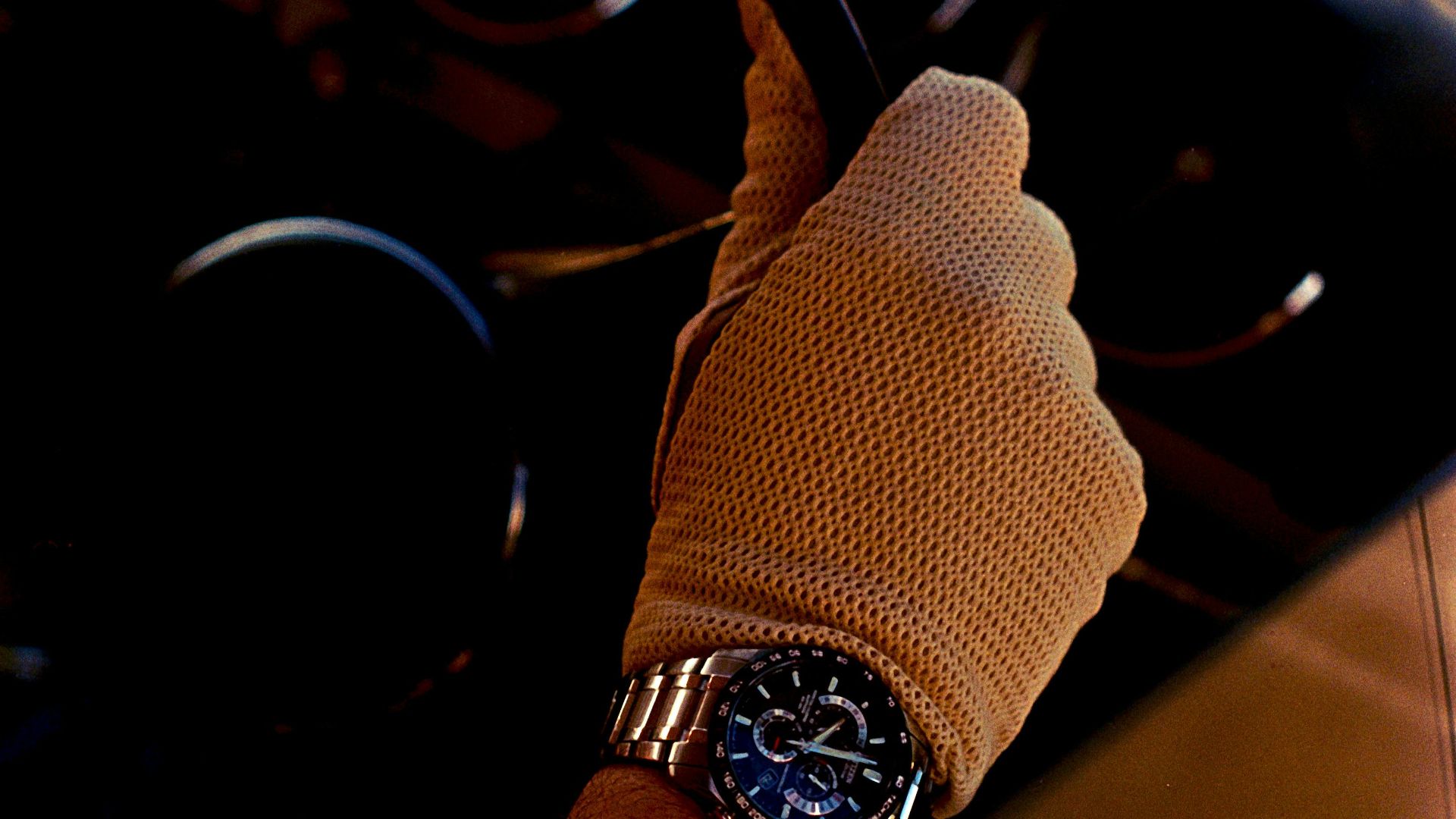
17. Work Gloves And Rugged Handwear
Gloves were for protecting hands that had to keep working, even when conditions were rough. Luxury borrows the silhouette and materials, then sells the look of hard work without requiring hard work.
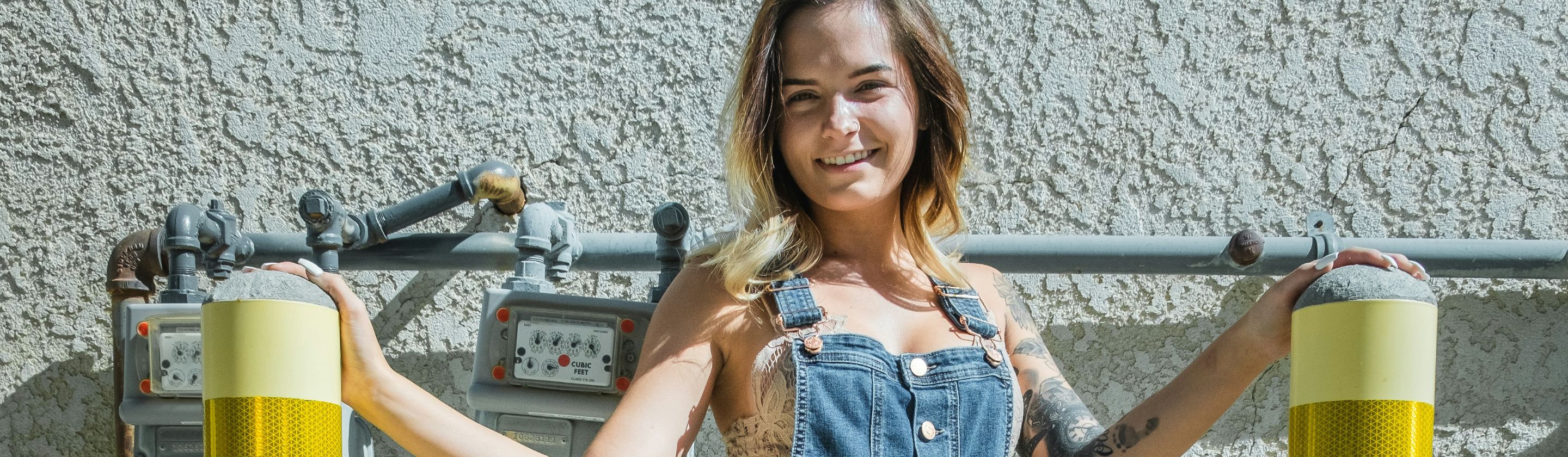
18. Utility Overalls
Overalls were built for coverage and durability, especially when you needed pockets and freedom to move. Luxury turns them into a styled statement piece, often in delicate fabrics that fight the original point.
 Christopher Campbell on Unsplash
19. Simple Slip Dresses And Nightgown Shapes
Nightgown-like slips were practical, cheap, and easy to layer, and they often came from making one piece do multiple jobs. Luxury revived the shape as lingerie-inspired elegance, then priced it as if simplicity required special access.
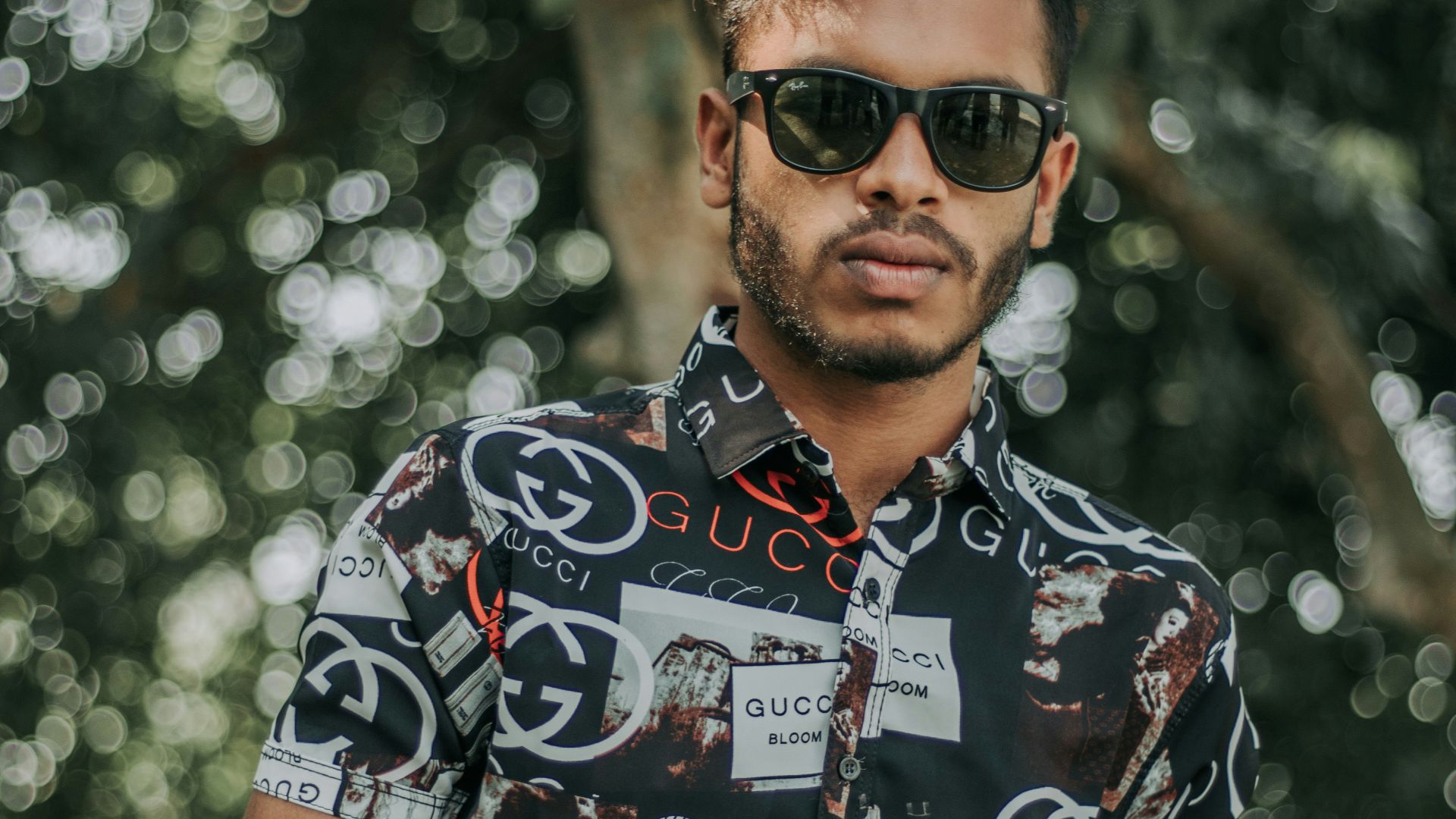
20. Logomania Borrowed From Counterfeit Culture
In many places, visible logos were accessible through knockoffs long before they were accessible through boutiques, and the look spread because people wanted to participate in status signals they were priced out of. Luxury now leans into bold branding again, selling the same loudness as high fashion while ignoring the economic gap that created the demand for it.
.jpg)