

Clothes Have Always Been A Type of Language
Fashion looks frivolous right up until it’s carrying a message that can’t safely be said out loud. When a group needs to be recognized quickly, clothing becomes a shortcut, a uniform, and a signal you can read from a block away. Sometimes it’s about dignity and being taken seriously in hostile public spaces. Sometimes it’s about safety, anonymity, or refusing to blend in when blending in is the expectation. Either way, the move is the same. You put something on your body that says we are here, and we mean it. Here are twenty times fashion served as protest.
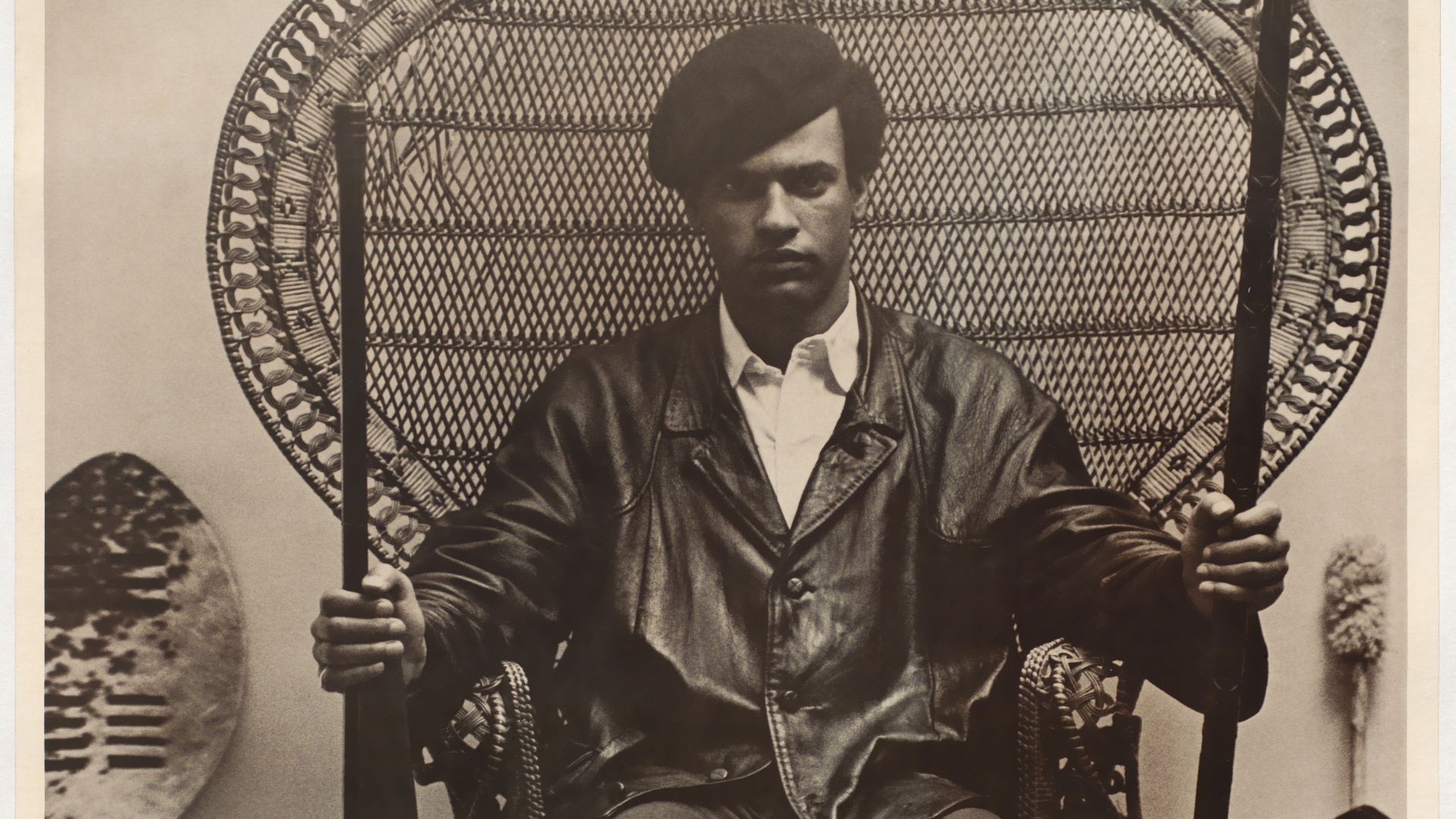
1. The Sans-Culottes Made Trousers Political
During the French Revolution, the sans-culottes were literally named for rejecting elite knee-breeches, choosing working-class trousers instead. It was a way of declaring allegiance through silhouette, so clothing became a quick read of who belonged to the old order and who didn’t.
 Louis-Léopold Boilly on Wikimedia
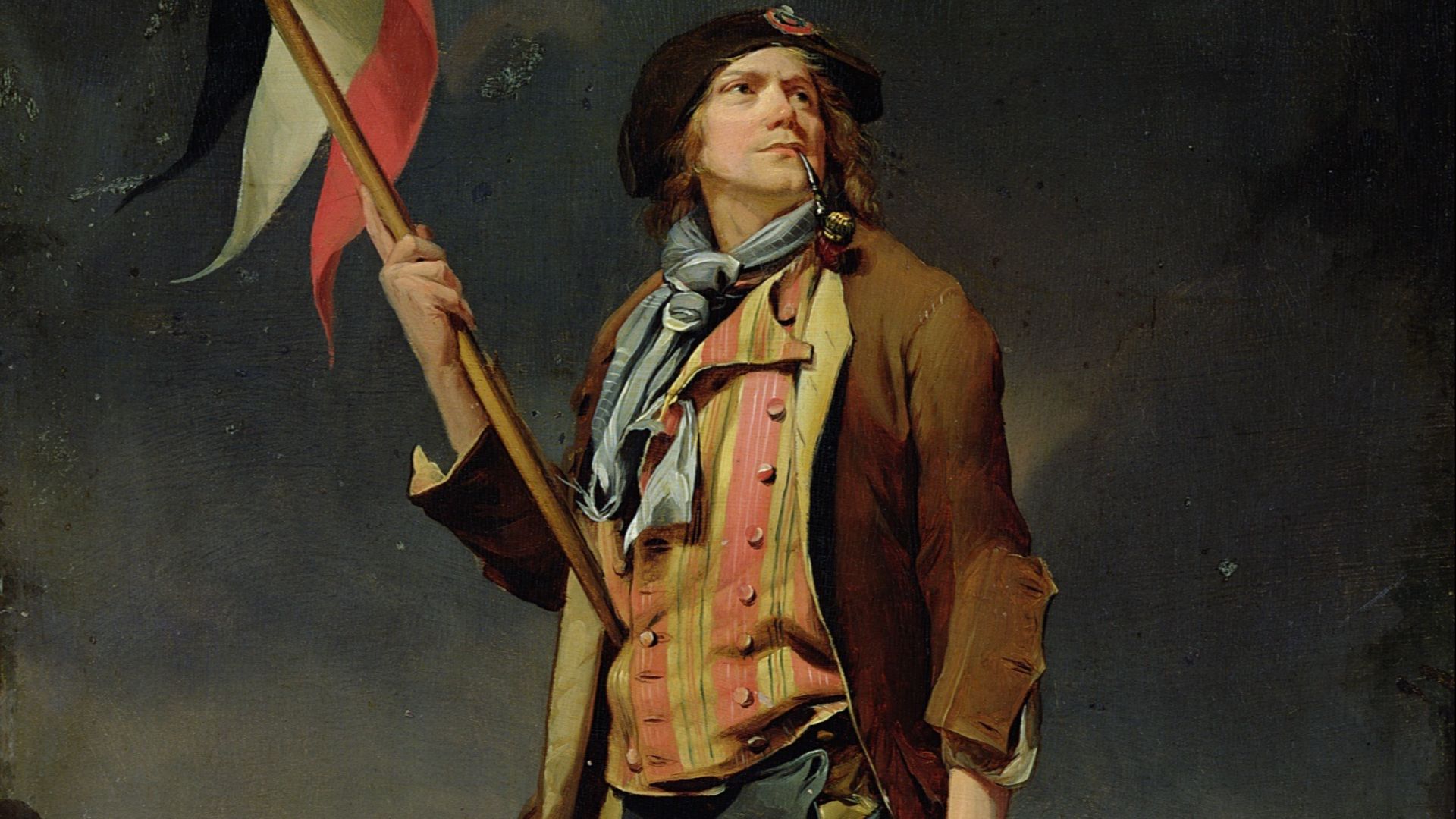
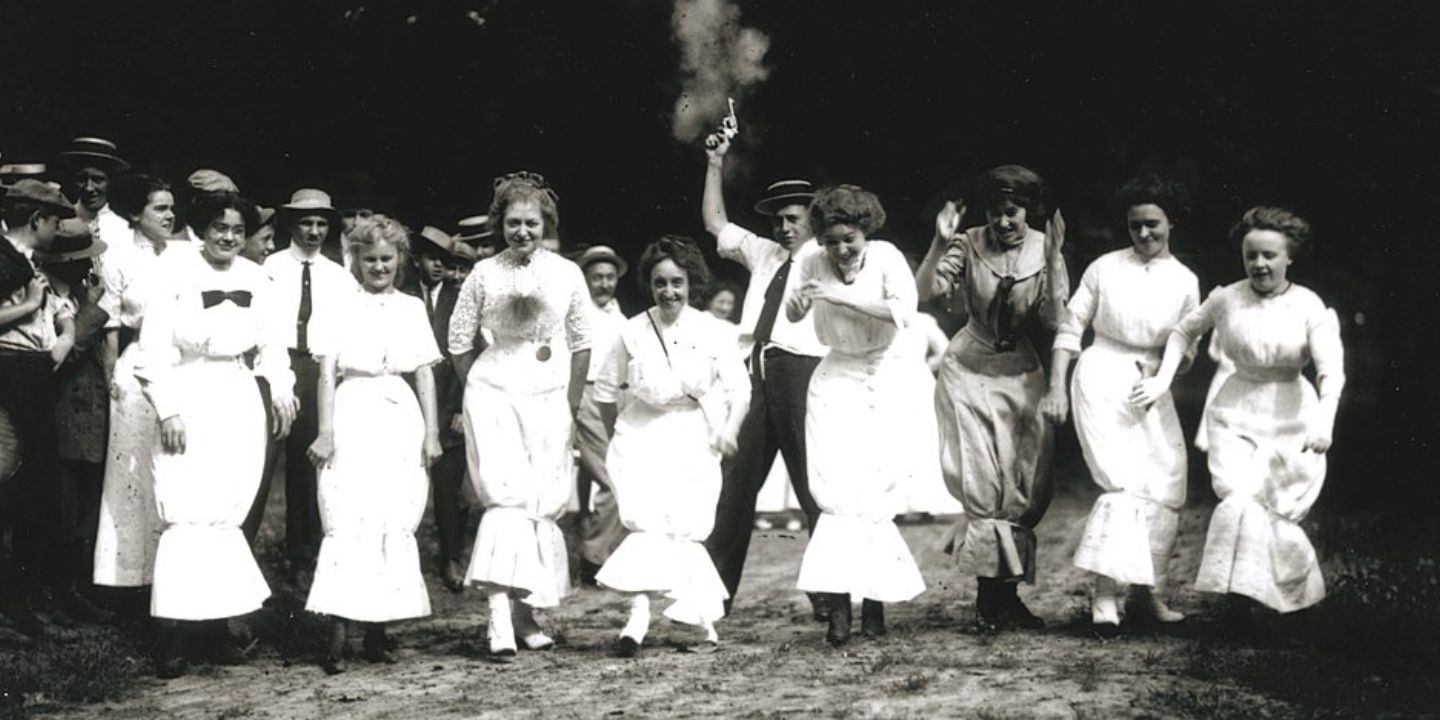
2. Suffragists Used White As A Strategy, Not A Vibe
In early 20th-century suffrage parades, many women wore white to project respectability and unity, especially when opponents tried to paint the movement as chaotic. The look was deliberate, camera-friendly, and consistent enough to function like a flag without needing to wave one.
 Unknown authorUnknown author on Wikimedia
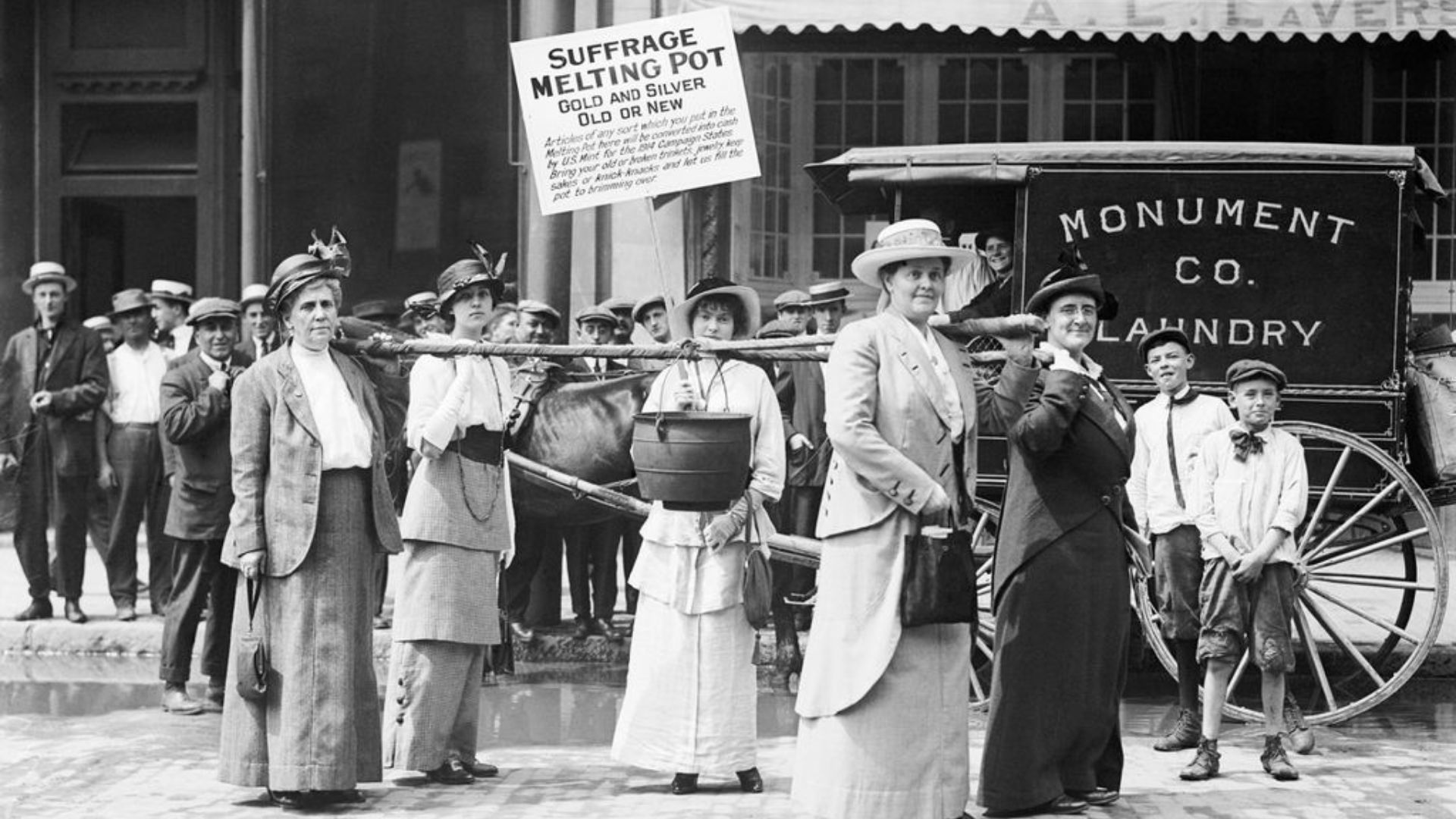
3. Gandhi’s Khadi Turned Clothing Into A Boycott
Handspun khadi became a public refusal to fund British textiles and a push for Indian self-reliance. Wearing it wasn’t just personal style, it was a daily economic statement you carried into the street.
4. Civil Rights Marchers Chose Sunday Best On Purpose
In many U.S. civil rights protests, formal dress was used to communicate dignity and seriousness, especially under hostile scrutiny. The clothing wasn’t about impressing anyone, it was about controlling the image when the cameras arrived.
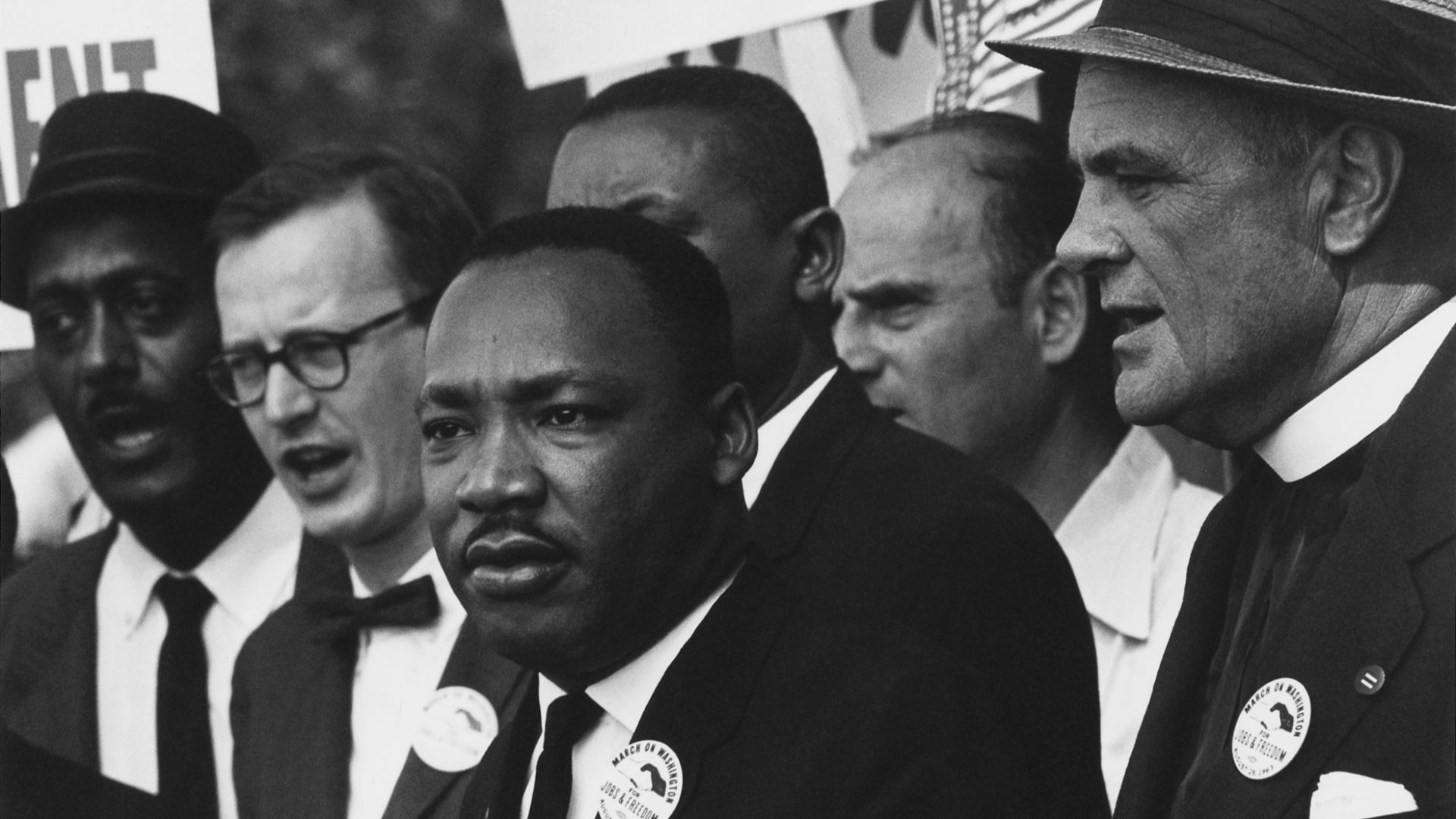 Rowland Scherman / Adam Cuerden on Wikimedia
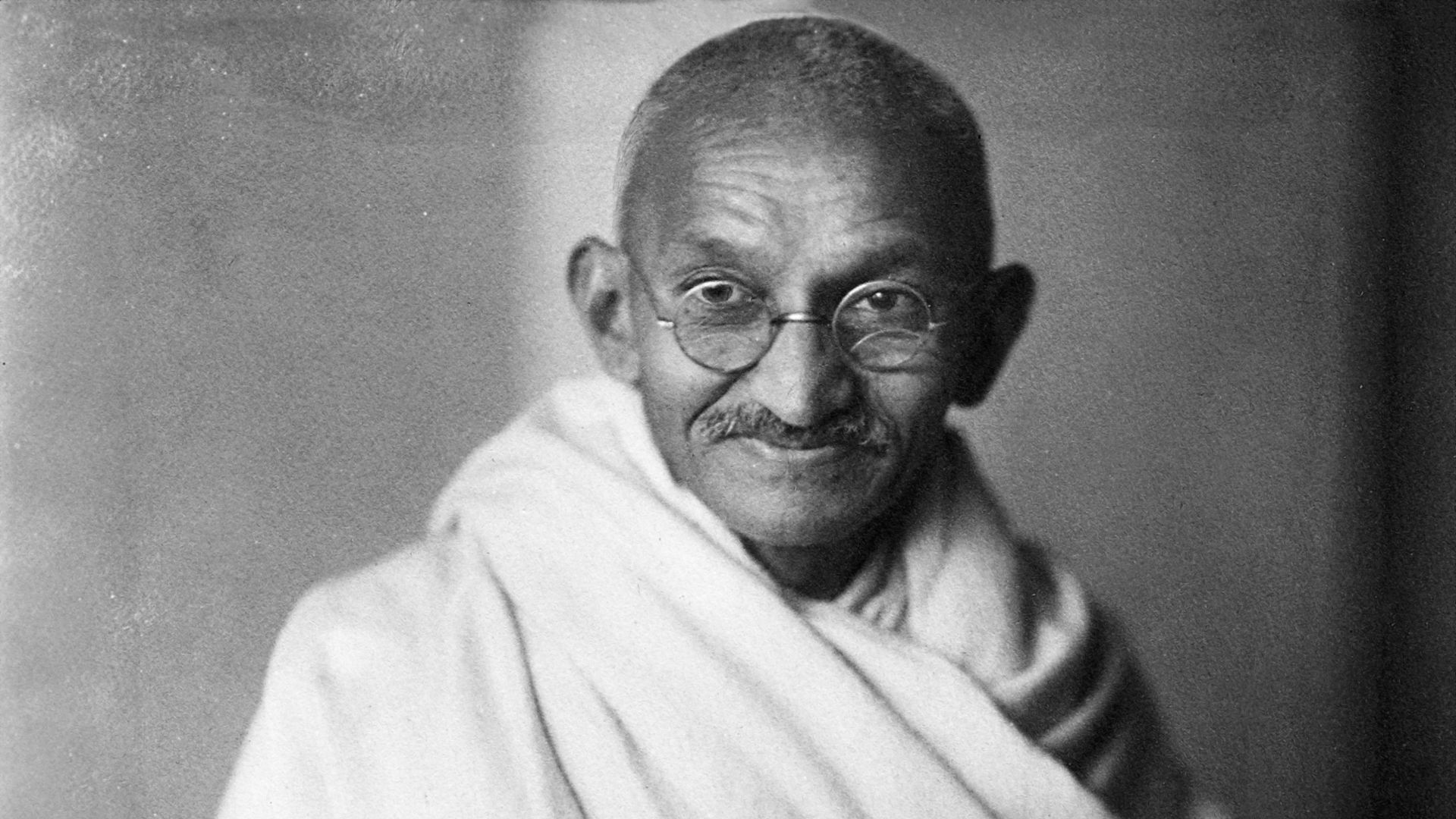
5. The Black Panther Uniform Was Built To Be Read
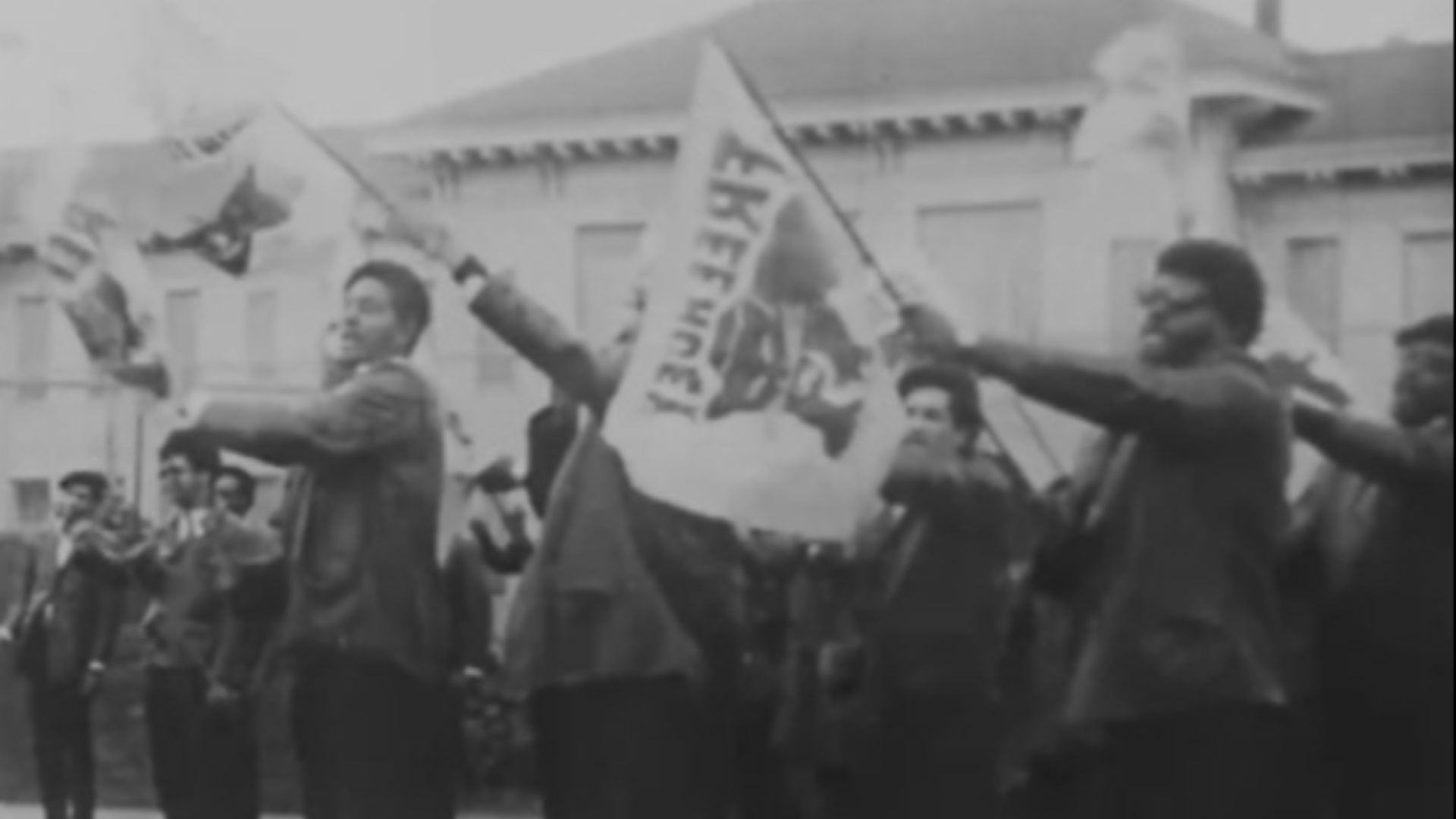
The Black Panther Party’s berets and leather jackets weren’t just coordinated outfits, they were a visual statement of discipline, unity, and self-defense. The uniform helped the movement show up as organized and intentional, not scattered.
6. Zoot Suits Became Defiance You Could See
Zoot suits, with their oversized proportions, became a visible marker of identity and resistance for marginalized youth, especially in the U.S. during World War II. The backlash around them, including the 1943 Zoot Suit Riots, showed how quickly clothing can be treated like provocation.
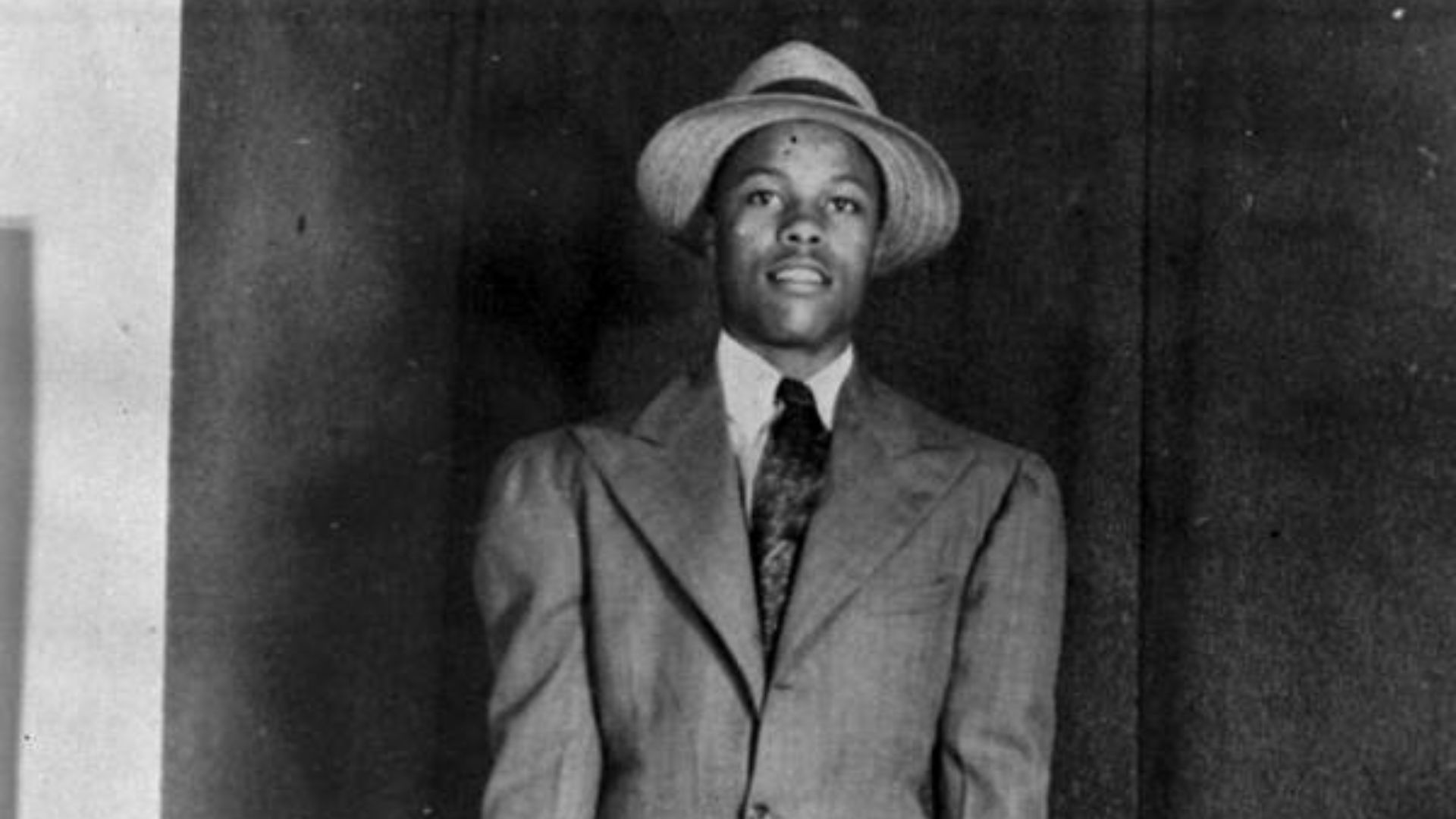 commons.wikimedia.org on Google
7. Miss America Protesters Made Beauty Rules Physical
At the 1968 protest against the Miss America pageant, demonstrators tossed bras and other beauty props into a Freedom Trash Can as symbolic rejection of enforced standards. The objects mattered because they were everyday tools of compliance, not abstract theory.
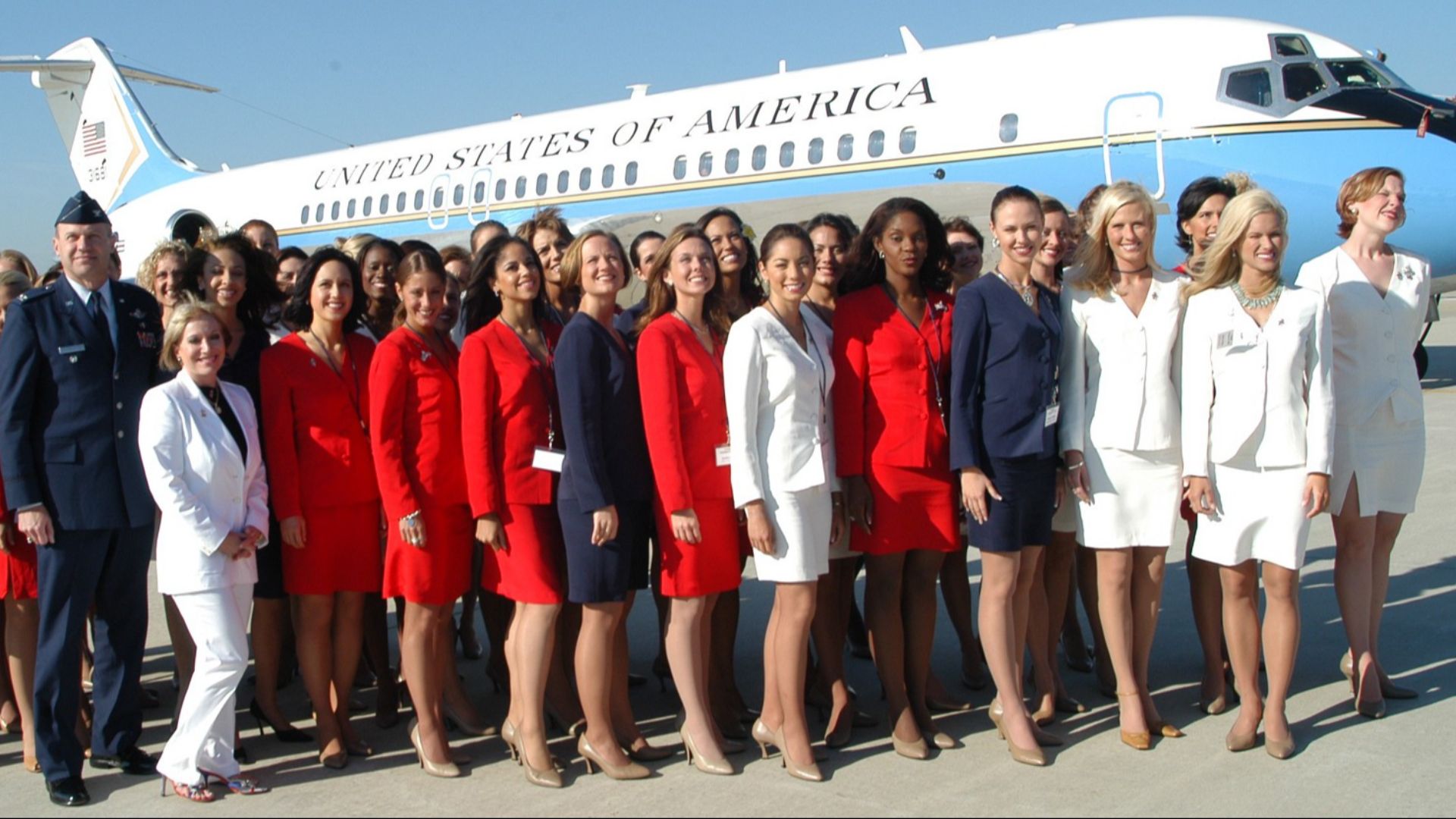 U.S. Air Force photo by Bobby Jones on Wikimedia
8. ACT UP Turned A T-Shirt Into A Demand
The Silence = Death design spread through shirts and posters as AIDS activists pushed back against stigma and government indifference. Wearing it let people carry a clear message into public space without needing a microphone.
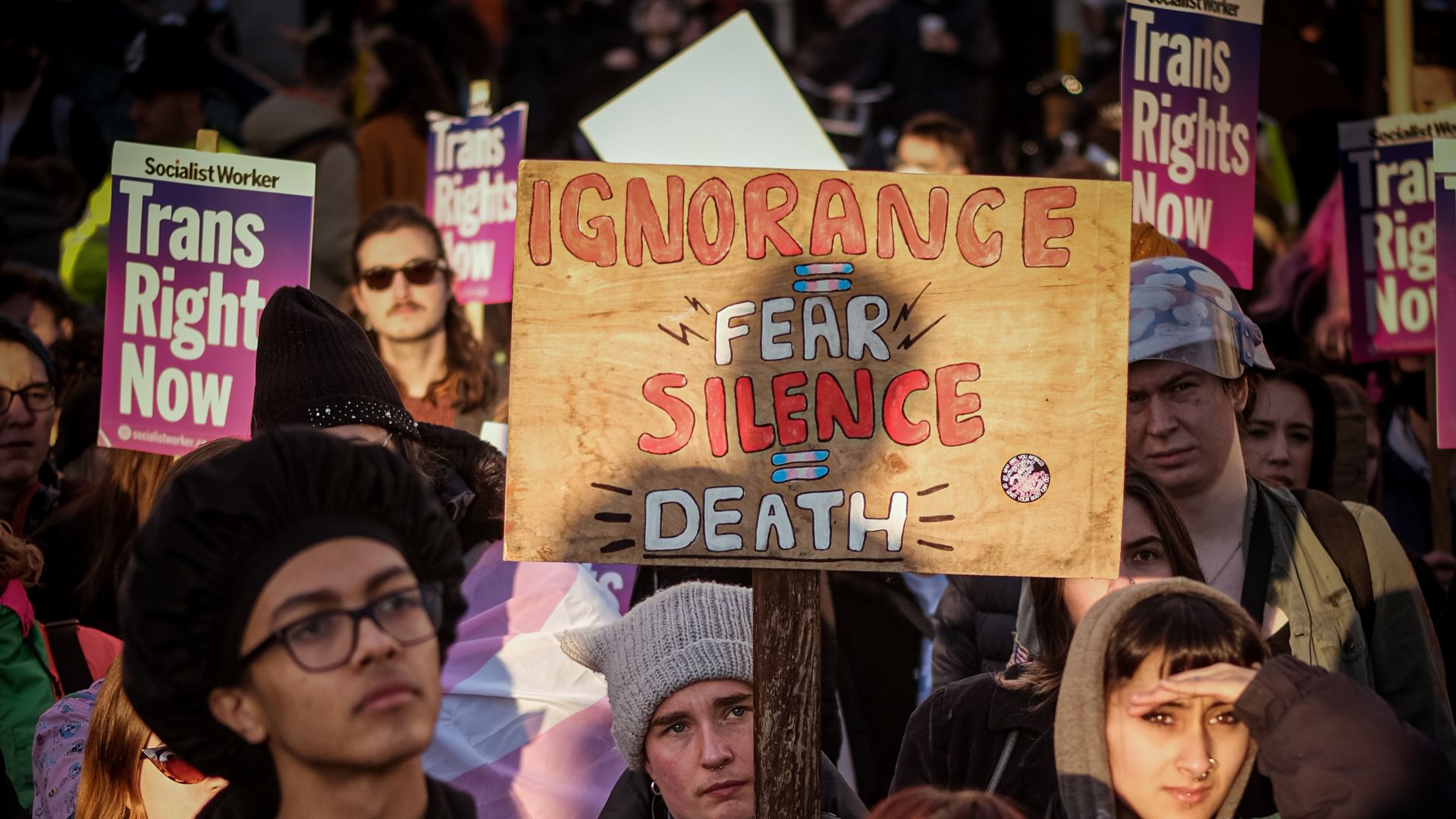 Alisdare Hickson from Woolwich, United Kingdom on Wikimedia
9. The Red Ribbon Made Public Sympathy Visible
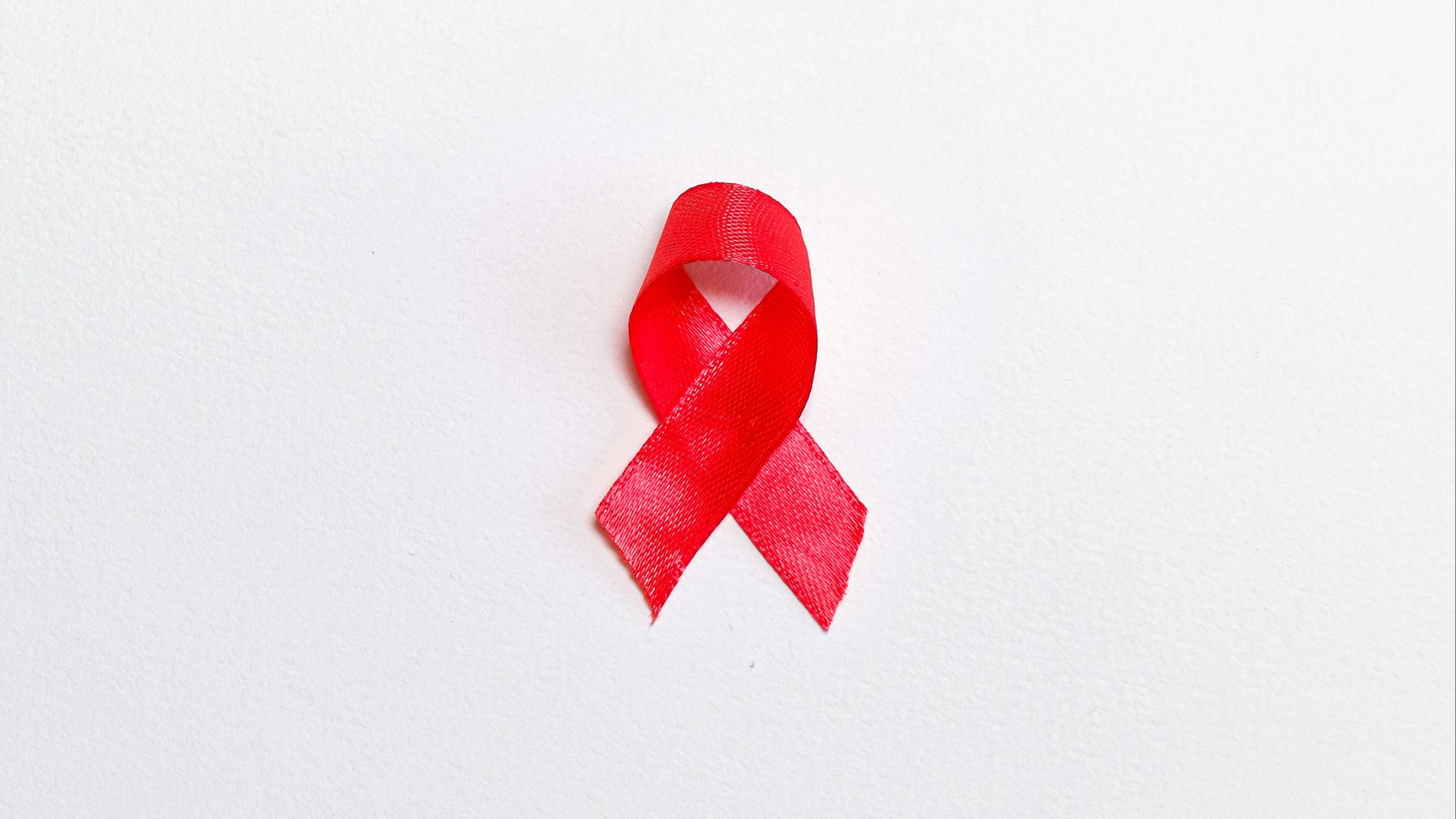
The red ribbon emerged in 1991 as a simple wearable symbol of support for people living with HIV and those caring for them. It worked because it was easy to adopt, easy to recognize, and hard to ignore once it filled a room.
10. The Keffiyeh Became A Portable Sign Of Solidarity
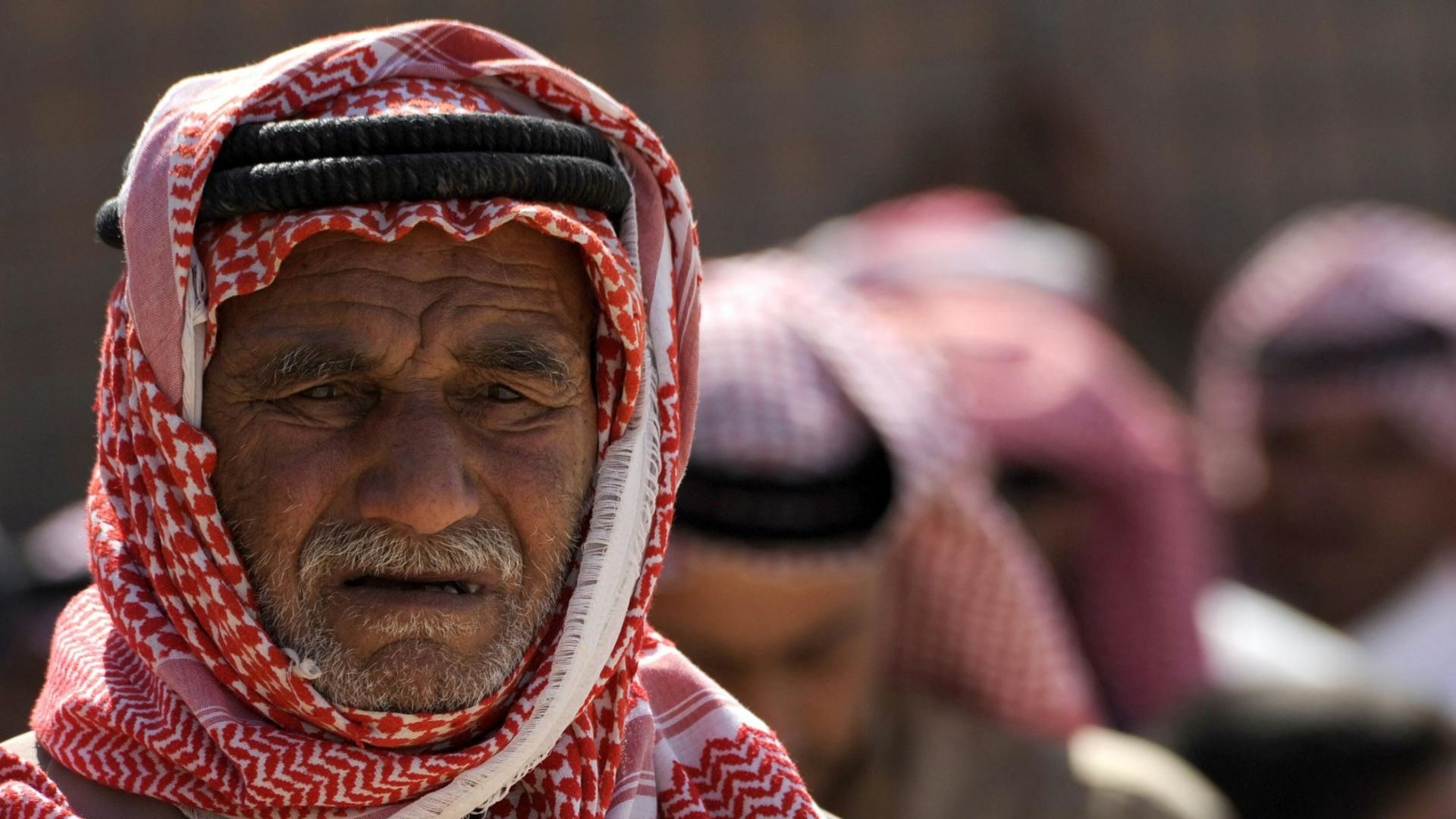
The Palestinian keffiyeh evolved from practical headwear into a symbol tied to nationalism, resistance, and global solidarity. Wearing it has functioned as a political signal in many contexts, which is why it can be celebrated in one place and banned in another.
11. Guy Fawkes Masks Turned Anonymity Into A Look
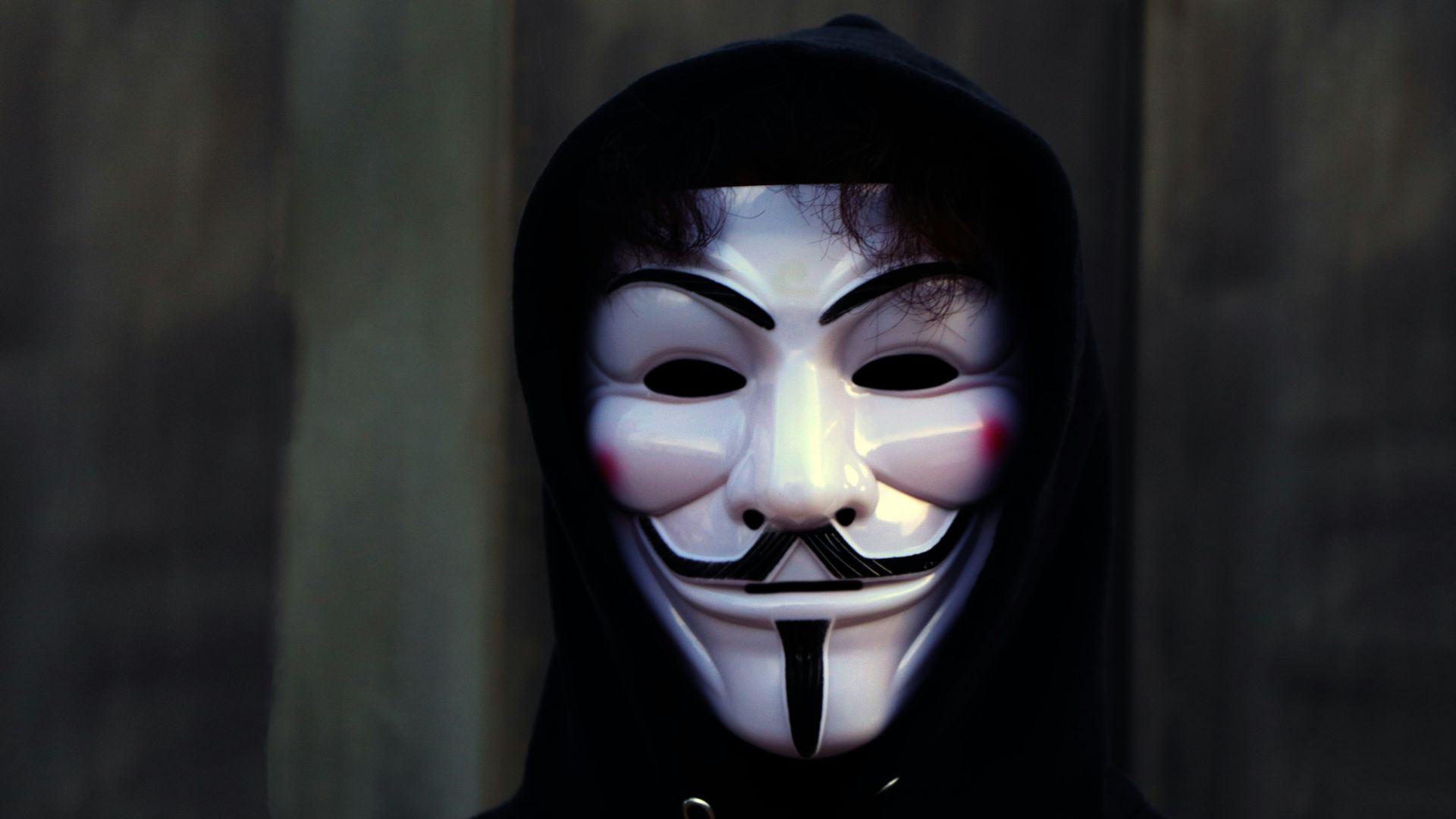
The Guy Fawkes mask moved from comic and film into real-world protest, especially with Anonymous and Occupy-era demonstrations. It offered a shared face, plus a layer of protection, which made it both symbol and tool.
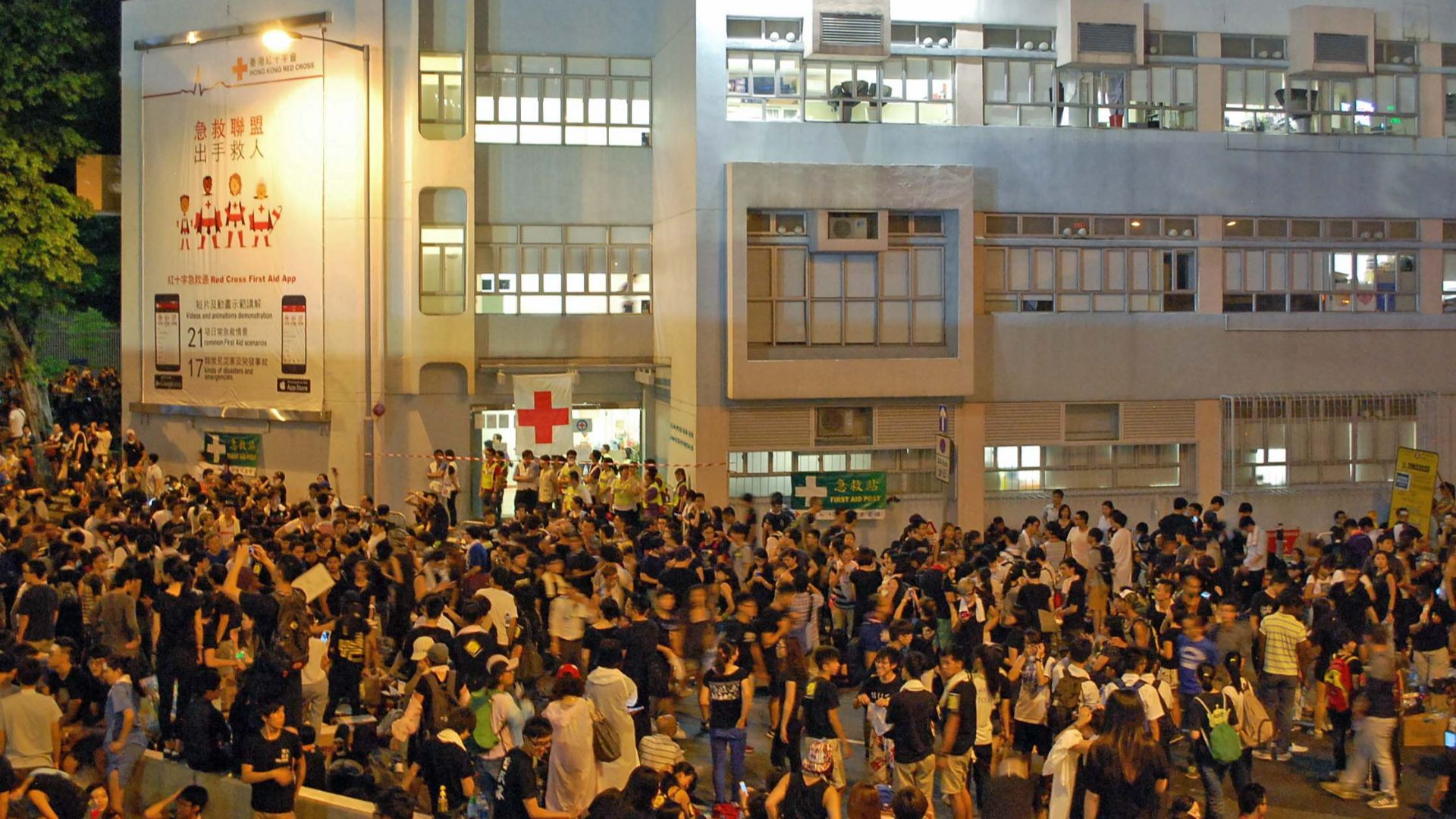
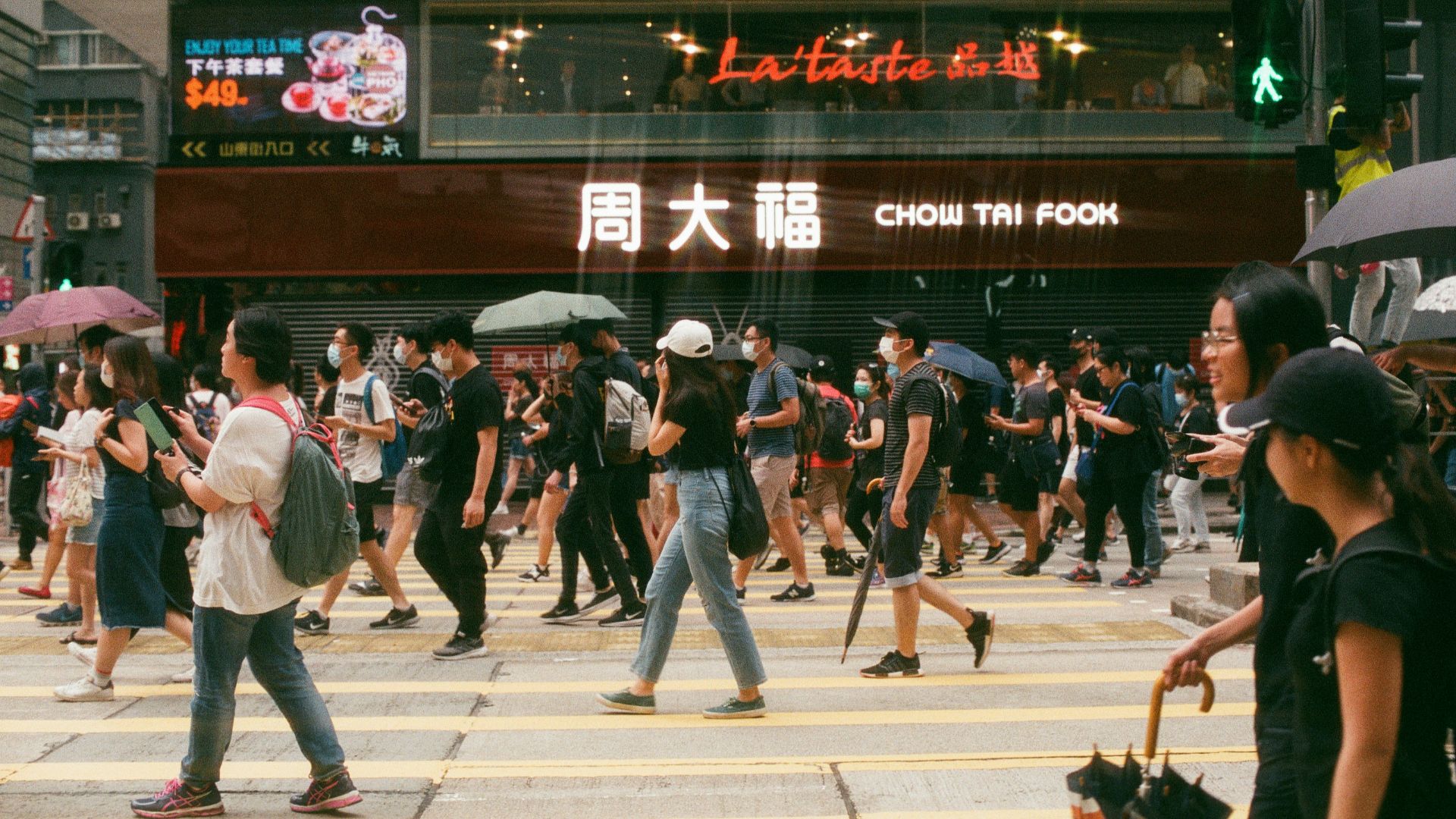
12. Black Clothing Became The Hong Kong Protest Uniform
During the 2019 Hong Kong protests, black outfits and masks helped create unity and reduce identification risks. The look was functional, coordinated, and loaded with meaning, which is why it became so recognizable so fast.
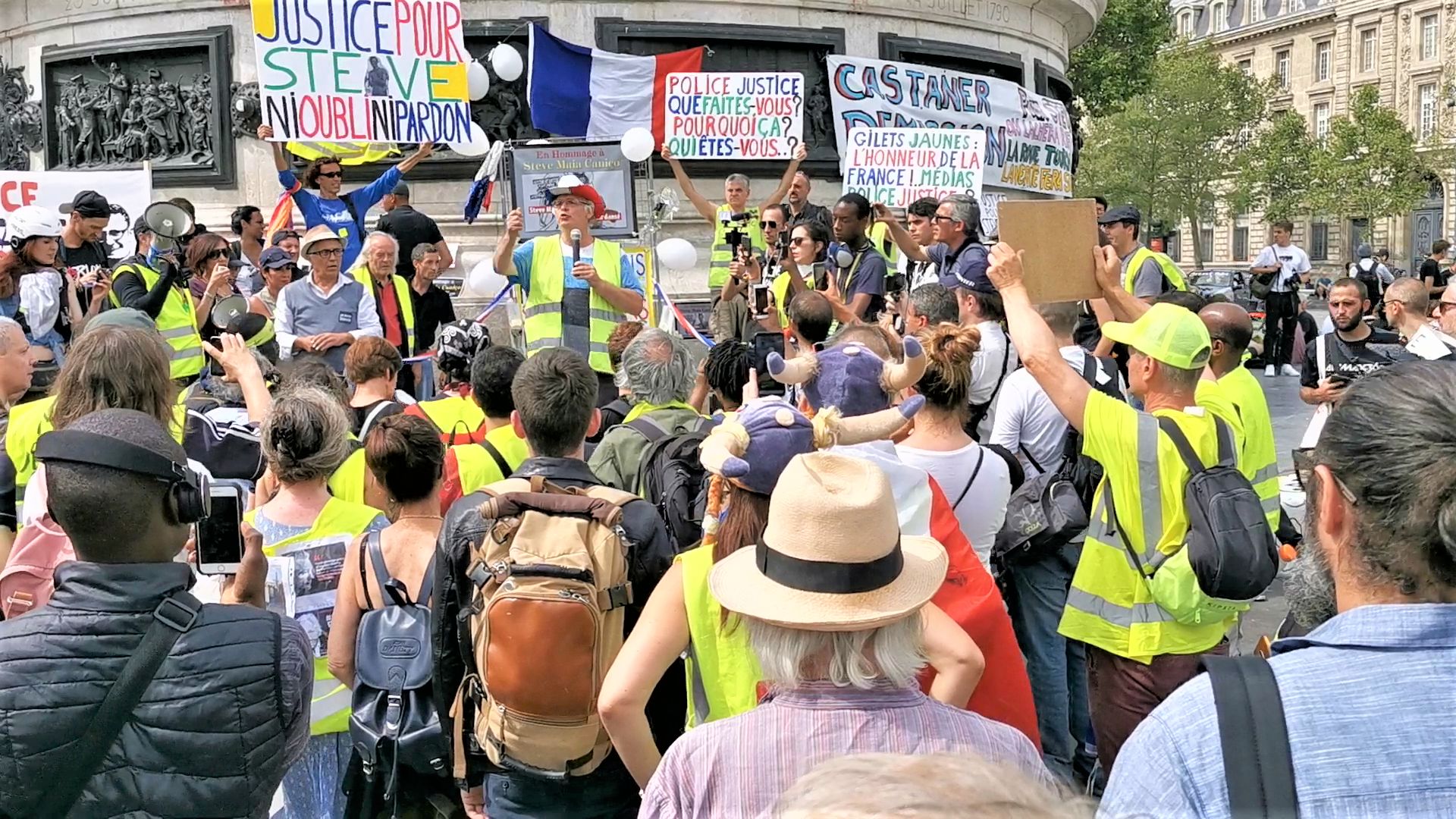
13. Yellow Vests Made Visibility The Whole Point
In France, the gilets jaunes adopted the high-visibility yellow vest as a unifying symbol that was cheap, widely available, and impossible to miss. It turned a required road-safety item into a street-level badge of grievance.
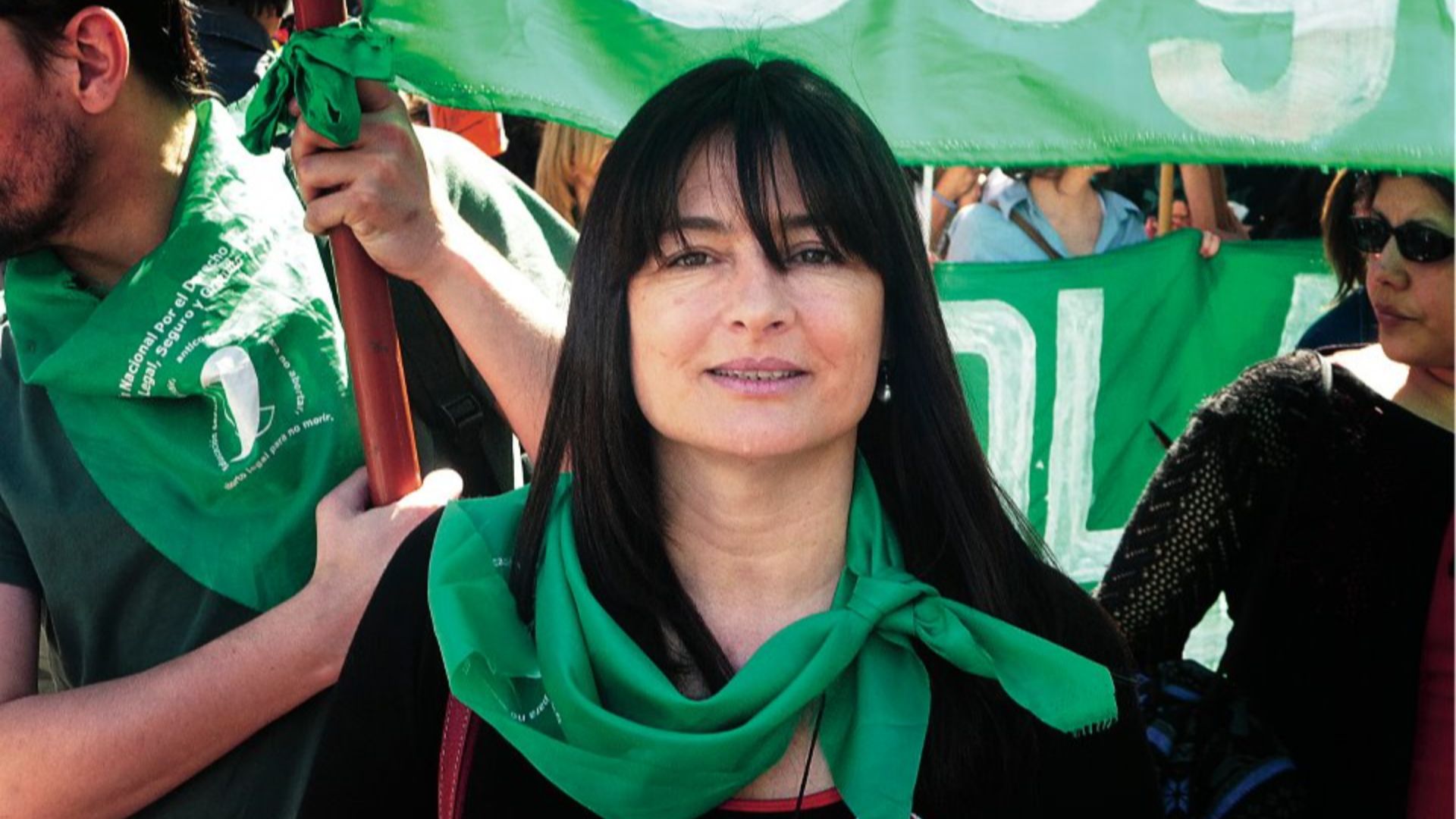
14. The Green Scarf for Reproductive Rights
Argentina’s green scarf became a defining symbol of abortion-rights activism, spreading across Latin America and beyond. It worked like a simple uniform you could tie to a wrist, a bag, or a neck and still be unmistakable.
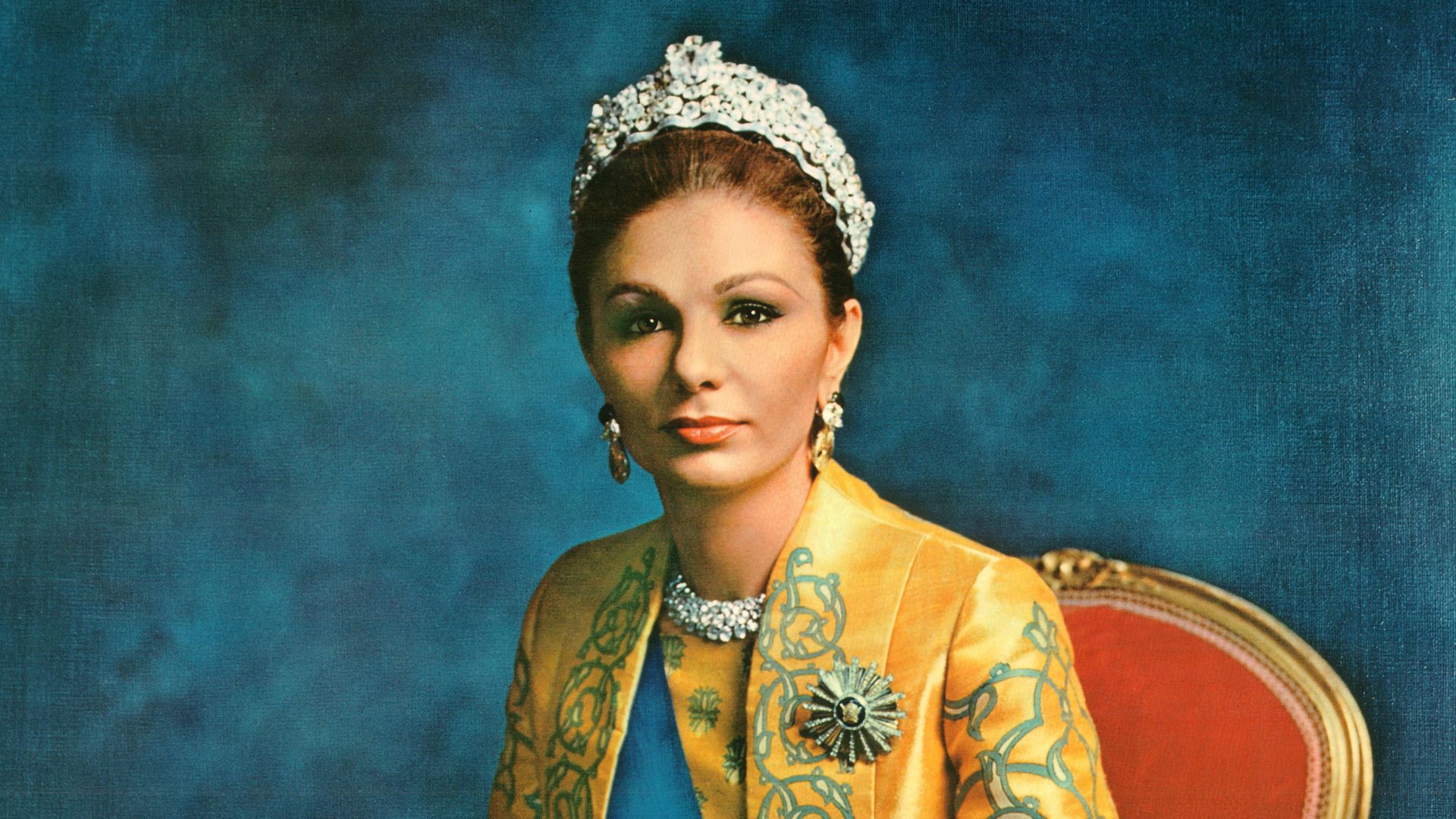
15. White Wednesdays Used Clothing As A Weekly Refusal
Iran’s White Wednesdays encouraged women to wear white headscarves or clothing to protest compulsory hijab laws. The repetition mattered, because weekly visibility turns a personal choice into a shared rhythm.
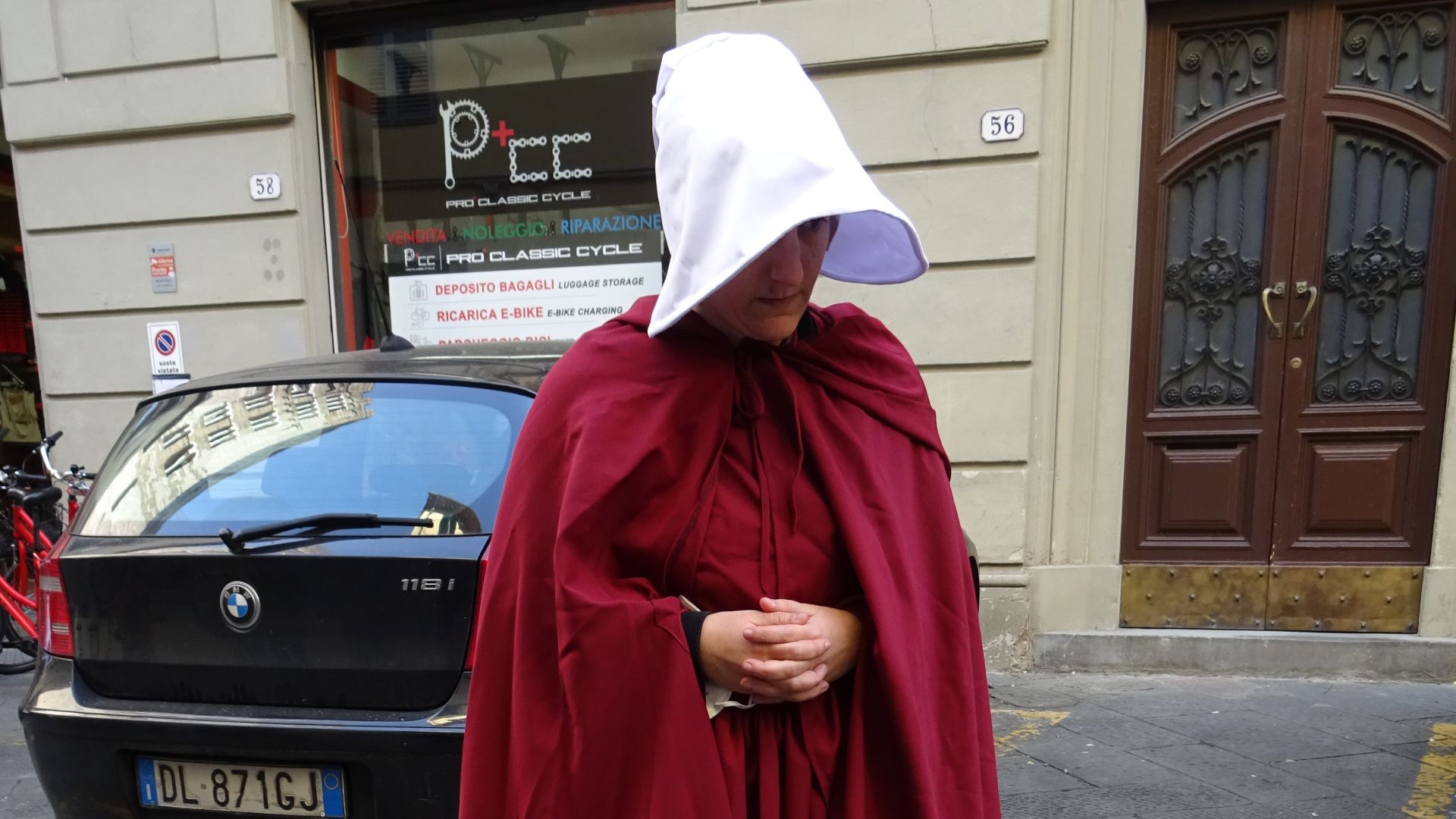
16. Handmaid Costumes Made A Warning Look Real
The red cloaks and white bonnets from The Handmaid’s Tale became protest attire in multiple countries, often tied to reproductive rights and legal restrictions. The costume did what slogans can’t always do, which is create an instant, unsettling visual.
 commons.wikimedia.org on Google
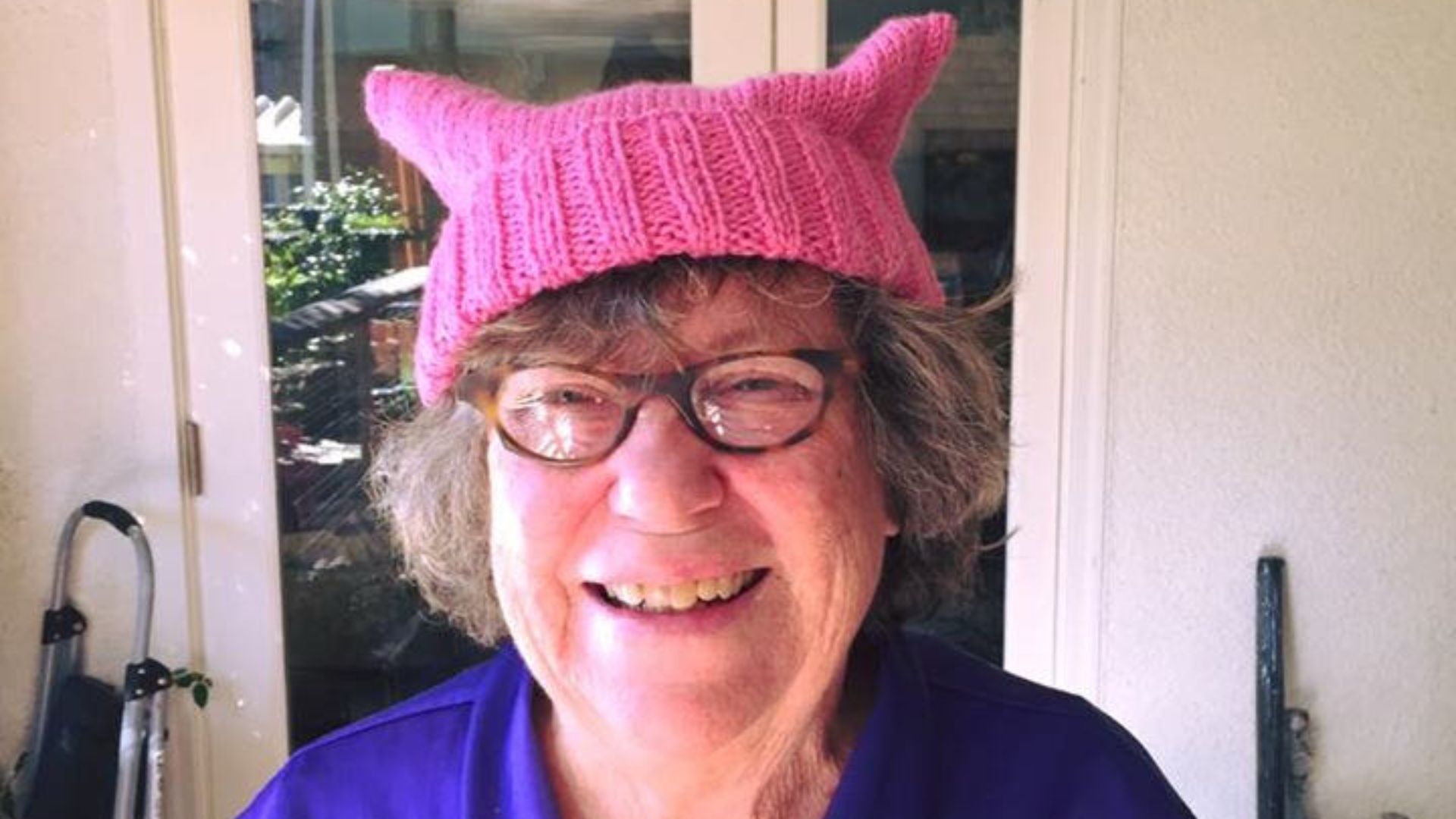
17. The Pussyhat Turned Craft Into A Mass Visual
The pink knitted hats of the 2017 Women’s March became a global symbol because they were easy to make and easy to spot. The sheer repetition created a visual block of solidarity that photos could not soften.
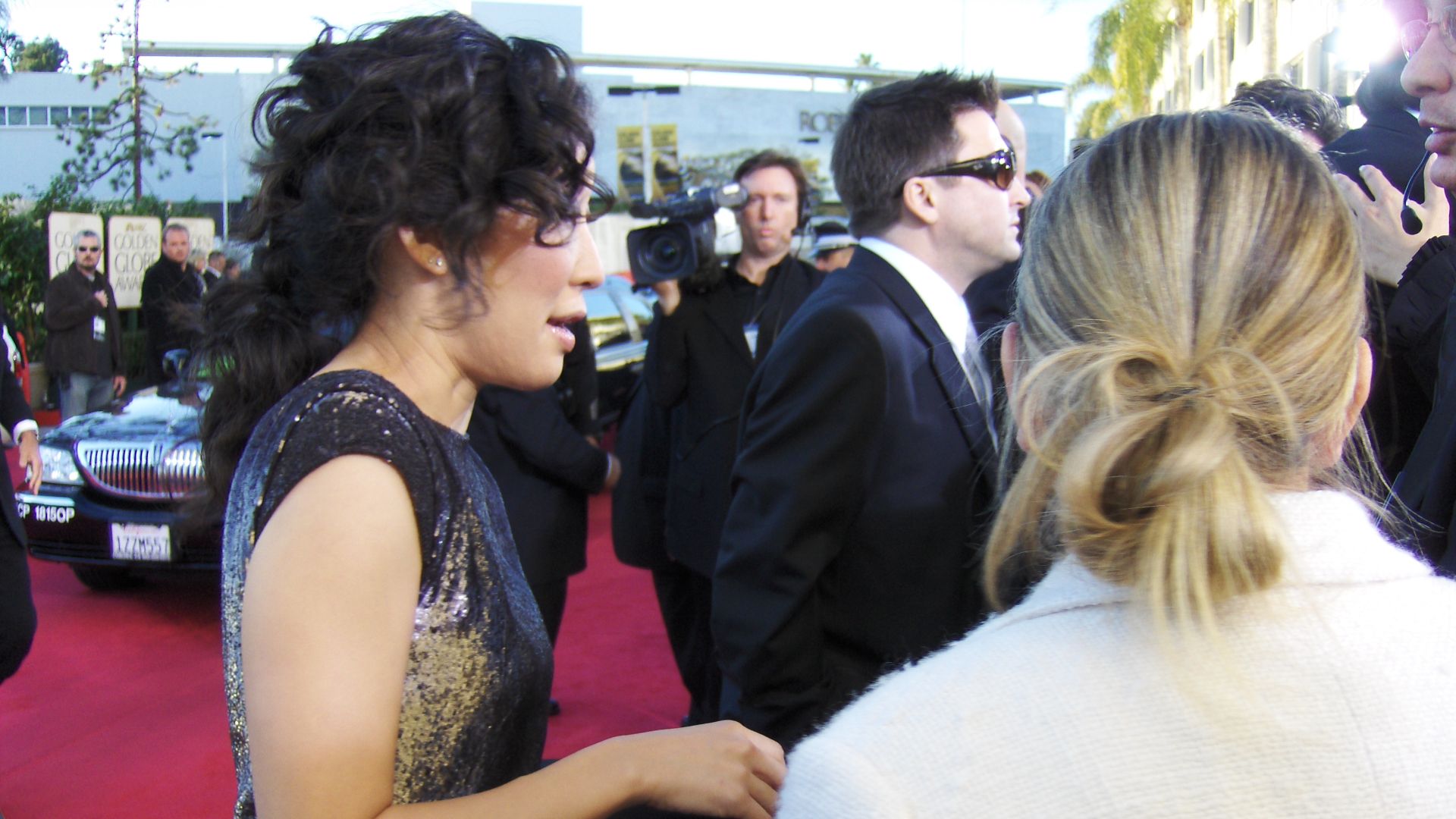
18. Black Dresses On Red Carpets Became A Statement
At the 2018 Golden Globes, many attendees wore black in support of Time’s Up and broader action against harassment and inequality. The point wasn’t subtlety, it was turning a glamour pipeline into a unified, public signal.
19. Safety Pins Became A Quick Marker Of Solidarity
After the Brexit vote, safety pins were adopted by some as a visible sign of support for immigrants and others facing harassment. The tiny object did a lot of work because it was cheap, portable, and easy to recognize at a glance.

20. Protest Slogan Shirts Became A Legal Flashpoint
In Hong Kong, wearing a T-shirt with a protest slogan has been treated as a serious offense under tightening speech controls. When clothing itself becomes evidence, it stops being just personal expression and turns into a direct act of defiance.




.jpg)

