
Fashion Was Weird Back Then
Fashion hasn’t always been about comfort or practicality. From towering hats to shoes shaped like animals, the past was full of wild choices that might make you laugh today. Some styles were status symbols, while others were simply experiments in creativity or absurdity. Let’s take a stroll through 20 of the most unusual clothing items history has ever seen and see just how strange people were willing to dress.
 Léopold-Émile Reutlinger on Wikimedia
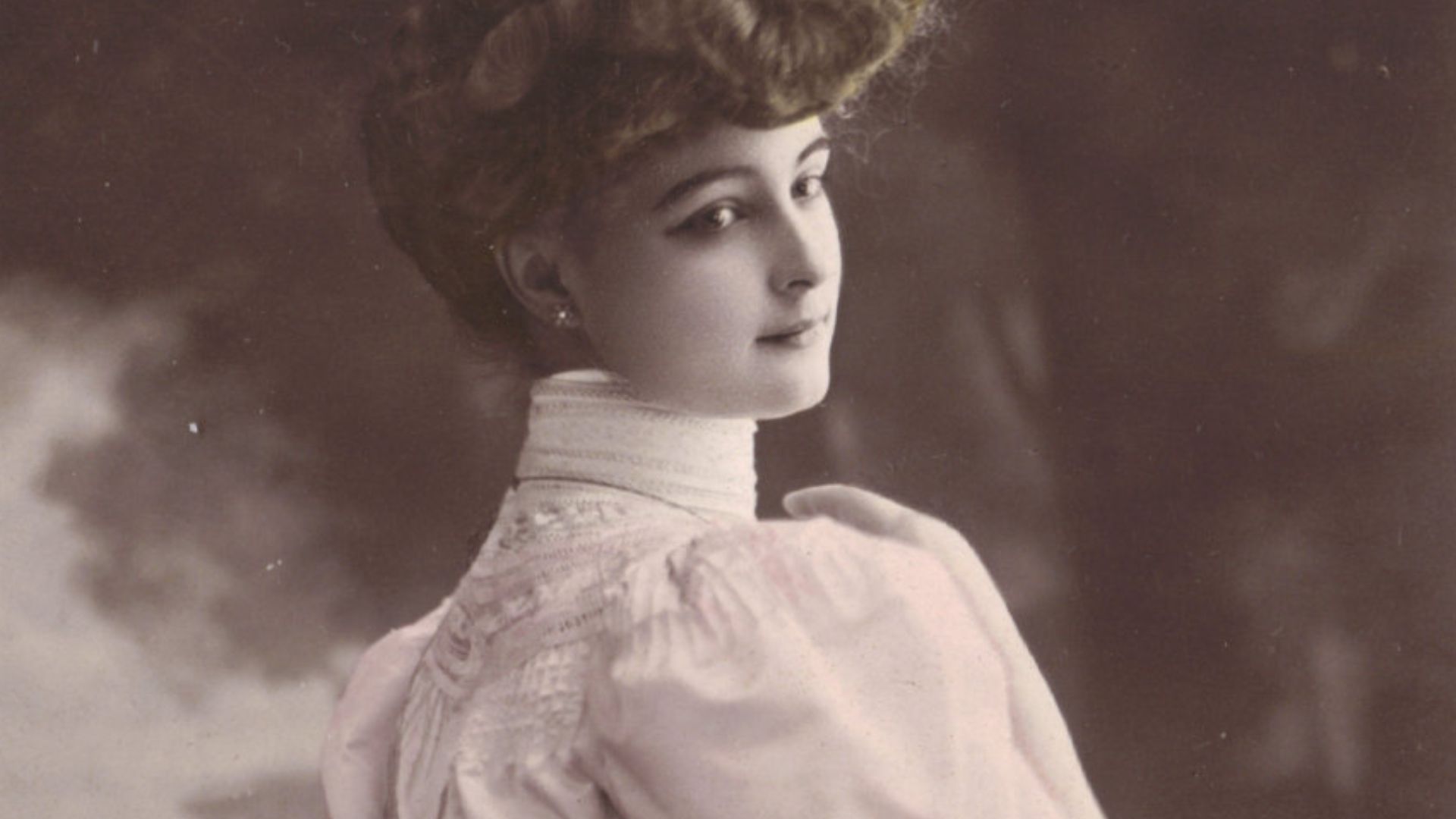
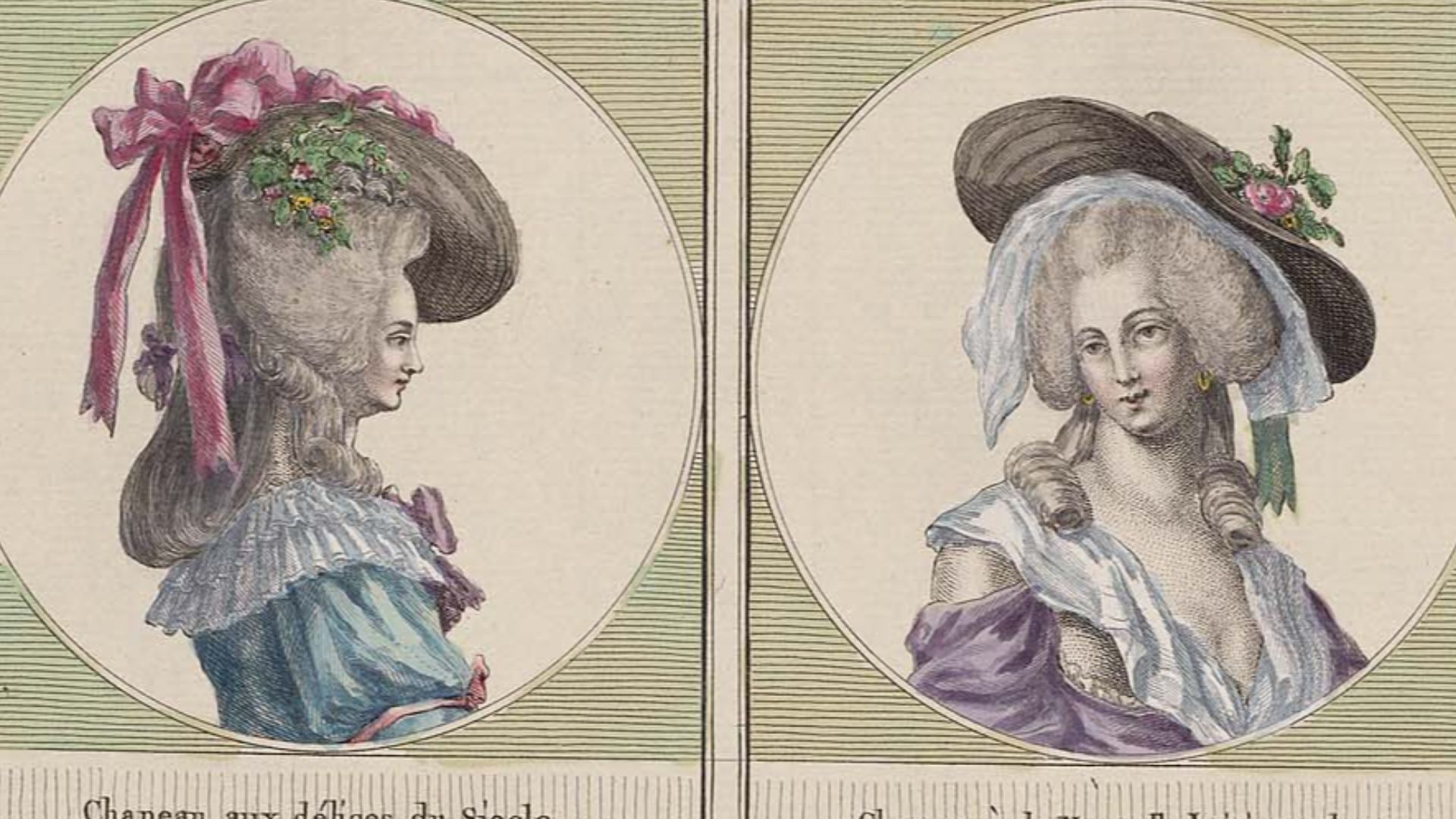
1. Pouf Hats of the 18th Century
These oversized, powdered hats were almost as tall as the people wearing them. Women often decorated them with feathers, fruit, and even miniature ships. Walking through a crowded room must have required serious balance and patience.
 Claude Louis Desrais on Wikimedia
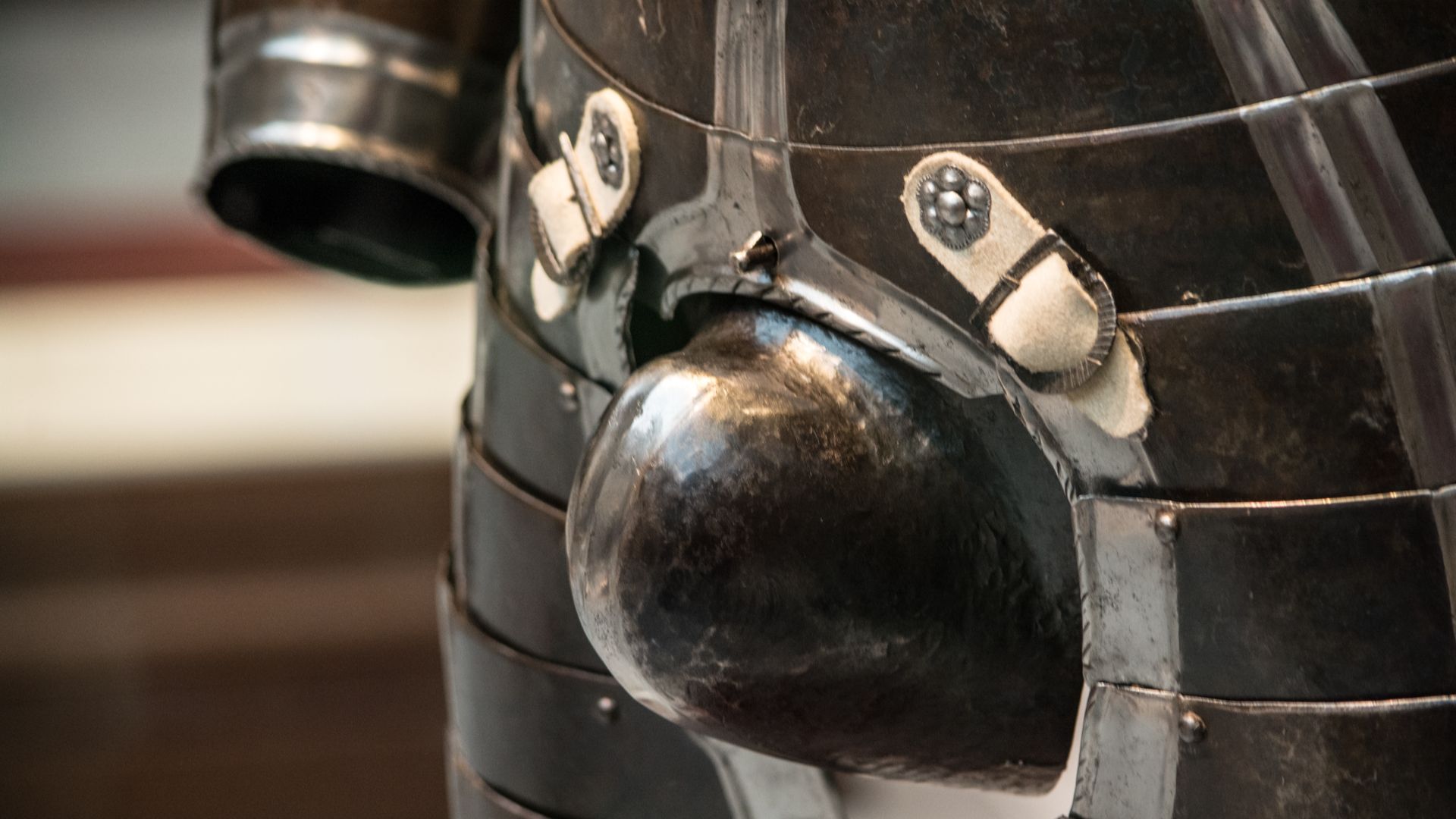
2. Codpieces of the 15th Century
Men in Europe wore padded codpieces to exaggerate their masculinity. Some were highly decorative, with embroidery or even metallic accents. While meant to impress, they probably weren’t the most comfortable addition to everyday attire.
 Tim Evanson from Cleveland Heights, Ohio, USA on Wikimedia
3. Chopines (Venetian Platform Shoes)
In 16th-century Venice, women wore platform shoes that could reach a foot or more in height. These shoes protected dresses from dirty streets but also made walking an extreme sport. They certainly demanded careful navigation of steps and cobblestones.
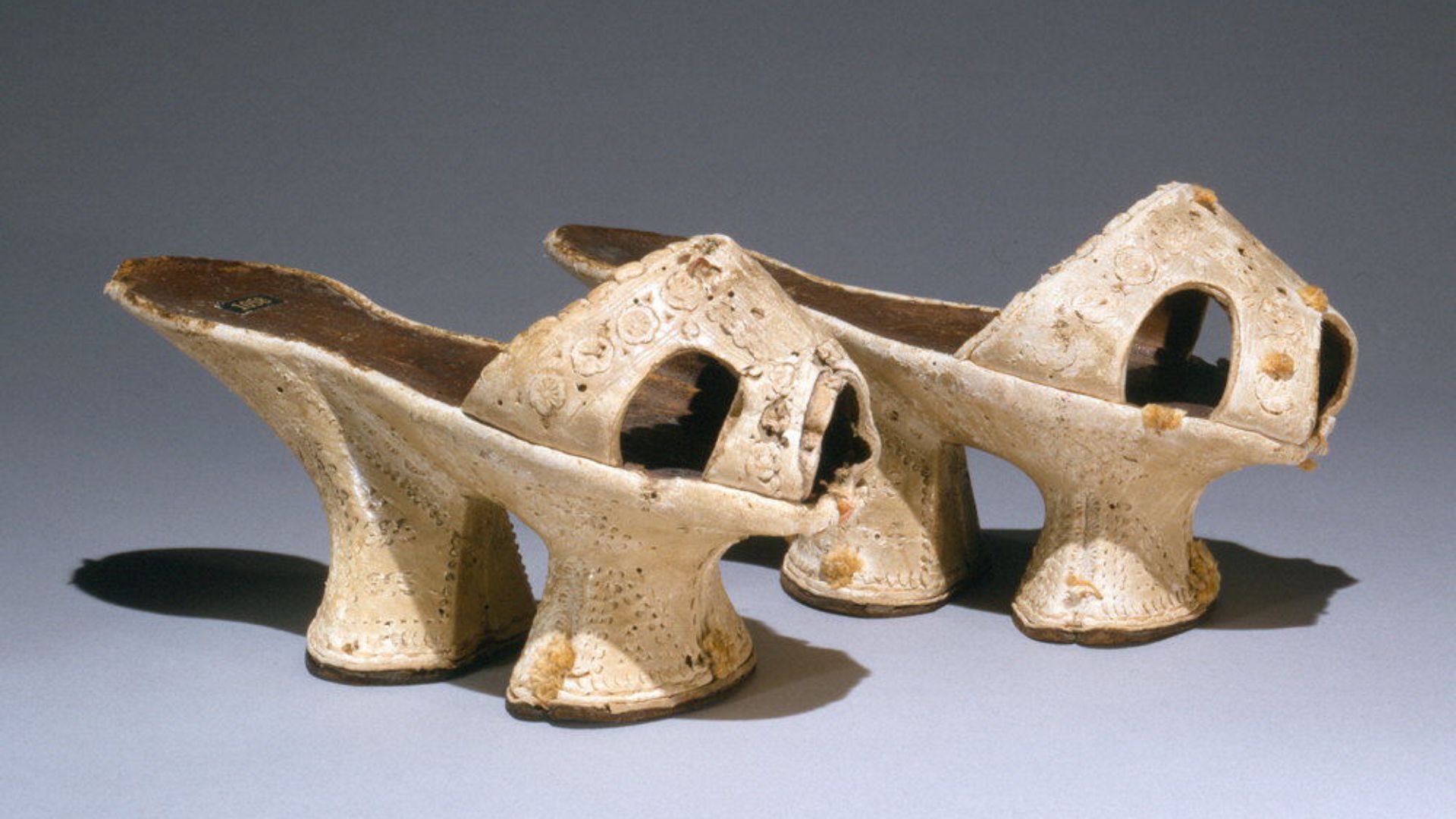
4. Farthingales
This hoop skirt style from the 16th century made women appear wider at the hips. Some could stretch several feet in diameter, making doorways a serious challenge. They were all about status and showing off wealth, even at the cost of mobility.
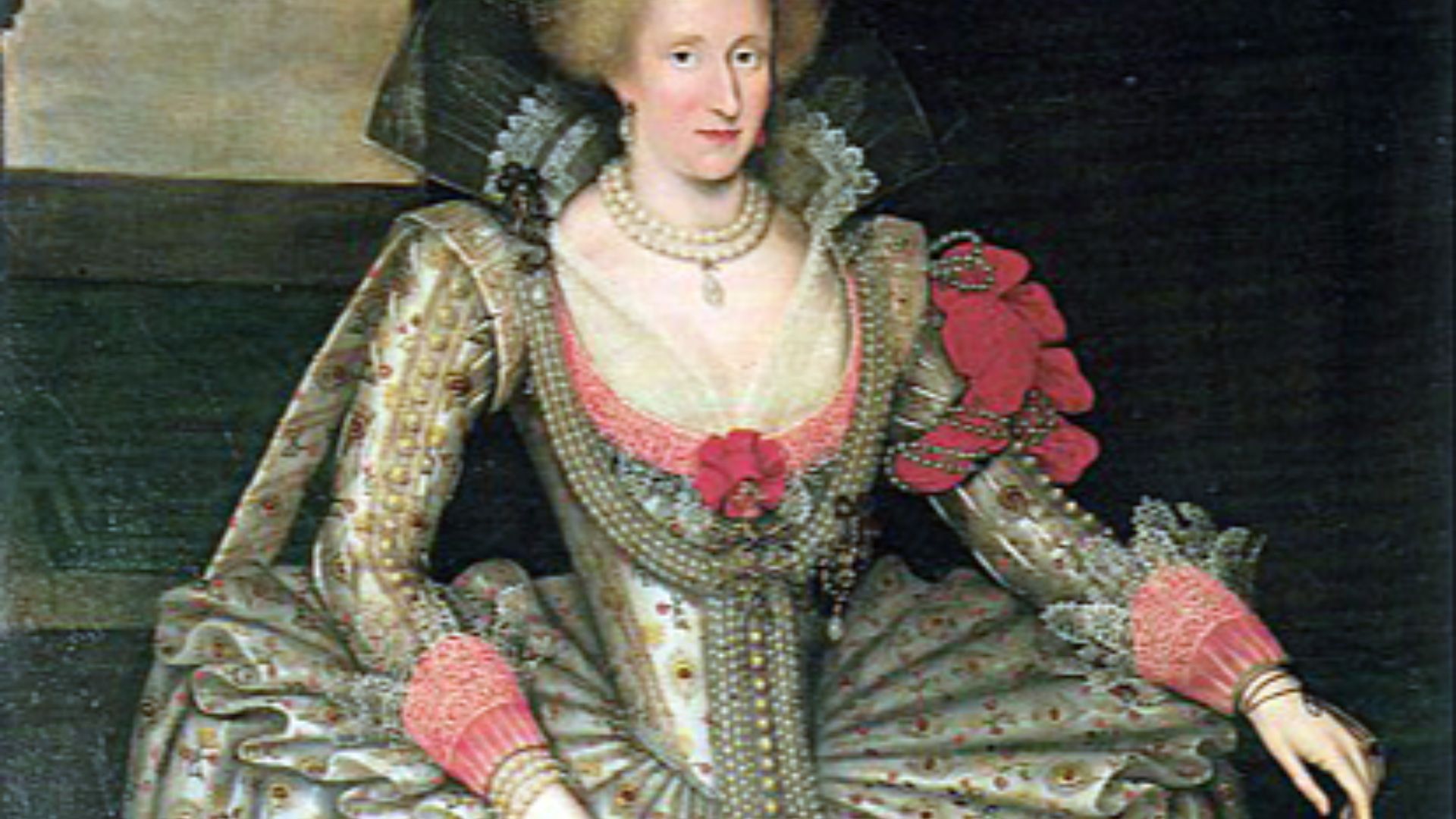 Marcus Gheeraerts the Younger on Wikimedia
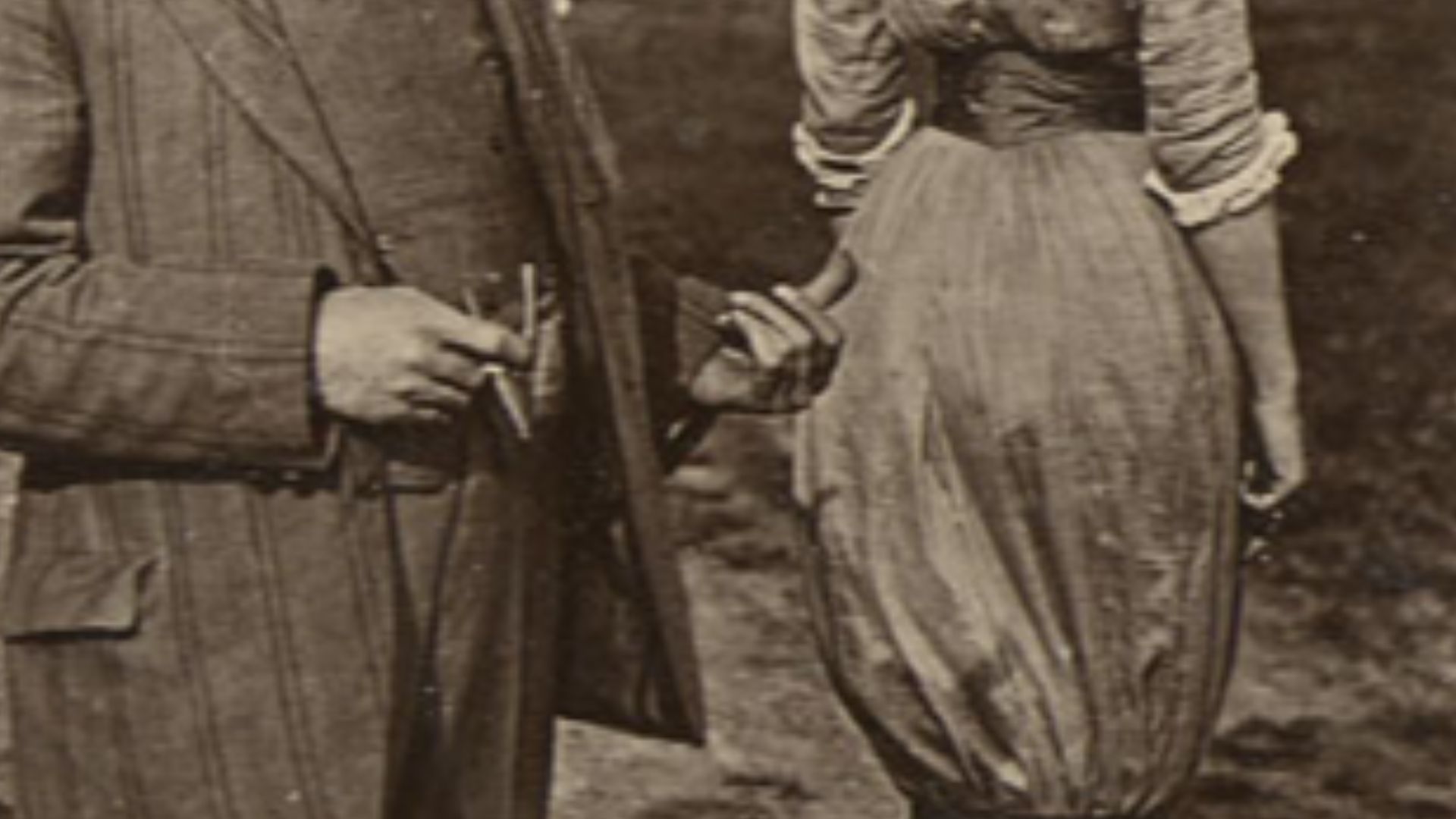
5. Hobble Skirts (Early 1900s)
Designed to make women’s strides tiny, these skirts literally hobbled the wearer. Fashion magazines called it elegant, but walking fast was almost impossible. Women had to master tiny steps to avoid tripping in public.
6. Gigot Sleeves
Popular in the 1830s, these sleeves ballooned dramatically before tapering at the wrist. They gave dresses a distinctive, exaggerated look. Carrying anything or doing daily tasks required patience and careful arm movement.
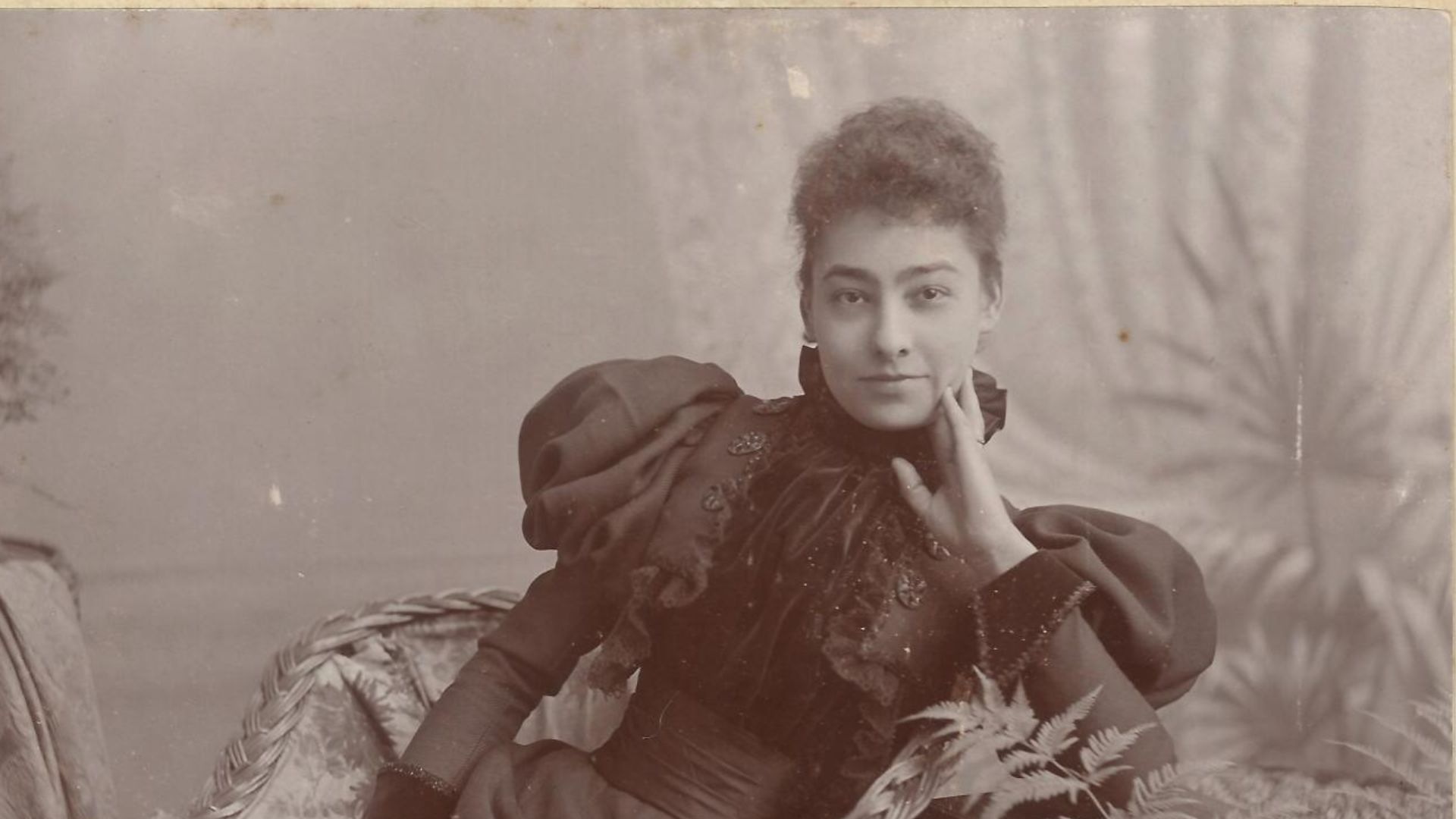 whatsthatpicture from Hanwell, London, UK on Wikimedia
7. Ruffs
These stiff, circular collars of the 16th and 17th centuries framed the face in dramatic style. They often required starching and wire supports to maintain shape. Eating and moving your head freely must have been quite the ordeal.
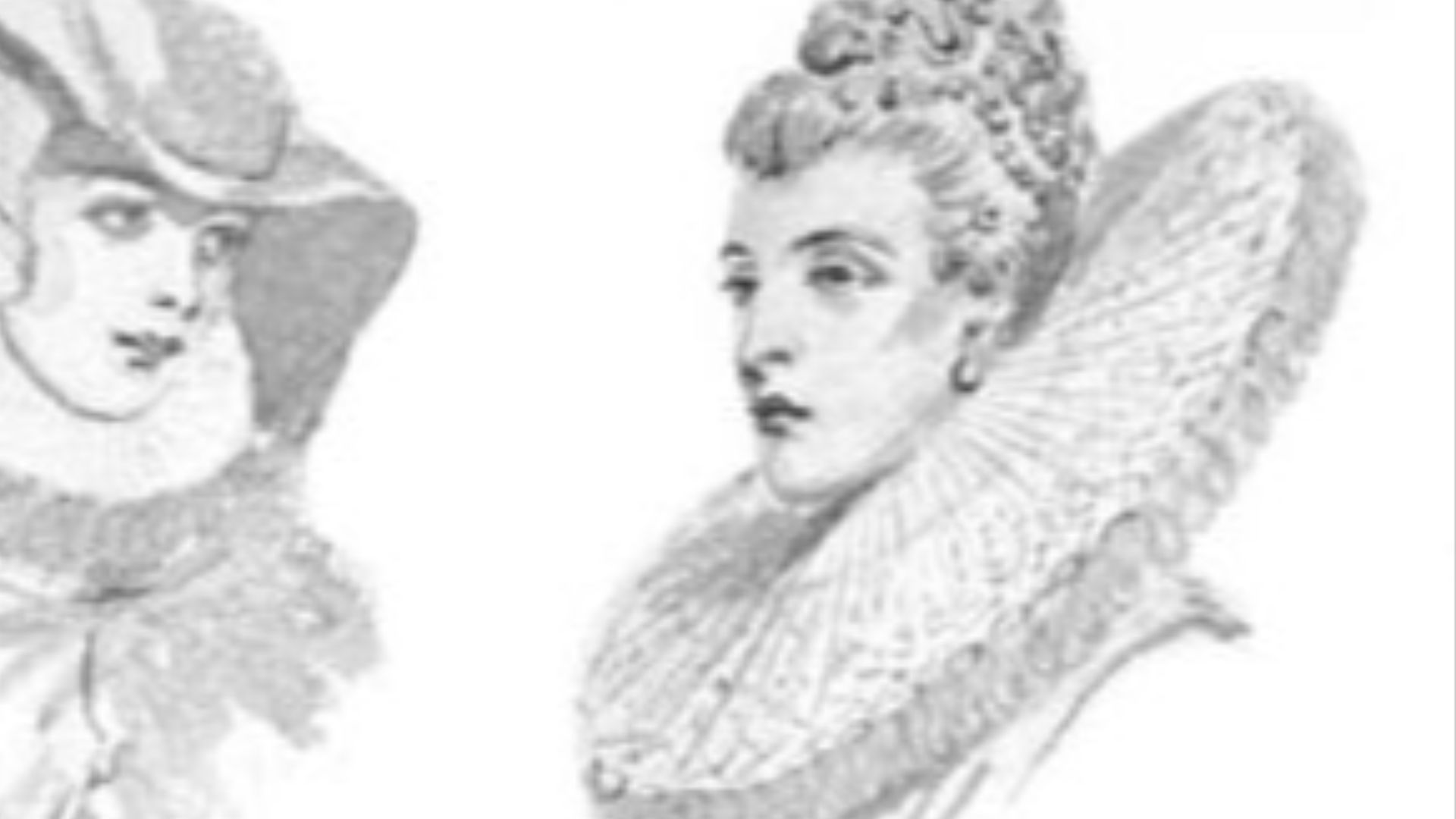 illustration by Percy Anderson for Costume Fanciful, Historical and Theatrical, 1906 on Wikimedia
8. Bloomers
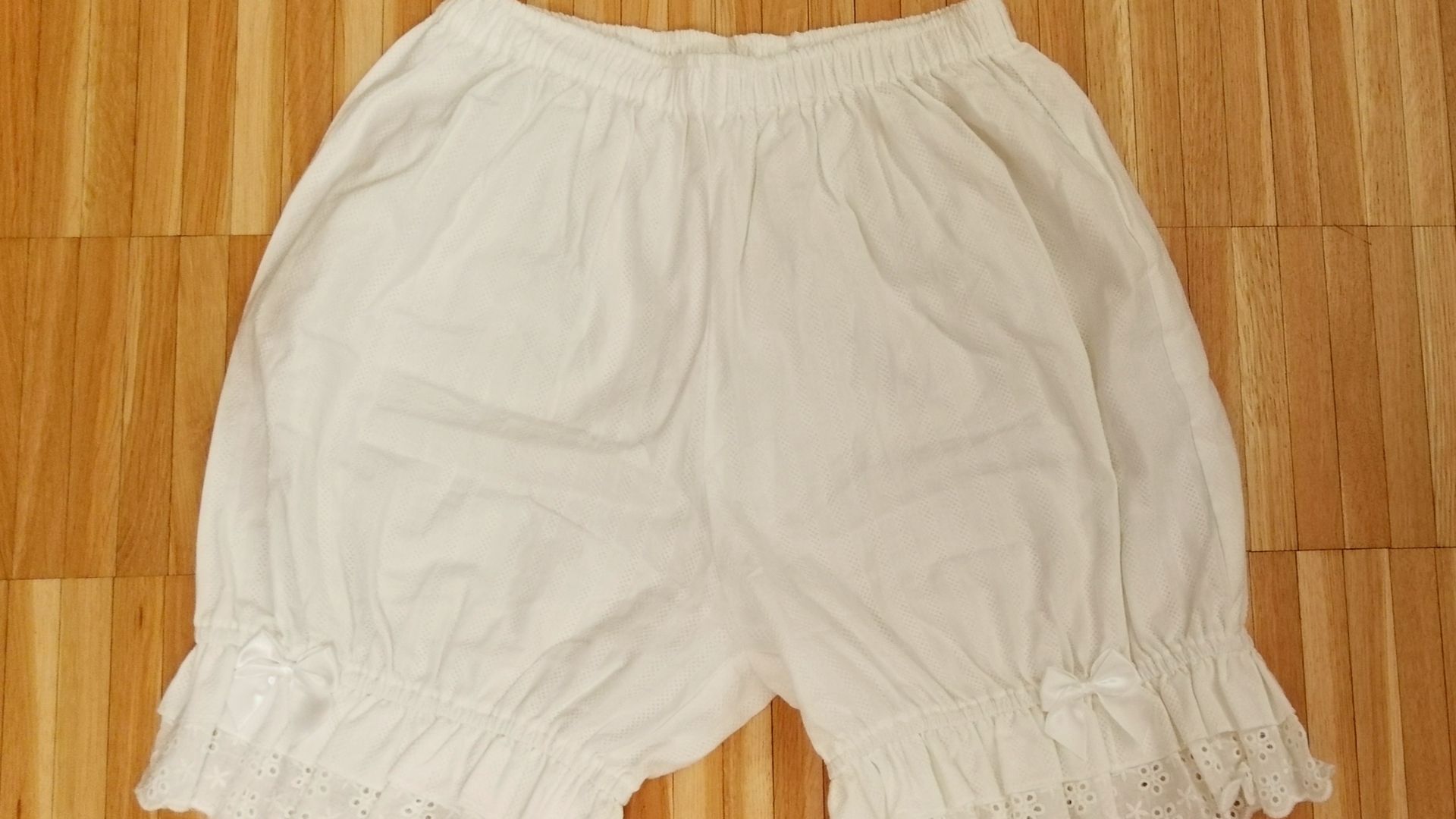
Bloomers were loose trousers gathered at the ankle, designed for women in the mid-19th century. They were considered scandalous at first because they revealed the shape of legs under skirts. Despite initial resistance, they became a symbol of practicality for active women.
9. Zoot Suits (1940s)
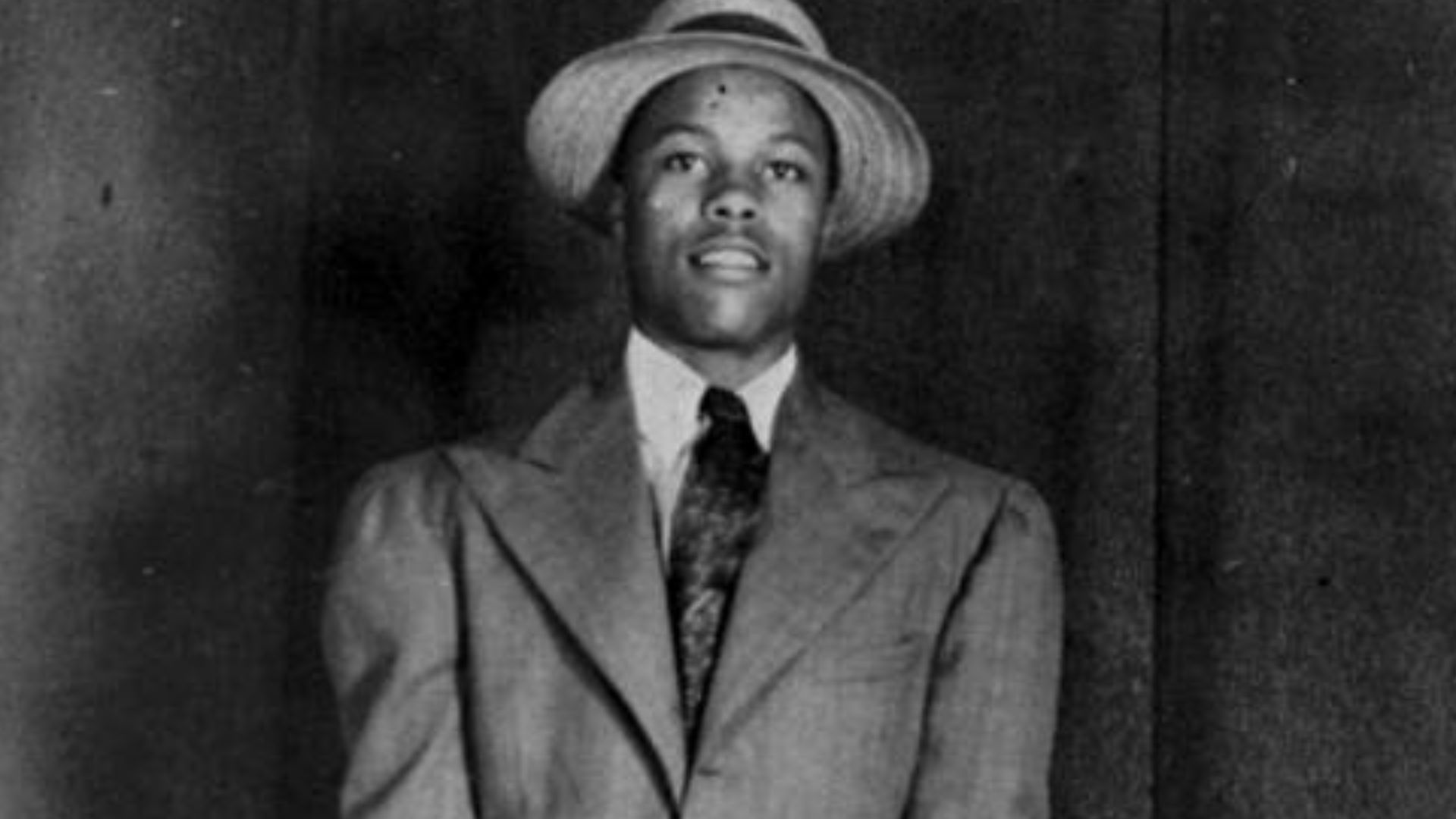
Zoot suits had extremely long jackets and wide-legged pants that were eye-catching. They were popular in jazz and swing culture but drew criticism for being “excessive” during wartime rationing. They were as much a statement as a style.
10. Crinolines
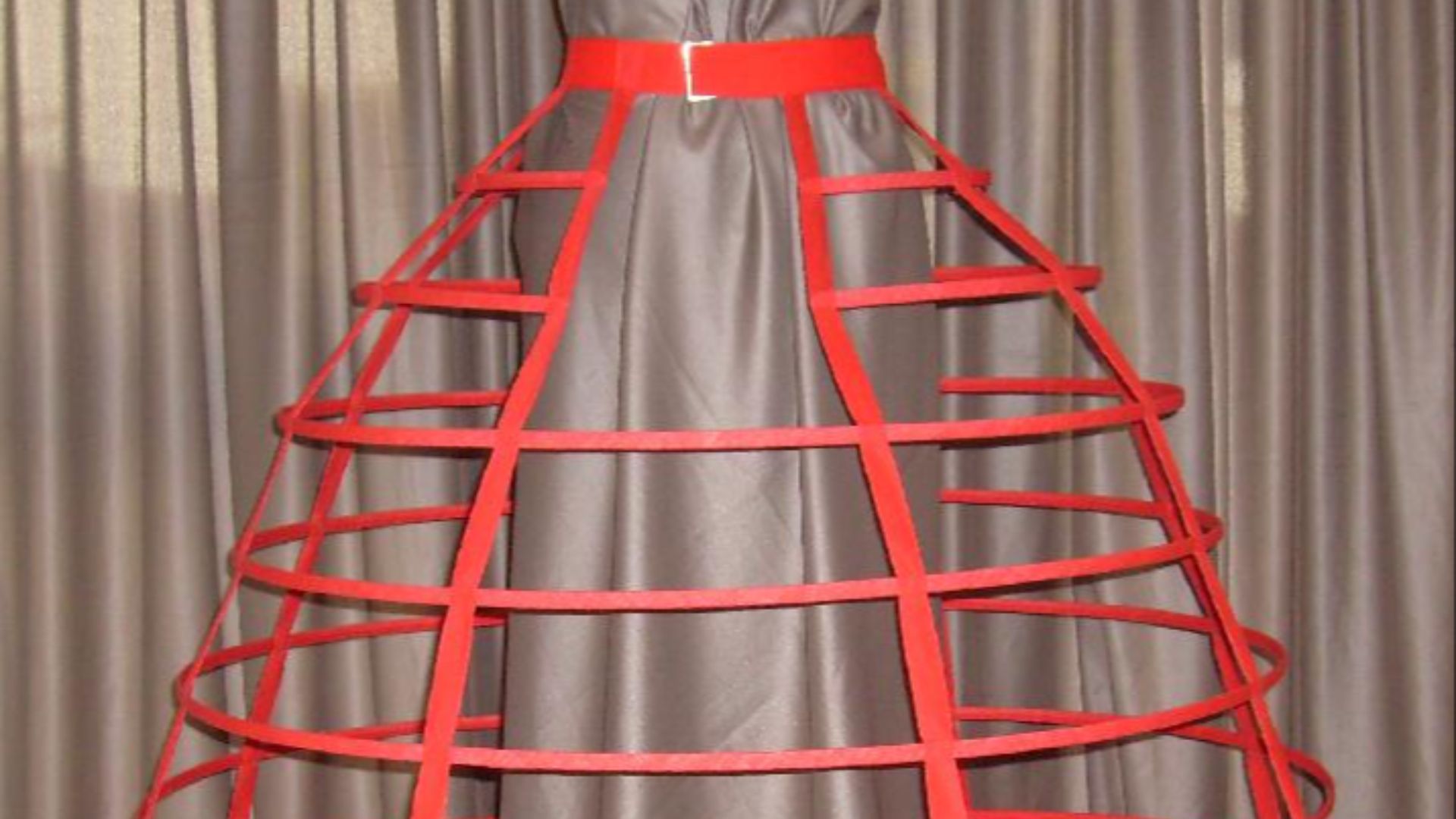
The 19th-century crinoline created a huge bell shape under skirts. Some were so wide that sitting, standing, or navigating tight spaces required careful maneuvering. They were the ultimate display of fashion over function.
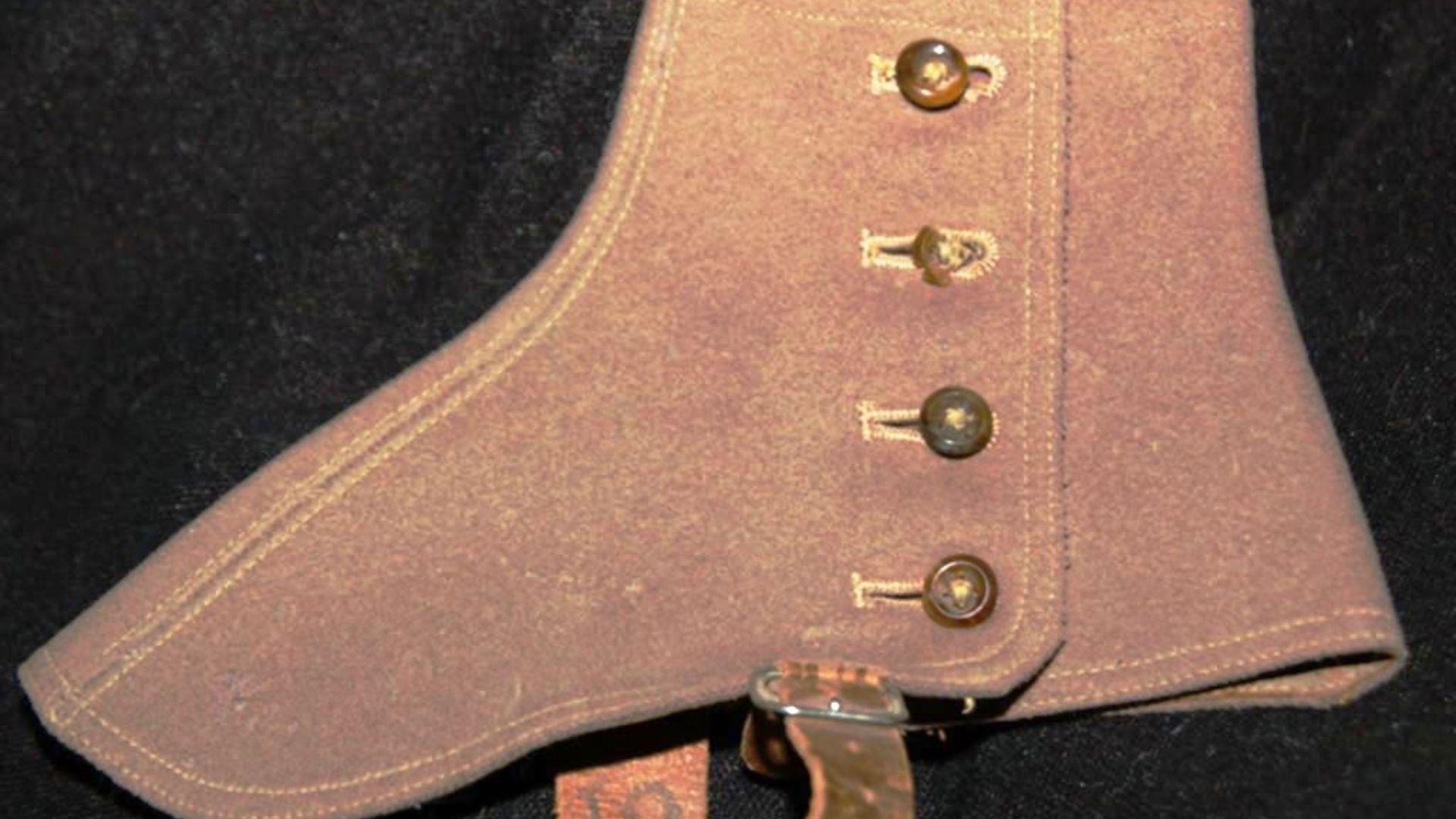
11. Spats
Worn mostly in the late 19th and early 20th centuries, spats covered shoes and ankles for style and cleanliness. While they looked smart, they were impractical for rainy or muddy streets. Gentlemen of the era often wore them as a symbol of sophistication.
12. Hobble Pants for Men
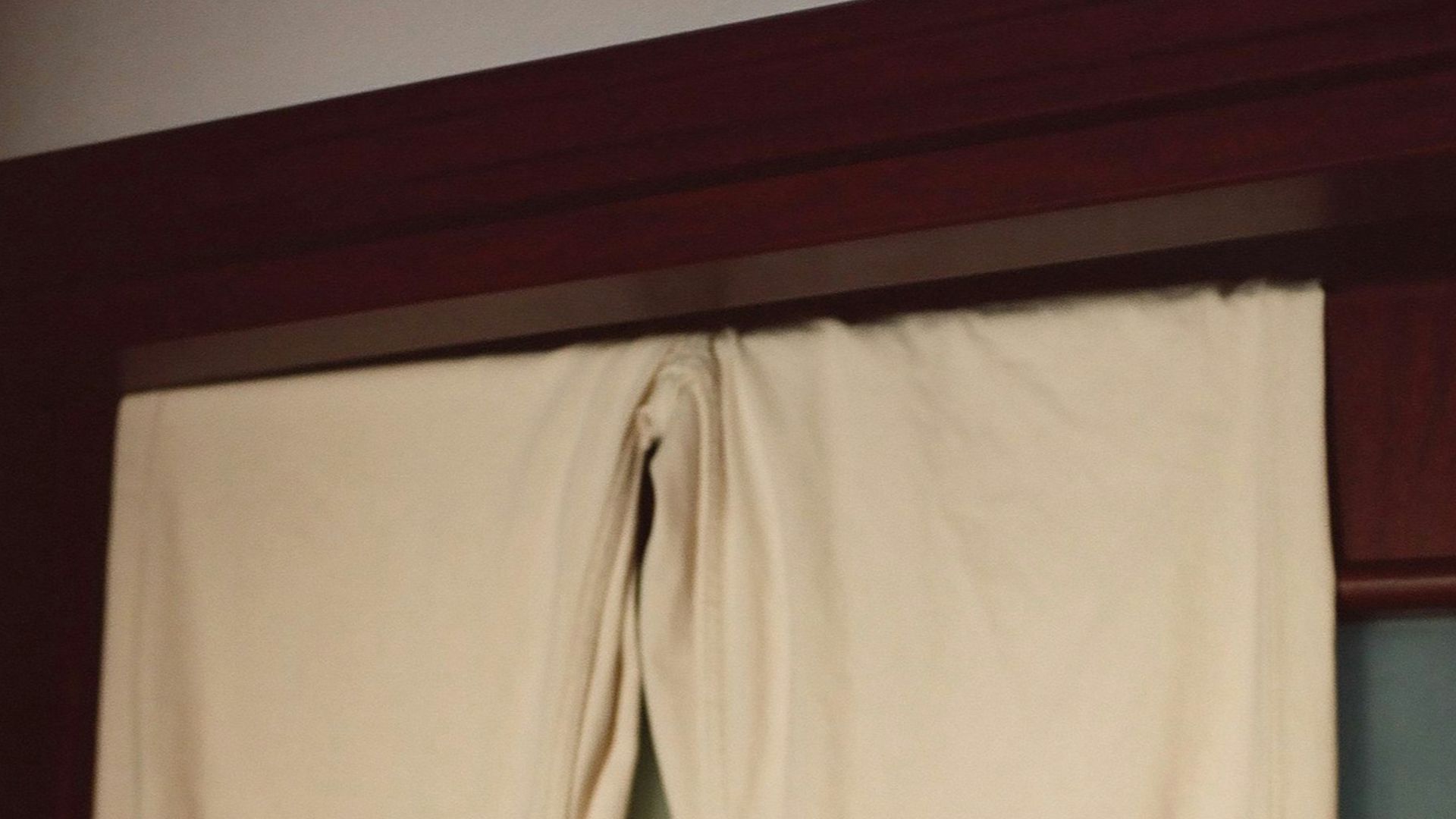
Men in the early 20th century experimented with pants that tapered tightly around the ankles. They looked fashionable but limited mobility. Doing anything active required a lot of careful movement.
13. Butterfly Wings Dresses (1960s)
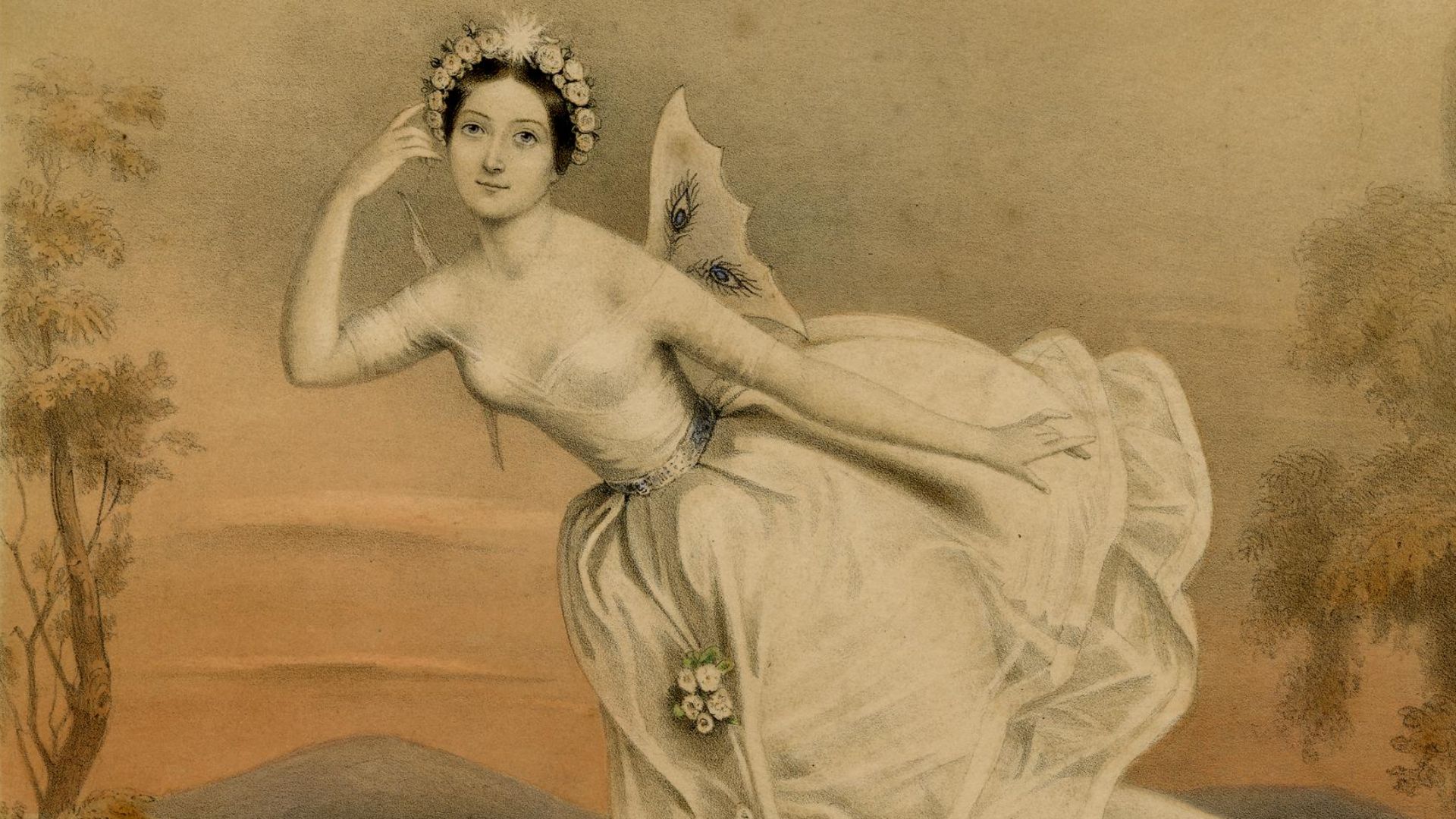
These dresses had panels resembling butterfly wings extending from the back. They were visually stunning but made close quarters tricky. Models and wearers had to be cautious not to knock things over.
14. Shoulder Pads (1980s)
Although slightly later, shoulder pads exaggerated the upper body to dramatic proportions. They gave a strong, almost armored silhouette. Business meetings became a bit more intimidating when everyone looked like mini-powerhouses.
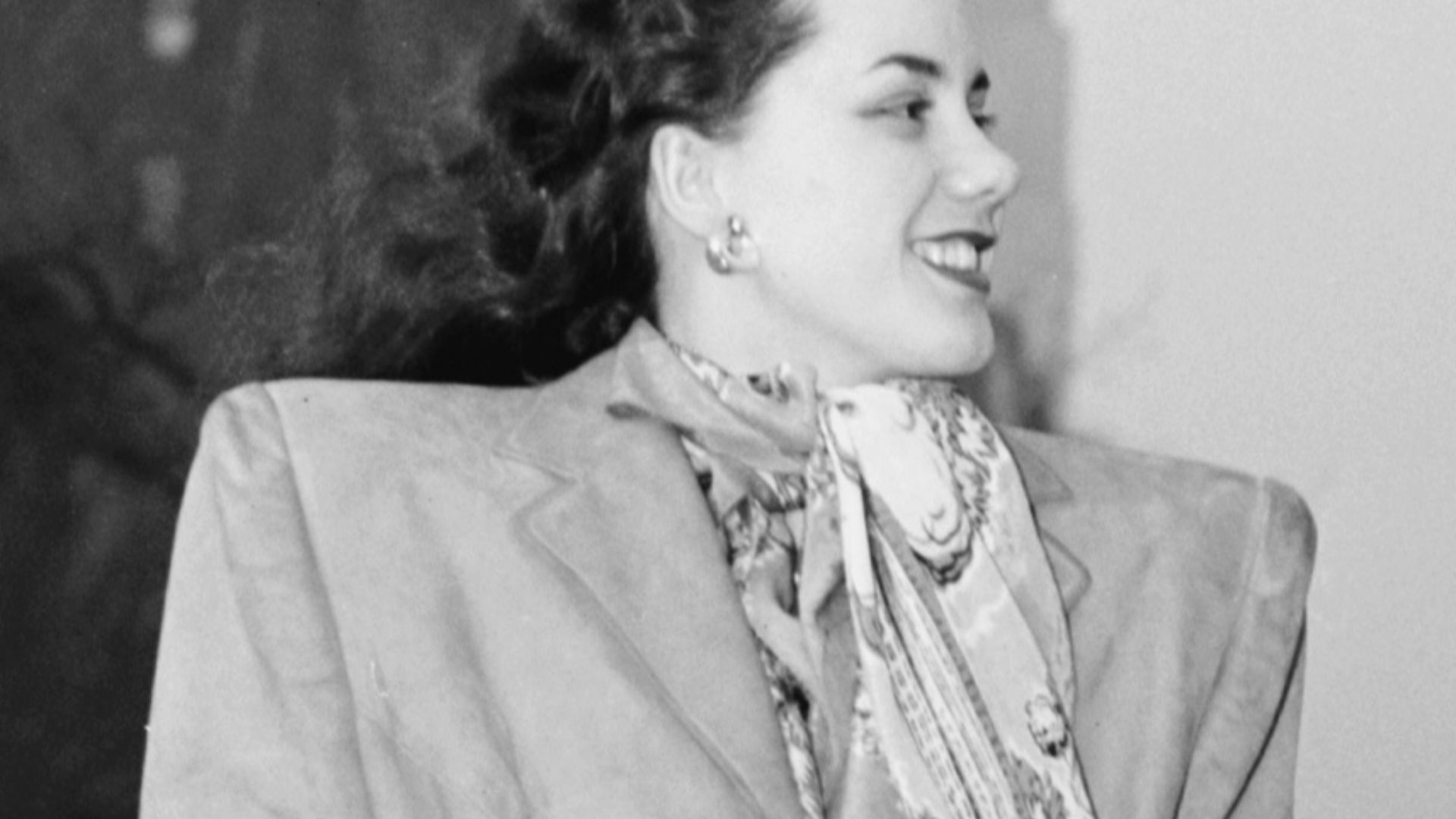 The Library of Congress on Wikimedia
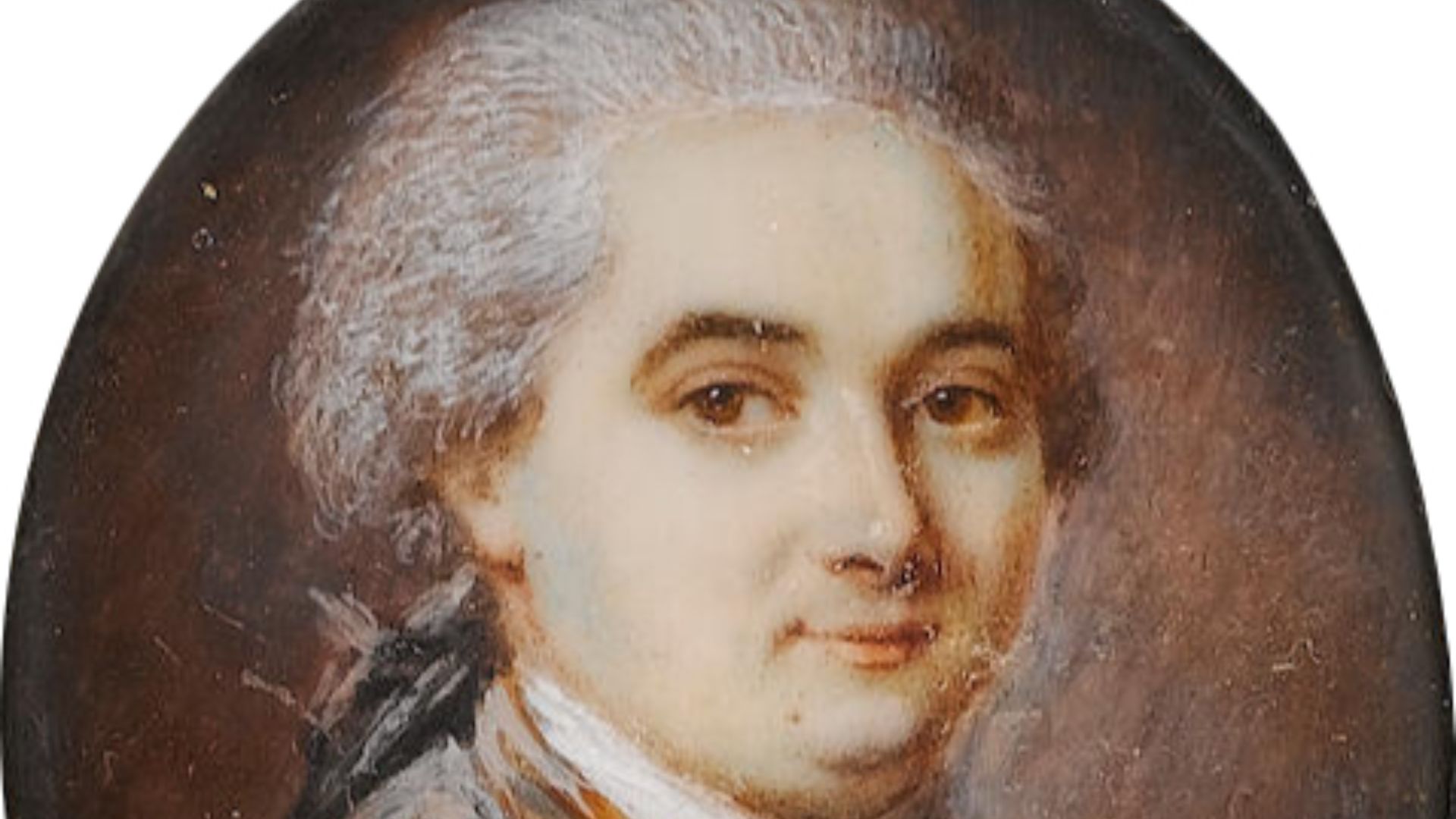
15. Powdered Wigs
Men and women in the 17th and 18th centuries often wore elaborate, powdered wigs. They could be heavy, itchy, and sometimes infested with lice. Despite discomfort, wigs were a crucial status symbol among the elite.
 Charlotte-Louise Suvée on Wikimedia
16. Hoop Earrings for the Neck
In some African and Southeast Asian cultures, neck rings elongated the neck dramatically. They were beautiful and striking but heavy, changing posture over time. They required dedication to beauty standards from an early age.

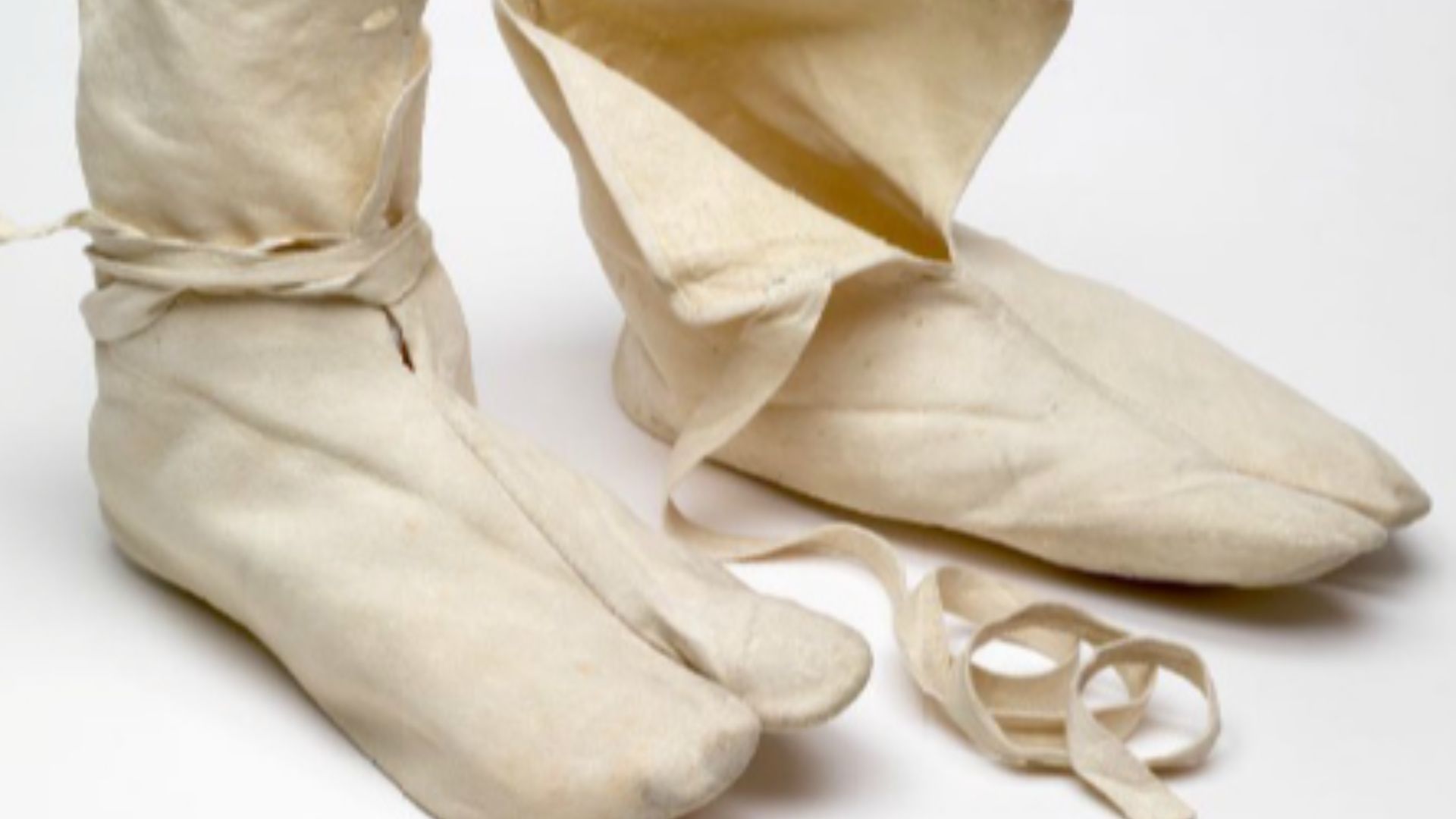
17. Tabi Shoes (Japan)
Traditional Japanese tabi shoes had a split toe to accommodate wooden sandals called geta. They looked simple but demanded balance and precision while walking. Samurai and townspeople both relied on them for daily life.
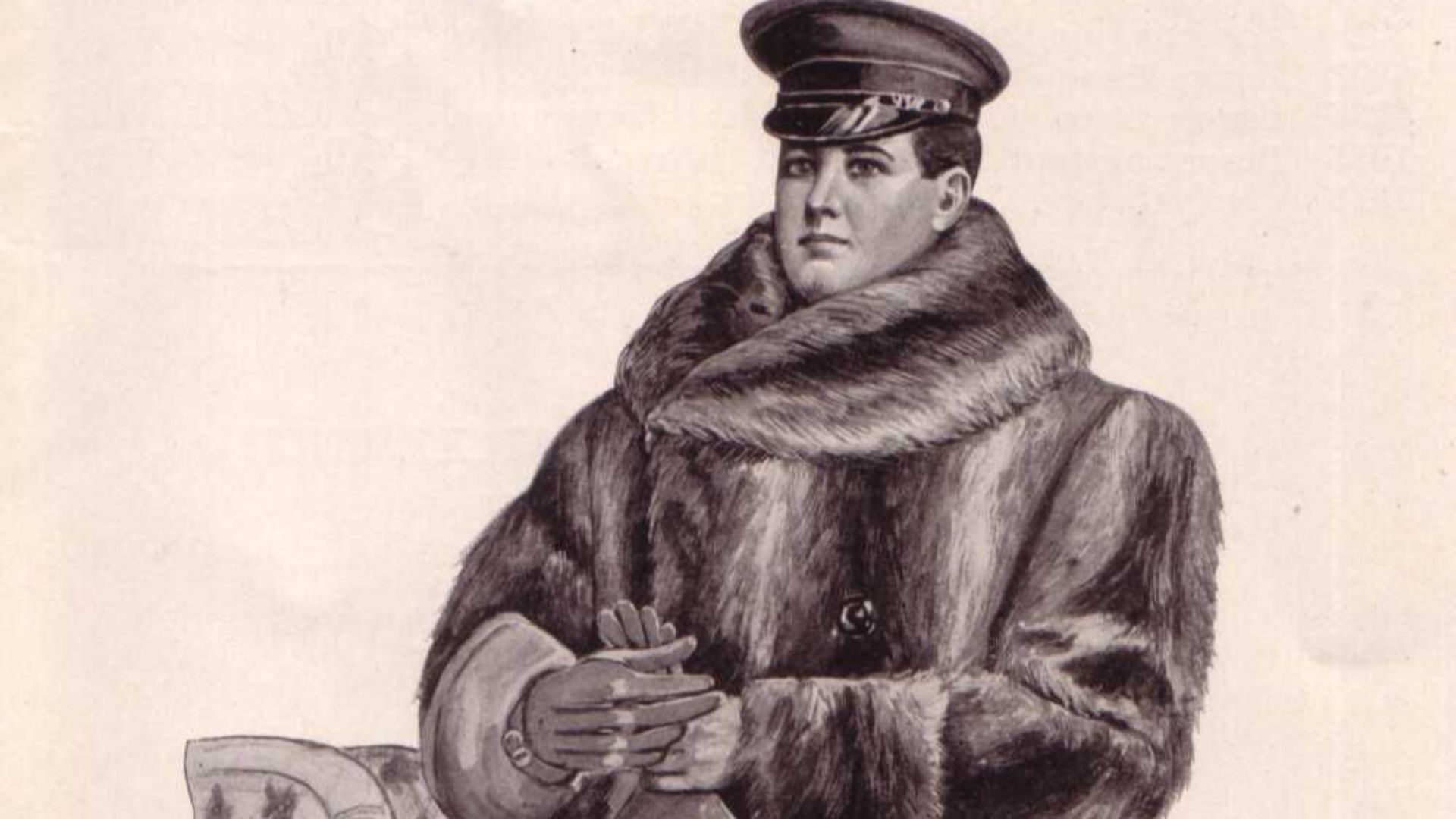
18. Raccoon Coats (1920s)
College students in the 1920s popularized oversized raccoon coats. They were warm and flashy, often worn with matching caps. While fun, the heavy fur made them cumbersome for long walks or crowded events.
 unknown/--Kuerschner 20:07, 2 February 2008 (UTC) on Wikimedia
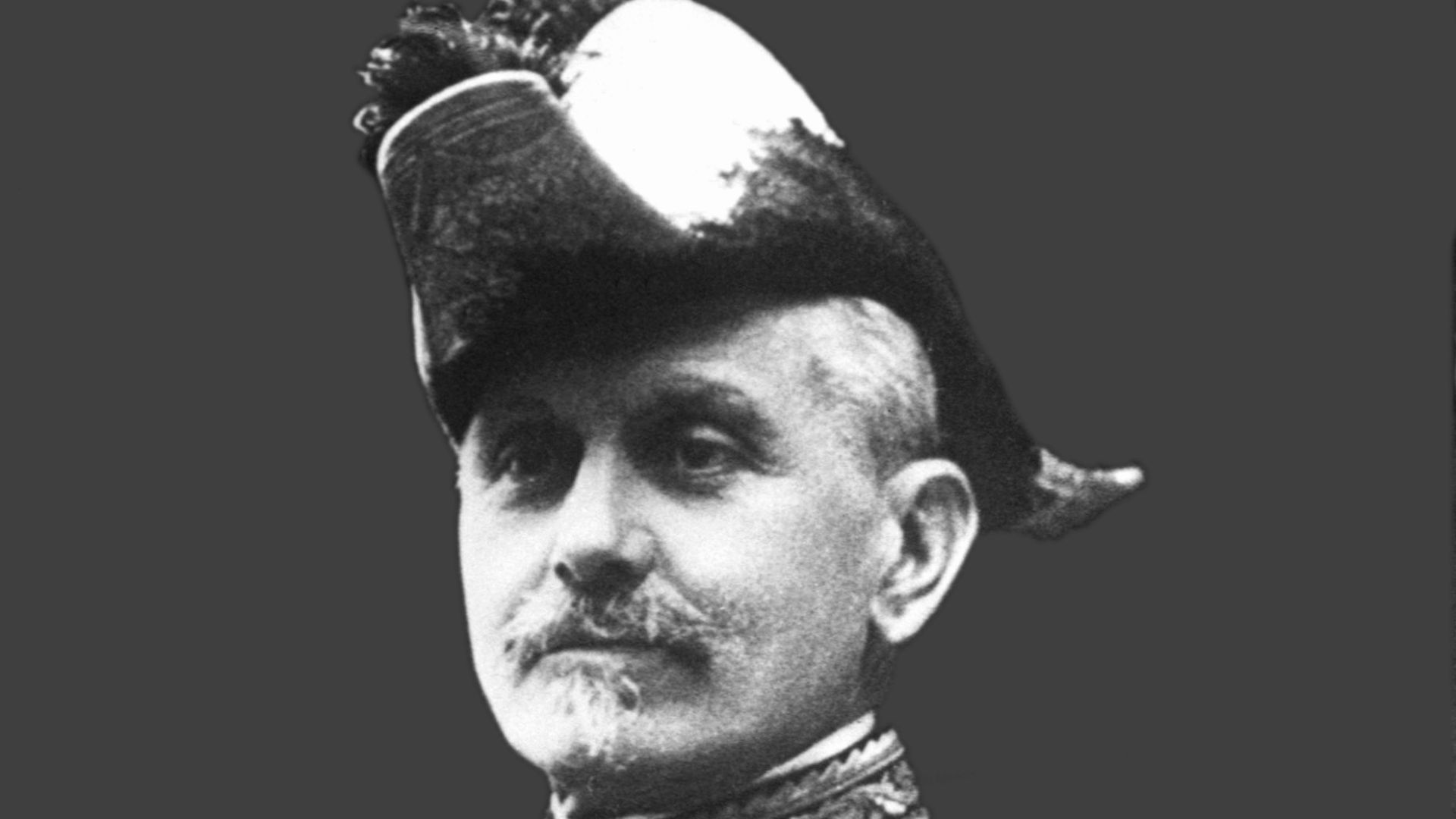
19. Bicorn Hats
Napoleon famously wore bicorn hats sideways, creating a distinctive silhouette. The design looked impressive but was hard to store or wear in windy conditions. They became iconic more for style than practicality.
20. Leg O’Mutton Pants
Men’s pants in the early 1800s sometimes ballooned like the sleeves of a dress, especially for dancing or fancy events. They were striking but awkward for everyday walking. Fashion clearly valued statement over comfort in those days.