From Whalebone To Wireless, A Long Road
Underwear has never really been just underwear. It's been a battleground for comfort, a marketing gold mine, and occasionally a genuine feat of engineering hiding under someone's blouse. For centuries the goal was control: cinch it, flatten it, shape it into whatever silhouette happened to be fashionable that decade. Then, slowly and unevenly, the goal shifted toward comfort, then confidence, then something closer to self-expression. Along the way, a handful of specific garments and inventions nudged the whole industry in a new direction, and everything after them looked a little different. Here's 20 pieces that actually moved the needle.
 commons.wikimedia.org on Google
1. The Flapper Bandeau
As the boyish silhouette of the 1920s took over, corsets gave way to soft, flattening bandeau tops designed to minimize the bust rather than lift it. The look was a direct rejection of the hourglass shape that had ruled fashion for generations. It's a strange footnote now, a bra designed to make curves disappear, but it opened the door to underwear built around comfort and movement instead of pure structure.
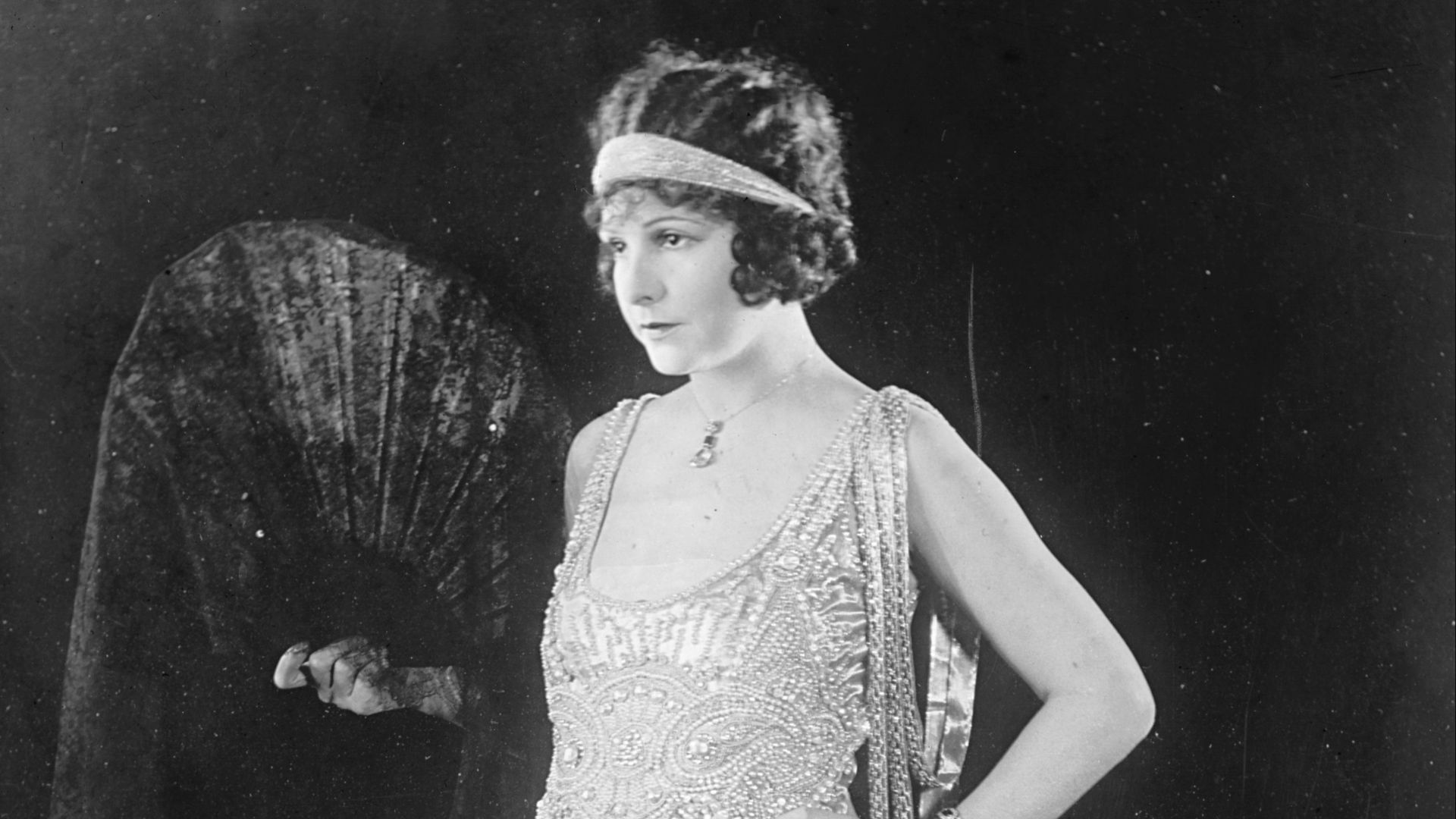 Bain News Service; cropped by Beyond My Ken (talk) 07:14, 4 October 2010 (UTC) on Wikimedia
2. The Teddy
The one-piece teddy, also called a camiknicker, combined a camisole and knickers into a single garment during the 1920s. It solved a real problem: layering multiple pieces under increasingly slim dresses created bulk nobody wanted. Simpler, sleeker underpinnings became the whole point of the decade, and the teddy was the clearest expression of that shift.
 Konstantin Mishchenko on Pexels
3. The Elastic Girdle
By the late 1920s, rubberized elastic started replacing whalebone and steel boning in shapewear, and the girdle was born. It offered a fraction of the structure of a Victorian corset with none of the restriction, letting women sit, bend, and breathe without assistance. For the first time, shapewear didn't require another person to lace you into it.
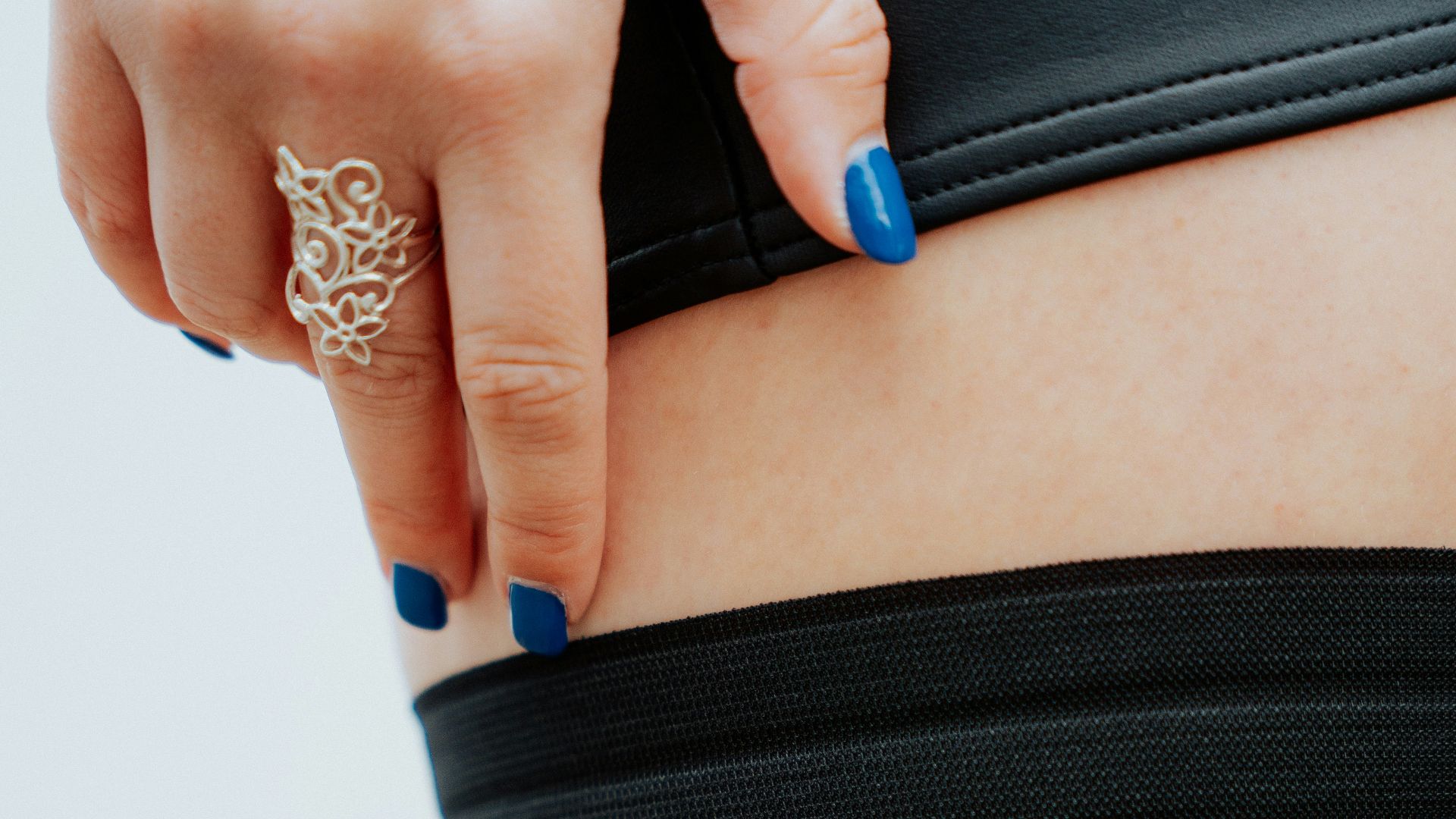
4. The Underwire Bra
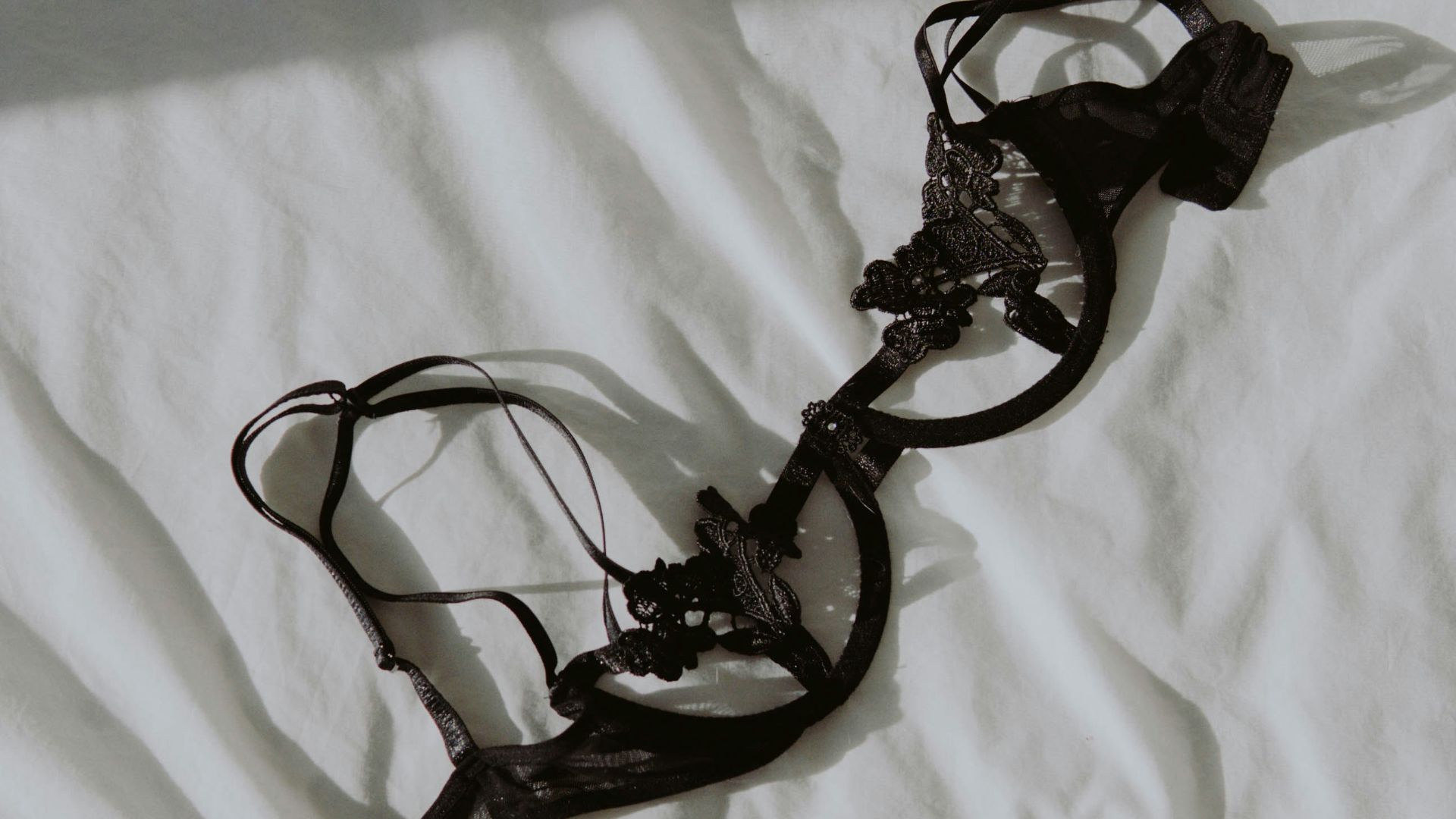
Underwire patents actually date back to the 1930s, but the design didn't become mainstream until after World War II, once metal was no longer being rationed for the war effort. Once it did catch on, it changed what a bra could physically do, offering lift and support without the padding or boning of earlier designs. Most bras sold today still use some version of that same basic frame.
5. Nylon Stockings
DuPont introduced nylon stockings to the public in 1940, and they sold out almost instantly, with women lining up outside stores for a chance at a pair. Nylon was stronger, sheerer, and far more affordable to produce at scale than silk, which had dominated hosiery until then. When wartime rationing pulled nylon off shelves a couple of years later, the shortage became such a cultural flashpoint that it sparked actual protests.

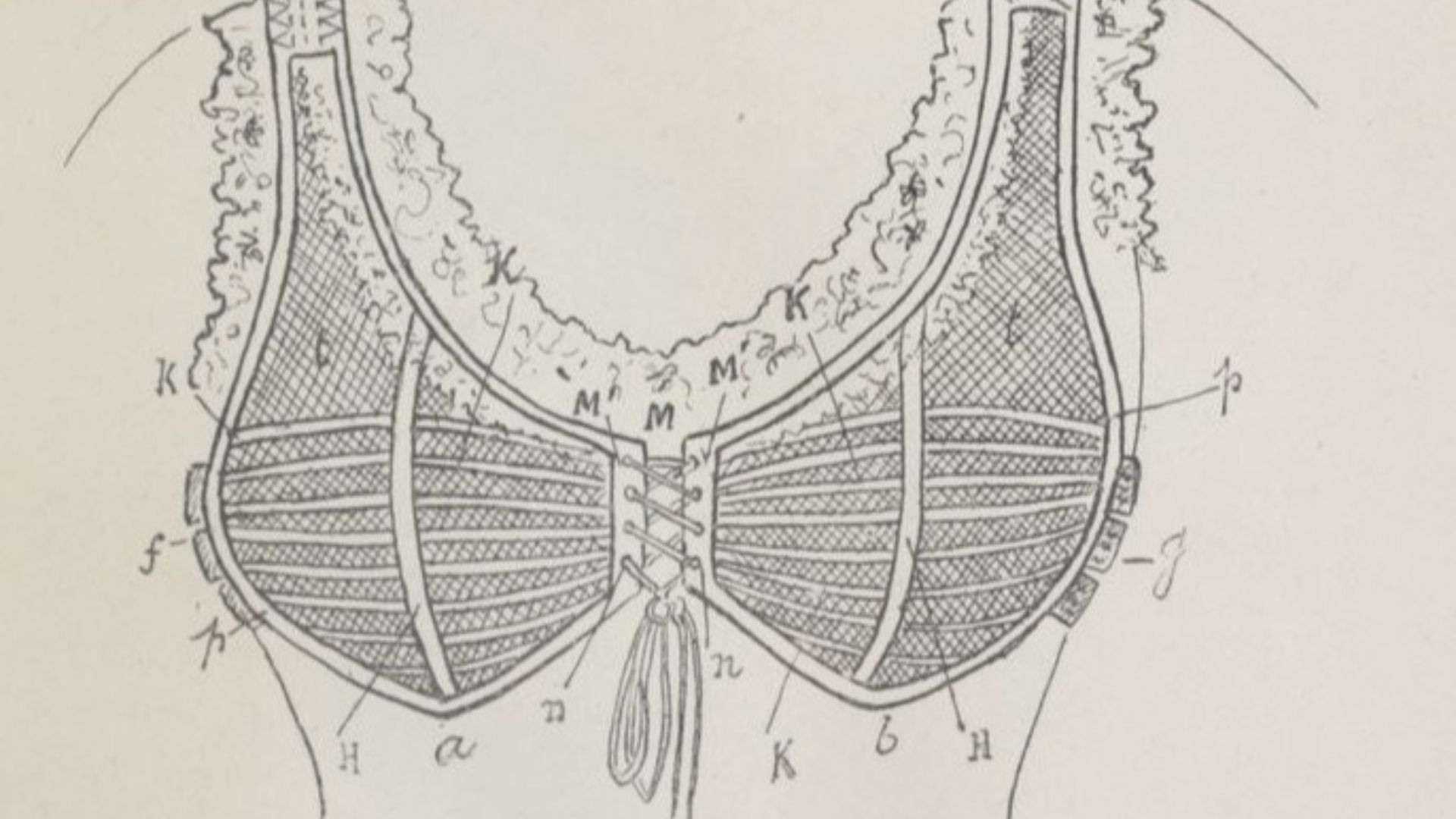
6. Herminie Cadolle's Corset Gorge
In 1889, French corsetiere Herminie Cadolle split the traditional corset into two separate pieces, a supportive top half and a waist-cinching bottom half. Women quickly realized they could wear the top half on its own, which is essentially the first modern bra concept, decades before the word "brassiere" was even common. Cadolle's family business is still making lingerie in Paris today.
 Unknown authorUnknown author on Wikimedia
7. Mary Phelps Jacob's Backless Brassiere
Frustrated by a stiff corset ruining the lines of her sheer evening gown, New York socialite Mary Phelps Jacob stitched together two silk handkerchiefs and some ribbon in 1913. She patented the design as the "Backless Brassiere" in 1914 and eventually sold the patent to Warner Brothers Corset Company for $1,500. It turned out to be one of the great underpriced deals in fashion history.
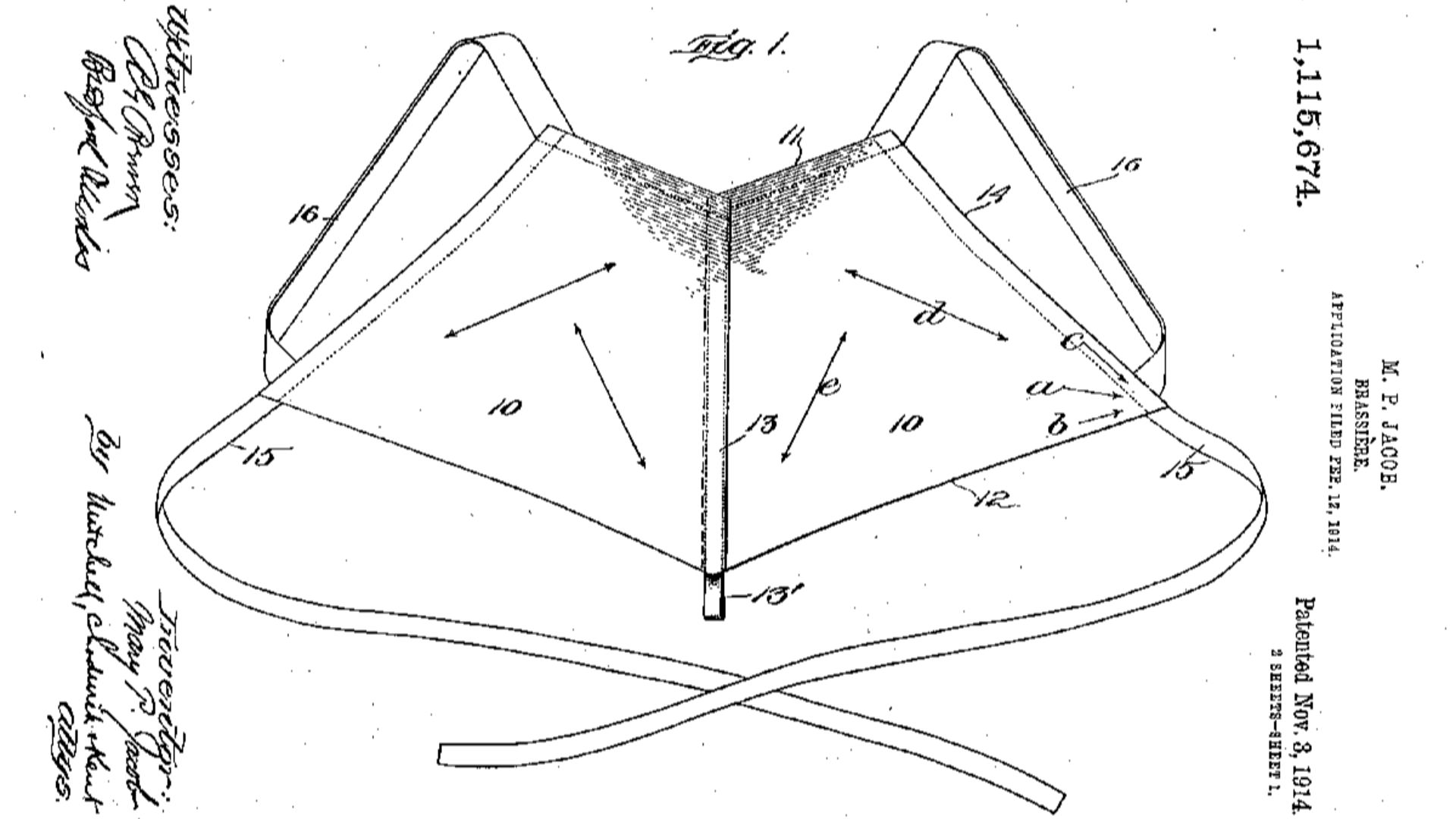 Mary Phelps Jacob on Wikimedia
8. Frederick's Of Hollywood's Push-Up Bra
Frederick Mellinger opened his lingerie shop in Hollywood in the 1940s with a simple pitch: underwear should enhance, not just cover. His padded, push-up styles were considered scandalous at the time, marketed openly around glamour and sex appeal rather than pure function. Decades before Wonderbra made headlines, Mellinger had already proven there was a massive market for lingerie sold as spectacle.

9. The Maidenform "I Dreamed" Campaign
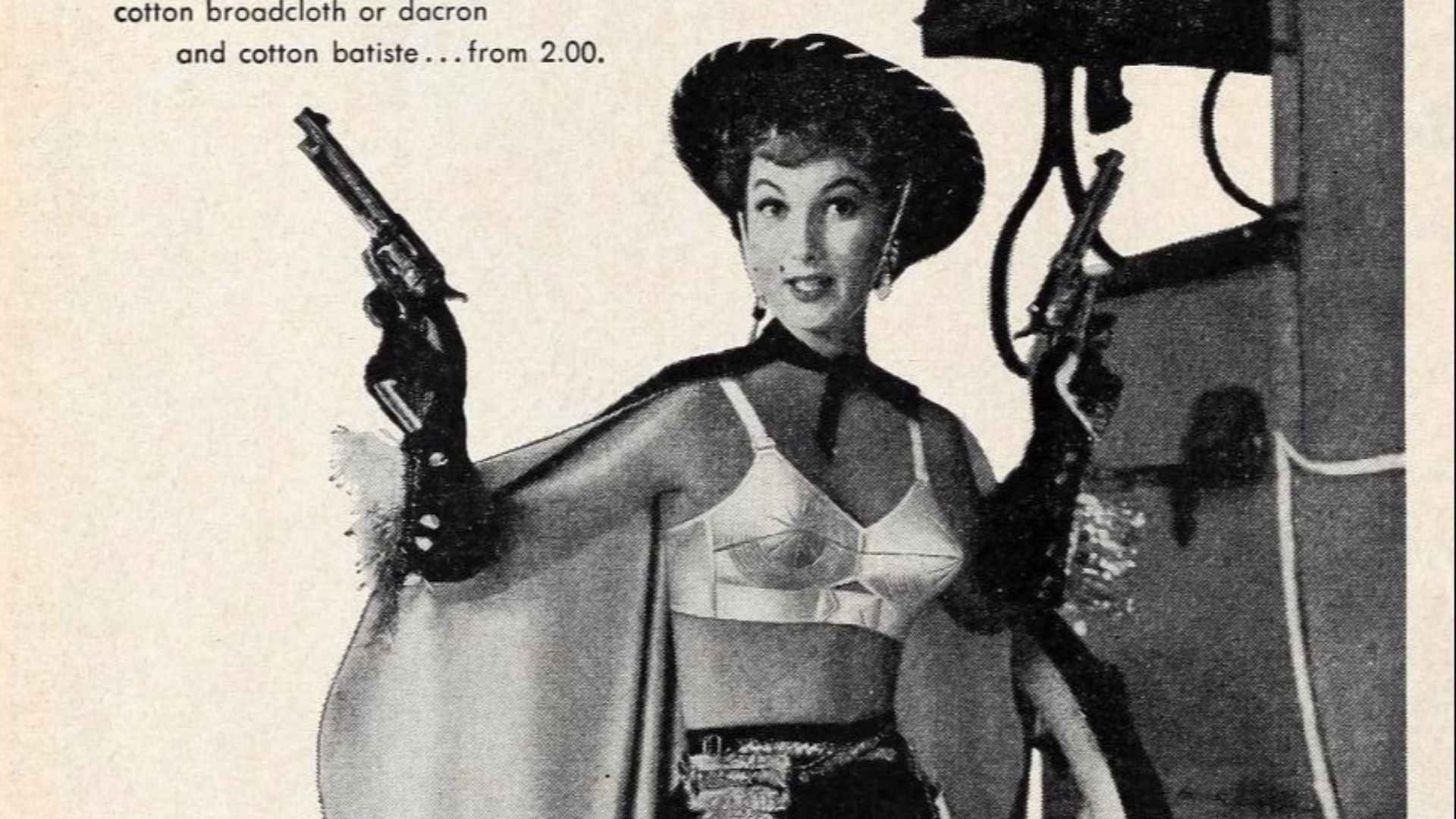
Maidenform's 1949 ad campaign showed women in their bras doing ordinary things, going shopping, driving a car, all under the tagline "I dreamed I went shopping in my Maidenform bra." It sounds tame now, but at the time it was a genuinely bold way to advertise underwear in mainstream magazines. The campaign ran for two decades and helped normalize lingerie as something you could talk about openly, not just something hidden in a drawer.
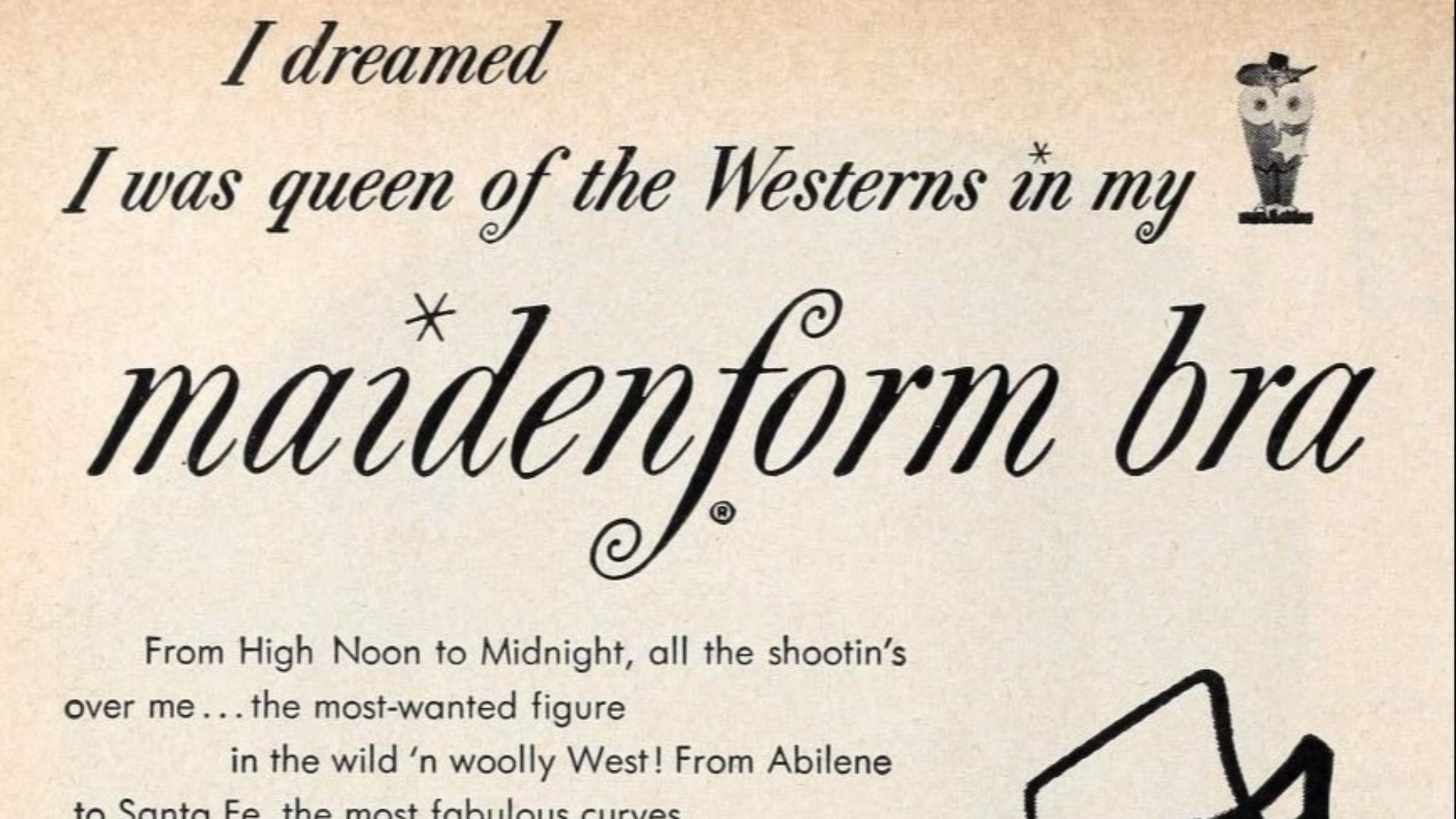 commons.wikimedia.org on Google
10. Warner's Merry Widow
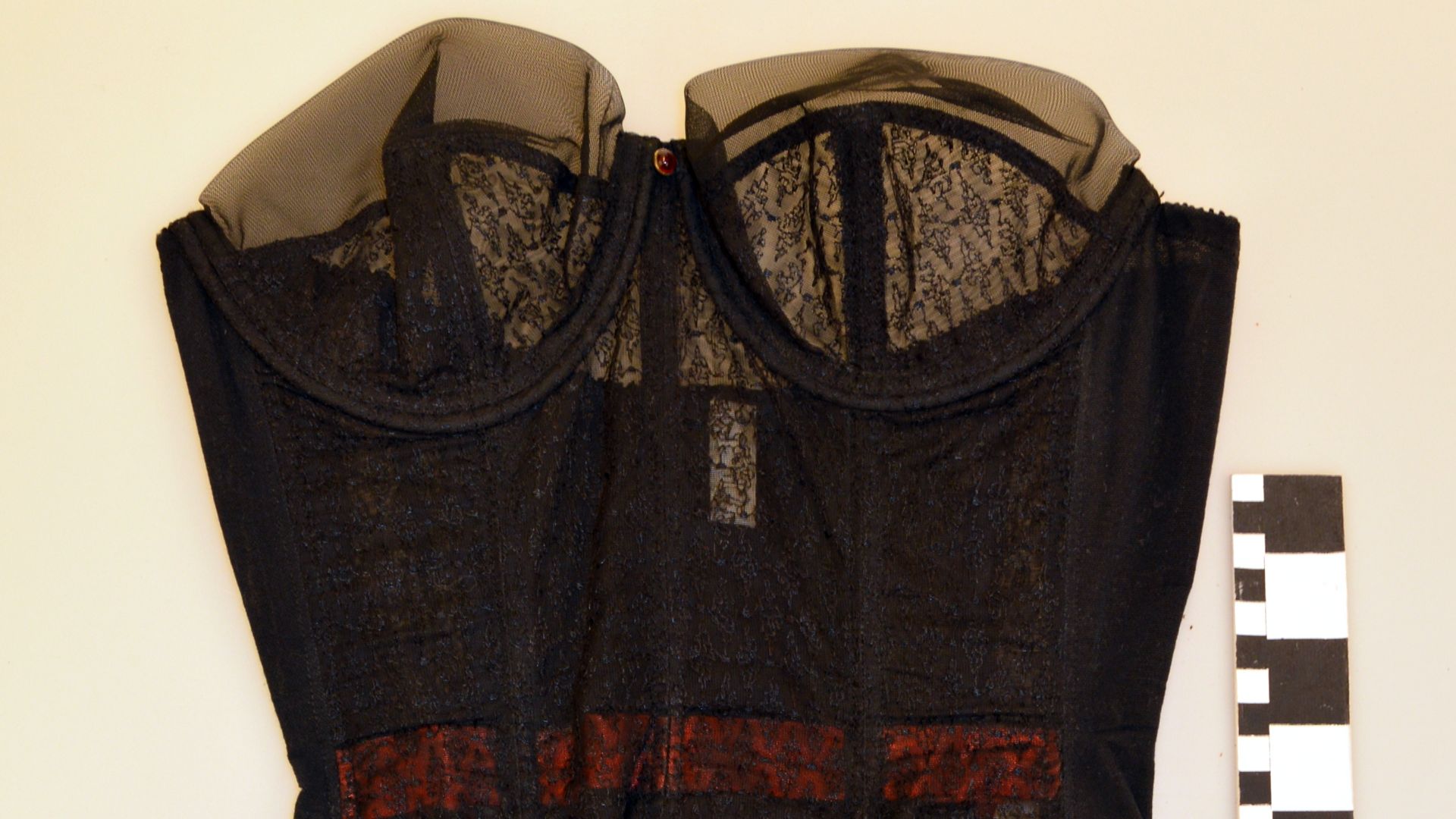
Named after the popular operetta, the Merry Widow corselette debuted in 1952 and combined a bra, waist cincher, and garter straps into one dramatic piece. It was theatrical by design, built for the era's obsession with the extreme hourglass shape popularized by stars like Marilyn Monroe. Few garments captured the exaggerated glamour of 1950s underwear quite as completely.
11. Lycra
DuPont chemist Joseph Shivers developed Lycra, a synthetic stretch fiber, in 1958, and it quietly transformed nearly every category of underwear that followed. Suddenly garments could stretch and recover their shape without bulky elastic panels or boning. Girdles, bras, and eventually shapewear brands like Spanx all owe their comfort to that one fabric innovation.

12. Wonderbra's Dream Lift 1300
Canadian designer Louise Poirier built the push-up Dream Lift 1300 in 1964, using more than fifty individual pattern pieces to engineer maximum lift from a plunging silhouette. It sat quietly on shelves for decades until Wonderbra relaunched it in 1994 with the "Hello Boys" billboard campaign, featuring model Eva Herzigová. That single poster is still considered one of the most iconic advertisements in fashion history.
13. Rudi Gernreich's Thong
Designer Rudi Gernreich introduced a thong-style swimsuit in 1974, and the underwear version slowly worked its way into mainstream fashion through the 1980s club and dance scenes. What started as a fairly niche, provocative style eventually became a wardrobe staple, driven by low-rise jeans and the desire to avoid visible panty lines. By the 2000s it had its own pop song and its own aisle at the department store.
14. Victoria's Secret
Roy Raymond founded Victoria's Secret in 1977 after feeling embarrassed shopping for lingerie for his wife in a regular department store. The brand's early catalogs reframed lingerie shopping as glamorous and even a little theatrical, rather than clinical or awkward. That repositioning eventually built one of the most recognizable lingerie brands in the world, for better or worse.

15. The Jogbra
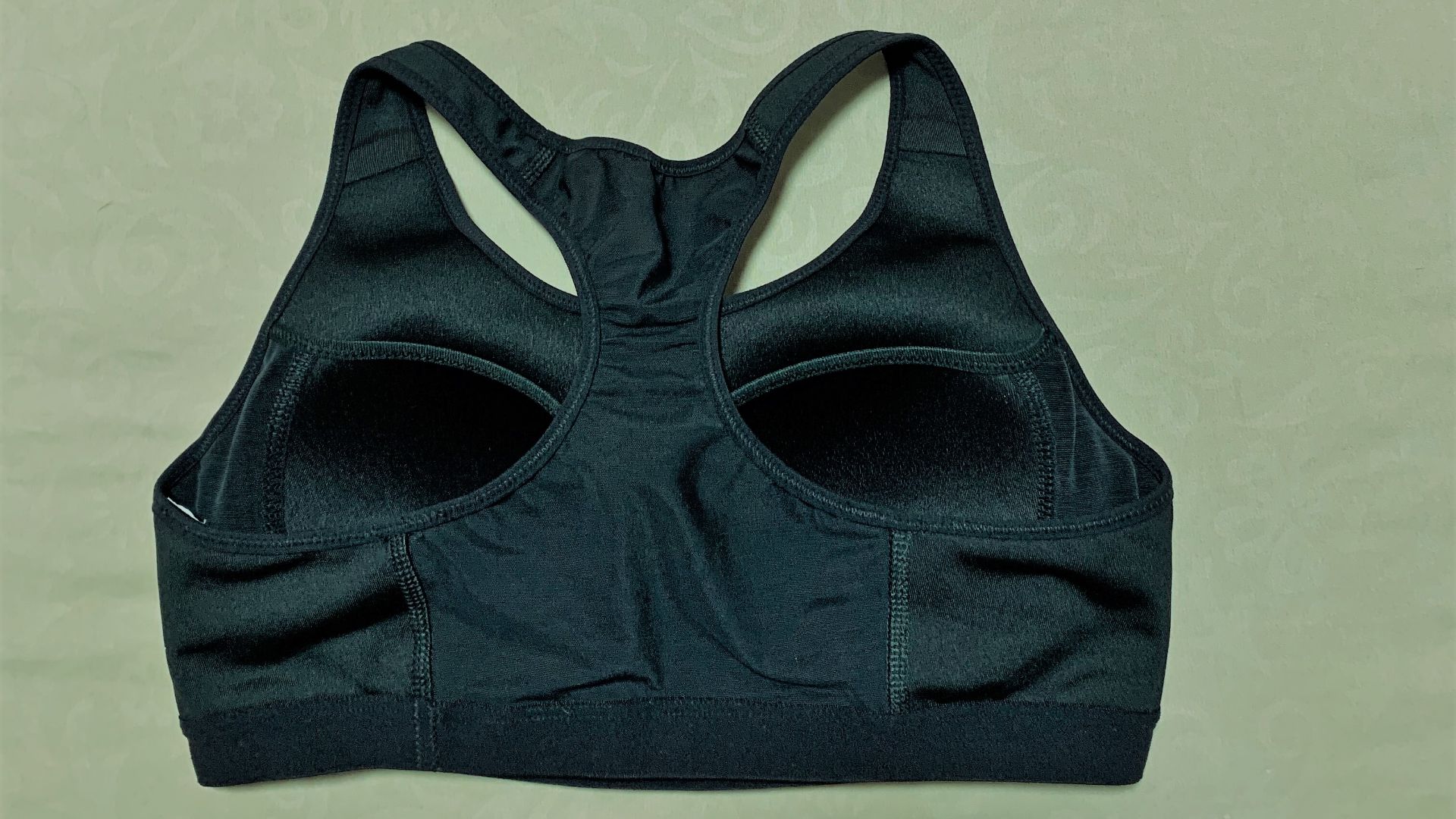
Runner Lisa Lindahl, costume designer Polly Smith, and Hinda Miller sewed two jockstraps together in 1977 to solve a problem no bra on the market addressed: real support during exercise. Their prototype became the Jogbra, patented in 1979, and it effectively invented the sports bra category from scratch. The impact went beyond fashion, since better support genuinely removed a barrier that had kept some women from running or playing sports at all.
16. Control-Top Pantyhose
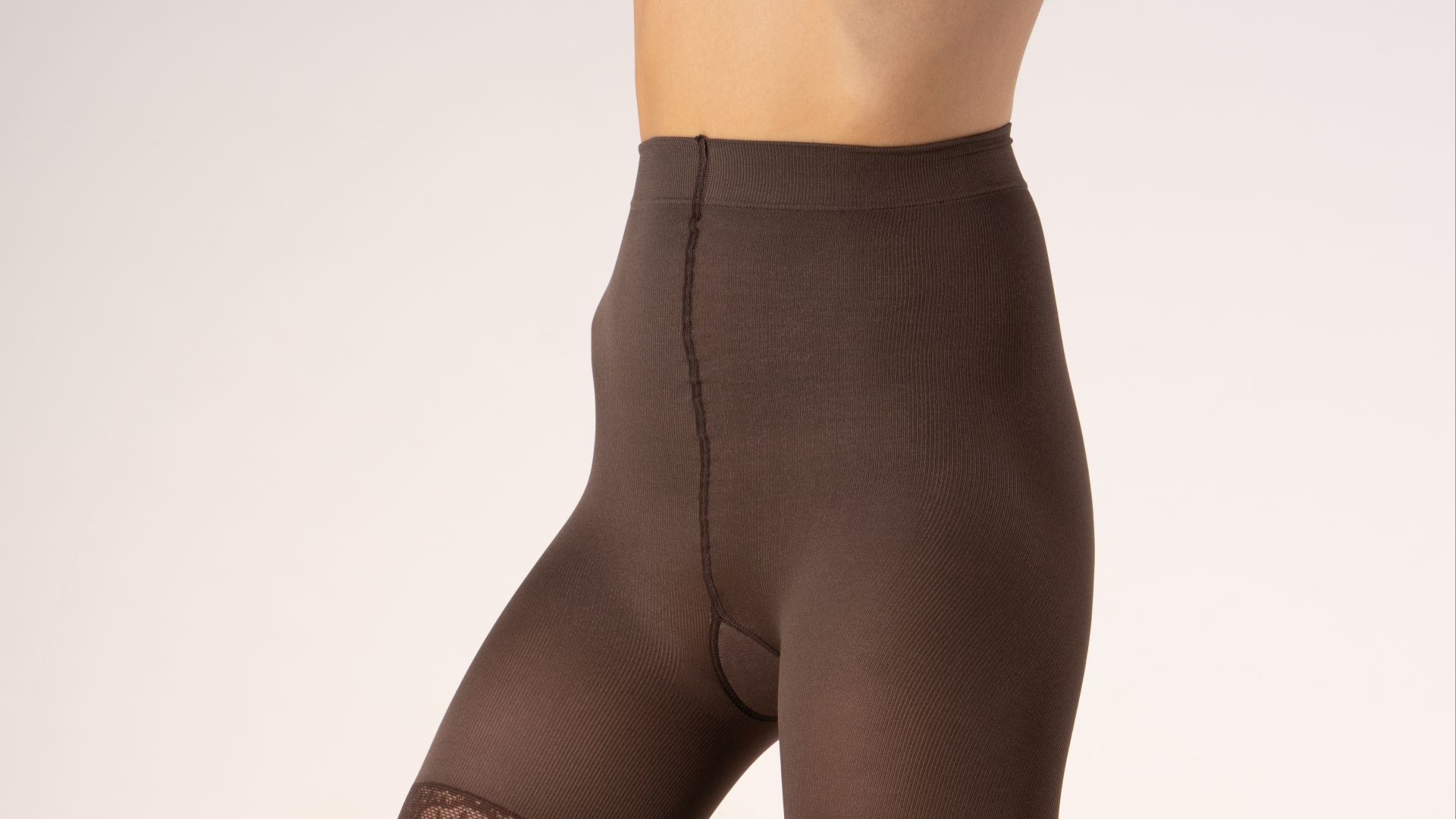
Seamless, one-piece pantyhose became widely available in the late 1950s and early 1960s, largely credited to Glen Raven Mills, and control-top versions followed soon after as an alternative to the traditional girdle. For a lot of women, it meant real shapewear without a separate garter belt or a visible seam running up the back of the leg. That convenience quietly reshaped how women dressed under everything from work clothes to evening gowns.
 Tobias ToMar Maier on Wikimedia
17. Agent Provocateur
Joseph Corré and Serena Rees opened the first Agent Provocateur shop in London's Soho in December 1994, built around colorful, playful lingerie rather than the muted, function-first styles that dominated the market. The brand leaned hard into fantasy and confidence rather than concealment. It became a genuine cultural reference point, showing up in film and music long before "luxury lingerie" was its own retail category.

18. Spanx
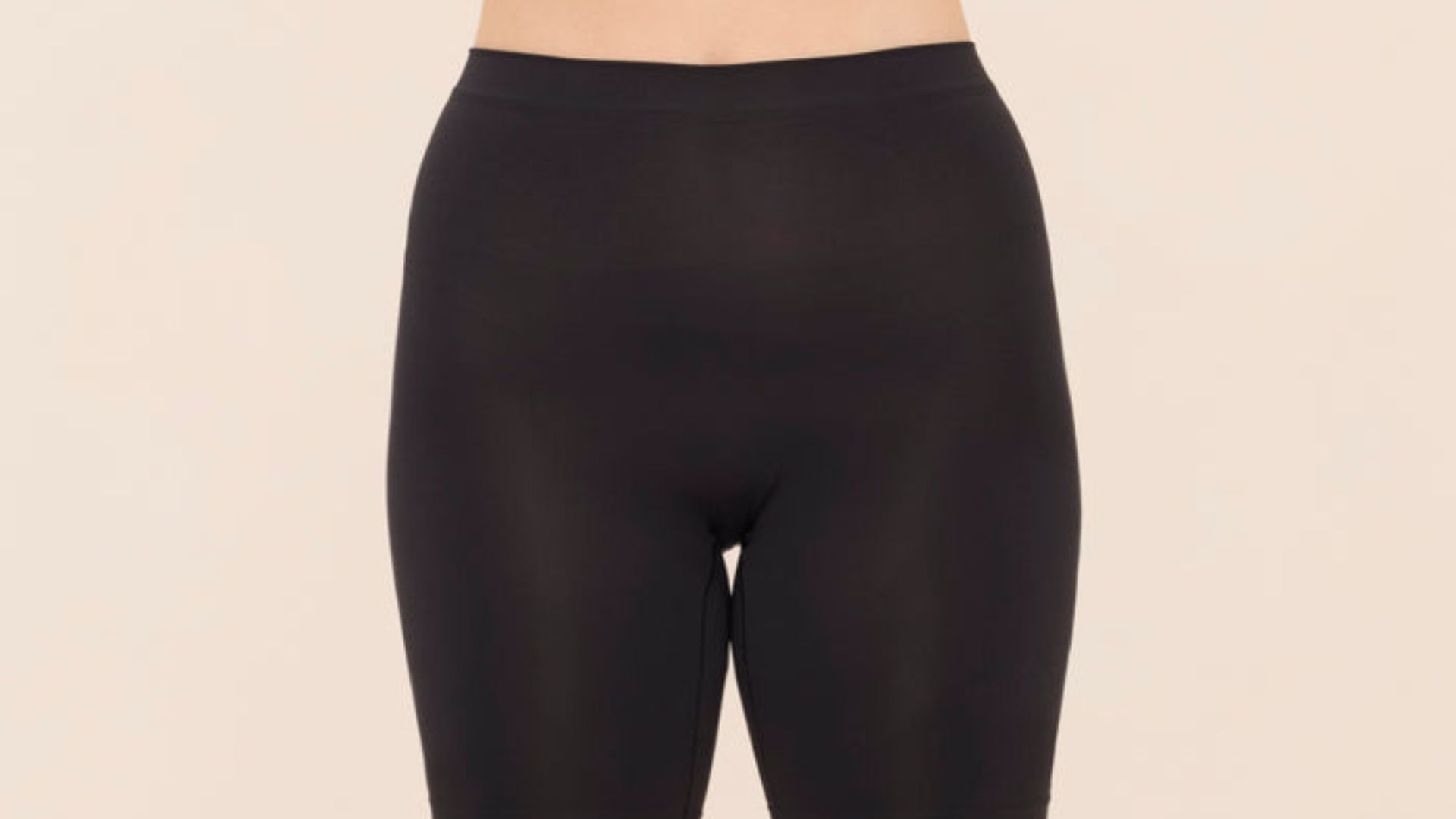
Sara Blakely cut the feet off a pair of control-top pantyhose in the late 1990s to solve her own wardrobe problem, and founded Spanx with that idea in 2000. The brand exploded after Oprah Winfrey named it one of her "Favorite Things" that same year, and shapewear went from an unglamorous necessity to something women openly discussed and recommended to friends. Blakely built the company without outside investment, which was almost as unusual as the product itself at the time.
 www.thighsociety.com on Google
19. The Bralette
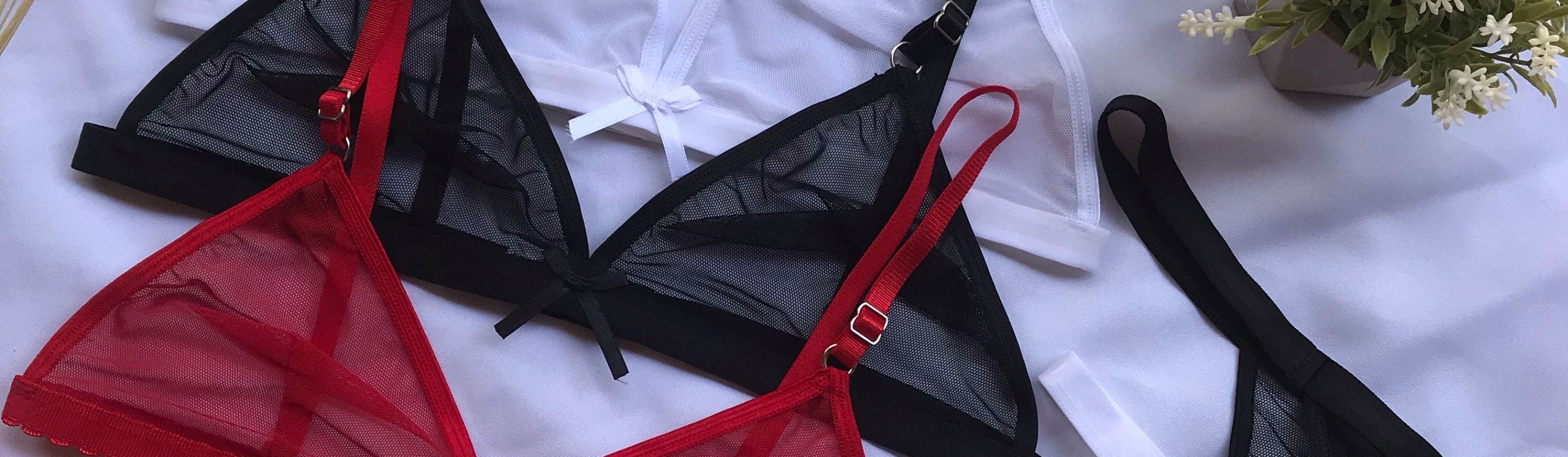
The bralette gained real traction in the 2010s as a wireless, minimally structured alternative to the traditional underwire bra, often designed to be seen rather than hidden. It reflected a broader shift in how people thought about support, prioritizing comfort and natural shape over engineered lift. What used to be considered "just an undergarment" started showing up under sheer tops and open jackets as an intentional style choice.
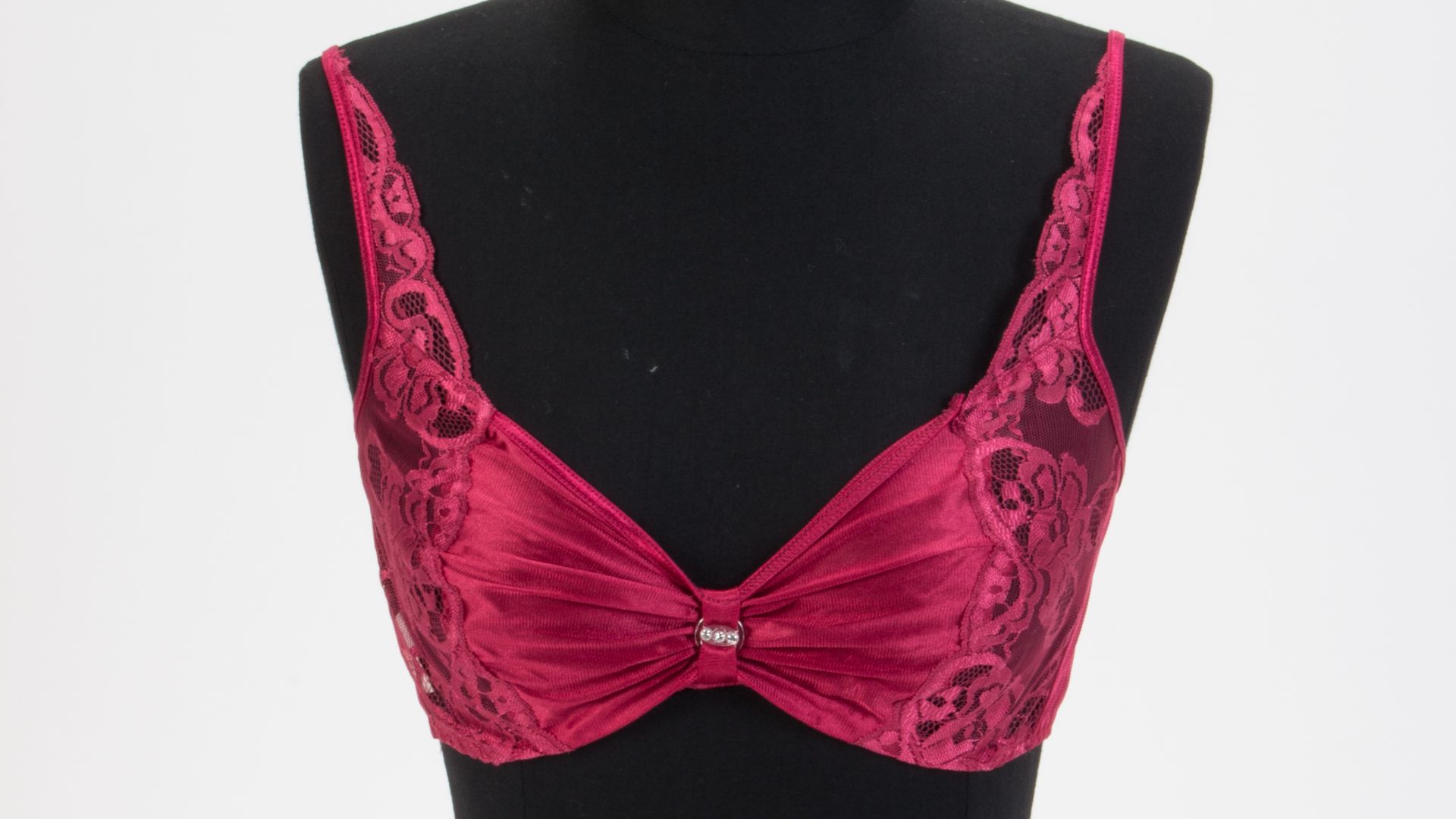
20. The Modern Wireless Bra
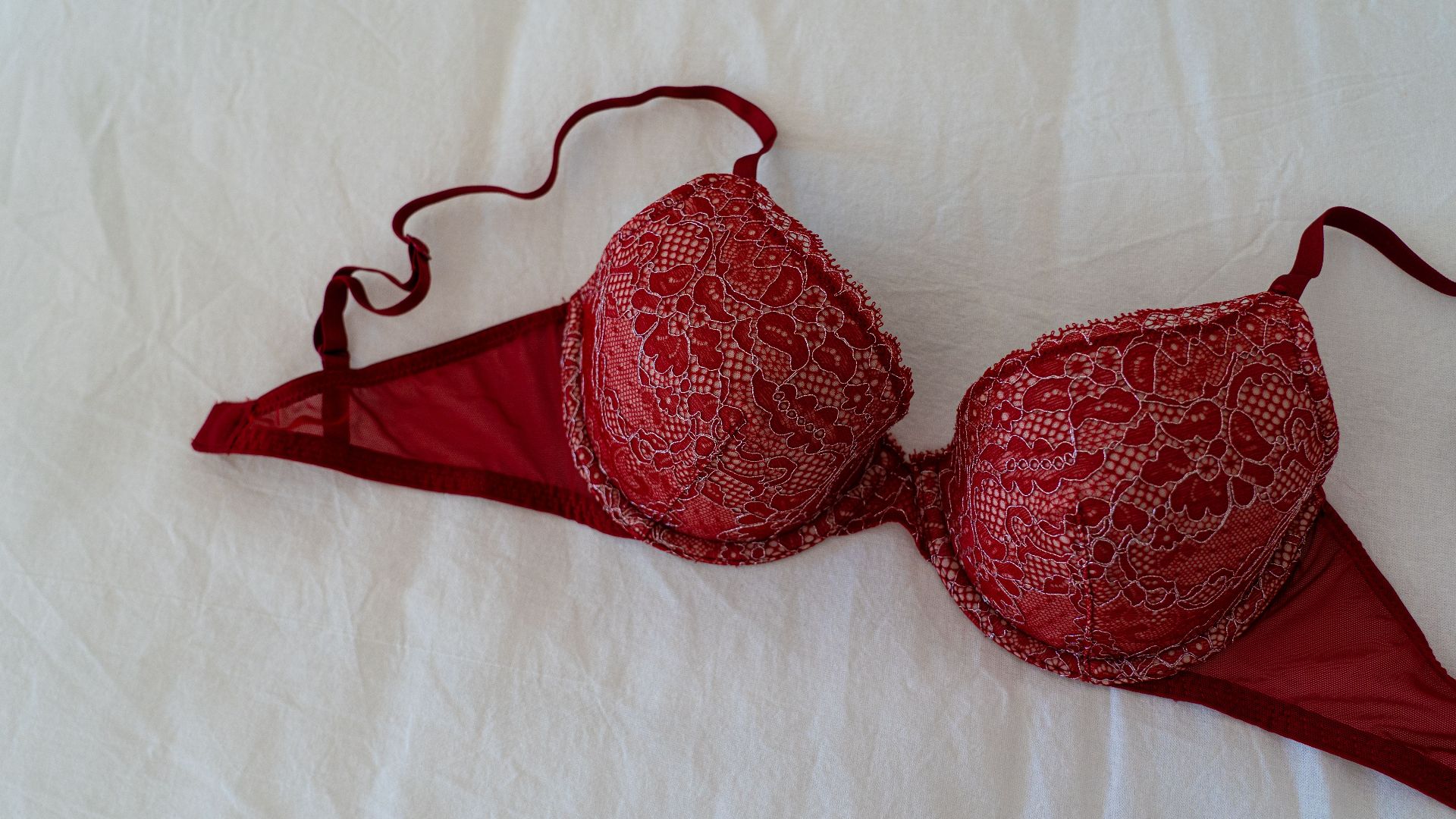
Building on decades of underwire dominance, wireless bras using molded foam and stretch fabrics finally started rivaling underwire for support in the past decade or so, without the poking, digging discomfort that sent so many women searching for alternatives. Advances in fabric technology made it possible to get real lift and shape without a single piece of metal or plastic boning.