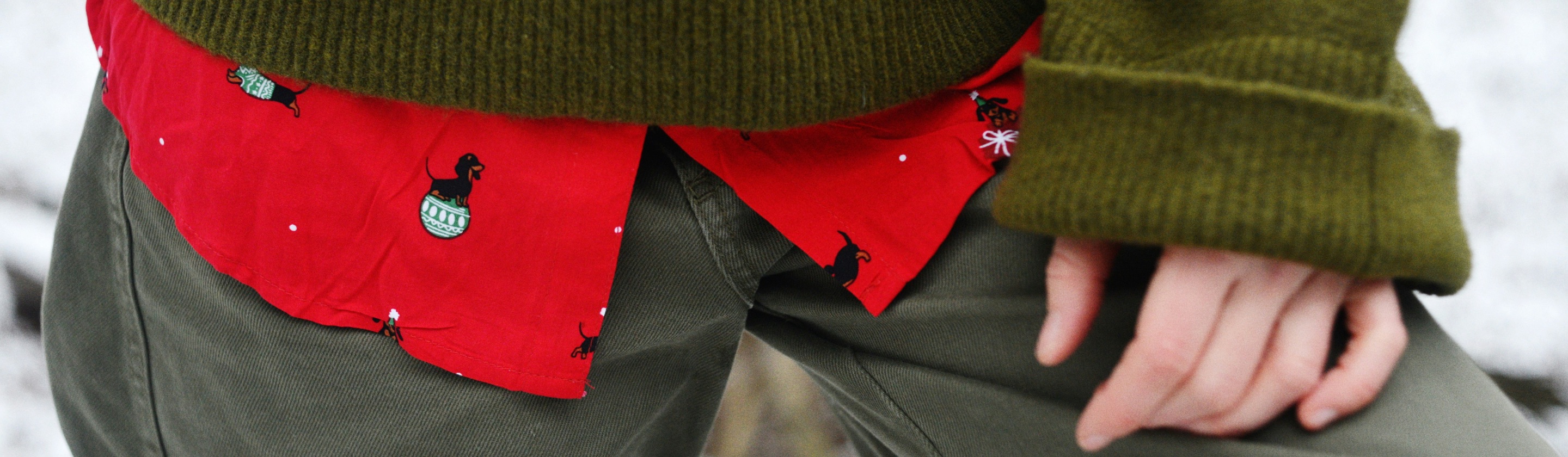
Layering Can Make or Break an Outfit
Layering clothing sounds simple: just tuck a shirt under your main top. Easy, right? Well, unless you know how to match colors and play with different textures and lengths, your layering method might be working against you. You don't want to walk out in public looking sloppy, after all. To ensure you're always looking chic and stylish, here are 10 layering mistakes you don't want to make, and 10 better tips to follow.
1. Wearing Too Many Bulky Pieces at Once
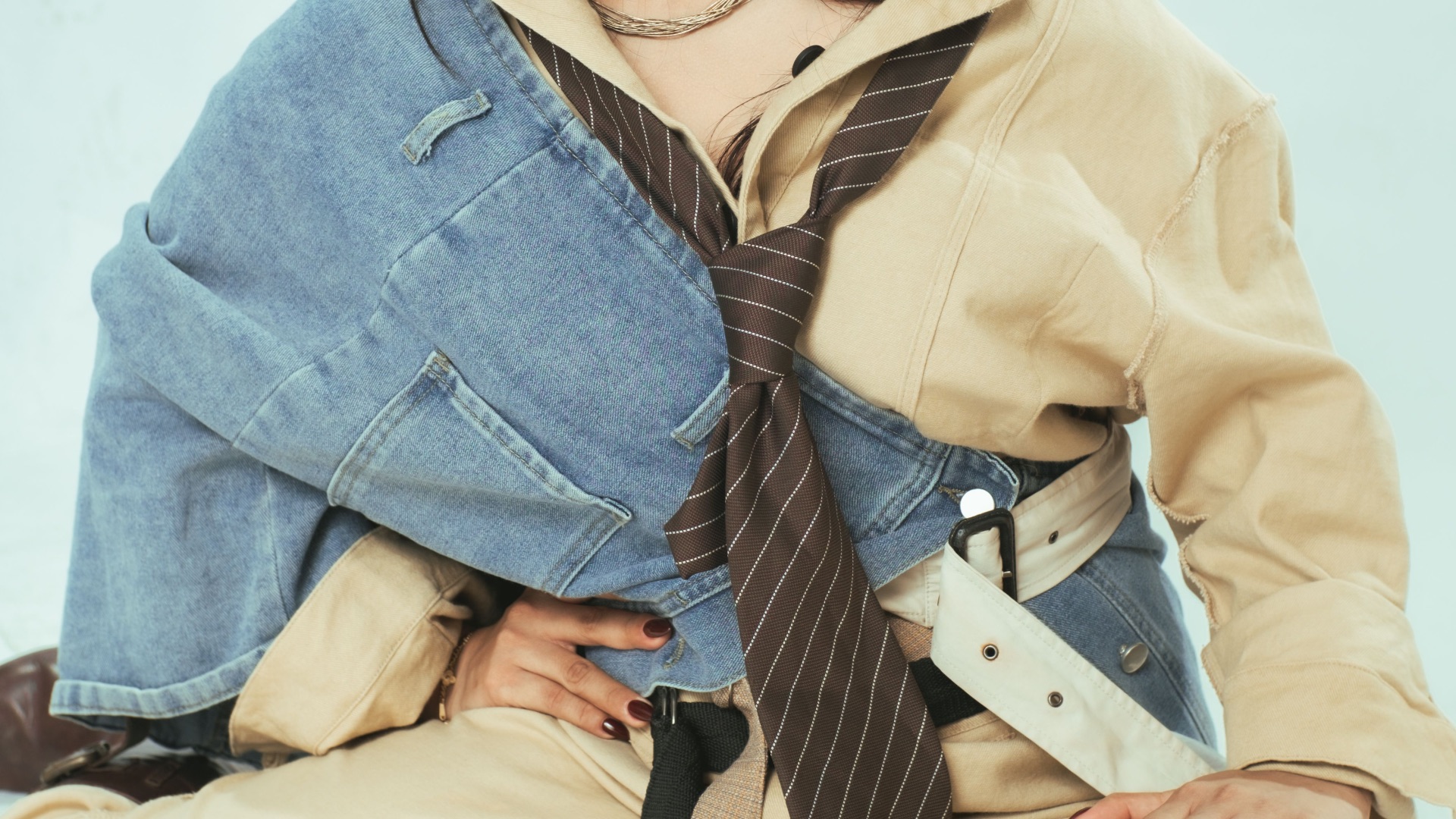
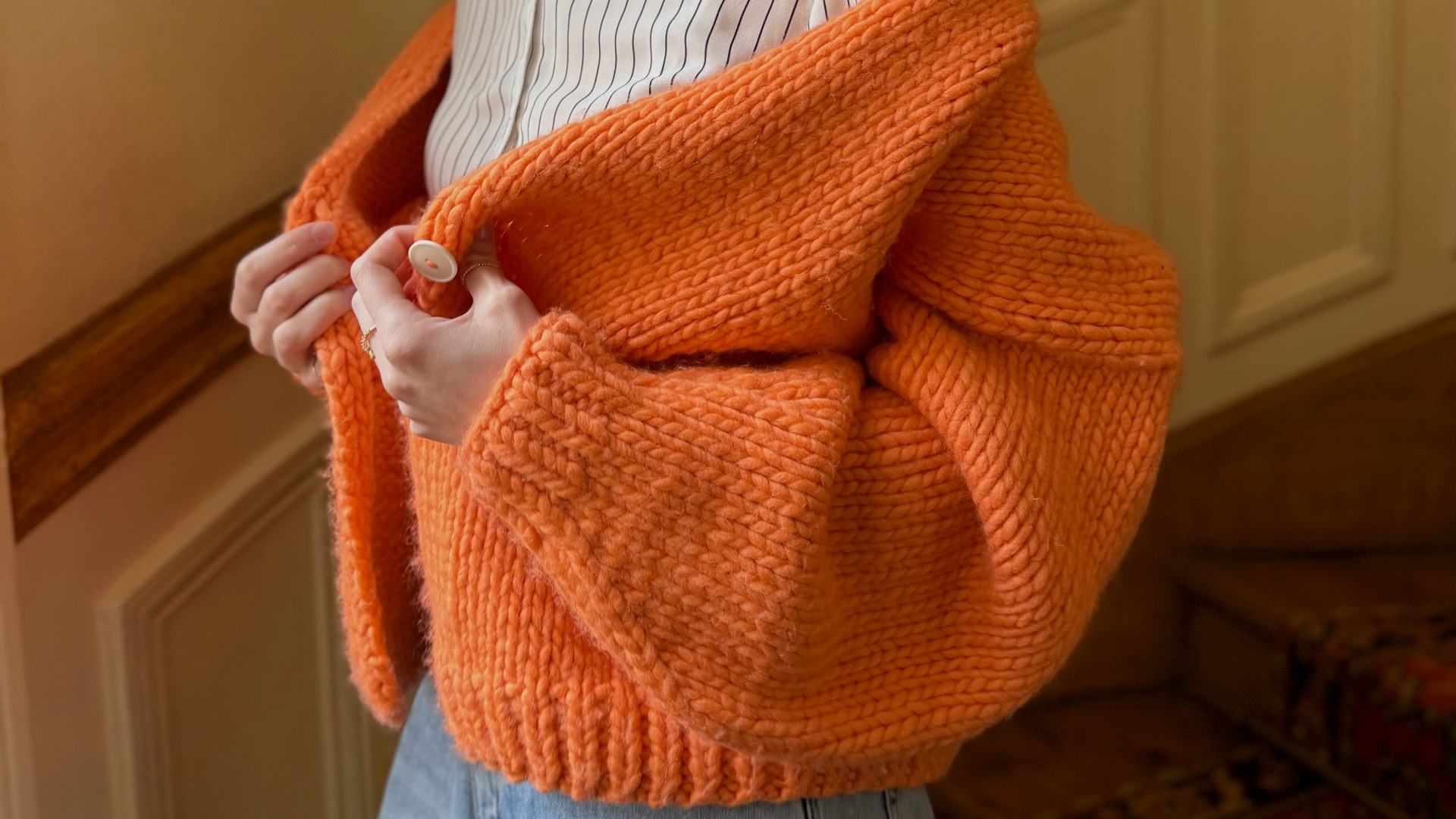
Piling several thick pieces together can make an outfit look heavy and uncomfortable. A chunky sweater under a puffy vest with an oversized coat might keep you warm, but it can also limit movement and hide your shape completely. Layering works better when only one or two pieces have noticeable volume. If every layer is thick, the outfit starts to feel crowded instead of stylish.
2. Ignoring the Length of Each Layer
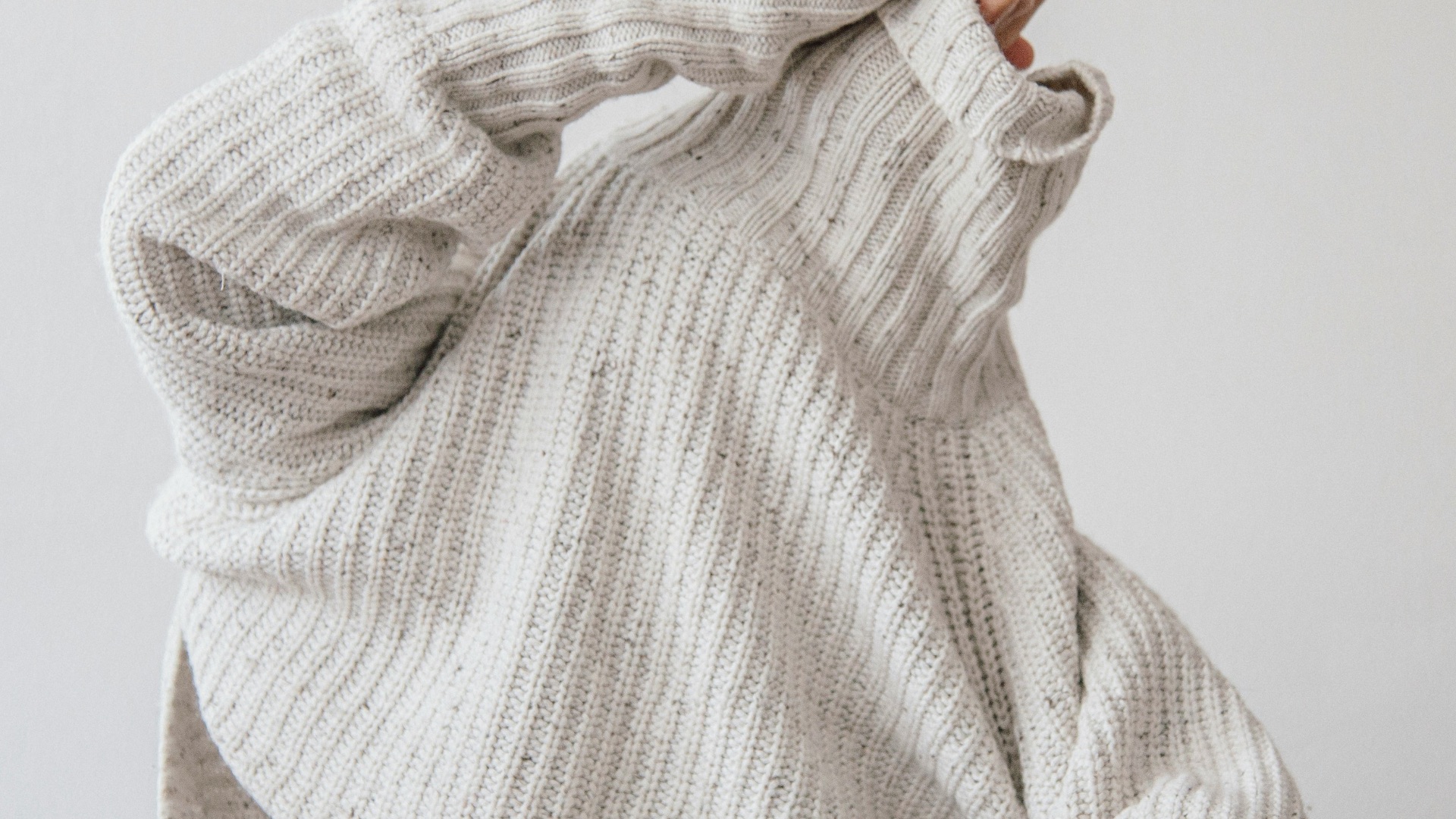
Layering can look off when every piece hits at a random place on your body. A long shirt, cropped jacket, mid-length cardigan, and an uneven hemline can compete with each other if there’s no clear structure. Different lengths can look great, but they need to feel deliberate. When they don’t, the outfit can appear unfinished rather than thoughtfully styled.
3. Mixing Too Many Competing Colors
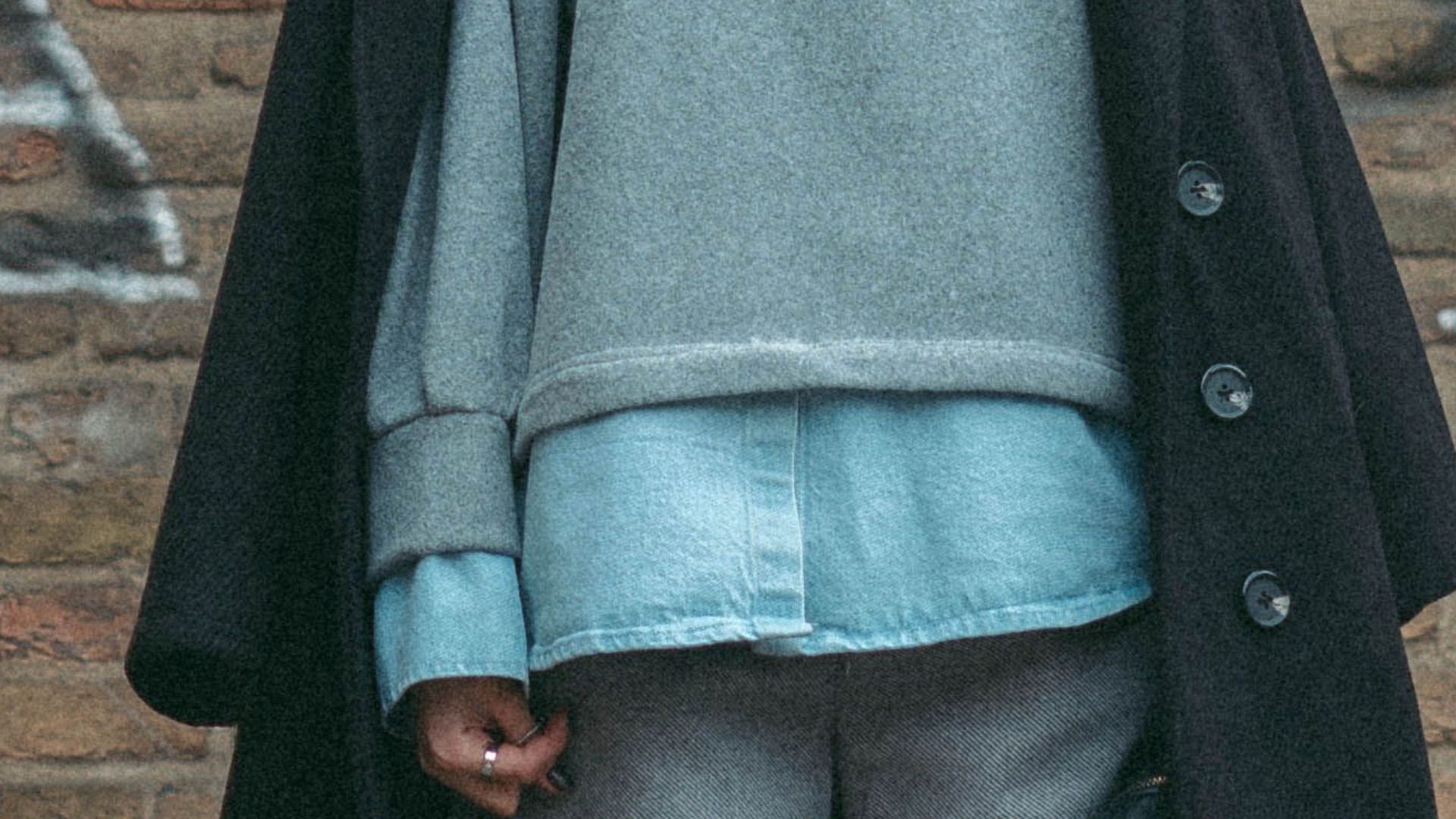
Colorful layers can be fun, but too many strong shades at once can make an outfit feel scattered. A bright top, bold sweater, patterned scarf, and colorful coat may all look good separately but clash when worn together. Layering already adds visual interest, so the color palette needs some restraint. Without that balance, the outfit can feel busy in a way that distracts from the pieces themselves.
4. Forgetting About Fabric Weight
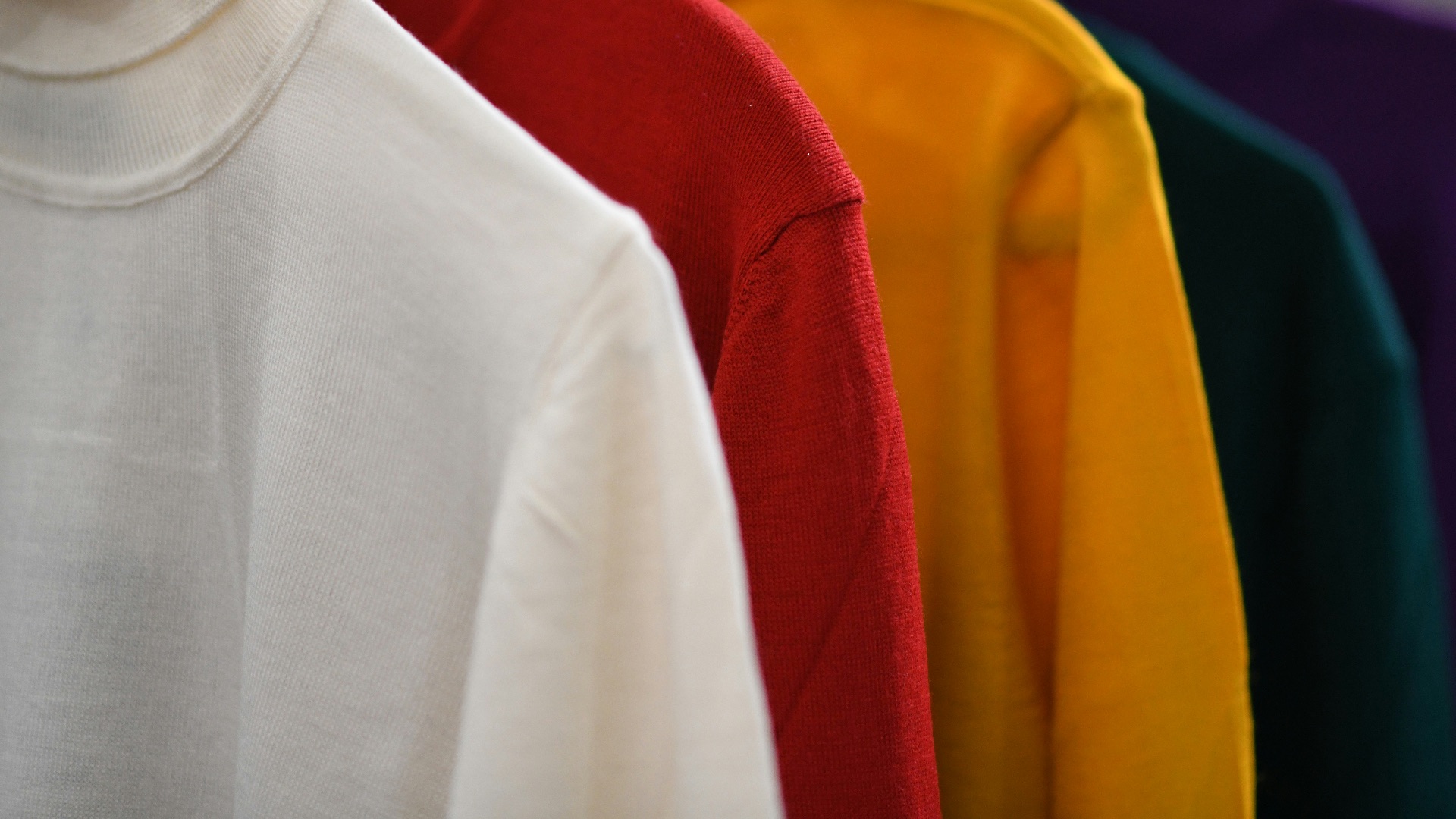
A light, silky blouse under a heavy wool cardigan can work, but not every fabric combination makes sense. Problems usually happen when delicate fabrics get crushed, wrinkled, or pulled by much heavier layers. Thin knits can bunch under stiff jackets, while structured tops may feel awkward under soft outerwear. Paying attention to fabric weight helps your layers sit better and feel more comfortable.
5. Wearing Tight Layers Under Tight Layers
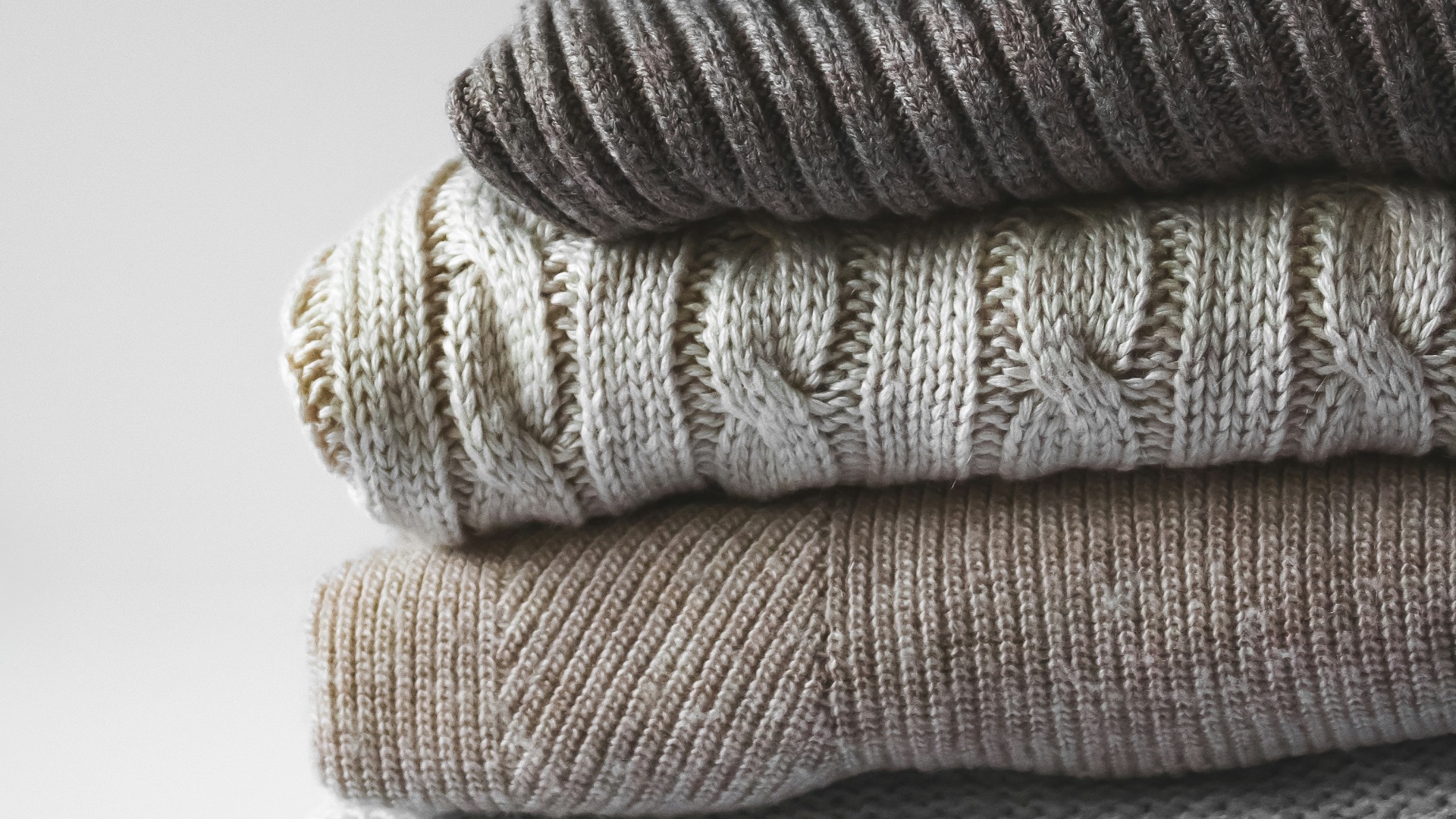
Layering several fitted pieces can quickly become restrictive. A tight turtleneck under a tight button-down and a slim blazer might look sharp in theory, but it can feel stiff and create pulling across the shoulders or chest. Good layering usually needs a little breathing room between pieces. When everything is too close-fitting, the outfit loses ease and can look strained.
6. Letting Undergarments Show by Accident
Visible undergarments can be part of a planned outfit, but accidental straps, seams, or necklines can make layered clothing look sloppy. This often happens with sheer tops, loose armholes, or sweaters that slip off the shoulder. Checking your outfit from different angles can help avoid distractions.

7. Choosing Layers That Don’t Match the Weather
Layering should help you adjust to the day, not make you uncomfortable. Wearing a heavy coat over a sweater over a thermal top might be too much for mild weather, while a thin cardigan under a light jacket may not be enough when it’s cold. An outfit can look nice and still fail if it doesn’t suit the temperature. Practicality matters because discomfort usually shows in how you move and carry yourself.
8. Covering Every Interesting Detail
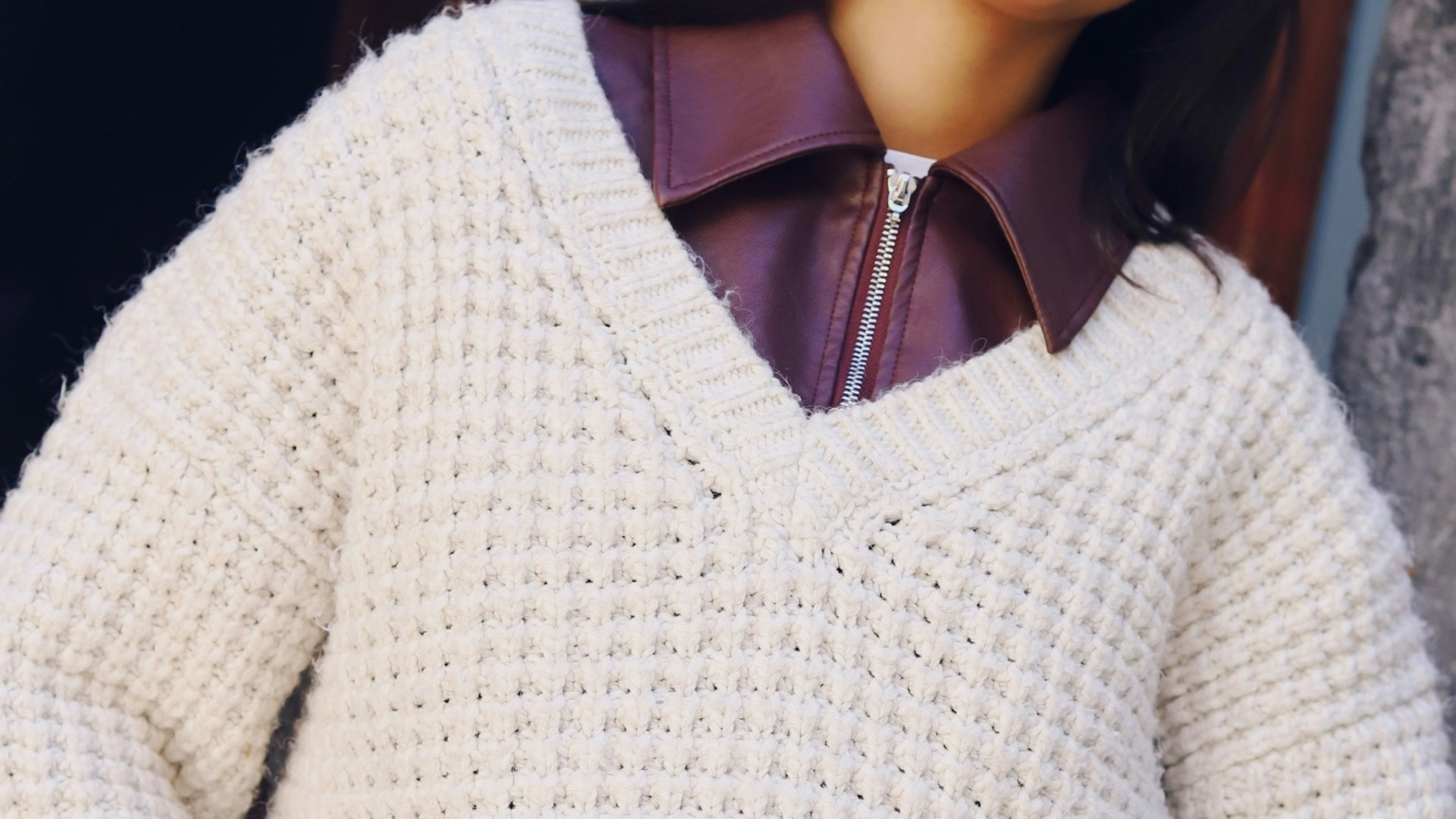
Some outfits lose impact because the best pieces get hidden under too many layers. A blouse with a detailed collar, a top with interesting sleeves, or a dress with a defined waist can disappear when covered by the wrong sweater or jacket. Layering should support the outfit, not bury it. If a piece has a feature you love, make sure the layers around it let that detail show.
9. Combining Too Many Patterns
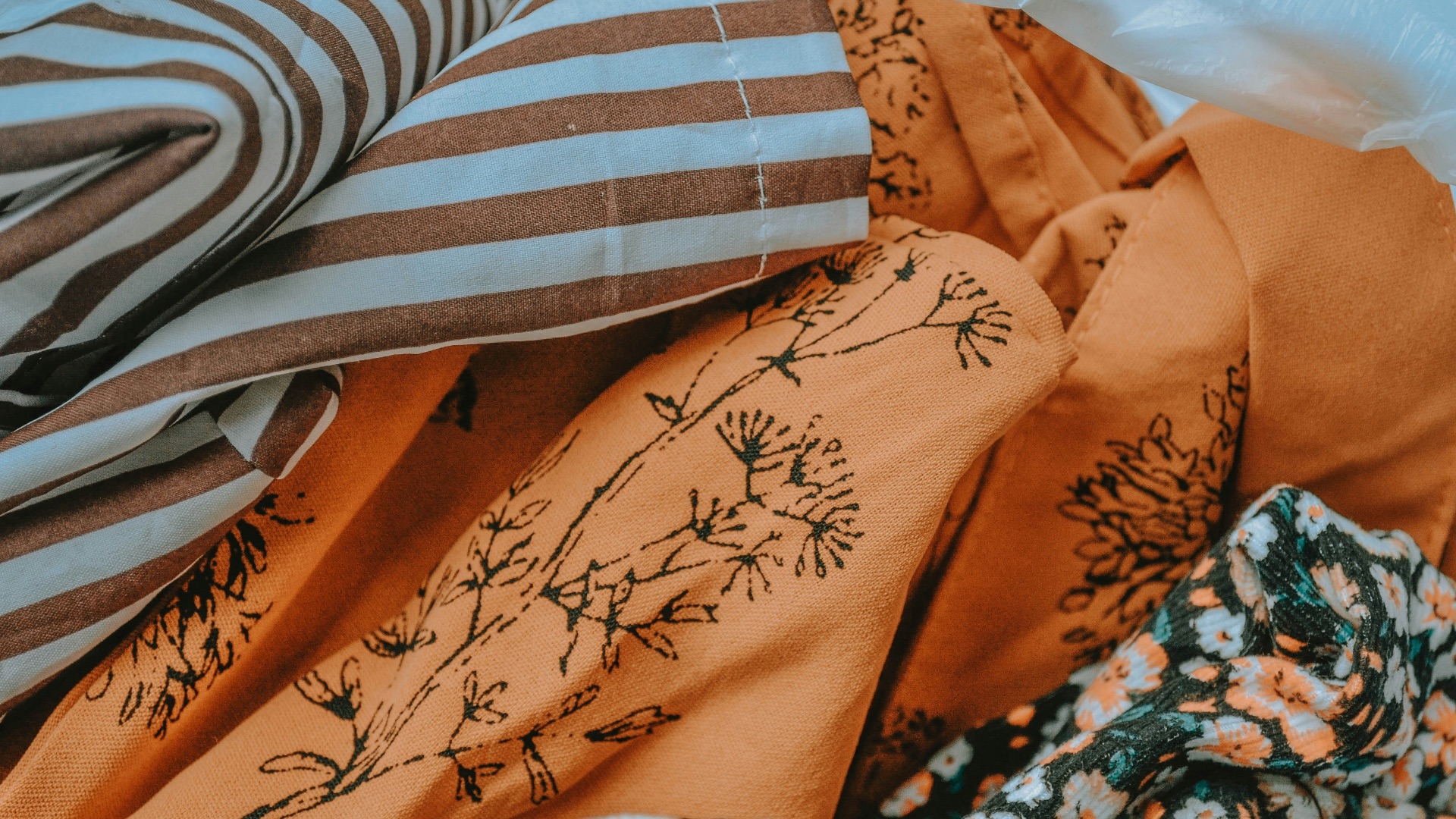
Patterns can absolutely be layered, but too many at once can overwhelm the outfit. Plaid, stripes, florals, and animal print all competing in one look can make it hard for the eye to settle. A strong pattern usually needs a calmer piece nearby to balance it. Without that contrast, the outfit may feel more chaotic than creative.
10. Forgetting About Proportion
A layered outfit can look unbalanced when the proportions don’t work together. Oversized pants with a long, loose shirt, a slouchy sweater, and a big coat may remove too much definition. On the other hand, very slim pieces from top to bottom can look flat and lack movement. Strong layering usually gives at least one part of the outfit a clearer shape.
Now that you know how not to layer, read on for better tips so you can pull it off more stylishly:
 v.arch illustrates on Unsplash
1. Start with a Smooth Base Layer
A good layered outfit often begins with a simple base that sits close to the body. A fitted tee, tank, bodysuit, or thin turtleneck can create a clean foundation without adding bulk. From there, you can build with shirts, sweaters, jackets, or coats more easily. Starting with a smooth base also helps the outer layers lie better.
2. Mix Textures with Purpose
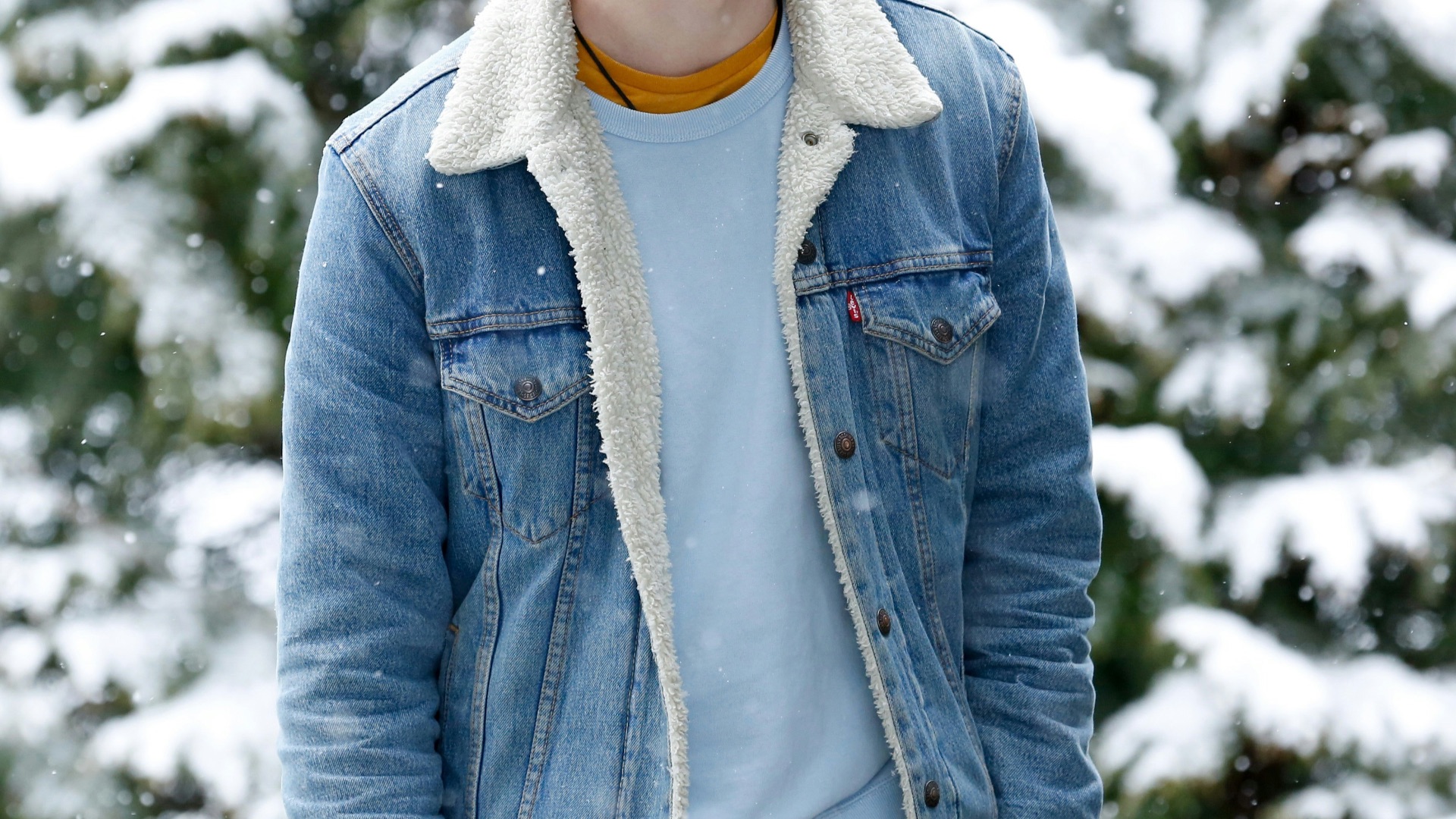
Texture makes layered outfits look more interesting without needing loud colors or complicated styling. A cotton shirt under a wool sweater, a ribbed knit under a leather jacket, or denim paired with a soft coat can add depth in a controlled way. The key is choosing textures that complement each other rather than fight for attention. When the fabrics feel considered, the whole outfit looks more refined.
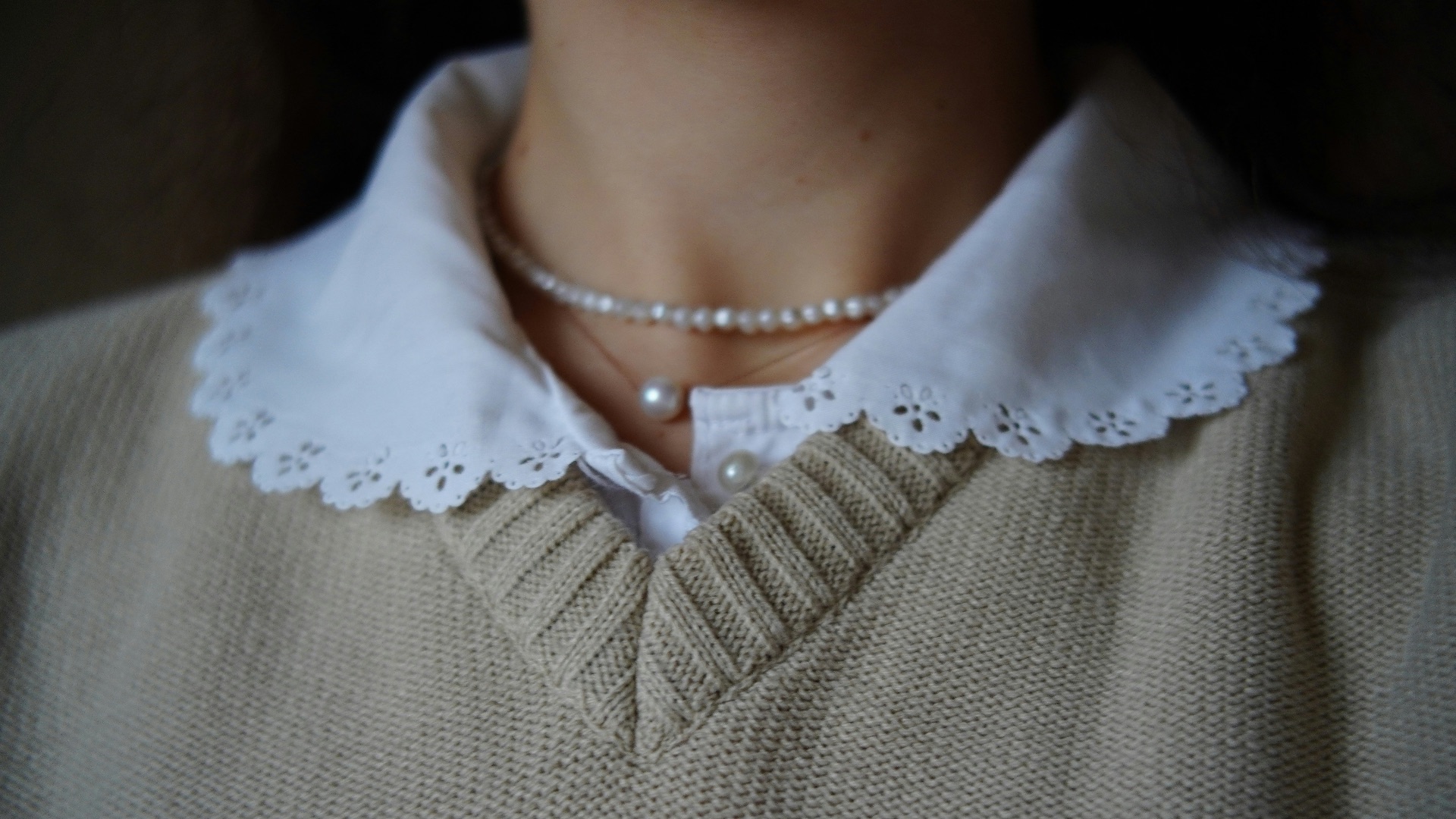
3. Use One Statement Layer
A standout layer gives the outfit a clear focus. It might be a patterned coat, a bold cardigan, a structured blazer, or a vest with an interesting cut. Keeping the surrounding pieces simpler lets that one item stand out without overwhelming the look. This approach makes layering feel confident but still wearable.
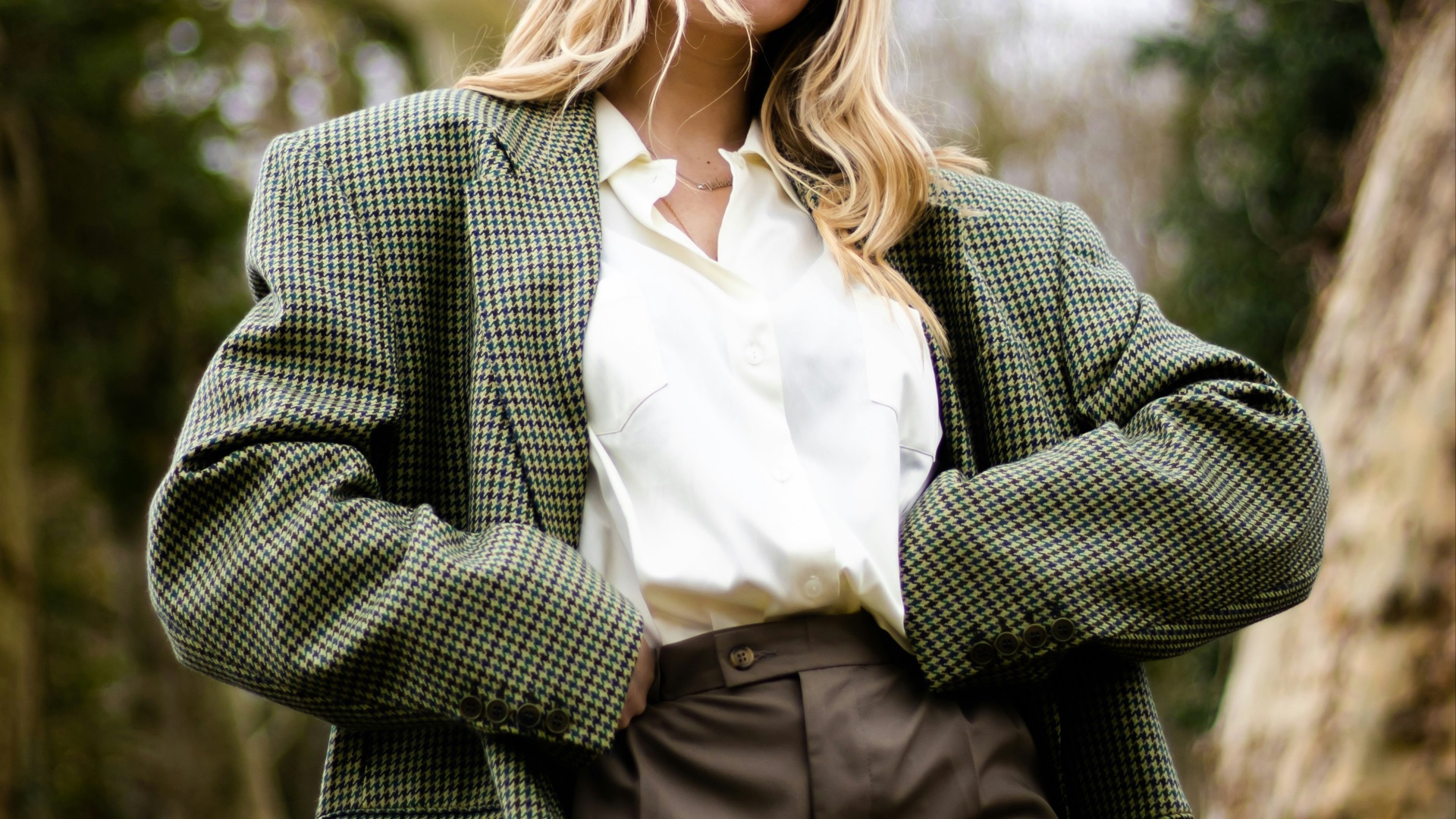
4. Balance Oversized Pieces with Slimmer Ones
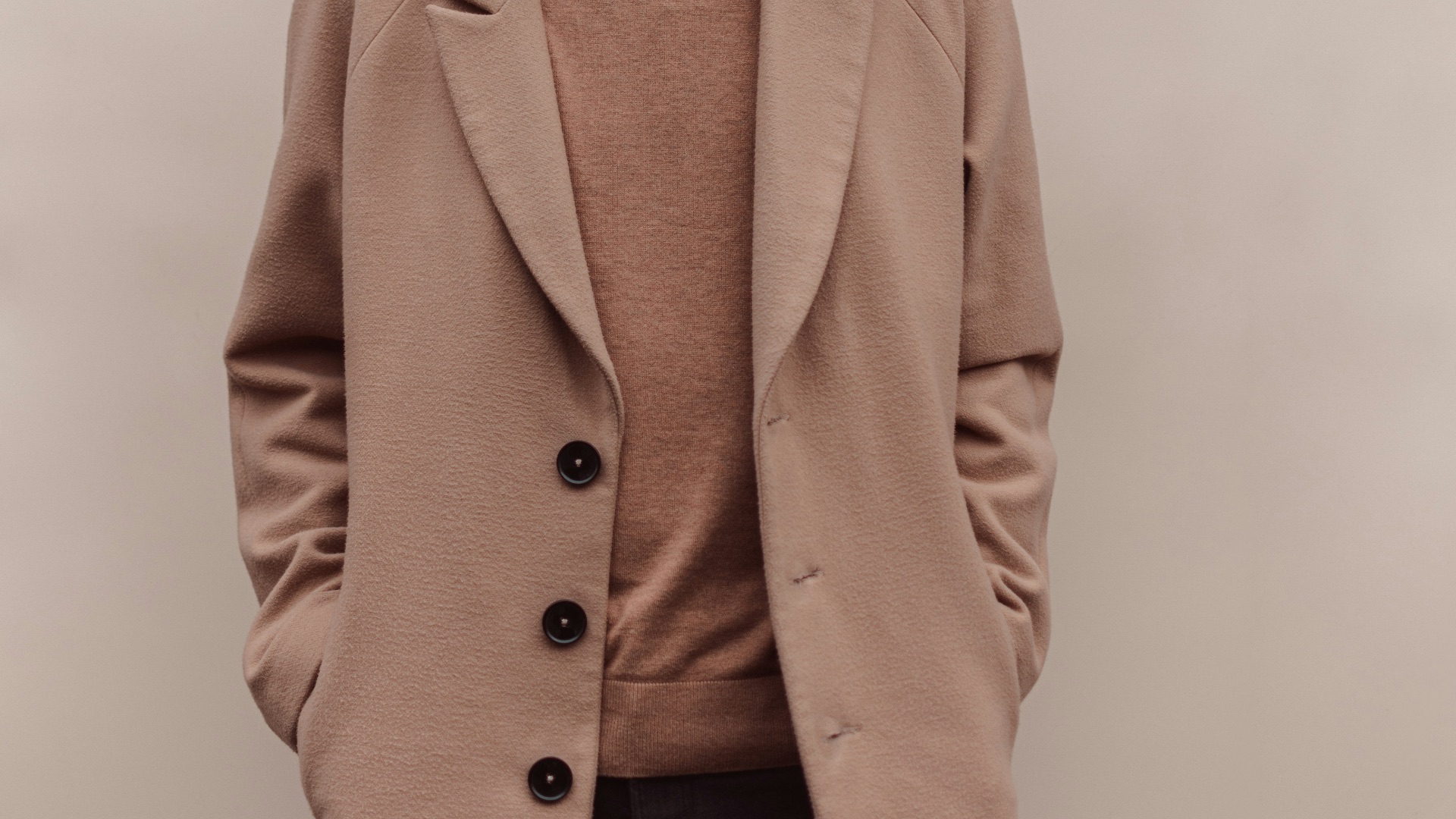
Oversized layers look best when they have something more fitted nearby. A roomy blazer over a slim turtleneck, wide-leg pants with a tucked top, or a big coat over a straight dress can create a cleaner silhouette. The contrast helps the outfit feel relaxed without looking shapeless. It also makes larger pieces look intentional instead of simply too big.
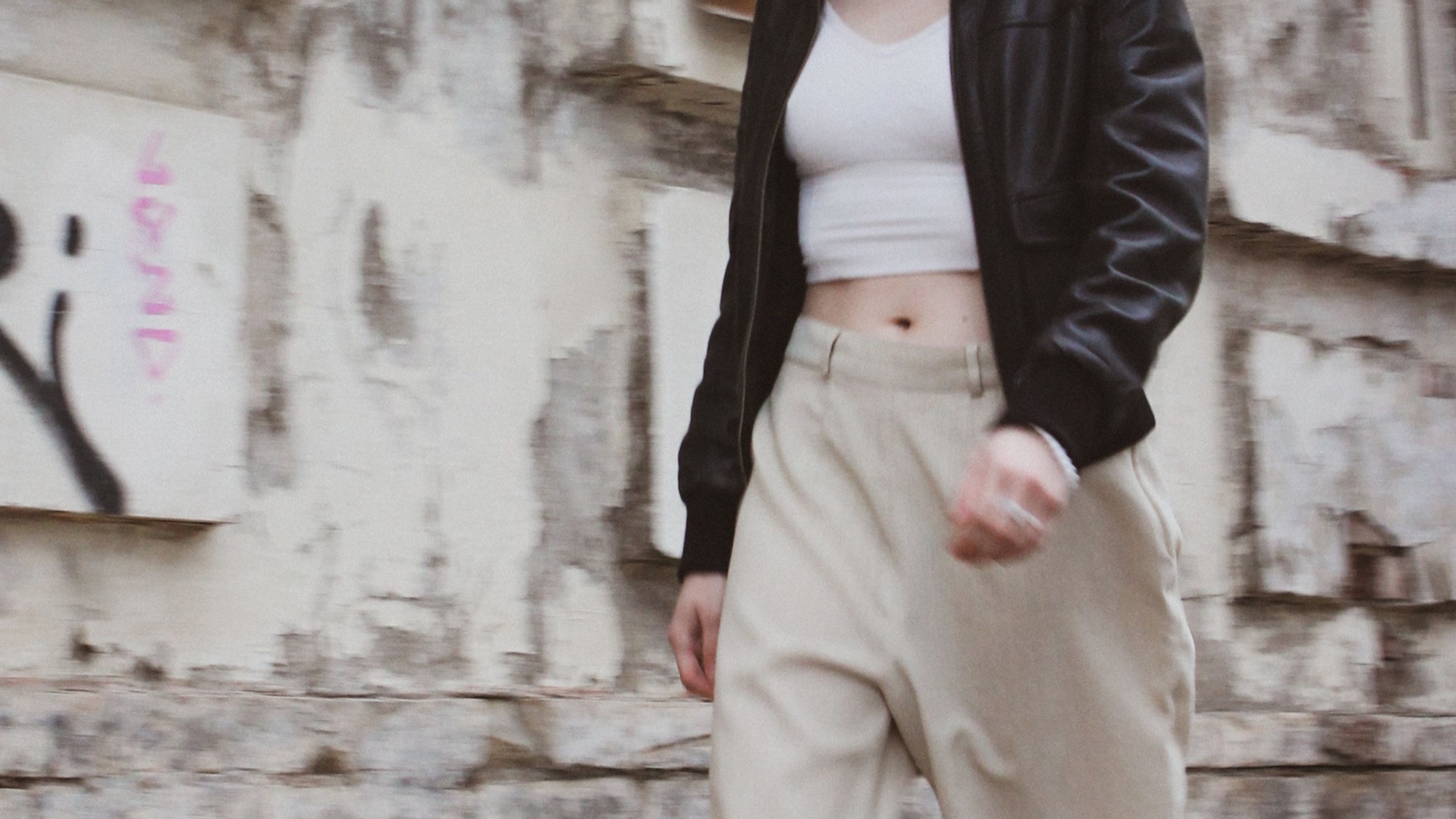
5. Let Collars and Cuffs Show
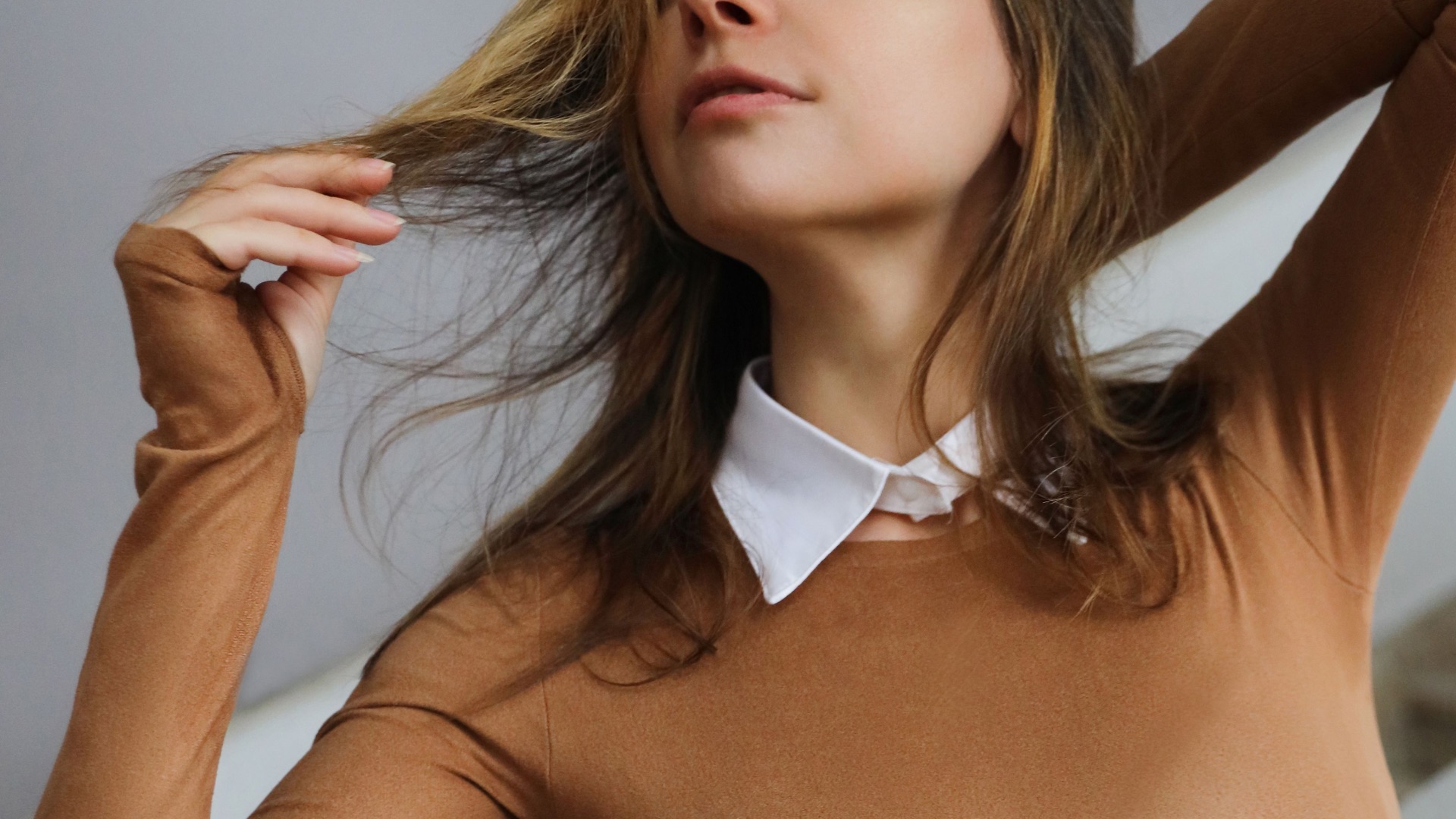
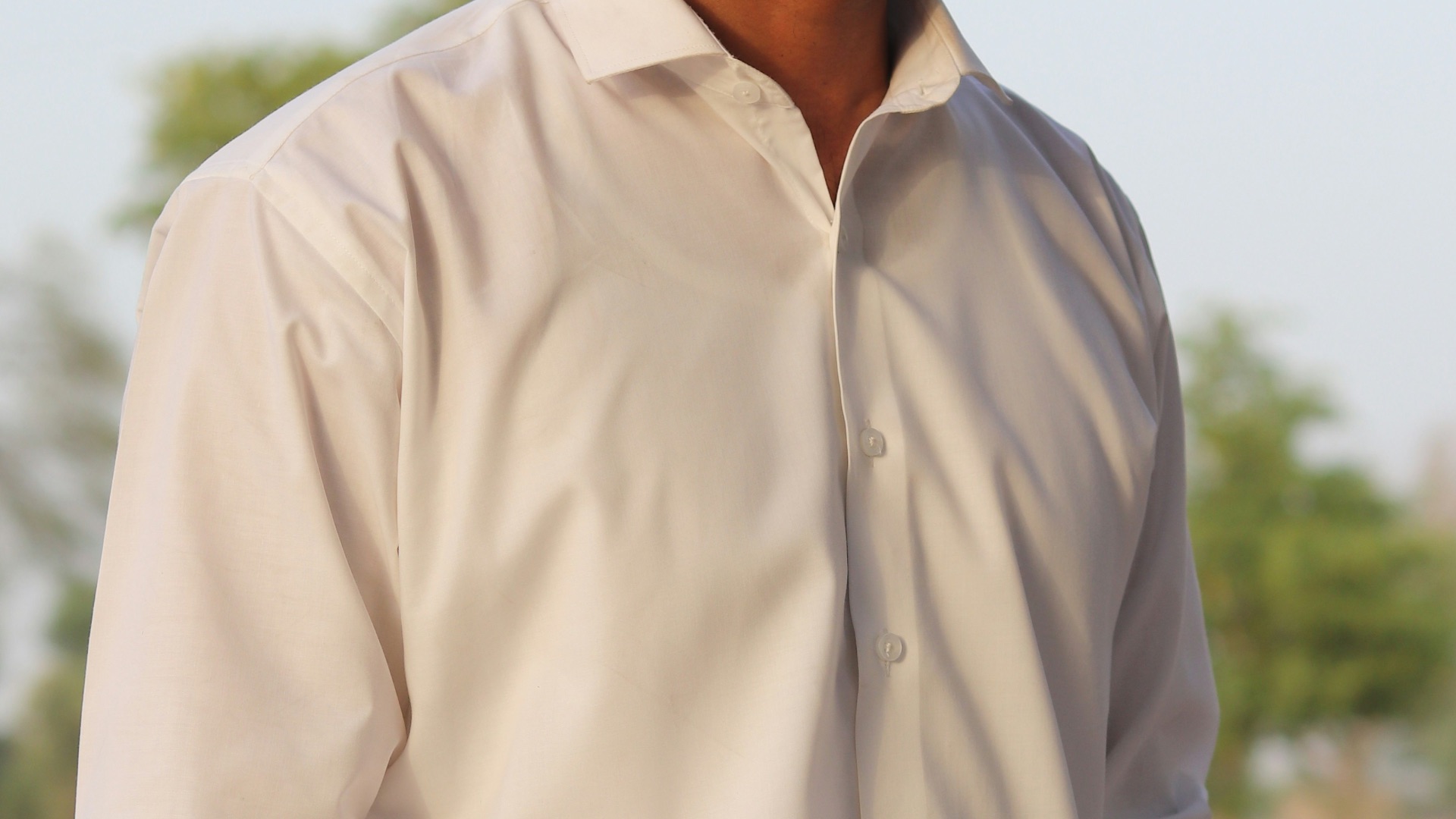
Small visible details can make layering look more polished. A crisp collar peeking out from a sweater or shirt cuffs showing under a blazer can add structure without much effort. These details work especially well when the colors or fabrics have enough contrast to be noticed. It’s a simple way to make basic pieces feel more styled.
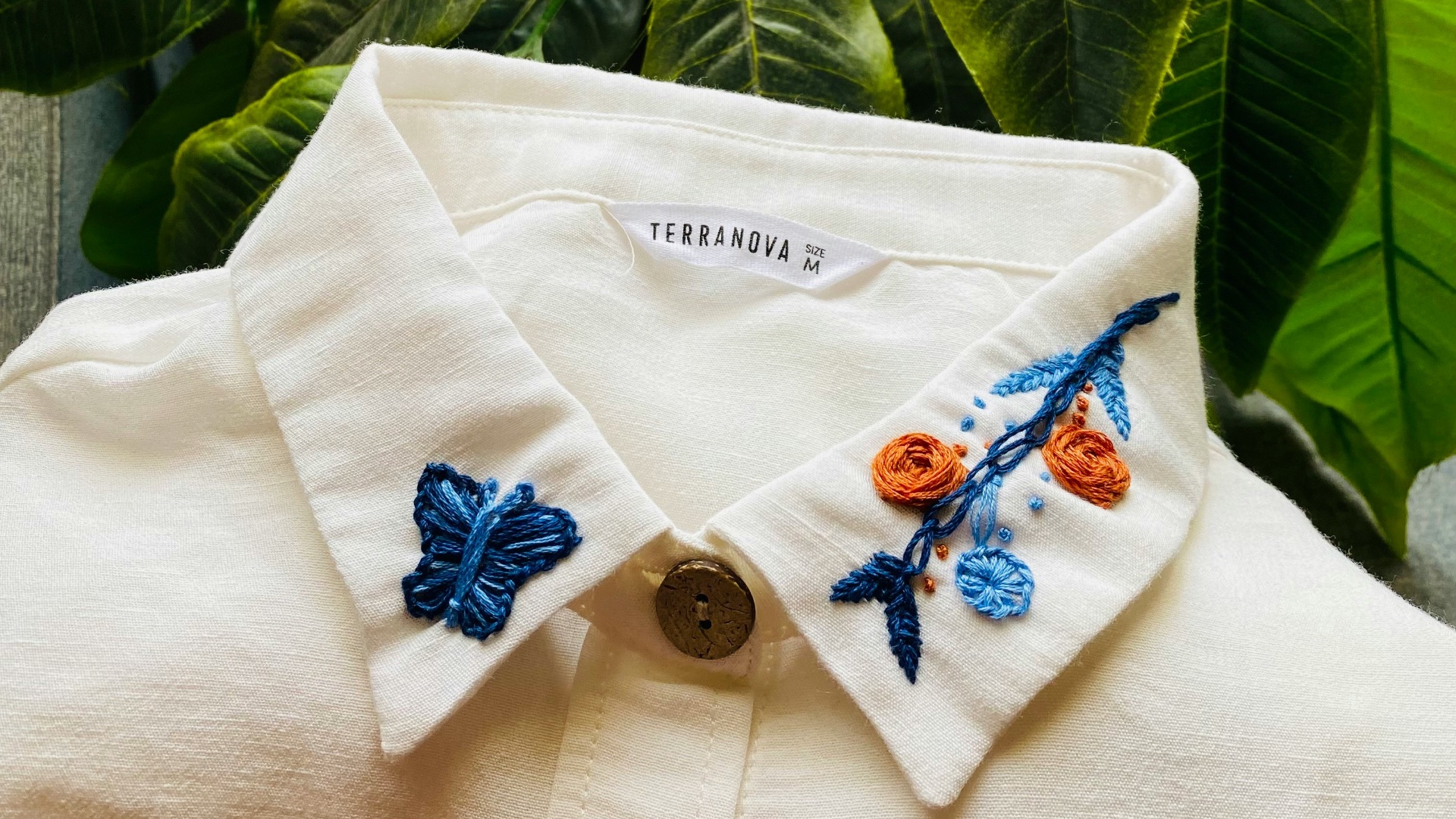
6. Keep the Color Palette Connected
A layered outfit often looks better when the colors relate to each other. You don’t need everything to match exactly, but choosing two or three main shades can make the look feel cohesive. Neutrals, tonal colors, or repeated accent shades are easy ways to connect the layers. This keeps the outfit visually interesting without making it feel overloaded.
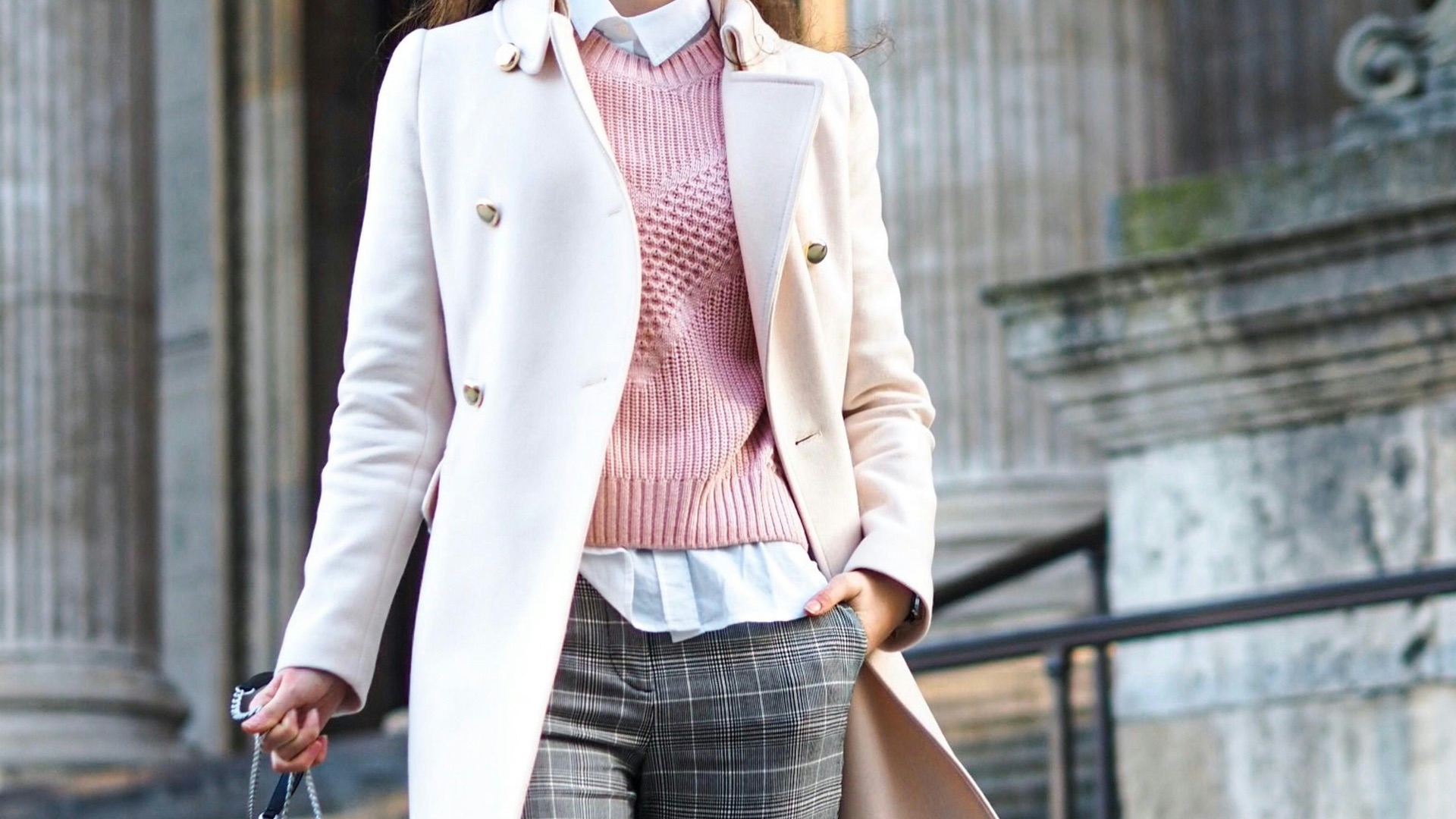
7. Try a Shirt Under a Sweater
A button-down shirt under a sweater is a reliable layering move because it adds structure and polish. The collar, hem, or cuffs can show just enough to make the outfit feel more complete. This works with jeans, trousers, skirts, or even layered under a coat for colder days. For a cleaner fit, choose a shirt that isn’t too thick or oversized under the sweater.
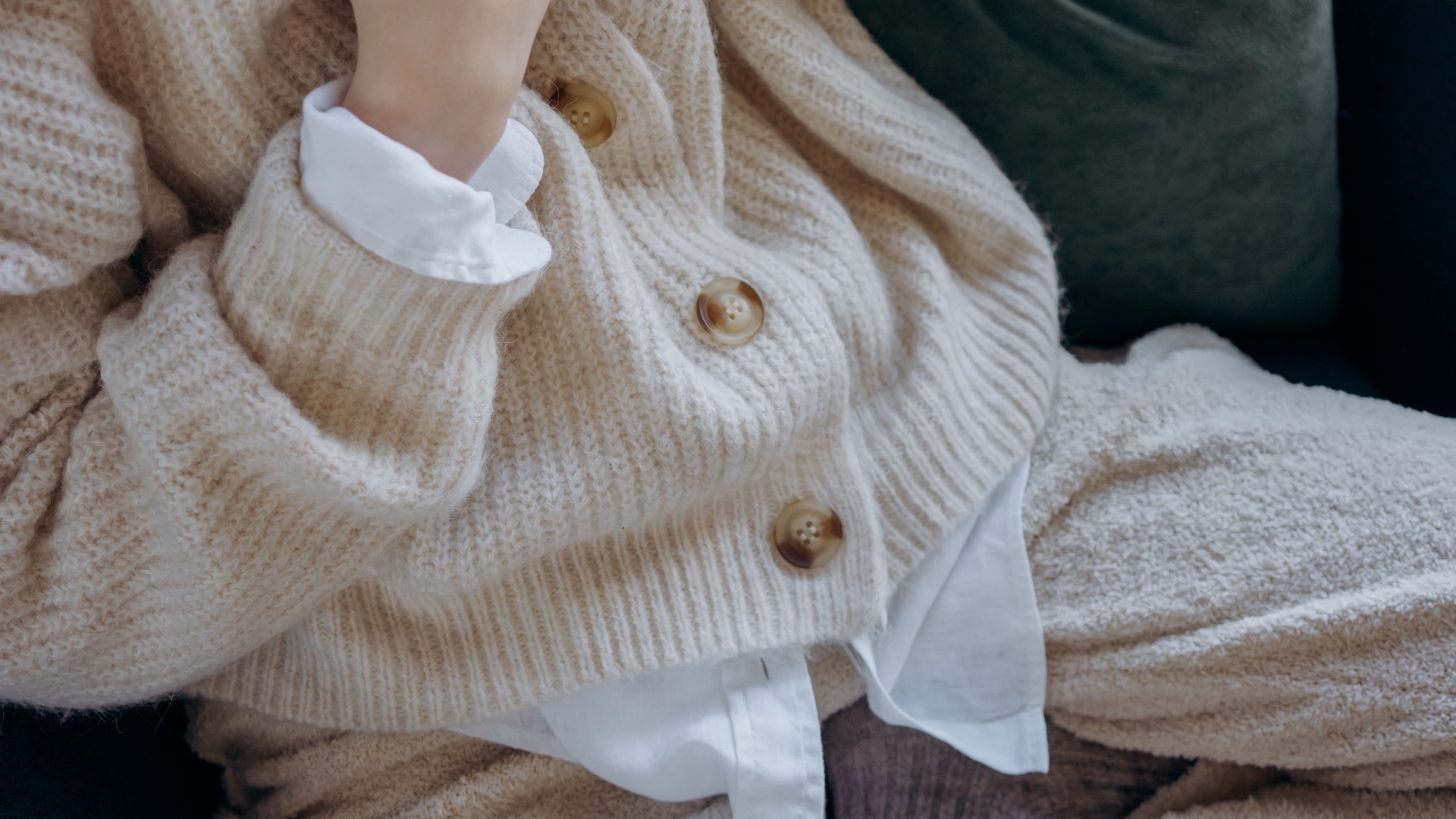
8. Add a Vest for Shape
Vests are useful because they add another layer without covering the arms. A tailored vest can sharpen a simple shirt, while a knit vest can make a basic tee or button-down feel more current. Longer vests can also help create vertical lines that make the outfit look more put-together. Since they’re less bulky than full jackets, they’re easy to wear indoors too.
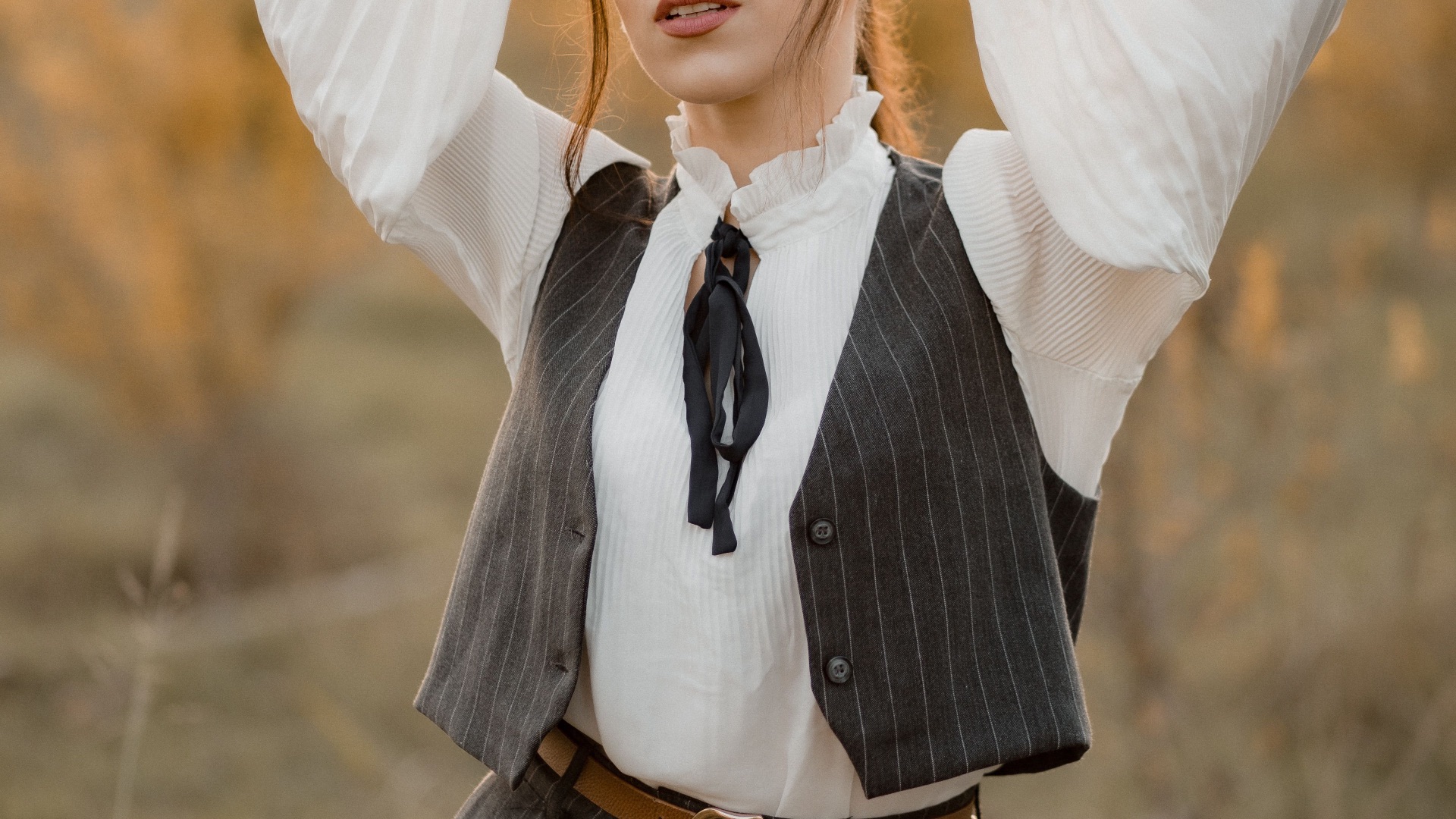
9. Layer Dresses Over Tops
Wearing a dress over a fitted top is a stylish way to make sleeveless or lighter dresses work in more seasons. A thin turtleneck, long-sleeve tee, or blouse can change the mood of the dress while adding coverage. This technique works best when the top sits smoothly under the dress and doesn’t create bunching. It’s especially helpful when you want more use out of pieces you already own.
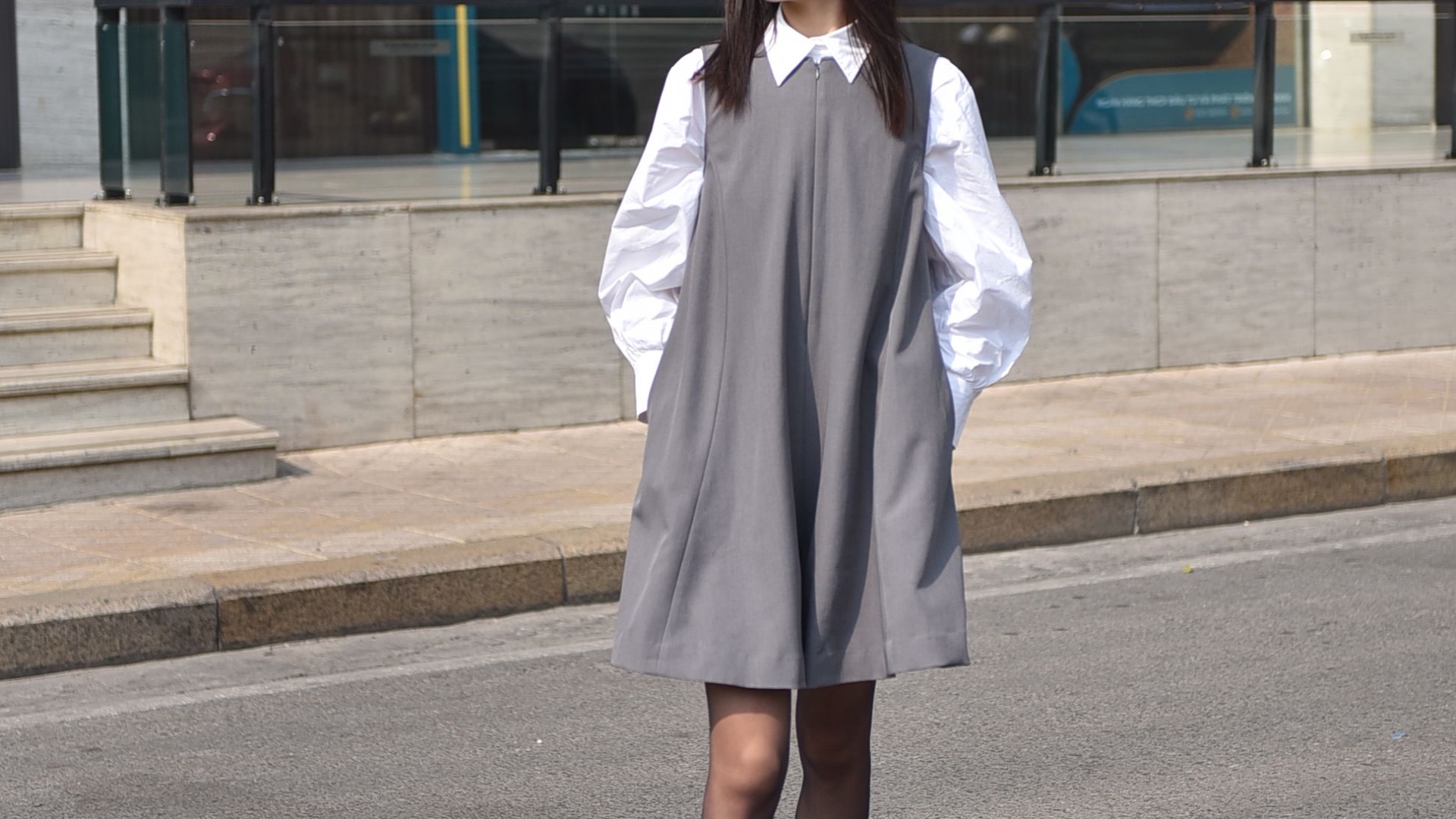
10. Finish with the Right Outer Layer
The final layer can pull the entire outfit together. A coat, trench, blazer, denim jacket, or cardigan should match the overall shape and level of polish in the outfit. A structured coat can elevate casual layers, while a softer jacket can make dressier pieces feel more relaxed. Choosing the right outer layer helps the outfit feel complete from the first layer to the last.