
Who's Influencing Your Style Choices?
Social media has made it easier than ever to absorb someone else's opinion and mistake it for your own, especially when it comes to fashion and beauty products. Between viral hauls, "get ready with me" videos, and influencers insisting you need the exact same seven-step routine they use, it can get tricky to figure out where their taste ends and yours begins. Below, you'll find 10 signs that suggest you might be more susceptible to outside influence than you realize, followed by 10 practical ways to reclaim your own preferences and start making choices that actually feel like yours.

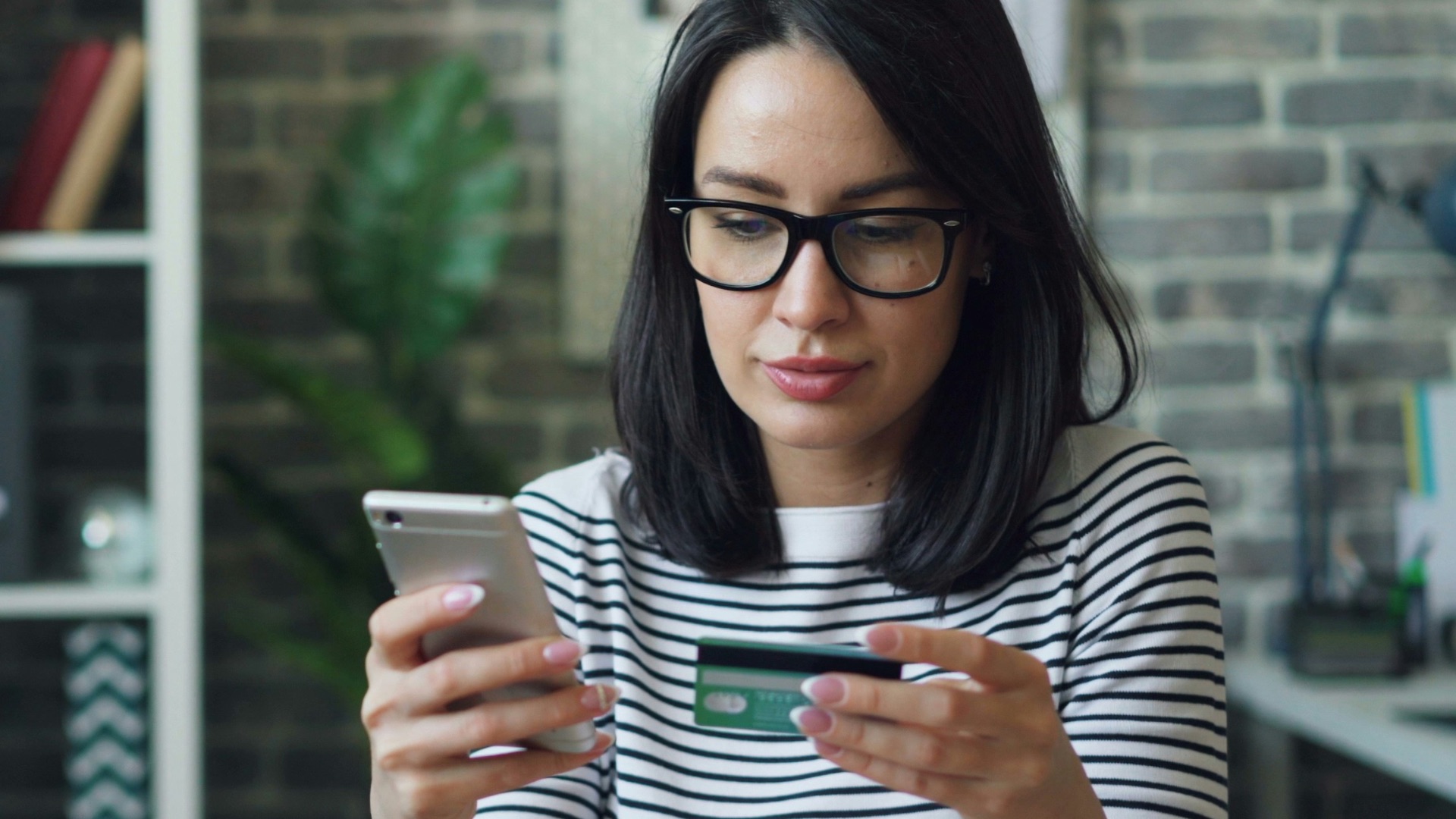
1. You Buy Products the Moment You See Them Online
If you've ever added something to your cart within minutes of watching a video about it, you're not alone, but that impulse is worth examining. Trends move fast, and the pressure to keep up can override your usual decision-making process, pushing you toward purchases you haven't actually thought through. Pay attention to how often "I saw this online" is the main reason behind your shopping choices.
2. Your Opinions Shift Depending on Who You're Talking To
Easily influenced people often find that their stance on a particular trend changes based on the last conversation they had about it. One friend raves about a skincare brand and suddenly you love it too, but then someone else criticizes it and your enthusiasm fades just as fast. This kind of flip-flopping can signal that you haven't developed a strong enough sense of your own taste to anchor your opinions.

3. You Feel Anxious When You're Not Keeping Up with Trends
There's a specific kind of unease that comes from feeling like you're falling behind on what's popular, and if that sounds familiar, it's worth paying attention to. This anxiety often pushes people to buy things they don't need or adopt looks that don't suit them, all in an effort to feel current. Recognizing this feeling as a red flag rather than a call to action can help you make calmer, more intentional choices.

4. You Rarely Question Product Claims Before Trying Them
When an influencer says a serum changed their skin overnight, do you take that at face value, or do you look into the ingredients and research first? People who are easily swayed tend to accept bold claims without digging deeper, largely because the person making the claim seems trustworthy or relatable. Building a habit of double-checking before you buy can protect both your wallet and your skin.

5. You Own Multiples of Products You Barely Use
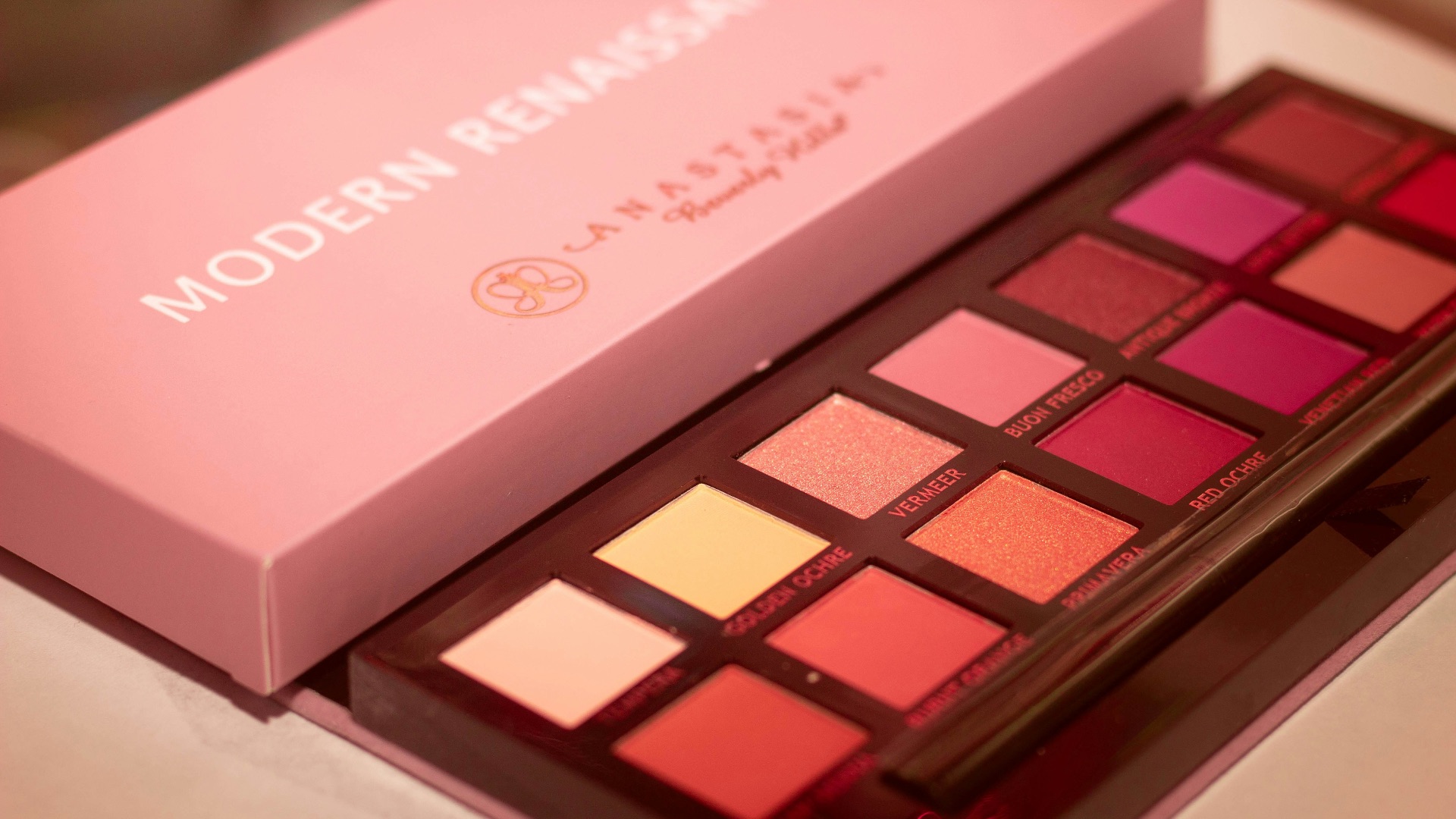
Take a look inside your beauty drawer or closet, and if you spot several similar items that were each hyped up at different points, that's a pretty telling pattern. This kind of repeat buying usually happens when each new "holy grail" claim convinces you that this version will finally be the one that works. Over time, those unused products add up, both in cost and in clutter.
6. You Struggle to Explain Why You Like Something
Ask yourself why you're drawn to a particular style or product, and if your answer boils down to "everyone says it's good," that's worth noting. People with strong personal taste can usually articulate specific reasons for their preferences, whether it's the color, the texture, or how something makes them feel. Not being able to go beyond a vague explanation often points to borrowed opinions rather than genuine ones.
 AI25.Studio AI GENERATIVE on Pexels
7. You Feel Pressure to Match What's Trending
Scrolling through an endless feed of similar outfits, makeup looks, and hairstyles can create the sense that there's only one acceptable way to present yourself at any given moment. That pressure often leads people to abandon personal style choices in favor of whatever look is dominating their feed. If you notice yourself changing your appearance to match trends rather than your own preferences, it's a sign worth acknowledging.
8. You Second-Guess Purchases After Reading Comments
You might feel confident about a product until you scroll through the comment section and see a few negative reviews, at which point your certainty crumbles. Letting strangers' opinions override your own initial reaction, especially when you haven't even tried the product yet, shows just how much outside voices can shape your decisions. Comments can be useful information, but they shouldn't be the deciding factor every time.
9. You Follow Advice from Influencers Whose Lifestyle Differs from Yours
Skin type, budget, lifestyle, and personal goals all vary widely, yet it's common to follow beauty and fashion advice from someone whose situation looks nothing like your own. Doing this consistently, without considering whether the advice actually applies to you, is a strong indicator of susceptibility to influence. What works beautifully for someone else might not translate to your life at all.
10. You Feel Left Out When You Haven't Tried the Latest Viral Item
There's a particular kind of FOMO that kicks in when everyone around you seems to be talking about the same viral lipstick or handbag, and you haven't jumped on it yet. That feeling of exclusion can push you toward purchases motivated by social belonging rather than actual desire or need. Noticing this pattern is often the first step toward breaking free from it.
Do the above signs sound like you? If so, you're pretty easily influenced. To combat this, here's how to deinfluence yourself:

1. Wait 48 Hours Before Making a Purchase
Give yourself a mandatory cooling-off period any time you feel the urge to buy something you just saw online. This short delay allows the initial excitement to fade and gives you space to consider whether you actually want the item or whether you were simply caught up in the moment. More often than not, that urgency disappears entirely after a day or two.

2. Keep a List of Your Actual Preferences
Spend some time writing down the colors, styles, and products you've genuinely gravitated toward over the years, separate from anything trending right now. This list becomes a helpful reference point whenever you're tempted to buy something impulsively, since you can compare the new item against your established taste. It's a simple way to stay grounded in what you actually like.
3. Unfollow Accounts That Make You Feel Inadequate
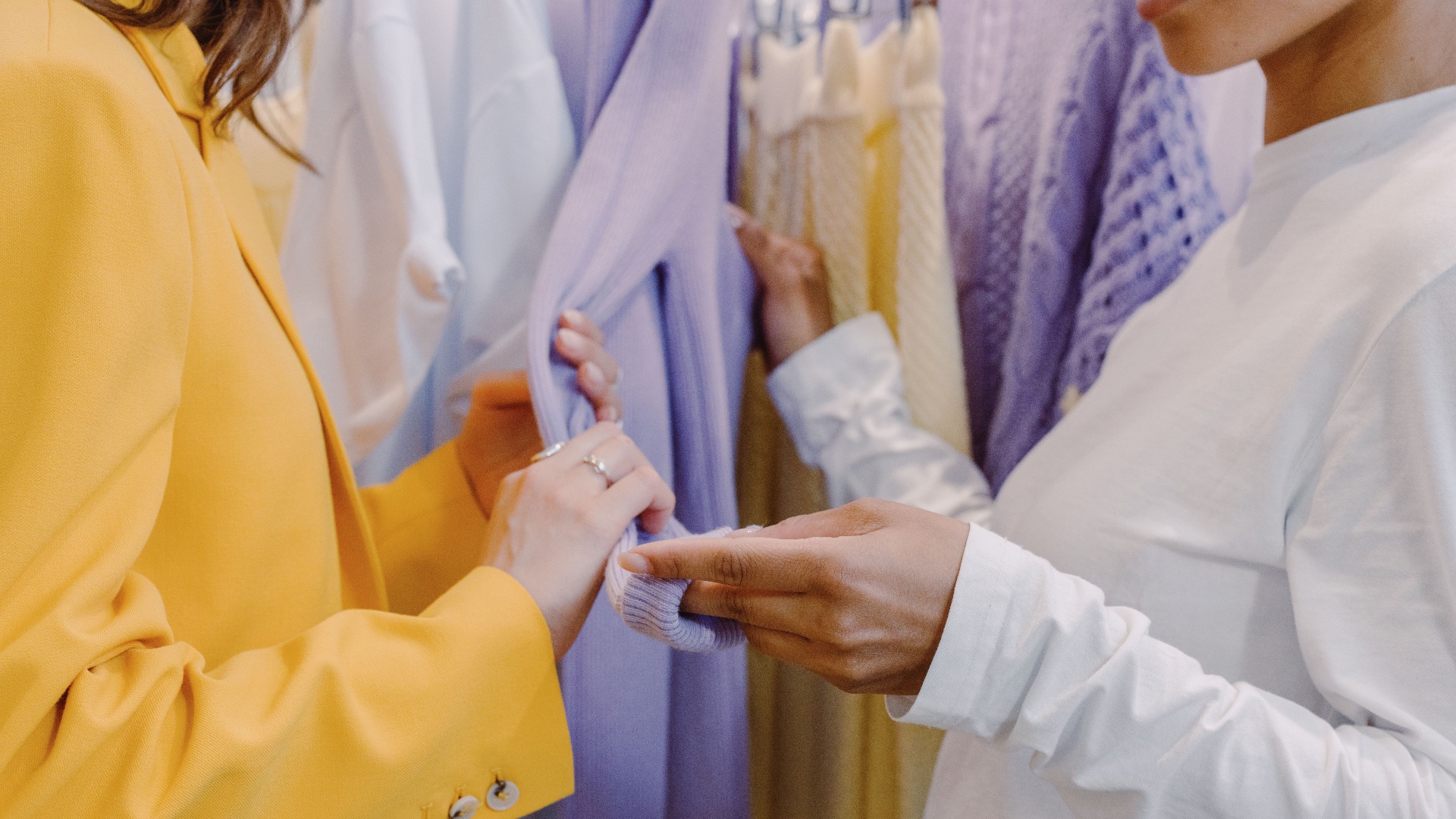
Take a hard look at the accounts you follow and ask yourself how you feel after scrolling through their content. If certain influencers consistently leave you feeling like your wardrobe, skin, or lifestyle isn't good enough, it's time to unfollow or mute them without guilt. Your feed should feel inspiring, not like a constant source of comparison.
4. Shop Your Closet and Makeup Bag First
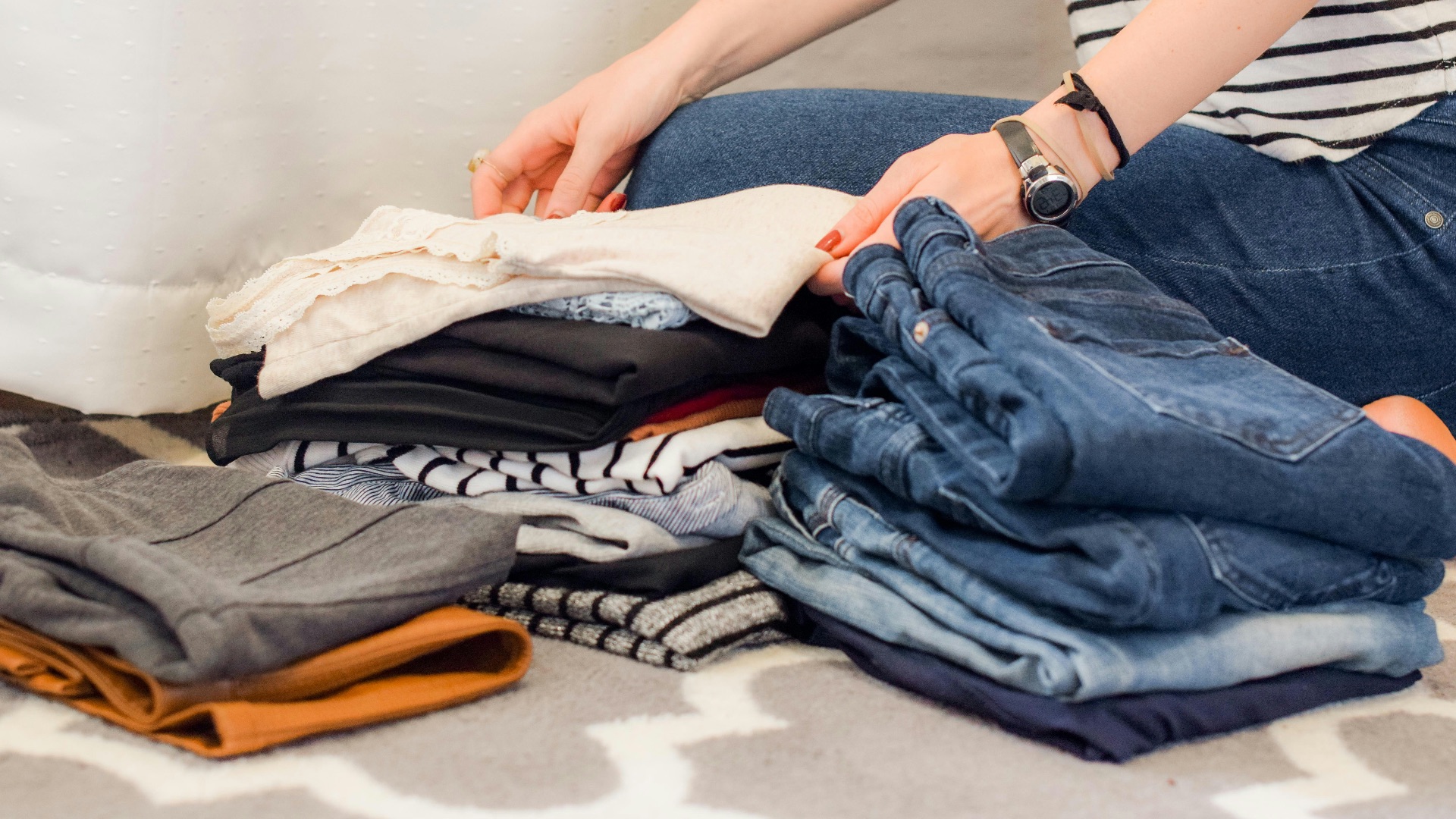
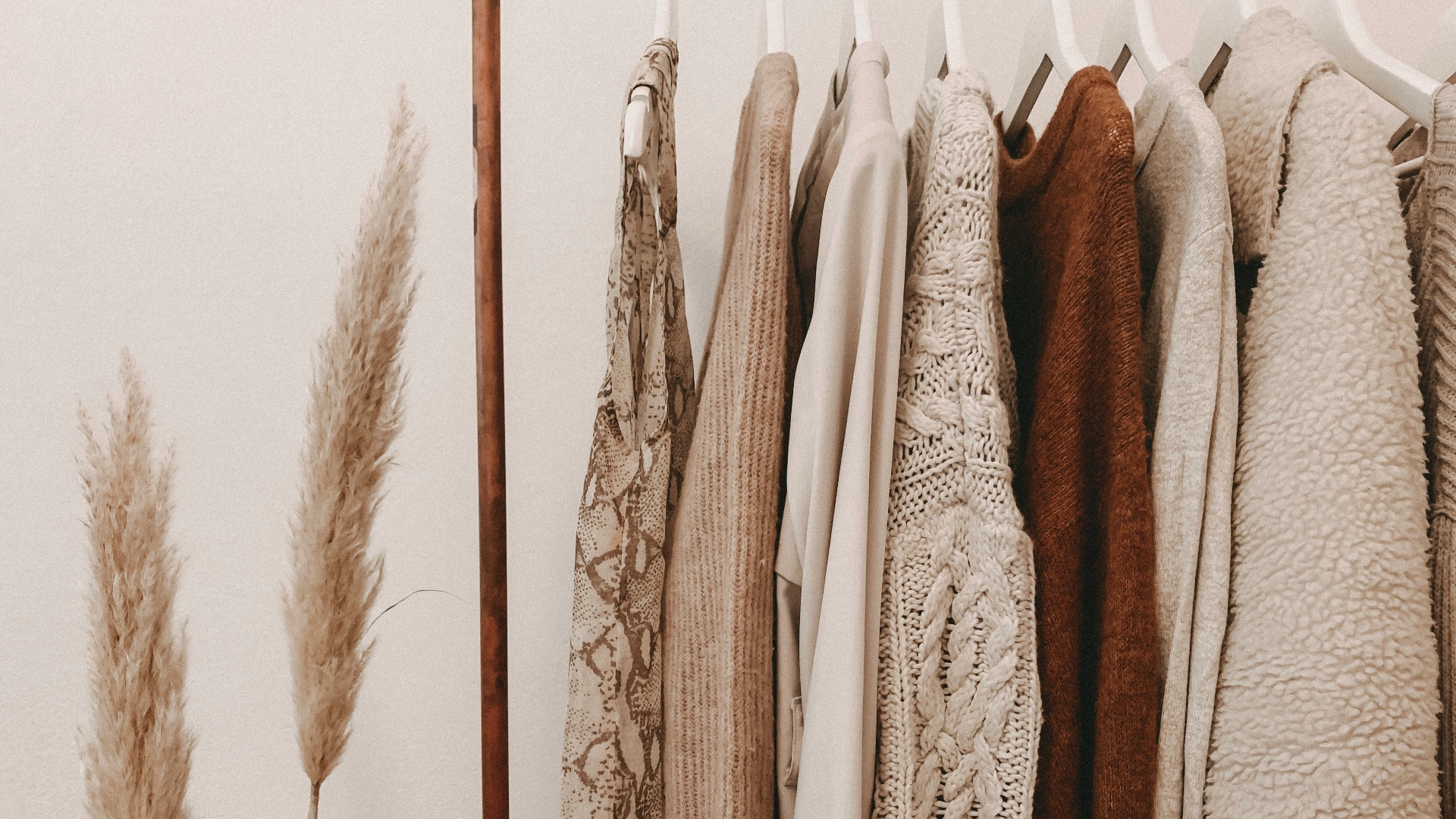
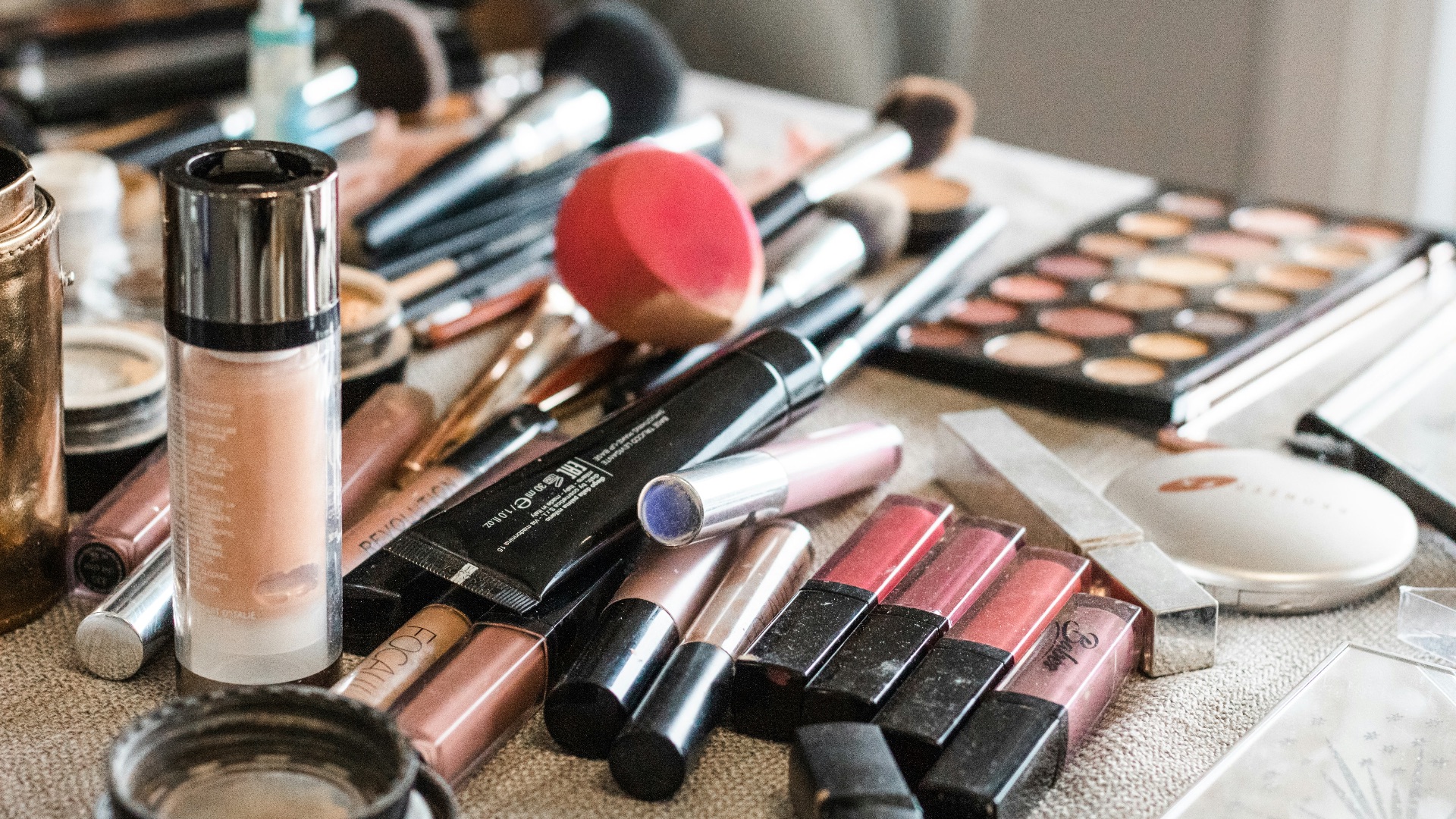
Before buying a new trend, check what you already own. You may already have a similar lipstick, a blazer that creates the same effect, or a pair of shoes that works with the outfit you’re imagining. This habit helps you make better use of what you’ve purchased and keeps you from collecting duplicates. It can also remind you that you already have more styling options than your feed makes it seem.
5. Limit Your Exposure to Haul and Unboxing Videos
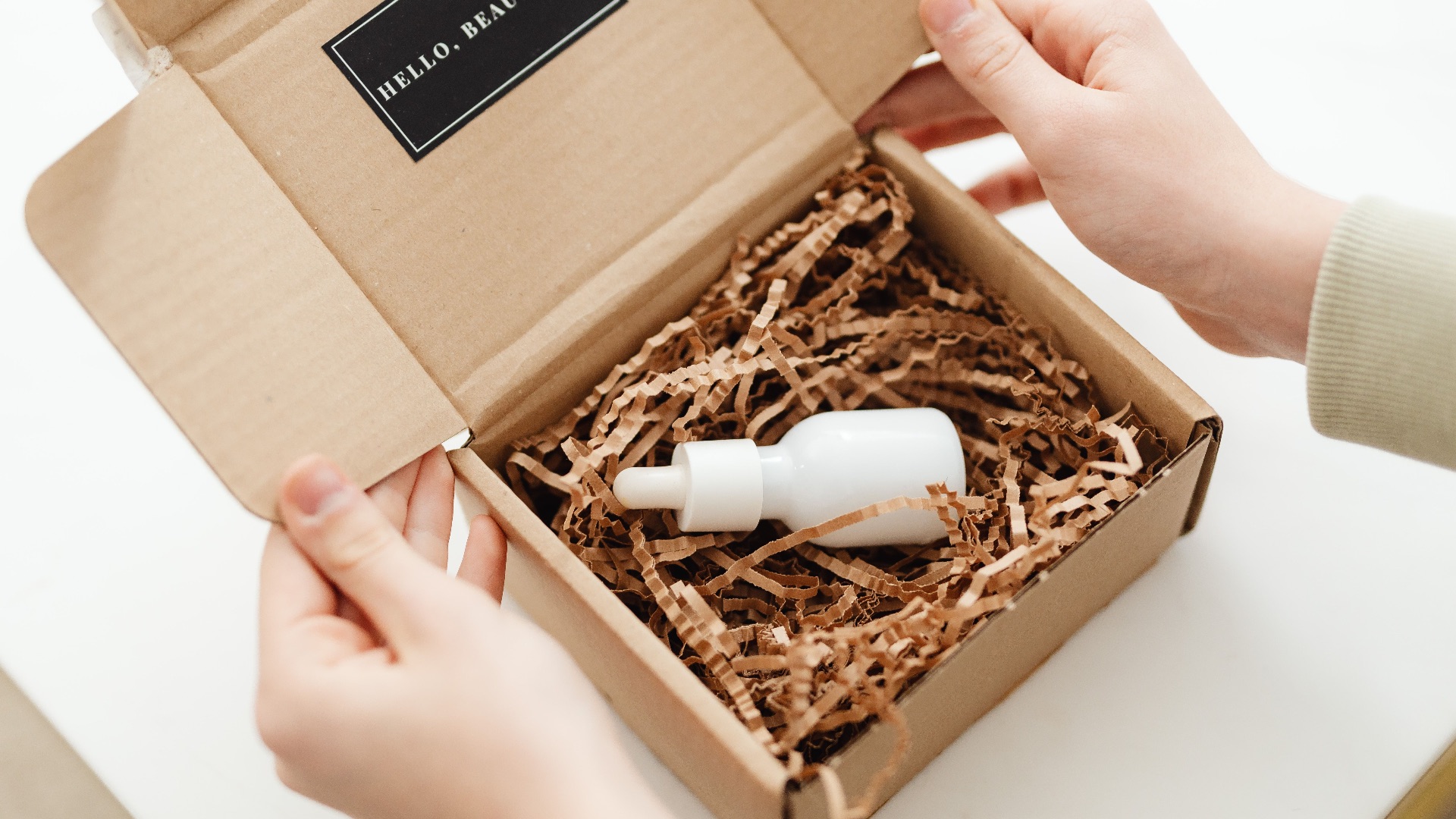
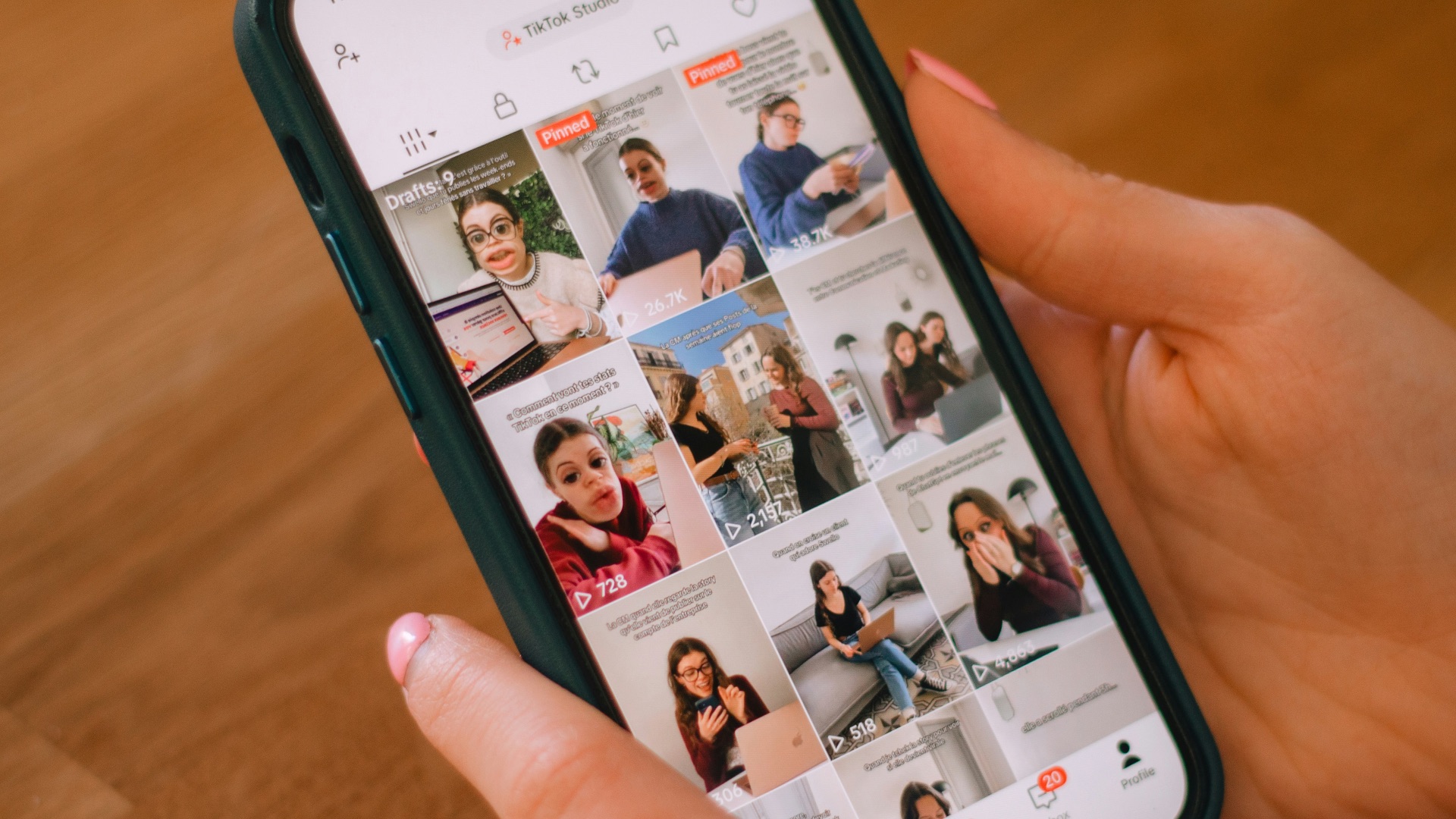
These videos are specifically designed to generate excitement and desire, so consuming them frequently makes it much harder to resist impulse purchases. Cutting back on how often you watch this type of content can significantly reduce the pull you feel toward buying things you don't need. You'll likely notice a difference in your spending habits within just a few weeks.
6. Ask How Often You’ll Actually Use It
Be honest with yourself: how often will you actually use it once the product is in your hands? Will you reach for the item weekly? Monthly? Once for some special event, then not at all after the initial excitement fades? The more honest you are about usage, the fewer regret purchases you’ll make.
7. Pay Attention to What You Actually Wear
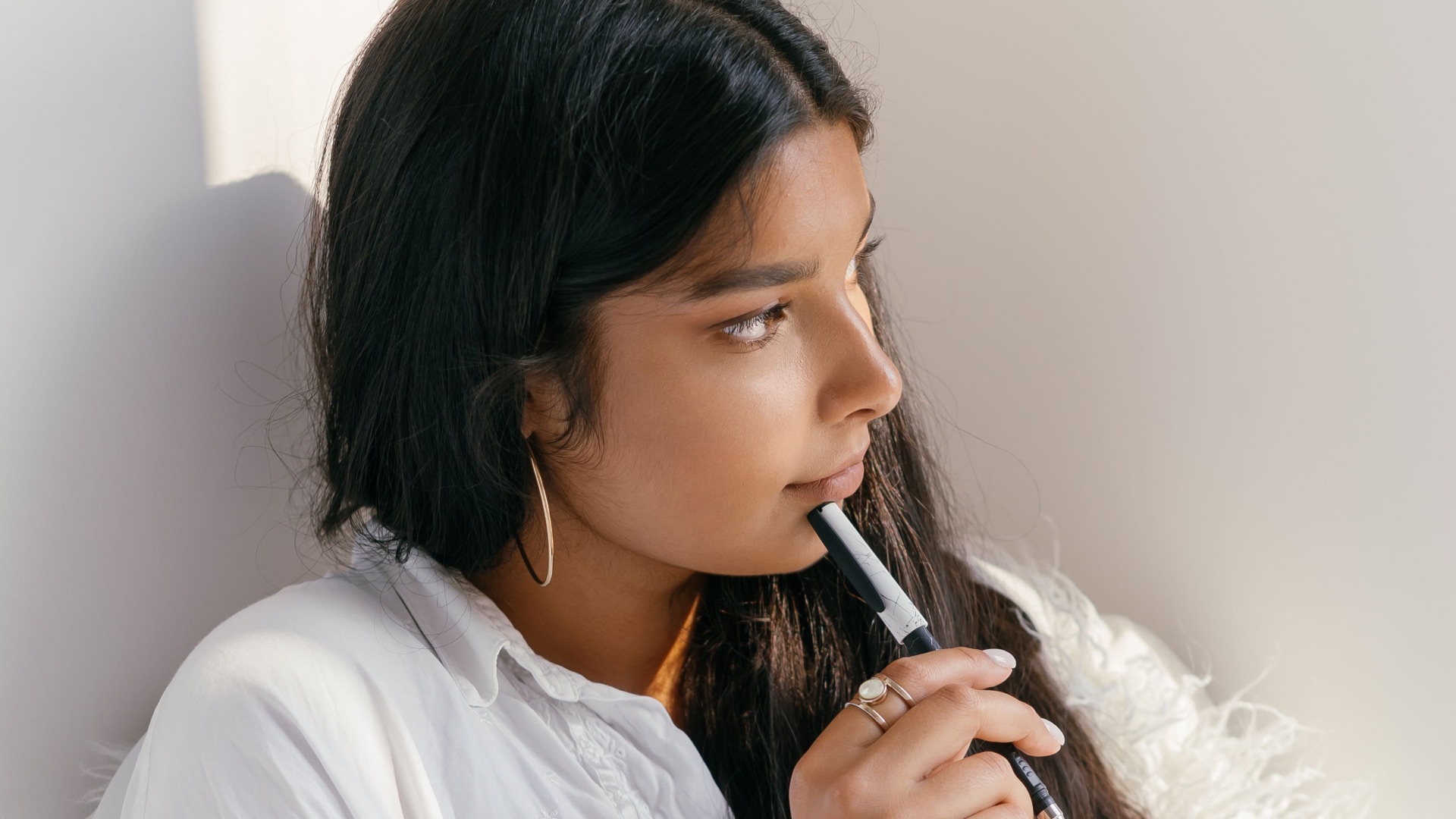
Your real-life habits reveal more than your saved posts. Notice which jeans you reach for, which makeup products you finish, which shoes you avoid, and which outfits make you feel comfortable all day. These details can guide future purchases better than any trend report. When your choices are based on your own patterns, your style becomes easier to trust.
8. Diversify the Voices You Listen To
Instead of following a handful of influencers with similar aesthetics and opinions, seek out a wider range of perspectives, including people whose style differs from your own. This variety makes it harder for any single trend or opinion to dominate your thinking, since you're regularly exposed to different viewpoints. A broader perspective naturally makes you a more independent thinker.
9. Revisit Past Purchases You Regret
Take stock of items you bought because of a trend or recommendation but rarely use, and think through what led you to purchase them in the first place. Identifying the pattern, whether it was social pressure, fear of missing out, or a compelling video, helps you recognize and interrupt that same pattern in the future. This kind of reflection turns past mistakes into useful data.
10. Trust Your First Reaction More Often
Before you read a single review or watch a follow-up video, pay attention to your immediate, honest reaction to a product or trend. That initial gut response is often a more accurate reflection of your genuine taste than anything you'll absorb afterward from outside opinions. Learning to trust that first instinct is one of the most effective ways to build lasting confidence in your own choices.