What Actually Signals Style
Anyone can walk into a store and buy something expensive, but that's never been the same thing as looking put together. The people who consistently look good aren't necessarily spending more, they're just paying attention to details most shoppers skip entirely. A lot of it comes down to habits, small, repeated choices that have nothing to do with a price tag and everything to do with care. You'll notice it in how clothes fit, how they're maintained, and how someone puts pieces together rather than just collecting them. Here's 20 habits that separate people with real taste from people who just spent a lot of money.
1. Getting Everything Tailored
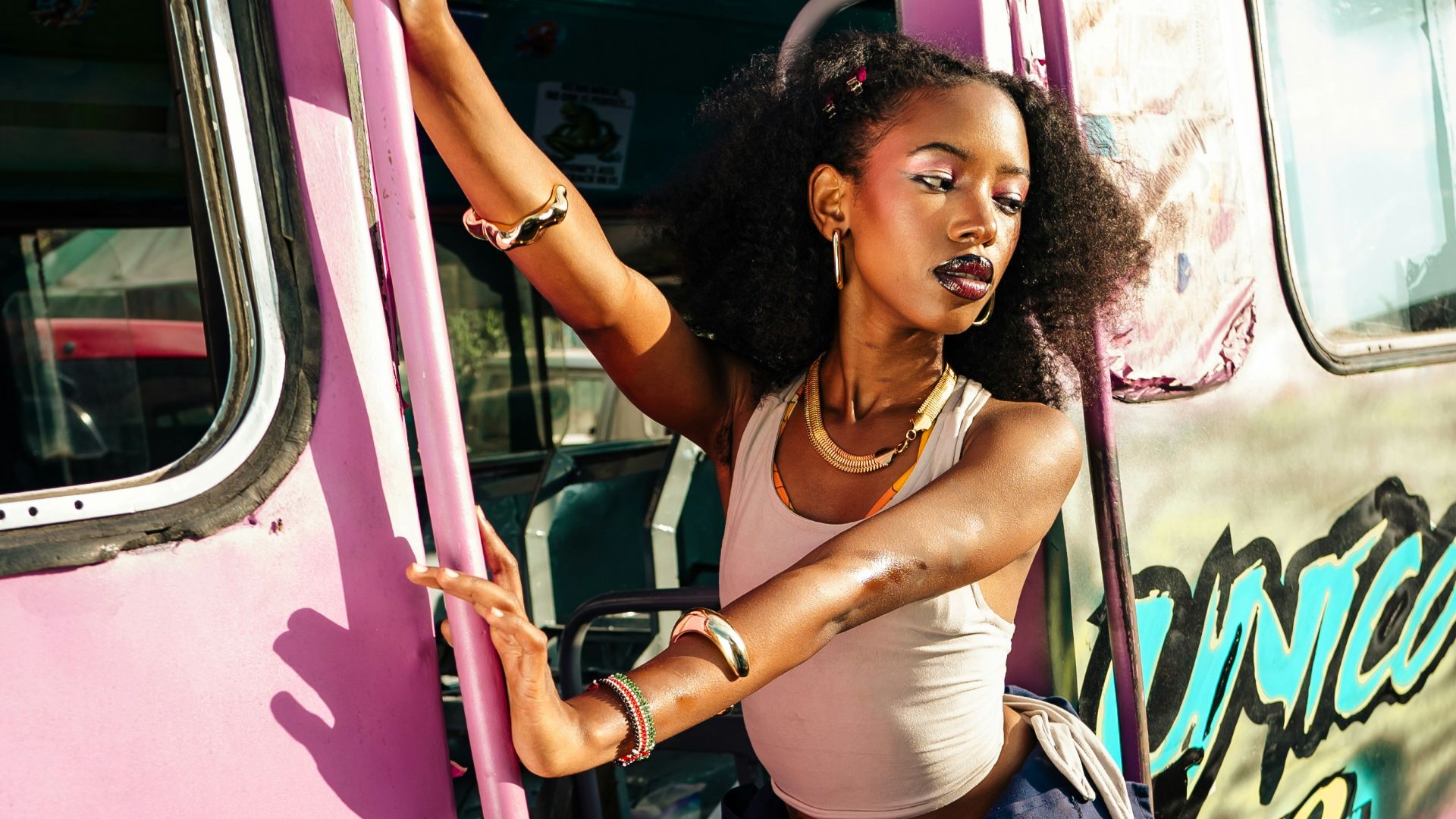
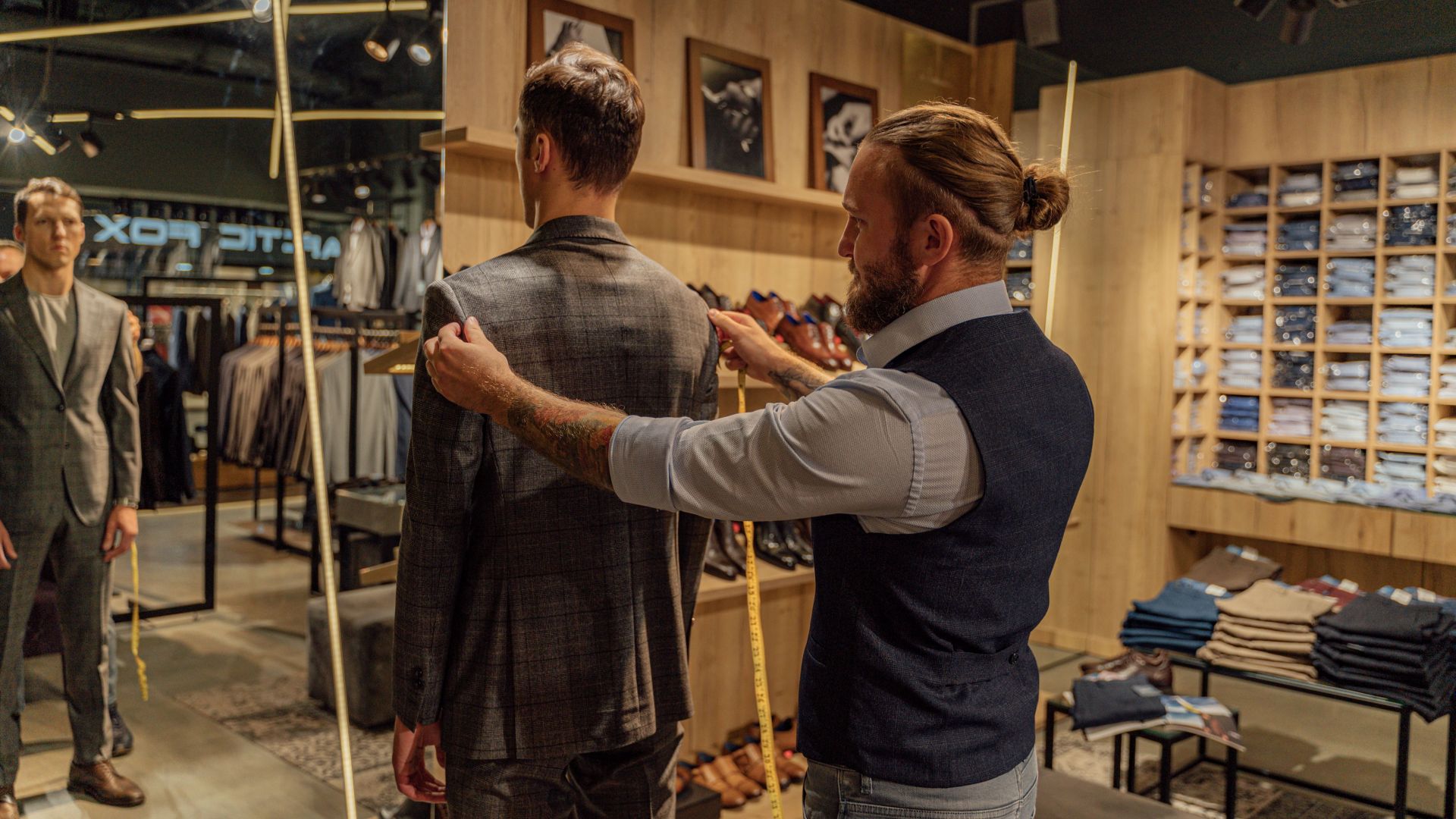
A cheap jacket that fits perfectly will always look better than an expensive one that doesn't. People with taste treat tailoring as a normal step in buying clothes, not an optional upgrade reserved for special occasions. It's often the single biggest difference between looking expensive and just looking like you spent money.
2. Ironing Things Nobody Else Would Bother With
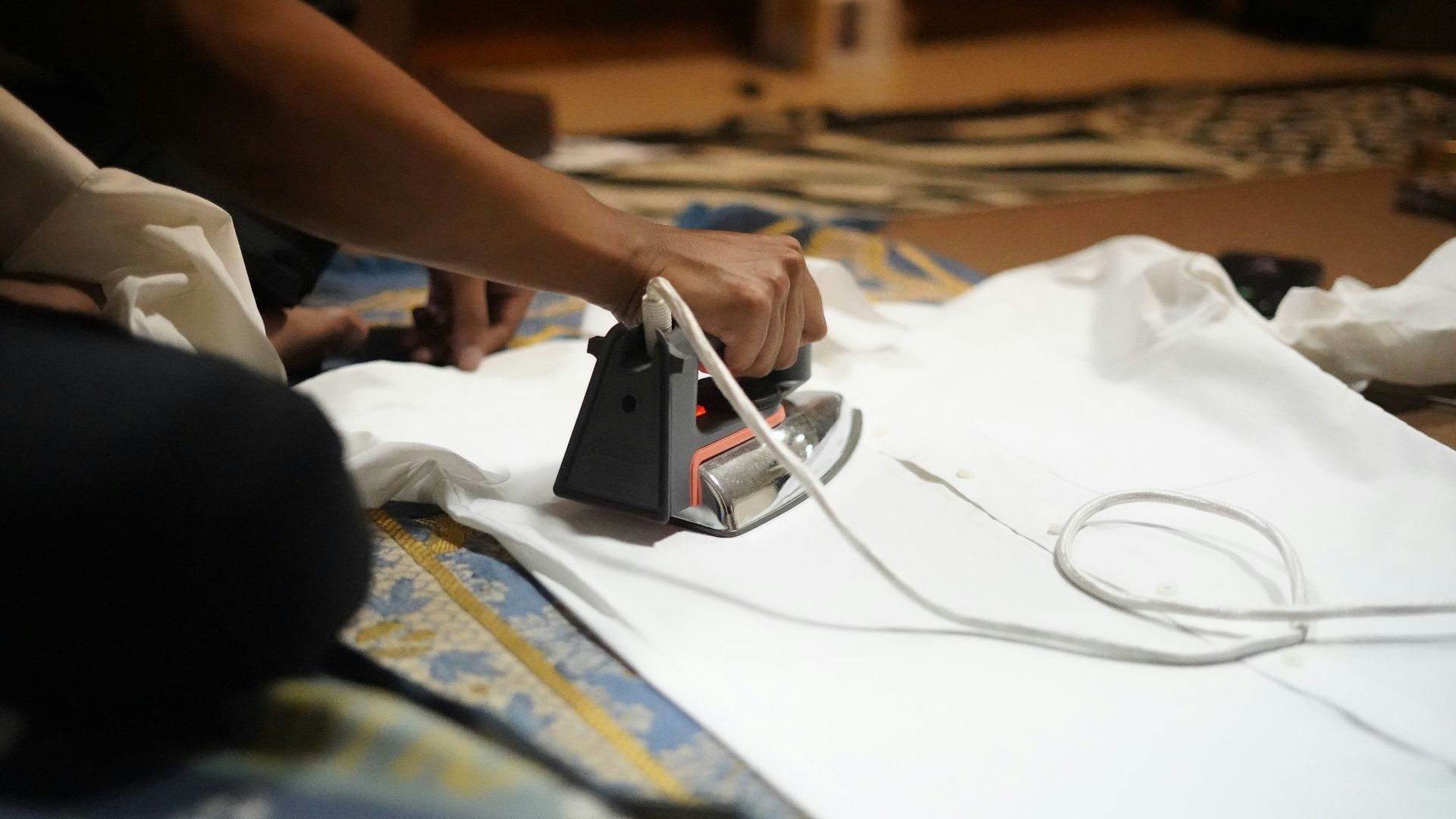
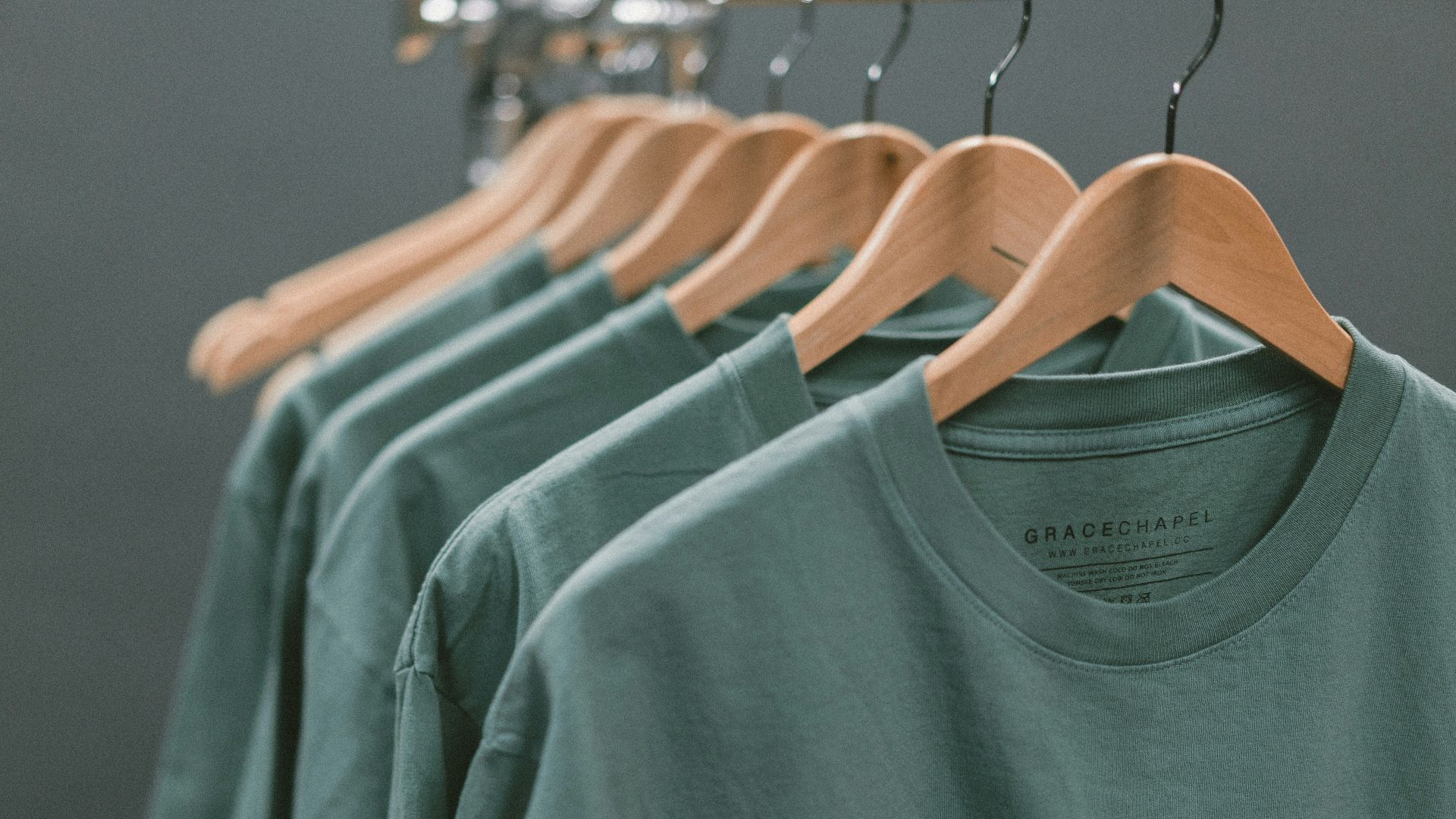
Pressing a plain white t-shirt seems excessive until you see the difference next to one straight out of the dryer. This habit shows up most in casual pieces, the ones people assume don't need the effort. It's a small thing that quietly signals a level of care most people skip.
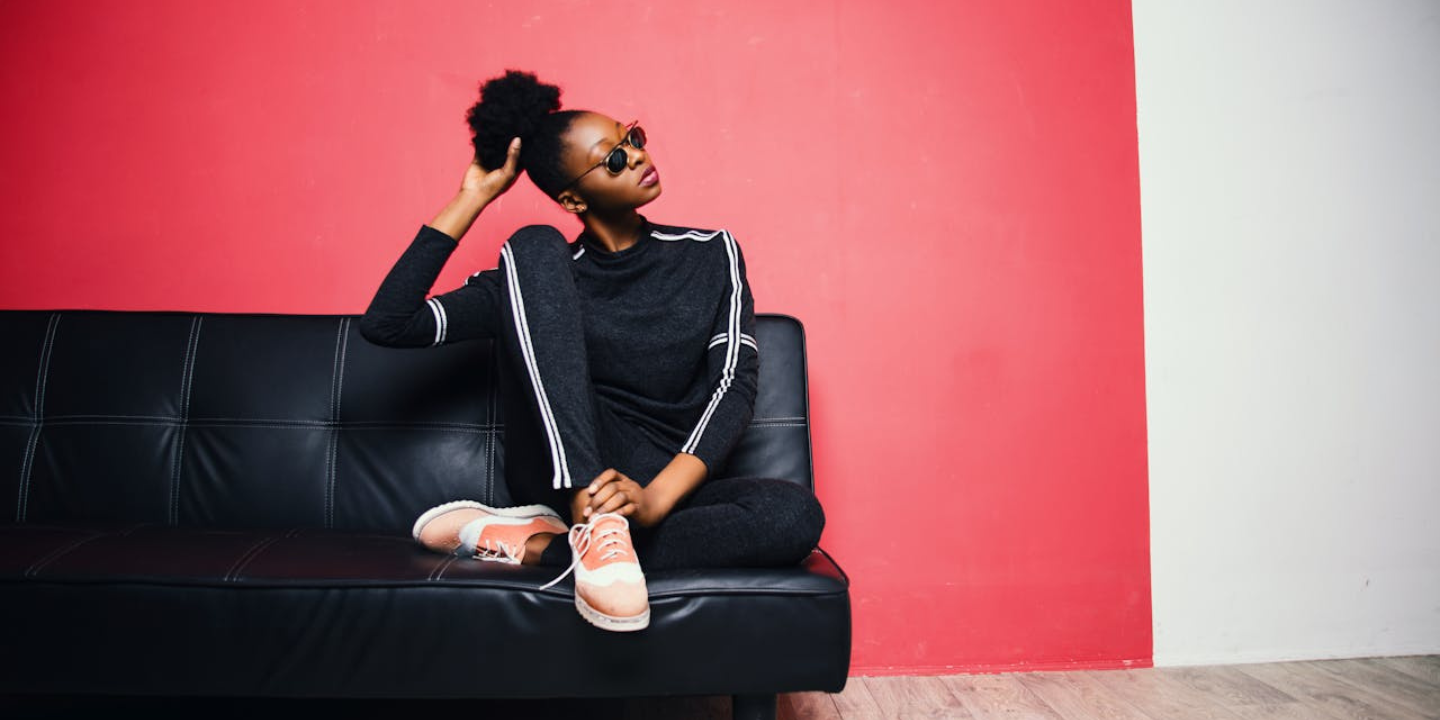
 Dzulfikar Alkautsar on Unsplash
3. Matching Metals On Purpose
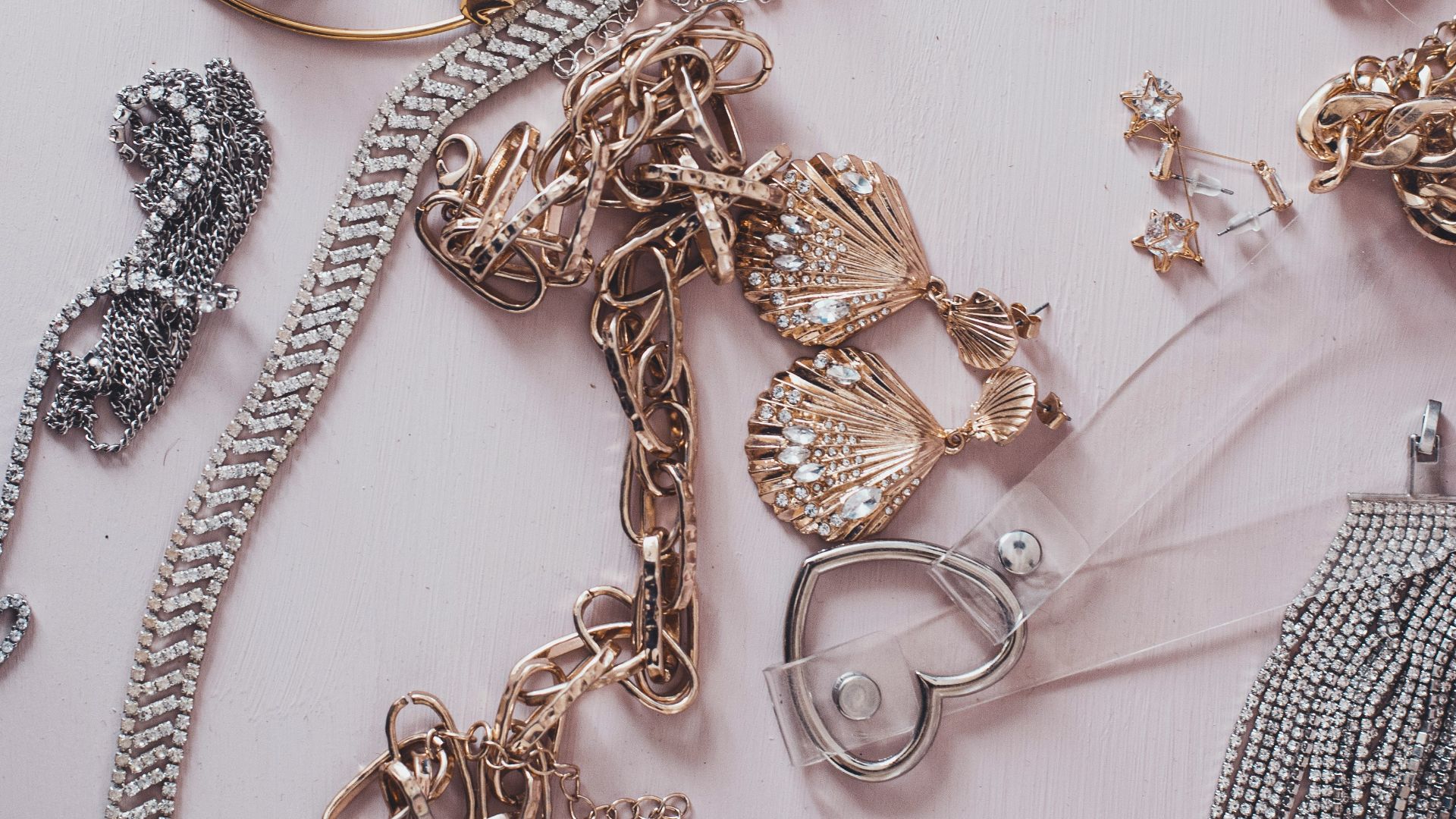
Gold and silver worn together isn't automatically wrong, but it's rarely accidental when it works. People with an eye for this either commit to one metal tone or mix them with clear intention, not out of forgetfulness. It's a detail most people never consciously notice, but they feel when it's off.
4. Buying Fewer, Better Basics
A single well-made white shirt will outlast and outperform five cheap ones, both in how it looks and how long it lasts. This habit takes patience, since it usually means spending more upfront and buying less overall. The payoff shows up over years, not in a single outfit.
5. Knowing When To Stop Accessorizing
There's a specific instinct for removing one thing before walking out the door, a rule some people swear by and others discover the hard way. Overloading an outfit with jewelry, bags, and layers usually reads as trying too hard. Restraint, more often than not, reads as confidence.
6. Actually Taking Care Of Shoes
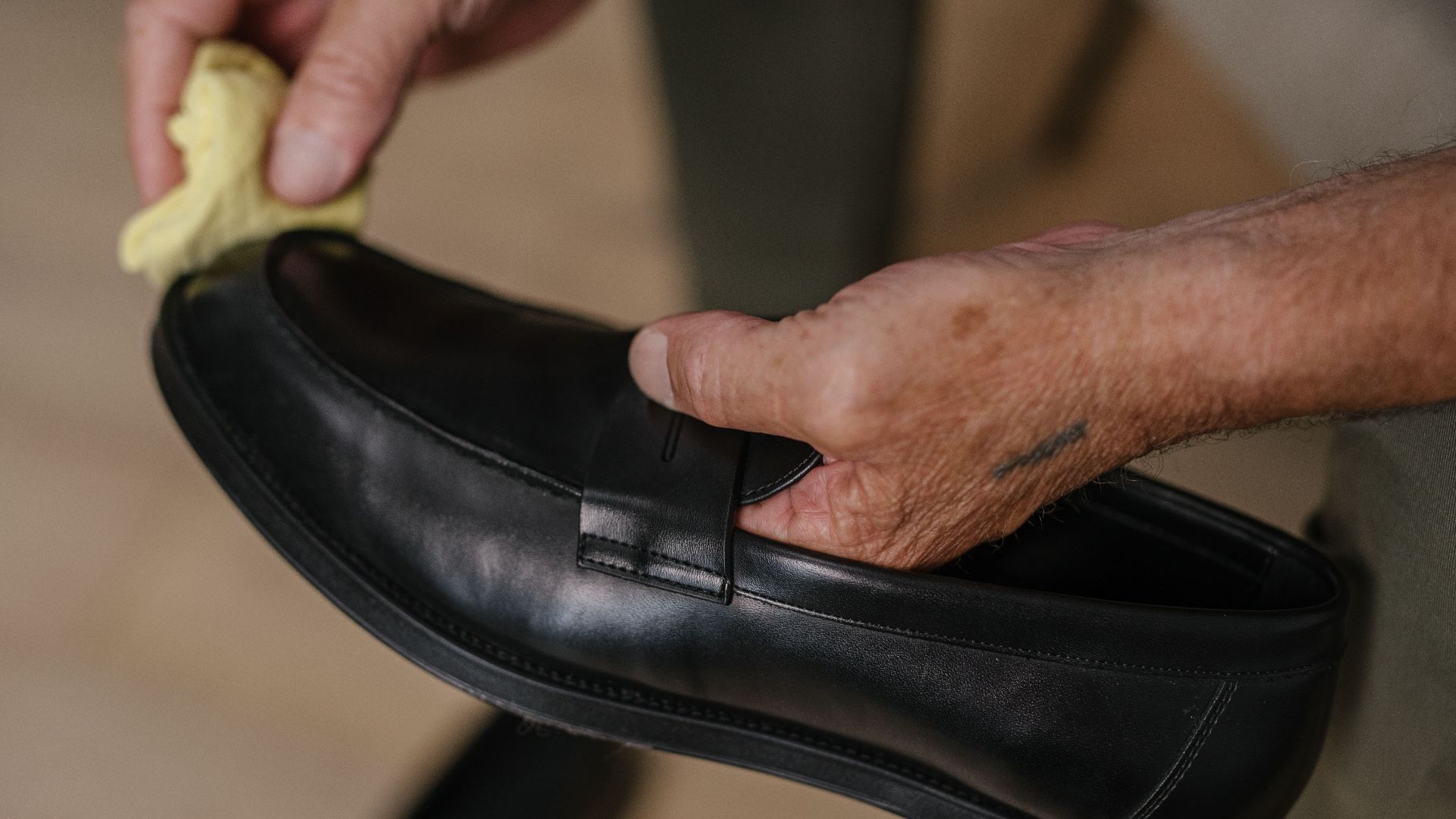
Scuffed, dirty shoes undercut an otherwise great outfit faster than almost anything else. People with taste treat shoe care as routine maintenance, not an emergency fix before a big event. It's unglamorous, but it shows.
7. Choosing Fit Over Logo
A logo can't fix a shirt that's the wrong size, but people still buy for the name instead of the cut all the time. The habit of prioritizing fit means sometimes walking past a recognizable brand for something plainer that actually works on your body. It's a quieter kind of confidence, one that doesn't need a label to do the talking.

8. Repeating Outfits Without Apology
Wearing the same great blazer three times in one week isn't a fashion failure, despite what social media might suggest. People with real taste build a rotation of pieces they trust and use them often, rather than chasing novelty for its own sake. Repetition, done well, starts to look like a signature instead of a limitation.

9. Understanding Proportion
Balancing a loose top with fitted bottoms, or the reverse, isn't random, it's a rule most people absorb without ever naming it. Getting proportion right makes an outfit feel intentional even when the individual pieces are simple. Ignore it, and even expensive clothes can end up looking sloppy.

10. Skipping Trends That Don't Suit Them
Not every trend deserves a spot in every closet, and people with taste seem to know this instinctively. They'll pass on something popular if it doesn't fit their body, their life, or their existing wardrobe, even when everyone else is buying it. That kind of selectivity takes more discipline than it looks like from the outside.
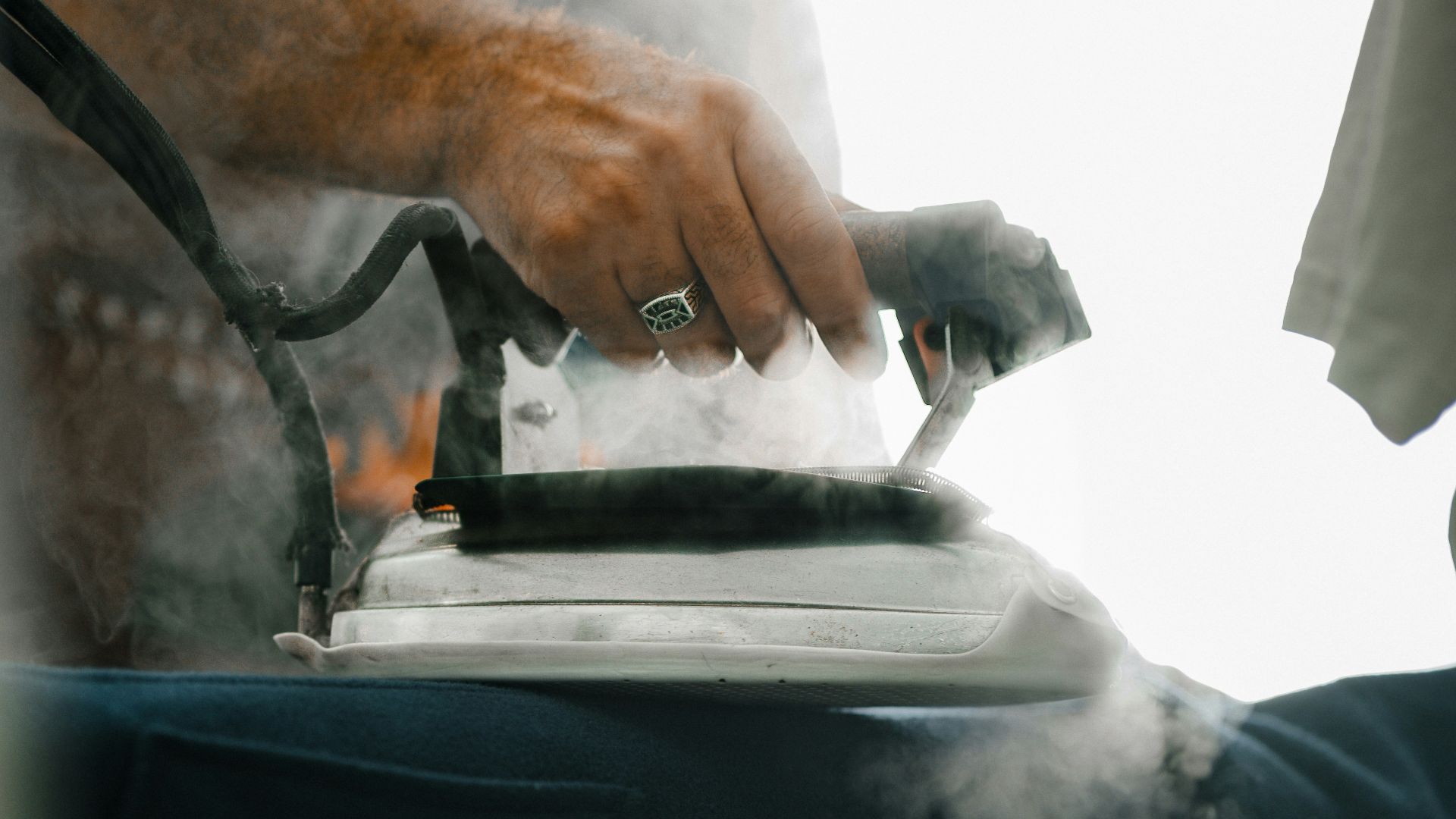
11. Steaming Even The Casual Stuff
Wrinkled linen pants read differently depending on whether the wrinkles look intentional or just neglected. A quick steam before leaving the house is one of those habits that costs almost nothing but changes how put-together an outfit feels. It's a five-minute step most people never build into their routine.
12. Building Around Color Families
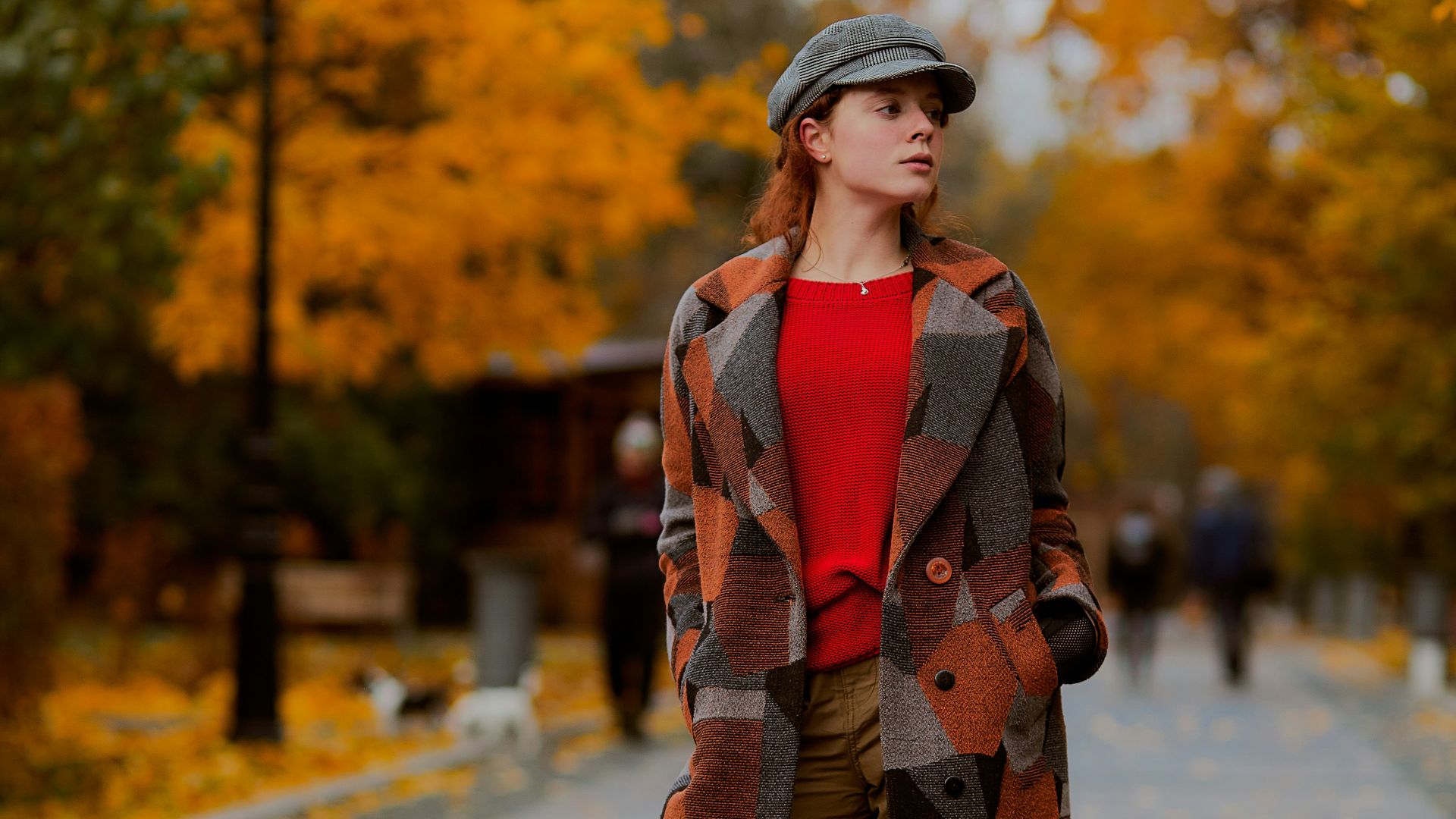
Sticking to a handful of colors that work well together makes getting dressed faster and the results more consistent. This isn't about being boring, it's about avoiding the chaos of five competing colors fighting for attention in one outfit. A tight color palette almost always looks more expensive than a loud one.
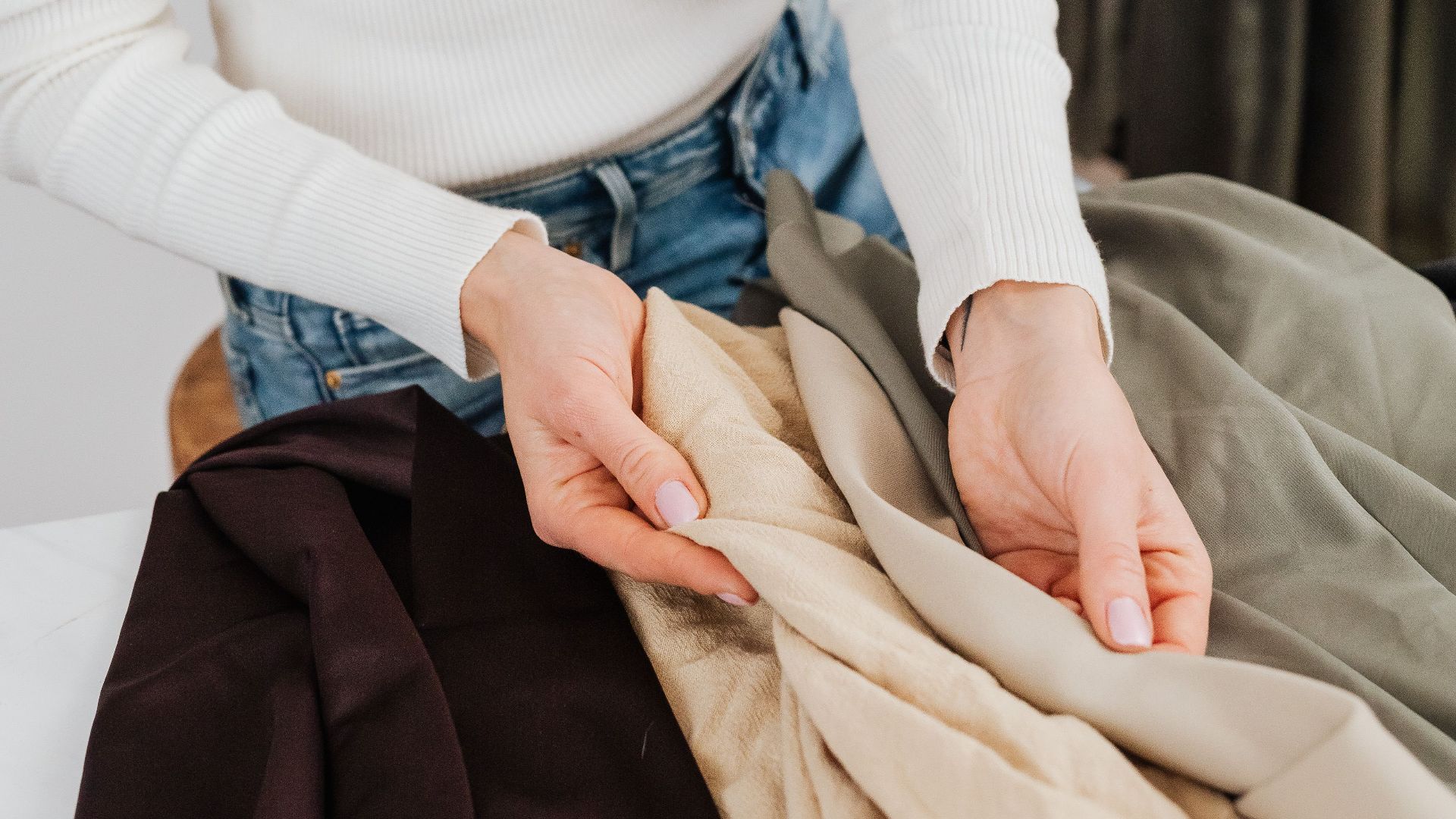
13. Mixing Textures Instead Of Just Colors
A wool sweater over a crisp cotton shirt does more visual work than most people give it credit for. This habit shows an eye for depth in an outfit, not just matching colors on a chart. It's a subtle move, but it's one of the fastest ways to make simple clothing look layered and thoughtful.
14. Investing In What's Underneath
The right foundation pieces, from properly fitted bras to slips that prevent clinging, quietly determine how everything on top actually looks. Nobody sees these choices directly, but everyone sees the results. Skipping this step is one of the most common reasons an otherwise good outfit falls flat.
 Konstantin Mishchenko on Pexels
15. Knowing Their Own Silhouette
Some people know almost instinctively which necklines, cuts, and lengths work for their frame, and it's rarely luck. That knowledge usually comes from years of trial and error, not a natural gift. Once it clicks, shopping gets dramatically faster because entire categories of clothing just get skipped.
16. Storing Clothes Properly
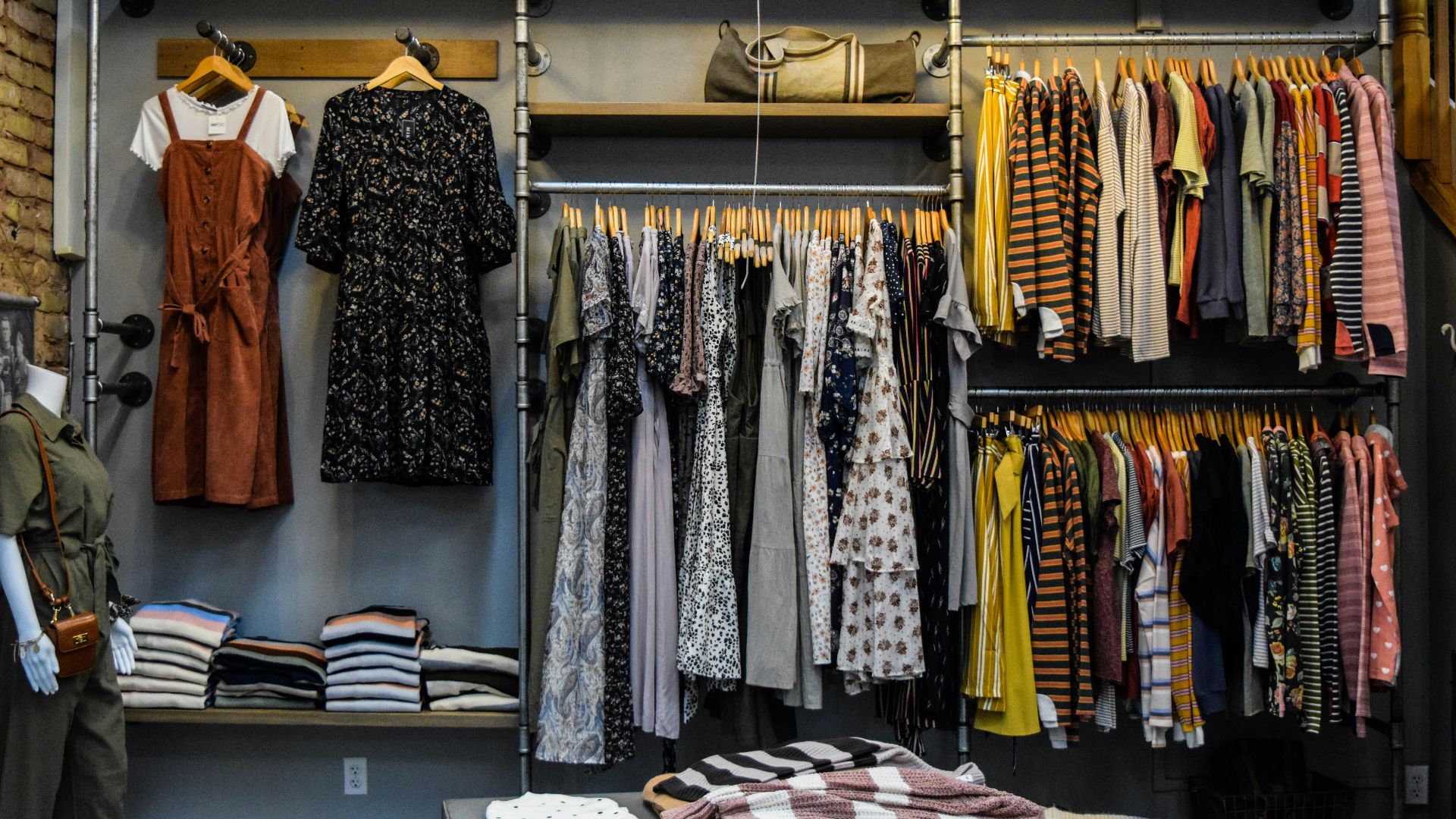
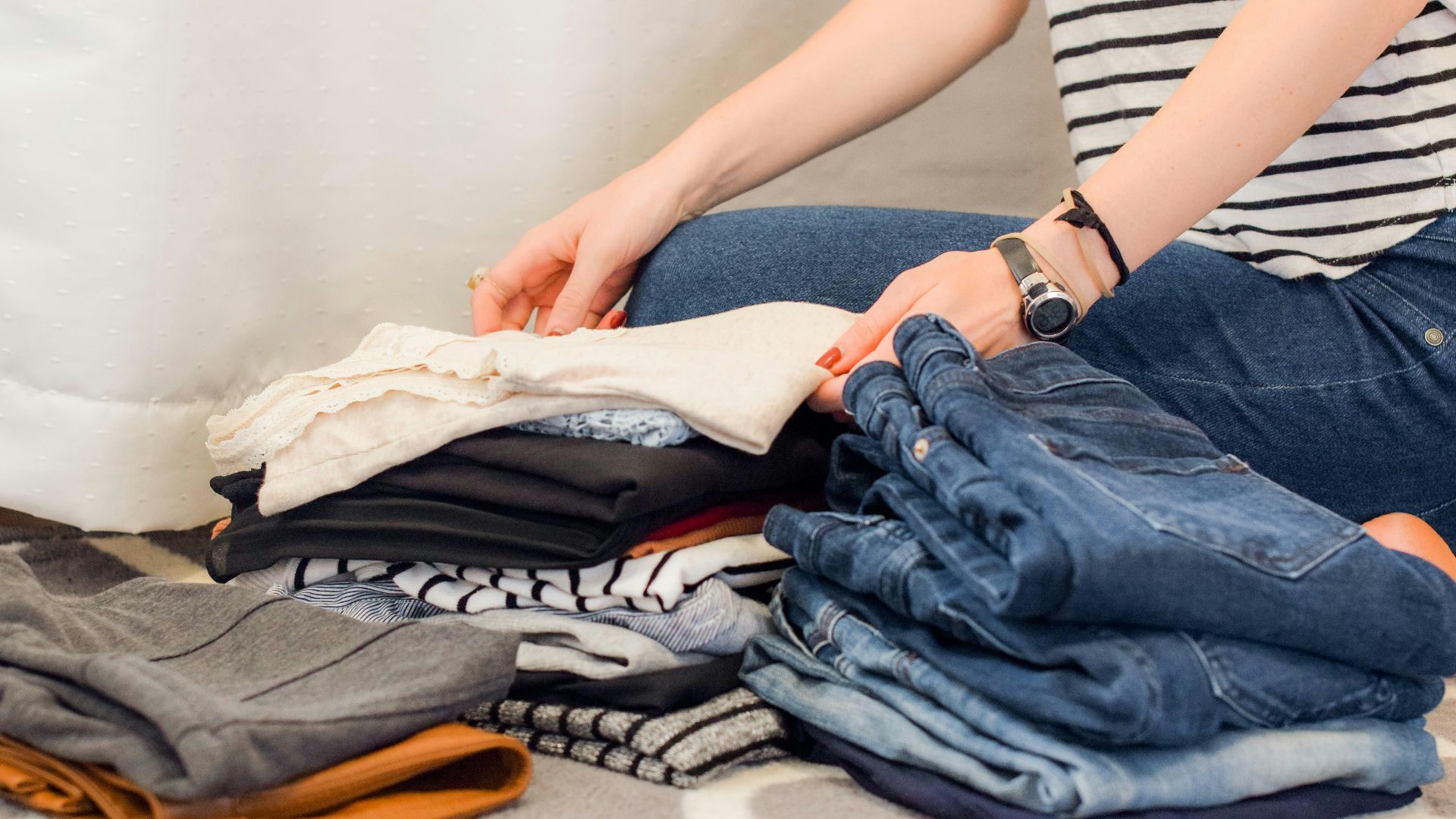
Cramming sweaters onto hangers or letting shoes pile up in a corner shortens the life of clothing fast, regardless of how much it cost. People with taste tend to treat storage as part of ownership, not an afterthought. It's unglamorous work that pays off every time they open the closet.
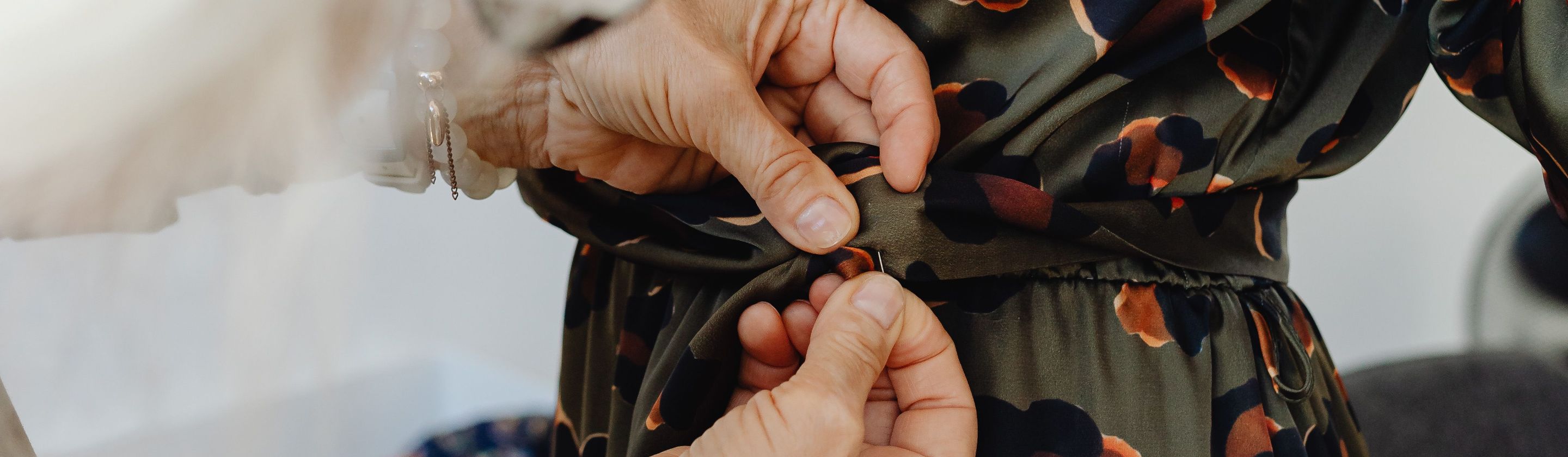
17. Altering Secondhand Finds
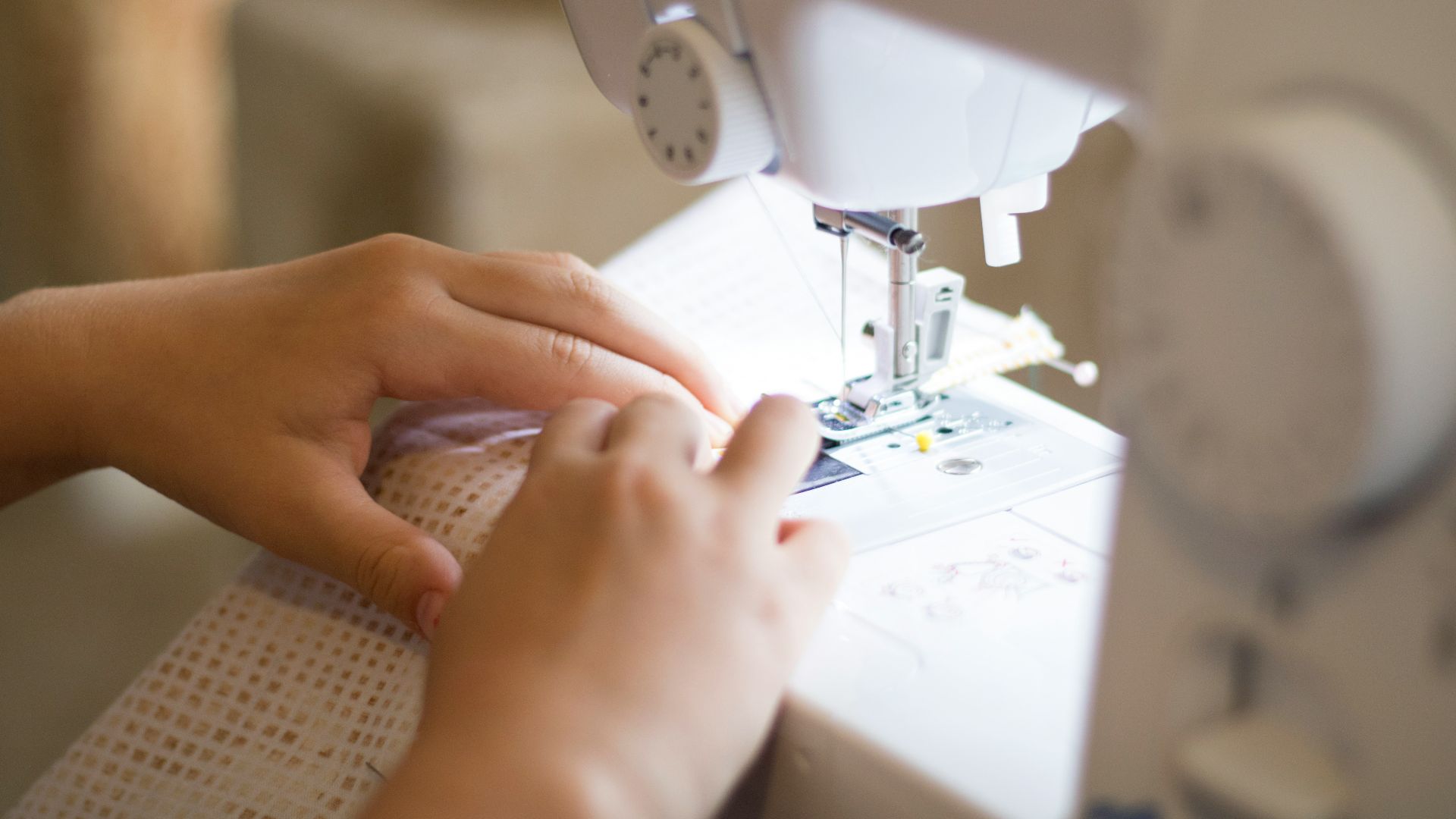
A great vintage piece rarely fits perfectly right off the rack, and people who shop secondhand well know that alterations are part of the deal. Budgeting for a tailor turns a lucky thrift find into something that actually looks intentional. Skip this step, and even a great piece can end up looking like a costume.
 Ashley Diane Worsham on Unsplash
18. Wearing Less Jewelry, More Deliberately
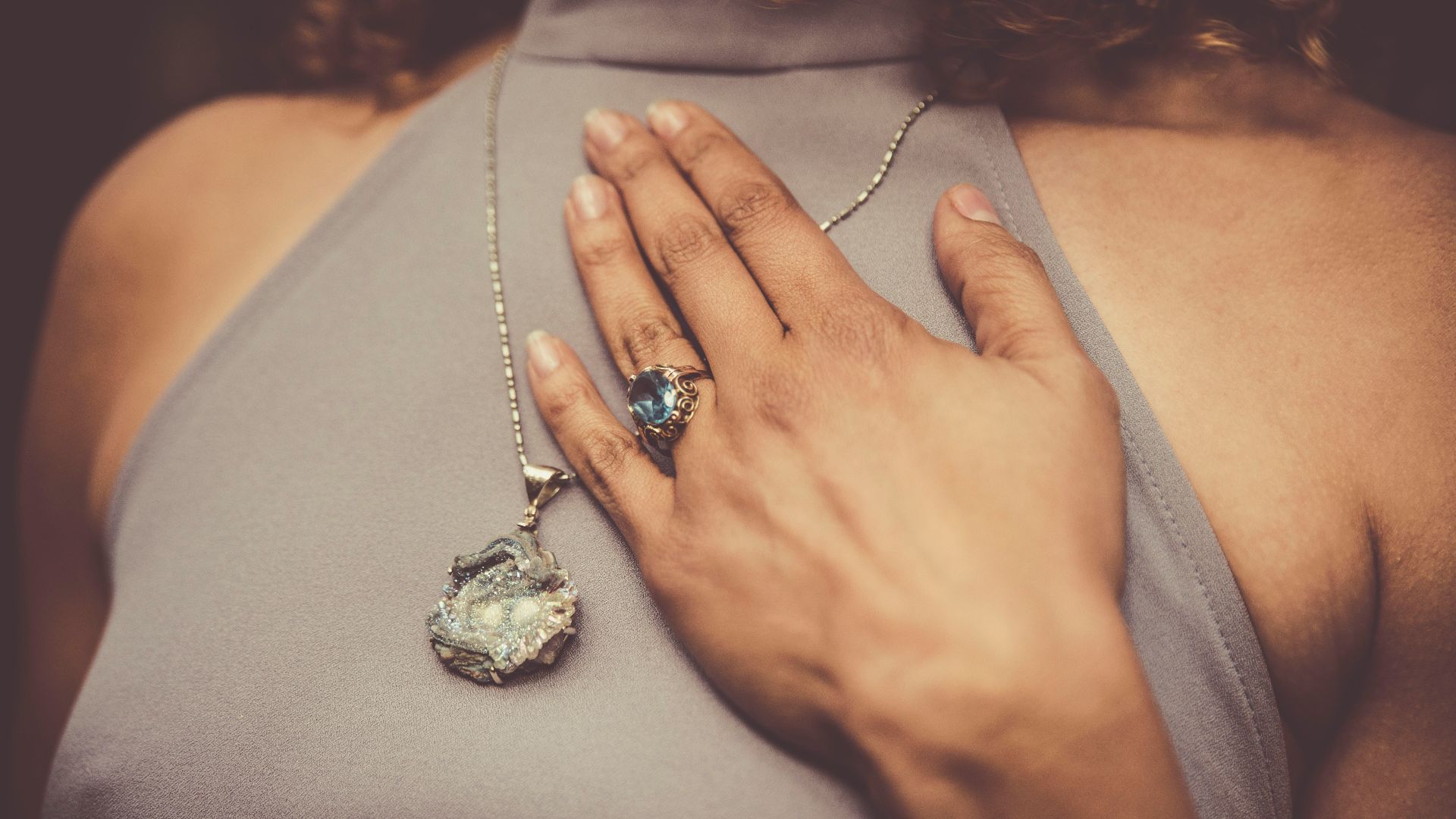
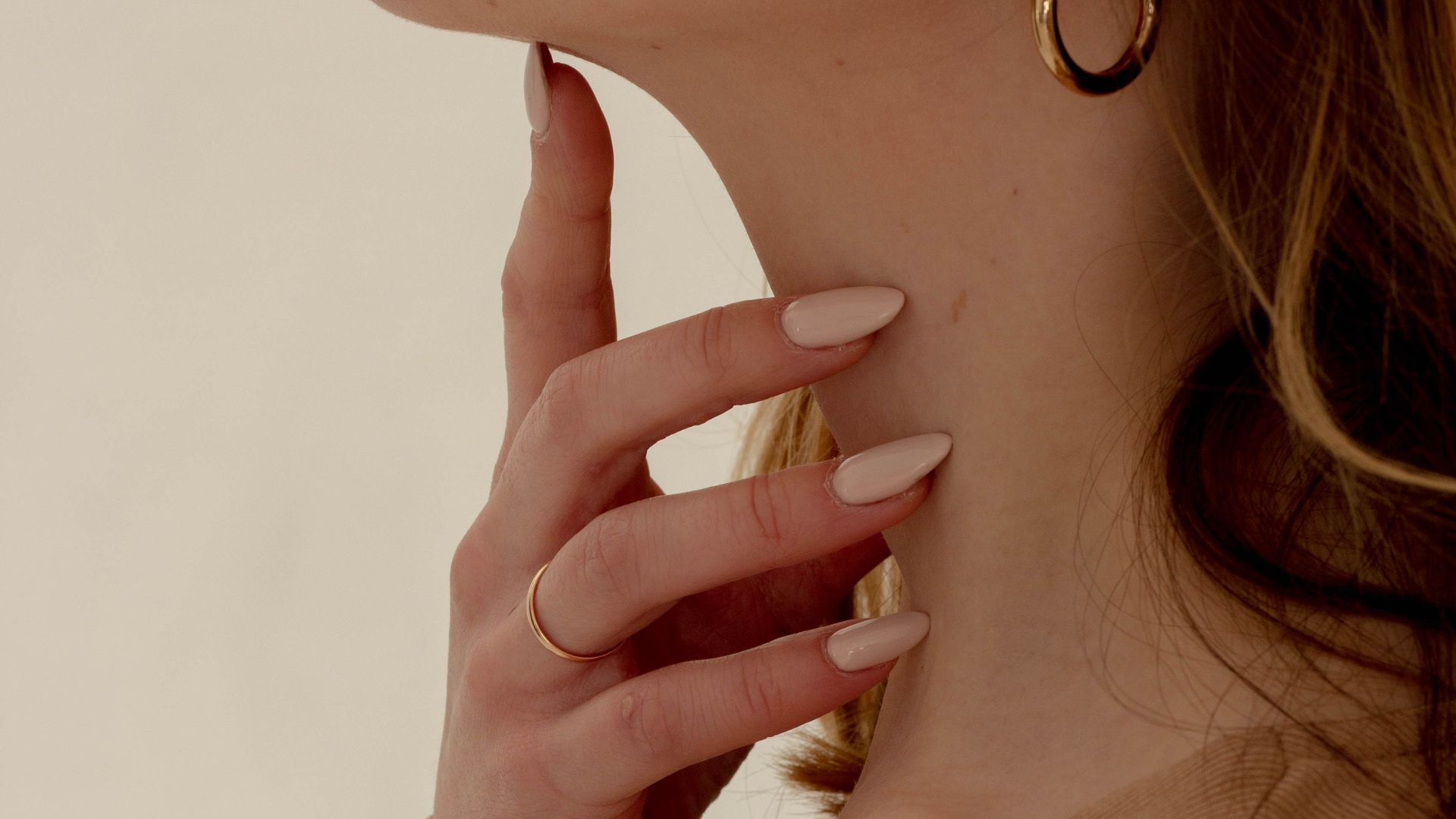
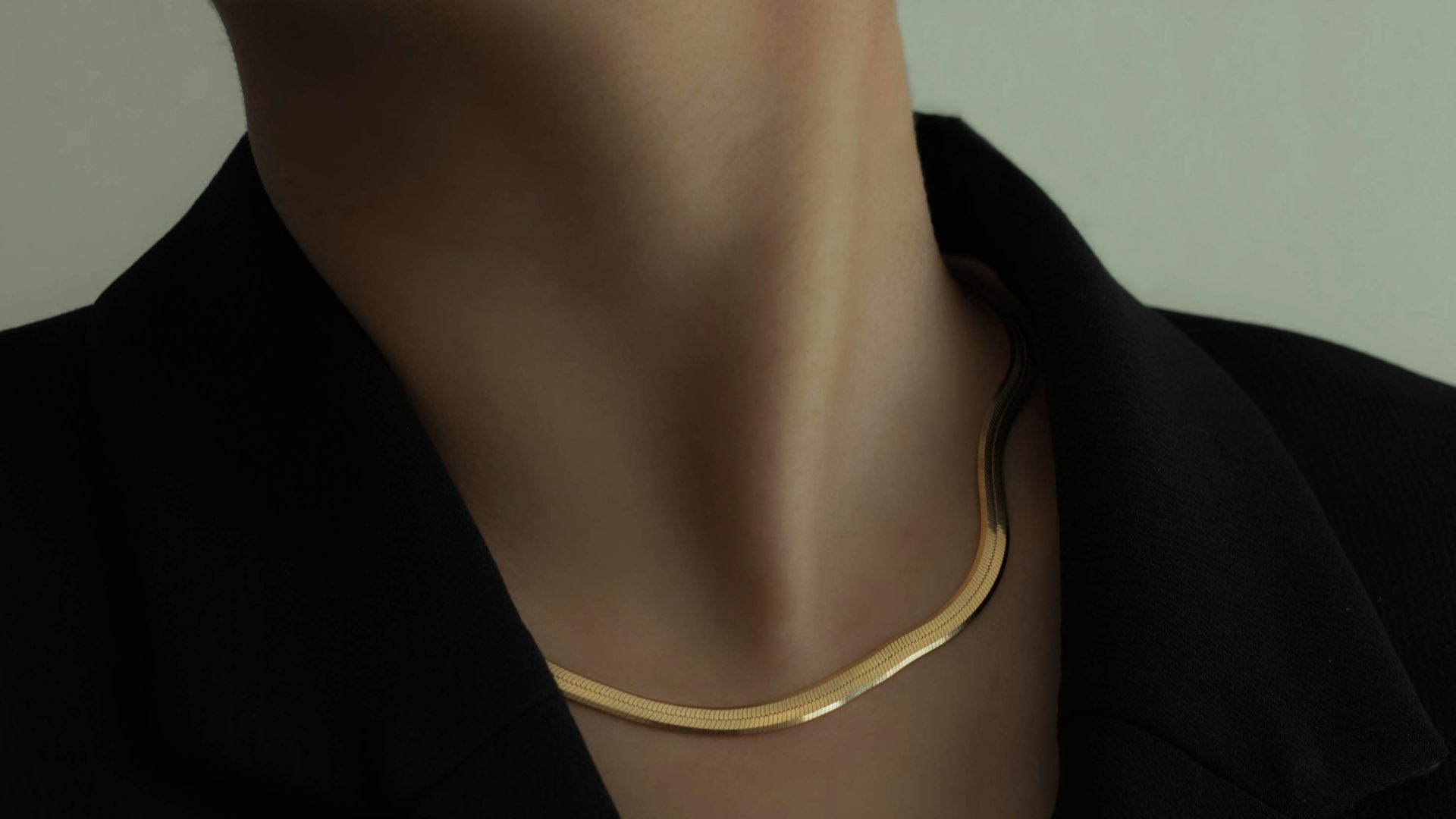
One well-chosen ring often does more than five mismatched bracelets stacked together out of habit. People with taste tend to edit their jewelry the same way they edit an outfit, cutting anything that doesn't earn its place. It's less about owning less and more about wearing less at once.
19. Letting Shoes And Bags Coordinate Without Matching
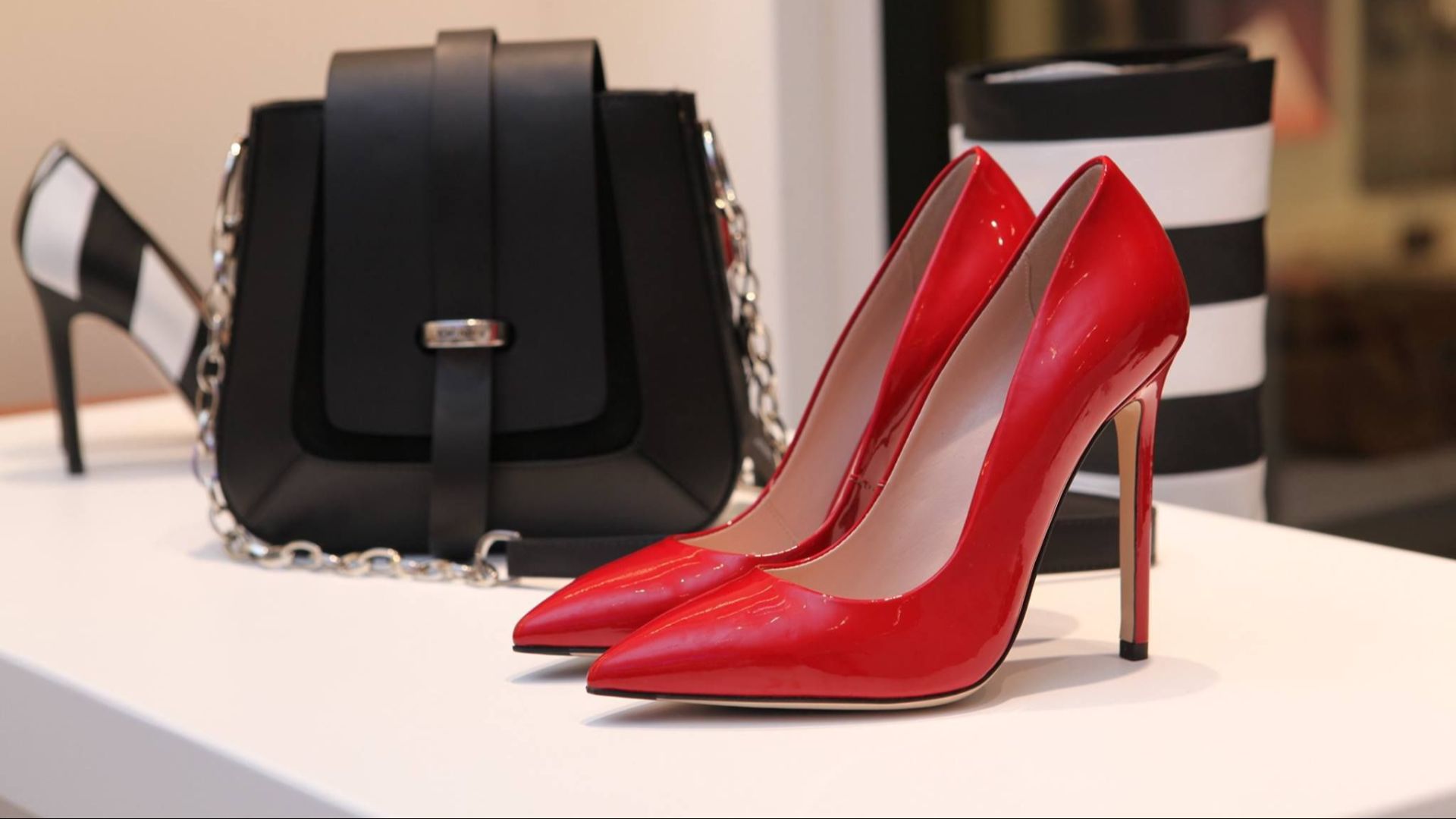
Matching a bag exactly to a pair of shoes went out of fashion for a reason; it reads as trying too hard. The more current habit is coordinating tone or material loosely while letting each piece stand on its own. It takes a slightly more practiced eye, but the result looks far less rehearsed.
20. Trusting Simplicity
The instinct to leave a good outfit alone, rather than adding just one more thing, is harder than it sounds. People with taste often stop right before the point of overdoing it, which is exactly the point most people miss. That restraint, more than any single item, tends to be the real giveaway.