From the Battlefield to the Runway
You might think your favorite closet staples were dreamed up by chic designers in Parisian studios, but a shocking amount of modern style actually started out in the muddy trenches of warfare. The military has always been a massive driver of clothing innovation because soldiers need gear that is durable, weatherproof, and highly functional. Once a conflict ends, these practical garments usually find their way into civilian surplus stores, where stylish outsiders quickly transform them into cultural sensations.

1. The Classic Trench Coat
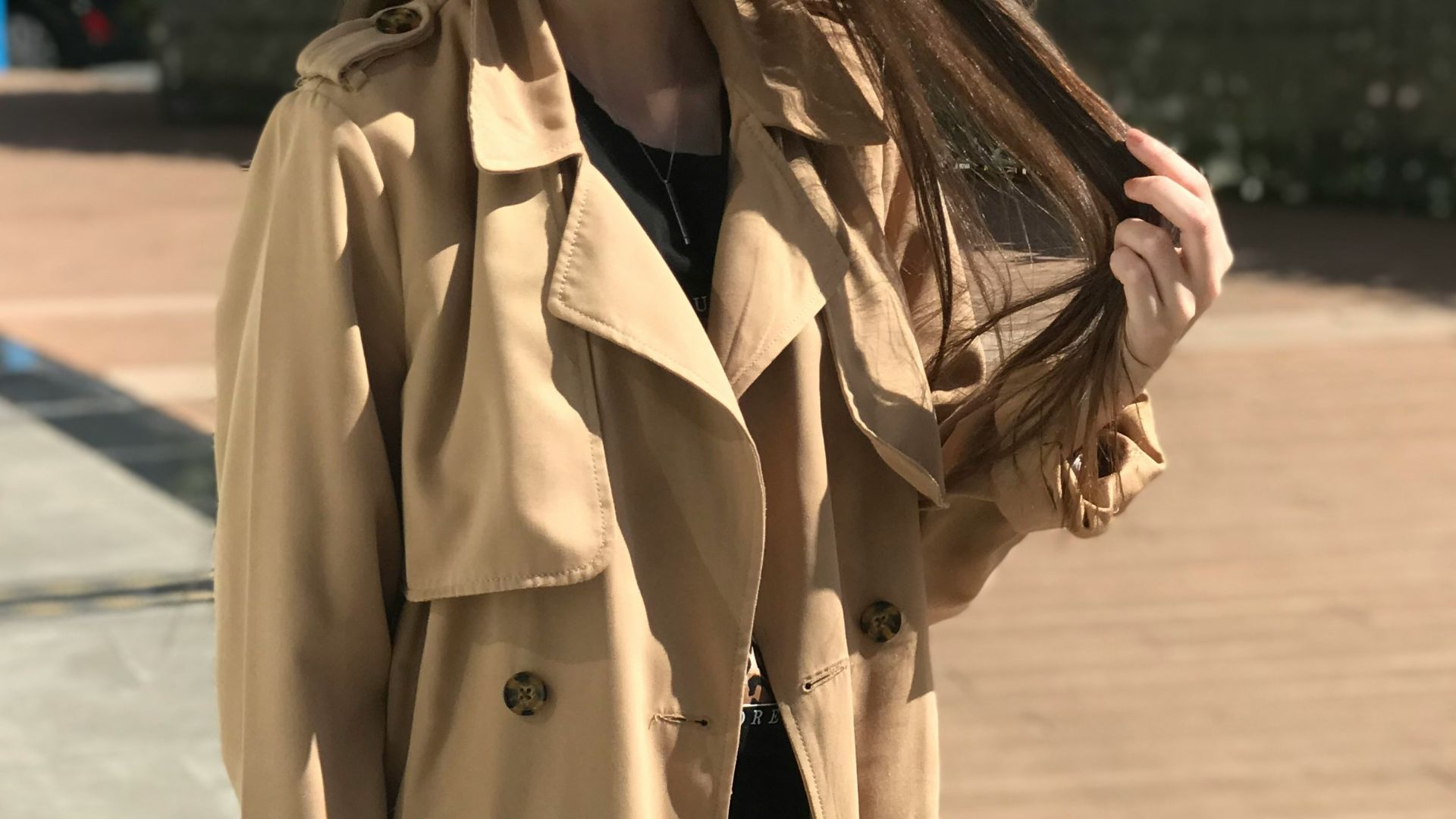
Fashionable all-brimmed raincoats that officers wore back in the day were incredibly heavy and made soldiers uncomfortable. Instead, British designer Thomas Burberry created a water-repellent cotton twill coating that was much easier to move around in. It even featured large shoulder covers to keep a gas mask from dangling around.
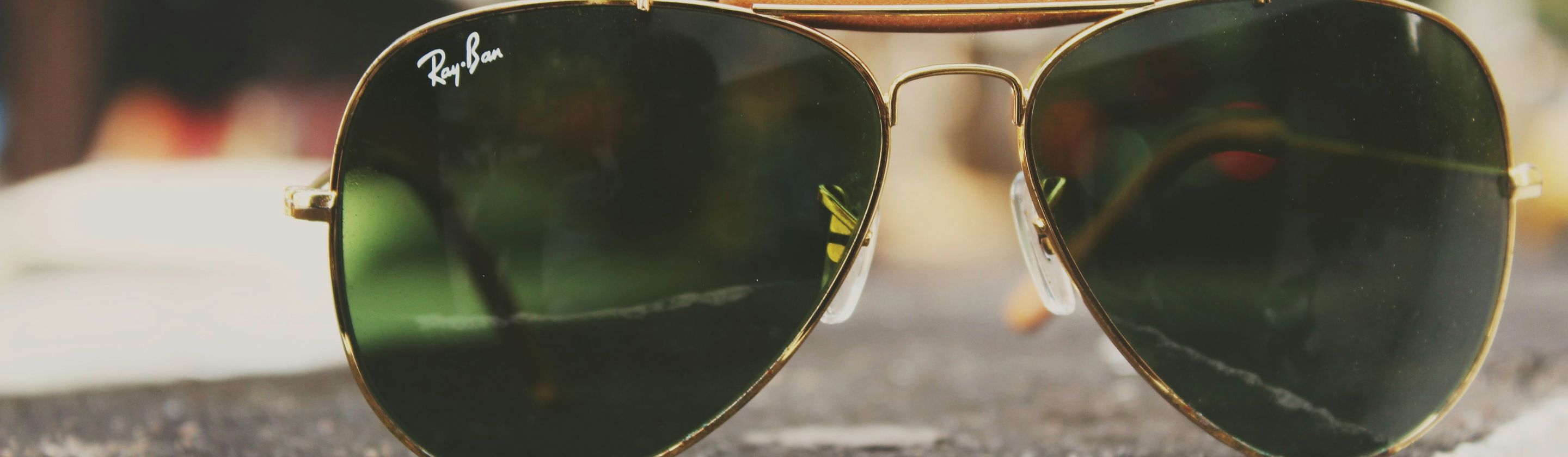
2. Aviator Sunglasses
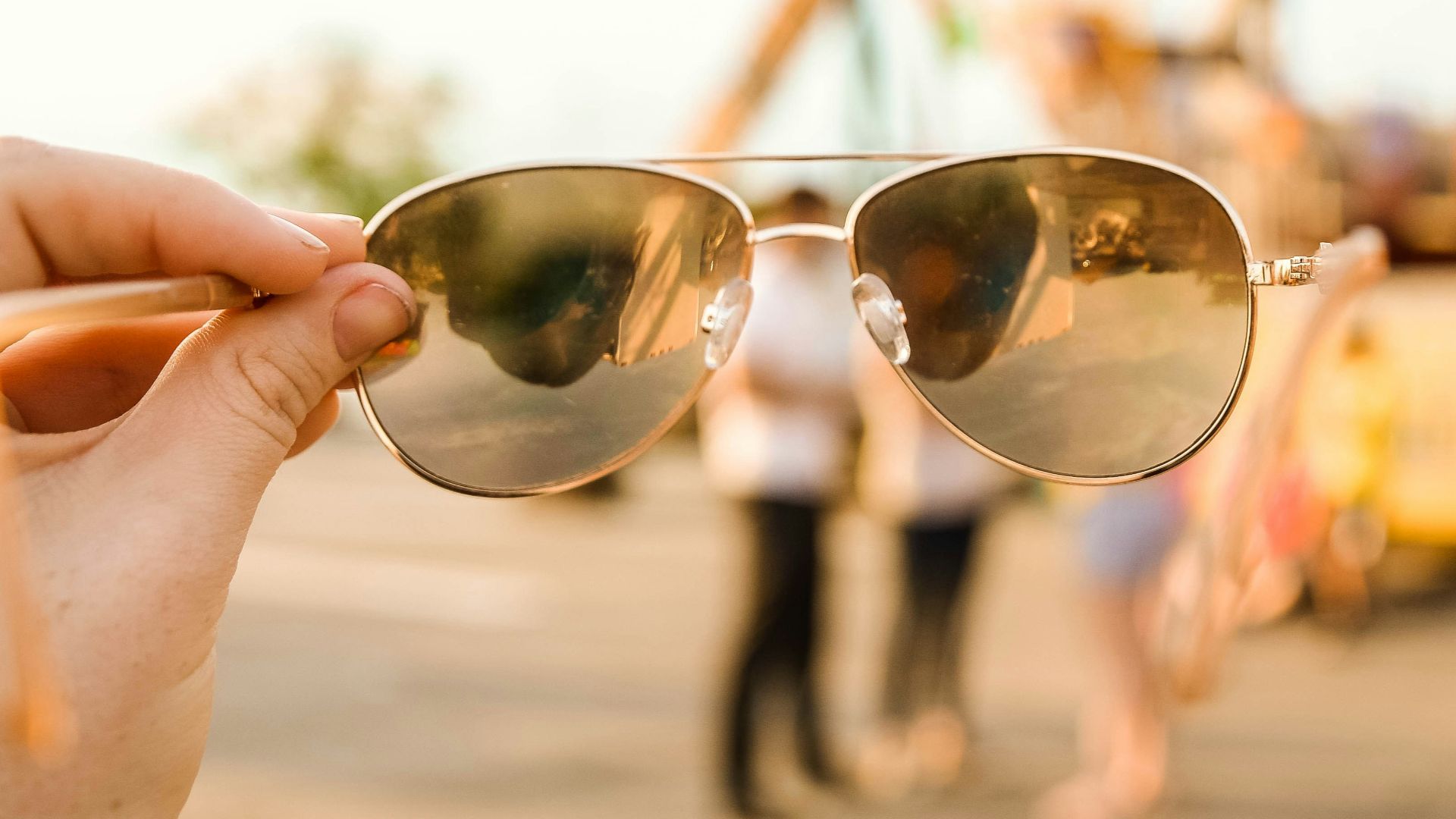
Soldiers needed protection from the sun at high altitudes but didn't want the lenses to fog up during dogfights. These thin metal frames feature distinctive green lenses that provided just enough light filtration for pilots to protect their peepers. Military pilots weren't the first to snap one of these up when they went public, though.
3. Rugged Cargo Pants
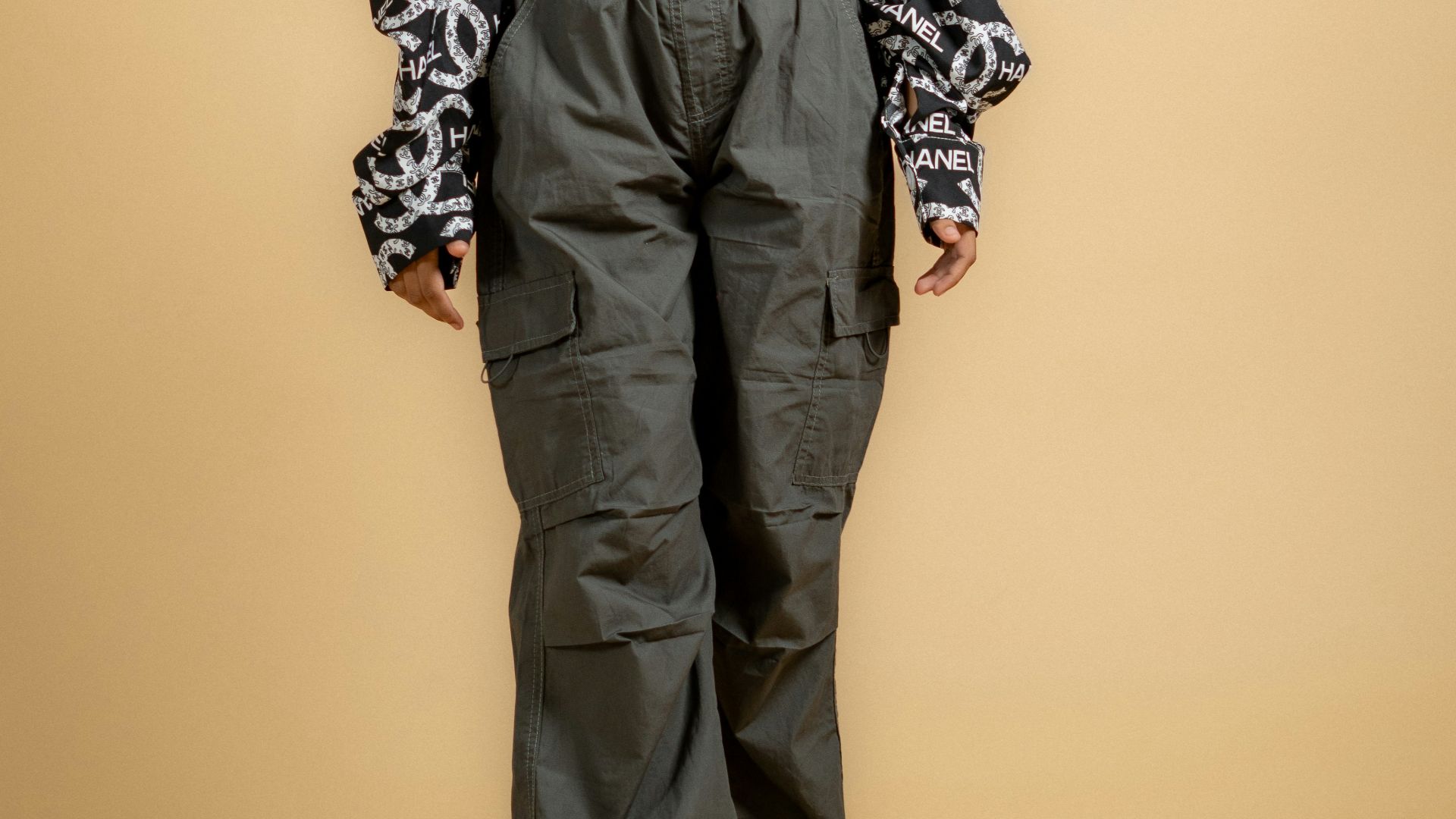
Cargo pants were first used by the British military in 1938 as an innovative way to grant soldiers quick access to ammunition clips and first aid kits. By adding that classic, oversized front pocket directly onto the thigh, infantrymen could easily grab lifesaving tools without having to take both hands off the ground. The US Army adopted the design by widening the pockets to store extra supplies.
4. The Versatile Bomber Jacket
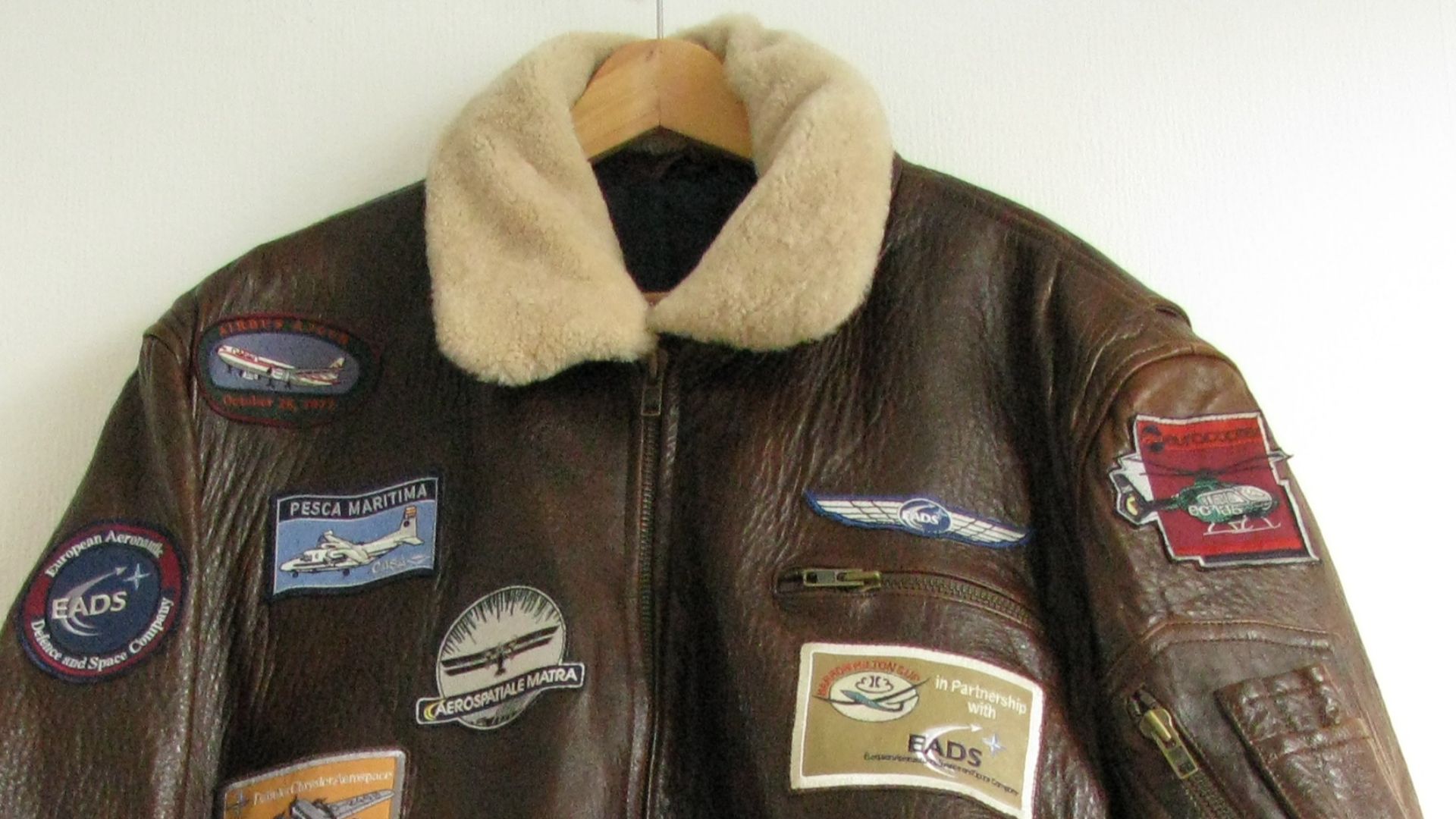
Pilots flying open-cockpit aircraft during World War I experienced subzero temperatures that called for some serious insulation. The United States Army agreed, designing bulky leather jackets with a heavy sheepskin lining that evolved into nylon-based material years later. To help rescue pilots find their way back down after crashing, these streamlined jackets featured bright orange linings.
5. Desert Combat Boots
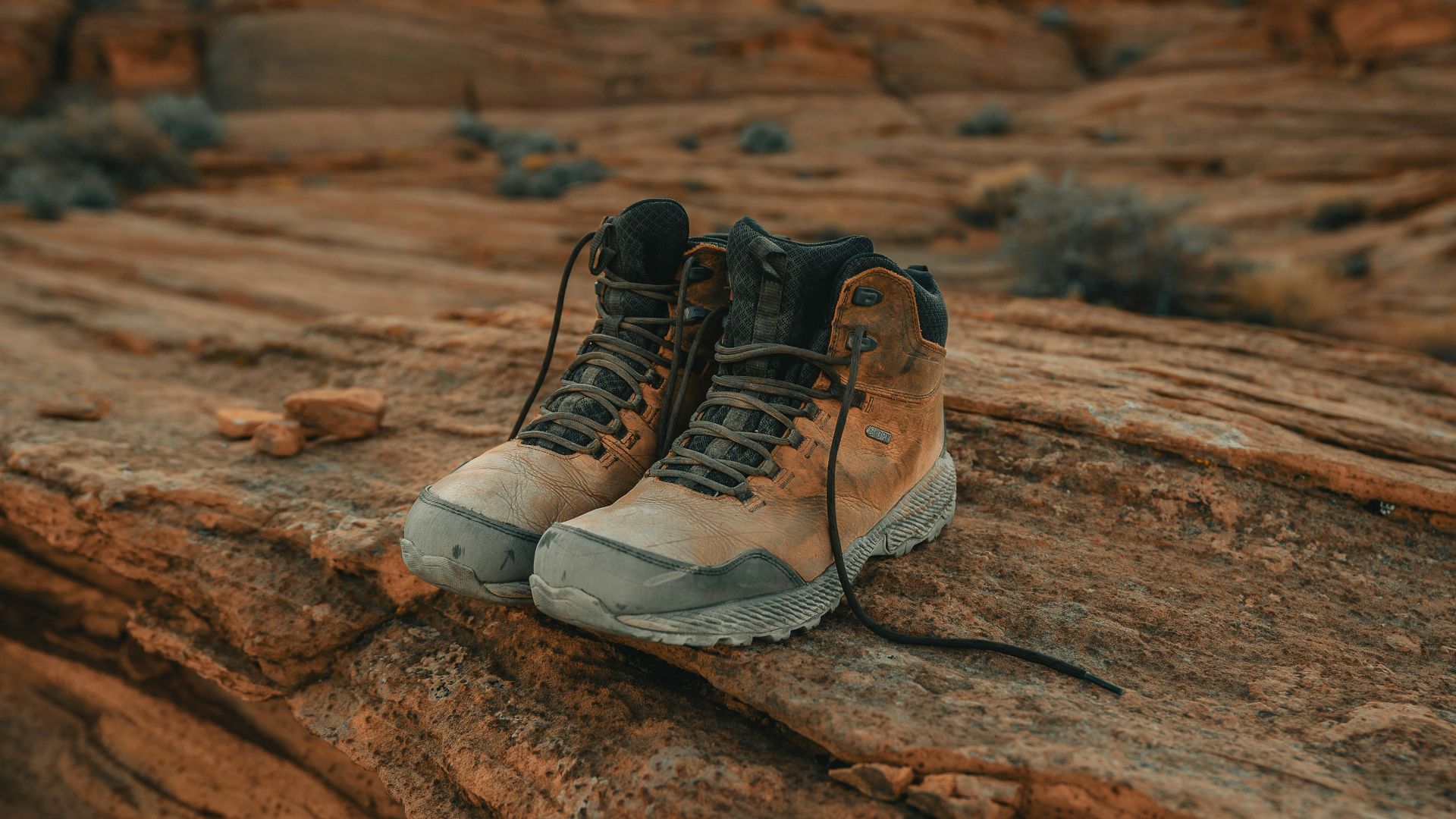
While stationed in Myanmar during World War II, British Army officer Nathan Clark spotted fellow officers wearing lightweight suede boots with soft crepe rubber soles. They commissioned the shoes from local shops in Cairo because their issued military boots were unsuitable for walking through desert sand.
6. The Everyday White T-Shirt
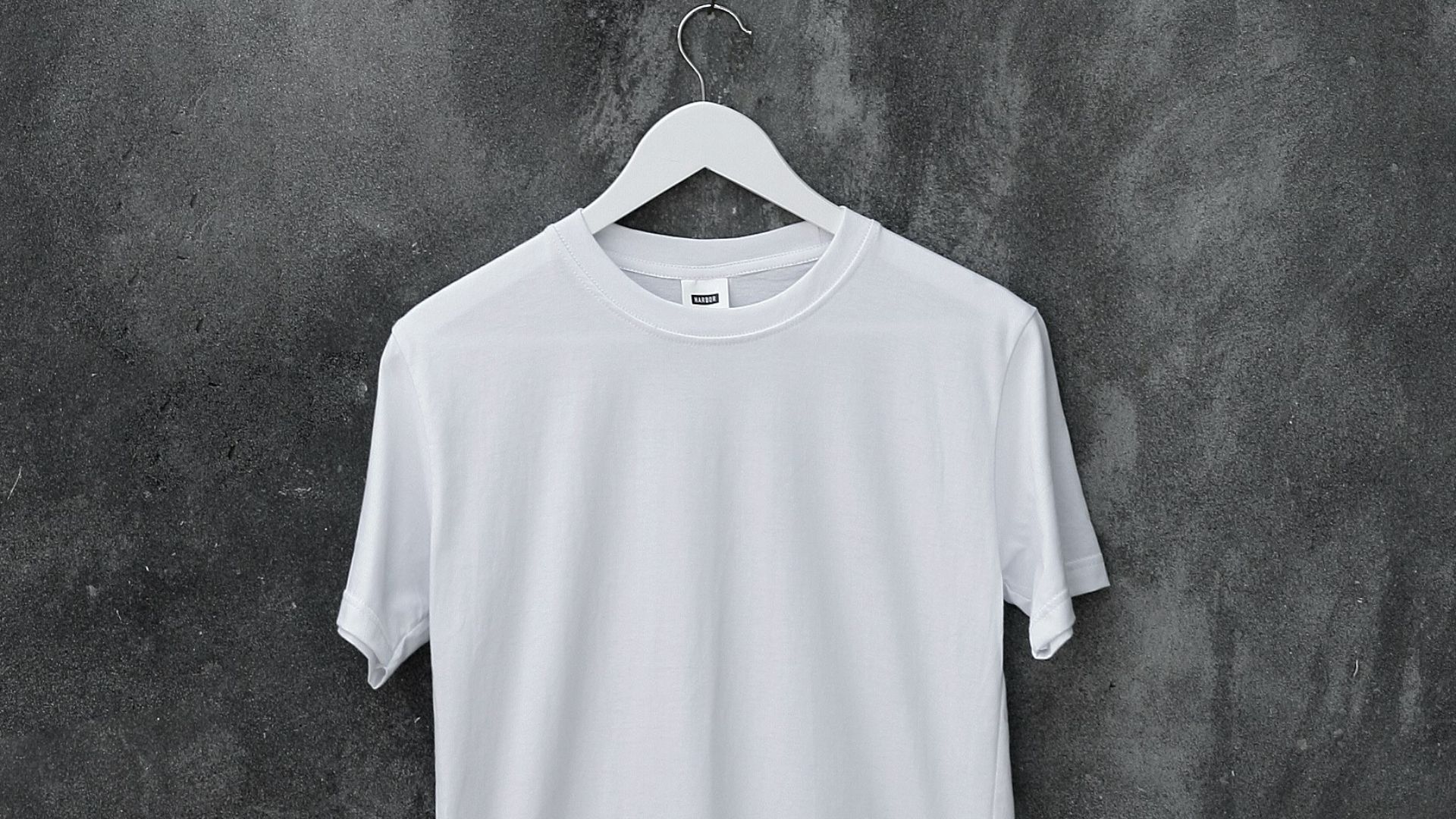
Who would have guessed the simplest item in your wardrobe started out its life entirely as an undershirt? Back in 1913, the US Navy started issuing white cotton shirts with shoulder neckline details to complement sailors’ heavier uniforms.
7. High-Waisted Sailor Pants
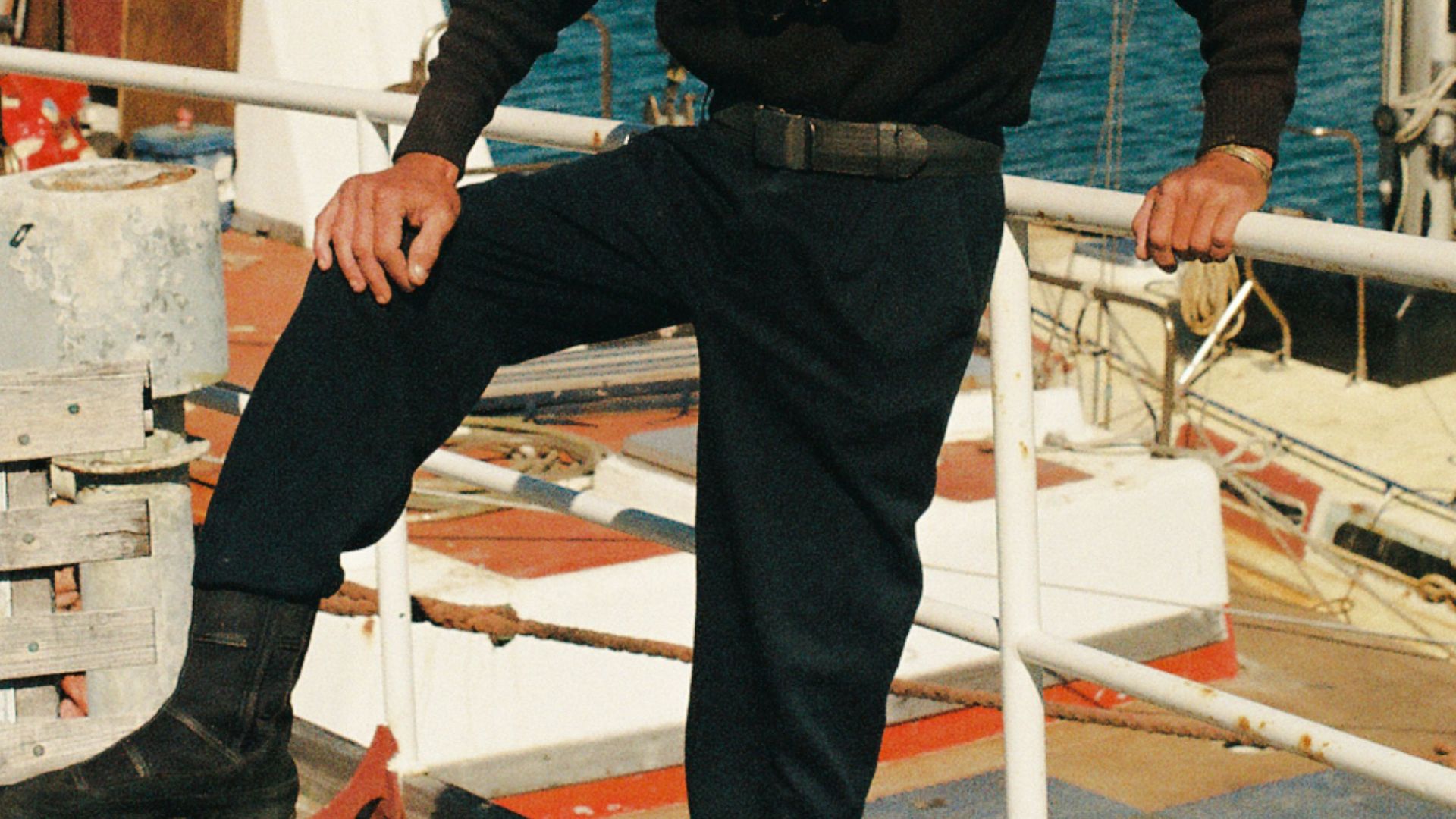
With oceans to clean and unpredictable weather to navigate, Navy crews needed pants they could quickly take off at a moment’s notice. Enter high-waisted sailor pants with wide legs designed specifically to be rolled all the way up. They also featured a hook-and-pipe closure in the front to easily unbutton them.
8. The Practical Peacoat
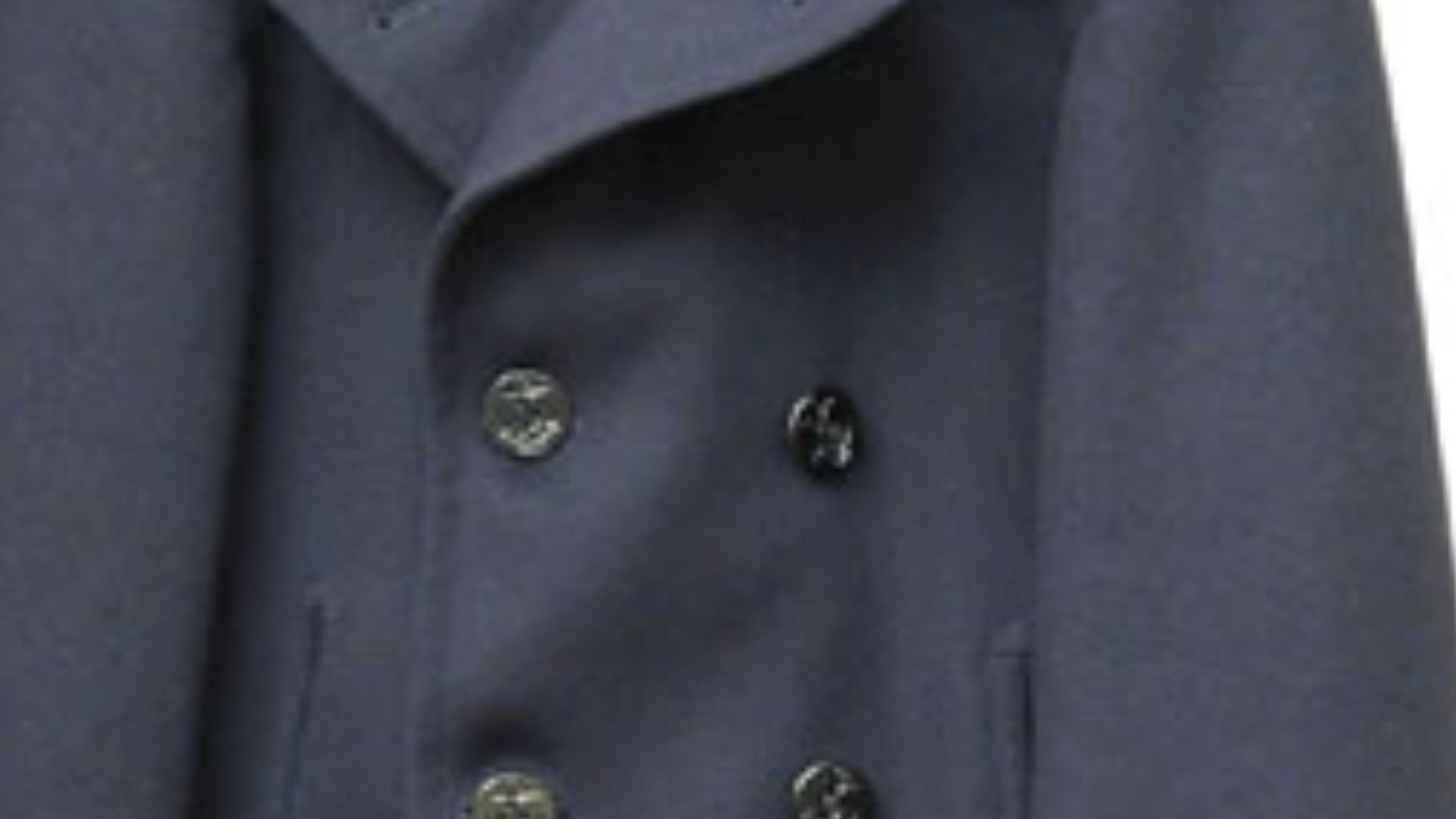
Although the peacoat was invented in Holland during the 1700s, it was popularized by none other than the British Royal Navy. Every piece of that classic coat was created with function in mind, from how the double-layer buttons closed evenly on both sides to its swooping lapels.
 Sirimiri at English Wikipedia on Wikimedia
9. Functional Camouflage Prints
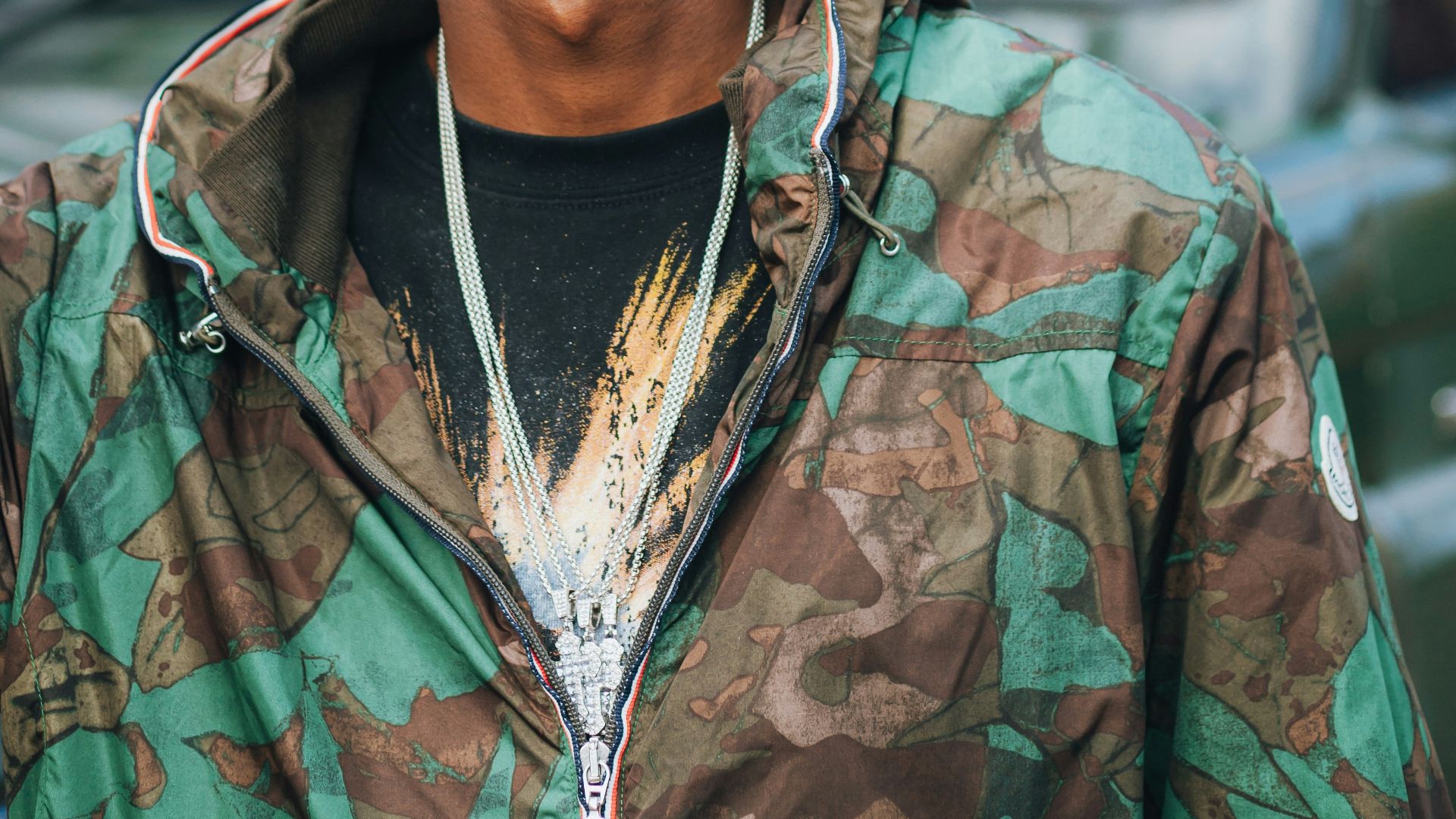
Hiding from the enemy on modern battlefields required armies to move away from bright, traditional uniforms and invest in visual deception. French artists actually helped design the very first complex camouflage patterns during World War I to help soldiers blend seamlessly into the surrounding terrain. While the chaotic blotches and earthy tones were meant to make troops invisible, the fashion world did the exact opposite by turning the print into a bold statement.
10. The Edgy M-65 Field Jacket
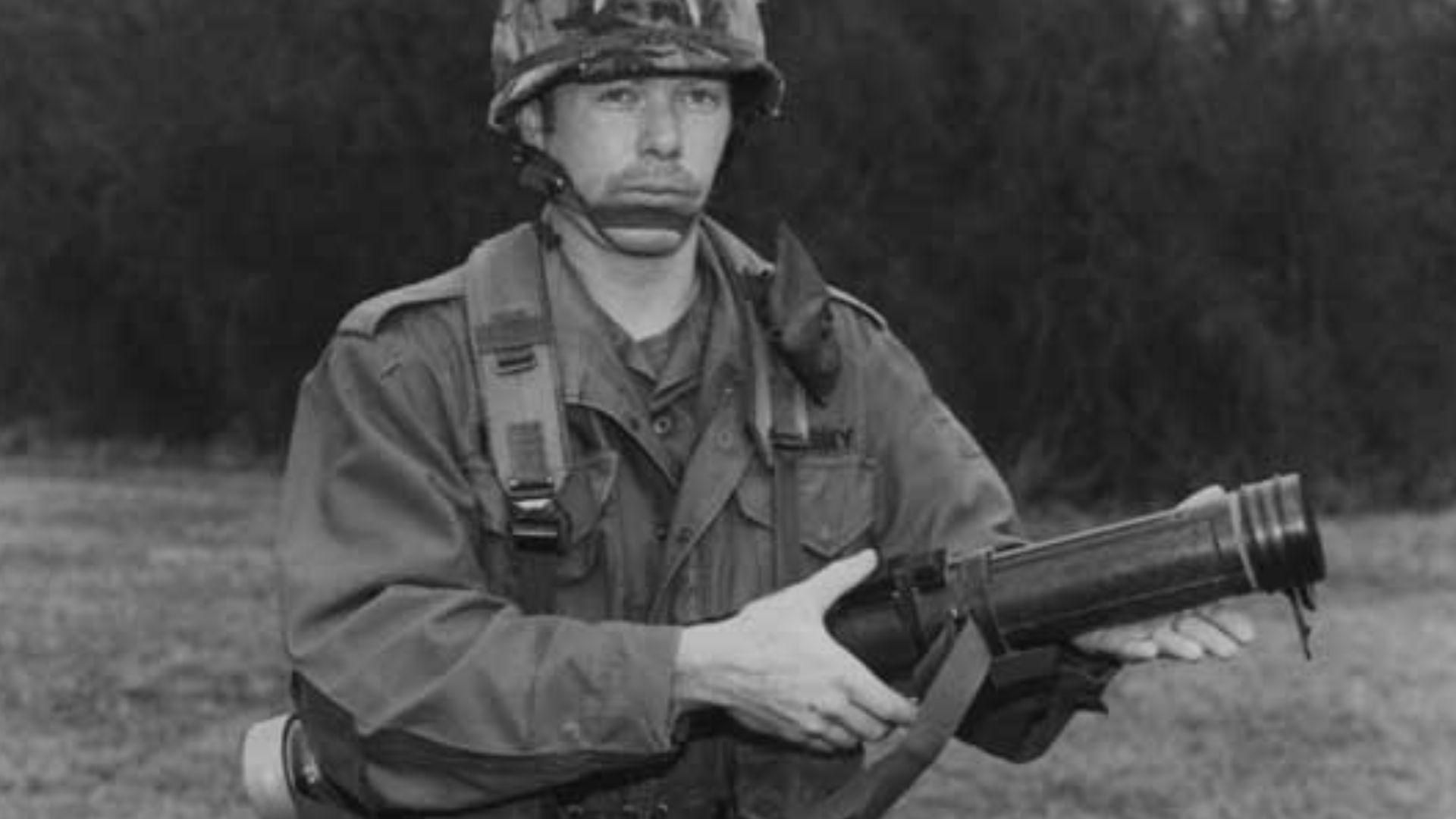
Introduced during the Vietnam War, this incredibly tough coat was built to help American soldiers survive unpredictable jungle downpours and cool nighttime temperatures. It featured a built-in hood that zipped neatly into the collar, adjustable Velcro cuffs, and four massive front pockets to store essential survival tools. The oversized design and olive drab color scheme became deeply associated with anti-war counterculture.
 United States Army on Wikimedia
11. Chic Epaulets on Coats
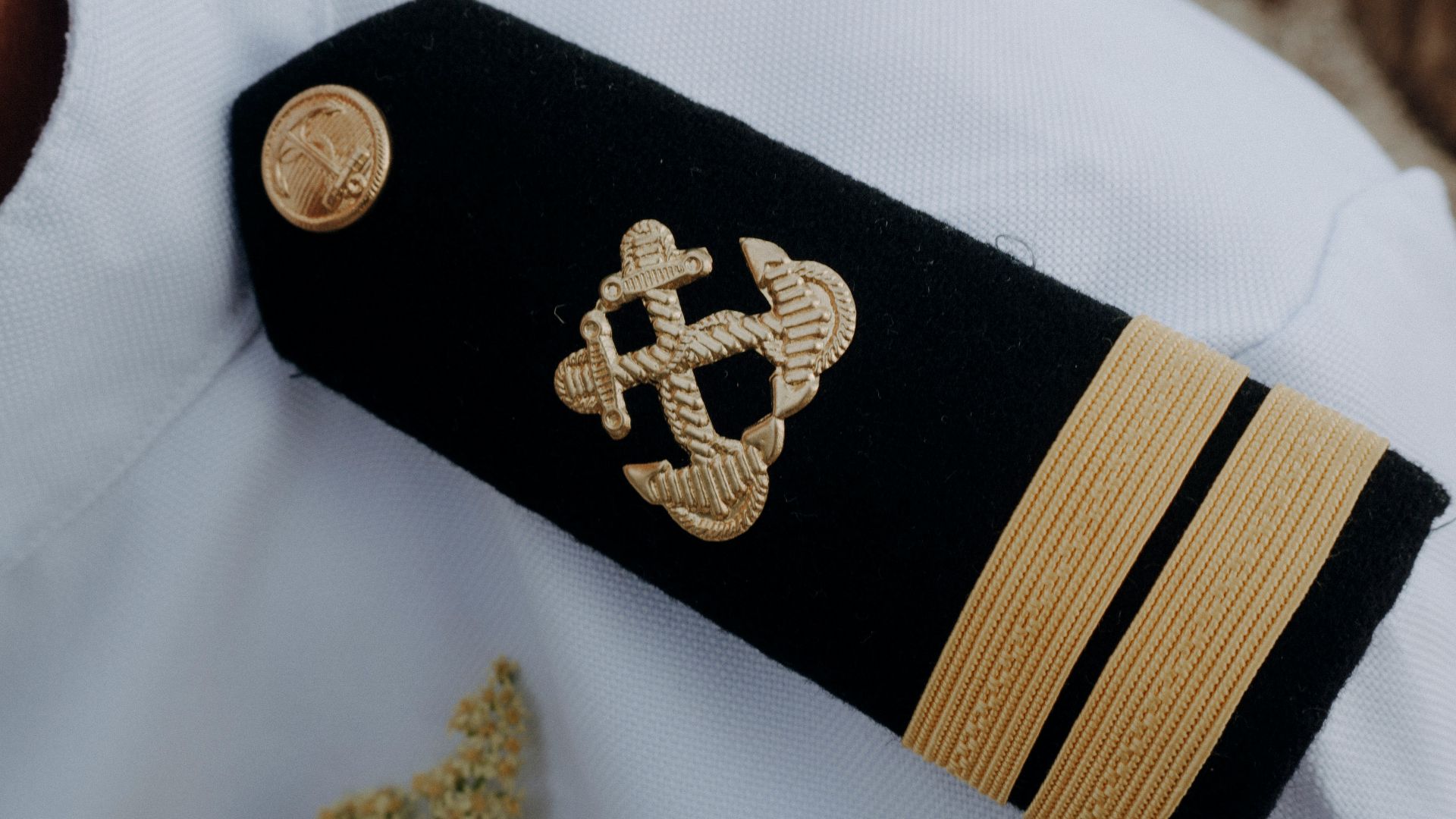
Did you know those tiny strips of fabric on your favorite coat are not just there for looks? While epaulets today look nice on jacket shoulders, military officers used them to tuck their medals, sashes, or binocular neck straps under.
12. The Warm Wellington Boot
Arthur Wellesley, the First Duke of Wellington, instructed his shoemaker to modify the traditional eighteenth-century Hessian boot to create a more versatile option for battle. The artisan trimmed the calf-high leather down, removed the decorative tassels, and made the fit much tighter around the leg to protect the feet from damp terrain. Later, the invention of vulcanized rubber transformed the design into waterproof rain boots.

13. The Casual Cardigan Sweater
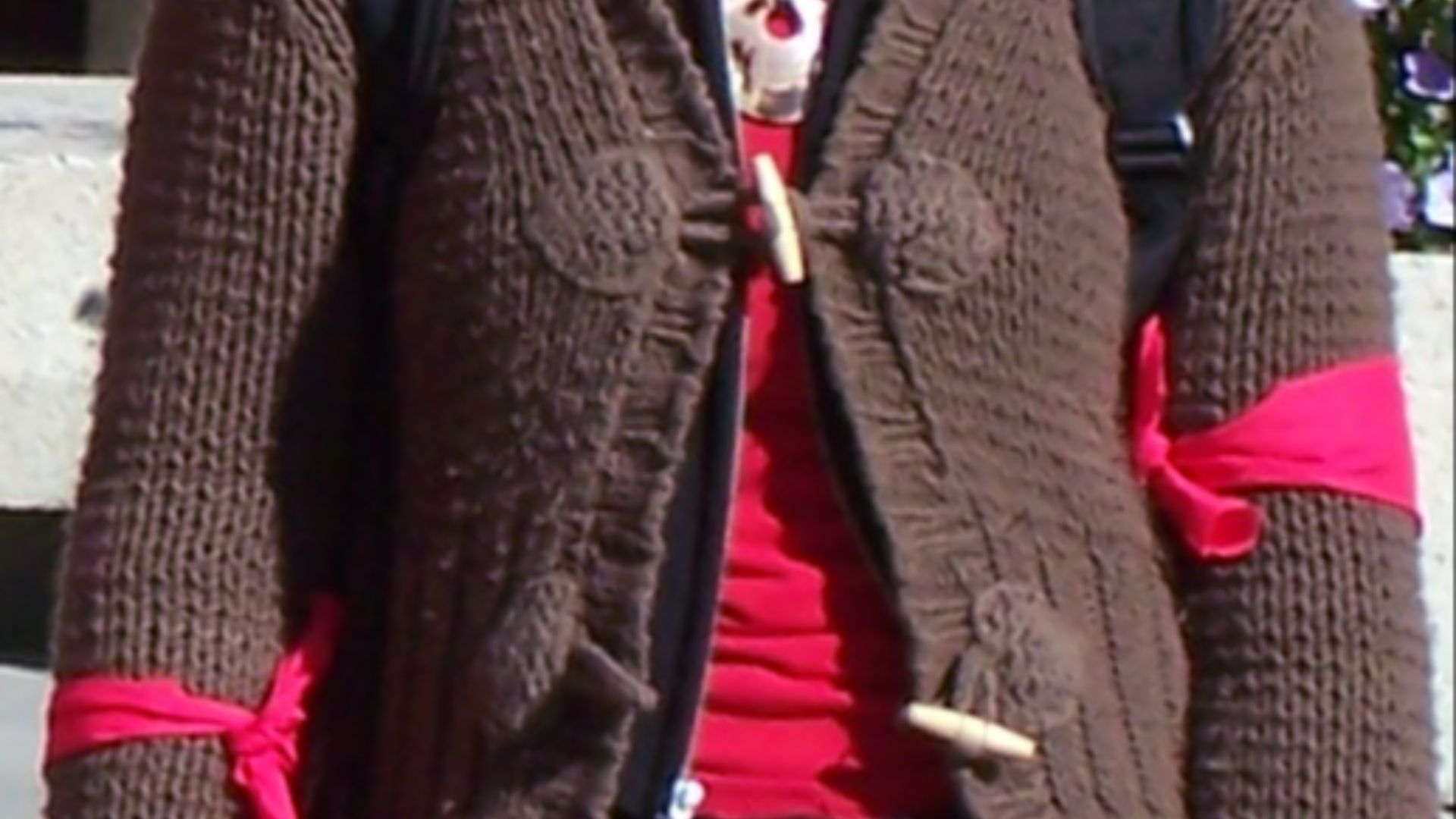
During the Crimean War, James Brudenell, the seventh Earl of Cardigan, noticed his British troops needed a warm layer they could remove without messing up their neatly styled hair. He popularized a knitted wool vest that opened completely down the front, which allowed soldiers to regulate their body temperature quickly between battles. When he returned home a hero, the convenient sweater style was named in his honor.
14. Sleek Chino Trousers
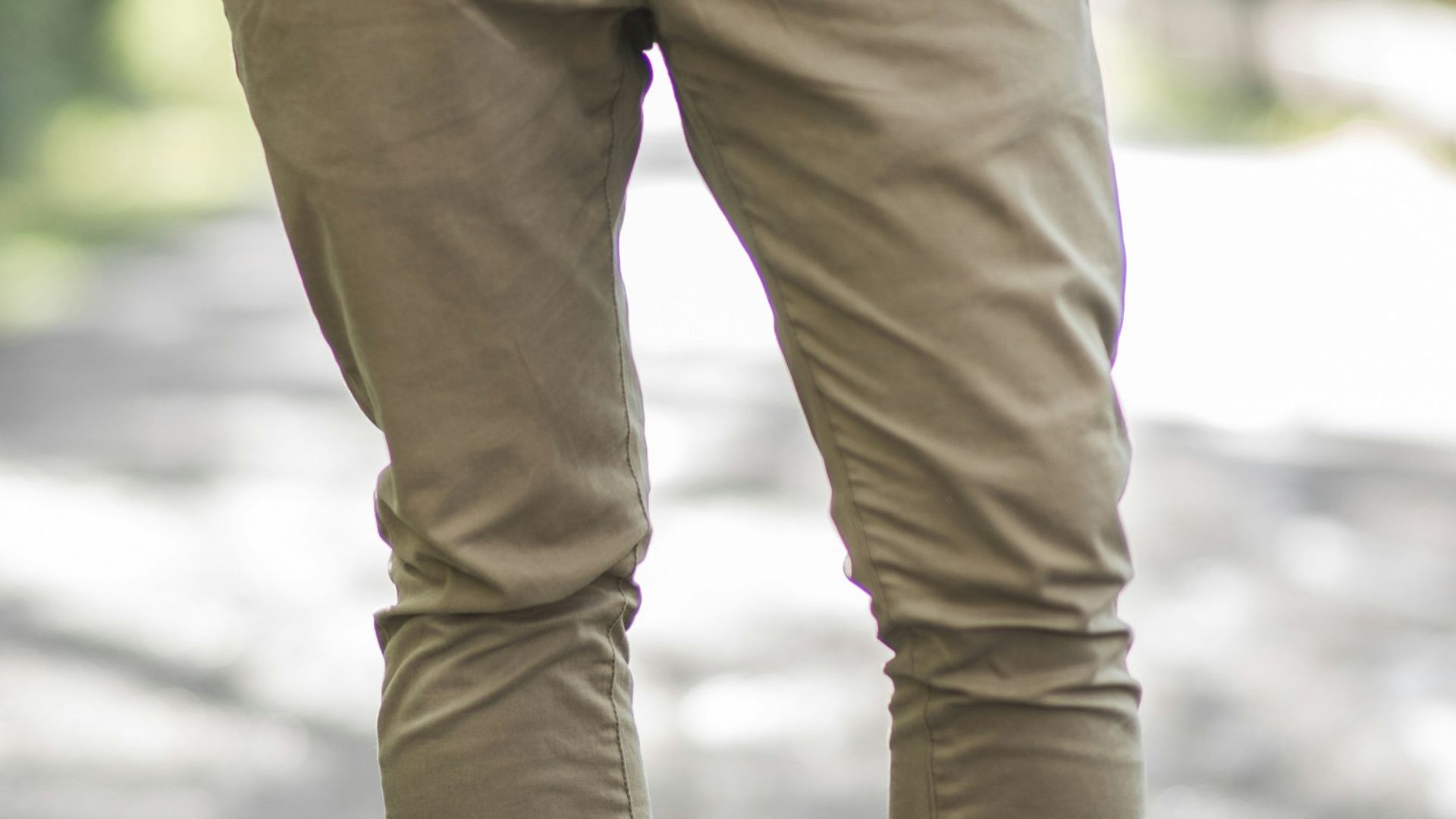
American soldiers stationed in the Philippines during the Spanish-American War wore lightweight trousers crafted from durable, tightly woven cotton twill imported from China. The uniform designers purposefully omitted heavy pockets and pleats to conserve fabric. The troops loved how cool the breathable material kept them in tropical climates.
15. Convenient Velcro Fasteners
While the hook-and-loop mechanism was originally invented by a Swiss engineer who noticed burrs sticking to his dog, the military turned it into a manufacturing staple. The US military immediately saw the value of a silent, lightweight fastener. They integrated it into pilot flight suits, jackets, and tactical gear.
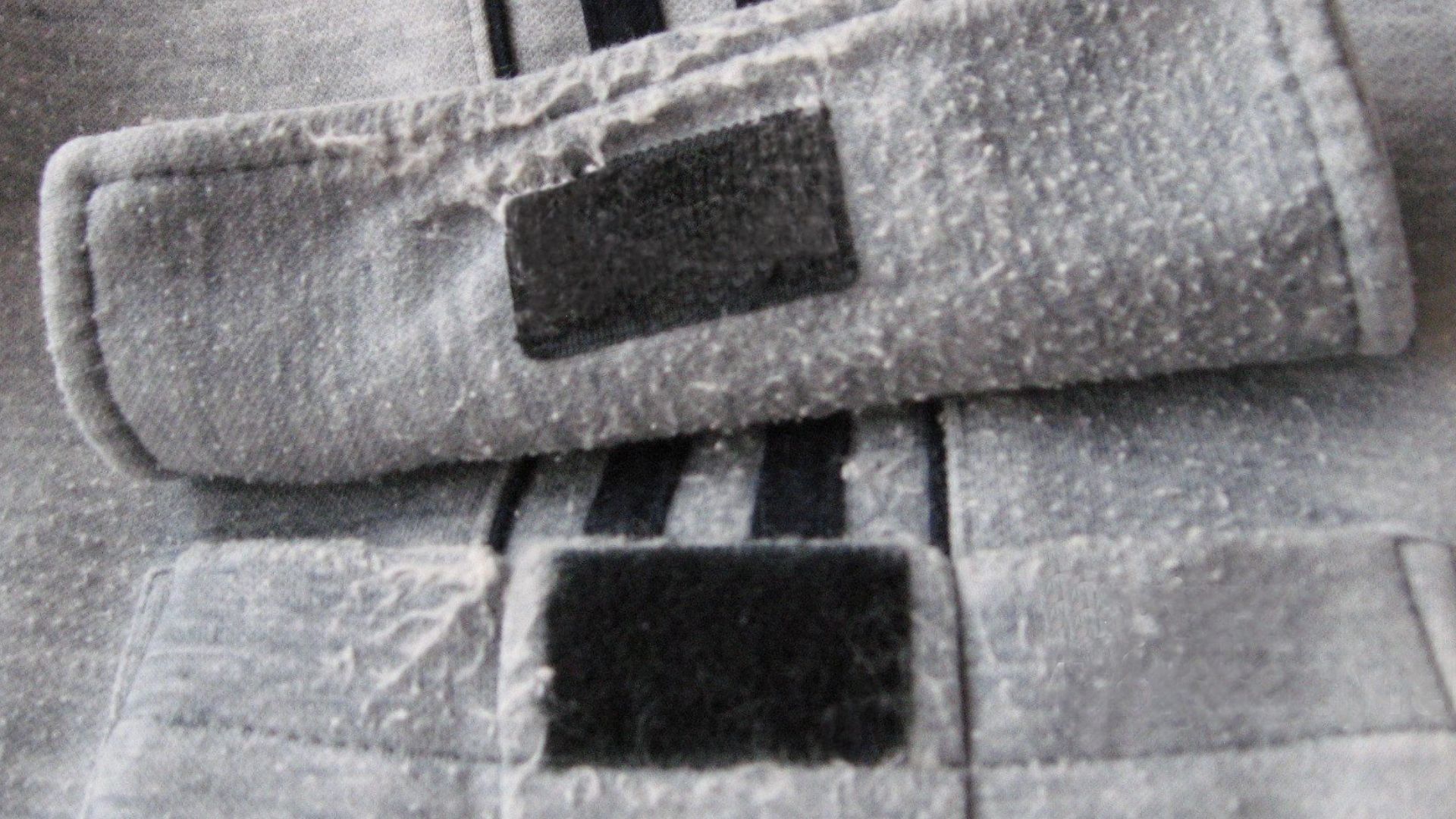 Velcro5.jpg: Elkagye
derivative work: Andrzej 22 on Wikimedia
Velcro5.jpg: Elkagye
derivative work: Andrzej 22 on Wikimedia
16. The Timeless Duffle Coat
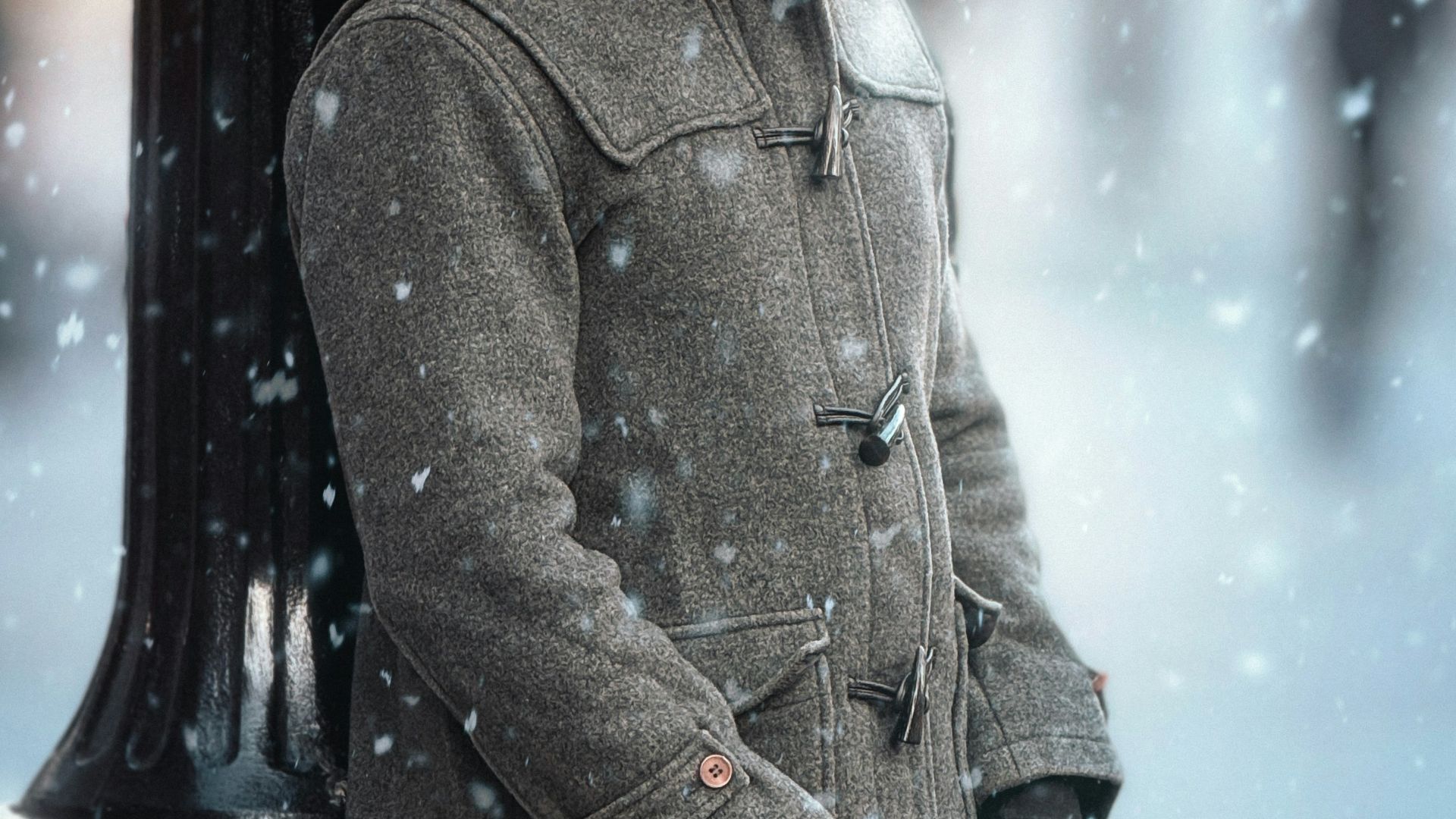
The British Admiralty designed this heavy wool coat in the late nineteenth century to protect sailors from the freezing spray of the North Sea. They chose a thick, coarse fabric from Belgium and added oversized wooden toggles. The spacious hood was also specifically cut to fit easily over a standard naval officer's cap.
17. Protective Rayon and Nylon Fabrics
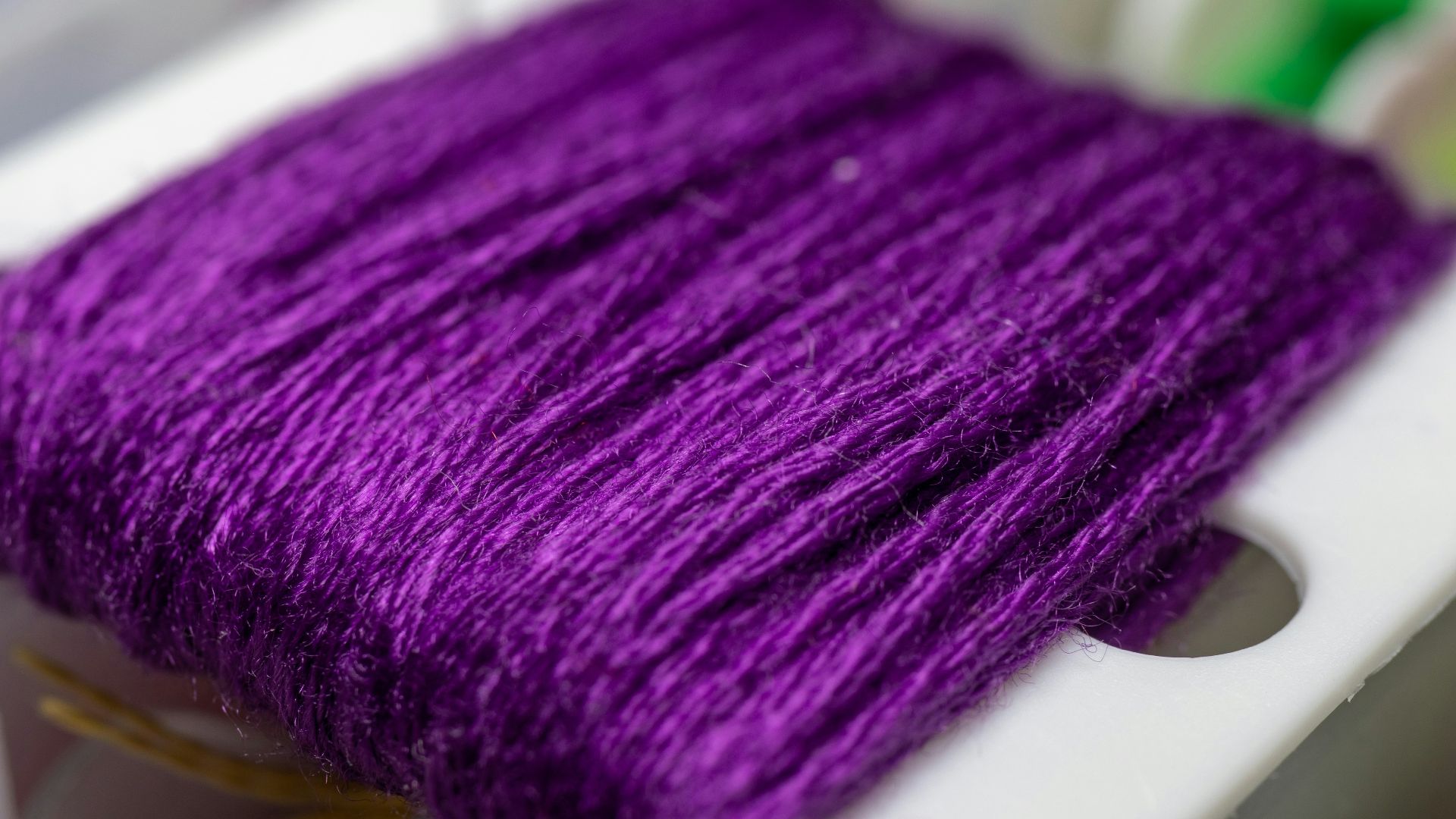
Faced with severe silk shortages during World War II, military researchers put massive funding into developing synthetic alternatives for parachutes, ropes, and combat tents. Scientists created incredibly durable, water-resistant fabrics like nylon and rayon. Once the war ended, textile manufacturers flooded the market with these new materials.
18. The Sleek MA-1 Flight Jacket
As military jet technology advanced in the 1950s, pilots needed a jacket that was streamlined enough to fit inside cramped, instrument-packed cockpits without snagging on emergency levers. The US Air Force created a minimalist nylon jacket featuring a knitted collar and elastic waistband that kept cold air out without adding unnecessary bulk.
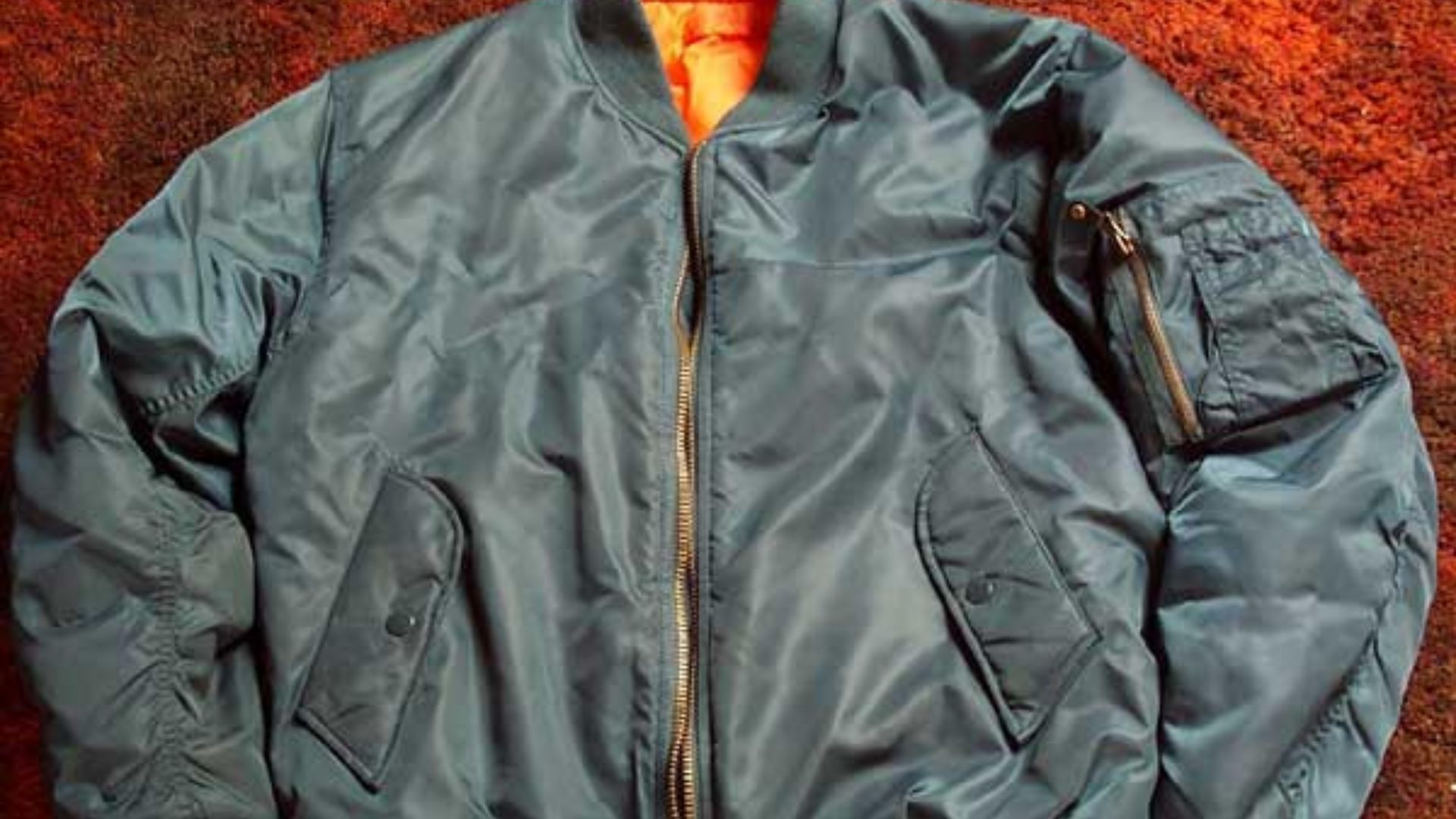 The original uploader was Spuggie at English Wikipedia. on Wikimedia
19. Tough Combat Boots
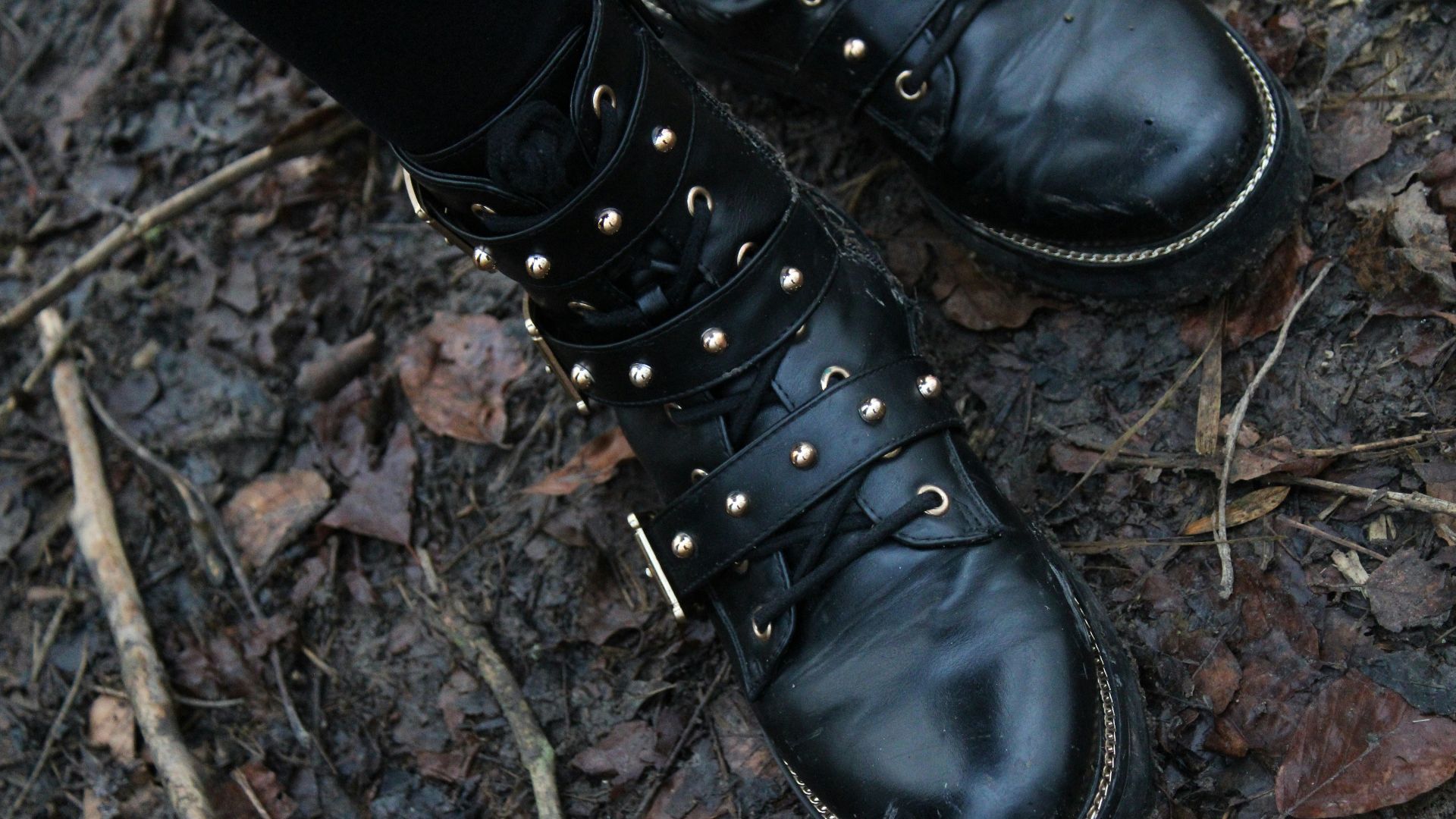
Traditional army footwear underwent a massive overhaul during World War II when commanders realized soldiers needed much better ankle support for marching across rough European landscapes. They introduced tall leather boots featuring a secure buckle cuff at the top. Decades later, punk musicians and alternative youth groups adopted the heavy, aggressive footwear.
20. The Aviator Jumpsuit
Early military aviators had to deal with intense, freezing winds blowing through unheated cockpits, leading engineers to design a one-piece canvas suit that sealed out the cold completely. This utilitarian garment kept loose clothing from getting tangled in the complex machinery and provided plenty of zippered pockets for tools.