They'll Do It, But They're Thinking About It
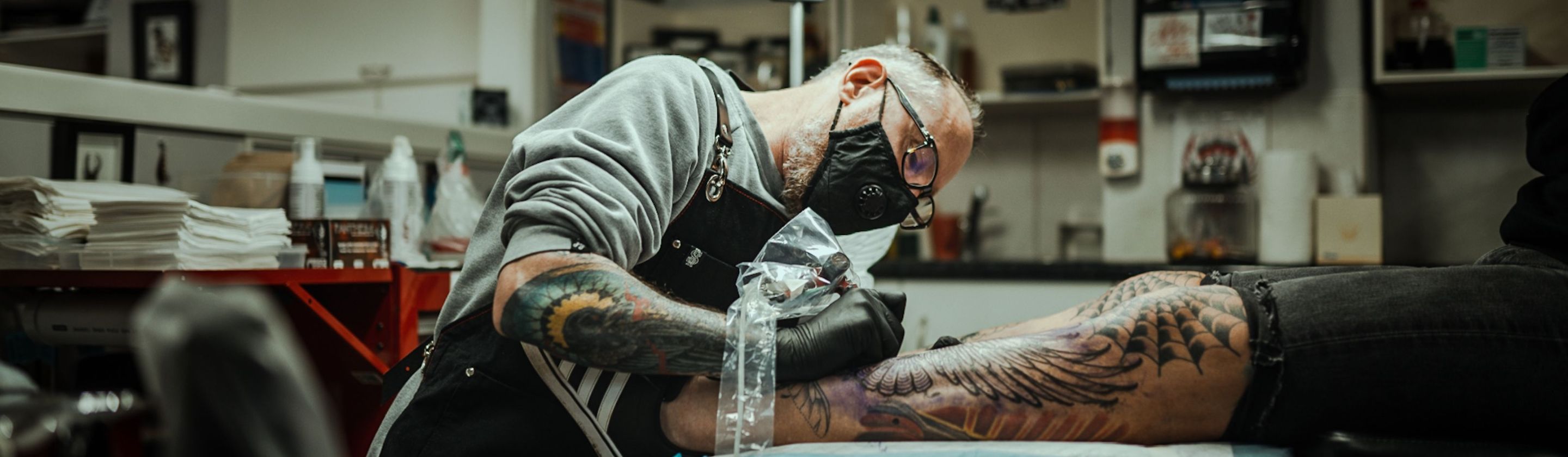
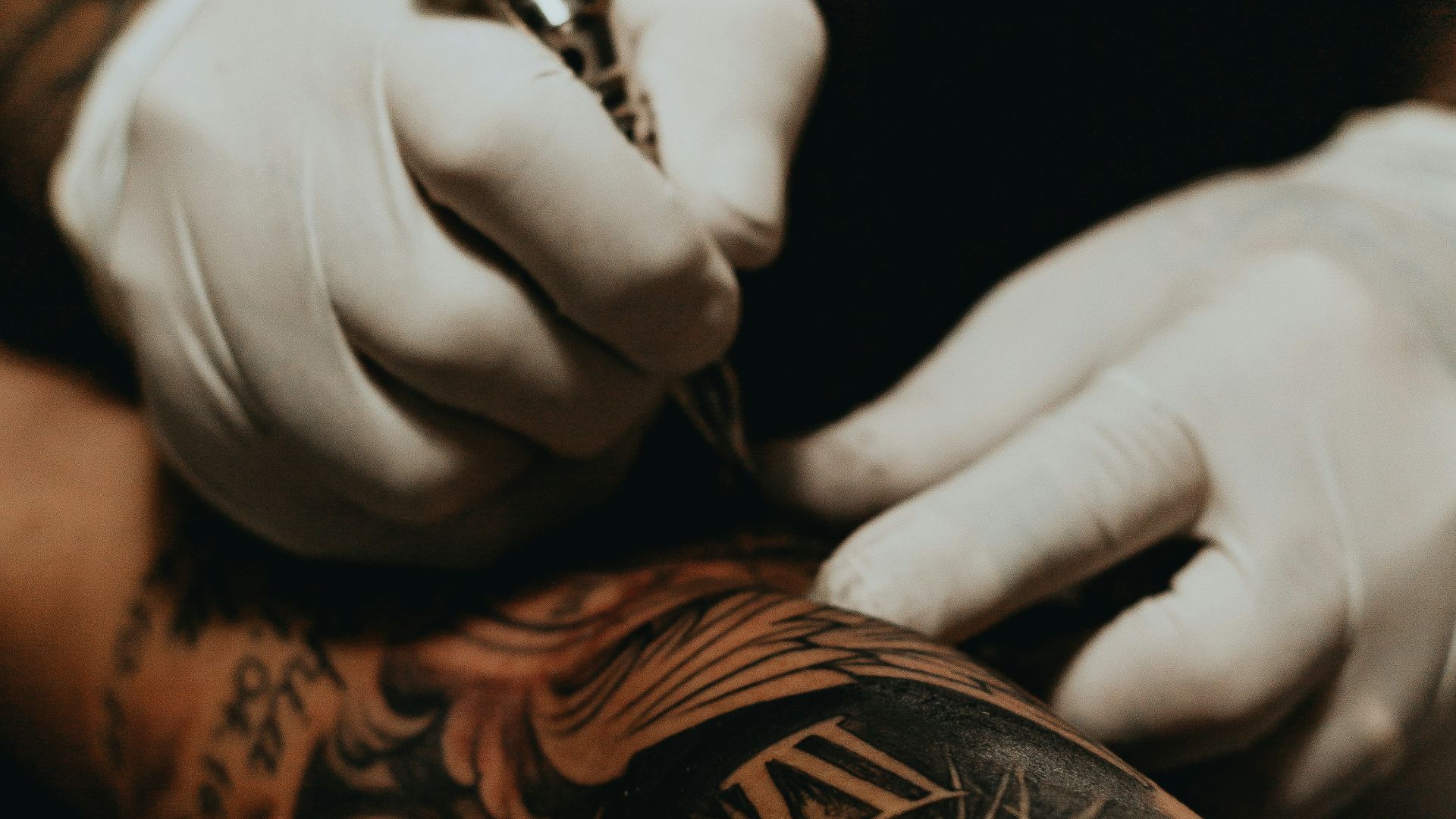
Tattoo artists are professionals, and good ones will execute your vision without making you feel bad about it. But the poker face has limits. Some requests walk through the door and the artist behind the counter has a very specific internal reaction that never makes it to their mouth. It's not cruelty. It's just that they've seen things. Here's 20 tattoo choices that make artists quietly reach for their patience.

1. The Generic Infinity Symbol
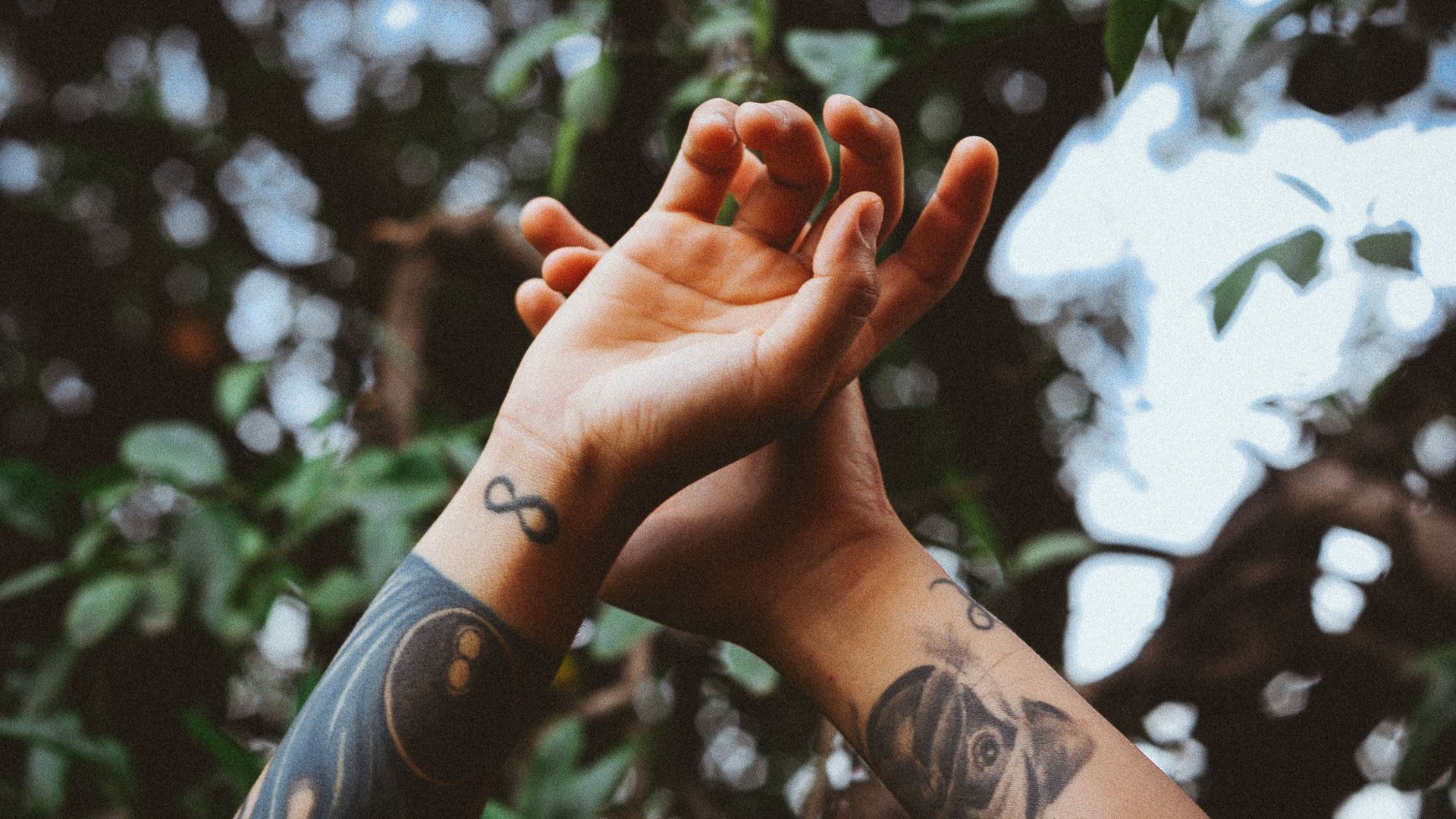
The infinity symbol peaked somewhere around 2011 and has been on a long, slow decline ever since. Artists have done thousands of them, many with names or words threaded through the loop, and the challenge level is approximately zero. It's not that it's offensive. It's that it's the tattoo equivalent of ordering plain pasta at a restaurant that makes its own dough.
2. Anything on the Ribs After Claiming Zero Pain Tolerance
Clients who mention their low pain tolerance three times before sitting down and then choose a full rib panel are a specific experience. The ribs are widely considered one of the most painful placements on the body. Artists know what's coming. They prep for it professionally and brace for it personally.
3. "Just Freehand Something"
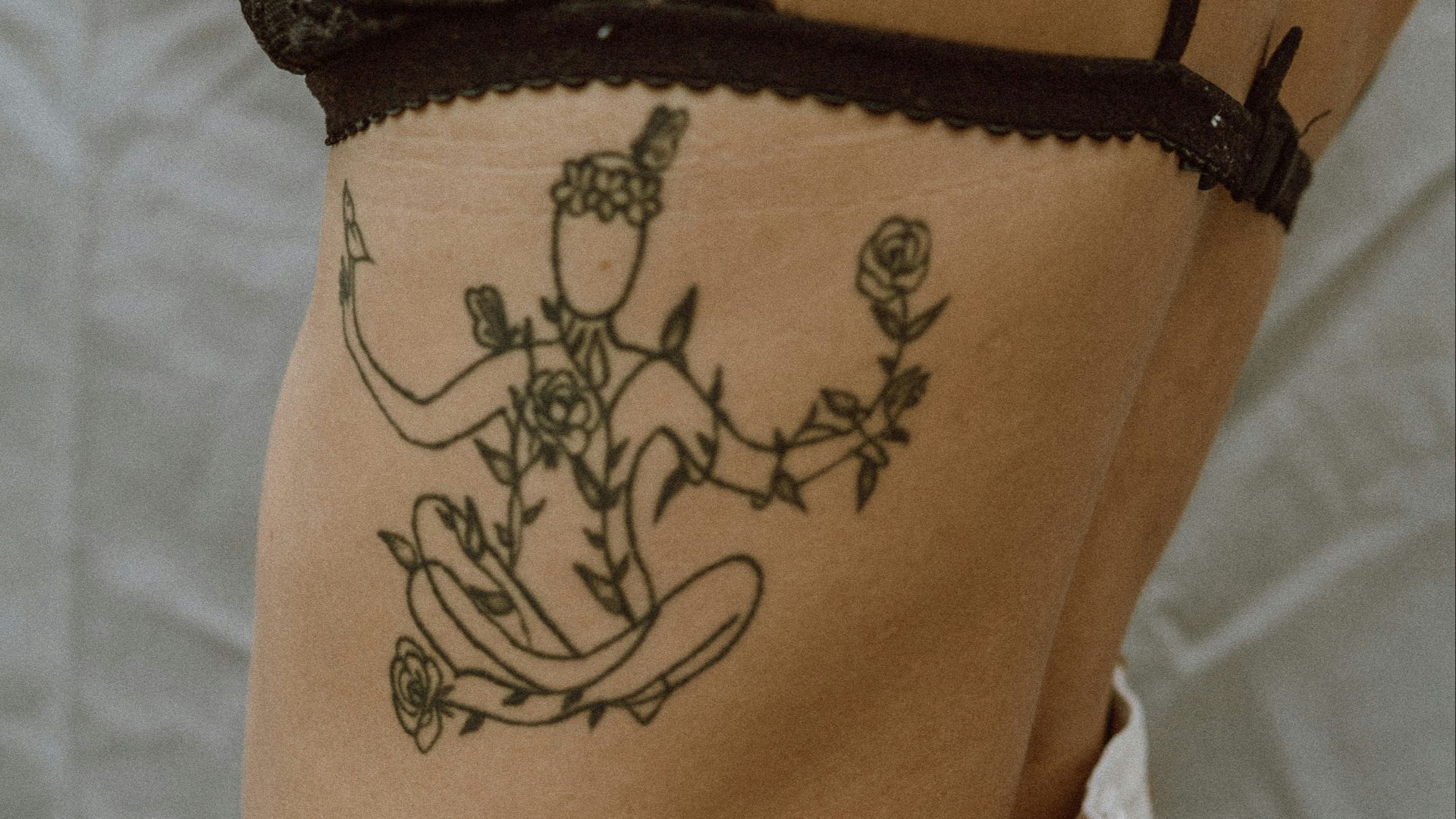
This sounds like a compliment and arrives as a logistical problem. Artists appreciate trust, but walking in with no reference, no idea, and no budget ceiling while asking someone to improvise a permanent design on your body puts all the creative and legal liability in one place. Most artists want a conversation first. "Just do whatever" is not a conversation.
4. The Name of Someone You Just Started Dating
Artists have watched this play out enough times to develop a quiet dread when a new relationship name comes up. They'll do it. They won't say anything. But there's a reason experienced artists sometimes gently ask how long you've been together, and it's not because they're curious about your love life.
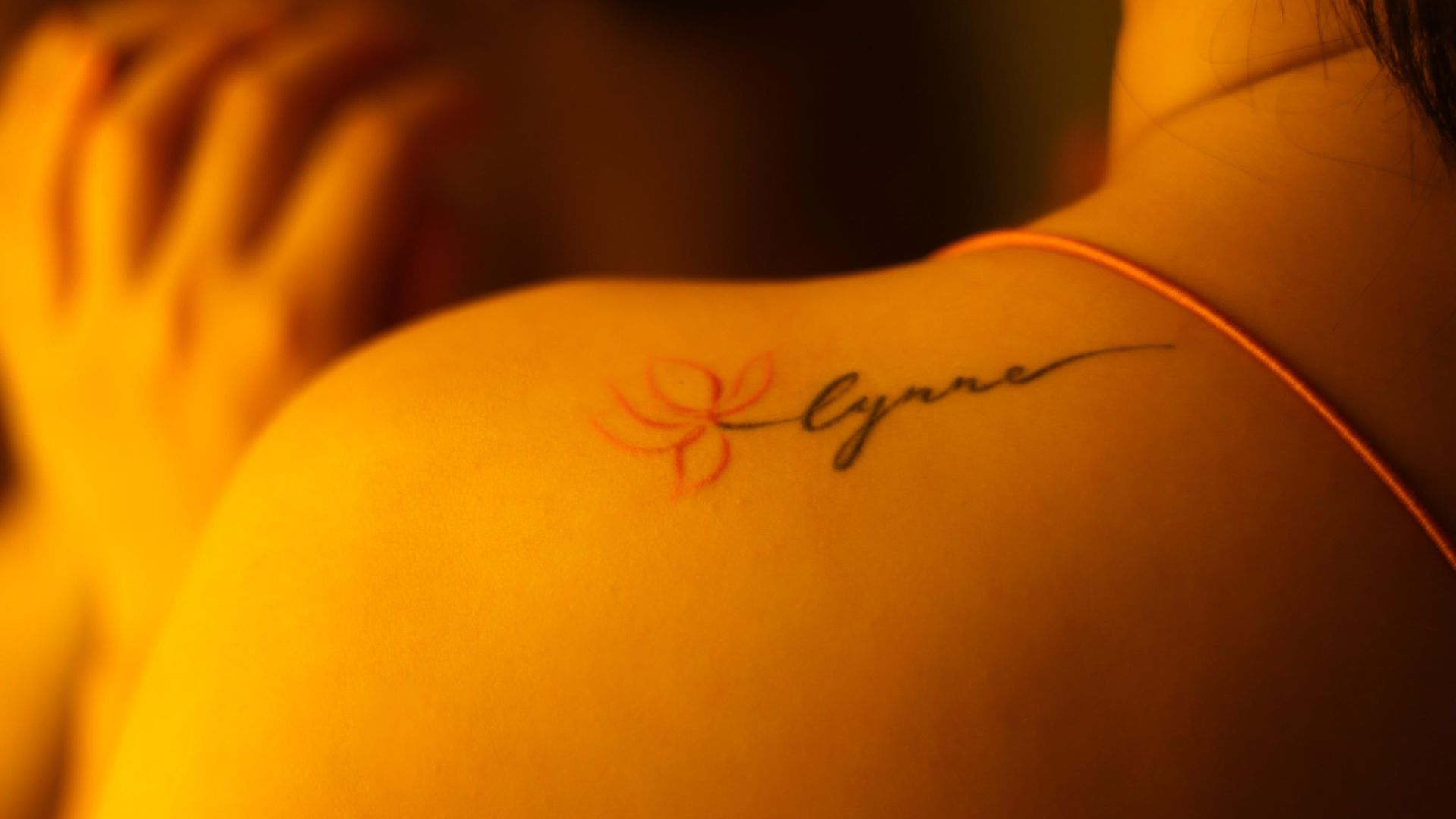
5. Tribal on Someone With No Cultural Connection
This one moved past judgment and into something more complicated a long time ago. Artists who care about their craft feel the friction here regardless of whether they voice it. Taking on a design that carries specific cultural meaning for communities you're not part of puts everyone in an uncomfortable position, and the better the artist, the more uncomfortable they tend to feel.
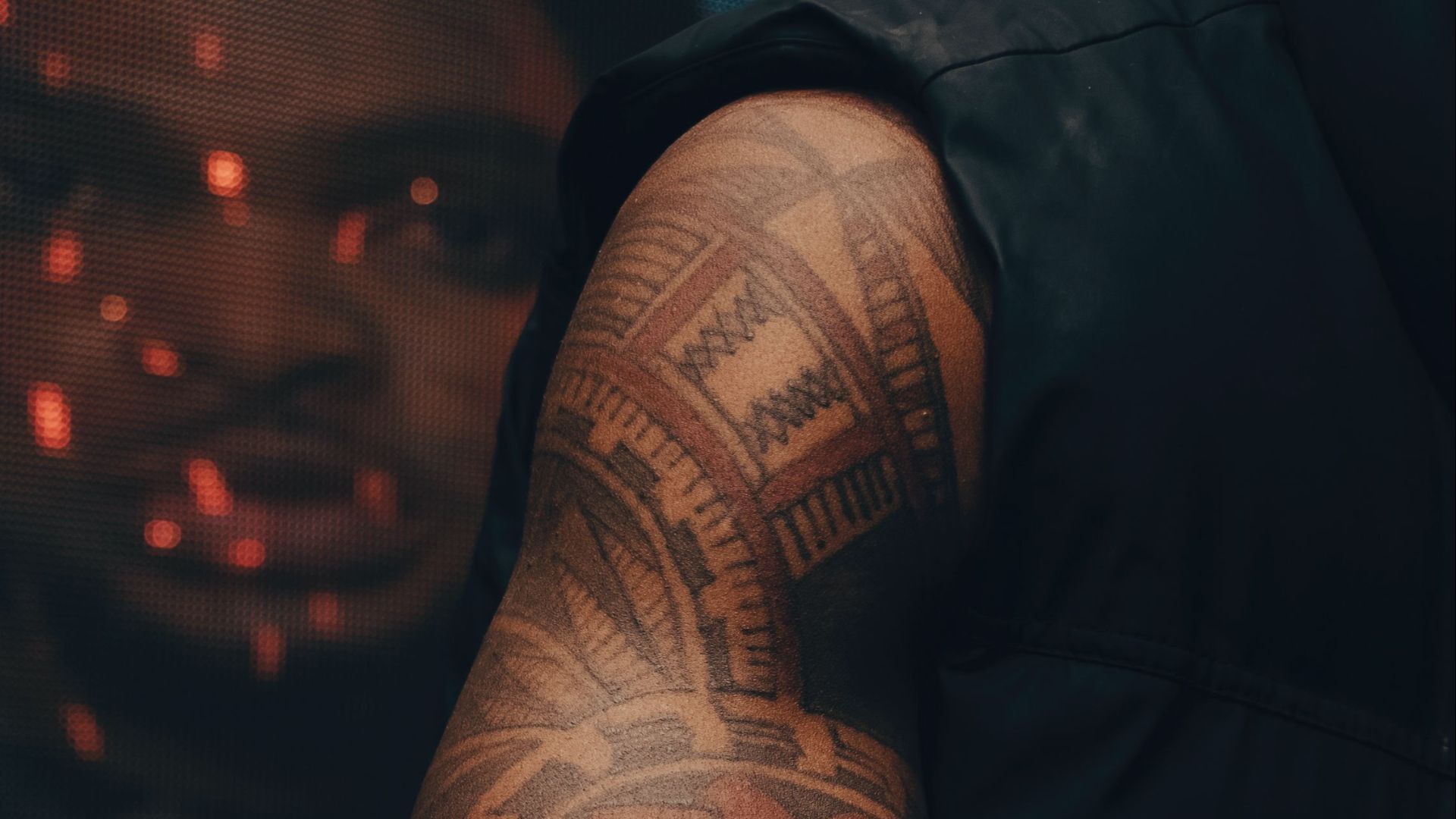
6. A Face Portrait From a Bad Reference Photo
Portrait work is some of the most technically demanding tattooing there is. When the reference photo is a blurry screenshot from a Facebook album taken in bad lighting, the artist is being asked to build something precise from a foundation that can't support it. They'll tell you. Most clients hear it and proceed anyway.
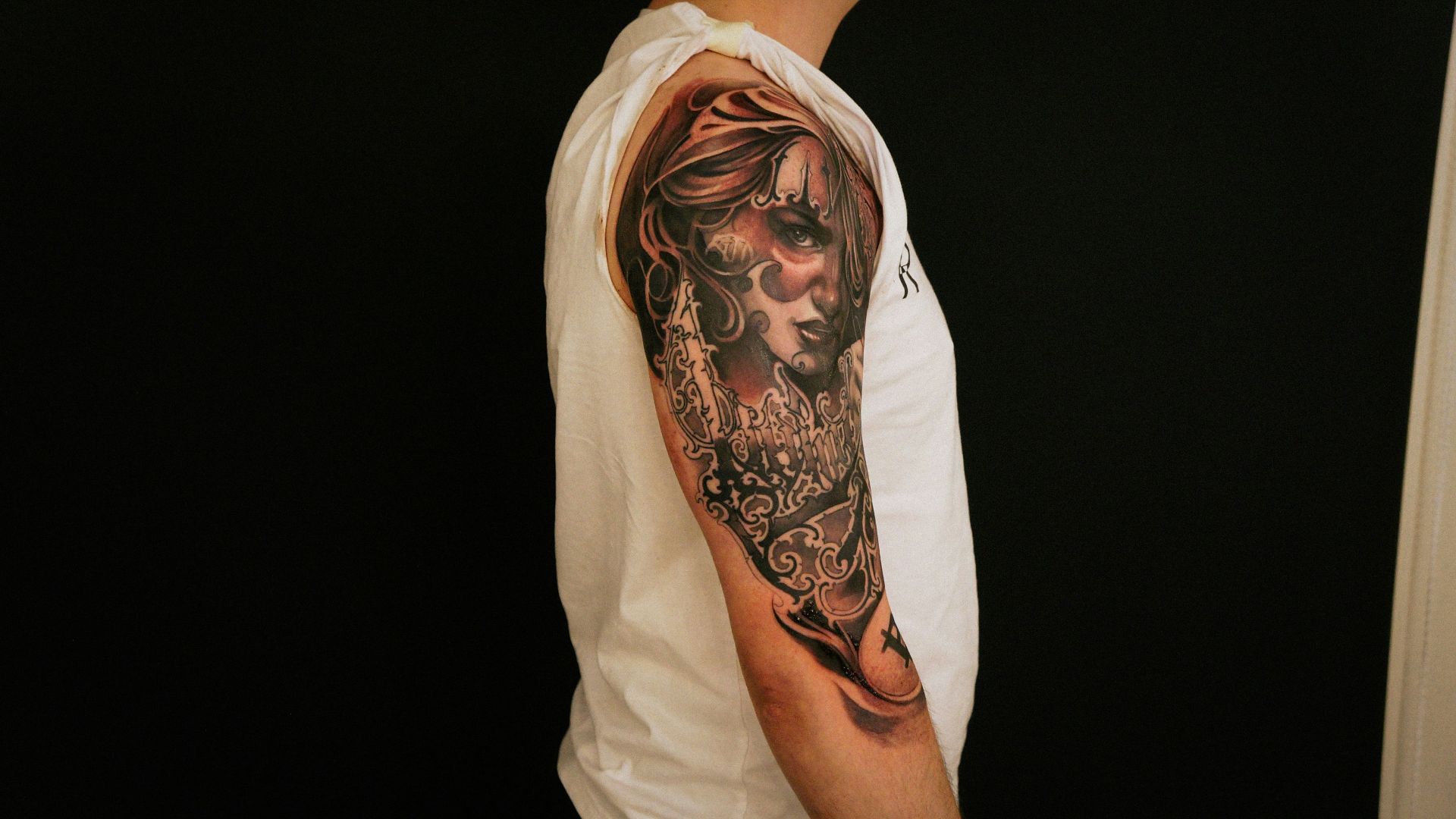
7. Barbed Wire Around the Bicep
It had a moment. That moment was 1996. The barbed wire bicep band is now a time capsule that artists encounter with a mix of nostalgia and exhaustion. It's not a hard tattoo to do, which is almost part of the problem. There's nothing to engage with creatively, and the cultural context has aged in one specific direction.
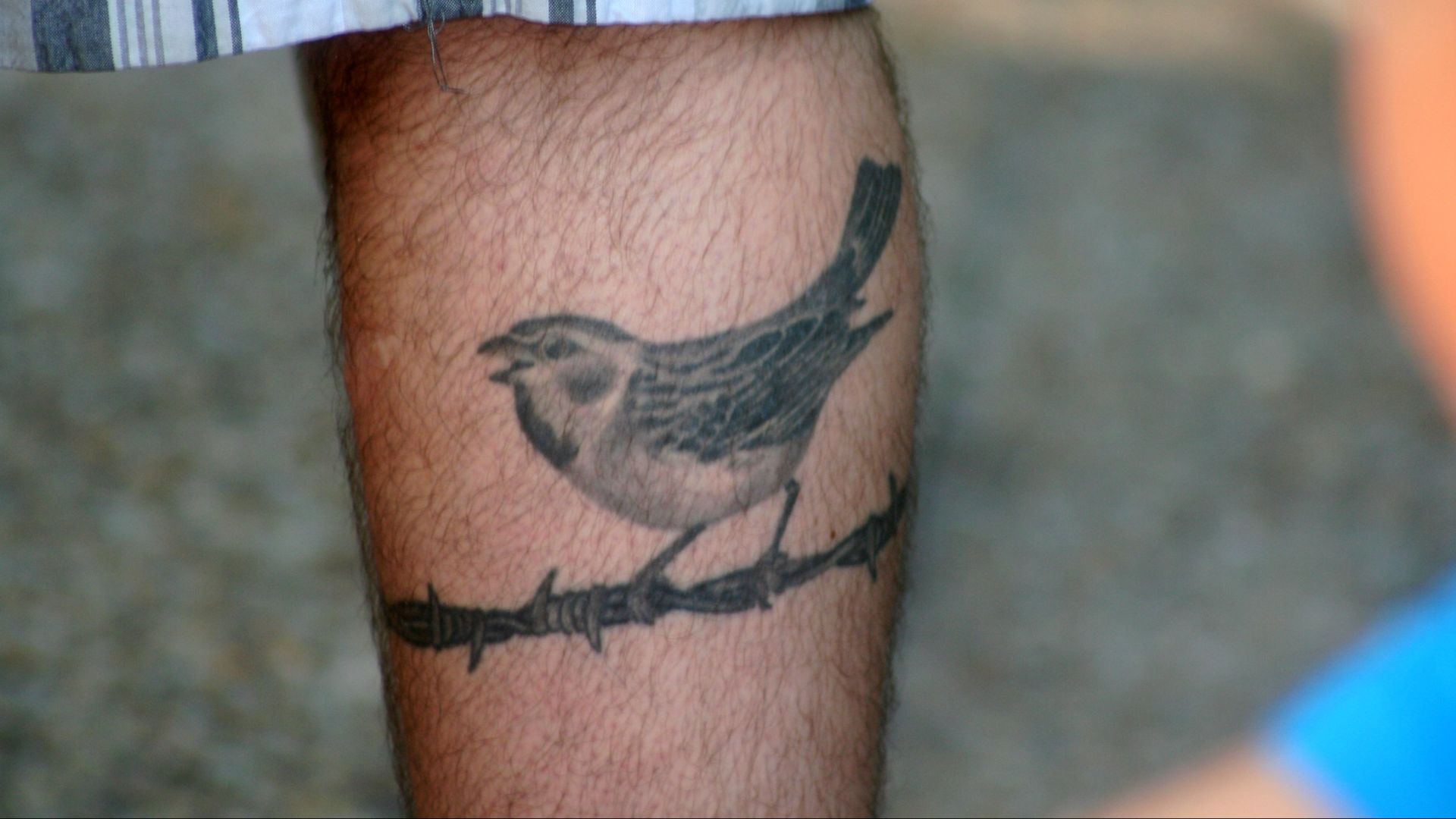 Tony Alter from Newport News, USA on Wikimedia
8. "Can You Copy This Exactly From Pinterest?"
Pinterest is full of tattoos that were designed for a specific person's body, skin tone, and style, photographed professionally, and posted without any of that context attached. Asking an artist to copy someone else's custom work exactly creates ethical and creative problems they didn't sign up for. A good artist will redirect. A less experienced one will just do it and both of you will be disappointed.
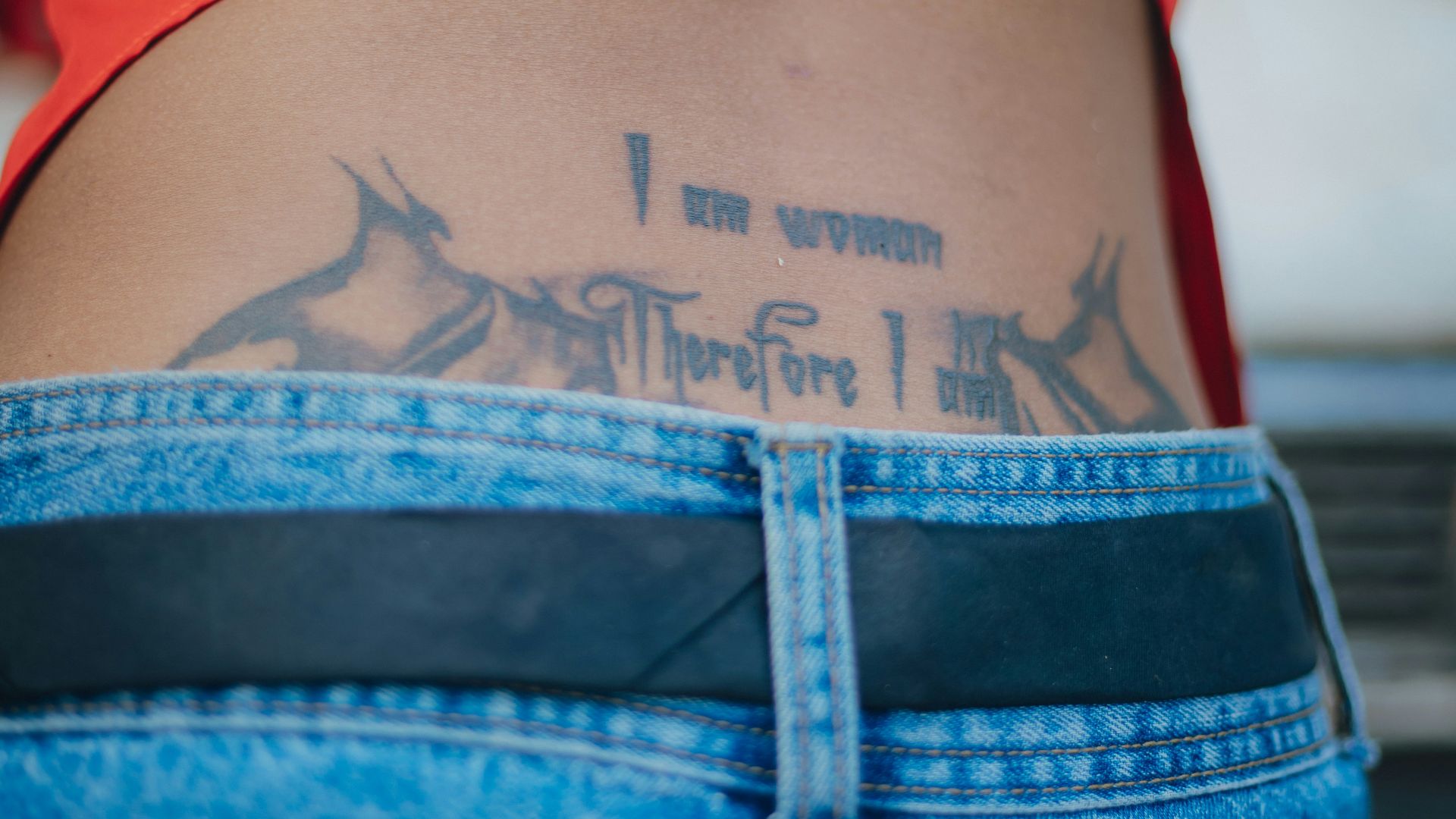
9. The Lower Back Piece
Lower back tattoos existed before the cultural nickname arrived and they'll exist after. The placement itself isn't the issue. What gives artists pause is when the chosen design leans fully into the aesthetic of a specific moment in early-2000s flash art with no apparent awareness of that history. Context doesn't make a tattoo bad. Unawareness of context is its own thing.
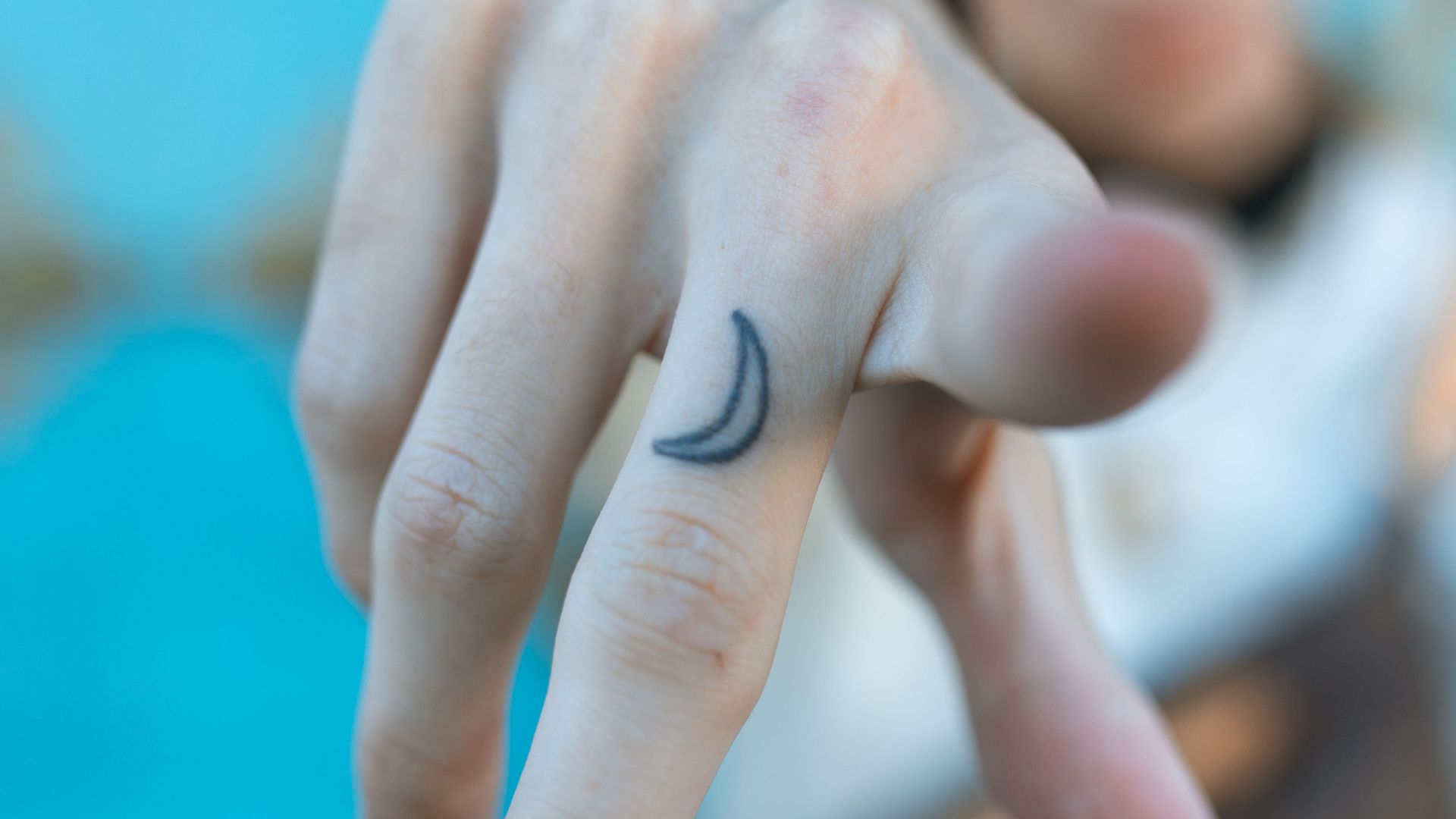
10. Finger Tattoos as a First Tattoo
Finger tattoos fade faster than almost any other placement, require touch-ups, and sit in a location that ages unpredictably. Artists will explain all of this. The concern is less about the choice and more about choosing one of the least durable placements as your entry point into permanent body art. It sets up an expectation that the medium can't meet.
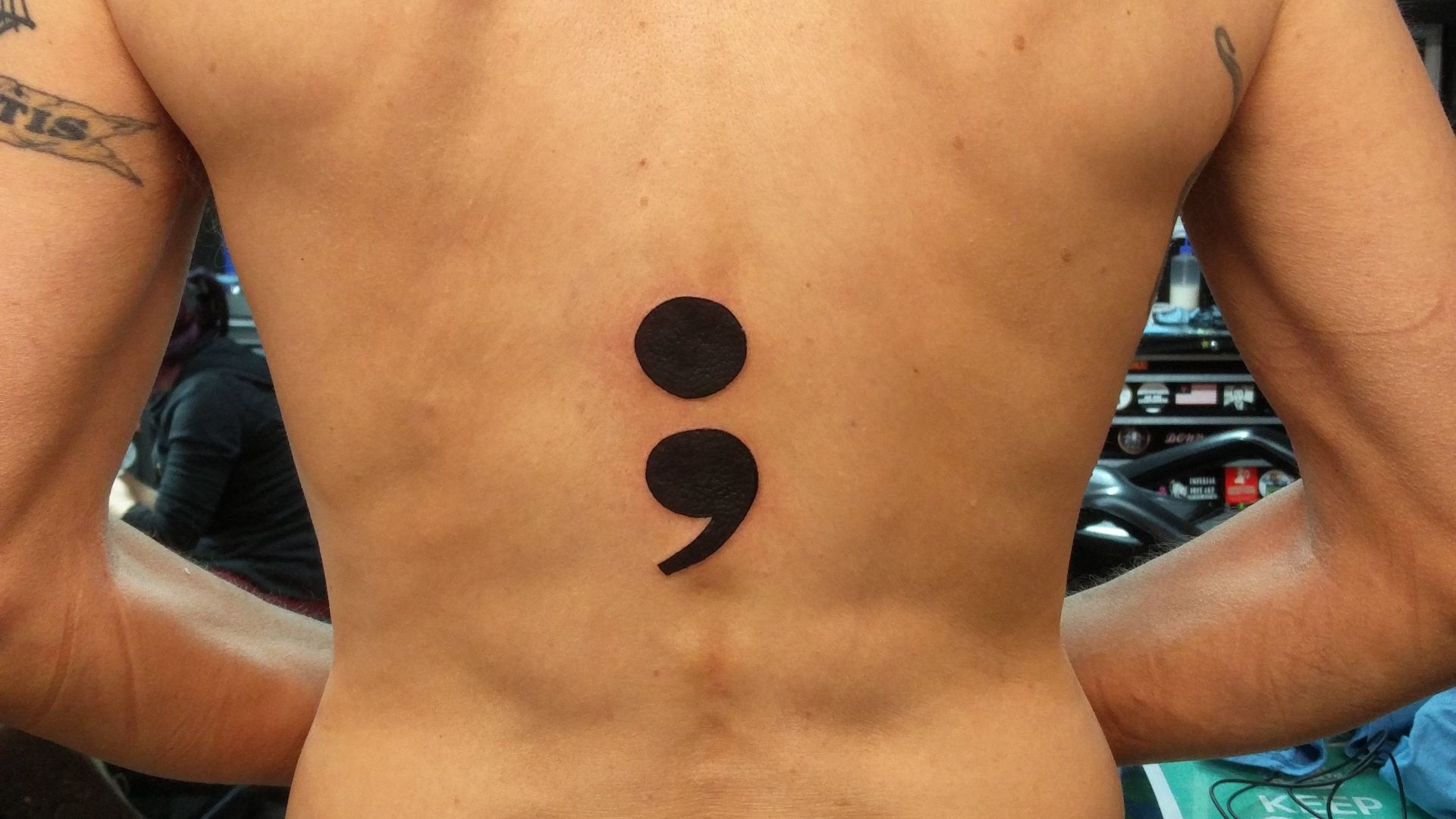
11. The Semicolon With No Personal Connection
The semicolon tattoo carries real meaning for a lot of people and artists respect that. What gives some of them pause is when it comes in clearly as a trend piece from someone who can't articulate any personal connection to what it represents. Symbols with serious cultural weight deserve a reason behind them, and artists notice when that reason isn't there.
12. Full Hand Tattoos Before the Wrists
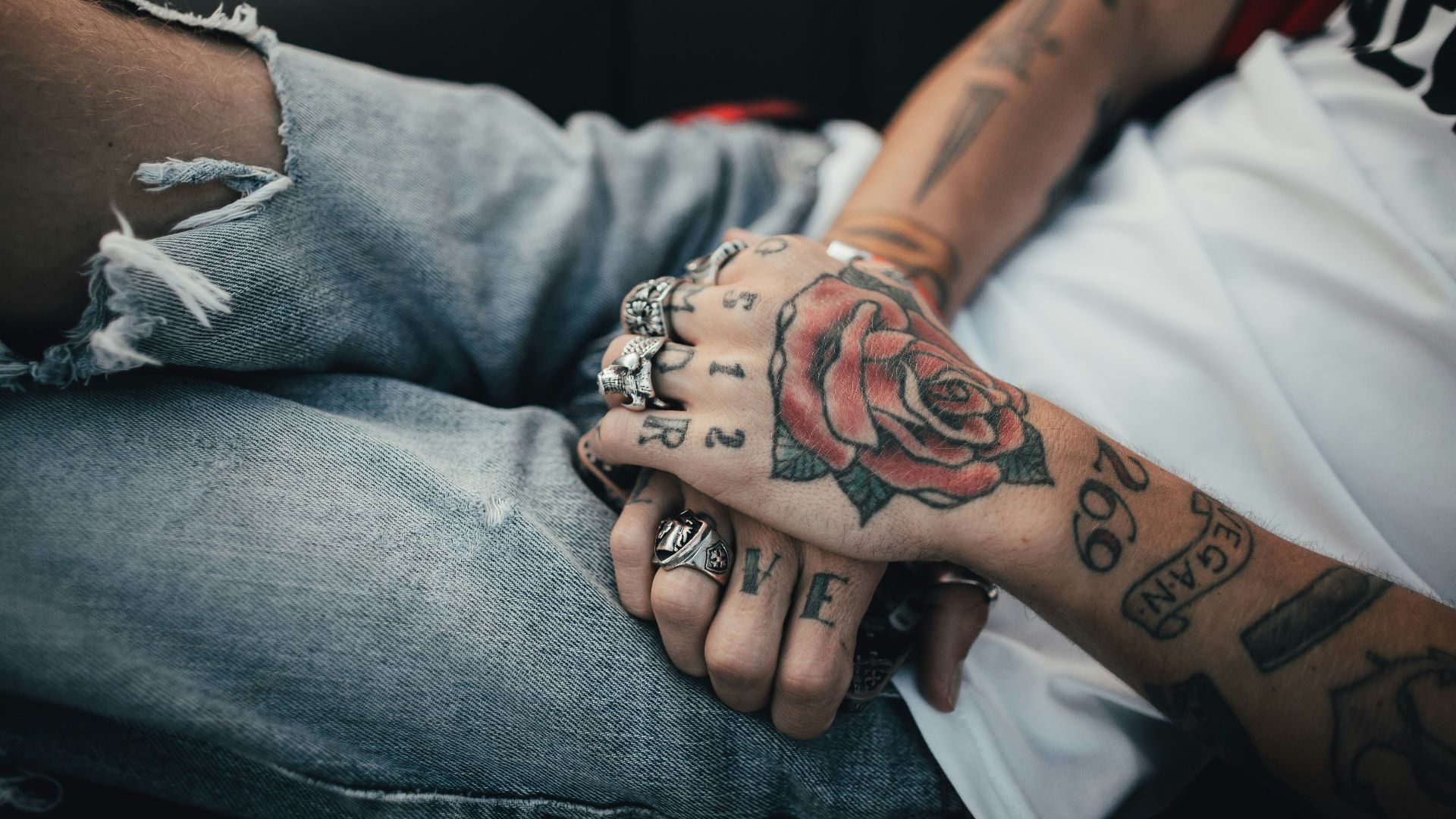
The hands are a commitment that most experienced artists want clients to ease into rather than lead with. Walking in with bare arms and asking for full hand coverage is a sequencing issue that professionals in the industry take seriously. The hands are visible in almost every professional and social context. Most artists have a quiet policy about this and will tell you if you ask.
13. Copying a Famous Artist's Flash Without Credit
When someone walks in with a photo of work by a well-known tattoo artist and asks for a copy, the person behind the counter usually recognizes it immediately. The tattoo community is smaller than it looks from the outside. Reproducing another artist's original flash isn't just an ethical gray area. It's the kind of thing that gets talked about at conventions.
14. The Watercolor Tattoo With No Outline
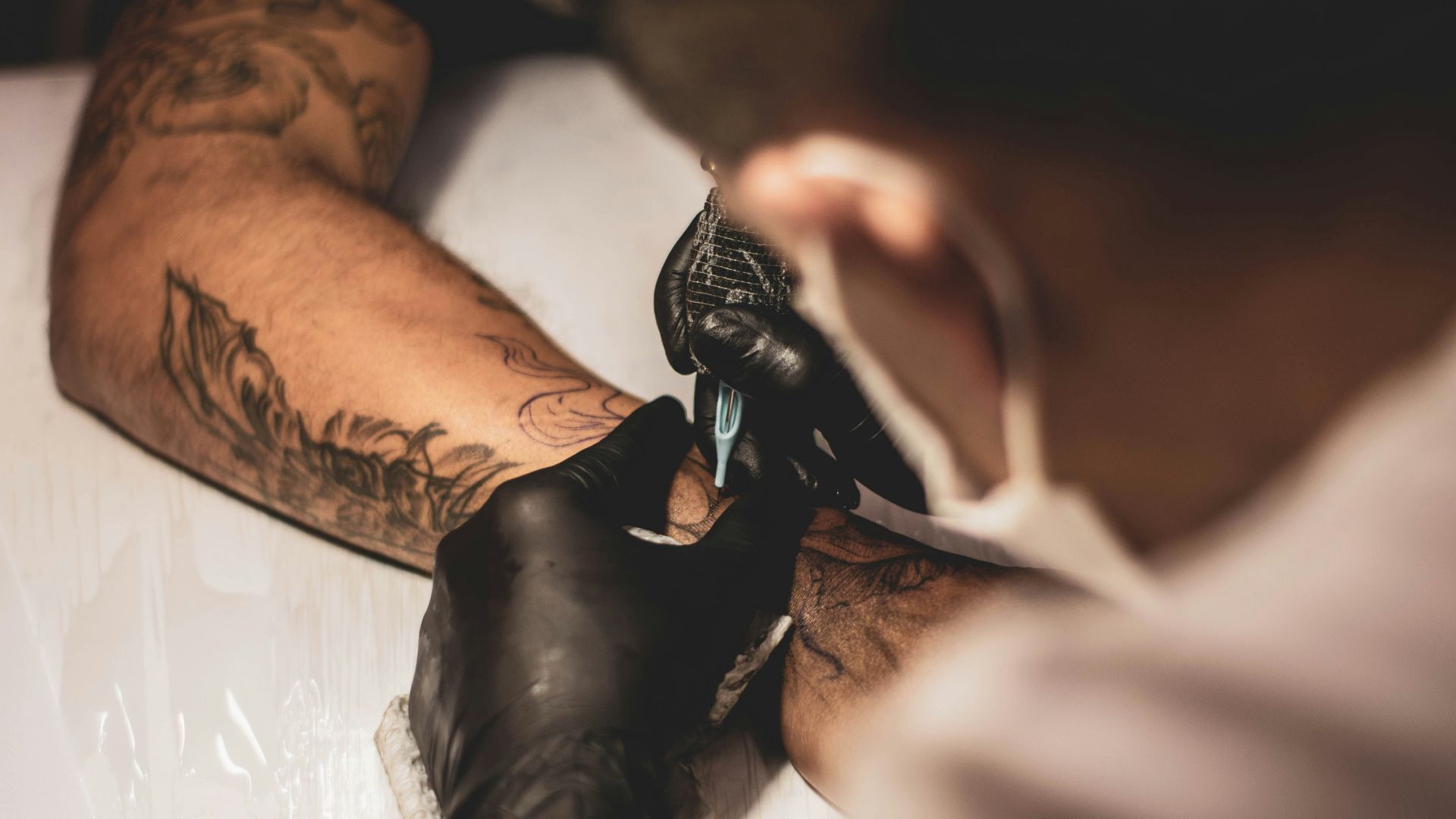
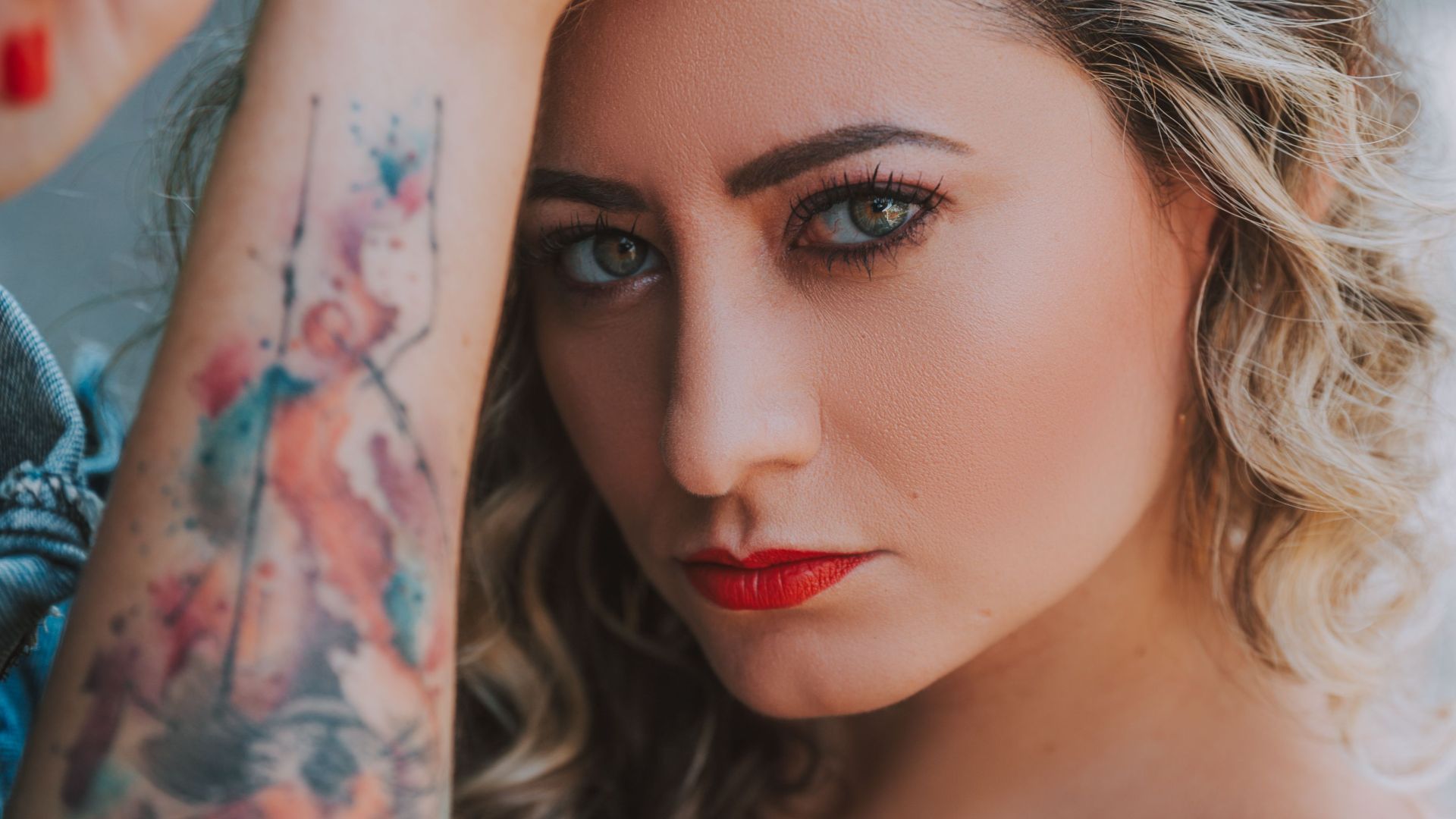
Watercolor tattoos look stunning fresh. Artists know what they look like five years later without a solid outline to anchor the pigment, and that knowledge creates a quiet internal conflict every time someone brings in a reference photo of a purely watercolor design. They'll tell you about longevity. Whether you listen is your call.
 Criativa Pix Fotografia on Pexels
15. Anything Placed to "Hide a Scar" Without a Real Plan
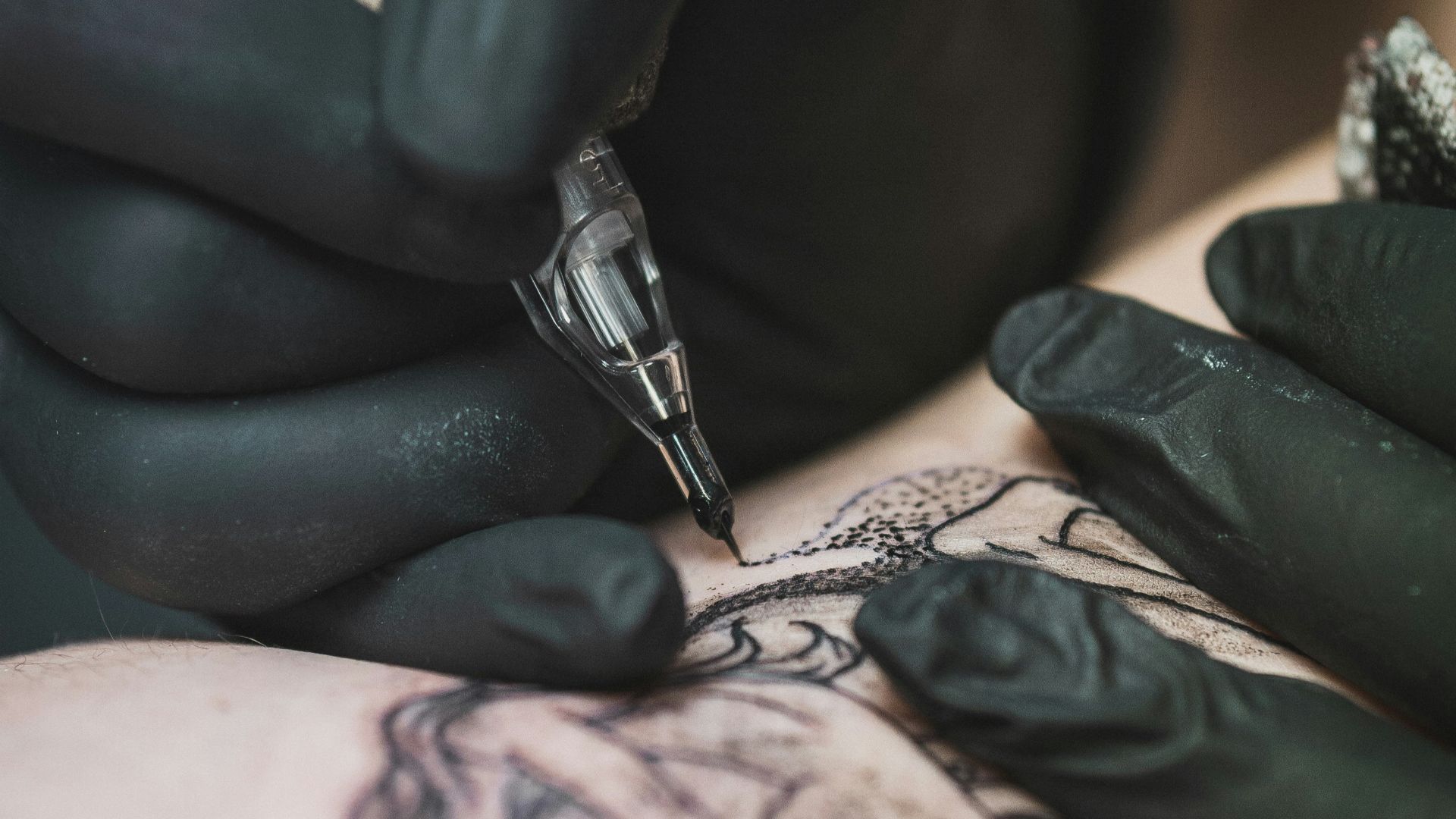
Using a tattoo to work with or over a scar can be done beautifully. The issue is when someone comes in wanting to simply cover a scar with no thought given to how the design interacts with the texture. Scar tissue takes ink differently. A good artist wants to design around that reality, not ignore it, and the clients who resist that conversation make the job harder than it needs to be.
16. The Matching Tattoo With Someone You Just Met
The couples tattoo has a long and complicated history in every shop. The matching tattoo with a friend you made three weeks ago is a newer variation that artists greet with a very similar internal energy. They'll take the appointment. They'll do good work. They'll think about it on the drive home.
17. Overly Literal Memorial Tattoos
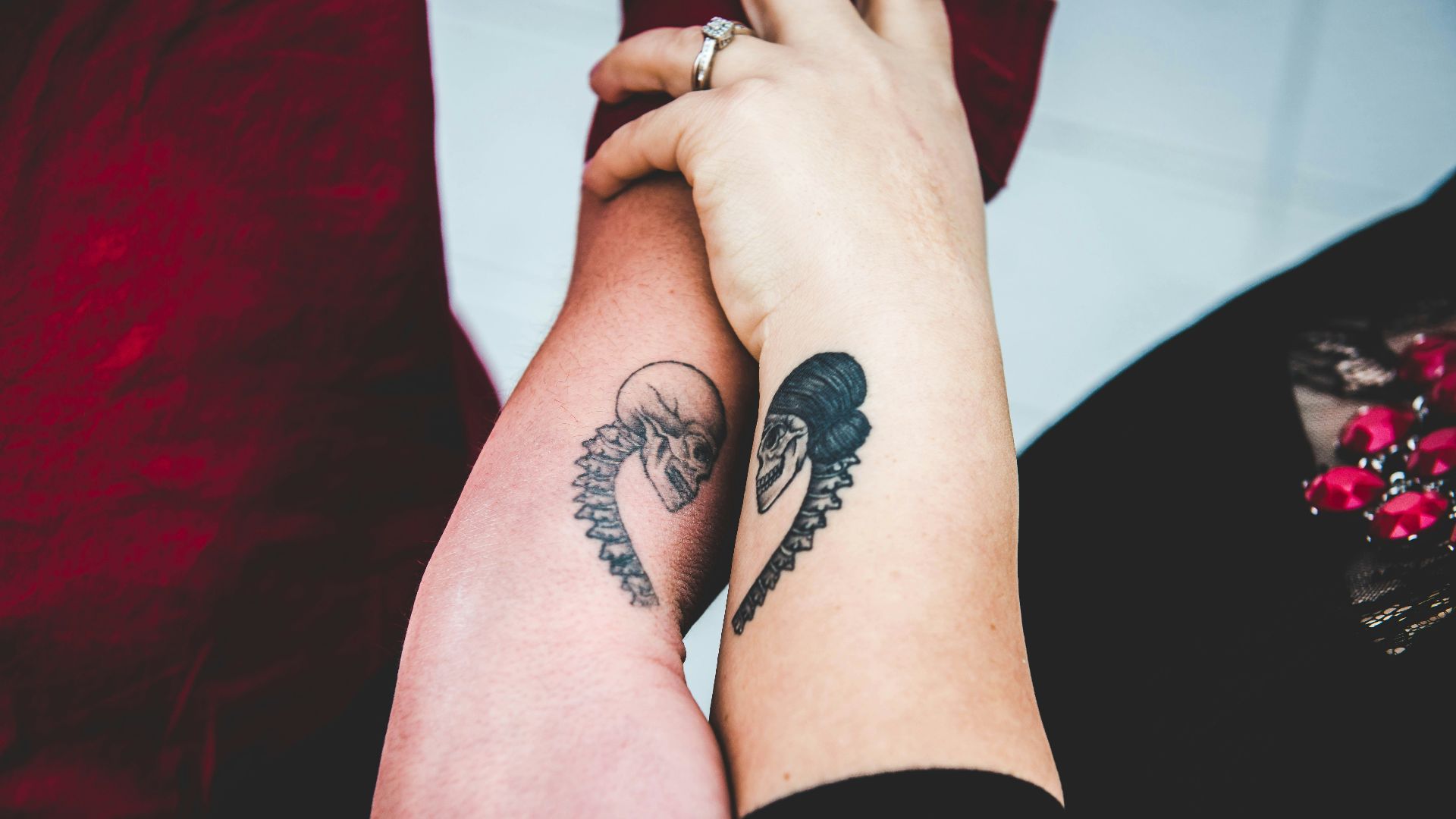
Memorial tattoos are meaningful and artists take them seriously. Where the quiet judgment creeps in is when the concept is so literal that the design has no room to breathe. A photorealistic rendering of a deceased pet's face surrounded by their name, dates, paw prints, and a rainbow can mean everything to the client and present as a composition problem to the artist.
18. White Ink on Dark Skin Tones
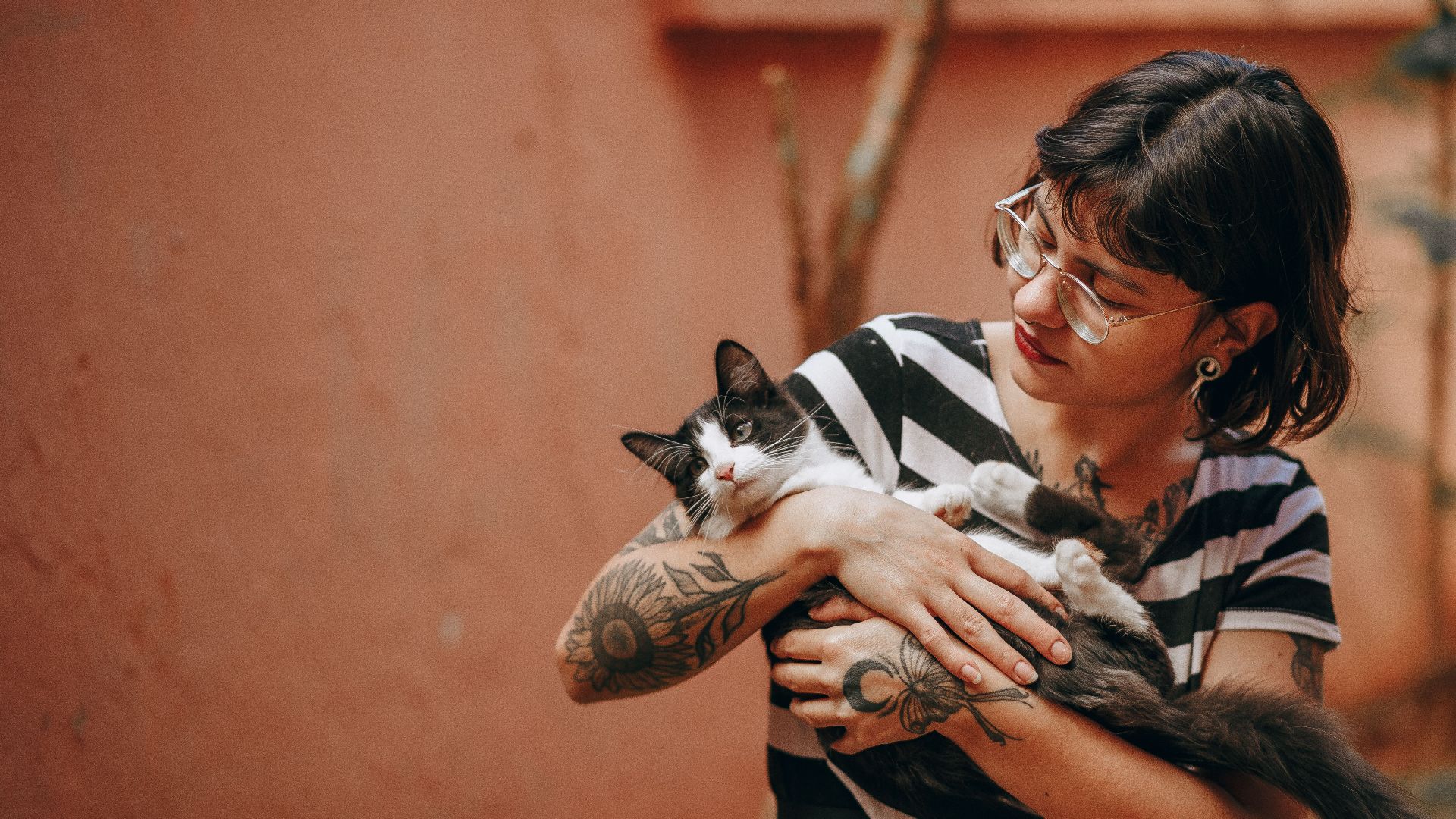
White ink reads very differently across skin tones and on darker complexions it often doesn't show up at all, or heals into something muddy and indistinct. Artists who are being responsible will tell clients this before they start. The ones who don't are the real problem here, and the client ends up with the consequences.
19. The "Minimalist" Tattoo That's Actually Just Thin
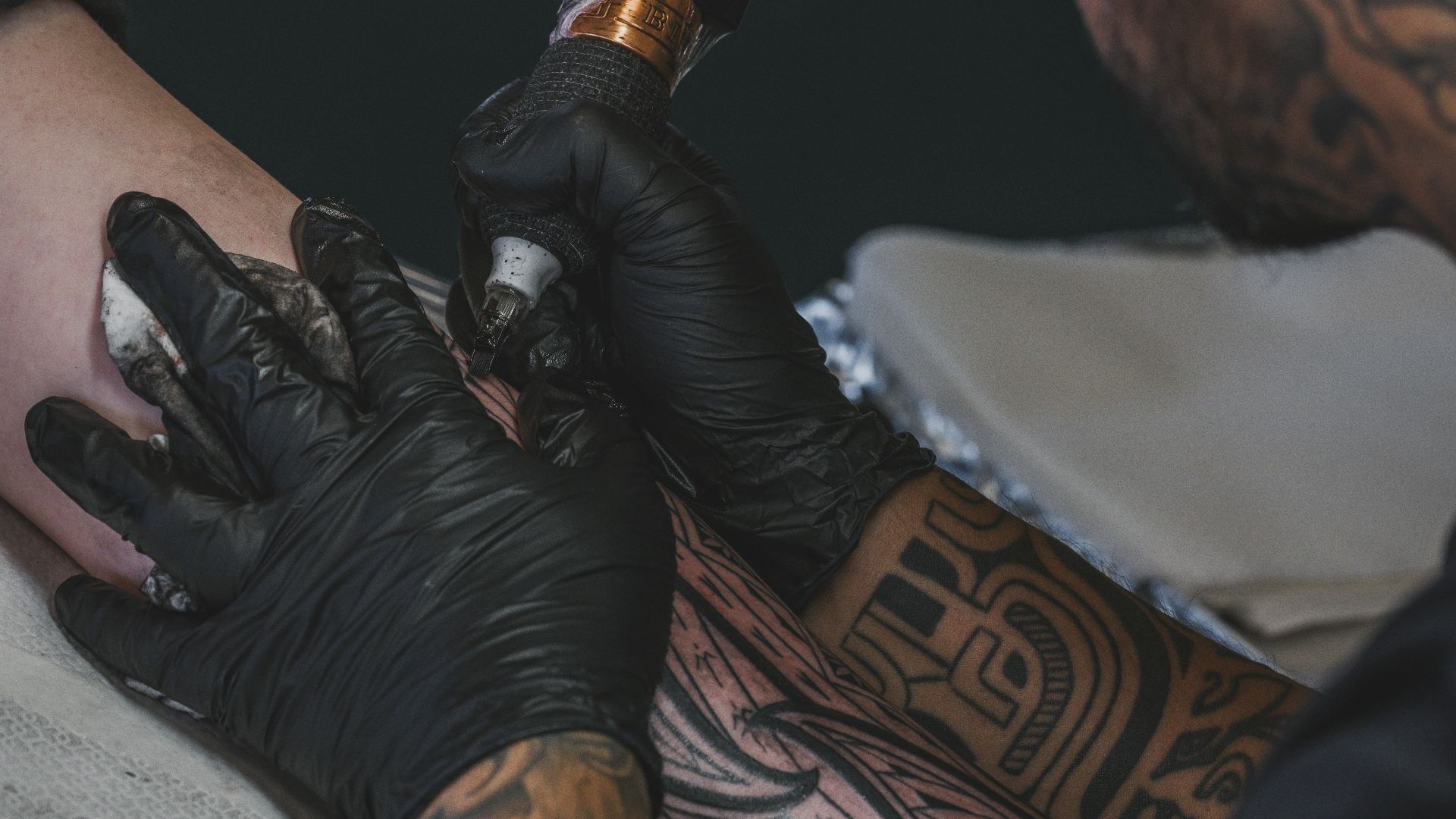
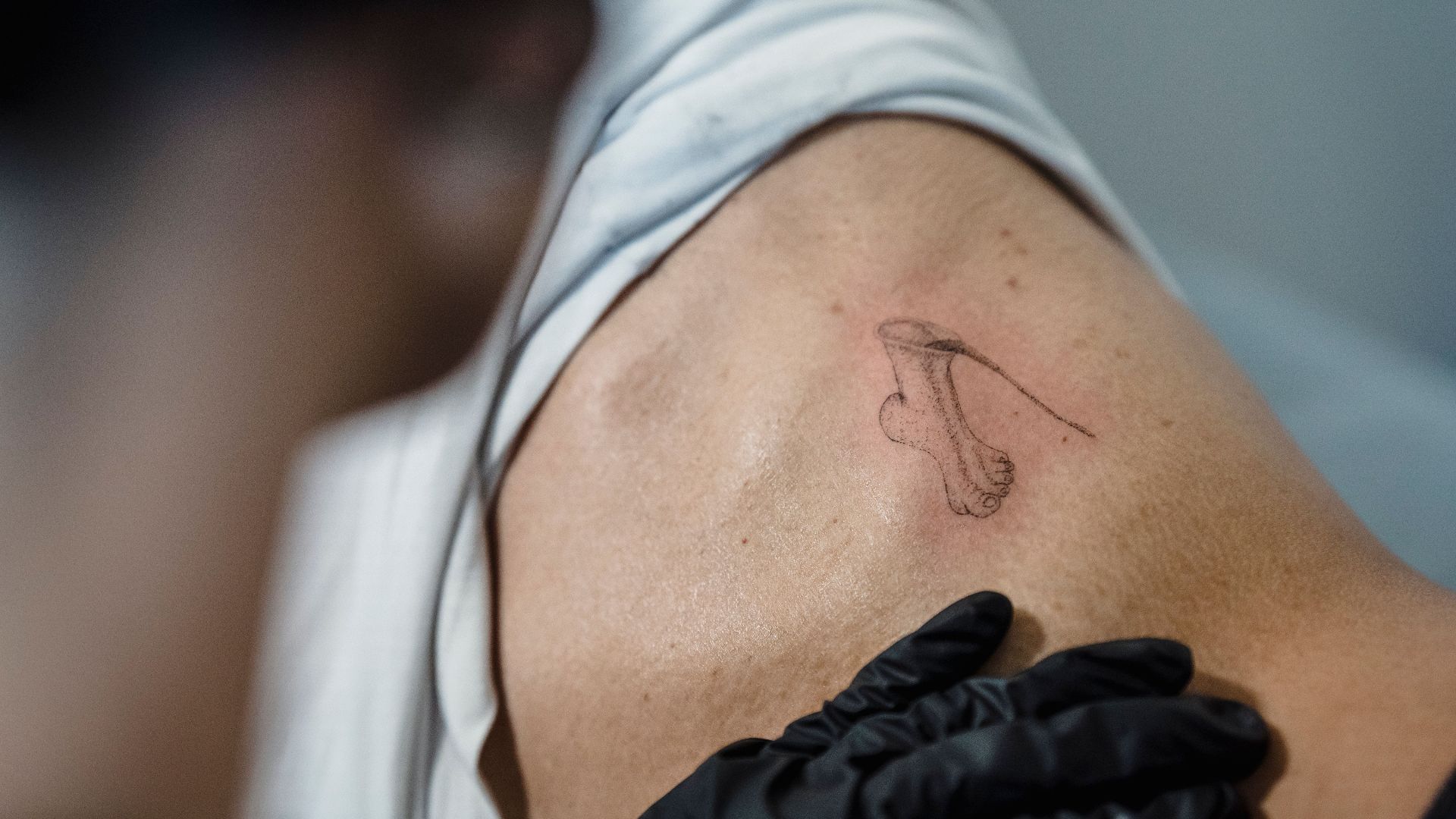
Fine line and minimalist work is a legitimate style that skilled artists execute beautifully. What causes quiet concern is when the brief is essentially "make it as small and thin as possible" without understanding that extremely fine lines spread over time. The design you want at 22 may not be readable at 40, and that math is visible to the artist from the first consultation.
20. Anything Chosen From the Walk-In Binder in Under Two Minutes
The flash binder exists for a reason and walk-in tattoos are a legitimate part of the culture. The slight internal wince comes when someone flips through 200 designs in ninety seconds and points at something without really looking at it. Artists want their work to mean something to the person wearing it. Two minutes is not enough time to mean anything.