Goodbye Logo Culture! Hello Quiet Luxury!
Fashion is positioned to move beyond aesthetics and lean more into function, identity, and accountability in 2026. The industry and styles are being reshaped by technology, sustainability, and shifting social values. From how clothing is being designed and purchased to changes in how we wear clothing, 2026 is shaping up to be a year of fashion change. Here are 20 fashion predictions for 2026.
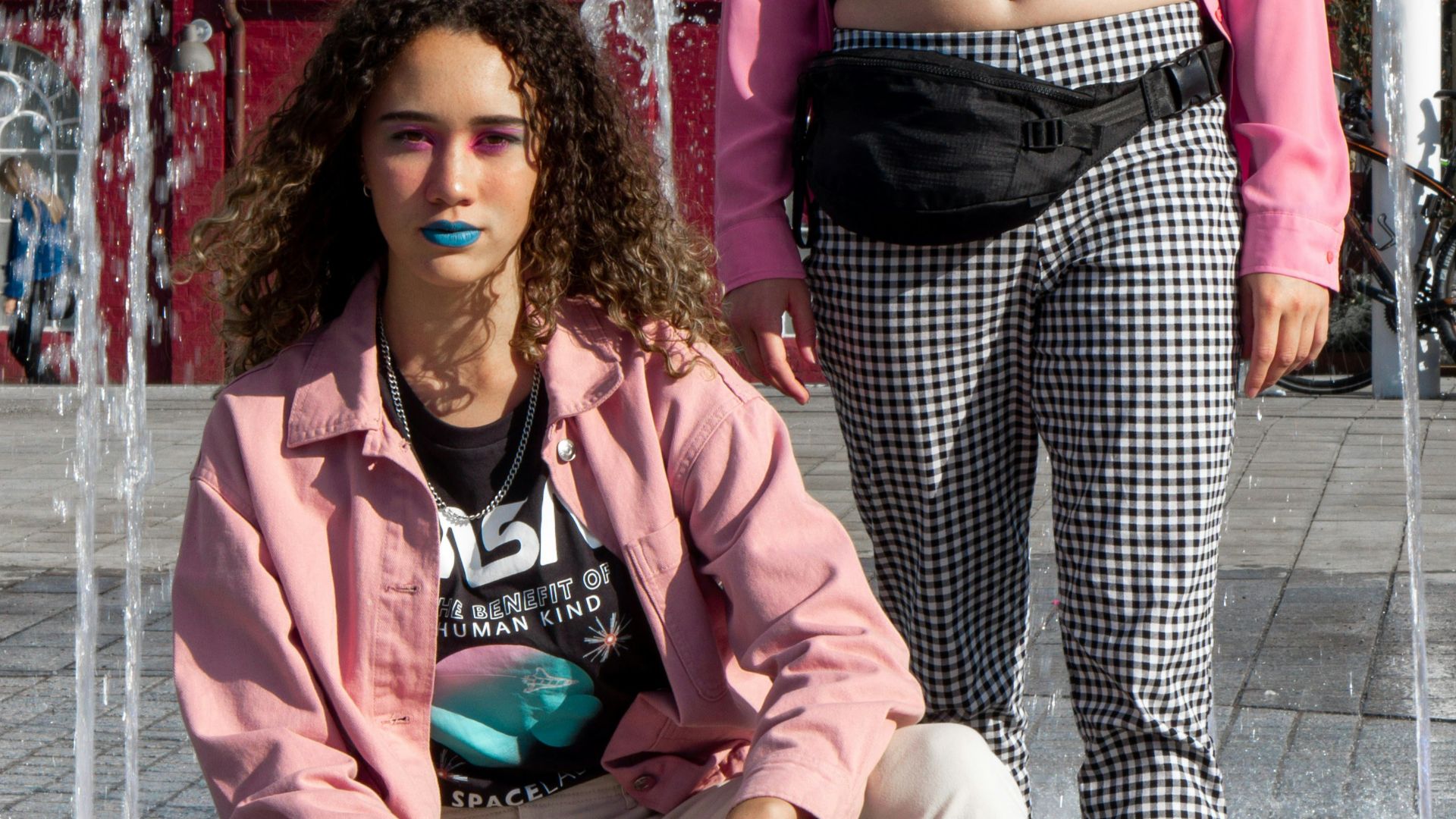 Nathan Van de Graaf on Unsplash
1. Clothing for Multiple Lives
In 2026, garments will be intentionally designed to evolve with the times. Items like modular jackets and transformable pieces will become more popular, as designers and consumers push for clothing that can serve multiple purposes.
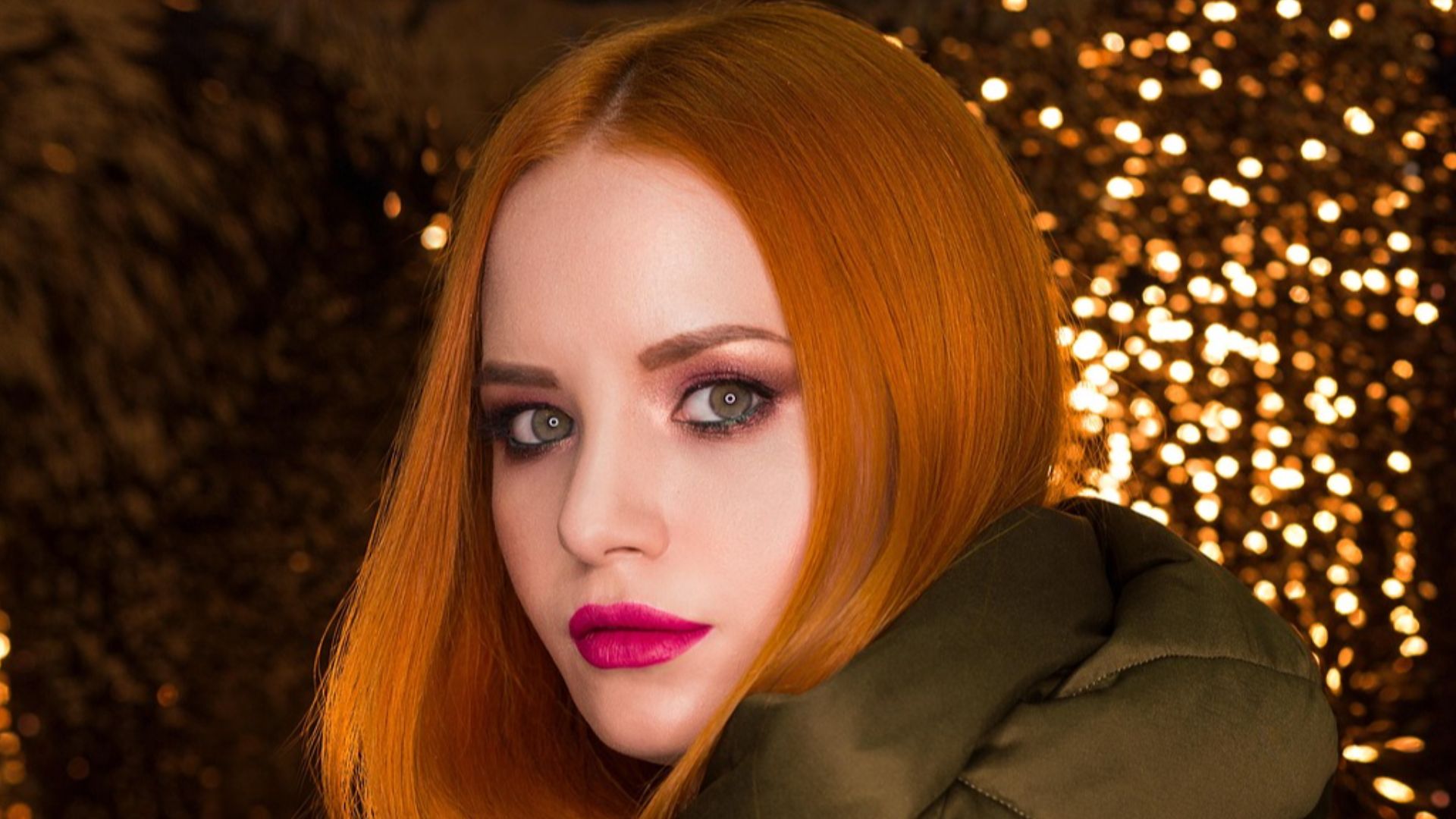
2. Quiet Luxury Will Replace Logo Culture
Wearing overt branding will see a steep decline as understated craftsmanship will become the new symbol. In 2026, quality, fabric, and fit will have higher value than visible logos, which have been the rage on and off for some time.
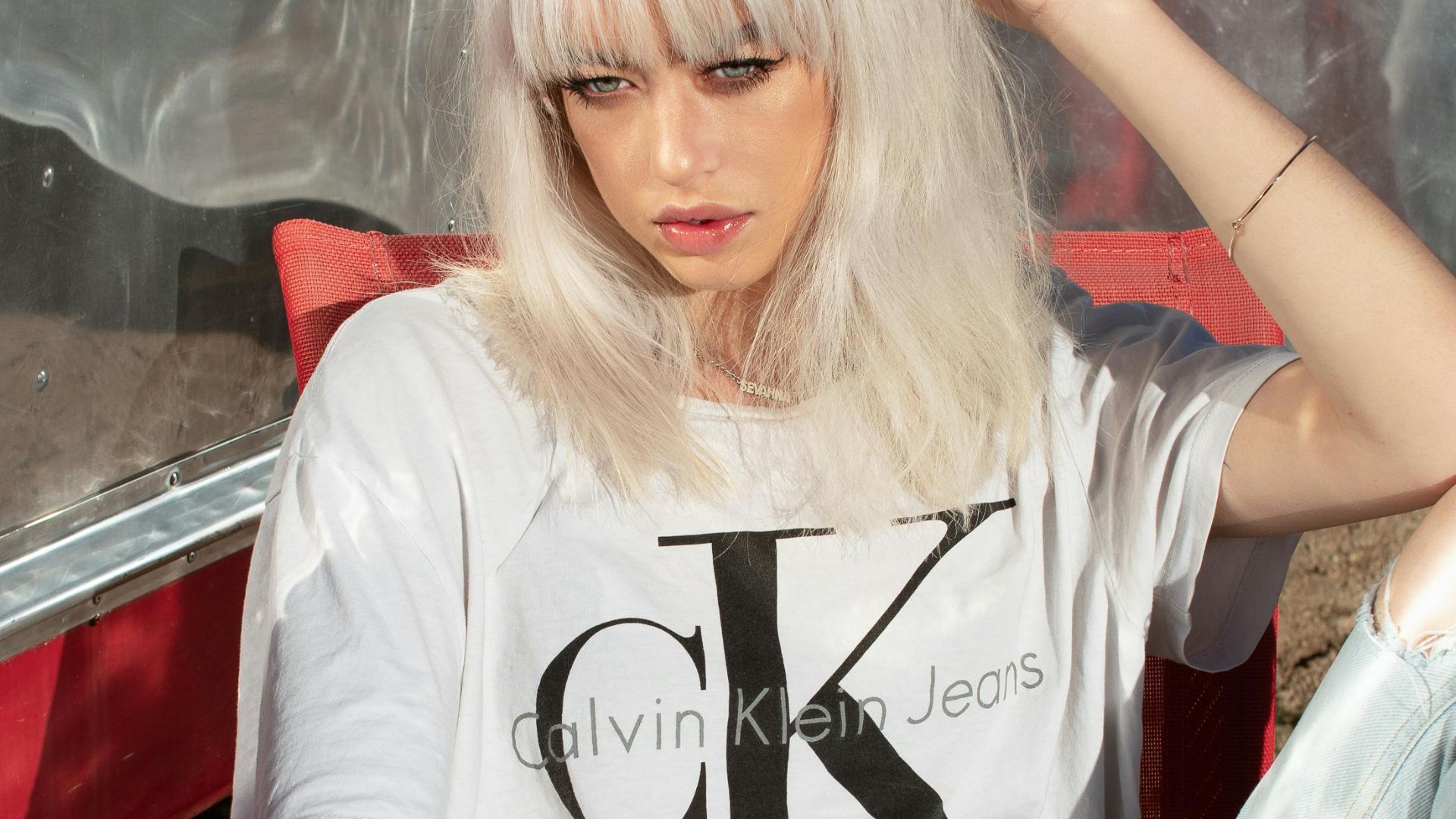
3. AI-Assisted Personal Styling Will Become a Thing
AI is poised to take on a larger role in how we dress in 2026. AI-powered apps will analyze body type, climate, lifestyle, and wardrobe to recommend outfits in real time. This will reduce impulse buying and make our wardrobes more efficient.
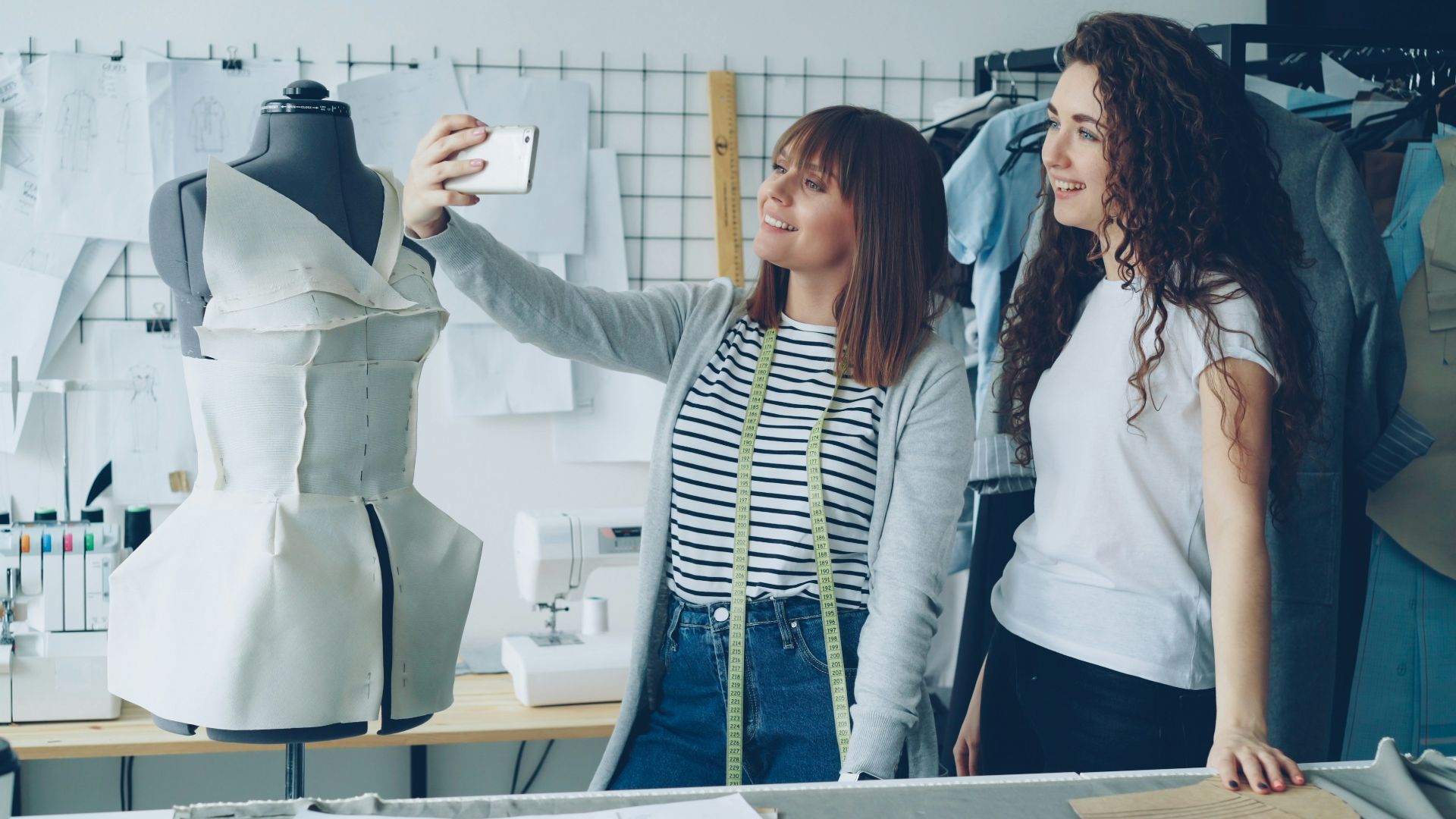
4. Gender-Fluid Fashion Will Become The Norm
Gender fluid will become less of a niche category and establish itself as the standard practice. In 2026, more brands will abandon gendered sizing and marketing and opt for universal silhouettes and adaptable fits.

5. Performance Fabrics Enter The Everyday Rotation
Clothing inspired by athletic apparel will integrate itself deeper into our daily outfit rotation. Breathable, temperature-regulating, wrinkle-resistant fabrics will be what we wear to the office, events, and for casual gatherings. Ultimately, consumers will expect clothing to perform to the same extent that it looks.
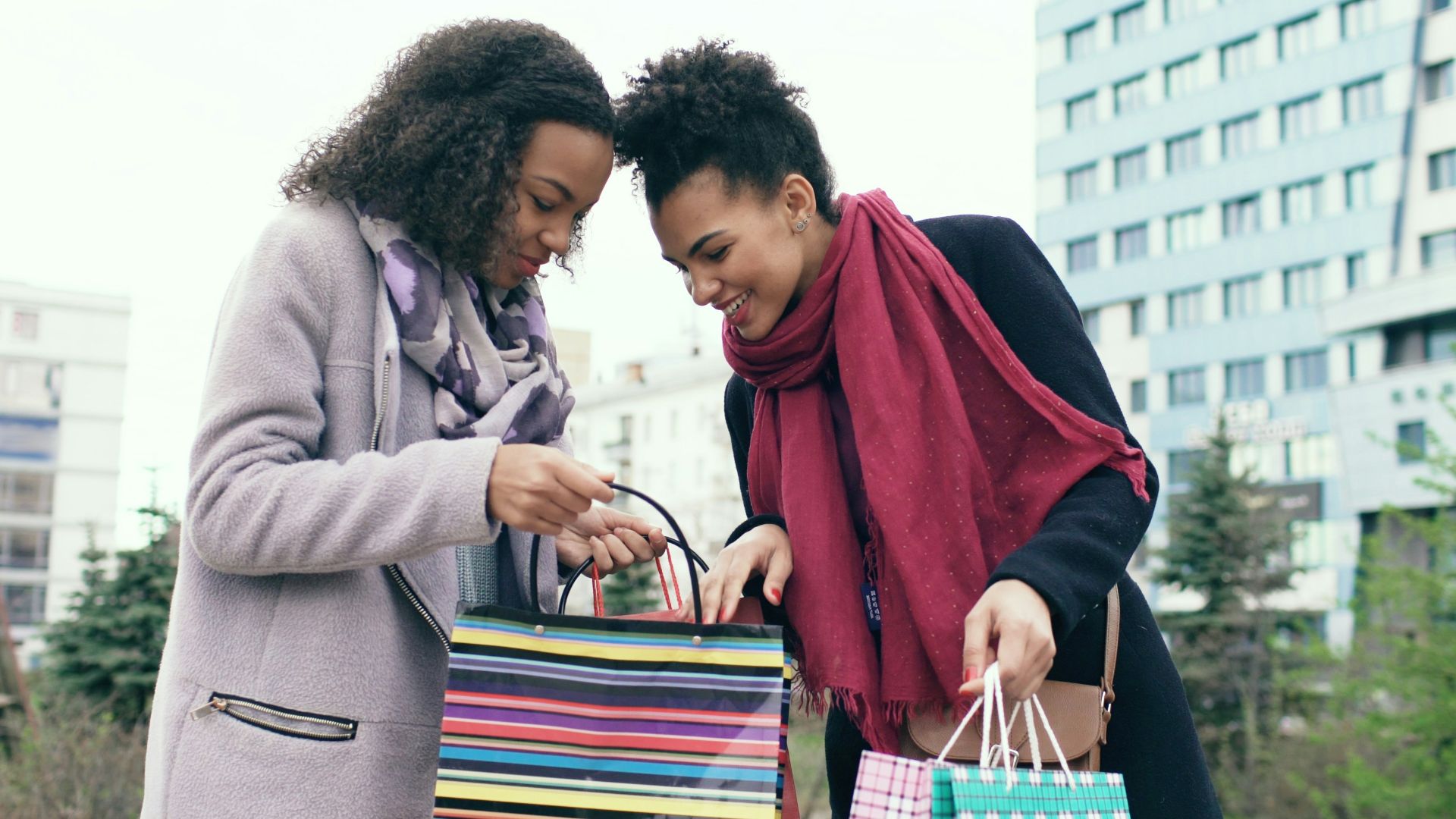
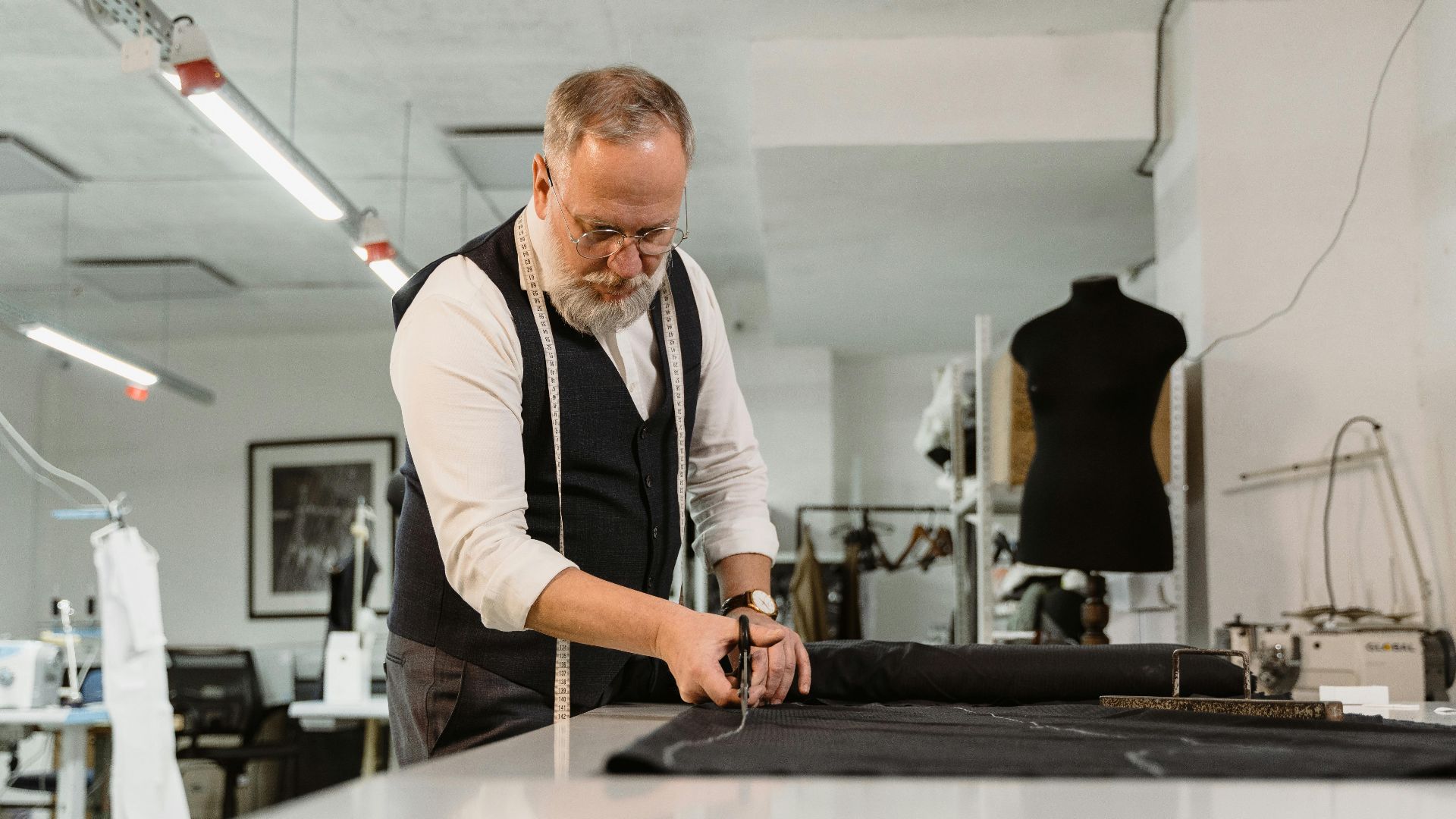
6. People Will Lean More Into Repairs and Alterations
Instead of replacing expensive damaged clothing, consumers will invest in repairing and altering what they already own. Customization will be of greater importance, and refresh services are poised to become far busier in the coming year.
7. Digital Fashion Gains Value
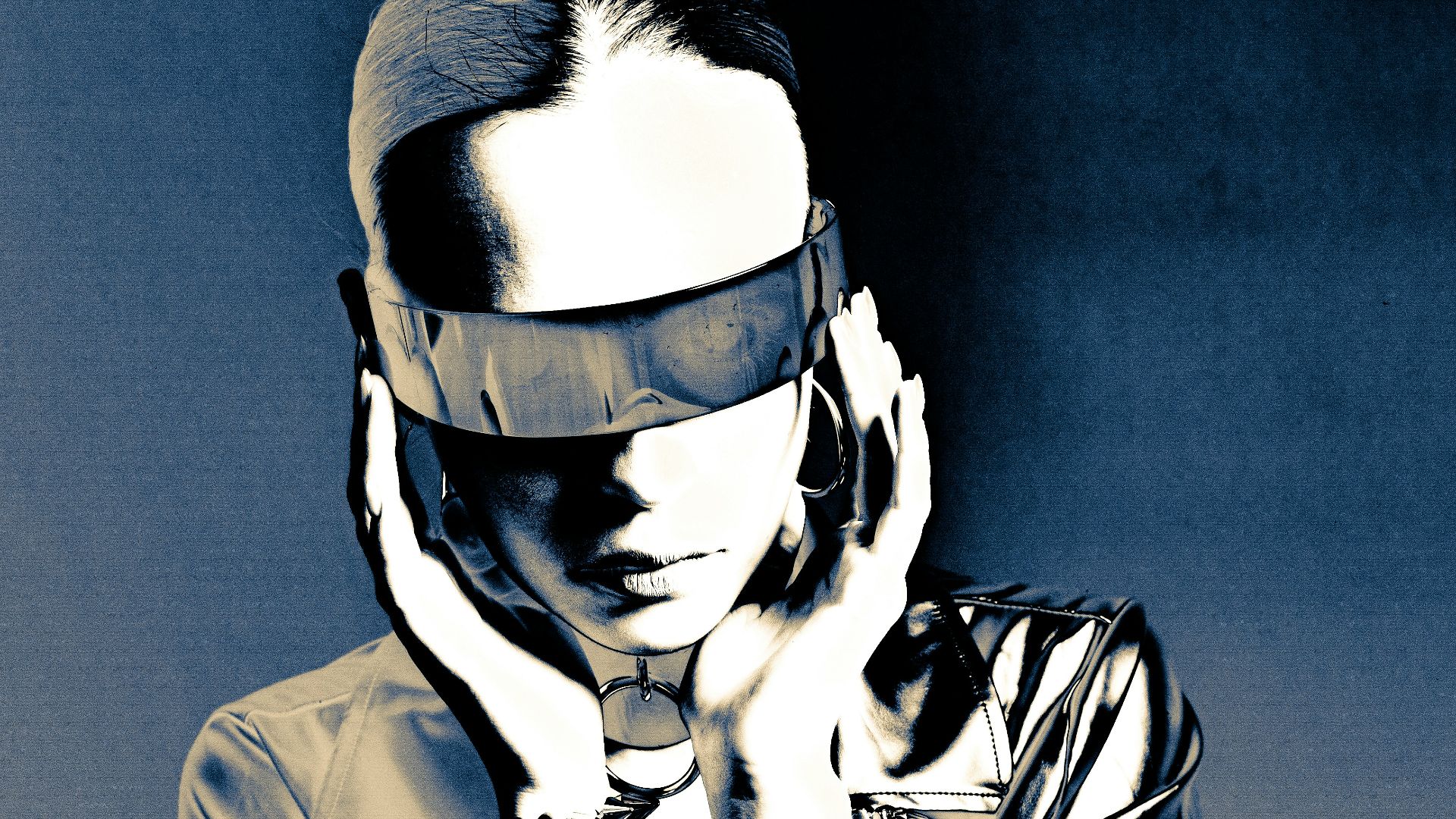
People are going to have a lot of fun with digital fashion in 2026. Digital fashion will be used for social media, gaming, virtual events, and augmented reality experiences. Consumers will invest in digital garments to express their online personas and feel more distinct.
8. Climate-Adaptive Design Takes a Step Forward
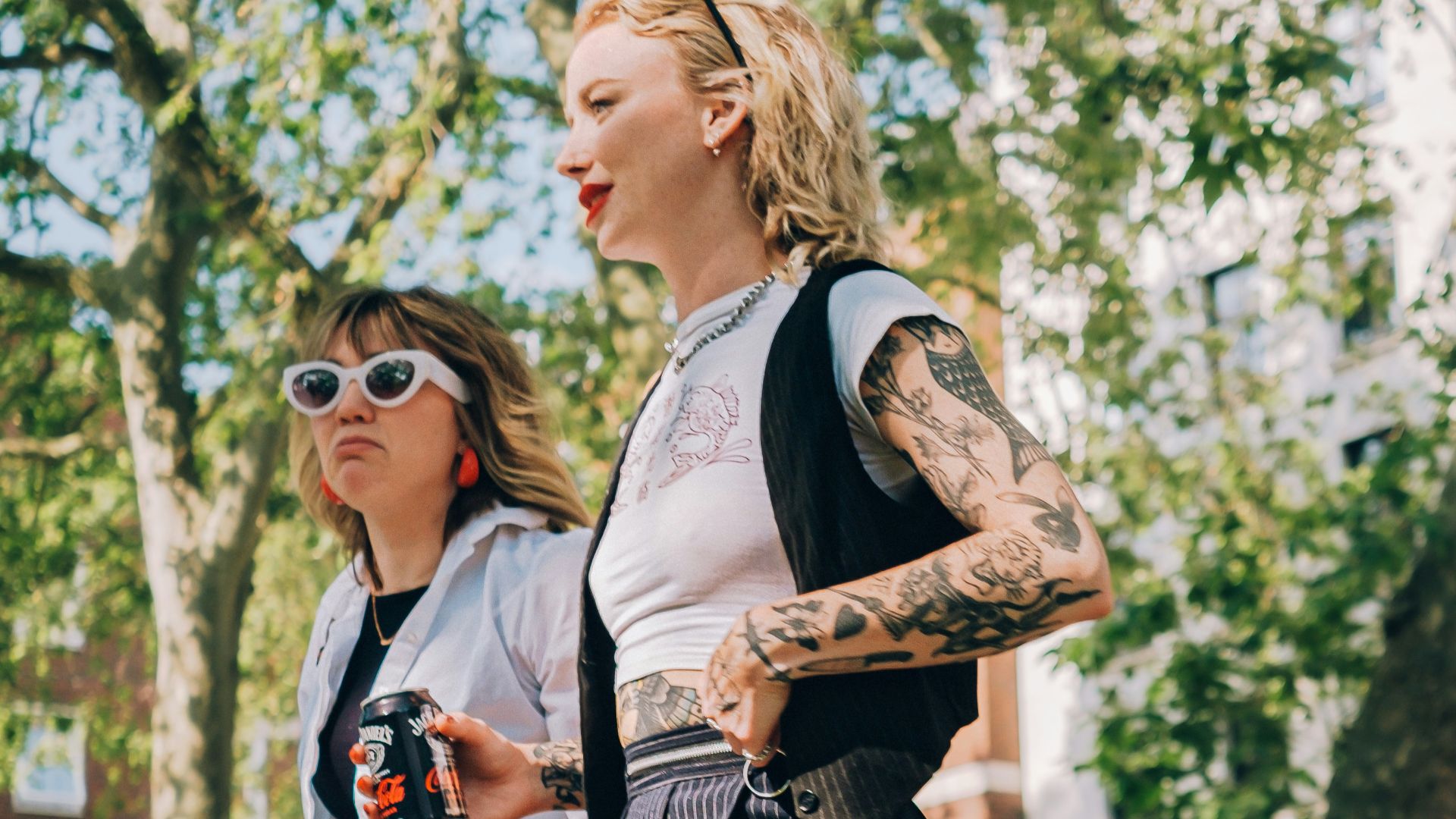
As the weather grows more concerning and less predictable, clothing will be made to adapt in 2026. Fashion will respond to the climate realities of an area, and there will be an uptick in all-season garments, layered systems, and weather-resistant materials.
9. Thrifting Influences New Design
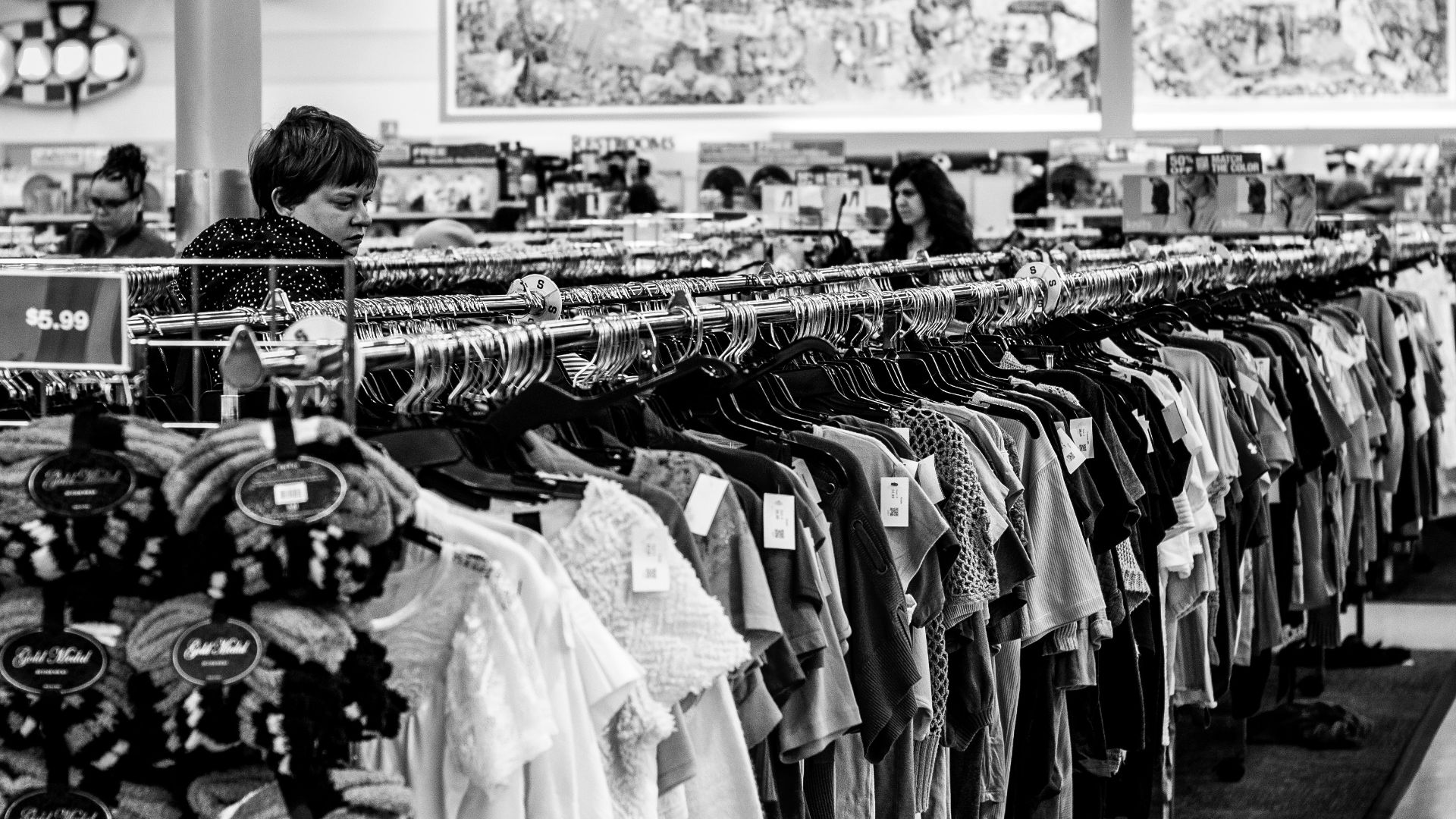
Secondhand culture has a chance to directly influence new fashion next year. Brands will be inspired by vintage silhouettes, repair techniques, and worn-in textures. The thrifted aesthetic will boom.
10. Fashion Drops Become Slower
In 2026, large seasonal collections will move aside to allow room for smaller, more intentional releases. Brands will opt for limited drops that meet consumers' needs rather the producing large inventories.
11. Comfort Will Be Non-Negotiable
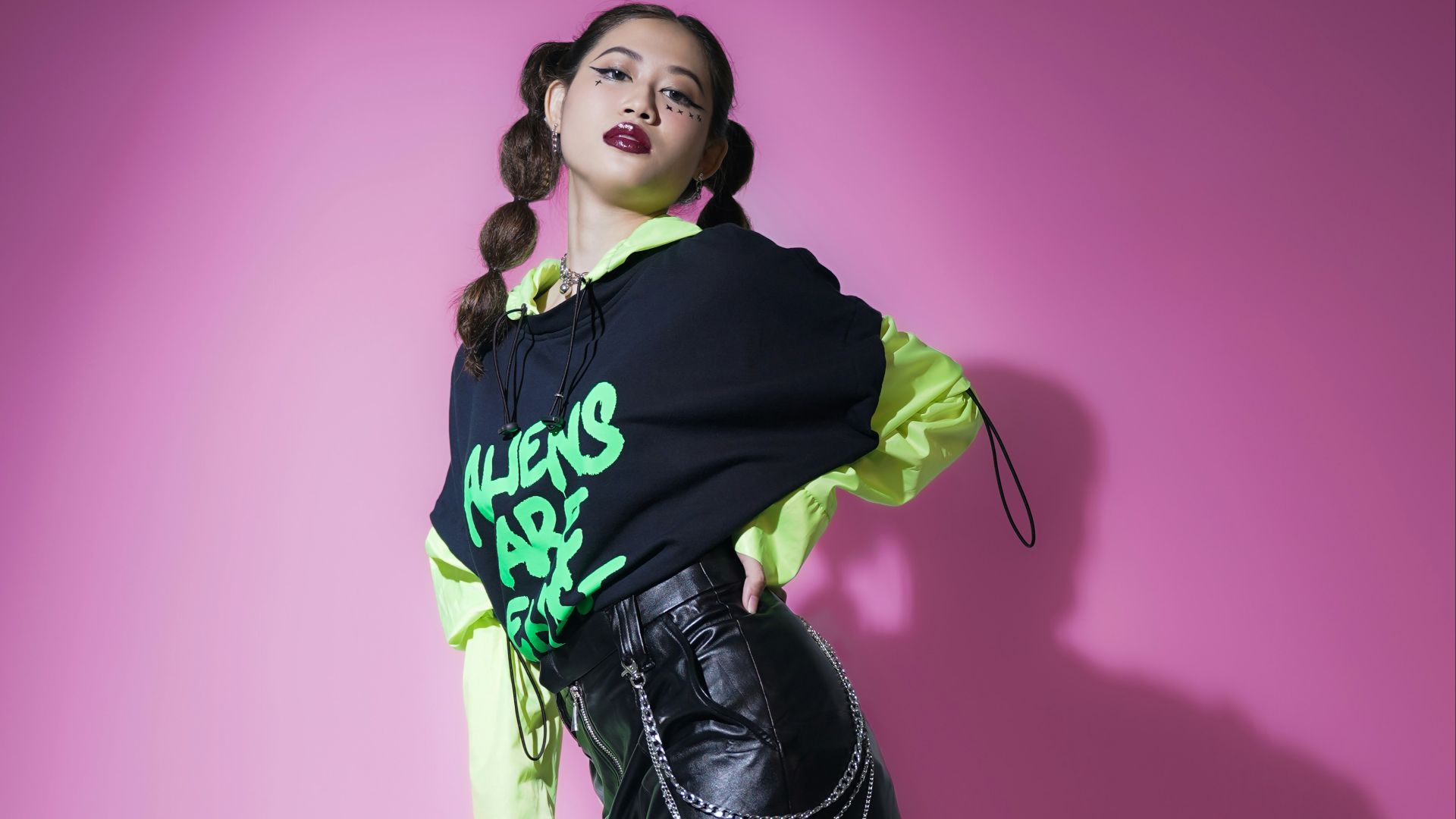
Post-pandemic habits have reshaped expectations around how comfortable our clothing must be. This habit will grow, as stiff and restrictive clothing becomes even more outdated.
12. Cultural Storytelling Becomes Key
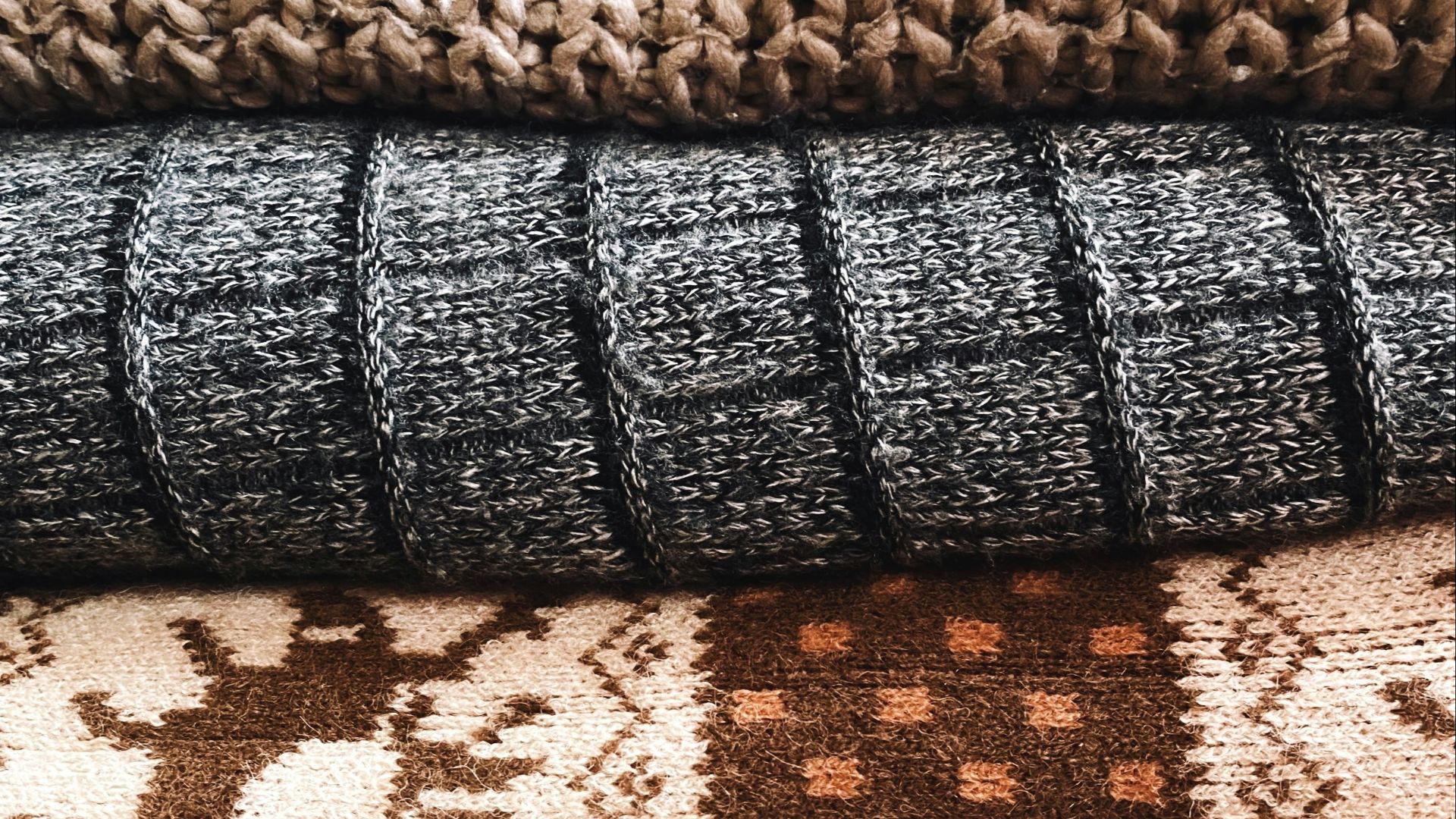
Consumers will demand to know the story behind their clothing. The next year will see fashion brands highlighting cultural references, manufacturing practices, and craftsmanship traditions behind their clothing. Clothing will be seen as narrative objects, not just products you wear.
13. People Will Wear More Neutral Palettes
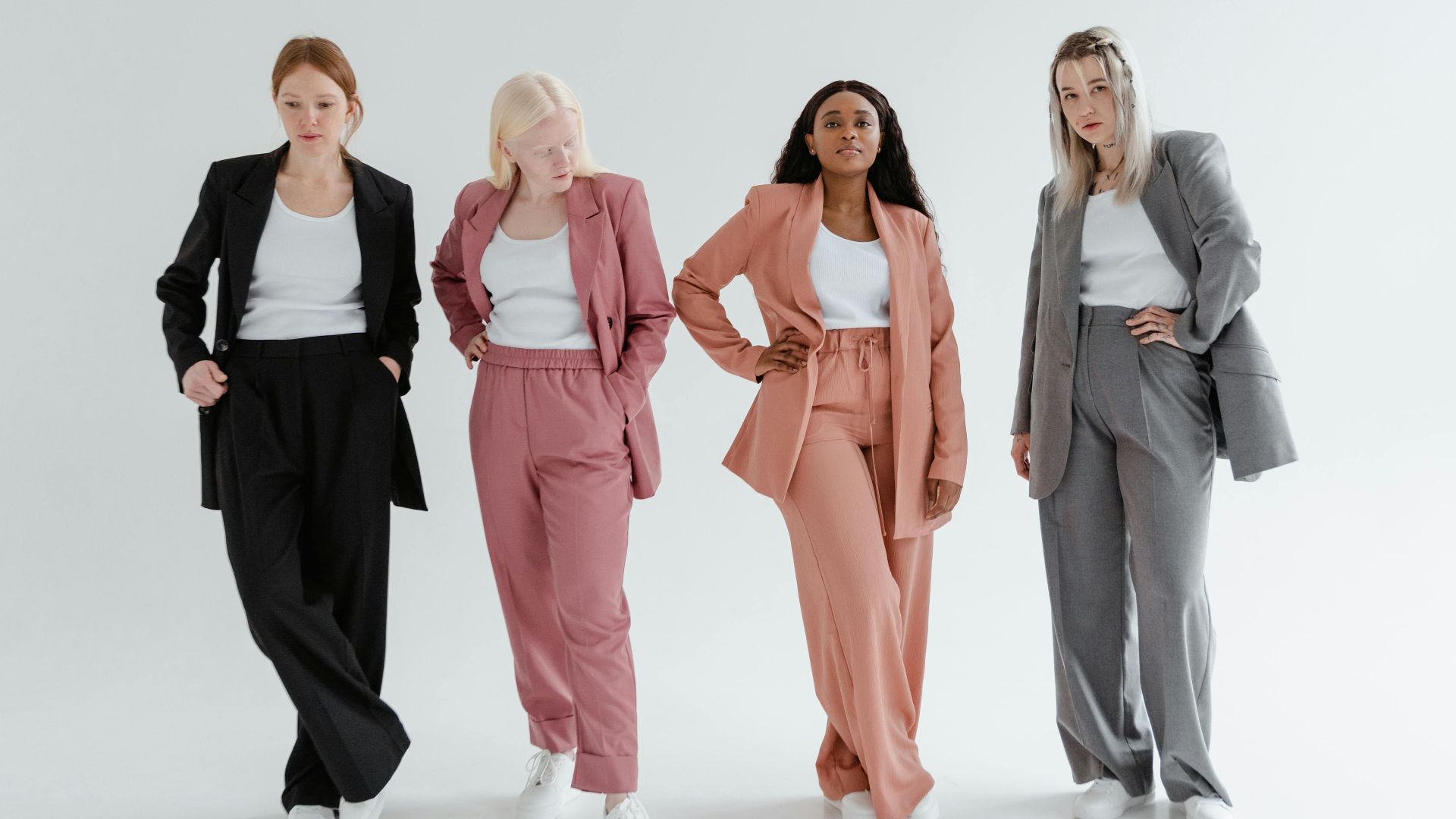
2026 will see a spike in popularity for Earth tones, neutrals, and soft monochromes. These palettes will dominate wardrobes as bold colors will be replaced by statement accessories for those looking to convey something expressive.
14. Fashion Education Integrates With Marketing
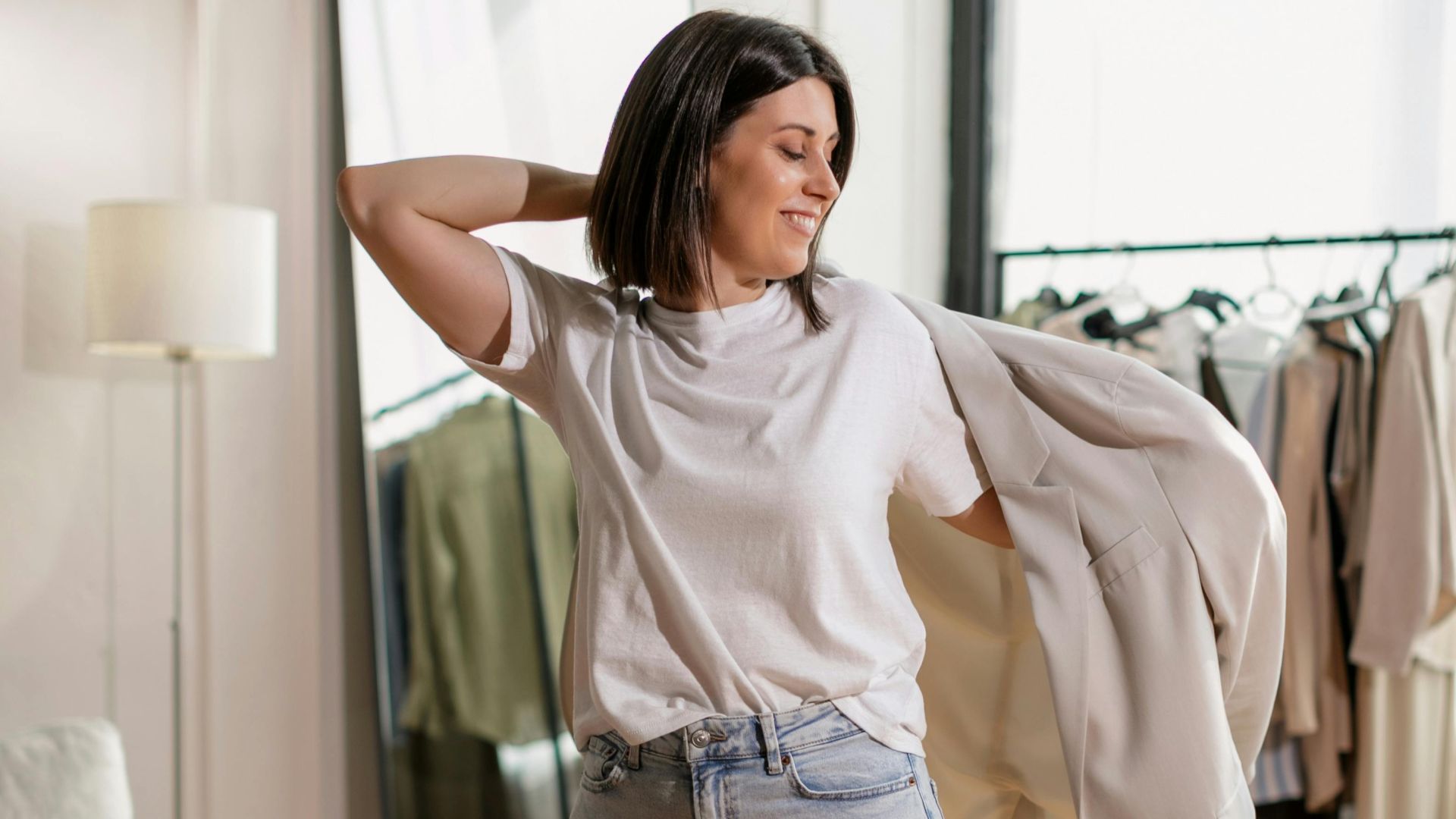
Brands will work to educate consumers on how to care for, style, and extend the lifespan of their garments in 2026. Clothing will be accompanied by tutorials, guides, and transparency to create more of a brand identity.
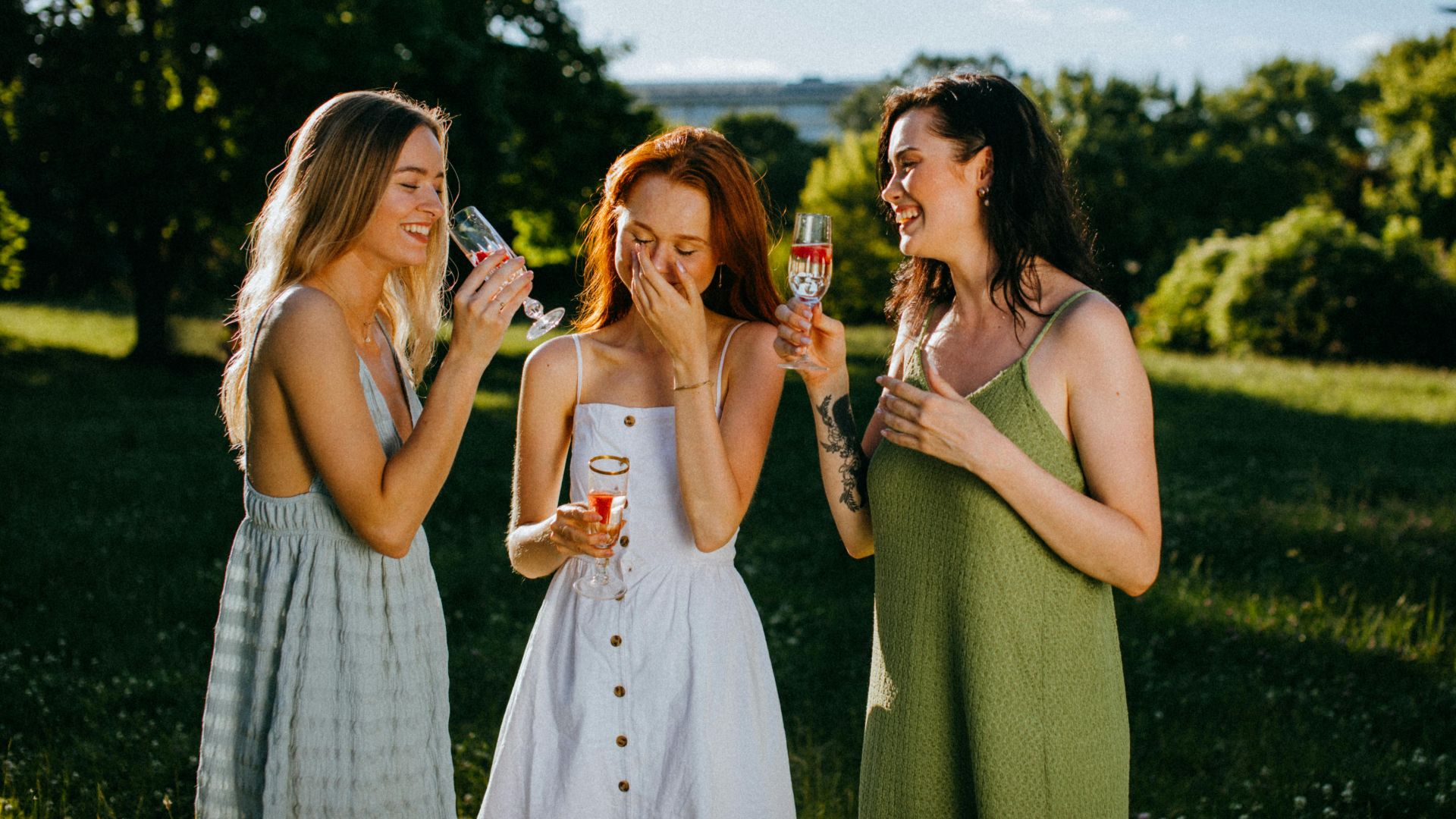
15. Local Production Booms
As consumers become more wary of the supply chain, locally produced items will be treated as premium products. Consumers will see locally-produced clothing as higher in quality and more ethical.
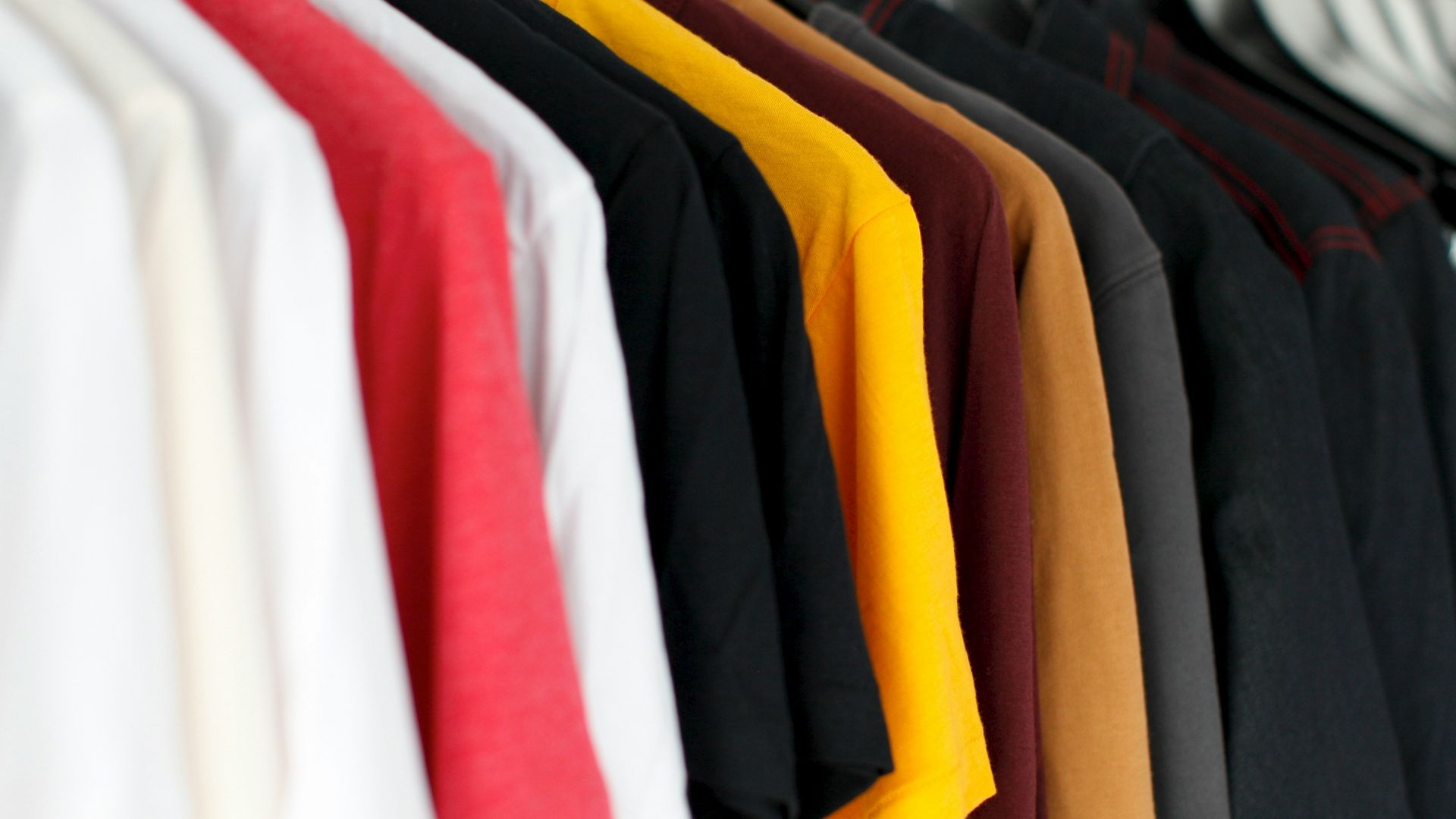
16. Fashion Adopts a More Age-Inclusive Approach
In 2026, brands will move away from youth-centric marketing and produce clothing for broader age groups. Furthermore, fashion imagery will change to reflect age diversity in addition to body type and lifestyle. This reflects shifting population dynamics and consumer expectations.
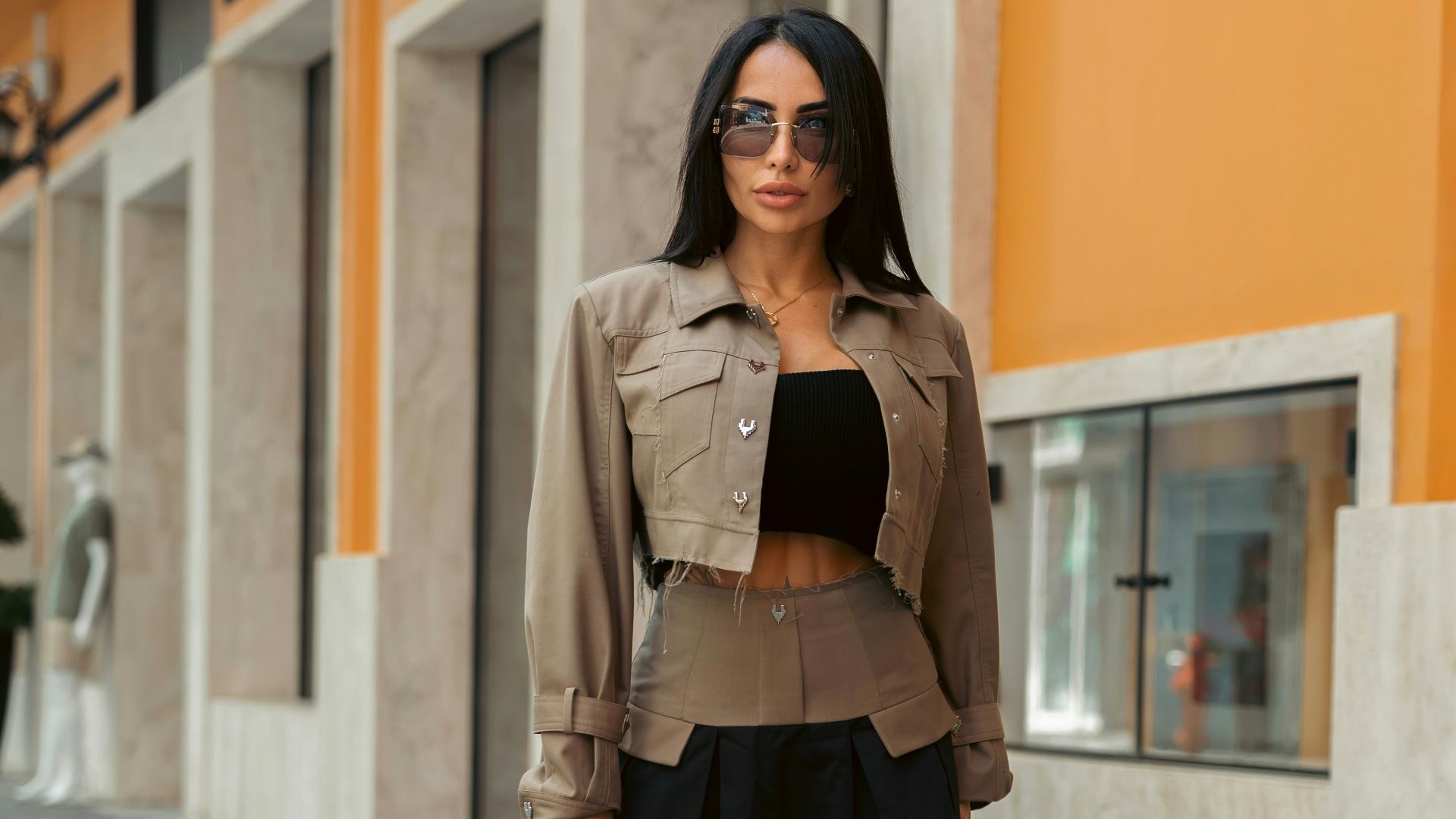
17. Accessories Become Functional Statements
Accessories in 2026 will be both aesthetically pleasing and practical. Bags with modular compartments and shoes designed to be worn for longer will become vastly more popular. Consumers will invest in fewer accessories that can complement different types of outfits.
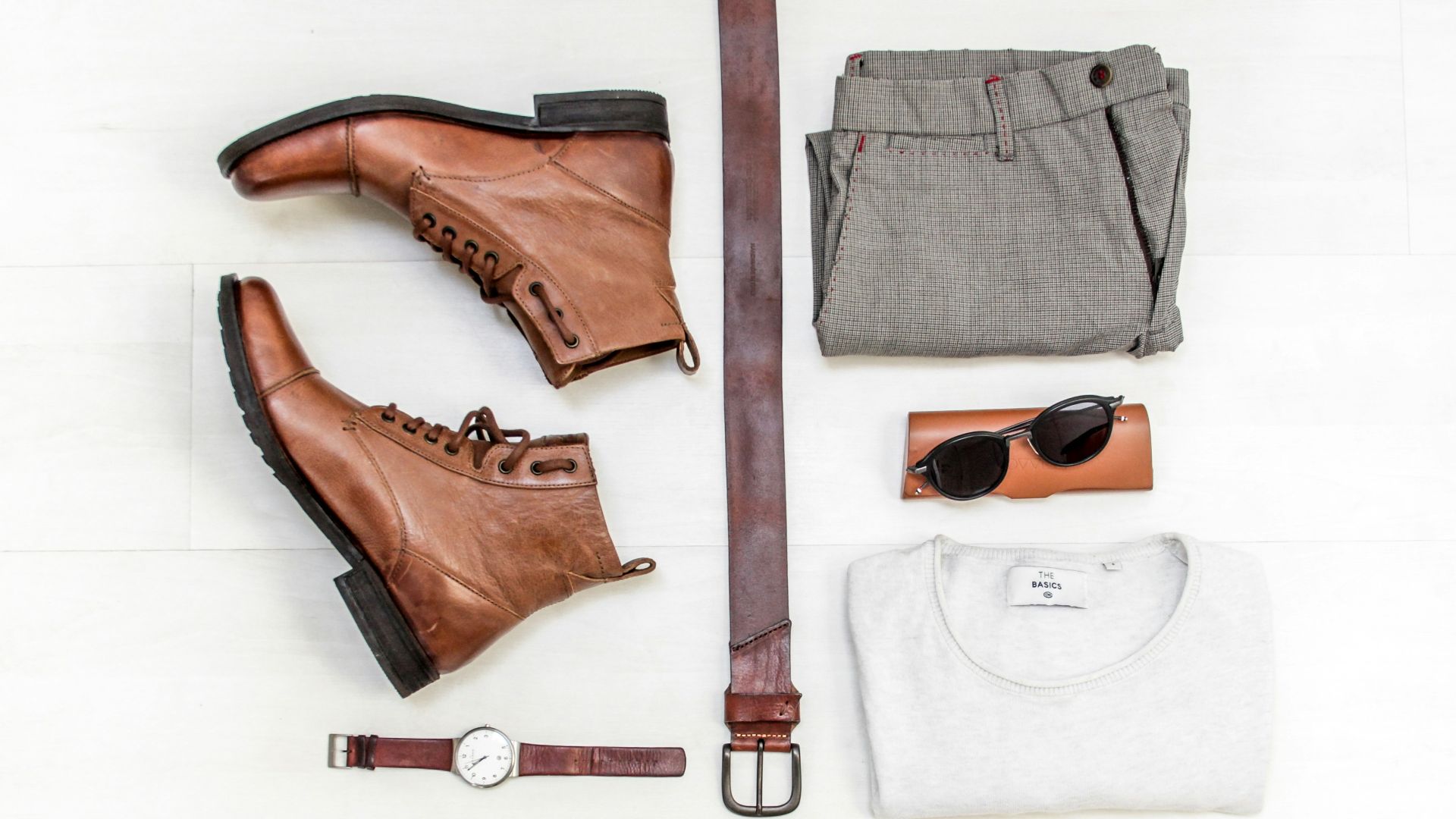
18. Resale Value Will Influence Buying Habits
More consumers will start to consider resale value before buying new items. Fashion will be evaluated on its durability, timelessness, and demand.

19. Fashion Photography Leans Into Realism
Overly stylized and unrealistic fashion photography will be deprioritized in favor of more relatable visuals. Brands will showcase clothing in real environments and worn by real people. This reflects consumer fatigue about perfection and the desire for more honest marketing.
20. Personal Style Trumps Trends
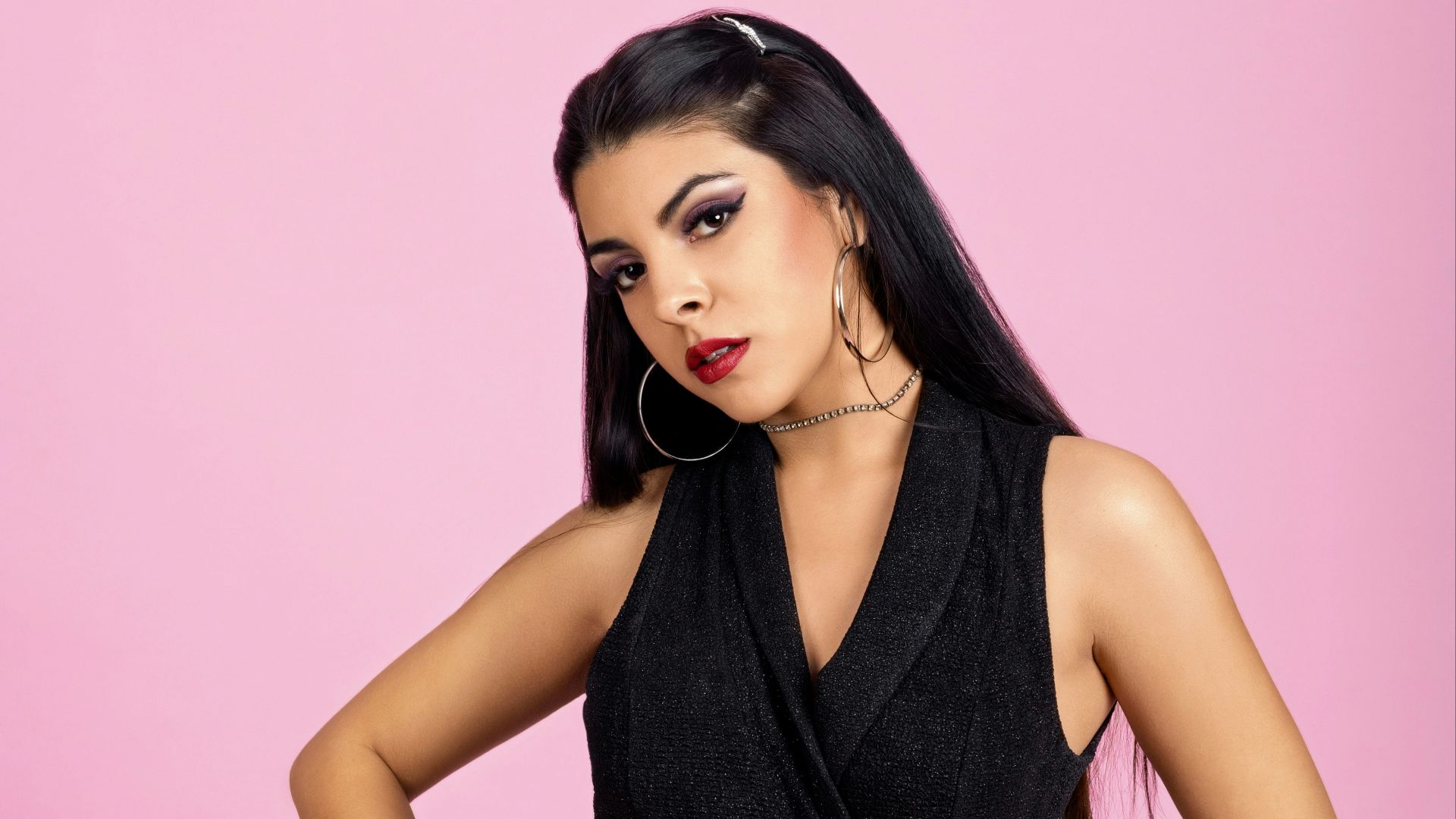
Individuality will be the strongest fashion statement in 2026. Consumers will value their personal style over loyalty to shifting trends, which makes expensive clothing irrelevant over time. Fashion will be treated as a toolkit for self-expression and not a set of rules that must be followed.