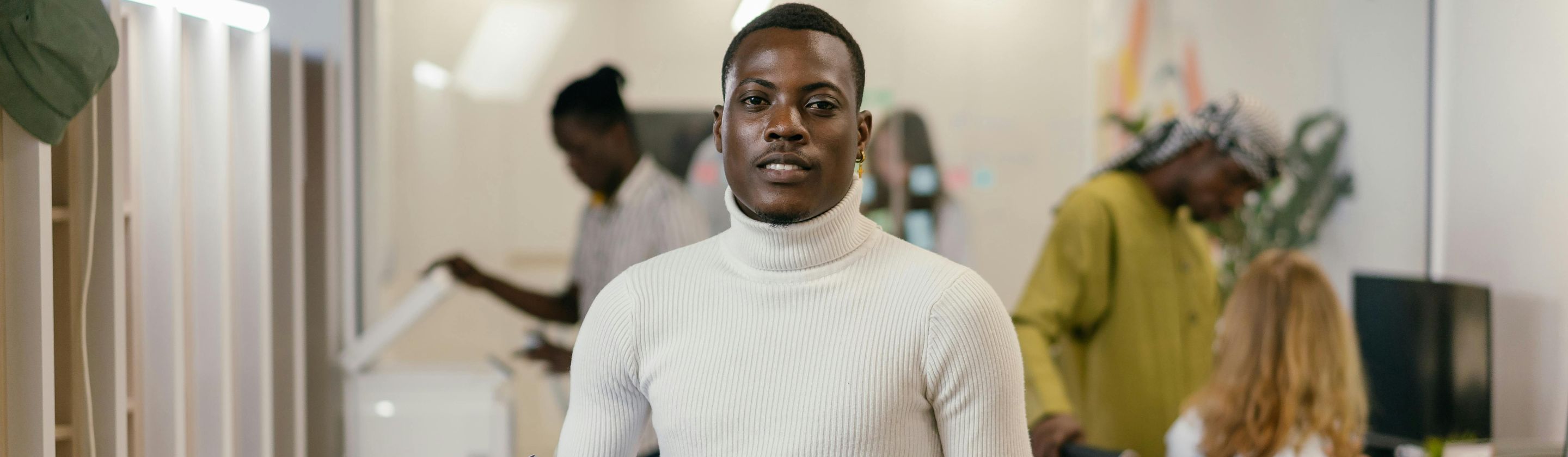
Effortless Workday Style Essentials
You've stood in front of your closet countless mornings only to stare at your clothes and wonder what "business casual" actually means. The dress code feels like a guessing game—too formal and you're overdressed, too relaxed and you risk looking unprofessional. The truth is, mastering business casual doesn't have to be complicated when you know which essential pieces actually work. Discover the must-have pieces that will take the guesswork out of getting dressed for work.

1. Button-Down Oxford Shirt
Even though it began as a polo-player necessity, an Oxford shirt’s thicker basket-weave fabric resists wrinkling to make it a reliable business-casual staple for men. This works with a blazer for polish or chinos for ease, especially in crisp white or light blue.
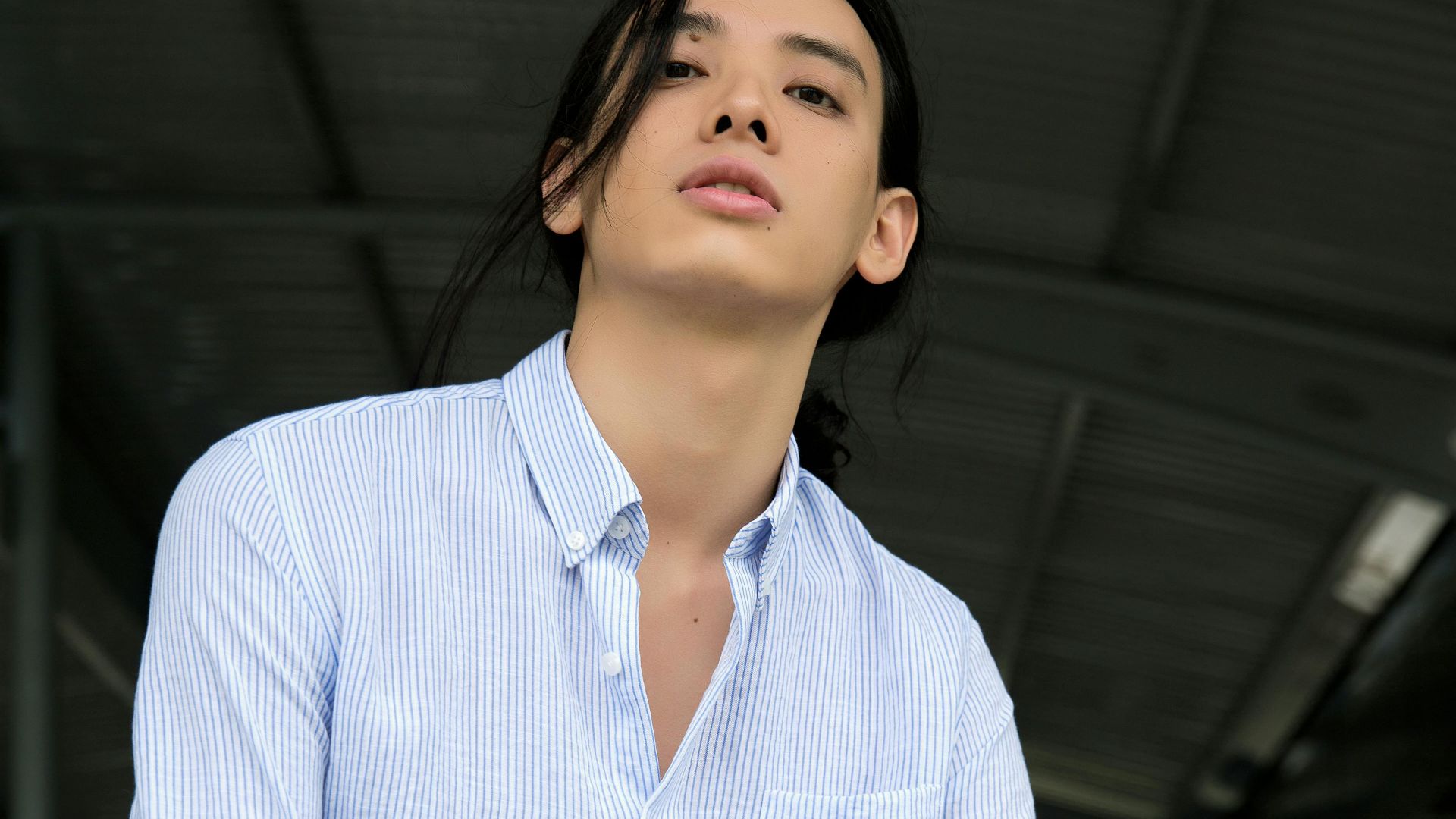
2. Polo Shirt
Nothing bridges relaxed and professional style quite like a collared, short-sleeved polo made from cotton or piqué. It slips easily into business-casual wardrobes alongside chinos. Tennis legend René Lacoste helped popularize the design by reinventing it for performance.
 mohammed idris djoudi on Unsplash
3. Chinos
Their origins trace back to 19th-century military attire. Lightweight cotton construction gives chinos a polished yet relaxed look—more elevated than jeans, less formal than dress pants. Standard hues like khaki and gray pair up well with shirts or blazers.
 Hoi An Photographer on Unsplash
4. Blazer (Structured Or Casual Neutral)
Add a blazer, and suddenly a relaxed outfit looks much more intentional. It brings just the right amount of structure. Neutrals work with nearly everything. Interestingly, the first blazers were bold red jackets worn by the team of St. John’s College, Cambridge.

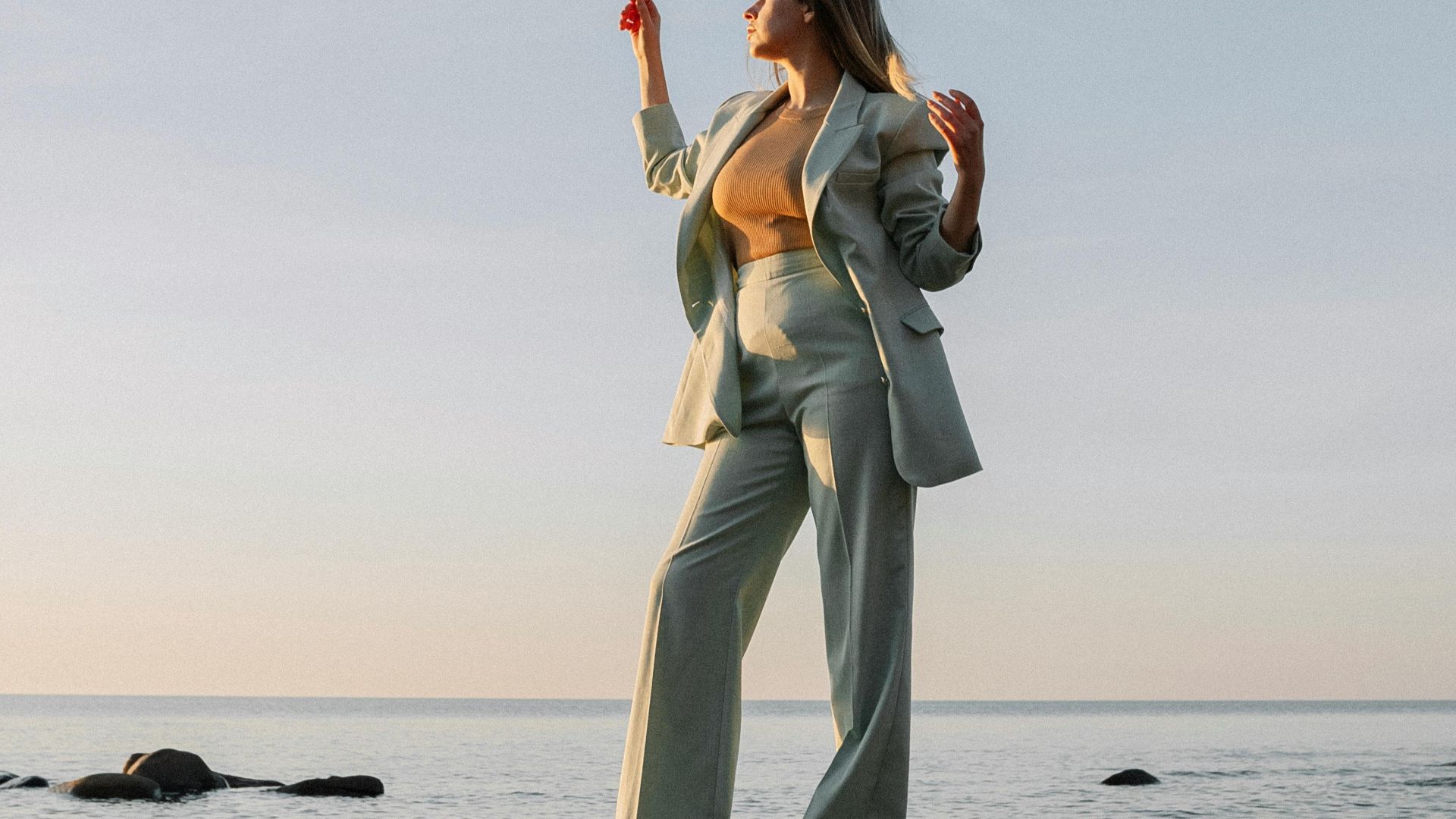
5. Tailored Dress Slacks
Tailored slacks create a clean, structured silhouette by fitting neatly at the waist and hips. They work well with shirts or blouses in business-casual settings. With the right cut, even a simple top gains a more polished, office-ready feel.
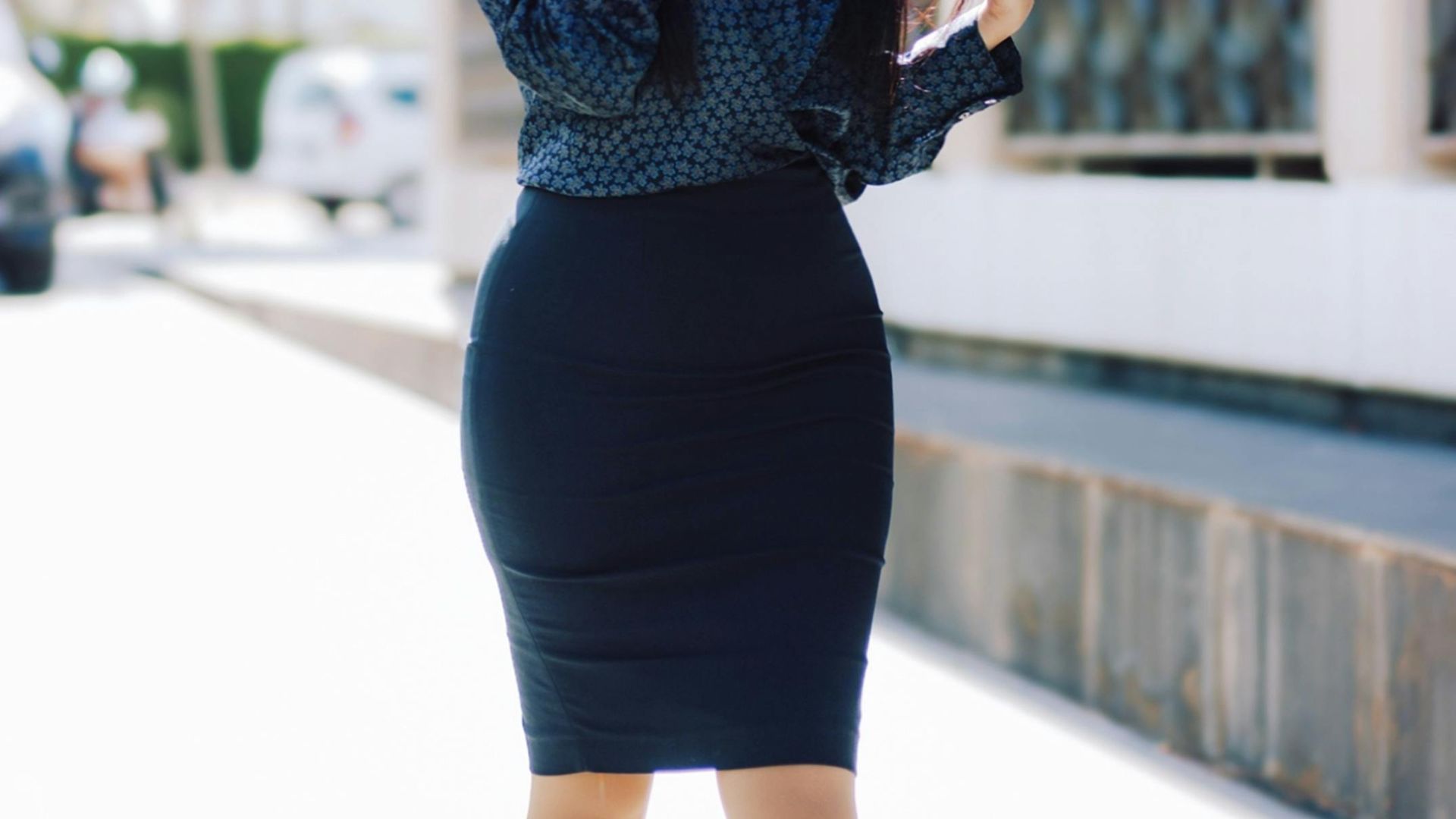
6. Pencil Skirt
A pencil skirt brings instant structure to an outfit, thanks to its slim, knee-length cut. This pairs up beautifully with everything from knits to tailored tops. The style actually shot to fame in the 1950s as a marker of modern professionalism.
 Abdelilah Hibat Allah on Pexels
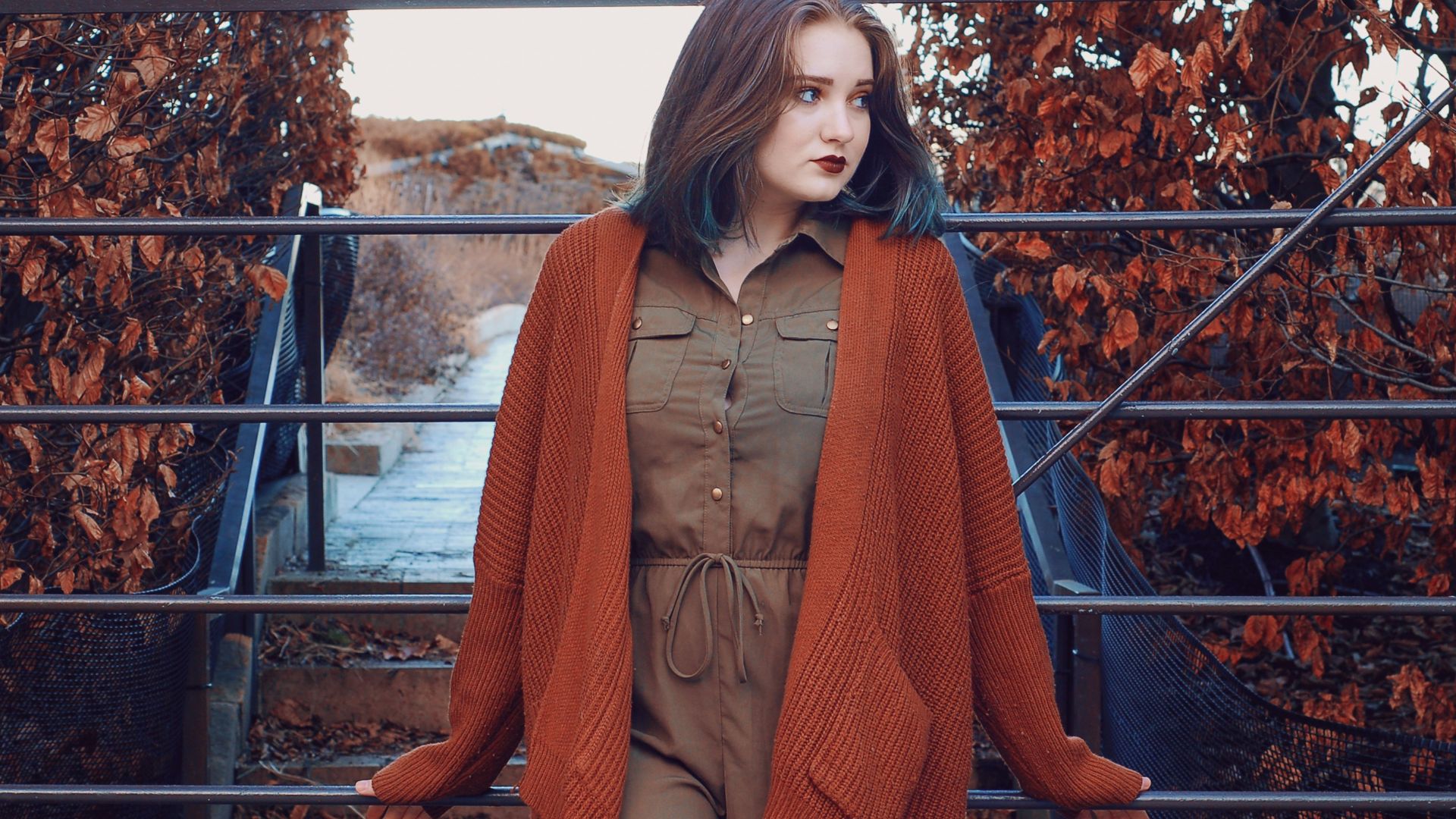
7. Cardigan Sweater
Front-opening cardigans make layering simple, sliding naturally over blouses or dresses. A lighter knit keeps the overall look clean and polished for the office. The design even owes its name to the 7th Earl of Cardigan, a well-known military figure.
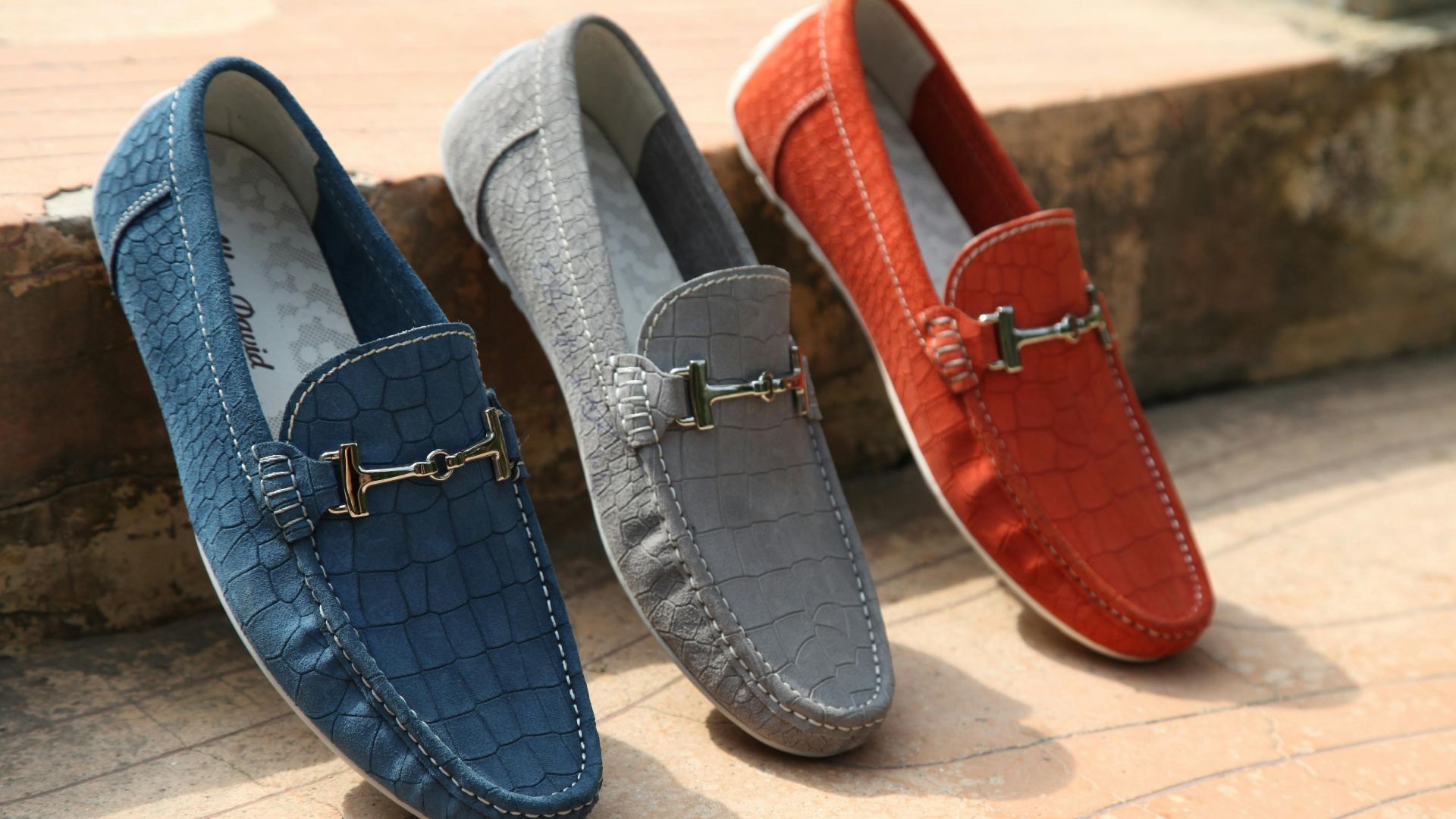
8. Loafers
There’s an easy charm to loafers, thanks to their slip-on build and polished look. Leather versions transition smoothly into office settings and pair well with skirts, slacks, or chinos. The penny-loafer design once included a little space for a single coin.
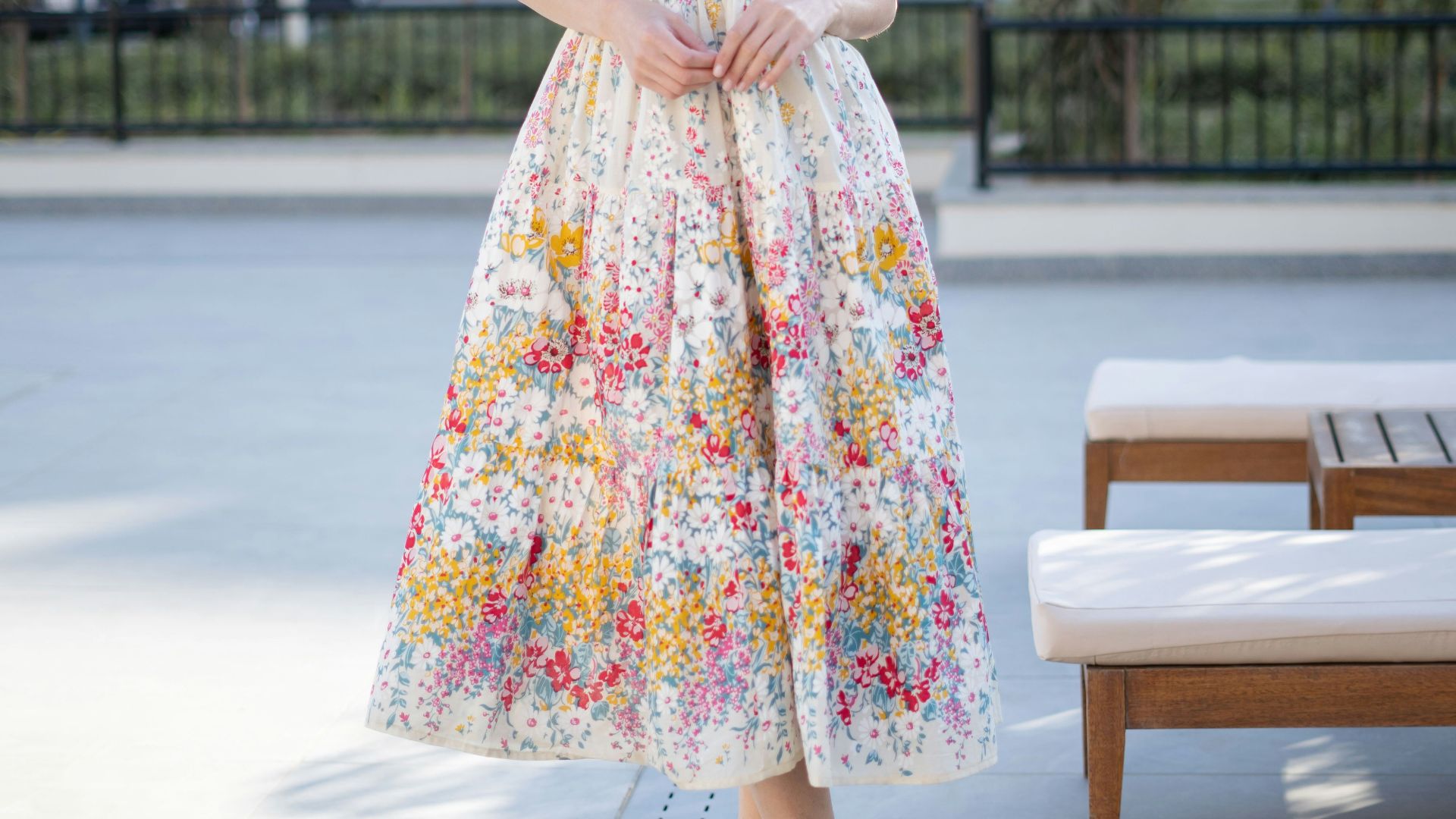
9. Midi Dress
Falling somewhere between knee and ankle, a midi dress brings easy sophistication to business-casual outfits. Gentle prints or solid designs fit well into office wardrobes, and layering adds structure. This silhouette gained momentum in the 1940s due to fabric restrictions.
10. Silk Blouse
A silk blouse adds polish without demanding attention, thanks to its subtle shine and airy texture. Its lightweight fabric suits busy workdays, while muted or gentle tones pair well with most office pieces. Silk has been cultivated in China for over five millennia.

11. Fine-Gauge Turtleneck
A fine-gauge turtleneck is sleek, lightweight, and easy to layer under blazers or wear alone. Neutral shades like black, gray, or cream keep it office-ready. The design originated with 19th-century sailors and fishermen for warmth and practicality.

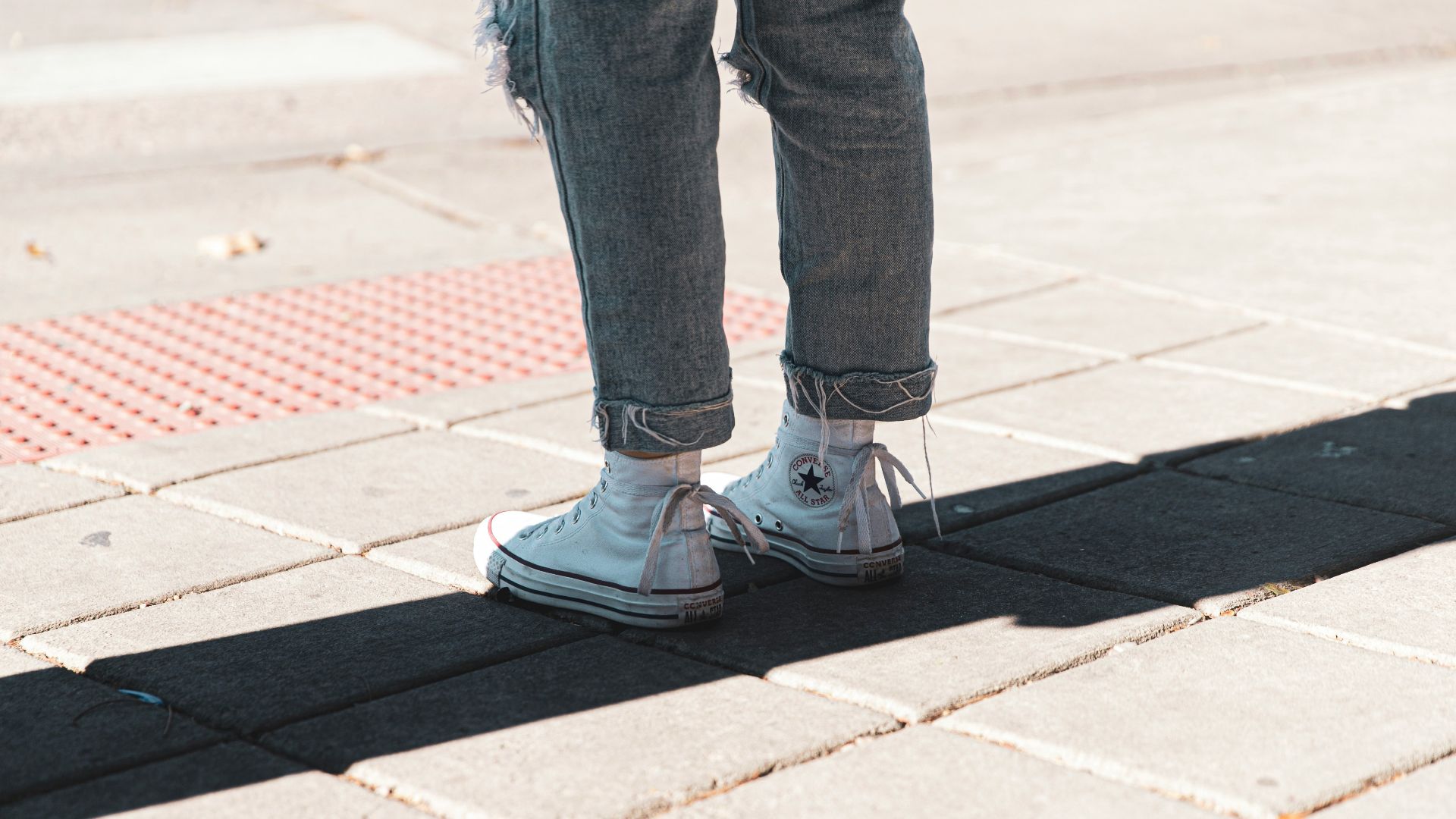
12. Ankle-Length Trousers
Trousers that land just above the ankle create a crisp, tailored line without feeling too formal. The shorter hem works beautifully with everything from loafers to heels. Cropped pants became widely popular during the 20th century and never really faded out.
 LOGAN WEAVER | @LGNWVR on Unsplash
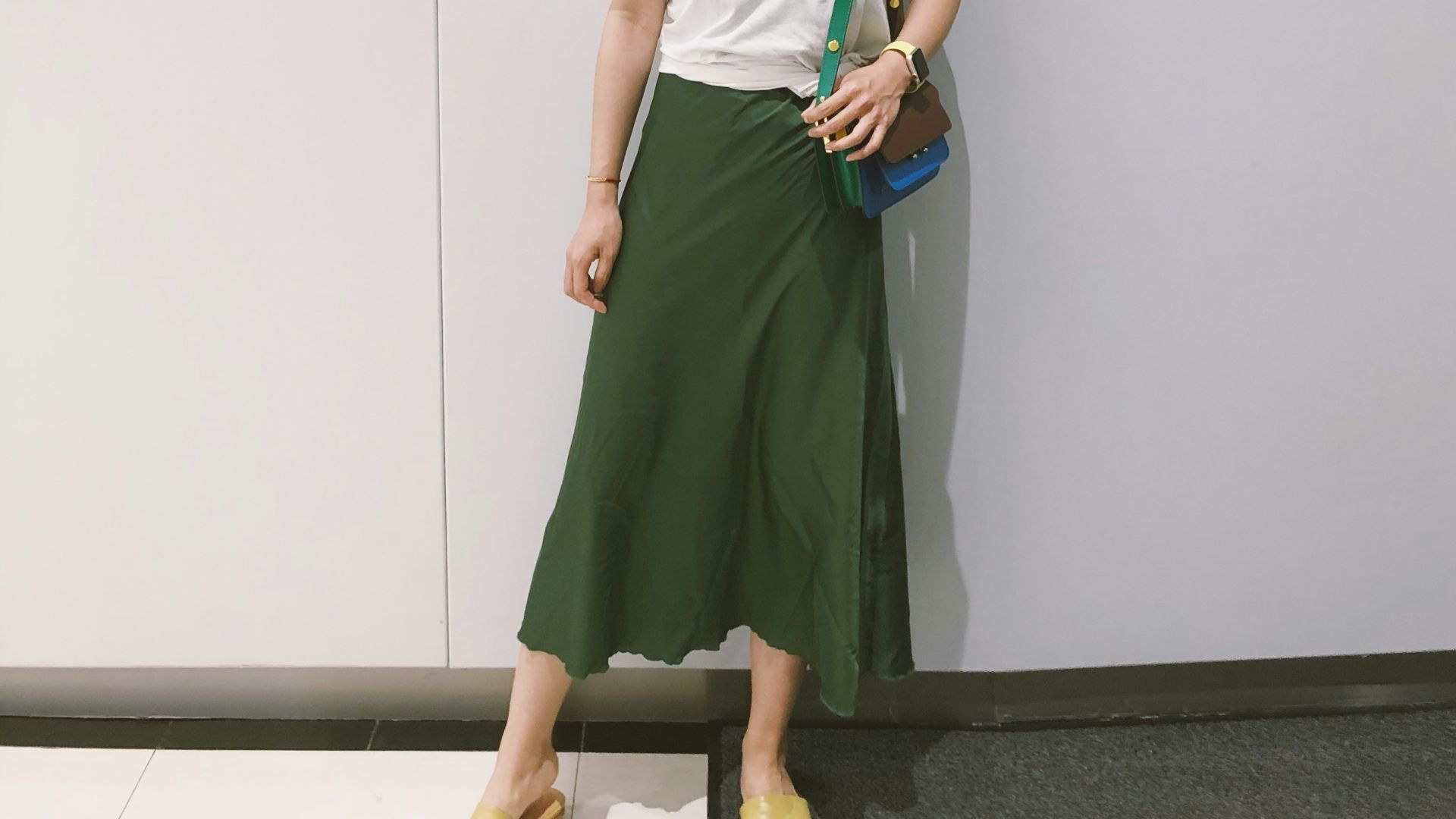
13. A-Line Skirt
Dior’s influence in the 1950s pushed the A-line skirt into the spotlight to define its softly widening shape. Its length feels appropriate for most offices and pairs well with refined tops. Even the silhouette remains a dependable business-casual choice today.
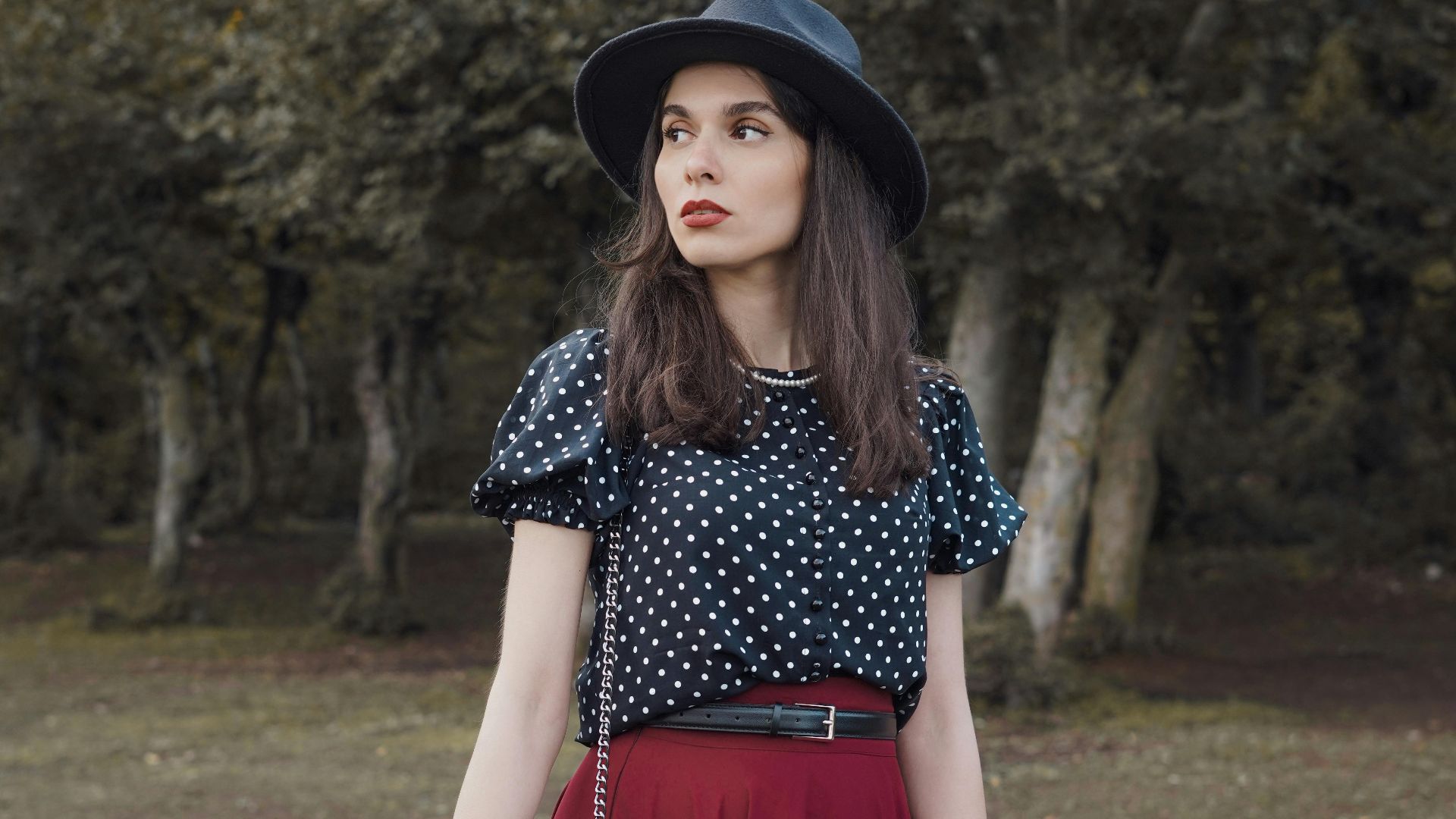
14. Blouse With Subtle Pattern
Subtle prints—whether narrow stripes or tiny dots—offer an easy way to add dimension to business-casual outfits. Softer colors keep the blouse work-appropriate, and skirts or slacks complete the look. Surprisingly, polka dots originated as a trend in men’s fashion in the 19th century.
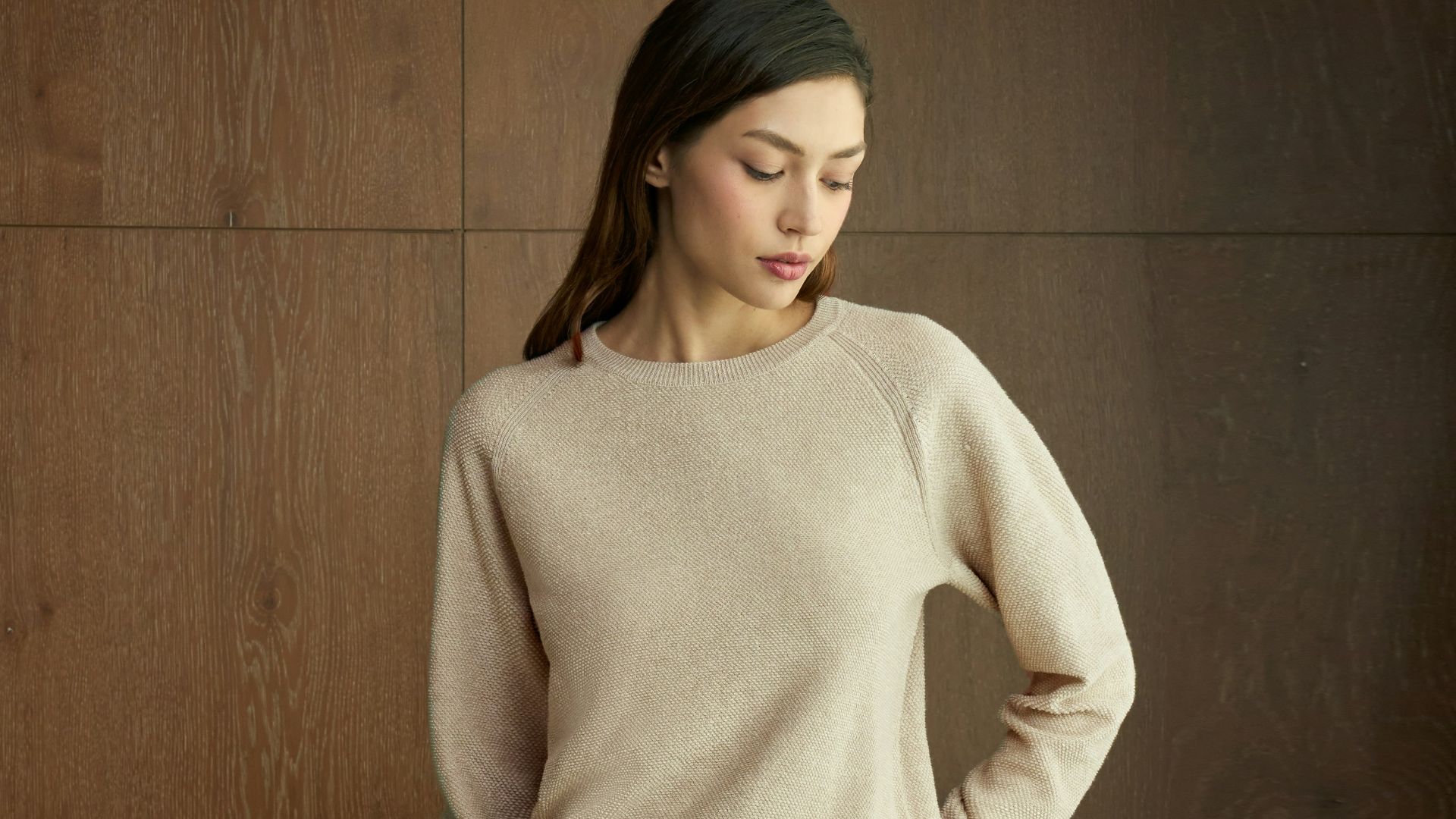
15. Crew-Neck Sweater
A crew-neck sweater brings a tidy, rounded neckline that layers well in office outfits. Fine-gauge knits keep the look sharp and lightweight, whether worn over a collared shirt or under a blazer. The design originally appeared in U.S. Navy undershirts.
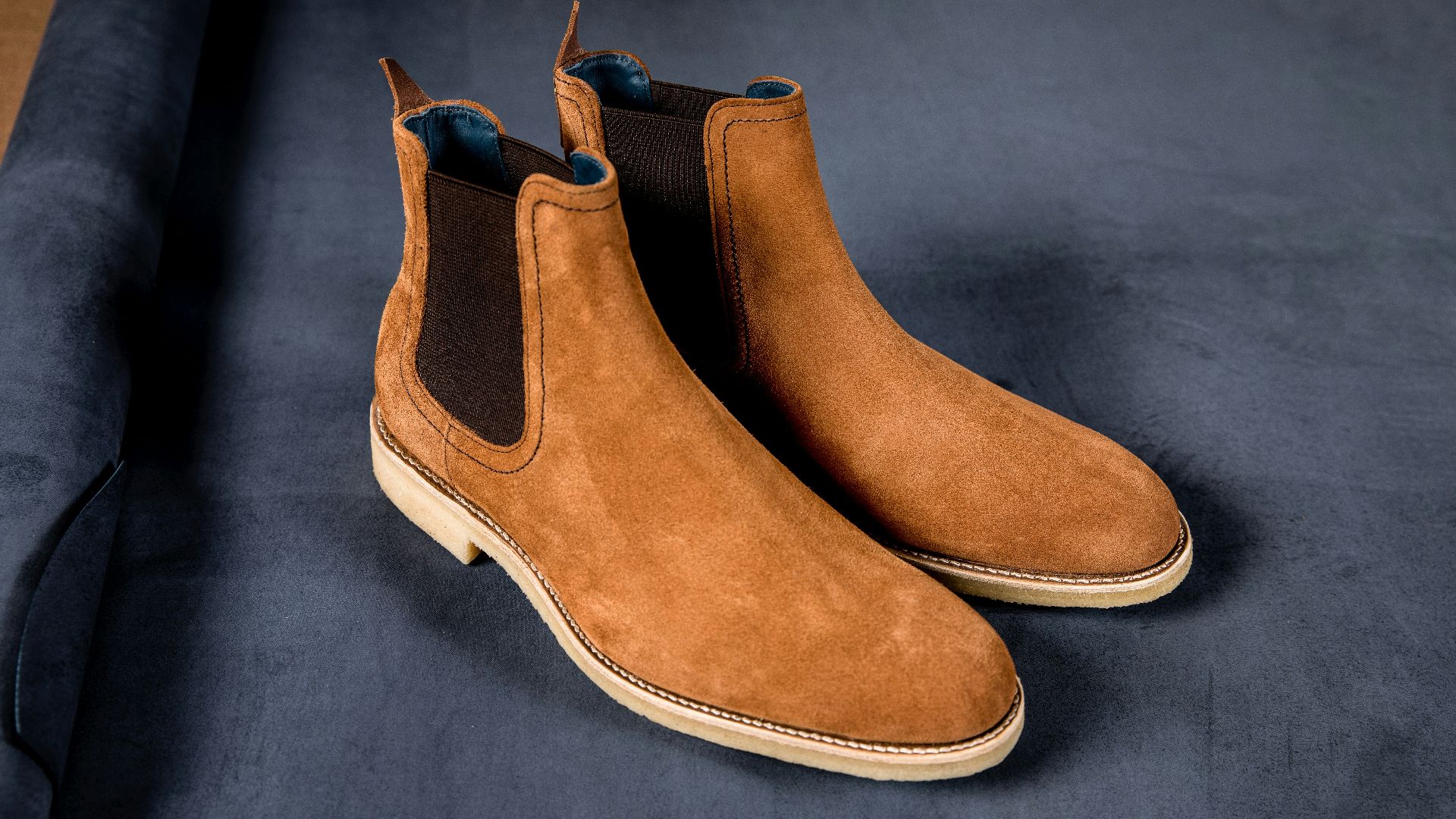
16. Chelsea Boots
Chelsea boots have elastic side panels and a sleek ankle fit, making them business-casual for both men and women. Black or brown leather remains the office standard. Their popularity surged in 1960s London, thanks to the city’s influential mod scene.
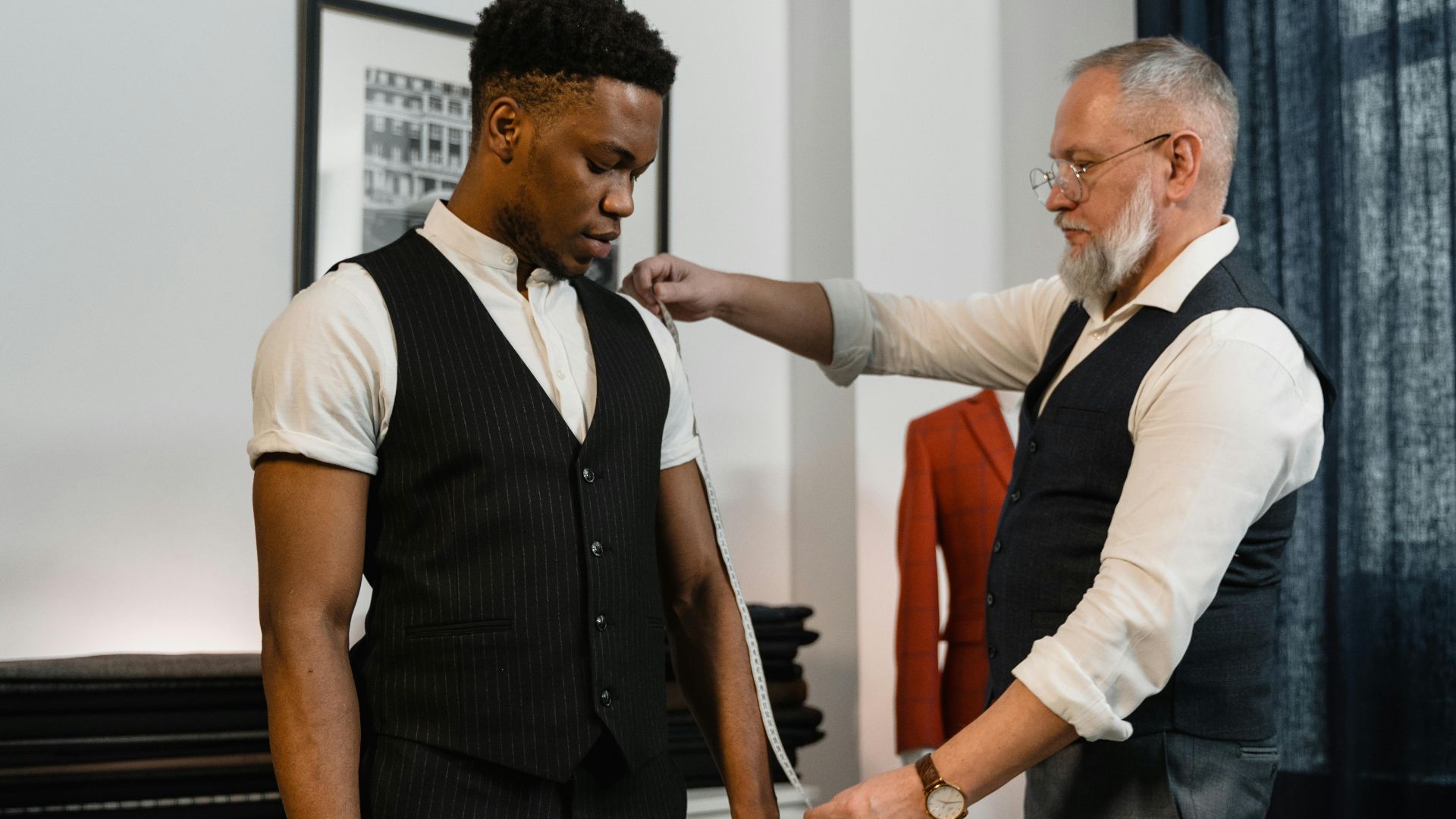
17. Tailored Vest
Vests originated in 17th-century England as part of royal fashion. It adds structure to layered outfits, worn over shirts or beneath blazers for a crisp finish. Neutral colors like navy, gray, or black make them versatile in business-casual wardrobes.
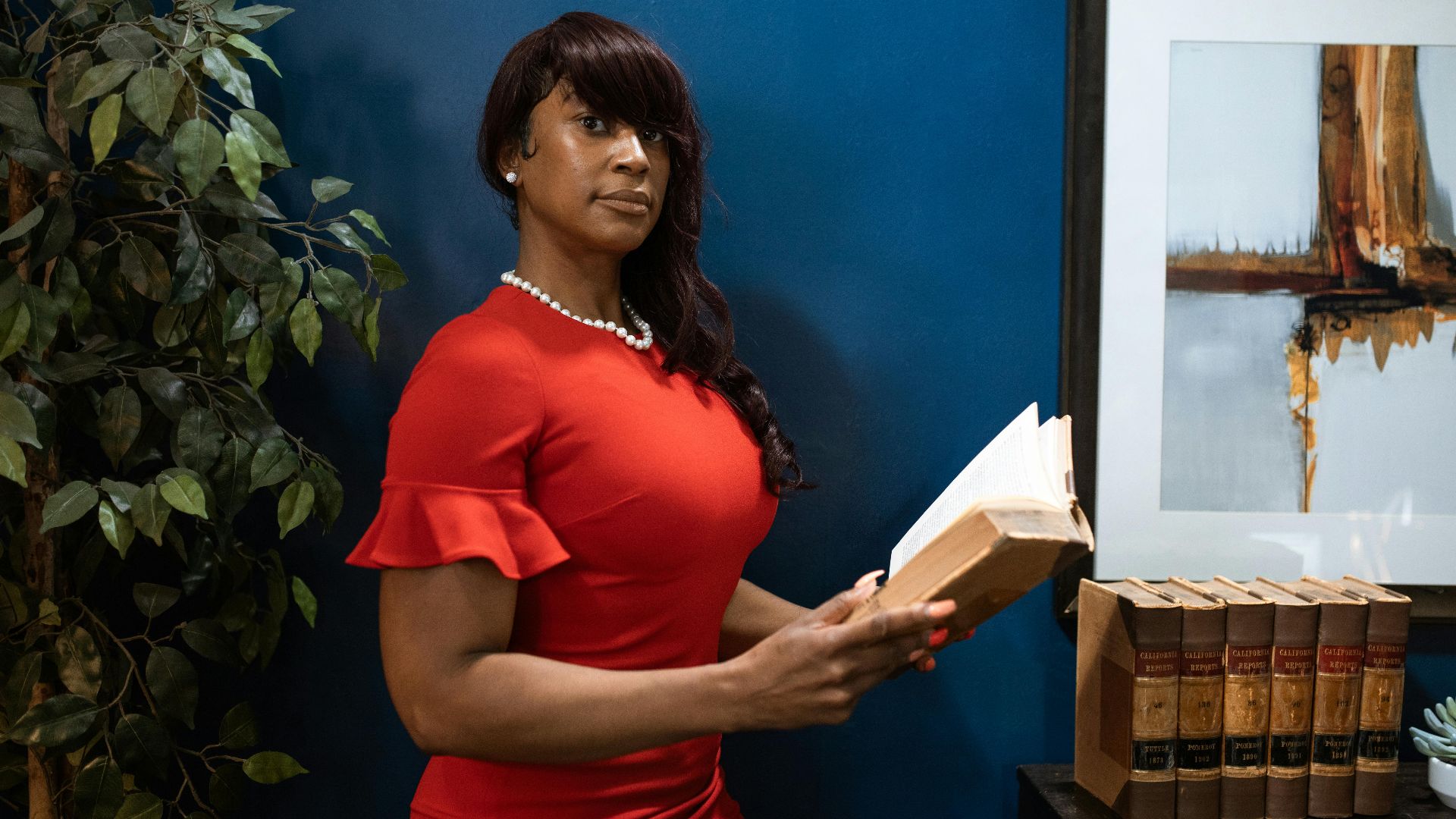
18. Sheath Dress
The sheath dress brings quiet sophistication through its fitted, knee-length cut, which offers an easy foundation for work outfits. Adding a cardigan or blazer gives the look extra structure. By the 1950s, the silhouette had become a defining marker of femininity.
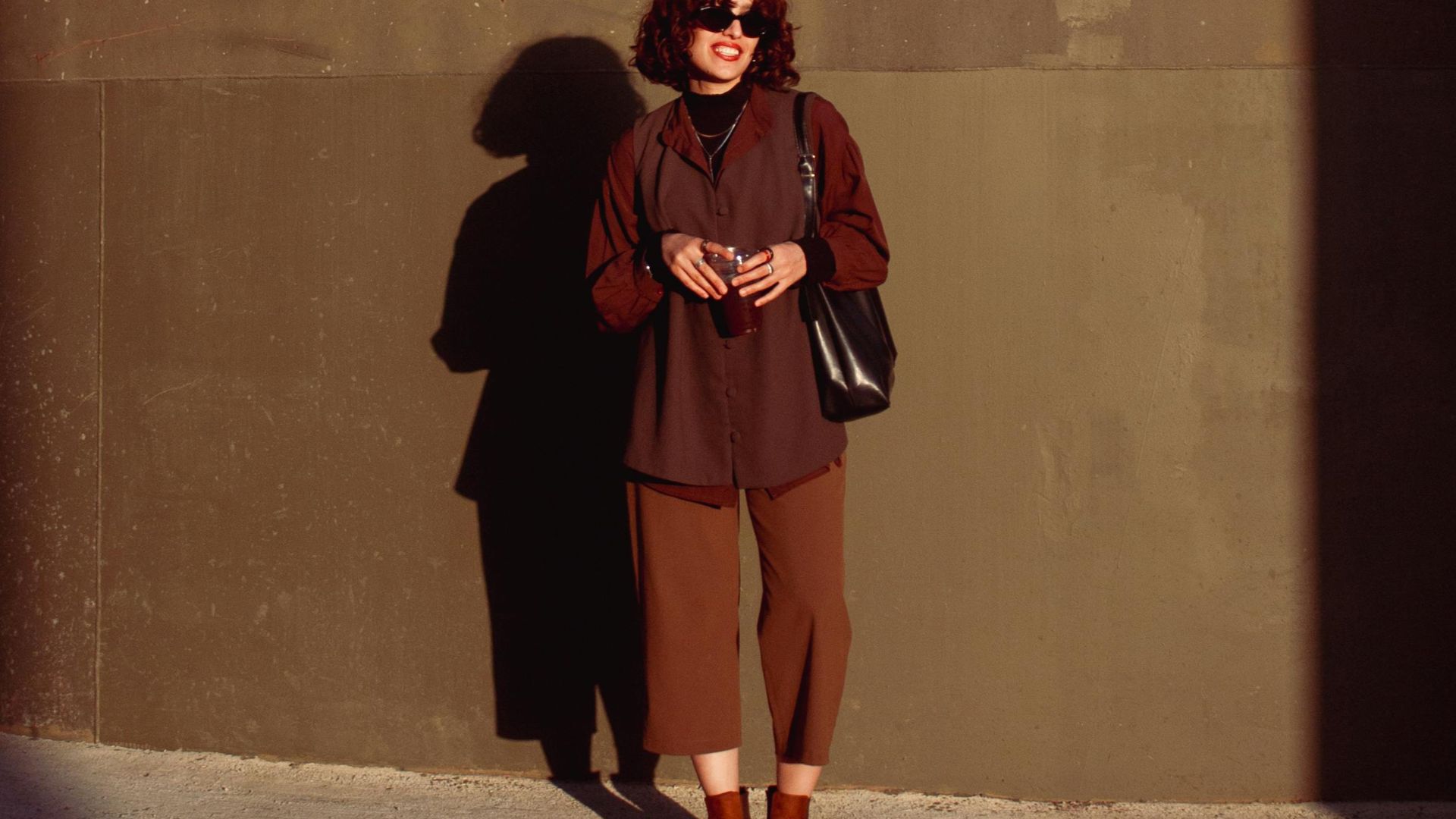
19. Smart Culottes
They resemble skirts but offer the mobility of wide-leg trousers, especially when tailored or high-waisted. Neutral hues keep them firmly business-casual. Historically, culottes were created in the 19th century to help women ride horses comfortably.
20. Closed-Toe Flats
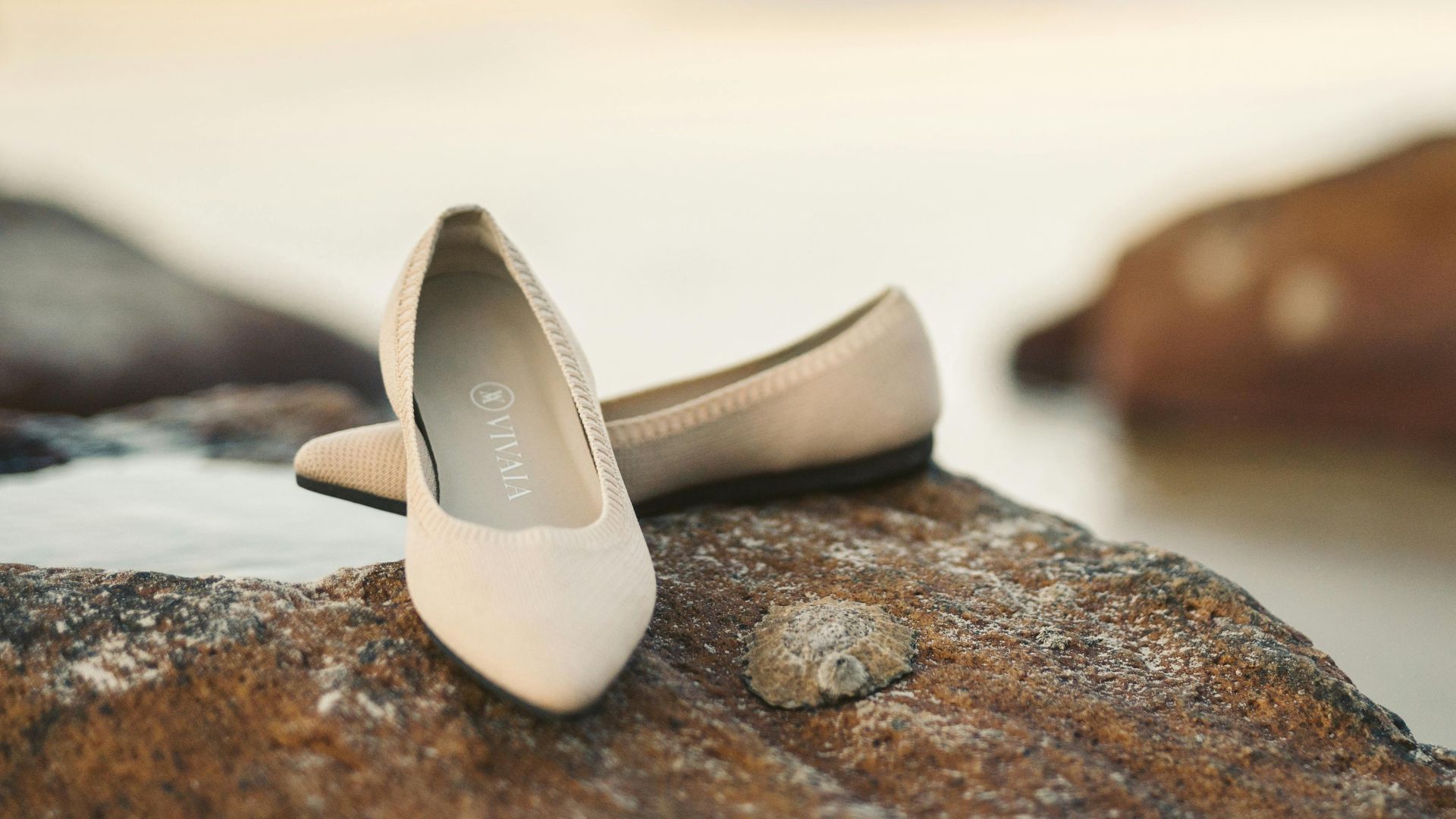
Closed-toe flats offer all-day comfort while still looking polished enough for the office. Leather or suede versions slip easily into work outfits and pair well with trousers, skirts, or dresses. Their design traces back to ballet-inspired styles made famous in the 1950s by Roger Vivier.