
10 Helpful Tips to Know Before Choosing Your First Pair of Glasses & 10 Mistakes to Avoid
10 Helpful Tips to Know Before Choosing Your First Pair of Glasses & 10 Mistakes to Avoid
Your First-Ever Frames
Ready to choose your first pair of glasses? As exciting and fun as glasses shopping can be, before you start adding different styles to your cart, you'll want to make sure you're making smart picks. Choose the wrong design, color, frame, or fit, and you'll regret it pretty much the day after. To get the perfect pair that suits your face, here's what you should know—and what common mistakes to avoid.
1. Start with an Up-to-Date Prescription
Your glasses are only as useful as the prescription in them, so make sure your eye exam is up to date before you start shopping. Even a small change in vision can affect how comfortable your lenses feel, especially if you’ll be wearing them all day. Ask for a copy of your prescription so you can compare options at different optical shops or online retailers. It’s also worth confirming whether you need single-vision lenses, reading glasses, or something more specialized.
2. Think About How You’ll Actually Use Them
Before you focus on frame style, consider when and where you’ll wear your glasses most often. Someone who works on a computer all day may need different lens features than someone who mainly wears glasses for driving or reading. Your daily routine can help you decide whether you need anti-reflective coating, blue-light filtering, transition lenses, or a backup pair. Glasses should fit your lifestyle, not just your face.

3. Choose a Frame Shape That Balances Your Features
Frame shape can make a big difference in how your glasses look once they’re on your face. Rounder frames can soften angular features, while more structured frames can add definition to softer facial lines. That doesn’t mean you have to follow strict rules, but it’s helpful to try on a few shapes before deciding. Sometimes the pair you didn’t expect to like ends up feeling the most natural.

4. Pay Attention to Frame Size
A frame can look stylish but still feel wrong if the size doesn’t suit your face. Glasses that are too wide may slide down, while frames that are too narrow can pinch at your temples or make your lenses feel visually cramped. The bridge should sit comfortably on your nose without digging in or hovering too high. If you’re shopping online, compare the measurements to a pair of sunglasses or readers that already fit you well.

5. Pick a Color You’ll Want to Wear Often
Frame color matters more than you might think because glasses become part of your everyday appearance. Neutral shades like black, brown, tortoiseshell, clear, or metal tones tend to pair easily with different outfits. If you love bold colors, choose one that still feels wearable with your regular wardrobe and personal style. Your first pair doesn’t have to be plain, but it should feel like something you’ll reach for without second-guessing it.
6. Ask About Lens Thickness
Some prescriptions create thicker lenses, especially if you need stronger correction. High-index lenses can make the lenses thinner and lighter, which may be more comfortable and more flattering in certain frames. Larger frames can sometimes make lens thickness more noticeable, so it’s worth asking how your prescription will look in the style you’re considering. This is one of those details that’s easier to handle before ordering than after.
7. Consider Anti-Reflective Coating
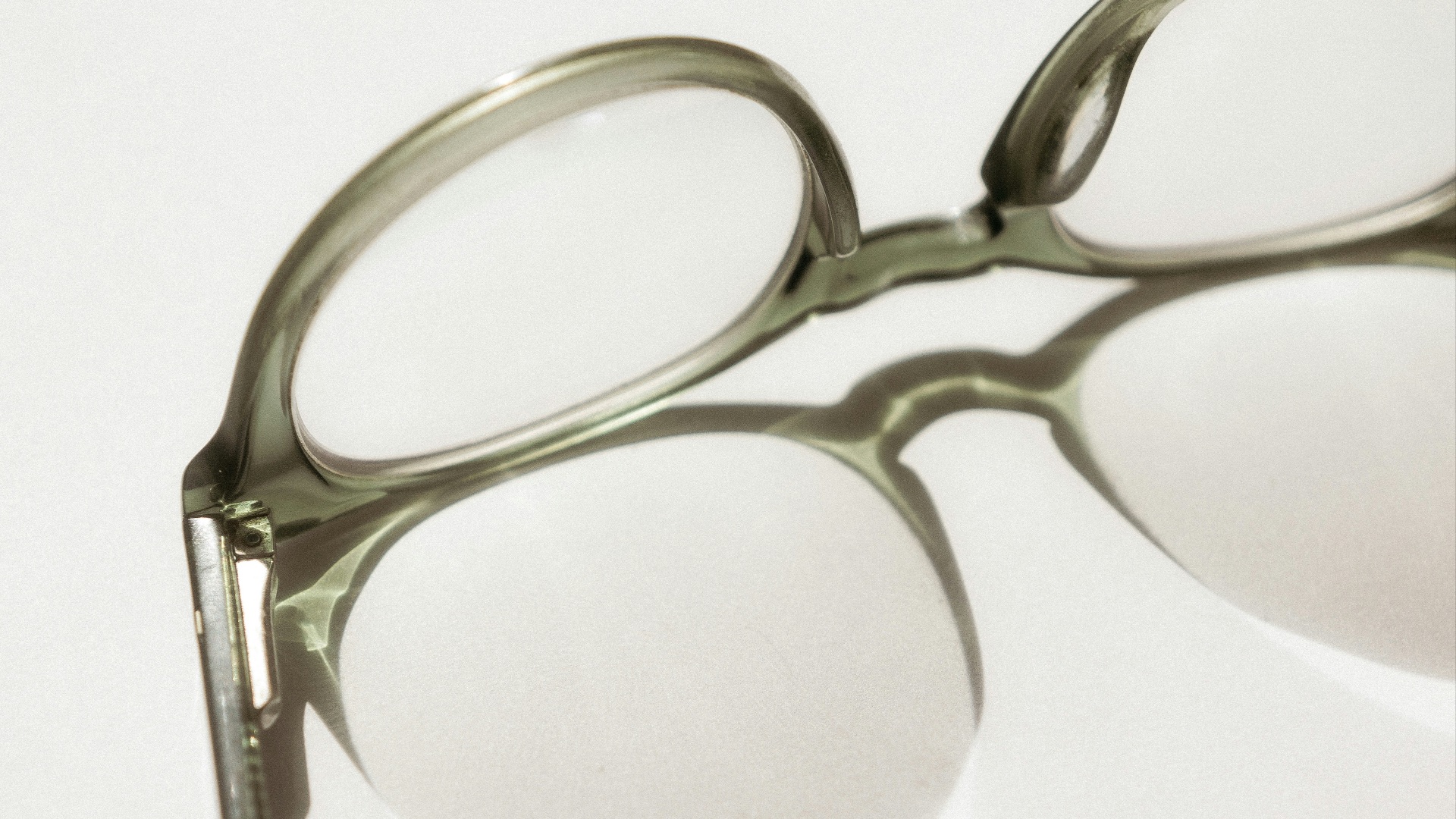
Anti-reflective coating can make your glasses more comfortable, especially if you drive at night, work under bright lights, or spend a lot of time on screens. It reduces glare on the lenses, which can help your eyes feel less strained in certain situations. It can also make your glasses look clearer in photos and face-to-face conversations. For many first-time glasses wearers, it’s one of the most useful upgrades.
8. Make Sure the Nose Bridge Feels Comfortable
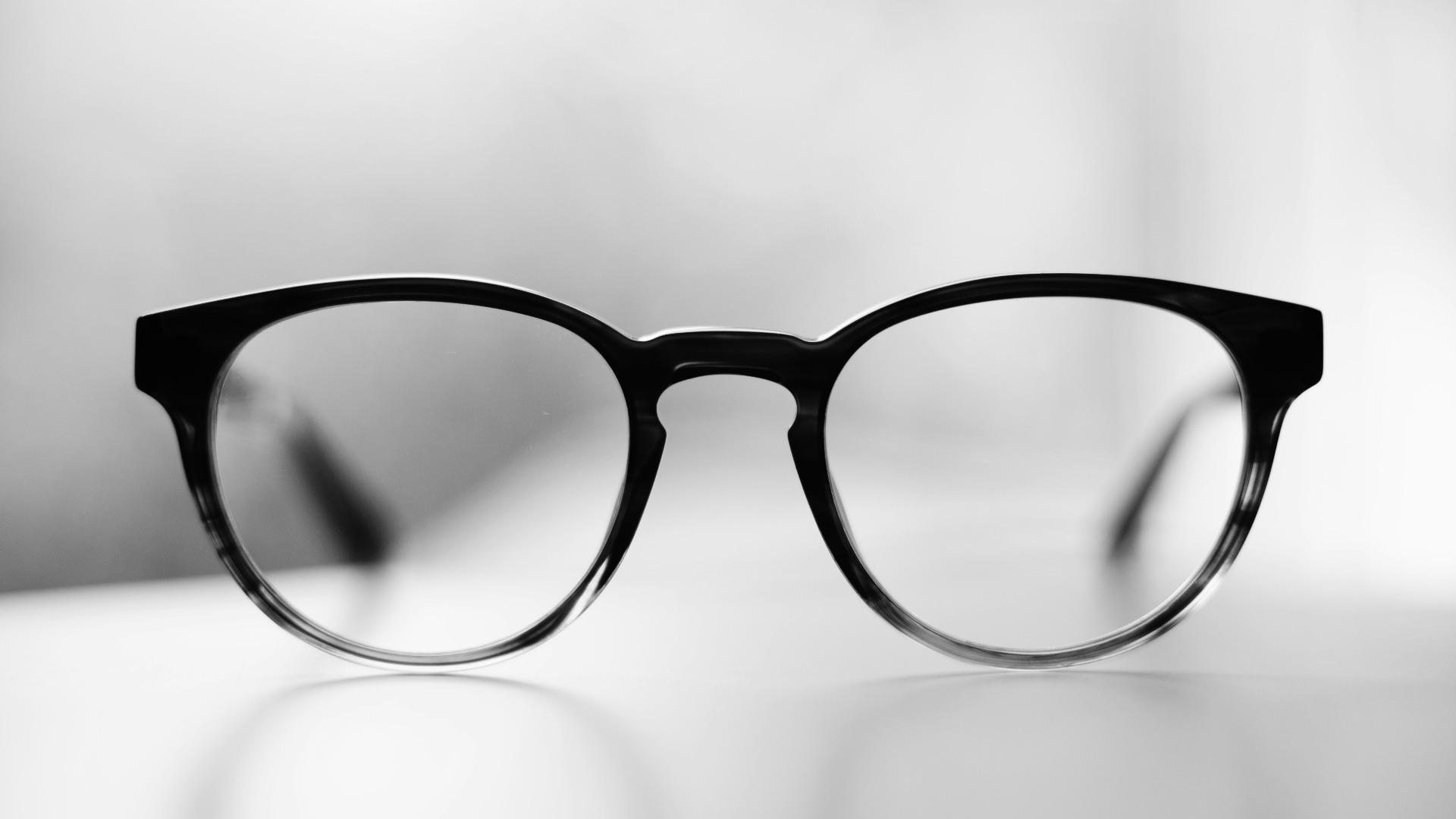
The nose bridge is a small part of the frame, but it has a big impact on comfort. Plastic frames usually have a fixed bridge, while metal frames often come with adjustable nose pads. If the bridge doesn’t fit well, your glasses may slide, sit unevenly, or leave pressure marks. Try to pay attention to how the frame feels after a few minutes, not just when you first put it on.

9. Check How They Look from the Side
Most people check glasses straight on, but the side view matters too. The arms should sit comfortably along your temples without flaring out or pressing too tightly. You’ll also want to see whether the frame shape works with your profile and hairline. Since people see you from different angles throughout the day, it’s helpful to give the whole frame a proper look.

10. Give Yourself Time to Adjust
Your first pair of glasses may feel a little unusual at first, even if the prescription is correct. Your eyes and brain may need time to adapt, especially if you’re wearing glasses full-time for the first time. Mild adjustment discomfort can happen, but strong headaches, dizziness, or distorted vision shouldn’t be ignored. If something feels off after a reasonable adjustment period, go back and have the prescription, lens placement, and frame fit checked.
Now that you know what to pay attention to, let's talk about mistakes you want to avoid. More on that next:

1. Choosing Frames Because They’re Trendy
Trendy frames can be fun, but your first pair should be something you’ll still like after the excitement wears off. A shape that looks great online or on someone else may not suit your prescription, face shape, or daily routine. If you love a current style, try it on alongside a few more classic options. That way, you’re choosing based on fit and comfort, not just what happens to be popular.

2. Ignoring How Heavy the Frames Feel
Some frames look great for the first few seconds but feel tiring after an hour. Heavy glasses can press on your nose, slide more often, or become annoying during long workdays. This is especially important if your lenses are already on the thicker side. When you try on frames, move your head around a little and notice whether they stay comfortable.

3. Buying Frames That Slide Down Your Nose
Glasses that constantly slide down can become frustrating fast. You may find yourself pushing them up all day, especially when you’re walking, bending forward, or moving between indoor and outdoor spaces. A proper fit should feel secure without squeezing your face. If the frames slide in the store, they’ll probably slide even more once you’re wearing them regularly.

4. Forgetting About Your Prescription Strength
Not every frame works well with every prescription. Stronger prescriptions may look better in smaller frames because there’s less lens area to manage. Oversized frames can make thicker edges more noticeable or affect how the lenses feel visually. Before you fall in love with a frame, ask whether it’s a good match for your prescription.
5. Skipping Professional Adjustment
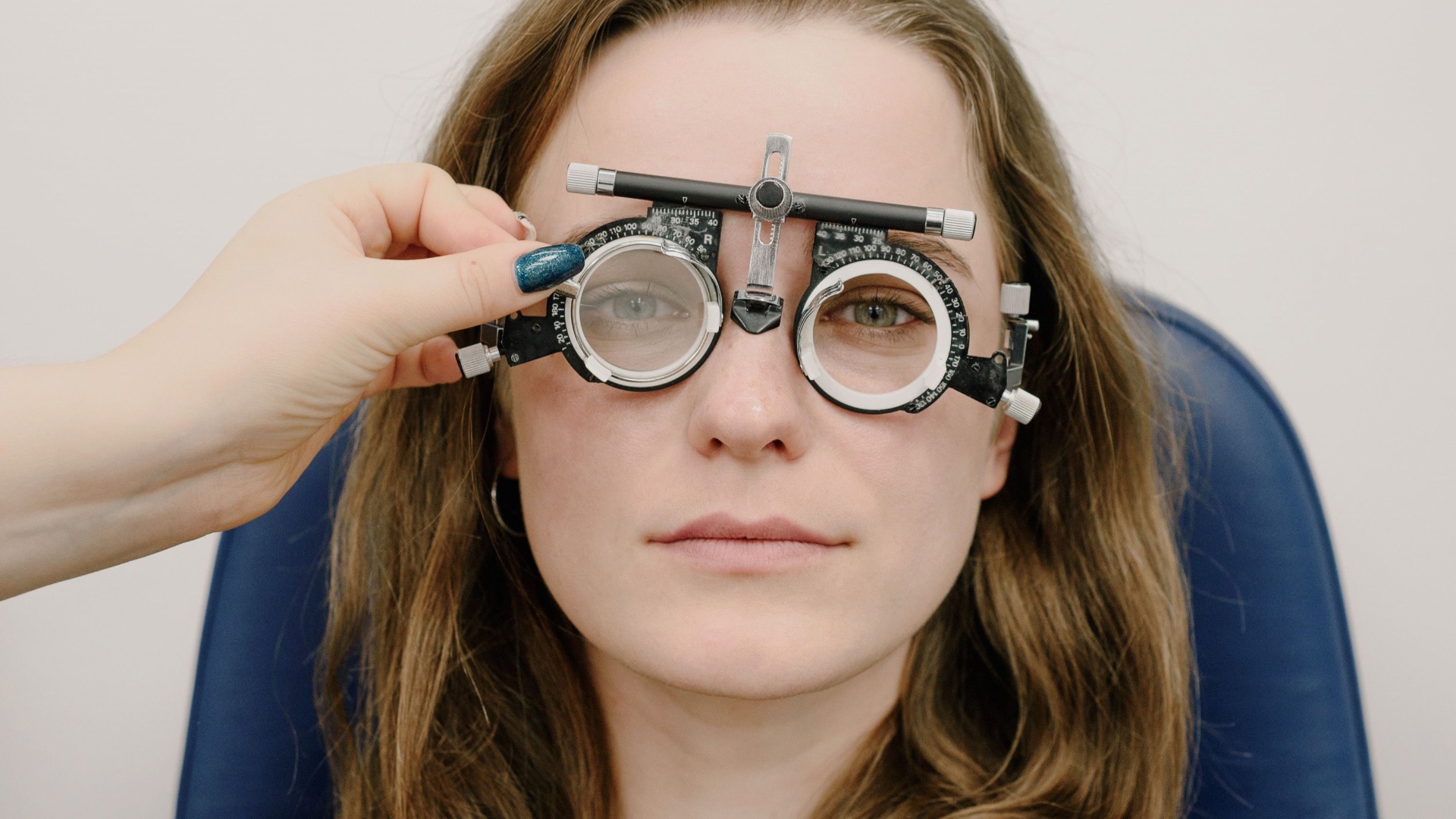
Even well-made glasses usually need some fine-tuning once the lenses are ready. The arms, nose pads, and frame angle may need adjusting so the glasses sit correctly on your face. Skipping this step can make a good pair feel uncomfortable or make your vision feel slightly off. A few small adjustments can change how the glasses feel throughout the day.

6. Picking the Cheapest Option Without Comparing Quality
It’s completely reasonable to have a budget, but the cheapest pair isn’t always the best value. Poorly made frames may loosen, bend, or feel uncomfortable sooner than expected. Low-quality lenses can also be more prone to scratches or glare if you skip helpful coatings. You don’t need the most expensive pair, but you should know what you’re paying for.
7. Forgetting to Match Frames to Your Wardrobe
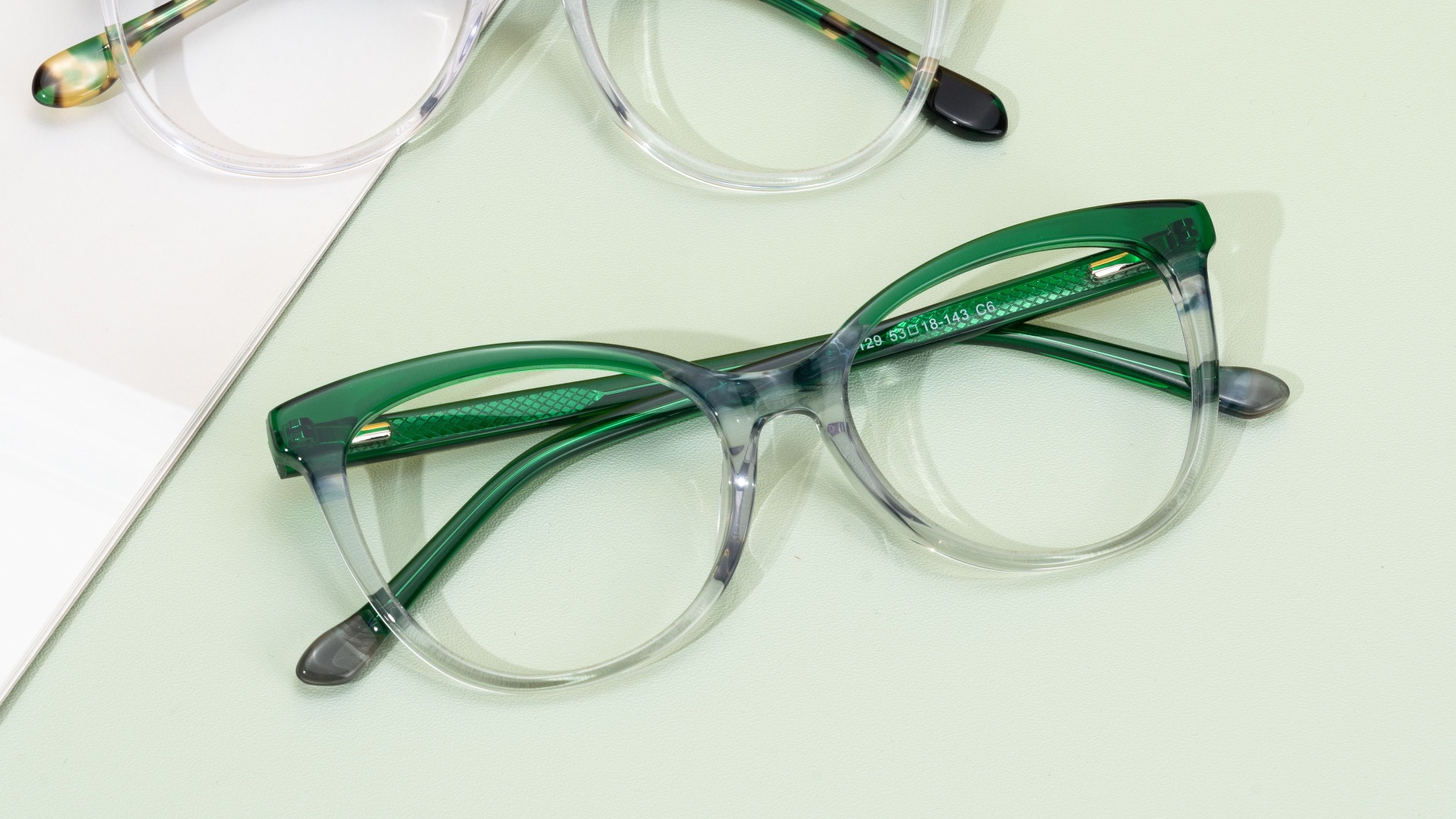
Glasses are different from most accessories because you may wear them every single day. A frame color or shape that clashes with most of your clothes can become harder to style over time. Think about your usual outfits, jewelry, hair color, and makeup preferences when narrowing down your choices. Your first pair should feel easy to wear with what you already own.

8. Not Checking the Return or Warranty Policy
It’s easy to overlook policies when you’re excited to order your glasses, but they matter. Some optical shops and online retailers allow exchanges, fit adjustments, or prescription-related changes within a certain window. Others may have stricter rules, especially for customized lenses. Before you buy, make sure you understand what happens if the fit, prescription, or frame doesn’t work for you.
9. Assuming Online Measurements Don’t Matter
Shopping for glasses online can be convenient, but measurements are not just random numbers on a product page. Lens width, bridge width, and temple length all affect how the glasses sit on your face. If you ignore them, you may end up with frames that look completely different from what you expected. Use the measurements as a guide instead of relying only on the product photos.

10. Waiting Too Long to Speak Up About Discomfort
New glasses can take some adjustment, but discomfort shouldn’t be brushed aside for weeks. If the frames pinch, slide, tilt, or leave deep marks, they may need to be adjusted. If your vision feels blurry, warped, or uncomfortable after wearing them consistently, the lenses may need to be checked. It’s better to address the issue early than force yourself to tolerate a pair that isn’t working.