
Blazer Styles Keep Evolving
Blazers have been a wardrobe staple for decades because they balance structure, versatility, and style. Originally inspired by tailored menswear, blazers gradually became a key piece in both professional and casual wardrobes. While some cuts remain classic because of their clean lines and reliable fit, modern designers frequently reinterpret the silhouette to reflect changing fashion trends. At the same time, contemporary updates experiment with length, tailoring, and details to keep the blazer feeling fresh. Looking at both timeless cuts and newer variations shows how this single garment continues to adapt while maintaining its essential structure.
1. The Single-Breasted Classic Blazer
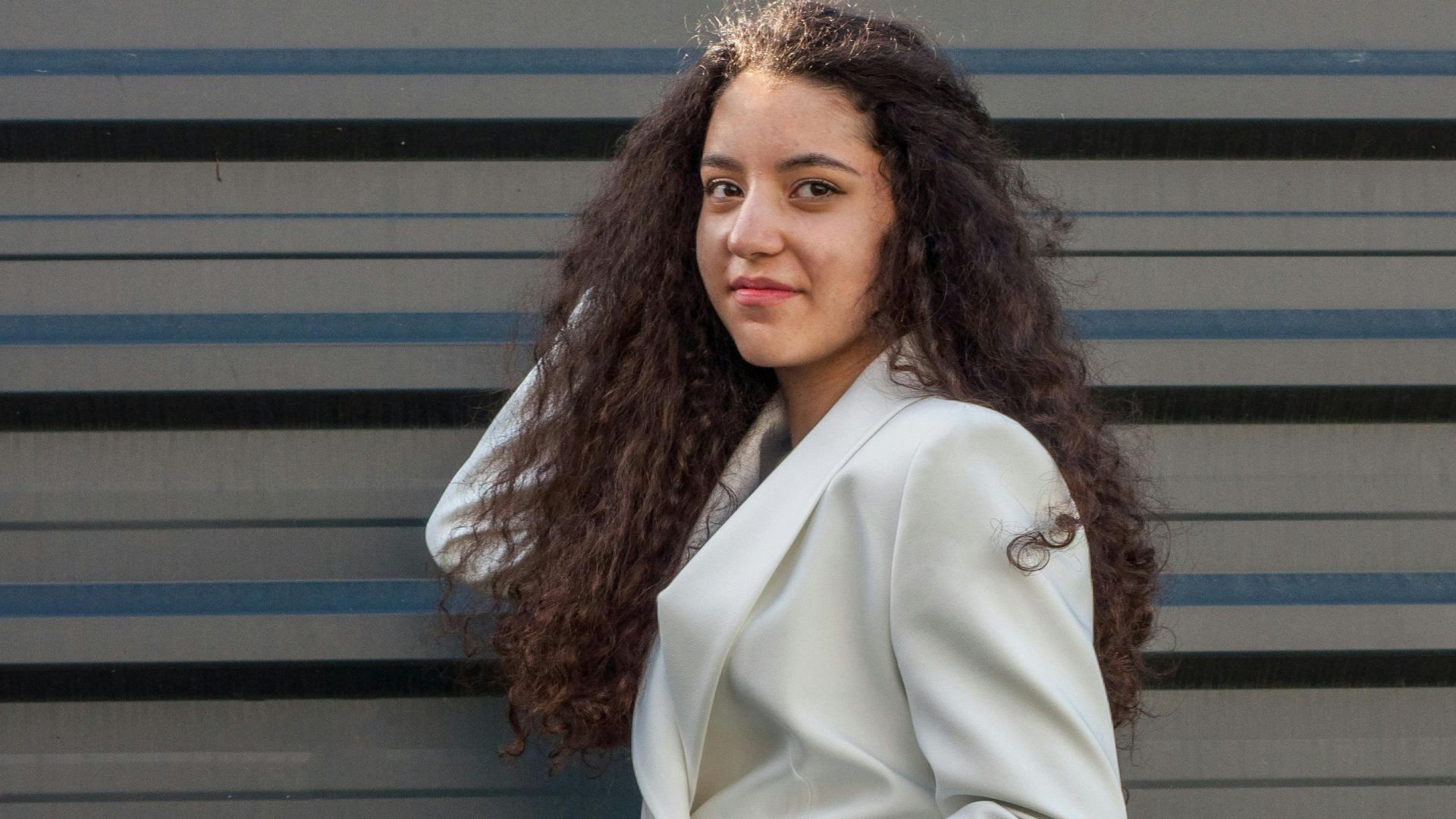
The single-breasted blazer is one of the most recognizable and enduring styles in fashion. It usually features one to three buttons and a streamlined front that creates a clean, tailored silhouette.
 Moh DIKKO Photography on Pexels
2. The Double-Breasted Blazer
Double-breasted blazers feature overlapping front panels with two parallel rows of buttons. This cut has roots in naval uniforms and later became popular in formal menswear. The structure creates a slightly broader, more commanding shape across the chest and shoulders.
3. The Structured Shoulder Blazer
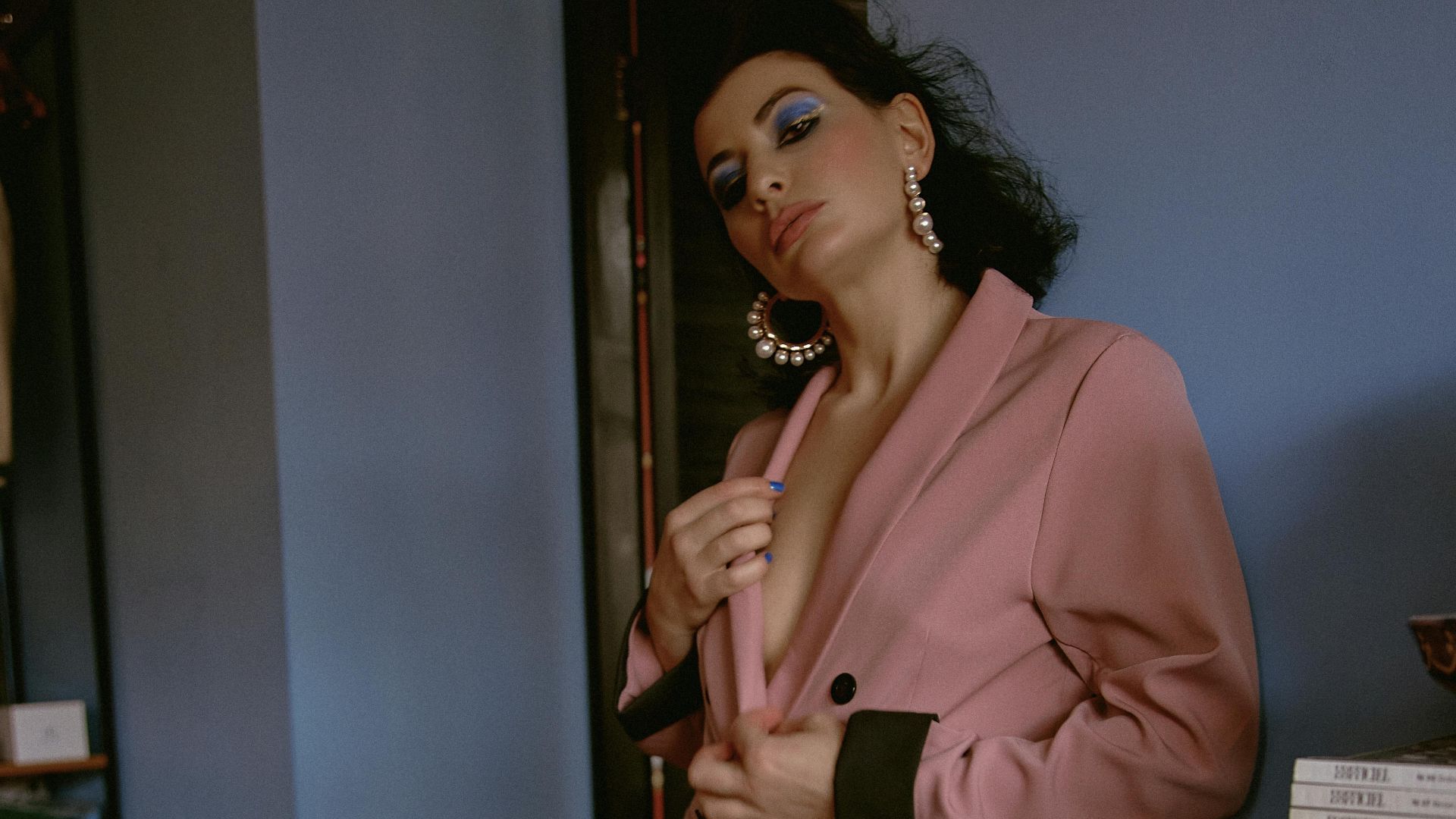
A blazer with structured shoulders emphasizes clean tailoring and a defined upper silhouette. Designers use internal padding or shaping to create a sharp shoulder line that frames the torso.
4. The Tailored Fitted Blazer
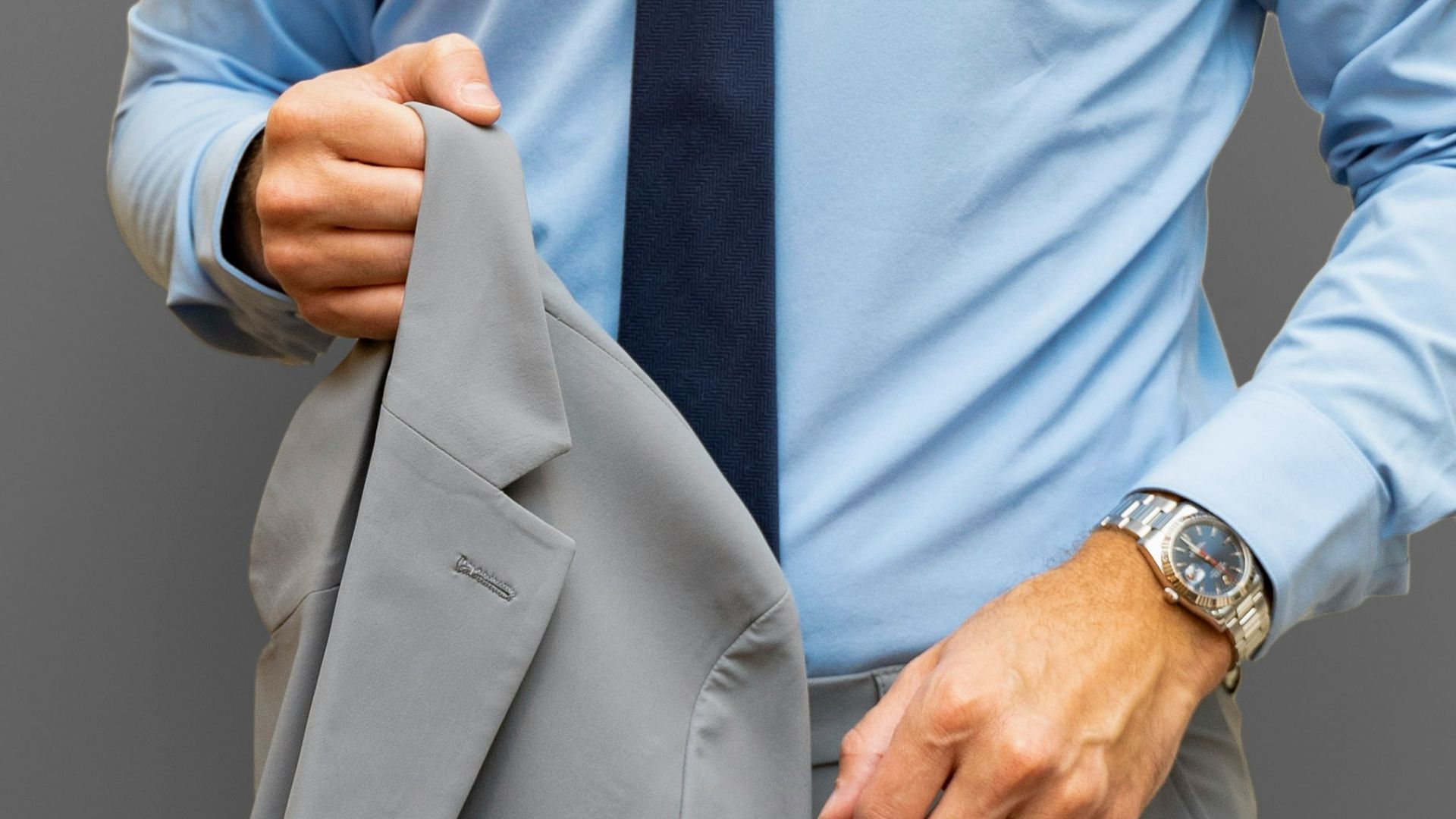
A fitted blazer follows the natural lines of the body with shaping at the waist. This design highlights classic tailoring techniques such as darts and carefully cut seams. Because the garment sits close to the torso, it creates a refined and balanced look. The fitted blazer remains a staple in professional wardrobes where structured clothing is common.
5. The Boyfriend Blazer
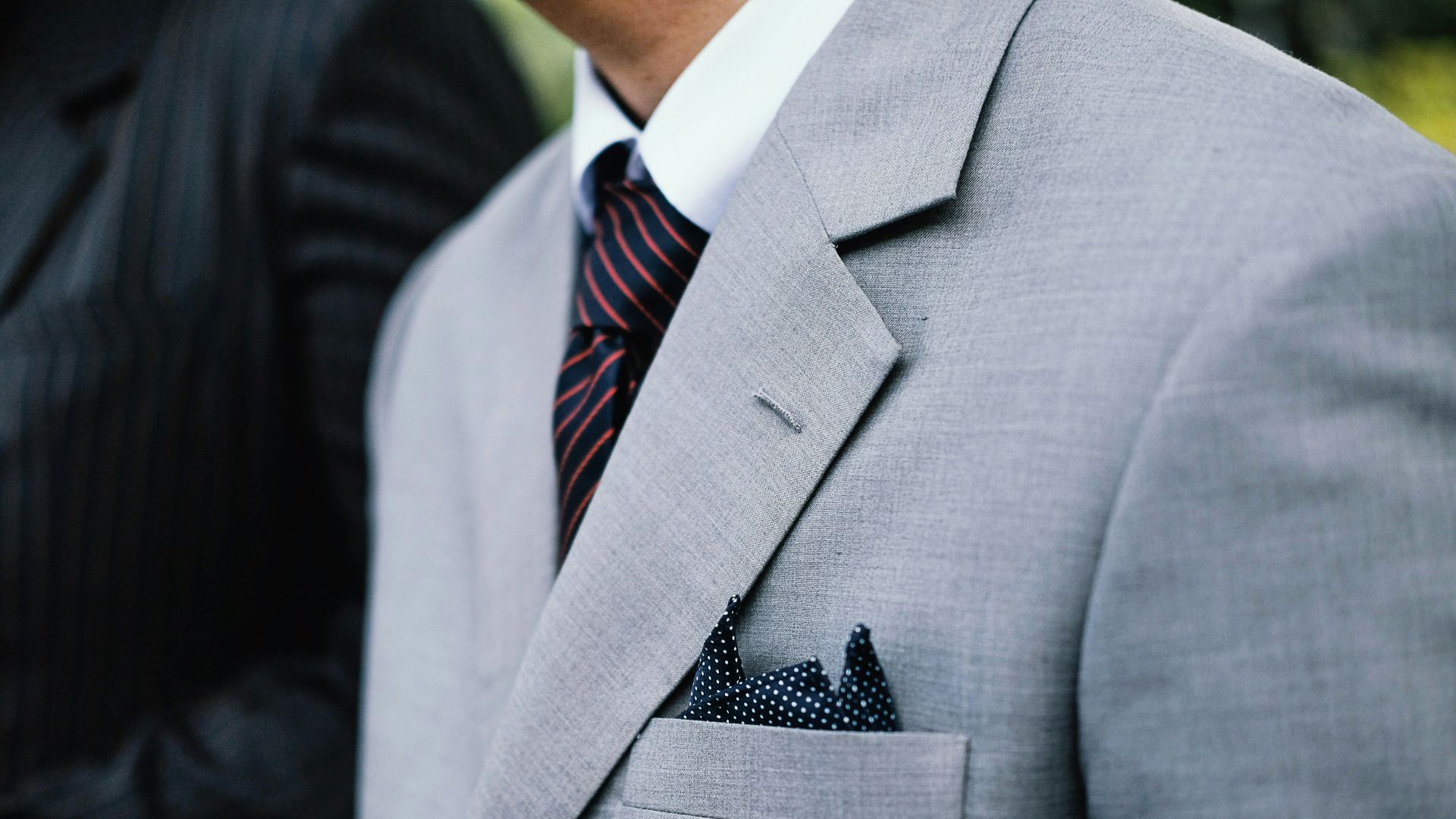
The boyfriend blazer became popular when fashion began incorporating relaxed menswear-inspired pieces into women’s wardrobes. It typically features a slightly looser fit, longer length, and minimal shaping through the waist.
6. The Cropped Blazer
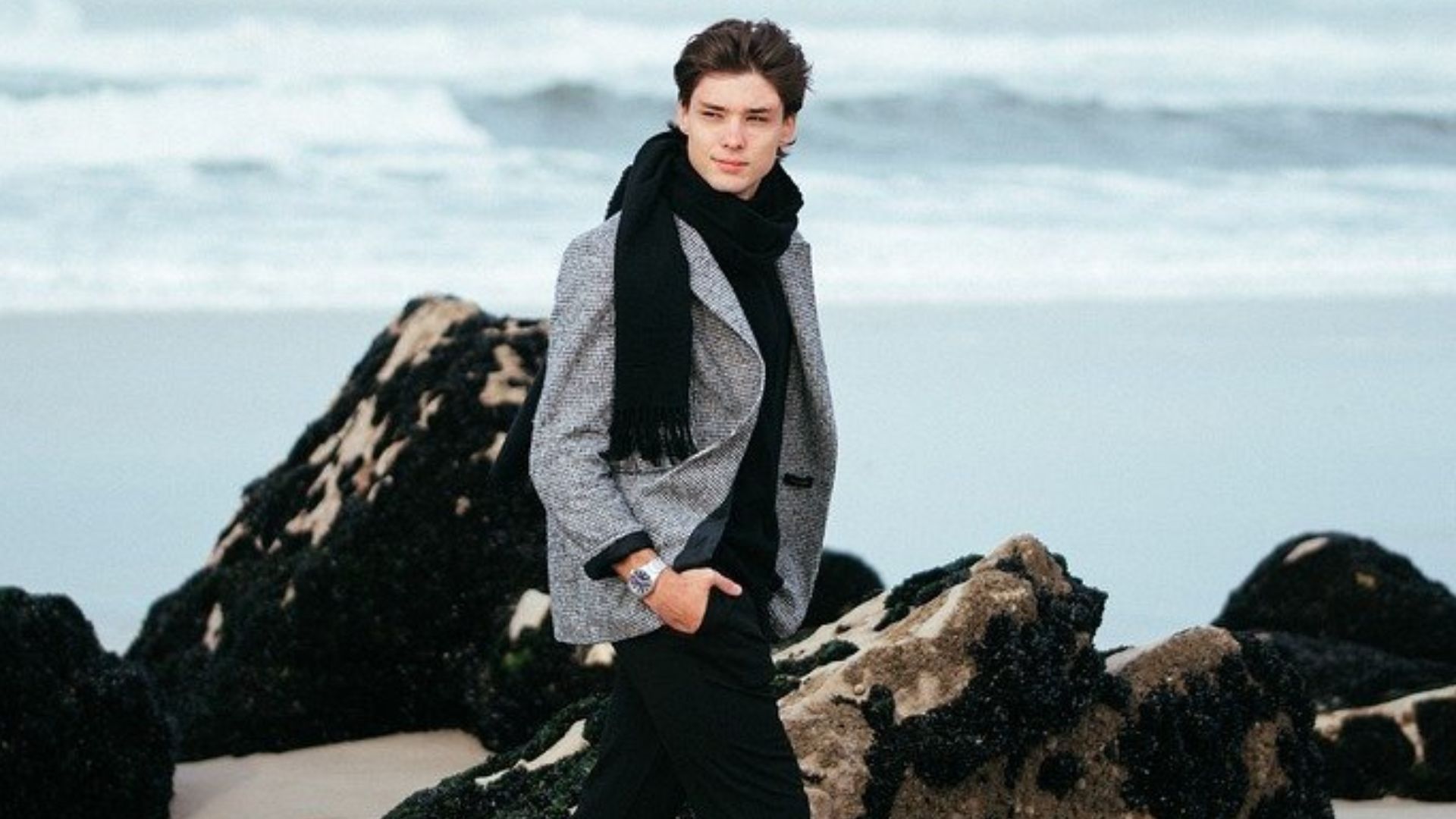
Cropped blazers shorten the traditional blazer length so the hem falls above the hips or at the waist. This cut became widely used in fashion because it pairs well with high-waisted trousers and skirts. The shorter length creates a balanced silhouette while still retaining classic tailoring details. Designers continue to revisit the cropped style because it works well in both formal and casual outfits.
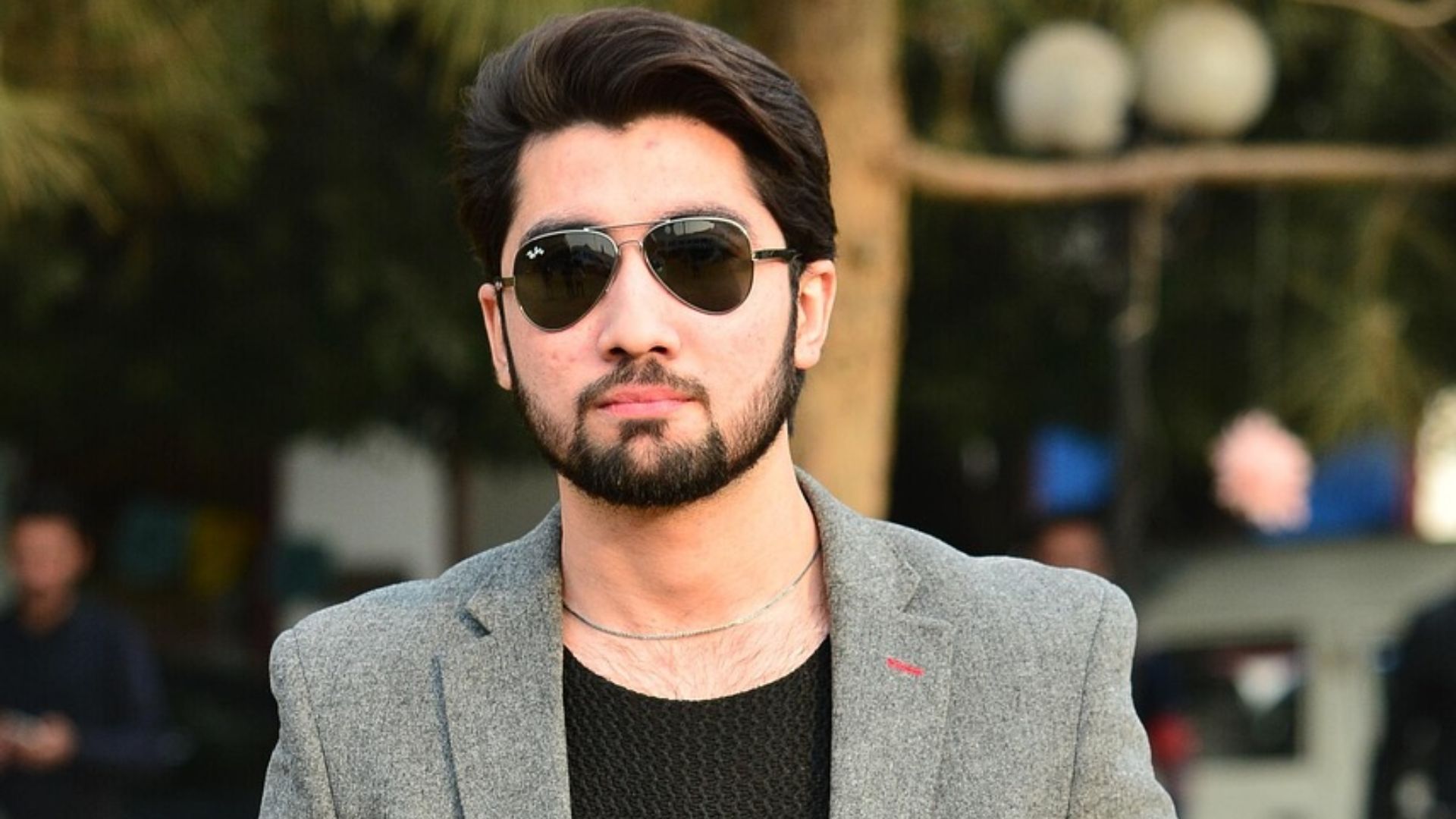
7. The Navy Club Blazer
The navy club blazer has long been associated with traditional American style. It typically features a dark navy fabric, gold or brass buttons, and classic lapels. Historically, the style appeared in private clubs, schools, and professional settings. Its timeless appearance has kept it relevant across generations of fashion.
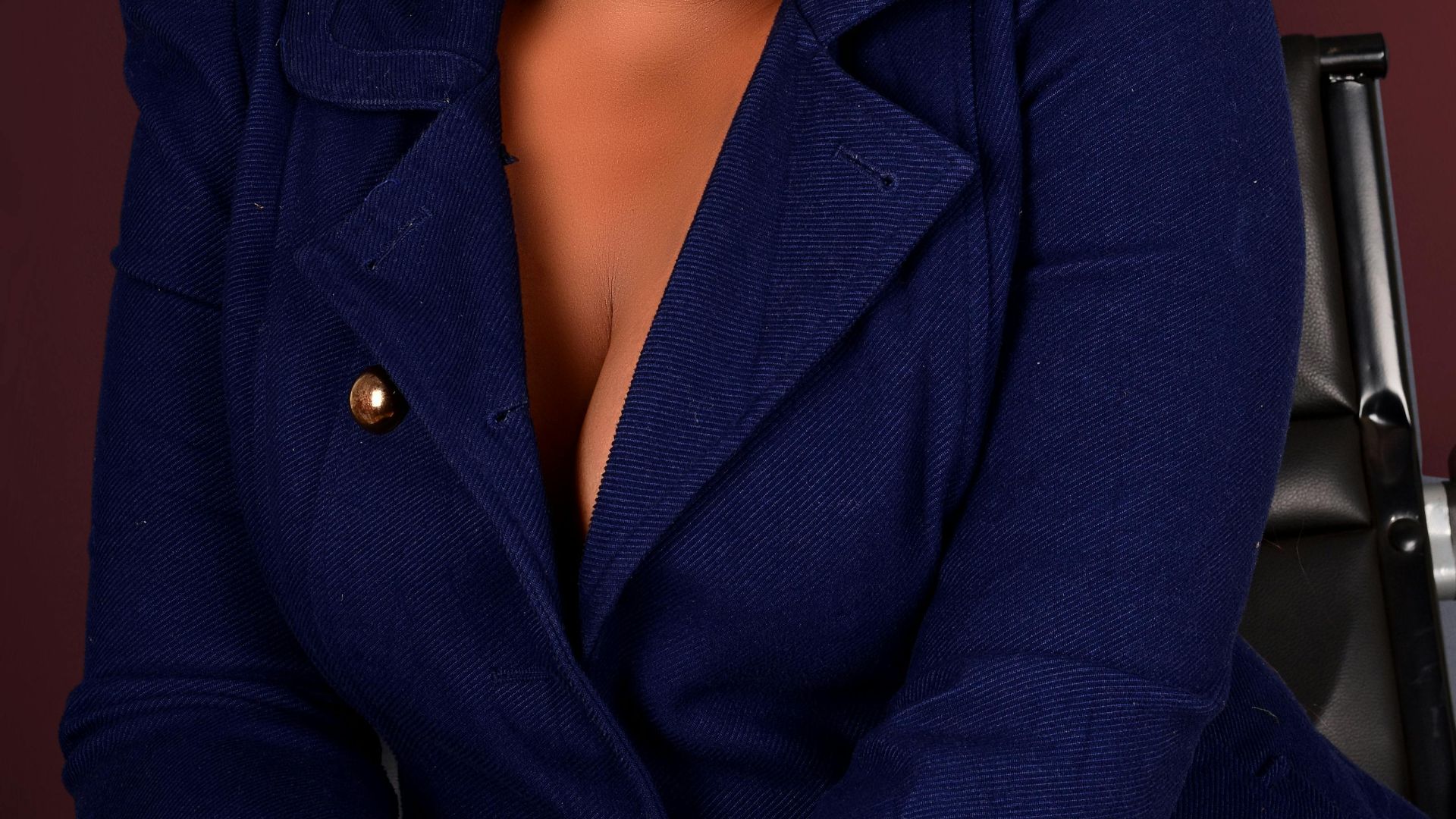
8. The Tuxedo Blazer
A tuxedo blazer adapts formal eveningwear into a blazer-style jacket. It usually includes satin or silk lapels similar to traditional tuxedo jackets. While originally worn as part of formal suits, the blazer version allows for more flexible styling. The design remains popular for events where a polished appearance is expected.
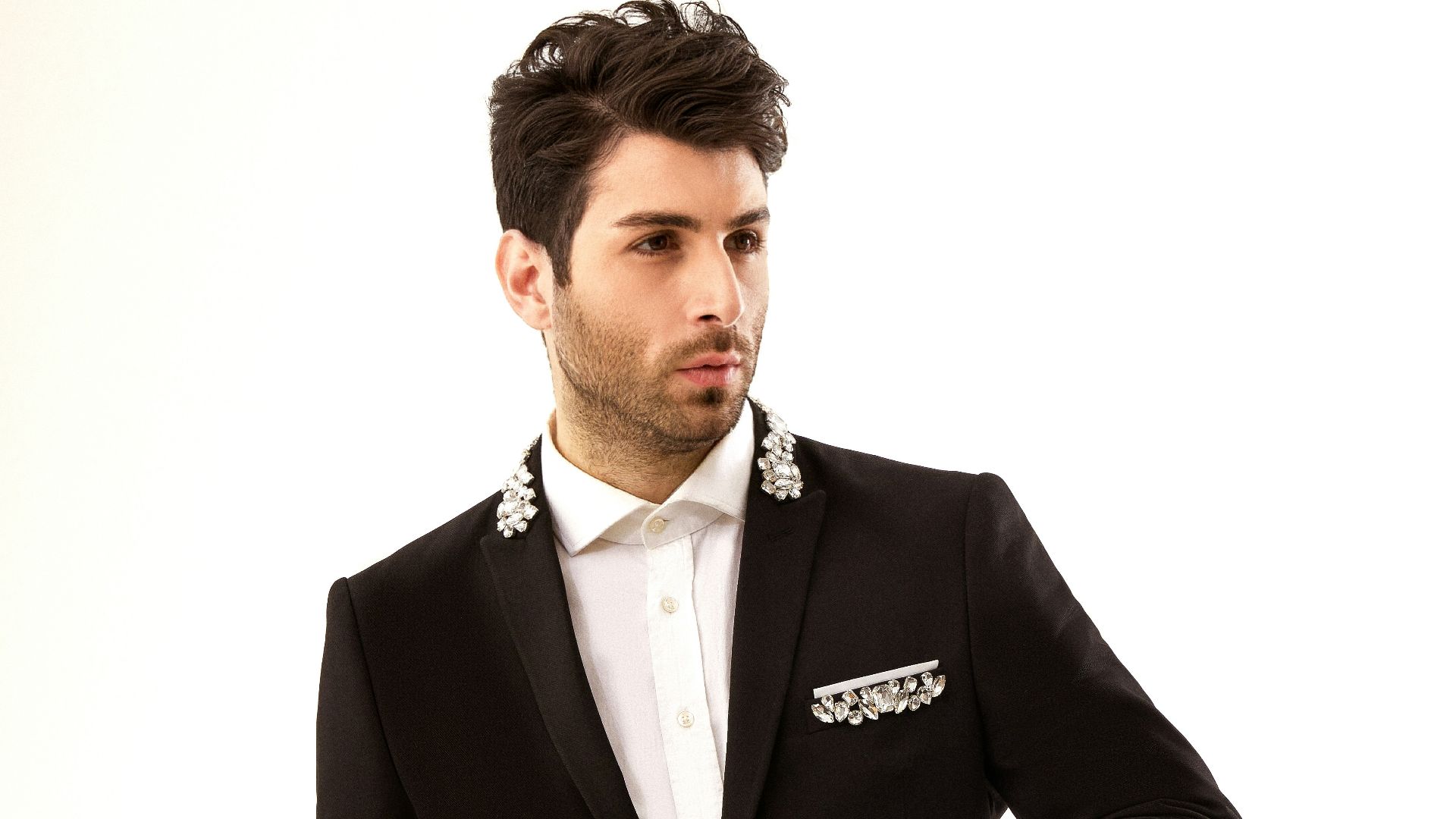 vahik babakhanians on Unsplash
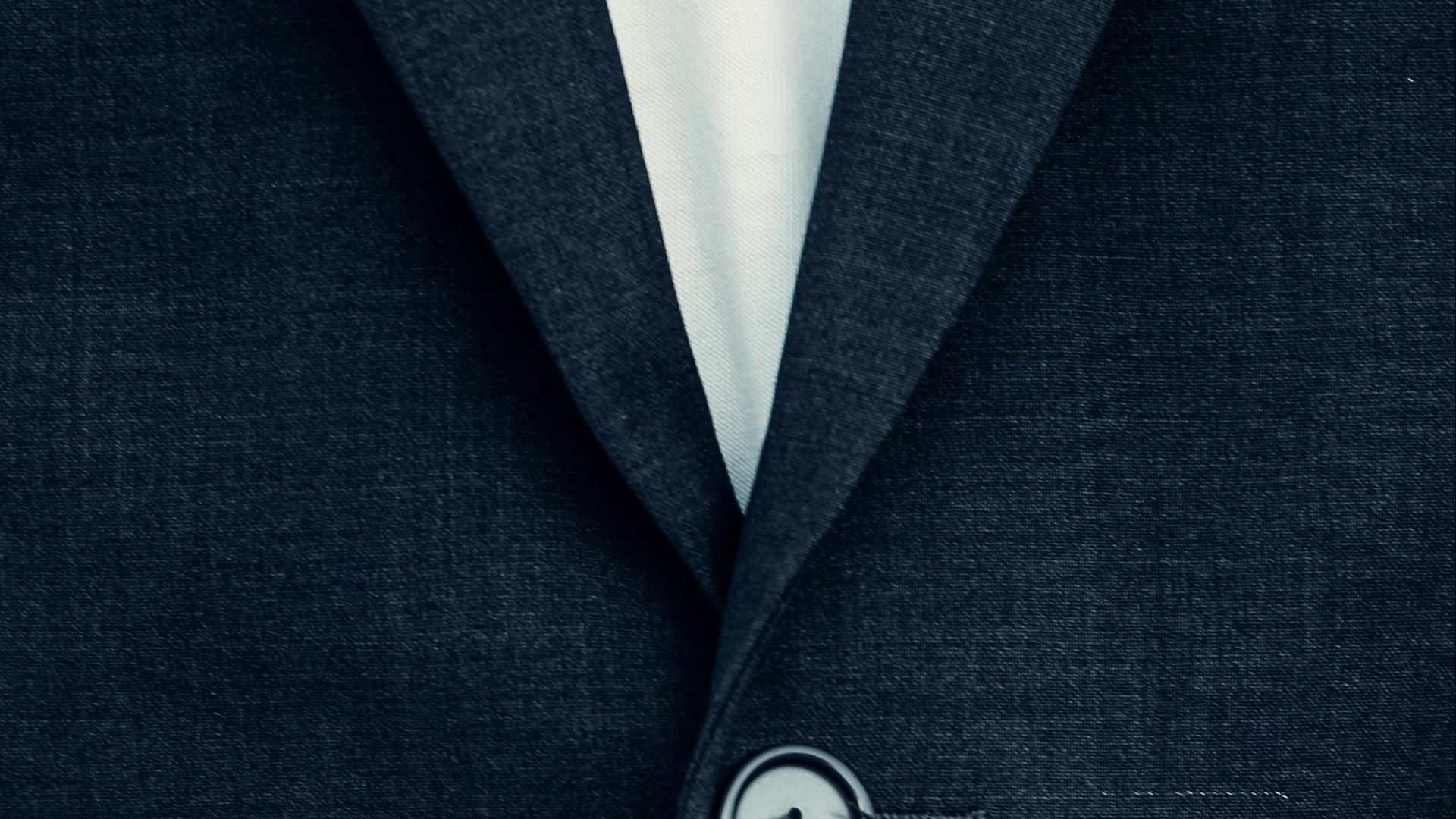
9. The Two-Button Business Blazer
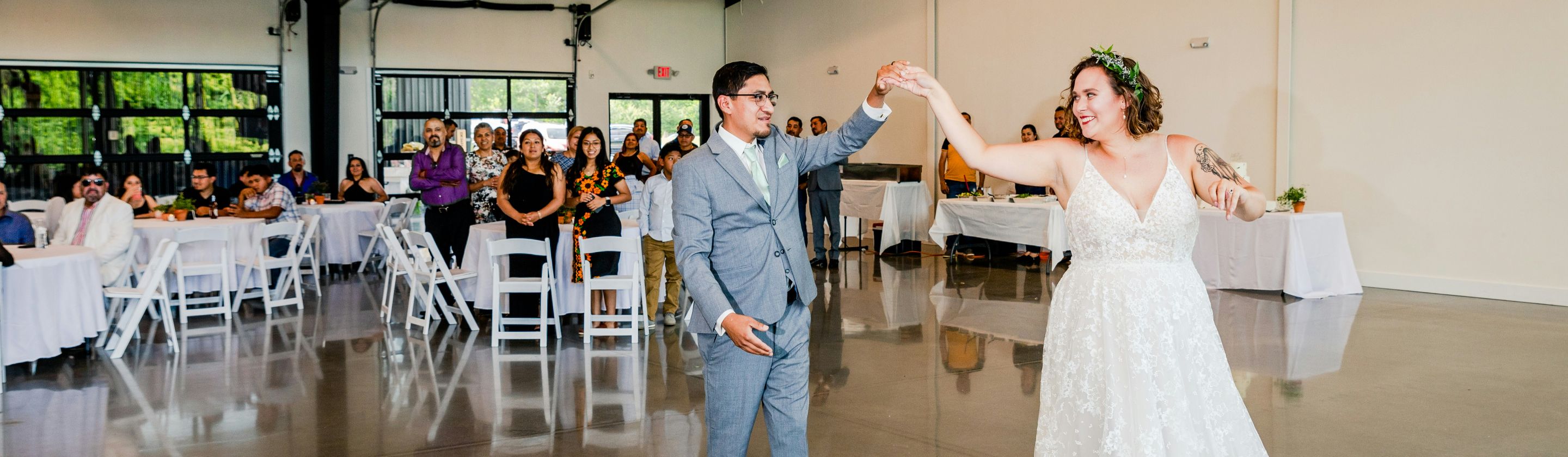
The two-button blazer became a standard in business attire because it provides a balanced and versatile structure. The button placement creates a natural waistline while maintaining a comfortable fit.
10. The Classic Tweed Blazer
Tweed blazers are made from durable wool fabrics that originally developed in rural British clothing traditions. The textured material offers warmth and structure while maintaining a refined appearance. Over time, tweed blazers became associated with academic and countryside styles. Even today, the fabric continues to appear in classic autumn and winter collections.
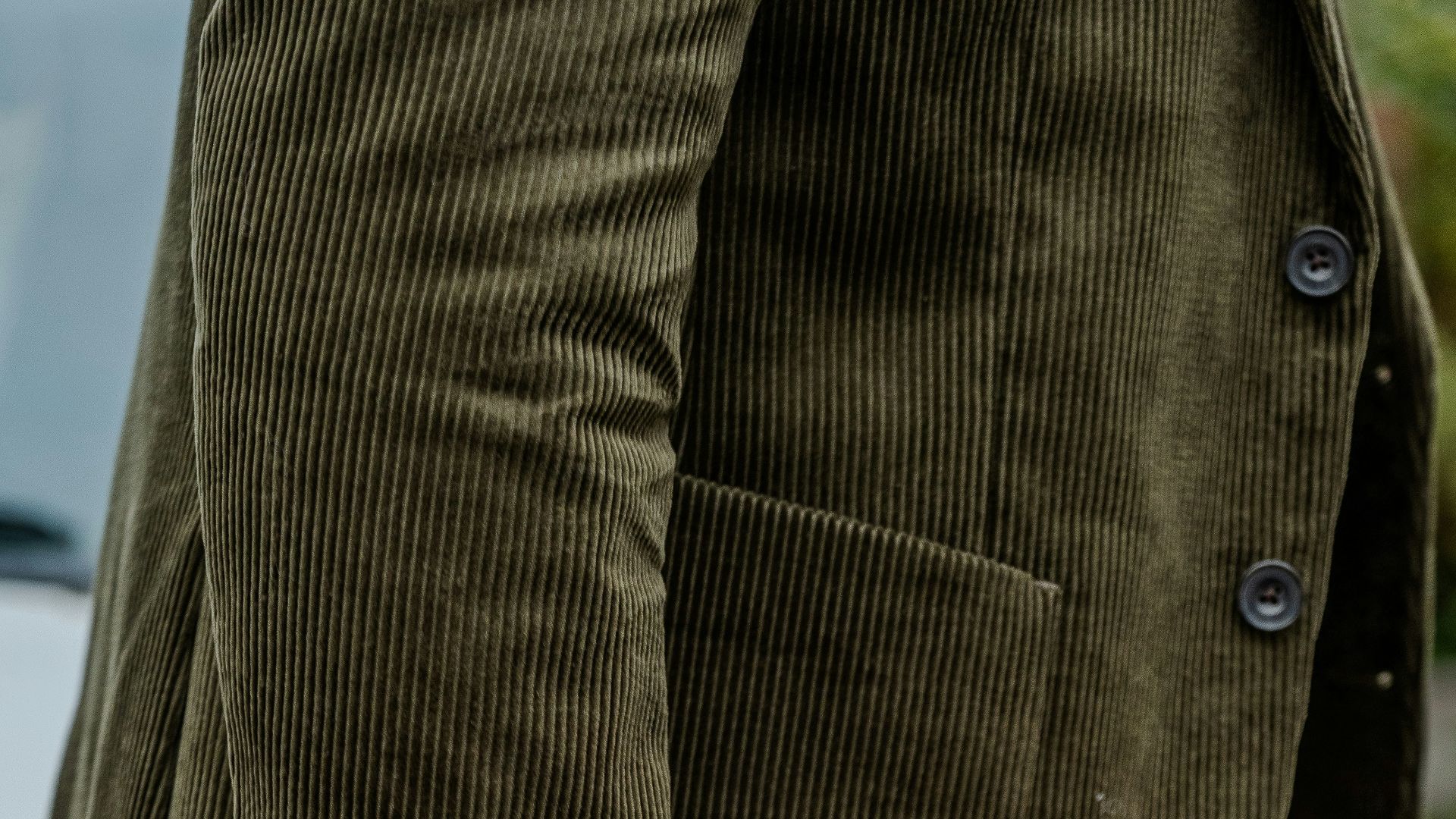
1. The Oversized Blazer
Oversized blazers have become one of the most visible modern reinterpretations of the classic jacket. Designers intentionally extend the shoulder width and body length to create a relaxed silhouette.
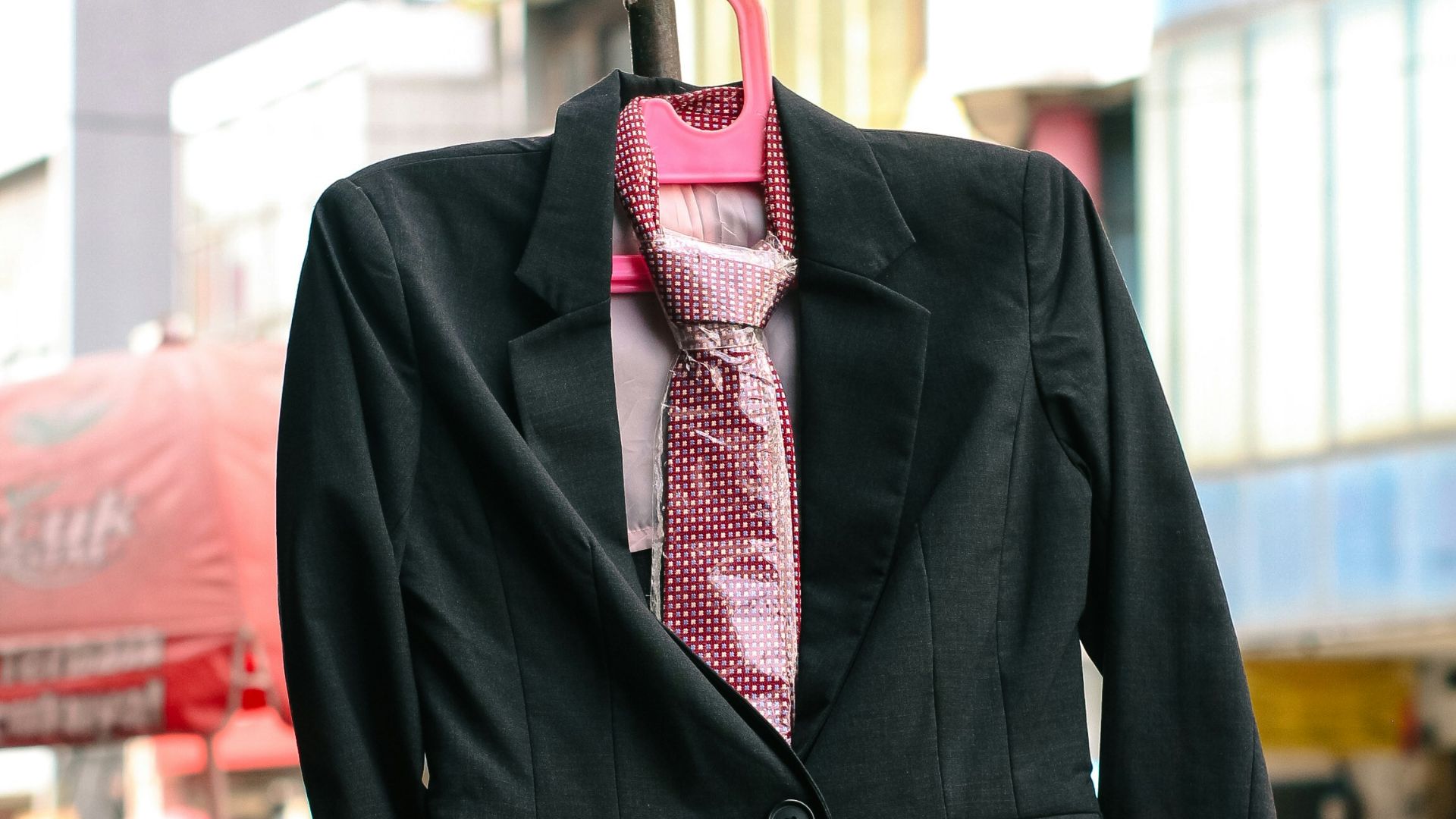 Wildan Ramdani Akbar on Unsplash
2. The Belted Blazer
Belted blazers introduce a waist belt that allows the wearer to adjust the shape of the garment. The belt can be integrated into the design or added as an accessory.
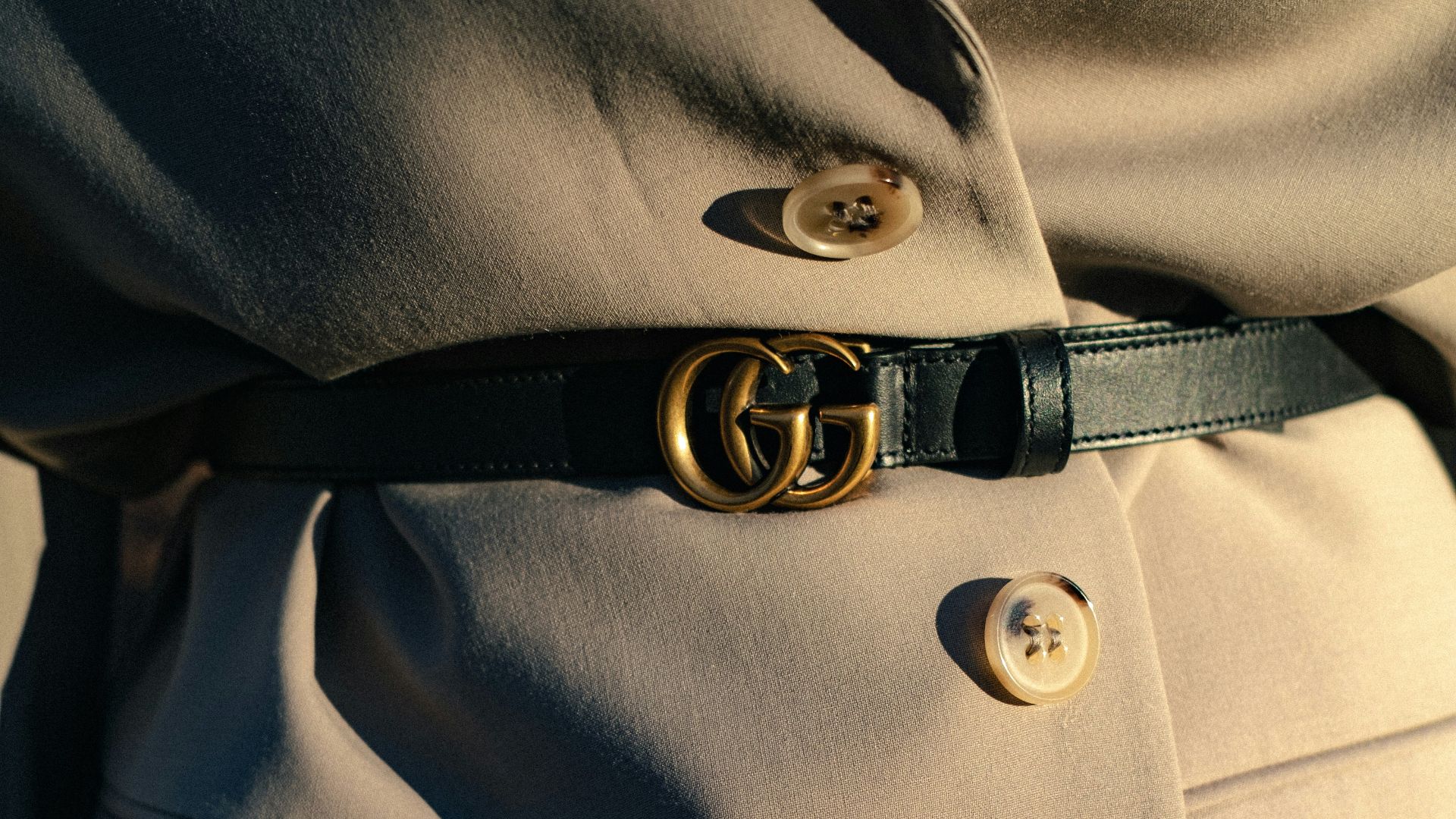
3. The Sleeveless Blazer
The sleeveless blazer removes the traditional sleeves while keeping the lapels and tailored body. This design blends the appearance of a vest with the structure of a blazer.
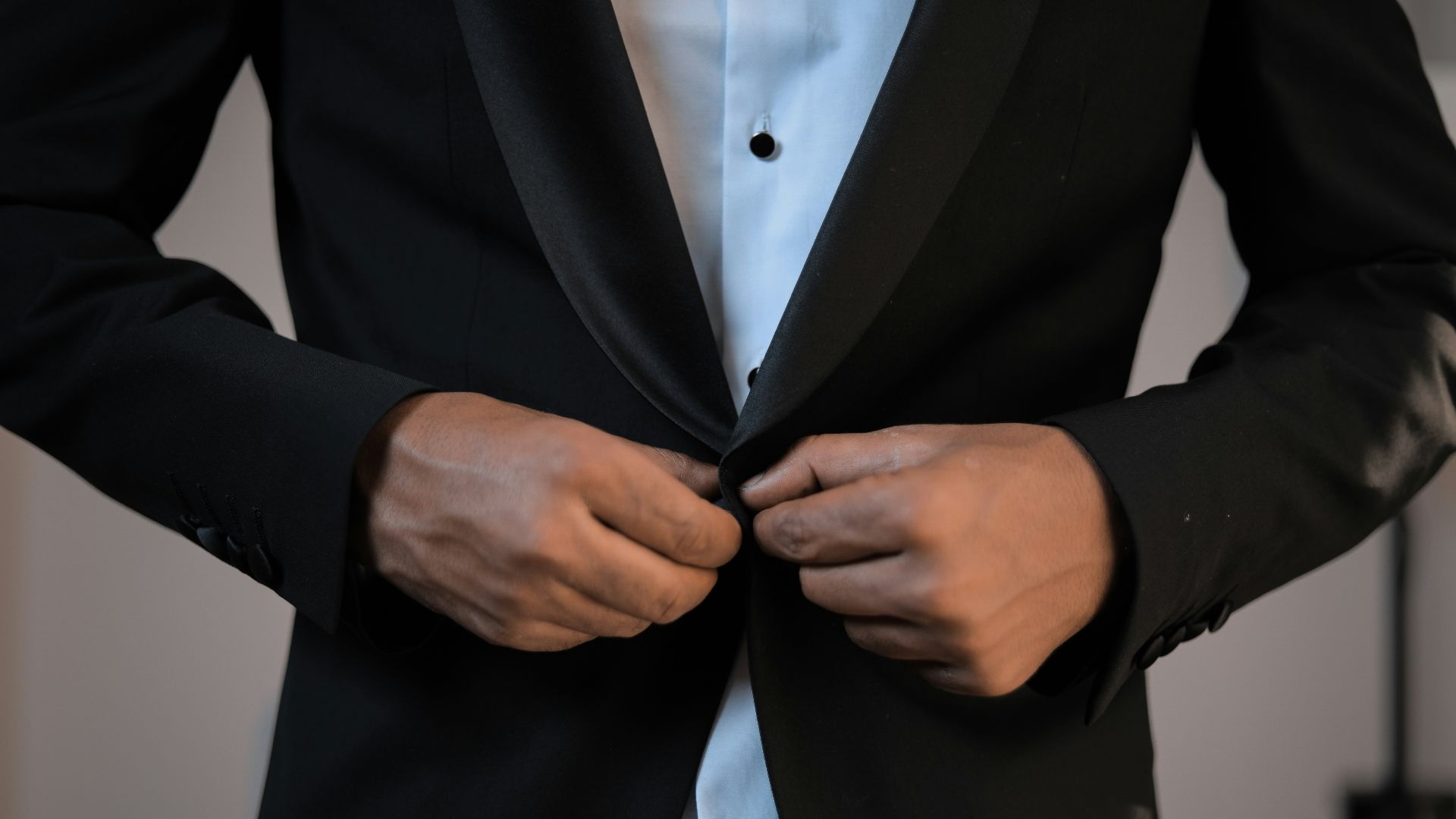
4. The Longline Blazer
Longline blazers extend well below the hips, sometimes reaching mid-thigh or knee length. The extended cut creates a more dramatic vertical silhouette compared with traditional blazers.
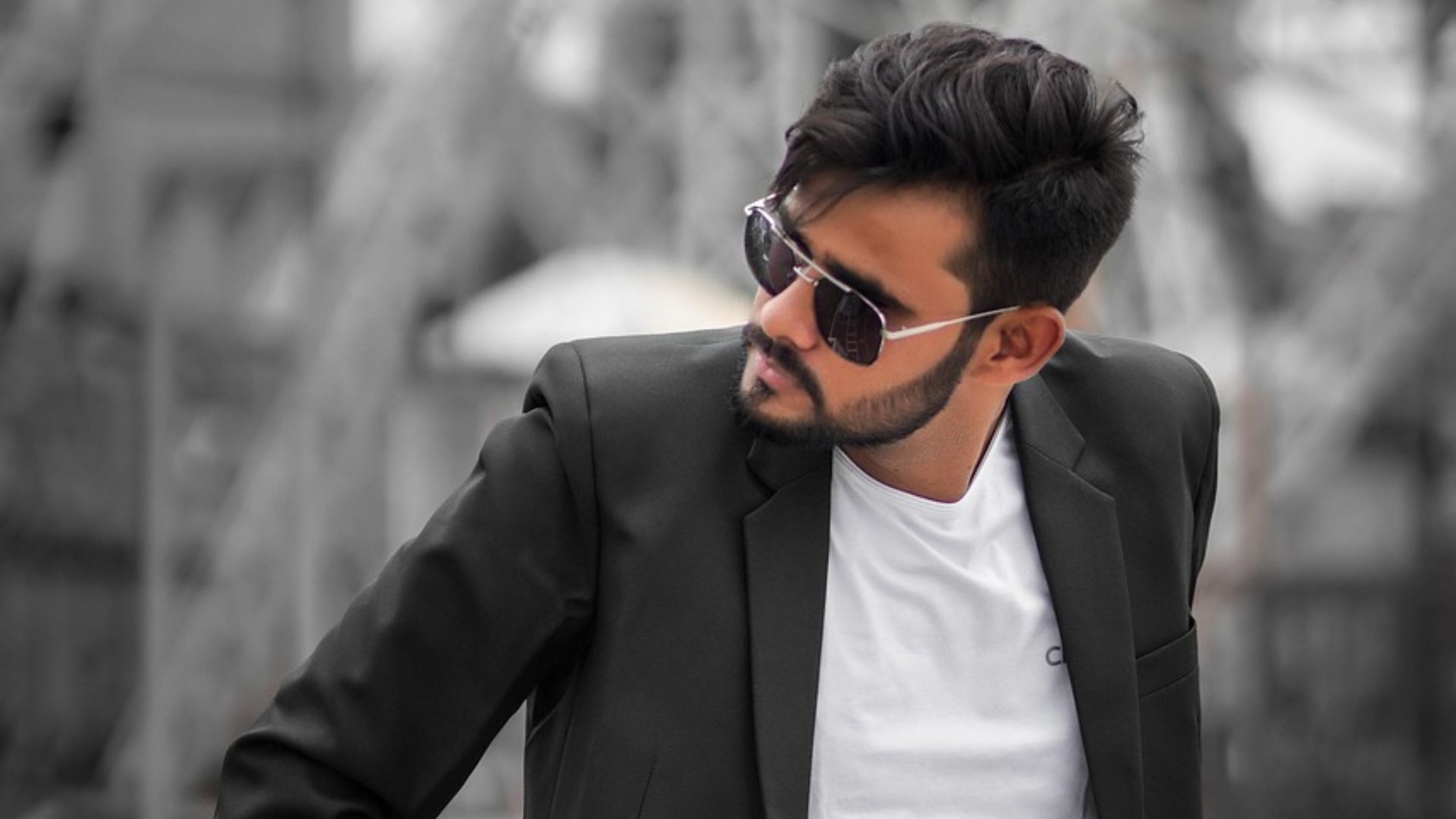
5. The Deconstructed Blazer
Deconstructed blazers intentionally soften or remove some traditional tailoring elements. Designers may reduce padding, alter seam placement, or expose internal details. This approach creates a more relaxed, artistic interpretation of classic tailoring. The style often appears in modern fashion collections that experiment with structure.
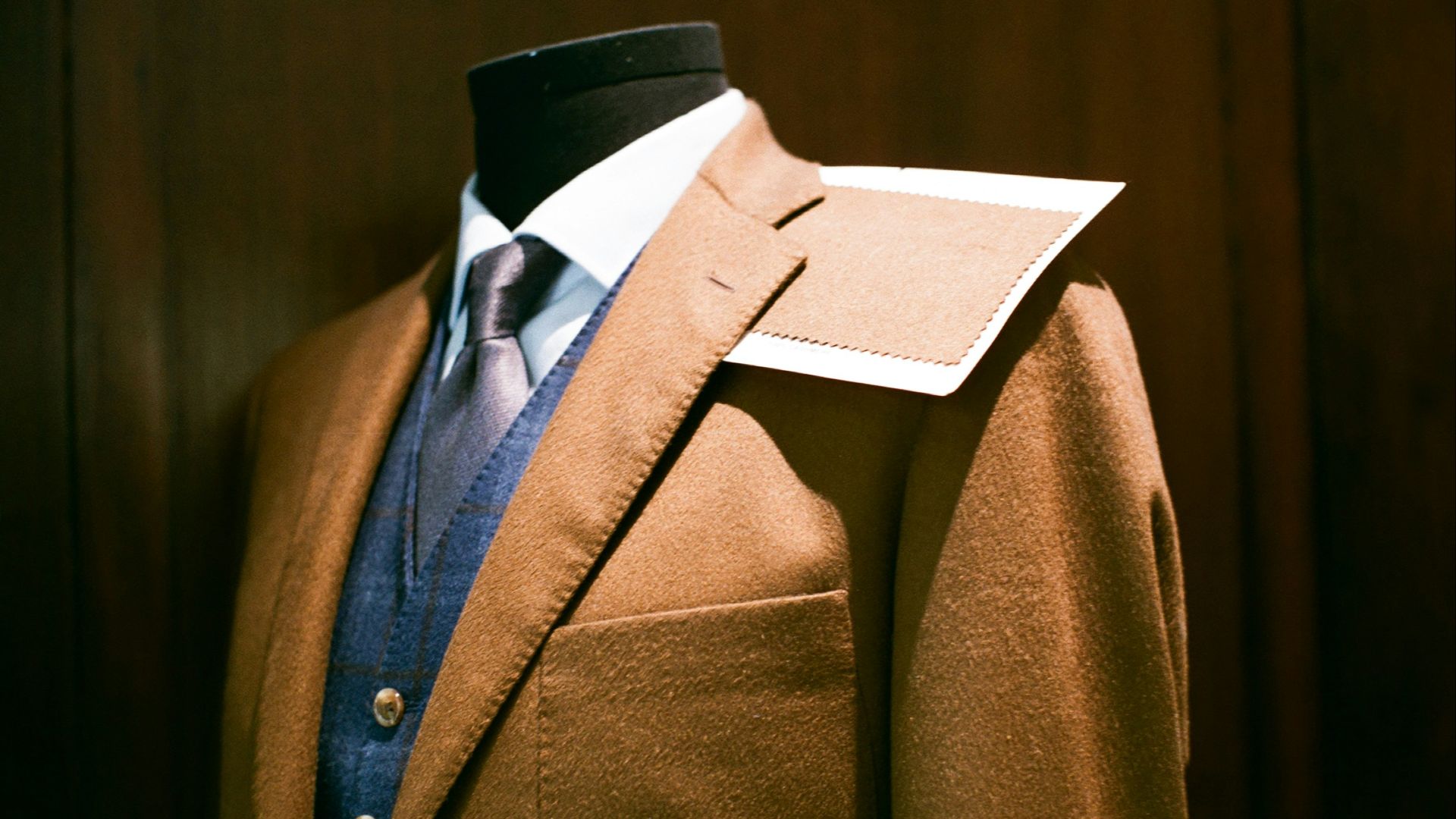
6. The Asymmetrical Blazer
Asymmetrical blazers alter the standard front closure or hemline to create visual interest. Buttons, lapels, or edges may be placed unevenly on the garment.
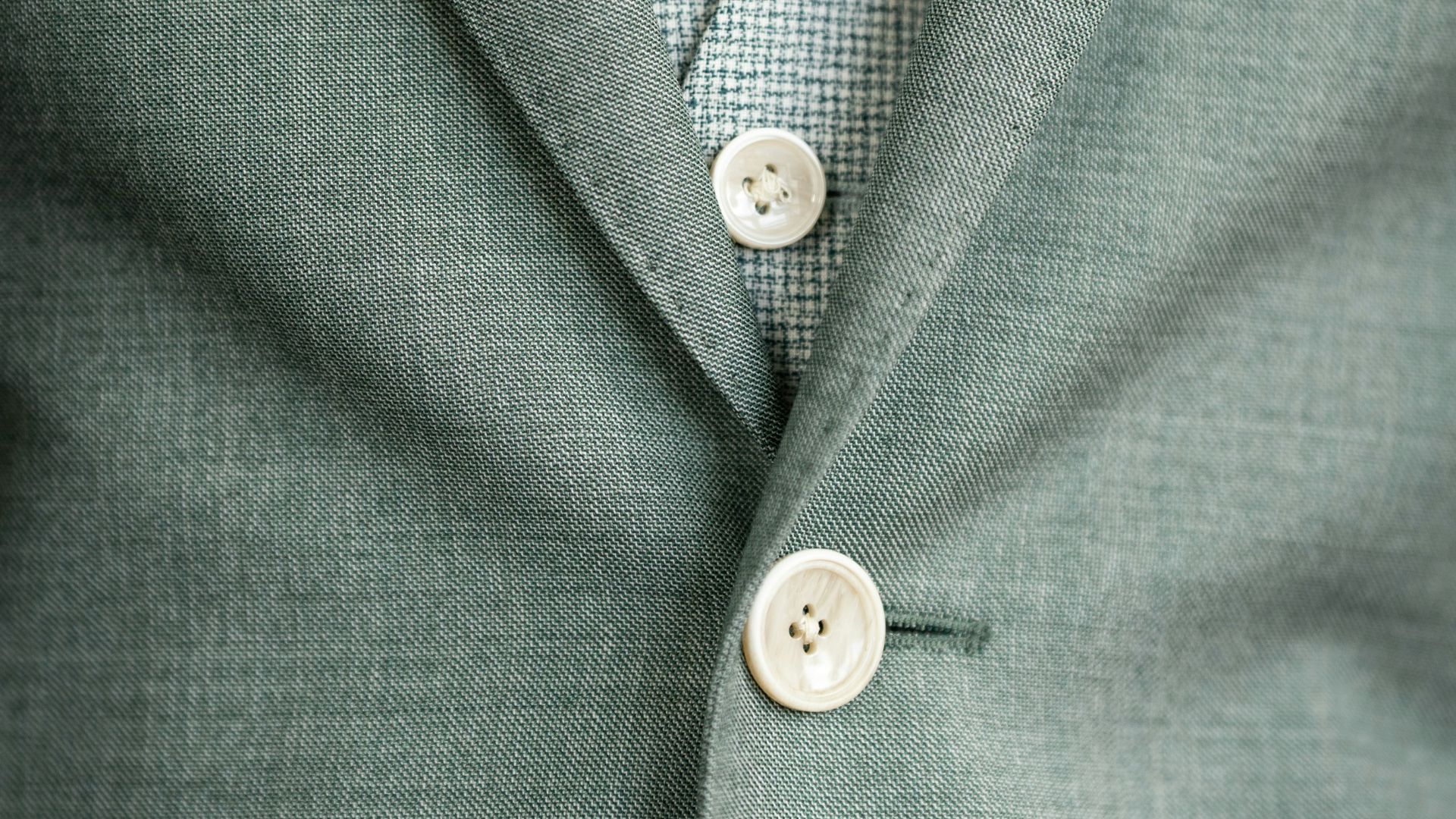
7. The Utility Blazer
Utility blazers incorporate functional elements such as patch pockets, durable fabrics, or reinforced stitching. These features draw inspiration from workwear and military clothing.
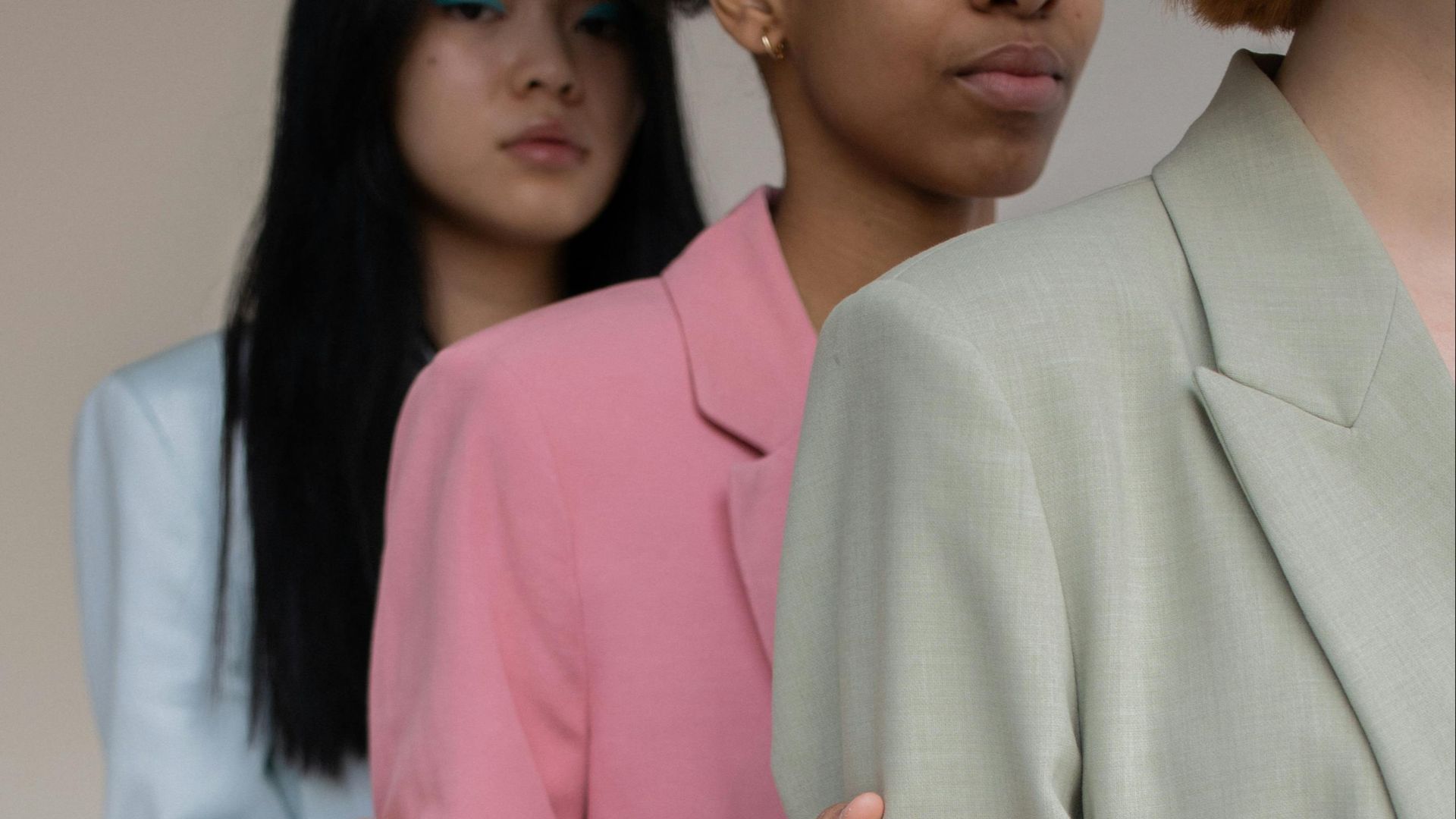
8. The Knit Blazer
Knit blazers use stretch fabrics instead of traditional woven suit materials. The softer textile allows for more flexibility and comfort during daily wear. Despite the relaxed fabric, the garment still maintains blazer features like lapels and structured seams. This combination makes the knit blazer popular in modern business casual settings.

9. The Short-Sleeve Blazer
Short-sleeve blazers adapt the classic design for warmer climates or seasonal collections. The shorter sleeves maintain the tailored body while offering greater breathability.

10. The Statement Color Blazer
While classic blazers often appear in neutral shades, modern designs frequently experiment with bold colors. Bright tones, pastels, and vibrant patterns allow the blazer to function as a focal piece in an outfit.