
The Free Shipping Trap
We've all been there before: you just need one or two items, but when you check your cart, you're $10 or $15 from getting free shipping. So what do you do? Continue shopping, of course. Free shipping thresholds are one of retail's most effective psychological tools, and they work precisely because the offer feels like a perk even when it really isn't. Spending an extra $10 to avoid a $5 shipping fee might seem smart in the moment, but the math rarely holds up the way you'd expect. Before you start loading up your cart with items you didn't plan to buy, it's worth knowing exactly when that decision costs you and when it genuinely pays off.
 Antoni Shkraba Studio on Pexels
1. You End Up Spending More Than You Planned
The whole point of free shipping is to save money, but adding items to your cart just to qualify often means you're spending far more than the shipping fee would have cost. A $7 delivery charge isn't worth an extra $25 in unplanned purchases, no matter how the numbers feel in the moment.
2. You'll Accumulate Items You Don't Actually Need
Padding your cart with filler products leads to clutter you didn't ask for and probably won't use. It's easy to justify a scented candle, a duplicate eyeliner, or a new gloss as a practical add-on, but those items still take up physical space in your home. If you wouldn't have bought it otherwise, that's a strong sign you don't need it.

3. It Encourages Impulse Decisions
Free shipping thresholds are specifically designed to push you toward unplanned purchases, and that's not an accident. Retailers know that a small gap between your cart total and the threshold is enough to make you browse for something extra. Once you realize that it's a deliberate sales strategy, that might make it easier to resist the temptation.
4. The Shipping Fee Is Often the Cheaper Option
It genuinely is worth doing the math before you start looking for add-ons, because paying for shipping is sometimes the more affordable route. If you only need one $15 item and the threshold is $35, adding another $20 worth of products just to save $5 in shipping isn't a good deal for your wallet. Paying the flat shipping rate and moving on, in these cases, might be the smarter choice.

5. Unnecessary Purchases Can Lead to Return Hassles
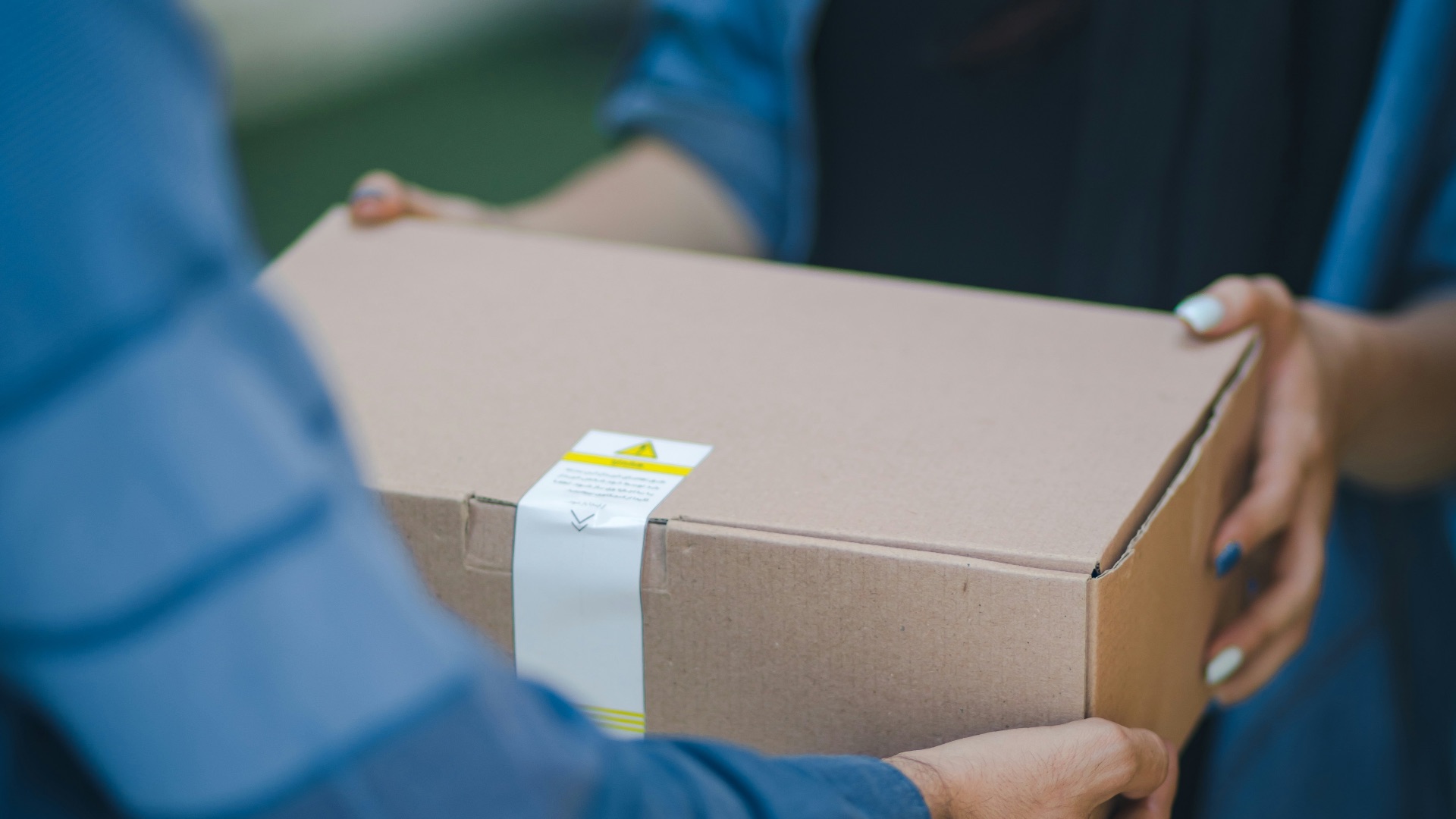
Buying extra items you're not sure about creates the potential for a whole separate inconvenience when they arrive and disappoint. Returns involve repacking, scheduling pickups or drop-offs, and sometimes waiting weeks for a refund to process. The time and energy involved often make the free shipping feel far less worthwhile in hindsight.
6. It Distorts Your Perception of Value
When free shipping is dangled as a reward, it's easy to start measuring purchases by whether they help you reach the threshold rather than whether they're worth buying. This shifts your focus away from value and toward an arbitrary number set by the retailer. Your purchasing decisions are better made on their own merits, not in service of a promotional structure.
7. Small Add-Ons Add Up Over Time
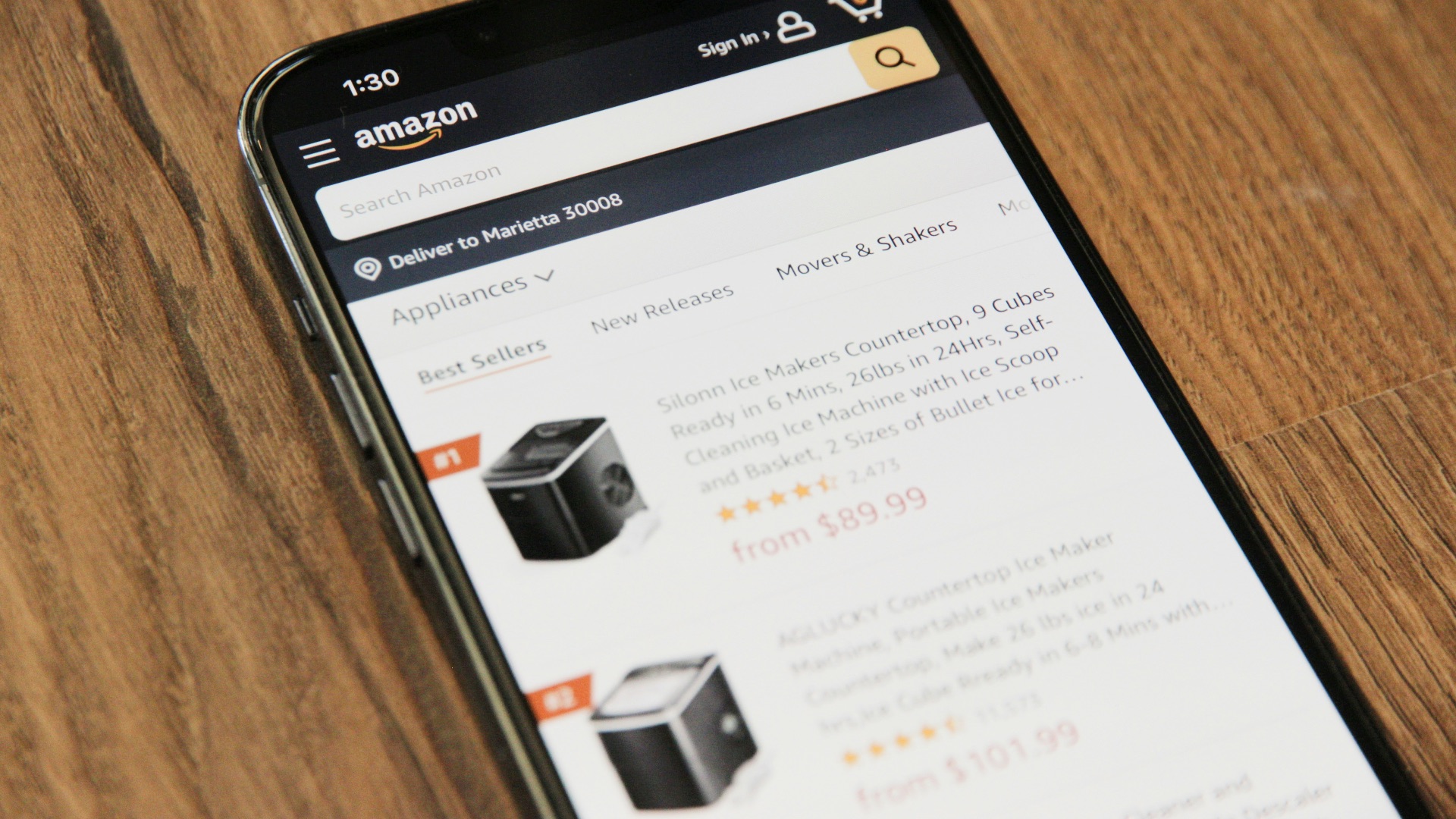
A few dollars here and there to hit a shipping minimum might feel trivial in isolation, but those small top-up purchases can add up to a meaningful amount over the course of a year. If you shop online regularly and make this call even once a week, the cumulative overspending becomes hard to ignore. It's the kind of habit that does damage to a budget before you notice it.

8. You Might Miss a Better Deal Elsewhere
Locking yourself into one retailer just to qualify for their free shipping threshold can prevent you from finding a better price somewhere else. Another store might sell the same item for less, even after accounting for their delivery fee. Before you commit, do some research; you might be surprised.
9. It Creates a Cycle of Overconsumption
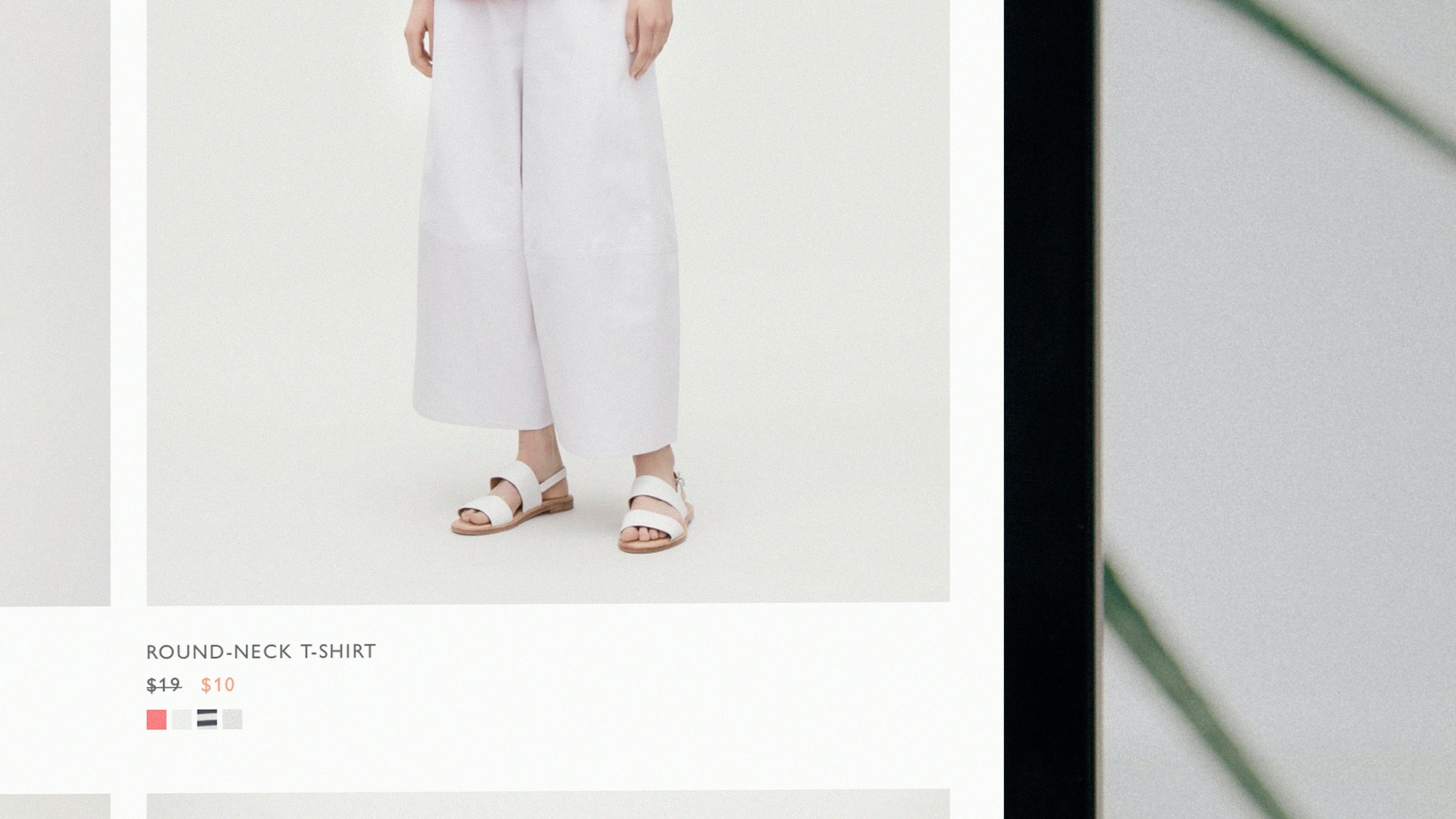
Regularly buying things you don't need to hit shipping minimums is a habit that compounds on itself over time. The more often you justify these purchases, the more normalized it becomes to buy things with no real purpose beyond filling a cart. Staying intentional about what you actually need is the better long-term approach.

10. Digital and In-Store Alternatives Are Often Available
Before adding unnecessary items to your order, it's worth checking whether the retailer offers free in-store pickup, a store credit card with free shipping, or a membership program that waives delivery fees entirely. Many shoppers don't realize these options exist until they take a few minutes to look. Exploring those alternatives can get you what you need without pressuring you to overspend.
But there are times when hitting the minimum is justified. Let's take a look at 10 unique cases when it doesn't hurt to add a little more to your cart to avoid the shipping fee.

1. You Have a Genuine Need
You should always ask yourself whether you truly need an item before adding it to your cart, so if you happen to gather enough necessary stuff to hit the free shipping threshold, then that's a win. Since you'll use what you buy, stocking up a little early doesn't create any waste or clutter.

2. You're Buying a Gift You've Already Planned On
If there's a birthday, holiday, or occasion coming up and you've been meaning to pick something out, using an online order as the opportunity to grab a gift makes good sense. The person you're buying it for doesn't need to know that you bought their present on sale or out of convenience (shh).

3. You're Taking Advantage of a Limited-Time Sale
When an item you've had your eye on happens to be discounted at the same time you're placing an order, adding it to hit free shipping just feels right. You're combining two separate savings into a single transaction, which makes the math work in your favor. Just make sure the item is something you genuinely wanted before the sale appeared, not something the discount made you want.
4. You're Restocking Something You've Run Out Of
Running low on something you use every day? Go ahead and stock up! There's no wasted spending here because the item was going to be repurchased eventually anyway. Tying that restock to a free shipping threshold just means you're planning ahead, which, if you ask us, is smart.

5. The Retailer Offers a Generous Return Policy
When a store has a straightforward, no-hassle return policy, adding an item you're moderately confident about carries significantly less risk. If it doesn't work out, sending it back is easy and doesn't cost you anything extra. In those circumstances, using a threshold purchase to try something new is a low-stakes decision.
6. You're Shopping for Others
If you're placing an order on behalf of multiple people, consolidating everyone's needs into a single cart makes the threshold much easier to reach. Each item has a clear purpose and a clear user, so nothing is going to waste. Group orders are one of the most practical ways to hit the free shipping minimum without overspending yourself.
7. You've Been Putting Off a Necessary Purchase
Sometimes a free shipping threshold is just the nudge you needed to finally order something you've been procrastinating on. If a replacement item, a tool you need, or a long-delayed purchase has been sitting on your mental to-do list, this is a good excuse to take care of it. Acting on something you already intended to buy doesn't count as unnecessary spending.
8. The Add-On Has a Long Shelf Life and Won't Go to Waste
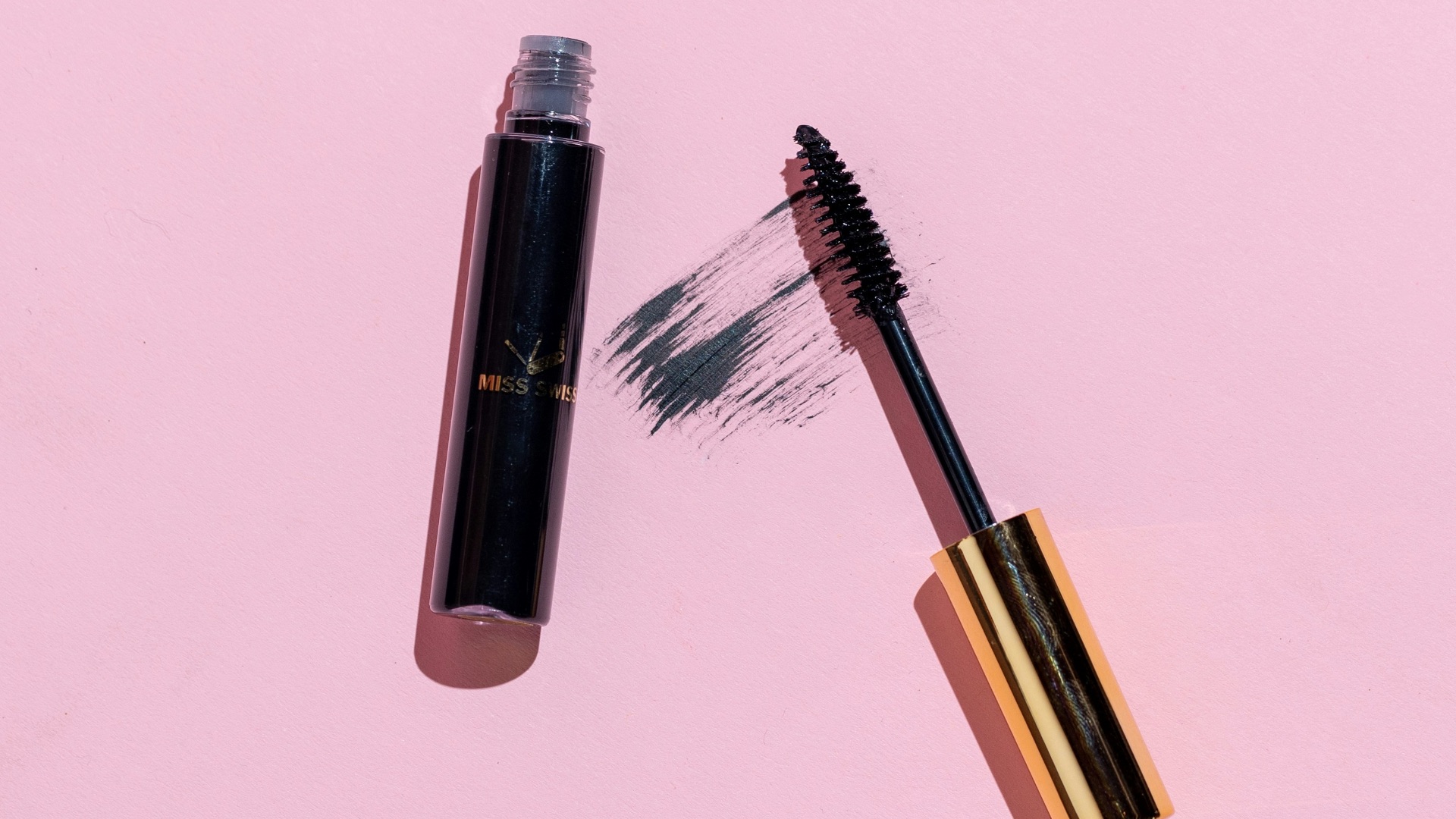
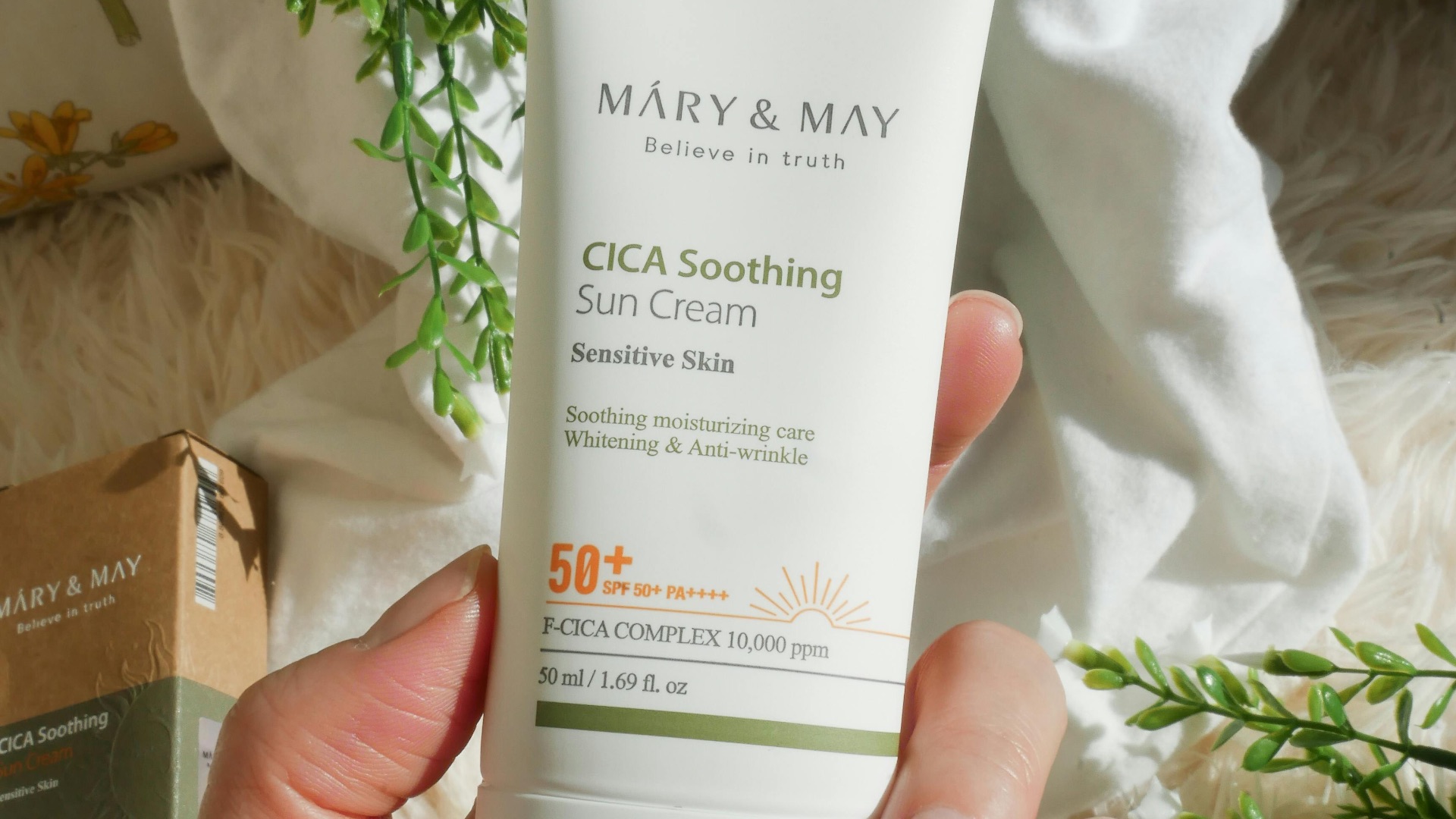
Beauty items with a long shelf life are excellent candidates for threshold top-ups because there's no risk of them expiring soon after you get them. That means you have plenty of time to use up the products in your routine before trying the new one out. Buying ahead on practical essentials is a reasonable and financially sensible choice.
9. You're Trying a Low-Cost Product You've Been Curious About
If there's a relatively inexpensive item you've been eyeing for a while and it fits neatly into your order total, testing it out while hitting a threshold is a smart move. You're not committing a large amount of money, and you get to find out whether it's worth adding to your regular rotation. Win-win.

10. The Free Shipping Savings Are Significant
When you're already placing a substantial order and only a small amount away from the threshold, or the fee is fairly steep, sometimes it is worth hitting the minimum to avoid extra costs. Adding $8 worth of something useful to save $15 in shipping on a $90 order is (well, debatably) good math. At that point, the free shipping offer is working exactly the way it should: rewarding a real purchase with a meaningful benefit.