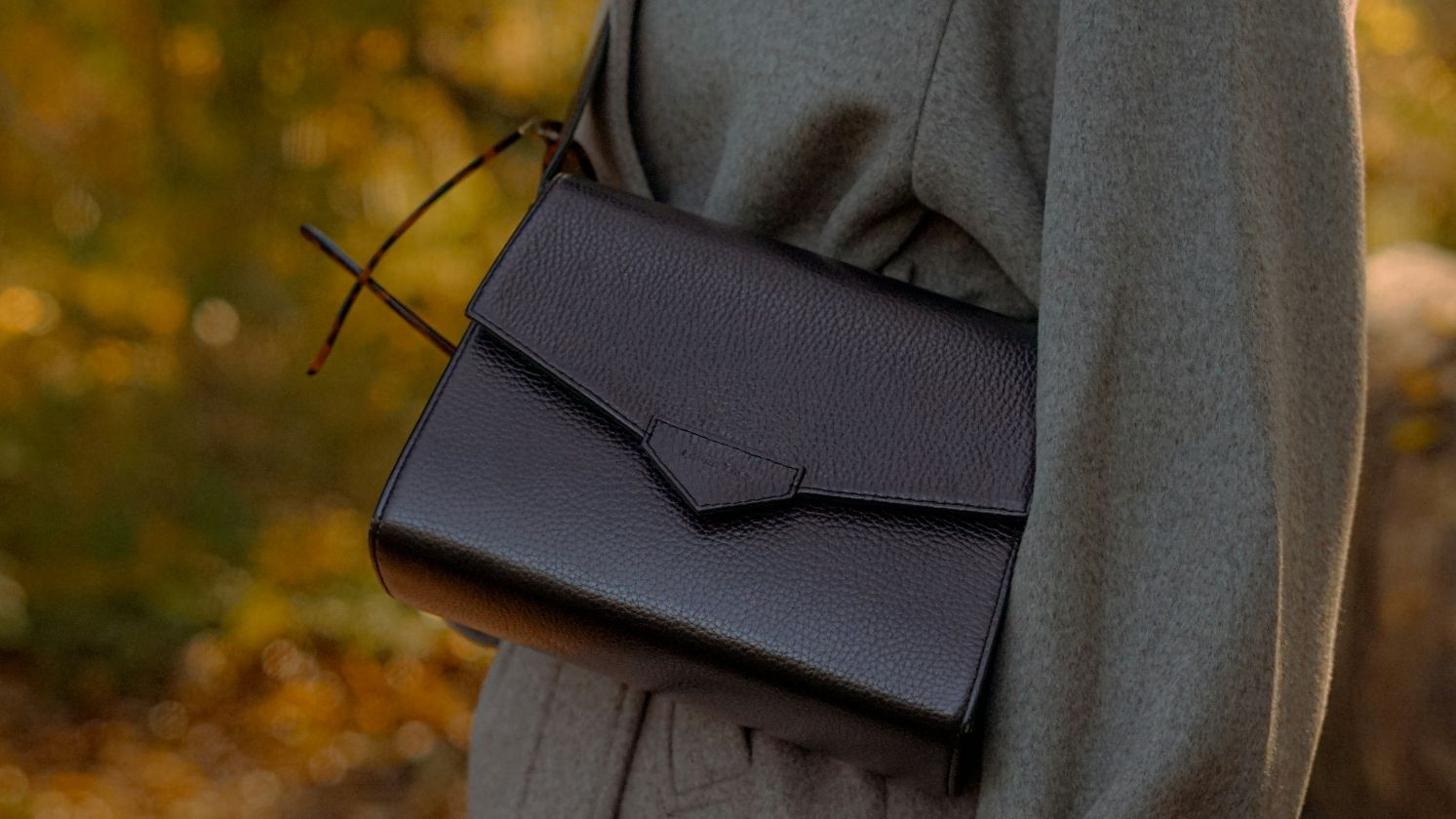
Classic Designs That Never Go Out of Style
Fashion trends move quickly, but some handbag shapes have proven they can outlast changing styles and seasonal collections. These designs have remained popular for decades because they combine practicality, recognizable silhouettes, and a sense of refinement that works with many outfits. Designers frequently reinterpret them with new materials and colors, yet the basic structure stays the same. If you're looking for a bag style that won't feel outdated anytime soon, these 20 classic shapes continue to appear on runways, in stores, and in everyday wardrobes.
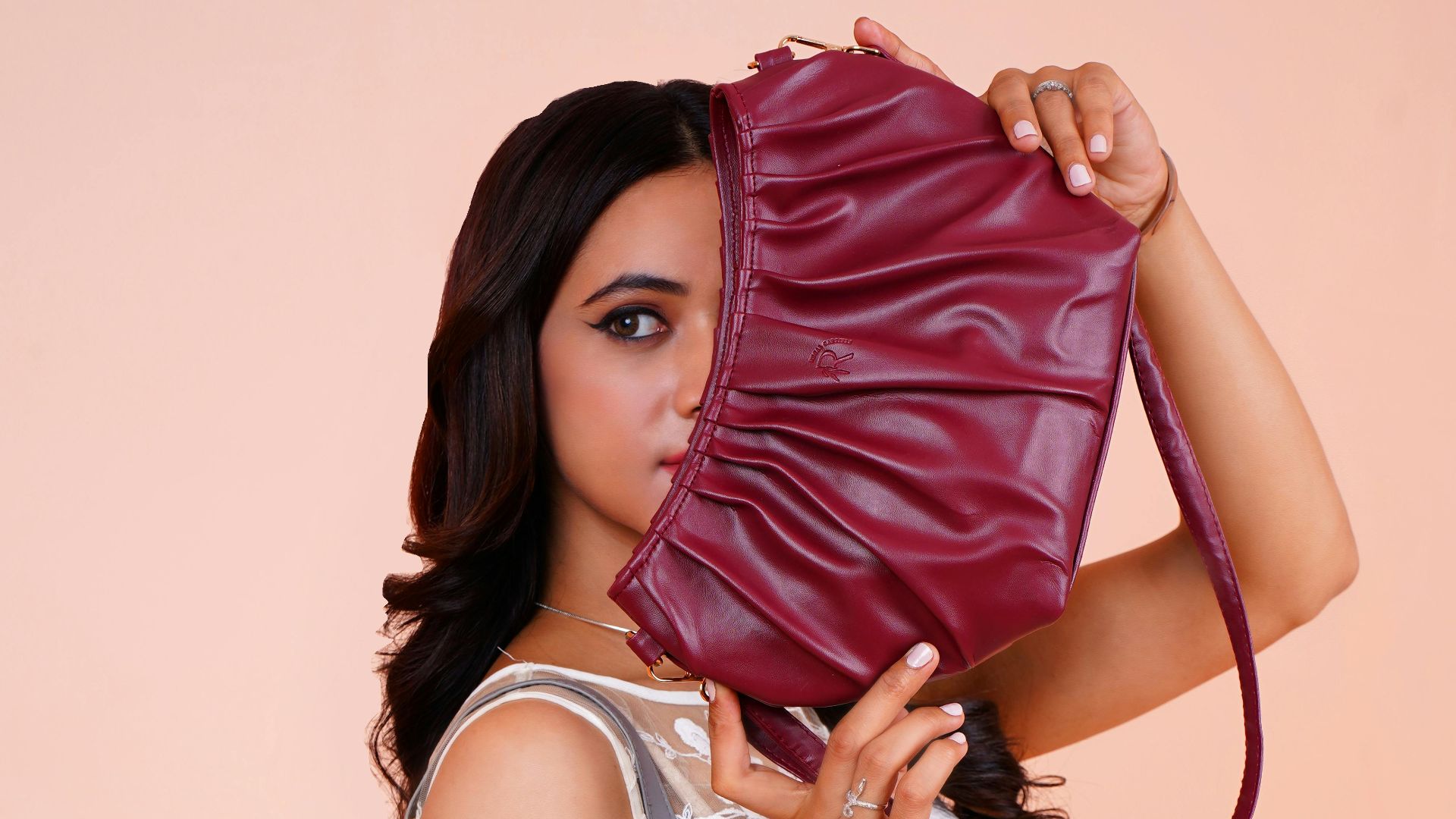
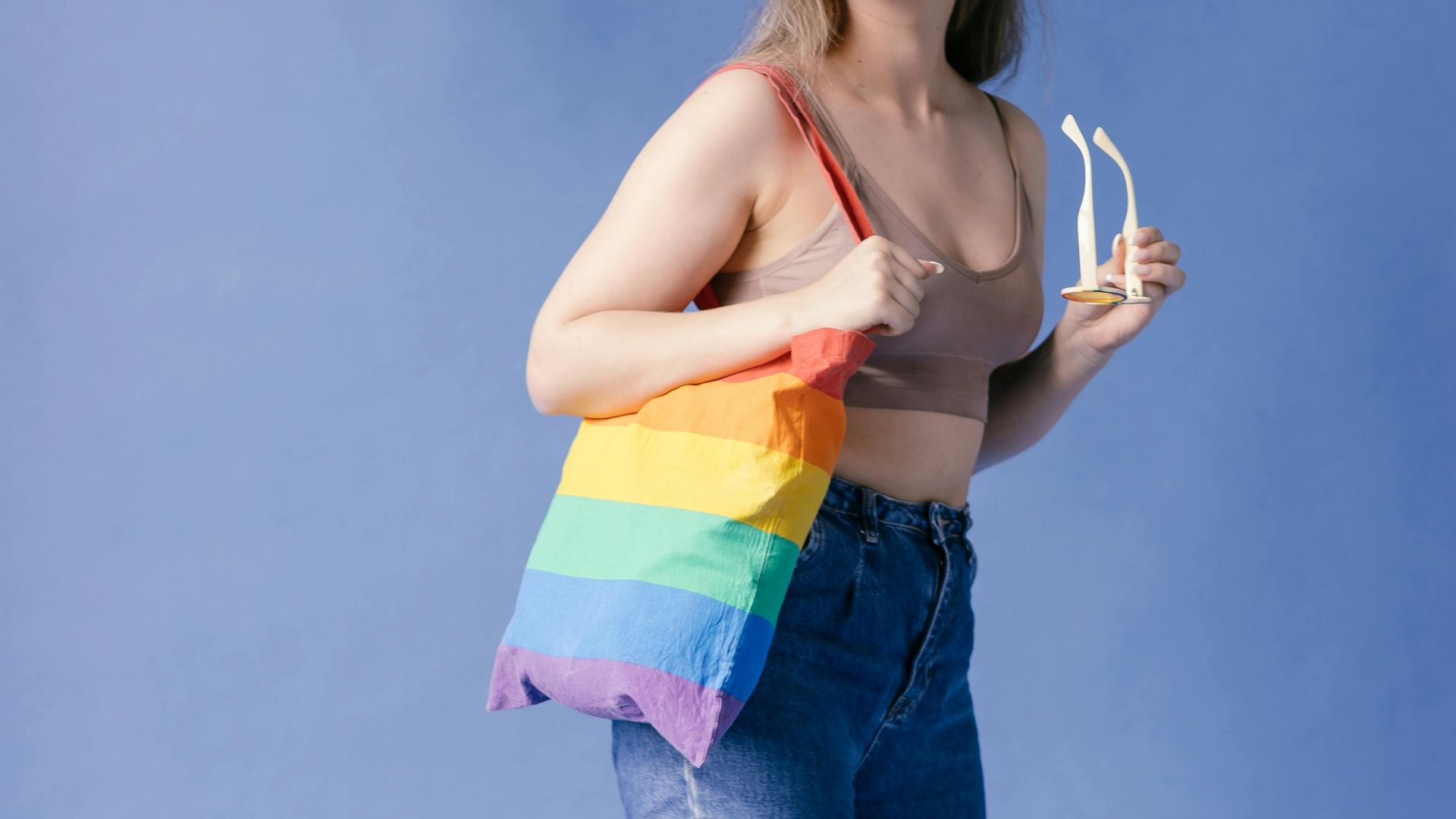
1. The Tote Bag
The tote is one of the most recognizable handbag shapes because of its large, open structure and parallel handles. It’s designed to carry everyday essentials such as laptops, documents, and personal items, which makes it practical for work or travel.

2. The Satchel
A satchel typically features a structured rectangular body with a top handle and sometimes a shoulder strap. This shape was originally inspired by traditional schoolbags and briefcases.
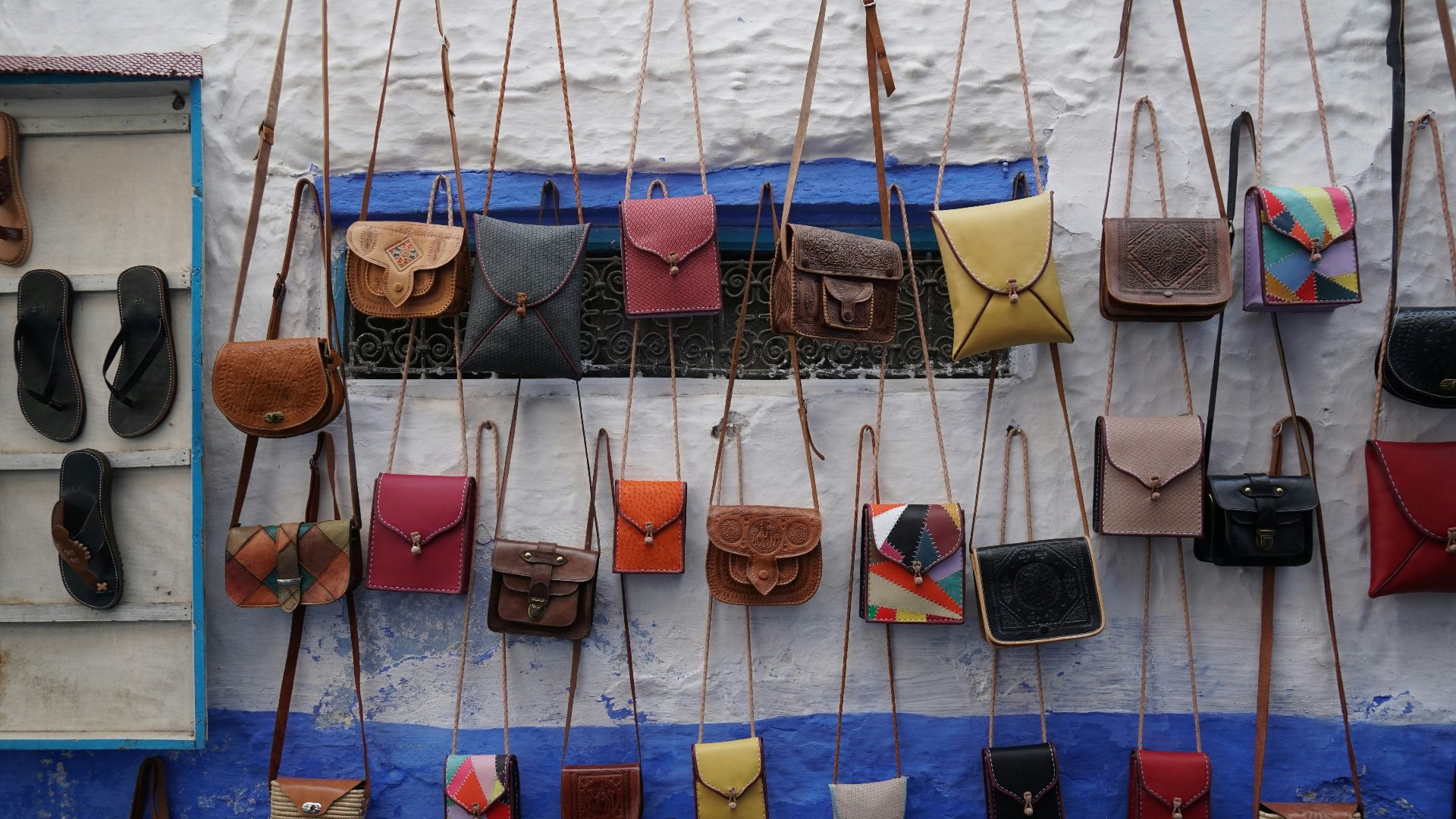
3. The Shoulder Bag
The shoulder bag is defined by a strap length designed to sit comfortably on the shoulder. This shape became especially popular during the mid-twentieth century when women wanted handbags that allowed hands-free movement.
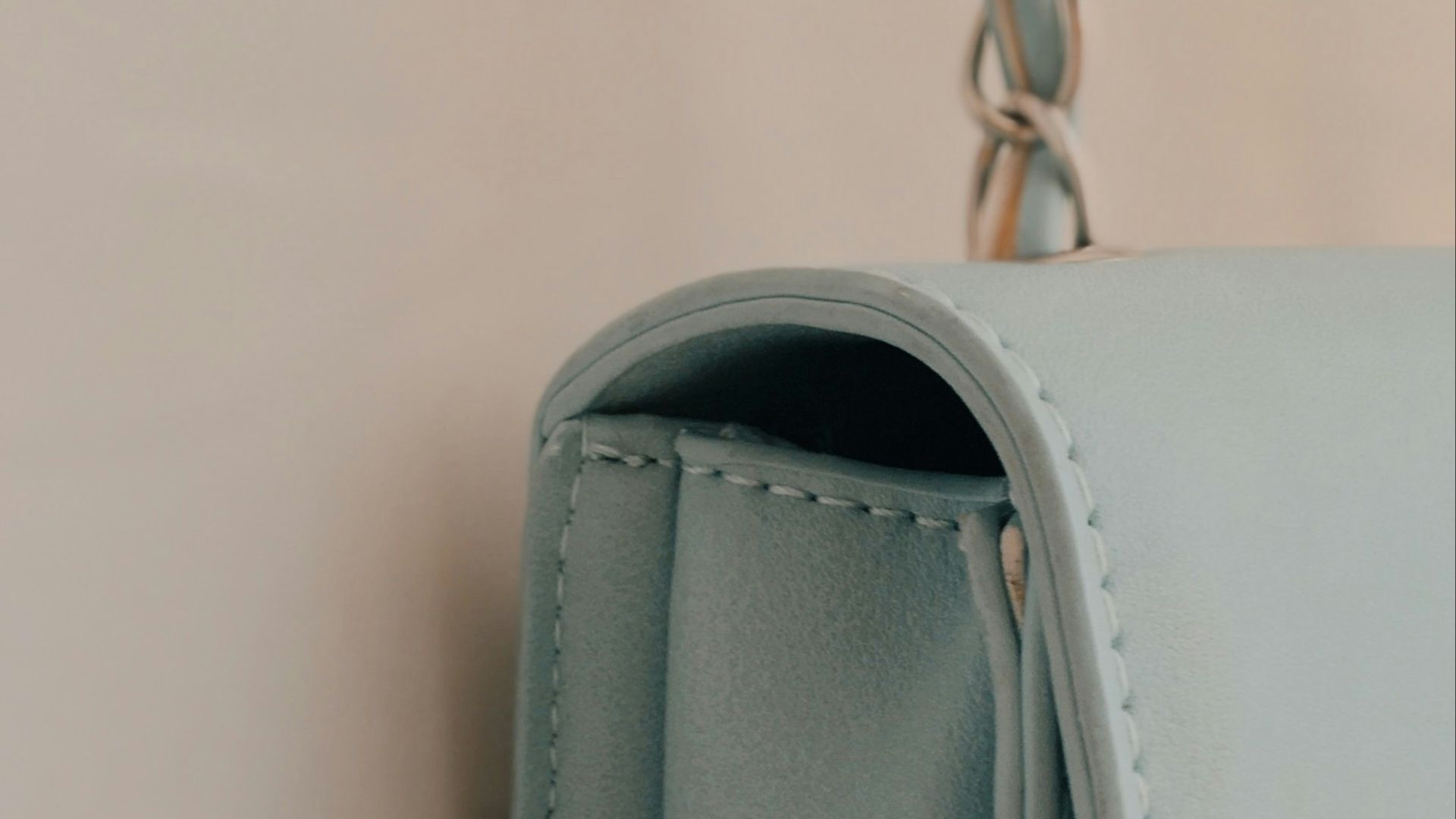
4. The Crossbody Bag
Crossbody bags feature a long strap that allows the bag to rest diagonally across the torso. This design distributes weight evenly and keeps the bag secure while walking or commuting.
5. The Clutch
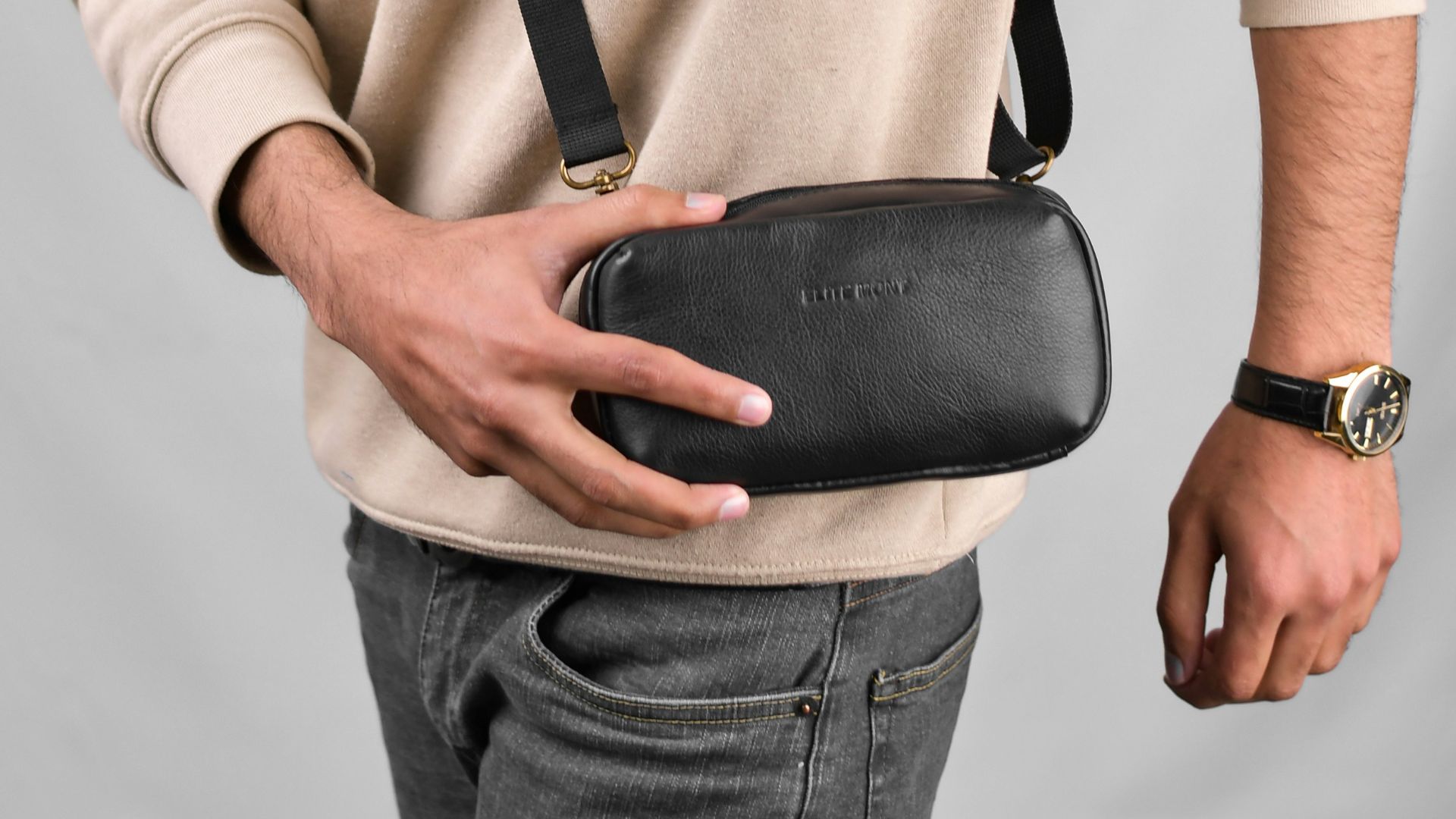
A clutch is a small handbag meant to be carried by hand without straps. This style has been associated with eveningwear since the early twentieth century. Its compact size is intended for essentials like a phone, keys, and cosmetics. Despite fashion changes, the clutch remains a staple accessory for formal events.
6. The Hobo Bag
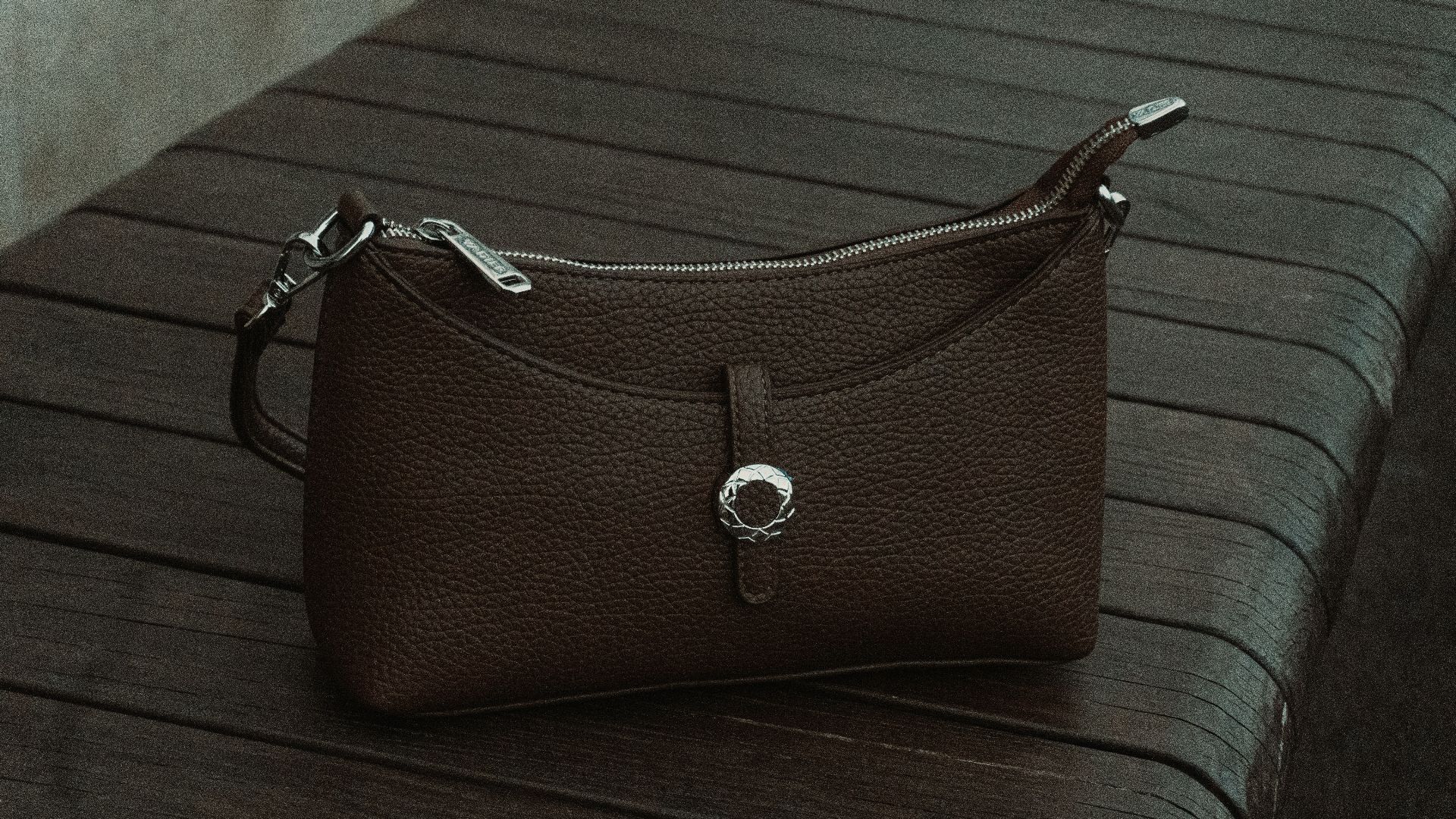
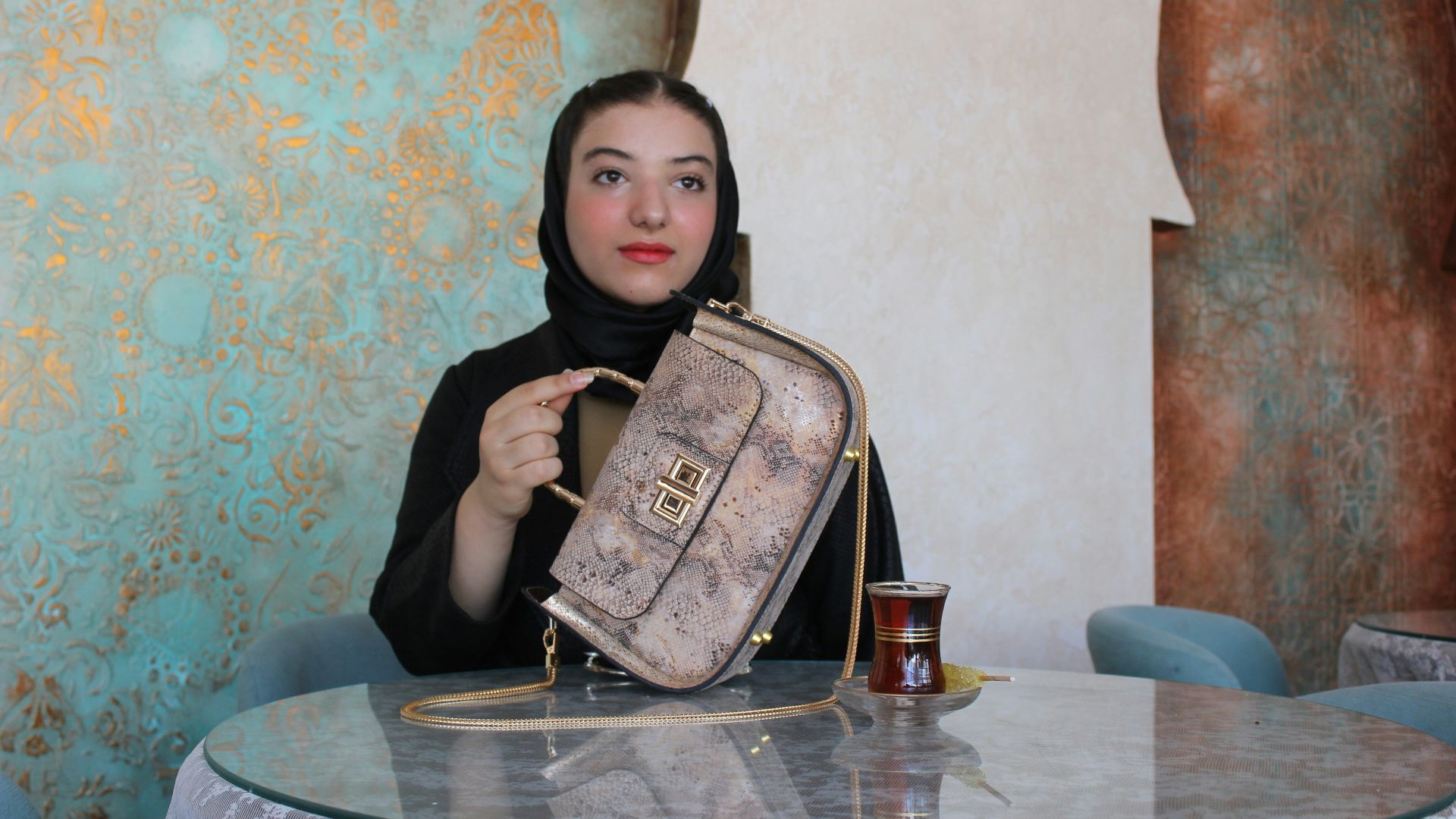
The hobo bag is known for its soft, slouchy structure and crescent shape. It typically features a single strap and a flexible body that drapes naturally when carried.
7. The Bucket Bag
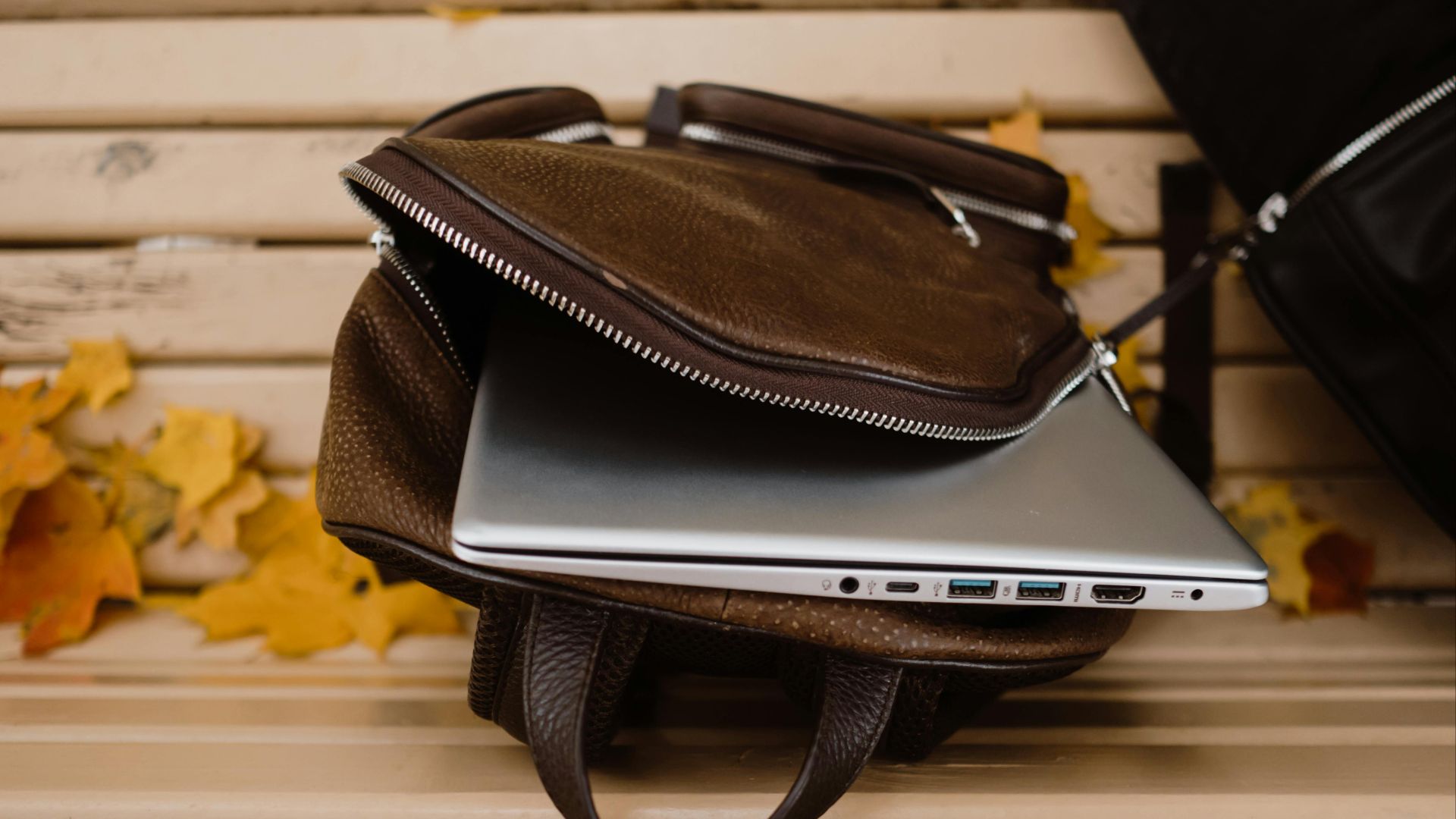
Bucket bags have a cylindrical shape with a drawstring closure at the top. The design became widely known through luxury fashion houses in the 1930s and later saw revivals in multiple decades. The spacious interior allows for easy storage of everyday items. Its simple silhouette has kept it relevant in modern collections.
8. The Top-Handle Bag
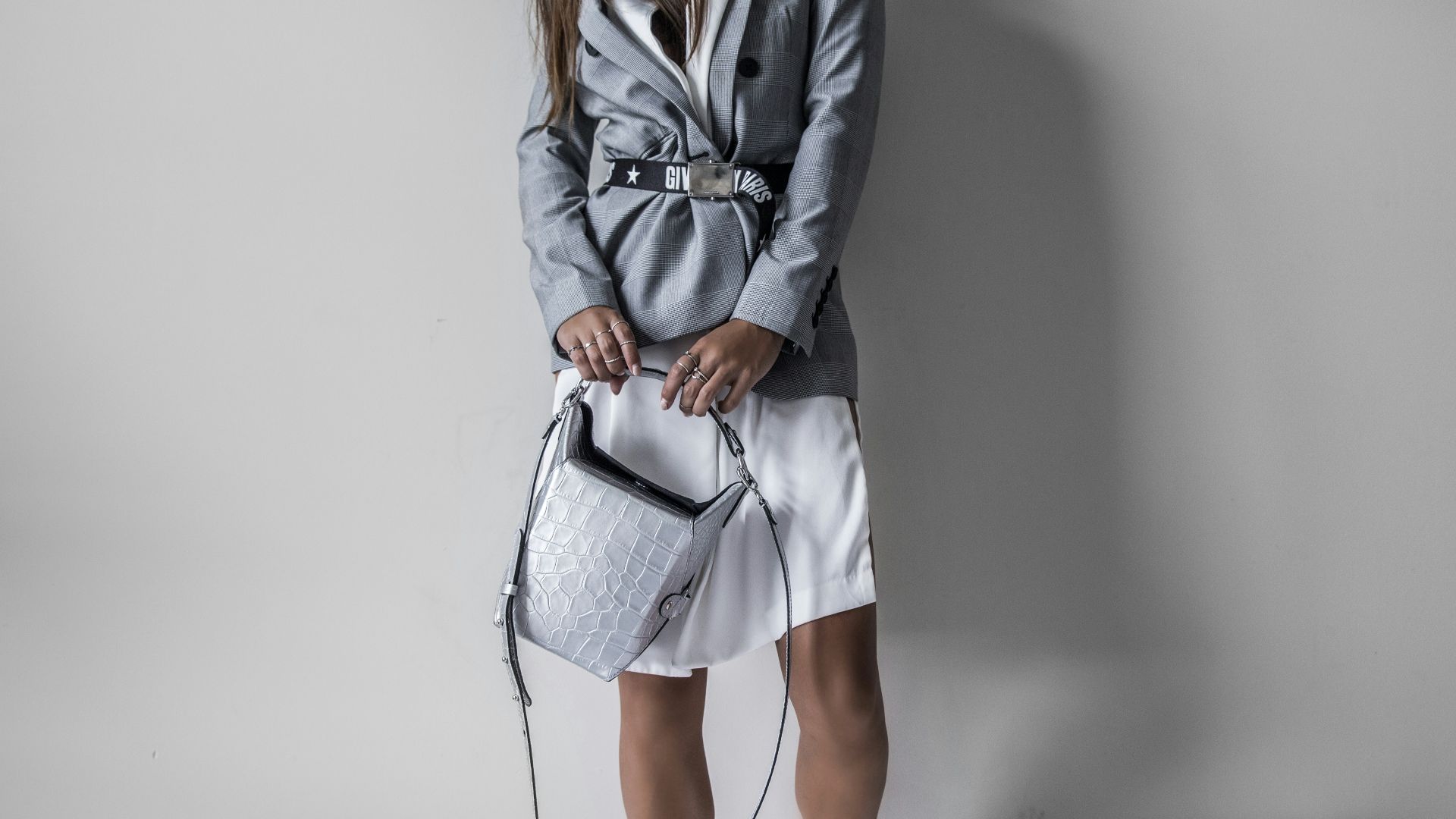
A top-handle bag is structured and carried primarily by a short handle at the top. This design became especially associated with mid-twentieth-century elegance and professional fashion.
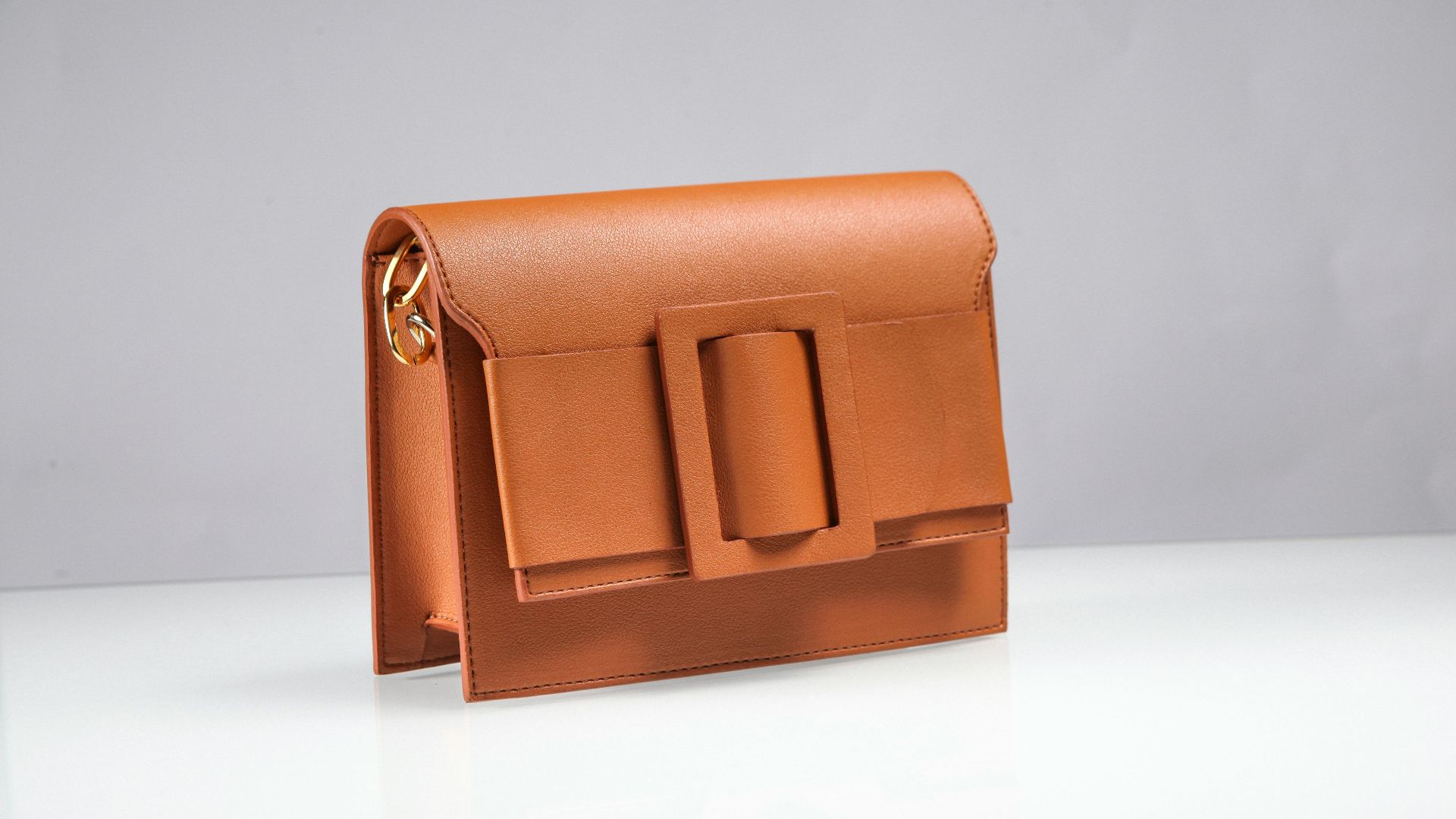
9. The Saddle Bag
Saddle bags feature a curved flap and a rounded base inspired by horse-riding saddles. The design became widely popular in the 1970s and has experienced several major revivals since then. It typically includes a long strap for shoulder or crossbody wear. Its distinctive shape makes it easy to recognize.
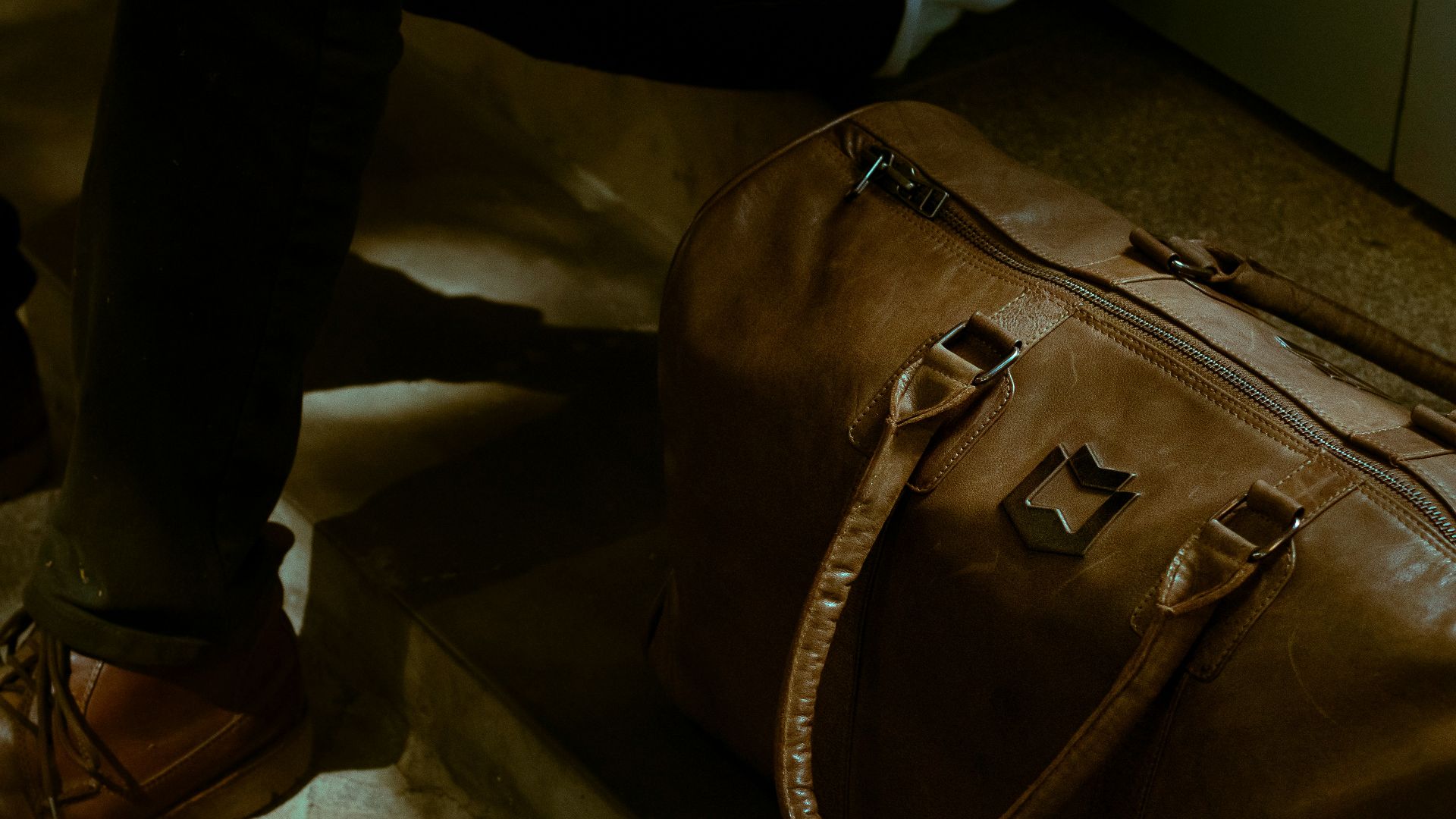
10. The Doctor Bag
The doctor bag takes inspiration from the large medical bags historically used by physicians. It usually features a wide opening and sturdy frame that allows the bag to hold its shape.
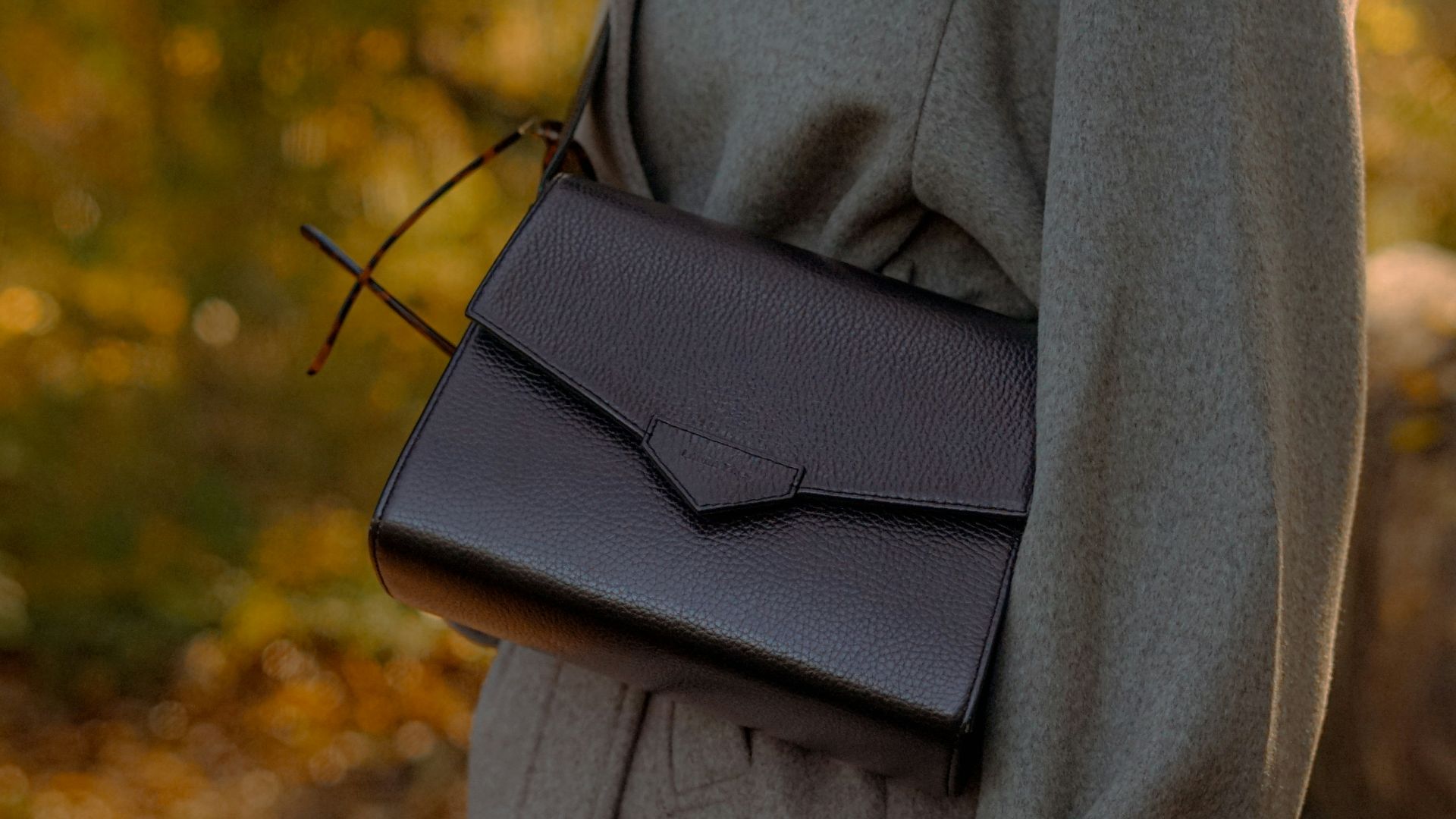
11. The Envelope Bag
Envelope bags are shaped like a traditional mailing envelope, with a triangular flap closure. The design is sleek and minimal, often appearing in clutch or crossbody formats.
12. The Frame Bag
Frame bags use a rigid metal frame at the opening to maintain structure. This design was extremely common in early twentieth-century handbags before zippers became widespread. The frame allows the bag to open widely and close securely.
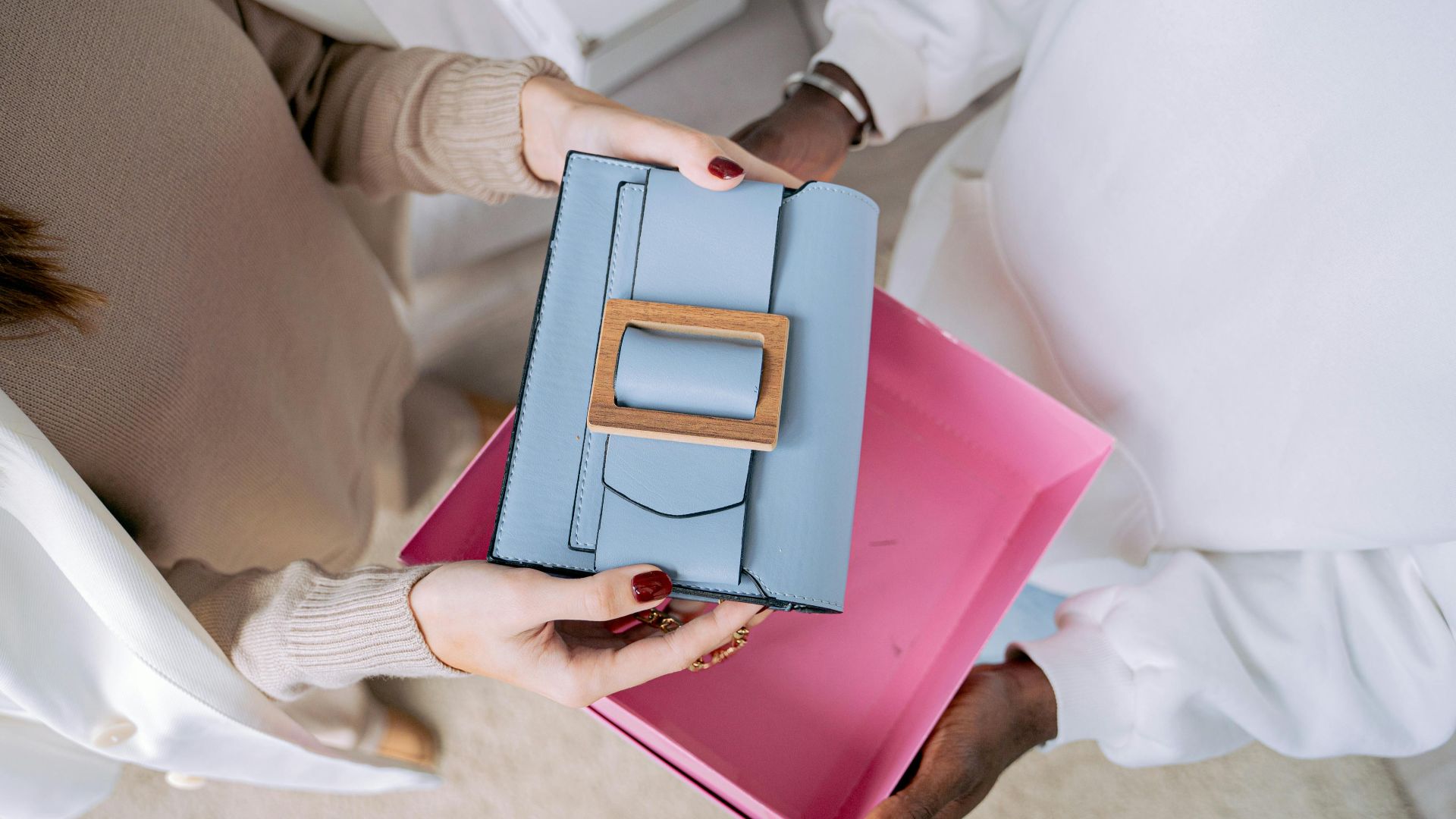 Antoni Shkraba Studio on Pexels
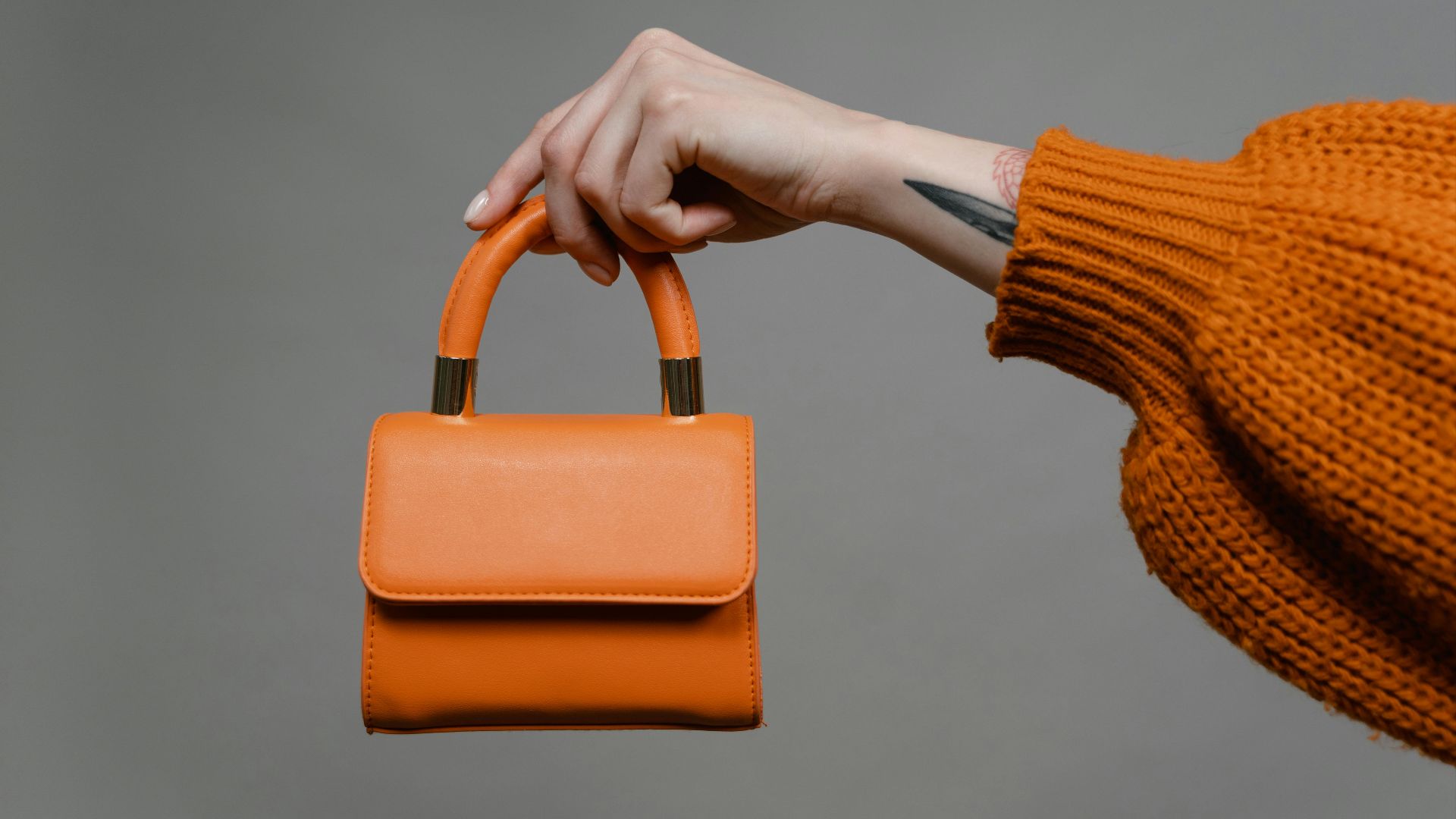
13. The Mini Bag
Mini bags are intentionally small and designed to carry only a few essentials. While compact handbags have existed for decades, the mini trend has grown significantly in recent years.
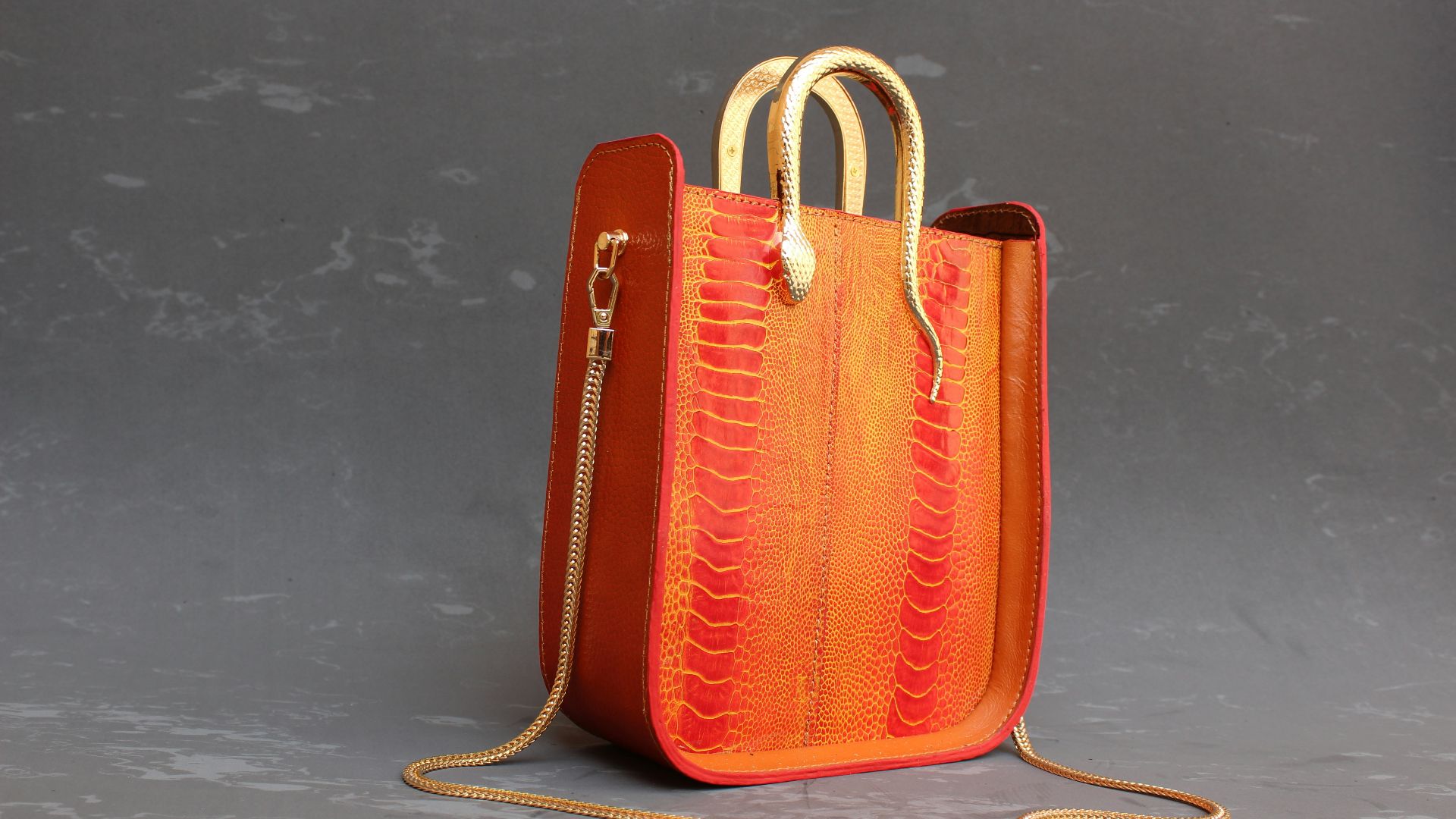
14. The Baguette Bag
The baguette bag became famous in the late 1990s when it gained popularity as a short-strap shoulder bag carried under the arm. Its name refers to the long, narrow shape that resembles a baguette loaf.
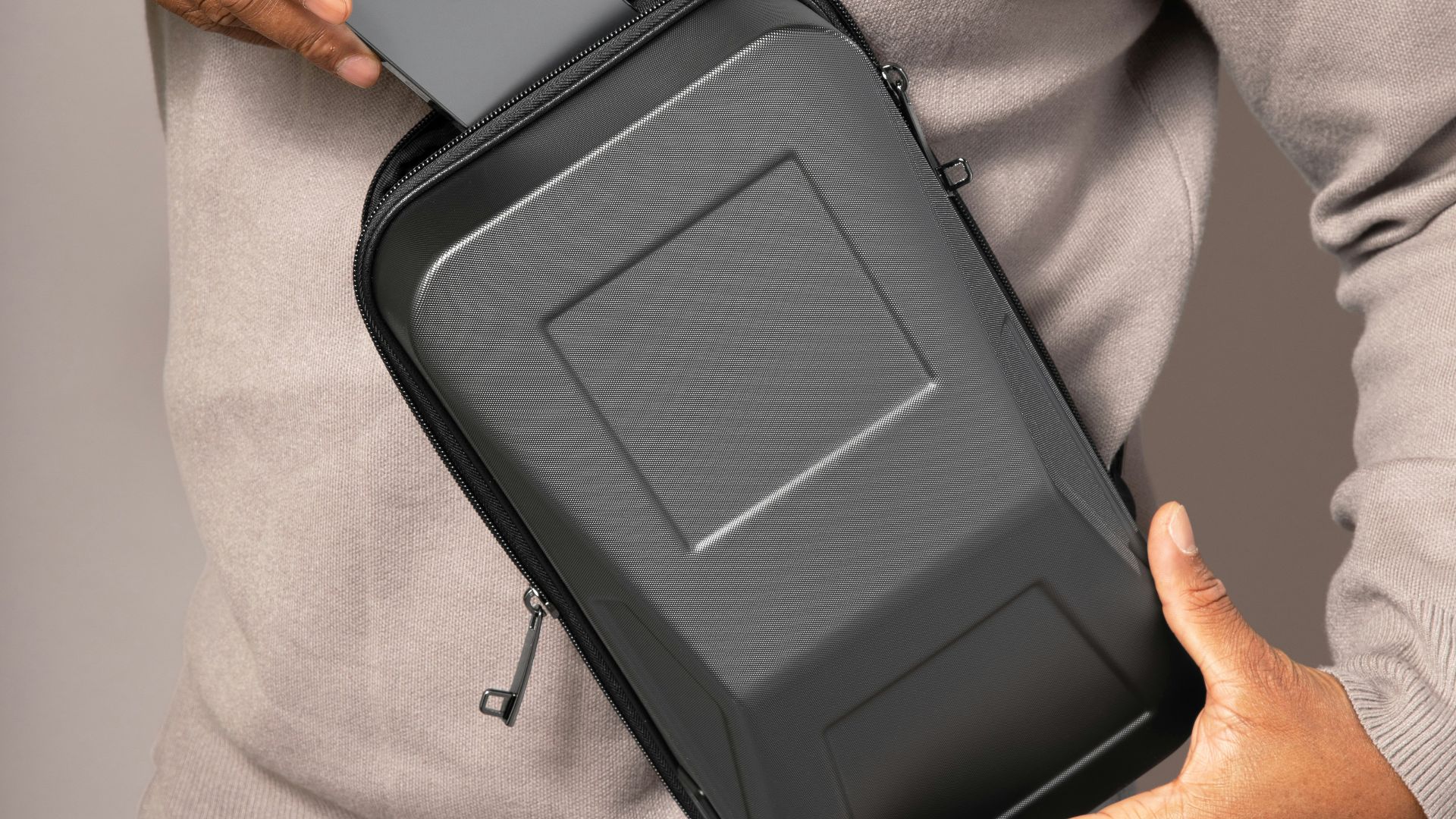
15. The Backpack Purse
A backpack purse combines the structure of a handbag with backpack straps. This design allows weight to be distributed evenly across both shoulders. It became especially popular during the 1990s and has returned in modern fashion cycles.
16. The Camera Bag
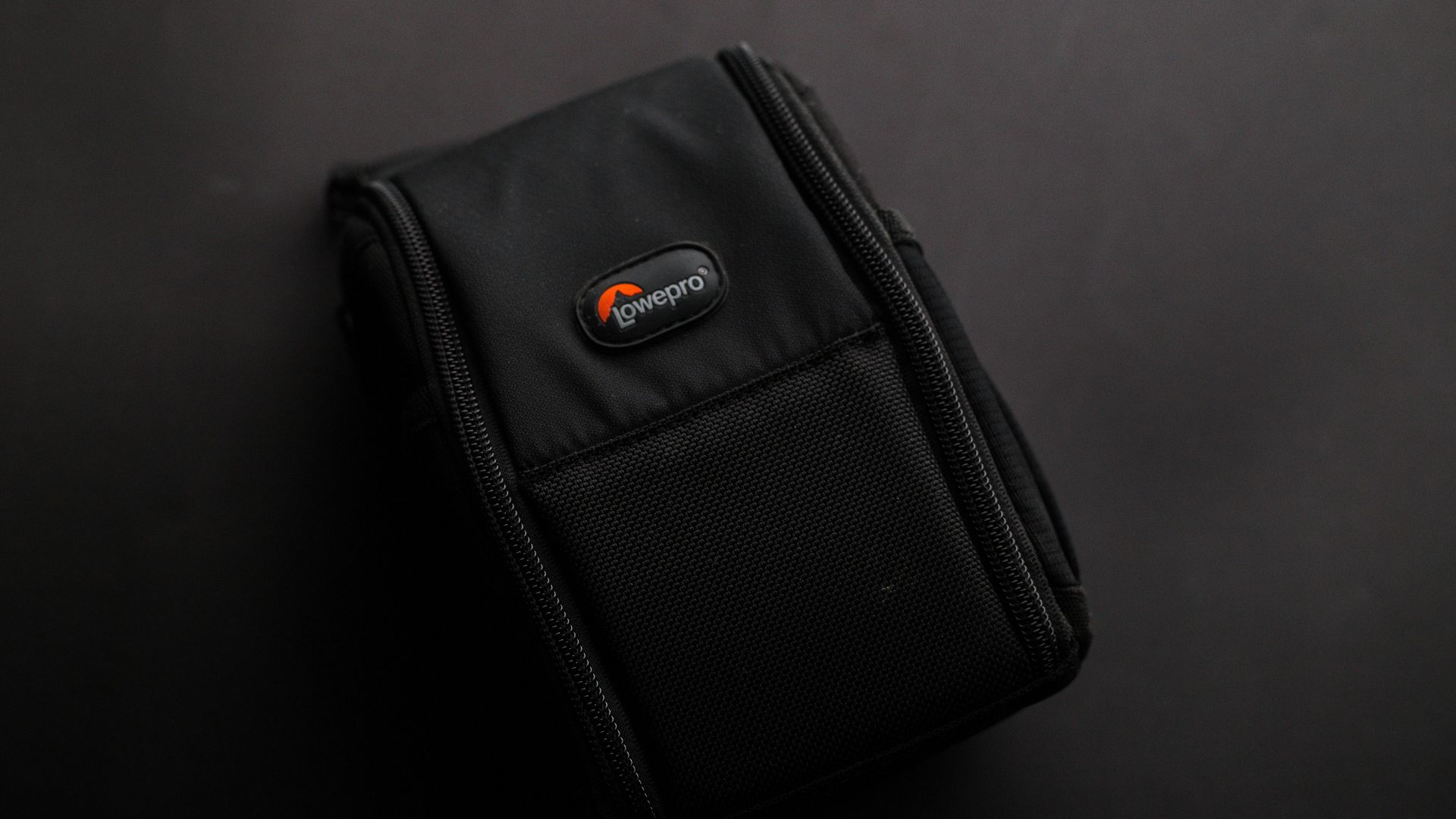
Camera bags are rectangular with a zippered top and a long strap for crossbody wear. The design was originally inspired by cases used for cameras and photography equipment. Because of its compact structure, it keeps items organized and easy to access. This shape remains common in both casual and designer collections.
17. The Bowling Bag
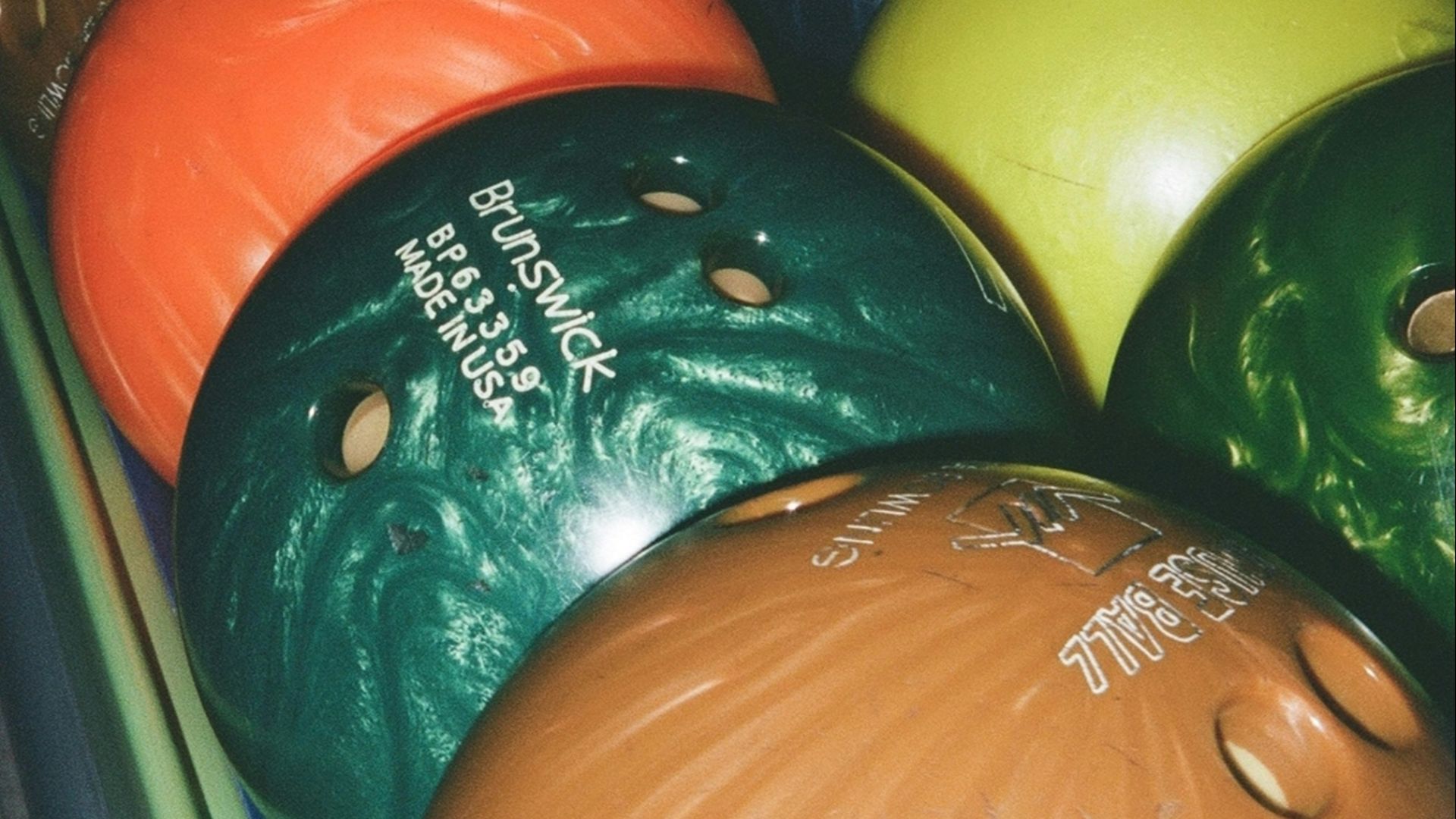
Bowling bags were inspired by the bags used to carry bowling balls in the mid-twentieth century. They usually feature a rounded top, sturdy handles, and a zippered opening. Fashion designers adapted the shape for everyday handbags in the 1950s. The structured silhouette continues to appear in modern collections.
18. The East-West Bag
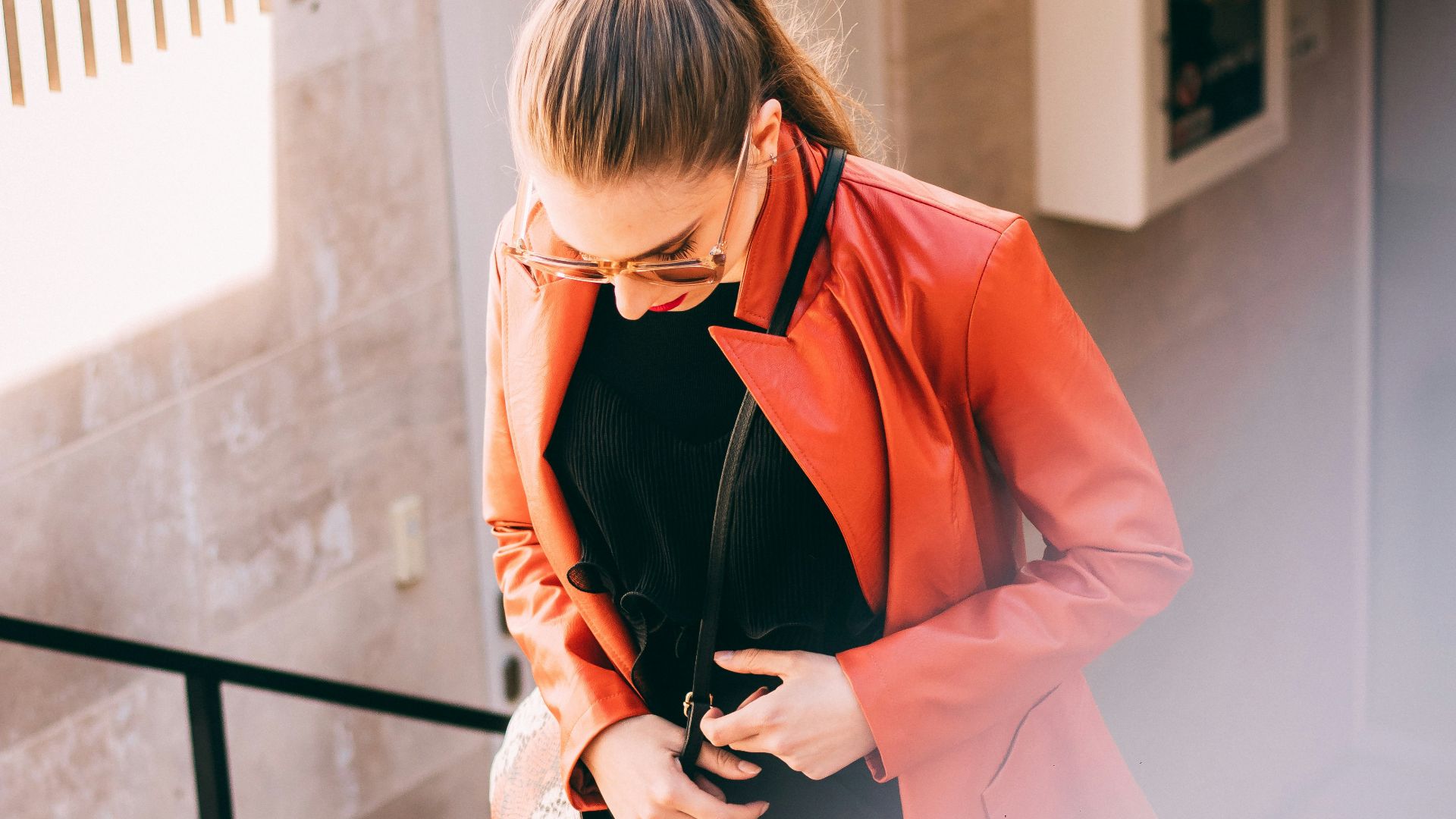
An East-West bag is wider than it is tall, giving it a horizontal shape. This design gained popularity in the early 2000s and has recently returned to fashion runways. Its elongated structure offers a distinctive alternative to traditional square handbags. The shape works particularly well as a shoulder bag.
19. The Box Bag
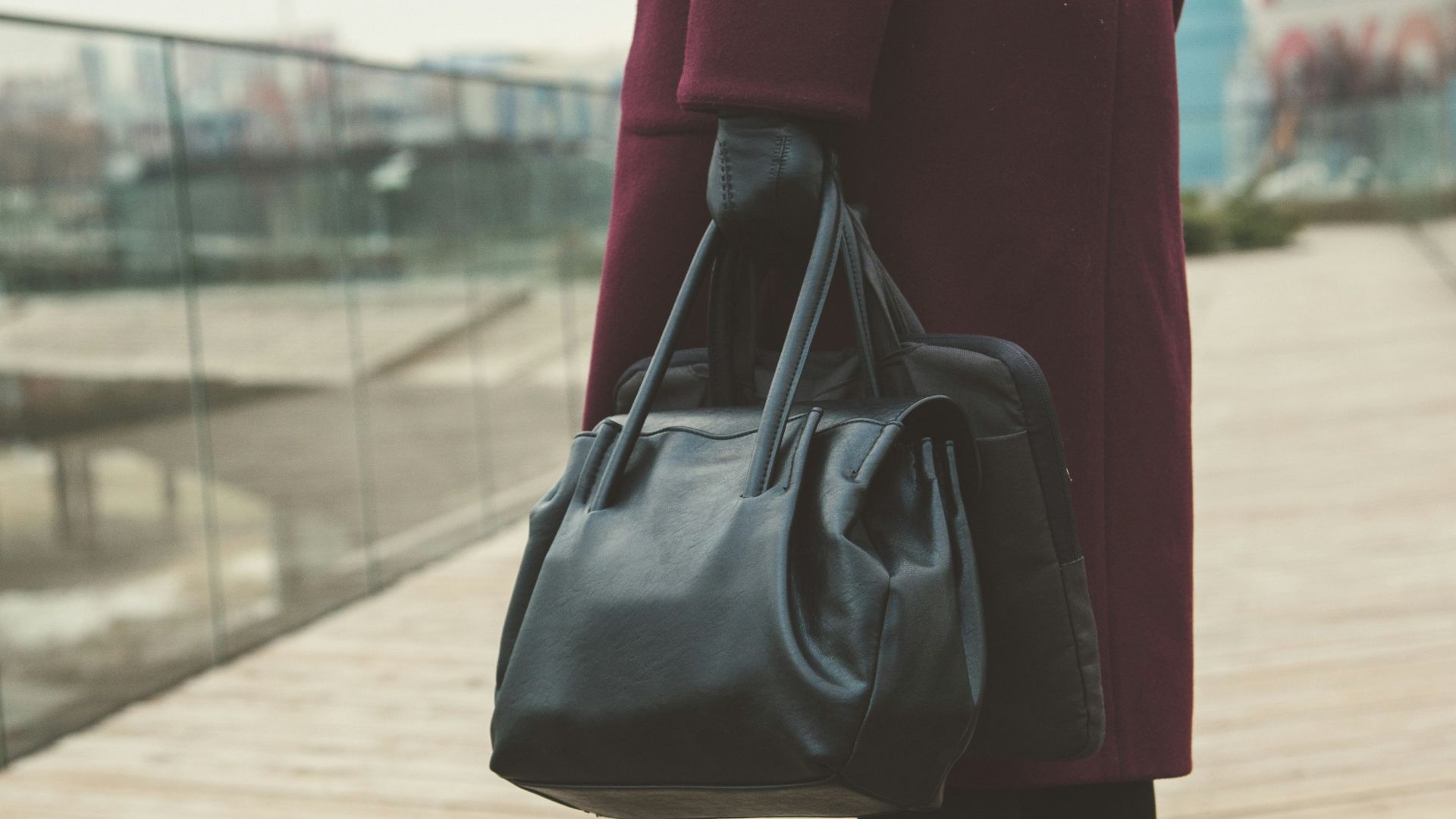
Box bags are defined by their rigid, square, or rectangular structure. The design often includes a top handle or a chain strap for versatility. Because of its firm construction, the bag keeps its shape even when empty. This structured style has been revisited by many luxury designers.
20. The Crescent Bag
Crescent bags feature a curved silhouette that resembles a half-moon. The shape fits comfortably against the body when worn over the shoulder.