The Designs That Hold Their Shape, Color, And Detail Best On Camera
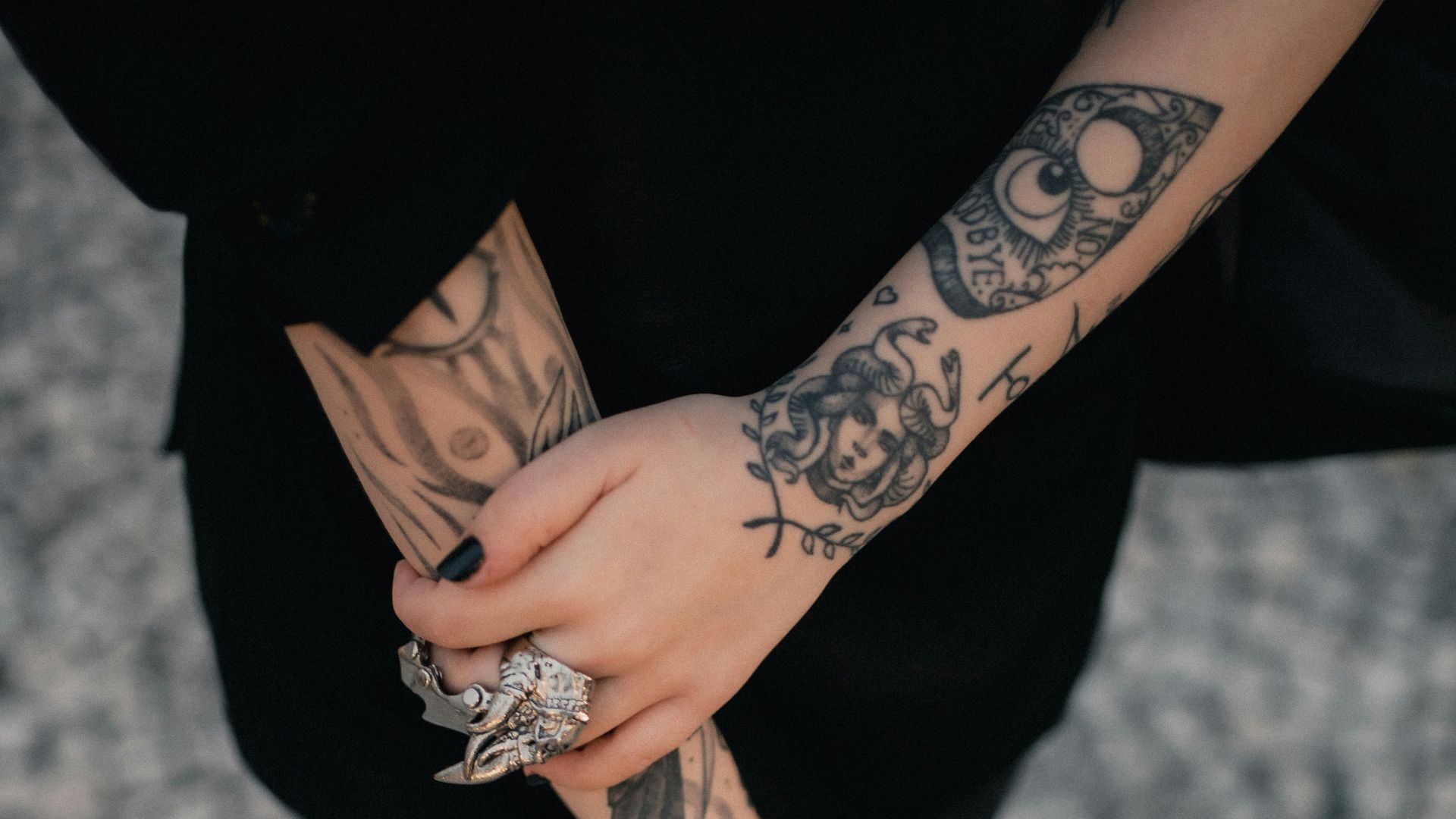
Here's something nobody tells you when you're sitting in that tattoo chair, buzzing with excitement: a tattoo that looks absolutely stunning in person can fall completely flat the second a camera gets involved. Lighting softens contrast, skin texture changes the way ink reads, and those tiny details that looked so crisp in the studio can blur together when seen through a lens. The styles that tend to photograph best usually share a few things in common. Clean structure. Good contrast. Shapes that still make sense whether you crop in close or step way back for a full-body shot. So if you want body art that holds up in mirror selfies, vacation pictures, and that one bathroom with the brutally bright overhead light, here are 20 styles that tend to make the camera's job a whole lot easier.
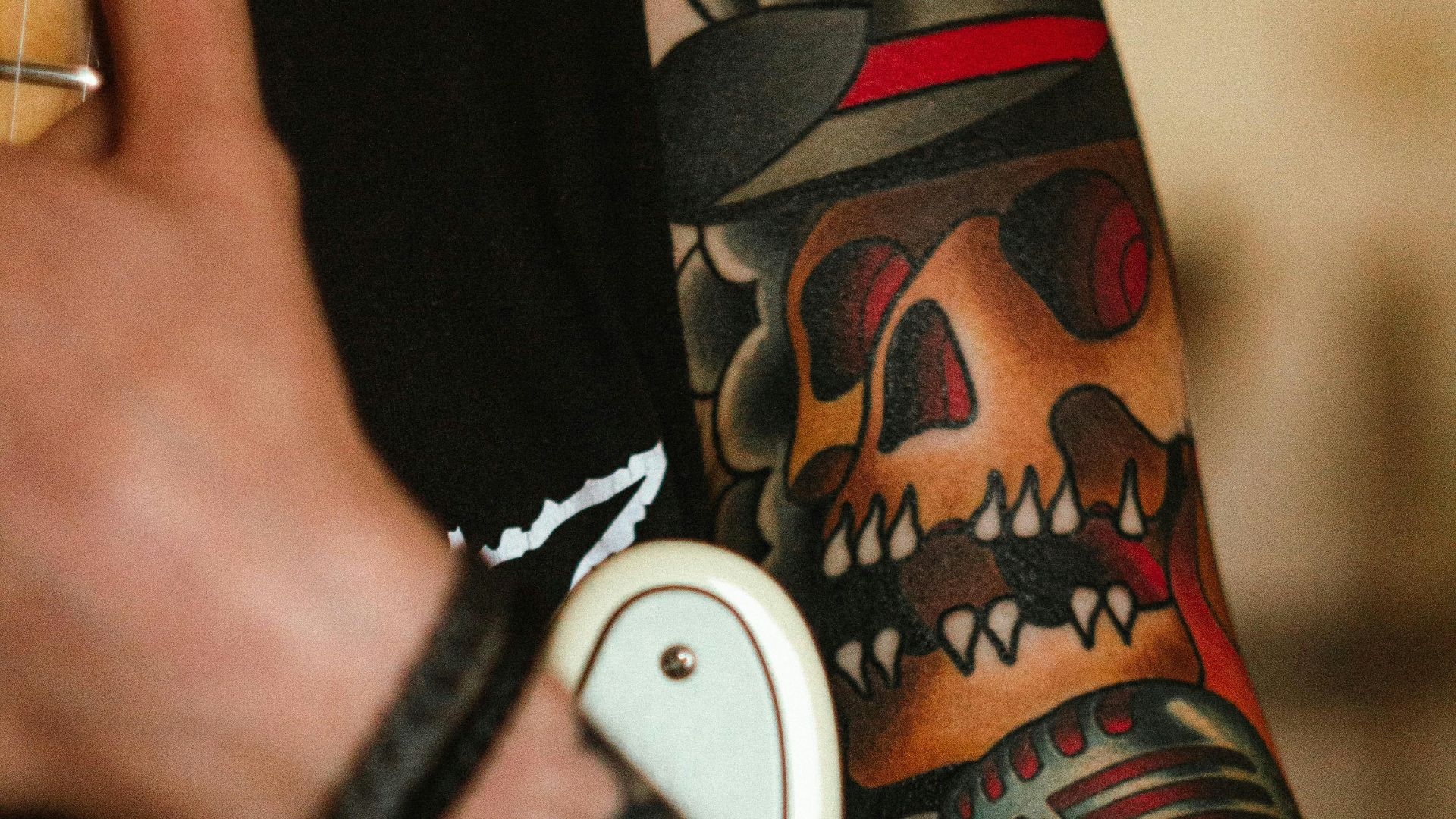
1. American Traditional
These tattoos have the kind of clarity cameras genuinely love. Thick black outlines, color that stays easy to read. Even a quick photo in average lighting usually picks up the whole design right away. Anchors, swallows, roses, panthers. They still look sharp on screen, every single time.
2. Black And Grey
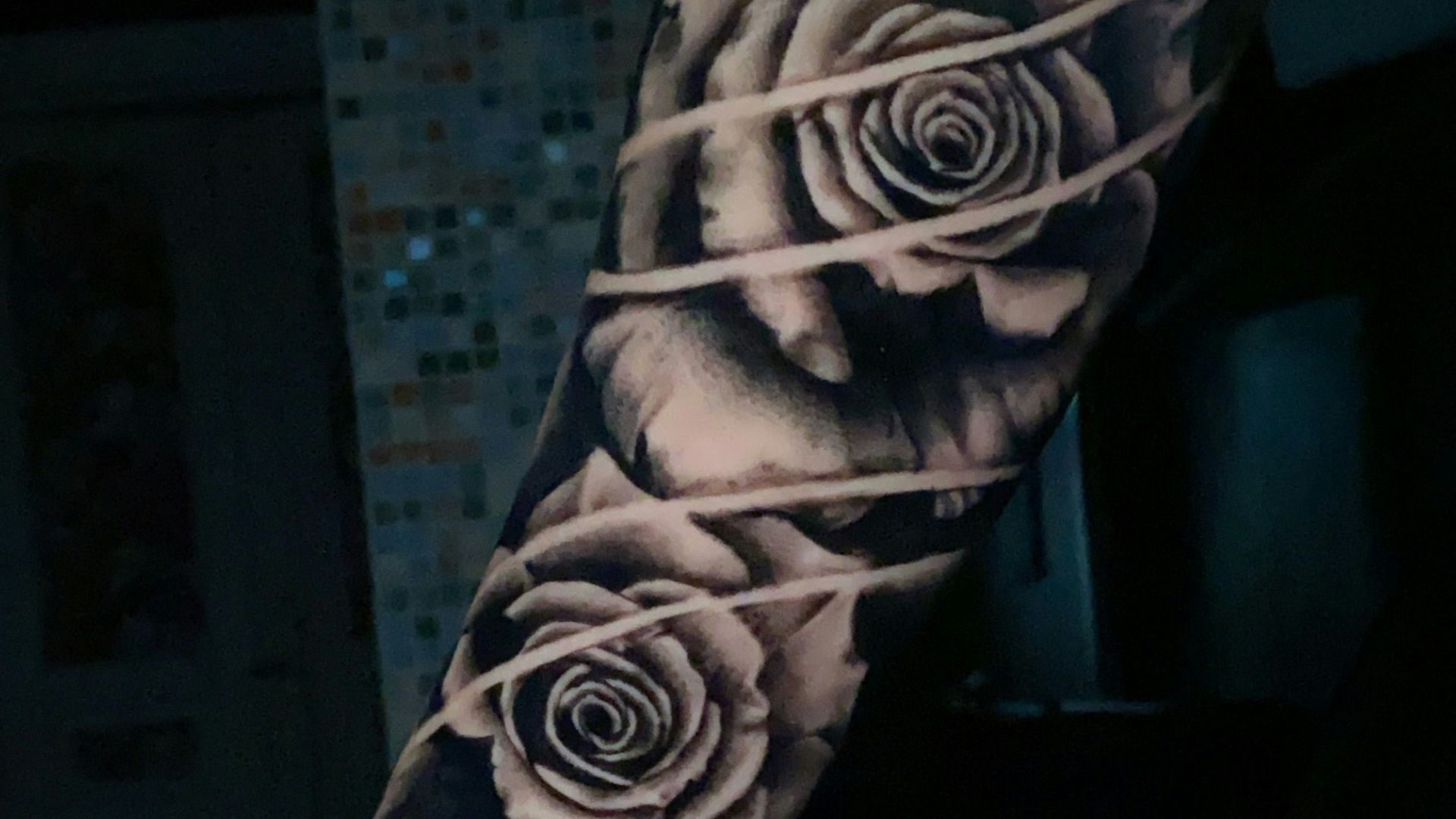
There's a soft richness to black and grey work that just feels polished without even trying. The shading adds depth, the darker areas hold their shape nicely, and portraits or floral pieces often come through beautifully in both close-ups and more casual full-arm shots.
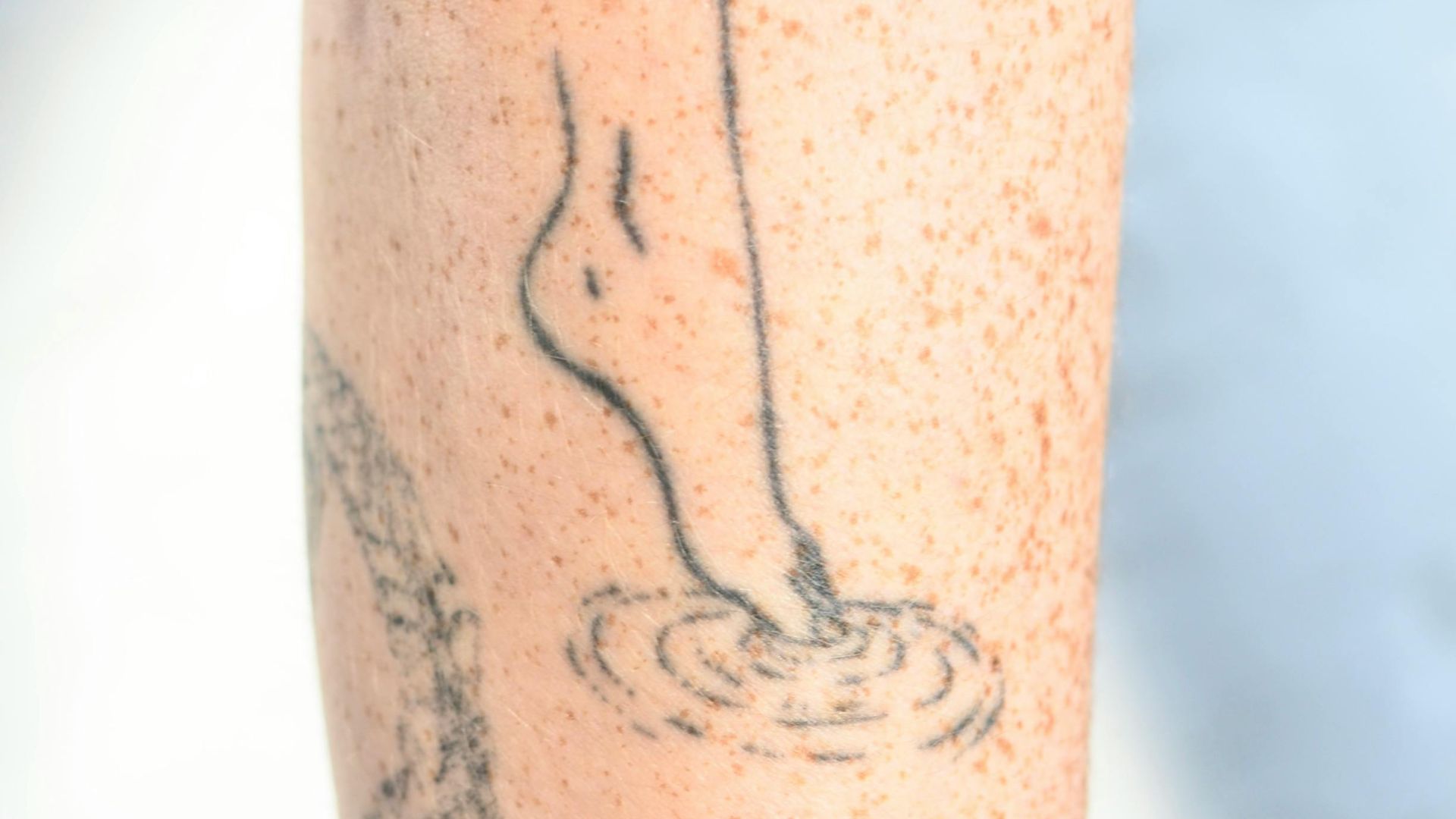
3. Fine Line
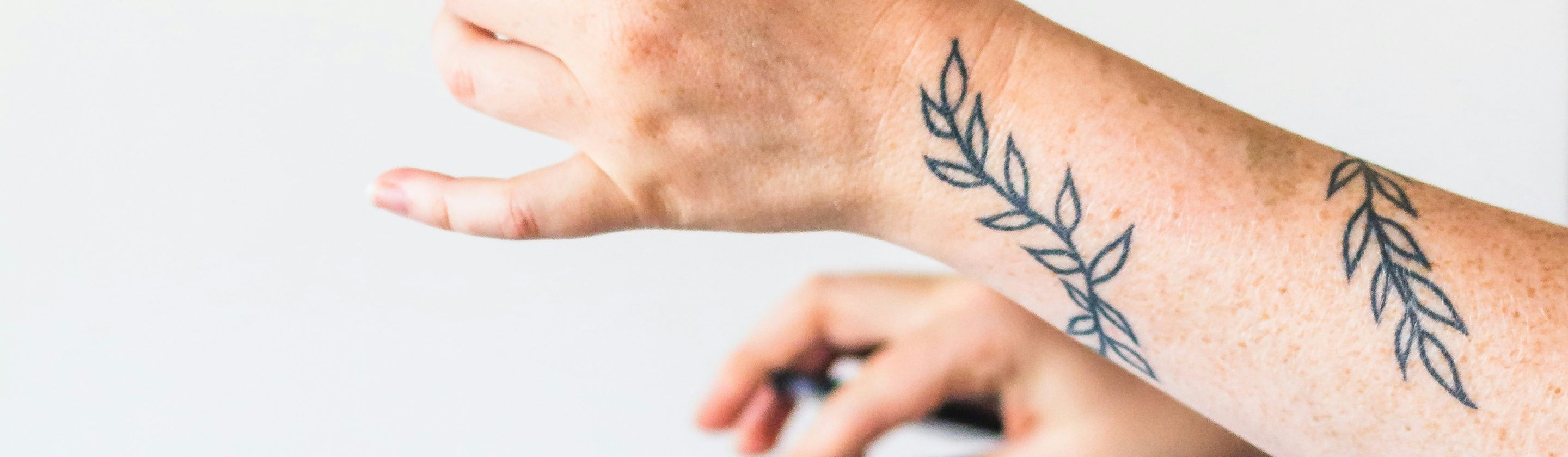
Fine line tattoos can be really photogenic when the design is clean, and the placement gives it room to breathe. Delicate, modern, and especially lovely in natural light. The best photos usually come from pieces that aren't too crowded and keep those lines crisp enough to actually stay visible.
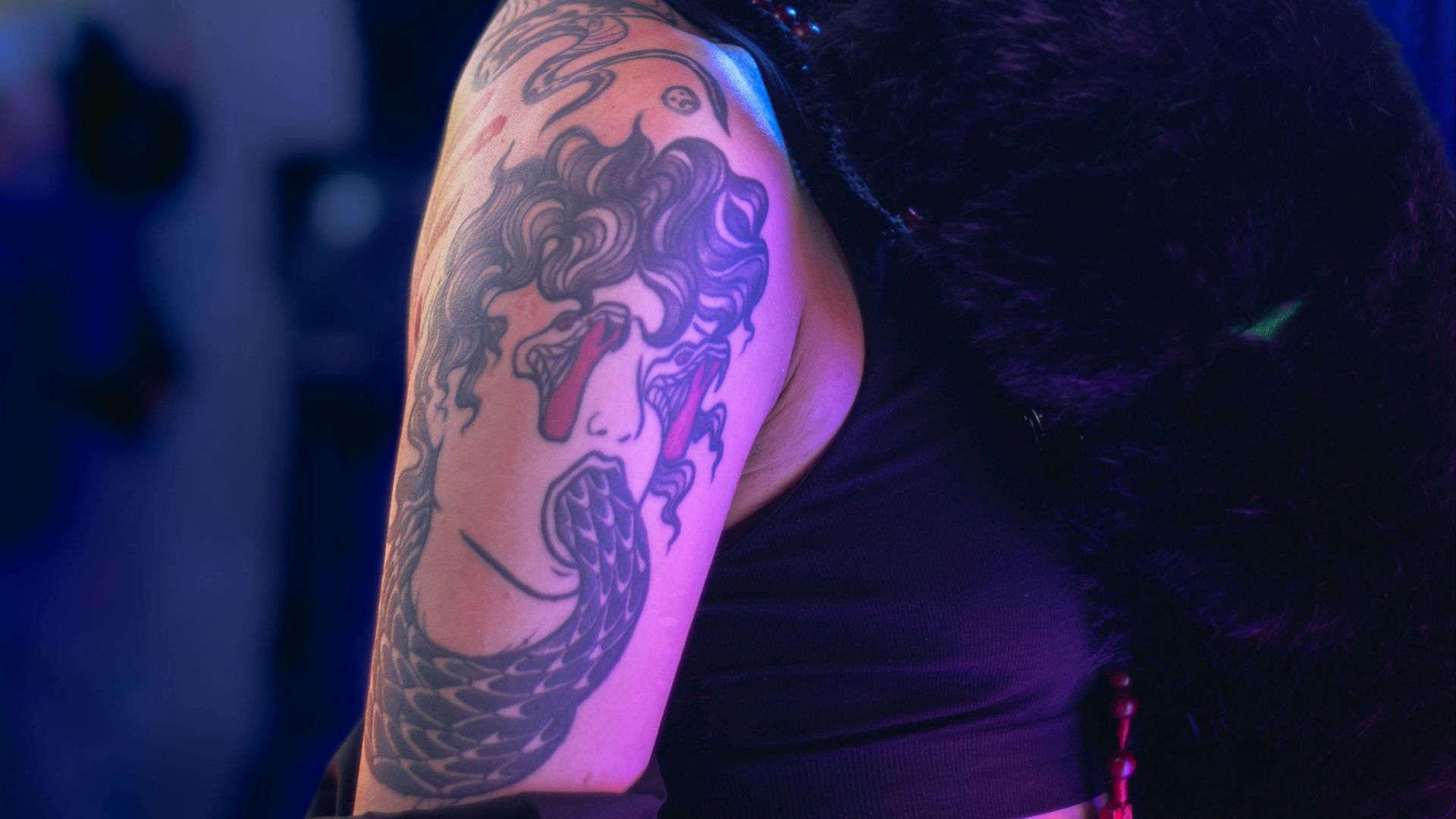
4. Neo-Traditional
Neo-traditional brings the boldness of classic tattooing but with more decorative detail and fuller color play. That combination reads beautifully in photos because you've got shape, contrast, and just enough ornament to make the design feel rich without getting muddy.
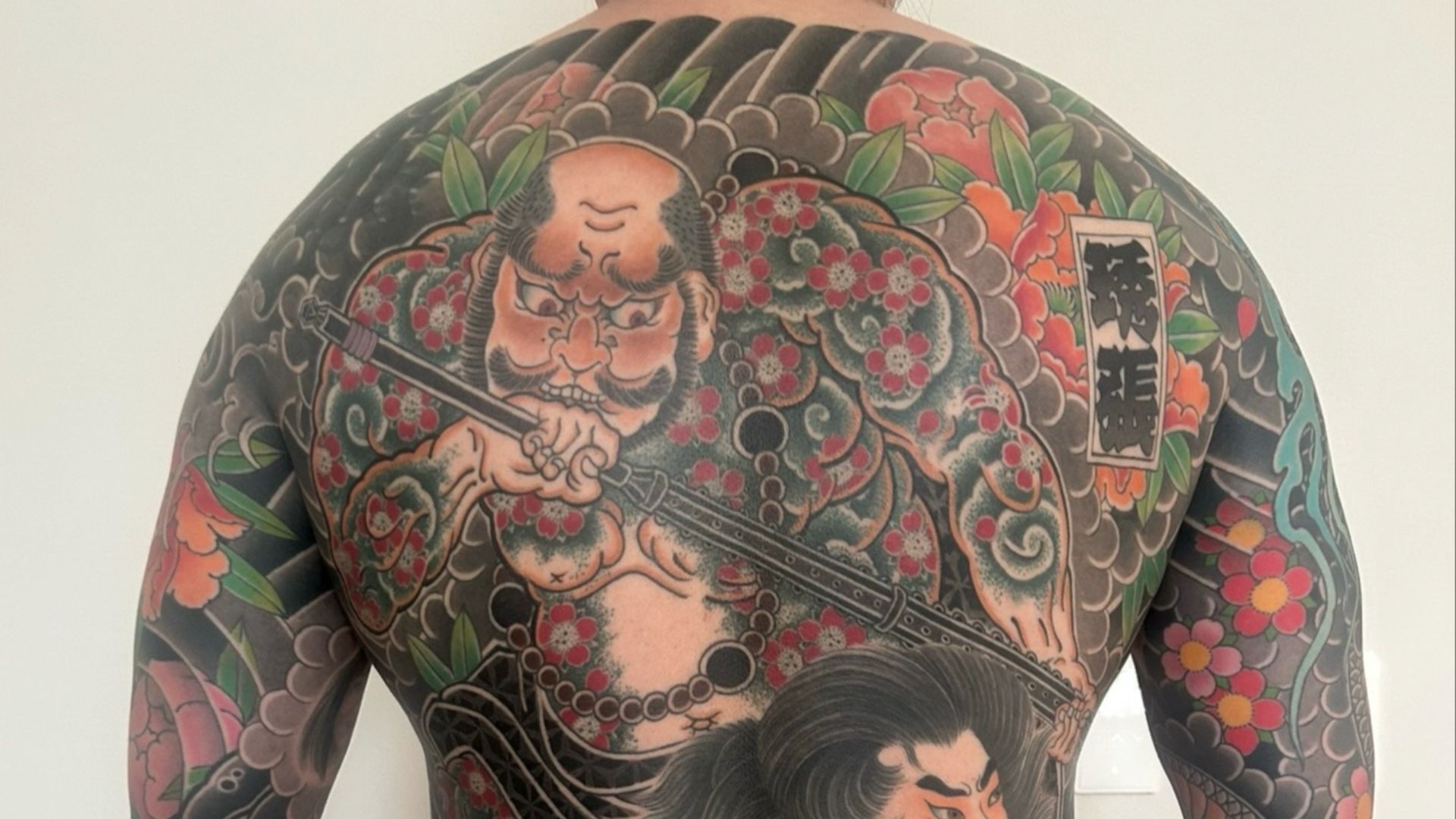
5. Japanese Irezumi
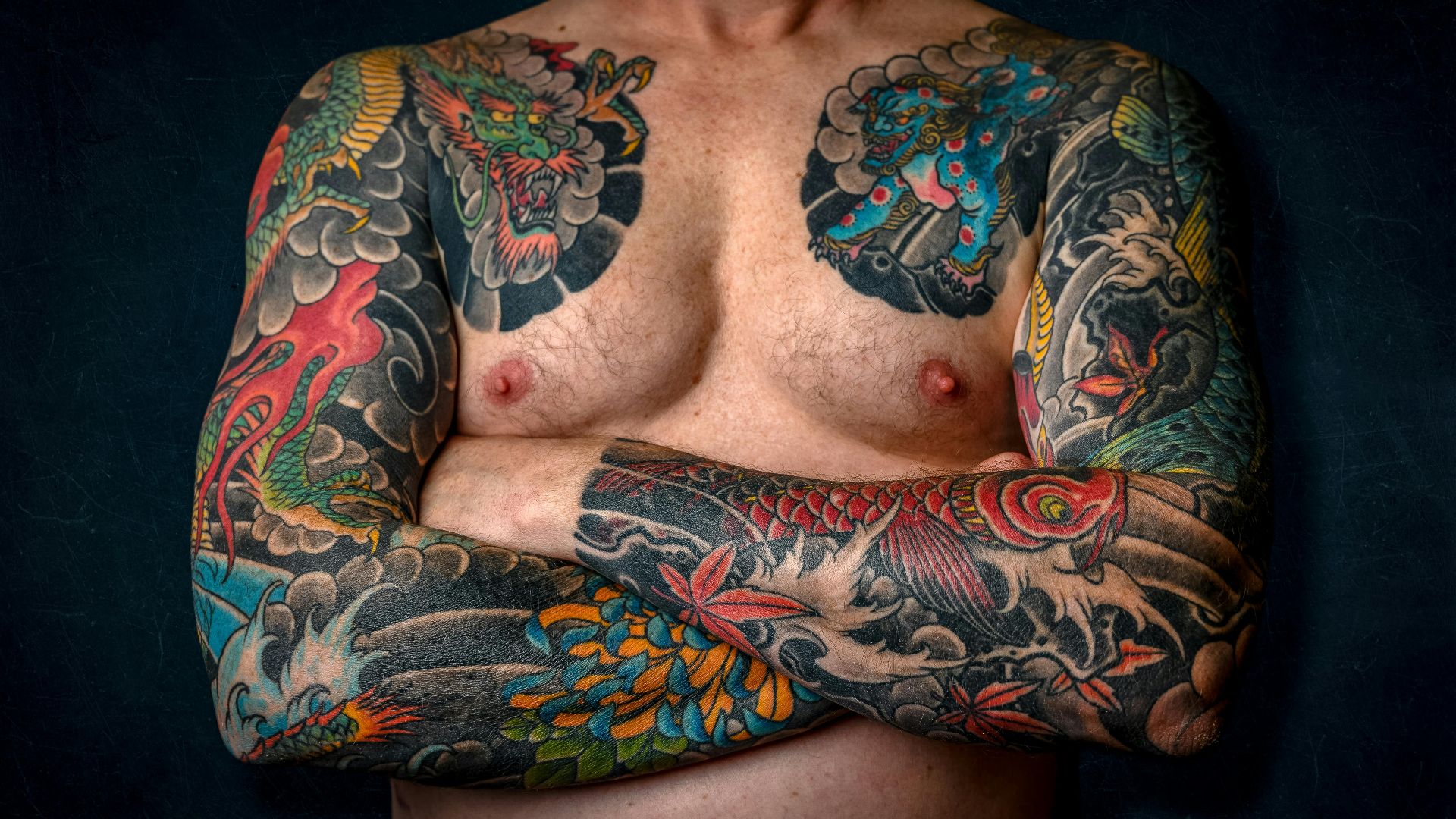
Japanese-inspired work photographs so well because the compositions are built with movement in mind. Large waves, koi, peonies, snakes, wind bars. They wrap around the body in a way that looks striking from multiple angles, which is a real gift when you're trying to capture a sleeve or back piece in one frame.
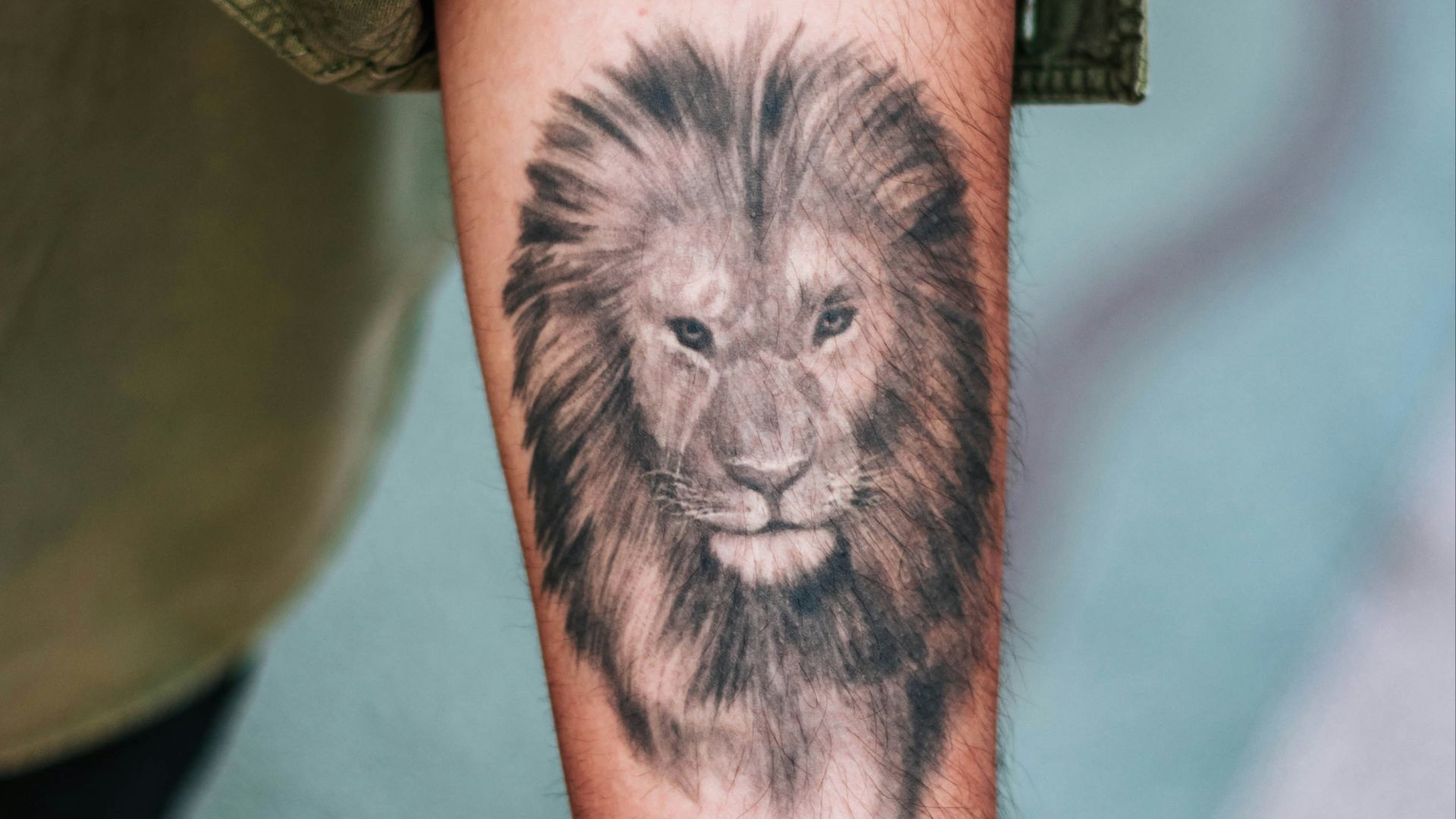
6. Realism
A strong realism tattoo can look almost cinematic in photos when the artist really nails contrast and depth. Faces, animals, objects with carefully placed highlights. They hold the eye immediately, especially when there's enough dark structure to stop the whole thing from washing out on camera.
7. Color Realism
Color realism adds another layer of visual payoff when it's done with restraint and clear tonal separation. Fruit, butterflies, flowers, and portrait work. They can look incredibly lush in photos, particularly when the colors are saturated enough to stay vivid without turning shiny or overly blended.
8. Blackwork
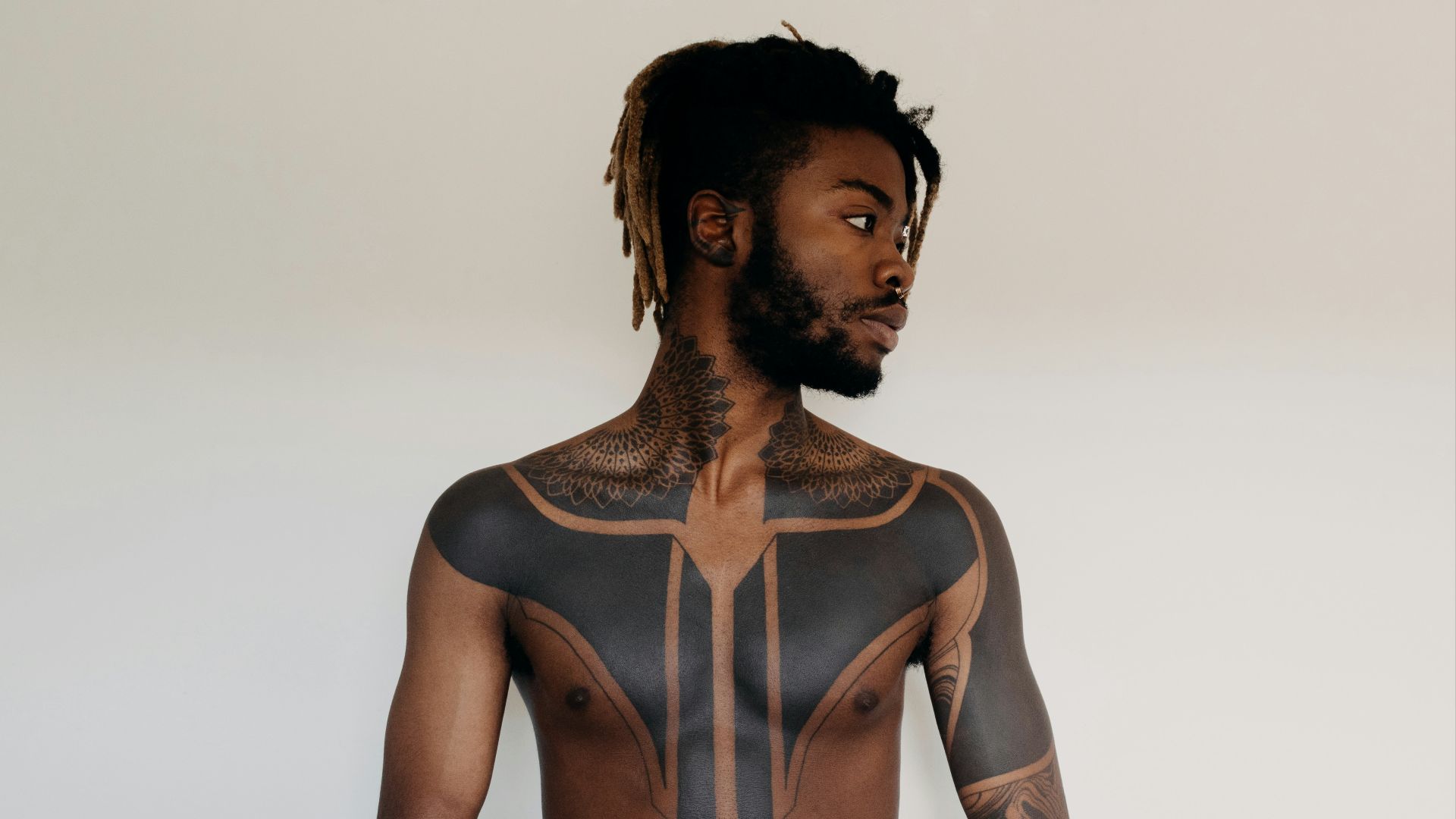
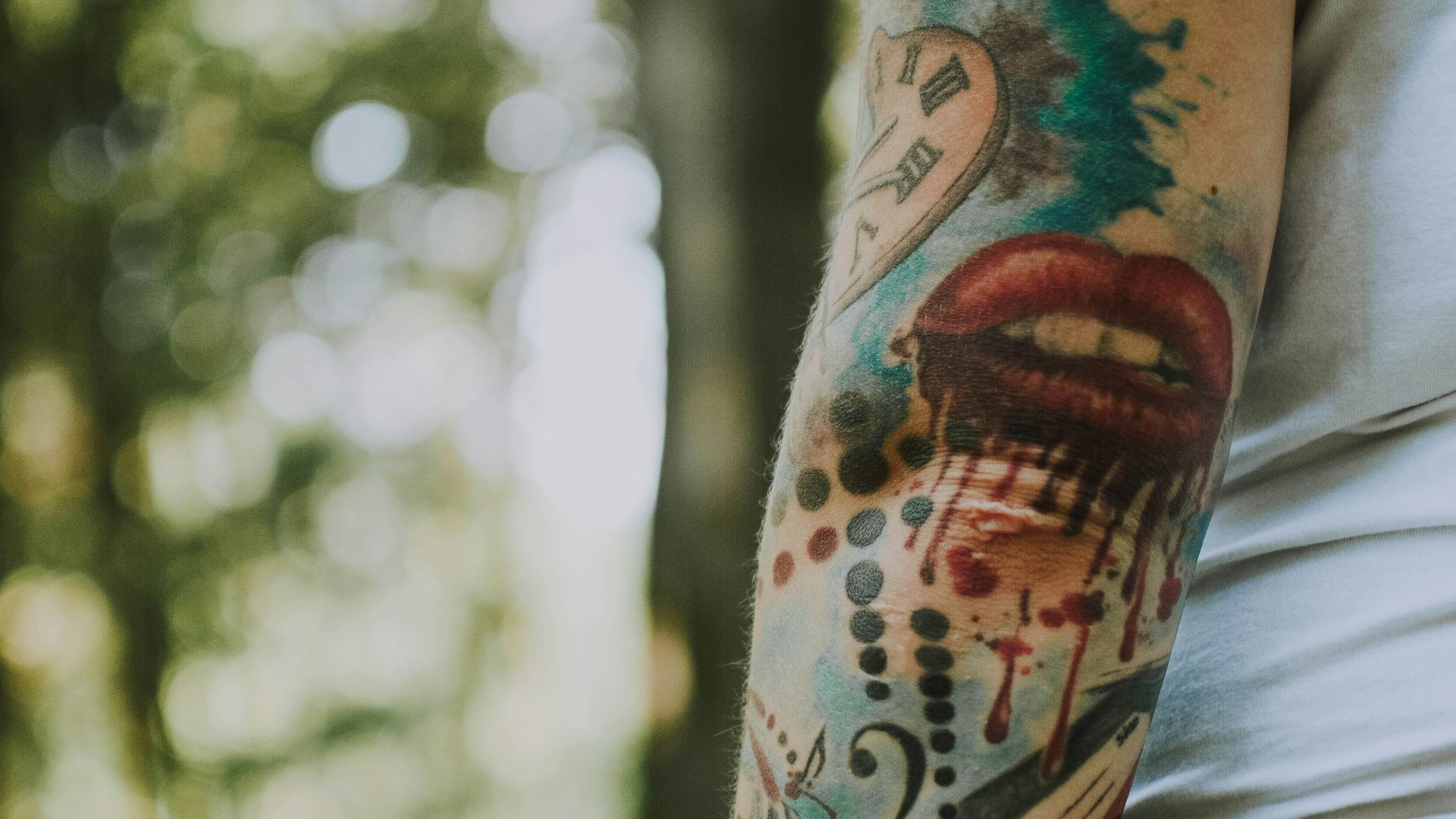
Blackwork has a graphic quality that gives photos immediate impact. Large fields of solid black, clean shapes, heavy coverage. The design is easy to read from across the room, which really matters when the tattoo needs to stand out in a full outfit shot.
9. Geometric
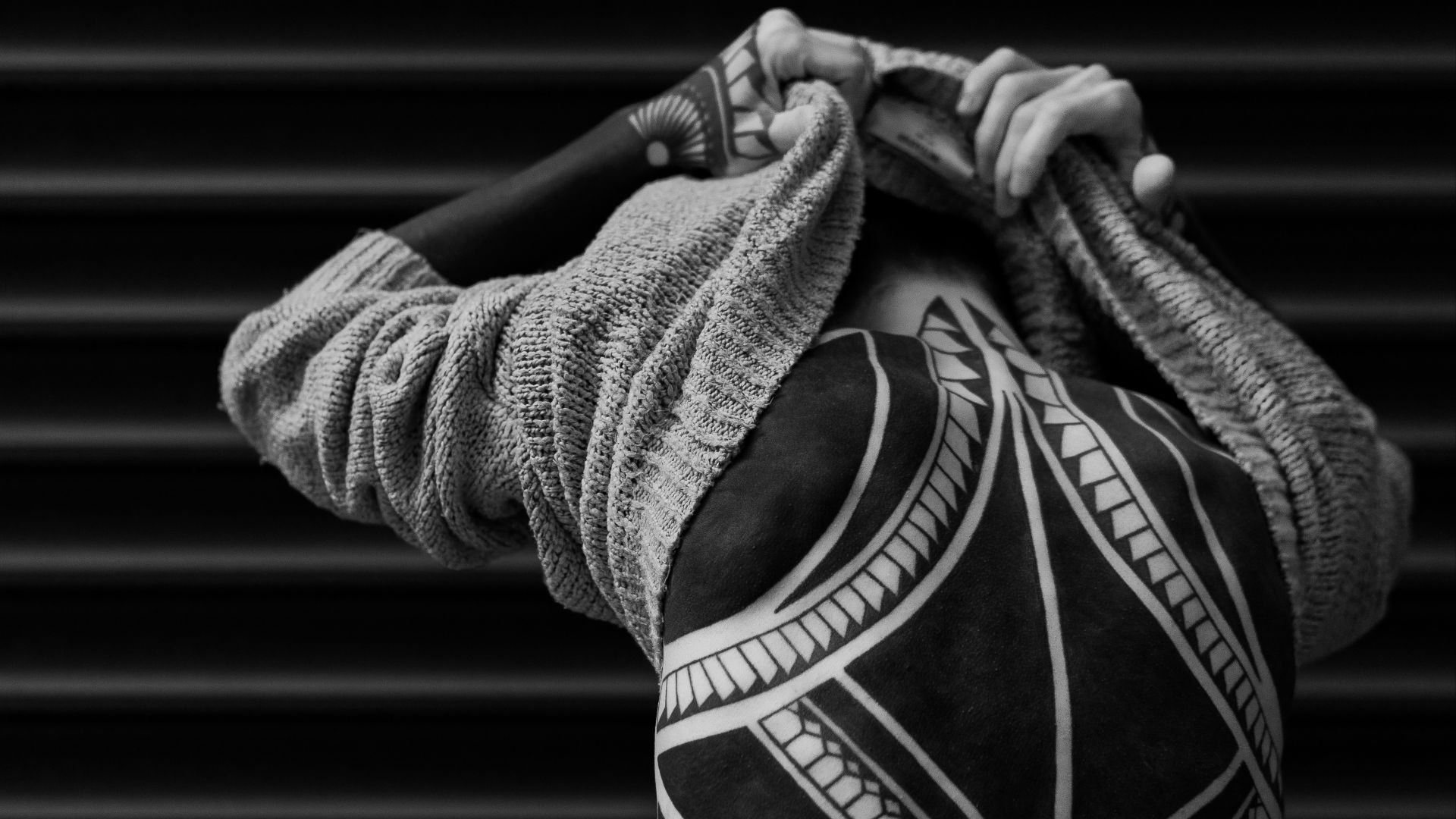
Geometric tattoos tend to look polished in photos because symmetry reads as neat and deliberate right away. Repeating lines, patterned shapes, carefully spaced forms. The camera latches on easily, and the effect is especially strong on forearms, calves, and upper backs.
10. Dotwork
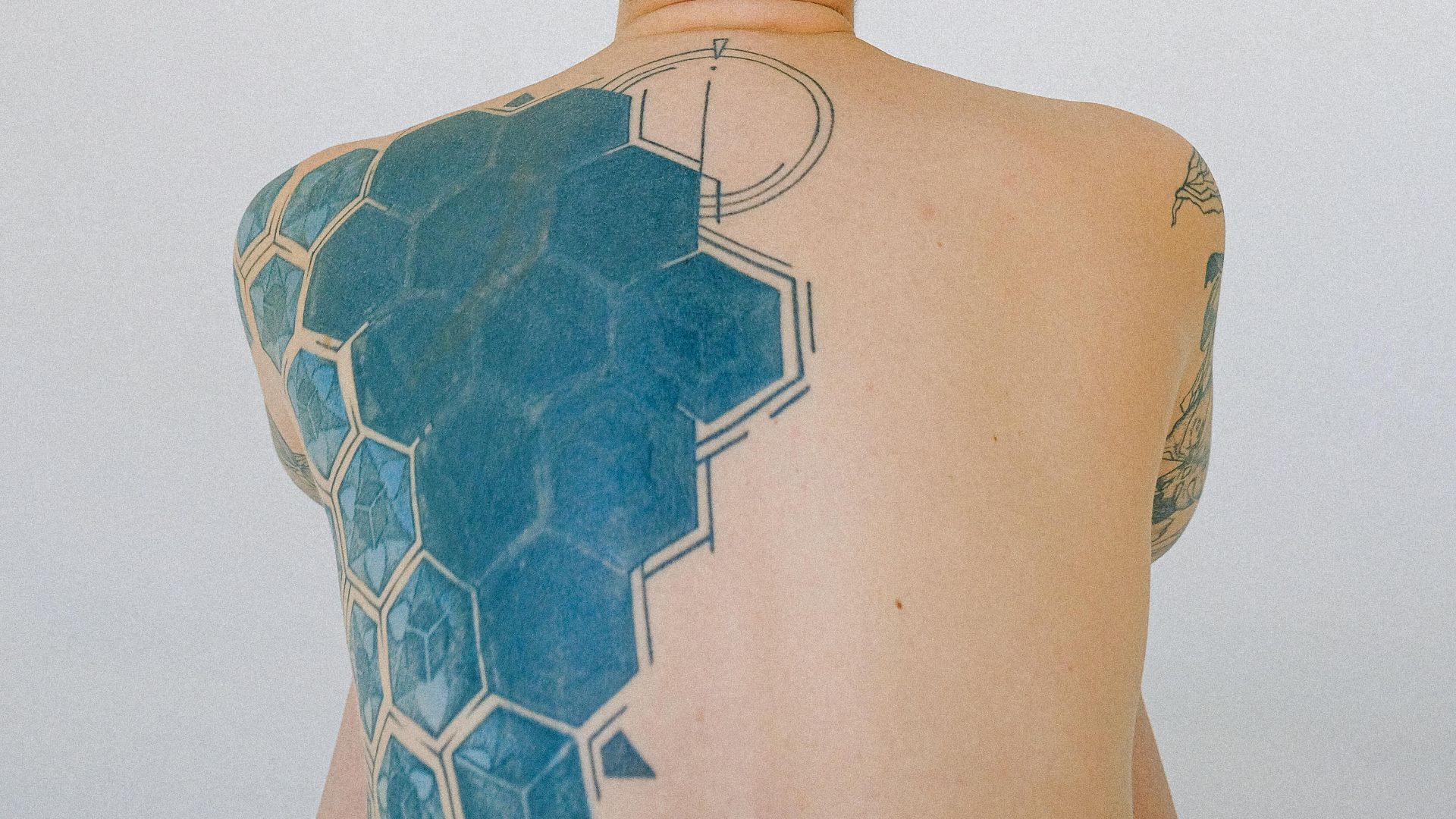
Dotwork photographs well when the photographer knows what they’re doing. The gradients feel soft from a distance and beautifully detailed up close, so the style works especially well for ornamental designs, celestial motifs, and patterns that reward a second look.
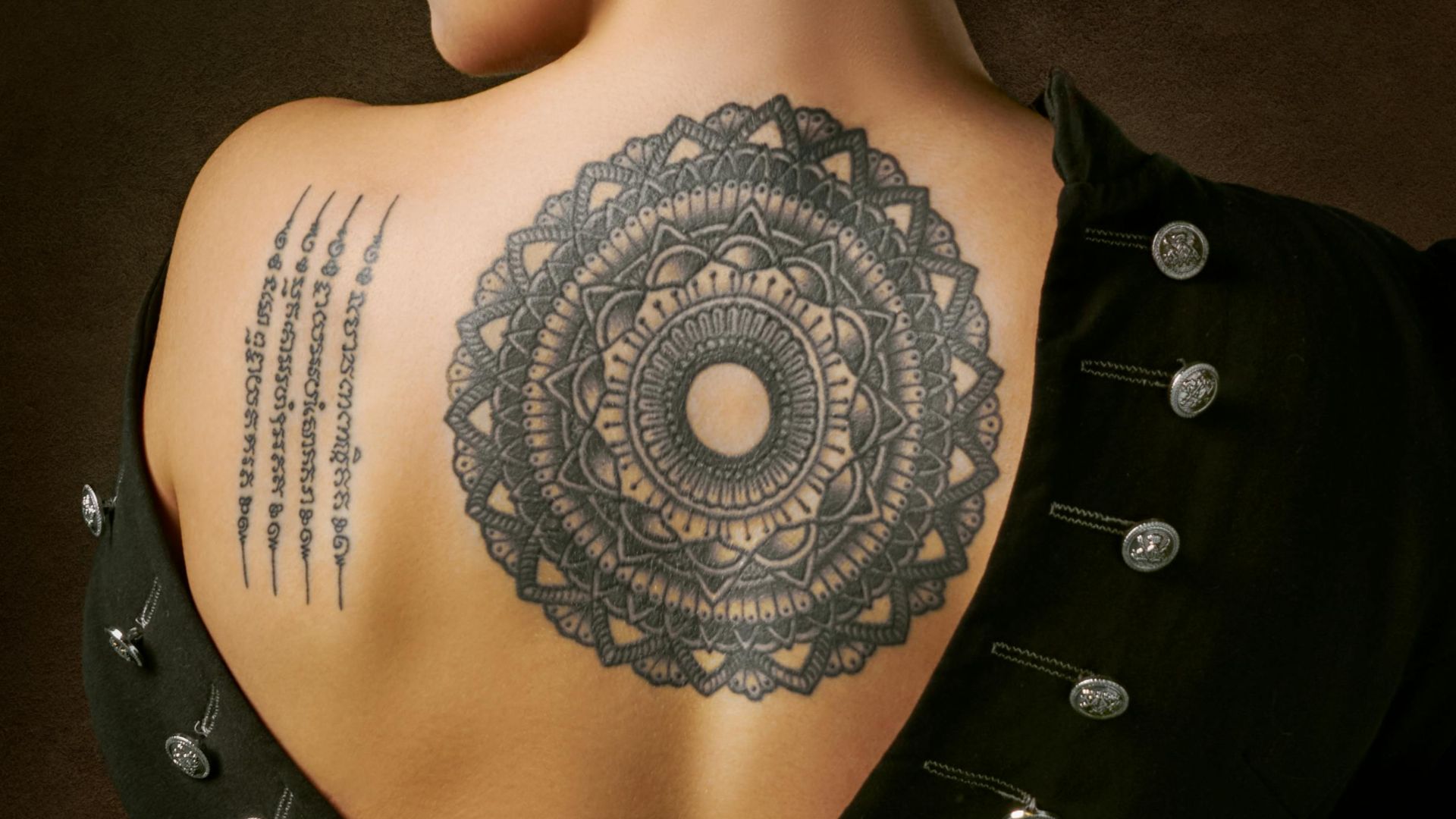
11. Mandala
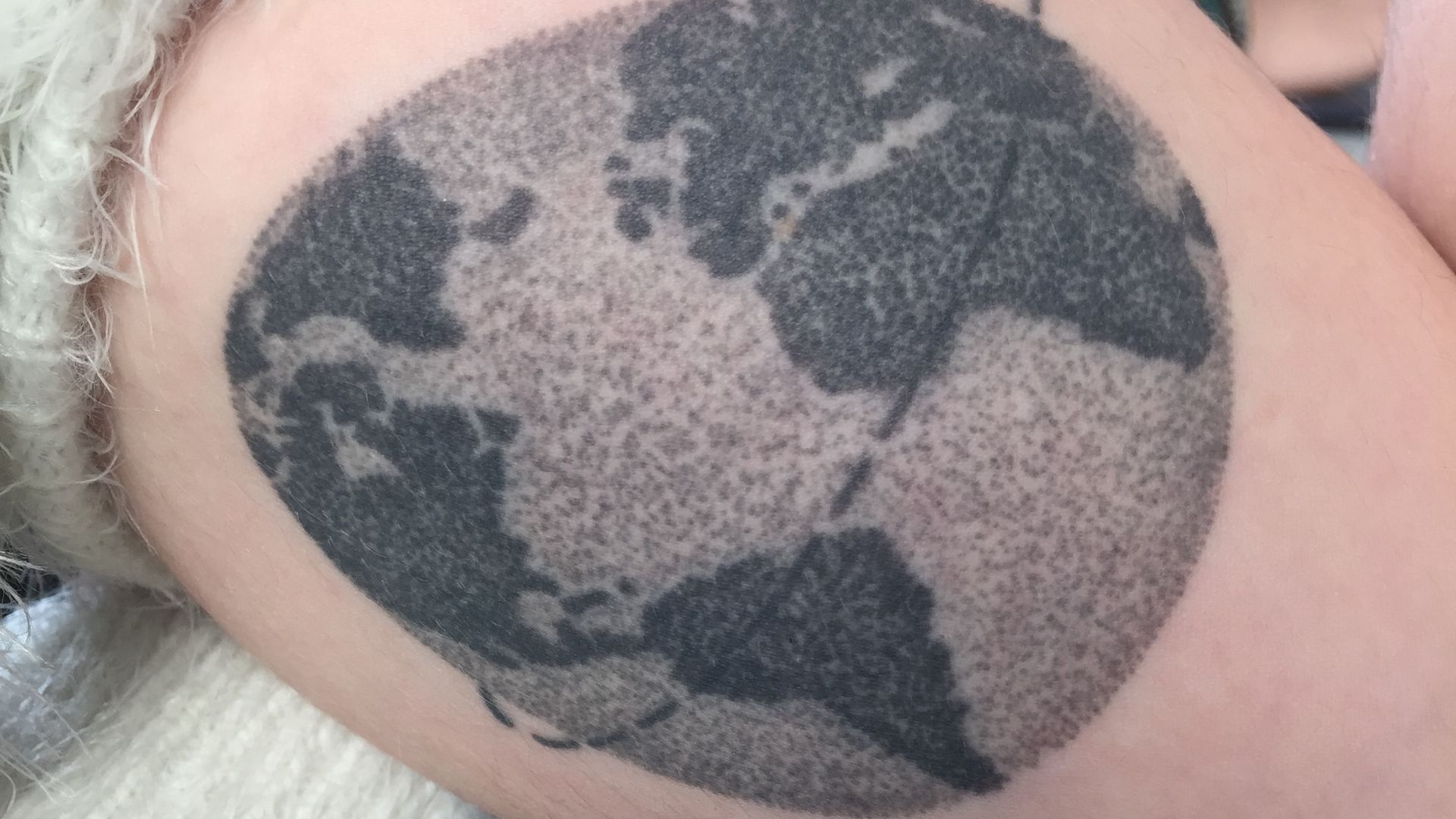
Mandala tattoos often end up looking gorgeous in photos because they're built around symmetry and repetition. When the lines are clean and the spacing stays open enough, a mandala on the shoulder, sternum, or knee looks polished from nearly every angle.
12. Illustrative
Illustrative tattoos sit in a sweet spot between drawing and traditional tattooing, which gives them a lot of personality on camera. The linework stays readable, the shading can be expressive without getting messy, and the whole thing often feels like a really well-done sketch.

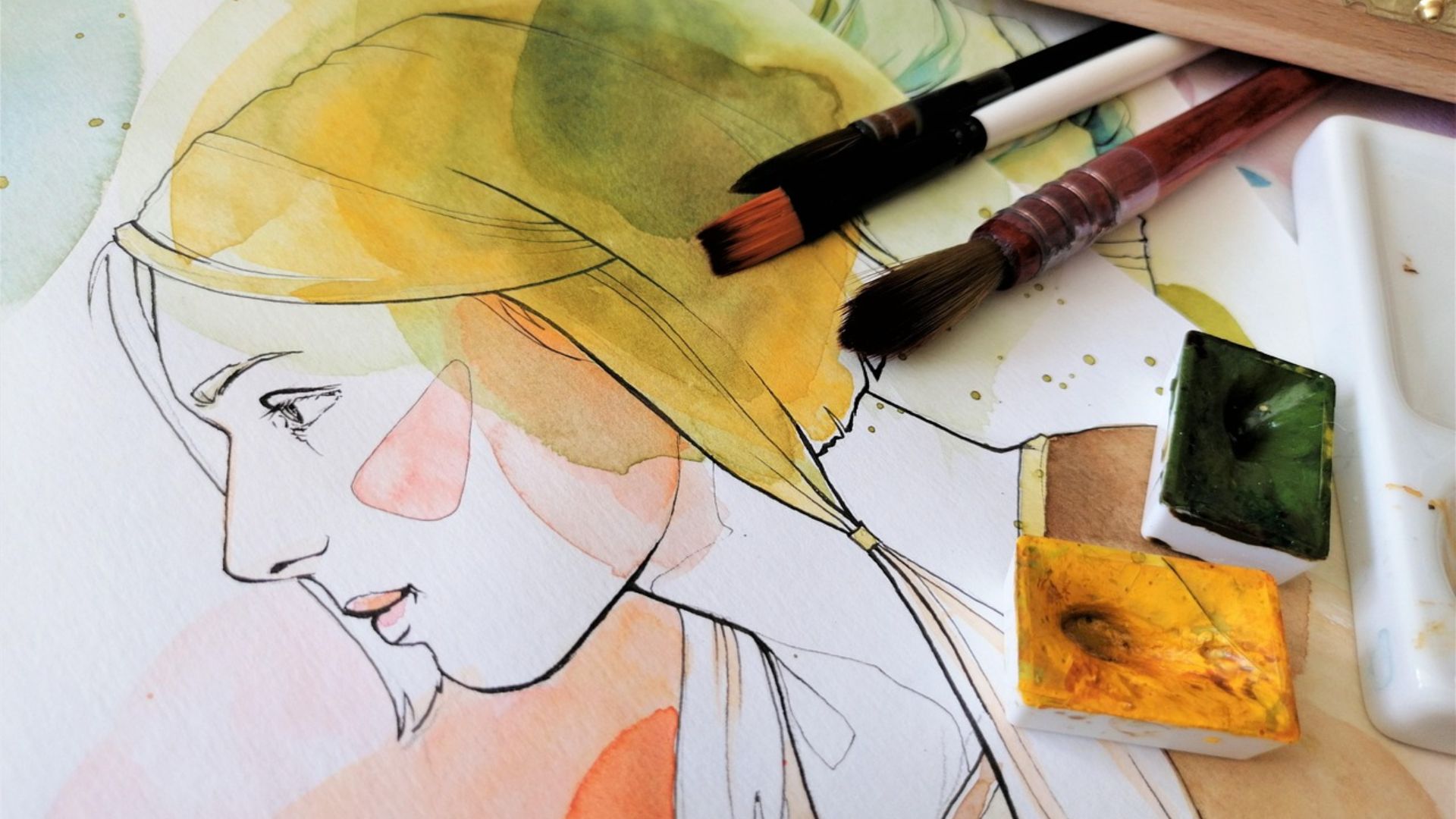
13. Watercolor
Watercolor tattoos can photograph beautifully when they're anchored by enough linework or dark structure to keep the color from visually floating away. In the right light, those washes of pink, blue, orange, or violet look airy and fresh.
14. New School
New school tattoos are in your face in the best possible way, and cameras usually reward that energy. Exaggerated shapes, punchy color, cartoon-like styling. These pieces are playful and highly visible, which helps them stand out.
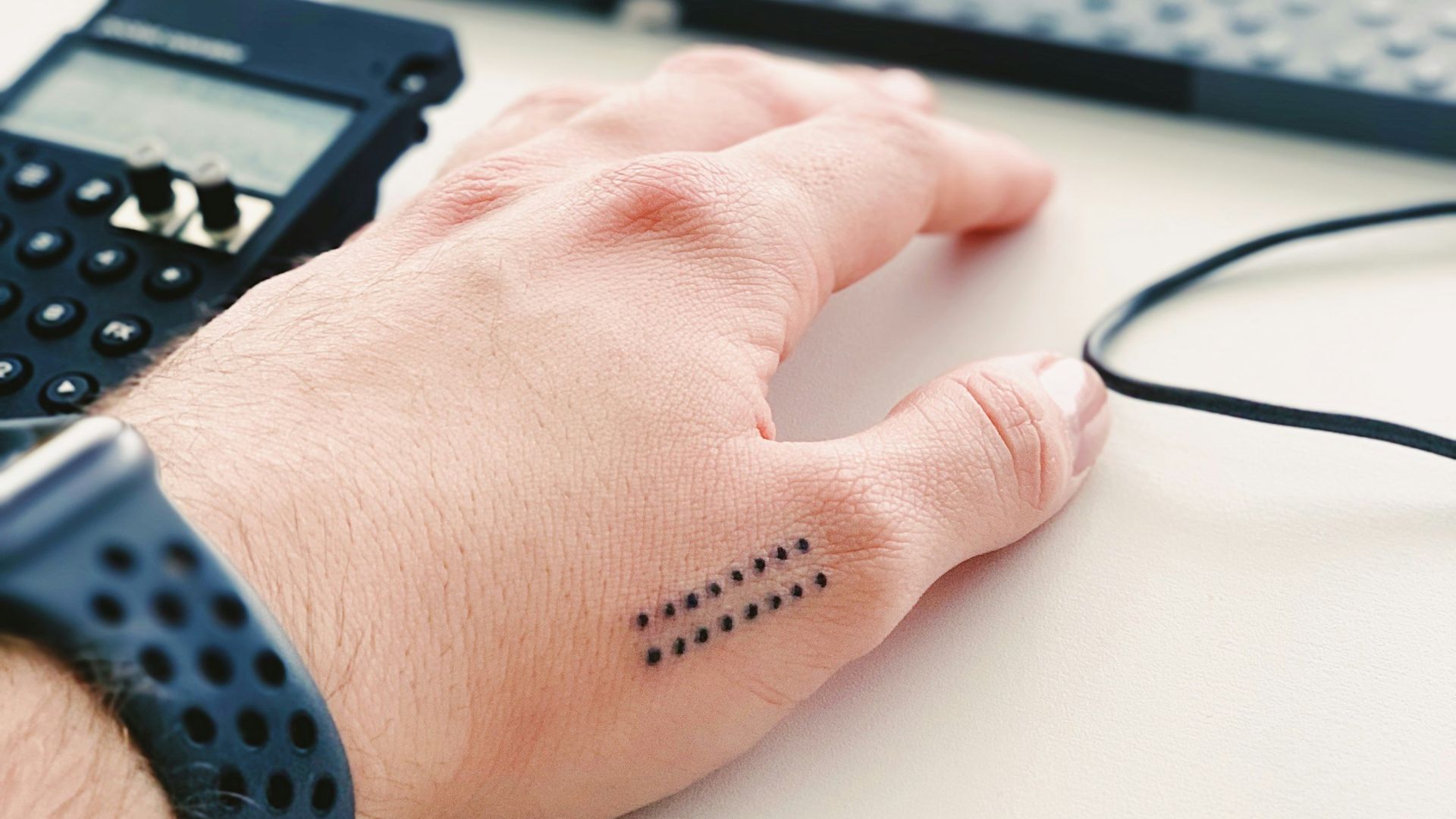
15. Minimalist
Minimalist tattoos often do really well in photos because the simplicity keeps the eye from getting lost. A tiny crescent moon on the wrist, a single stem on the ankle, a clean word along the collarbone. Very chic in a close-up, especially when the composition around it stays nice and uncluttered.
16. Microrealism
This is the style that makes people lean in toward your arm at brunch because they genuinely cannot believe how much detail fits in such a small space. It photographs best when the subject is simple enough to stay legible. A tiny eye, a pet portrait, a miniature landscape with strong dark-light contrast.

17. Linework
Linework tattoos have a direct, unfussy look that holds up well in pictures. Whether the design is abstract, floral, or figure-based, clean contours tend to read well in quick snapshots. Which, honestly, is more than you can say for plenty of things people choose to memorialize on skin.
 Fernando Lacerda Branco on Pexels
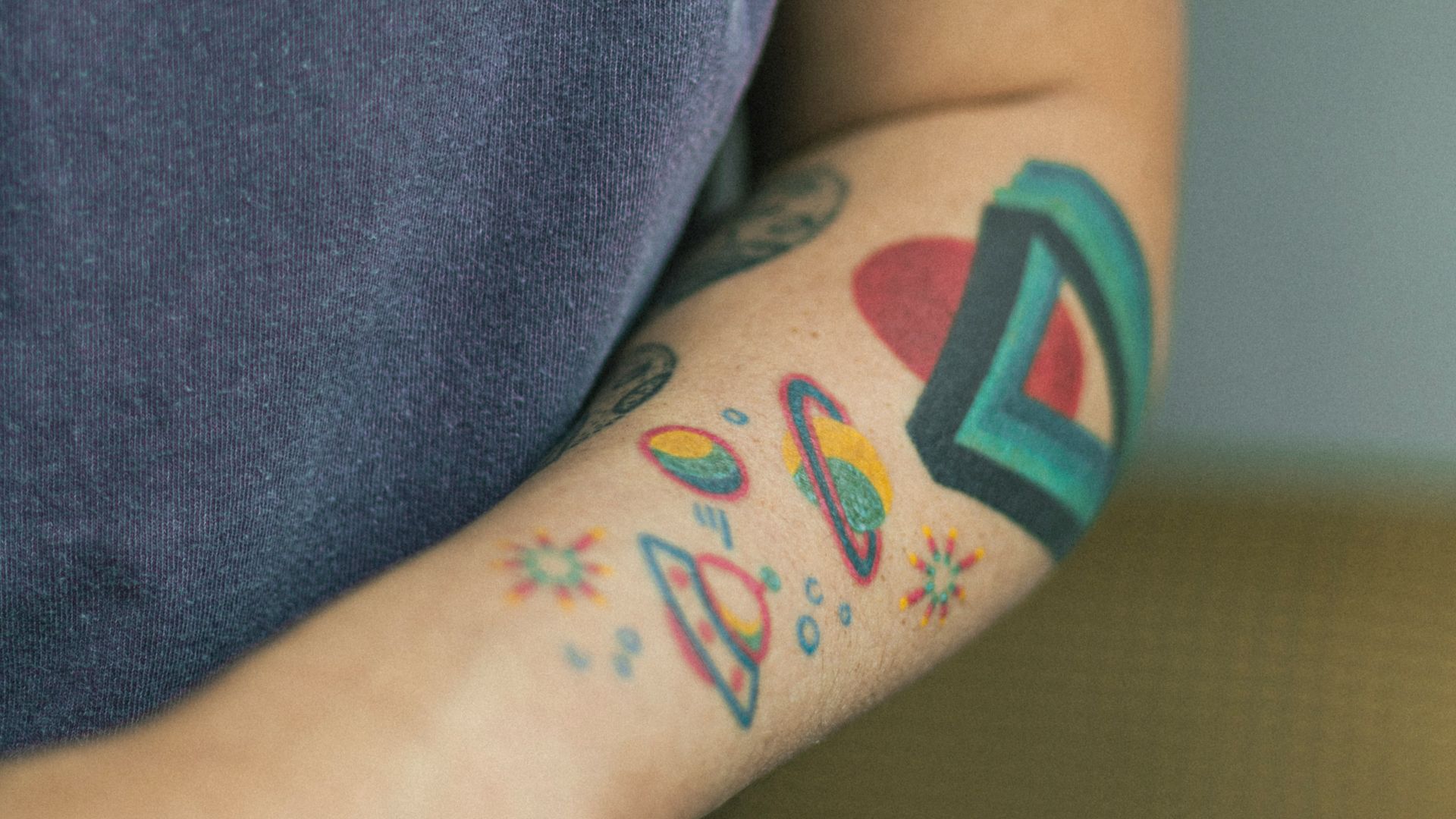
18. Bold Outline
A tattoo with a bold outline often wins the photo game before color or shading even enters the conversation. That strong border keeps the design visible through changing light, changing angles, and the general chaos of everyday photos.
19. Negative Space
Negative space tattoos photograph especially well because the untouched skin actually becomes part of the design. That contrast creates breathing room, sharpens the overall image, and gives black-heavy pieces a cleaner finish in photos, particularly when the pattern or symbol has a clear silhouette.

20. High-Contrast Noir
High-contrast noir tattoos lean hard into shadow, light, and mood, and they have real presence on camera because of it. The dark fields and bright highlights create immediate depth, so even a single photo picks up the full attitude of the piece without flattening it into one murky patch of ink.