
10 Unflattering Mistakes That Ruin the "No Makeup" Look & 10 Better Ways to Achieve It
10 Unflattering Mistakes That Ruin the "No Makeup" Look & 10 Better Ways to Achieve It
The Right Way to Achieve the “No Makeup” Look
Want to look put-together without putting a full face on? It might sound easy, but achieving the perfect “no makeup” makeup look is anything but. Simply applying less of everything isn't, unfortunately, going to deliver the right result, and anything from applying too much blush to using an unnatural lip shade will throw off your attempt. So, how do you do it? Here are 10 mistakes to avoid, and 10 tips that'll help you look flawless without overdoing the products.
1. Wearing a Full-Coverage Foundation
A thick layer of full-coverage foundation can make your complexion appear flat and noticeably made up, especially in natural light. It may also gather around fine lines, dry patches, and facial hair as the day goes on. When the rest of your makeup is minimal, the heavier base tends to stand out even more.
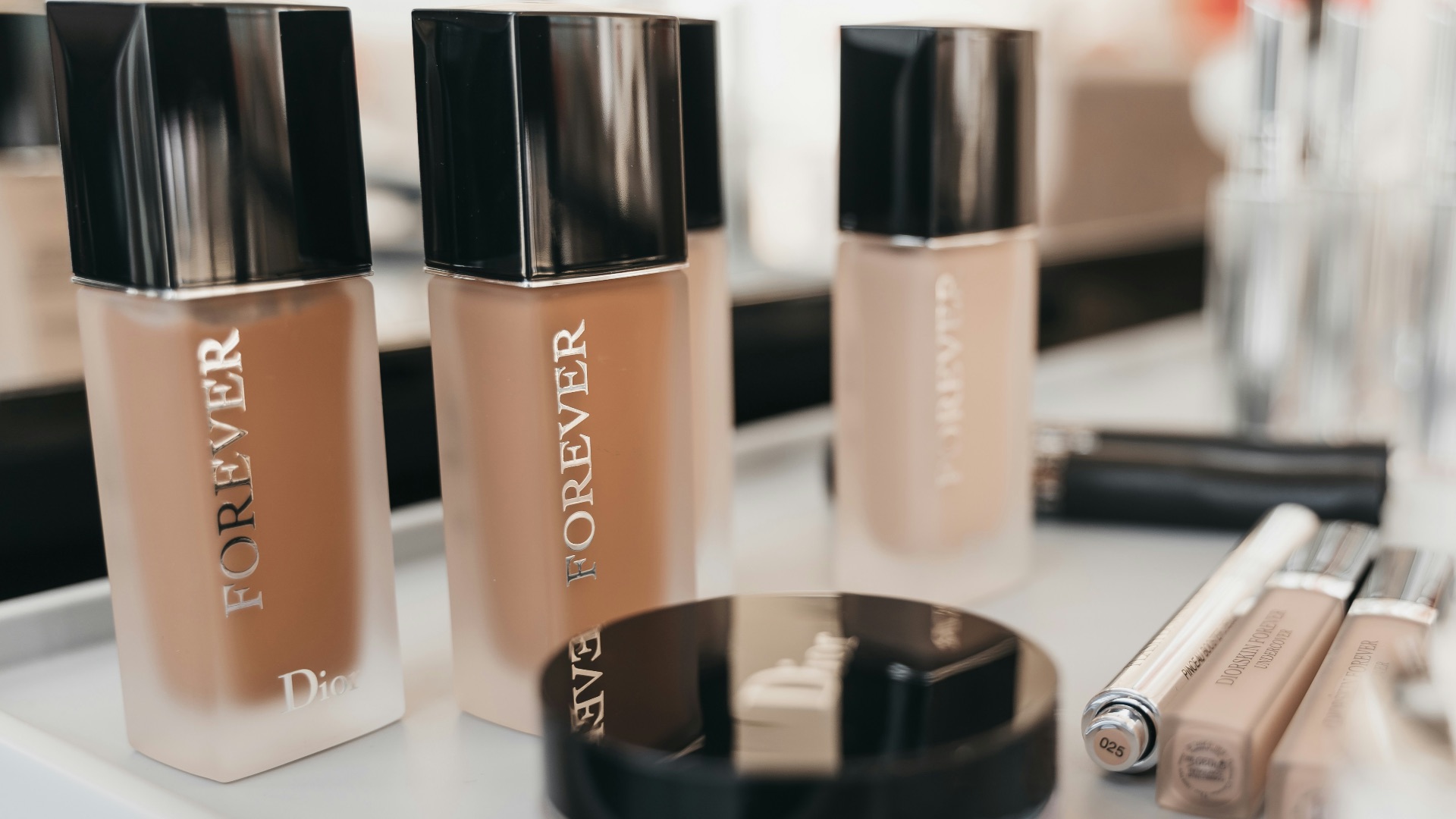
2. Choosing the Wrong Foundation Shade
Even a lightweight complexion product won’t look natural when its shade doesn’t match your skin. A base that’s too pale can leave your face looking washed out, while one that’s too dark or warm may create an obvious difference along the jawline. The mismatch becomes particularly noticeable when your neck and chest remain bare.
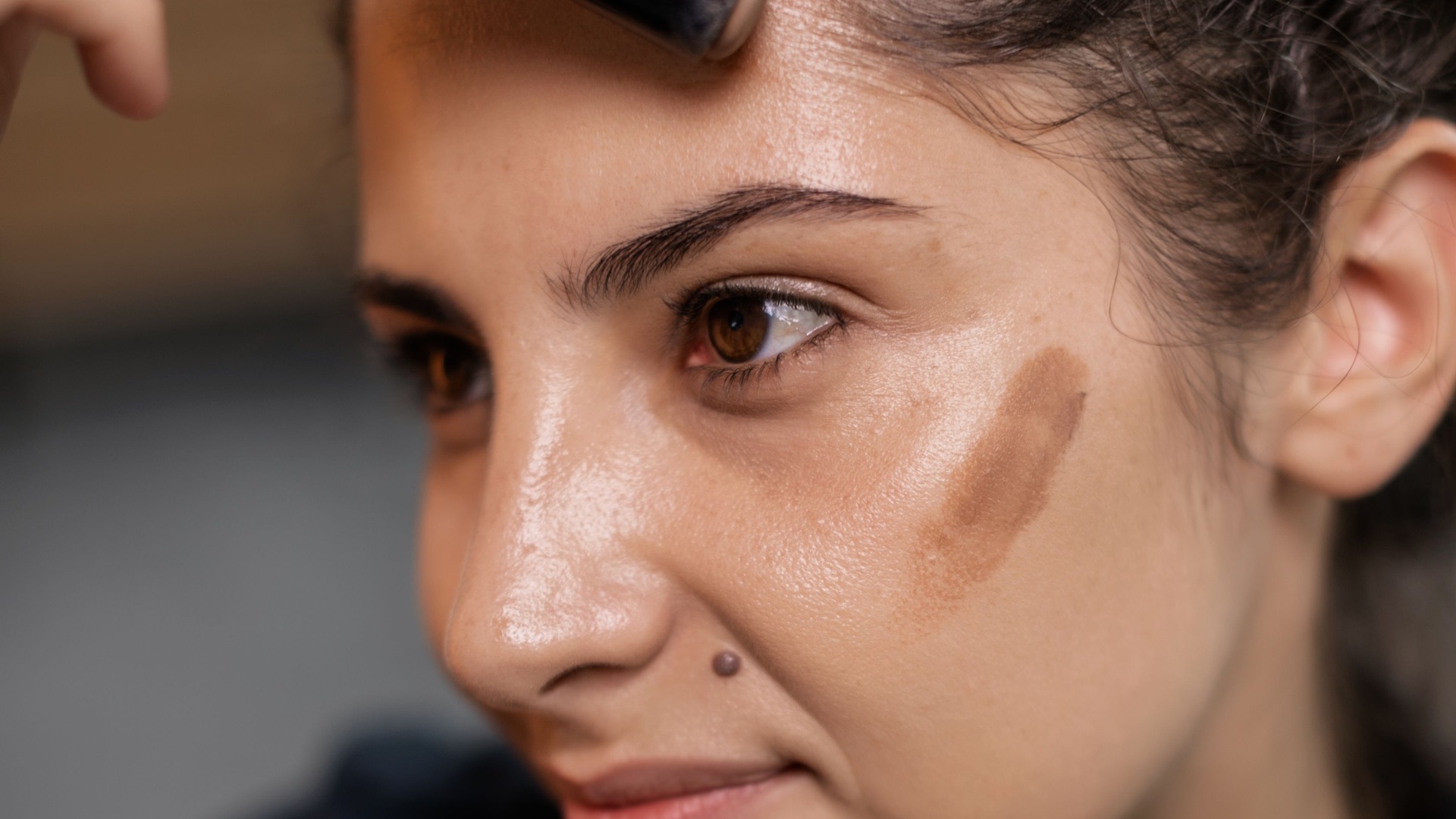
3. Applying Concealer Everywhere
Covering your entire under-eye area with a thick, bright concealer can look heavy and draw more attention to texture. The same problem occurs when concealer is placed over every freckle, shadow, or minor discoloration on the face. Excessive coverage removes the natural variation that helps skin look like skin.
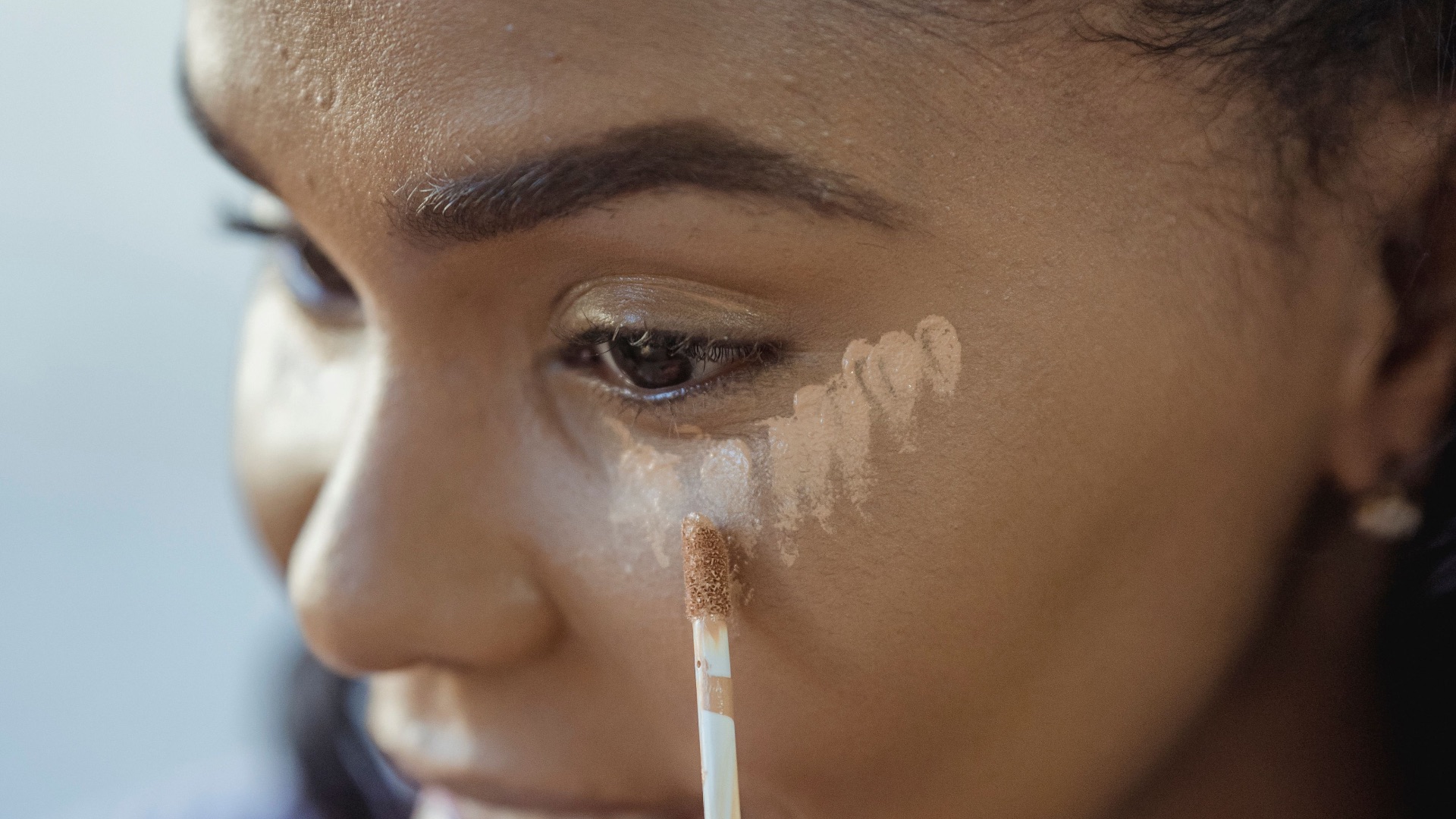
4. Applying Too Much Blush
Blush can bring life to the face, but using too much can quickly overpower a minimal makeup look. Heavy application may create an obvious patch of color that doesn’t blend seamlessly into the skin. When the rest of your makeup is subtle, overly intense blush can stand out and disrupt the natural, balanced effect.
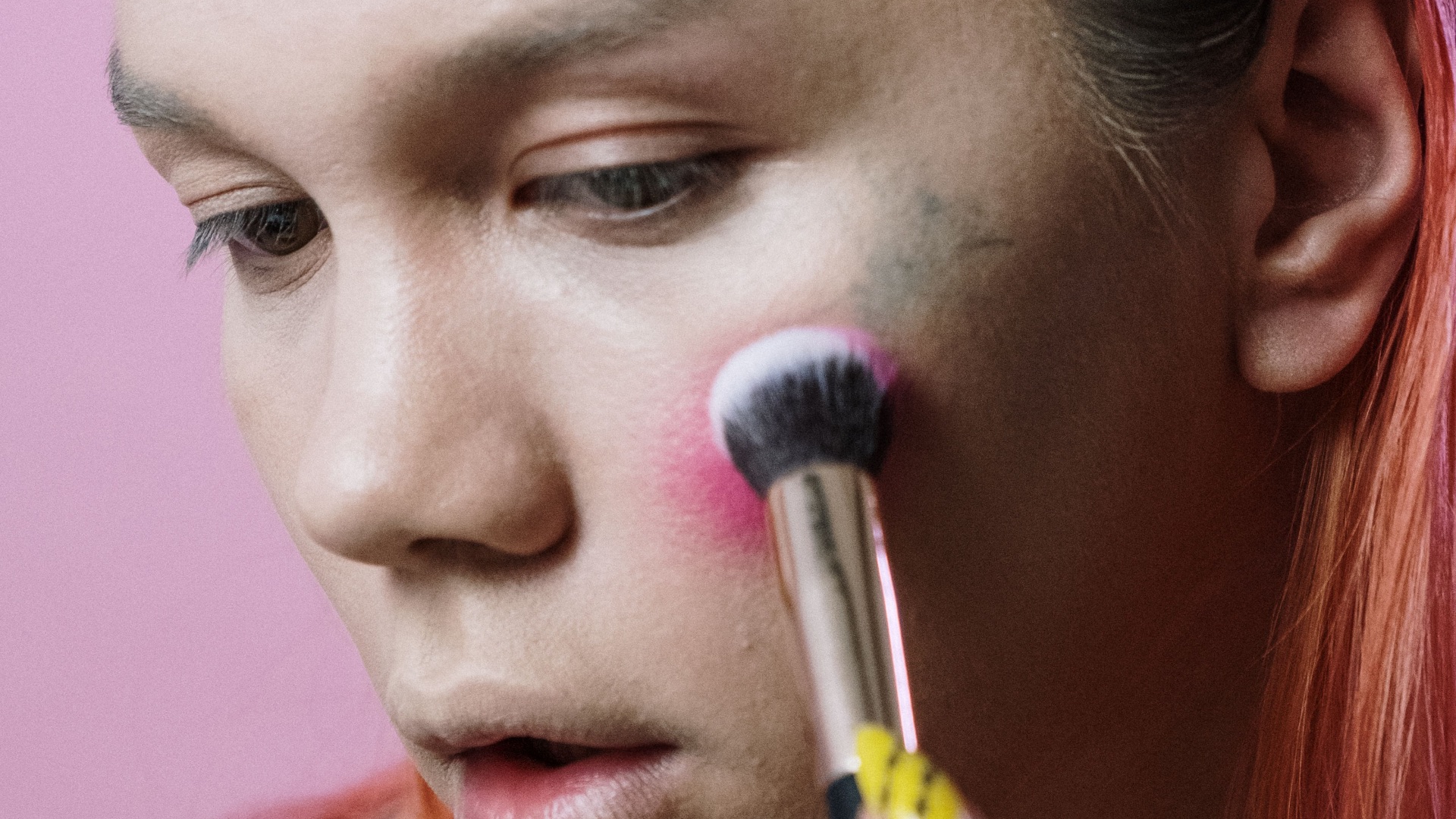
5. Drawing on Overly Defined Eyebrows
Strong outlines, sharp arches, and heavily filled tails can overpower an otherwise understated face. Brows naturally contain small gaps and differences in density, so making them perfectly uniform may appear unnatural. A block of solid pigment is especially noticeable when you aren’t wearing much eye makeup.
 alirezamani wedding team on Pexels
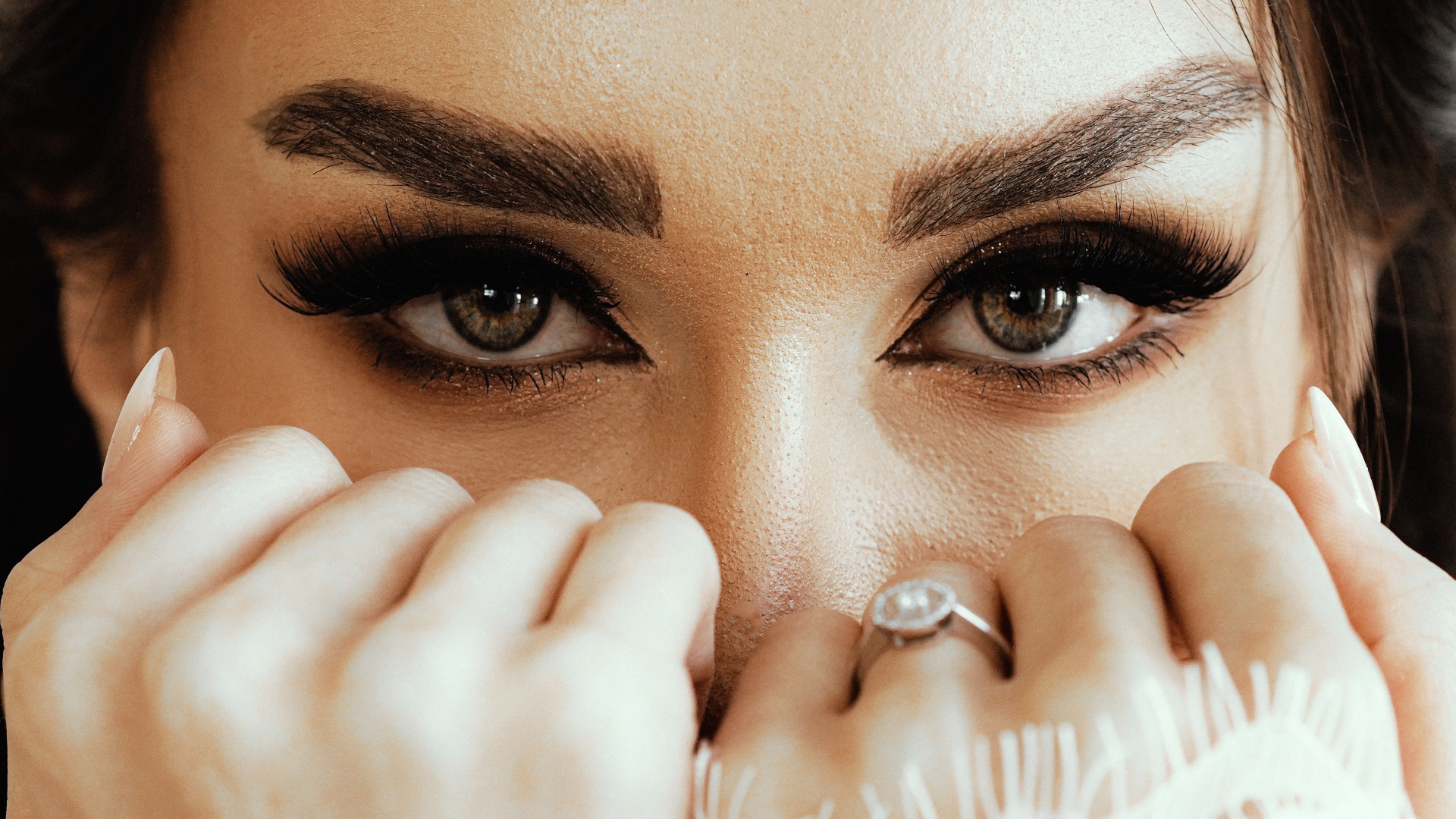
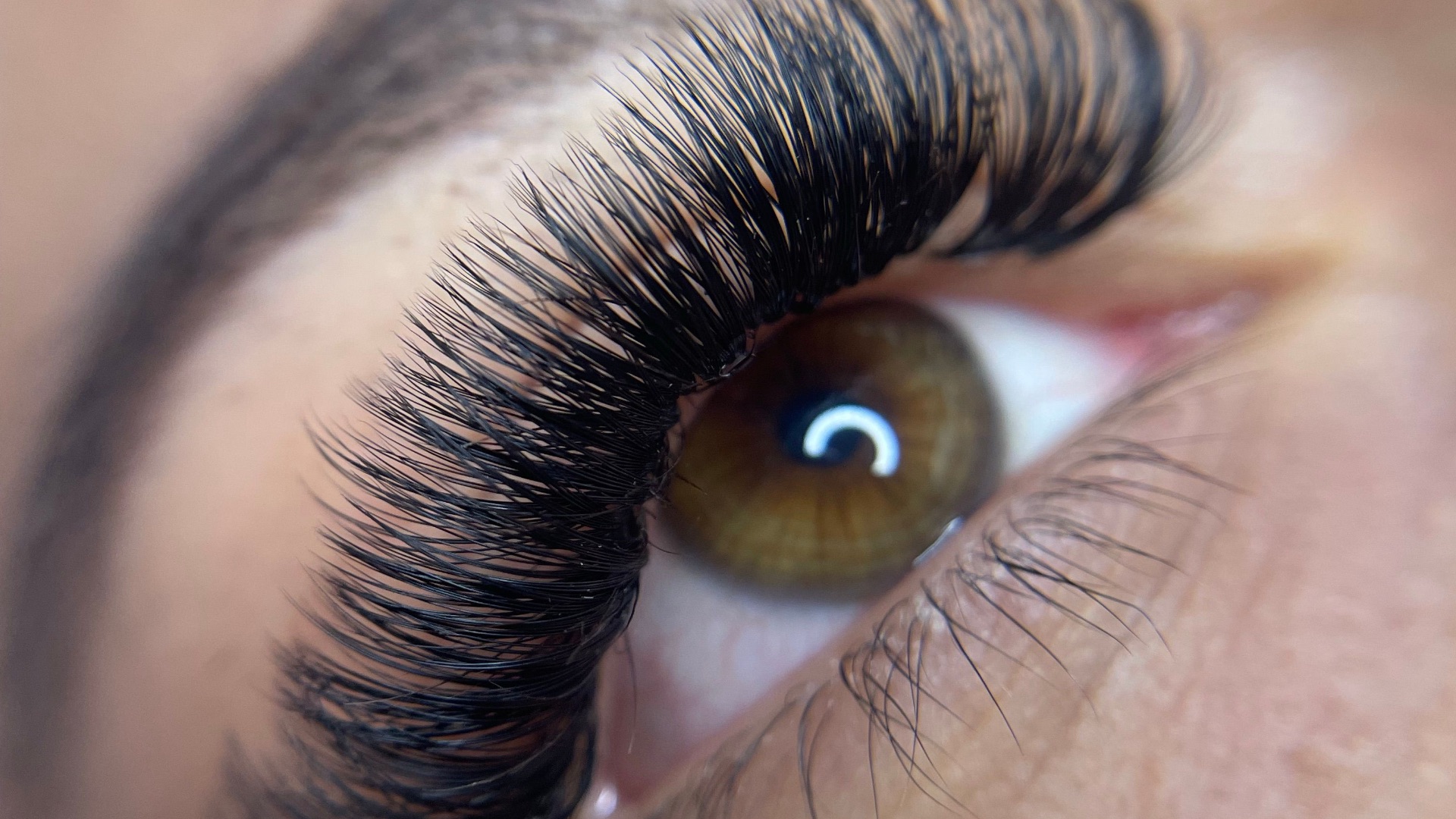
6. Wearing Obvious False Lashes
Long, dense false lashes can look disconnected from a simple complexion and bare-looking eyelids. Heavy lash bands may also remain visible unless they’re covered with liner, which adds even more definition. The result can feel unbalanced rather than effortlessly polished.
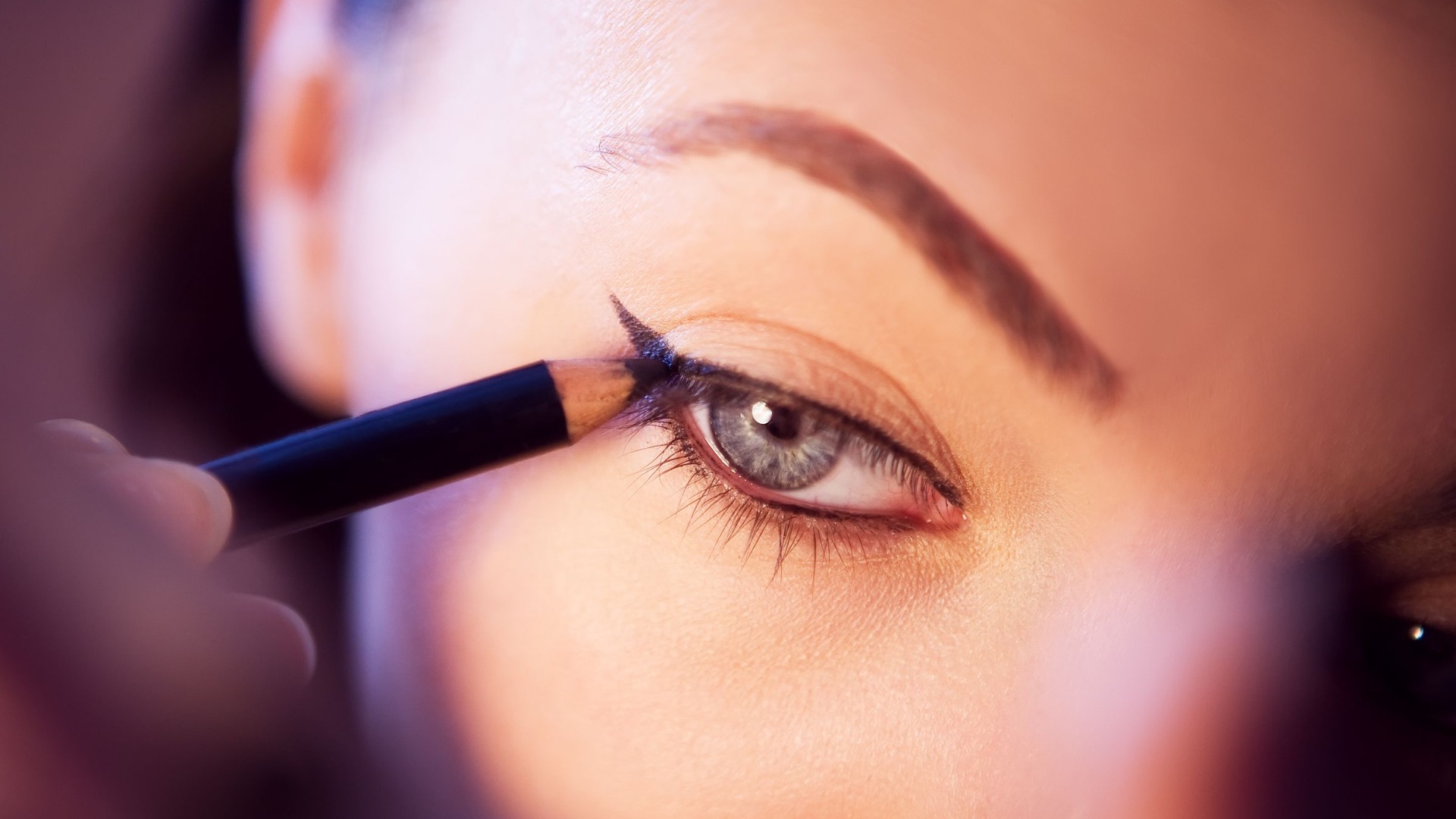
7. Applying Harsh Black Eyeliner
A crisp black line around the eyes creates a level of contrast that rarely disappears into a minimal makeup look. Thick liner can make the lash line appear severe and may visually reduce the amount of visible eyelid space. It also draws attention to any unevenness in the application.
8. Overdoing Contour
Strong contour lines beneath the cheekbones or along the nose can be difficult to disguise when the rest of the face is lightly made up. Cool, deep shades may appear gray or muddy if they aren’t blended thoroughly. Instead of subtle definition, the product can create visible stripes or shadows.
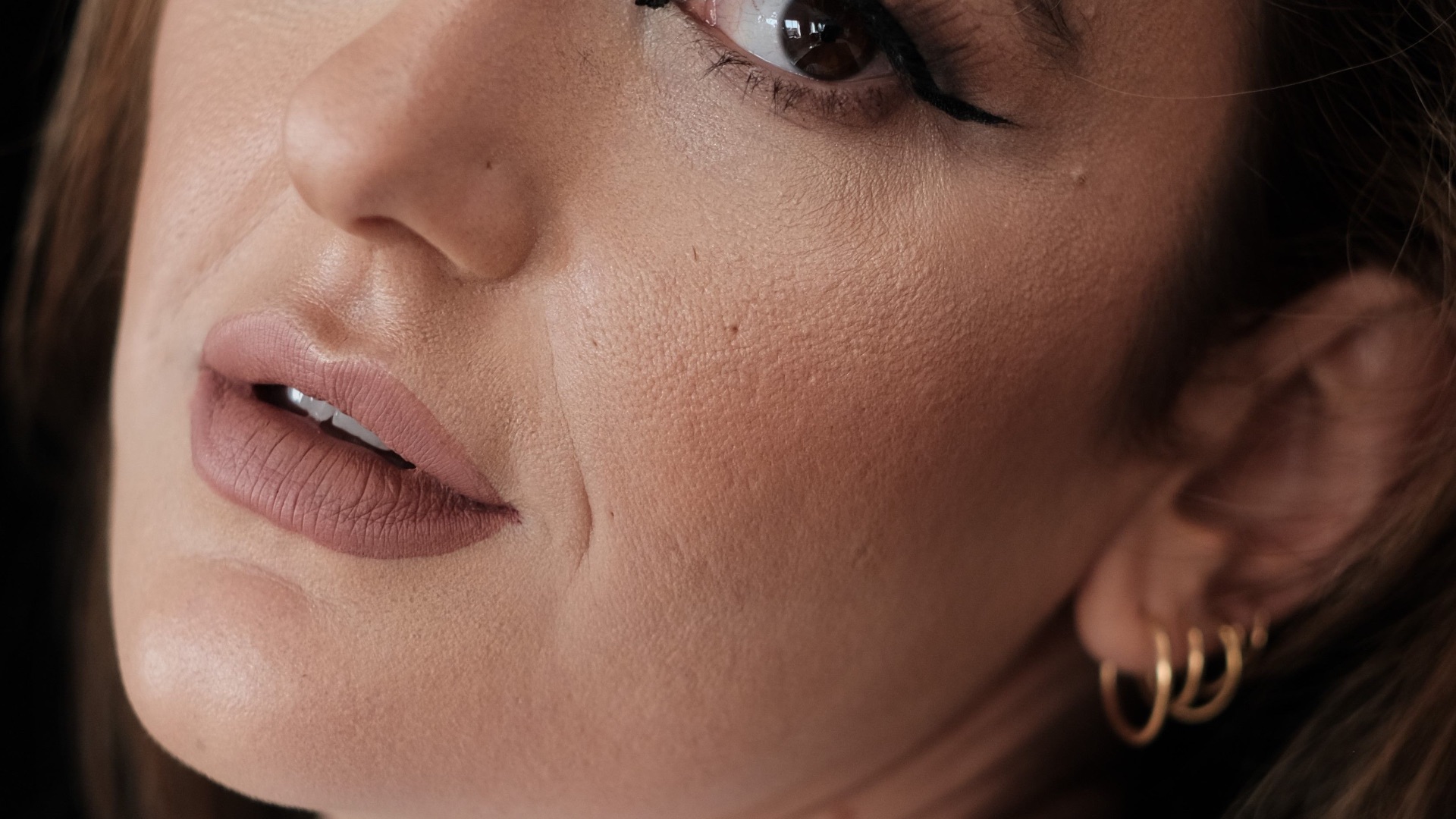
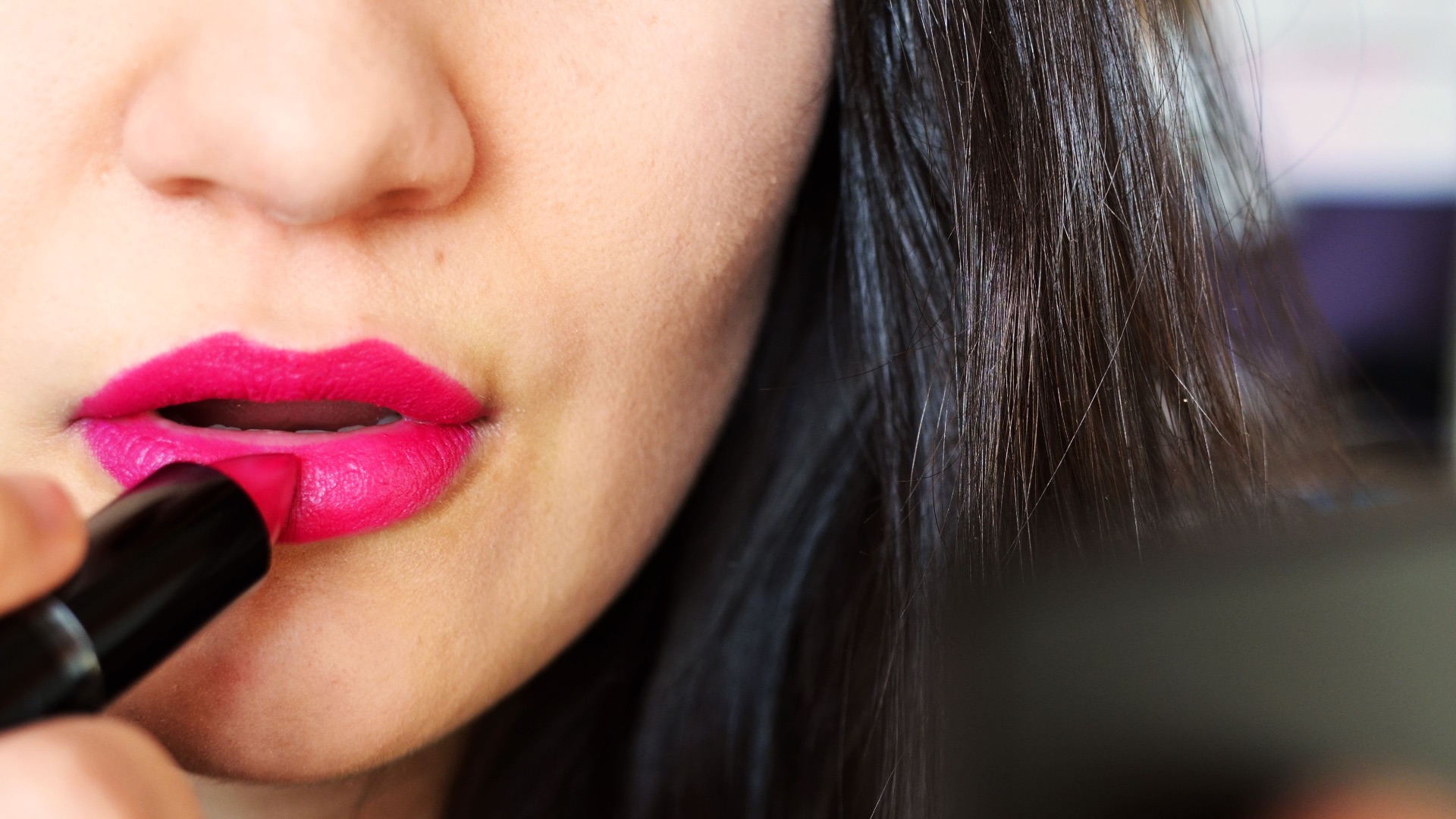
9. Picking an Unnaturally Pale Lip Color
A very light nude lipstick can erase the natural contrast between your lips and surrounding skin. This often leaves the face looking drained, particularly when the shade has a beige or chalky undertone. Matte formulas can make the effect even more noticeable by emphasizing dryness and lip lines.
10. Ignoring Skin Preparation
Minimal makeup won’t sit smoothly when it’s applied over flaky, dehydrated, or poorly moisturized skin. Lightweight formulas can still cling to rough areas, while concealer may separate around the nose and under the eyes. Skipping preparation may make you compensate with additional product, which defeats the purpose of the look.
Now that you know what not to do, let's jump into what you should do instead to achieve the perfect “no makeup” look.
 Leighann Blackwood on Unsplash
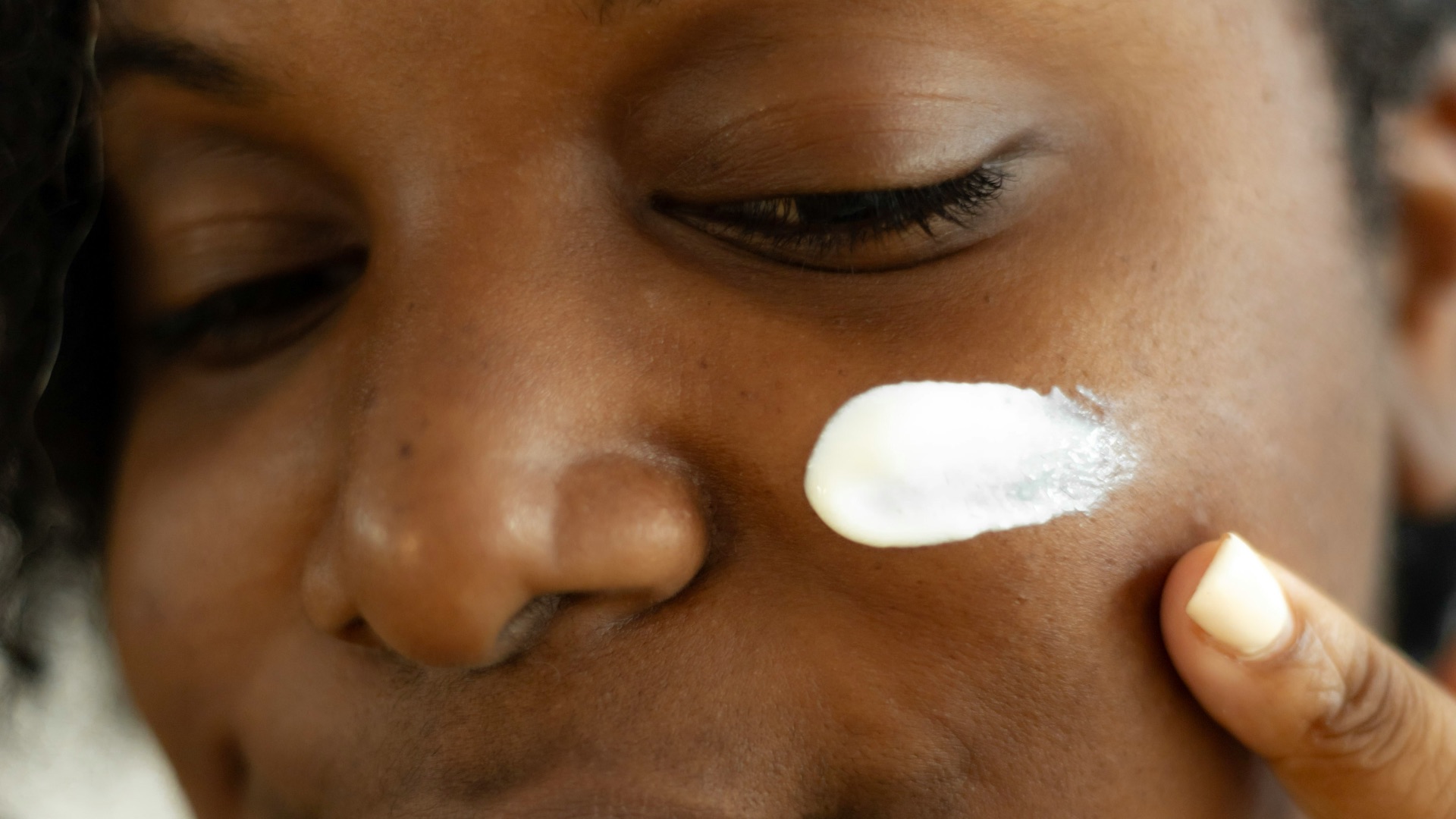
1. Start with Hydrated Skin
Apply moisturizer and give it a few minutes to settle before moving on to makeup. Well-hydrated skin helps complexion products spread more evenly and reduces the chance of patchiness. You can also add a lightweight primer only where you need extra smoothing or oil control.
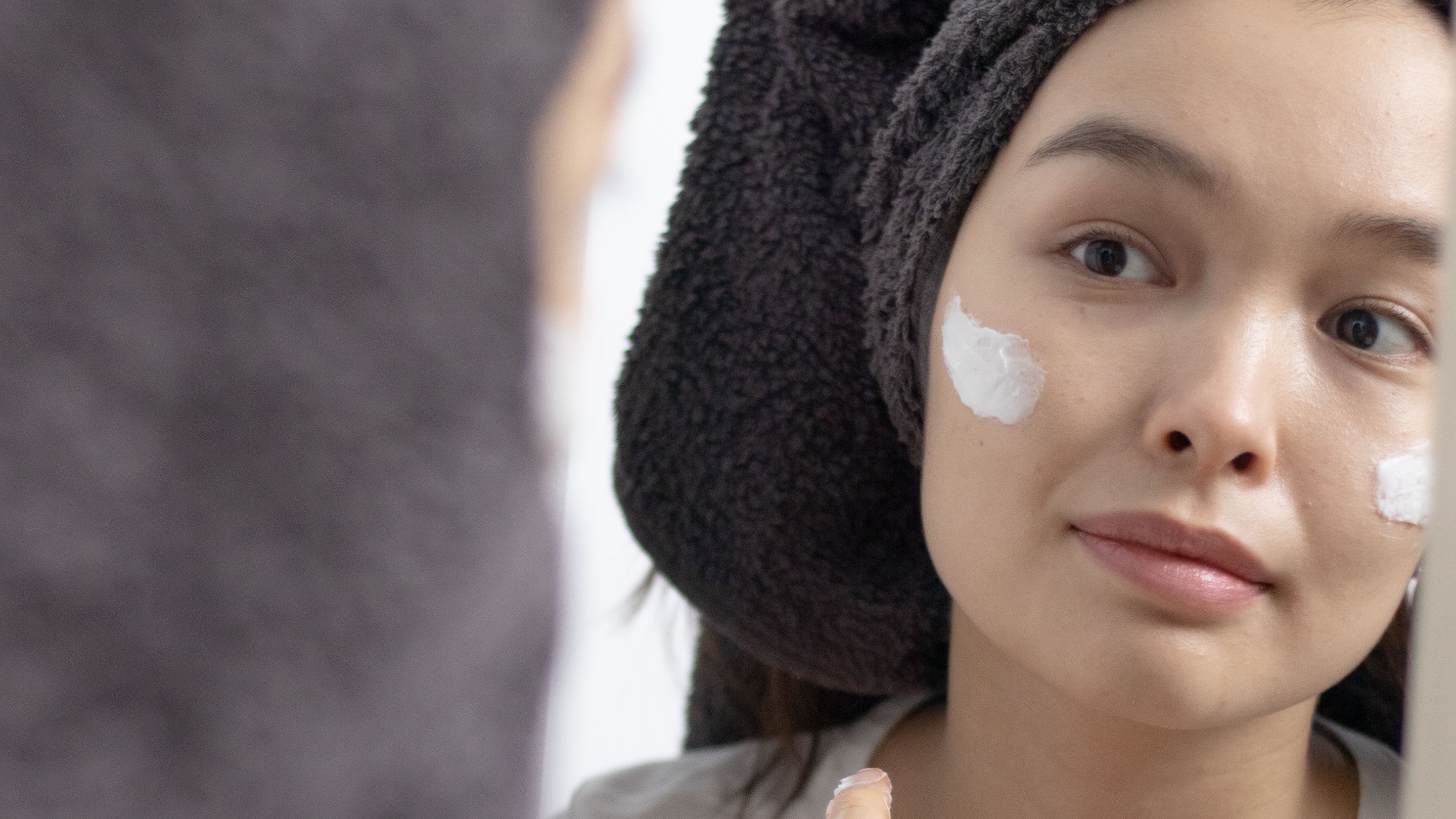
2. Use a Sheer Complexion Product
A skin tint, tinted moisturizer, or sheer foundation can even out your complexion without concealing every natural detail. Apply a thin layer from the center of your face outward, where discoloration is often more noticeable. Leaving freckles and some variation visible keeps the finish believable.
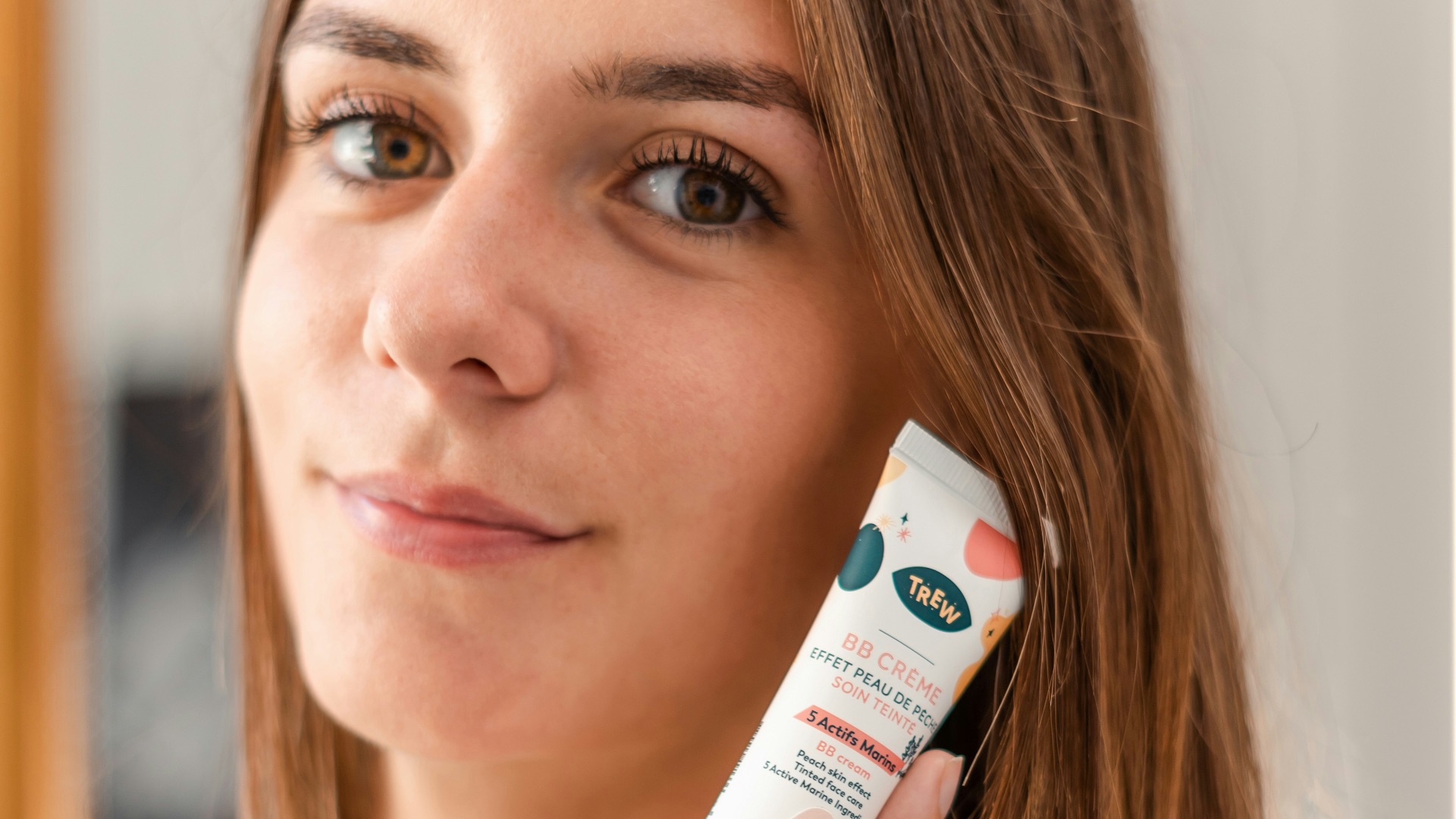
3. Spot-Conceal Only Where Necessary
Place small amounts of concealer directly on blemishes, redness, or the darkest parts of your under-eye area. Blending with a fingertip or a small brush helps the product stay concentrated instead of spreading over too much skin. This technique gives you coverage without creating a heavy-looking base.

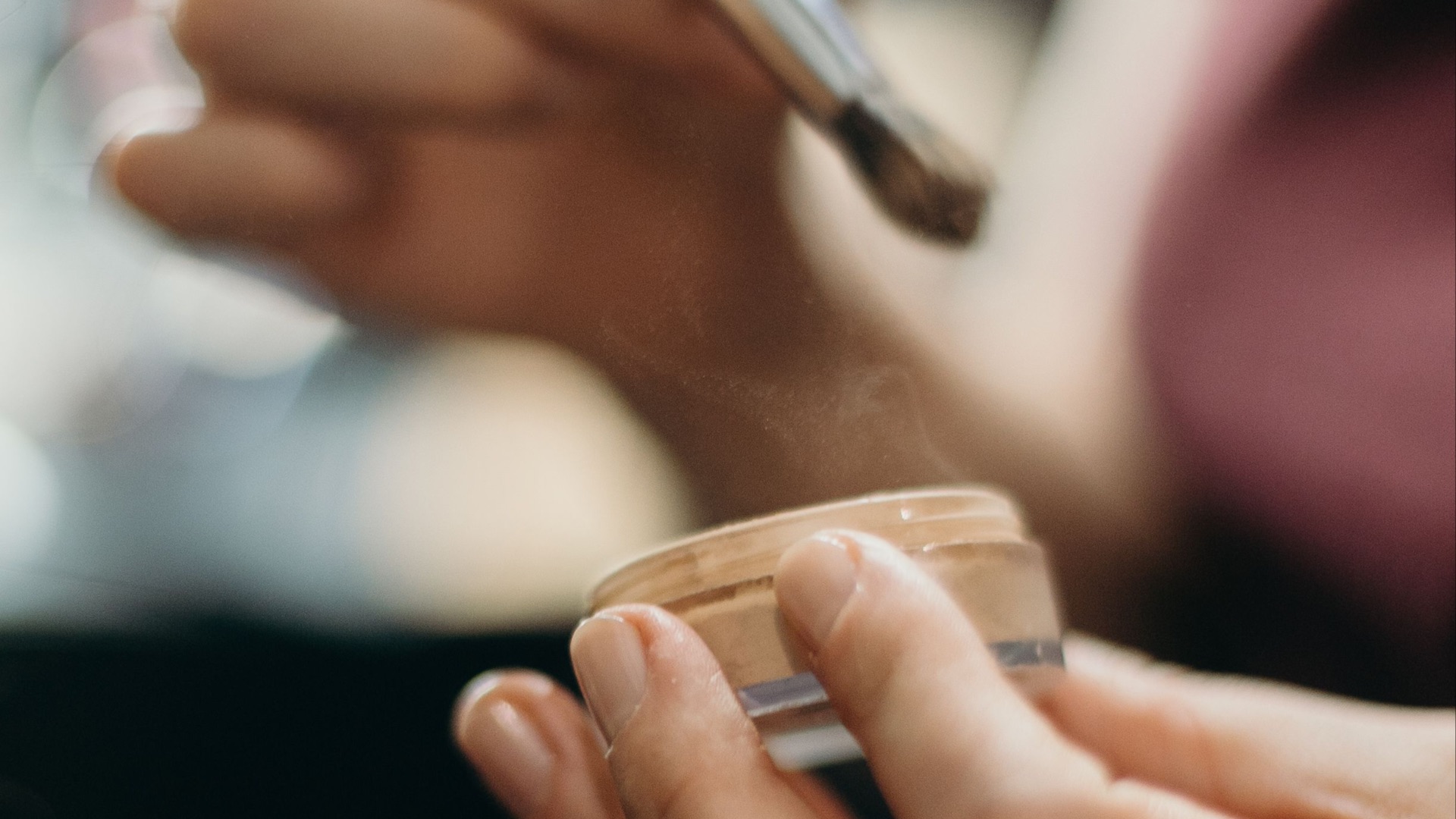
4. Powder Selectively
Rather than setting your entire face, focus powder on areas that tend to become excessively shiny, such as the sides of the nose or the center of the forehead. Use a small brush and a light hand so the skin retains some natural dimension. Cream blush and other complexion products will also remain fresher when they aren’t buried beneath powder.
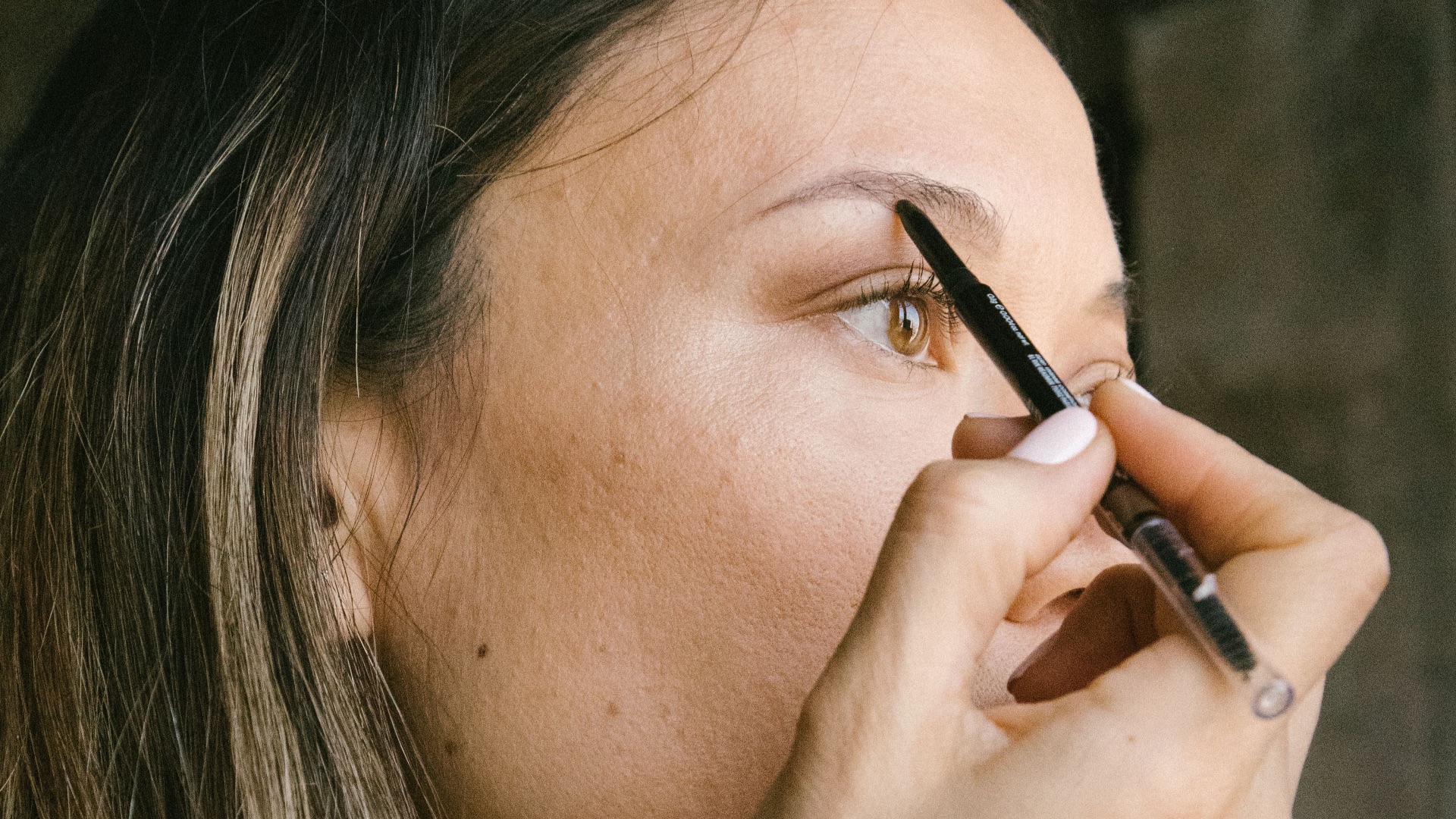
5. Fill Brows with Hairlike Strokes
Choose a fine pencil or brow pen that closely matches the natural color of your brow hairs. Add short strokes only where there are visible gaps, then brush through the brows to soften the pigment. A small amount of clear or tinted gel can hold everything in place without making the shape look rigid.
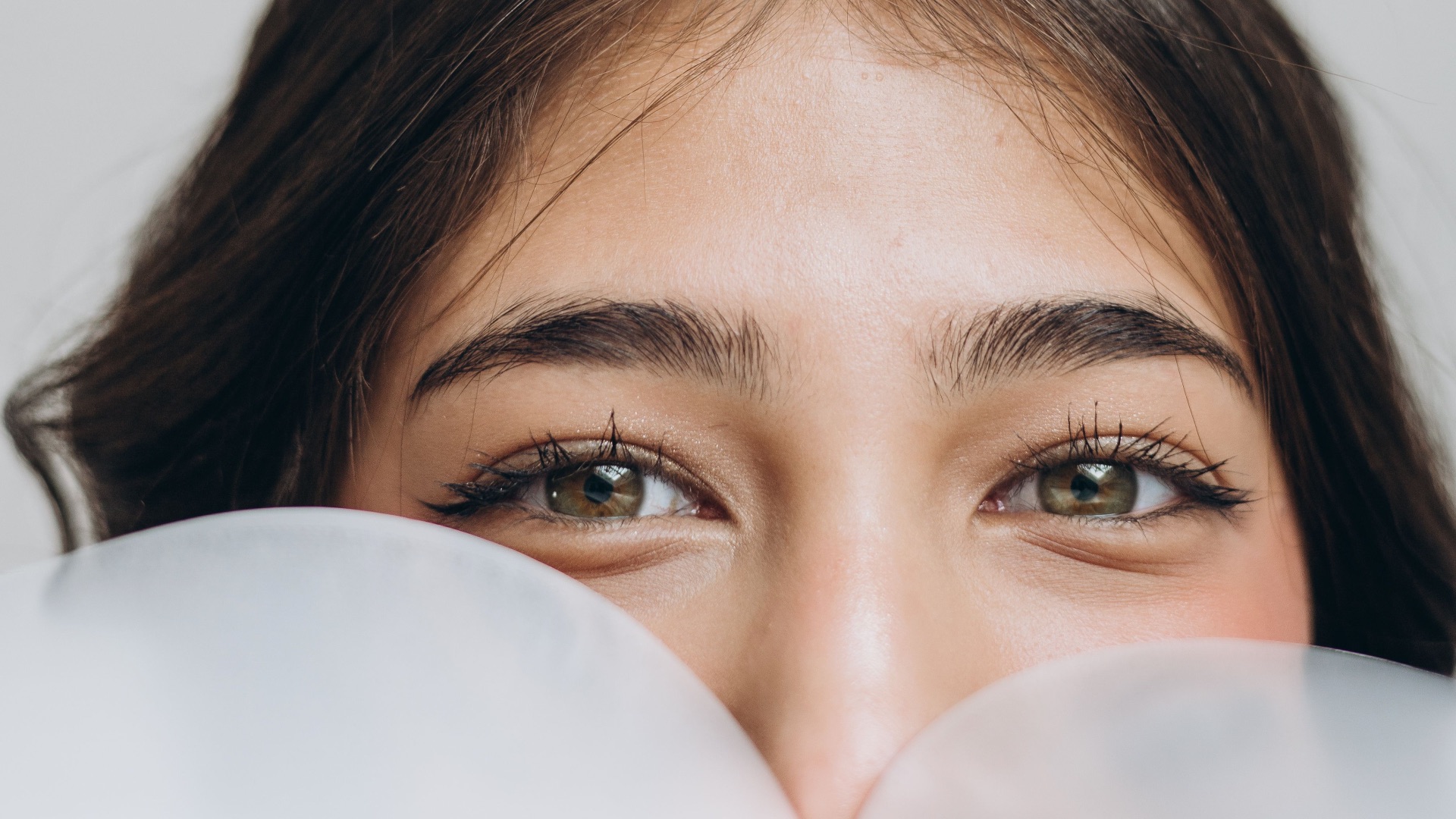
6. Define the Lashes Subtly
Curling your lashes can make your eyes appear more open without adding noticeable color. Follow with one light coat of brown or soft black mascara, concentrating near the roots. If clumps form, combing through the lashes will help preserve separation and keep the finish clean.
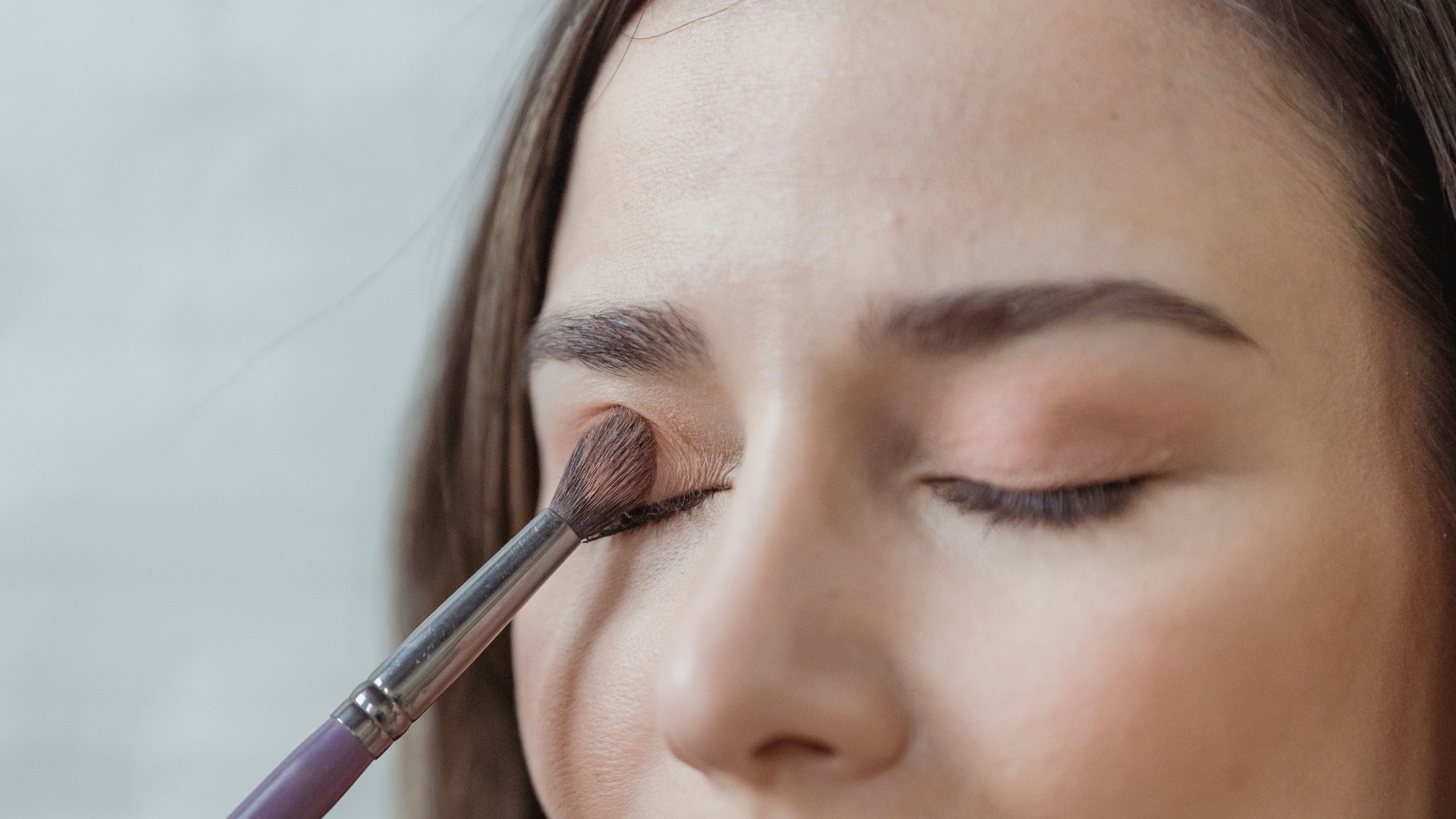
7. Choose Soft Eye Definition
A brown pencil pressed between the upper lashes can make them look fuller without creating an obvious line. You can also use a small amount of neutral shadow close to the lash line for a softer result. Blending away any hard edges keeps the eyes defined while maintaining the understated effect.
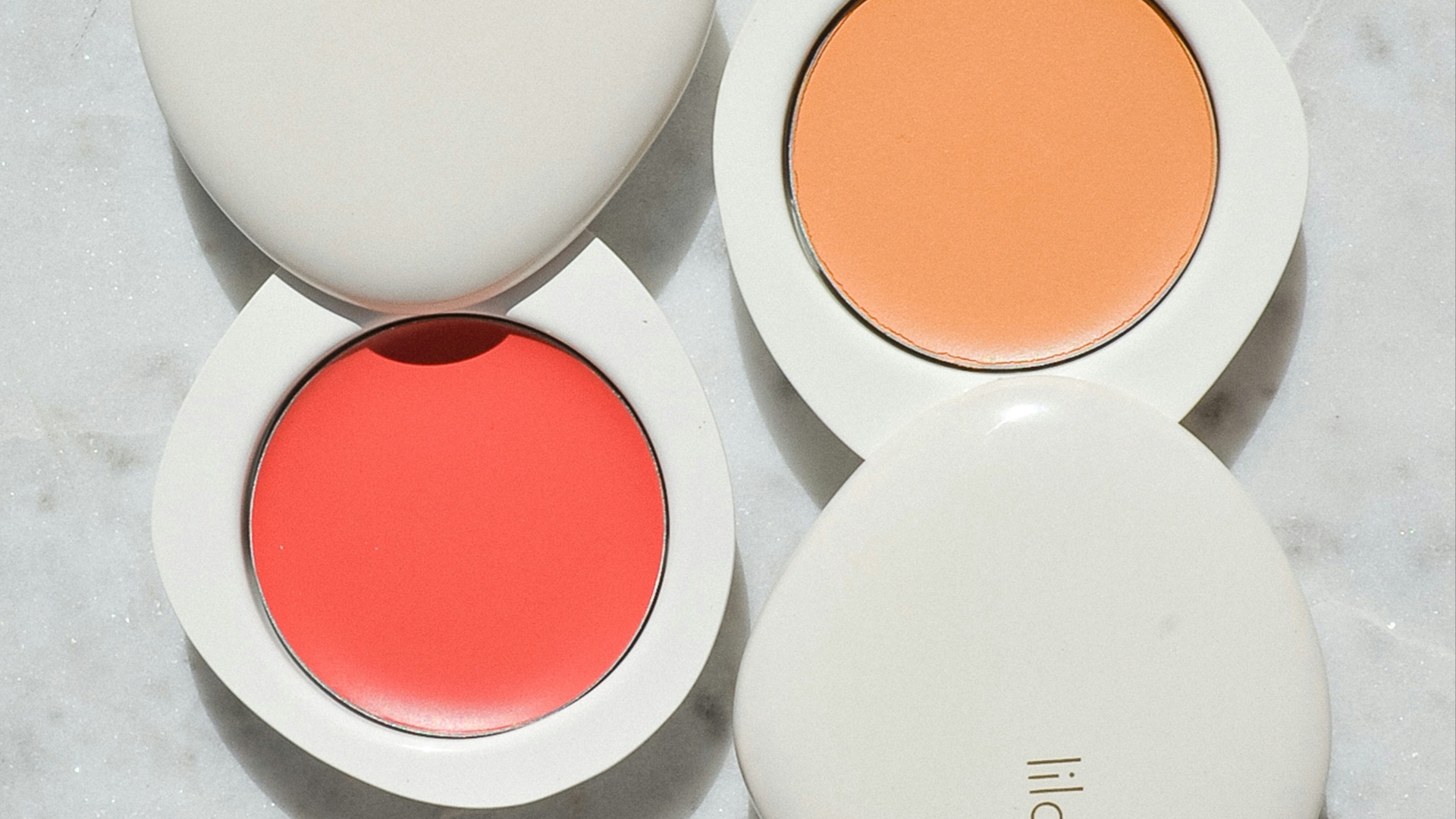
8. Add Color with Cream Blush
Cream blush tends to blend into lightweight base products more naturally than a heavy layer of powder blush. Pick a shade that resembles the color your cheeks develop naturally, then tap on a small amount and build gradually. Applying what remains on your finger across the bridge of the nose can help the color look more evenly distributed.
9. Use Warmth Instead of Heavy Contour
A light application of bronzer can add dimension without creating sharply sculpted areas. Place it where the sun would naturally deepen your skin, such as the forehead, temples, and upper cheeks. A sheer formula with a neutral or slightly warm undertone is usually easier to blend into a minimal base.
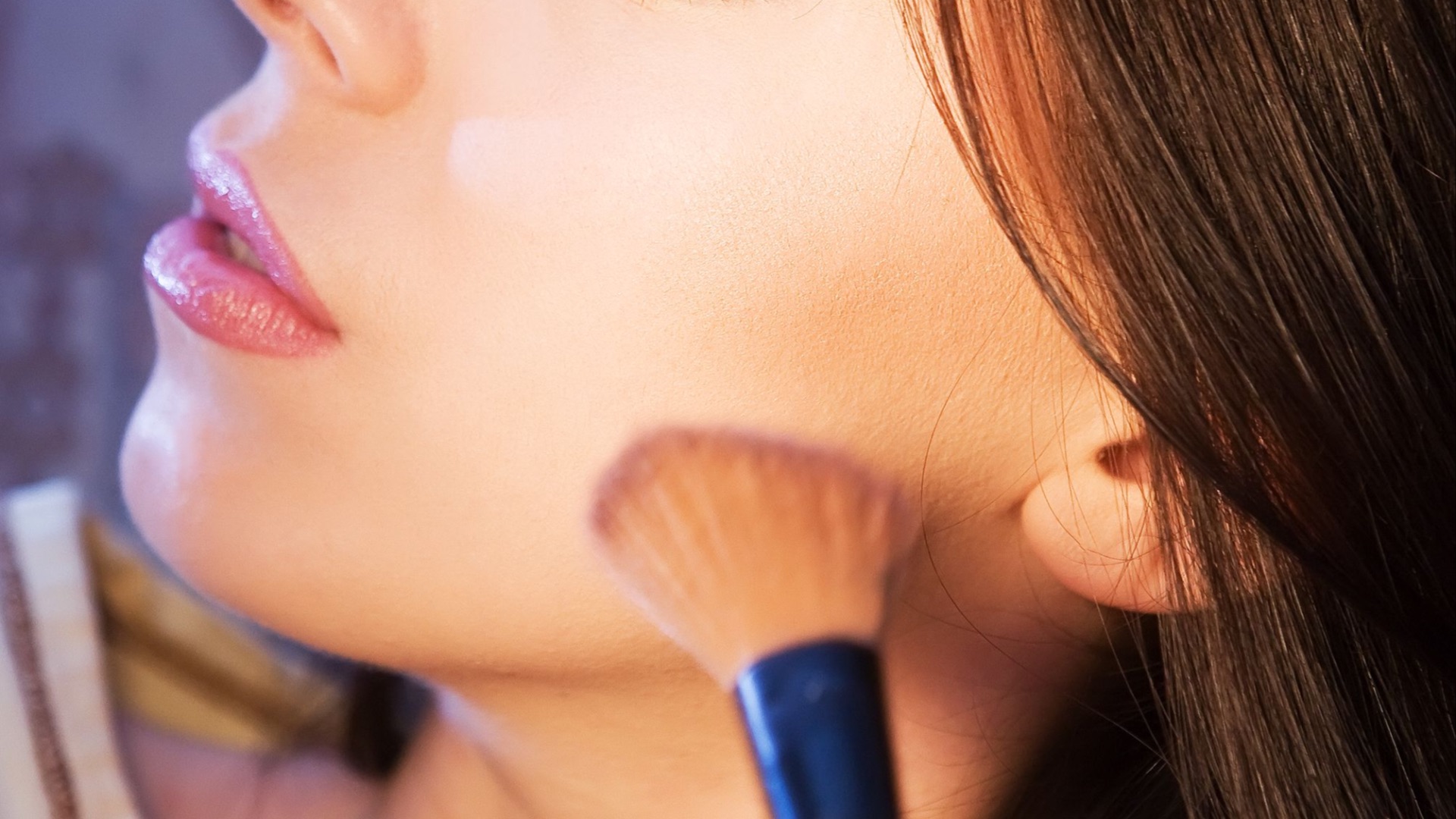
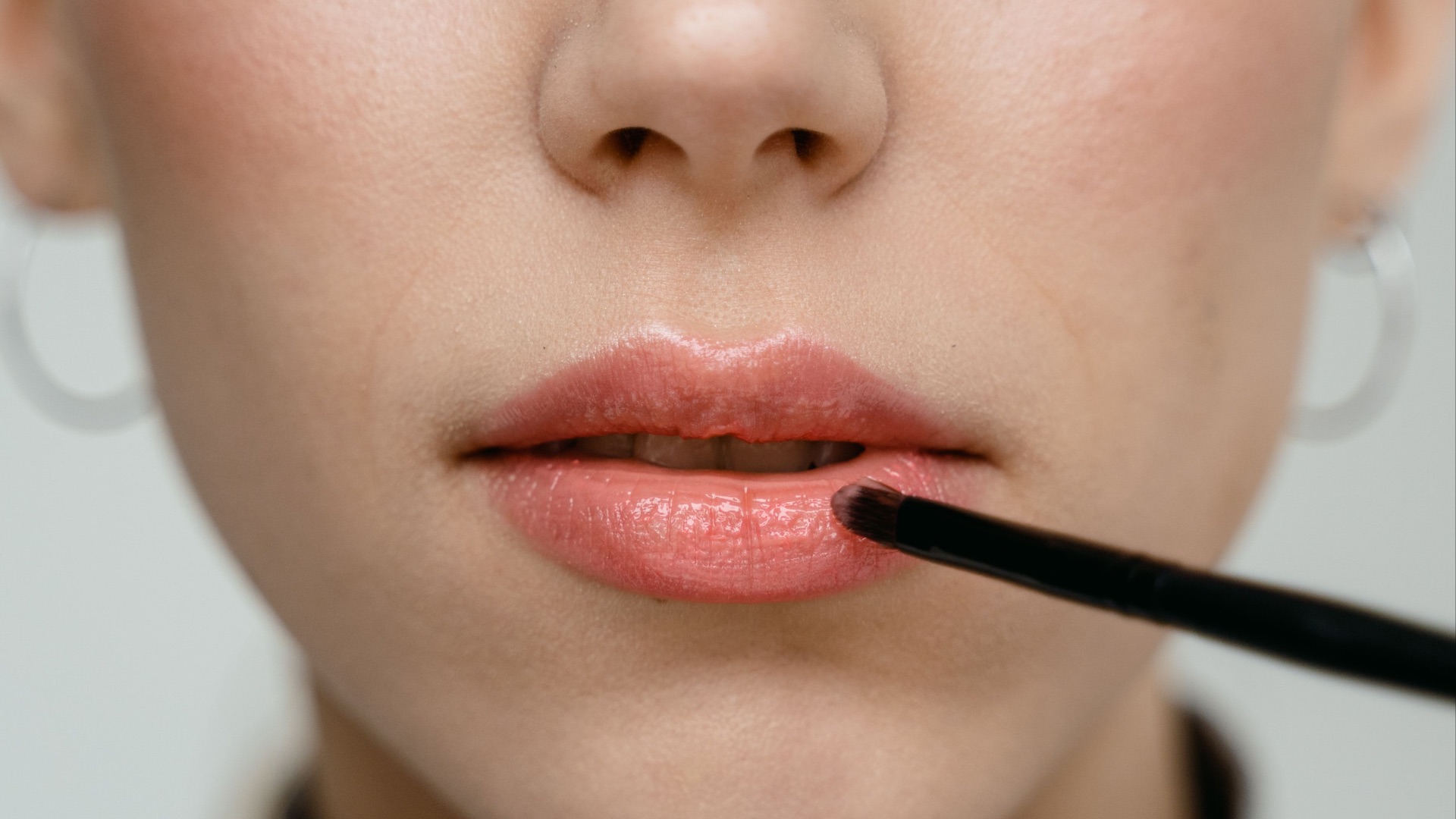
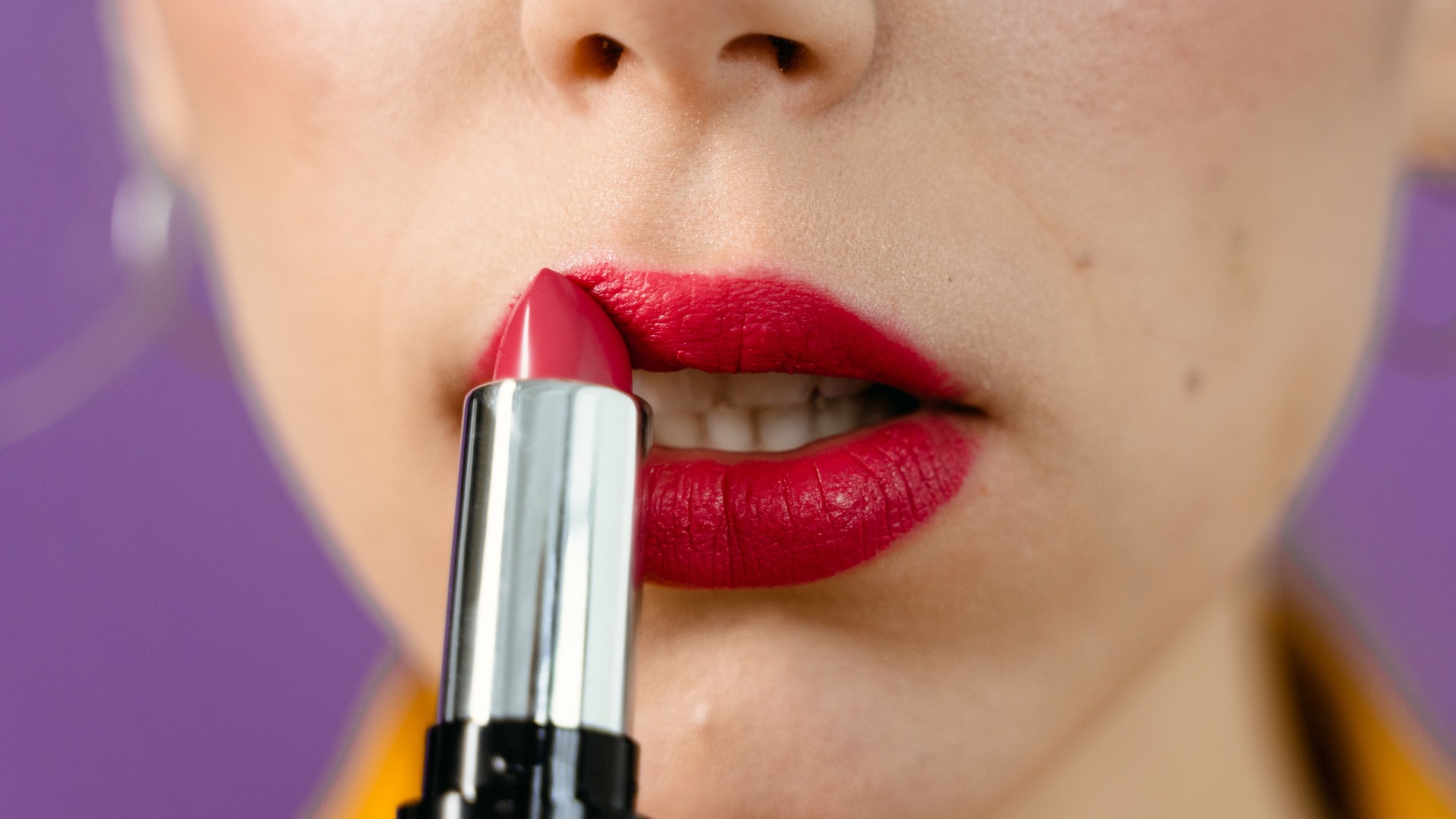
10. Enhance Your Natural Lip Color
Tinted balm, lip oil, or sheer lipstick can add life to the face while allowing your natural lip tone to show through. Look for a shade that’s close to your lips but slightly richer, rather than choosing an extremely pale nude. Blotting the product after application can soften the finish and make it appear less deliberate.