
Why The Mirror Doesn’t Always Tell The Whole Story
Makeup can look polished in one room and unexpectedly heavy, uneven, or washed out somewhere else because lighting changes how color, texture, and contrast appear. Understanding the effects of brightness, direction, color temperature, and shadows can help you apply products more consistently and avoid surprises once you step outside. Here are 20 ways lighting changes how your makeup actually looks.
1. Natural Daylight Shows The Most Detail
Indirect daylight usually provides the clearest view of how your makeup looks in ordinary conditions. It reveals an uneven foundation, harsh lines, and mismatched shades without adding a strong artificial color cast. Applying makeup near a window can help you notice details that softer indoor lighting may conceal.

2. Warm Bulbs Make Skin Look More Golden
Warm lighting contains more yellow and amber tones, which can make your complexion appear richer and healthier. Foundation may seem like a better match, while bronzer and warm blush can look less noticeable than they really are. Once you move into cooler lighting, those same products may suddenly appear more orange or intense.
3. Cool Lighting Can Wash Out Your Complexion
Blue-toned or cool white bulbs may reduce the visible warmth in your skin and make your face appear paler. This can tempt you to add extra blush, bronzer, or foundation to restore color. Under warmer or natural light, the added product may look much heavier than you intended.
4. Overhead Lighting Creates Strong Shadows
A ceiling light shines downward, which can deepen shadows beneath the eyes, nose, and cheekbones. These shadows may make you think you need more concealer or contour than usual. Because the light is uneven across the face, it’s difficult to judge blending accurately from every angle.

5. Front-Facing Light Makes Blending Easier
Lighting positioned in front of you illuminates both sides of the face more evenly. This arrangement reduces distracting shadows and makes it easier to see where foundation, blush, and contour begin or end. A balanced front light is especially helpful when you’re trying to create a smooth, natural finish.
6. Side Lighting Emphasizes Texture
Light coming from one side can highlight pores, fine lines, peach fuzz, and dry patches by creating small shadows across the skin. Products that looked smooth from the front may appear more textured when viewed from the side.

7. Dim Lighting Encourages Overapplication
When a room is too dark, subtle colors and light layers can be difficult to see. You may keep adding foundation, powder, eyeliner, or blush because the first application doesn’t appear strong enough. In brighter surroundings, the final result can look much more intense and less blended.

8. Very Bright Light Can Make You Underapply
Extremely strong lighting may make every product seem more obvious than it appears under normal conditions. As a result, you might use too little blush, mascara, or lip color because each layer looks immediately dramatic.

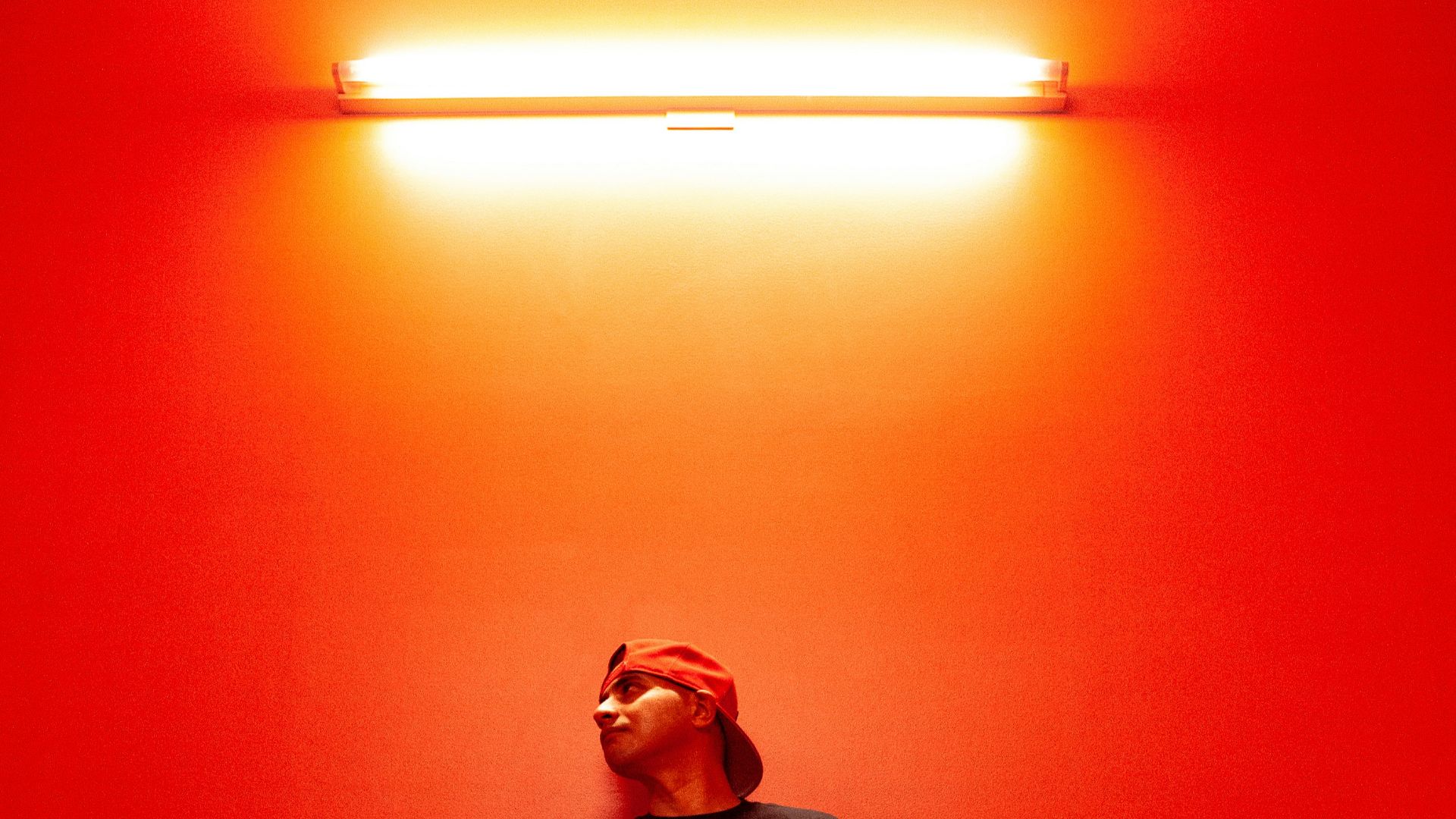
9. Fluorescent Lighting Can Alter Undertones
Traditional fluorescent bulbs often produce a cool or slightly green cast that changes how skin and cosmetics appear. Foundation can look gray, while pink and peach shades may seem duller than expected.
 Anouthinh Pangthong on Unsplash
10. Ring Lights Flatten Facial Dimensions
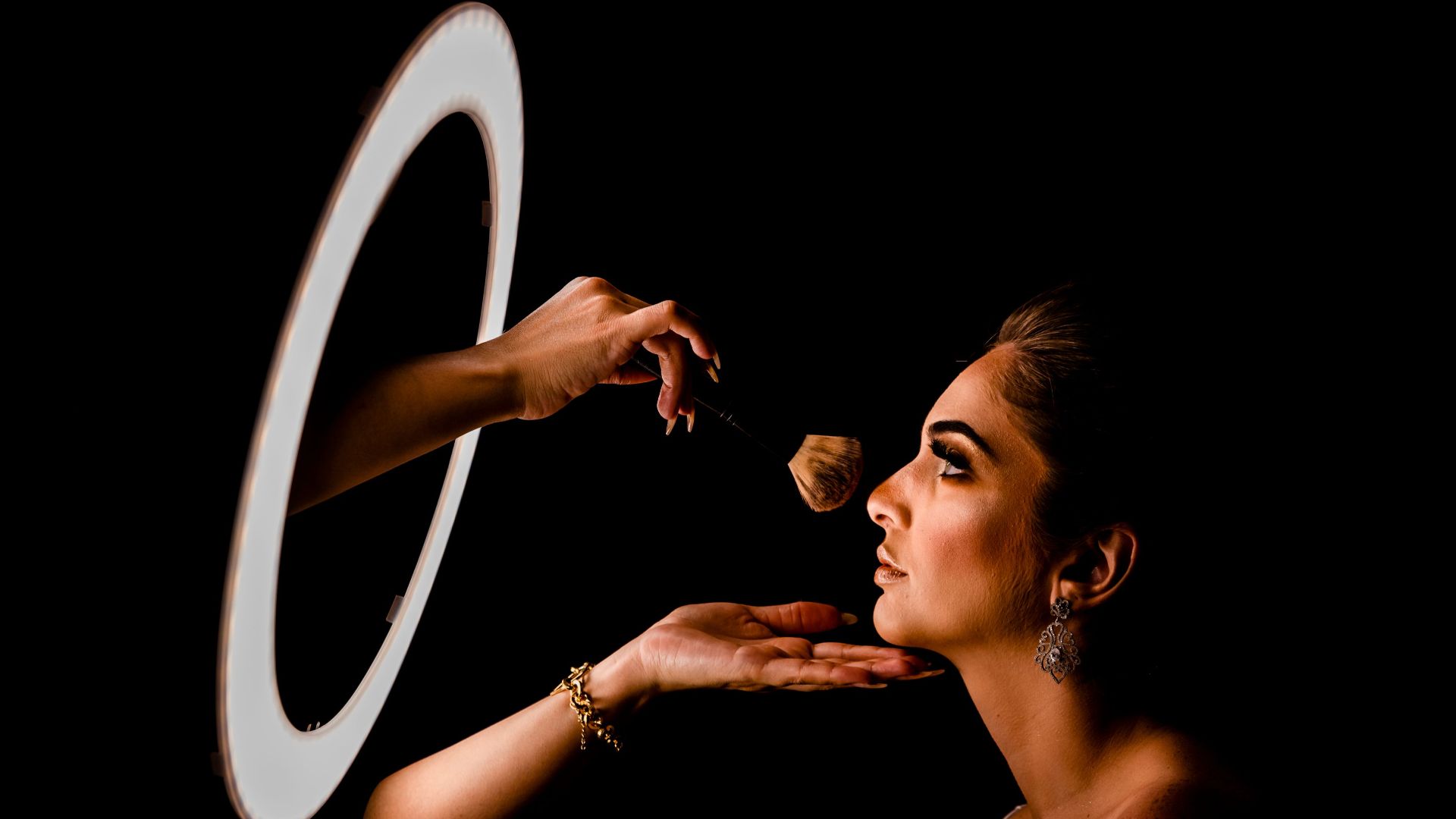
A ring light surrounds the face with even illumination, which reduces shadows and creates a smooth appearance on camera. While this can be flattering, it may also make contour, highlighter, and texture harder to judge accurately.
11. Yellow Bathroom Lighting Hides Redness
Warm bathroom bulbs can soften the appearance of blemishes, irritation, and uneven skin tone. You may believe your foundation or concealer has provided more coverage than it actually has. When you move outdoors, redness that seemed invisible indoors can become easier to see.
12. White LED Lighting Reveals Product Edges
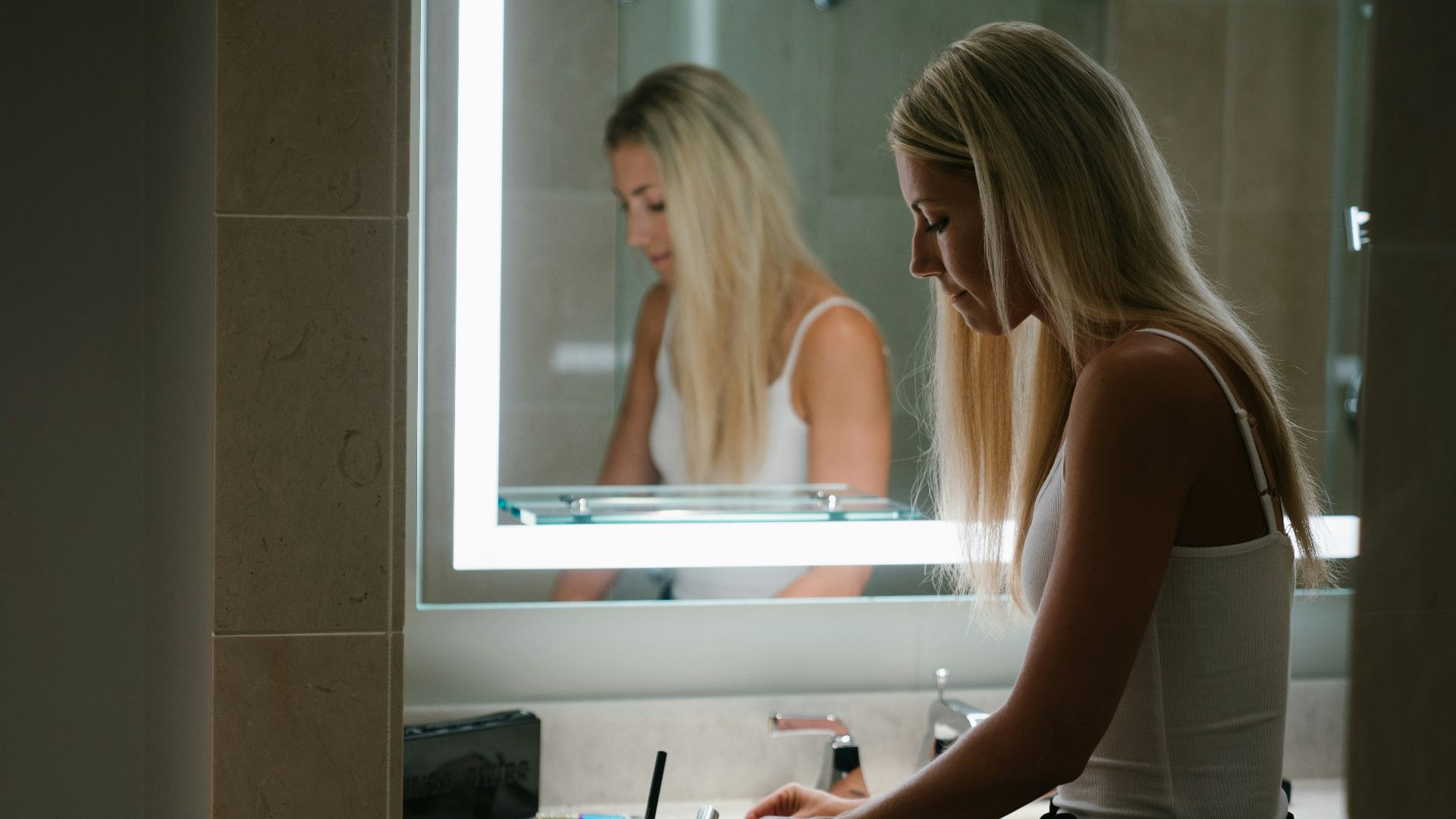
Bright neutral LEDs can make foundation lines, patchy concealer, and unblended powder more noticeable. They’re useful for checking the jawline, hairline, and areas around the nose where product often collects.
13. Backlighting Makes Your Face Harder To Read
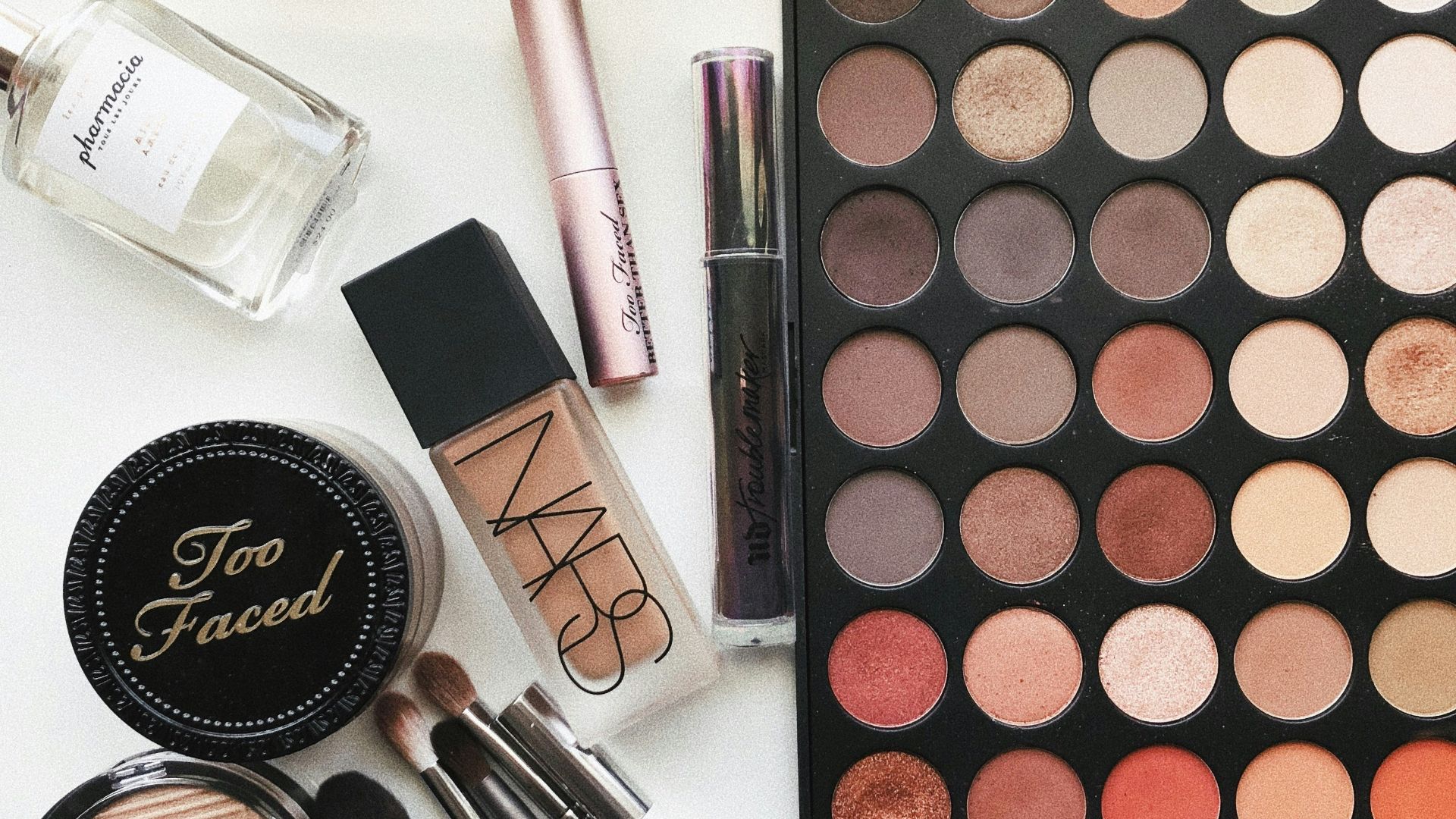
When the strongest light is behind you, your face falls into shadow even though the room may seem bright. This makes it difficult to judge color, symmetry, and coverage, which can result in uneven application.

14. Candlelight Softens Nearly Everything
Candlelight is warm, low, and naturally flattering because it reduces visible detail and sharp contrast. Heavy foundation, strong contour, and bold eye makeup may seem softer than they would in daylight.
15. Sunset Light Intensifies Warm Shades
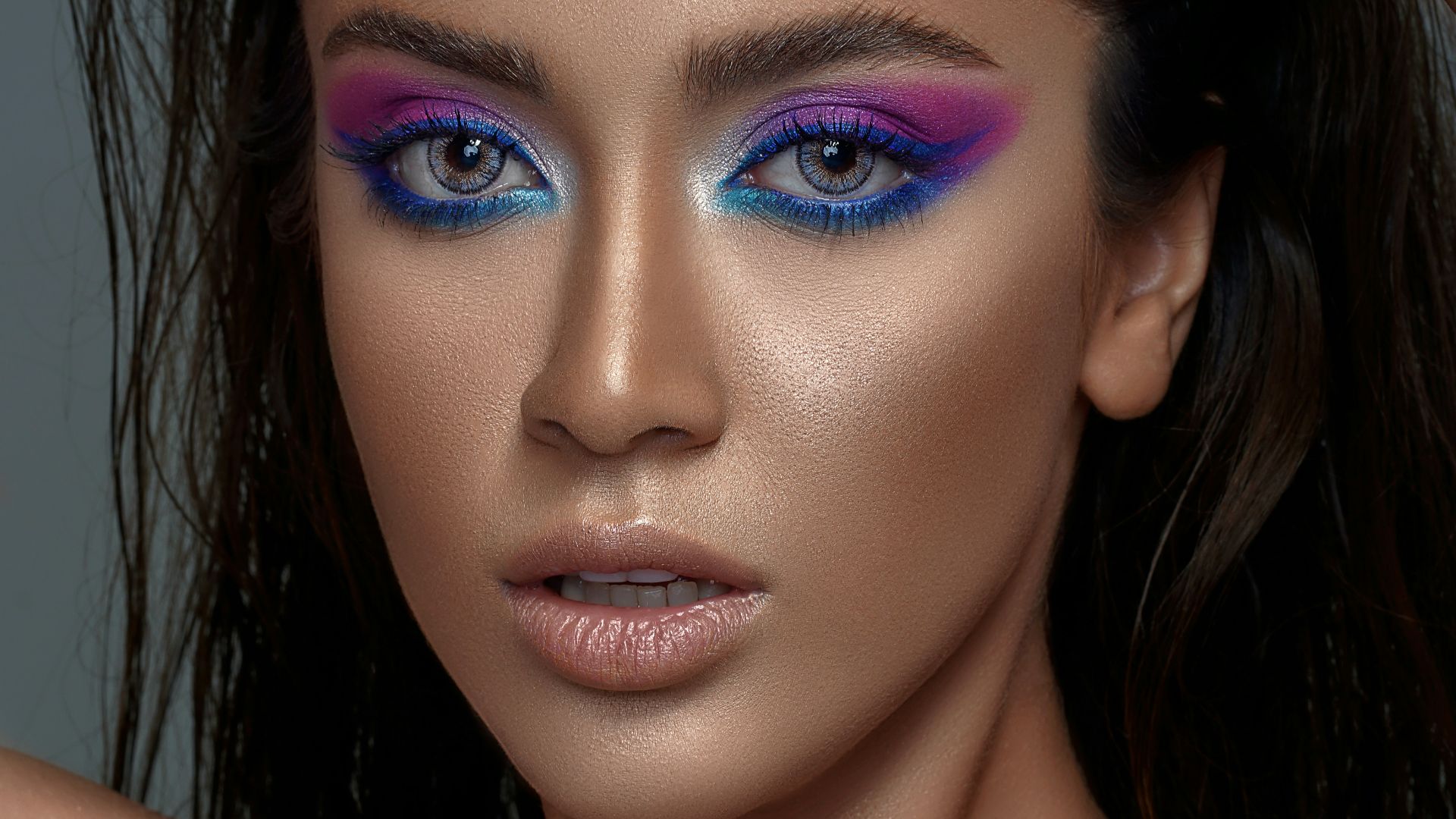
Late-afternoon sunlight contains stronger golden and reddish tones than midday daylight. Warm blushes, bronzers, copper shadows, and red lip colors may appear especially rich during this time.

16. Cloudy Daylight Makes Colors Look Softer
Overcast skies create broad, diffused light that reduces harsh shadows and spreads illumination evenly. This makes blending easier to assess, although colors can appear slightly less vibrant than they do in direct sunshine.
17. Direct Sunlight Exposes Every Layer
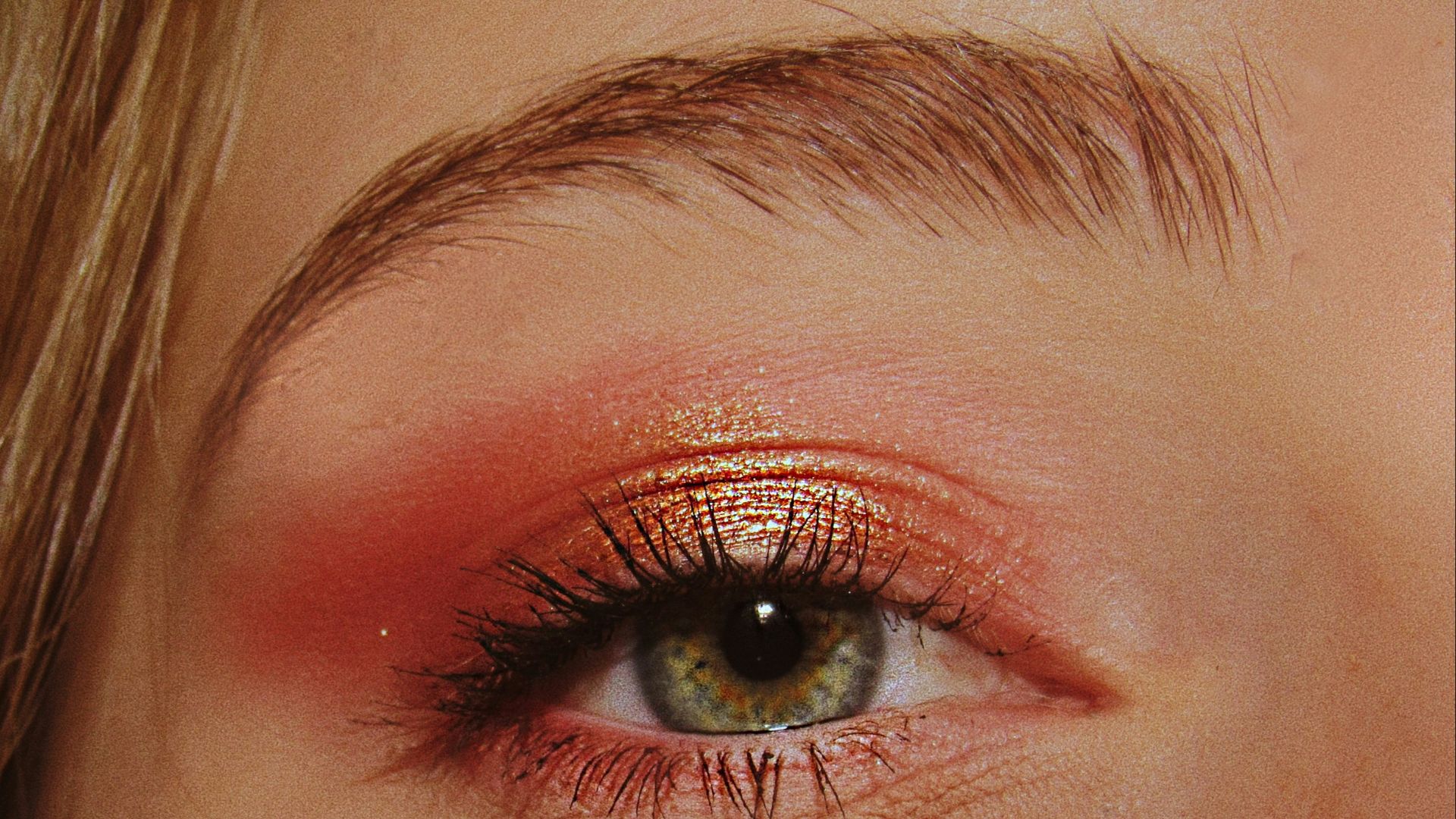
Strong sunlight produces high contrast and makes powder, foundation buildup, and dry texture easier to notice. It can also intensify shimmer and reflective highlighter, sometimes making them appear sharper than expected.
18. Colored Lights Distort Product Shades
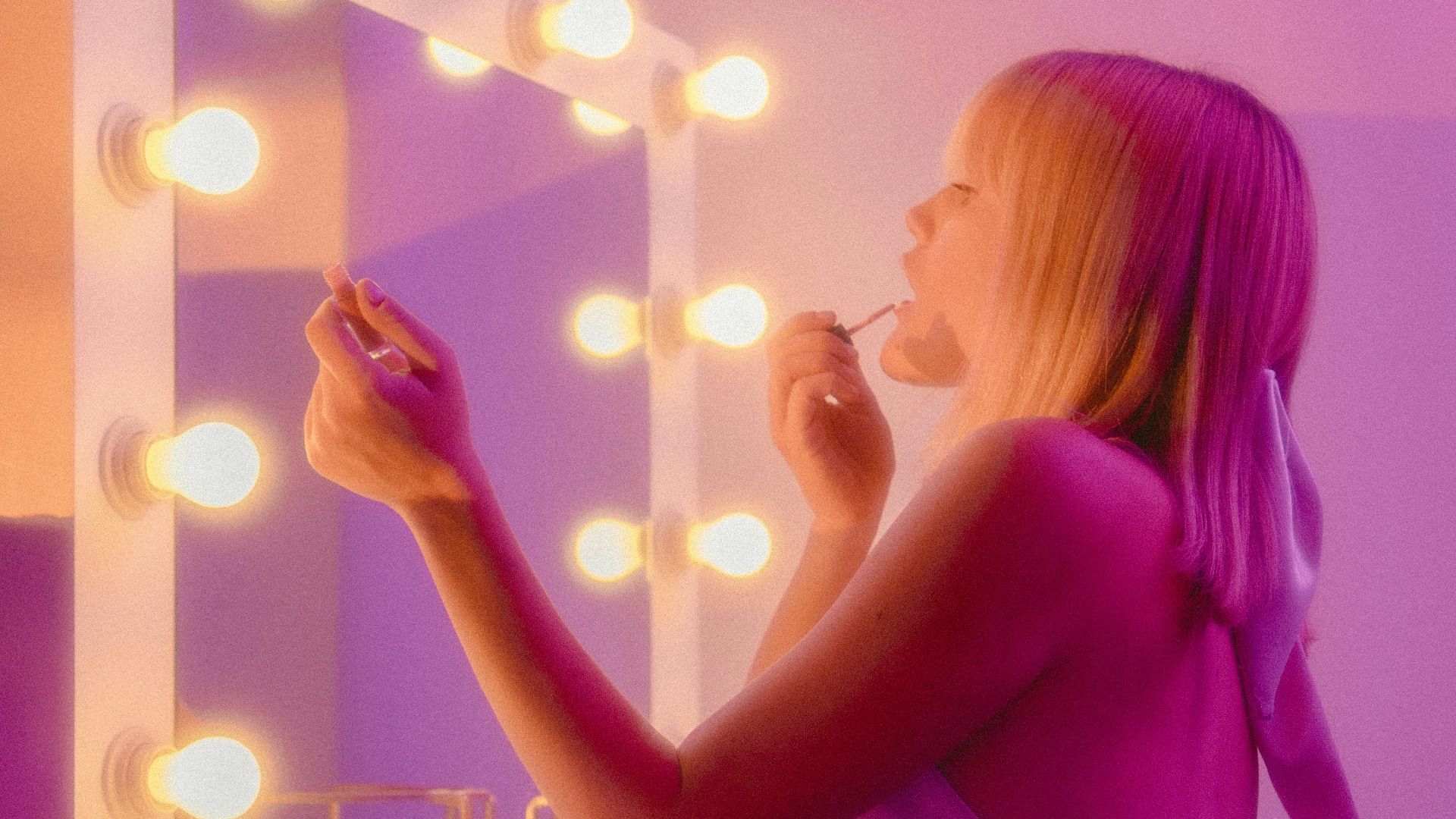
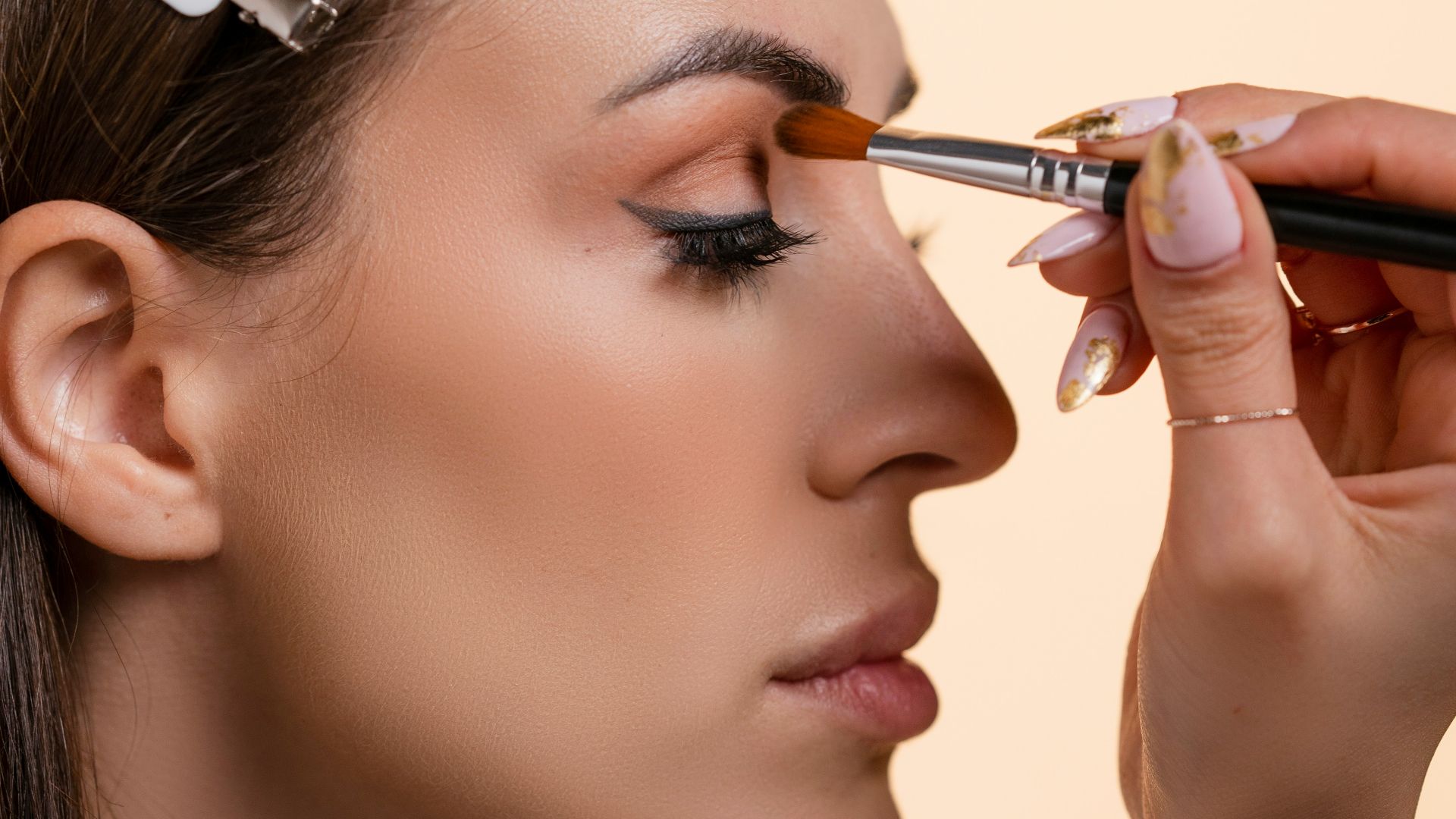
Red, blue, purple, or green decorative lighting changes the appearance of nearly every color on your face. Lipstick, blush, and eye shadow may no longer resemble their true shades, while foundation undertones become difficult to identify.
19. Camera Flashes Can Create A White Cast
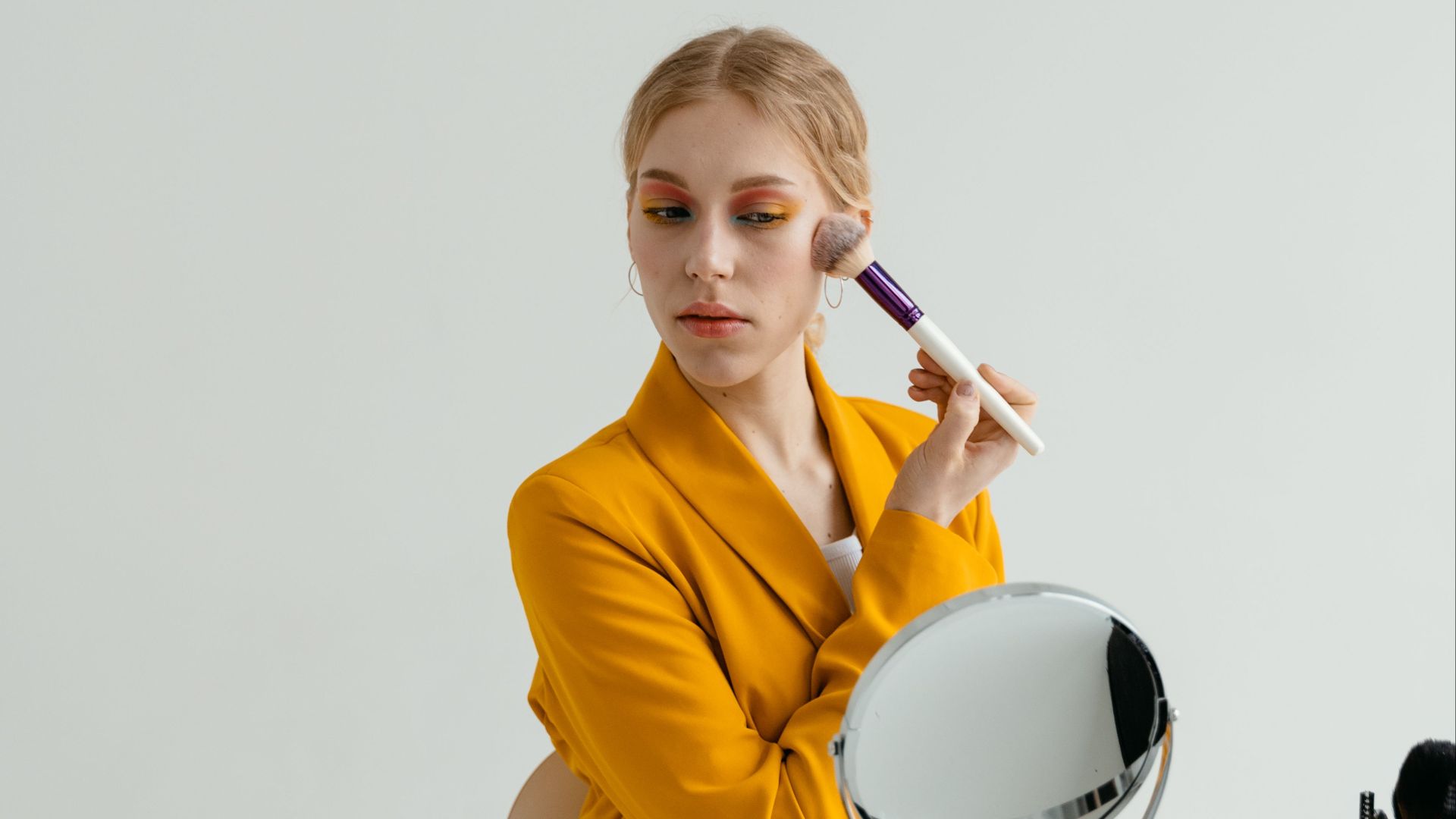
Flash photography can make some facial products appear lighter than the surrounding skin, particularly when they contain ingredients that strongly reflect light. Powder under the eyes or across the center of the face may look normal in person but pale in a photograph.
20. Mixed Lighting Creates Conflicting Results
A room containing warm lamps, cool LEDs, and daylight may place different color casts across separate parts of your face. One cheek can appear warmer, while the other looks cooler or paler, making balanced application difficult.