When A Little Wear Adds Character
Some clothes look their best before they’ve ever left the hanger, but others improve once the fabric softens, the shape relaxes, and the finish becomes less perfect. A slightly worn-in item often feels more natural, fits the body better, and looks less like it was chosen five minutes ago for the sole purpose of appearing polished. Here are 20 clothing items that always look better slightly worn in.
1. Classic Blue Jeans
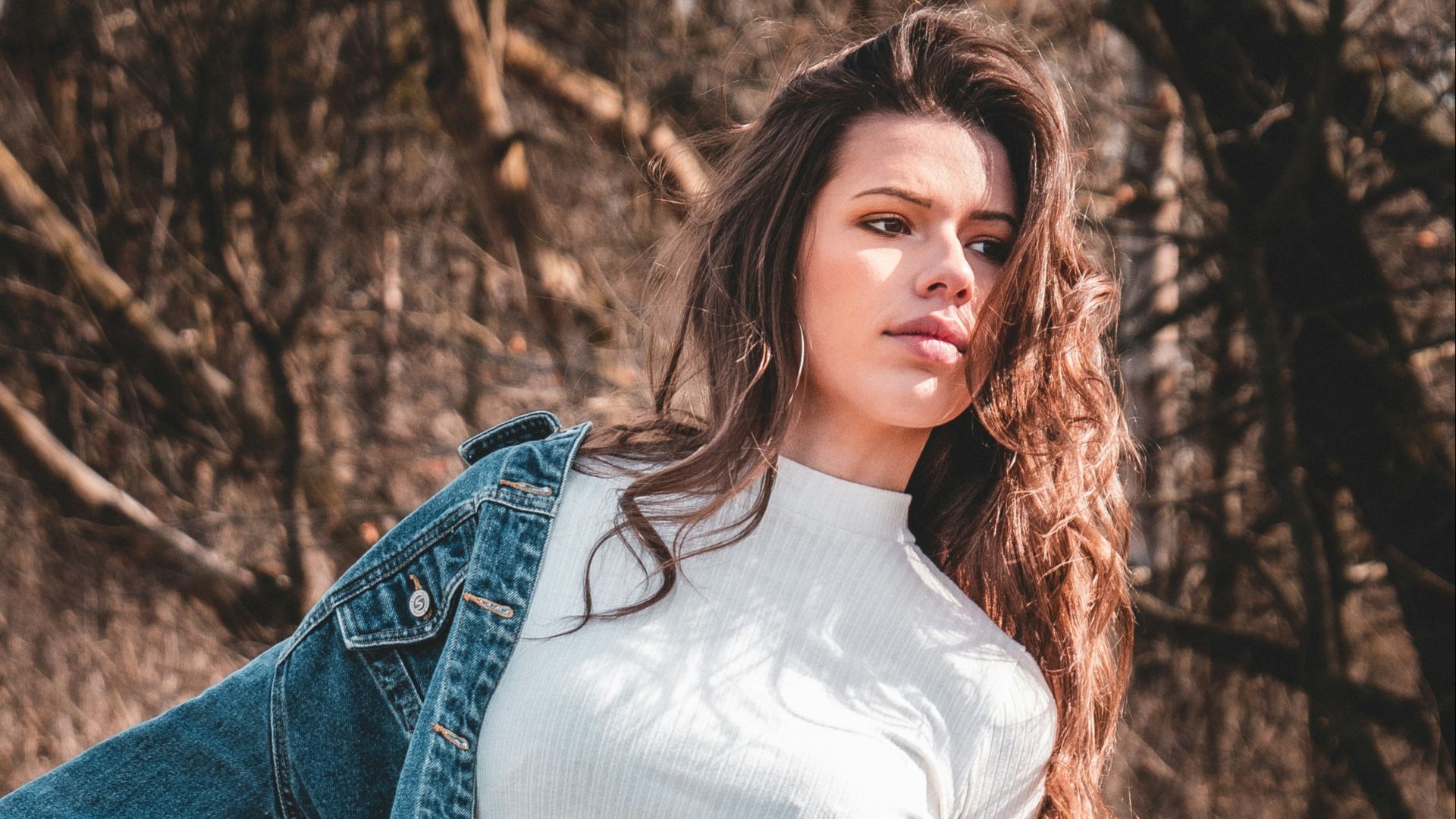
Brand-new denim can feel stiff, overly dark, and resistant to the way you naturally move. After several wears, the fabric begins to soften around the knees, hips, and waistband while subtle fading develops in the areas that bend most often. That gradual change makes jeans look more personal without appearing damaged or neglected.
2. Leather Jackets
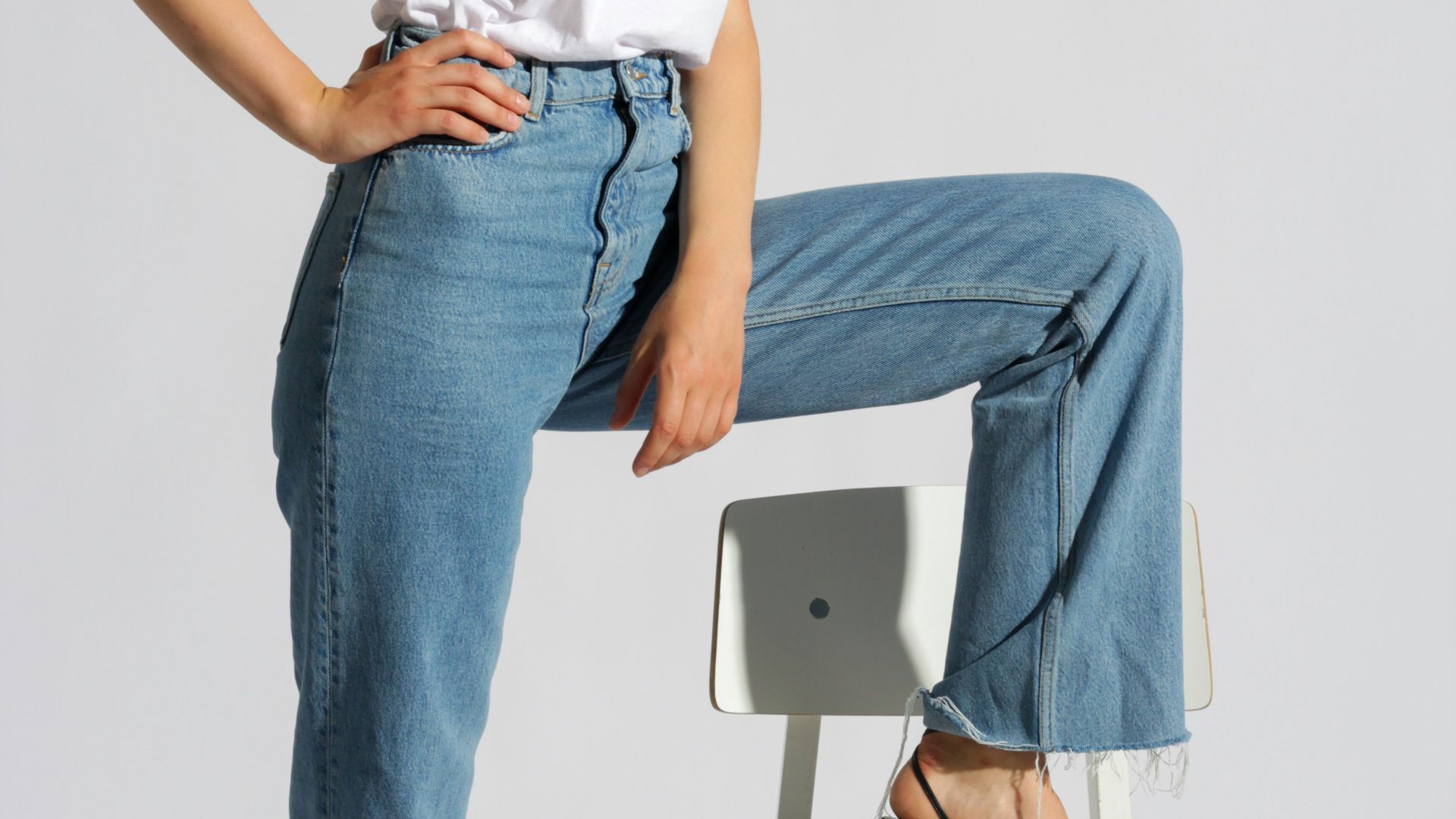
A fresh leather jacket may look impressive, but it can also feel rigid and slightly too formal for everyday wear. With time, the sleeves crease, the shoulders settle, and the surface develops small variations that give the jacket a more relaxed appearance. Proper conditioning helps it age attractively while preventing the leather from drying out.
3. Canvas Sneakers
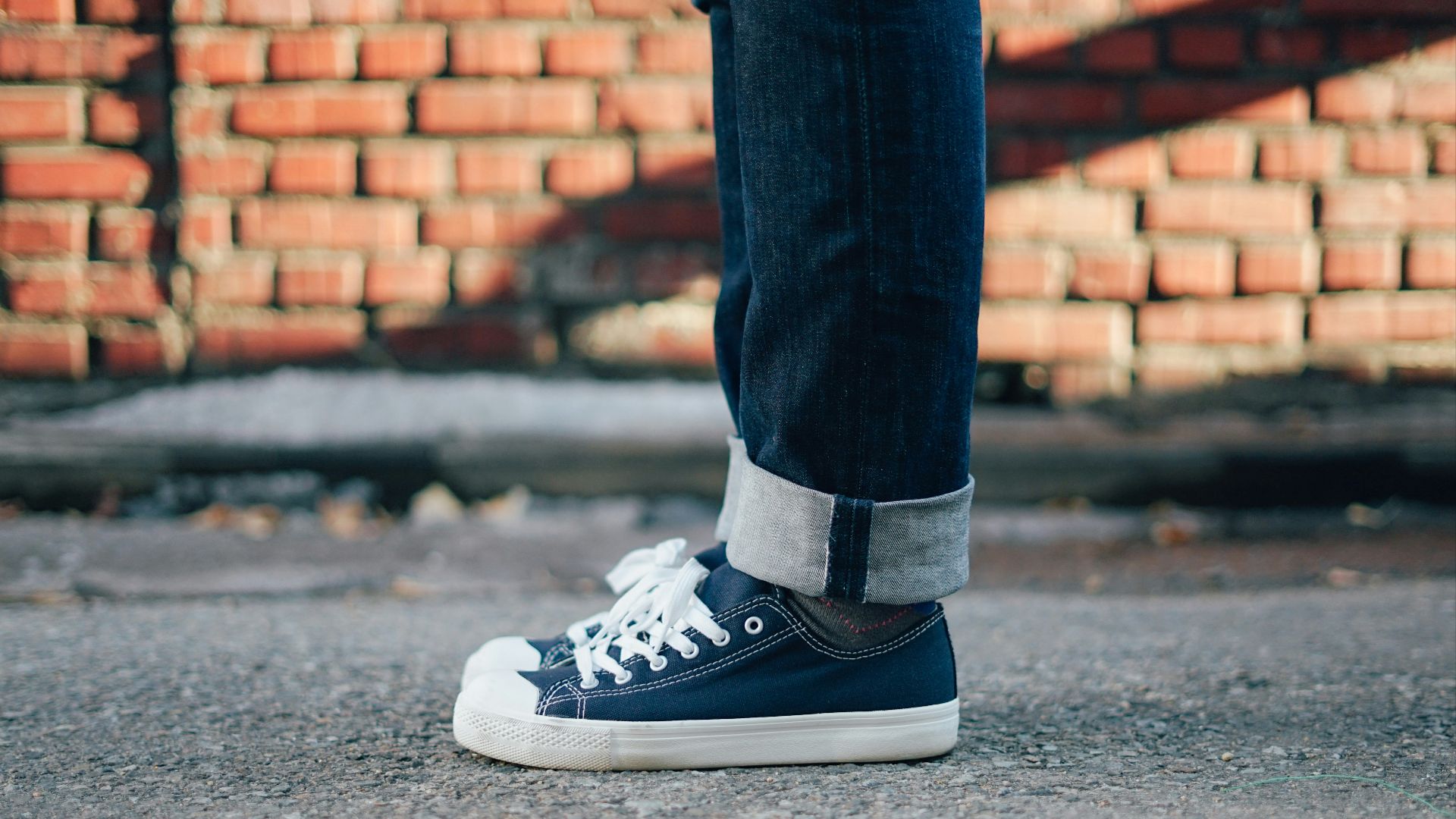
Perfectly clean canvas sneakers can sometimes look a little too bright or carefully coordinated. A few faint scuffs and a slightly softened upper make them feel casual without suggesting that they’ve been ignored for years. Regular cleaning still matters, but spotless soles aren’t necessary for the shoes to look good.
4. Denim Jackets
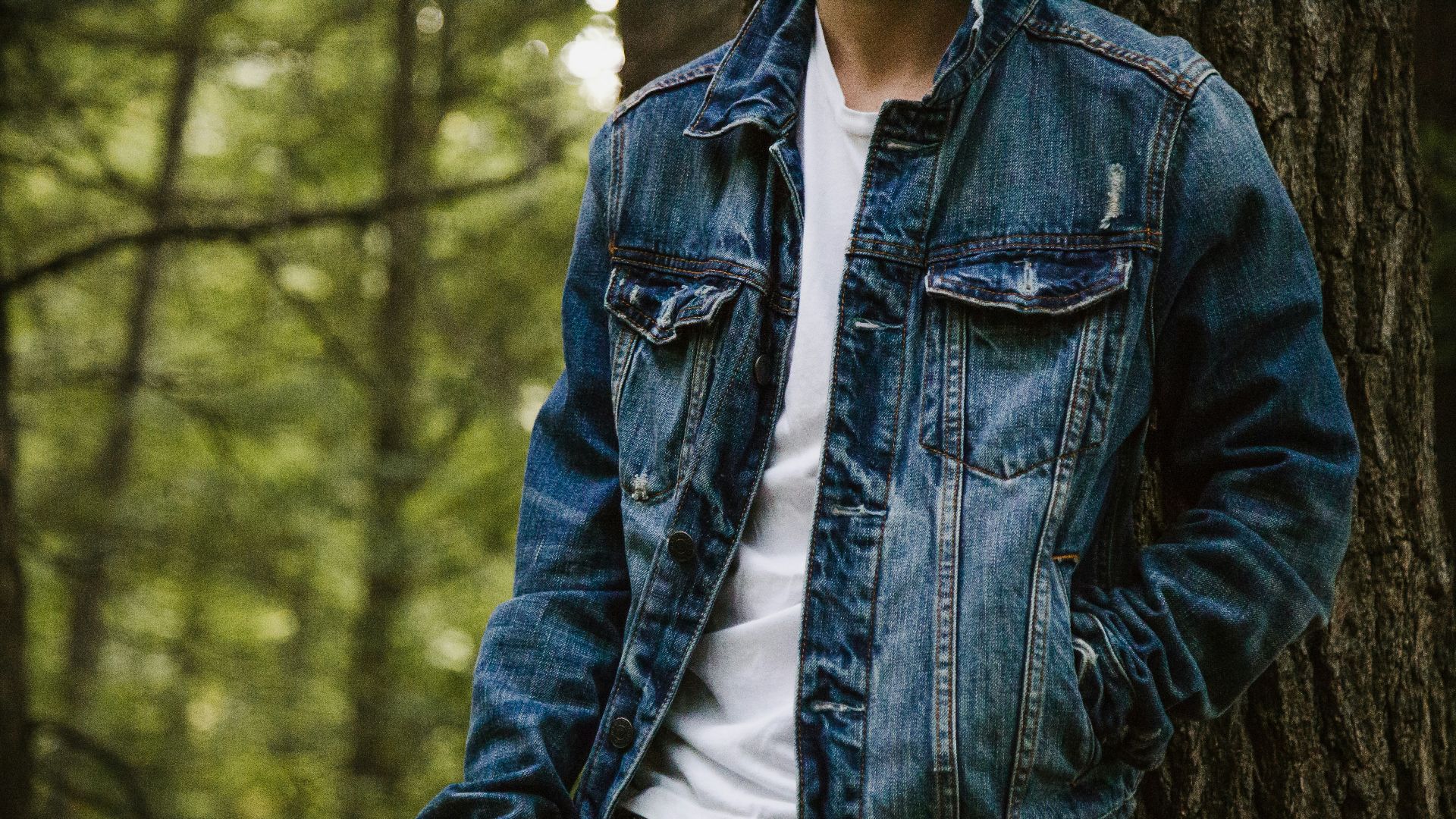
A denim jacket becomes easier to layer once the fabric loses some of its original stiffness. Natural creases appear around the elbows and shoulders, while the color gradually changes along seams and edges. Those details help the jacket look lived-in and comfortable rather than stiff, boxy, or recently purchased.
5. Cotton T-Shirts
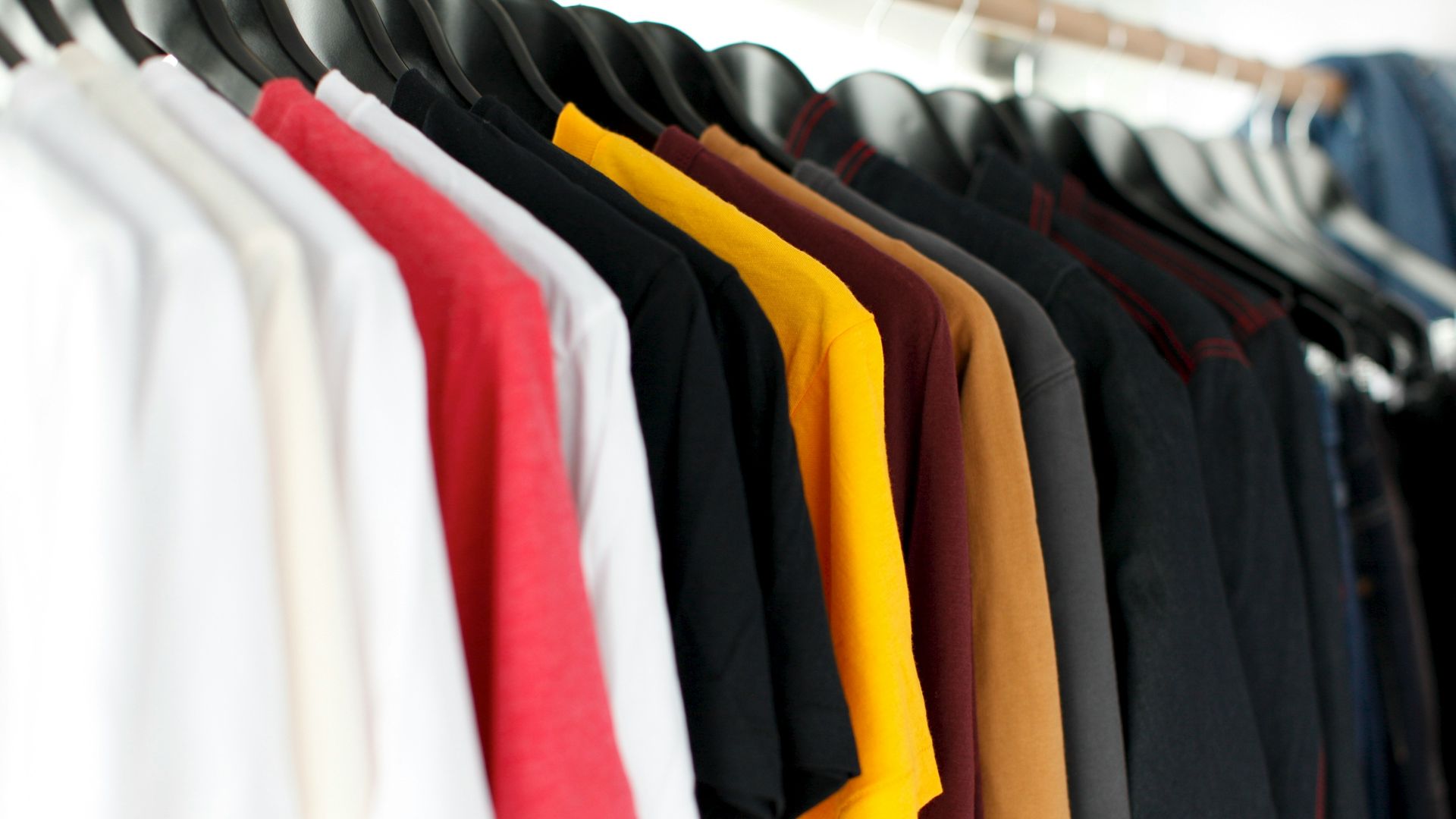
Many cotton T-shirts become softer after repeated washing and wearing, especially when the fabric is reasonably well-made. The neckline relaxes slightly, the body drapes more naturally, and the shirt stops looking excessively crisp.
6. Leather Boots
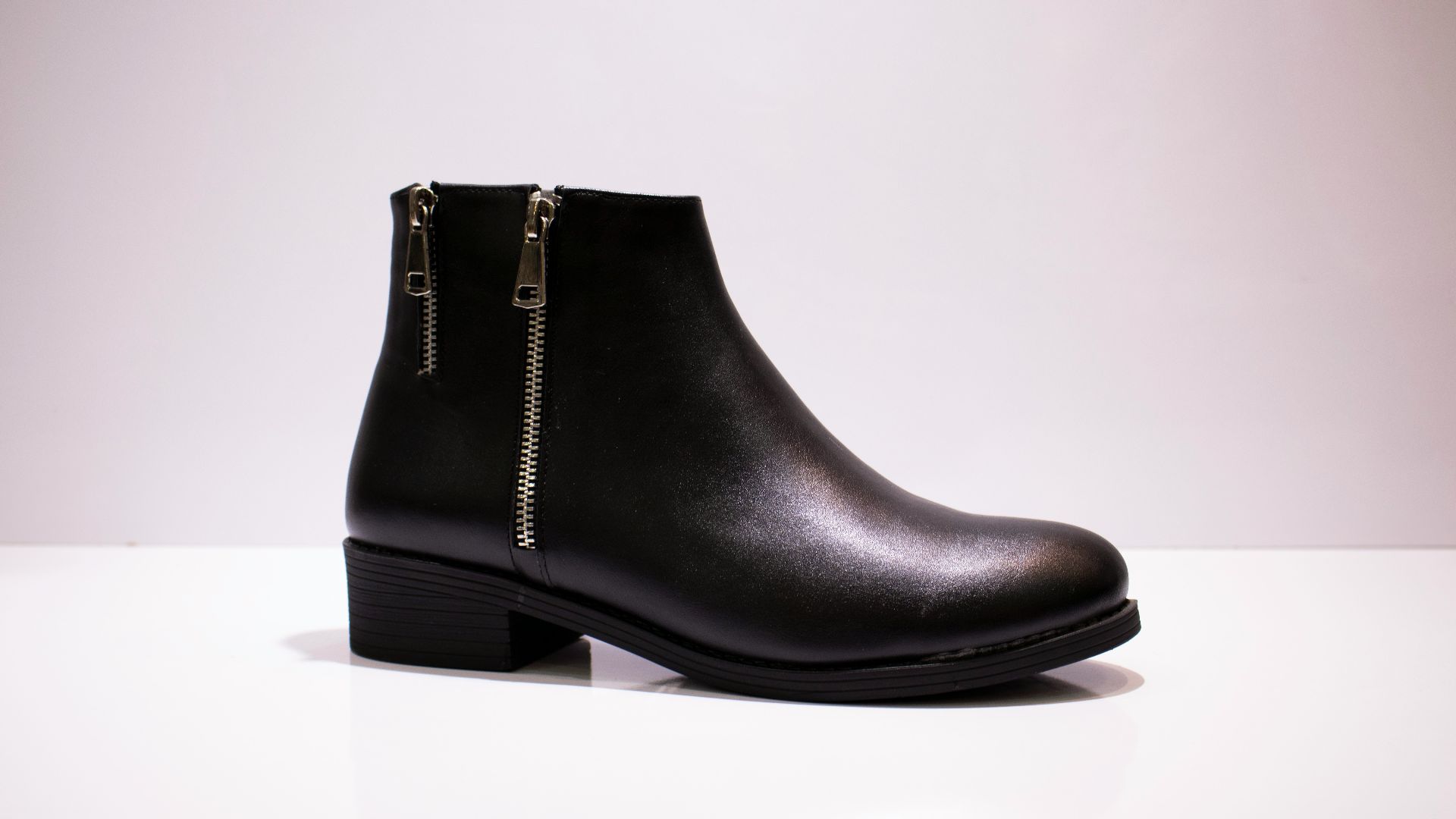
New leather boots often need time to conform to the shape of your feet and ankles. Once broken in, the leather bends more naturally, and the boots lose the overly polished appearance that can make them seem formal.
7. Flannel Shirts
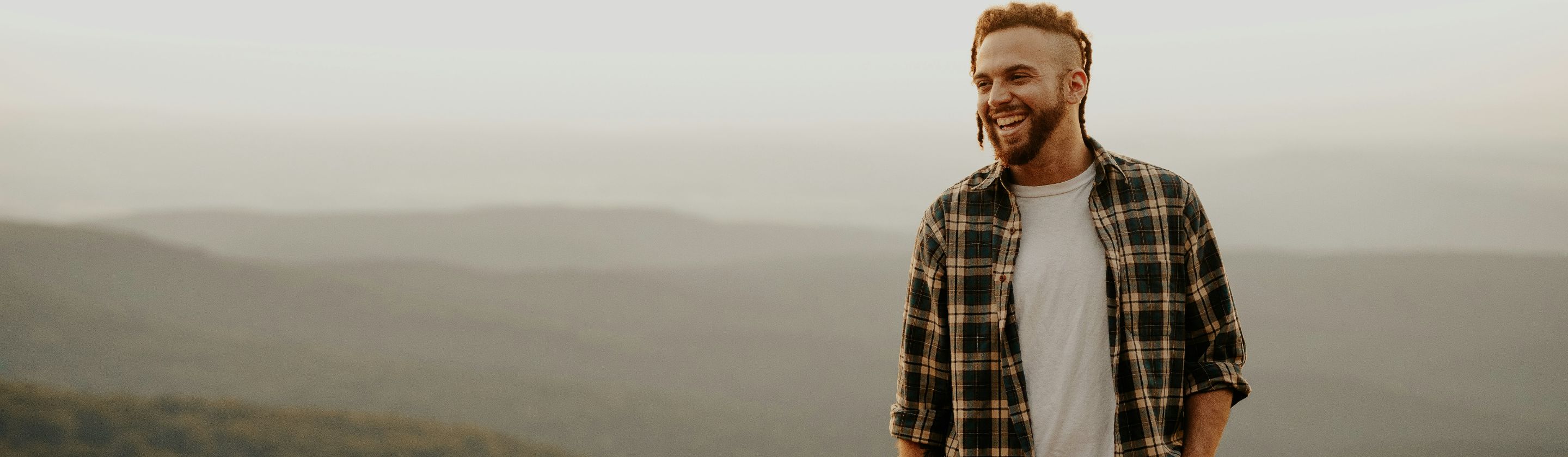
A new flannel shirt can feel thick, stiff, and slightly bulky through the shoulders. Washing and wearing it gradually softens the fibers, helping the fabric fall closer to the body without losing its warmth. The result usually looks more relaxed, which suits a garment associated with practical layering and casual weekends.

8. Chino Pants
Fresh chinos sometimes have sharp creases and a smooth finish that can feel more office-ready than intended. After a few wears, the cotton relaxes around the seat, thighs, and knees, creating a less rigid silhouette.
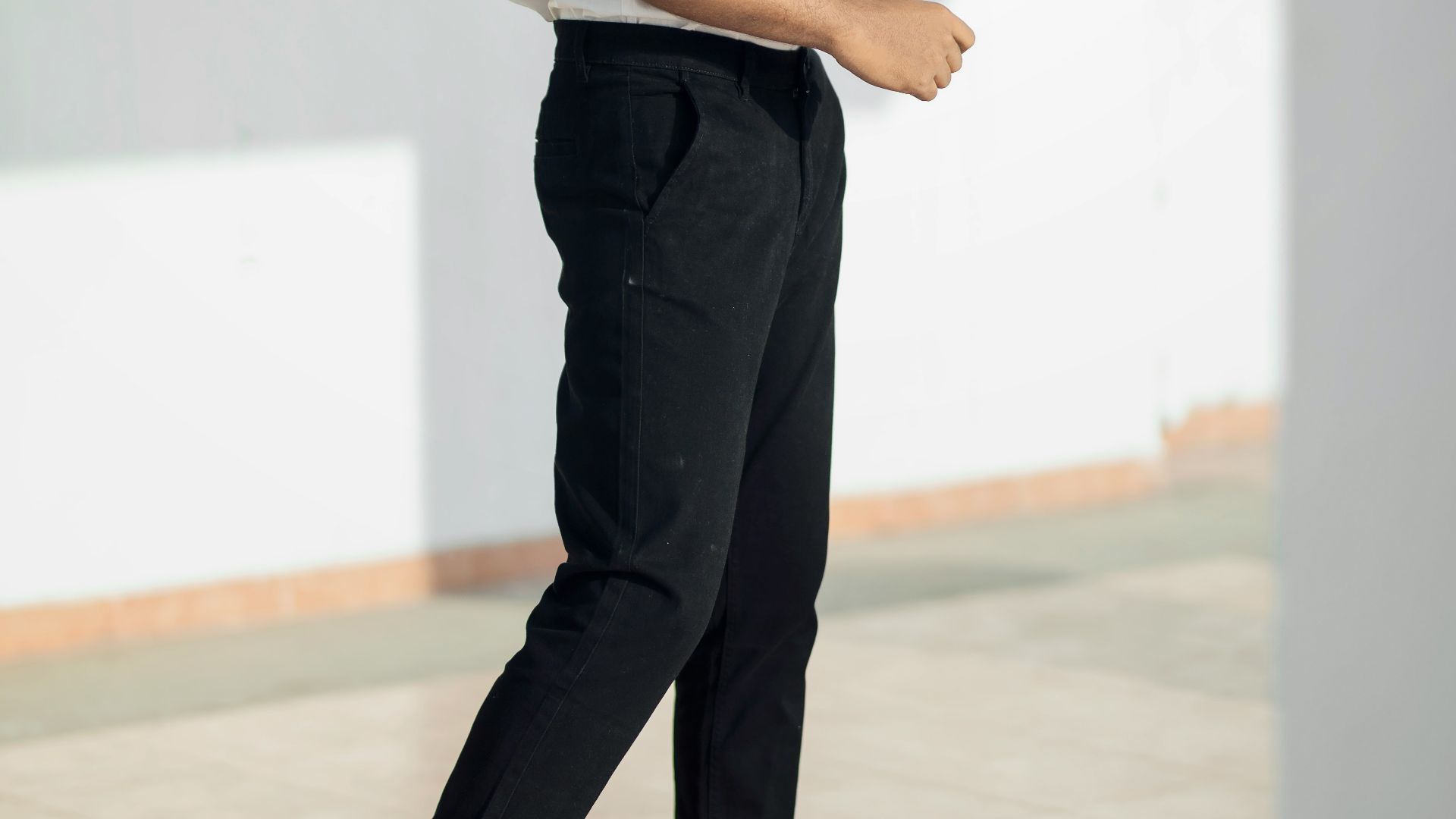 Santhosh Vaithiyanathan on Unsplash
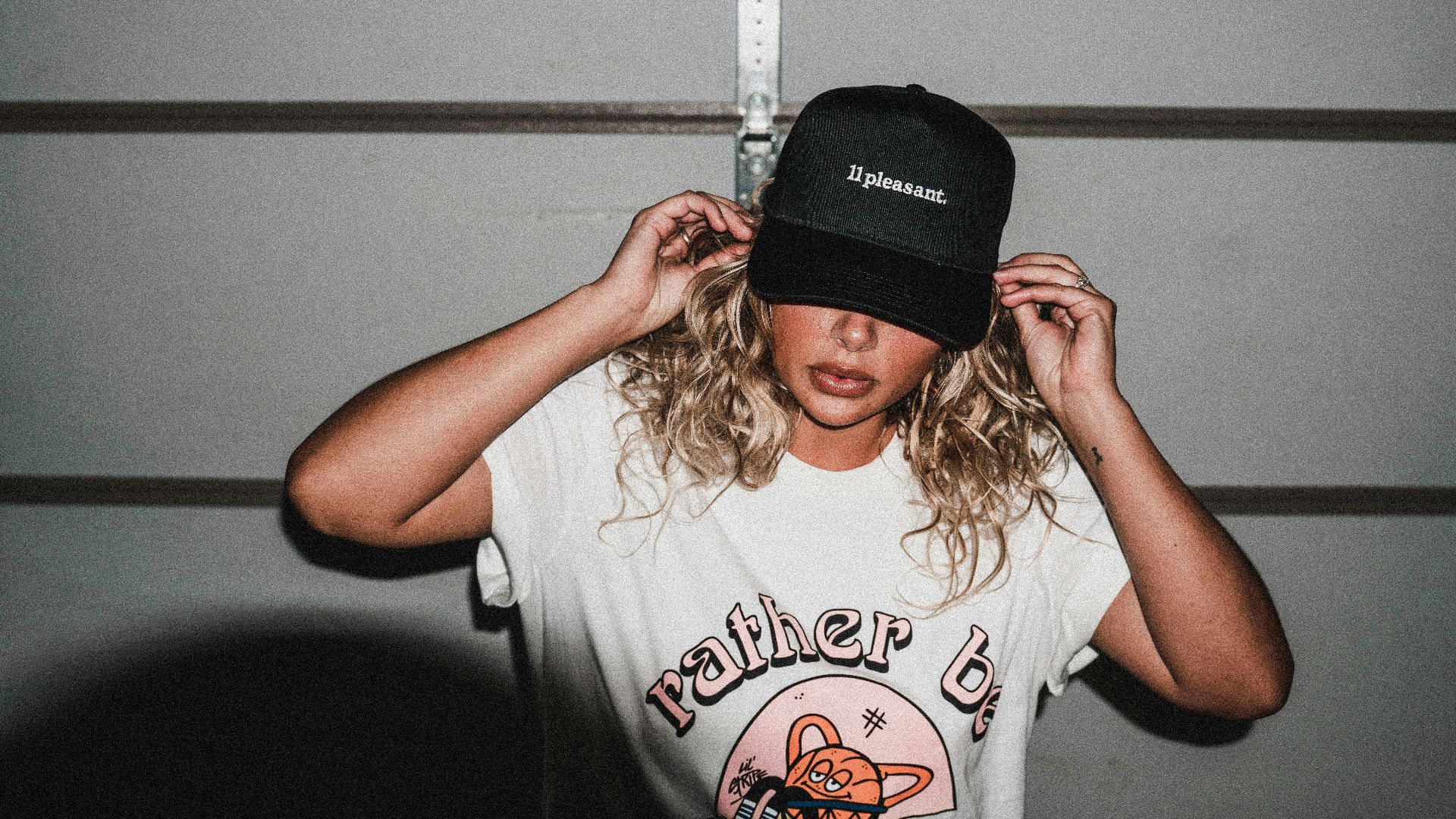
9. Baseball Caps
A brand-new baseball cap can sit unusually high and hold an overly firm shape. As the crown softens and the brim develops a gentle curve, the hat tends to fit the head more naturally.
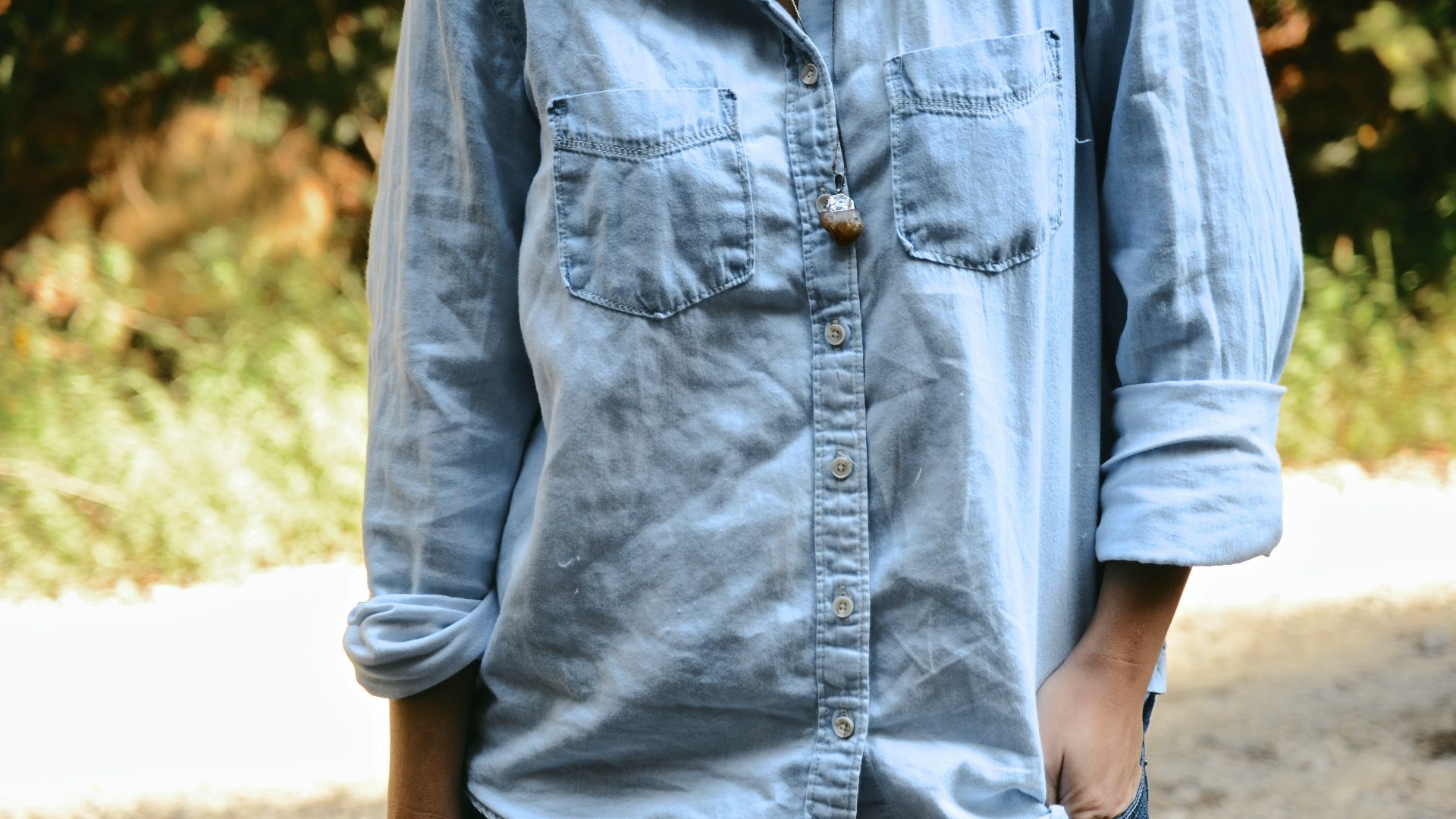
10. Chambray Shirts
Chambray has a clean appearance when new, but it becomes especially appealing after the fabric softens and lightens. The collar, cuffs, and seams often develop subtle variations that give the shirt more visual depth.
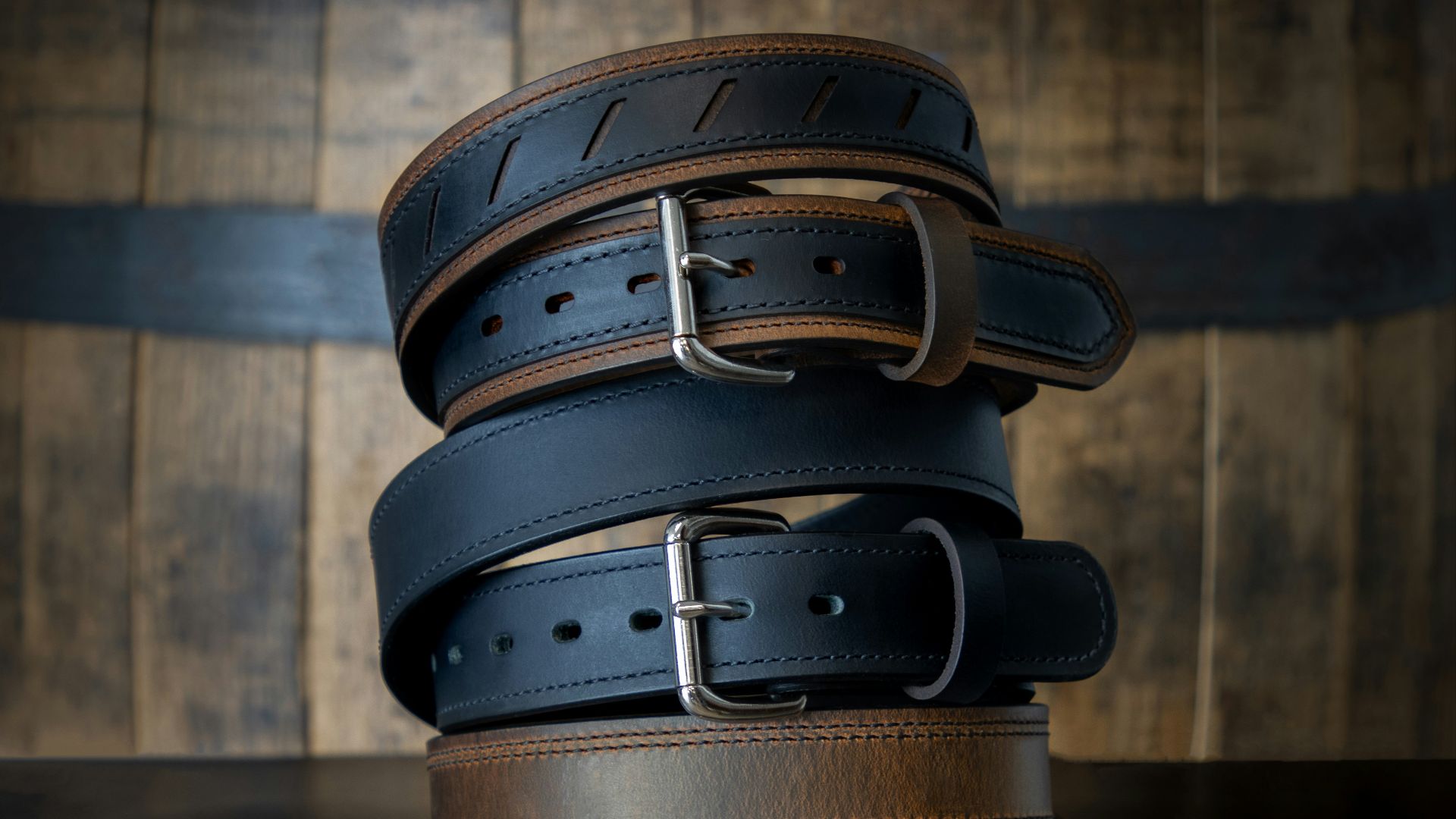
11. Leather Belts
A new leather belt can appear stiff and may not sit comfortably against the waist. With regular use, it develops a natural curve and small creases near the holes that are used most often.
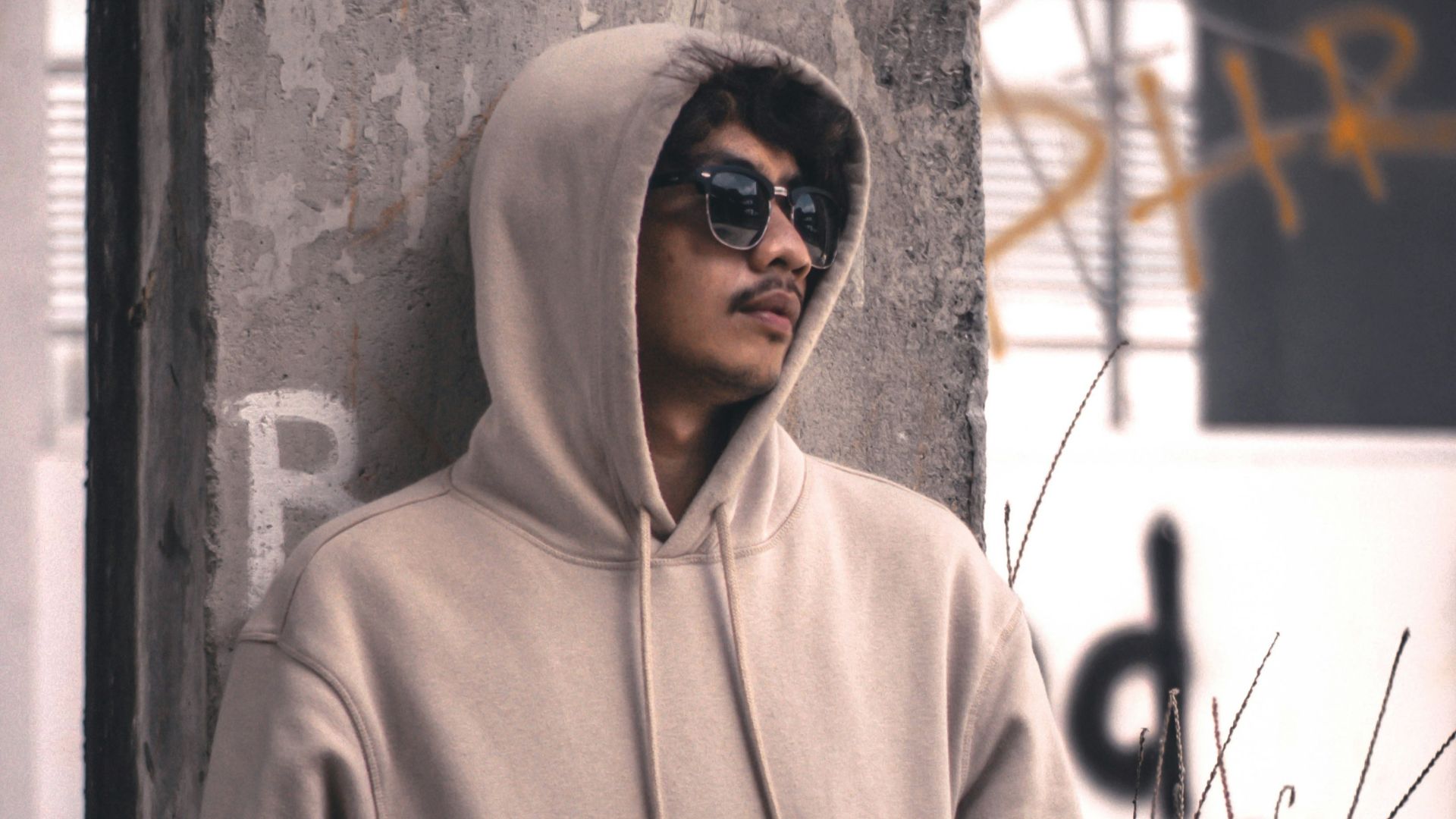
12. Hooded Sweatshirts
A quality hoodie usually becomes more comfortable after several washes because the fabric loses some of its factory stiffness. The hood drapes better, the sleeves bend more easily, and the body feels less bulky.
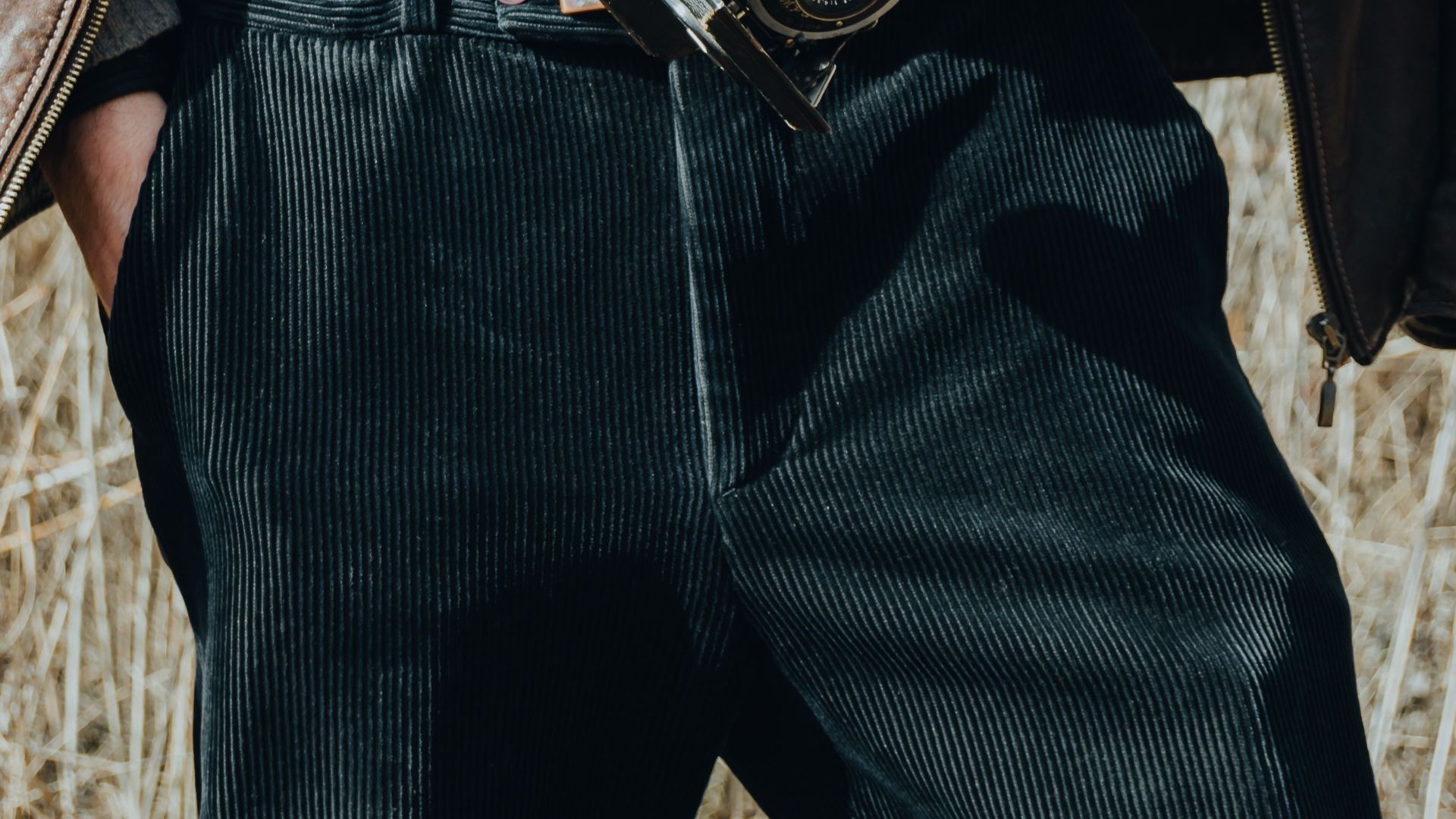
13. Corduroy Pants
Corduroy can look unusually structured when it’s completely new, particularly in heavier fabrics. Over time, the ridges soften, and the pants move more easily without losing their distinctive texture. Small variations in the surface can add interest, although heavily flattened patches may make the garment appear older than intended.
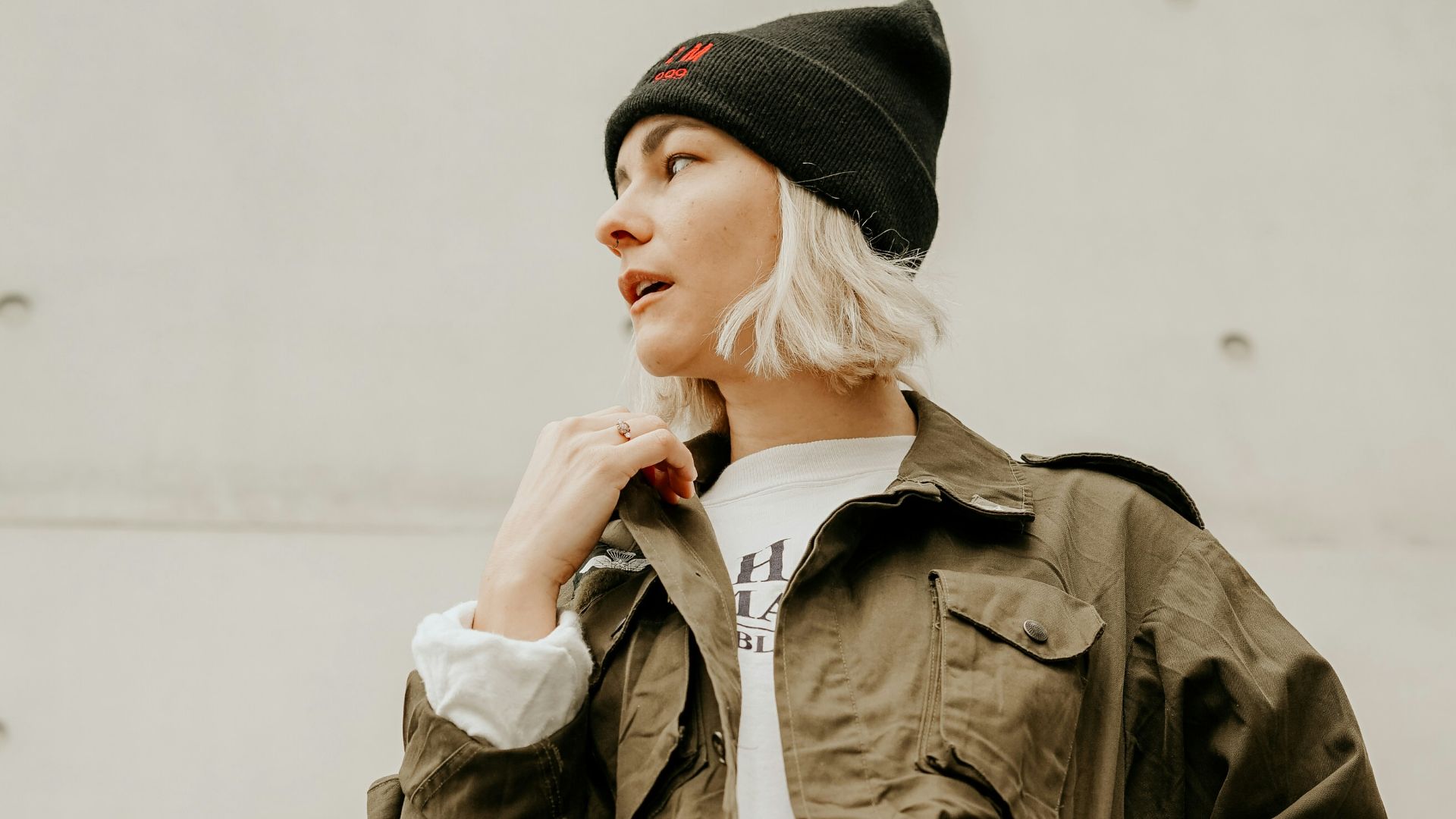
14. Utility Jackets
Utility jackets are designed around practical details, so a pristine finish can occasionally make them look more like costumes than working garments. Mild fading, softened pockets, and natural creasing help the design feel more believable and versatile.
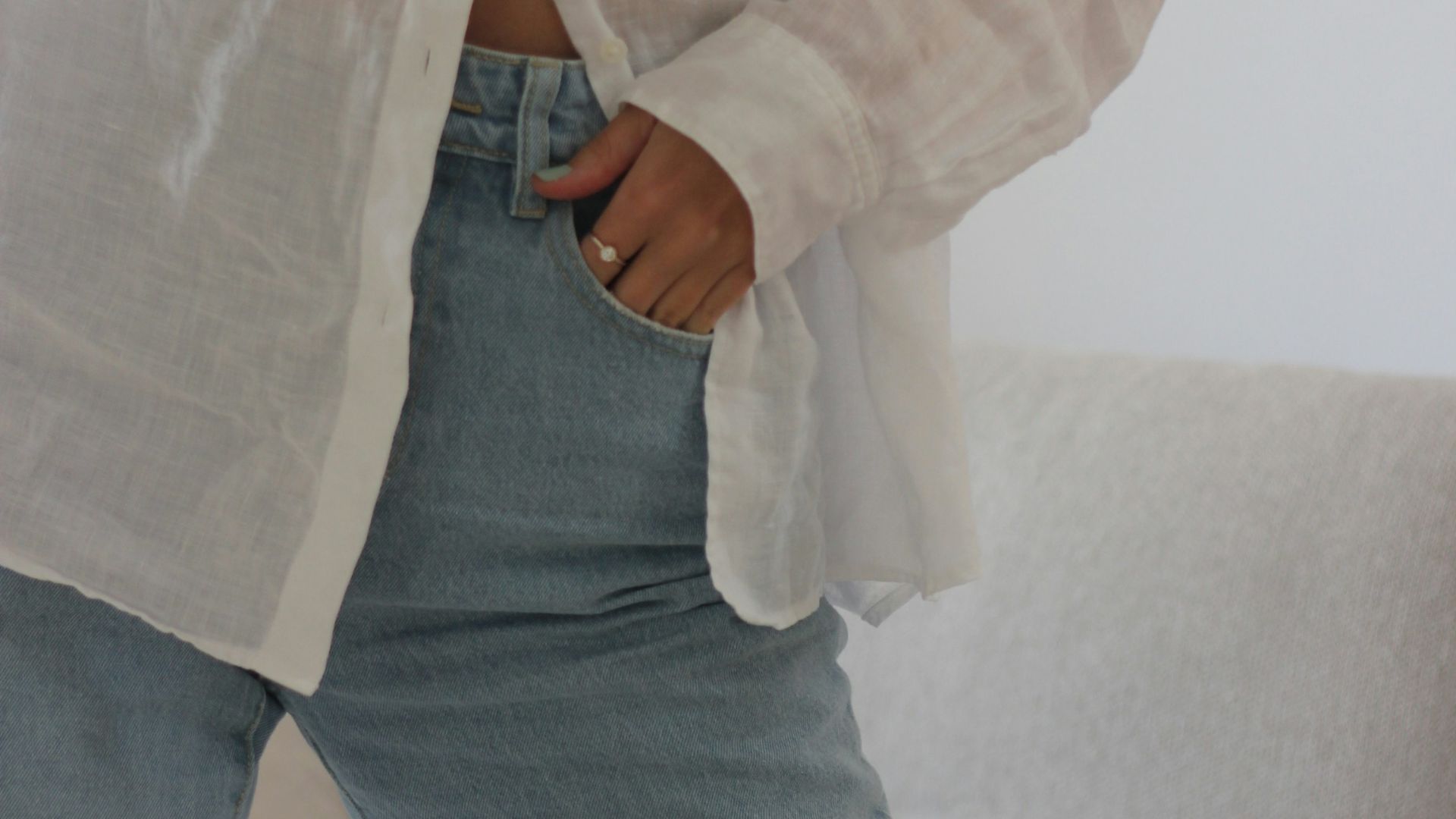
15. Linen Shirts
Linen wrinkles almost immediately, which is one reason it tends to look better once you stop trying to keep it perfectly pressed. Repeated wear softens the fabric and creates a looser drape that suits warm-weather dressing.
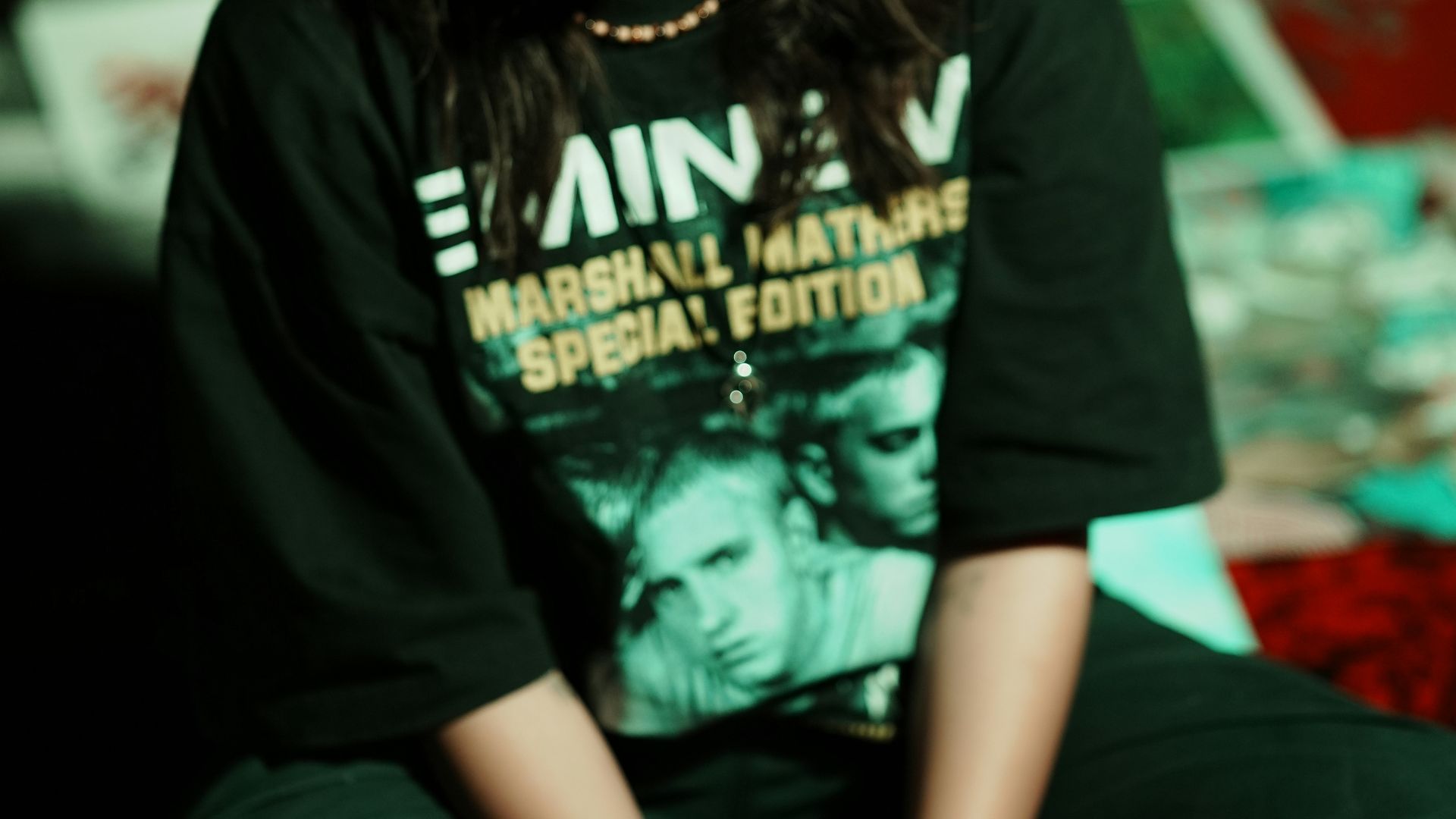
16. Band T-Shirts
A band T-shirt often looks more convincing after the black or dark-colored fabric has faded slightly. The print may soften around the edges, and the shirt begins to resemble something you’ve genuinely owned rather than a recent novelty purchase.
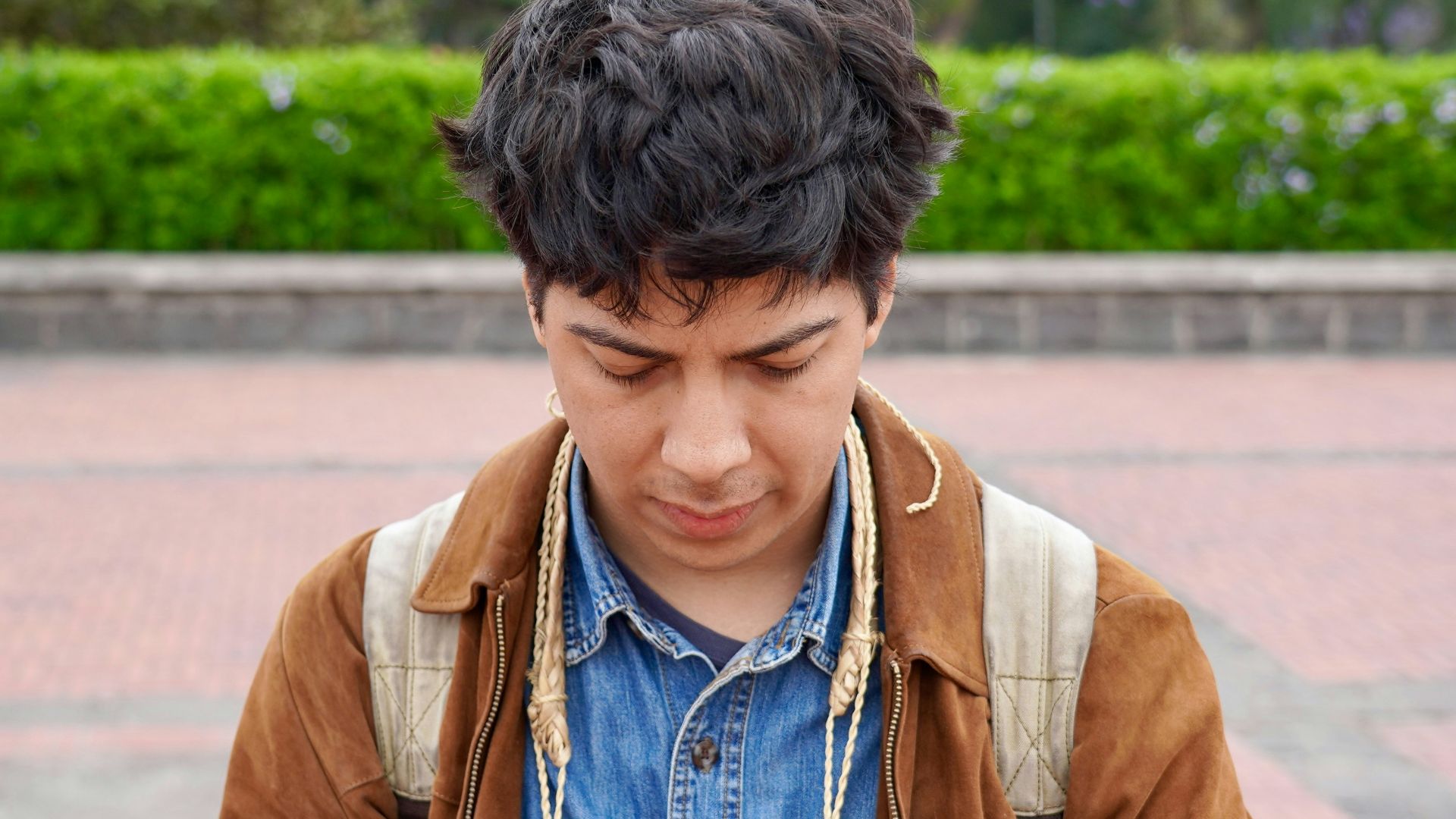
17. Suede Jackets
New suede can look almost too uniform, with an even surface and a slightly formal finish. Gentle wear creates subtle changes in the nap, particularly around the elbows, pockets, and cuffs.
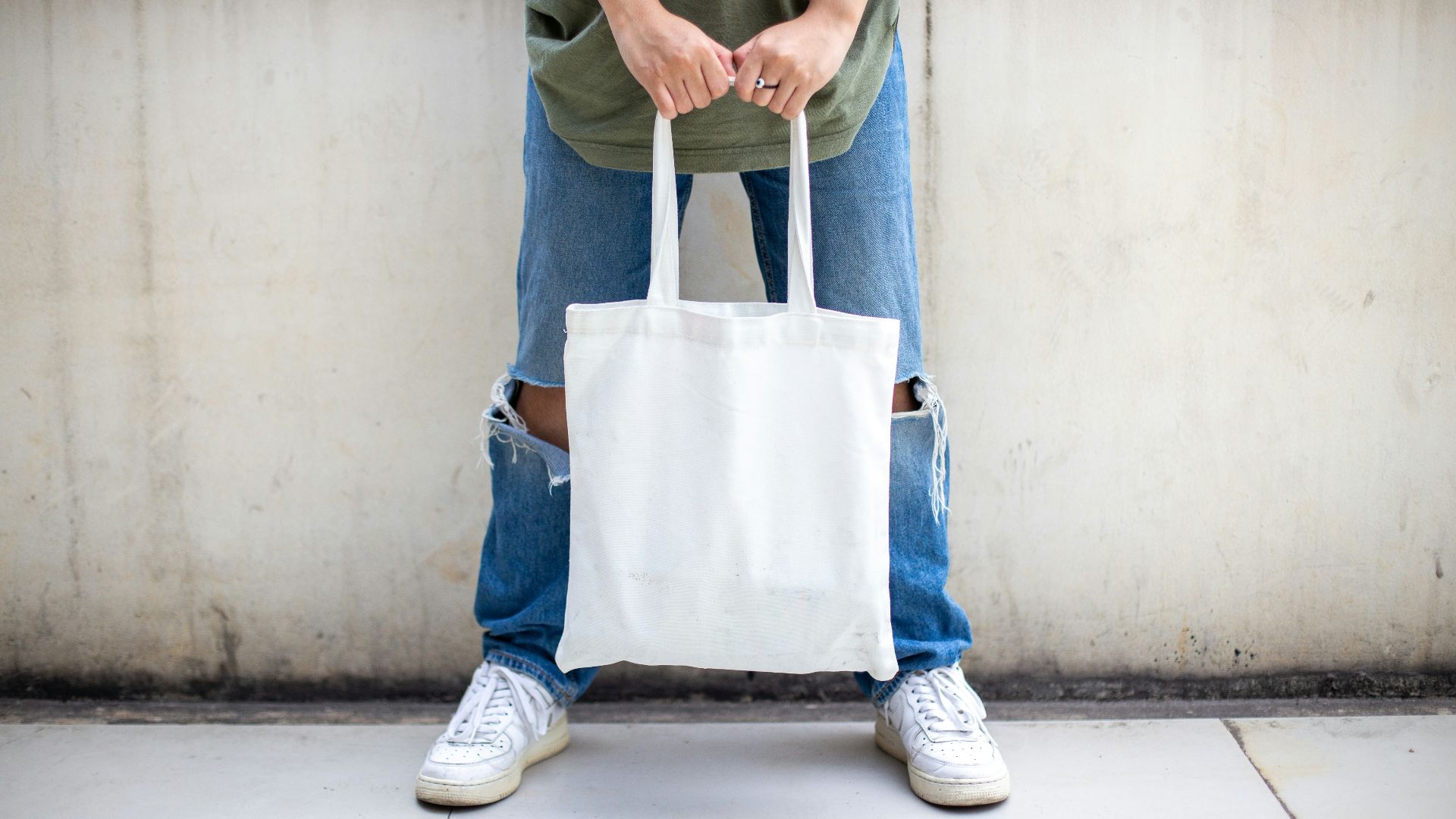
18. Canvas Tote Bags
A fresh canvas tote can feel stiff and stand awkwardly away from the body. Once the material softens, the bag folds more naturally, sits comfortably against your side, and becomes easier to pack.
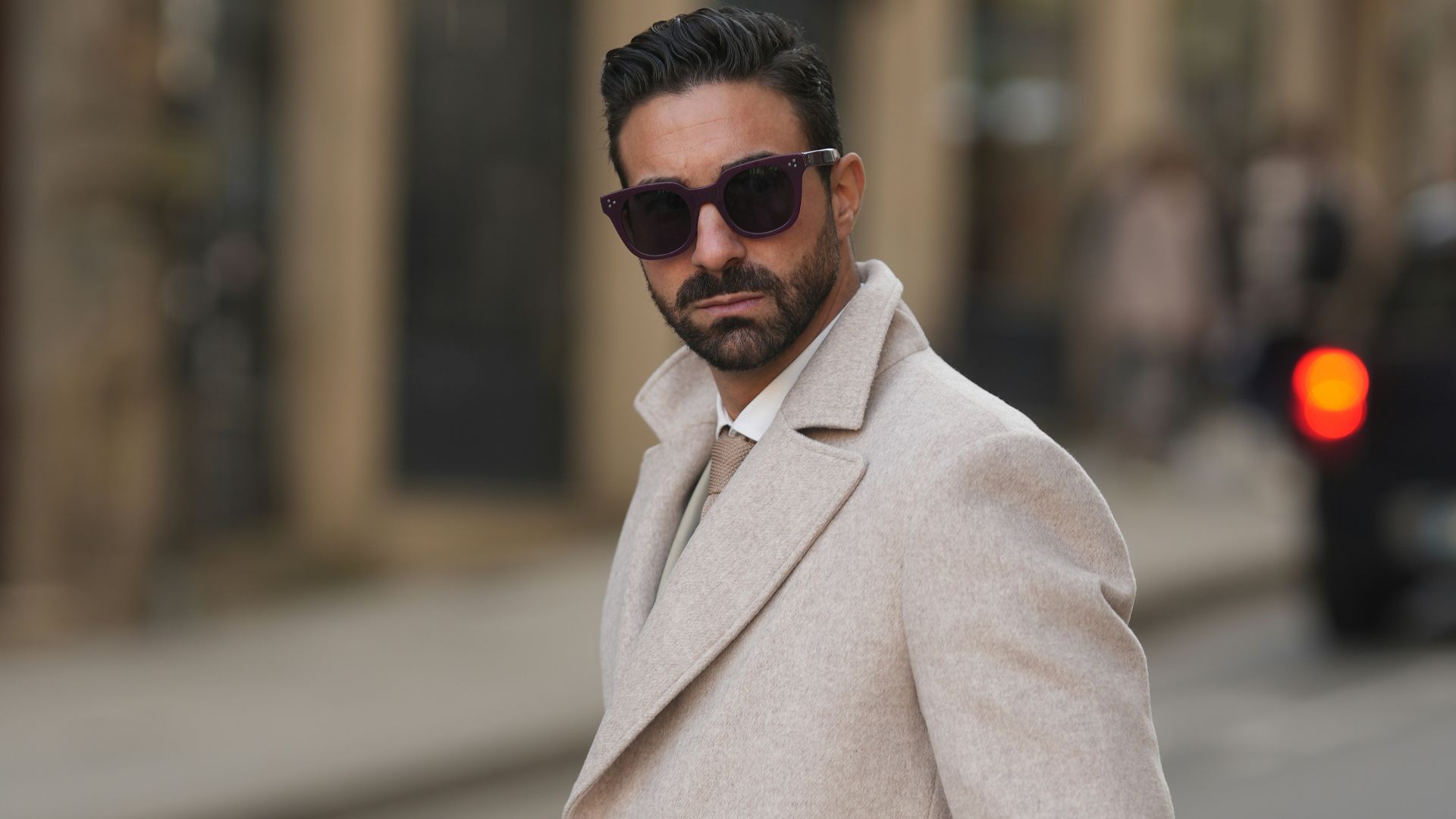
19. Wool Peacoats
A new wool peacoat may feel rigid through the chest and shoulders, especially when the fabric is dense. Light softening works well, but visible pilling should be removed so the coat continues to look refined.
20. Oxford Cloth Shirts
Oxford cloth shirts often begin with a crisp, substantial texture that can feel more formal than their styling suggests. That worn-in quality makes it easier to wear untucked or layered without looking overly polished.