
Your Skin Starts Responding Differently In Your 30s
By the time you reach your 30s, skincare should become less about reacting to problems and more about preventing them before they become harder to manage. Dermatologists often point out that collagen production gradually declines with age, while environmental damage from earlier years can become more visible. The best habits aren't usually the trendiest ones, since consistency, protection, and smart product choices tend to matter far more than complicated routines. Here are 20 skincare habits that you should start in your 30s.
1. Start Paying Attention to Ingredient Lists
Many people buy products based on packaging or marketing without knowing what's actually inside them. Learning a few key ingredients can help you make better decisions and avoid wasting money. Understanding terms like niacinamide, ceramides, peptides, and glycerin gives you more control over your routine.
2. Rotate Products With the Seasons
Your skin's needs often change throughout the year depending on humidity, temperature, and indoor heating. A lightweight summer moisturizer may not provide enough hydration during the winter months. Adjusting products seasonally can help keep your skin more balanced and comfortable.
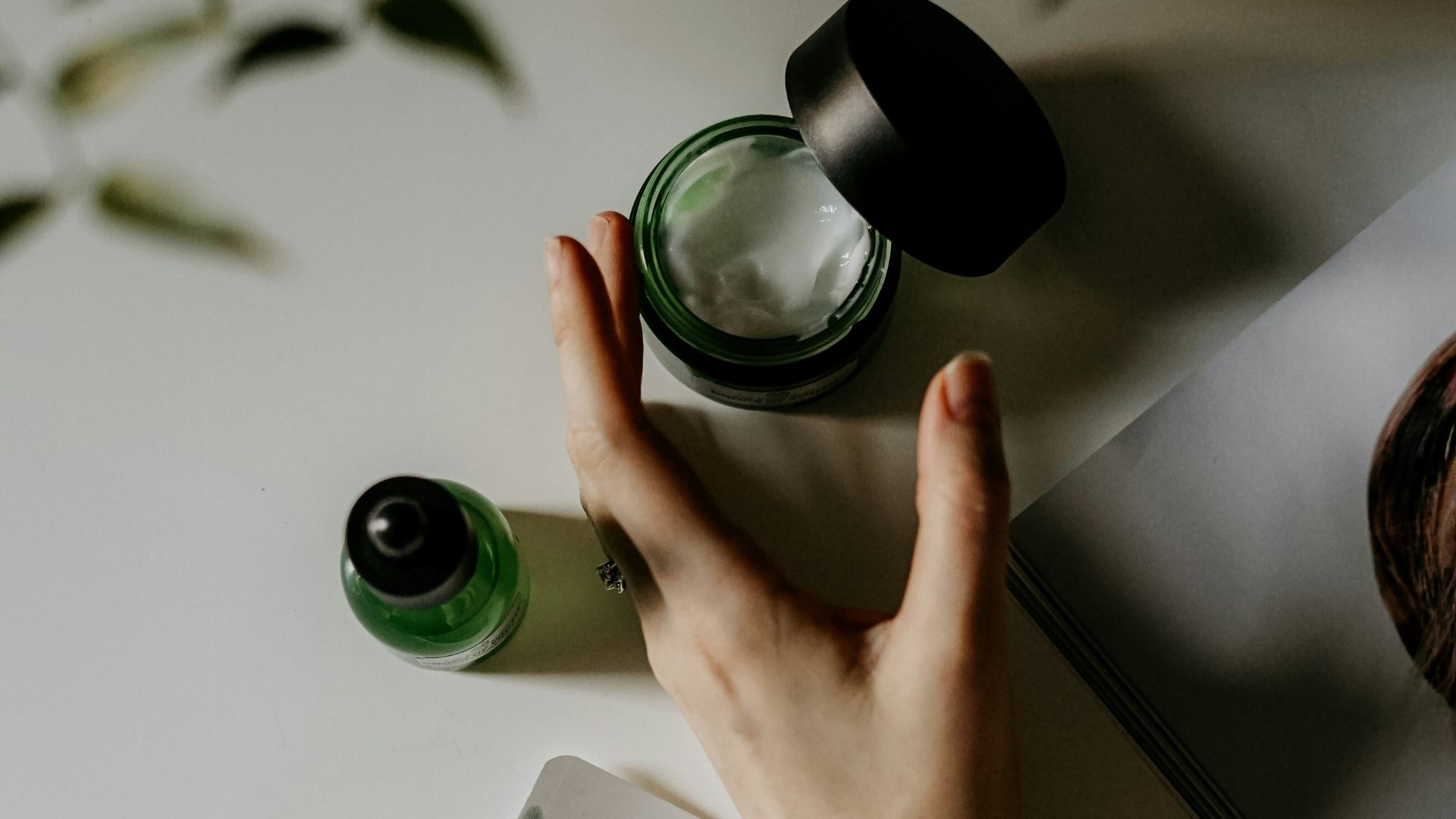
3. Use a Humidifier While You Sleep
Indoor air can become surprisingly dry, especially during colder months when heating systems run frequently. A humidifier helps restore moisture to the environment, which may reduce overnight dryness. This simple habit supports skin hydration without requiring another skincare product.

4. Protect Your Skin From Screen-Time Habits
Many people spend hours looking down at phones, tablets, and laptops every day. Repeated facial positioning can contribute to tension and unnecessary strain around the face and neck. Becoming more aware of posture may benefit both your skin and overall comfort.

5. Patch-Test New Products First
Trying several new products at once can make it difficult to identify what caused irritation if your skin reacts badly. Testing products on a small area before full use allows you to spot problems early. This habit becomes increasingly valuable as skin sensitivity changes over time.
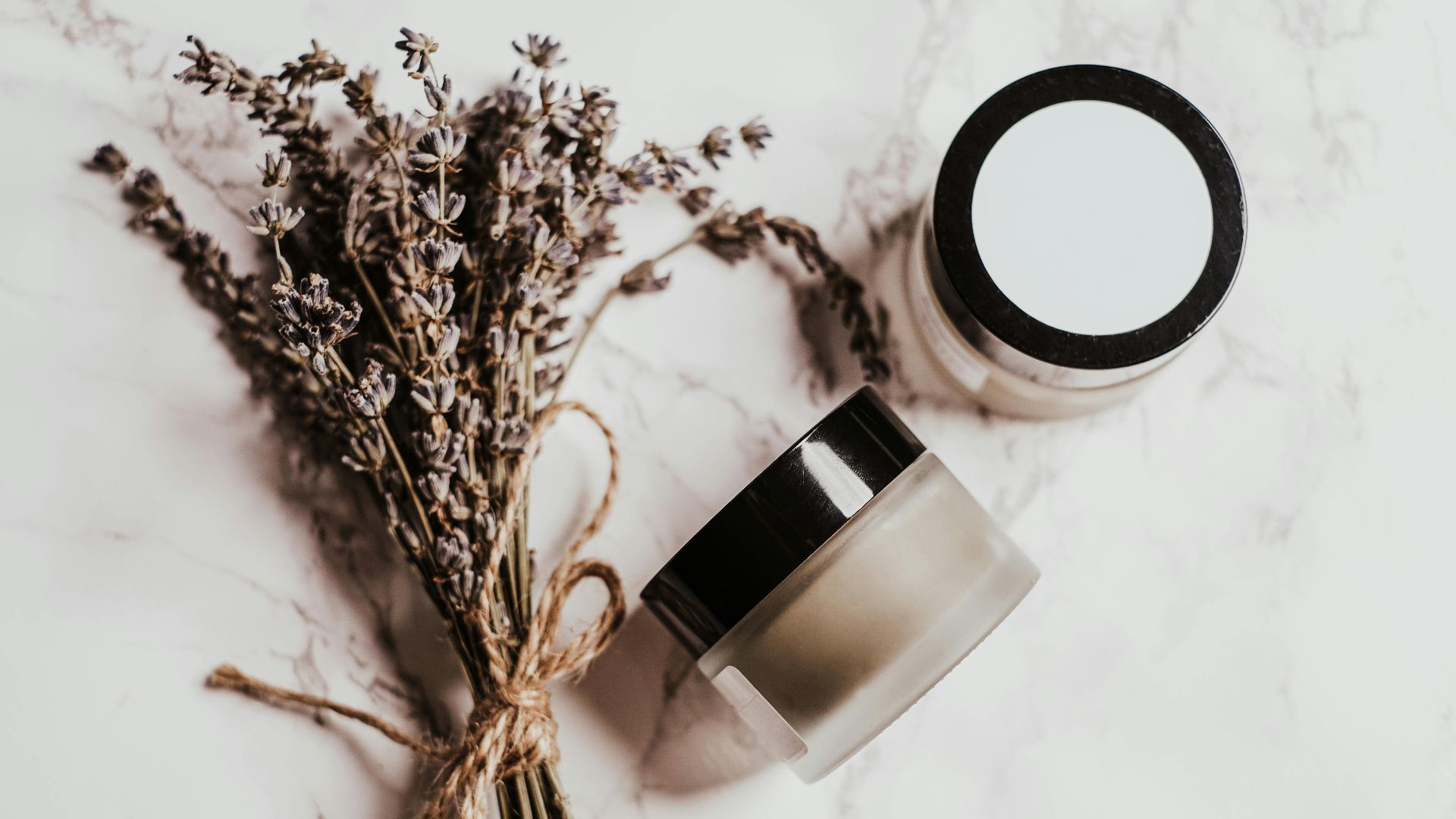
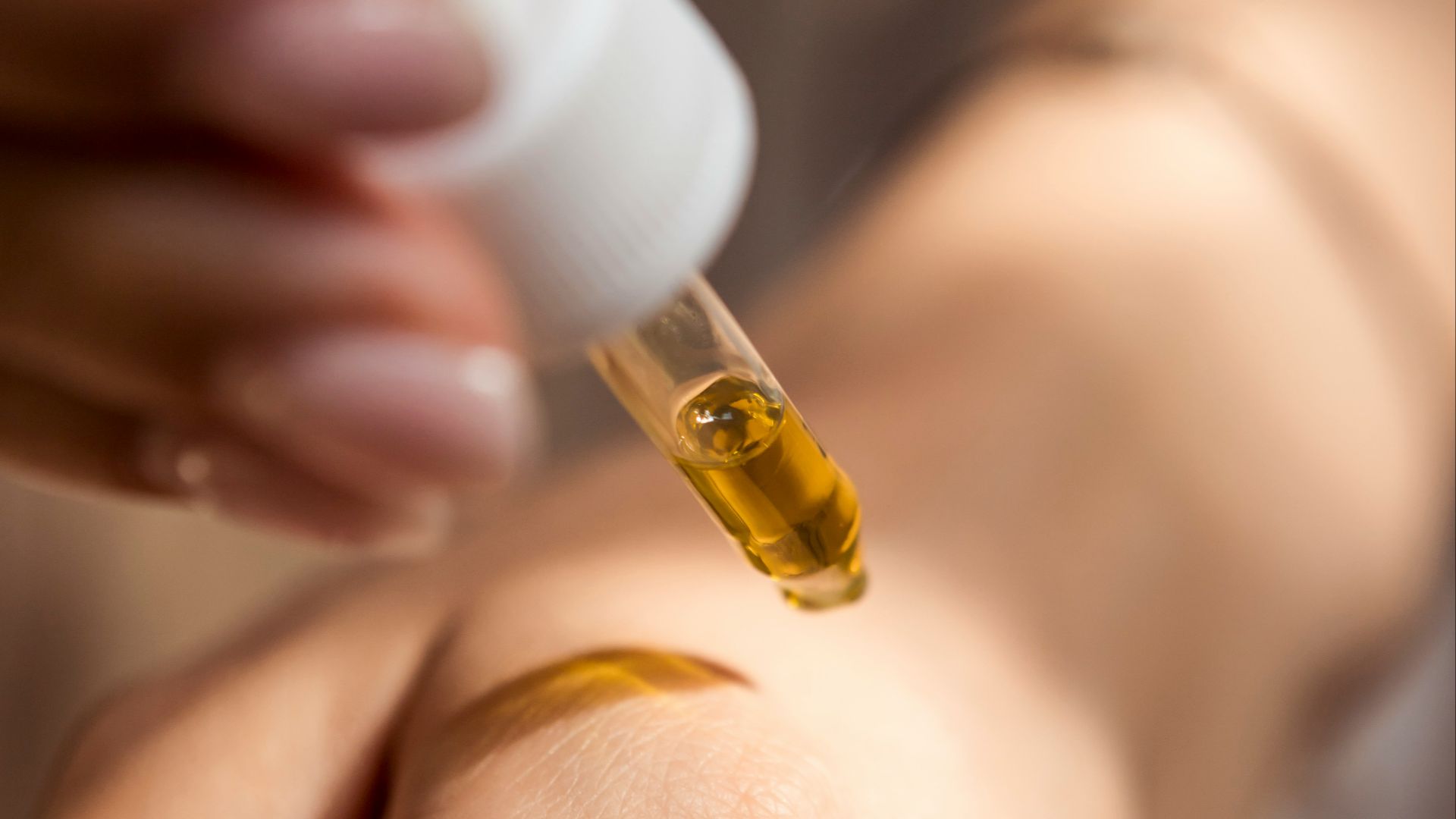 Enecta Cannabis extracts on Unsplash
6. Wash Your Sunglasses Regularly
Sunglasses collect oil, sweat, makeup, and bacteria around the areas where they touch your face. Dirty frames can contribute to clogged pores along the nose and cheeks. A quick cleaning routine helps keep both your glasses and your skin in better condition.

7. Keep Your Routine Consistent During Travel
Frequent travel can disrupt skincare habits because of changing climates, schedules, and products. Bringing a few reliable essentials helps maintain consistency no matter where you are. Your skin often responds better to routine than constant experimentation.
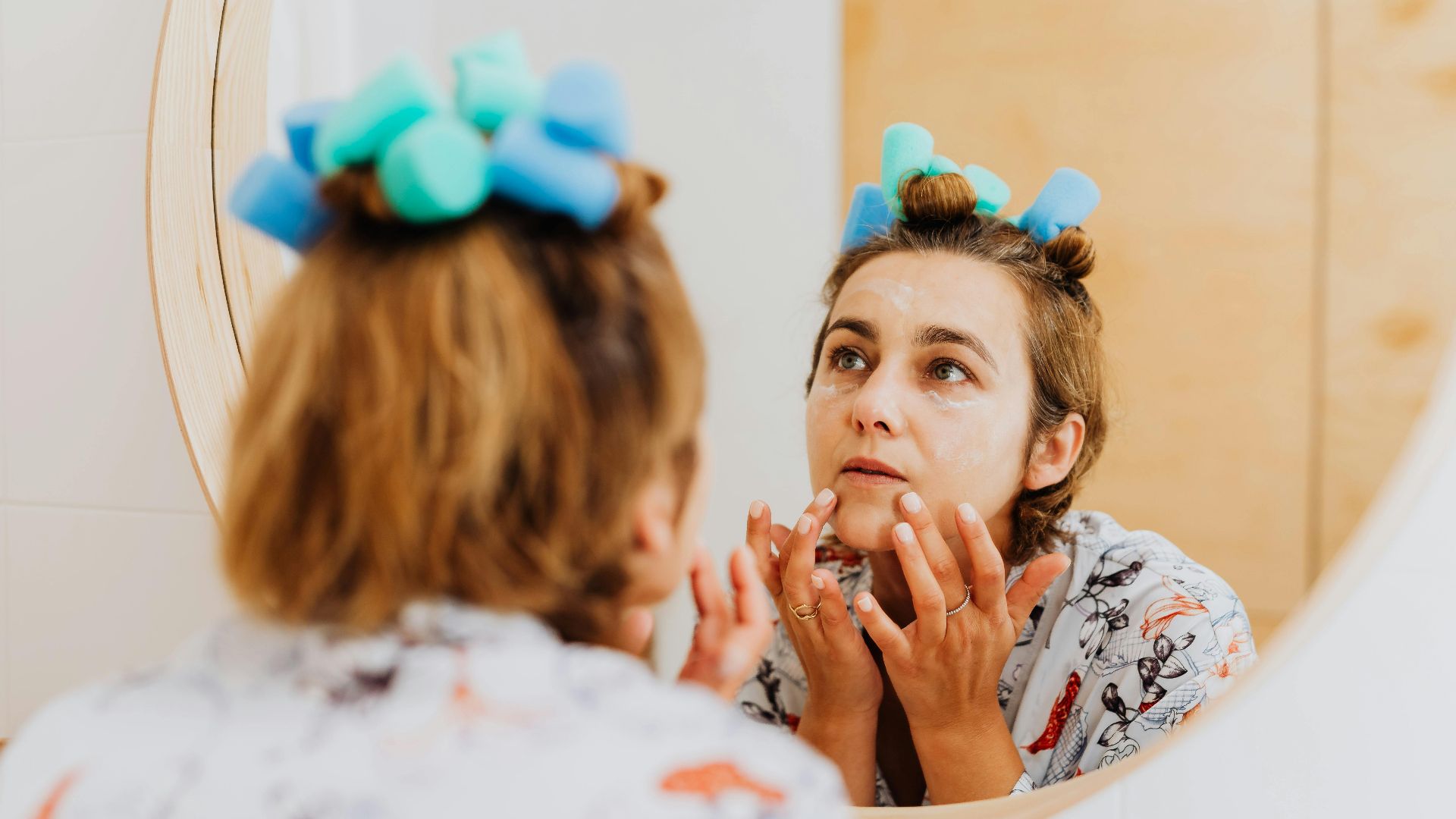
8. Focus on Barrier-Supporting Ingredients
A healthy skin barrier helps retain moisture and protect against irritation. Ingredients such as ceramides and glycerin are commonly recommended because they support this protective function. Dermatologists frequently emphasize barrier health as a foundation for long-term skin care.
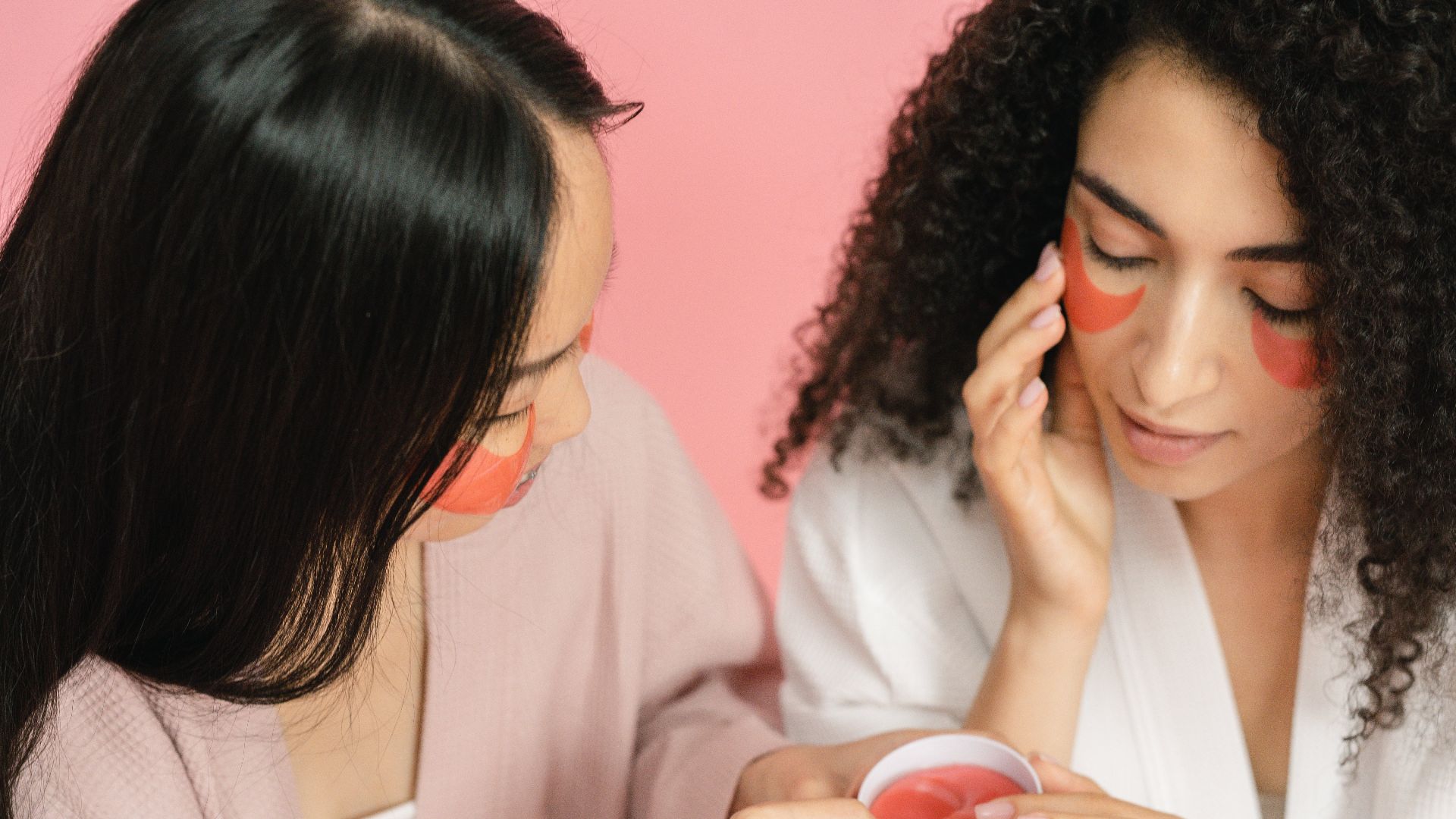
9. Be More Selective With Trend-Driven Purchases
Social media can make every new skincare launch seem essential. In reality, many trends fade quickly or lack strong scientific support. Looking for evidence-based ingredients often produces better results than chasing viral products.

10. Pay Attention to Indoor Sun Exposure
Many people remember sunscreen outdoors but overlook long periods spent near windows. Ultraviolet rays can still reach the skin through glass in certain situations. Being mindful of daily exposure helps support long-term skin protection.

11. Replace Old Products More Regularly
Skincare products don't last forever, especially once opened. Active ingredients can become less effective over time, and expired products may not perform as intended. Checking expiration dates helps ensure you're getting the benefits you're expecting.

12. Simplify Your Routine Before Adding More Products
Many dermatologists recommend starting with a basic routine before introducing multiple active ingredients. A cleanser, moisturizer, and sunscreen are often enough to create a strong foundation. Adding too much too quickly can increase irritation without improving results.
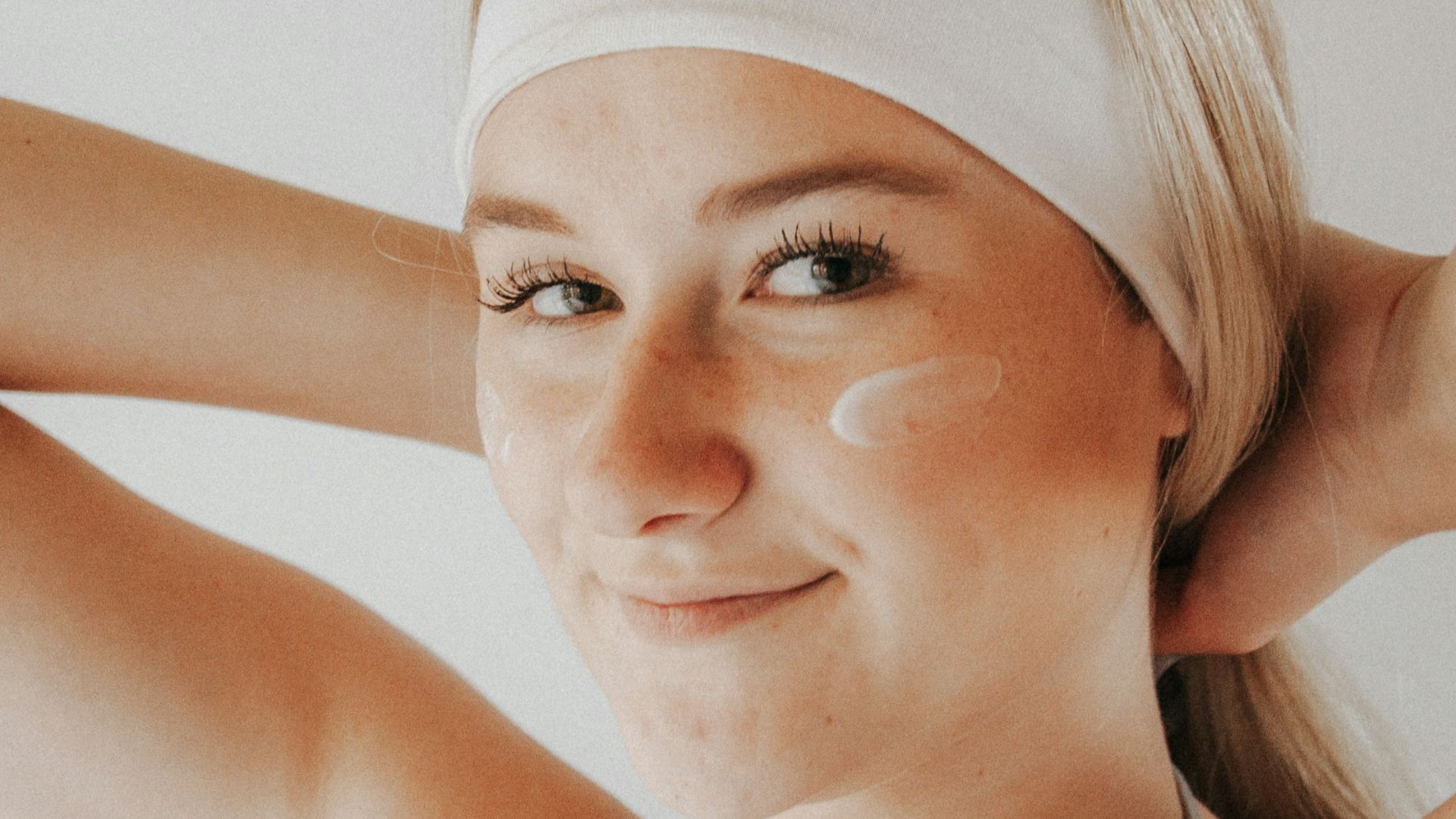
13. Wear Hats More Often Outdoors
Protective clothing remains one of the simplest ways to reduce sun exposure. A wide-brimmed hat can shield areas that people often miss with sunscreen, including parts of the forehead, scalp, and ears. Combining physical protection with sunscreen offers stronger coverage.

14. Take Progress Photos Every Few Months
Skin changes happen gradually, which makes them easy to overlook. Occasional photos taken in similar lighting can help you track improvements or notice concerns more accurately. This habit also prevents unrealistic expectations about how quickly products work.
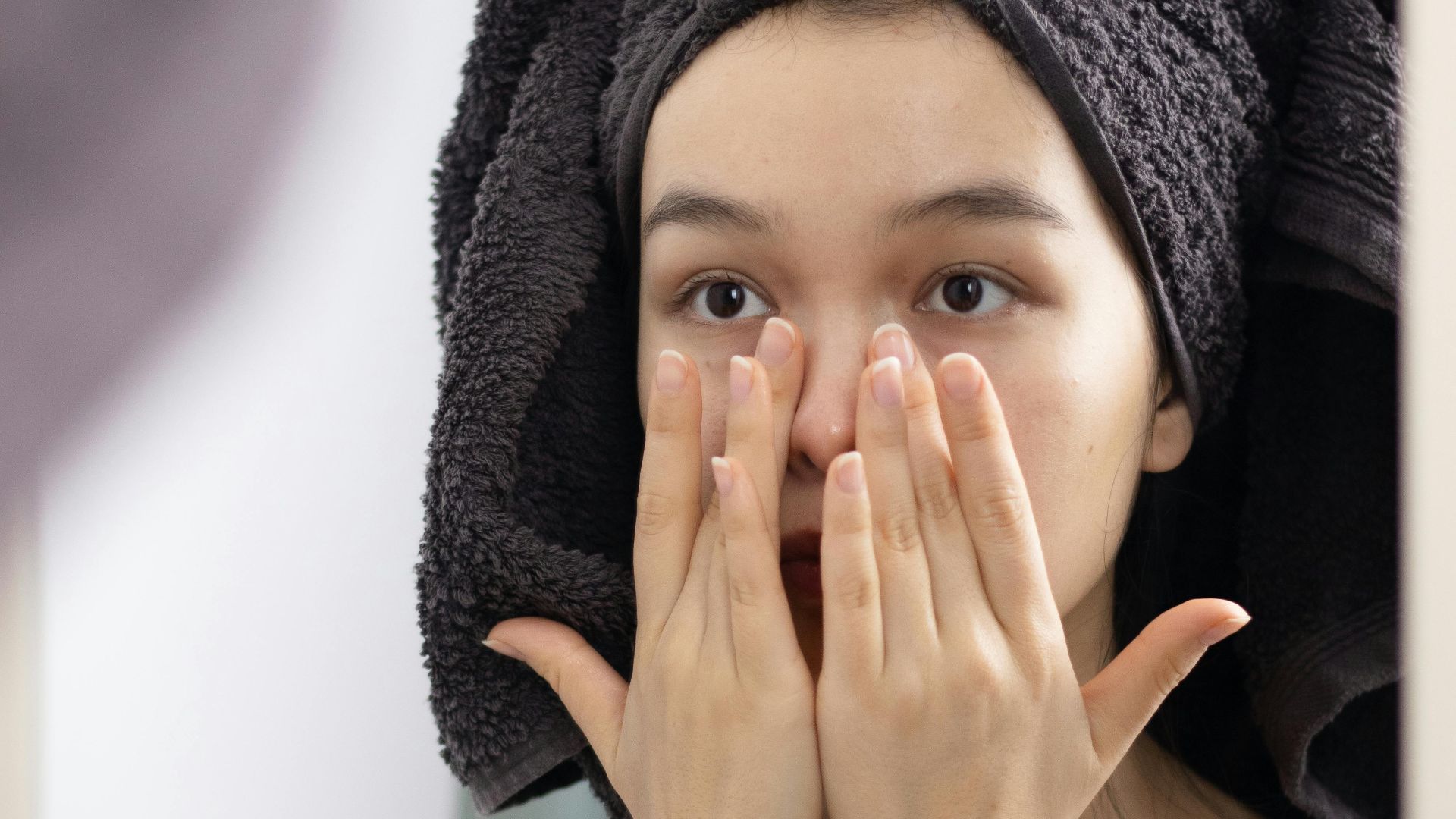
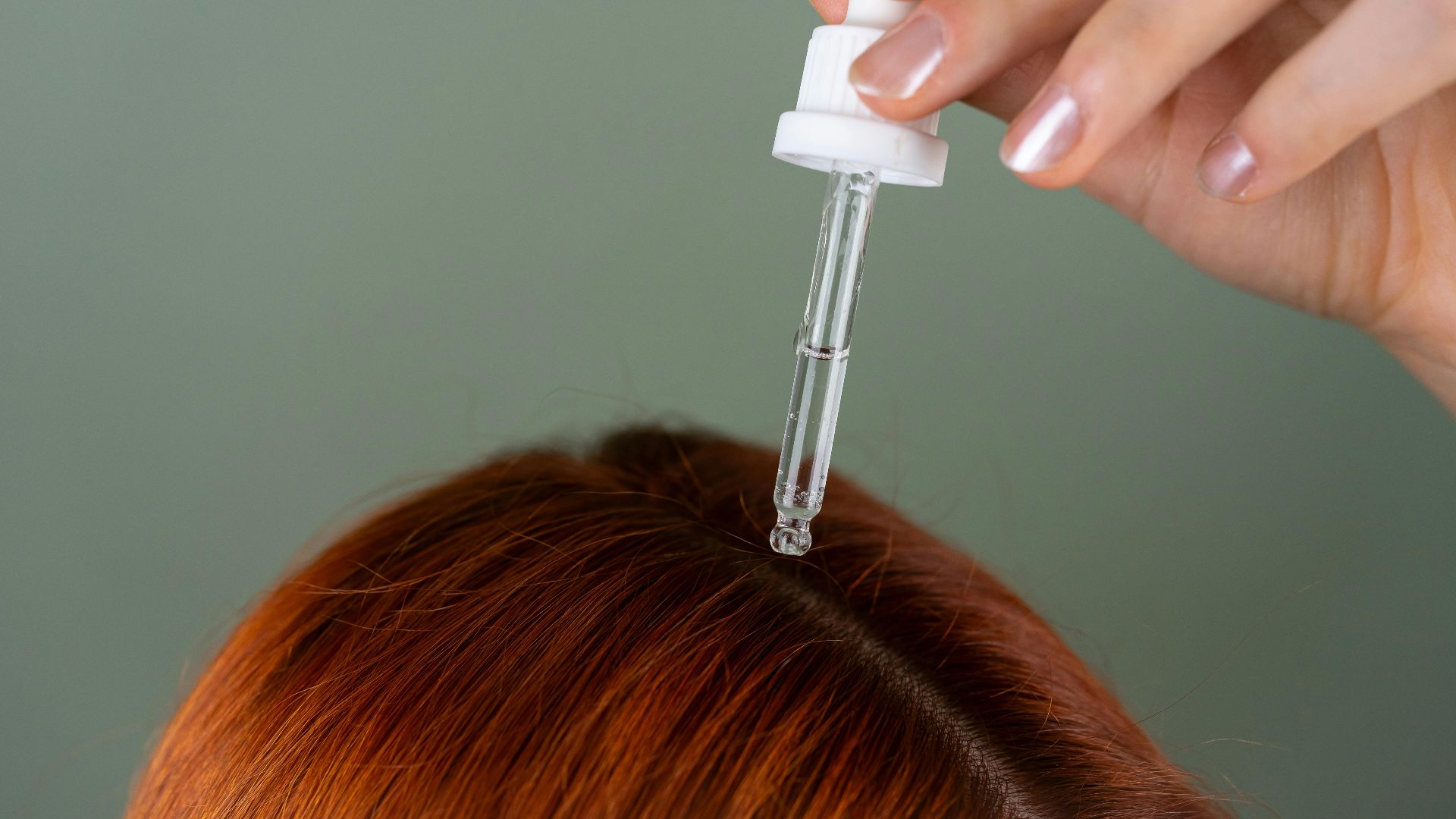
15. Prioritize Scalp Care
The scalp is skin, too, yet many people ignore it until problems develop. Sun exposure, dryness, and buildup can affect scalp health just as they affect the rest of the body. Paying attention to this area can support overall skin wellness.
16. Learn When to Stop Using Irritating Products
Many people assume discomfort means a product is working harder. Persistent burning, redness, or excessive peeling often signals irritation instead. Knowing when to stop can prevent unnecessary damage to the skin barrier.

17. Be Consistent With Evening Cleansing
Even on makeup-free days, your skin collects sweat, oil, sunscreen, and environmental pollutants. A regular nighttime cleanse helps remove that buildup before sleep. Consistency tends to matter more than using complicated cleansing methods.
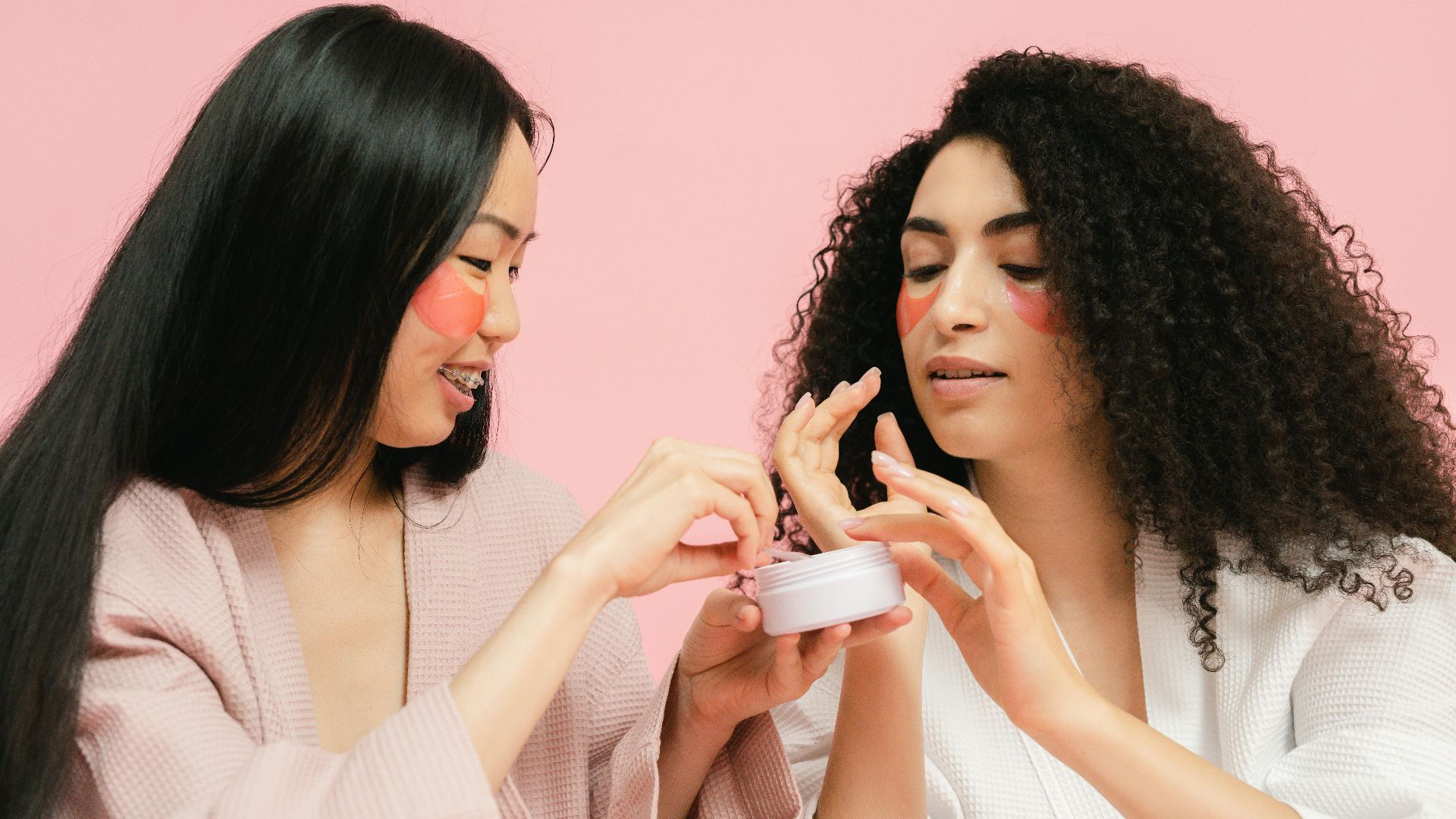
18. Support Skin Health Through Diet
Nutrient-rich foods provide vitamins, antioxidants, and other compounds that contribute to overall skin function. Diet alone won't eliminate wrinkles, but it plays a role in maintaining healthy skin.

19. Schedule Routine Skin Checks
Regular skin examinations can help identify unusual spots or changes early. This is particularly important for people with significant sun exposure histories or numerous moles.
20. Accept That Prevention Works Slowly
One of the most valuable habits in your 30s is adjusting expectations. Healthy skincare usually produces gradual improvements rather than dramatic overnight changes.