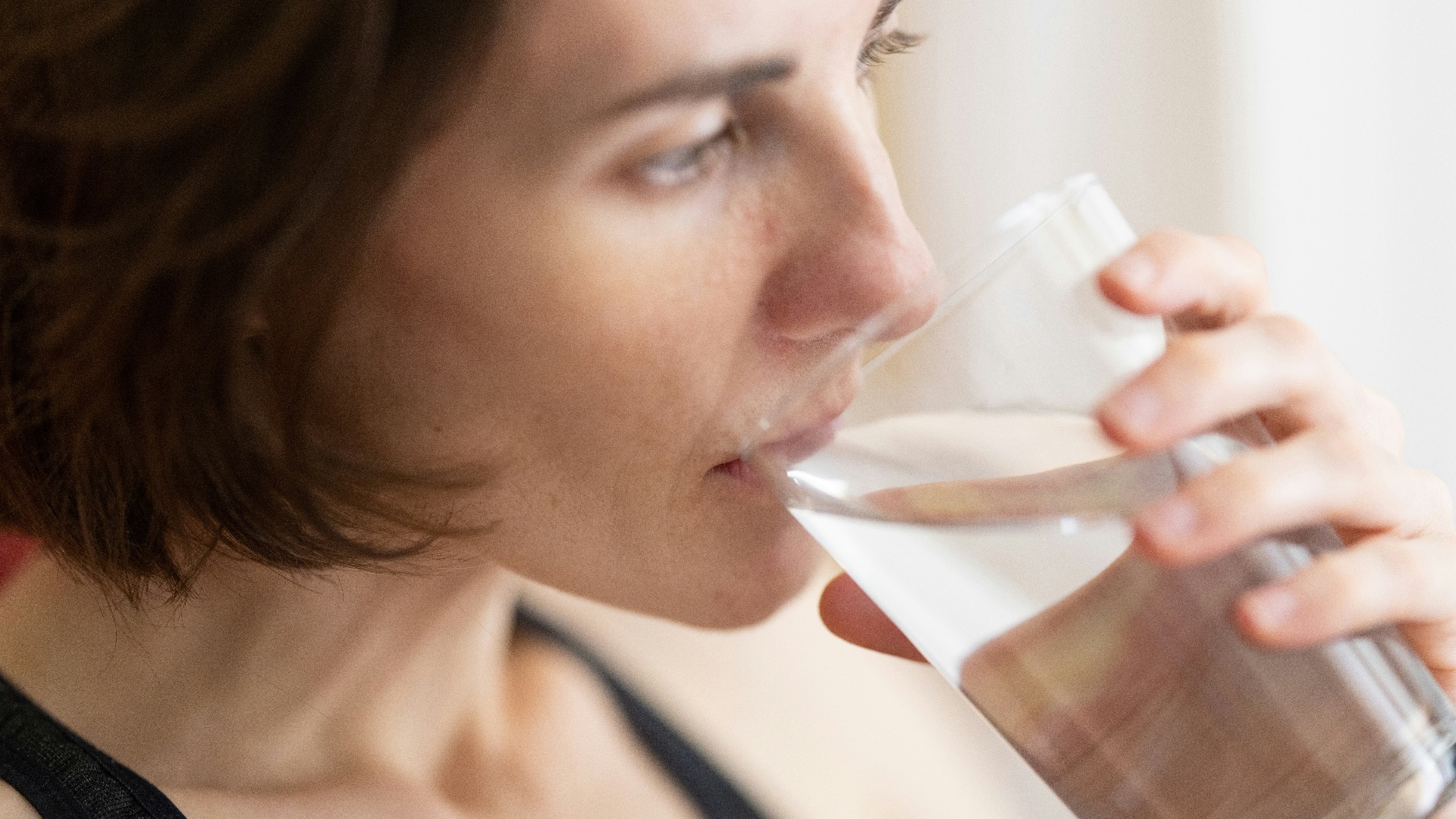

Why Your Skin Barrier Matters
Has your skin been feeling tight lately? Or maybe you keep breaking out, no matter what you swap in or out of your skincare routine? If so, it might have something to do with your skin barrier, the outermost layer of your skin that works hard every day to keep moisture in and irritants out. After all, when it becomes compromised, your skin will let you know, and not in subtle ways. Here's how to spot the signs of a damaged skin barrier and, more importantly, what you can do to restore it.
1. Your Skin Feels Tight and Uncomfortable
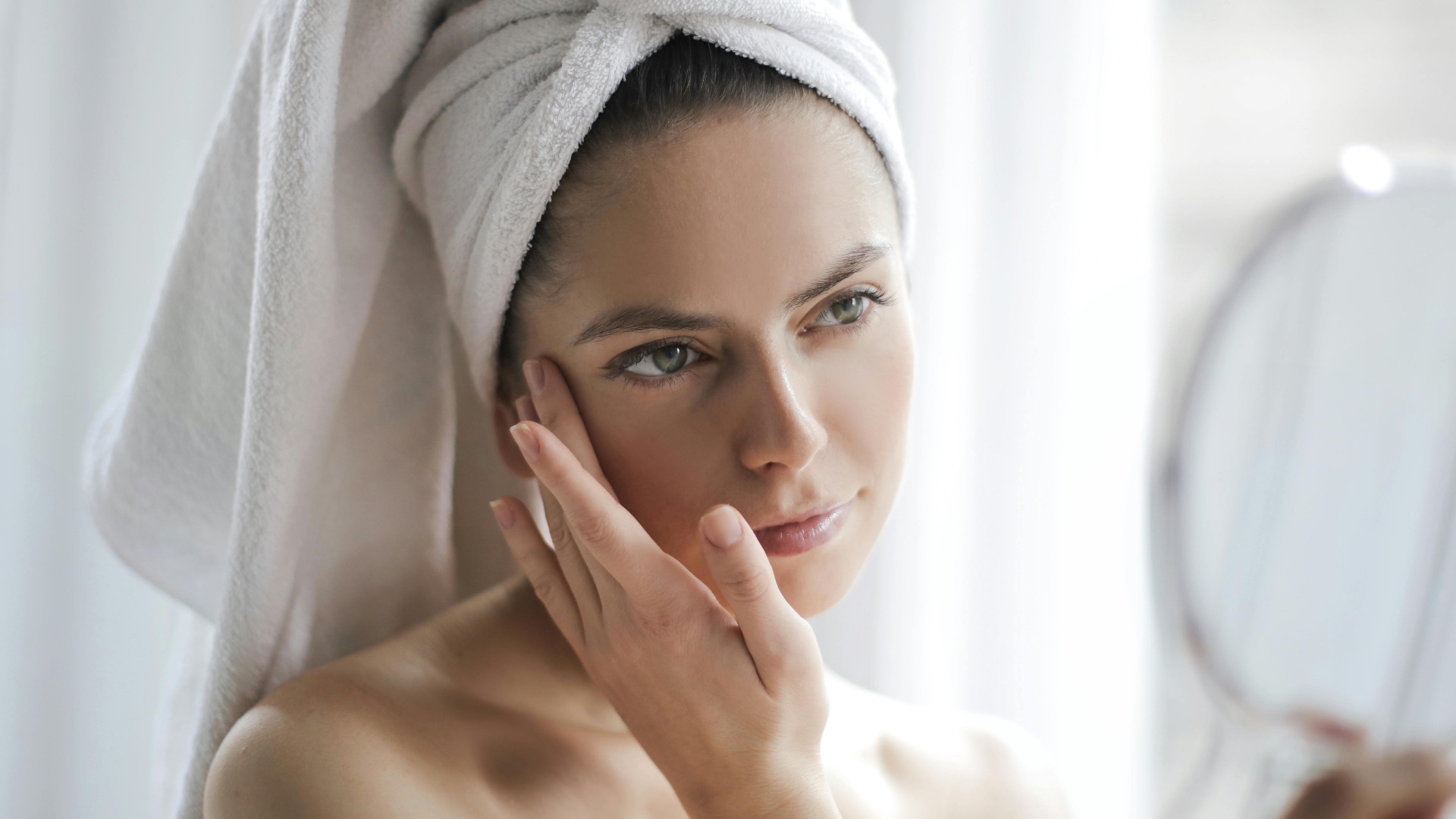
That persistent tight, pulling sensation after cleansing is often a sign that your barrier has been stripped of its natural oils. A healthy skin barrier retains moisture effortlessly, so when it's compromised, that uncomfortable tightness sets in quickly. If your skin feels like it's shrink-wrapping itself to your face, your barrier is likely asking for some serious attention.

2. You're Breaking Out More Than Usual
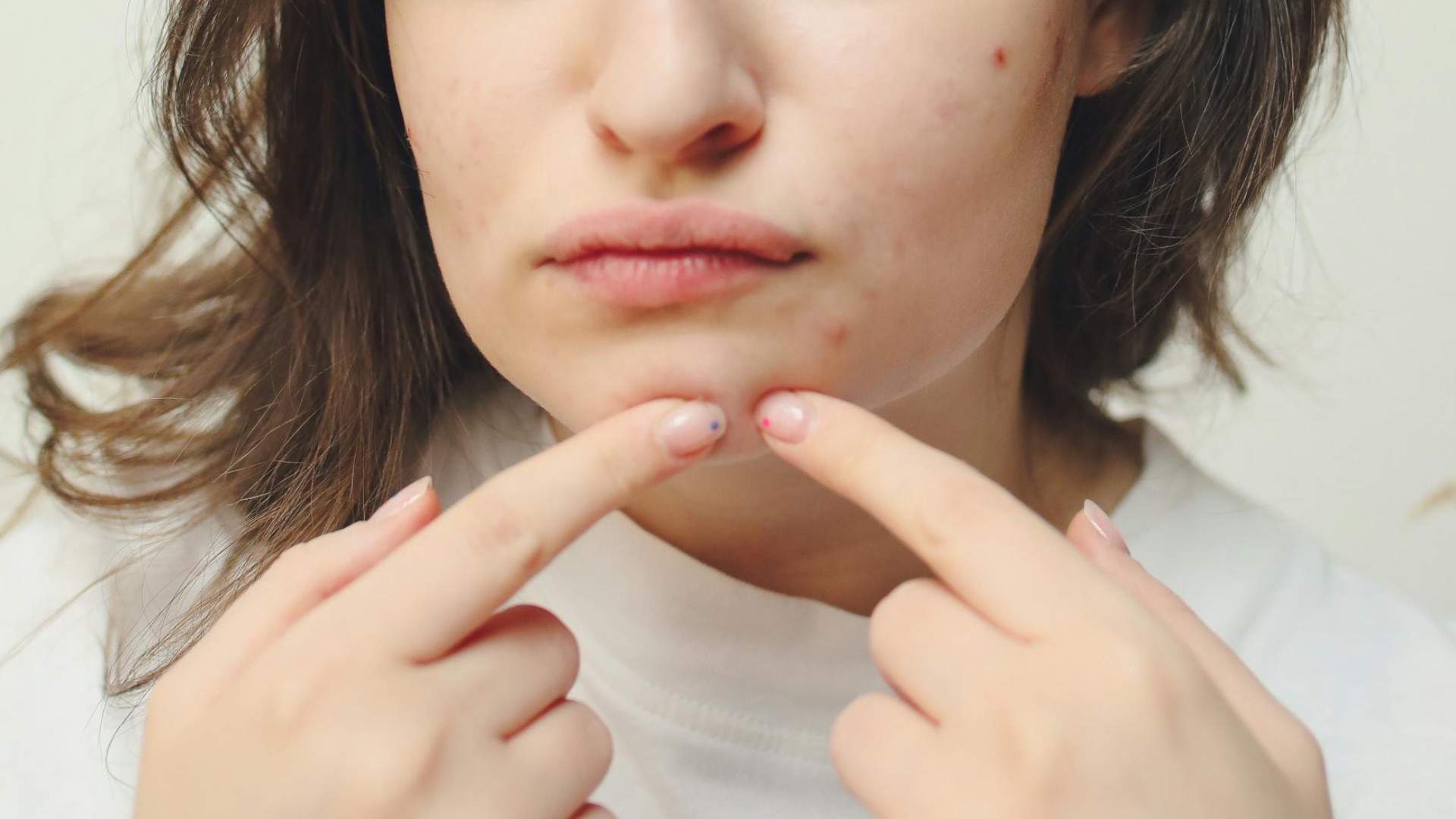
A weakened barrier allows bacteria and environmental pollutants to penetrate the skin more easily, which can trigger unexpected breakouts. You might notice blemishes popping up in areas that aren't typically prone to acne, which can be a telltale sign that your skin's defenses are down. It's a frustrating cycle, since many acne treatments can further compromise the barrier if you're not careful.
3. Your Skin Looks Dull and Lackluster
When your barrier isn't functioning properly, your skin struggles to retain the hydration it needs to look healthy and radiant. Cellular turnover slows down and dead skin cells accumulate on the surface, leaving your complexion looking flat and tired. If your skin has lost its usual glow despite staying consistent with your routine, barrier damage could be the culprit.
4. Redness and Irritation Have Become the Norm
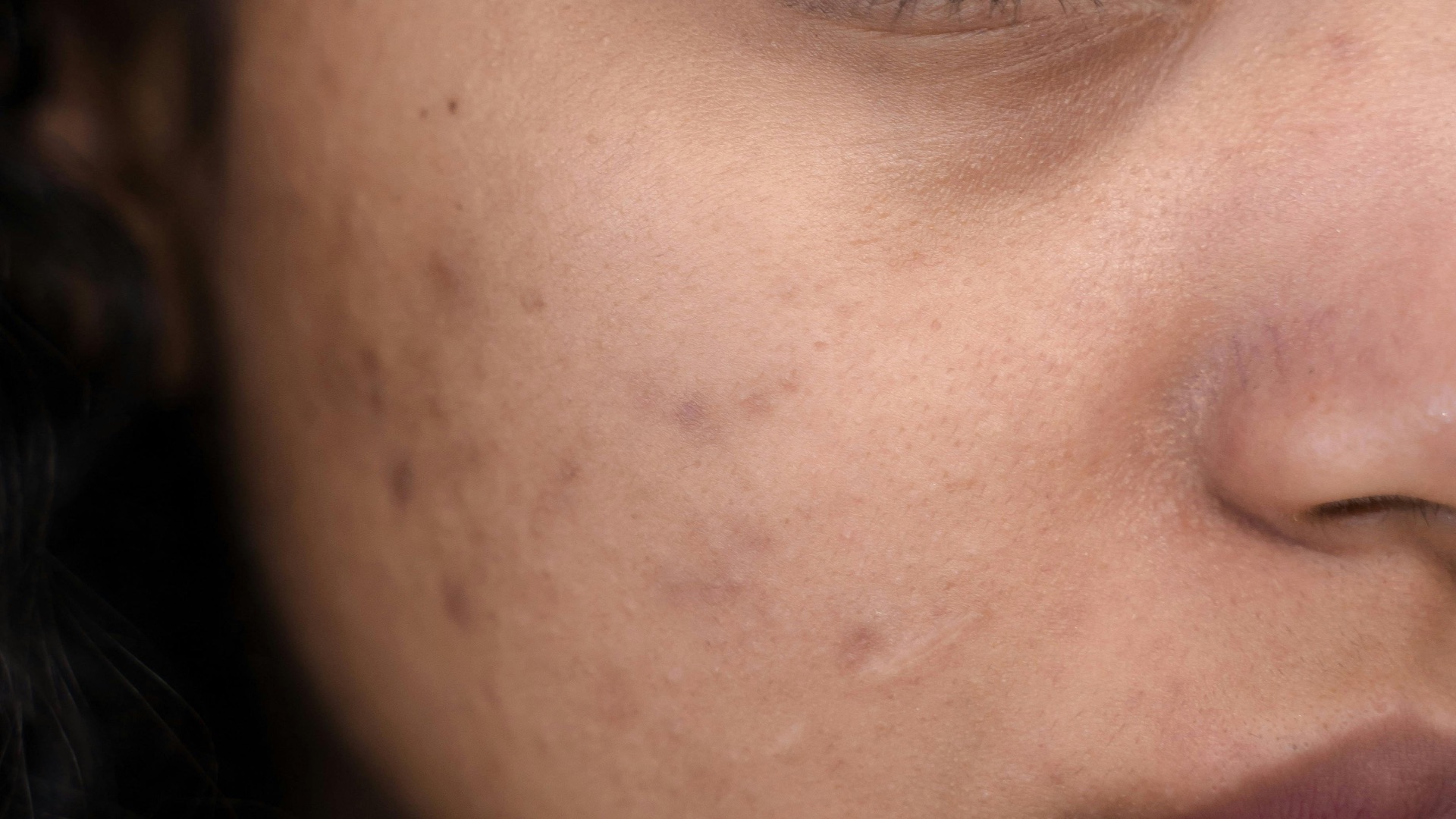
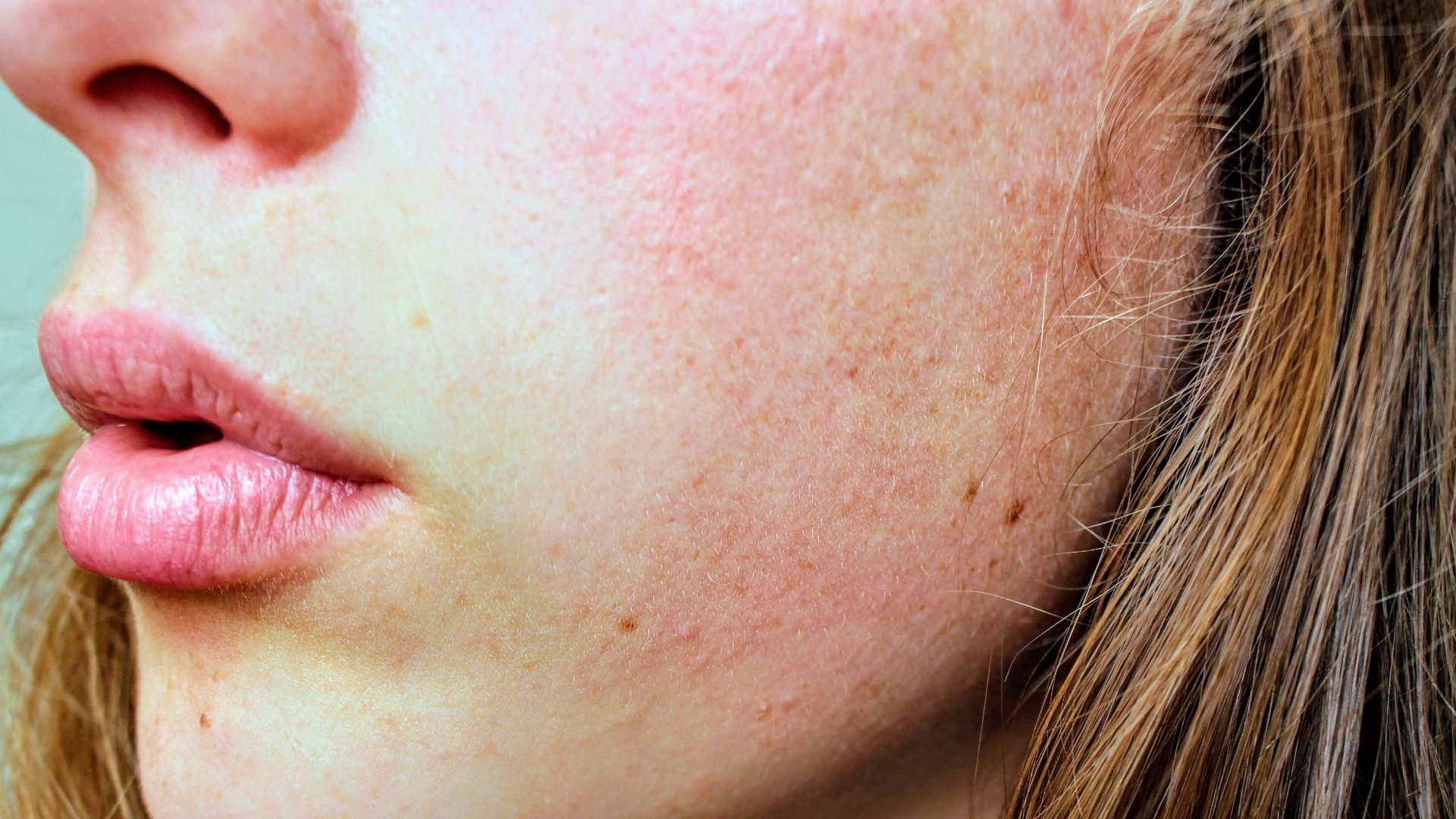
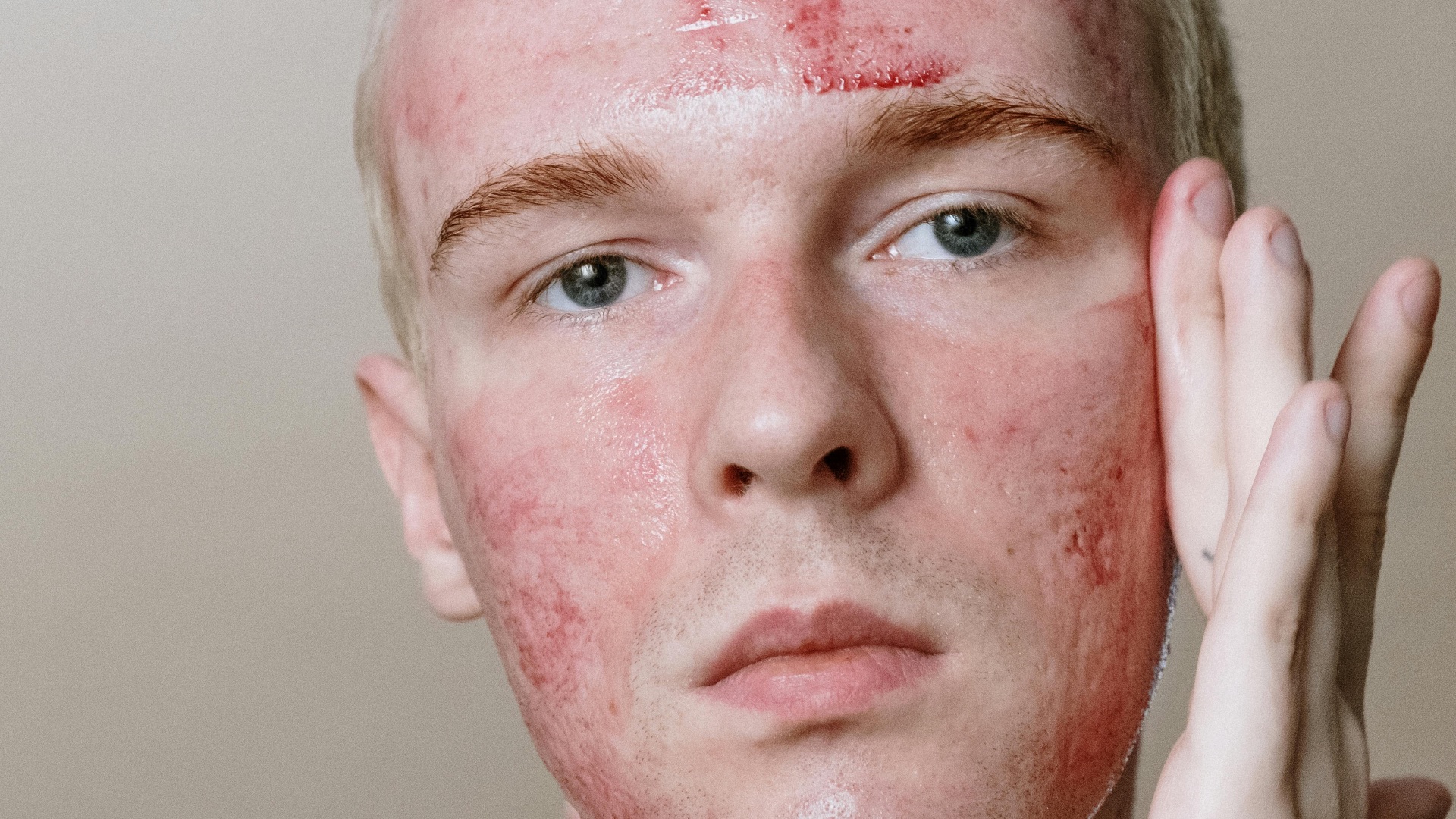
Persistent redness, especially in patches, is a common indicator that your skin is inflamed and struggling to protect itself. A compromised barrier means that everyday things like wind, tap water, or even your pillowcase can trigger an irritated response. If your skin is reacting to things it used to handle fine, something has shifted in its protective function.
5. Products That Used to Work Are Now Stinging
If your usual toner, serum, or moisturizer suddenly starts to sting or burn upon application, your barrier has likely become too compromised to handle even gentle ingredients. Healthy skin can tolerate a reasonable range of formulas, but damaged skin becomes hypersensitive to things it once tolerated without issue. That stinging sensation is your skin's way of signaling that something is wrong beneath the surface.

6. Your Skin Is Constantly Flaky or Peeling
Flakiness and peeling are visible signs that your skin's moisture levels have dropped significantly and the surface is breaking down. Unlike regular dry skin that responds well to a good moisturizer, barrier-damaged skin tends to keep flaking no matter how much product you apply. This happens because the underlying issue isn't just a lack of hydration but an inability to hold onto it.

7. You've Developed New Sensitivities
Suddenly reacting to fragrances, sunscreens, or ingredients you've used for years is a strong sign that your barrier has weakened. When the barrier is intact, it filters out potential irritants before they can cause a reaction; when it's not, those same substances penetrate more deeply and provoke a response. New sensitivities appearing out of nowhere are worth taking seriously, especially if they coincide with changes in your skincare routine.
8. Your Skin Feels Rough or Uneven in Texture
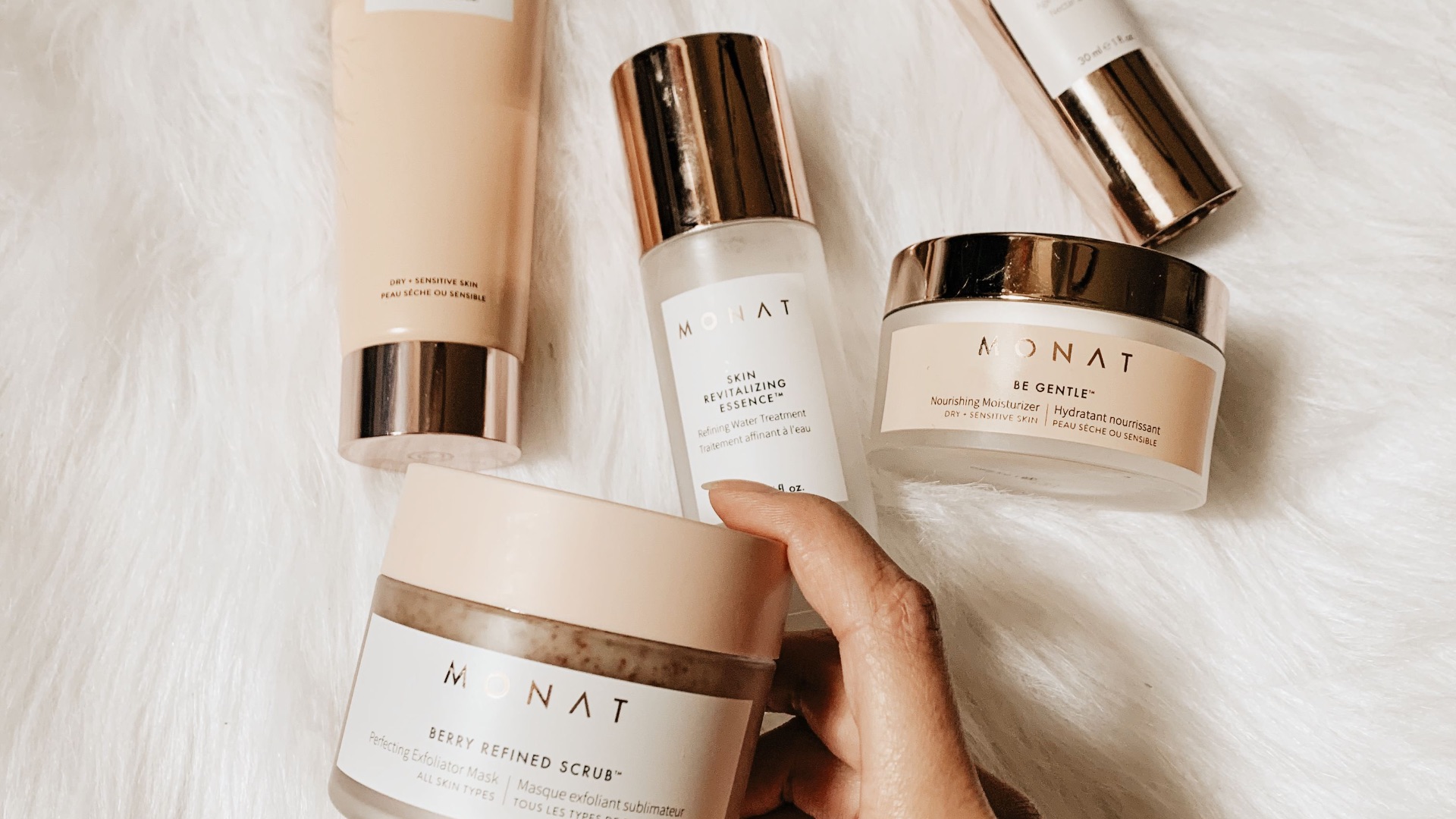
A healthy barrier supports smooth, even-textured skin, so roughness and bumpiness can indicate that it's been compromised. When the surface layer is damaged, the skin can't shed dead cells efficiently, leading to a rough, uneven feel that makeup clings to and highlighter won't sit on properly. Running your fingers across your skin and feeling more texture than usual is a reliable sign worth paying attention to.

9. Itchiness That Won't Quit
Chronic itchiness, especially without an obvious cause like an allergy or insect bite, is often linked to barrier dysfunction. When the skin's protective layer is damaged, nerve endings near the surface become more exposed and reactive, leading to that maddening, persistent itch. Scratching only makes things worse, since it causes further trauma to an already weakened barrier.
10. Your Skin Never Quite Feels Balanced
If your skin oscillates between being oily and dry at the same time, your barrier may be struggling to regulate itself. This kind of imbalance often leads people to overcorrect with products, which can make the situation worse. When nothing in your routine seems to bring your skin to a settled, comfortable state, barrier repair is usually the place to start.
Now that you know what to look for, the good news is that a damaged skin barrier can absolutely be healed with the right approach. These ten steps will help you rebuild your skin's defenses and get it back to feeling its best.

1. Simplify Your Skincare Routine
One of the most effective things you can do for a damaged barrier is to strip your routine back to the basics. Stick to a gentle cleanser, a fragrance-free moisturizer, and SPF during the day; that's really all your skin needs while it's recovering. Adding too many active ingredients while your barrier is compromised will only slow down the healing process.

2. Switch to a Gentle, Non-Stripping Cleanser
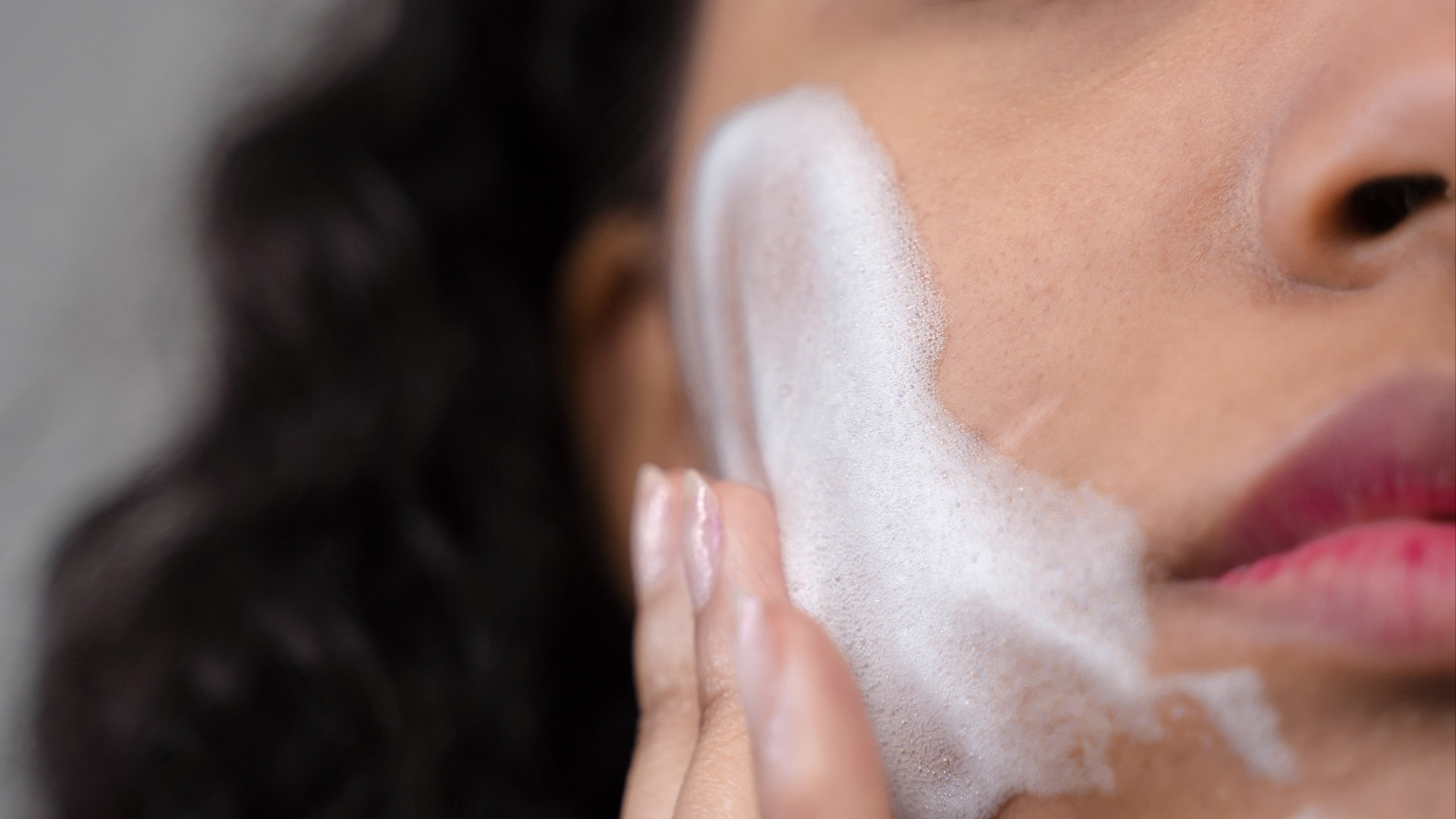
Foaming cleansers with harsh surfactants can be deeply problematic for a damaged barrier, so switching to a cream or oil-based cleanser makes a real difference. Look for formulas that are fragrance-free and pH-balanced, since these are far less likely to disrupt the skin's natural acid mantle. Cleansing should leave your skin feeling soft and comfortable, not tight or squeaky clean.
3. Incorporate Ceramide-Rich Products
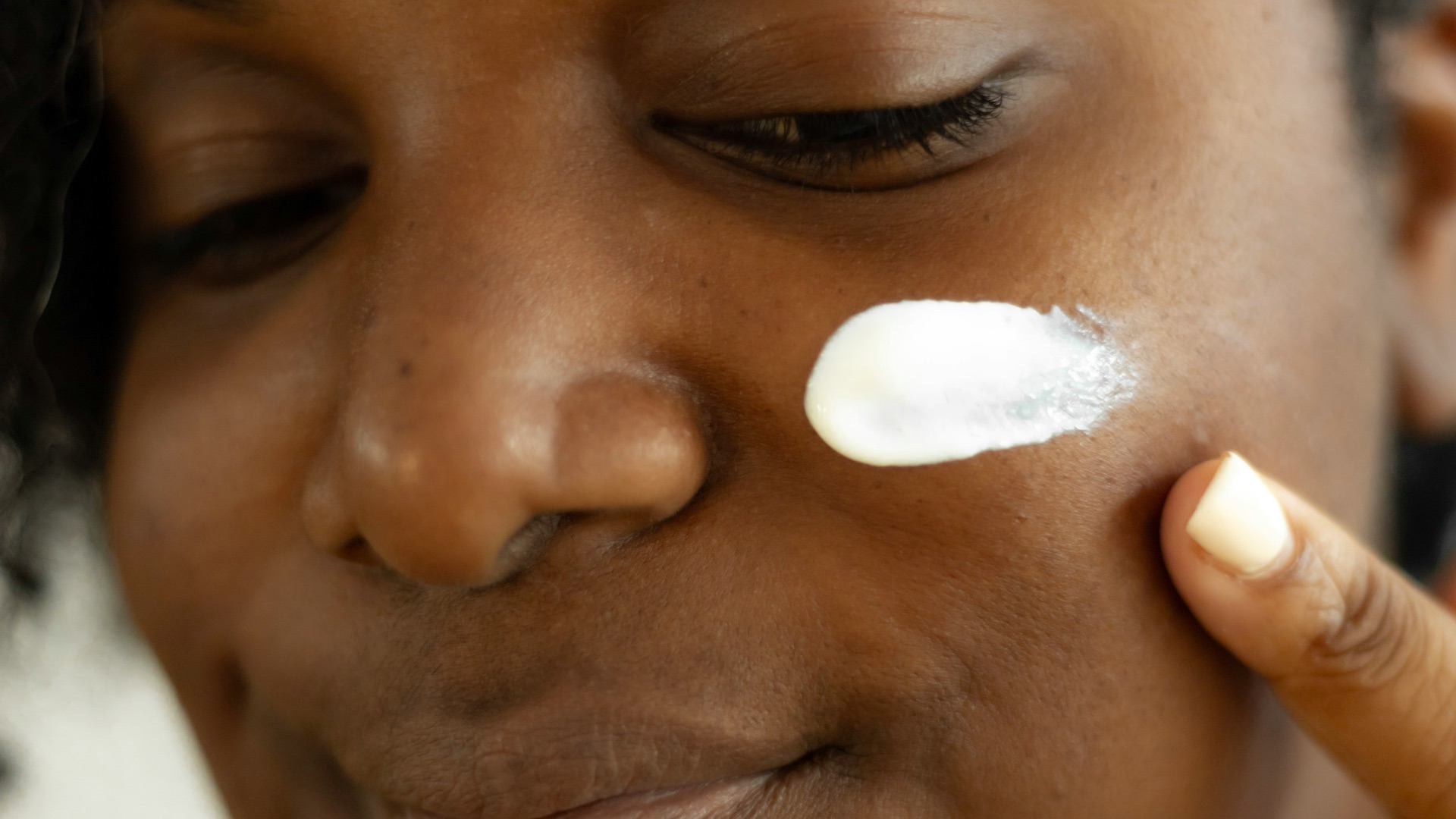
Ceramides are lipids that naturally occur in your skin barrier, and replenishing them through your skincare is one of the most targeted ways to support repair. Look for moisturizers and serums that list ceramides high on the ingredient list, as these help rebuild the barrier's structure from the outside in. Products combining ceramides with cholesterol and fatty acids are particularly effective at restoring barrier function.
 Leighann Blackwood on Unsplash
4. Apply Moisturizer to Damp Skin
Timing your moisturizer application right after cleansing (while your skin is still slightly damp) helps lock in that extra hydration before it evaporates. This technique maximizes the product's ability to seal moisture into the skin rather than just sitting on top of a dry surface. It's a small change to your routine that can make a noticeable difference in how hydrated your skin feels throughout the day.

5. Add a Humectant Serum to Your Routine
Humectants like hyaluronic acid and glycerin draw moisture from the environment into the skin, making them valuable allies during barrier recovery. A lightweight humectant serum layered under your moisturizer can significantly boost hydration levels without overwhelming compromised skin. Just make sure to follow it with an occlusive or moisturizer to seal everything in; otherwise, the humectant may pull moisture from deeper layers of your skin instead.

6. Use SPF Every Single Day
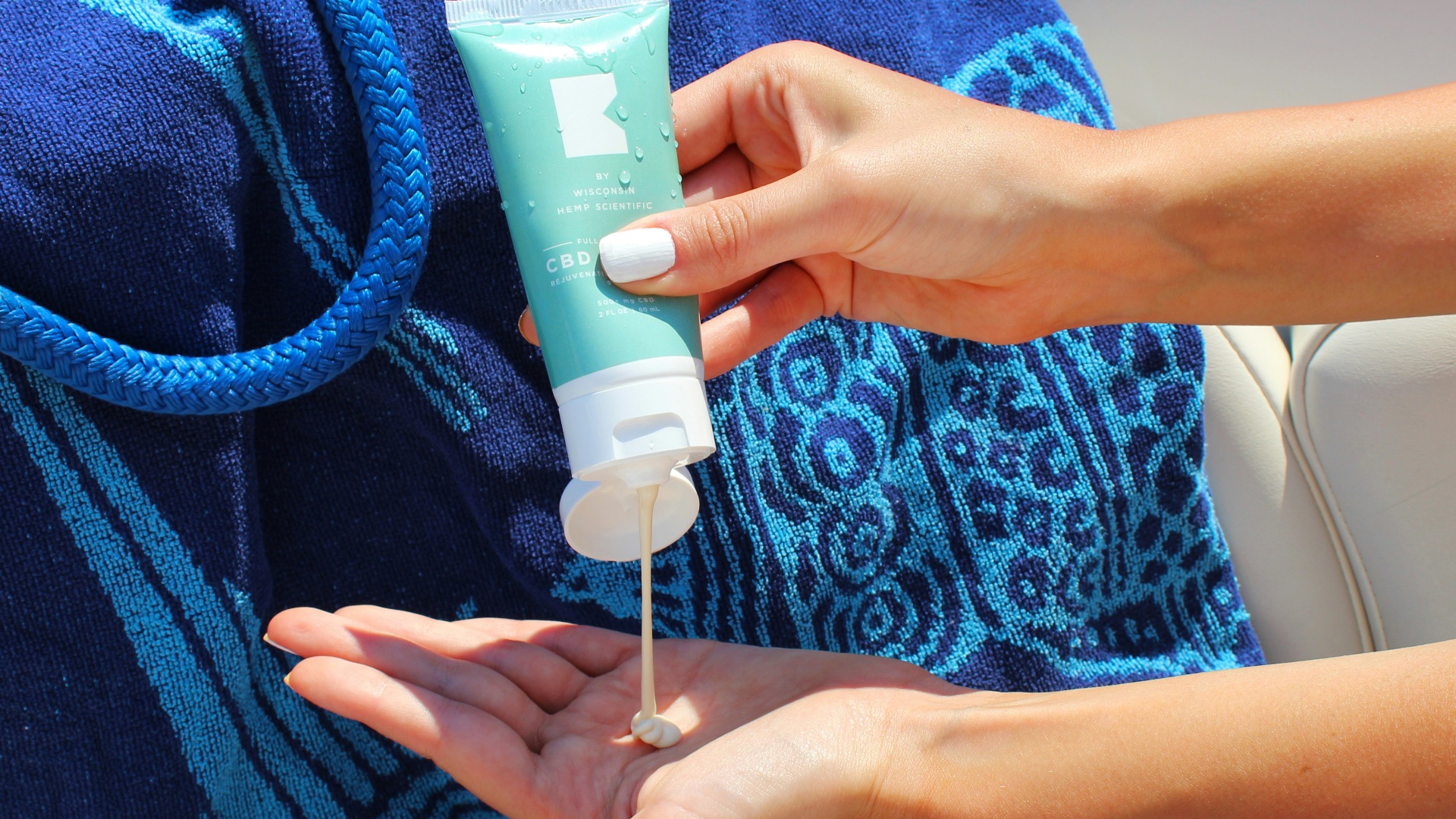
Yep—sunscreen is so important it requires a double mention. UV exposure weakens the skin barrier over time and significantly slows down its ability to recover, so daily sun protection is non-negotiable when you're trying to heal. A broad-spectrum SPF 30 or higher applied every morning is one of the most protective things you can do for your skin, full stop. Mineral sunscreens with zinc oxide tend to be gentler on sensitive, barrier-damaged skin than chemical alternatives.
 BATCH by Wisconsin Hemp Scientific on Unsplash
7. Lay Off the Exfoliants for Now
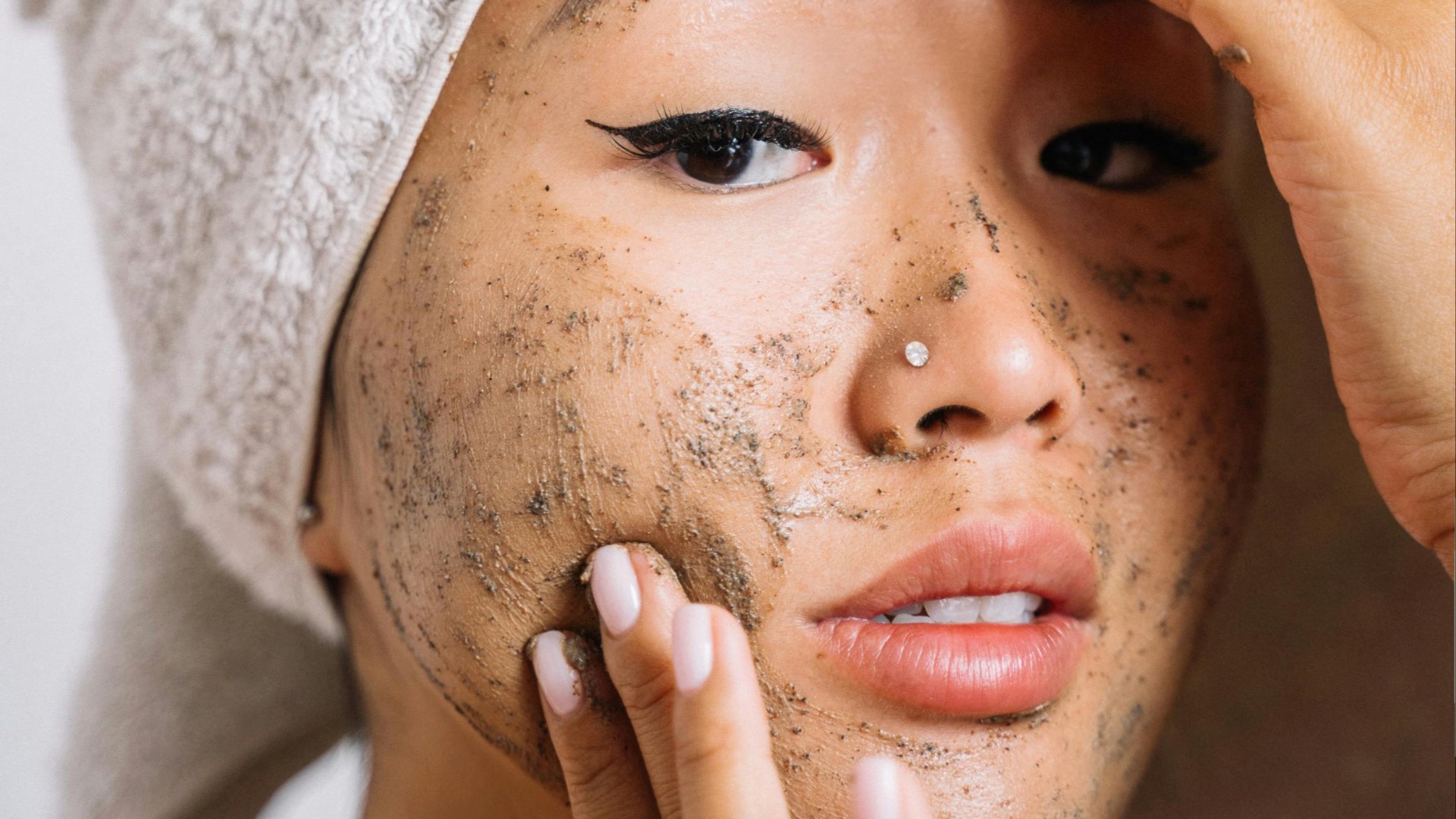
It can be tempting to exfoliate flaky, textured skin, but doing so while your barrier is damaged will set your recovery back considerably. Both physical scrubs and chemical exfoliants like AHAs and BHAs increase skin cell turnover and can further thin out an already vulnerable surface layer. Give your skin at least two to four weeks of rest from all exfoliation before slowly reintroducing anything into your routine.
8. Check the Ingredients in Your Current Products
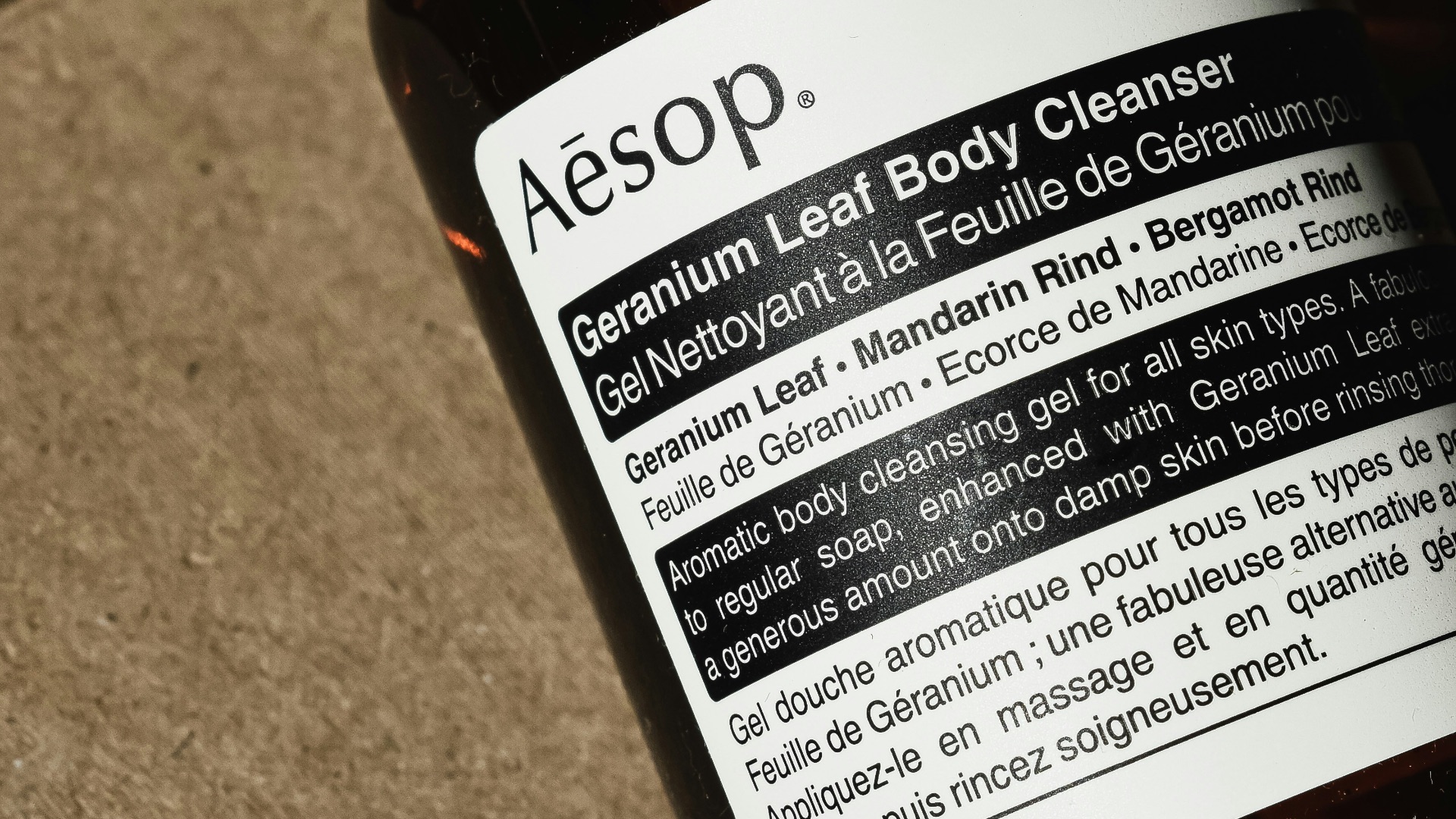
Some common skincare ingredients (including alcohol, synthetic fragrance, and certain preservatives) are known barrier disruptors that can keep your skin stuck in a cycle of damage. Go through your current products and look up the ingredients if you're not sure what they are; you might be surprised by what's in your everyday routine. Fragrance is one of the most frequent offenders, even in products marketed as gentle or natural.
9. Be Consistent and Patient with Your Routine
Barrier repair doesn't happen overnight; it typically takes anywhere from two to four weeks of consistent, simplified care to see meaningful improvement. Stick to the same products daily rather than switching things up, since introducing new formulas too frequently can prevent your skin from ever fully stabilizing. Progress can feel slow, but staying the course with a gentle routine is truly the most reliable path to recovery.

10. Support Your Skin from the Inside Out
What you eat and drink has a direct impact on your skin barrier's ability to repair itself, so internal support matters just as much as what you put on your face. Staying well-hydrated, eating foods rich in omega-3 fatty acids, and getting enough sleep all contribute to your skin's natural healing processes. If you've been doing everything right topically but still aren't seeing results, it may be worth looking at lifestyle factors to round out your approach.