Smart Ways To Look Smarter
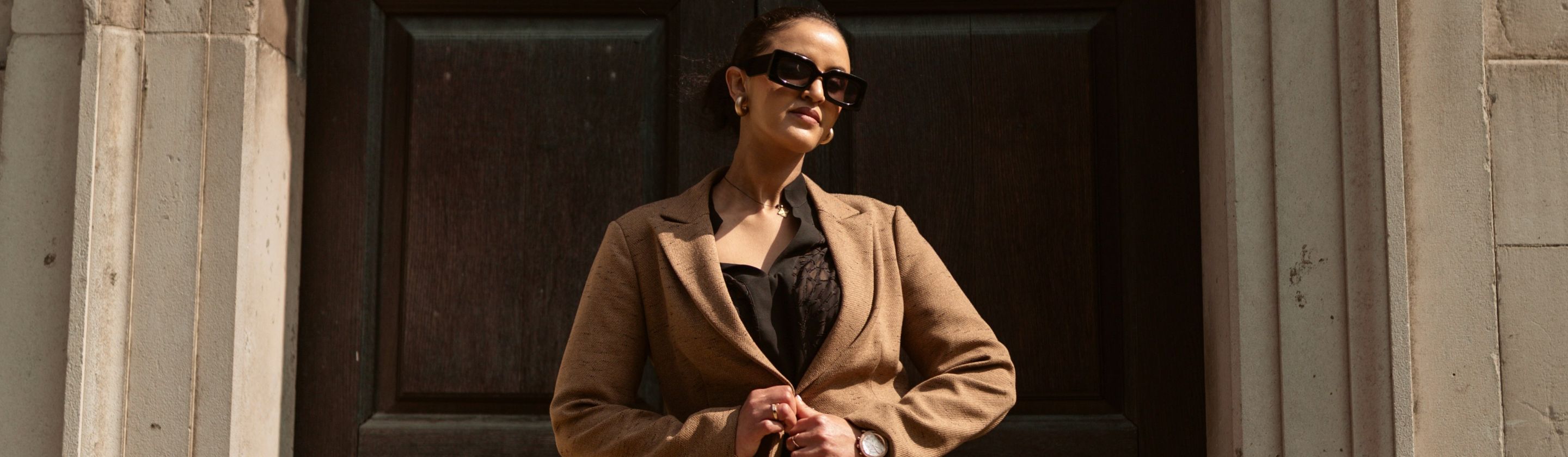
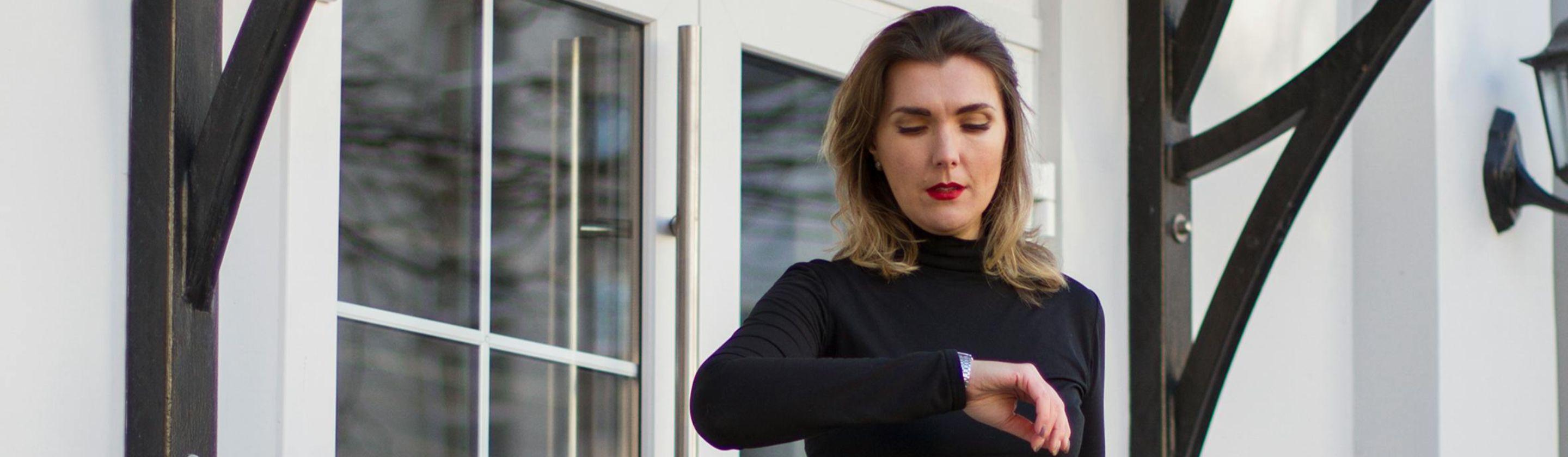
“Dress for the job you want” sounds painfully old-school, like something said in a break room in 1998. Still, there’s a useful idea tucked inside it: your clothes can help people understand the level you’re moving toward before your title catches up. That doesn’t mean pretending to be someone else, draining your paycheck on designer pieces, or dressing like you're penciled in for a board meeting. It means choosing clothes, shoes, hair, and makeup that make you look prepared, capable, and comfortable in the rooms you want to enter. These 20 steps can help you build a work wardrobe that feels polished, practical, and still like real life.
1. Read The Room First
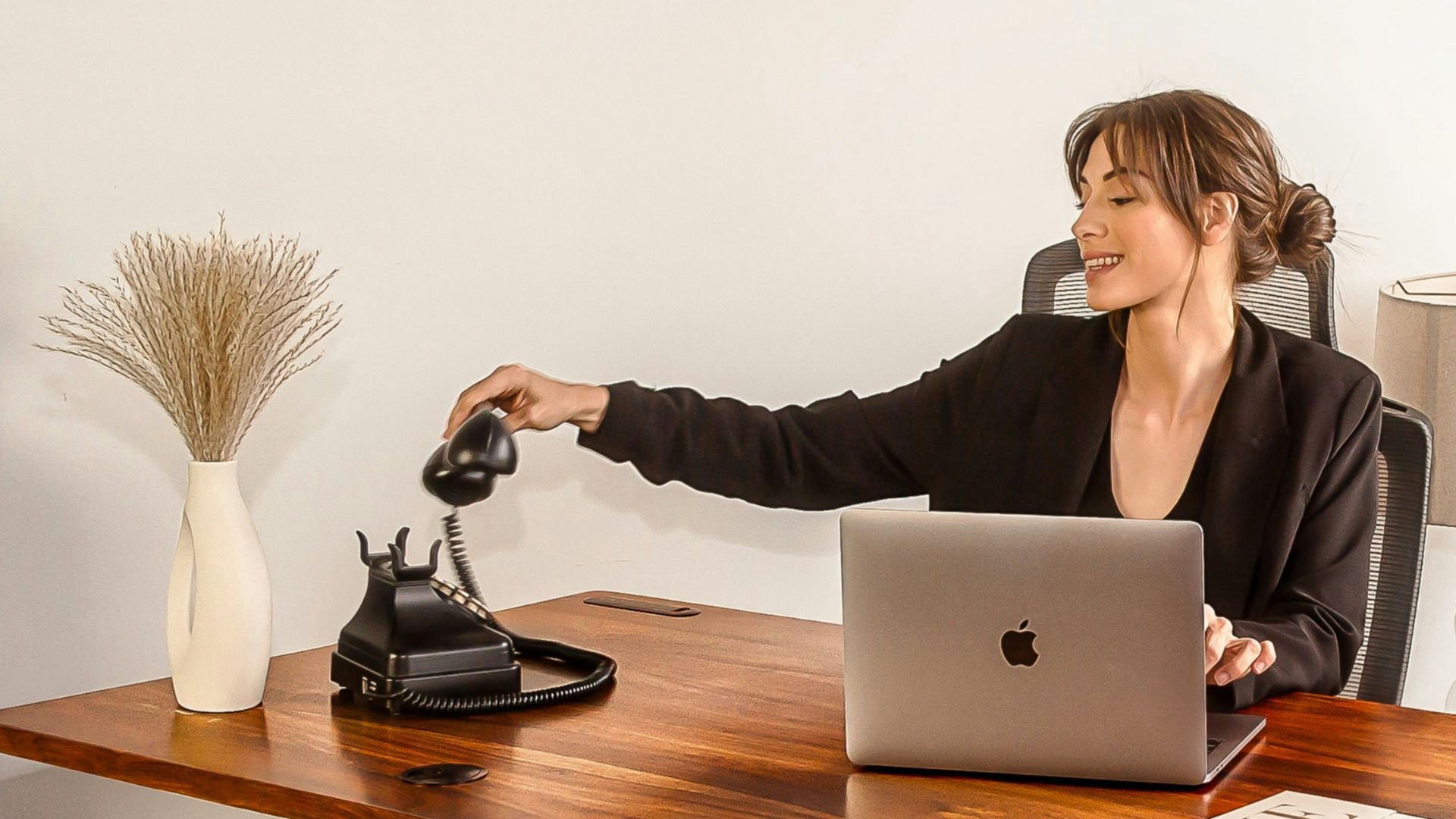
Start by noticing what people wear in the roles you want, especially on meeting days, client calls, and big presentation mornings. A beauty editor in Los Angeles, a finance manager in New York, and a school administrator in Chicago won’t have the same work closet.

2. Dress For Your Actual Industry
Generic office advice may not help because every field has its own rules. A black blazer may look perfect in a law office, while a clean sneaker, great denim, and a sharp jacket may make more sense at a creative agency or beauty brand.

3. Fix The Fit Before Buying More
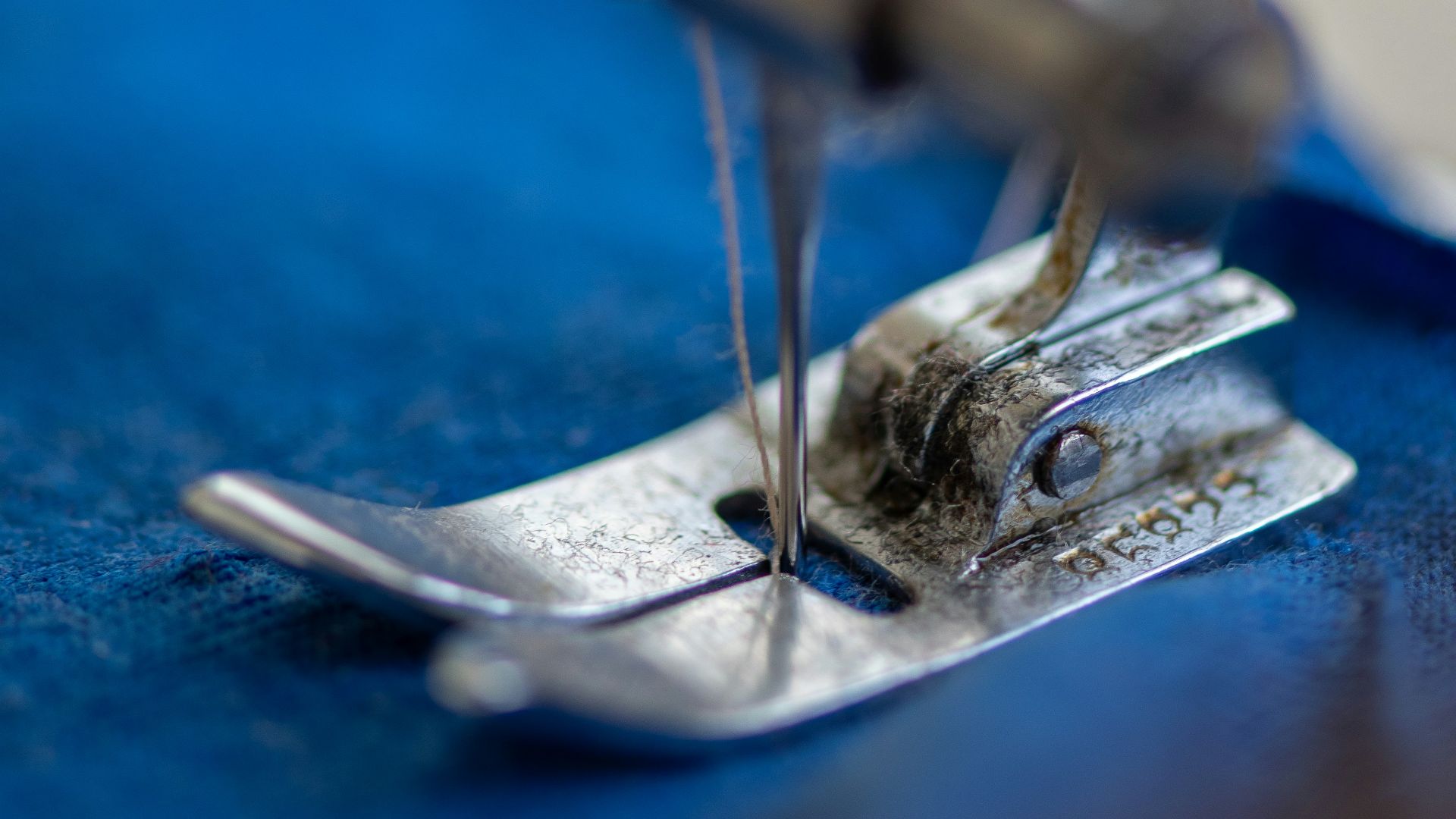
Fit changes everything. A $45 pair of trousers that’s hemmed properly will usually look better than expensive pants pooling at the ankle. The same goes for tops and blazers. Make sure blazers sit neatly on your shoulders, as it looks far more polished.
4. Build A Reliable Work Uniform
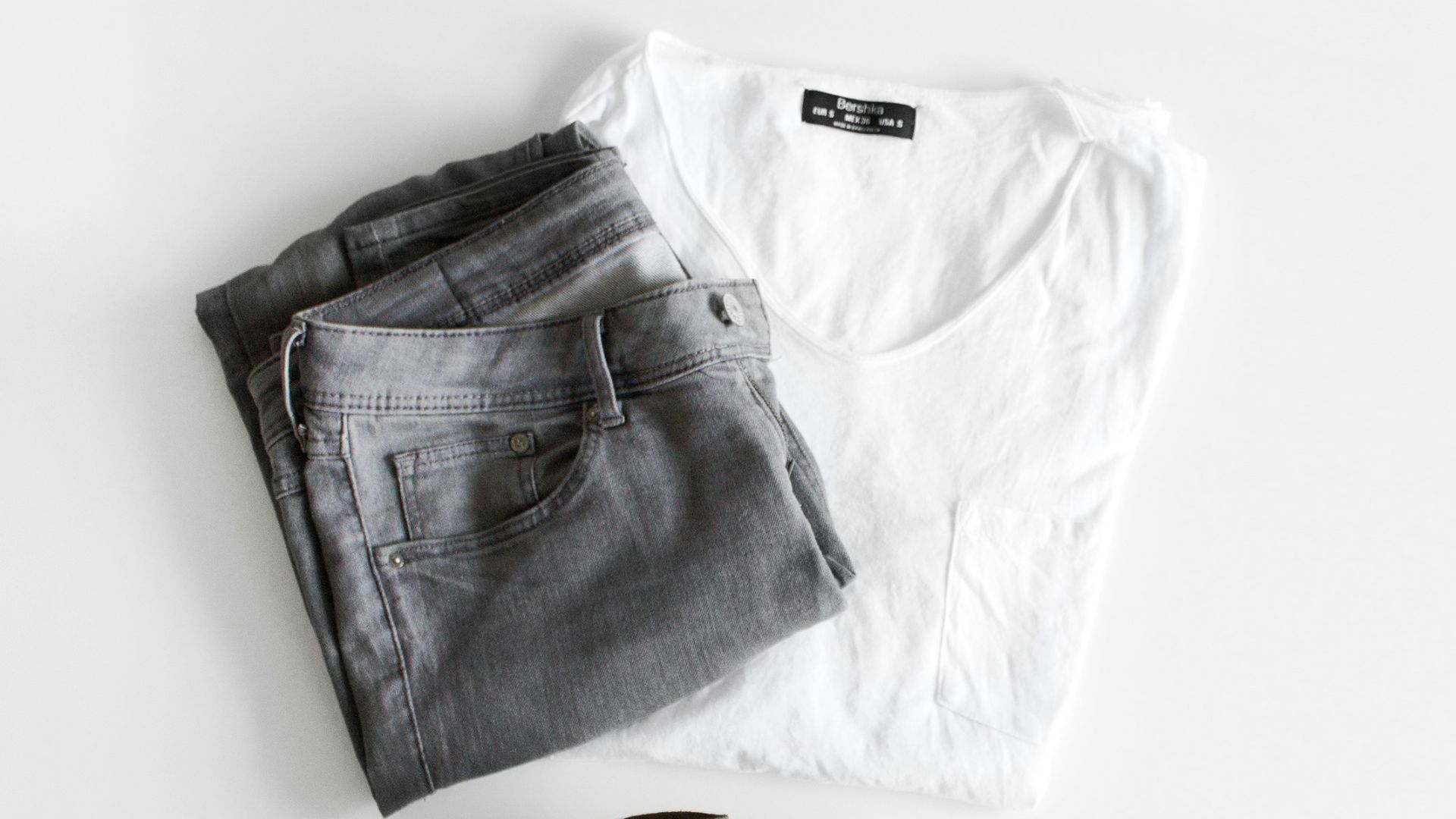
You need a few outfits that work when the morning gets away from you. Think straight-leg pants with a soft knit, dark jeans with a blazer, or a simple midi dress with flats you can actually walk in.
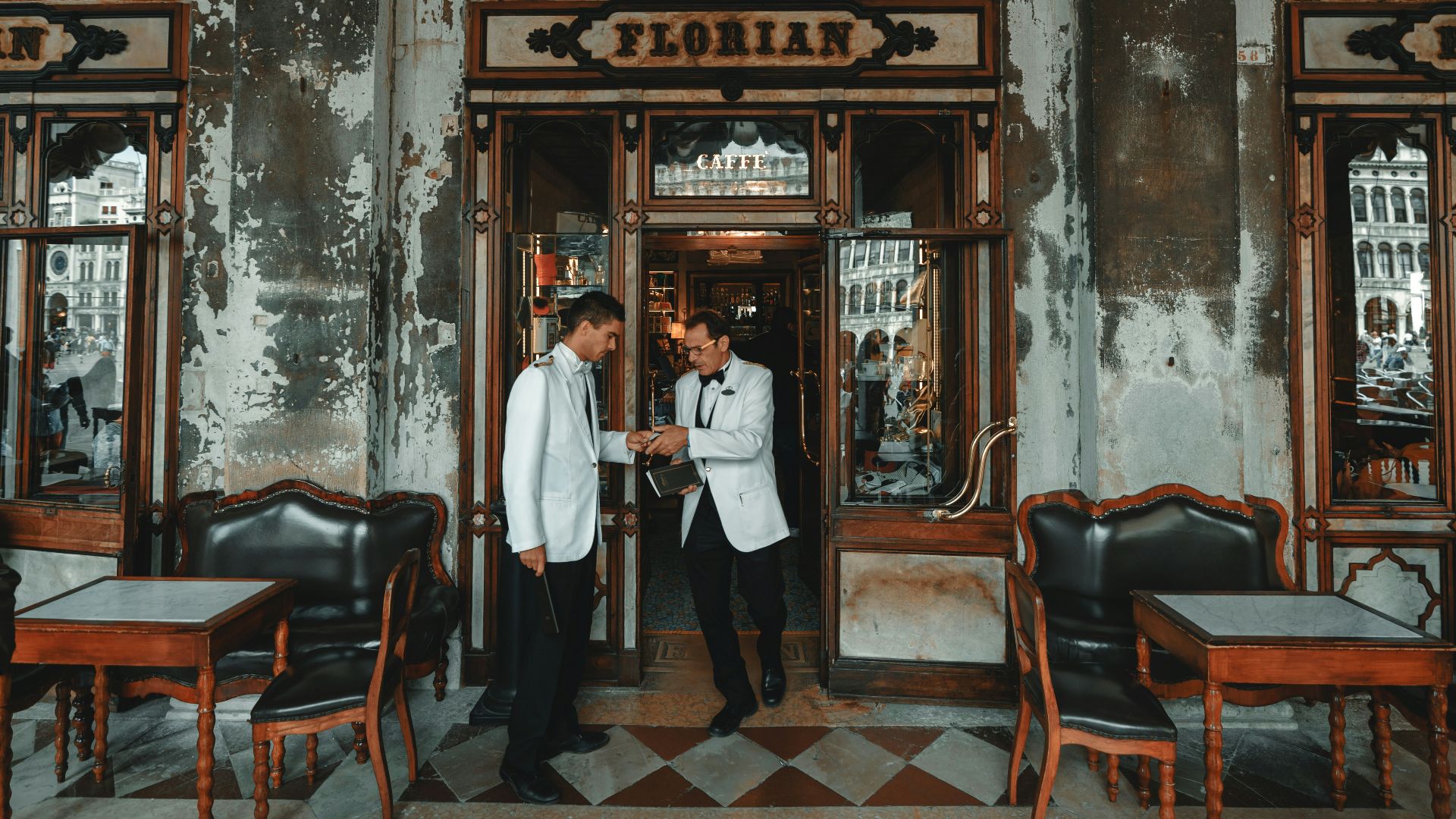
5. Keep One Good Jacket Ready
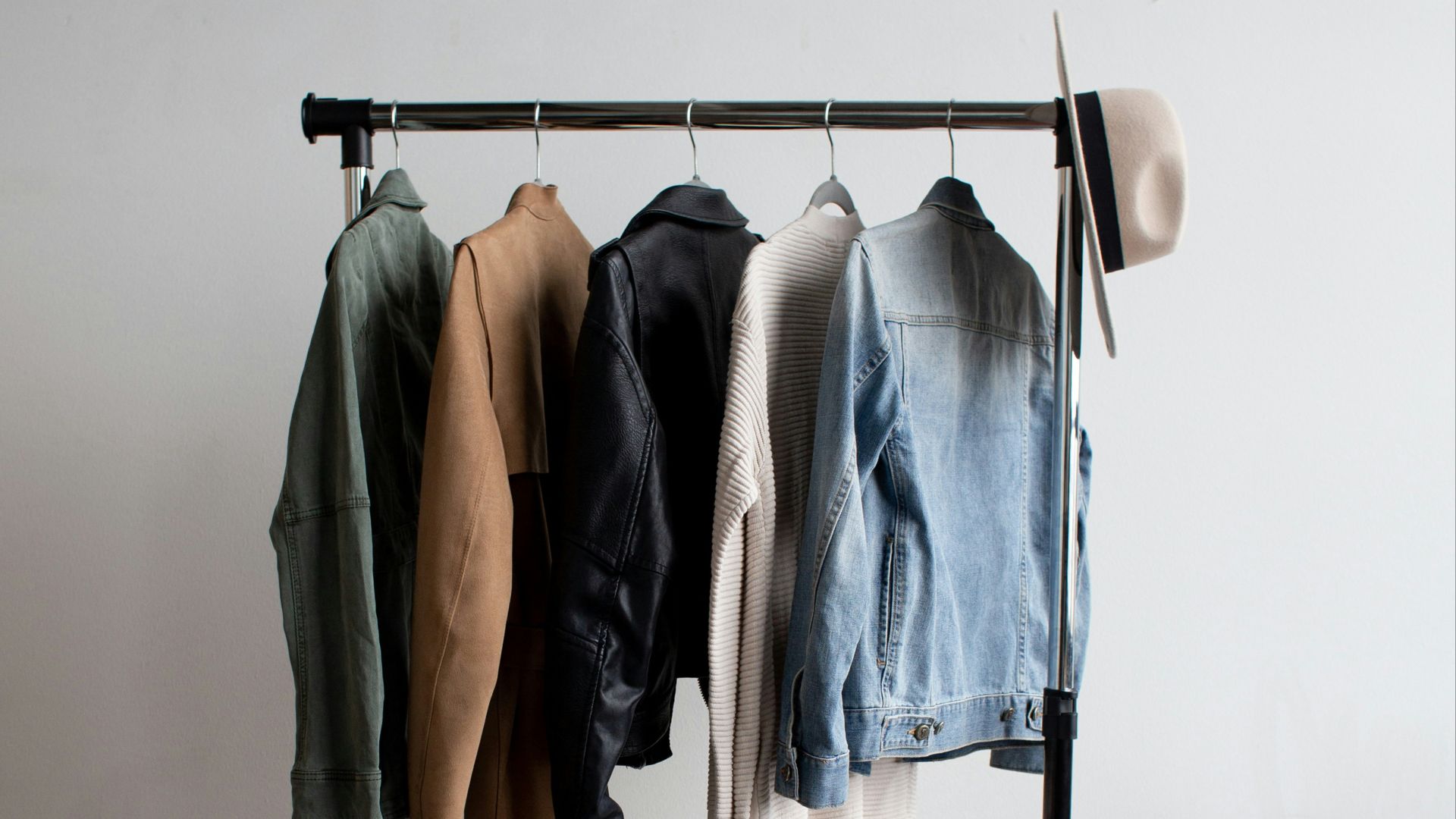
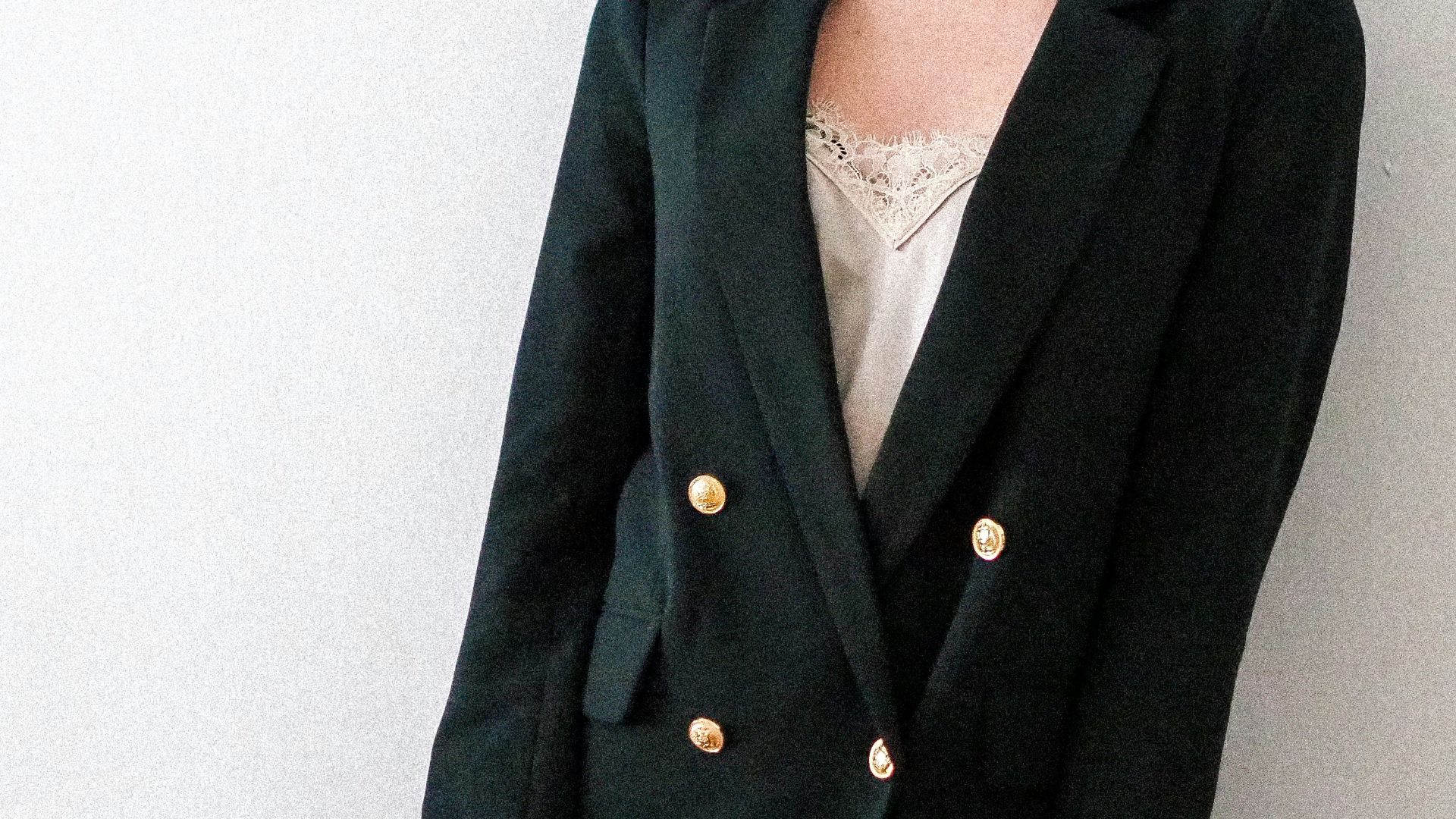
A structured jacket can save a slightly plain outfit in about 10 seconds. Keep a blazer, tailored cardigan, or polished vest near your desk. That way, you'll always be ready for surprise meetings, after-work plans, and anything else that pops up.
6. Keep Casual From Looking Sloppy
Casual workwear can still look clean and pulled together. Opt for fresh sneakers, neat denim, a smooth sweater, and a tucked-in tee. These small details make you look much more put-together than scuffed shoes, stretched-out fabric, and a wrinkled tee.

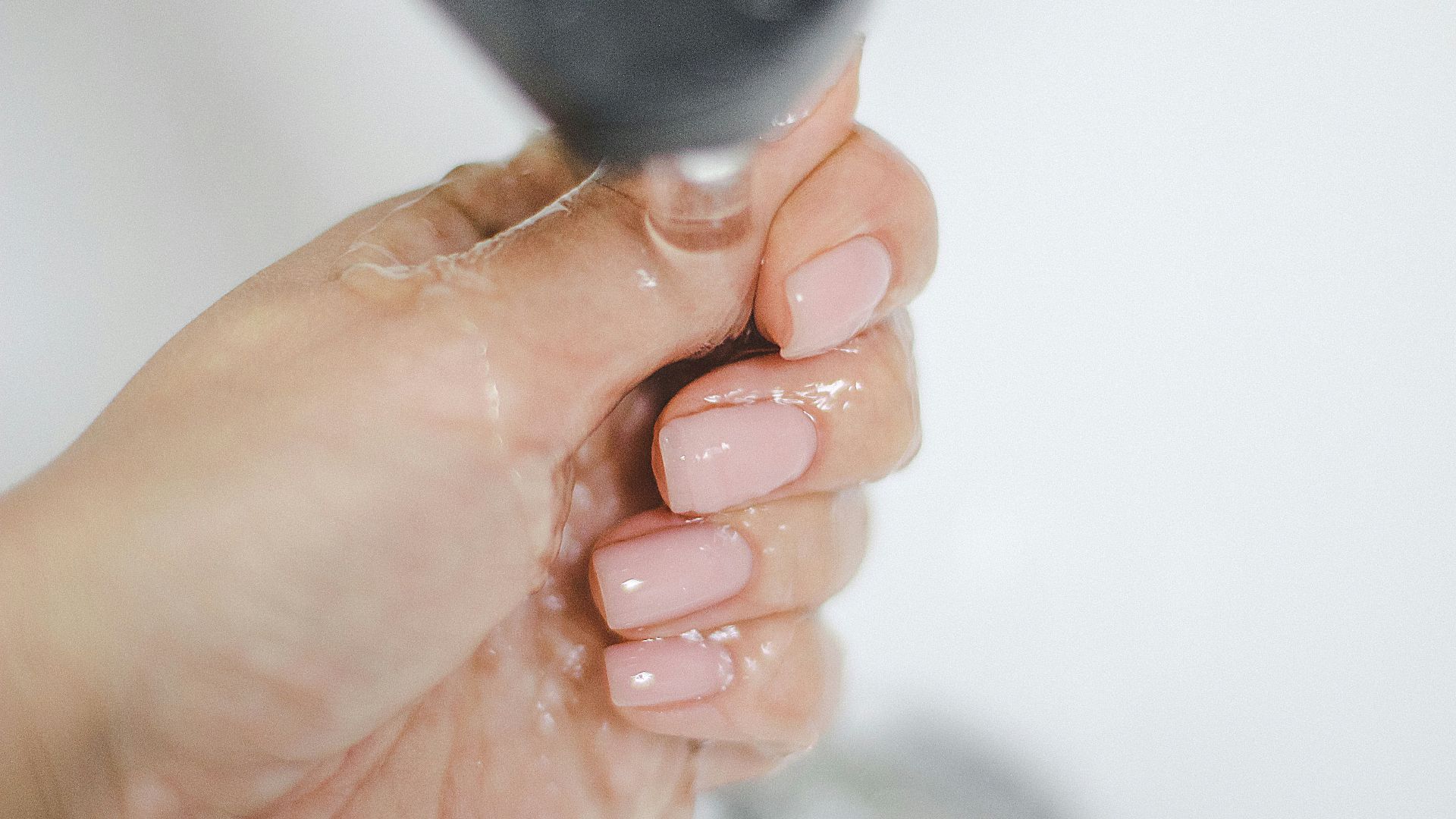
7. Make Grooming Part Of Getting Dressed
Grooming doesn’t need to be a whole production. A steamed shirt, clean nails, brushed hair, a lint-free coat, and shoes without mystery marks can make you look like you’ve got your day handled.
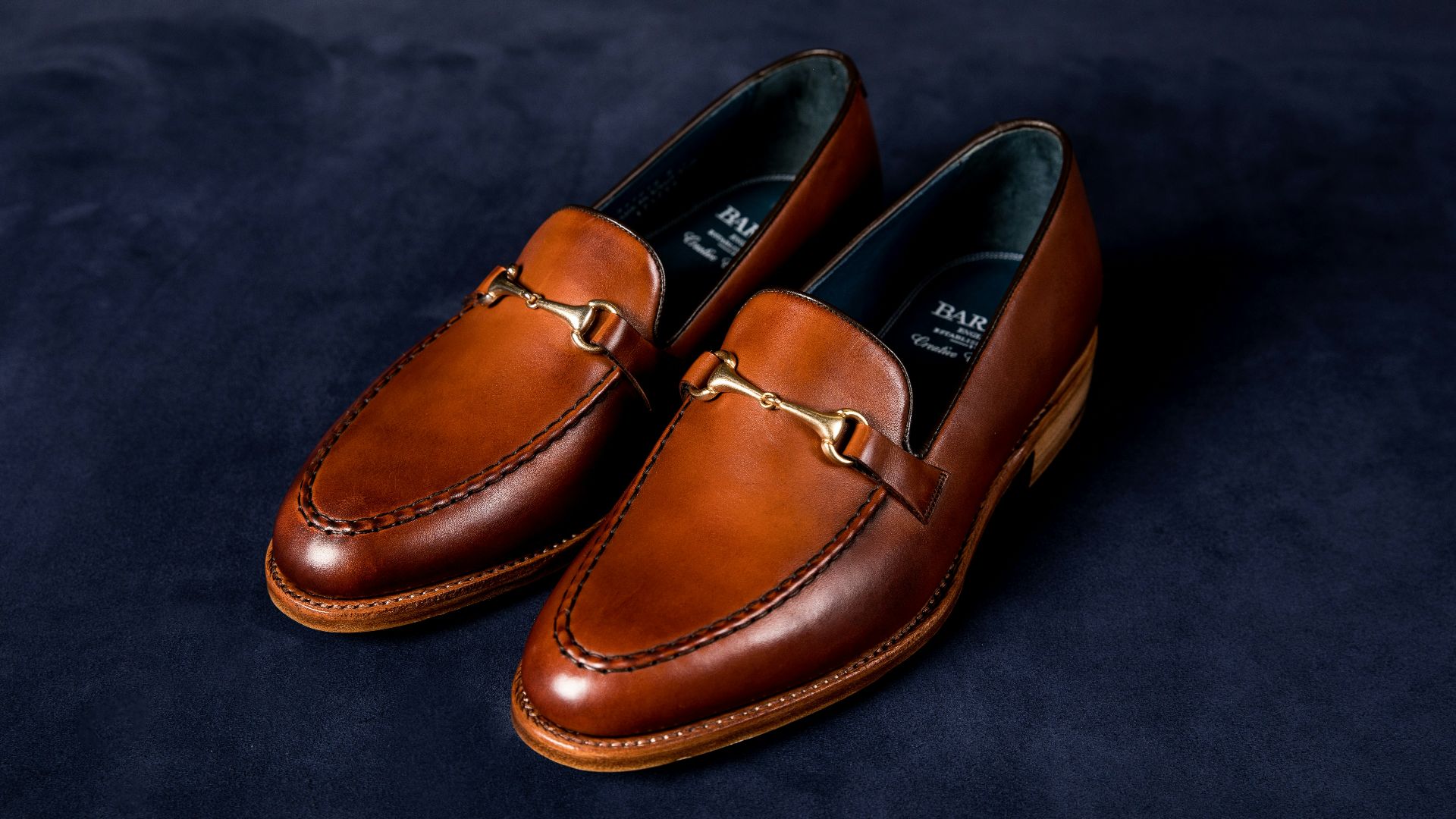
8. Choose Shoes You Can Live In
Work shoes need to do more than photograph well. If you're a commuter, you need something comfortable to walk in. The same goes if your job requires you to be on your feet a lot. Opt for polished loafers, ankle boots, low heels, or clean sneakers instead of something that just looks pretty.
9. Use Color
A little color can make work clothes feel less flat. Try a cobalt blouse under a blazer, a burgundy bag, a soft blue button-down, or a new lipstick shade. It's a nice pop without overdoing it.

10. Go Easy On Fragrance
Having a signature scent is always lovely, but too much of it can cause breathing issues or headaches. For work, keep perfume close to the body, skip heavy reapplications, and be extra careful in shared public spaces.

11. Make A Promotion-Day Capsule
Have a small group of pieces ready for interviews, reviews, presentations, and client lunches. A jacket, polished tops, tailored pants, comfortable shoes, and a structured bag can save you from tearing through your closet.
12. Let Accessories Do Some Work
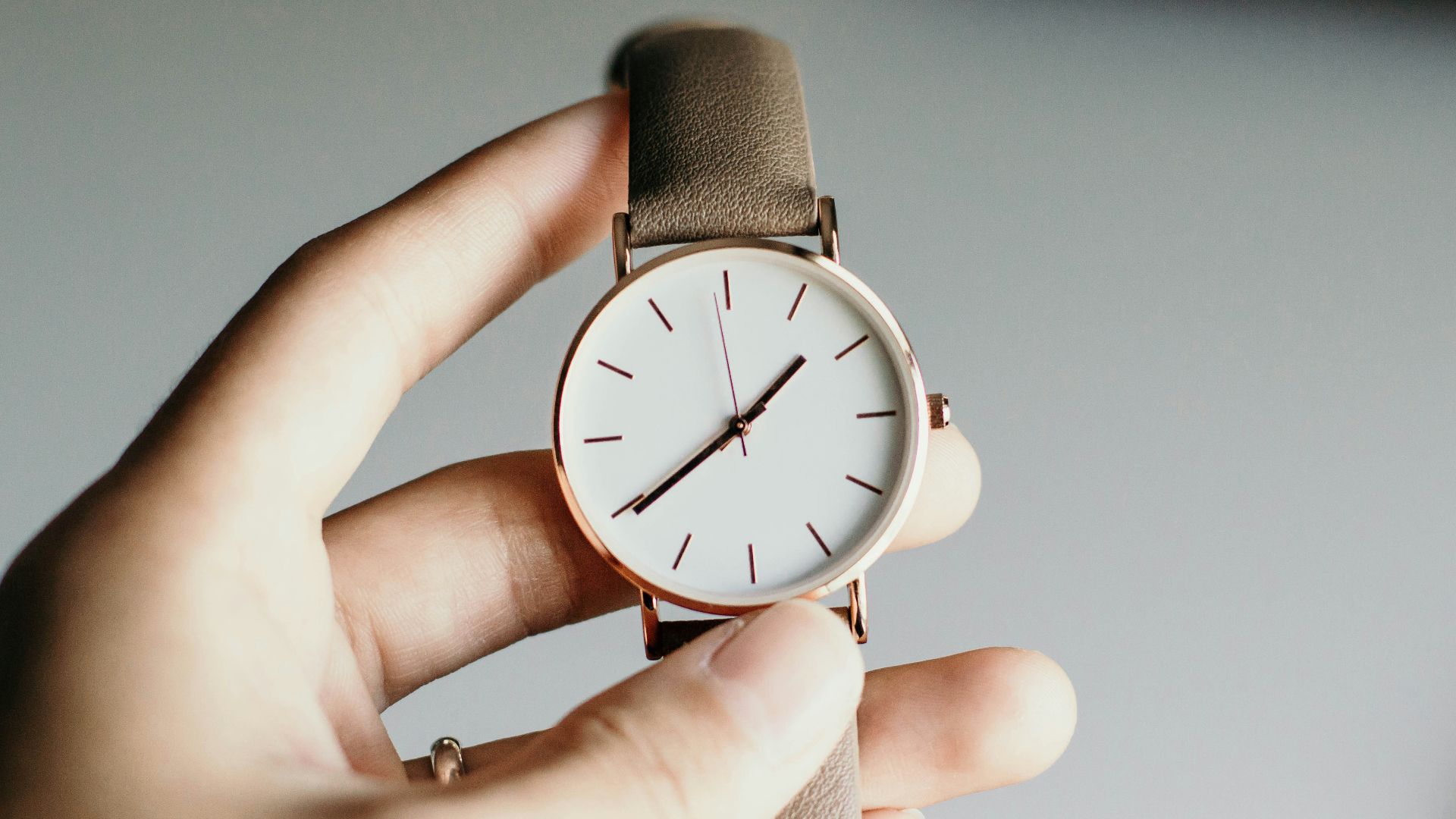
Accessories don’t need to take over. Small hoops, a clean belt, a sleek watch, a simple necklace, or a good tote can make basics look a little elevated. Just make sure you can get your work done with what you have on.
13. Pick One Personal Detail
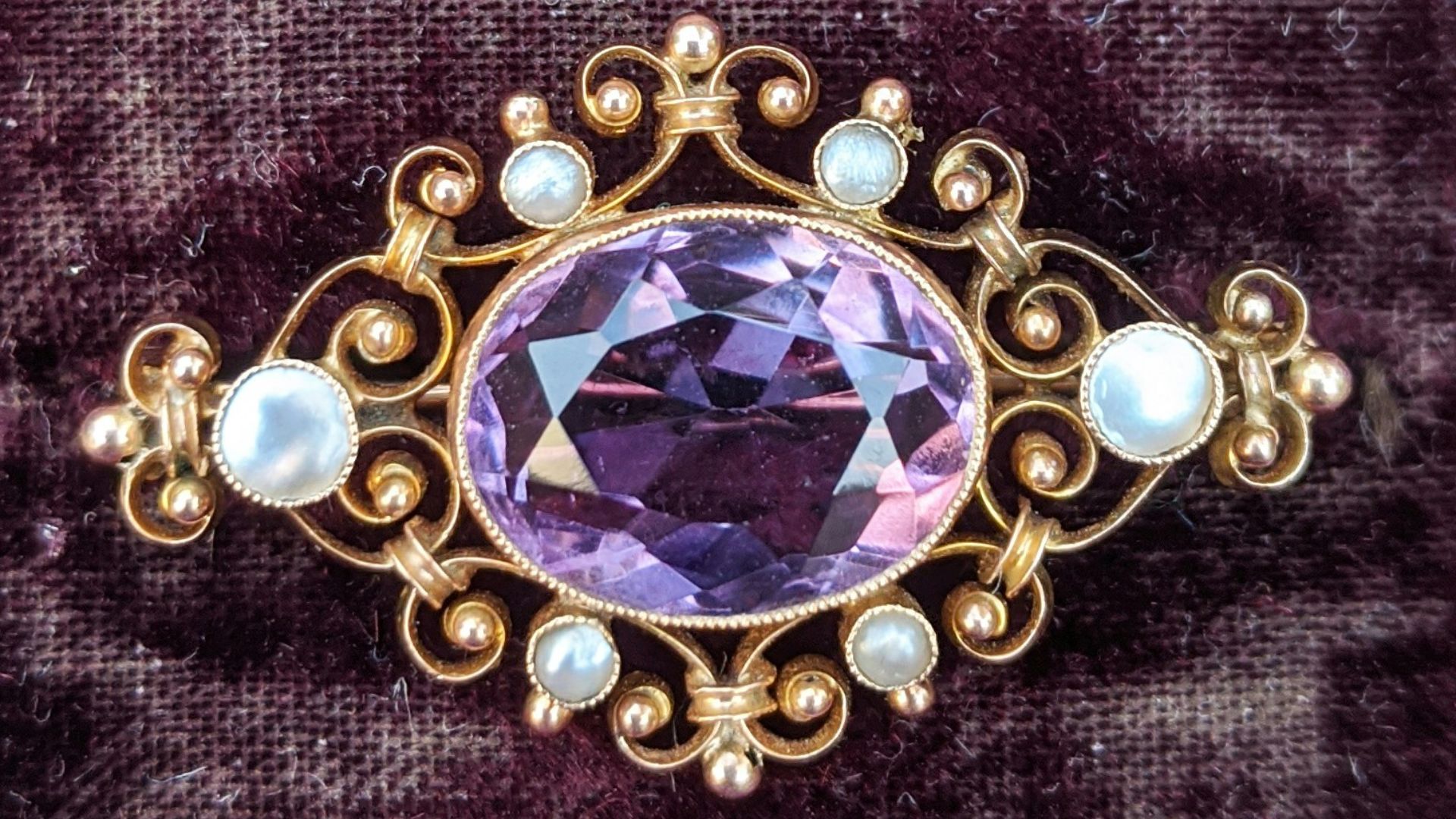
One memorable detail can make your work style feel more like yours. Maybe it’s tortoiseshell glasses, a vintage brooch, a red lip, a silver ring from your grandmother, or your favorite boots.
14. Dress For Video Calls
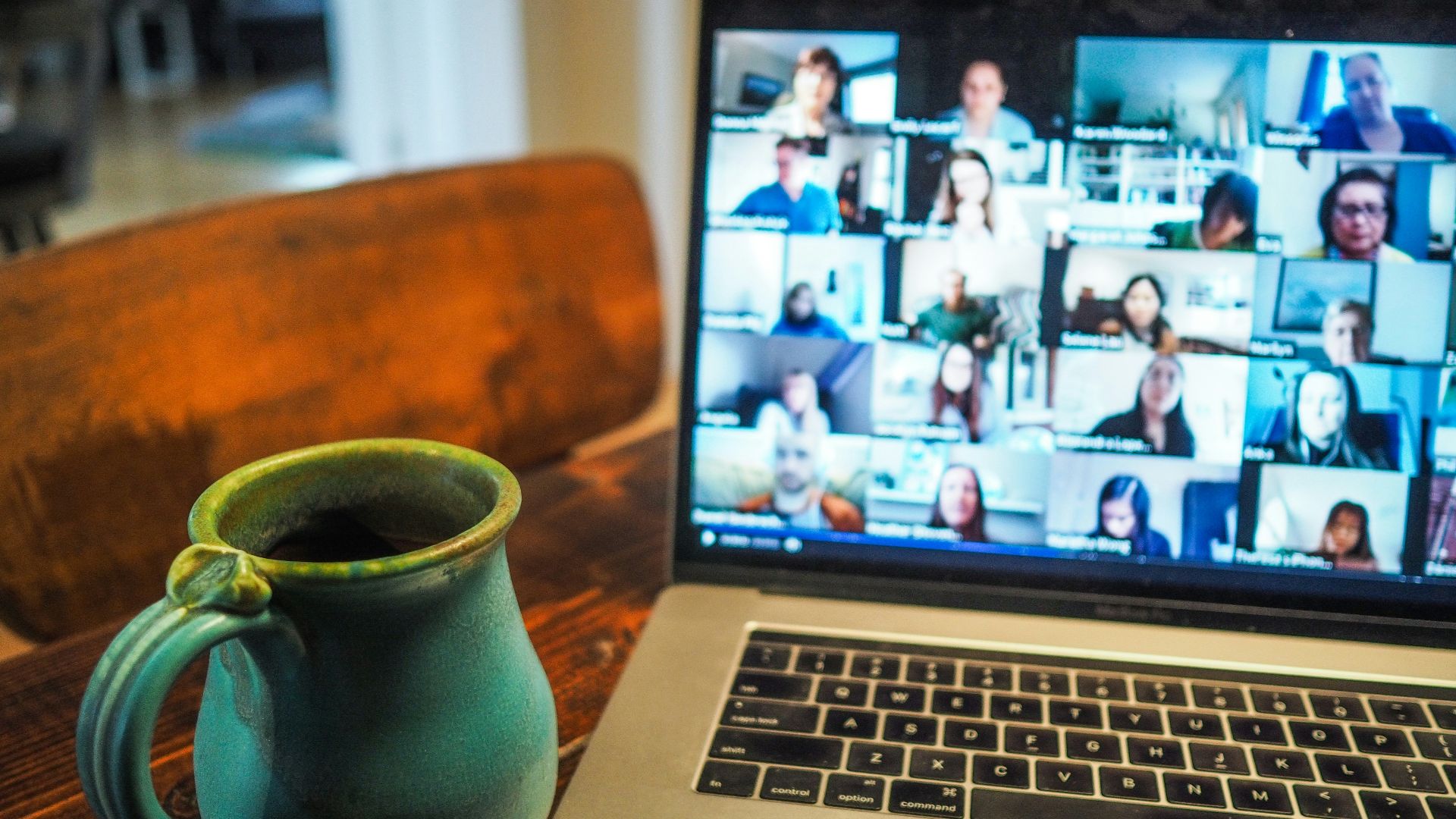
Zoom and Teams have made the top half of an outfit very powerful. A clean neckline, simple jewelry, neat hair, and a top that doesn’t disappear into your background can help you look awake, even during an 8:30 a.m. call.
15. Think About How Clothes Move
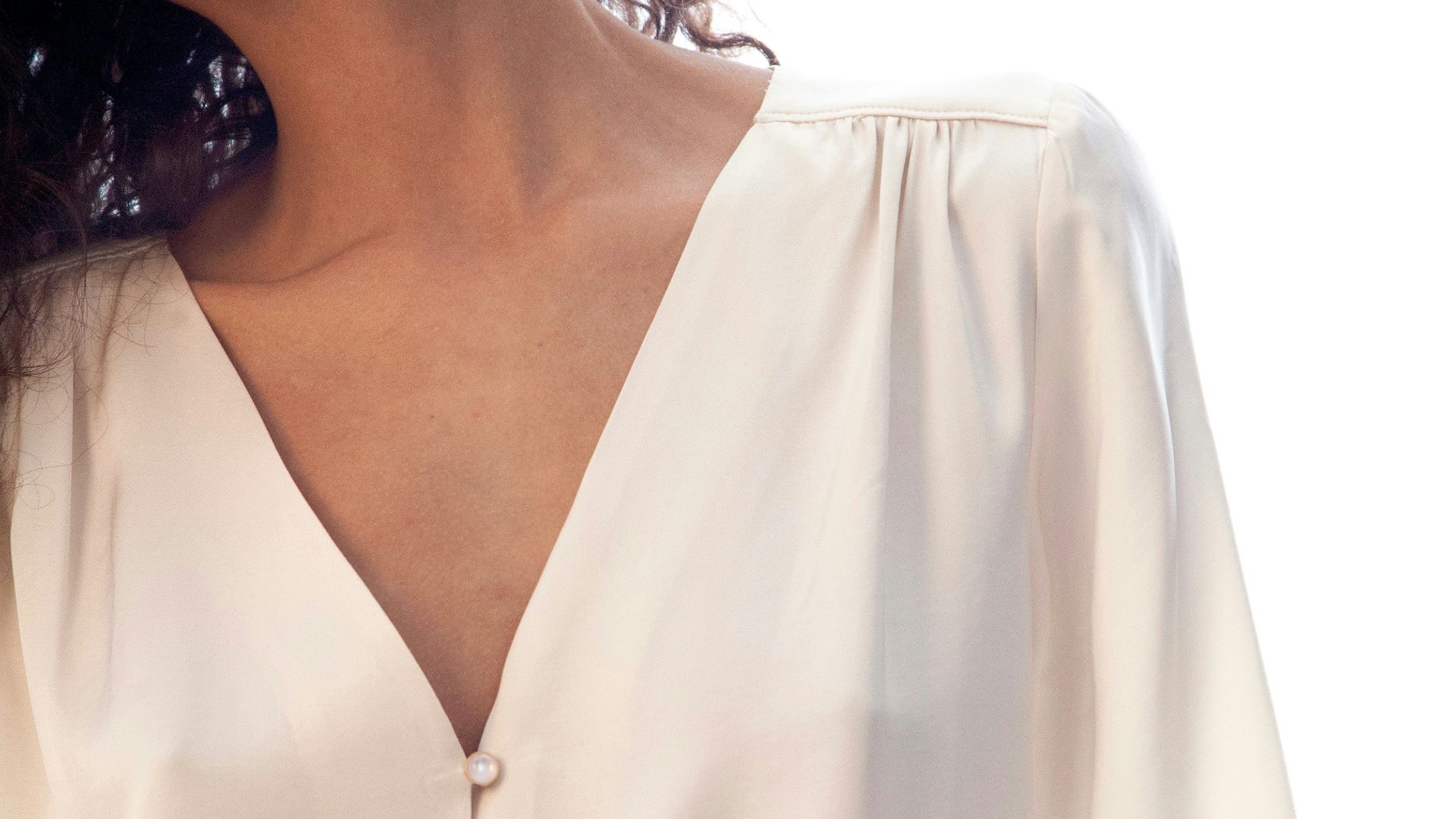
A work outfit should let you sit, stand, reach, walk, and gesture without constant tugging. If a skirt rides up, a blouse gaps, or a neckline needs checking every few minutes, it might not be the right choice.
 Quartier Libre Paris on Unsplash
16. Respect Hair, Culture, And Identity
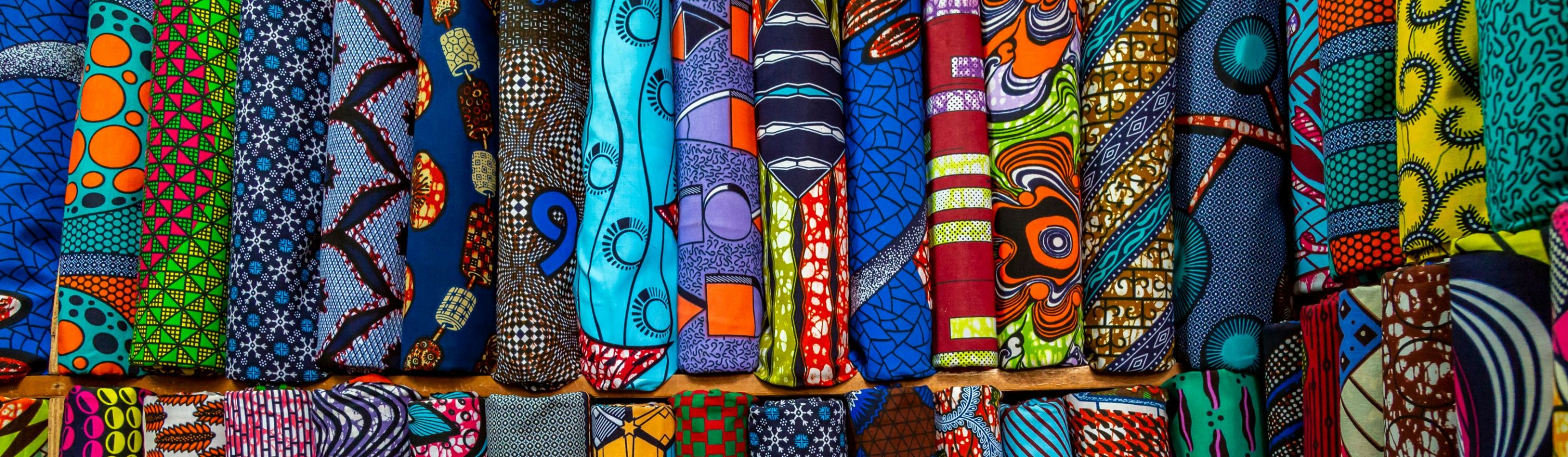
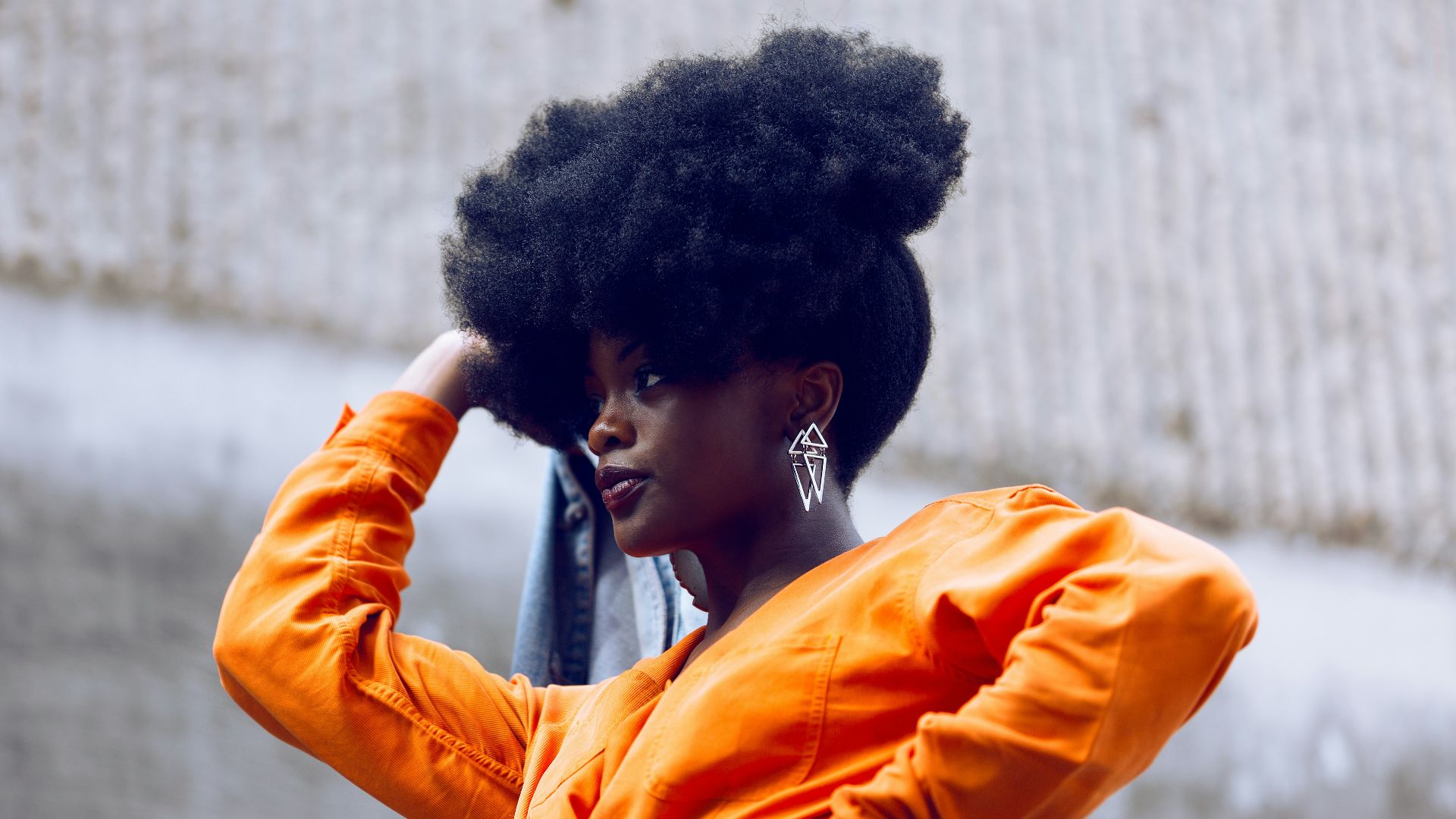
Professional style shouldn’t mean erasing yourself to fit someone else’s narrow office template. Natural hair, protective styles, religious dress, and cultural pieces can all look polished when they’re worn with confidence.
17. Dress Safely For The Job
Some workplaces need safety to come before style. In places like kitchens, labs, salons, clinics, warehouses, classrooms, and studios, keep fashion in check. Loose scarves, dangling jewelry, unstable shoes, and long hair worn loose can create some pretty serious issues.

18. Save Your Sharpest Looks For High-Visibility Days
You don’t need to dress like you’re walking into an interview every morning. Save your strongest outfits for performance reviews, first days, presentations, conferences, client meetings, or networking breakfasts.

19. Take Care Of What You Own
Clothing maintenance is boring, but it's important. Replace missing buttons, clean scuffed shoes, shave pilled sweaters, treat stains quickly, and hang jackets properly. The last thing you want is to have to shelve a nice item permanently.
20. Keep It Human
The best work wardrobe doesn’t make you feel stiff, bland, or like you’re playing a role. It should help you stand a little taller while still feeling like yourself. Whether that means sharp trousers, soft neutrals, sleek curls, great boots, or the lipstick you reach for on days when you need a little nerve, what matters is that you feel good.