Standout Hair Coloring Methods
A single hair color can look completely different depending on how it’s applied. That’s where dyeing techniques come in. They affect depth, contrast, and how the color grows out over time. Whether you want something low-key or eye-catching, understanding these methods makes all the difference. Here are hair dyeing techniques that go beyond basic and actually get noticed.
1. Balayage
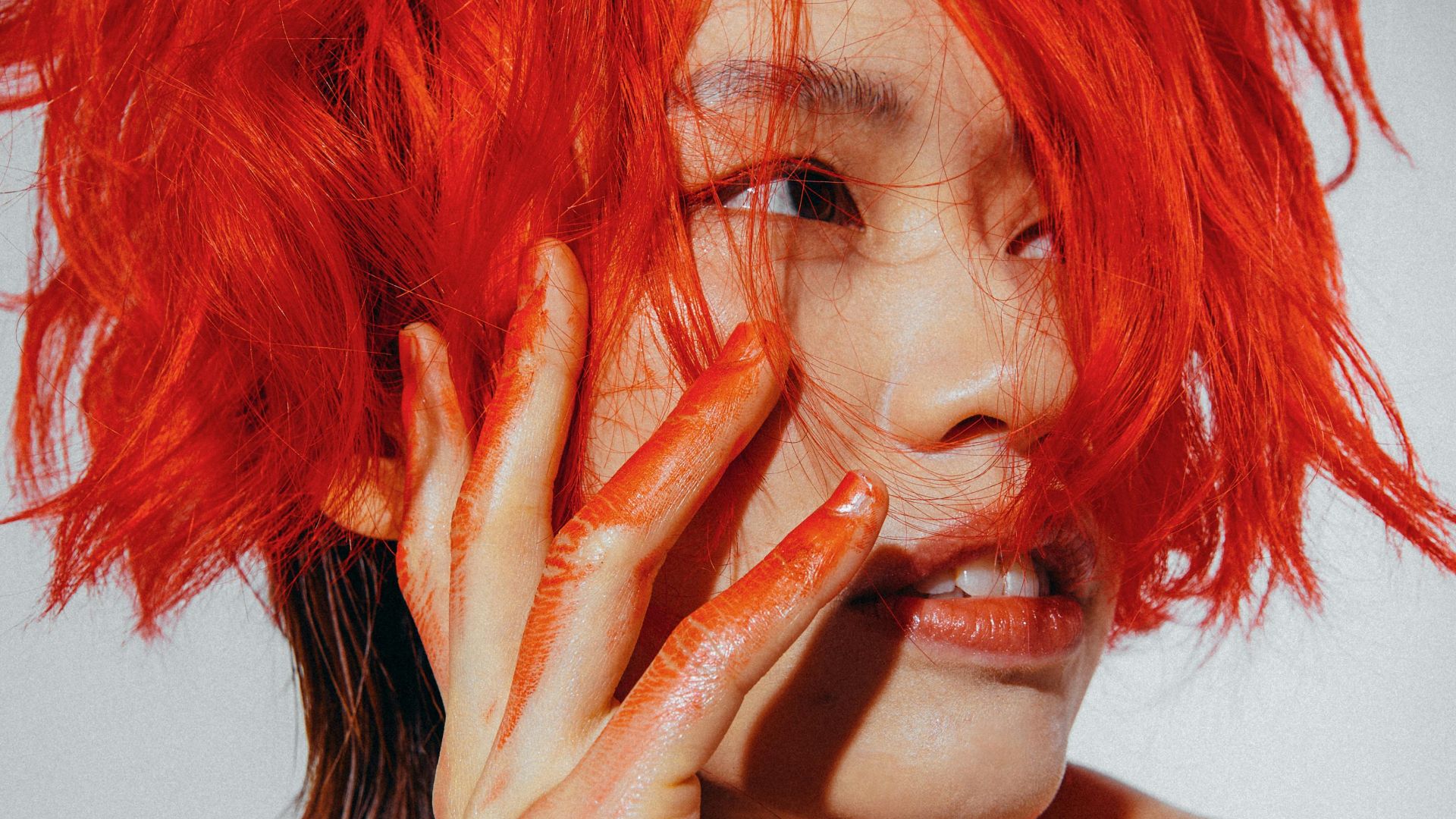
French stylists in the 1970s started sweeping color onto hair without foils. Balayage means "to sweep" in French, which perfectly describes the freehand painting motion. The result? Soft, sun-kissed dimension with darker roots fading to lighter ends. People constantly ask if it's your natural color.
2. Ombré
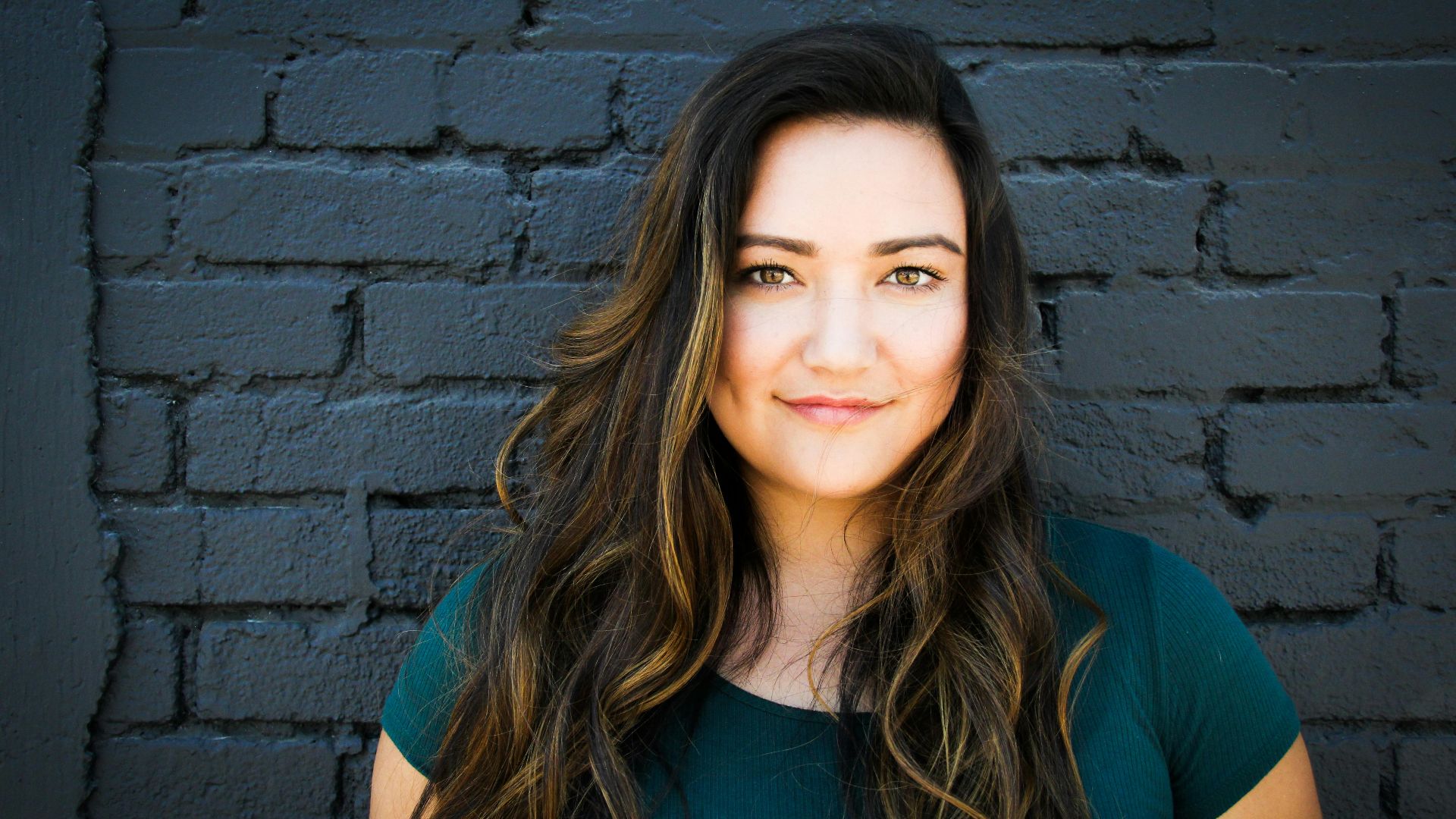
Darker roots dramatically shift to lighter ends in this gradient technique. The transition creates noticeable contrast rather than subtle blending. Ombré exploded around 2010–2012 as the ultimate standout look. French for "shaded," it became the early 2010s iconic style everyone wanted to rock.
 Anastasiya Lobanovskaya on Pexels
3. Flamboyage
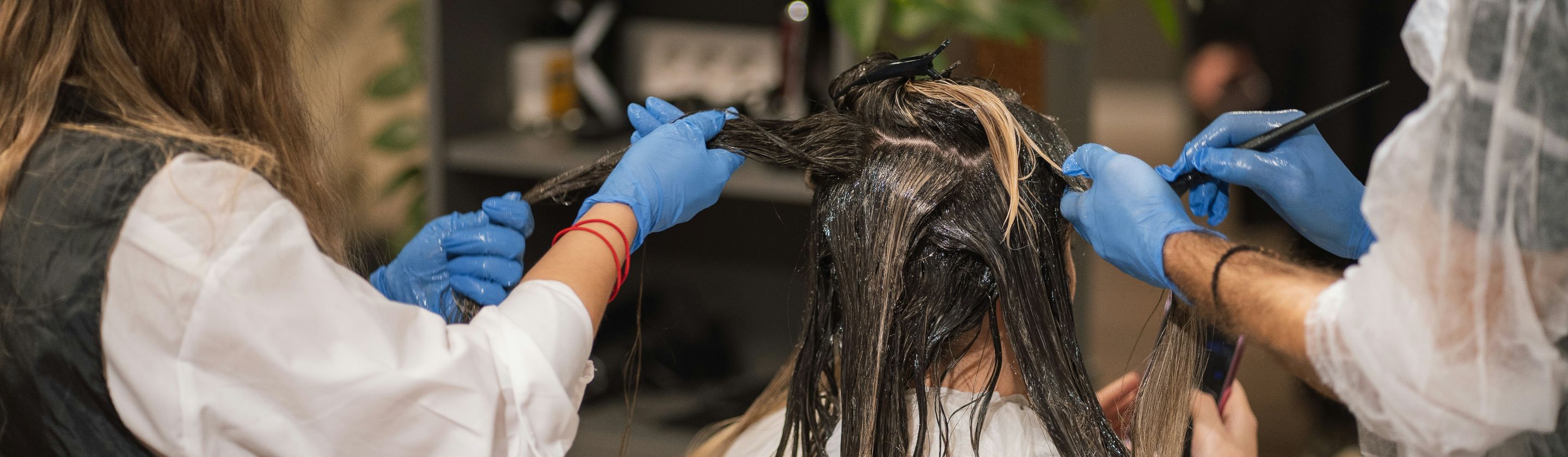
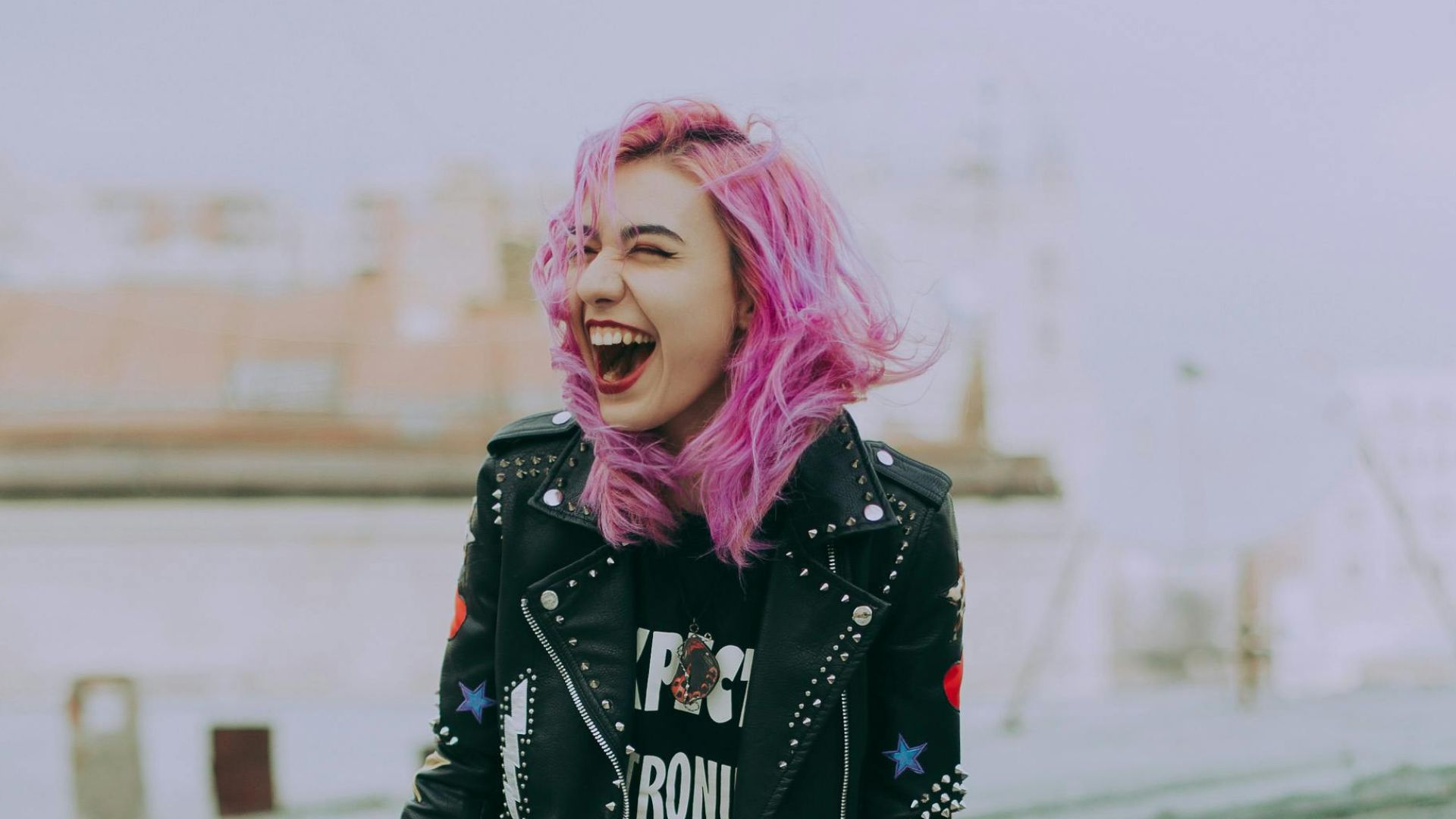
Adhesive mesh strips guide this balayage evolution for way more control than pure freehand painting. Sections separate cleanly so stylists can place multi-tonal shimmer exactly where it needs to go. Less guesswork means you get dramatic dimension without the anxiety of unpredictable results.
4. Reverse Ombré
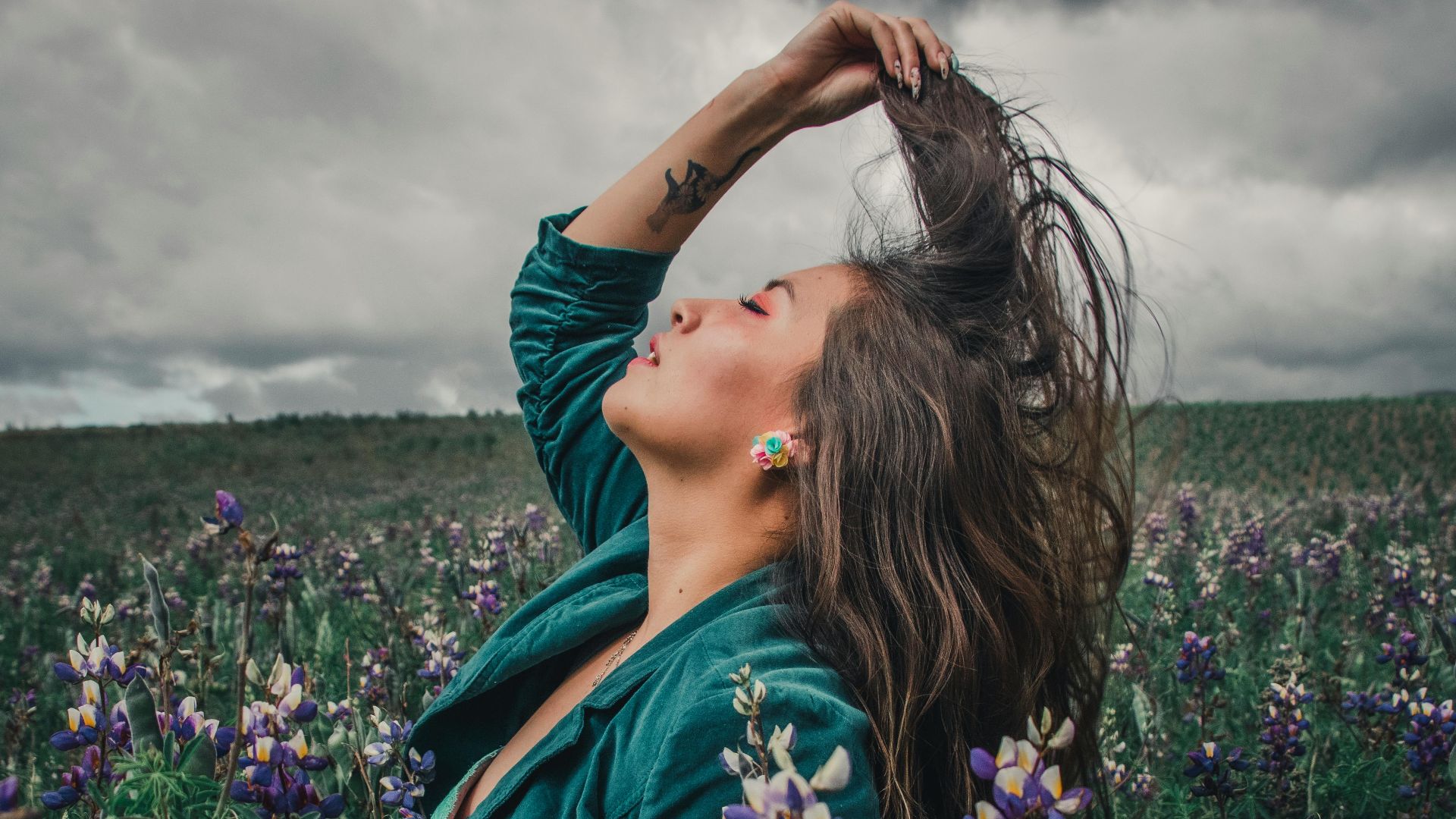
Flip the script with lighter roots transitioning to darker ends. This inverted gradient creates bold, edgy vibes that challenge traditional color placement. The look gained traction among people with naturally lighter hair wanting moody, darker tips.
5. Dip Dye
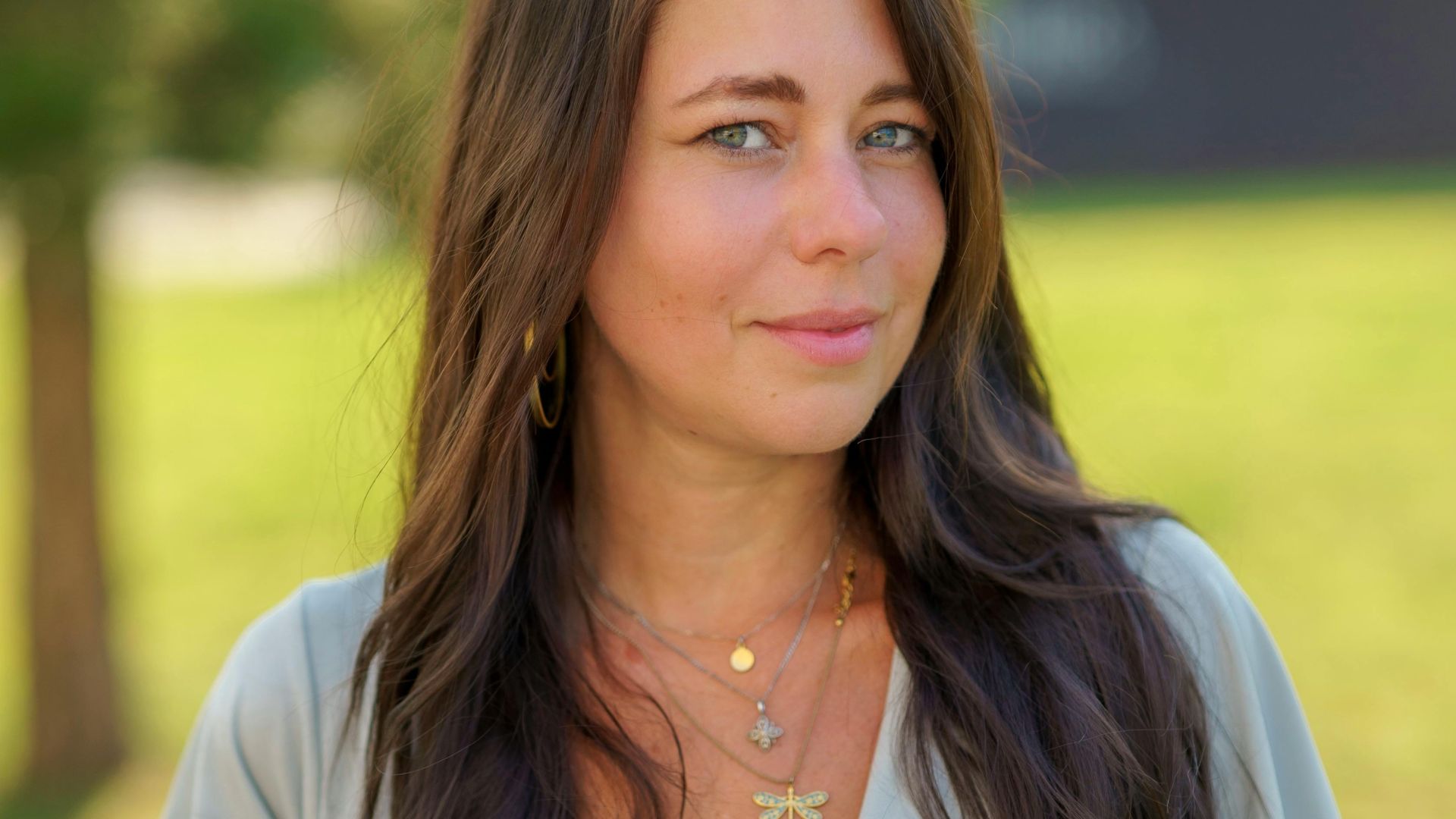
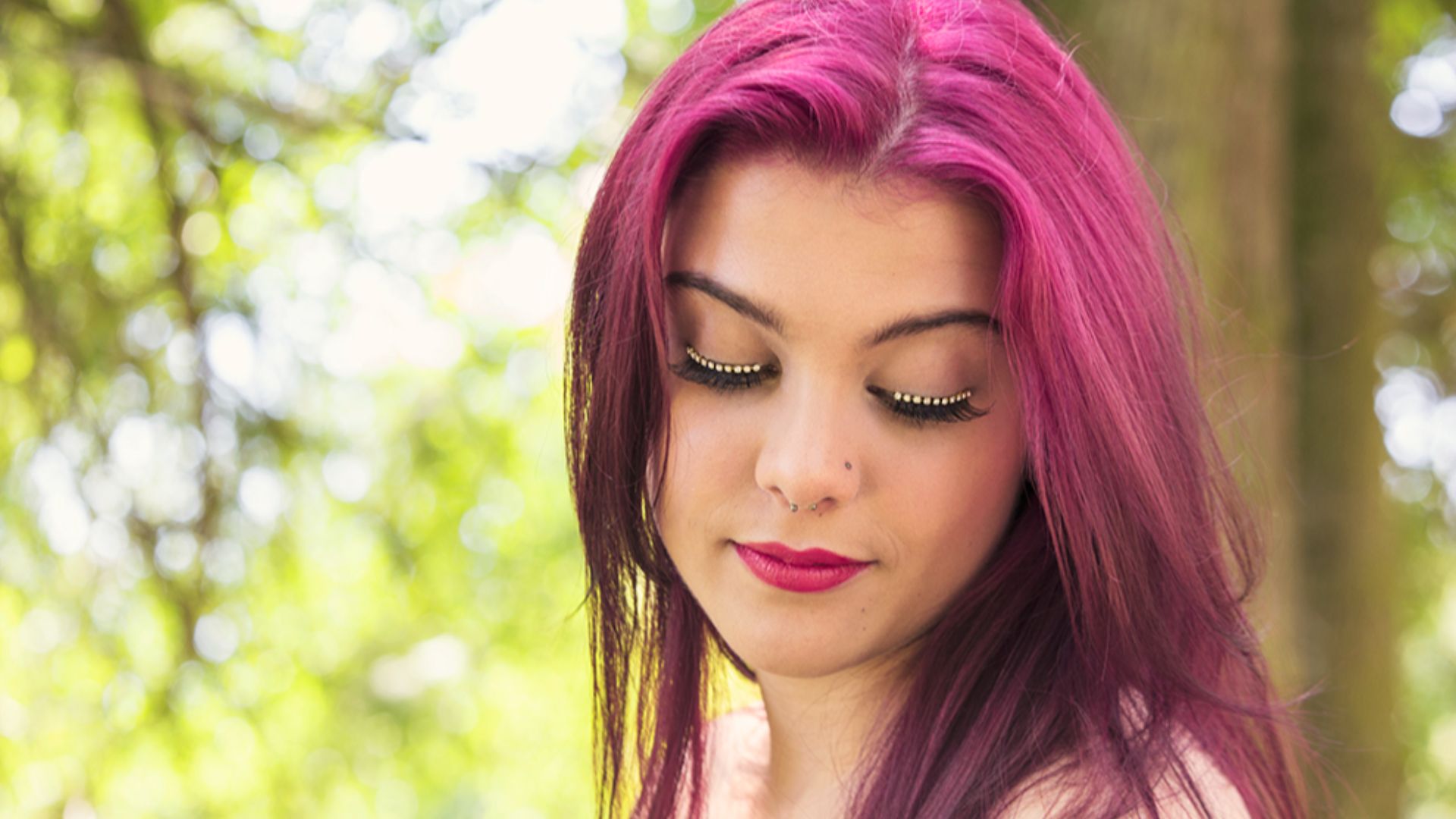
Literally dunk your ends into vibrant color for sharp, abrupt contrast. The technique skips gradients entirely and goes straight for drama. Pastels, neons, or jewel tones pop against natural, darker hair. It became a massive DIY trend because you just section off the top and dip away.
 rekre89 from Switzerland on Wikimedia
6. Foilayage
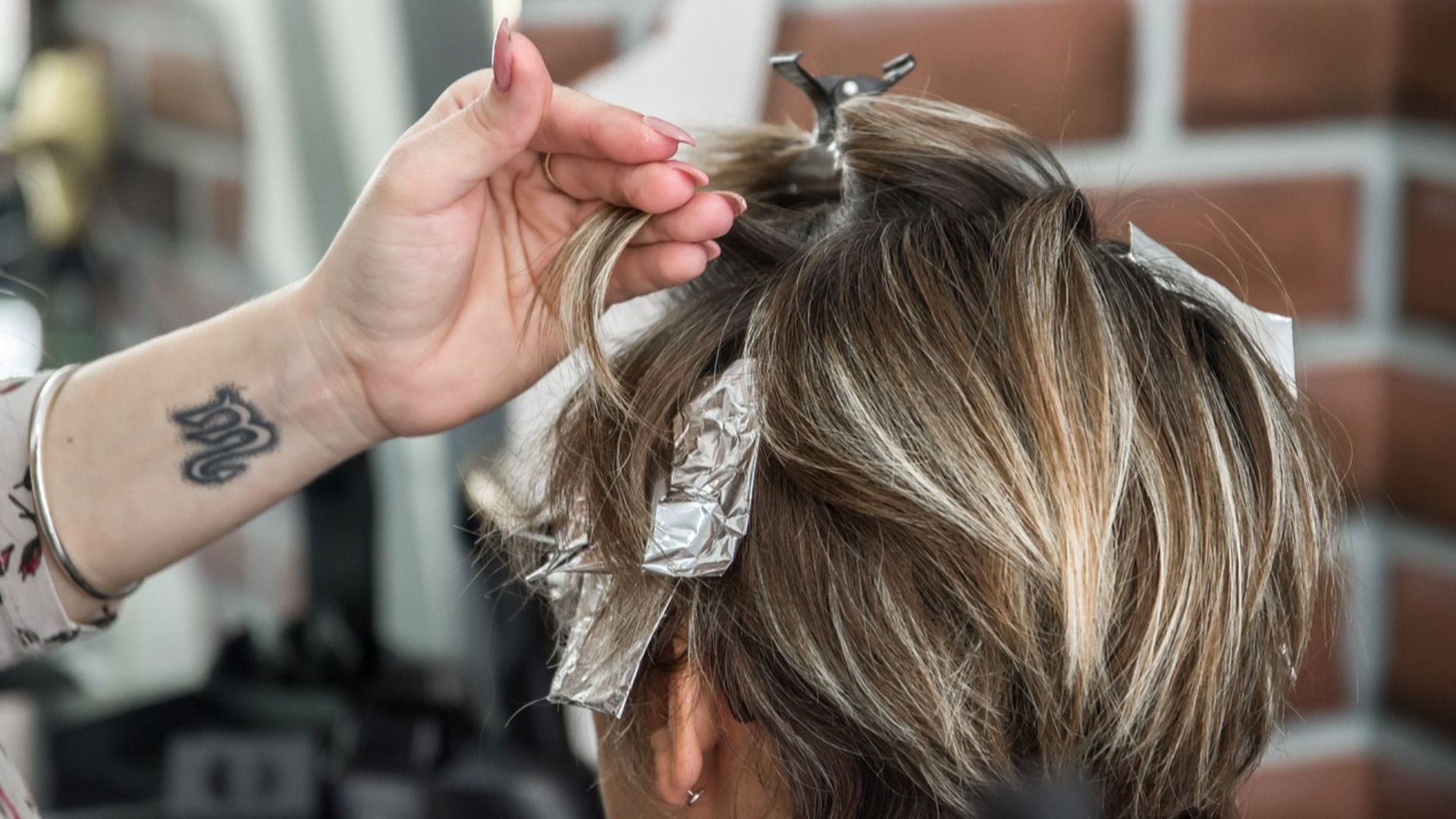
Balayage meets traditional foils in this clever hybrid. After freehand painting, sections get wrapped in foil for enhanced lift and brightness. The result is brighter highlights than standard balayage, and it still preserves that natural blended vibe.
7. Color Melting
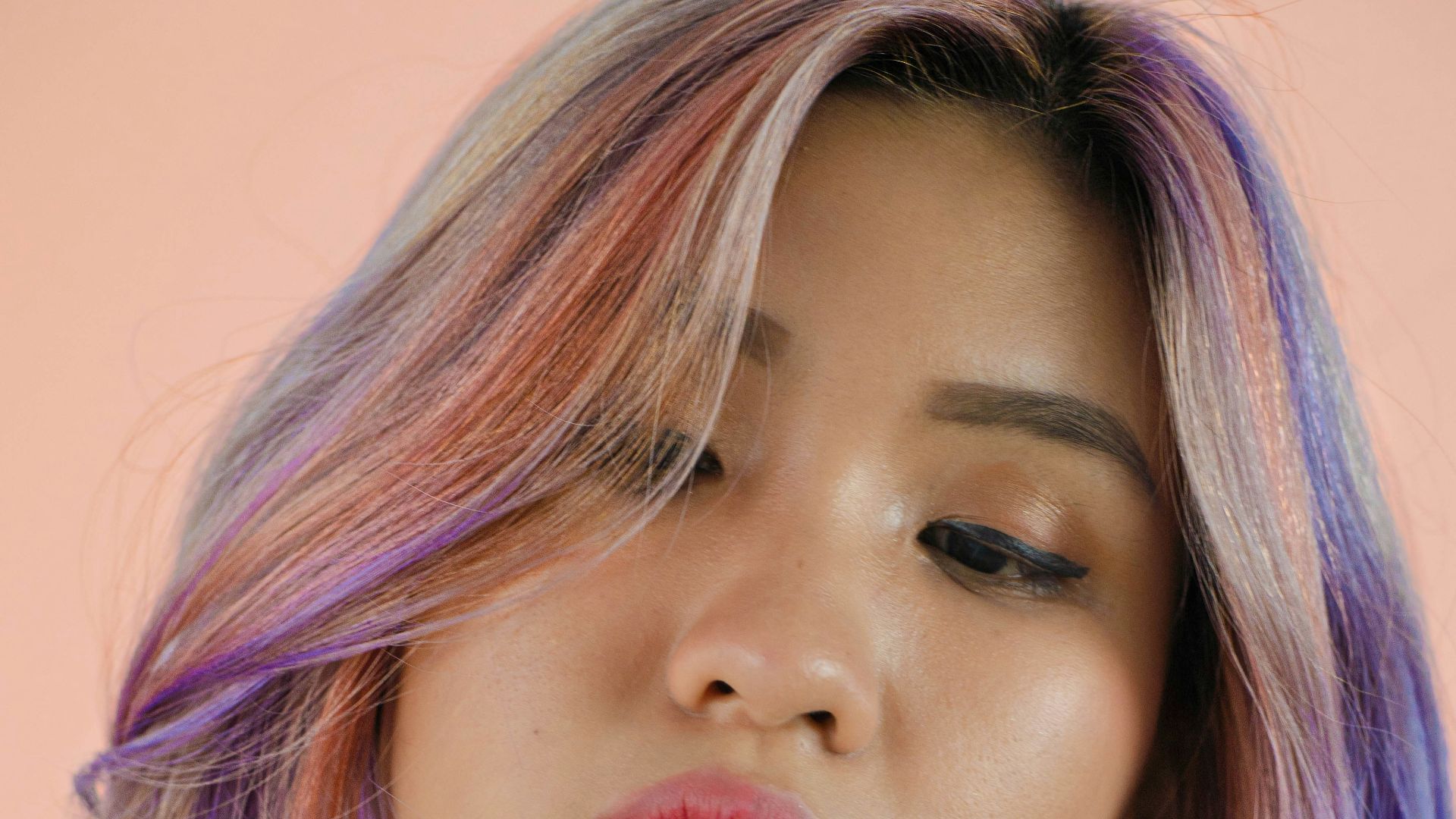
Multiple shades get hand-painted and blended together while still wet for fluid transitions that look completely seamless. Colors literally melt into each other like a sunset gradient spreading across your hair. Celebrities request this constantly because it delivers effortless luminosity with barely any maintenance required afterward.
 oktavianus mulyadi on Unsplash
8. Root Smudging
Darker shade gets softly applied at the roots, then blurred downward. This creates shadowy transitions that eliminate harsh regrowth lines. It’s perfect for low-maintenance color that grows out gracefully. Many people use it to fake "natural" roots even when they're completely dyed.
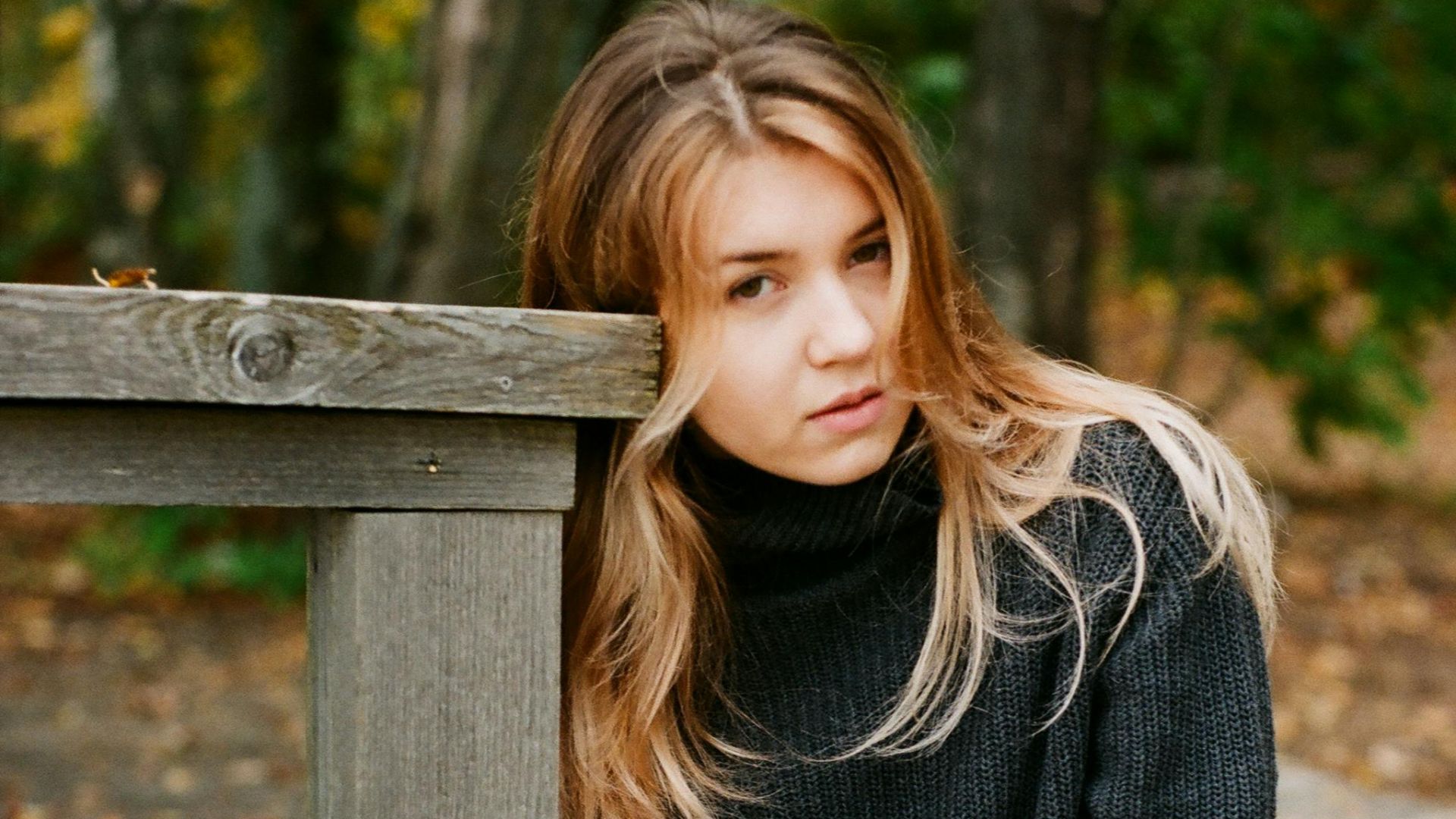
9. Hair Contouring
Strategic lighter and darker placement sculpts your face like makeup contouring. Darker tones slim areas along the jaw, while lighter tones highlight cheekbones. The technique creates dimension and enhances face shape without drastically changing your base color.
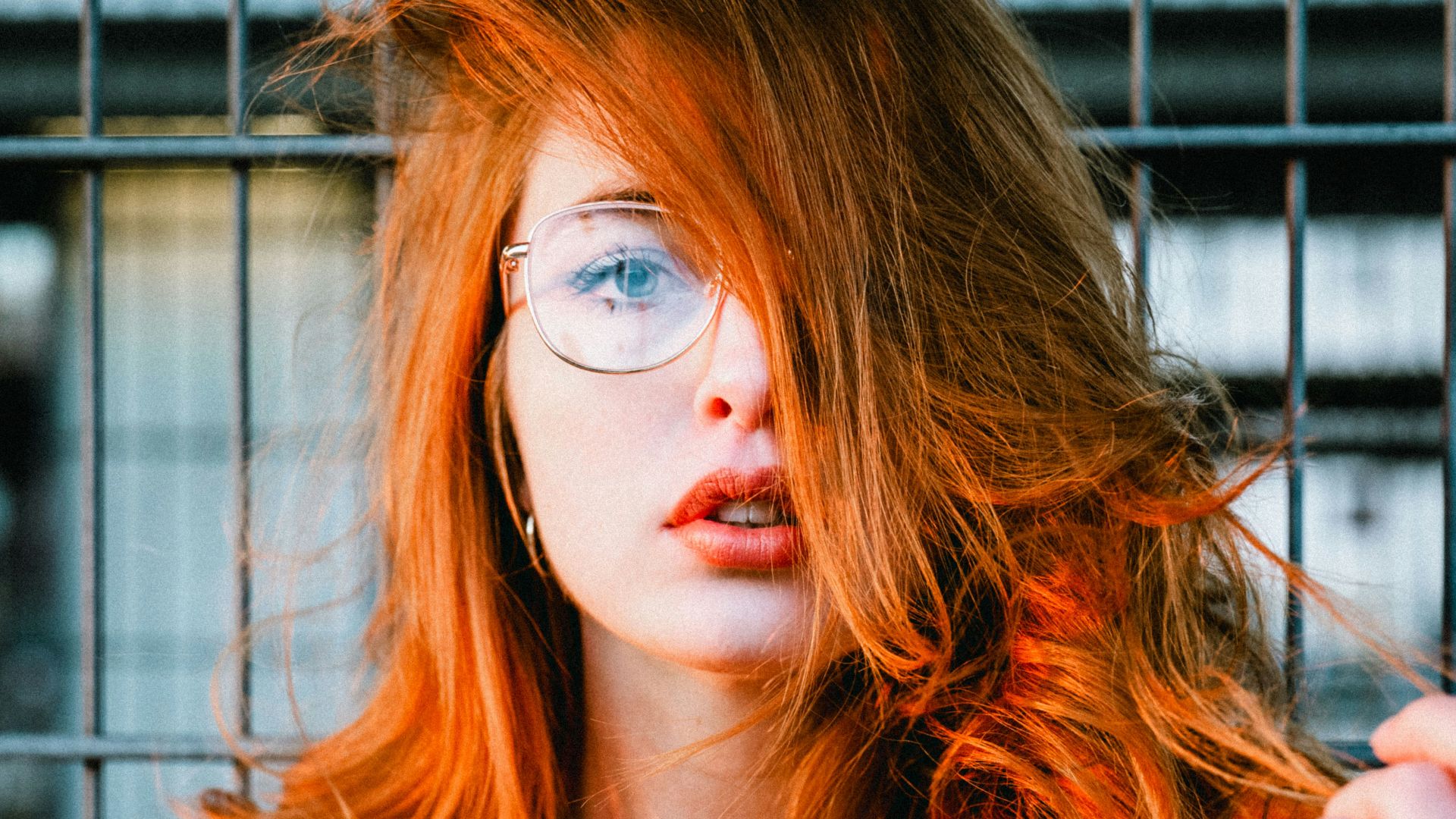
10. Babylights
The name comes from copying children's naturally sun-kissed, scattered strands. Very fine sections create a soft, airy dimension with that "born with it" glow. Placed closer to roots than traditional highlights, they require low maintenance.
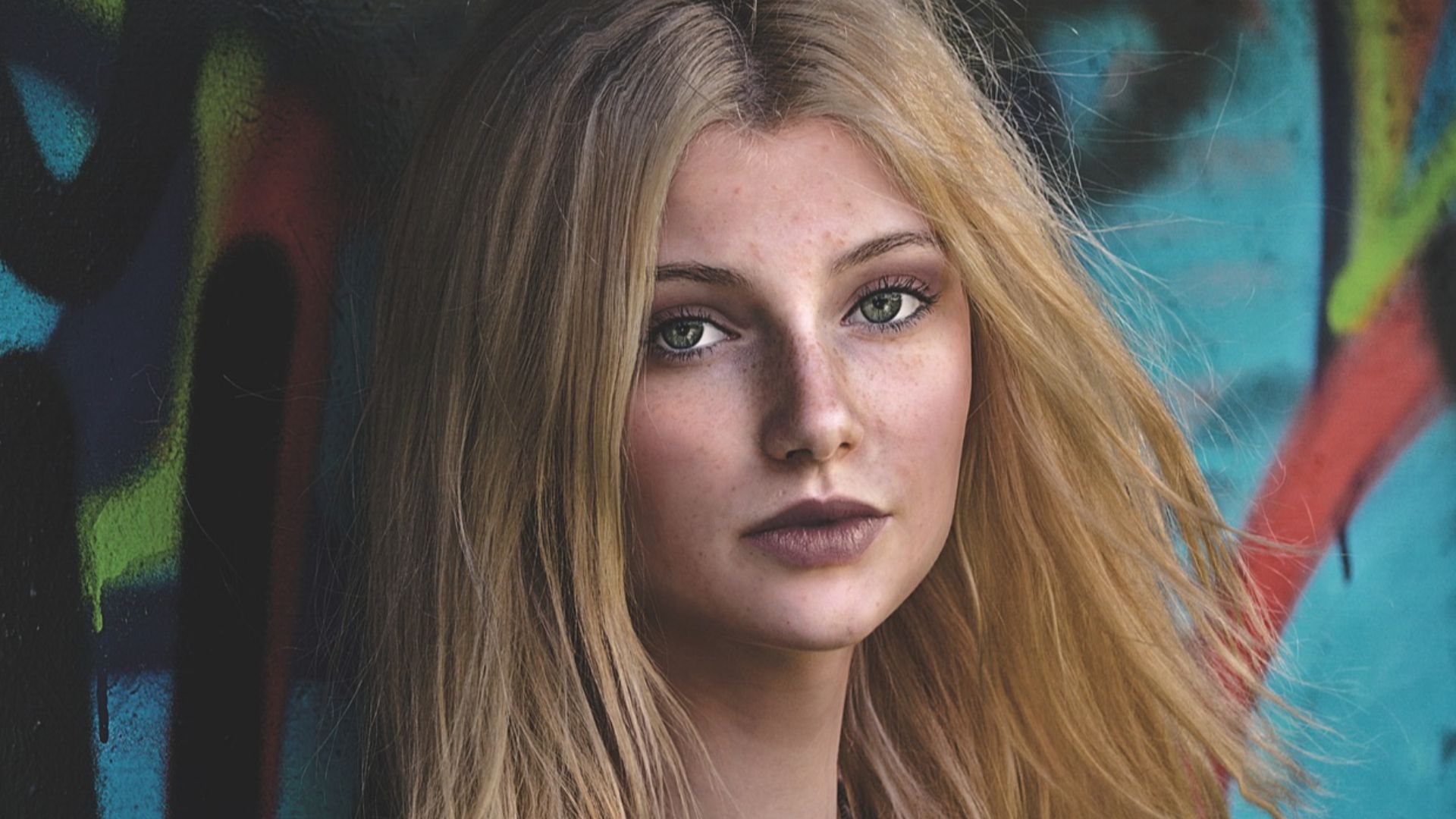
11. Splashlight
Celebrity colorist Aura Friedman created this horizontal band of brightness. A targeted stripe of lightened hair sits mid-lengths, mimicking a beam of light hitting your head. The bold, illuminated effect looks like your hair constantly catches perfect lighting. It was hyped as "the new ombré" in 2013.
 Anastasiya Lobanovskaya on Pexels
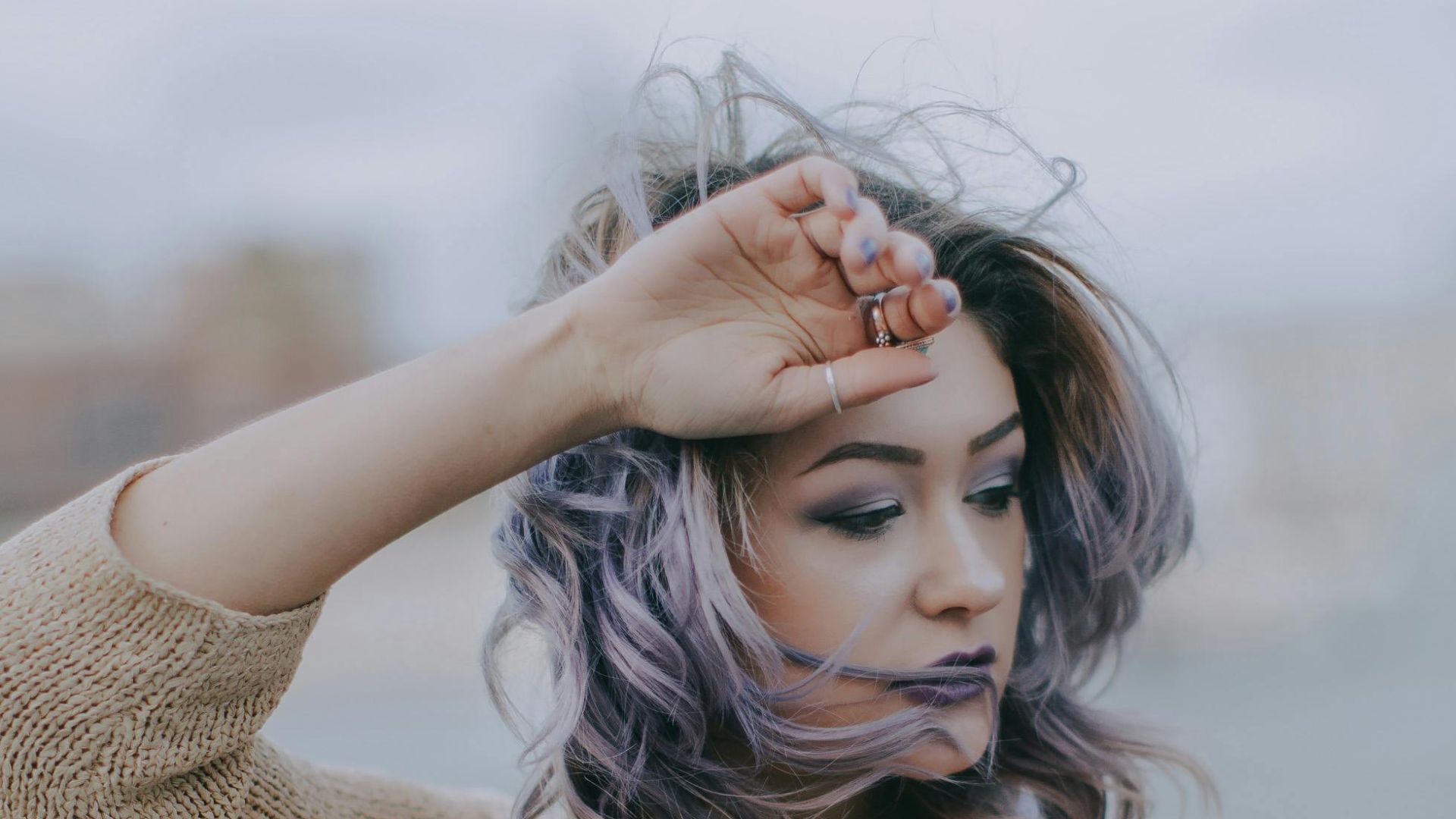
12. Ecaille (Tortoiseshell)
French for "scale," this mimics tortoiseshell patterns with warm browns, golds, caramels, and coppers. Hand-painted techniques create rich and dimensional variations without obvious highlights. Popular for brunettes seeking warmth and shine, it's been a luxury trend because it looks effortlessly expensive, like actual tortoiseshell jewelry.
13. Sombré
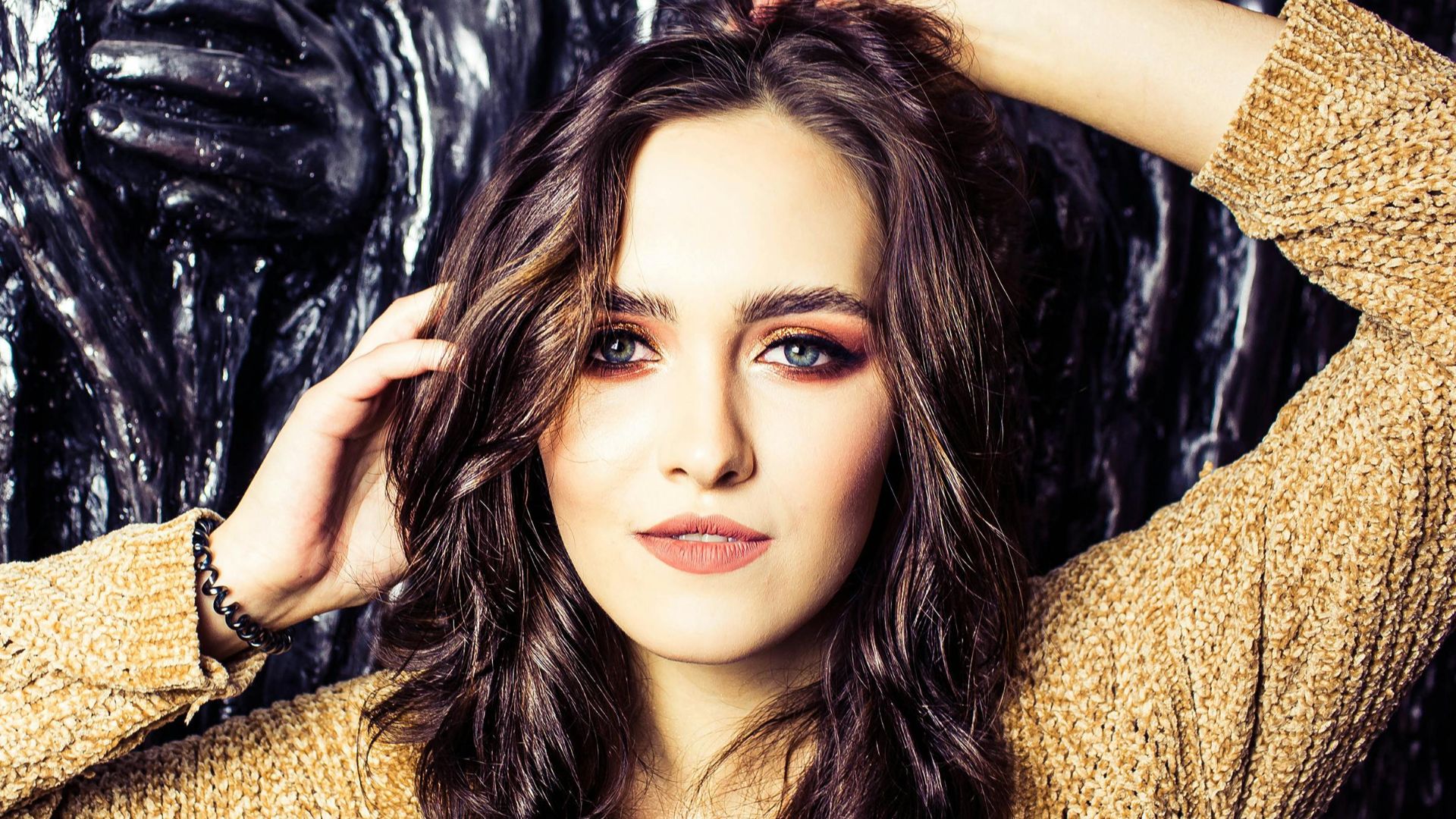
Soft ombré delivers barely-there gradient from dark roots to slightly lighter ends. The gentle blending avoids dramatic contrast for natural, sun-kissed vibes. Balayage-style painting creates one of the lowest-maintenance options available. The name perfectly captures "ombré for people who want to look barely colored."
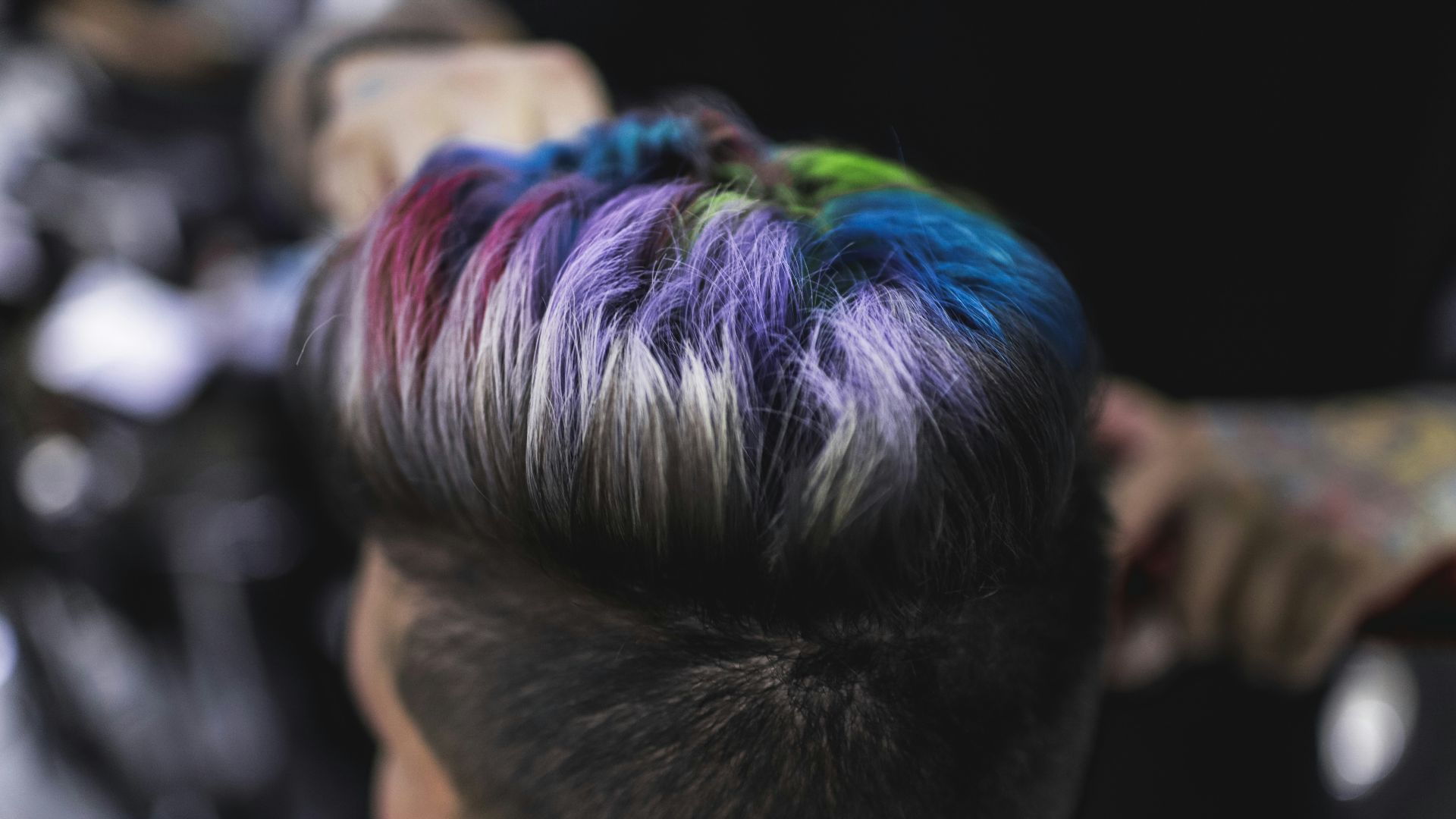
14. Tie-Dye Hair
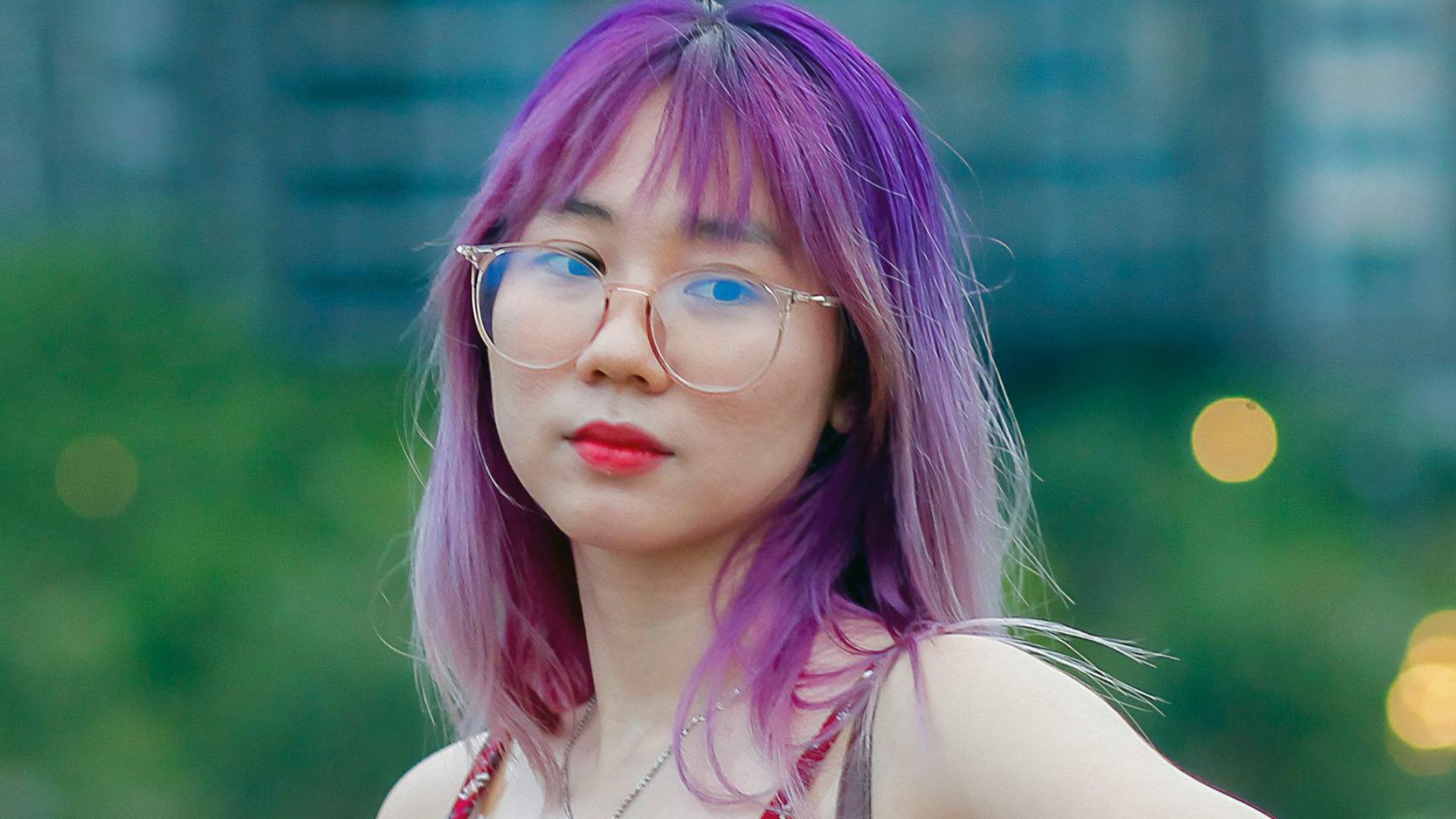
Multiple colors swirl and bleed together like psychedelic fabric patterns. Pre-lightened hair gets sectioned with rubber bands or tape for mottled, non-uniform color bursts. Bold and artistic, colors run throughout rather than just ends. Many stylists accidentally discovered this while experimenting with other designs.
15. Money Piece
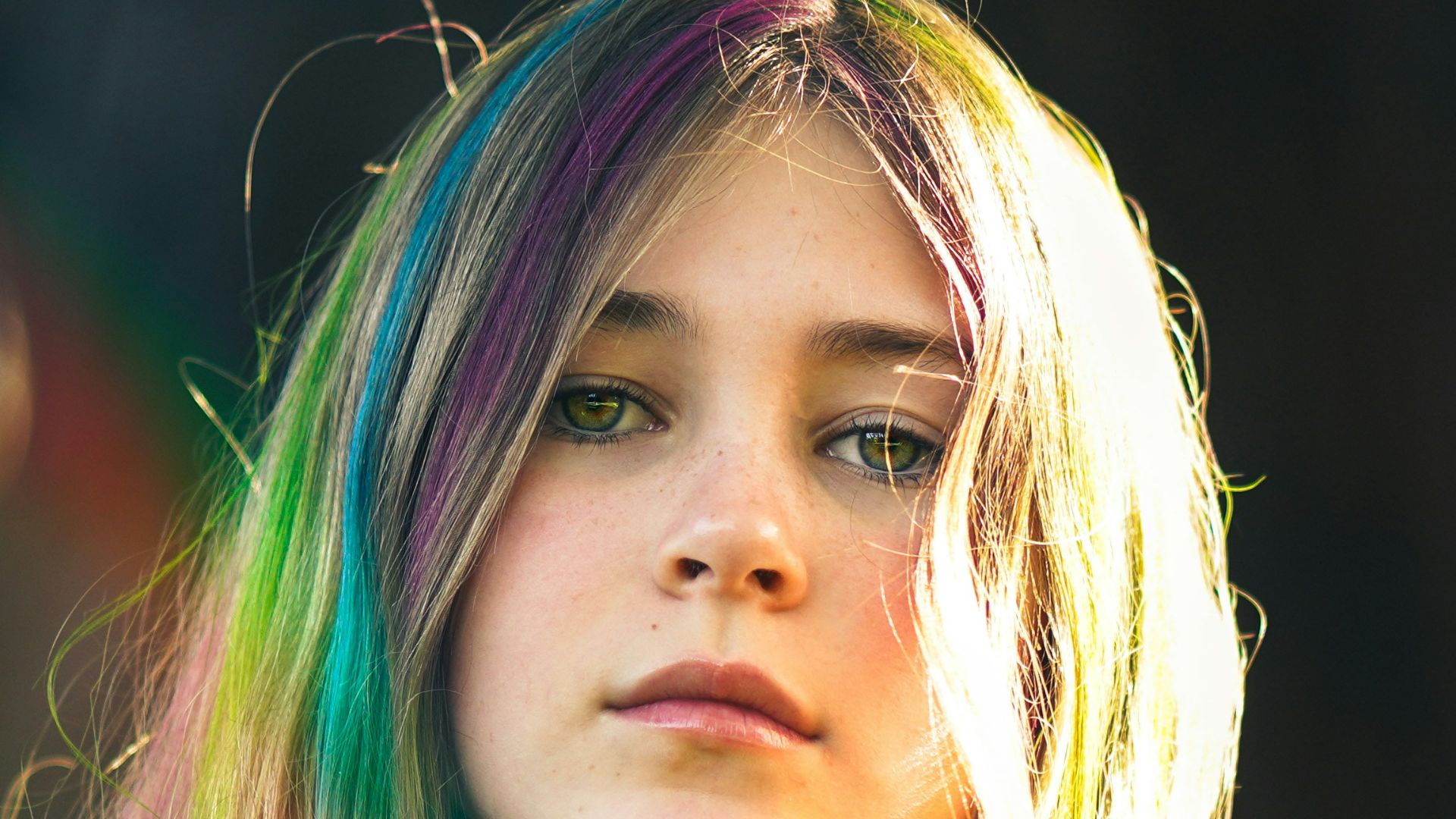
Two or three chunky highlights frame your face around the front hairline. Bold against darker bases, they dramatically brighten facial features. The name stuck because stylists joke that these front pieces "pay off" in compliments. Regrowth blends naturally, making maintenance super low.
16. Fluid Hair Painting
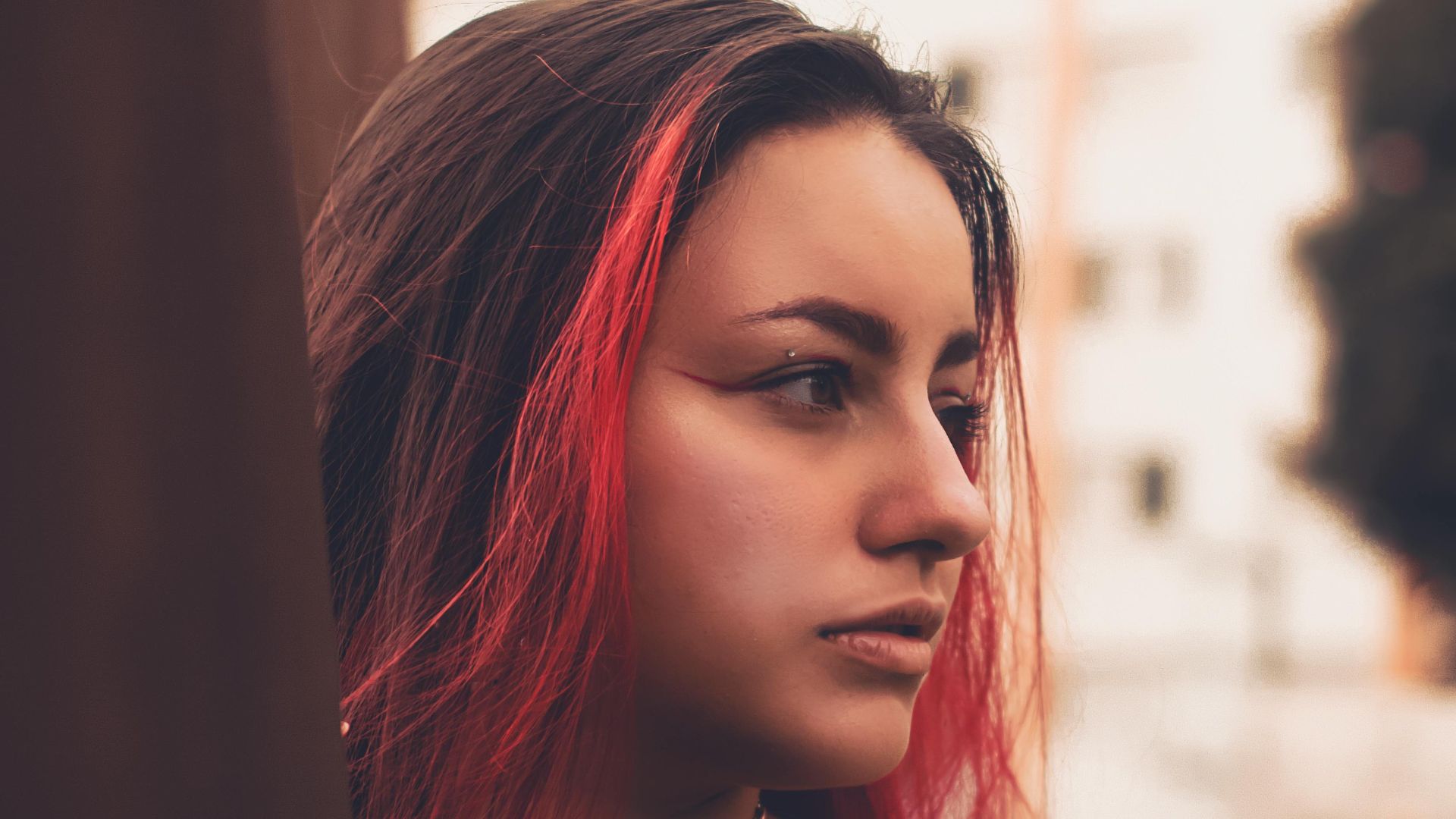
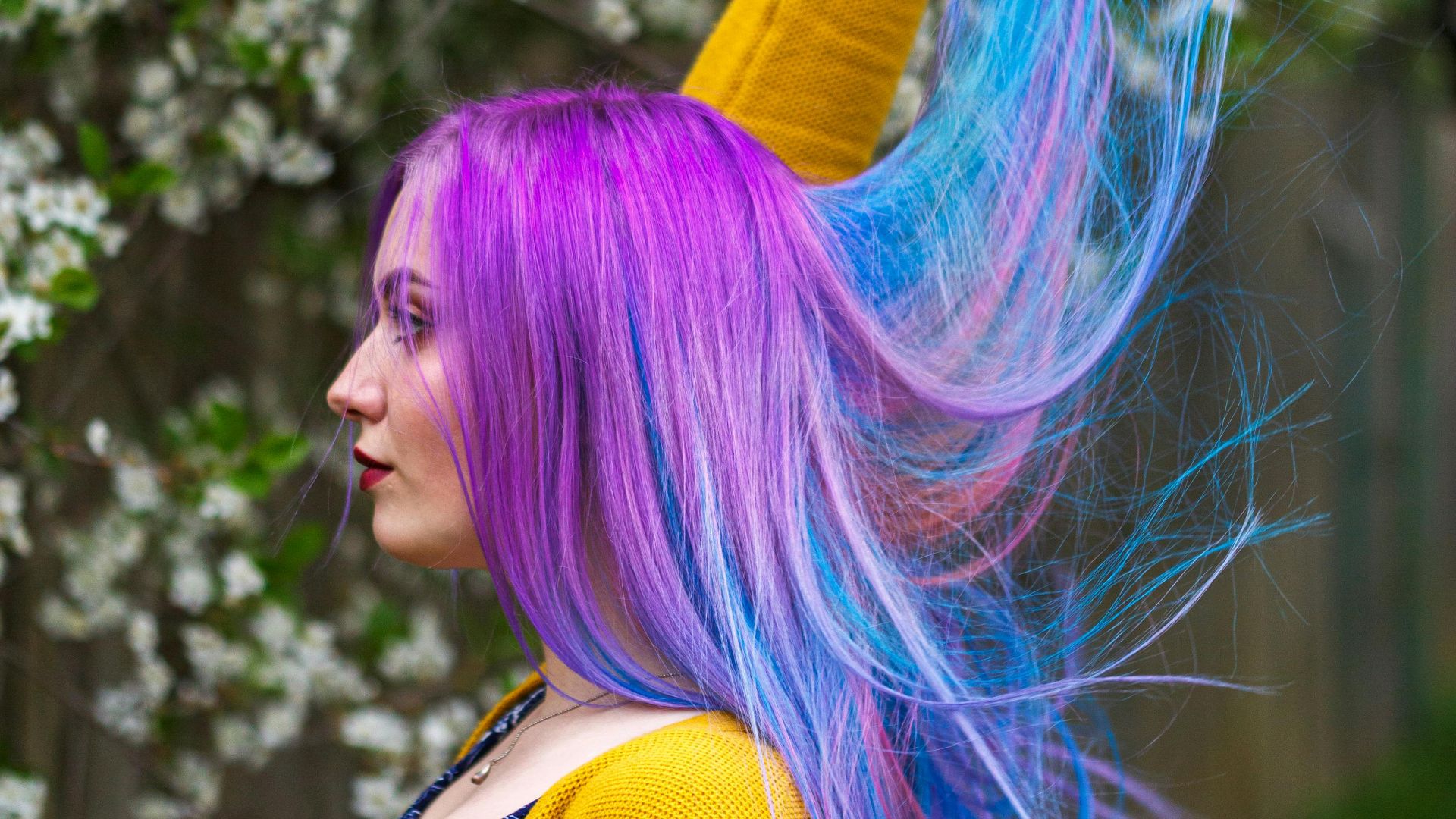
Stylists fan your hair flat on a surface before sweeping dye across with freehand flowing motions. Mermaid-like gradients develop without harsh lines because colors flow like liquid when hair drops into its natural position. This artistic method produces ethereal, seamless results customized specifically to how your hair moves.
17. Pintura Highlighting
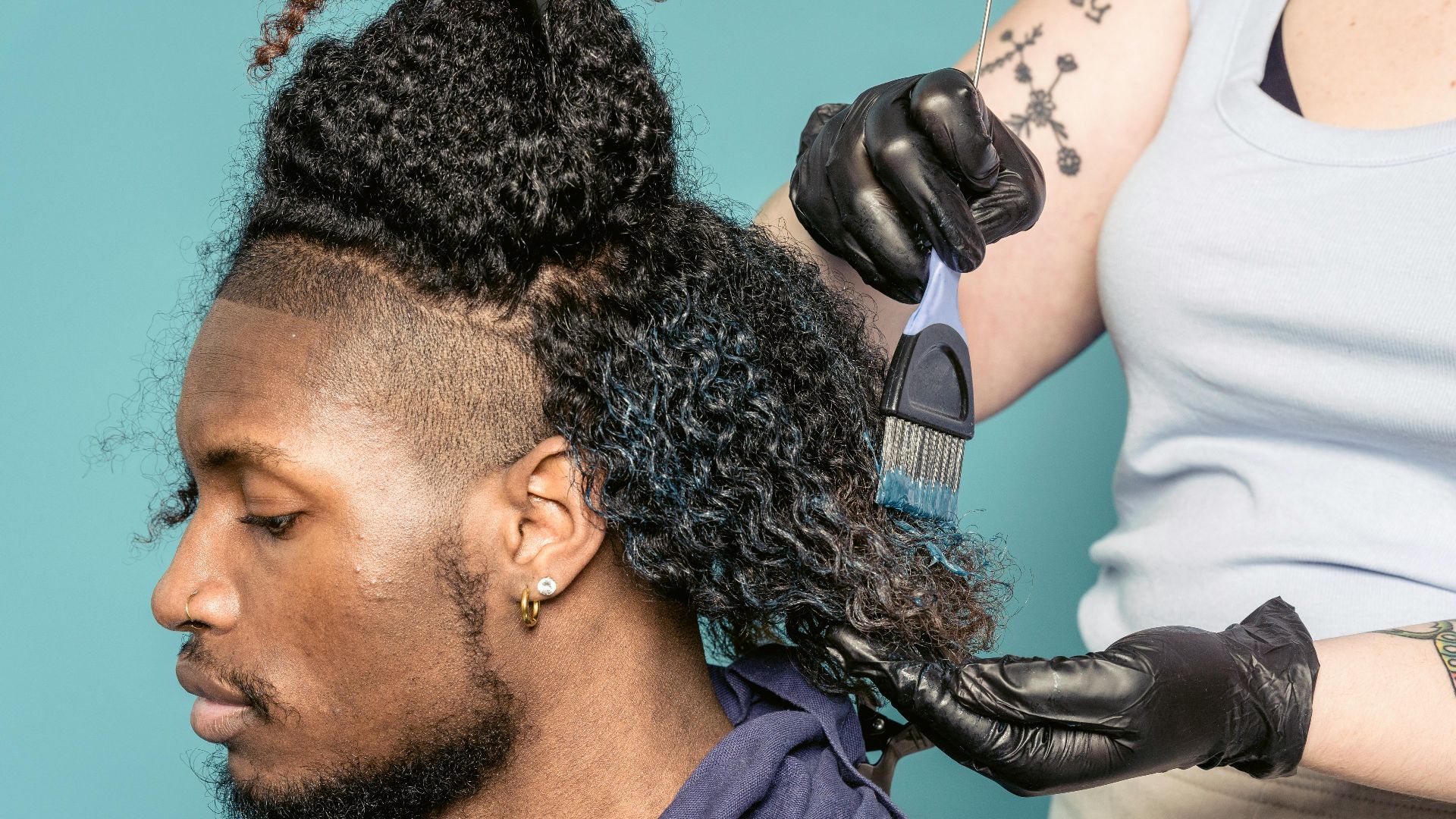
Spanish for "to paint," this technique was made specifically for curly hair. Color gets painted directly onto individual curls to enhance definition. DevaCurl popularized this method that adds dimension without foils. It's called "curl painting" because each curl gets its own custom highlight.
18. Airbrush Highlighting
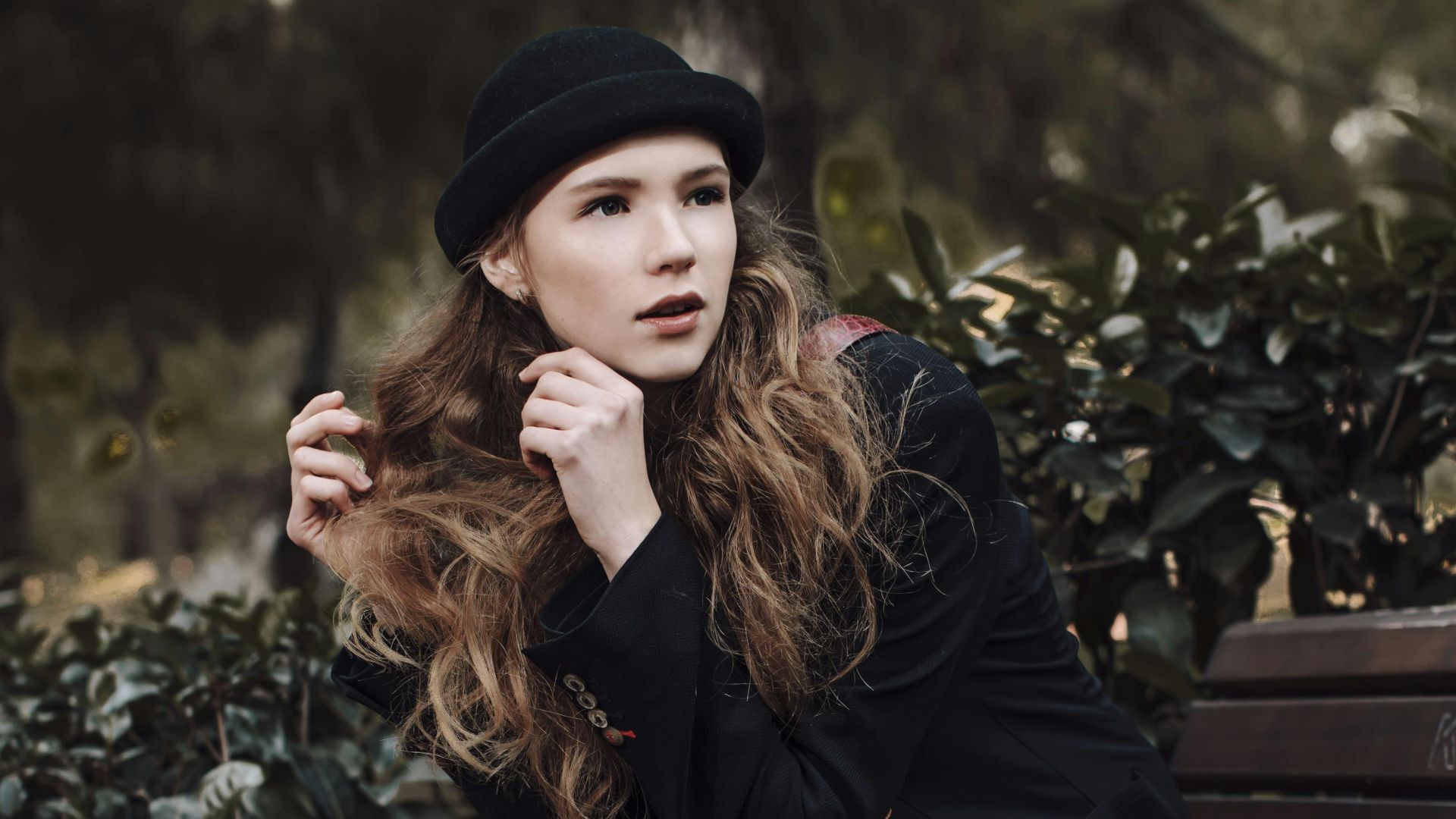
An airbrush tool sprays lightener as a fine mist for ultra-soft highlights with diffused, filtered perfection. Precision placement avoids heavy-handed results while delivering that flawless dimension makeup artists get with airbrushing. Hair gets the same fluidly merged treatment for a natural-looking glow that photographs beautifully.
19. Underlighting (Hidden Rainbow)
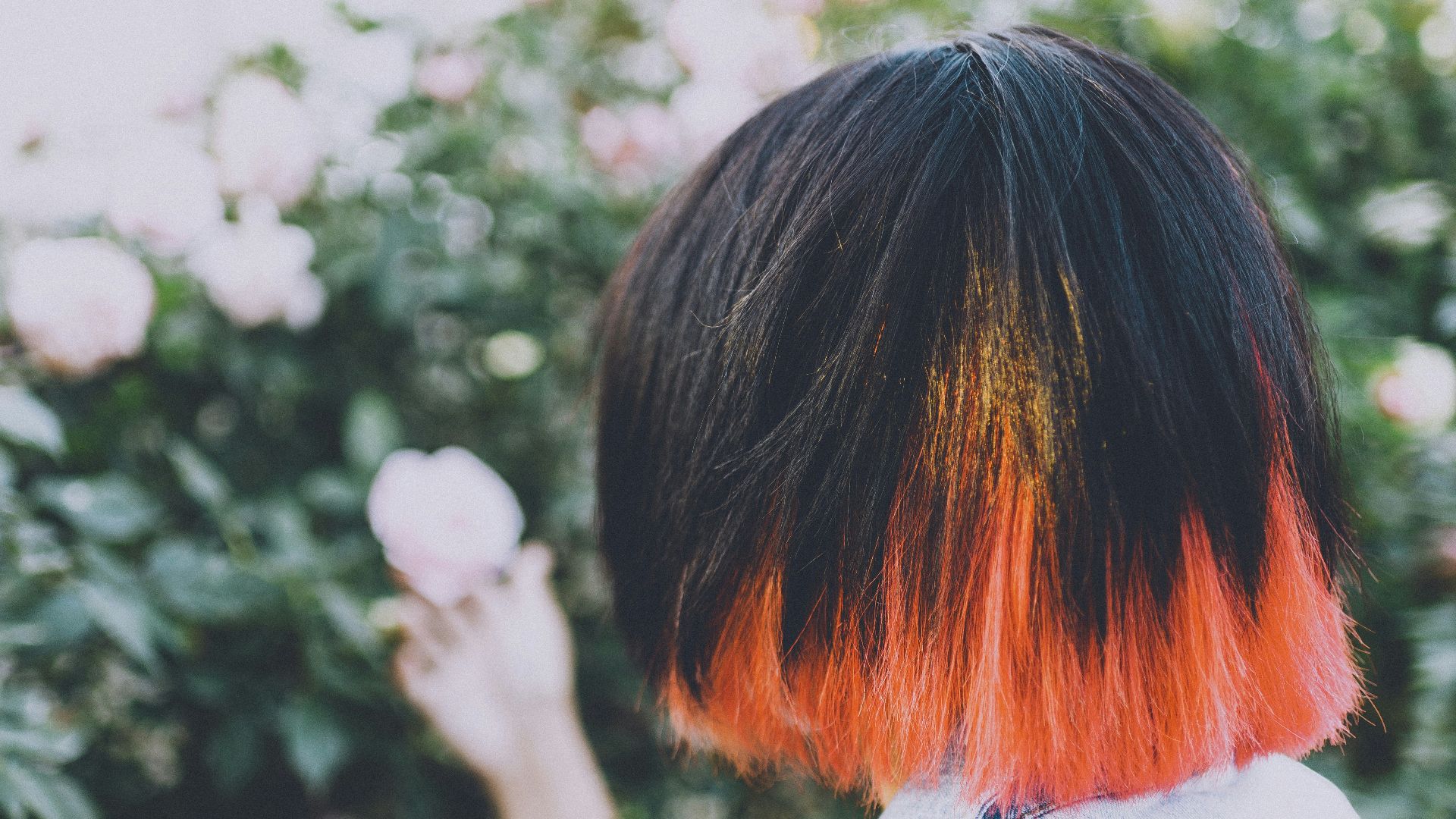
Vibrant colors hide on under‑layers beneath the natural top color. The rainbow only reveals itself when you lift, braid, or tie up your hair. It’s perfect even in professional settings. At work, nobody realizes you’re rocking a full rainbow until you flip your hair.
20. Halo Highlighting
Lightener concentrates on the crown and top sections like a glowing ring. The focused brightness frames your face and illuminates from above. Quick and targeted, it creates lived-in, sun-kissed looks without processing your entire head. The name comes from that angelic glow around the top.