
Hidden Dangers In Your Cabinet
Beauty is supposed to be about feeling your best, but sometimes the products we trust can be a bit more "beast" than "beauty." Even in 2026, many items on store shelves contain ingredients that could make a chemist break a sweat. You'd think that everything sold at your favorite mall would be perfectly safe, but regulations often lag behind scientific discoveries regarding long-term health. We've rounded up twenty common beauty staples that might be doing more harm than good, so you can keep your routine as clean as it is glamorous.
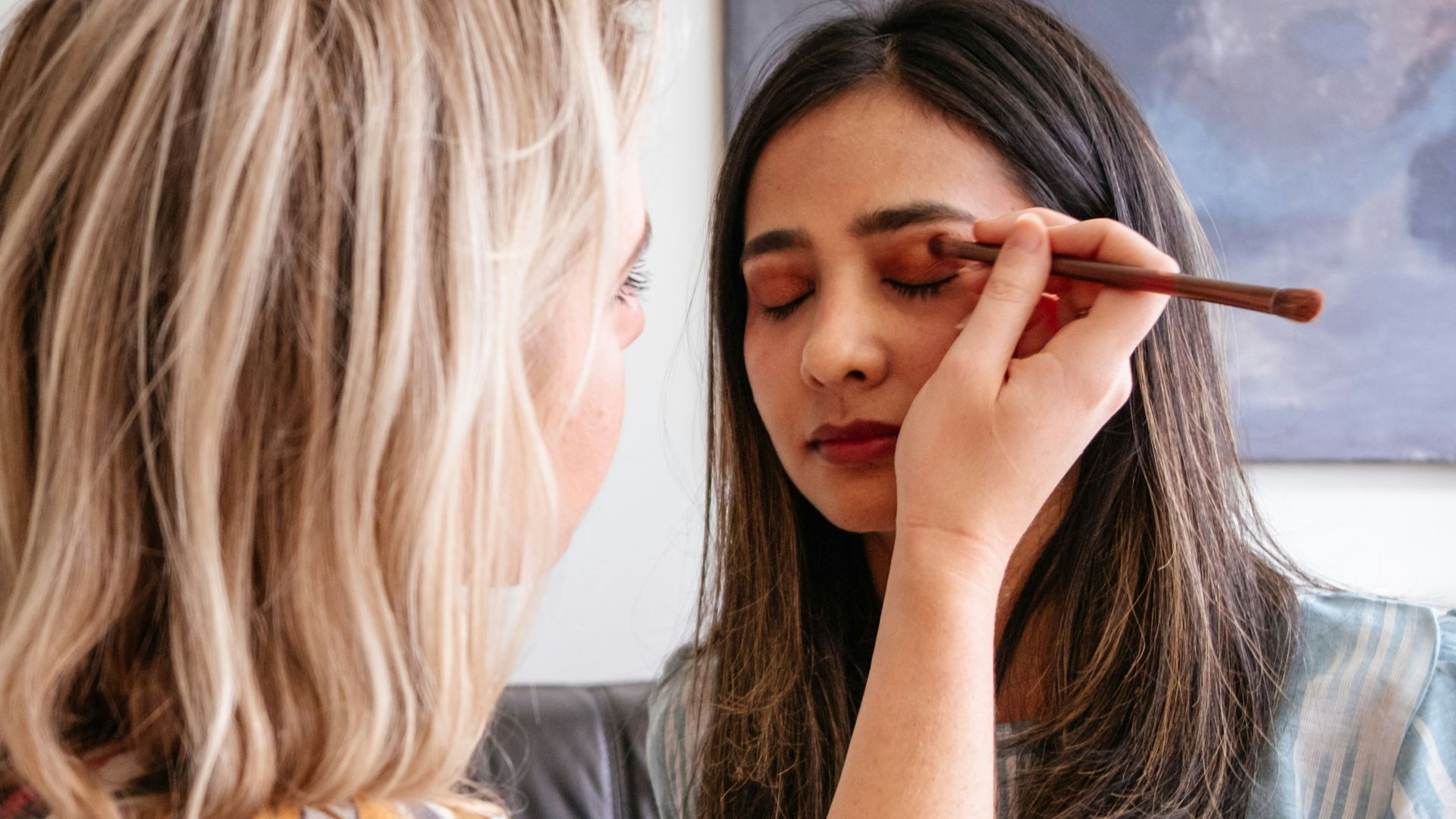
1. Waterproof Mascara and "Forever Chemicals"
You might love how your lashes stay put during a tear-jerker movie, but that staying power often comes from PFAS. These chemicals are known as "forever chemicals" because they don't break down in the environment or your body once they've been absorbed. While the FDA has begun tracking their use, they're still found in nearly twenty percent of eye shadows and mascaras despite being linked to immune system issues.
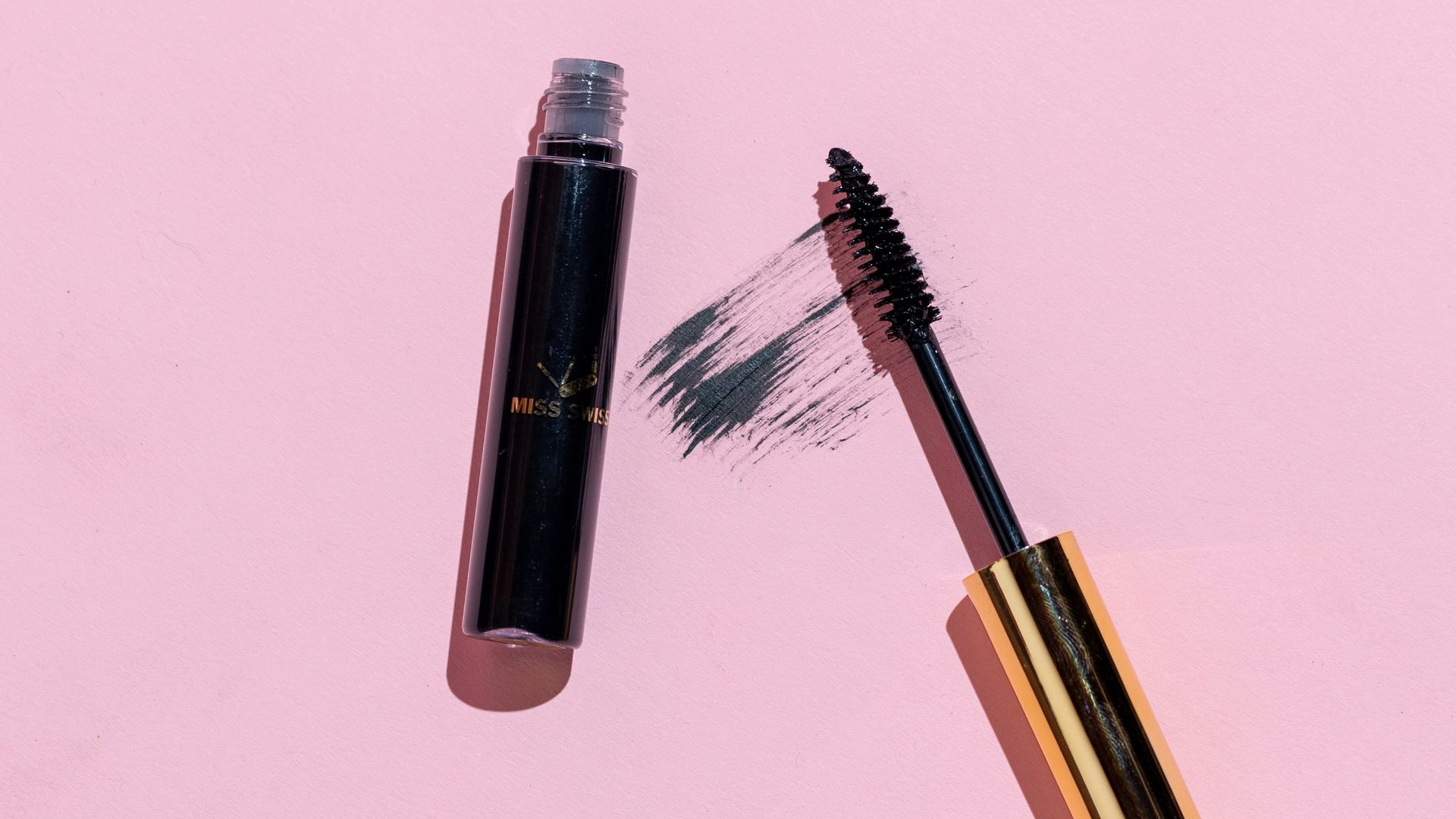
2. Traditional Nail Polish and the "Toxic Trio"
Many bottles of your favorite lacquer still contain toluene, formaldehyde, and dibutyl phthalate, which are notorious for their potential health risks. Toluene is a solvent that gives polish its smooth finish but can cause dizziness or even respiratory issues if you breathe in too many fumes. It’s always a better idea to hunt for "5-free" or "10-free" labels to ensure you aren't sacrificing your lung health for a perfect manicure.
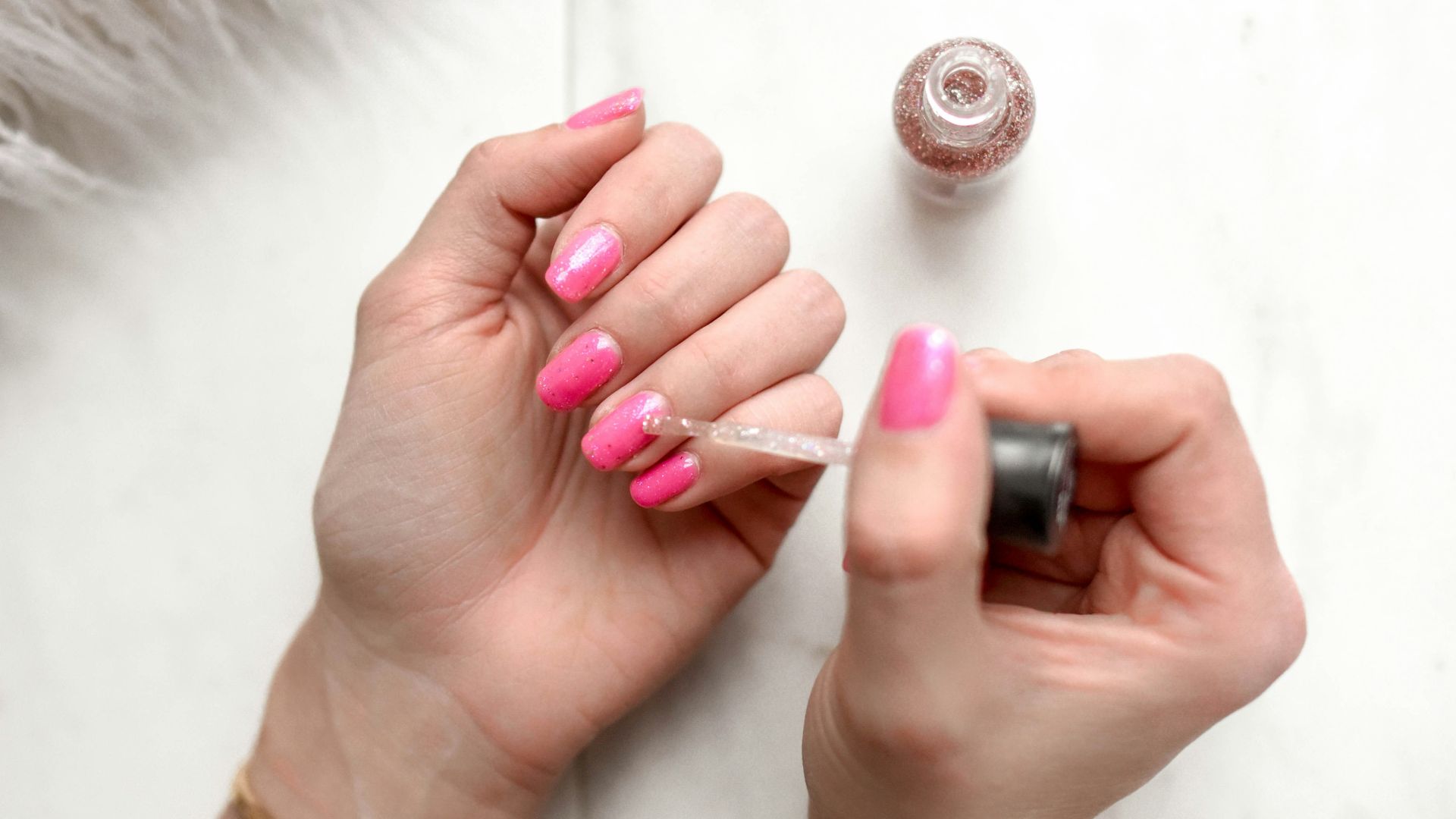
3. DIY Nail Kits from Social Media
Viral acrylic nail kits sold on platforms like TikTok have recently come under fire for containing 4-Vinylcyclohexene, a substance that’s actually prohibited in many regions. These sets often skip out on safety testing, which can lead to severe allergic reactions or exposure to potential carcinogens. You’re much safer sticking to reputable professional brands rather than gambling on a bargain-bin kit you found during a late-night scroll.
4. Aerosol Dry Shampoos and Benzene
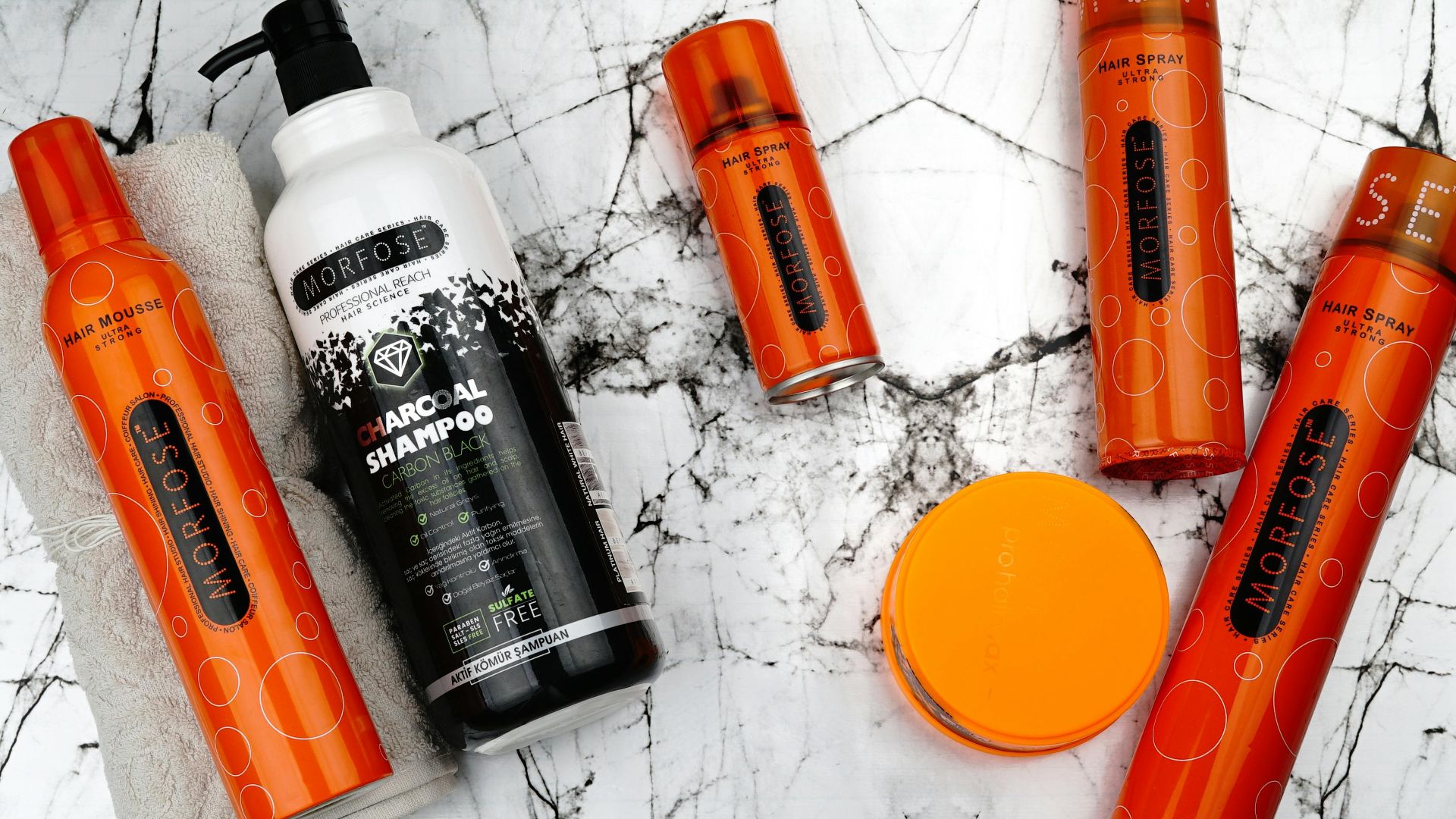
That quick fix for greasy hair might be hiding a dangerous secret in the form of benzene, a known human carcinogen. Benzene isn't usually an intentional ingredient, but it can show up as a contaminant in the propellants used to spray the product out of the can. Many popular brands have faced recalls recently, so you should definitely double-check your bathroom cabinet for any lingering aerosol cans.
5. Skin Lightening Creams and Mercury
While many people use these products to fade dark spots, some unregulated versions still sneak in mercury to inhibit melanin production. Mercury exposure can lead to tremors, memory loss, and even kidney damage if it's used consistently over a long period. It’s vital to avoid any cream that doesn't clearly list its ingredients or comes from a source that feels a little sketchy.
6. Talcum Powder and Asbestos Risk
Talc is a naturally occurring mineral used in everything from face powder to baby products to absorb moisture and provide a silky feel. The danger lies in the fact that talc is often mined in areas where asbestos is also present, leading to accidental contamination. Even though many companies are switching to cornstarch, you'll still find talc-based powders that haven't been certified as asbestos-free.
7. Chemical Sunscreens with Oxybenzone
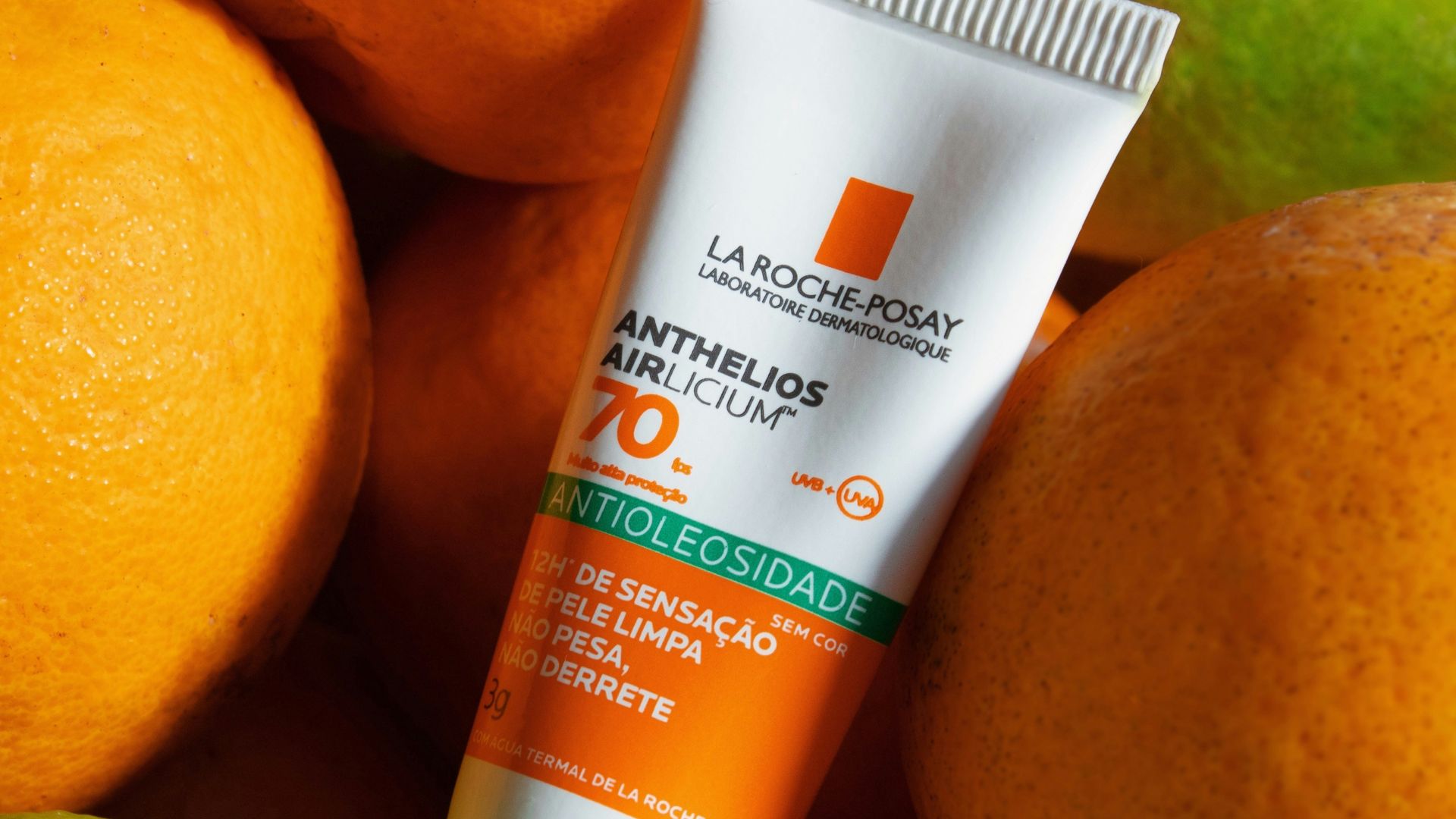
Protecting your skin from the sun is non-negotiable, but oxybenzone is a common UV filter that might disrupt your hormone levels. This chemical is absorbed through the skin and has been detected in the blood of almost everyone who uses it regularly. Switching to a mineral-based sunscreen with zinc oxide or titanium dioxide is a much friendlier choice for both your endocrine system and the coral reefs.
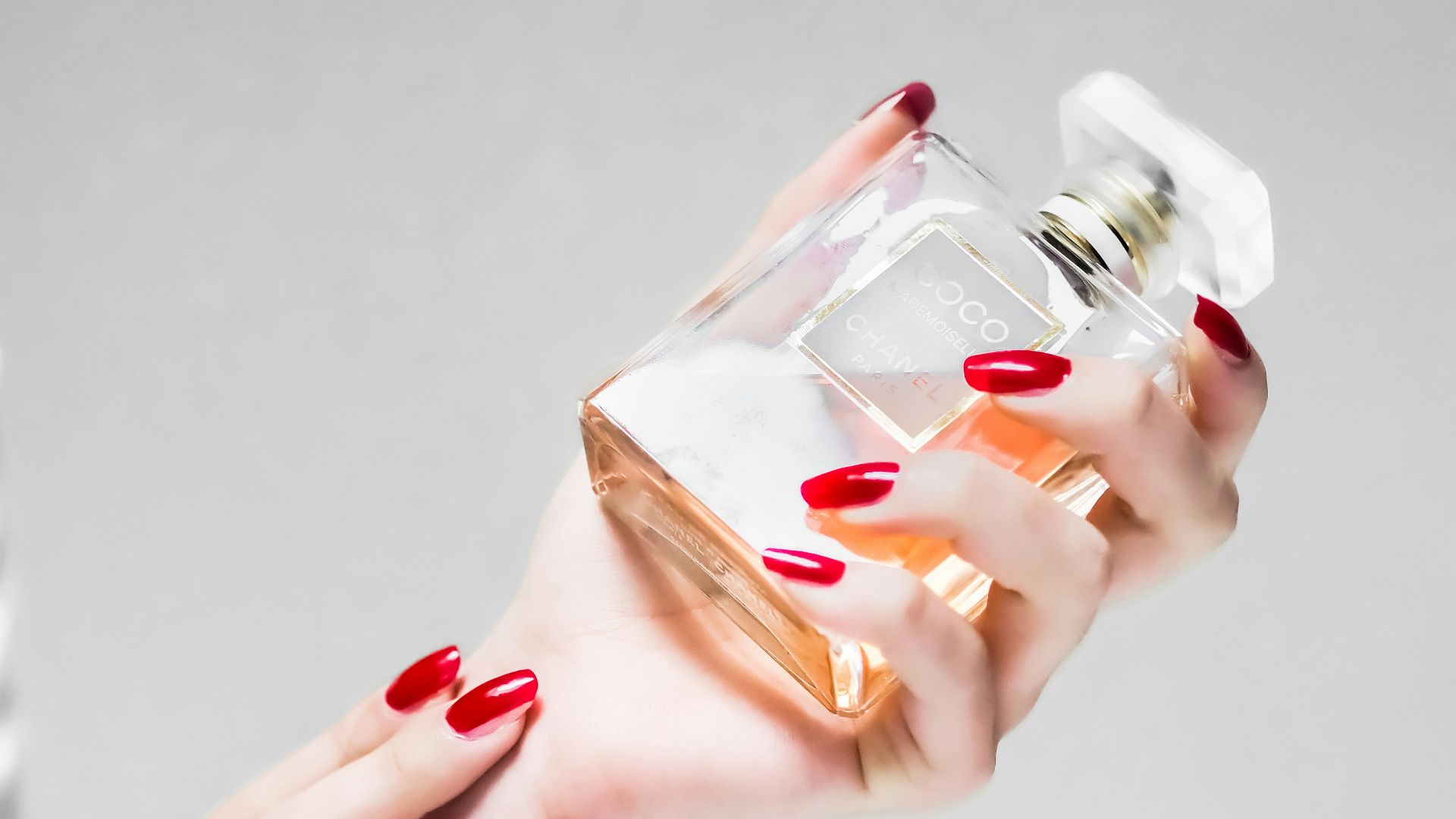
8. Synthetic Fragrances and Phthalates
The word "fragrance" on a label is often a loophole that allows companies to hide hundreds of different chemicals, including hormone-disrupting phthalates. These substances help scents last longer on your skin, but they’ve been linked to reproductive issues and various allergic reactions. You'll find that products labeled as "fragrance-free" are usually a safer bet than those that claim to be "unscented" but still use masking chemicals.
9. Hair Smoothing Treatments with Formaldehyde
Professional keratin treatments or "Brazilian blowouts" can release formaldehyde gas into the air when they're heated with a flat iron. This gas is a known irritant that can cause stinging eyes, sore throats, and even long-term respiratory damage for both you and your stylist. If you crave that sleek look, make sure to ask for formaldehyde-free alternatives that use safer glyoxylic acid instead.

10. Antibacterial Soaps Containing Triclosan
You might think you're being extra clean by using antibacterial soap, but triclosan has been shown to interfere with thyroid hormones and contribute to antibiotic resistance. The FDA has actually banned it from consumer soaps, yet it still manages to show up in some toothpastes and deodorants. Using regular soap and water is just as effective at killing germs without the weird chemical side effects.
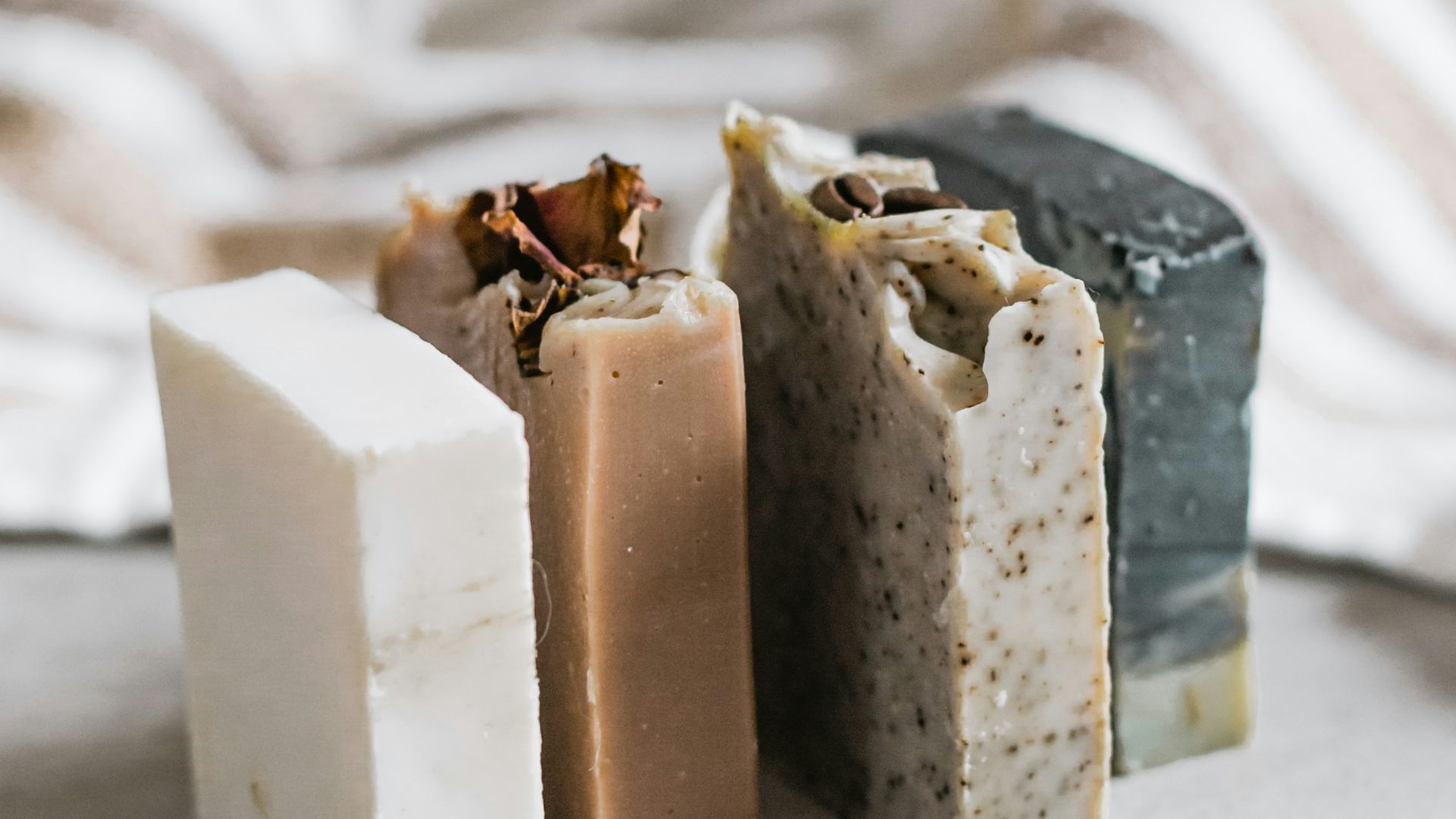
11. Lipsticks with Lead Contamination
Lead isn't exactly an ingredient companies brag about, but it frequently shows up as an accidental contaminant in the mineral pigments used to color lipsticks. Since you likely end up "eating" a small amount of your lip products throughout the day, this heavy metal can slowly build up in your system. While the levels are usually low, choosing brands that perform rigorous heavy-metal testing can give you a lot more peace of mind.
12. Coal Tar Hair Dyes
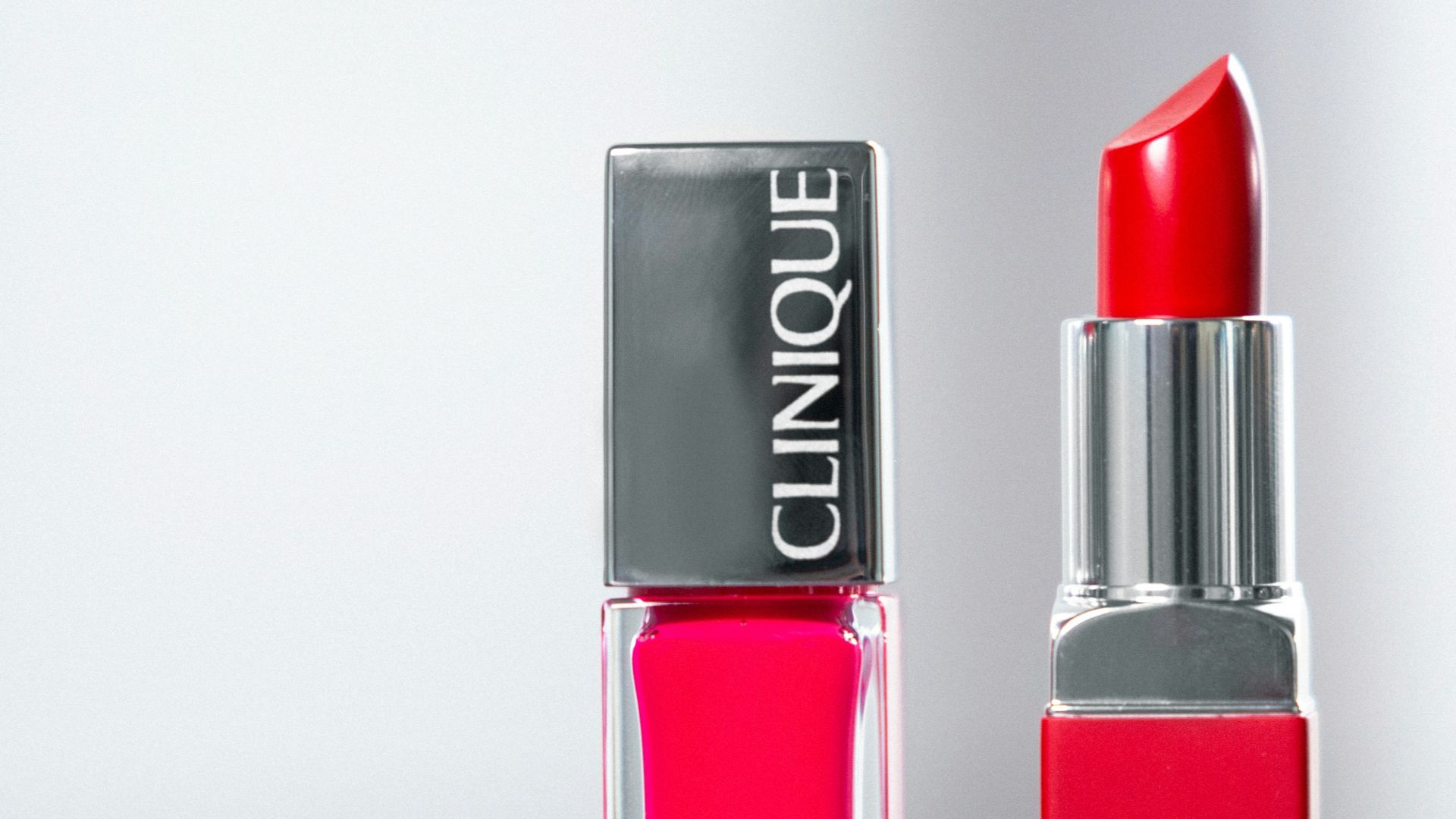
If you’re a fan of dark hair colors or medicated shampoos for dandruff, you might be coating your scalp in coal tar. This thick, black liquid is a byproduct of coal processing and is a recognized carcinogen, though it’s still legally allowed in small concentrations. You should look for "PPD-free" dyes or natural henna alternatives if you want to avoid the potential risks associated with these old-school formulas.
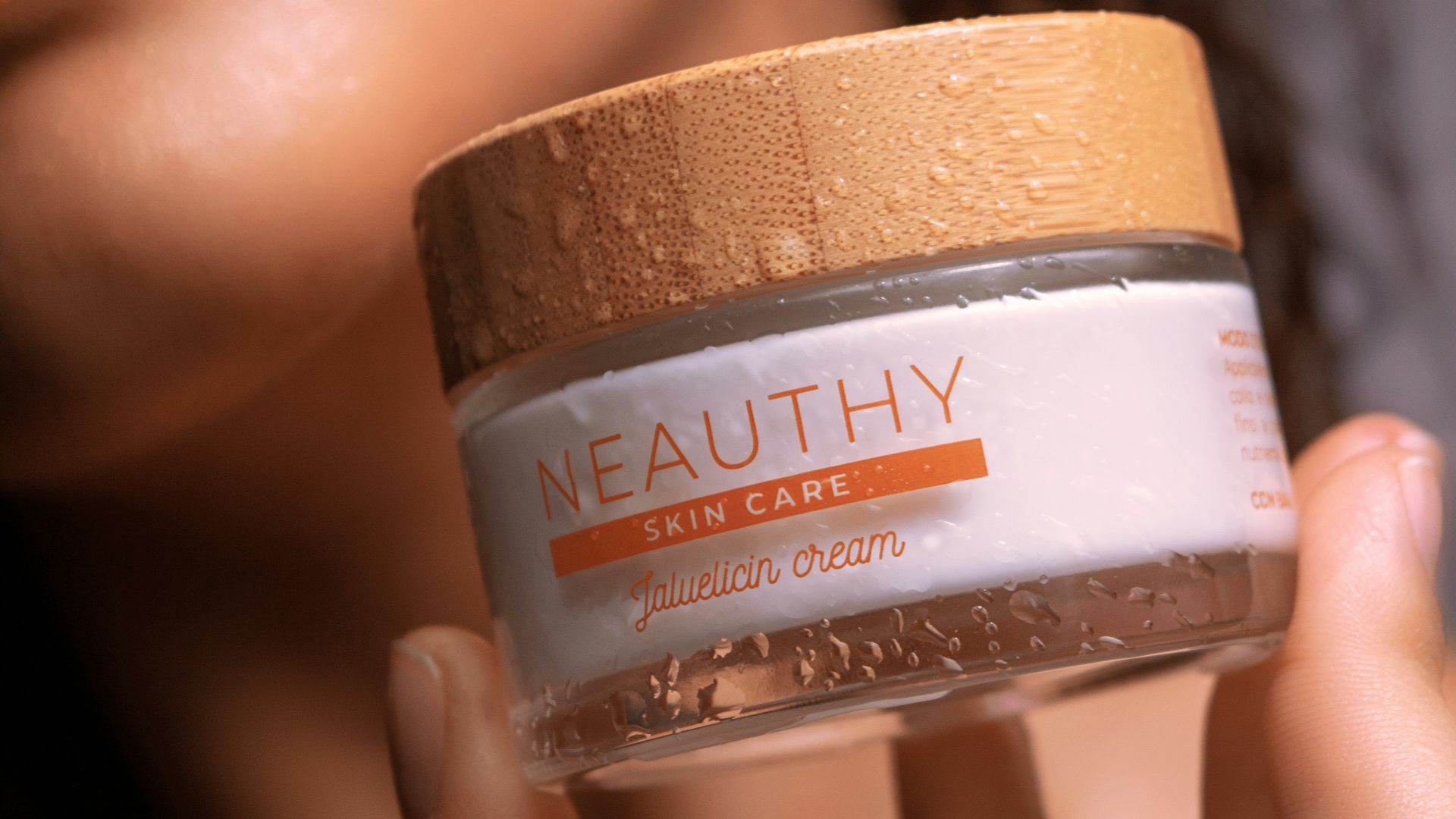
13. Face Creams with Parabens
Parabens like methylparaben and propylparaben are used to stop mold from growing in your moisturizers, which sounds great until you realize they mimic estrogen. Many researchers are concerned that consistent exposure to these preservatives could be linked to an increased risk of breast cancer. Most modern "clean" beauty brands have ditched them entirely, making it easier than ever for you to find paraben-free options.
14. Eyelash Glues with Formaldehyde Releasers
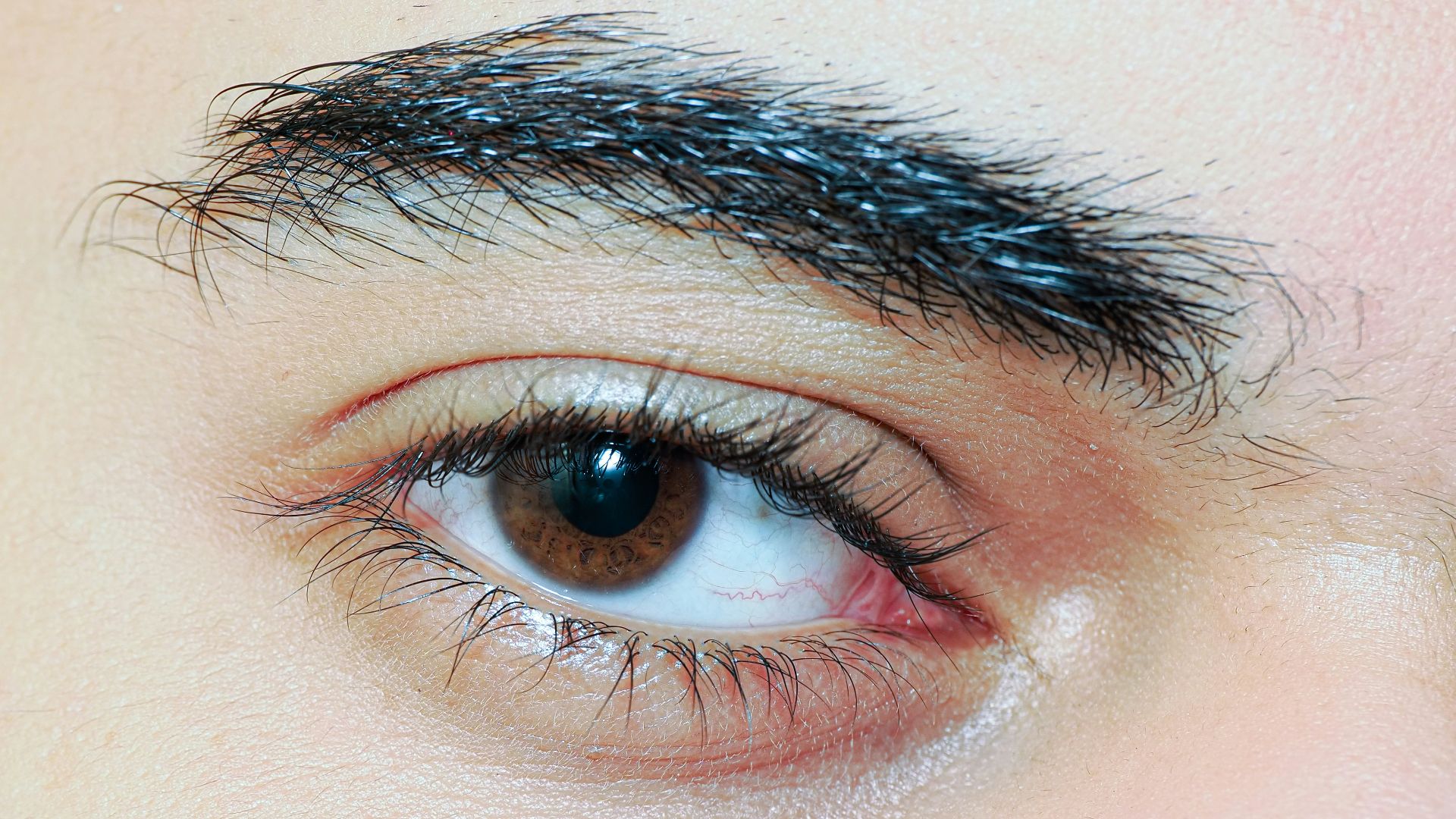
The glue used for your false lashes often contains preservatives that slowly release formaldehyde as they sit on your delicate eyelid skin. This can lead to nasty rashes, swelling, or even permanent damage to your natural lash follicles if you aren't careful. It’s worth spending a few extra dollars on a high-quality, latex-free, and formaldehyde-free adhesive for your next night out.
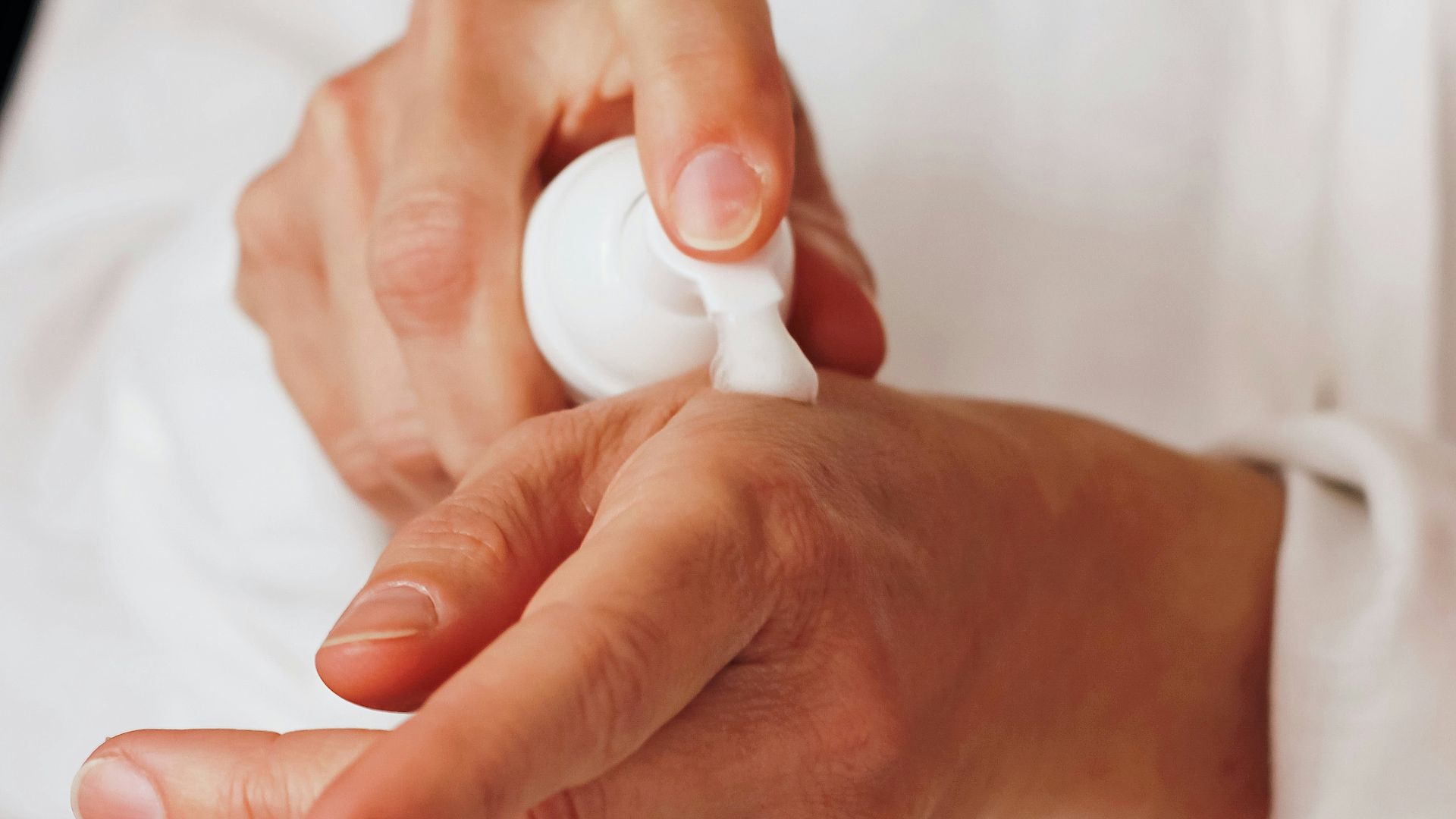
15. Body Lotions with Petrolatum
While petroleum jelly is a classic moisturizer, it can be contaminated with polycyclic aromatic hydrocarbons if it isn't refined properly. These impurities are linked to cancer, so you want to ensure the product you're slathering on your skin is "USP grade" or higher. If you're worried about it, plant-based oils like jojoba or shea butter provide a similar barrier without the petroleum-processing concerns.
 Nataliya Melnychuk on Unsplash
16. Exfoliating Spicules in Skincare
A new trend involves "spicules," which are microscopic needle-like structures from sea sponges used to help products penetrate deeper into the skin. While they might make your skin look glowy at first, they can actually cause microscopic tears and chronic inflammation if used too frequently. Dermatologists warn that damaging your skin barrier on purpose is rarely a good long-term strategy for a healthy complexion.

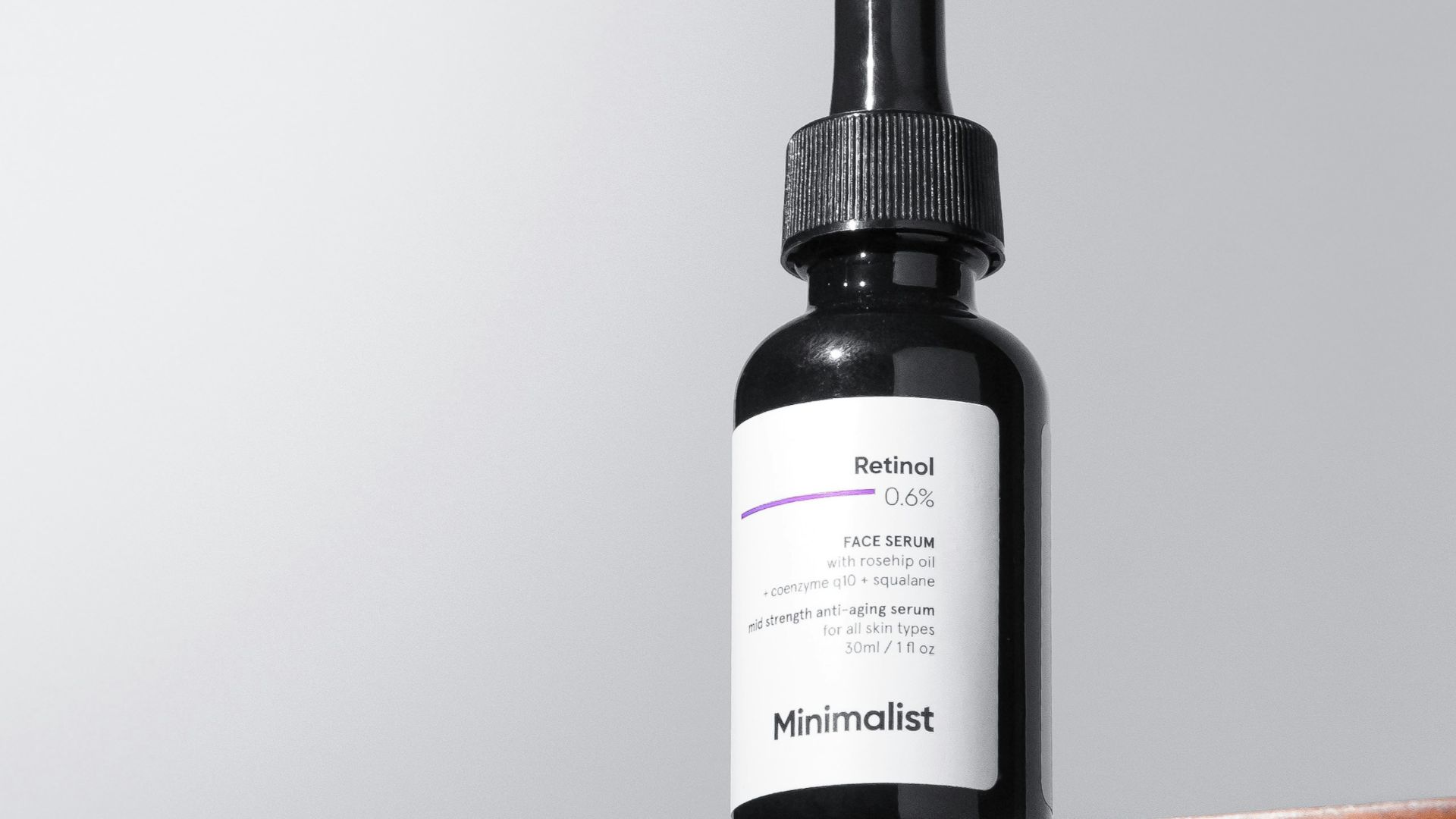
17. Retinol at Extremely High Doses
Vitamin A derivatives are the gold standard for anti-aging, but using high-concentration retinyl palmitate or retinoic acid can be toxic if overused. Excessive amounts can lead to severe skin peeling, sensitivity to light, and even concerns regarding birth defects if used during pregnancy. You’re better off starting with a very low dose and letting your skin gradually build up a tolerance over several months.
18. Antiperspirants with Aluminum Salts
Aluminum is the active ingredient that physically blocks your sweat ducts, but some studies suggest it might be linked to neurological issues or breast health. While the scientific community is still debating the exact risk, many people prefer to switch to natural deodorants that use baking soda or charcoal instead. It might take your body a few weeks to adjust, but you’ll eventually find a rhythm that doesn't involve heavy metals.
19. Mouthwashes with High Alcohol Content
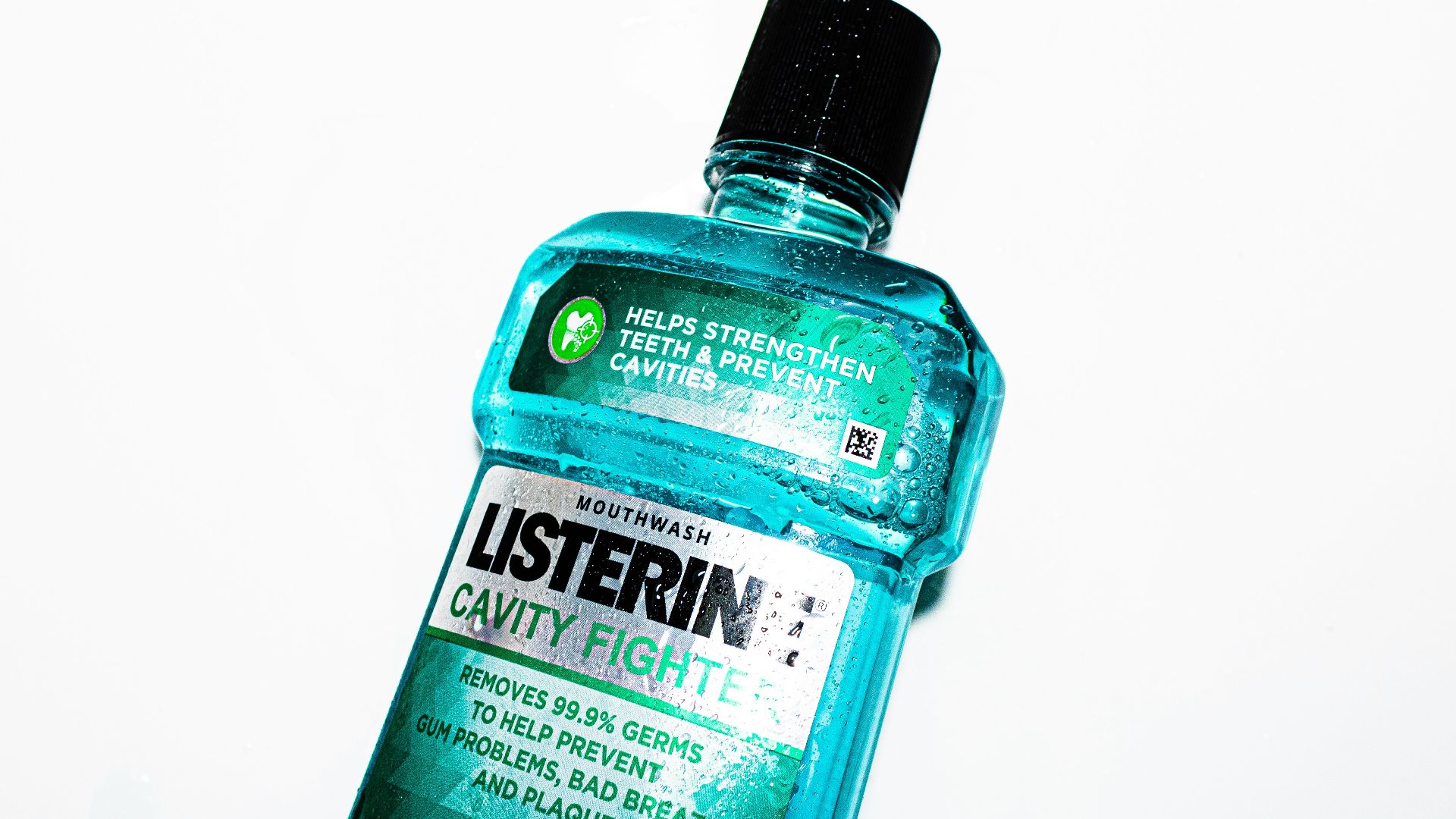
Swishing with a high-alcohol mouthwash can kill bacteria, but it also dries out your mouth and can irritate the delicate lining of your cheeks. Chronic dryness actually makes bad breath worse in the long run and has been loosely linked to an increased risk of oral health issues. Switching to an alcohol-free version will keep your breath fresh without the burning sensation or the long-term cellular stress.
20. DIY Sunscreen Recipes
You might see influencers mixing up "natural" sunscreens with coconut oil and zinc powder, but these homemade concoctions are incredibly dangerous. Without professional lab testing, there’s no way to know if the minerals are evenly distributed, leaving you with "hot spots" where you'll get a nasty sunburn. Always trust a regulated, SPF-tested product to protect your skin from the sun’s powerful UV rays.