More Than a Label on the Tag
If you heard something was "Made in Italy," you'd probably immediately assume it was of fantastic quality and probably insanely expensive. And you'd be right: generations of craftsmen have made people recognize Italian fashion as a luxurious art form, and owning something Italian-made is about as prestigious as it gets (well, other than maybe something French-made). From the wool mills of Biella to the leather workshops of Florence, Italy has built an industry that prioritizes meticulous quality, so it's no wonder why most designer brands are from there. Whether you're eyeing a pair of handmade shoes or a perfectly cut blazer, there's something about Italian-made clothing and accessories that just feels different the moment you put it on. With that said, here are 20 reasons why people can't seem to get enough of it.
1. Centuries of Craftsmanship
Italy didn't become a fashion powerhouse overnight but took hundreds of years of refining techniques passed down through families and workshops. Many artisans still use methods their grandparents taught them, blending old-world patience with modern precision. This kind of dedication is hard to replicate anywhere else, which is exactly why the label carries so much weight.
2. Exceptional Fabric Quality
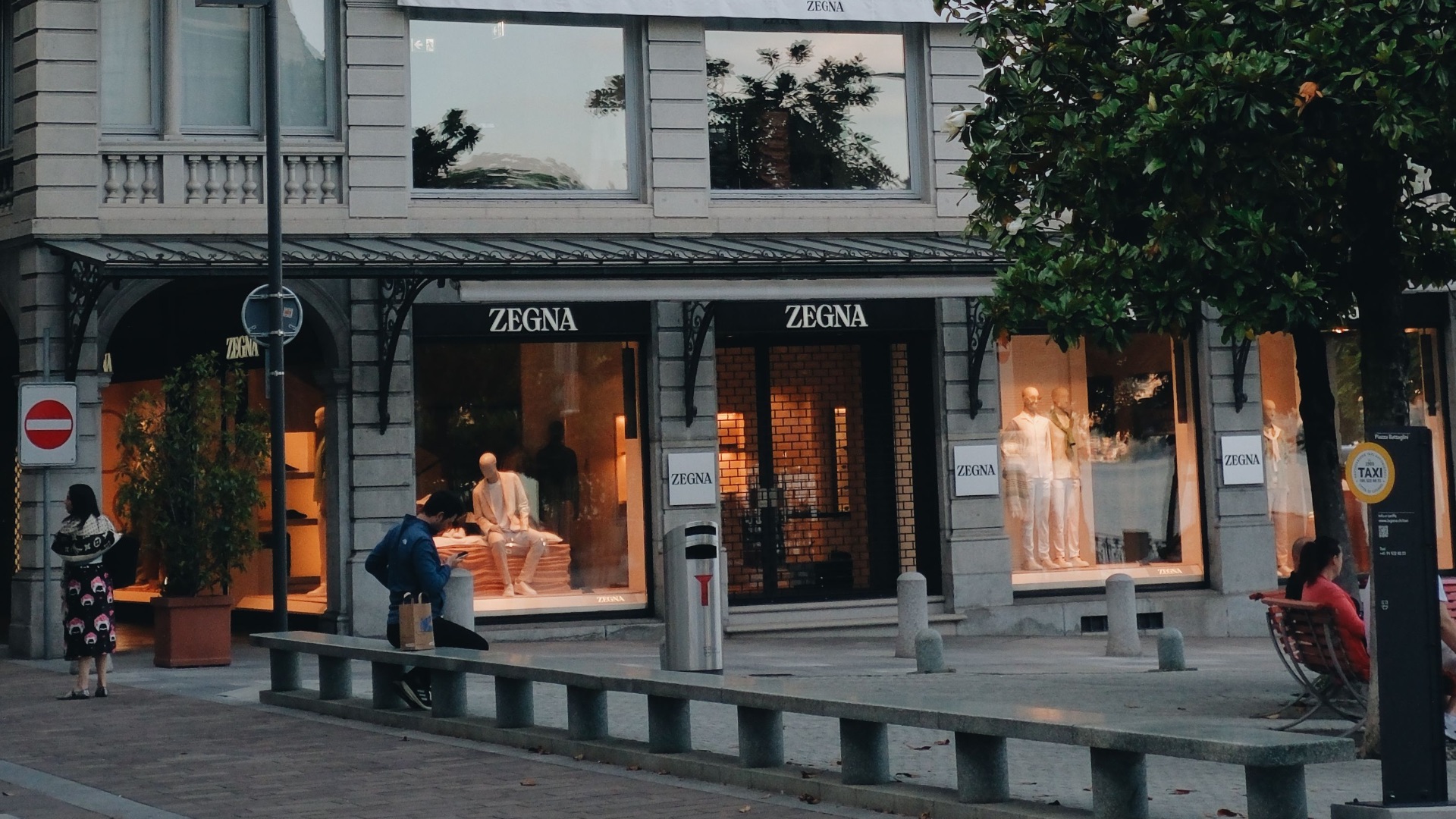
Italian textile mills are known for producing some of the finest wool, silk, and cotton on the planet. Brands like Loro Piana and Zegna source raw materials with an obsessive attention to detail, ensuring the fabric feels luxurious before it's even cut into a garment. When you touch an Italian-made piece, you can usually tell right away that it wasn't made with cheap materials.
3. Meticulous Tailoring
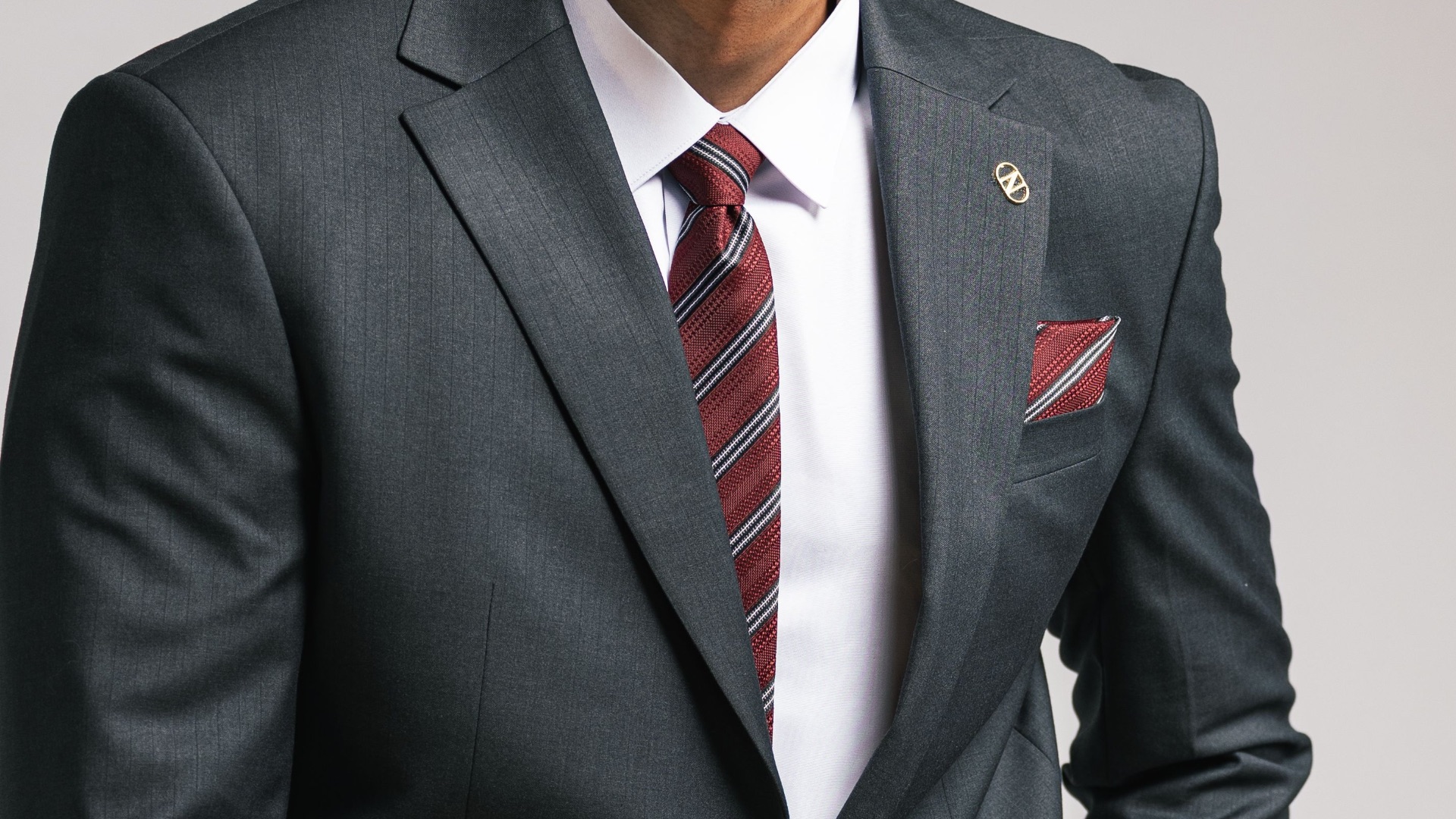
A well-tailored suit can transform how a person looks and feels, and Italians have mastered that transformation better than most. Tailors in cities like Naples and Milan focus on structure, drape, and fit in ways that make even off-the-rack pieces feel custom. That precision is part of why so many people associate Italian fashion with effortless sophistication.
4. Iconic Leather Goods
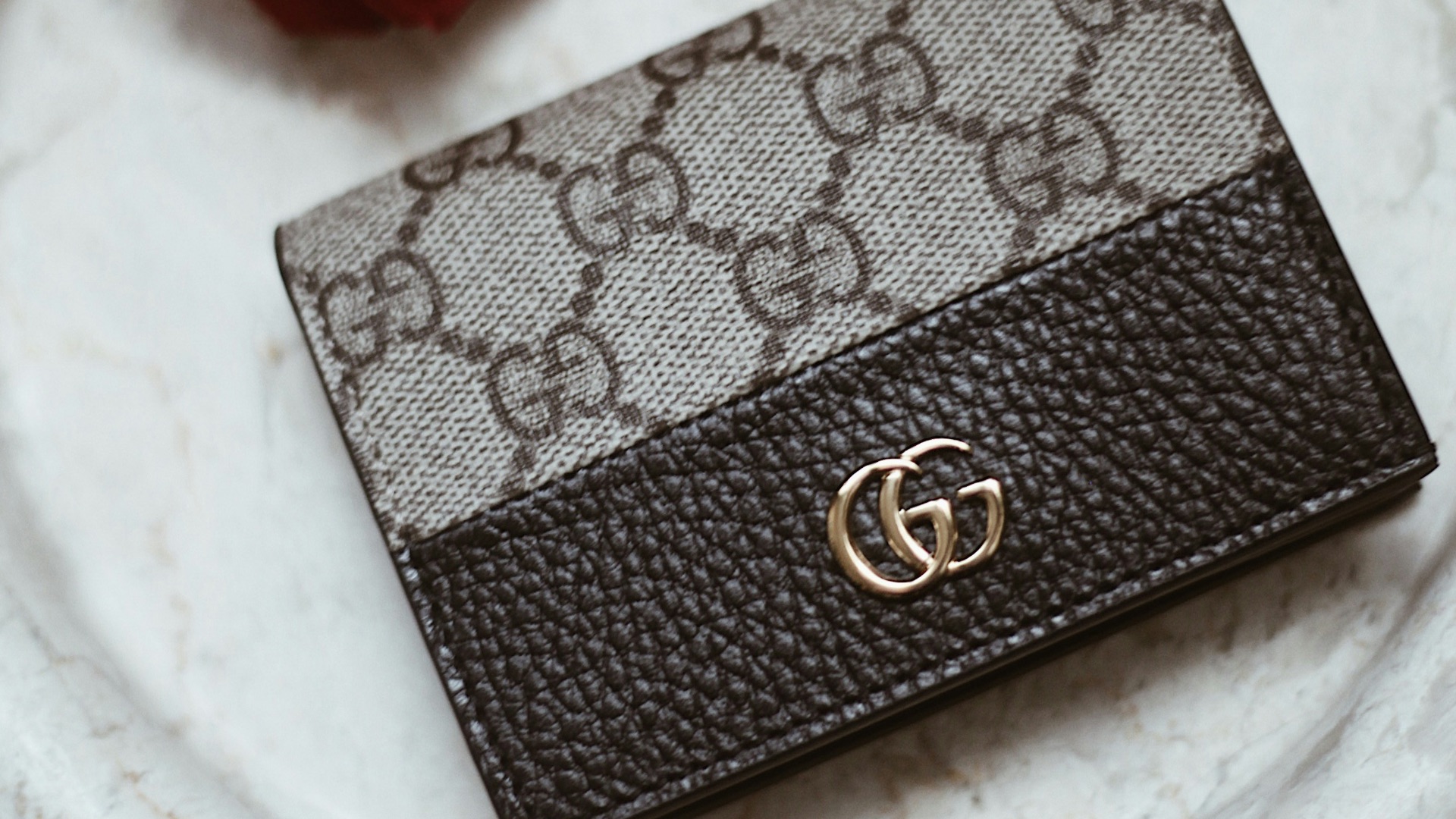
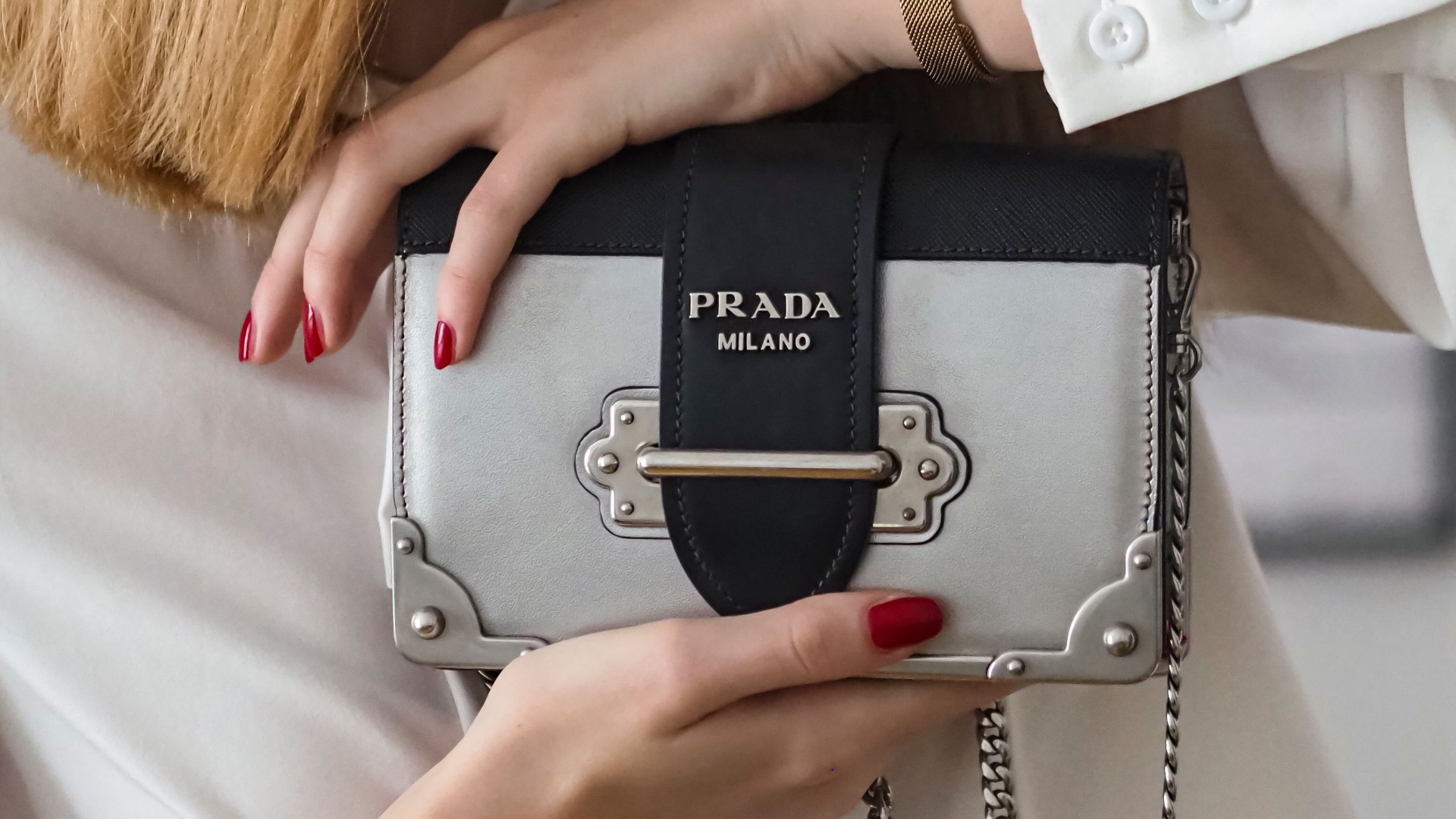
From handbags to loafers, Italian leather has become shorthand for durability and style. Tanneries in Tuscany use techniques that soften and treat leather until it develops a rich texture that only improves with age. It's no surprise that so many luxury handbag brands still manufacture in Italy to keep that reputation intact.
5. A Deep Connection to Design History
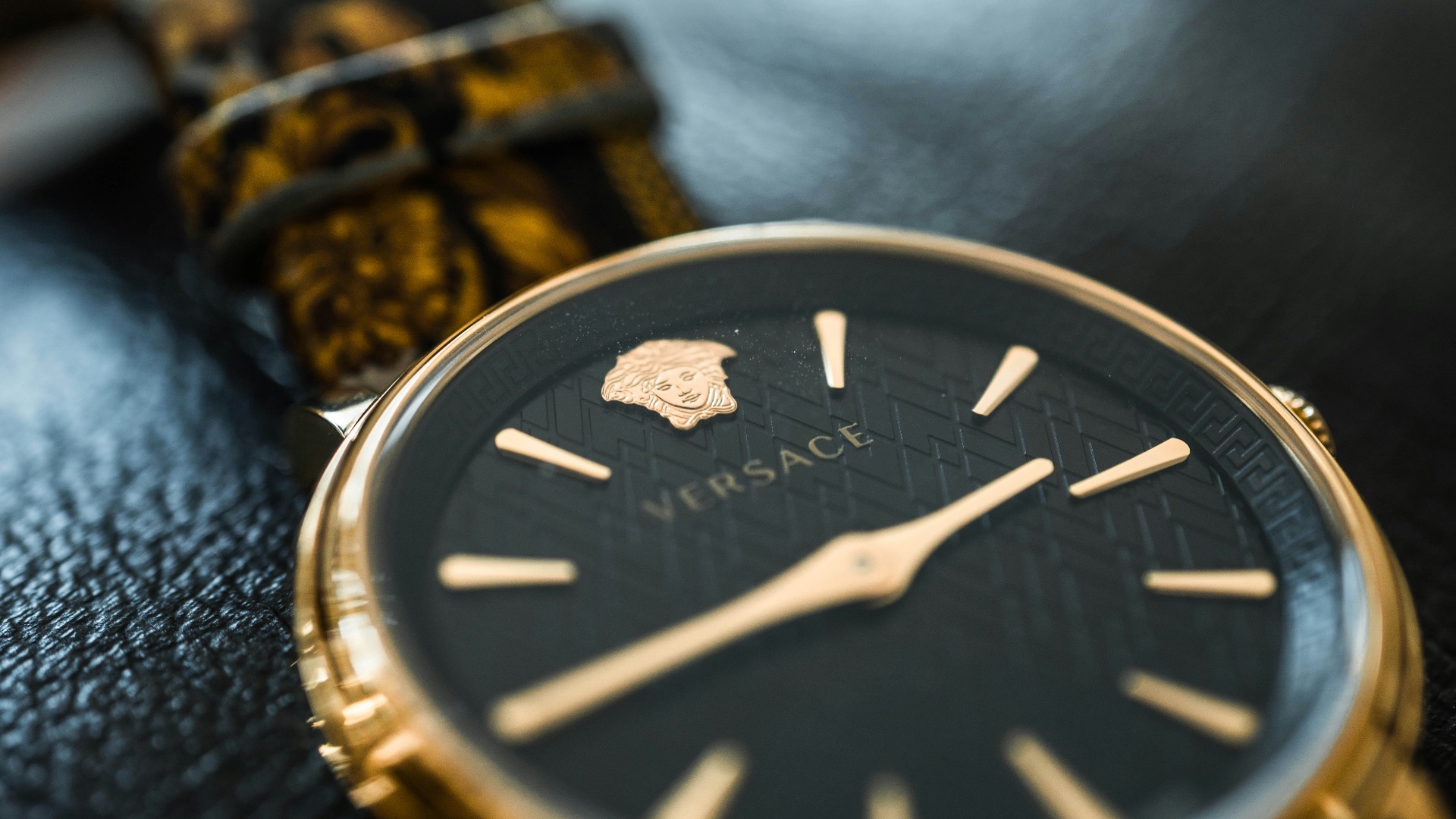
Italy has produced some of the most influential designers in fashion history, including Gianni Versace, Miuccia Prada, and Valentino Garavani. Their creative instincts helped shape entire eras of style, and their influence still ripples through collections today. Shoppers often feel like they're buying into that legacy, not just a piece of clothing.
6. Attention to Detail
Italian manufacturers rarely cut corners, and it shows in the small touches like hand-stitched buttonholes or perfectly aligned patterns. These details might seem minor, but they add up to a finished product that feels polished from every angle. It's the kind of craftsmanship that becomes obvious the longer you own the piece.

7. Beautifully Constructed Shoes
Italian shoemaking is admired for its combination of comfort, structure, and visual appeal. Craftspeople pay close attention to the last, which is the form that determines the shoe’s shape and fit. Soles, uppers, stitching, and interior support are then built around that foundation. A properly made pair can feel more comfortable as it adjusts to your foot, rather than becoming less supportive with wear.

8. High Standards for Manufacturing
Italy has strict labeling laws that require garments to meet certain production criteria before they can be marked "Made in Italy." This helps protect the integrity of the label and gives shoppers confidence that they're getting authentic craftsmanship. Knowing there's accountability behind the tag makes the purchase feel more trustworthy.
9. Timeless Style Over Trends
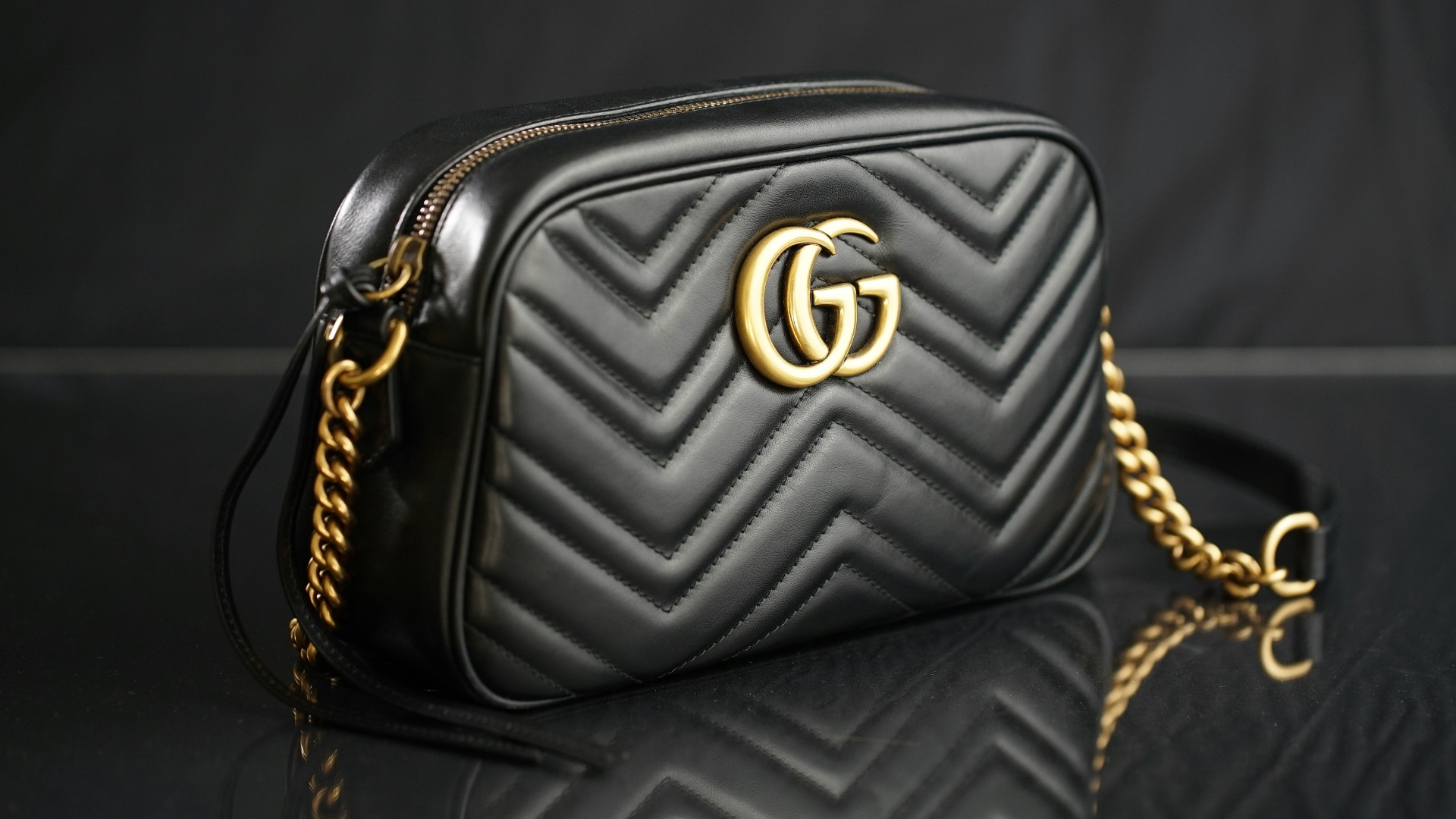
Italian fashion tends to favor classic silhouettes and refined color palettes rather than chasing fleeting trends. That approach results in pieces that stay relevant season after season instead of looking dated within a year. Many shoppers appreciate that kind of investment, since it means getting more wear out of fewer items.
10. Prints with Personality
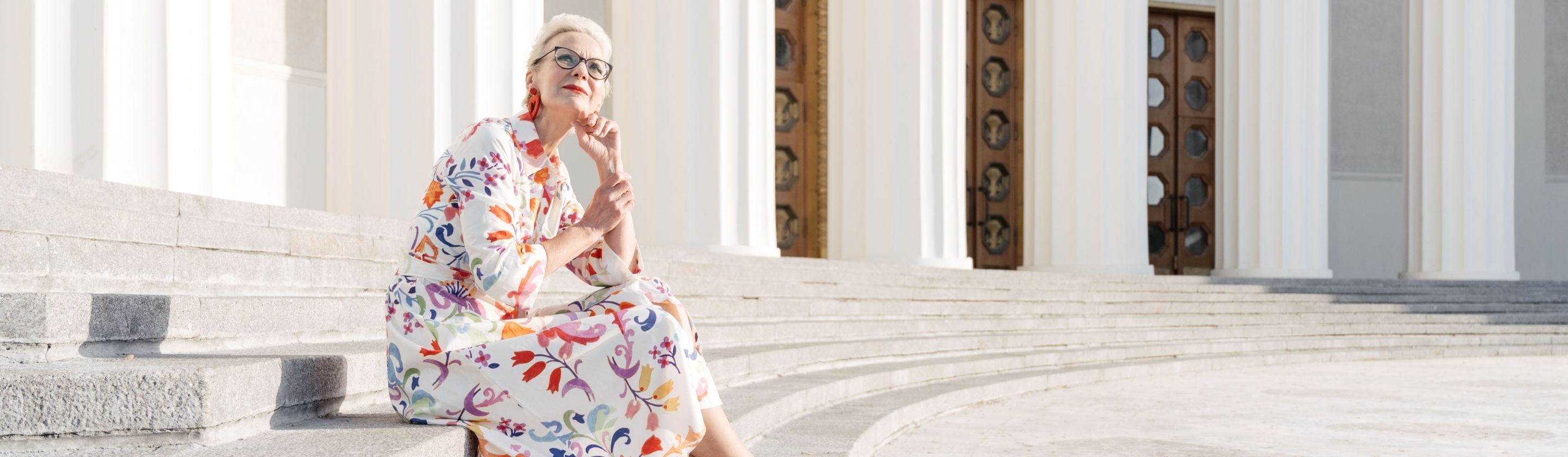
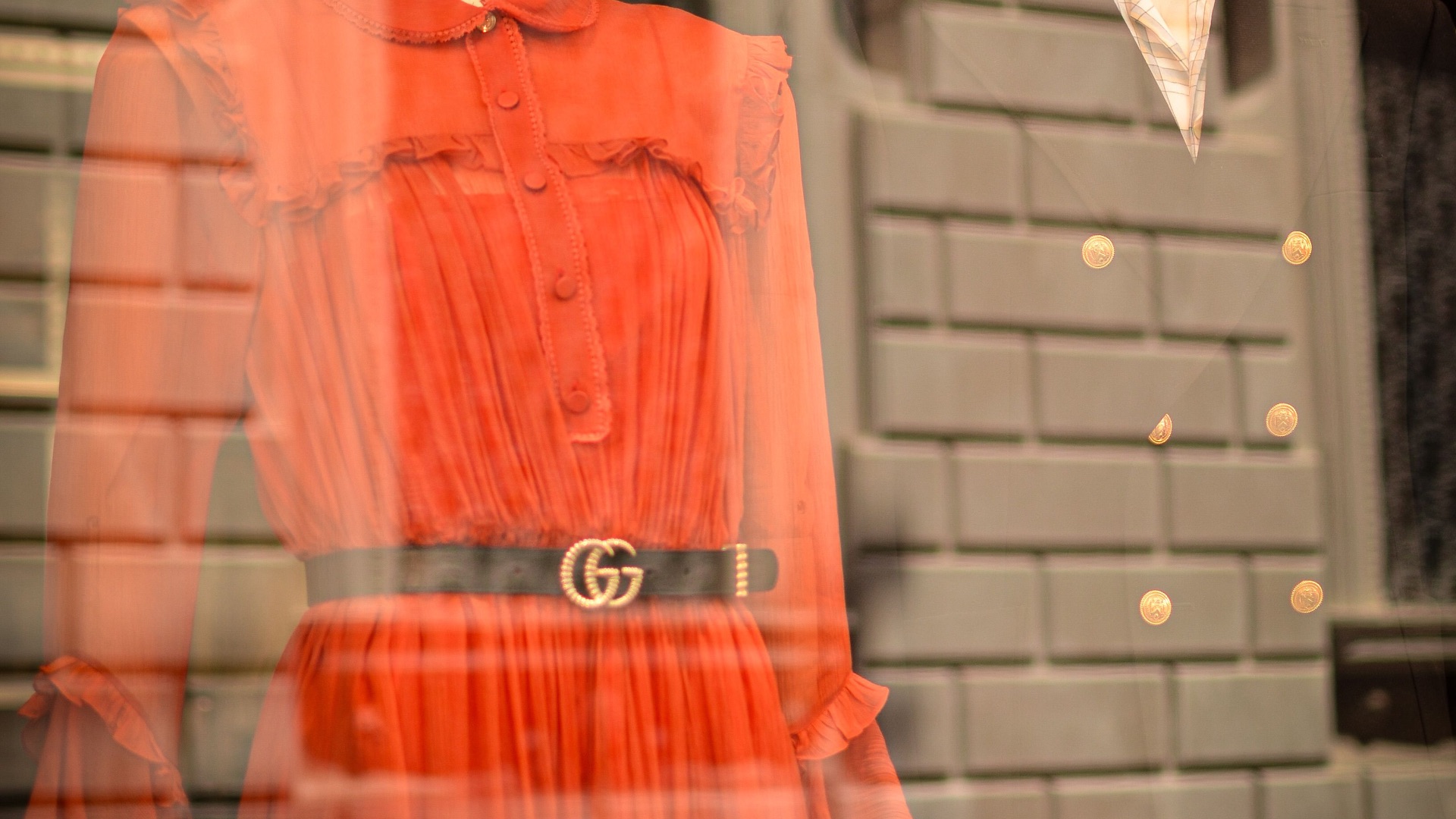
Florals, geometric motifs, baroque details, and artistic patterns frequently appear in Italian collections. These prints can be dramatic, but they’re usually arranged with careful attention to scale and placement. A patterned garment might be expressive without overwhelming the person wearing it. For anyone who wants clothing with more visual interest, Italian fashion offers plenty of distinctive choices.
11. Superior Stitching Techniques
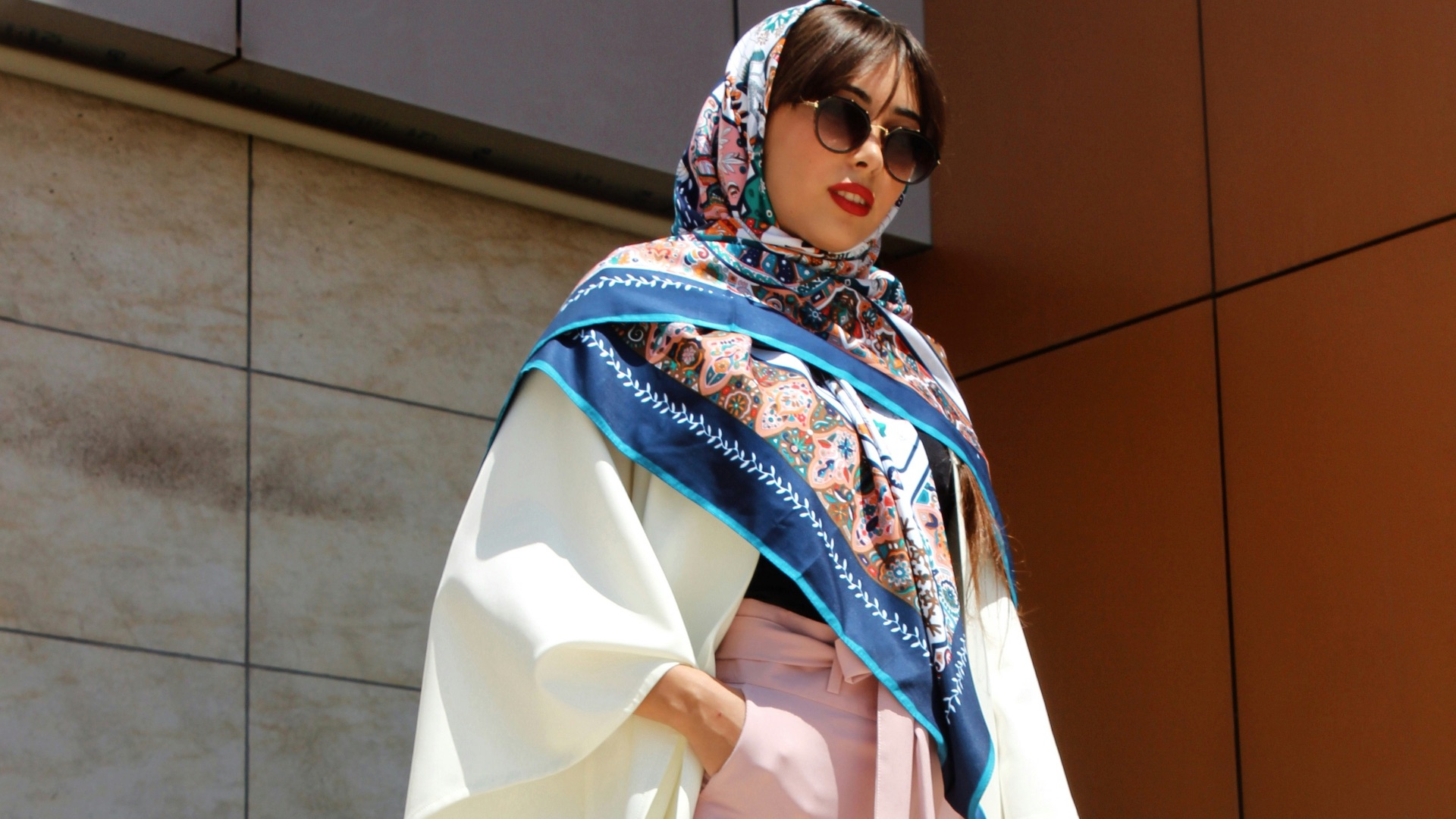
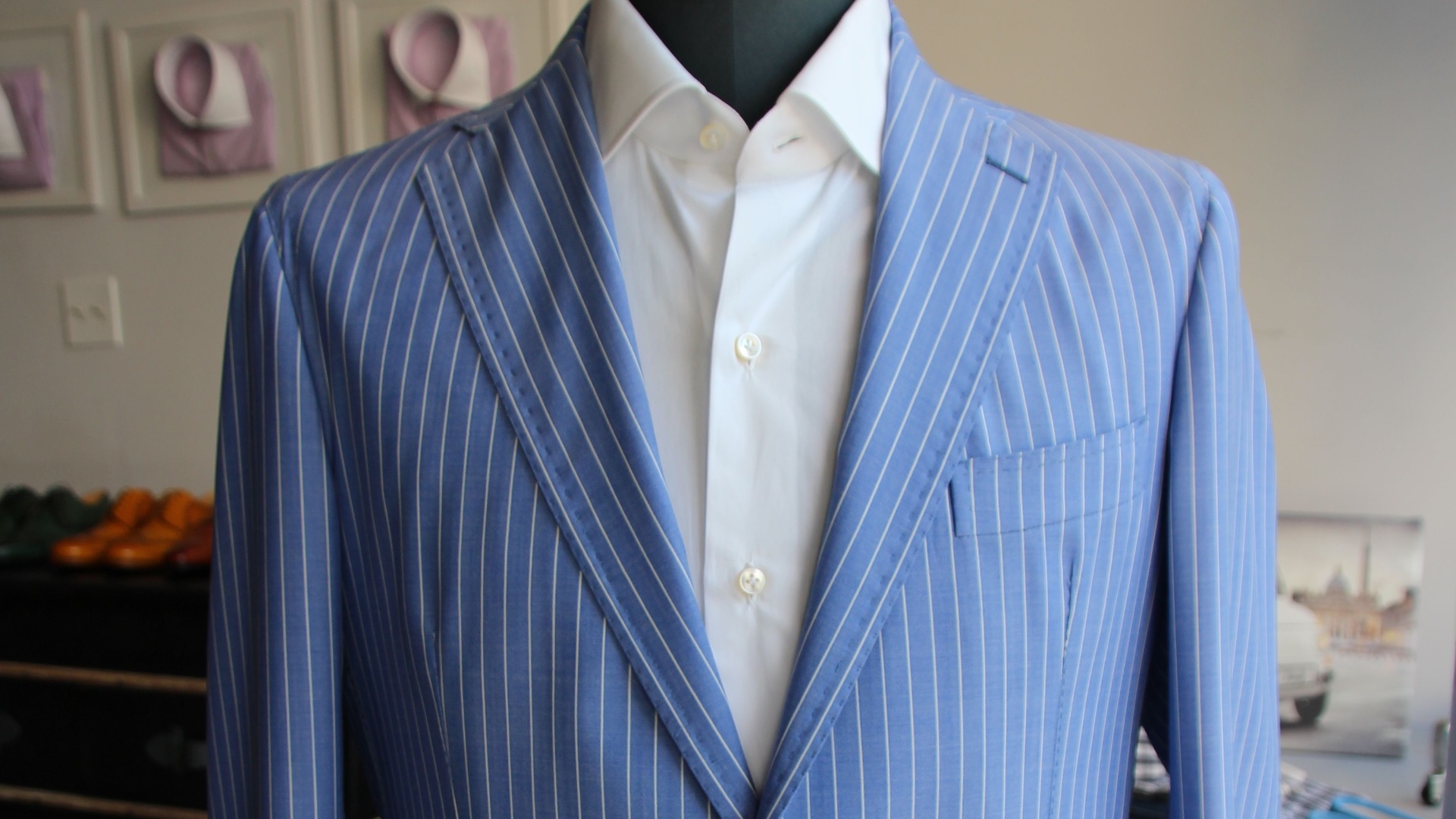
Italian garment workers are trained to use stitching methods that reinforce durability without sacrificing a clean appearance. Techniques like the Neapolitan shoulder in tailoring allow jackets to move naturally with the body instead of feeling stiff. This kind of construction knowledge takes years to master, and it shows in how long the clothing lasts.
12. A Reputation Built on Trust
Decades of consistent quality have given Italian fashion brands a level of trust that's difficult for newer markets to compete with. Shoppers often feel more confident investing in Italian-made items because history has shown these pieces tend to hold up over time. That trust becomes part of the appeal itself, almost as valuable as the product.
13. Innovation Within Tradition
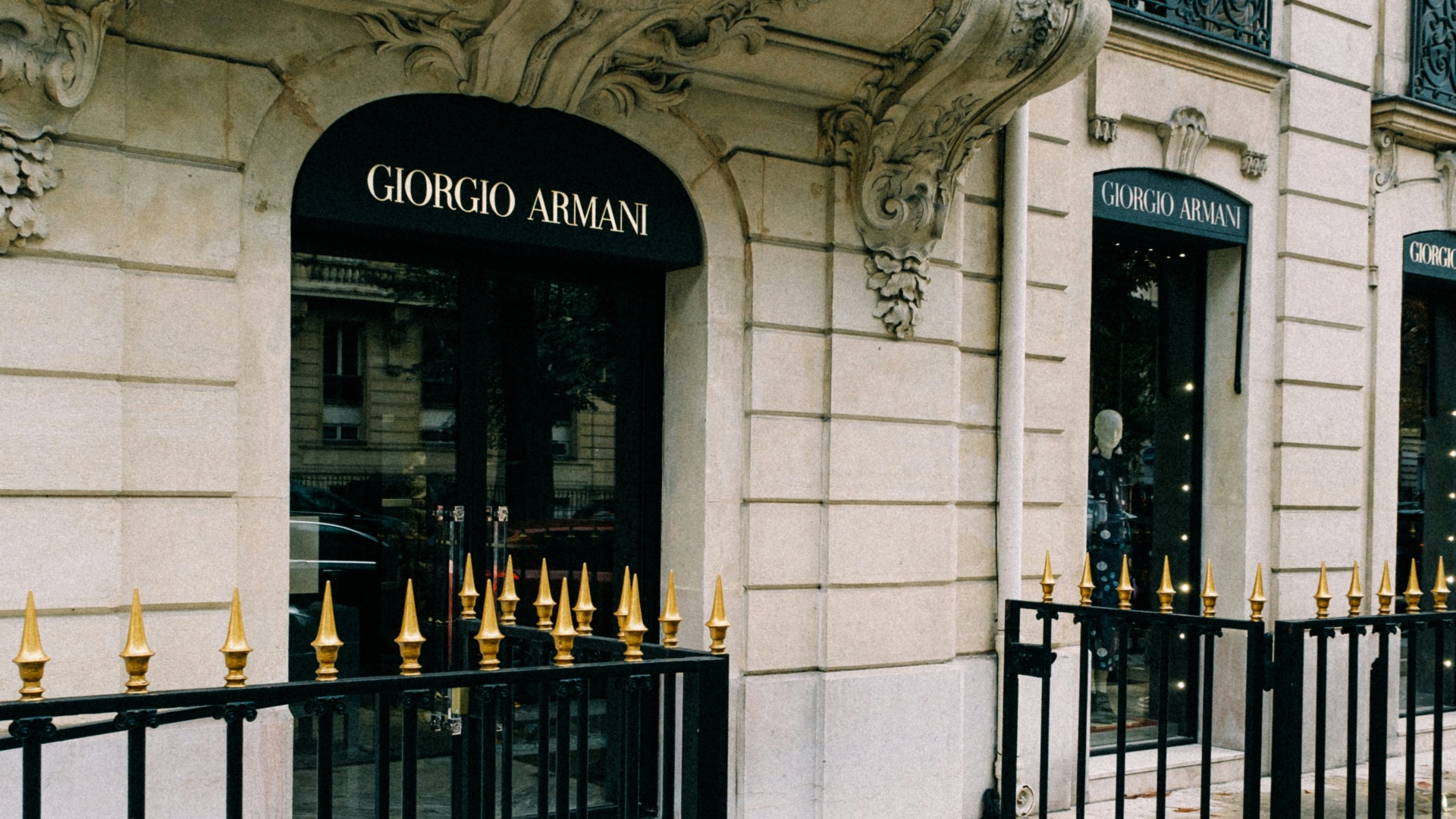
While Italian fashion respects its roots, it doesn't shy away from experimenting with new materials or techniques. Brands frequently blend traditional craftsmanship with modern technology, like laser-cutting leather or developing sustainable fabric blends. This balance keeps the industry fresh while still honoring the methods that built its reputation.
14. Strong Global Demand
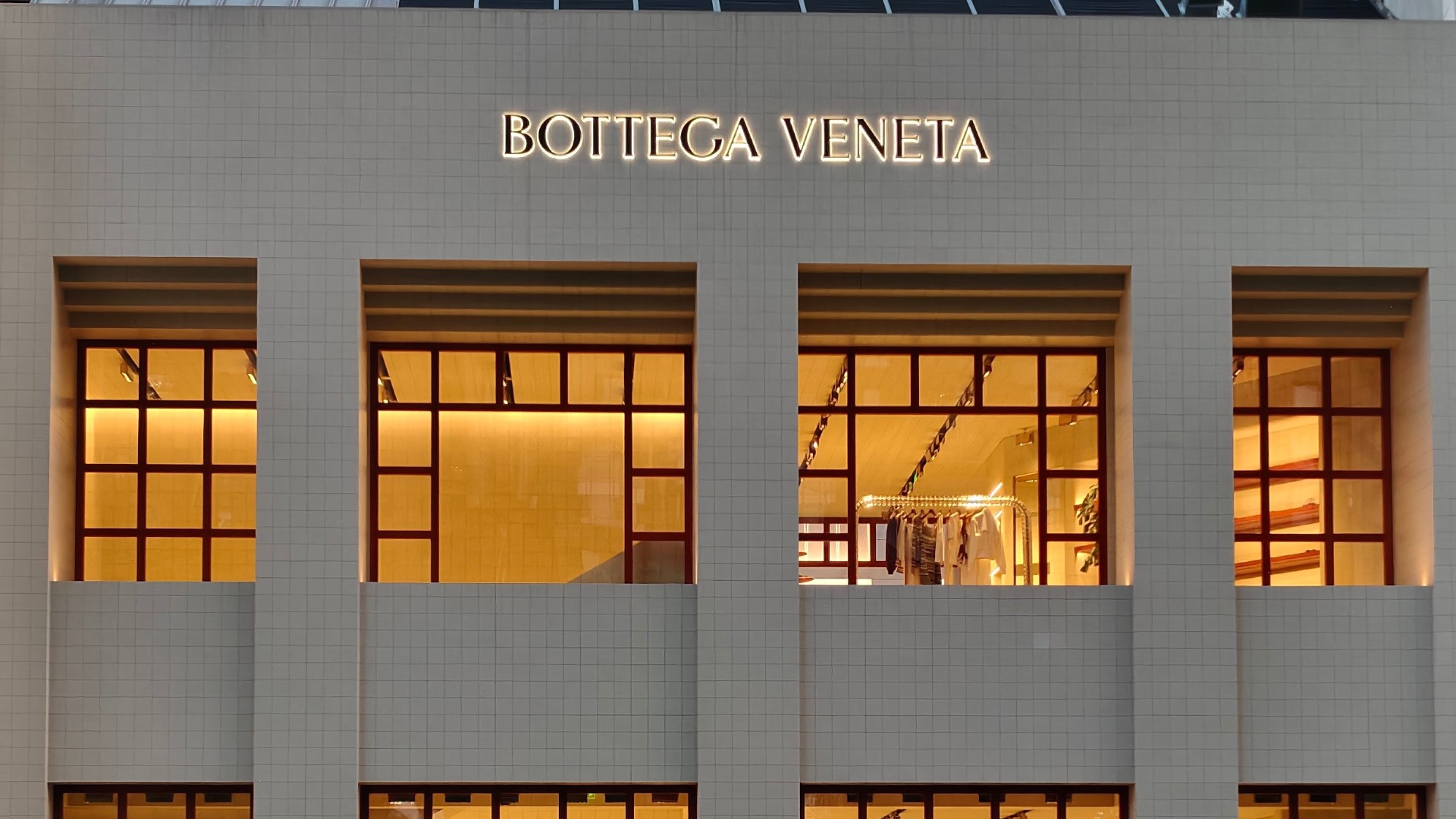
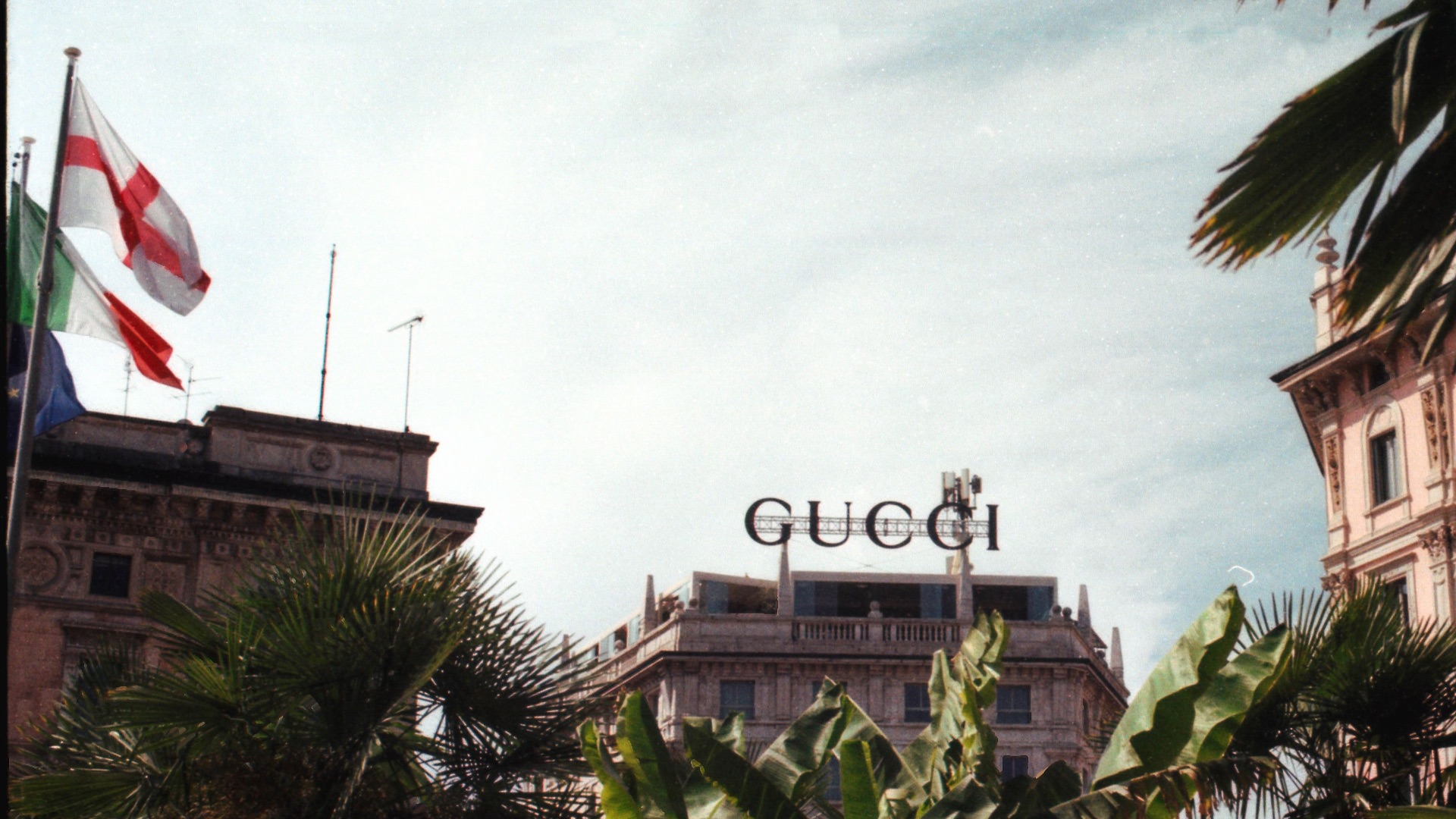
Italian-made fashion continues to be one of the most sought-after categories in the luxury market, with demand stretching from Asia to North America. Retailers know that customers are willing to pay more for authenticity, which keeps Italian manufacturers busy year-round. That level of demand reinforces just how much people value what the label represents.
15. Emphasis on Fit and Proportion
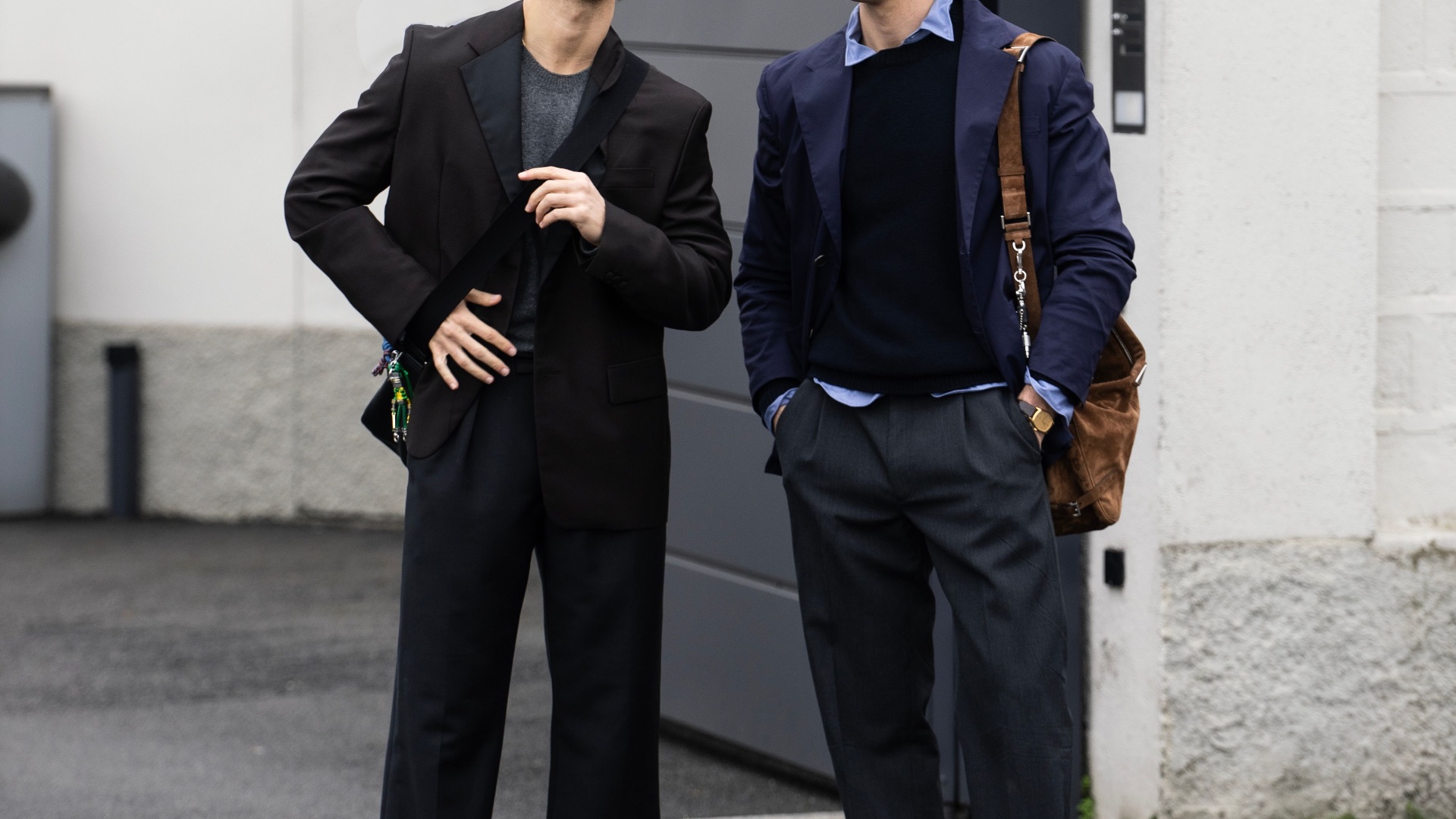
Italian designers pay close attention to how clothing sits on the body, often prioritizing proportion over rigid sizing standards. This focus results in garments that flatter a wider range of body types instead of forcing everyone into the same silhouette. It's a subtle difference, but it makes a noticeable impact on how the clothing actually looks when worn.
 Filip Rankovic Grobgaard on Pexels
16. A Focus on Sensory Experience
Wearing something Italian-made often feels different, from the weight of the fabric to the way it moves. Designers consider how a garment will feel against the skin, not just how it looks on a hanger or runway. That sensory experience adds a layer of enjoyment that goes beyond simple aesthetics.
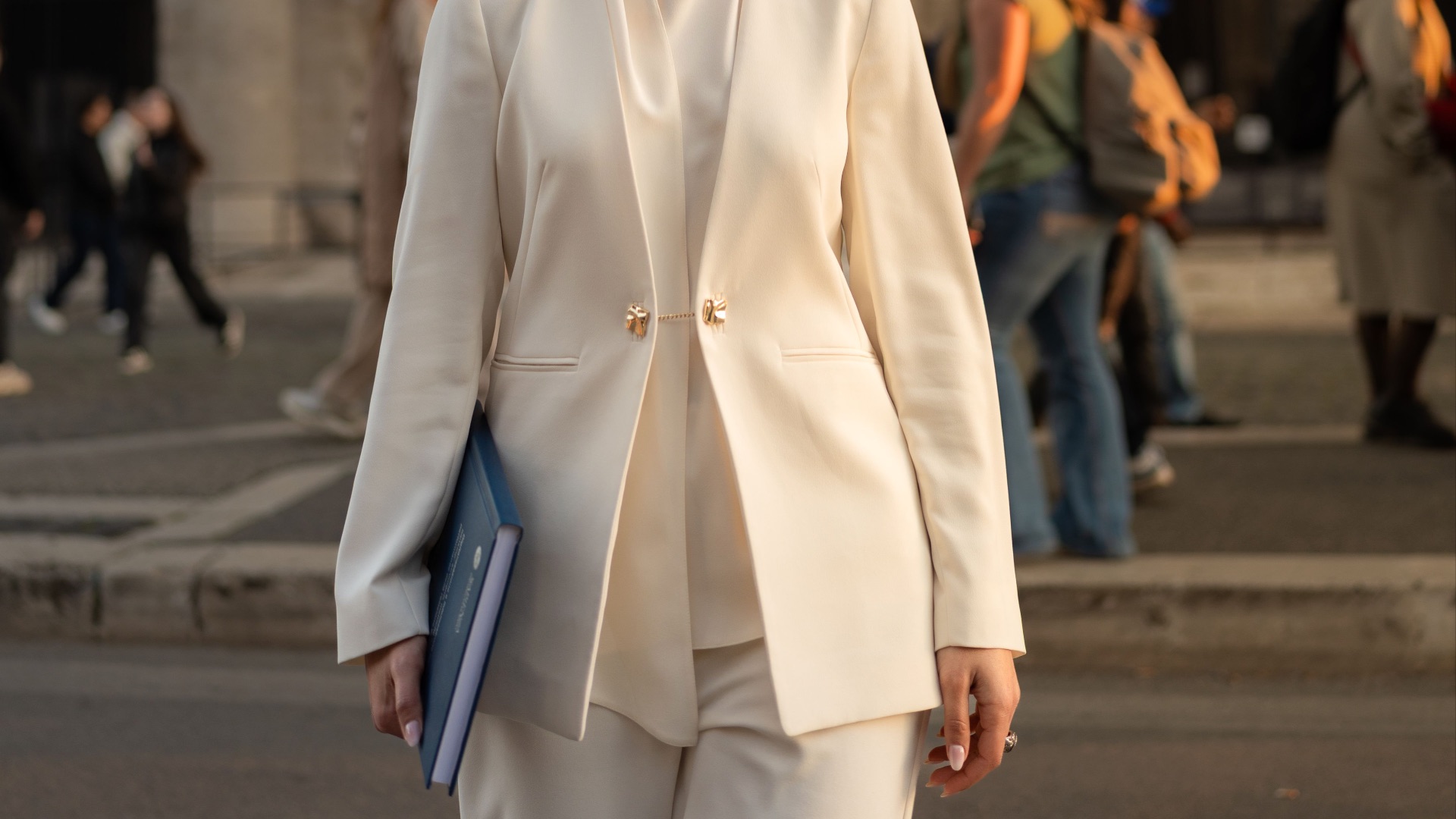
17. Family-Owned Business Traditions
Many Italian fashion houses and workshops remain family-owned, passing techniques and business values down through generations. This continuity helps preserve institutional knowledge that might otherwise be lost in larger corporate structures. Customers often feel a stronger connection to brands that carry this kind of personal history.
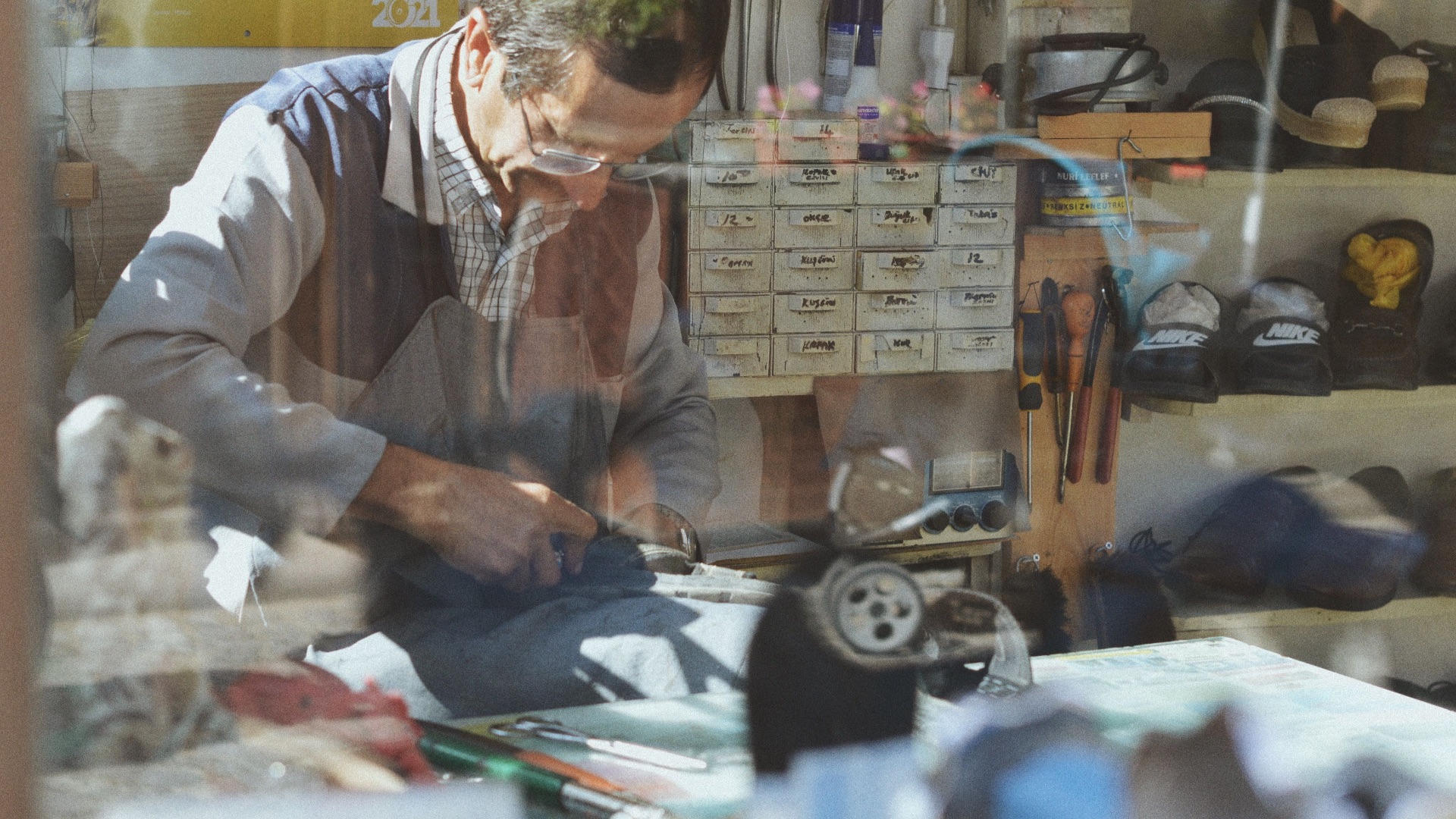
18. Support for Local Artisans
Buying Italian-made fashion often means directly supporting small workshops and skilled artisans rather than large anonymous factories. This connection between consumer and craftsperson adds meaning to the purchase that mass-produced items simply can't offer. It also helps keep traditional trades alive for future generations to learn.
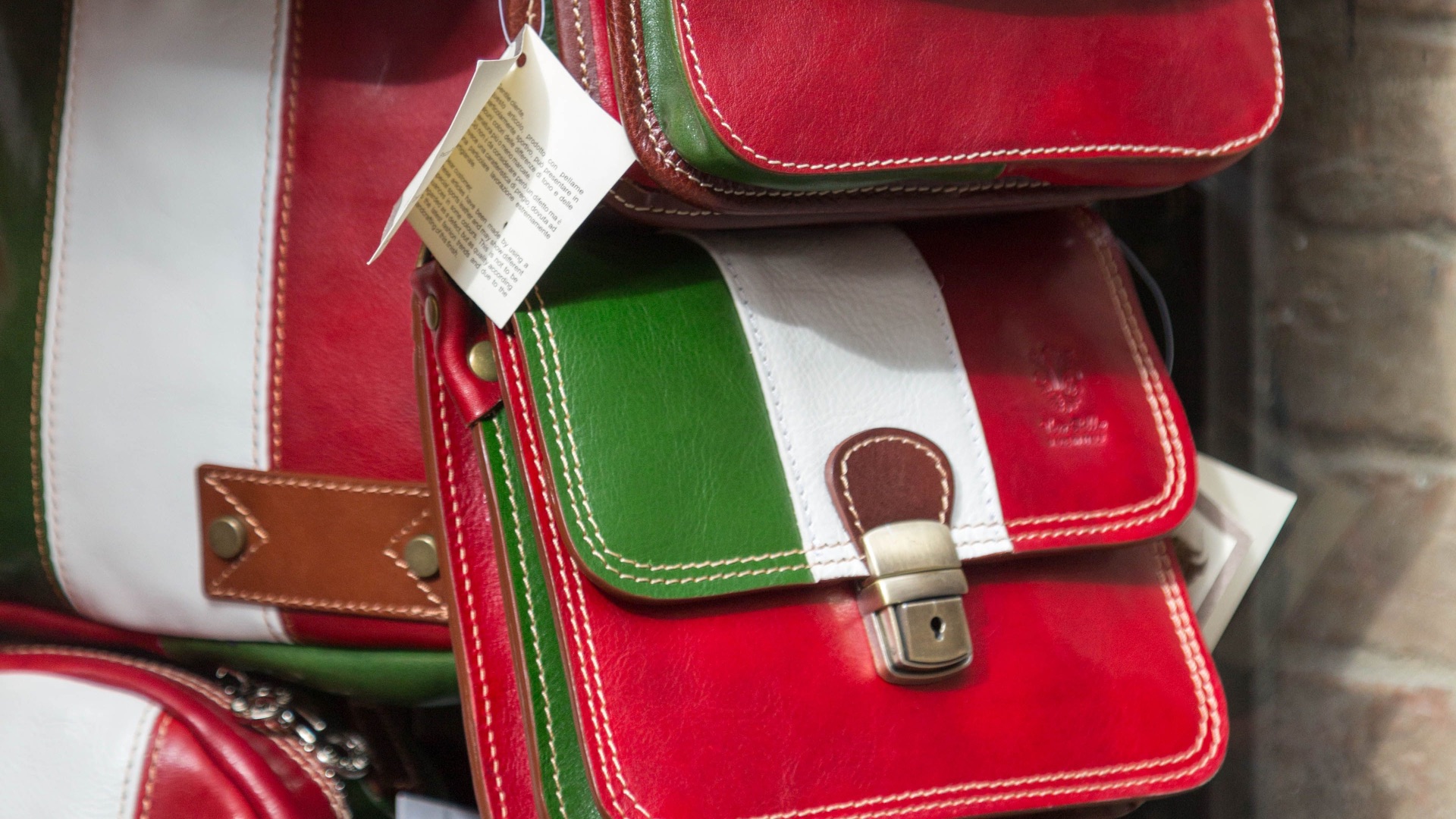
19. Iconic Status Symbol
Owning Italian-made fashion has long been associated with taste and success, and that reputation still holds strong today. From tailored suits to designer handbags, these items often signal that the wearer values quality and craftsmanship. That symbolic weight adds another layer of appeal beyond the clothing itself.
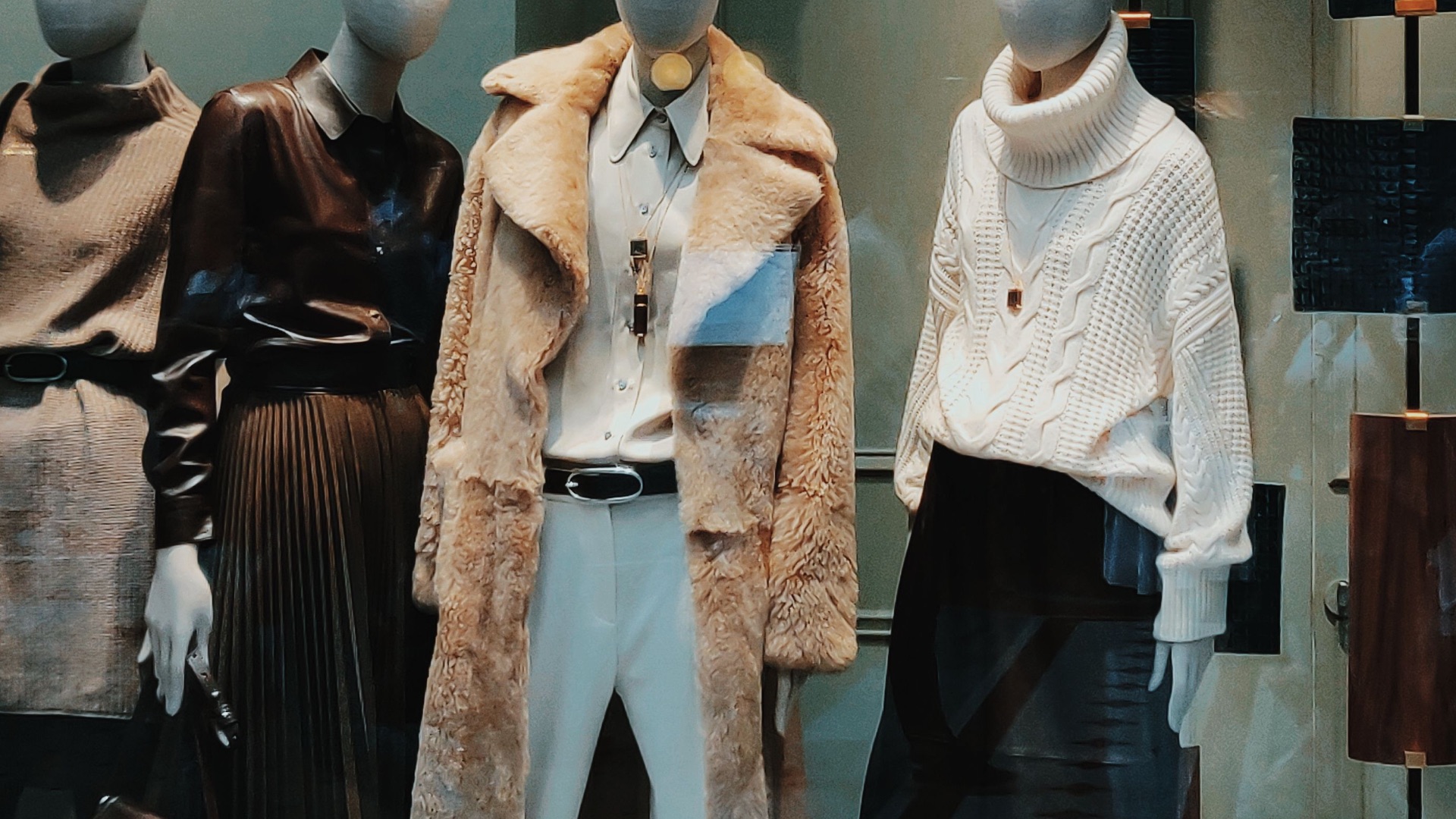
20. The Emotional Connection
There's something special about owning a piece of clothing that carries real history and craftsmanship behind it. Italian-made fashion often feels less disposable and more like something worth cherishing for years to come. That emotional connection, paired with undeniable quality, is exactly why so many people keep coming back to it.