
A Practical, Polished Approach
Scars are part of being human, but it’s completely reasonable to want them to look softer, smoother, and less noticeable. The good news is that scar appearance often improves with steady, simple care and a little patience. The bad news is that impatience only worsens their appearance. Come with us as we break down some strategies you can mix and match based on your skin type, the scar’s age, and what fits your routine.
1. Give It Time and Protect the Healing Skin
Fresh scars usually look worse before they look better, so don’t panic if the color seems intense early on. Keep the area clean, avoid picking, and let the skin rebuild itself without constant interference. If you’re unsure whether a wound is healing normally, it’s worth checking in with a clinician so you don’t accidentally slow things down.
2. Use Silicone Gel or Silicone Sheets Consistently
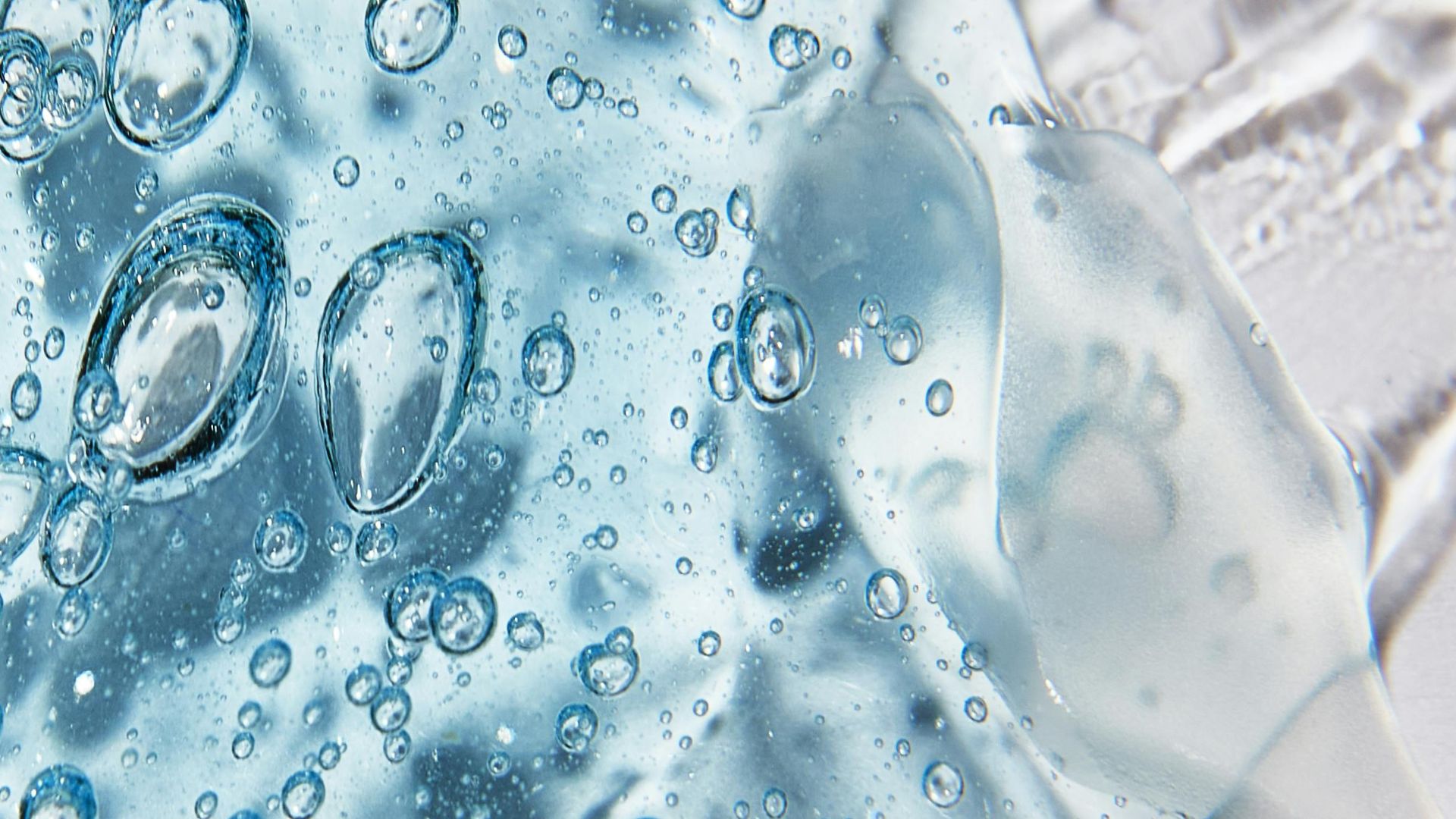
Silicone is one of the most evidence-supported options for improving scar texture and thickness. When you use it daily, it helps keep the scar hydrated and can reduce raised or firm areas over time. Stick with it for weeks to months; consistency matters more than doing it perfectly once in a while.
3. Apply Sunscreen Every Day on Exposed Scars
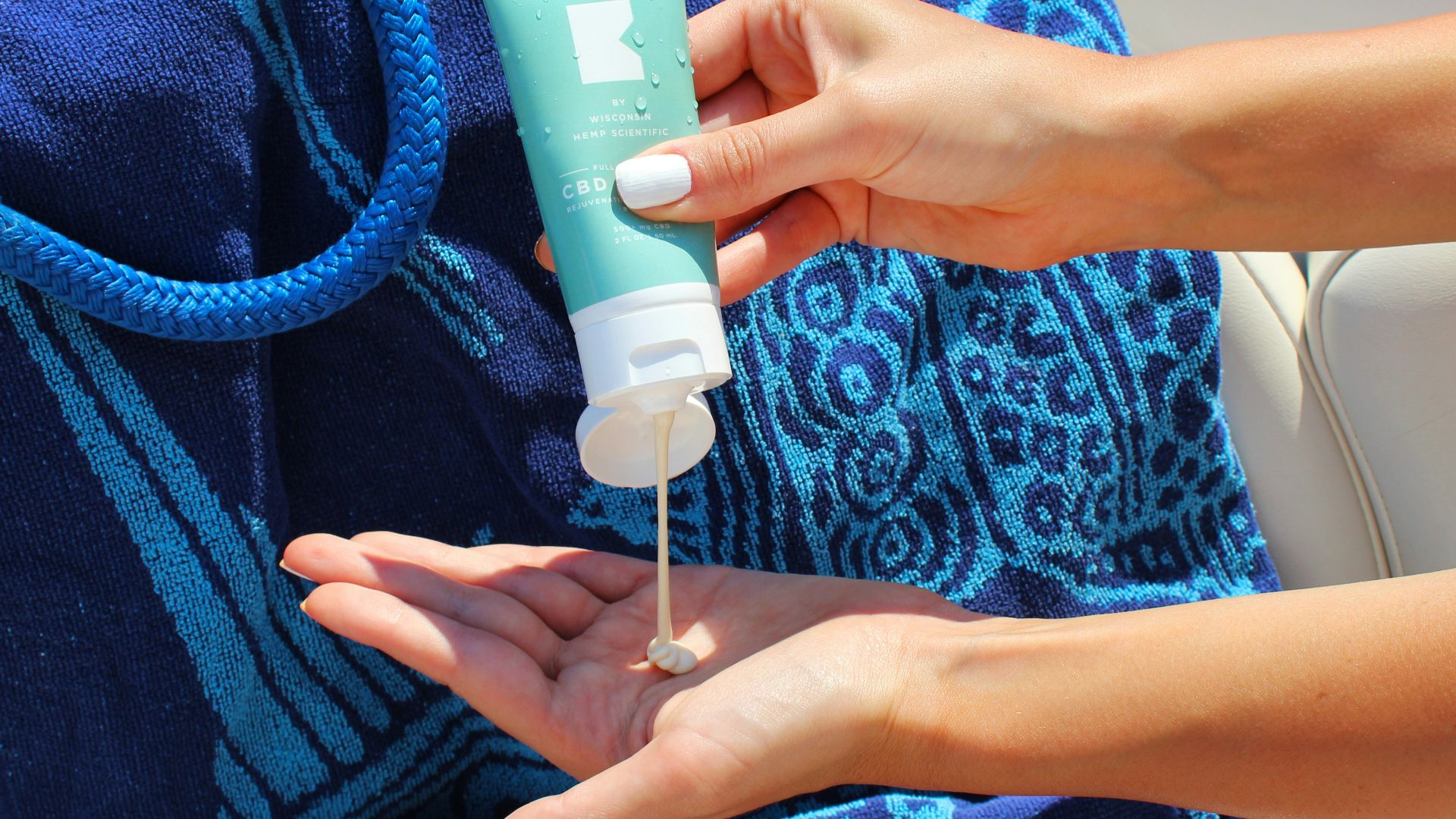
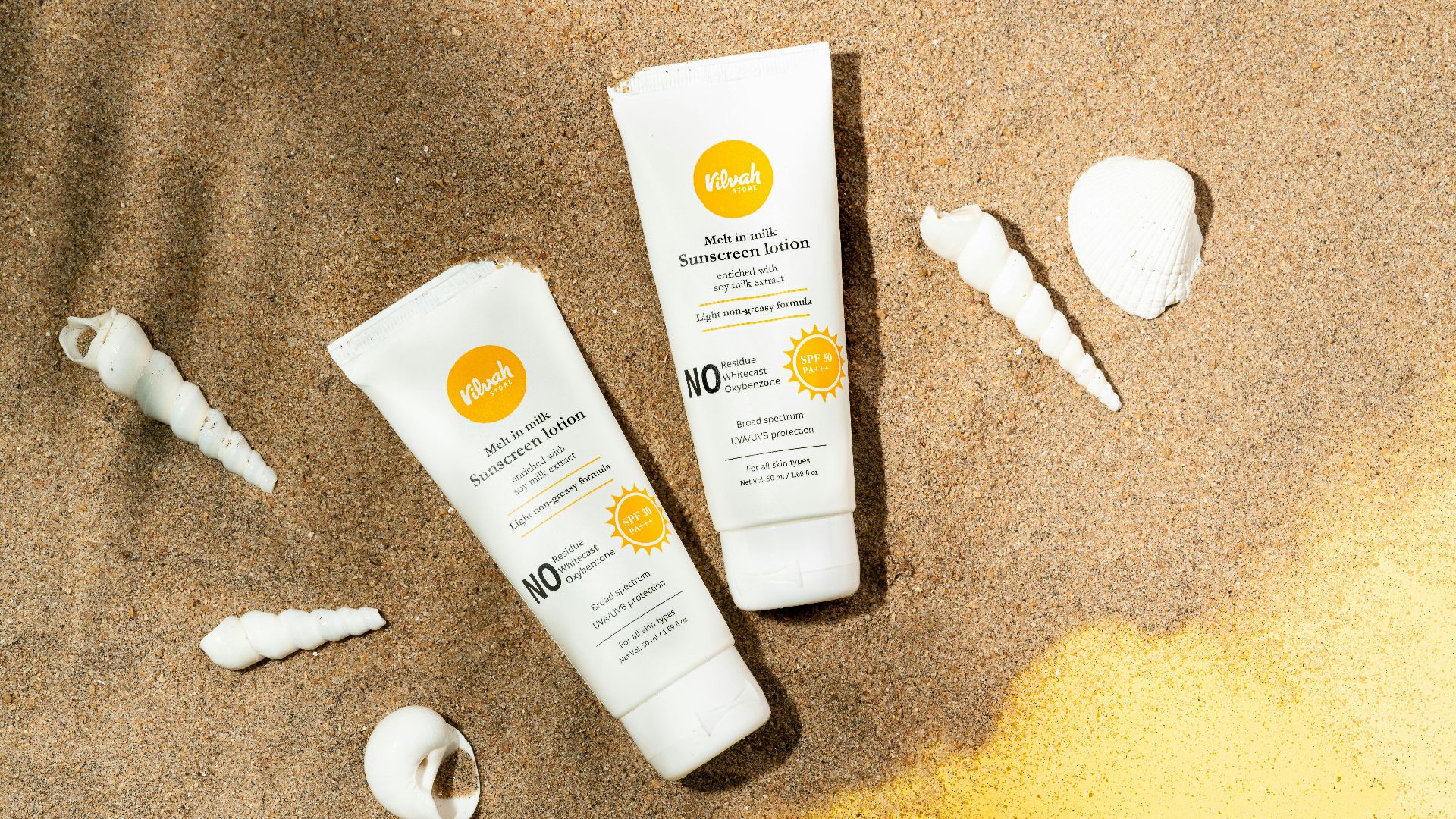
UV exposure can darken scars and make them stand out longer than they need to. A broad-spectrum SPF 30 or higher is a simple step that pays off, especially on the face, chest, and shoulders. Reapply if you’re outdoors, since “one-and-done” sunscreen tends to be wishful thinking.
 BATCH by Wisconsin Hemp Scientific on Unsplash
4. Massage the Scar to Improve Flexibility
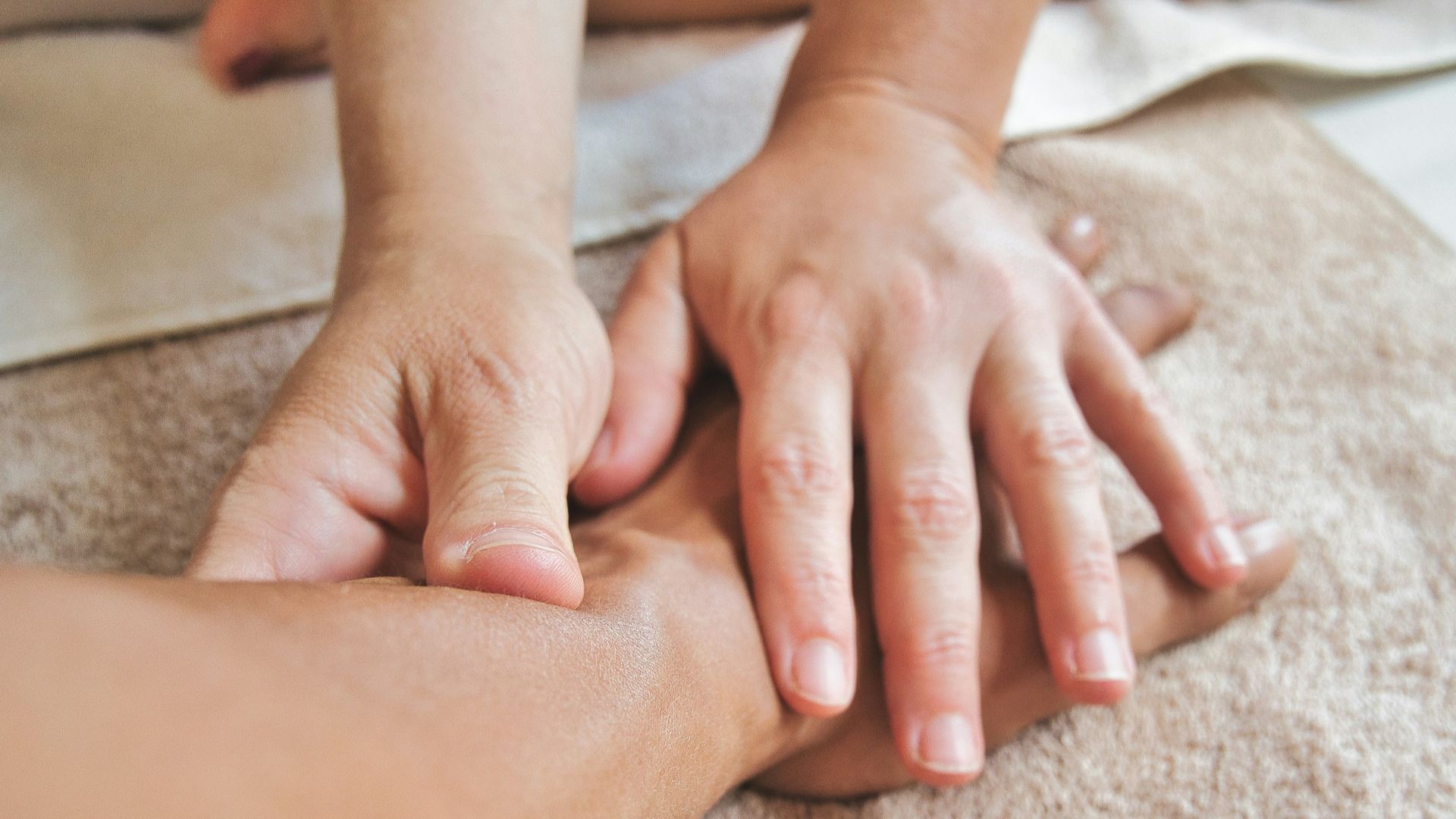
Once the skin is fully closed and no longer tender, a gentle massage can help the tissue feel less tight. Use clean hands and light pressure, working in slow circles for a minute or two. It won’t erase a scar, but it can improve comfort and make the surface look more even!
5. Keep the Area Moisturized
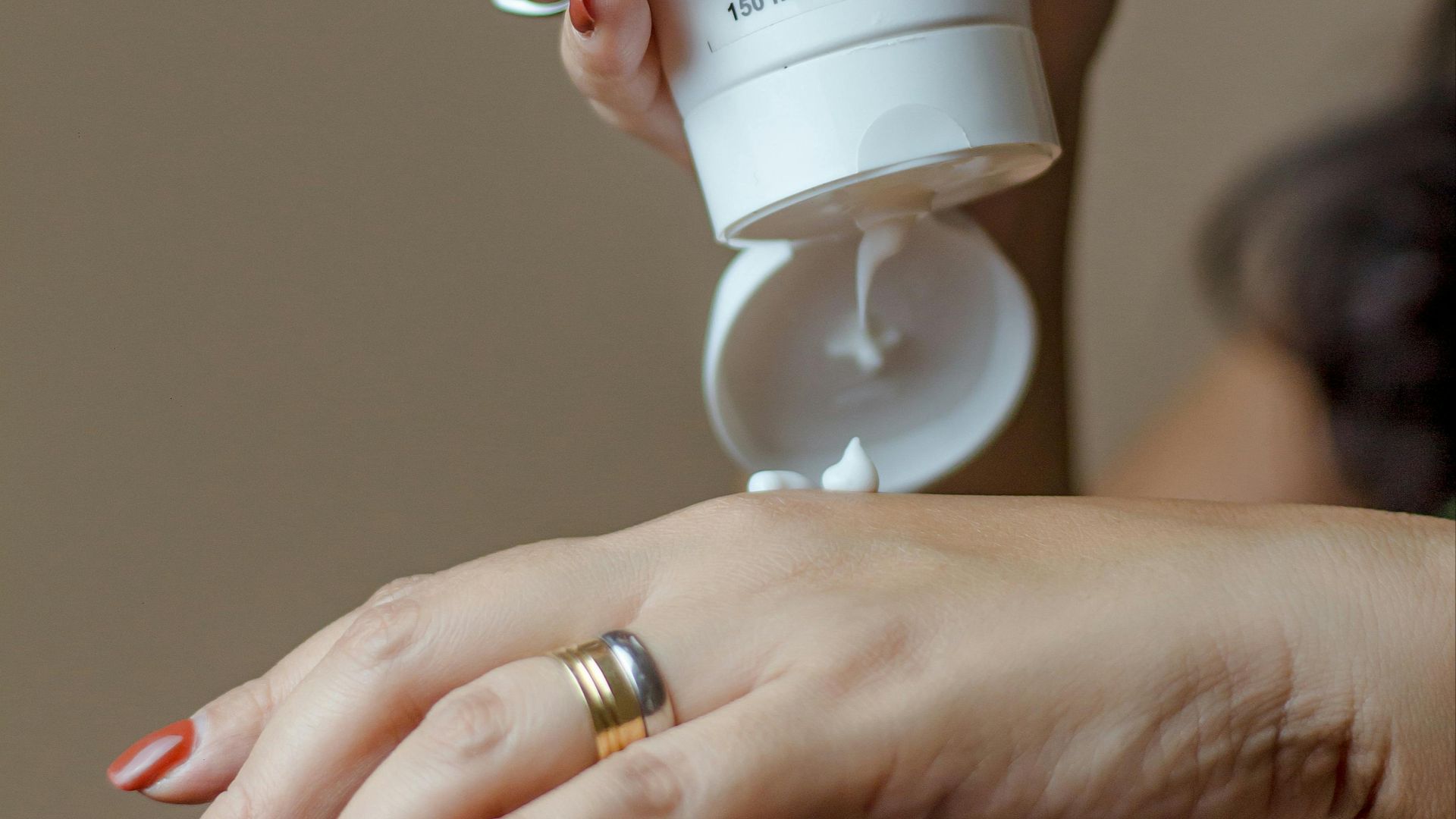
Dry, irritated skin tends to look rougher and draws attention to texture. A fragrance-free moisturizer or a thin layer of petroleum jelly can help the surface appear smoother. Just make sure you choose straightforward formulas so you don’t accidentally trigger redness.
6. Try a Retinoid if Your Skin Can Handle It
Retinoids can support skin turnover and may help certain scars look more refined over time. The trick is to start slowly—irritation can make a scar and the surrounding skin look angrier before it settles down. It’s also a risky choice if you’re pregnant, trying to conceive, or have very sensitive skin, so ask a dermatologist about safer alternatives.

7. Consider Gentle Chemical Exfoliation
Ingredients like lactic or salicylic acid can help smooth unevenness in the surrounding skin, which can make scars blend in better. Introduce one exfoliant at a time and don’t overdo it; over-exfoliation is a classic self-own. If the scar is still new or easily irritated, wait until things are calmer before experimenting.
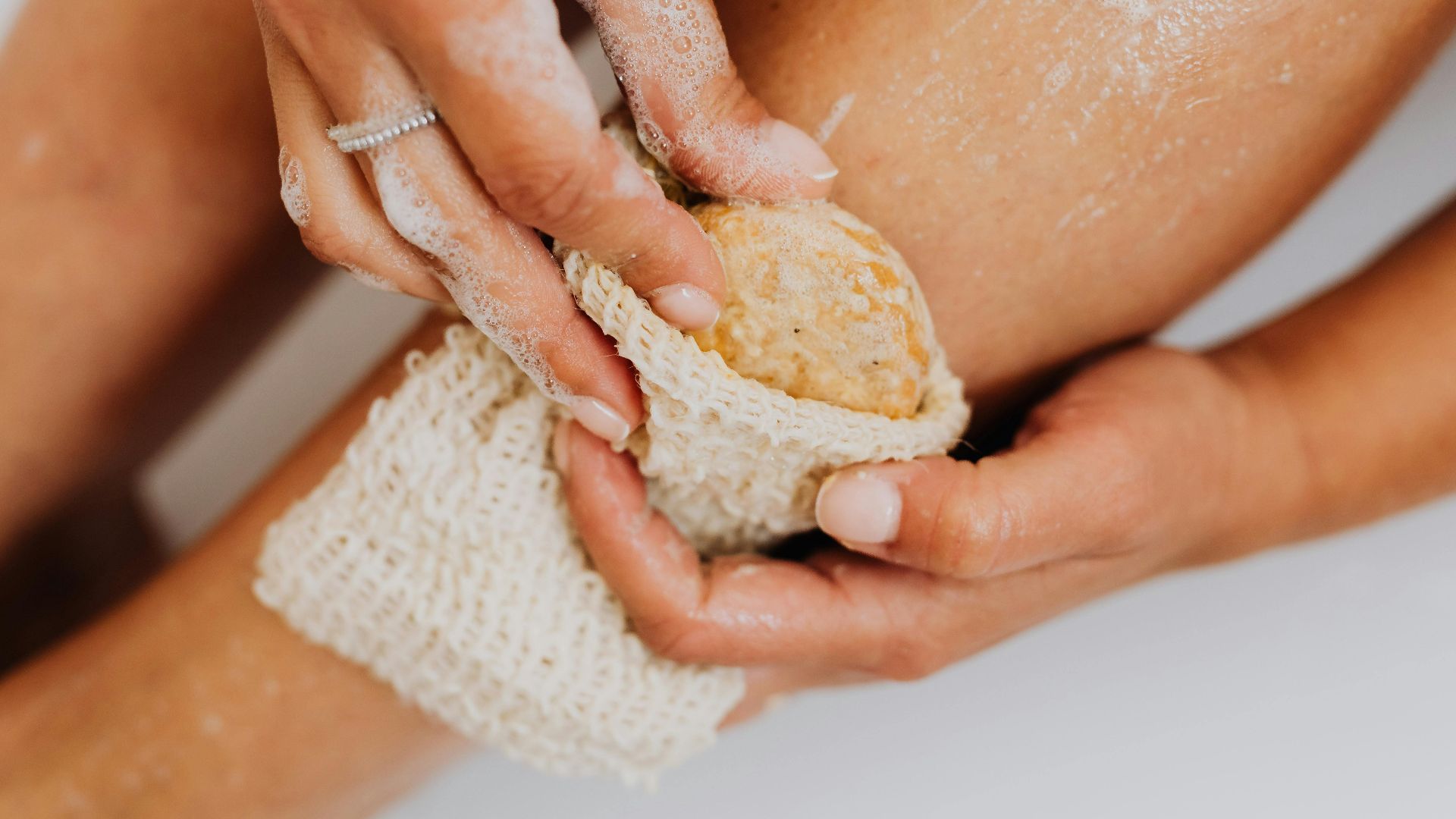
8. Use Lightening Ingredients for Dark Marks, Not Open Skin
If a scar looks darker than your natural skin tone, brightening agents like vitamin C, niacinamide, or azelaic acid may help even it out. Apply them to healed skin only and pair them with daily sunscreen so the progress doesn’t backslide. Keep in mind that results tend to be gradual, so you’ll get more mileage from steady use than from intense layering.
9. Explore Professional Treatments
When home care plateaus, in-office options can make a meaningful difference. Dermatologists may recommend treatments like laser therapy, microneedling, steroid injections, or resurfacing, depending on the scar type. They’ll also guide you to the right path!

10. Choose Scar-Friendly Habits That Support Your Skin
Good sleep, balanced nutrition, and not smoking can all support healthier-looking skin. When you treat the area gently and stay consistent, you’re giving your skin the best chance to do what it does best: heal.
A lot of scar care is less about aggressive fixes and more about avoiding the habits that keep skin irritated! Let’s explore common mistakes to steer clear of.
1. Don’t Pick at Healing Skin
Messing with scabs widens the scar and prolongs redness. Your fingers also introduce bacteria that can trigger infection, which makes scarring more likely. If you catch yourself picking out of habit, cover the area with a clean bandage so you’re less tempted.
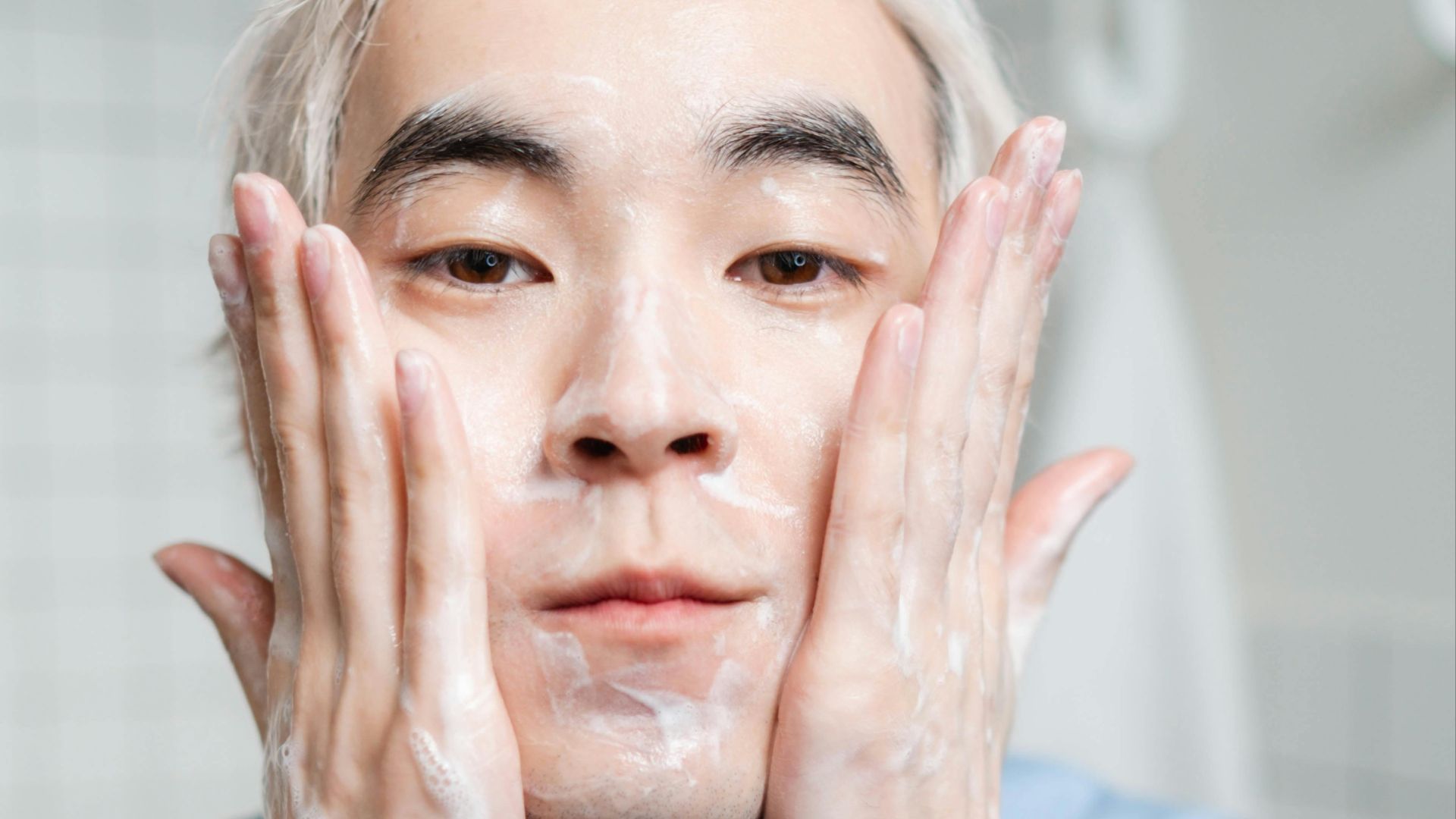
2. Don’t Skip Sunscreen
We all know the importance of SPF, but unprotected sun exposure also makes scars look darker. To make matters worse, it can create a stubborn color mismatch that takes months to fade. Put broad-spectrum SPF 30 or higher on any exposed scar, and reapply when you’re outdoors.
3. Don’t Use Harsh Scrubs on a New Scar
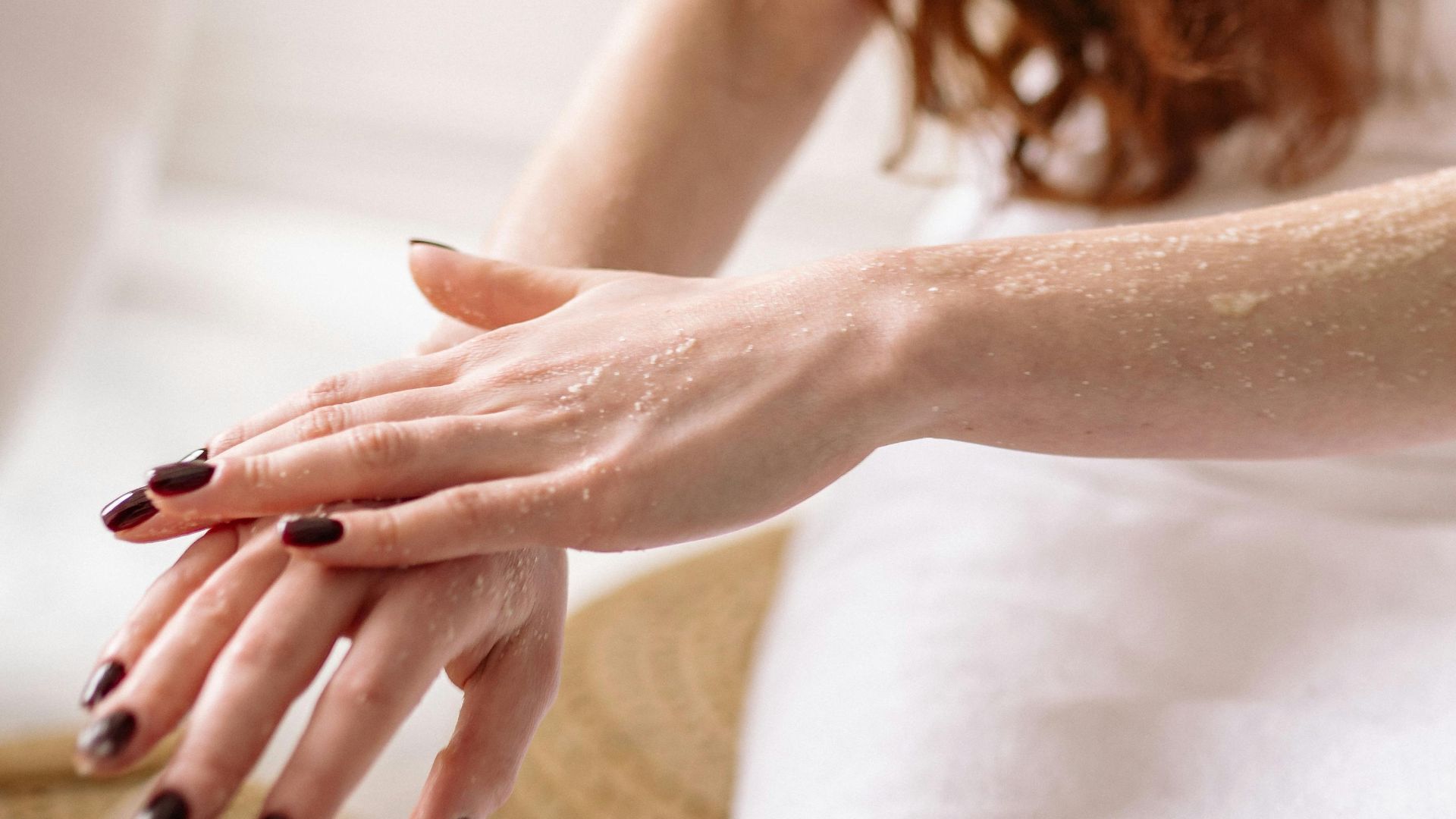
Gritty exfoliants irritate healing tissue and make the area look rougher, not smoother. Over-scrubbing also increases inflammation, which can make discoloration hang around. If you want exfoliation later, choose gentle chemical options and introduce them slowly.
4. Don’t Put Strong Actives on Open Wounds
Retinoids, acids, and brightening products aren’t meant for broken skin—applying them too early only delays your healing. That irritation can translate into a scar that looks angrier for longer, so wait until the skin is fully closed, then patch test.
5. Don’t Assume “More Product” Means “More Results”
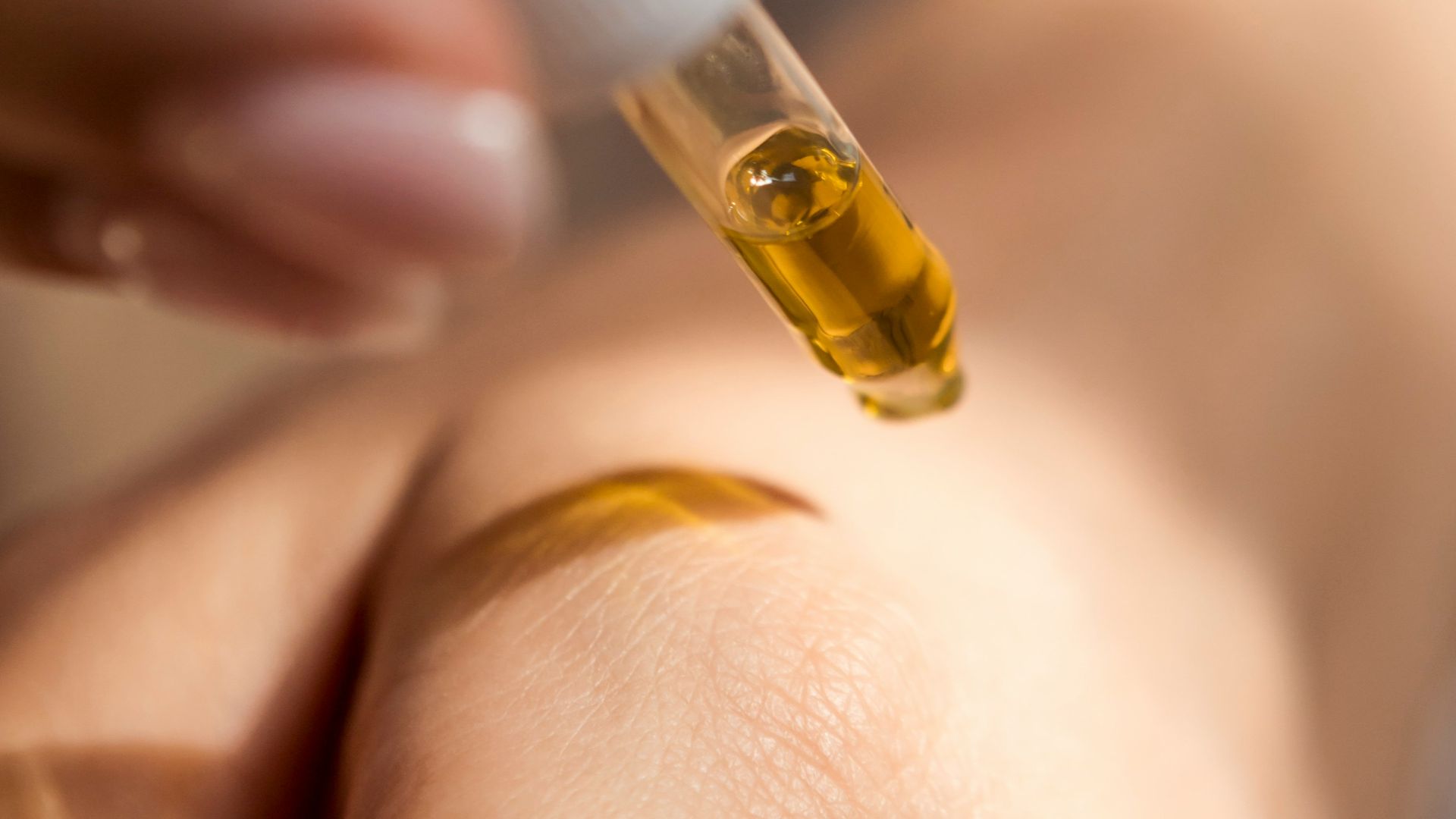
Layering five scar products at once usually leads to irritation, not improvement. When skin gets overwhelmed, redness and dryness can make the scar stand out even more! Pick one or two evidence-based options and use them consistently instead of turning your routine into a chemistry experiment.
 Enecta Cannabis extracts on Unsplash
6. Don’t Ignore Signs of Infection or Poor Healing
If the area becomes increasingly painful, don’t try to power through with home remedies. Infection not only puts you in the doctor’s office, but it also worsens scarring and creates longer-term texture changes. Get medical advice early; “wait and see” is rarely a winning strategy.
7. Don’t Start Massages Too Soon
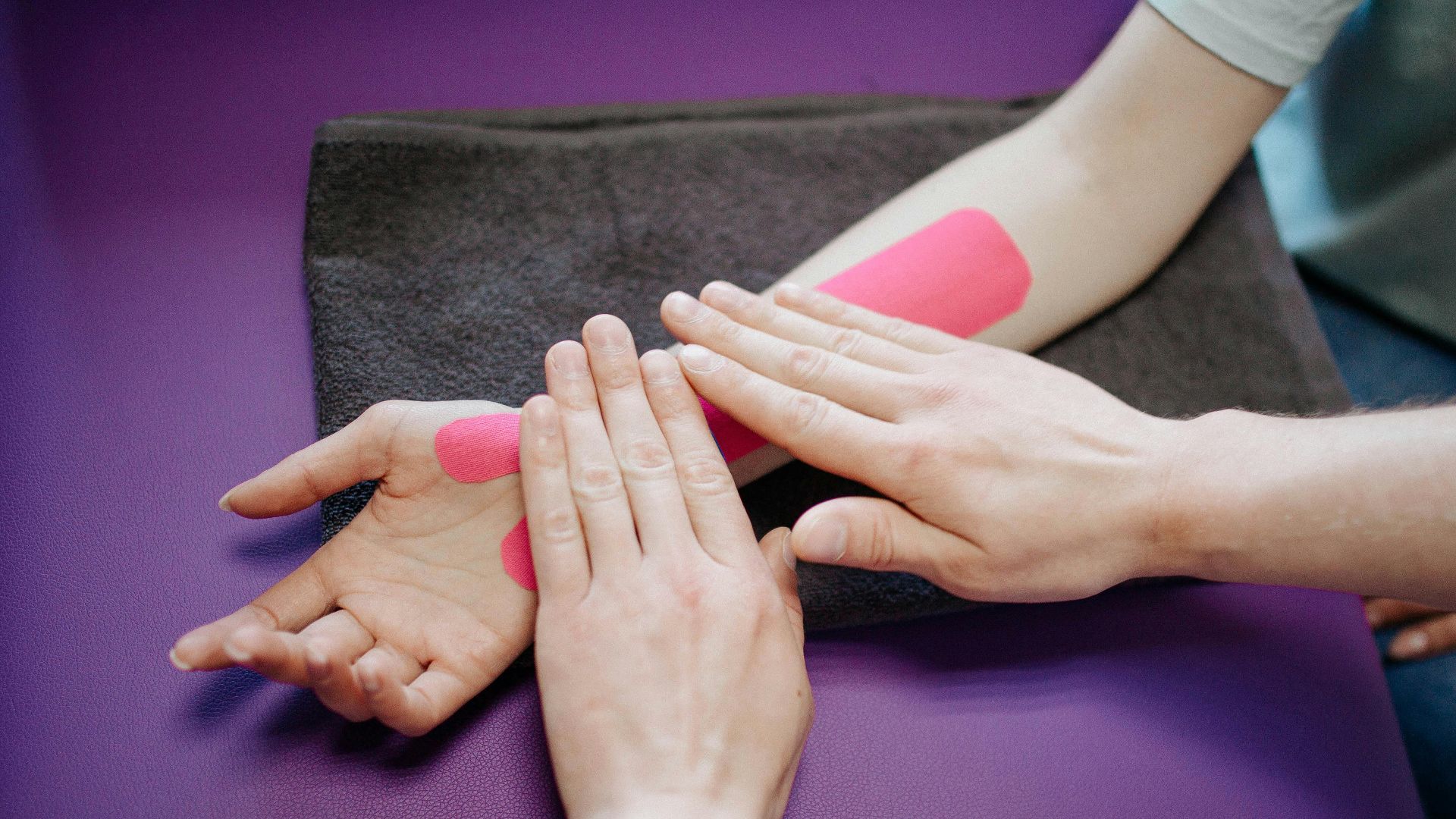
Scar massage can be helpful, but doing it before the wound is fully healed actually reopens fragile tissue. Aggressive pressure can also irritate the area and increase inflammation. Once the skin is closed and comfortable, keep massages gentle and brief.
8. Don’t Smoke or Vape
Nicotine and smoking-related toxins can reduce blood flow and slow the repair process. When healing is sluggish, scars can end up thicker, darker, or more noticeable. We know quitting feels like a big leap, but even cutting back supports skin recovery!
9. Don’t Re-Traumatize the Area
Constant rubbing from tight clothing only keeps a scar irritated. Ongoing irritation increases the chance of lingering redness or thickening, especially in high-movement areas, so it’s time for some improvements. Adjust what’s rubbing, add a soft barrier, or use protective dressings while the skin settles.
10. Don’t Expect One Quick Fix to Rewrite Your Skin Overnight
Scars usually improve gradually—rushing the process often leads to disappointment. If you’ve been consistent for a while and the scar still bothers you, professional treatments may be a better next step than escalating at-home intensity. Patience isn’t glamorous, but it’s surprisingly effective when it comes to scar appearance!