

The Double-Edged Sword of Cosmetic Surgery
Plastic surgery is one of the most personal decisions a person can make, and it's rarely as simple as people on either side of the debate make it out to be. For some, a carefully considered procedure genuinely changes their quality of life for the better, while for others, the experience opens the door to a complicated relationship with their appearance. Whether you're seriously considering a procedure or just curious about the psychology behind it, understanding both sides of the equation is well worth your time.

1. Correct a Feature That's Caused Lifelong Insecurity
For people who've spent years feeling self-conscious about a specific feature, a targeted procedure can feel like a genuine relief rather than a vanity project. When the source of that insecurity is addressed, many patients report a measurable improvement in how comfortable they feel in social situations. It's worth noting that the best outcomes tend to happen when the surgery addresses a specific, long-held concern rather than a vague desire to look different.

2. Restore a Pre-Illness or Pre-Injury Appearance
People who've experienced significant physical changes due to cancer, accidents, or other medical conditions sometimes pursue reconstructive procedures to regain a sense of familiarity with their own reflection. In these cases, undergoing cosmetic surgery is more about reclaiming something that was lost. Feeling like yourself again can be a powerful catalyst for moving forward after a difficult chapter.
3. Reduce Physical Discomfort That Also Affects Self-Image
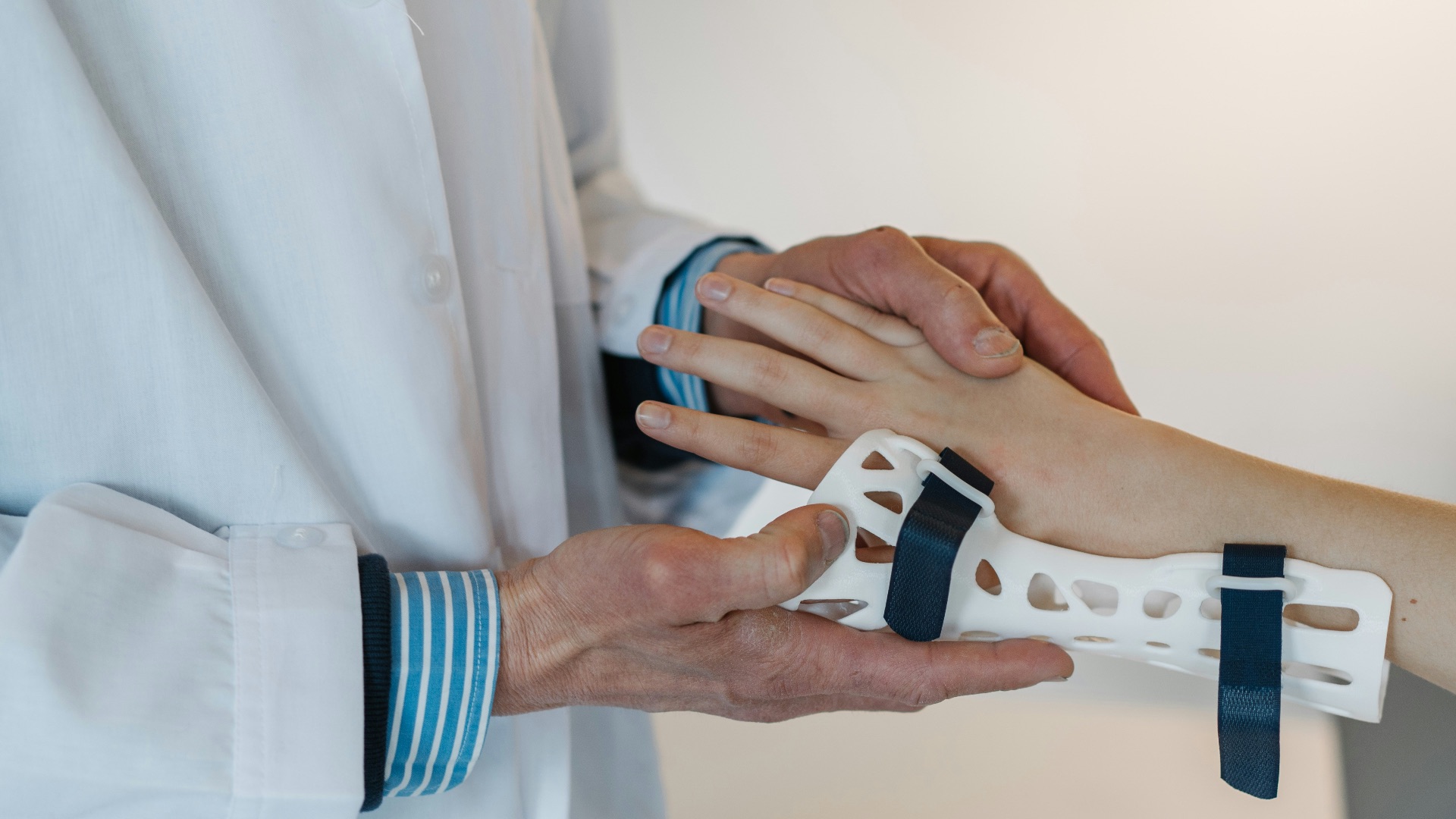
Certain procedures, like breast reduction surgery, address both physical pain and appearance-related concerns at the same time, which makes the confidence benefits feel especially well-rounded. When chronic back pain, skin irritation, or difficulty exercising is resolved alongside aesthetic changes, patients often feel like their quality of life has improved on multiple fronts. That combination of physical and emotional relief tends to produce some of the most consistently positive outcomes in the field.
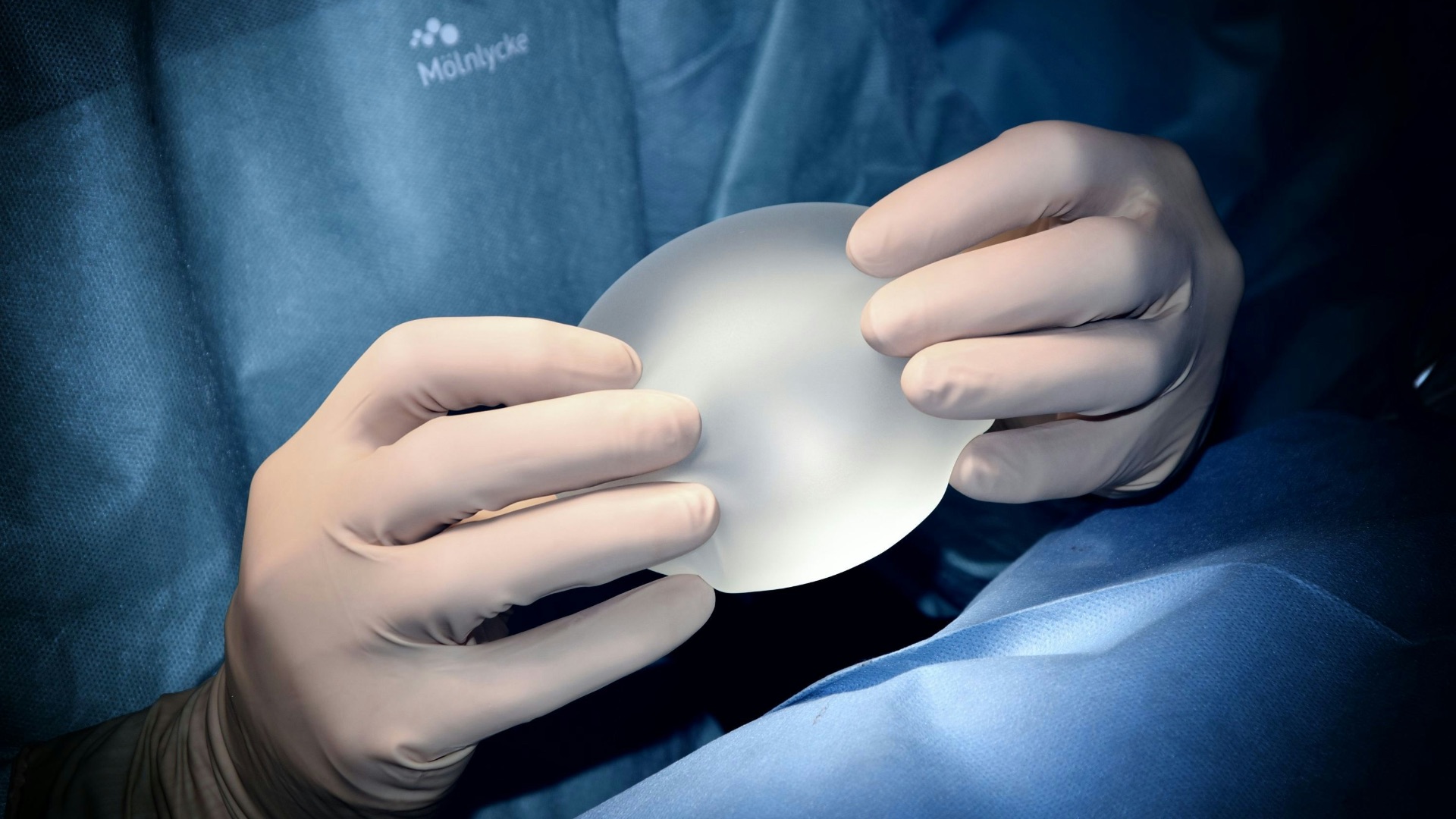 philippe spitalier on Unsplash
4. Help People Feel More Aligned with Their Gender Identity
For transgender and nonbinary individuals, gender-affirming procedures can be a deeply meaningful part of feeling at home in their own body. Research consistently shows that gender-affirming care is associated with improved mental health outcomes and reduced psychological distress. The confidence that comes from seeing a reflection that aligns with one's sense of self is a very different experience from cosmetic changes driven purely by aesthetic preferences.

5. Address Features That Attract Unwanted Attention
Some people pursue surgery after years of dealing with comments, teasing, or staring related to a prominent feature, and the social relief that follows can be significant. When the external trigger for that social discomfort is removed, many patients find that they're able to engage more freely in public life without anticipating negative reactions. It doesn't fix the behavior of others, but it can meaningfully reduce the emotional toll of navigating those interactions day after day.

6. Support a More Positive Relationship with Fitness
Procedures like tummy tucks or body contouring are sometimes pursued by people who've lost a significant amount of weight and are struggling to feel like their appearance reflects the effort they've put in. When the visible reminders of a previous body no longer dominate the mirror, it can reinforce the motivation to maintain healthy habits rather than undermine it. Feeling like your exterior matches your lifestyle can be a real and legitimate source of personal pride.

7. Improve Confidence in Appearance-Focused Industries
In certain career fields, how a person presents themselves plays a measurable role in their opportunities, and some individuals choose surgery as part of a broader strategy for feeling more competitive. Whether this is fair or reflects a deeper cultural problem is a separate conversation, but the confidence that comes from feeling polished and put-together in a high-stakes environment is genuinely valuable. When someone stops worrying about a feature they've always been self-conscious about, that mental energy tends to get redirected toward performing better at work.

8. Correct Asymmetry
Significant facial or bodily asymmetry can be noticeable in ways that are hard to address with clothing or makeup, and this can create a persistent, low-level anxiety about being perceived a certain way. Surgical correction doesn't need to achieve perfection to make a real difference; even modest improvements in balance and proportion can shift how someone carries themselves in everyday life. Many patients report that it's not the dramatic transformation they imagined but simply the removal of a specific source of daily self-consciousness.

9. Feel More Comfortable in Intimate Settings
Body image concerns don't disappear in private, and for some, they're actually most acute in intimate relationships. When surgery addresses a concern that's been affecting someone's willingness to be vulnerable or physically present with a partner, the downstream effects on their relationship quality and emotional well-being can be meaningful. Feeling comfortable in your own skin, in every sense of that phrase, is a reasonable thing to pursue.

10. Give a Sense of Agency
For people who've felt that a particular feature has defined how others perceive them, choosing to change it can feel like taking back authorship of their own story. The decision itself, regardless of outcome, can be empowering simply because it represents a deliberate choice about one's own life and body. When patients are well-informed, have realistic expectations, and make the decision freely, that sense of agency tends to be a lasting part of the positive experience.
As much as plastic surgery can boost confidence, it can also worsen self-esteem. Here's how:

1. Setting Unrealistic Expectations That Surgery Can't Meet
One of the most common pitfalls in cosmetic surgery is going in with the belief that a physical change will resolve deeper emotional dissatisfaction, when the two aren't actually connected. If someone expects surgery to fix their self-worth rather than simply improve a feature they dislike, the results are almost always disappointing regardless of how technically successful the procedure is. Surgeons can change what they see in front of them, but they can't change what's happening in a patient's head.

2. Opening the Door to Body Dysmorphic Disorder
For individuals who have undiagnosed or untreated body dysmorphic disorder, pursuing cosmetic surgery can make symptoms significantly worse rather than better. The disorder is characterized by an obsessive focus on perceived flaws that often aren't visible to others, and surgery tends to shift the focus to a new area rather than resolving the underlying preoccupation. Mental health professionals who specialize in this area consistently caution that surgery without psychological screening can be genuinely harmful for this population.

3. Creating a Cycle of Repeated Procedures
Some patients find that after one successful procedure, the bar for what feels acceptable shifts, and the satisfaction is shorter-lived than they anticipated. This can lead to a pattern of returning for additional surgeries in pursuit of a standard that keeps moving, which is both financially and emotionally exhausting. The industry term for this is the cascade effect, and it's one of the more quietly common complications that doesn't show up in surgical outcome statistics.
4. Experiencing Results That Don't Match What Was Discussed
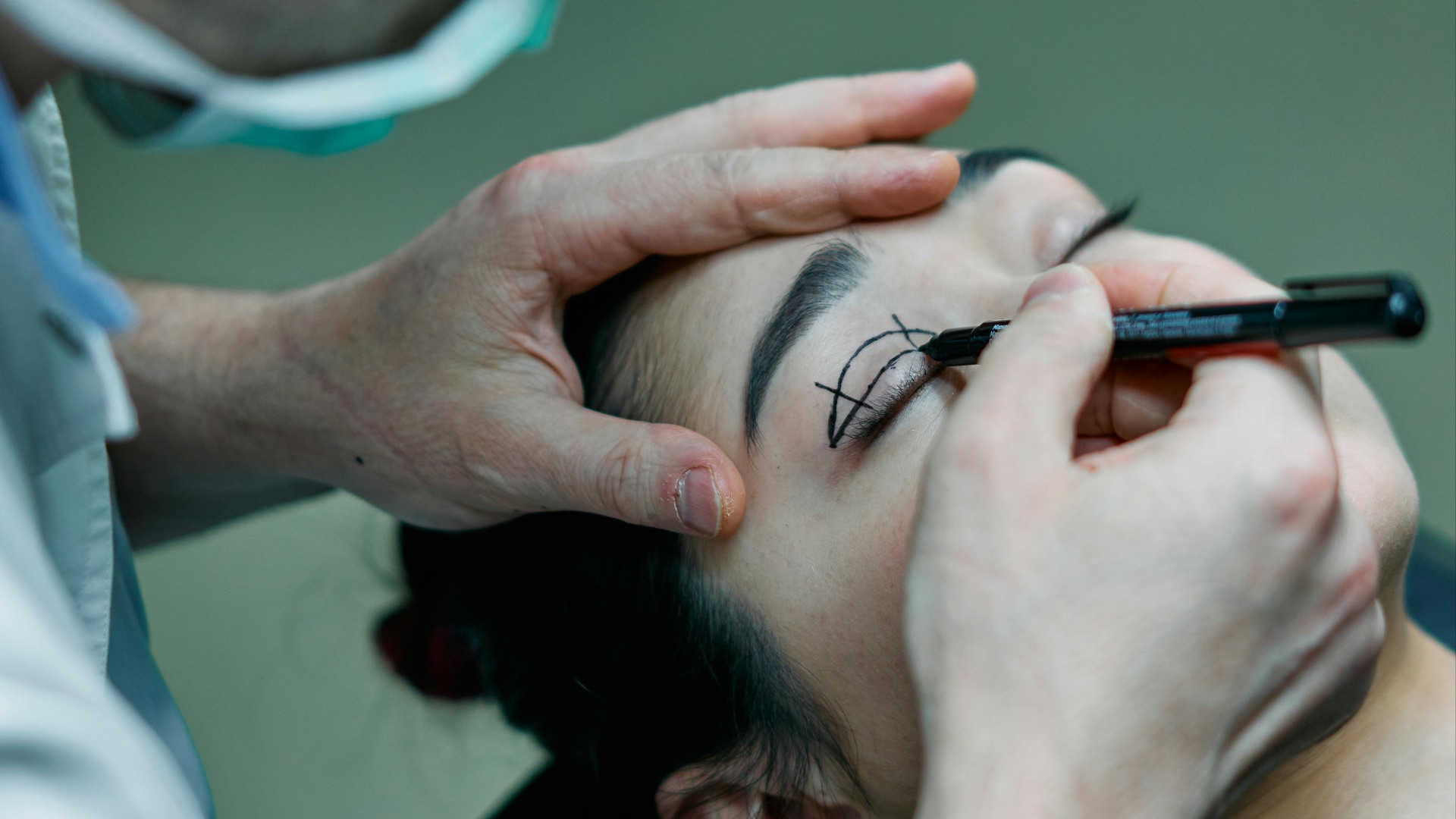
Even with a skilled surgeon and thorough consultations, there's always a gap between a patient's mental image of their outcome and the actual result, and that gap can be deeply upsetting. When someone has organized their expectations around a specific change and the results fall short, the disappointment can feel more intense than the original insecurity ever did. Revision surgery can sometimes help, but it introduces its own emotional and physical risks.

5. Facing Negative or Unexpected Social Reactions
Not everyone in a patient's life will respond positively to a cosmetic change, and the experience of receiving critical, confused, or overly scrutinizing comments from friends or family can be more painful than anticipated. Some patients describe feeling like the procedure drew more attention to the feature rather than less, especially when people around them start treating them differently or asking intrusive questions. The social environment you return to after surgery is something that's genuinely hard to plan for in advance.

6. Developing a Heightened Self-Scrutiny That Wasn't There Before
Surgery often involves a prolonged period of analyzing one's own appearance during recovery, and this level of attention to their reflection becomes a habit that outlasts the healing process. Rather than thinking less about their looks, these patients find themselves thinking about them more, noticing new things they want to change, and spending more mental energy on appearance than they did before. This is especially common when the emotional roots of the insecurity were never addressed alongside the physical change.

7. Struggling with a Changed Appearance That Feels Unfamiliar
Even when surgery goes exactly as planned, some patients experience what can only be described as a disconnect from their own reflection, particularly when changes are significant or involve the face. The person looking back at them technically looks the way they asked for, but something feels off in a way that's hard to articulate or explain to others. Adjusting to a new face or body takes time, and that adjustment period can be more distressing than they were prepared for.

8. Feeling Pressure to Maintain the Results at All Costs
After investing significant time, money, and emotional energy into a procedure, some patients develop anxiety about aging, weight fluctuation, or any other change that might alter their results. Instead of feeling more relaxed about their appearance, they feel a new kind of vigilance that ties their self-esteem to maintaining a very specific look. That shift from insecurity about a feature to anxiety about preserving a result is a trade-off that isn't always obvious going in.

9. Internalizing the Message That Your Natural Appearance Wasn't Acceptable
For some patients, particularly those who sought surgery at a young age or in response to external pressure rather than personal desire, the experience can leave behind a quiet belief that who they were before wasn't good enough. Even when the results are positive, there can be a lingering sense that their original face or body was something to be fixed rather than accepted. That internalized message can affect how they relate to other aspects of their appearance over time, even ones that had nothing to do with the original surgery.

10. Neglecting the Psychological Work That Was Actually Needed
When someone uses surgery to sidestep emotional issues like past trauma, chronic depression, or a difficult relationship with their identity, the physical change doesn't address what's actually driving the distress. Feeling temporarily better after a procedure can even delay someone from seeking the therapeutic support that would genuinely help them in the long run. The most sustainable path to confidence almost always involves working on both the inside and the outside, and surgery alone rarely gets the job done when deeper issues are at play.