
What Your Hair Really Needs
Is your hair feeling a little rough? Sometimes, simply using conditioner isn't enough for your locks, especially when your strands seem constantly parched and tangled. This is when you might want to reach for a deep mask to restore moisture, repair damage, and rebuild the hair's structure from within. But how can you know when to switch between using a mask versus conditioner? Read on, and we'll make sure your hair gets the care it actually needs.

1. Your Hair Feels Dry Even After Washing
If you step out of the shower and your hair already feels parched before you've even reached for your towel, that's a clear signal that a regular conditioner isn't cutting it. Persistent dryness after washing usually means your hair's moisture retention is compromised, and a deep mask can help replenish what's been lost. Look for one with humectants like glycerin or hyaluronic acid to draw moisture back into the strands.
2. Breakage Is Happening More Than Usual
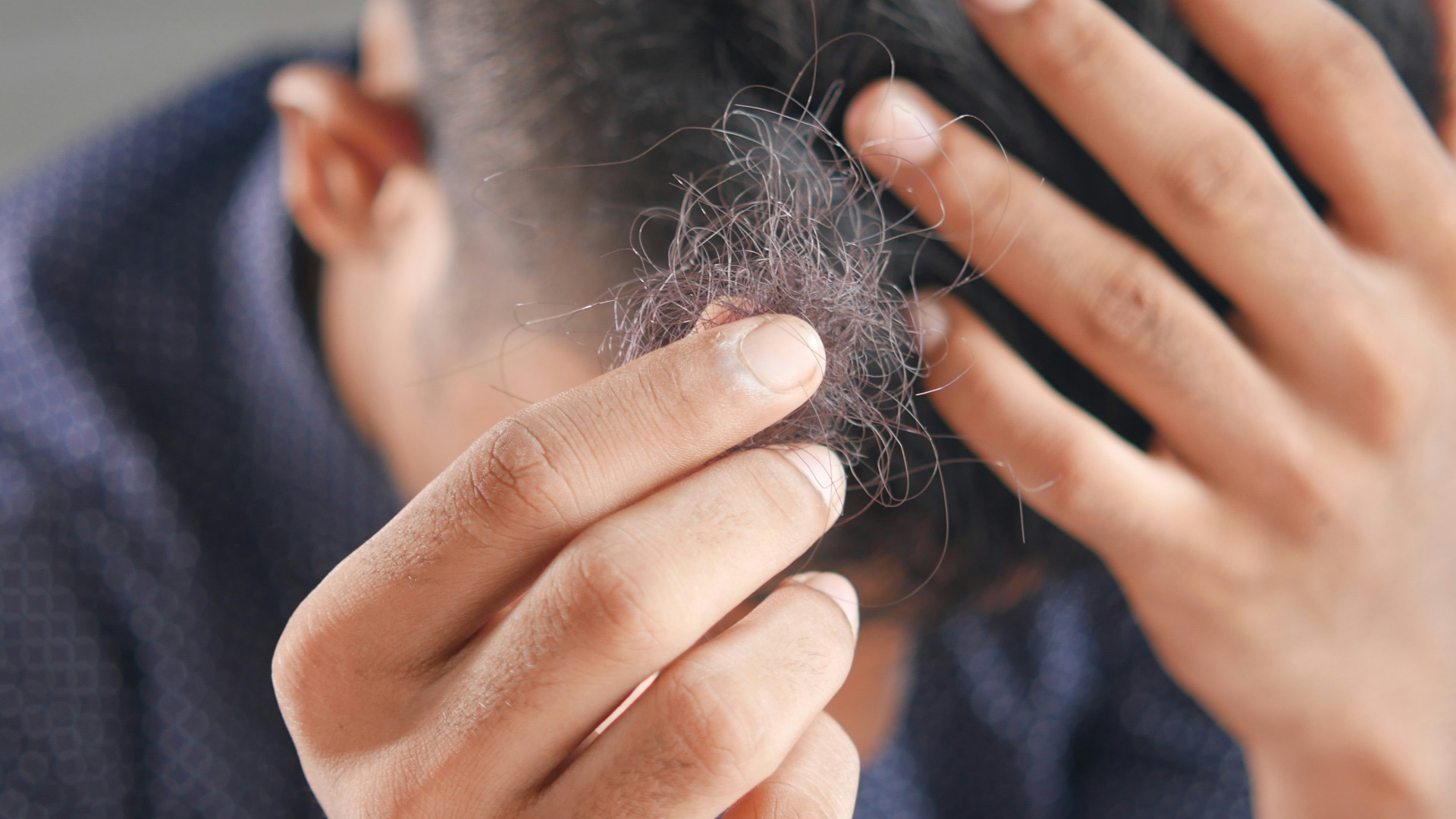
Finding an unusual amount of snapped strands on your brush or pillow is worth paying attention to, since breakage is often a sign that your hair lacks the protein and moisture it needs to stay strong. A deep mask formulated with strengthening ingredients like keratin or hydrolyzed proteins can help reinforce the hair shaft and reduce that fragility. Catching this early means you're less likely to deal with significant length loss down the line.
3. Your Ends Are Noticeably Split
Split ends are a sign that your hair's protective cuticle layer has worn away, leaving the inner cortex exposed and vulnerable to further damage. While a trim is the only true fix for splits that have already formed, a deep mask can help temporarily smooth and seal the ends to prevent the splitting from traveling further up the strand. Using one regularly after heat styling or chemical treatments can slow down the rate at which new splits develop.

4. Your Hair Has Lost Its Natural Shine
Healthy hair reflects light well because its cuticle lies flat and smooth; when your hair looks consistently dull and lifeless, it's often because that outer layer is raised or damaged. A deep mask with smoothing ingredients like argan oil, shea butter, or amino acids can help restore that reflective surface and bring back a noticeable shine. If your hair used to catch the light and now it doesn't, it's asking for more than what a rinse-out conditioner can provide.

5. Detangling Has Become a Battle
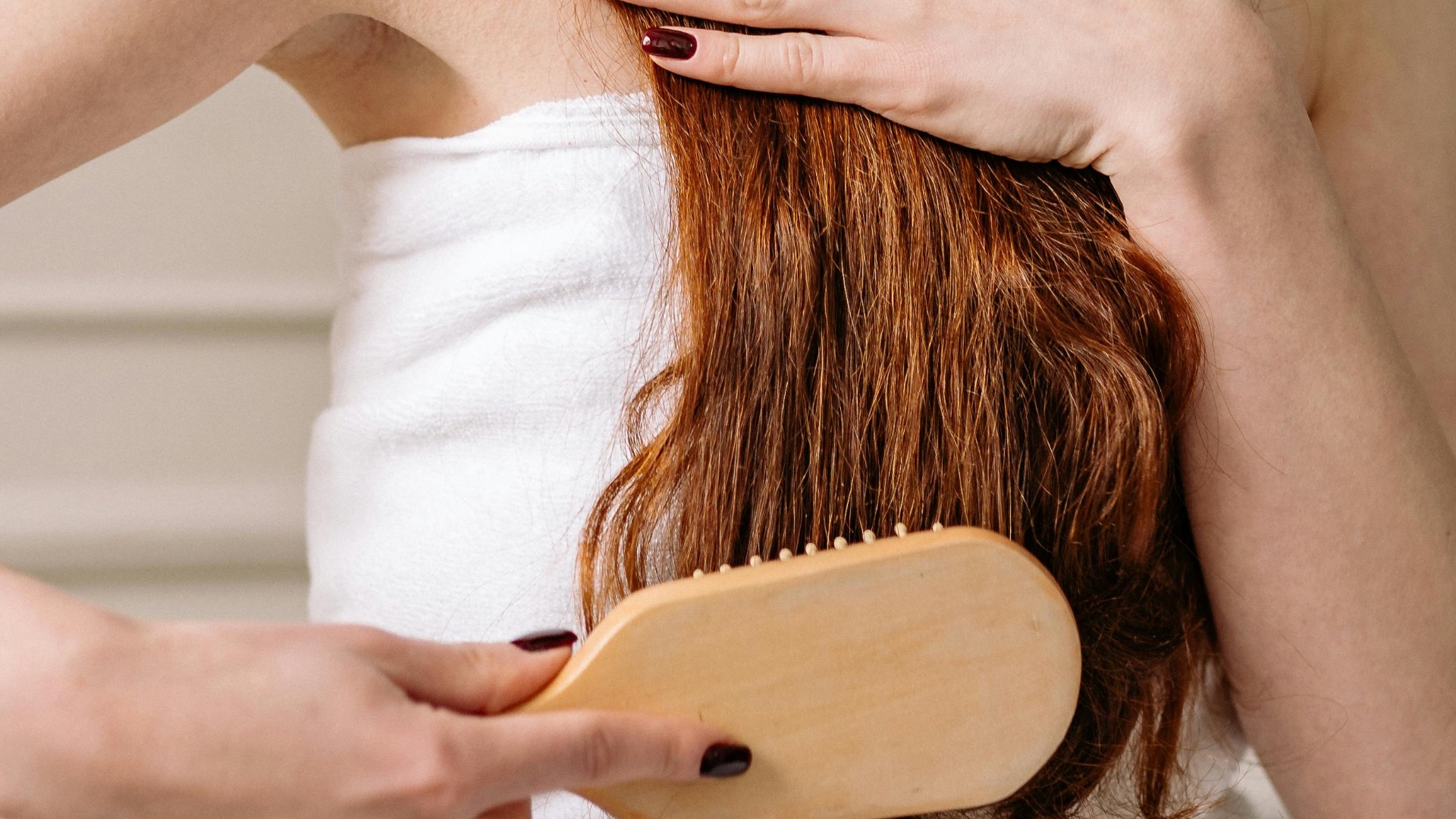
If combing through your hair feels like a chore even when it's wet and freshly washed, the strands are likely too dehydrated and rough to slip past each other easily. Severely tangled or knotted hair often needs the extended conditioning time that a deep mask provides, since a regular conditioner simply doesn't sit on the hair long enough to make a meaningful difference. After one or two mask treatments, you should notice that your detangling routine becomes noticeably smoother and less painful.
6. You've Recently Had a Chemical Treatment
Color, bleach, relaxers, and perms all alter the hair's internal structure through chemical processes that can leave it more porous, weakened, and prone to damage. After any of these treatments, a deep mask is one of the best tools you have for restoring the hair's strength and maintaining the results of the service. Your stylist will often recommend one as part of your post-treatment care routine, and it's a suggestion worth following.

7. Heat Styling Has Been a Regular Habit
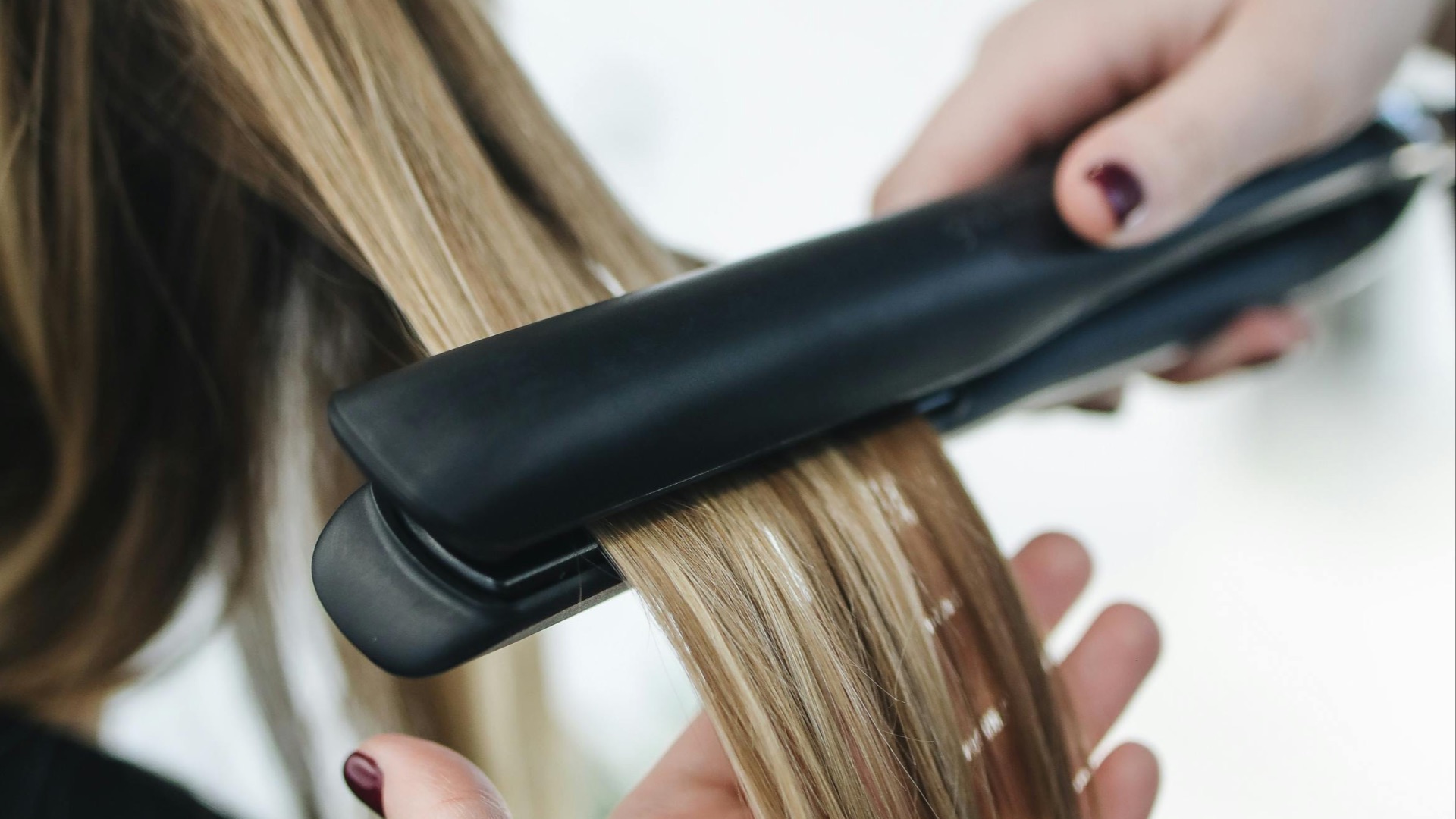
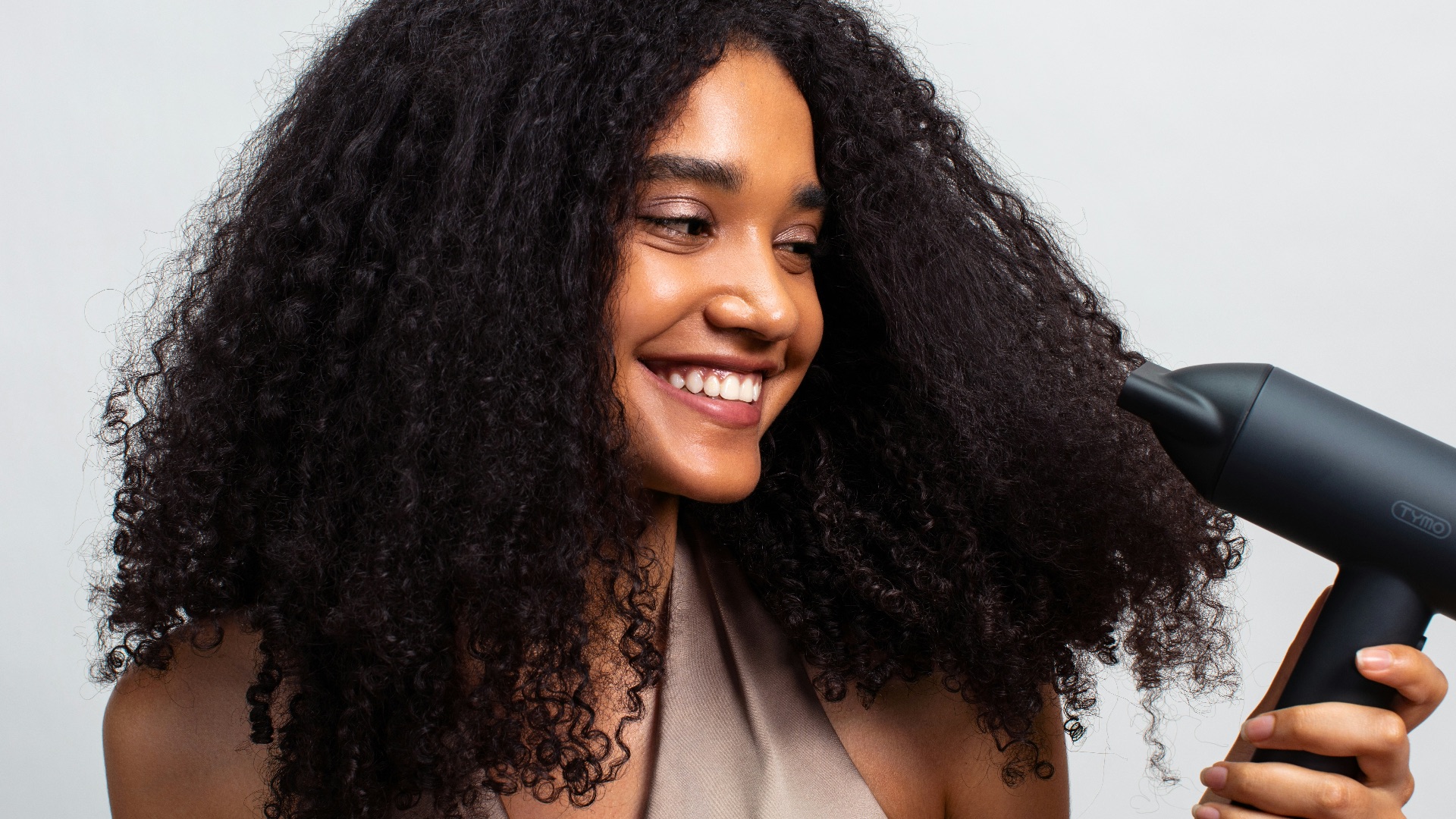
Frequent use of blow dryers, flat irons, and curling wands strips the hair of moisture over time, especially if you're not consistently using a heat protectant. That cumulative heat exposure can lead to a dry, brittle texture that a light conditioner won't be able to reverse on its own. Incorporating a deep mask into your routine once or twice a week can help offset the damage and keep heat-styled hair looking healthier.
8. Your Hair Has an Unusual Texture or Porosity
High-porosity hair, which absorbs moisture quickly but loses it just as fast, is especially prone to frizz, dryness, and dullness, and it tends to drink up deep treatments more effectively than low-porosity hair. If you've noticed changes in your hair's texture that aren't related to a new product or style, porosity could be the underlying issue, and a deep mask with film-forming ingredients can help seal the cuticle. A simple float test (placing a few clean strands in a glass of water) can give you a rough idea of where your hair falls on the porosity spectrum.
9. You're Dealing with Frizz That Won't Quit
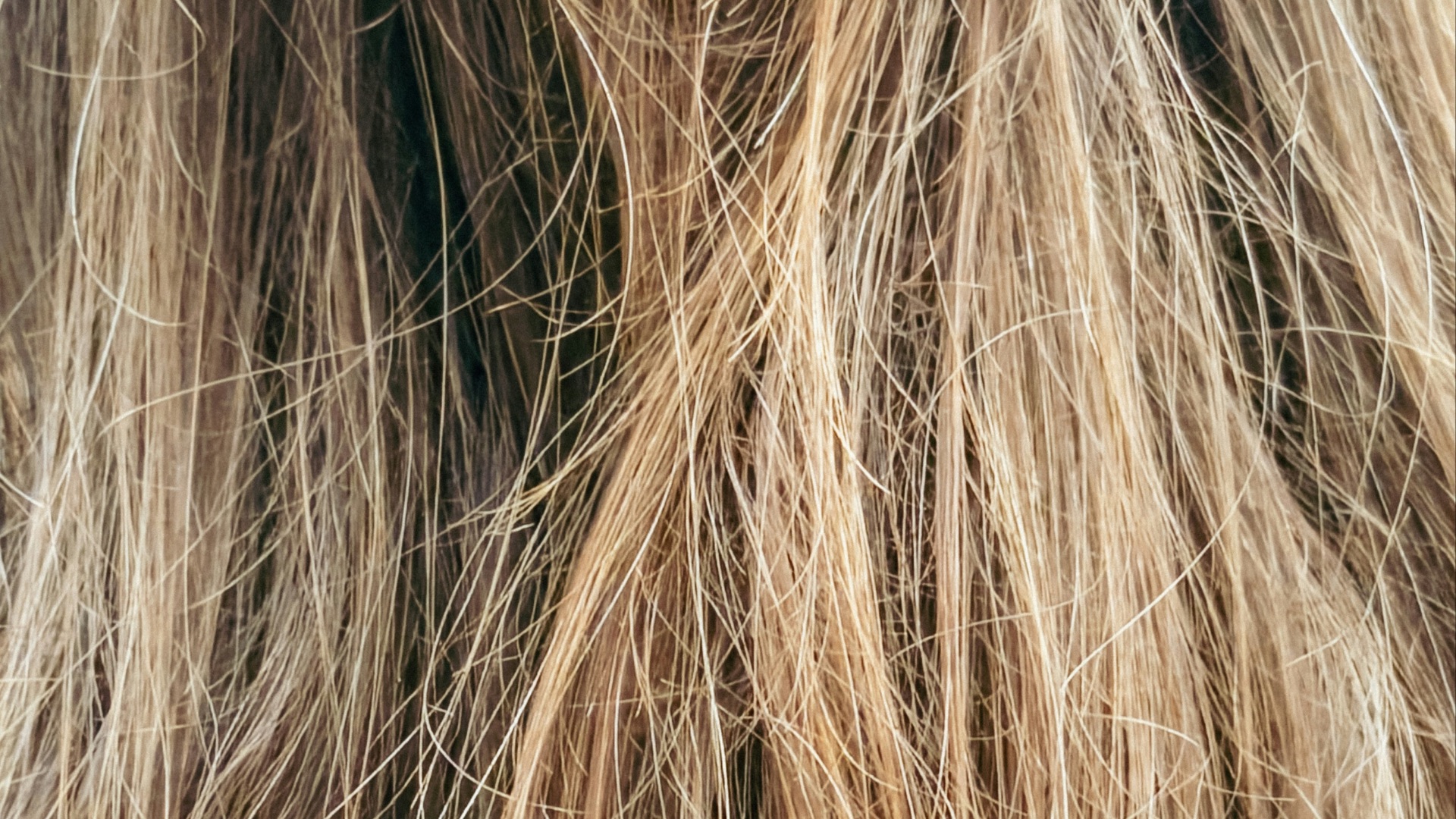
Some frizz is normal, particularly in humid weather, but if your hair is frizzy regardless of the climate or products you use, it's often a moisture imbalance at the root of the problem. Hair that's consistently frizzy is seeking hydration, and a deep mask is far more effective at delivering that hydration deep into the hair shaft than a standard conditioner. Once you address the underlying dryness, you'll likely find that your frizz becomes much more manageable with just your regular styling products.

10. Your Hair Feels Rough and Straw-Like to the Touch
Hair that feels coarse, rough, or almost scratchy even when it's clean is a textbook sign of significant dehydration or damage to the cuticle layer. That straw-like texture means the hair's outer scales are lifted and uneven rather than lying flat and smooth, which affects everything from how it feels to how it responds to styling. A deeply moisturizing mask used consistently over several weeks can make a real difference in bringing that softness back.
Now that you know when to bring out the big guns, it's just as useful to recognize the times when your hair is actually doing fine and a standard conditioner is all it needs. After all, over-treating your hair with intensive masks when it doesn't call for them can weigh it down, cause buildup, or disrupt its natural balance, so let's jump into when you should just keep things simple.

1. Your Hair Is in Generally Good Condition
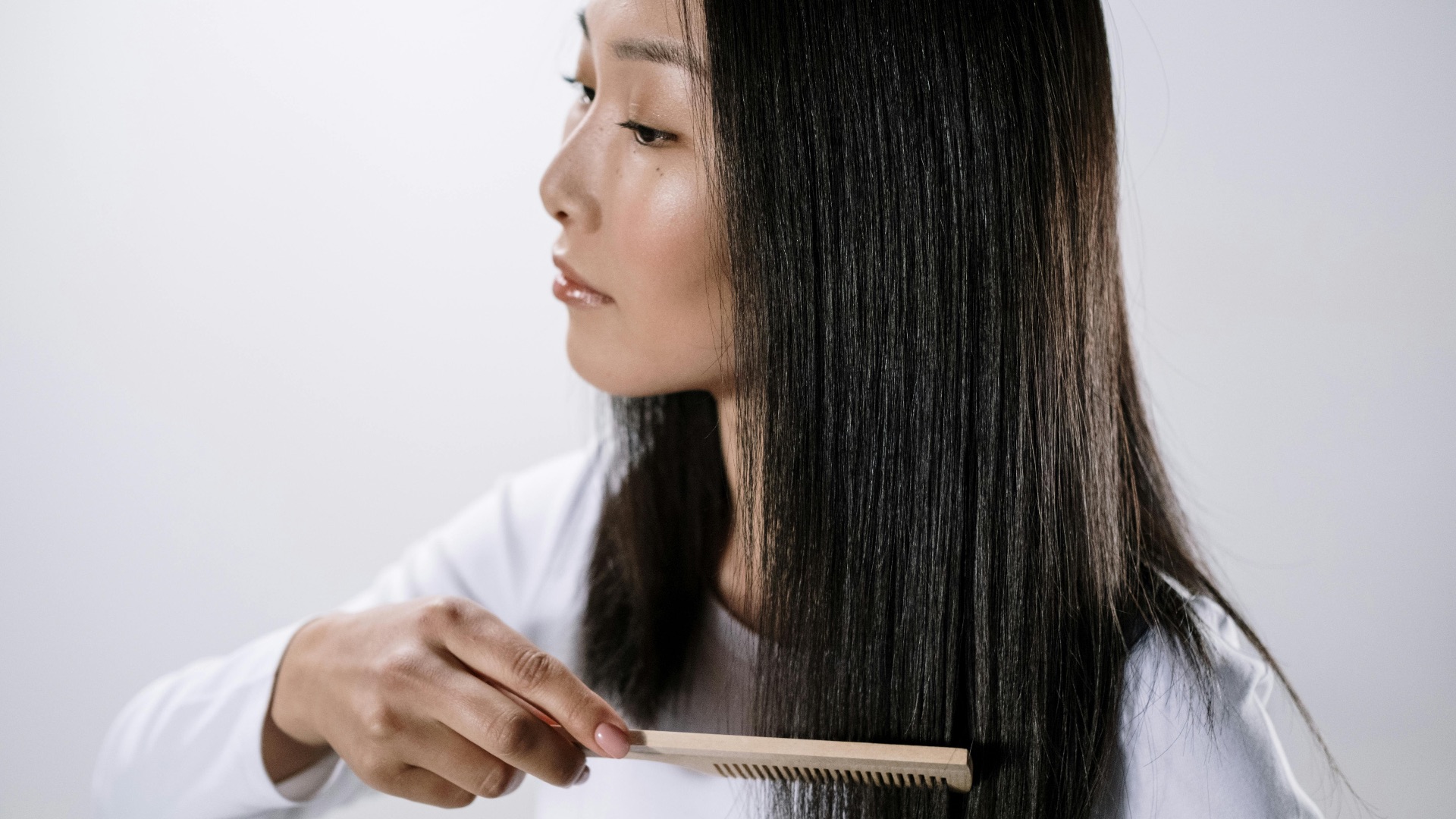
If your hair feels soft, looks healthy, and isn't showing any signs of damage or dryness, there's no reason to reach for a deep mask on a regular basis. A good rinse-out conditioner is designed to maintain hair that's already in a balanced state, and using it consistently will help keep things that way. Save the intensive treatments for when your hair actually needs the extra support.
2. You Wash Your Hair Every Day or Every Other Day
Frequent washers don't always need to follow up with a deep mask each time, since deep treatments are generally recommended once or twice a week at most. Using a mask every single wash day can lead to product buildup or cause fine hair to become limp and heavy over time. A lightweight conditioner applied from mid-length to ends is the better choice for your daily or near-daily washes.
3. You Have Fine or Low-Porosity Hair
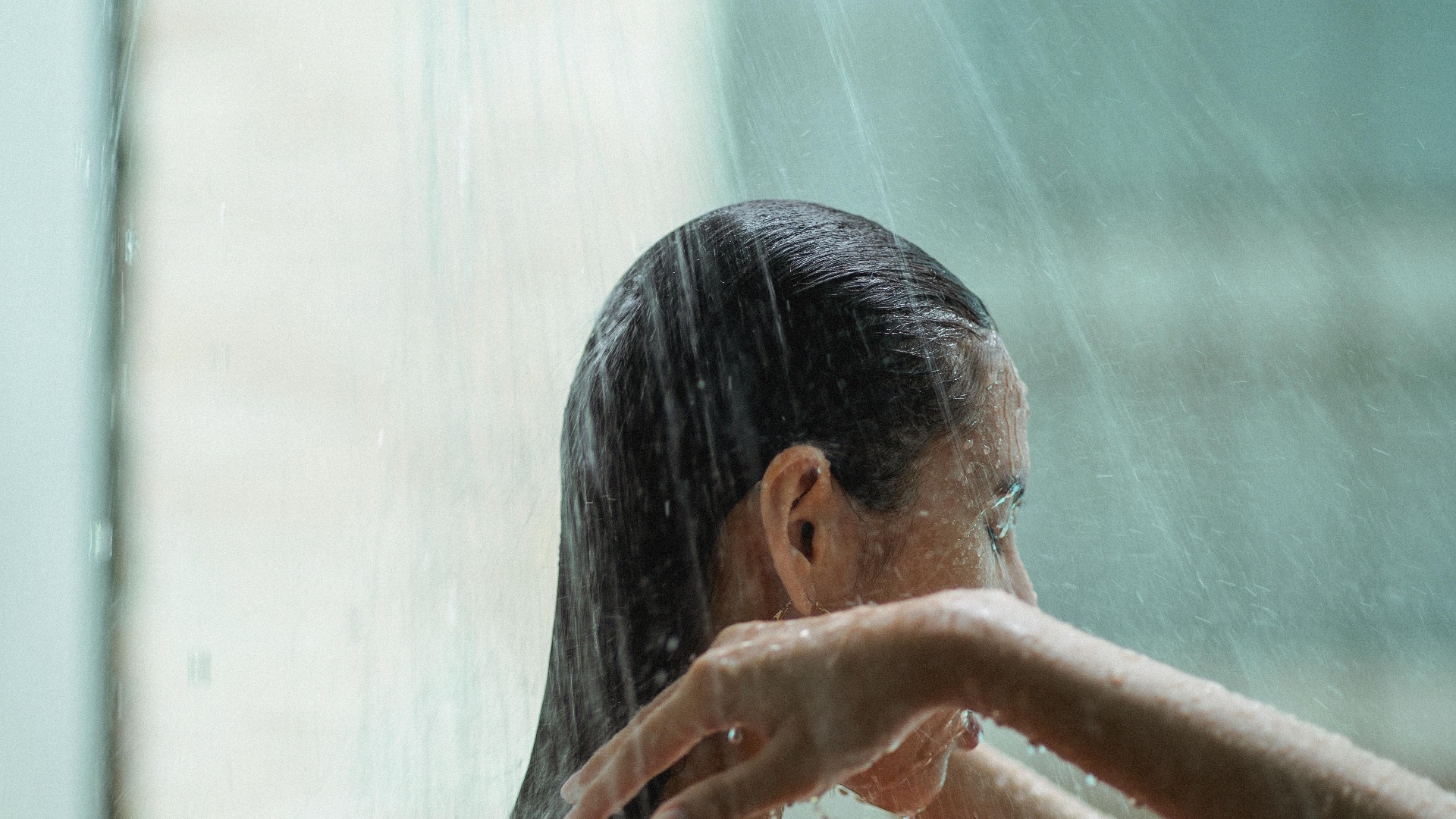
Fine hair tends to be easily weighed down by heavy, rich products, and low-porosity hair has a tightly closed cuticle that can make it harder for thick masks to actually penetrate the strand. For both of these hair types, a lighter conditioner is often more effective at delivering hydration without leaving hair flat, greasy, or coated. If you do use a mask on fine or low-porosity hair, opt for a lightweight formula and apply it sparingly.

4. You're Between Chemical Services
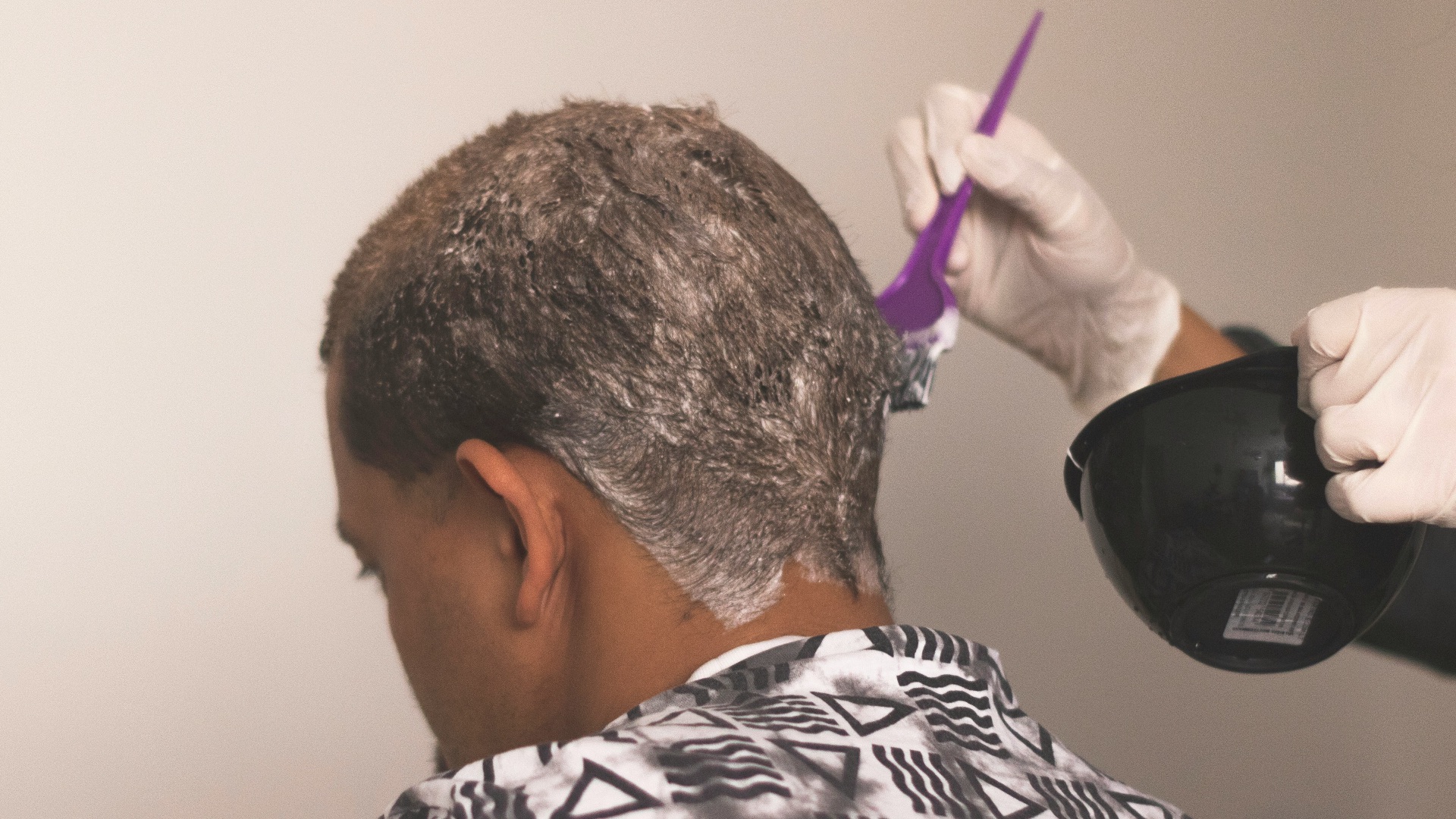
In the weeks following a chemical treatment, yes, your hair needs intensive care; but once it has stabilized and you're simply maintaining your color or style, a standard conditioner is perfectly adequate for your regular wash days. Deep masks can sometimes interfere with color vibrancy if used too frequently, as some formulas open the cuticle in ways that can cause color to fade faster. Alternating between a color-safe conditioner and an occasional mask is usually the smarter long-term approach.
5. Your Hair Responds Well to Lightweight Products
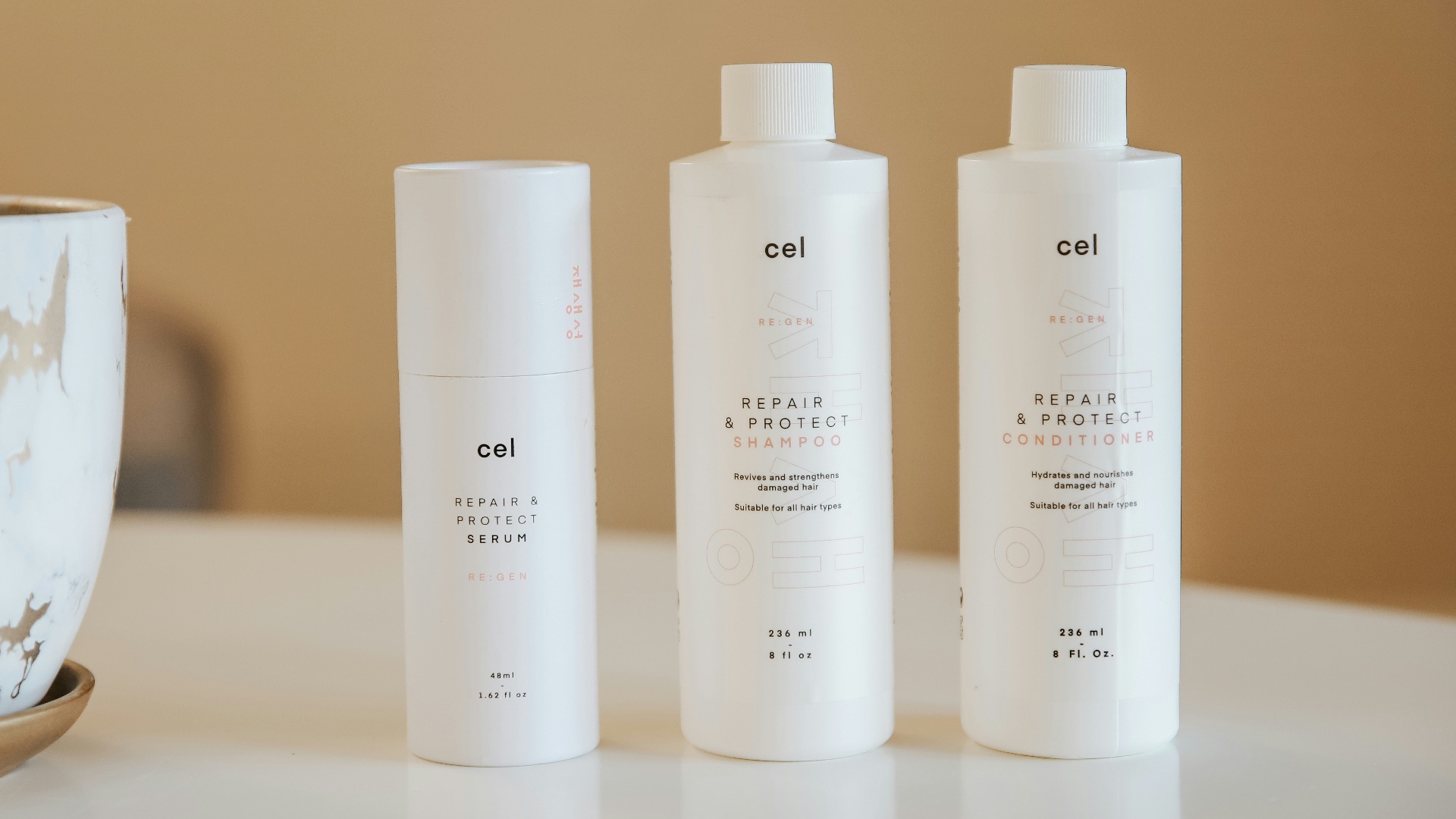
Some hair types thrive with minimal product and can start to feel weighed down, greasy, or dull when too many heavy ingredients are layered on. If your hair consistently looks and feels better with lighter formulas, that's a clear indication that a standard conditioner is the right tool for your routine. Respecting what your hair responds to will always yield better results than following a one-size-fits-all approach.
6. You're Just Refreshing a Blowout or Style
On days when you're washing your hair primarily to freshen up rather than doing a thorough cleanse, a light conditioner is all you need to keep things smooth and manageable. Using a deep mask on a style refresh day is overkill and can actually disrupt the integrity of a blowout by adding too much moisture. A quick application of conditioner on the ends is enough to maintain your style without compromising it.
7. The Weather Is Cool and Humidity Is Low
In cooler, drier seasons, your hair might not be battling the same level of frizz or moisture fluctuation that warmer weather brings, which means a standard conditioner can handle the upkeep just fine. You don't need to maintain a heavy masking routine year-round if your hair is telling you it's comfortable with less. Adjusting your routine seasonally is a sensible way to keep your hair balanced without over-treating it.

8. You Haven't Used Heat Tools Recently
If you've been air-drying your hair and avoiding hot tools for an extended stretch, the cumulative heat damage that typically calls for a deep treatment simply isn't there. Well-rested, heat-free hair tends to retain moisture more effectively and doesn't need the same level of intensive conditioning. A regular conditioner applied after shampooing is more than sufficient to keep it hydrated and looking its best.

9. You're Dealing with Scalp Issues
When your primary hair concern is your scalp rather than your ends, such as dandruff, oiliness, or sensitivity, a standard conditioner applied only to the lengths and ends is the appropriate choice. Deep masks applied too close to the scalp can clog follicles, exacerbate oiliness, or irritate already-sensitive skin, so they're best avoided until your scalp is in a more stable condition. Focus on treating the scalp concern first with the right shampoo or scalp treatment before adjusting the rest of your routine.
10. Your Hair Has Already Been Masked That Week
There's a limit to how much conditioning treatment your hair actually benefits from in any given week, and once you've done your one or two deep mask sessions, switching to a standard conditioner for the remaining wash days is the right call. Overloading your hair with too many intensive treatments in a short period can cause product buildup, reduce volume, or make hair feel heavy and unresponsive to styling. Consistency and moderation are what keep a hair care routine truly effective over the long term.