
When Clothing Became a Tool of Power
Clothing usually gets framed as self-expression, status, beauty, or taste, but history has always had another use for it, and not a noble one. Across centuries and cultures, what people wore was often shaped by punishment, repentance, exclusion, and public control, with garments made to say something before a person ever got to speak. Some of these items were tied to ritual penance and meant to show remorse, while others were forced onto people by churches, courts, schools, states, or occupying powers that wanted certain bodies made visible, legible, and easier to judge. Here are twenty real garments and clothing rules used to shame the people made to wear them.
1. Sackcloth
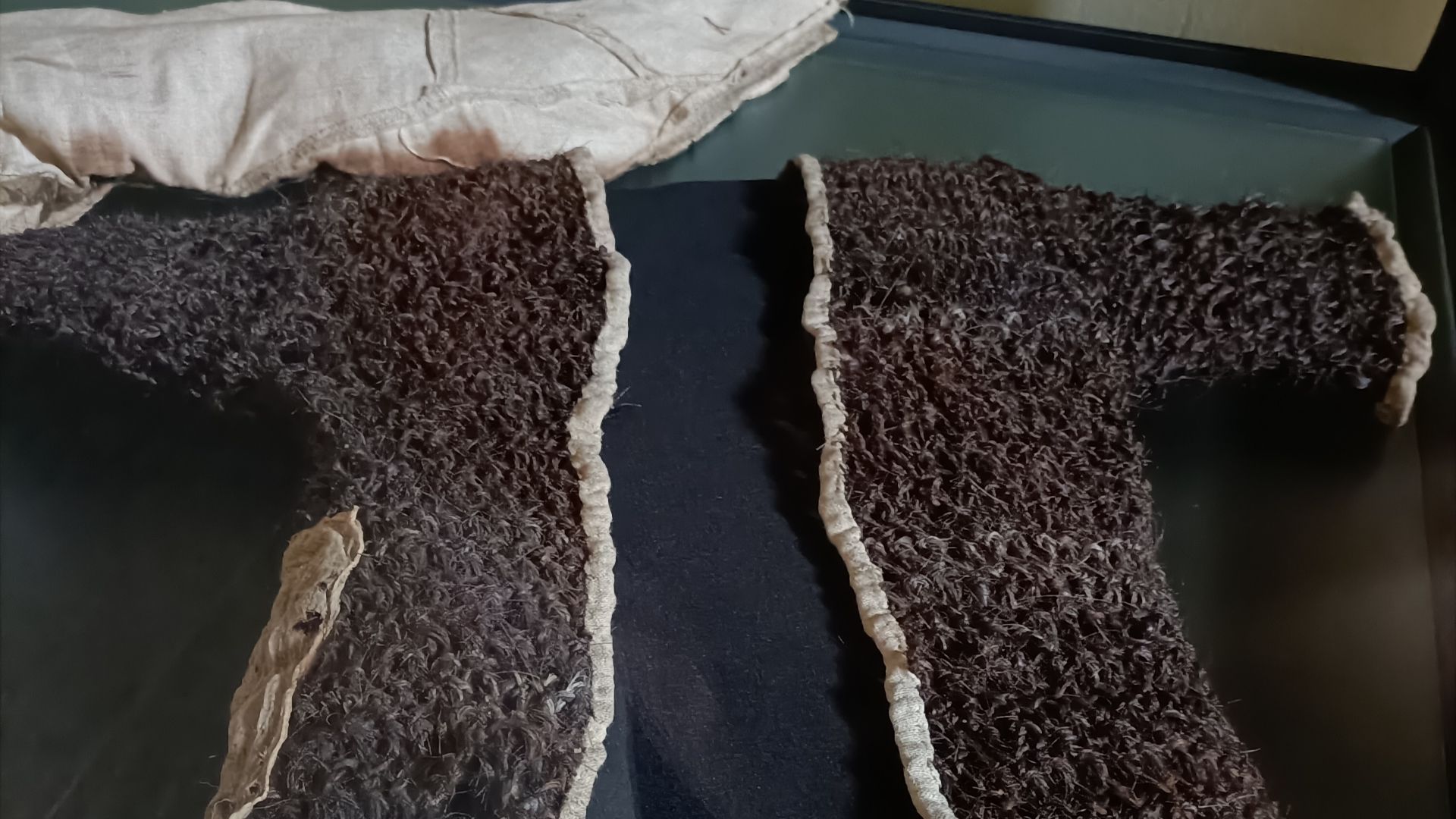
In the ancient Near East, and later in Jewish and Christian tradition, sackcloth was worn as a rough, abrasive sign of mourning, repentance, or grief. Even when it was part of religious ritual, the point was that sorrow should be visible, uncomfortable, and impossible to mistake.

2. The Hairshirt
The hairshirt was made to itch, scrape, and nag at the body all day, which was exactly the point. In Christian ascetic practice, it turned clothing into a private punishment that still carried public meaning, because visible self-denial was supposed to say something about the state of the soul.
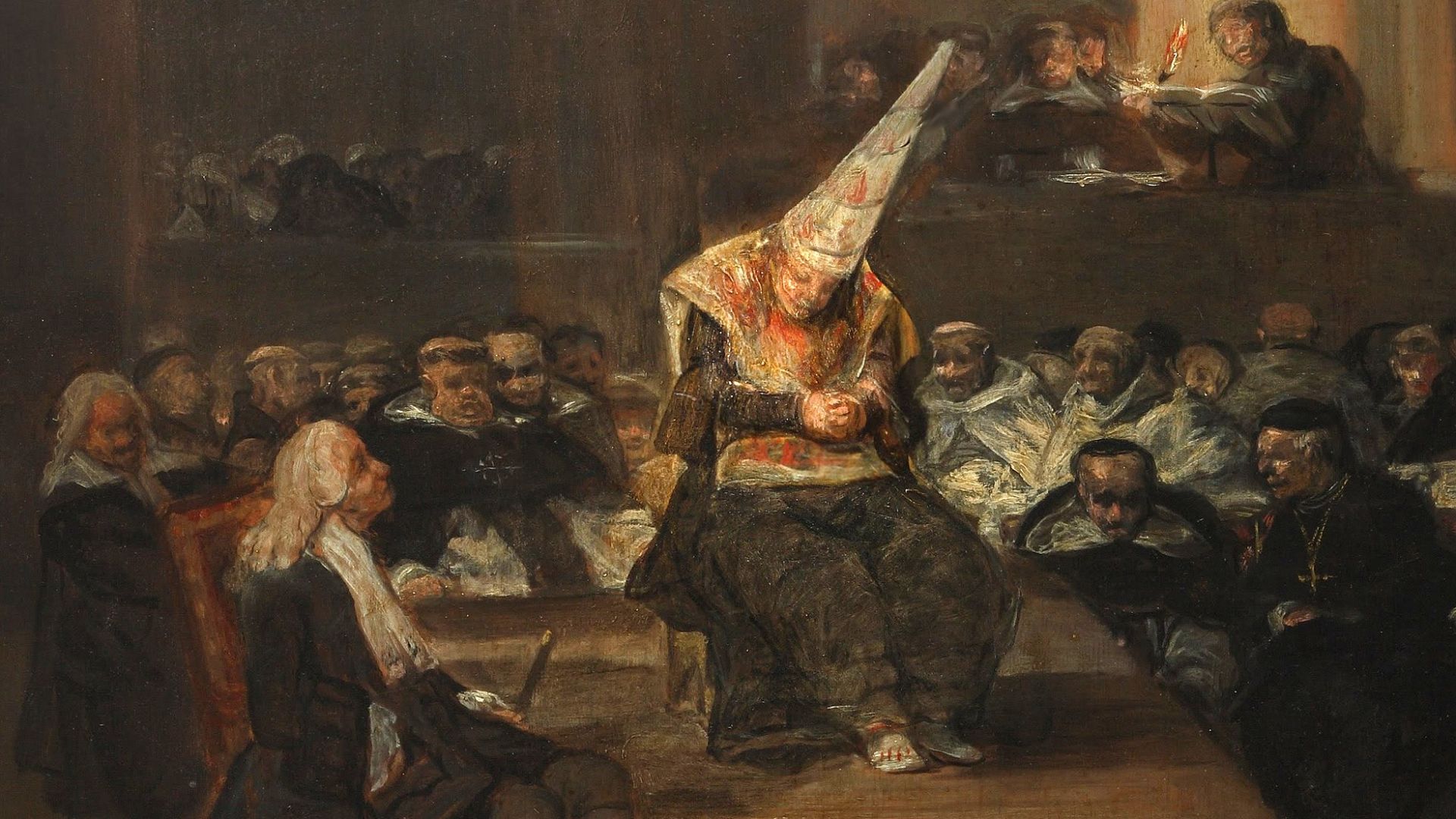
3. The Sanbenito
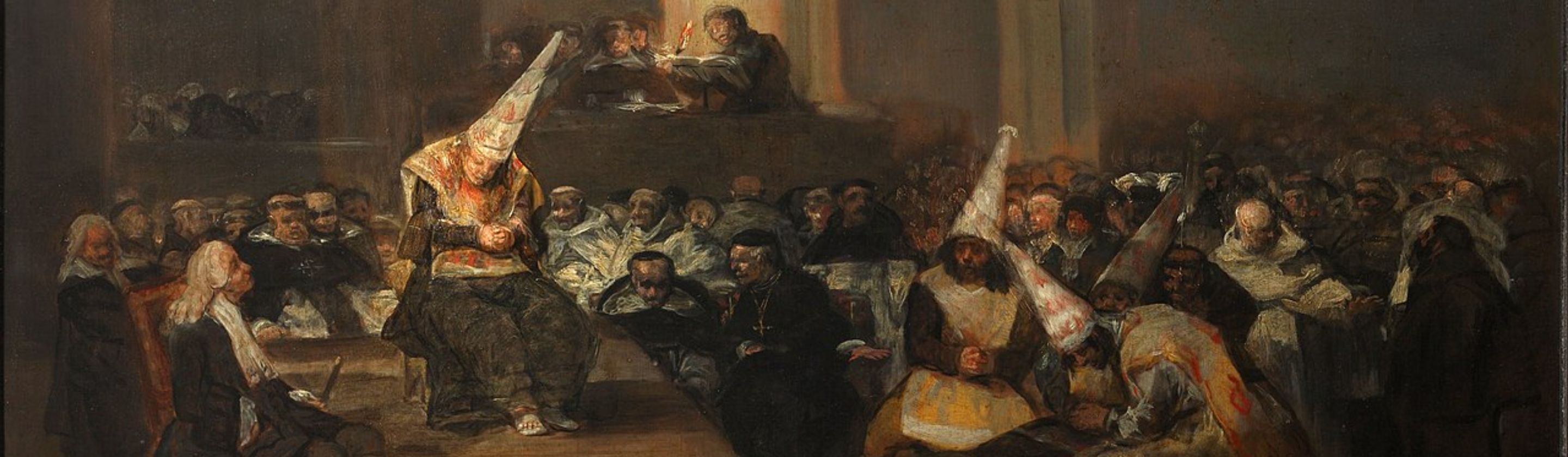
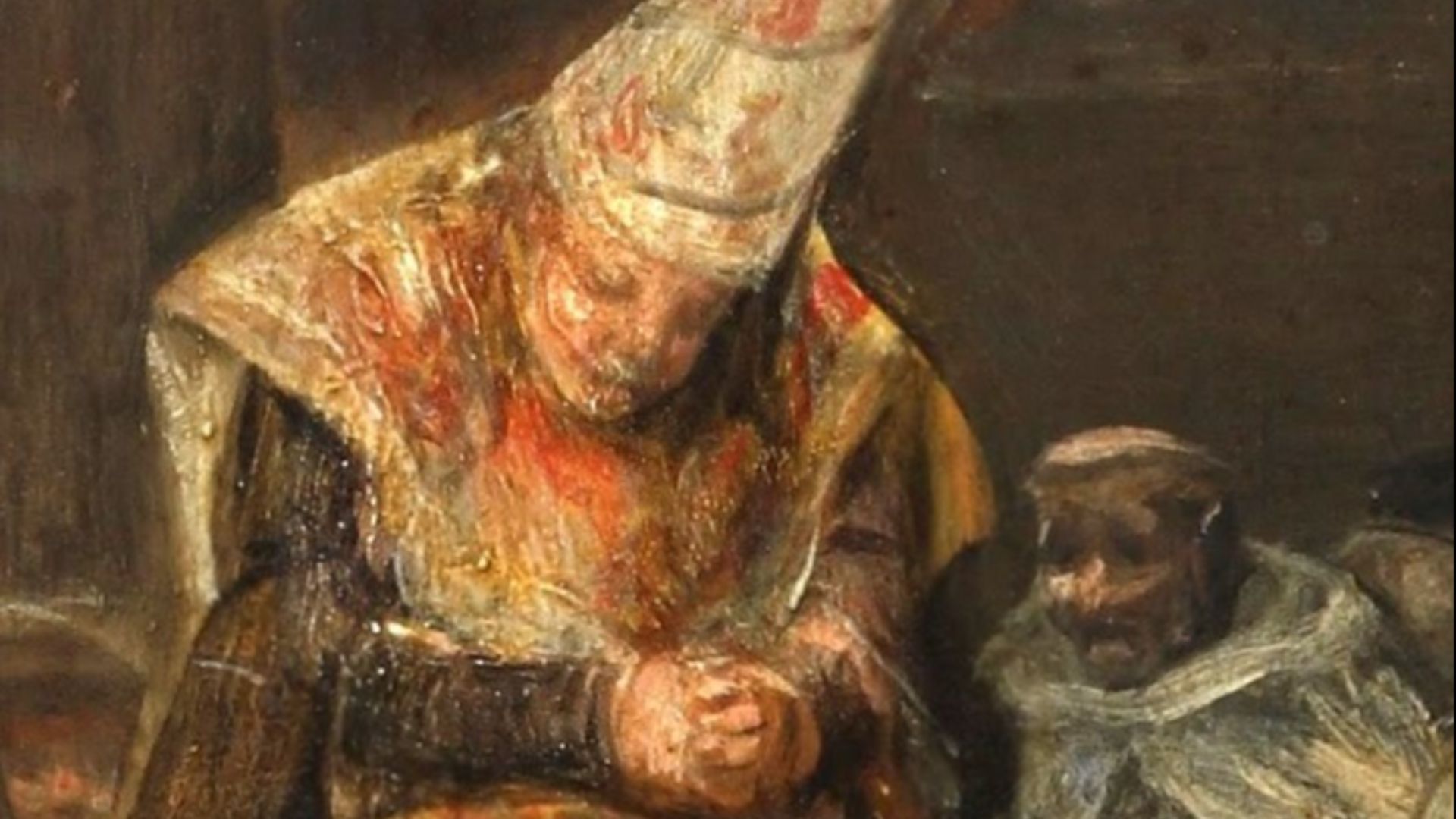
In the Spanish Inquisition, the sanbenito was a penitential garment worn by the accused during public ceremonies, where punishment and spectacle were tightly bound together. It marked a person before a crowd in a way that could cling long after the ceremony itself, which was part of its power.
4. The Capirote of Public Penance
Before it took on later religious associations in Spain, the pointed capirote was used in settings of public penance and punishment. It concealed the face while making the wearer even more conspicuous, which gave it that especially cruel mix of anonymity and exposure.
5. Marks Forced on Prostitutes
In various European cities, women accused or convicted of prostitution were sometimes made to wear distinctive ribbons, badges, veils, or other visible markers in public. The point was not subtle regulation, but social branding, so that shame could trail behind them in plain sight.
 Unknown authorUnknown author on Wikimedia
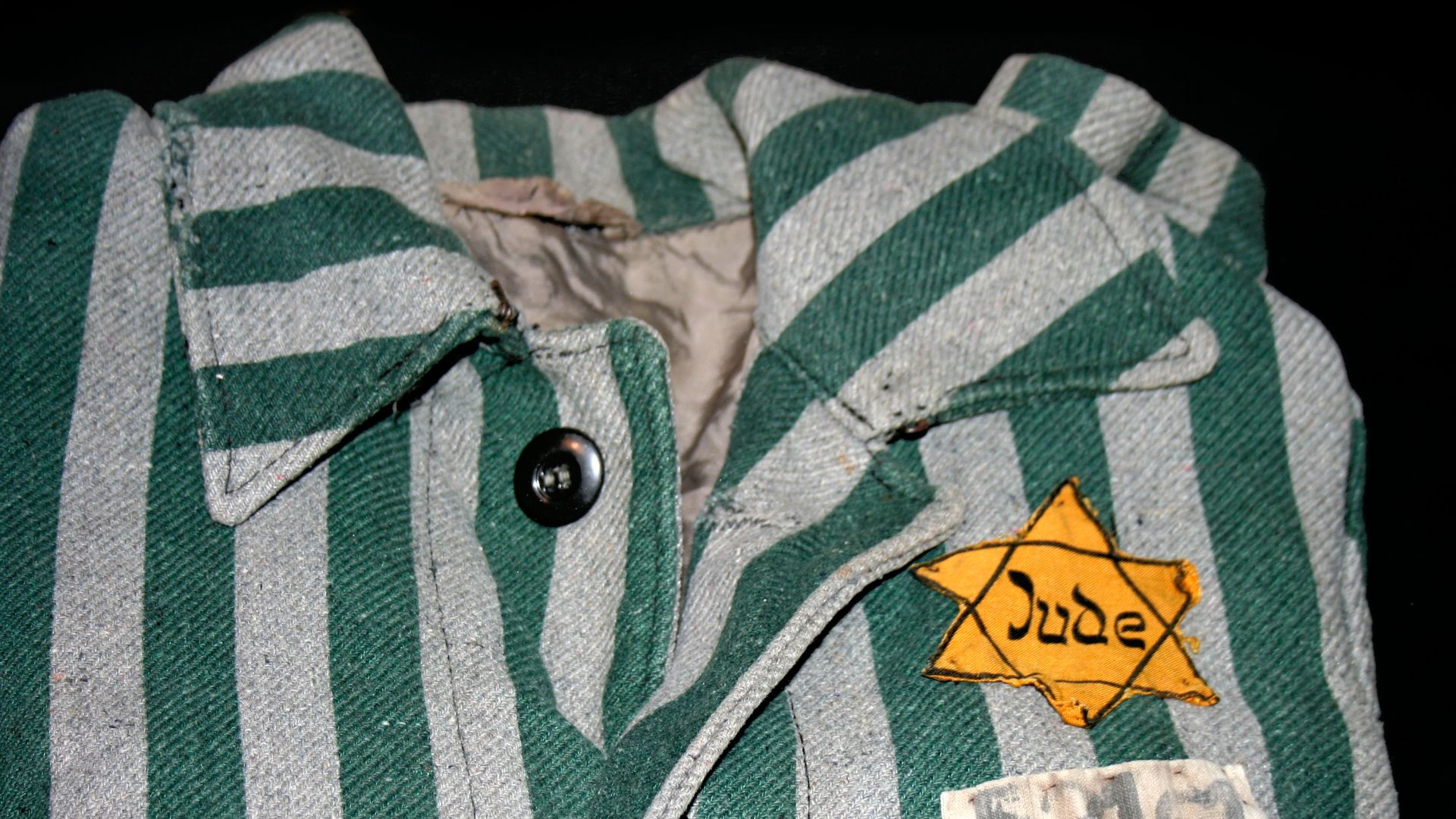
6. The Yellow Star
Nazi Germany forced Jews across occupied Europe to wear the yellow Star of David so they could be identified instantly in streets, shops, schools, and public life. It was a small patch with enormous consequences, turning clothing into a direct instrument of segregation, exposure, and violence.
 commons.wikimedia.org on Google
7. The Dunce Cap
The later image became almost comic, but the actual logic behind the dunce cap was straight humiliation. A child made to wear it in front of classmates was being publicly reduced, corrected through embarrassment rather than taught with any real dignity.

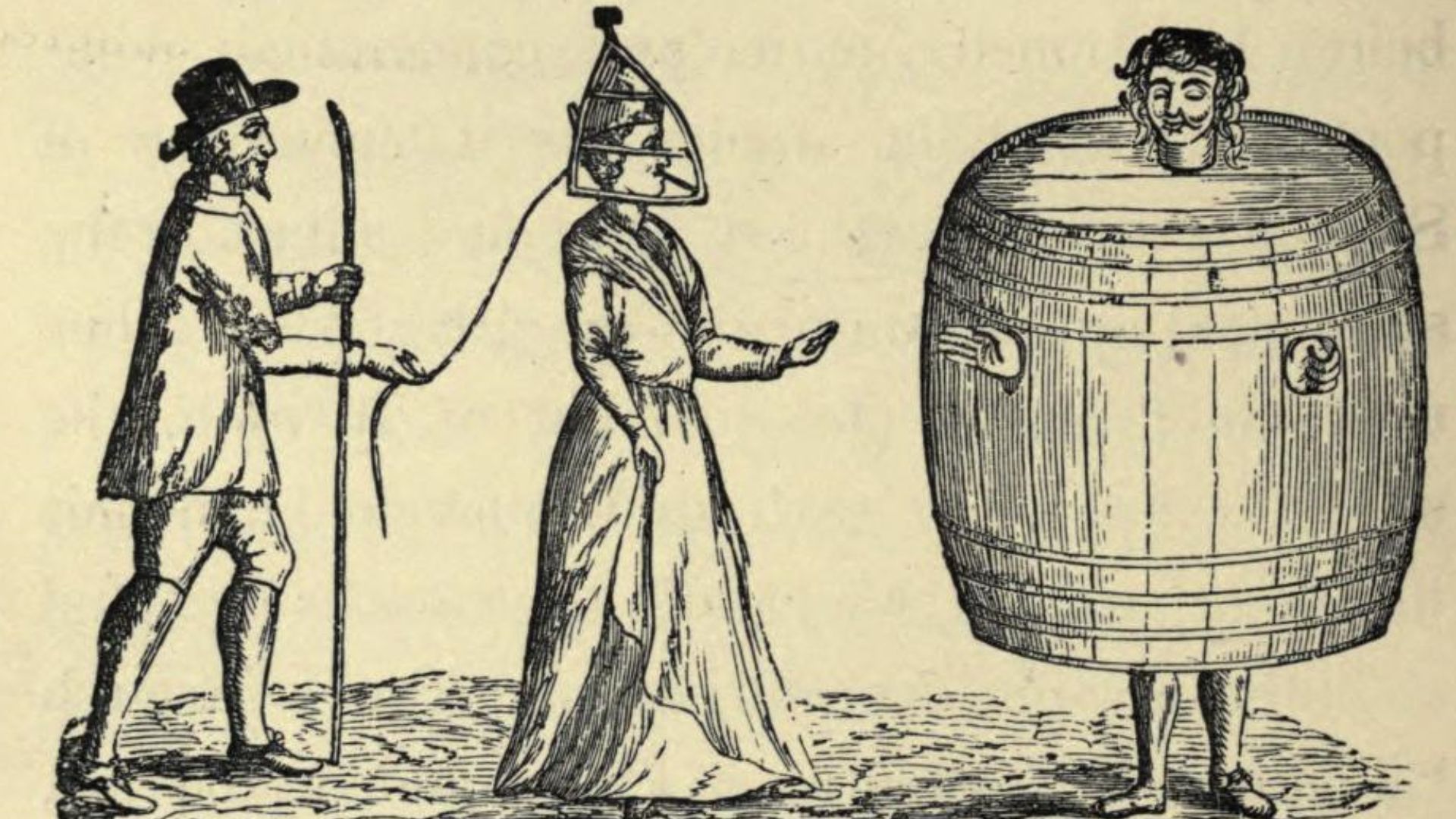
8. The Drunkard’s Cloak
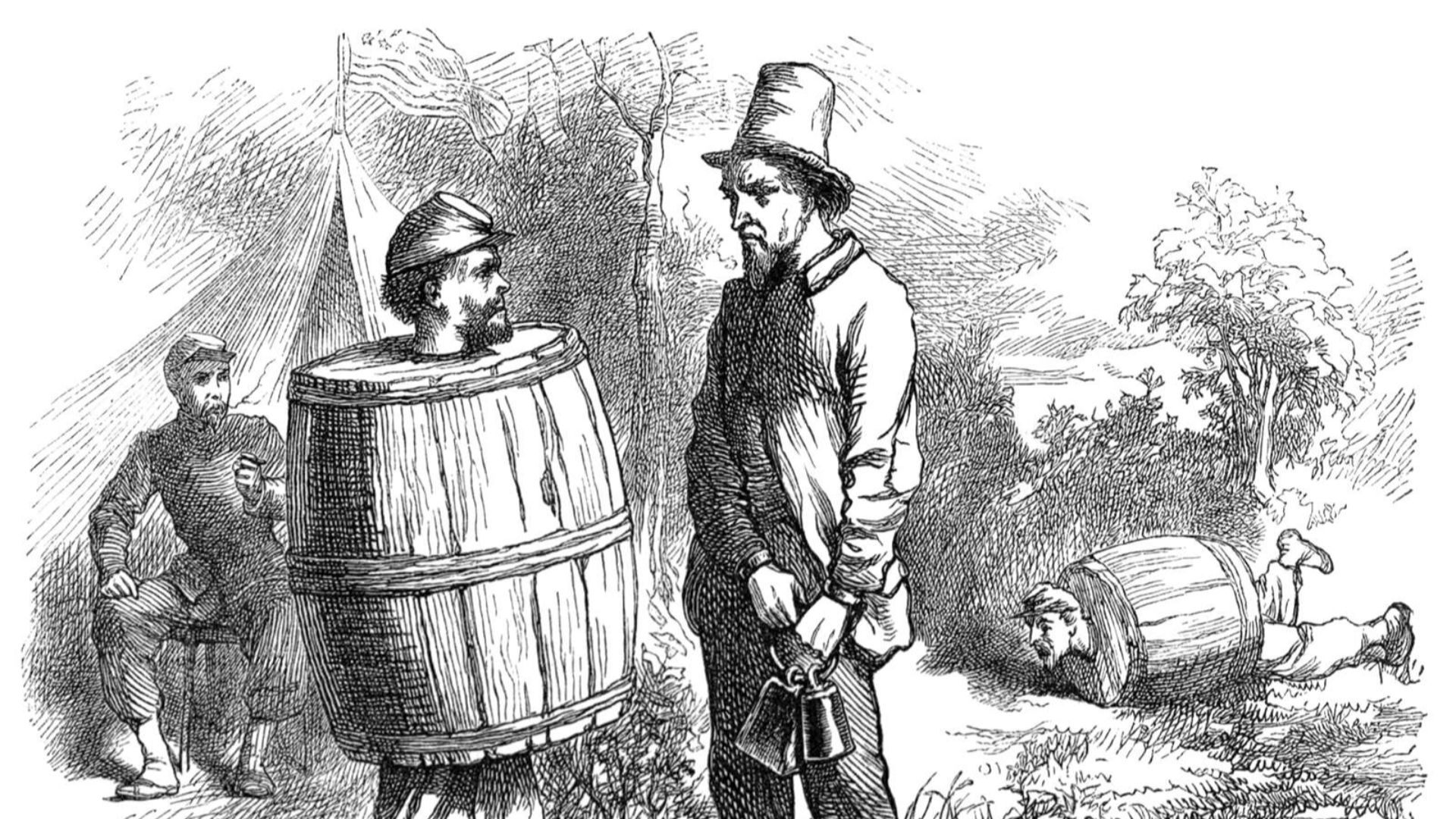
In early modern England, drunk offenders could be sentenced to wear a barrel-like cloak and be paraded or displayed as a warning to others. It was punishment turned theatrical, with the body itself made into a moving joke.
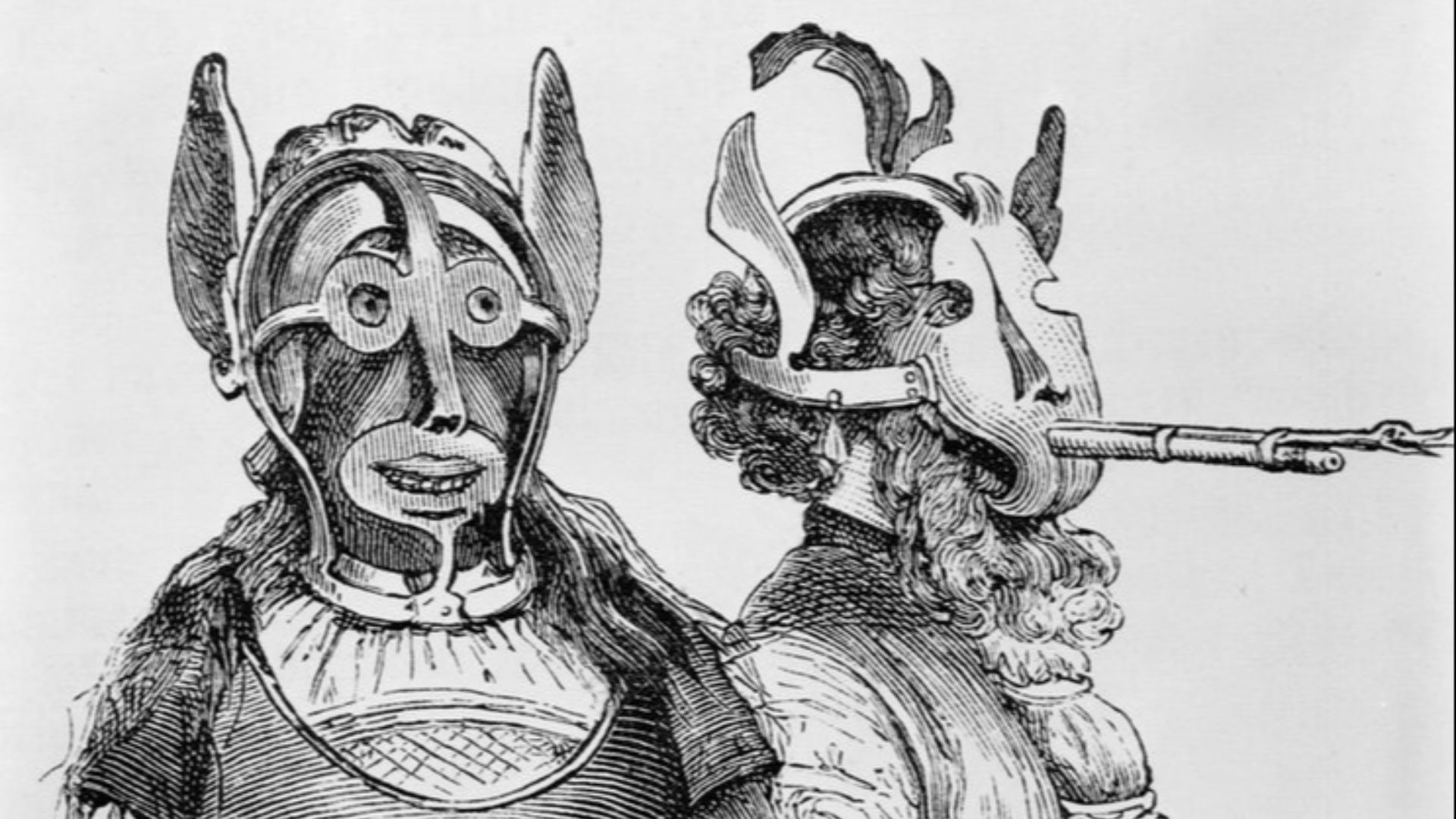
9. The Scold’s Bridle
This was less a garment than a wearable punishment device, but it belonged to the same world of public shaming and bodily control. Used largely on women accused of gossiping, scolding, or speaking too freely, it made social discipline brutally visible.
 AnonymousUnknown author on Wikimedia
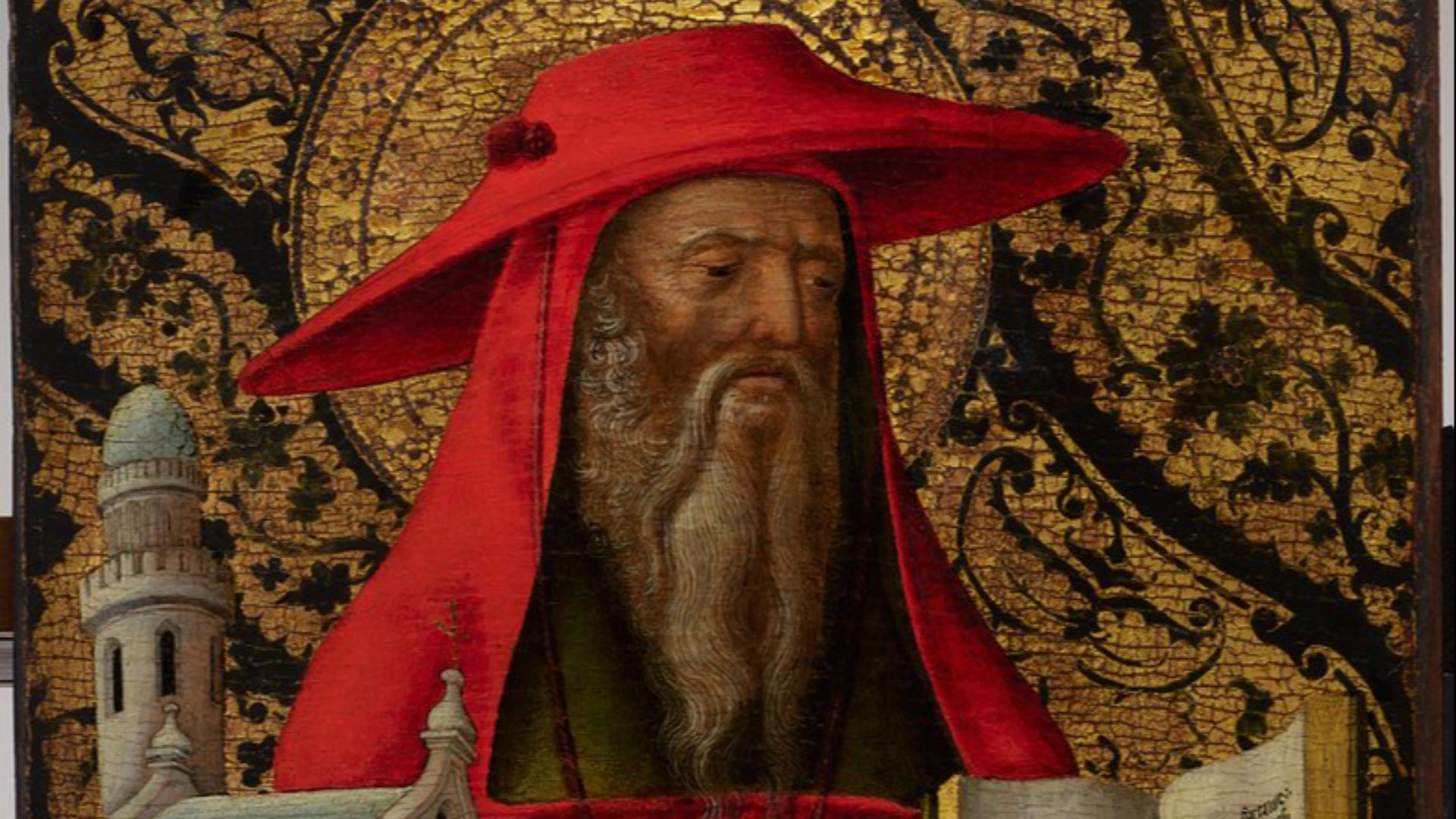
10. Penitential Robes in Medieval Europe
Formal public penance in medieval Christian communities often required plain, rough, or stripped-down clothing, sometimes paired with bare feet or other signs of lowered status. These garments were meant to make repentance legible at a glance, as though remorse only counted once other people could see it.
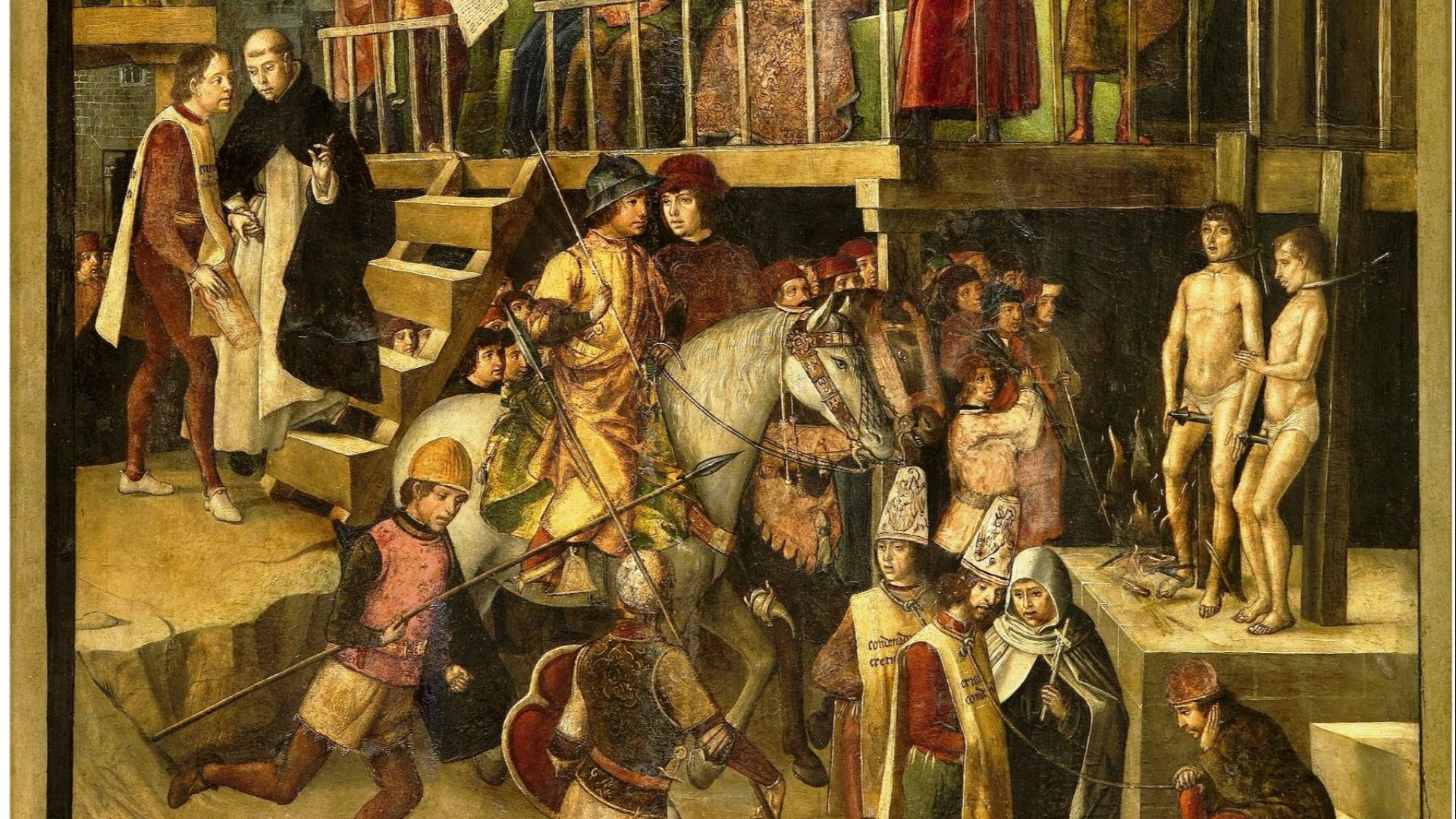
11. Marks for Heretics
In parts of early modern Europe, people condemned for heresy could be made to wear garments painted or decorated with symbols identifying their offense. That meant a person could enter public space already translated into accusation, with the clothing doing the condemning before anyone spoke.
 commons.wikimedia.org on Google
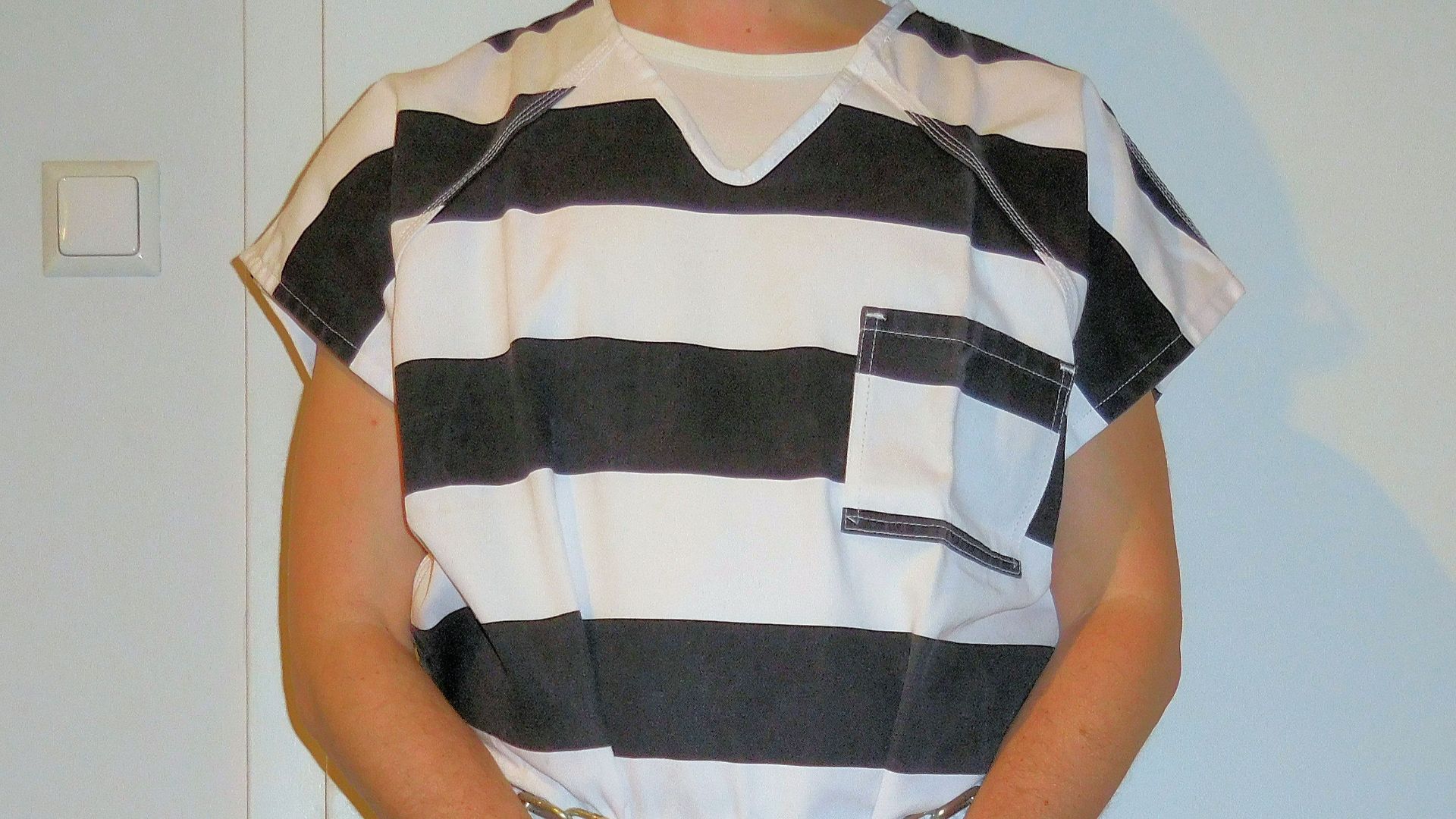
12. Prison Stripes
Striped prison uniforms became so iconic because they worked so well as tools of control. They made prisoners instantly identifiable, harder to blend in, and easier to treat as a category instead of as individuals.
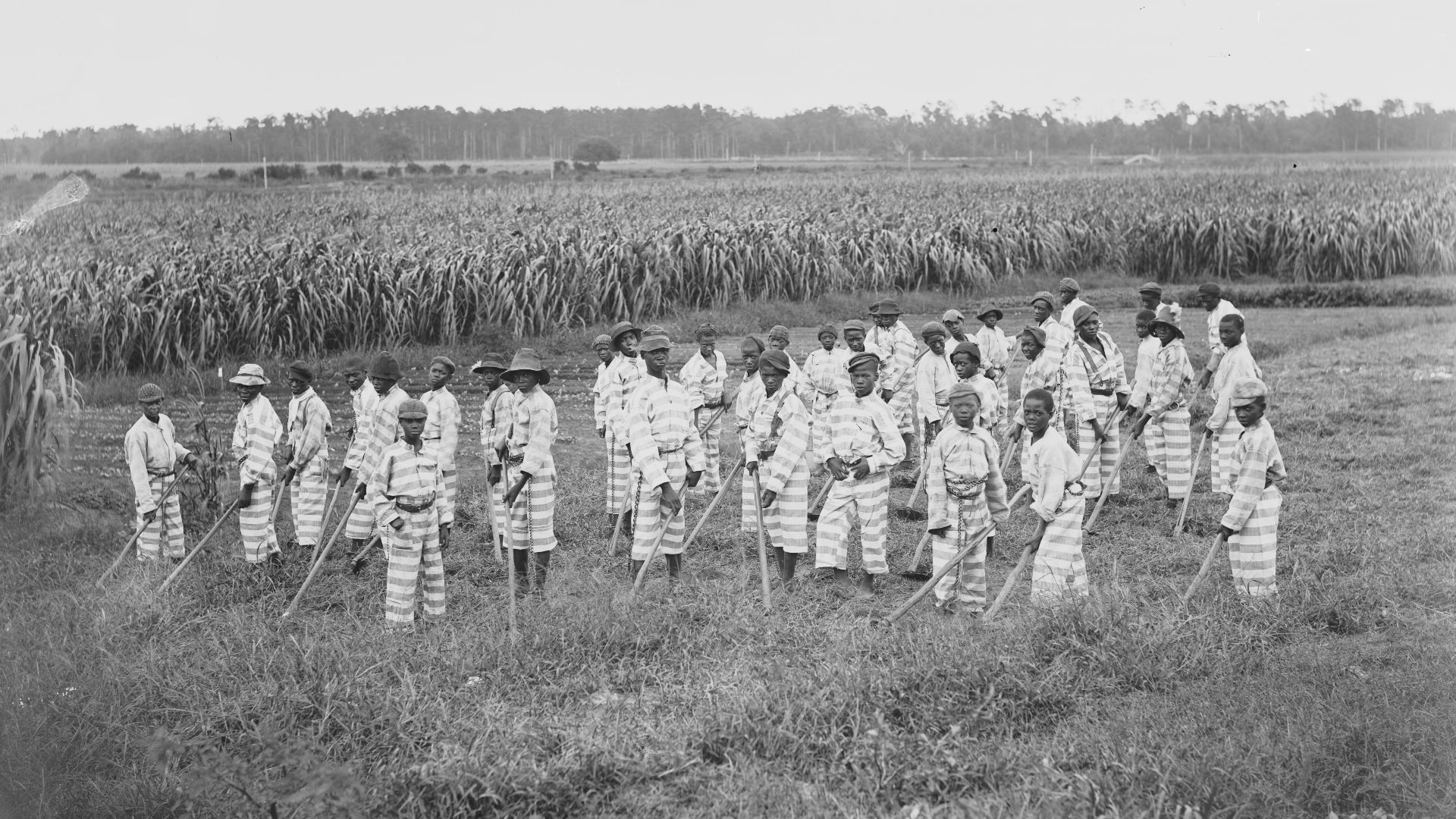
13. Chain Gang Work Clothes
In the United States, chain gangs were often dressed in standardized prison garments that made punishment visible from a distance. The clothing mattered because the labor was meant to be seen, with humiliation built into the display.
 commons.wikimedia.org on Google
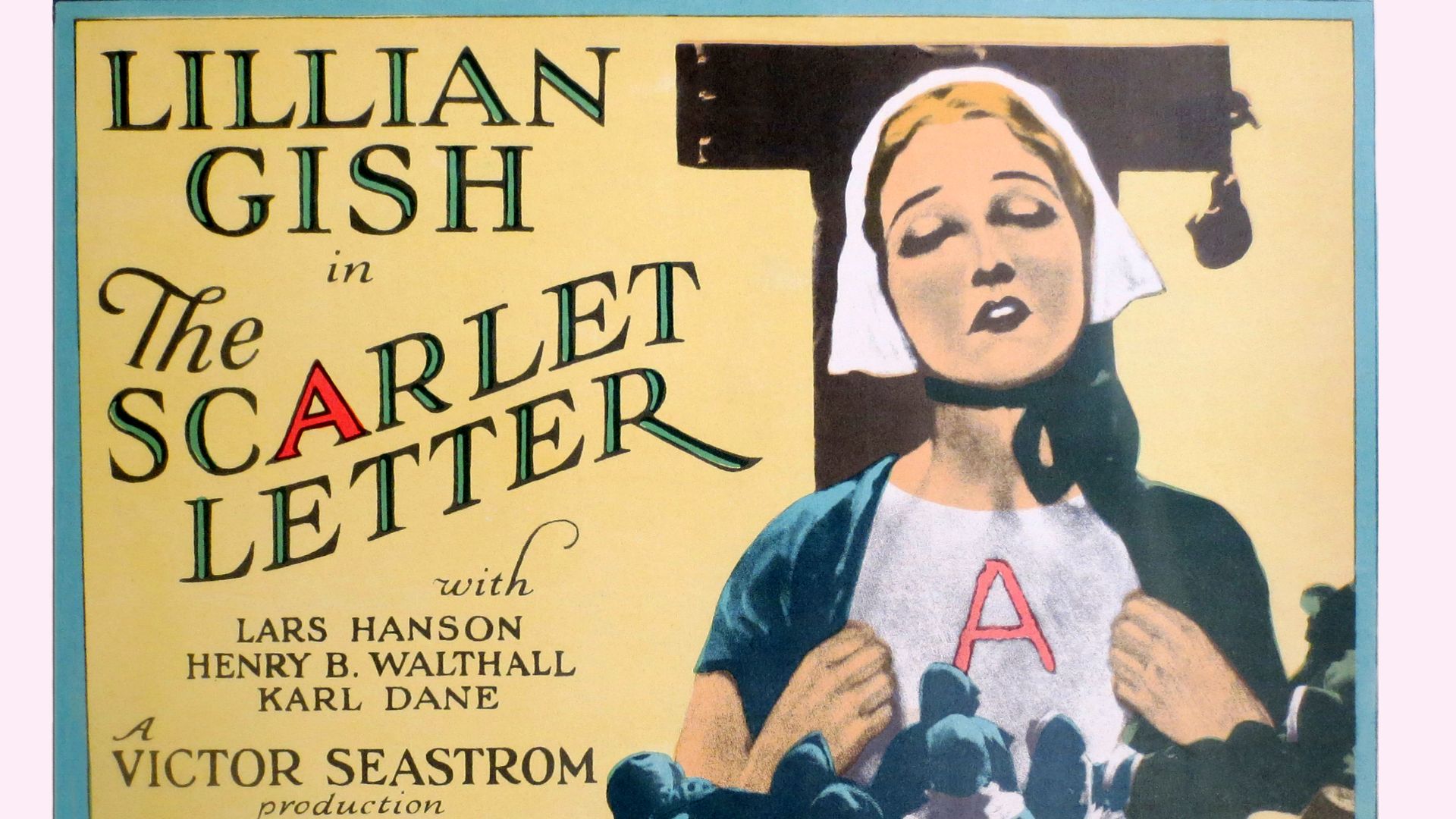
14. The Scarlet Letter
It comes from fiction, but the idea has lasted because it feels historically true to a much older logic of moral marking. The power of the image comes from how believable it is that a community would force someone to wear accusation on the outside and call that justice.
 Metro-Goldwyn-Mayer on Wikimedia
15. Barefoot Penance
In many religious and judicial traditions, being made to go barefoot functioned as a visible sign of humility, abasement, or punishment. It can sound minor now, but in older societies it could signal loss of dignity as clearly as any special garment.

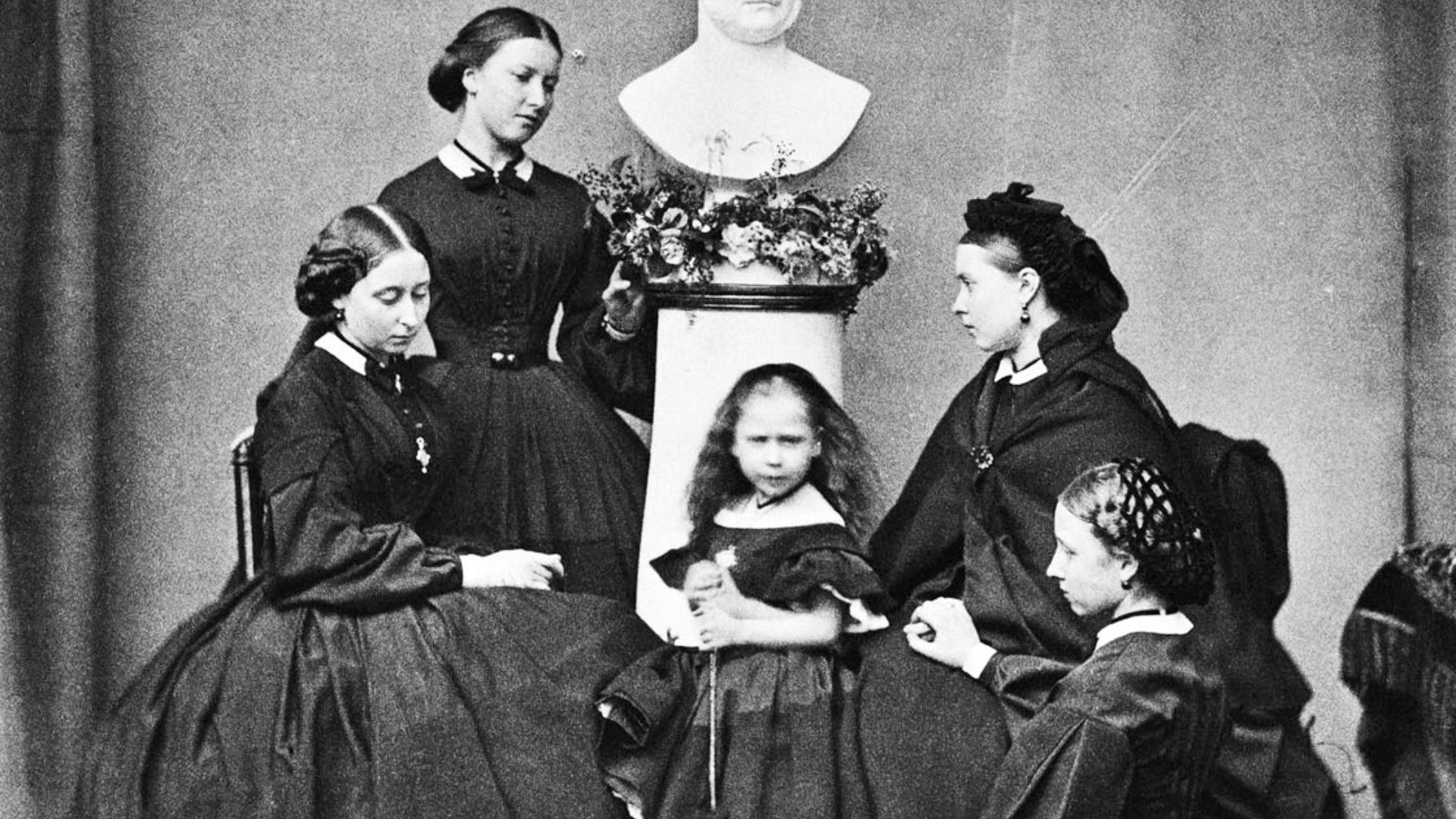
16. Widow’s Mourning Dress
Not every garment of shame came from a court or a decree, and some social rules worked through pressure rather than law. In many places, widow’s dress became a strict visual script of grief, restraint, and withdrawal, keeping personal loss on public display for longer than comfort or choice might have allowed.
 William Bambridge on Wikimedia
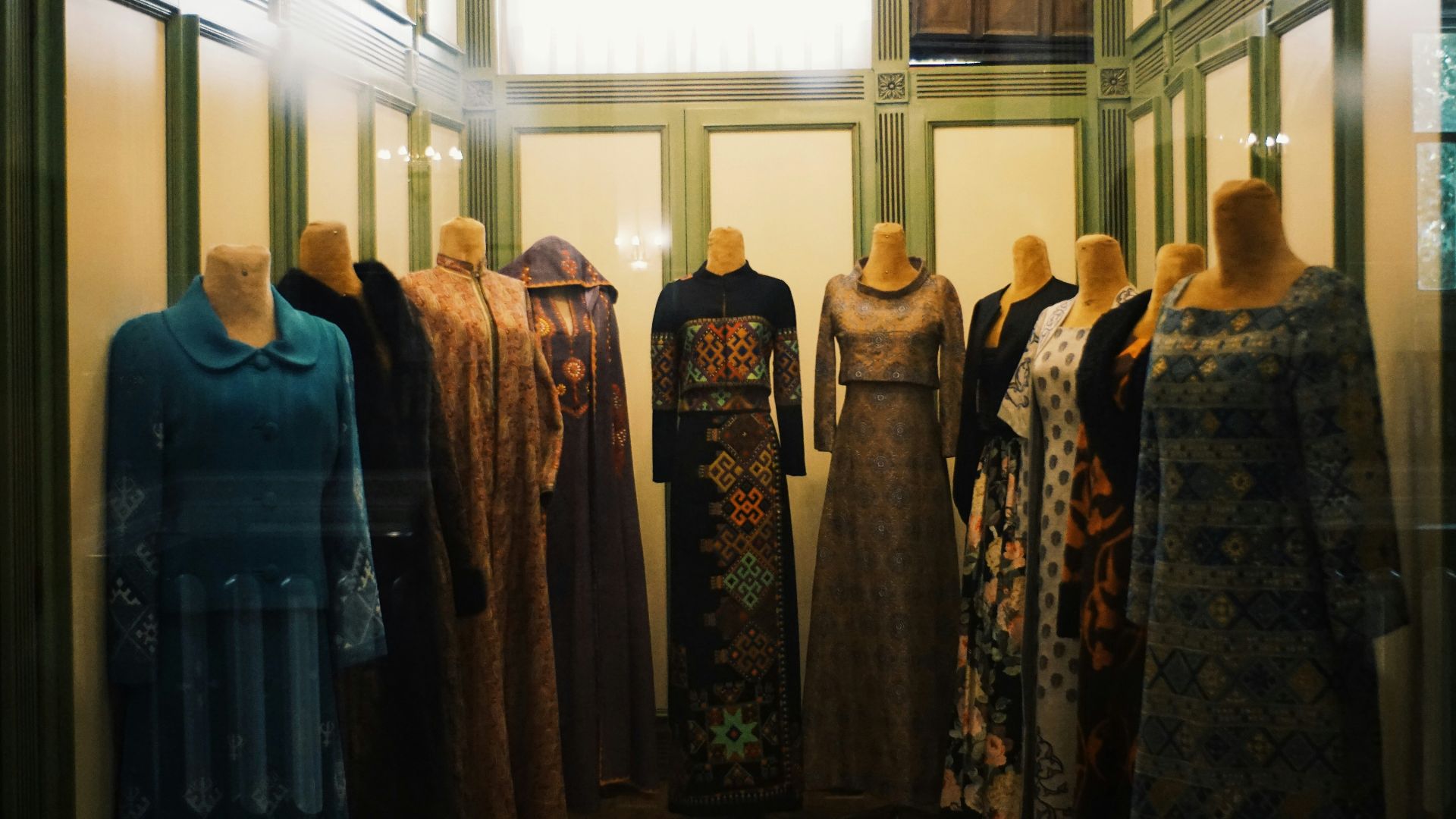
17. Sumptuary Dress Restrictions
Sumptuary laws told people what fabrics, colors, ornaments, or styles they were not allowed to wear based on rank, profession, religion, or class. They were presented as social order, but there was humiliation tucked inside them too, because the rules existed to make sure certain people could never dress above their assigned place.
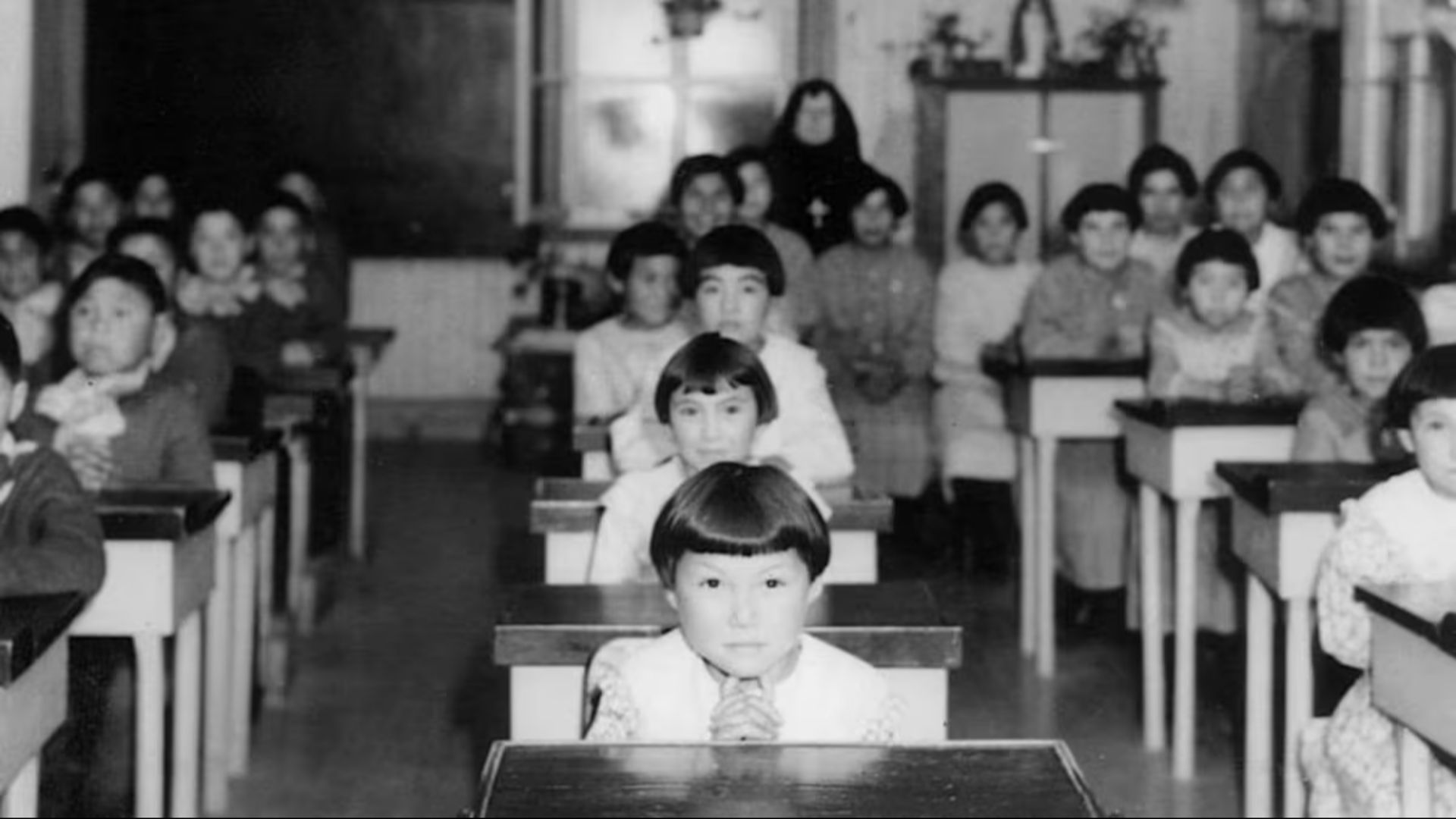
18. Colonial “Civilizing” Dress Codes
Colonial authorities often pushed or forced Indigenous people and colonized populations into European clothing as part of assimilation campaigns. The insult was built into the policy, because traditional dress was treated as something backward that needed to be corrected out of public view.
 commons.wikimedia.org on Google
19. Institutional Uniforms
In orphanages, reform schools, asylums, workhouses, and other institutions, uniform dress often served to flatten identity as much as to keep order. Once everyone looked the same, individuality became easier to suppress, and that loss of self was often part of the punishment.

20. Camp and Reeducation Clothing
In labor camps, prisons, and reeducation systems, clothing was frequently stripped down to plain, standardized, often degrading forms that erased status, taste, and personal ownership. Sometimes the shame came from a visible badge or mark, and sometimes it came from the colder message underneath it: you no longer get to decide how you appear in the world.








_-_c._1500.jpg)
.jpg)
.jpg)

.jpg)