
10 Reasons Your Skin Sags With Age & 10 Natural Ways To Combat It
What’s Really Happening Beneath the Surface
Skin sagging can feel frustrating because it often seems to appear all at once, even though the causes have been building for years. Aging affects your skin structurally, not just visually, and many of those changes happen beneath the surface long before you notice them. Understanding why sagging happens makes it easier to approach it with patience and realistic expectations. Here are 10 reasons your skin sags with age & 10 strategies for retaining its youthful look.
1. Collagen Production Slows Down
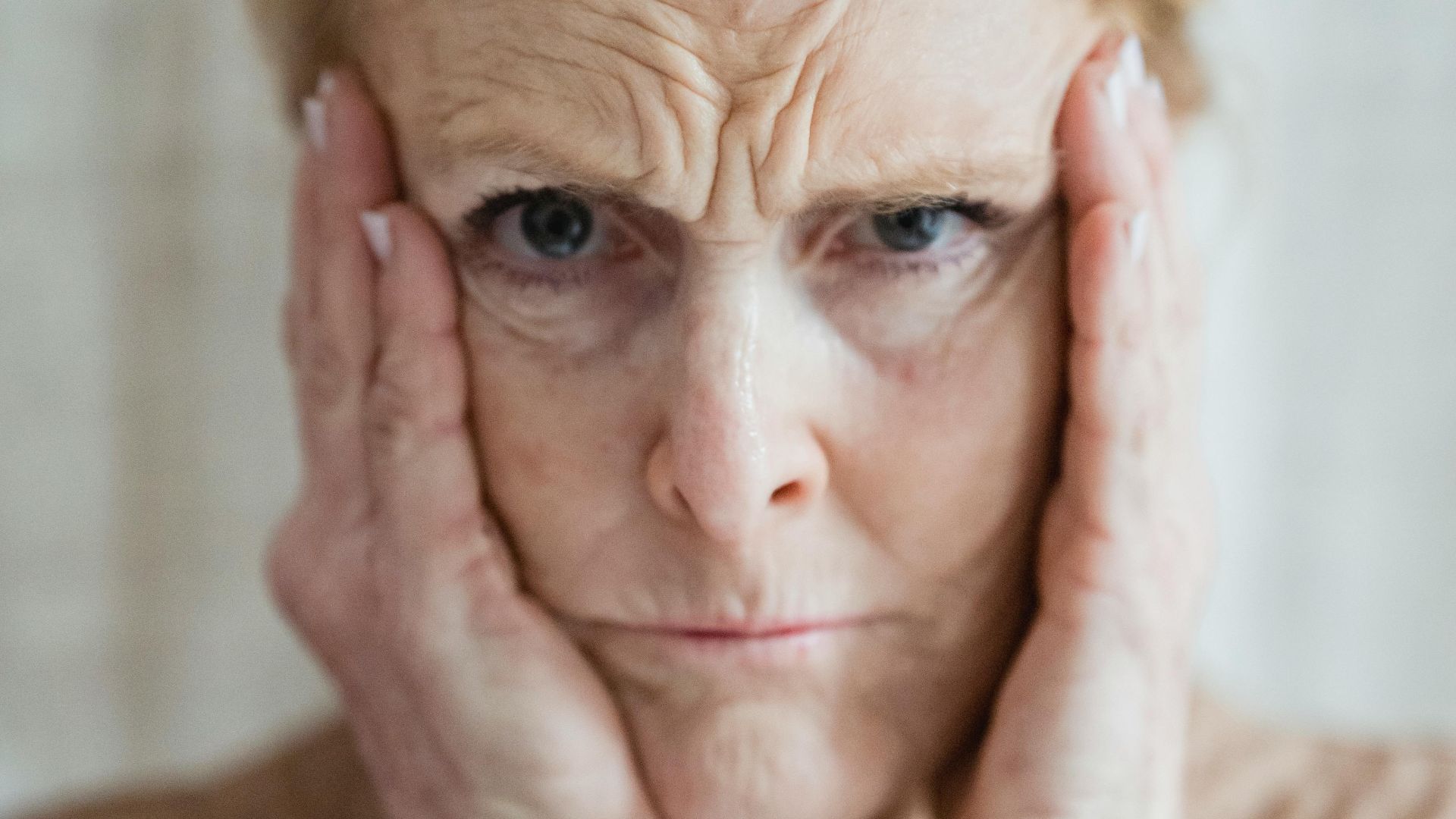
Collagen acts like scaffolding that keeps your skin firm and supported. As you get older, your body naturally produces less of it each year. That gradual loss makes skin less able to hold its shape.
2. Elastin Fibers Break Down Over Time
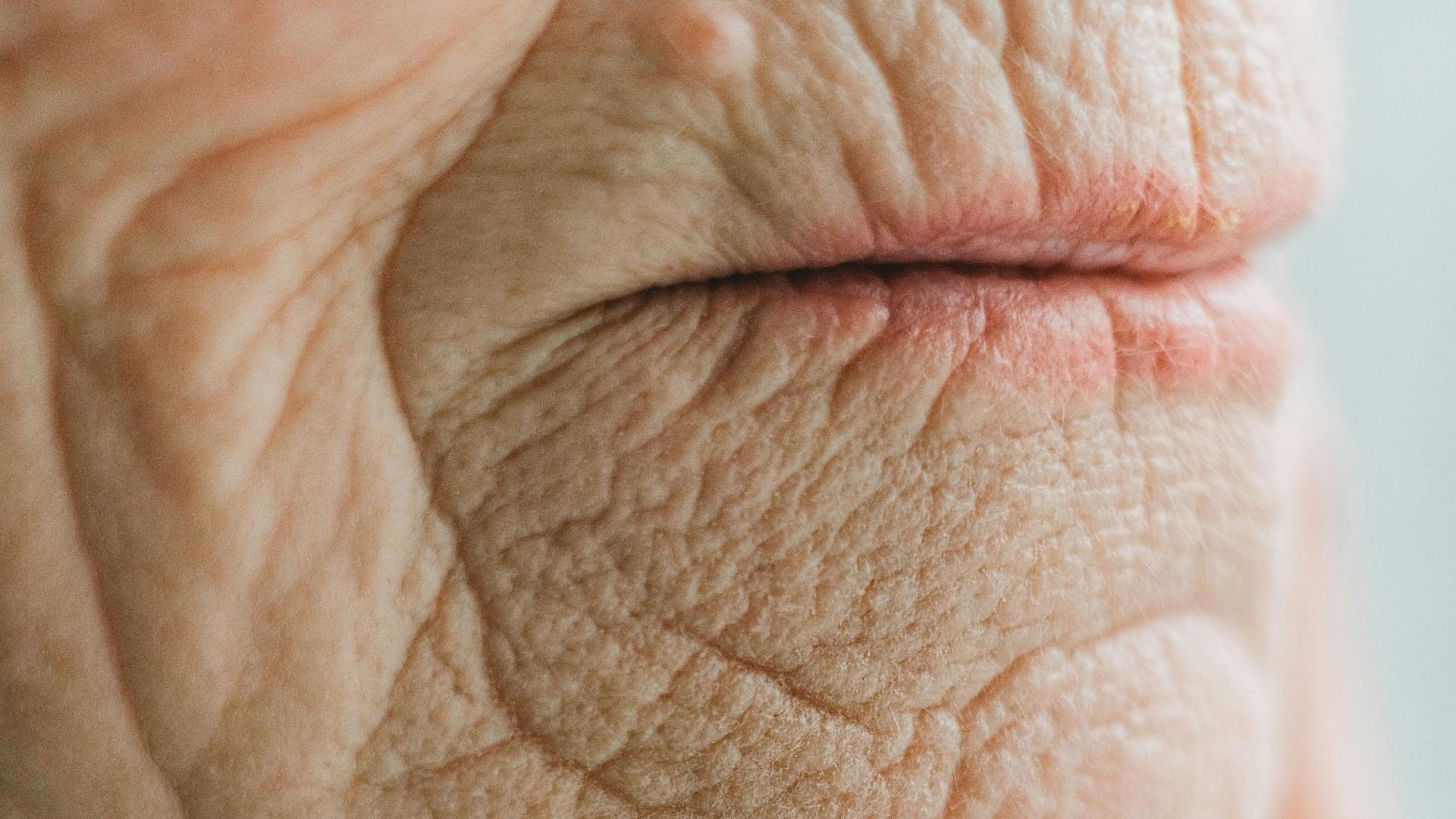
Elastin allows skin to stretch and return to its original position. With age, those fibers weaken and don’t repair themselves as efficiently. This leaves skin looking looser, especially around the mouth and jaw.

3. Gravity Works Constantly Against You
Gravity never takes a break, even when you’re asleep. Over decades, it slowly pulls skin downward, especially in areas with less support. The changes are subtle year to year but noticeable over time.
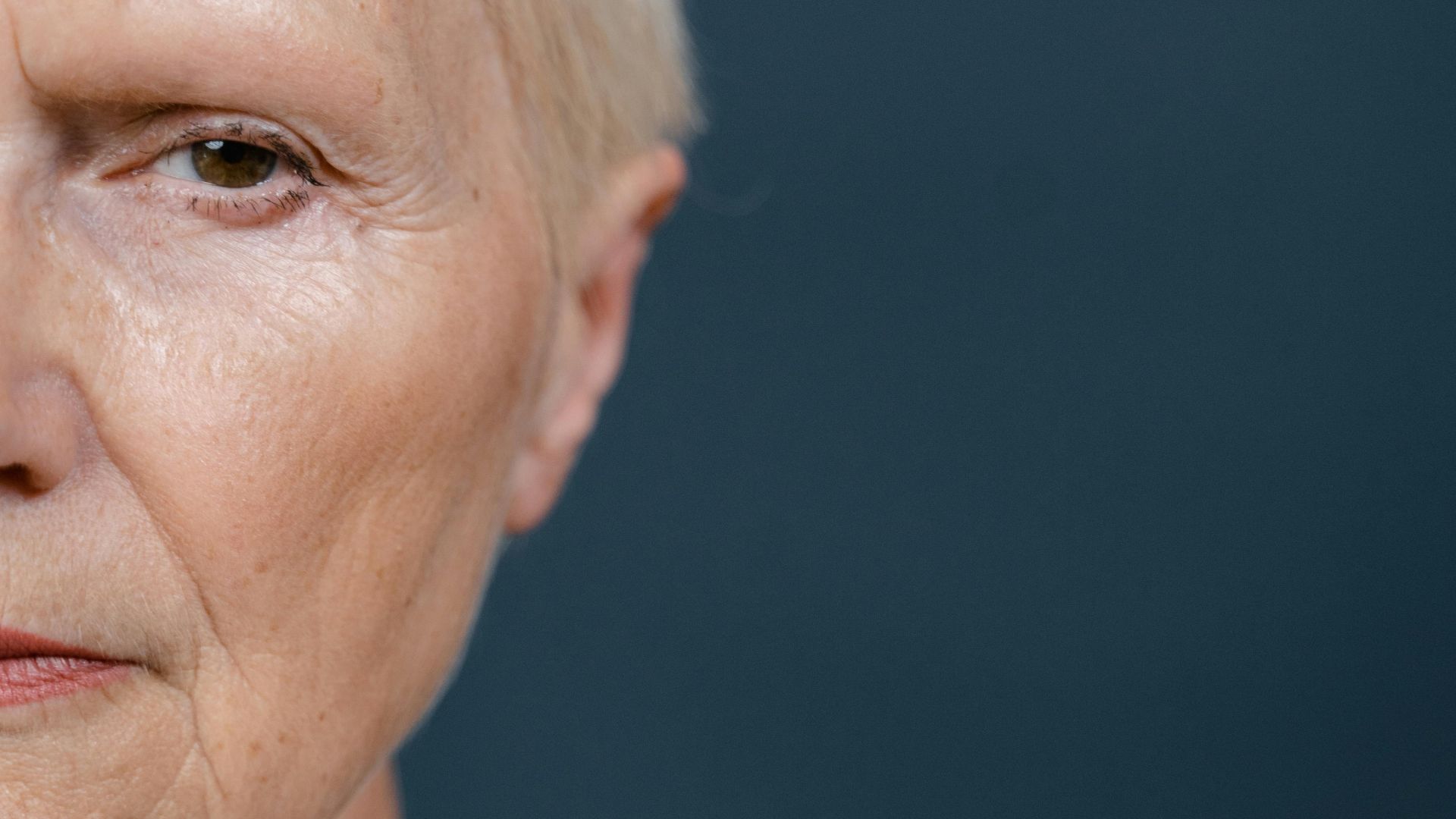
4. Cumulative Sun Damage Weakens Skin
Ultraviolet exposure breaks down collagen deep within the skin. Even short daily exposure adds up over the years. That damage often shows later as sagging rather than just wrinkles.
 National Cancer Institute on Unsplash
5. Facial Fat Pads Shift and Shrink
Fat in the face doesn’t disappear evenly as you age. Some areas lose volume while others drop lower than they used to sit. This redistribution changes facial contours and contributes to sagging.
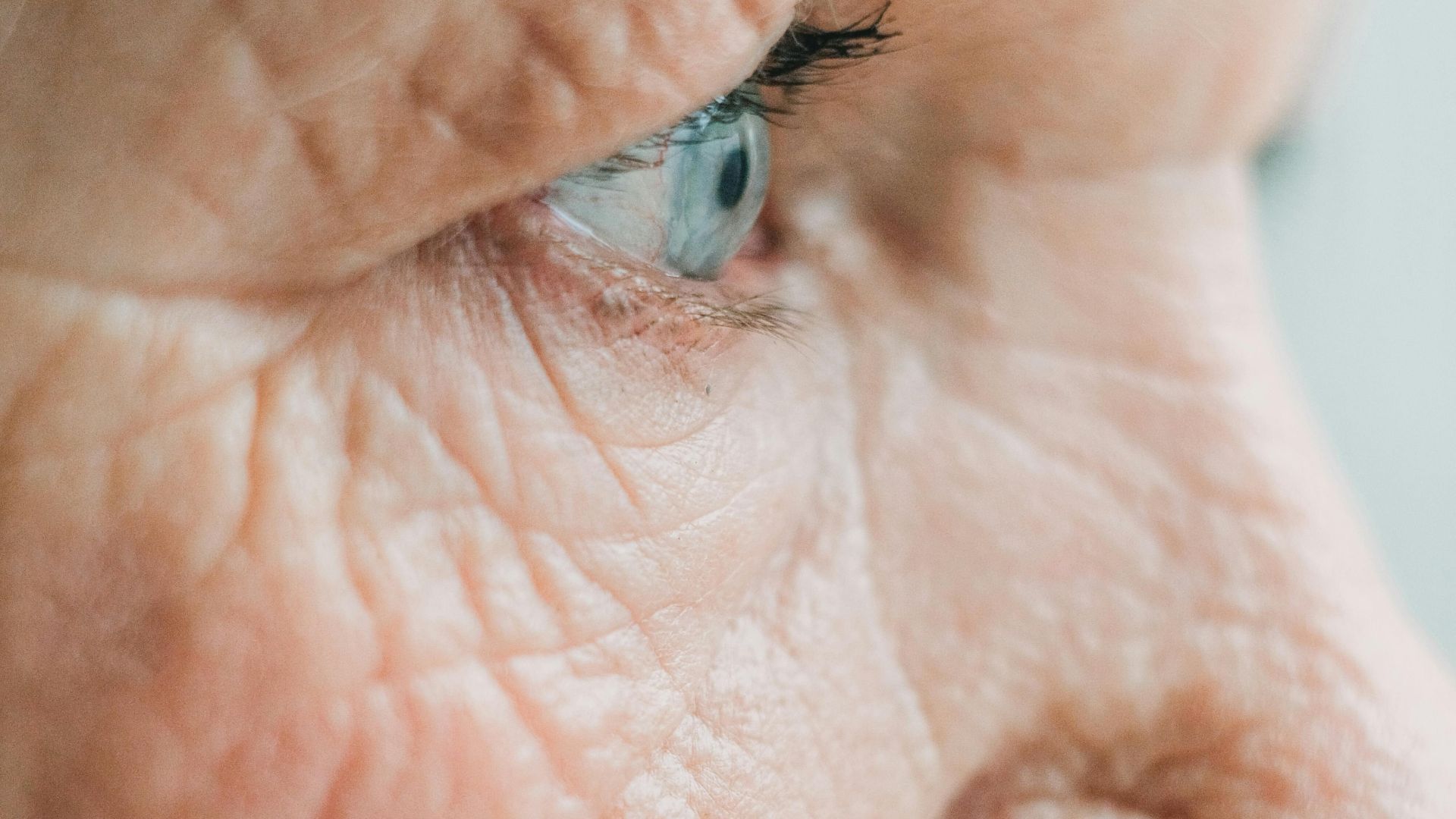
6. Skin Becomes Thinner With Age
Skin loses its density and thickness over time. Thinner skin has less structural support underneath it. That makes gravity and movement more noticeable.
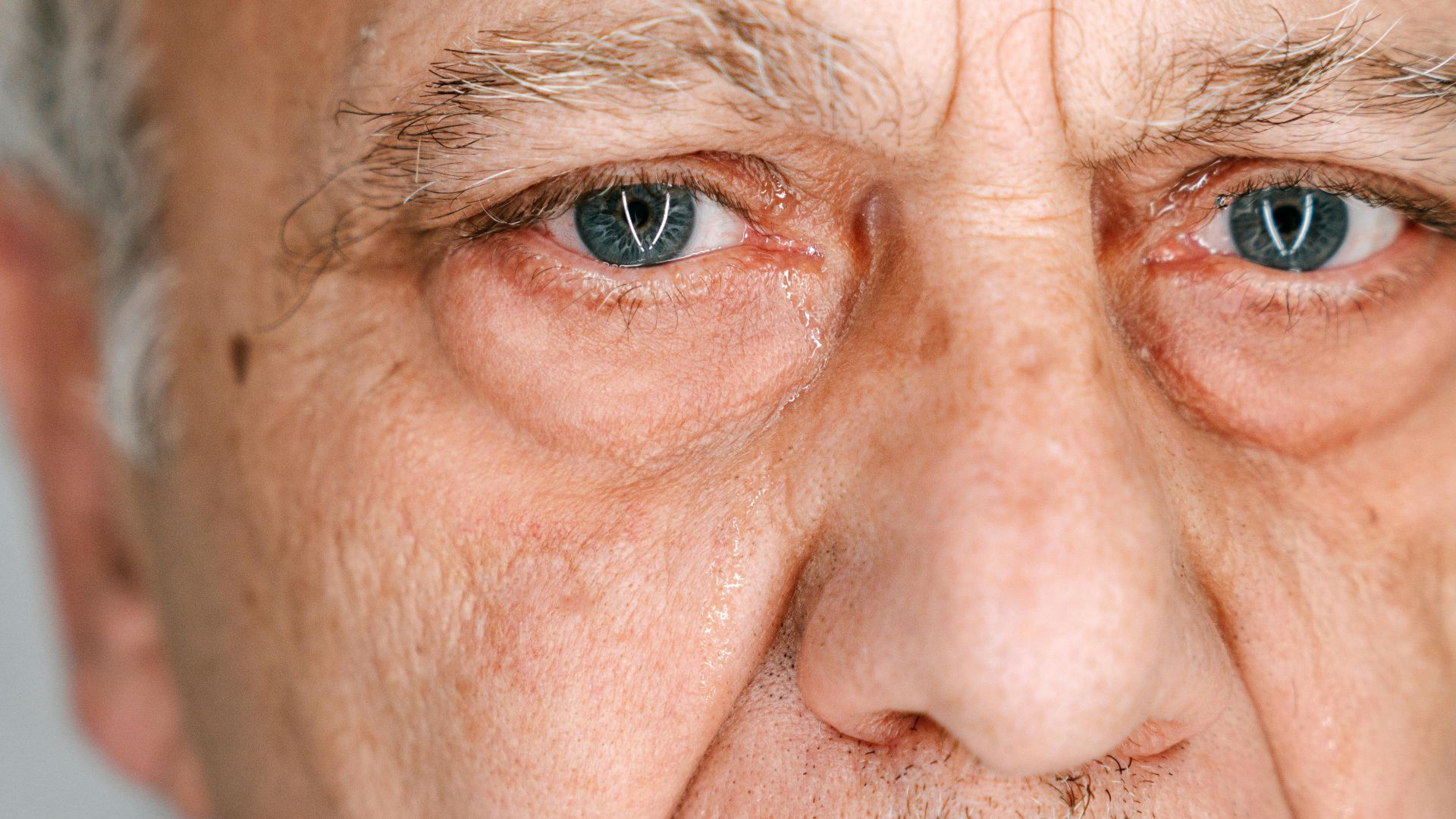
7. Repeated Facial Expressions Take a Toll
Every smile, squint, and frown gently stretches the skin. When skin is young, it bounces back easily. Over time, however, those repeated movements contribute to laxity.
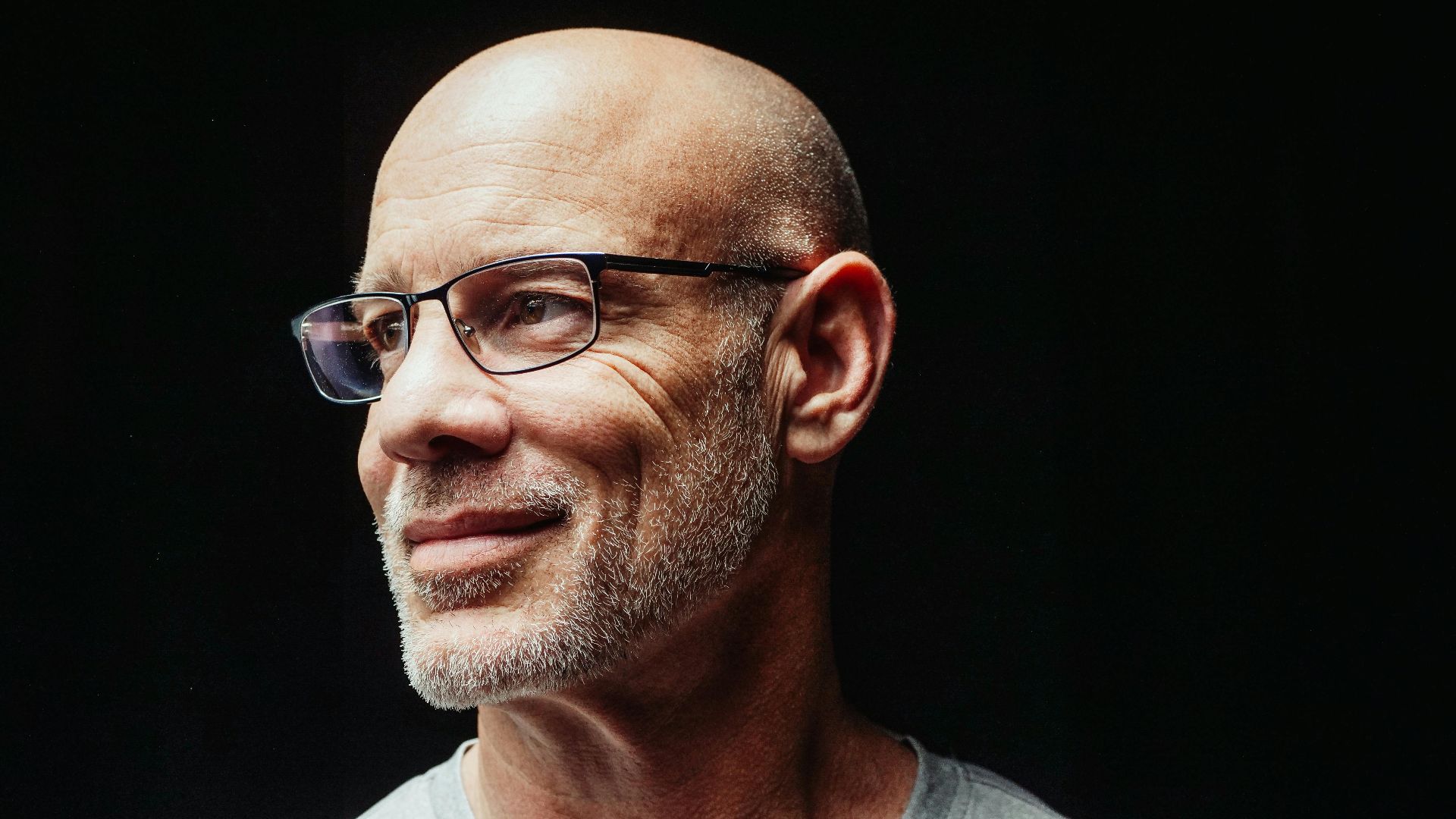
8. Natural Moisture Retention Declines
Your skin’s ability to hold moisture decreases with age. Drier skin tends to look less plump and more fragile. Hydration loss makes sagging appear more pronounced.
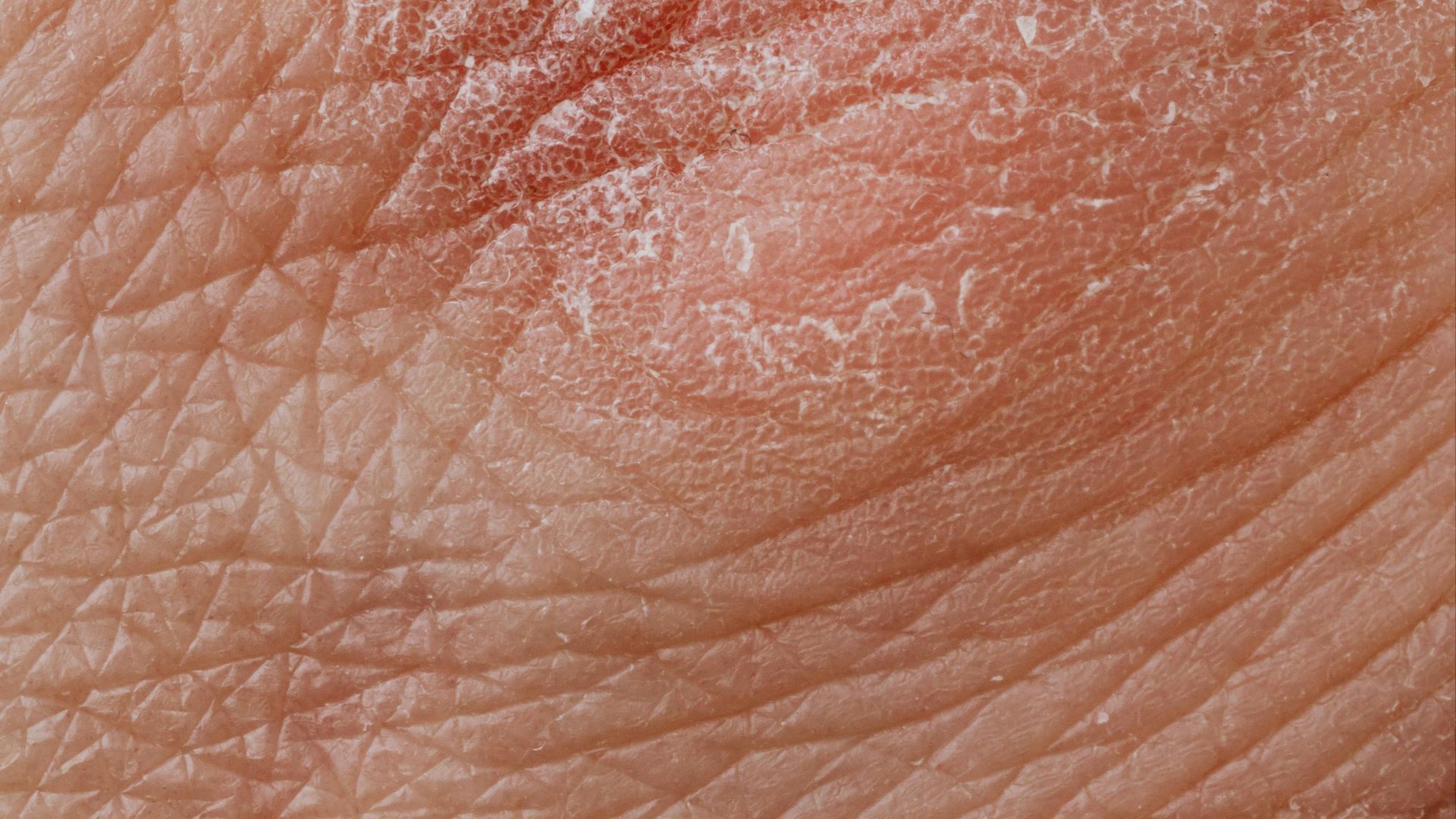
9. Skin Cell Renewal Slows Down
Young skin constantly sheds old cells and replaces them with new ones. As this process slows, skin can appear dull and less firm. Sluggish renewal affects overall skin texture and strength.
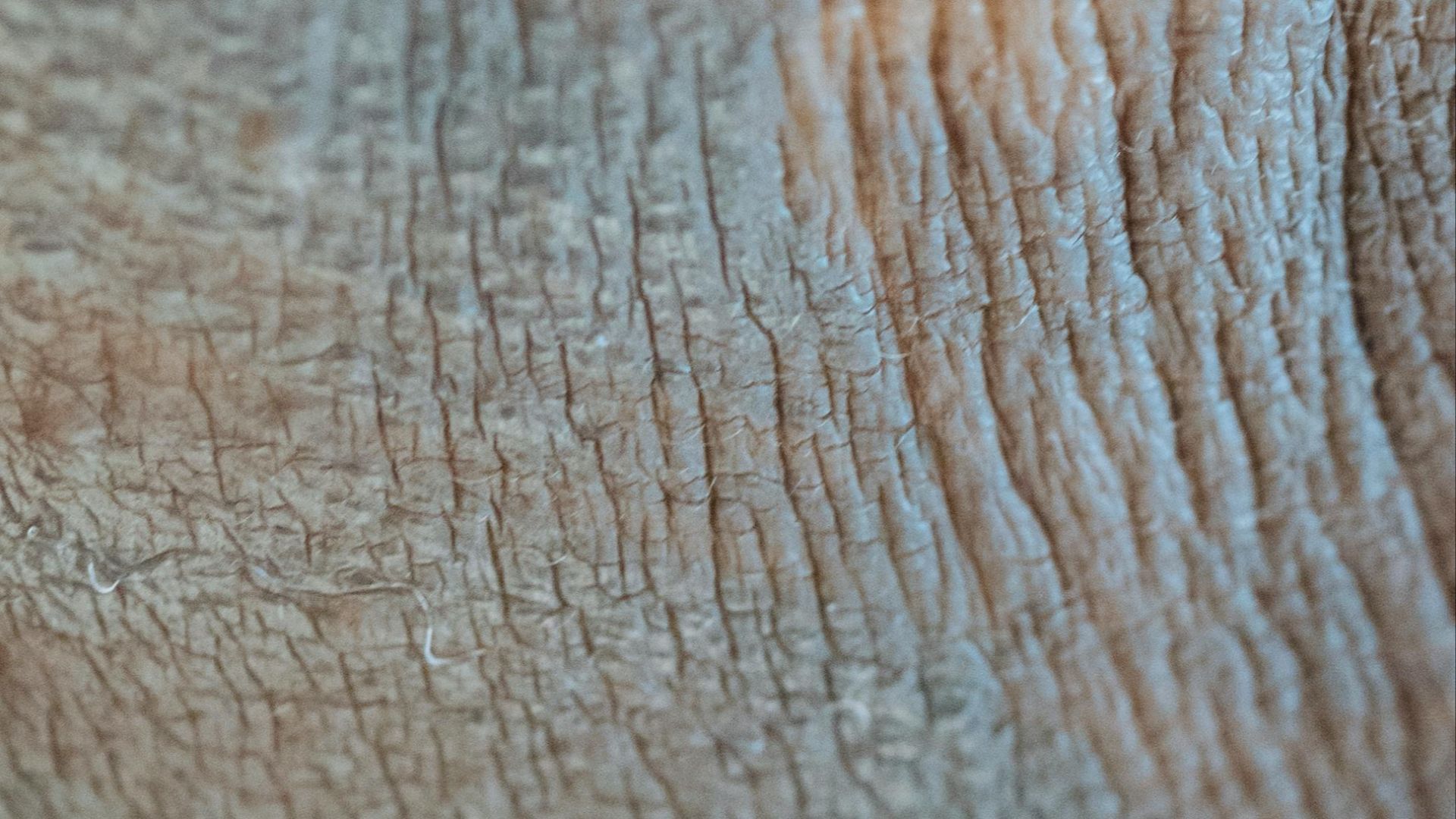
10. Long-Term Stress Affects Skin Health
Chronic stress influences hormones that impact collagen and inflammation. Over time, that internal strain shows up externally. Sagging skin can be one visible result.

Now that we've talked about the underlying reasons for skin sagging, let's talk about the moves you can make to prevent or repair it.
1. Strengthen Your Facial Muscles
Facial muscles sit directly beneath the skin and help give it shape. Gentle facial exercises can improve tone and support over time. Stronger muscles create a firmer foundation for skin.

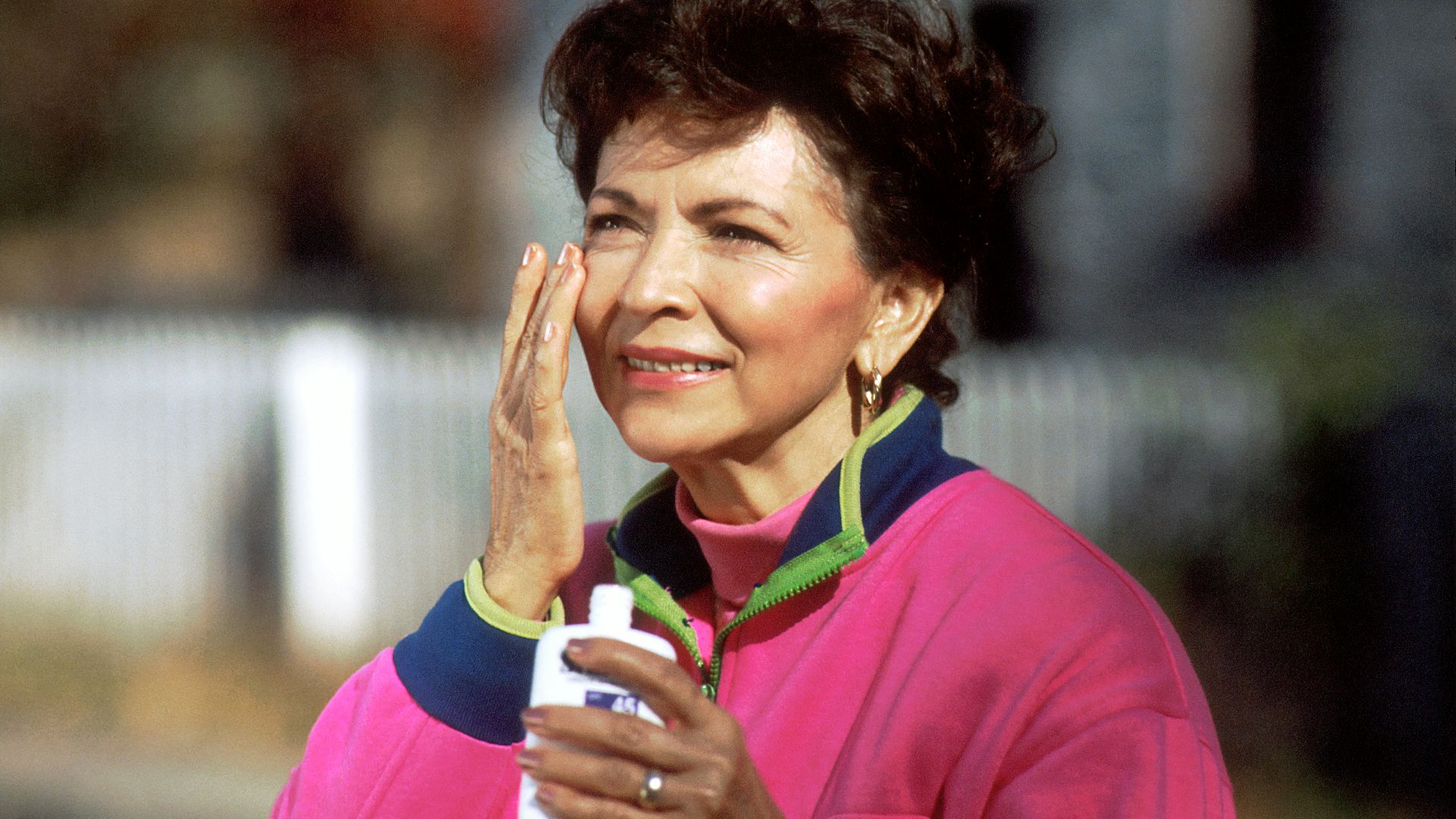
2. Wear Daily SPF
Don't skip that SPF! Sun damage is the leading cause of visible skin aging. Sunscreen helps protect the collagen you still have, preventing damage, which is far easier than trying to reverse it.
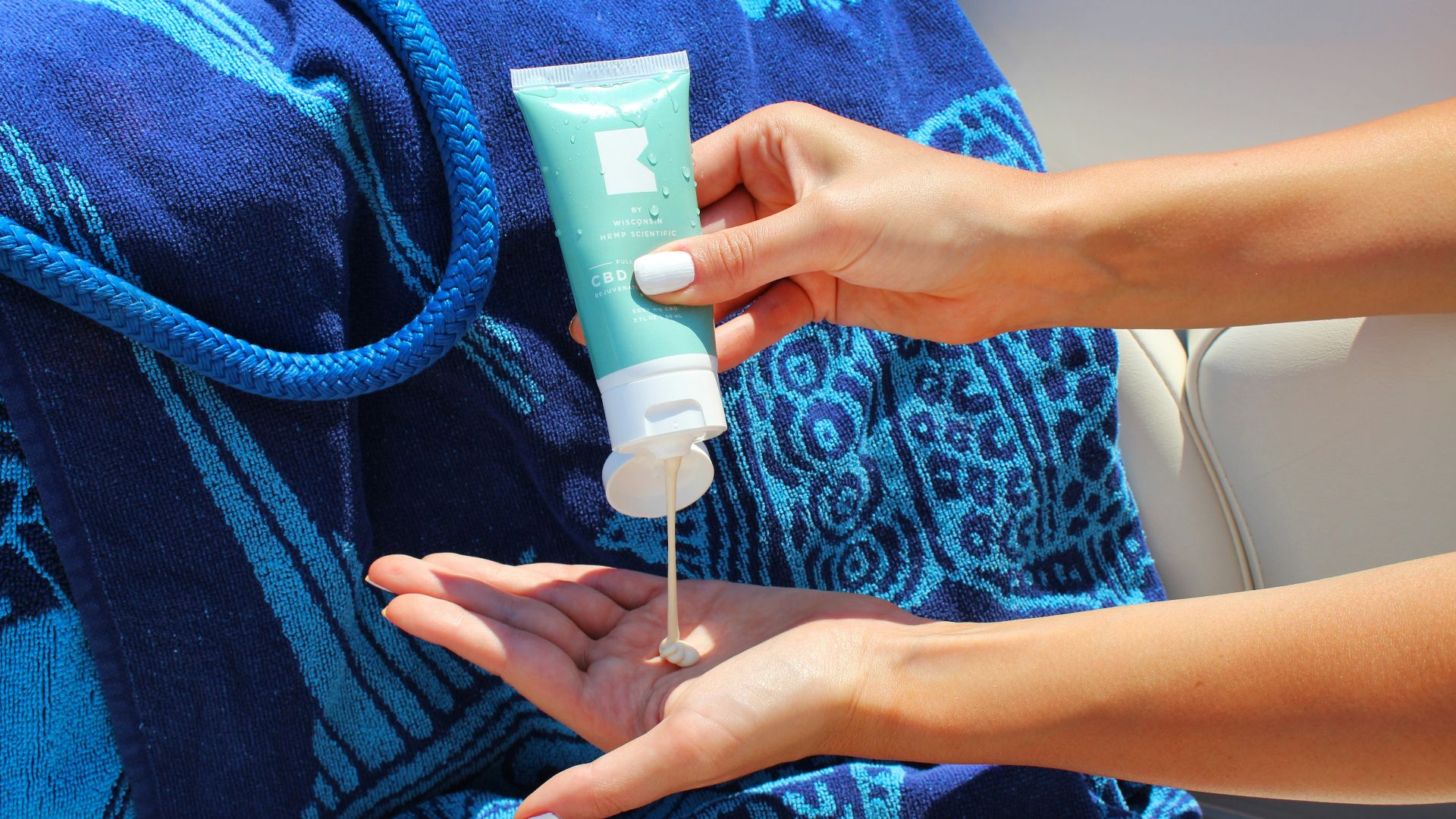 BATCH by Wisconsin Hemp Scientific on Unsplash
3. Prioritize Sleep
Your skin repairs itself while you sleep. Poor sleep disrupts that process and accelerates aging signs. Quality rest gives your skin time to recover and rebuild.

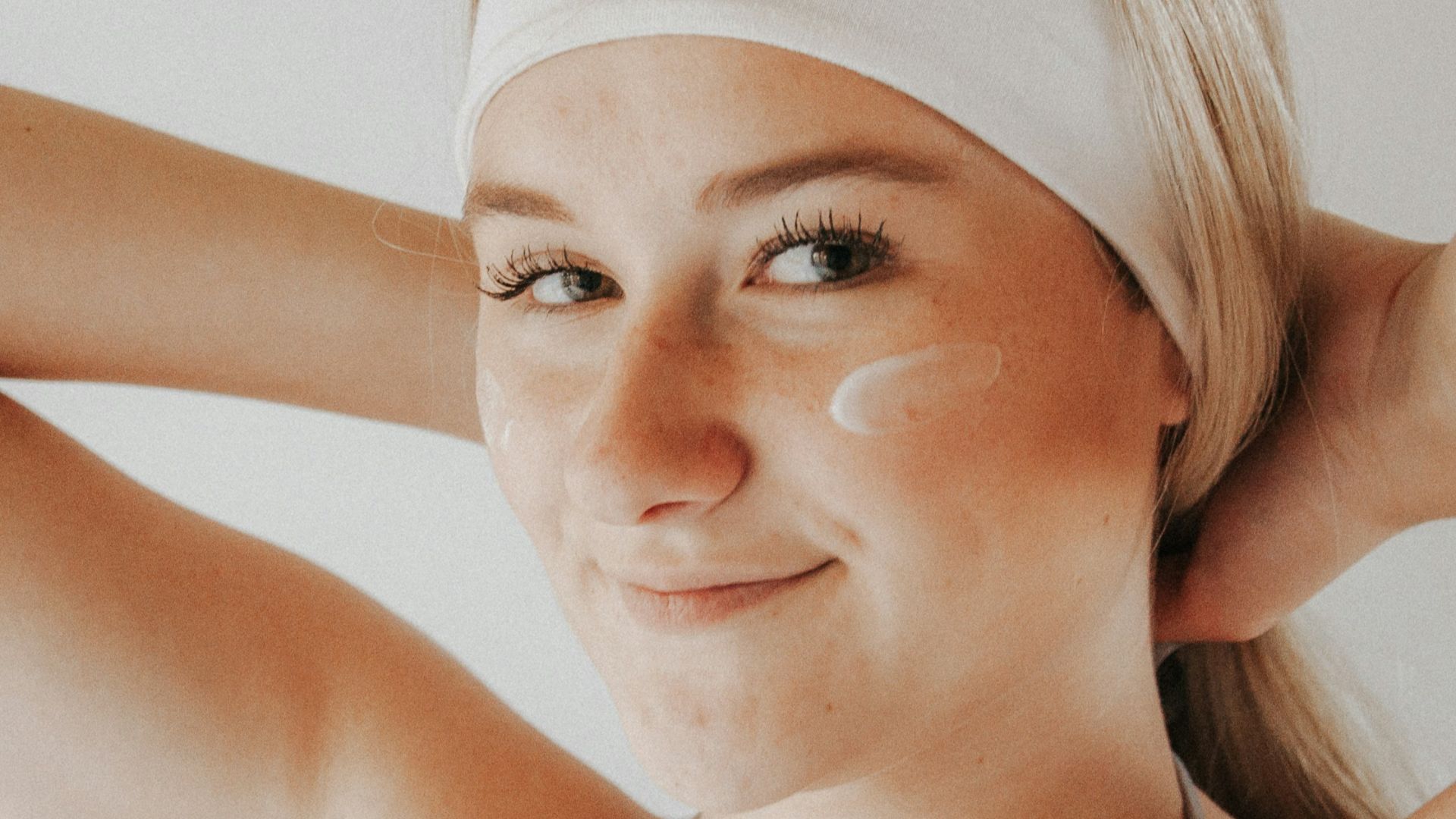
4. Moisturize
Water supports circulation and nutrient delivery to the skin. Well-hydrated skin looks fuller and healthier. That fullness can soften the appearance of sagging.
5. Eat Nutritious Foods
Glowing skin starts from the inside out. Certain nutrients, like vitamin C, protein, and antioxidants, help your body produce and protect collagen. Focus on a balanced diet of whole foods.

6. Give Yourself Facial Massages
Massage increases blood flow to the skin and underlying tissues. Better circulation supports cell repair and nutrient delivery. It can also reduce tension that contributes to sagging.

7. Manage Stress
Lower stress helps balance hormones that affect skin structure. Calmer nervous systems support healthier aging overall. Your face often reflects your stress levels.

18. Follow A Consistent Skincare Routine
Consistency supports the skin barrier more than complex routines. Gentle cleansing and moisturizing help maintain resilience. Long-term habits matter more than quick fixes.
19. Strength Train
Muscle loss affects posture and circulation as you age. Strength training helps maintain hormonal balance and blood flow. Those benefits extend to skin health as well.

20. Accept Aging
It can be hard in our youth-obsessed society, but healthy aging has a lot to do with keeping a positive attitude. Fighting aging aggressively often leads to stress and overcorrection. Acceptance encourages gentler, more sustainable care.