20 Things Women Used to Carry in Their Purses That Have Almost Disappeared
A Peek Inside the Purses of the Past
A woman's purse several decades ago contained a surprisingly different assortment of everyday essentials than it does today. Before smartphones, modern cosmetics, and digital payment systems became commonplace, women relied on various small accessories to stay organized, maintain their appearance, and prepare for unexpected situations. Although some of these items haven't disappeared entirely, they're no longer the handbag staples they once were, and younger generations might not even recognize a few of them.
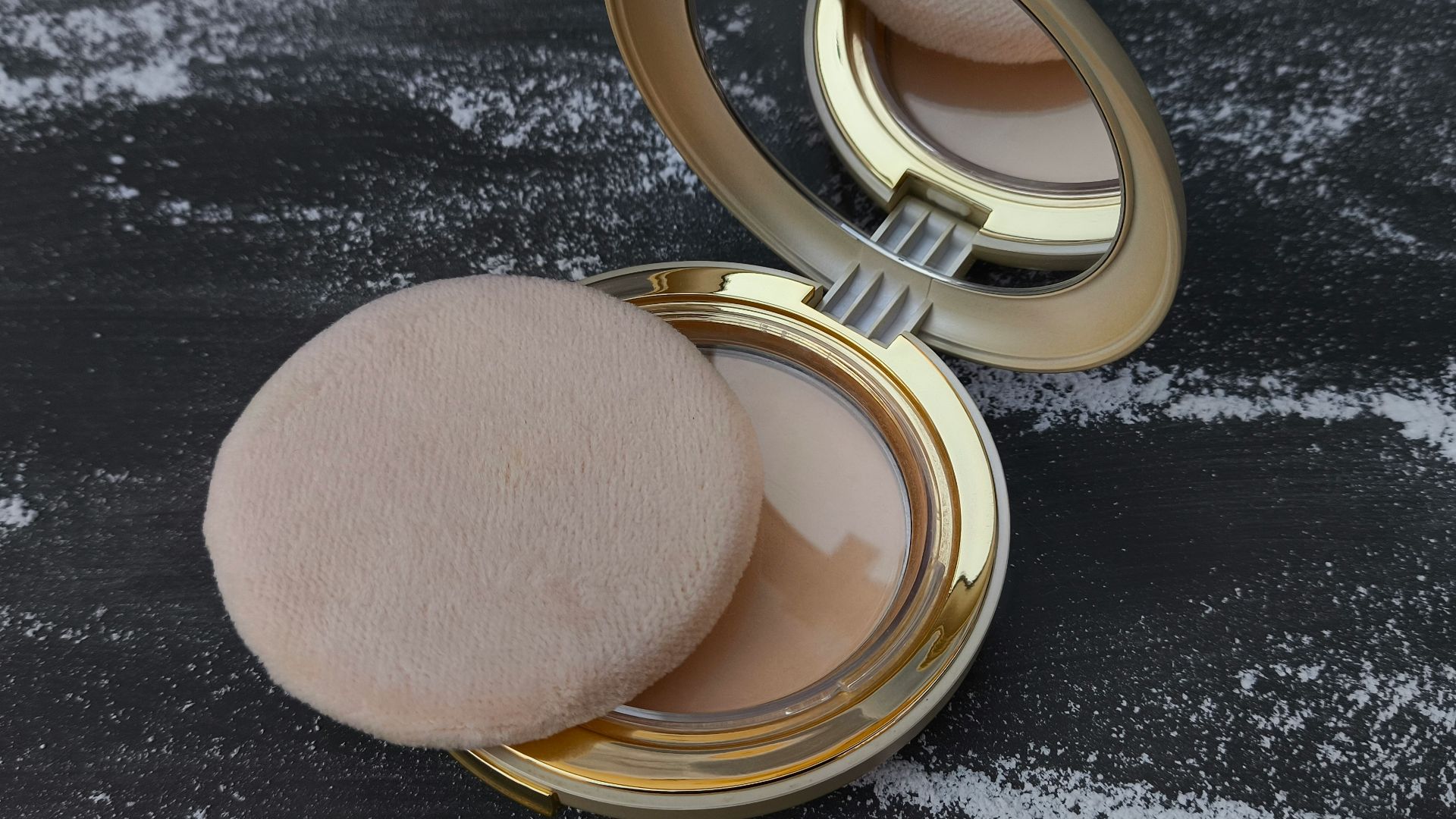
1. Powder Compacts
It would have been very common to carry a pretty compact, complete with a small mirror and powder puff, to re-powder one's face as desired over the course of the day. Powder in this form can, of course, still be bought today. However, the pretty metal and other cases into which new cakes of powder could easily be fitted were particularly popular around the middle of the 20th century and are now rarely seen.
2. Fabric Handkerchiefs
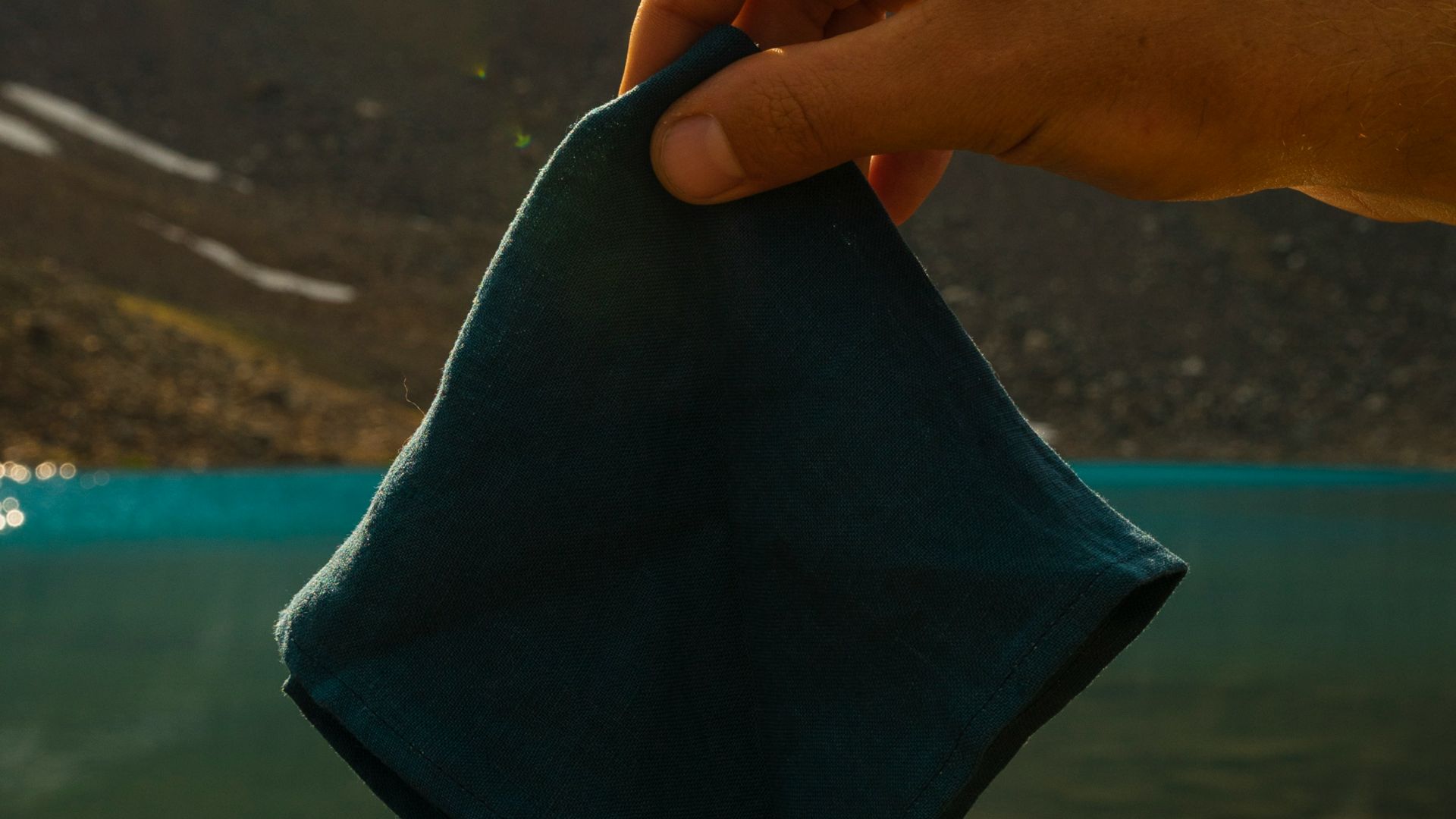
Ladies would have several handkerchiefs in their bags, some quite beautiful, with pretty embroidery around the edges, fine lace, or initials. Disposable facial tissues largely replaced these fabric handkerchiefs. This removed the inconvenience of having to wash handkerchiefs to ensure clean ones were always available.
3. Little Address Books
It was very useful to have other people's phone numbers, addresses, and so on, all at one's fingertips. All the information could be written down in alphabetical order, with details changed as appropriate when someone moved to a new house or got a new telephone number. There's hardly any call for this now, given the ability to store contacts on almost all cell phones.

4. Smokie Cases
During much of the 20th century, decorative cases were marketed as sophisticated accessories for women who took part of a common activity back in the day. Manufacturers produced them in various materials, including silver, brass, leather, and colorful enamel, sometimes incorporating elaborate artistic designs. Changing attitudes toward smoke made these accessories considerably less common.
5. Checkbook Covers
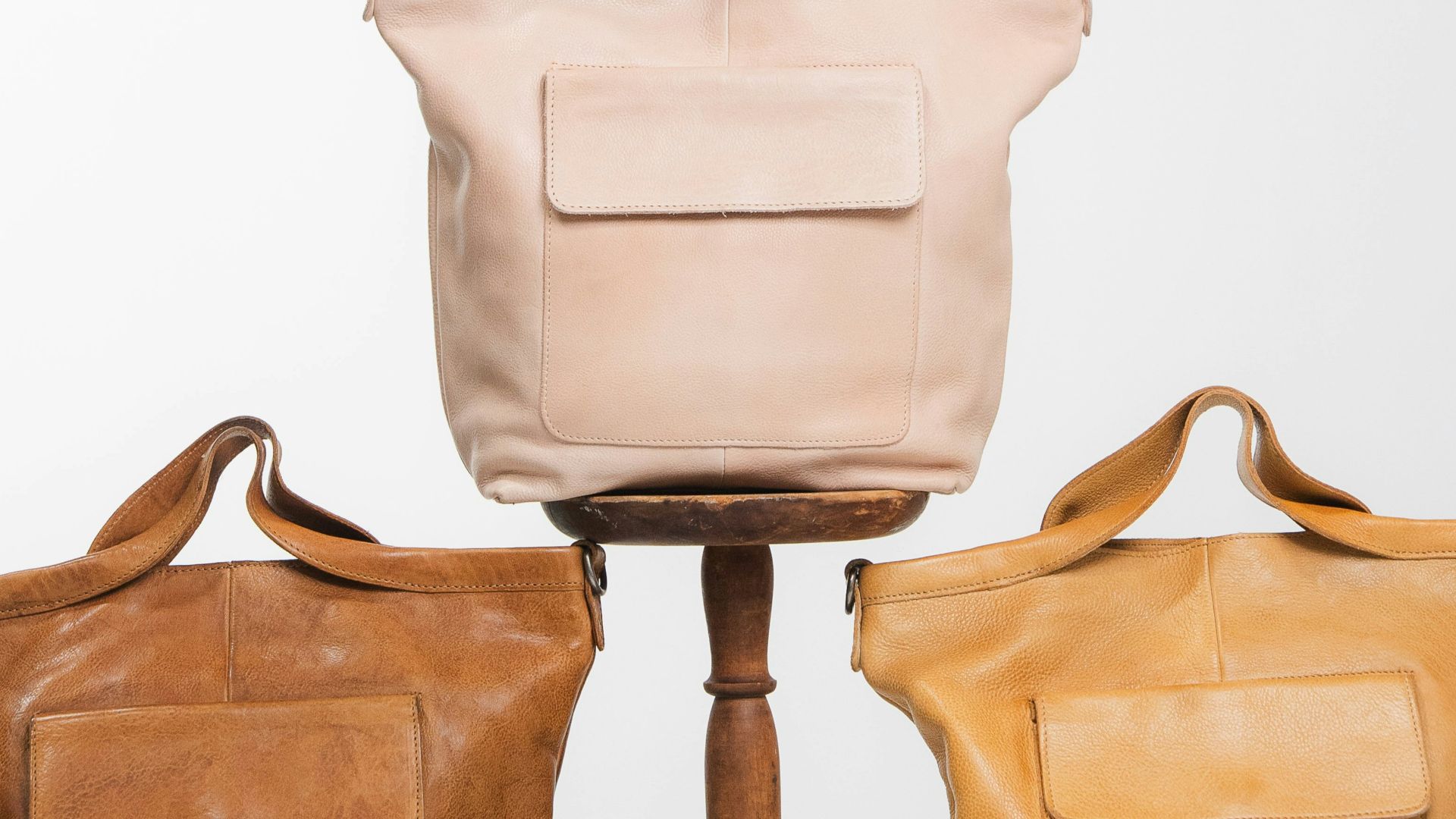
Checks were commonly used to pay for all manner of goods and services. It made sense to have a cover to contain one's checkbook, a few pages for recording details of checks issued, and perhaps a form of ID. Debit cards, credit cards, and contactless payments have made bringing a checkbook on routine shopping trips largely unnecessary.

6. Pocket Calendars
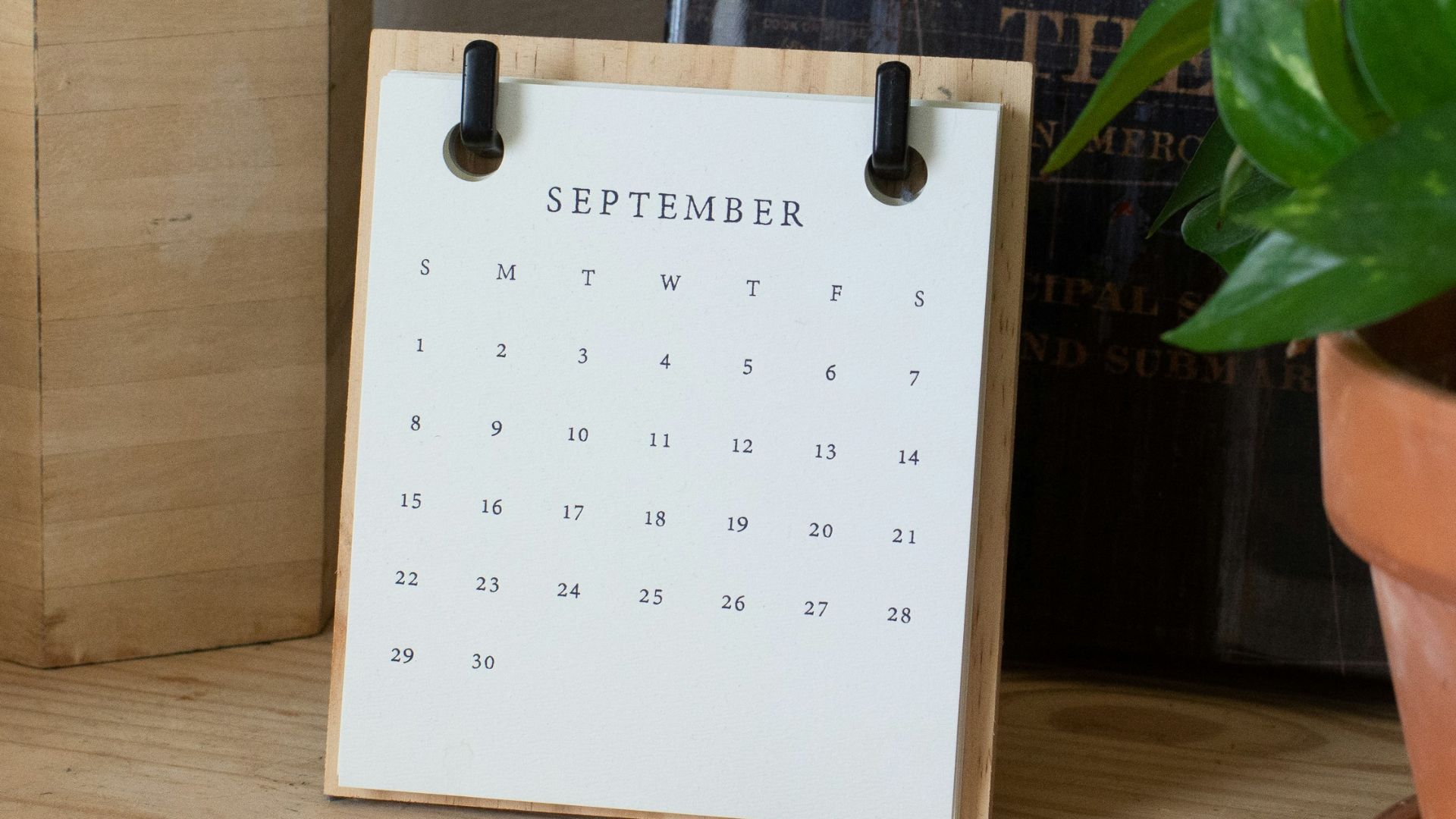
Appointments and events of various kinds would need to be committed to memory or noted down for reference at a later date. Calendars small enough to be carried around in a handbag were very handy for keeping track of birthdays and many other occasions. Banks, insurance companies, and other businesses sometimes distributed them as complimentary promotional gifts.
7. Perfume Atomizers
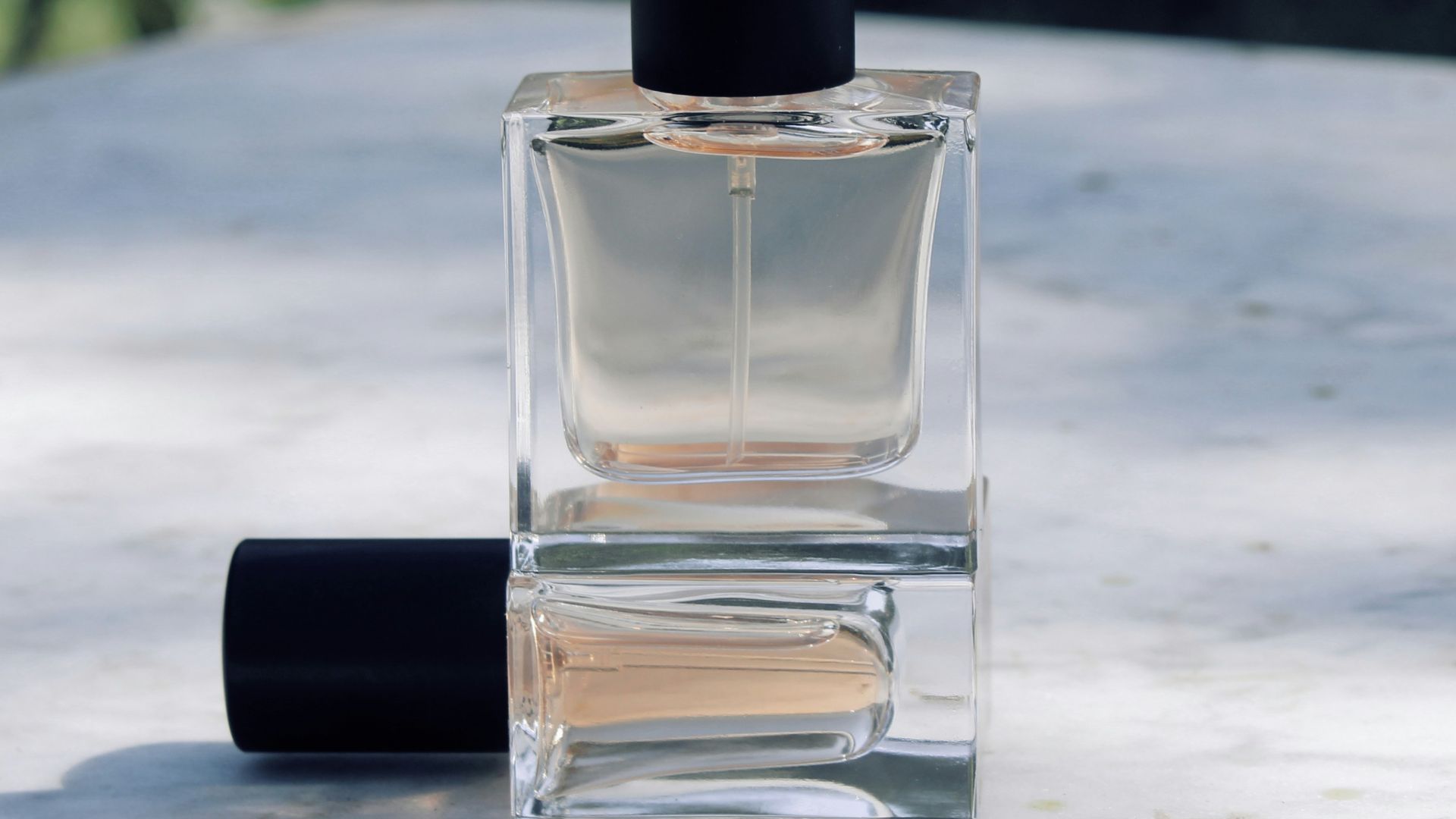
To refresh one's scent during the day, it was convenient to take a small amount of perfume in an atomizer. These could be very attractive, came in a variety of styles, and could coordinate with other items. Modern travel-sized fragrances still serve a similar purpose, but traditional decorative atomizers aren't nearly as fashionable.
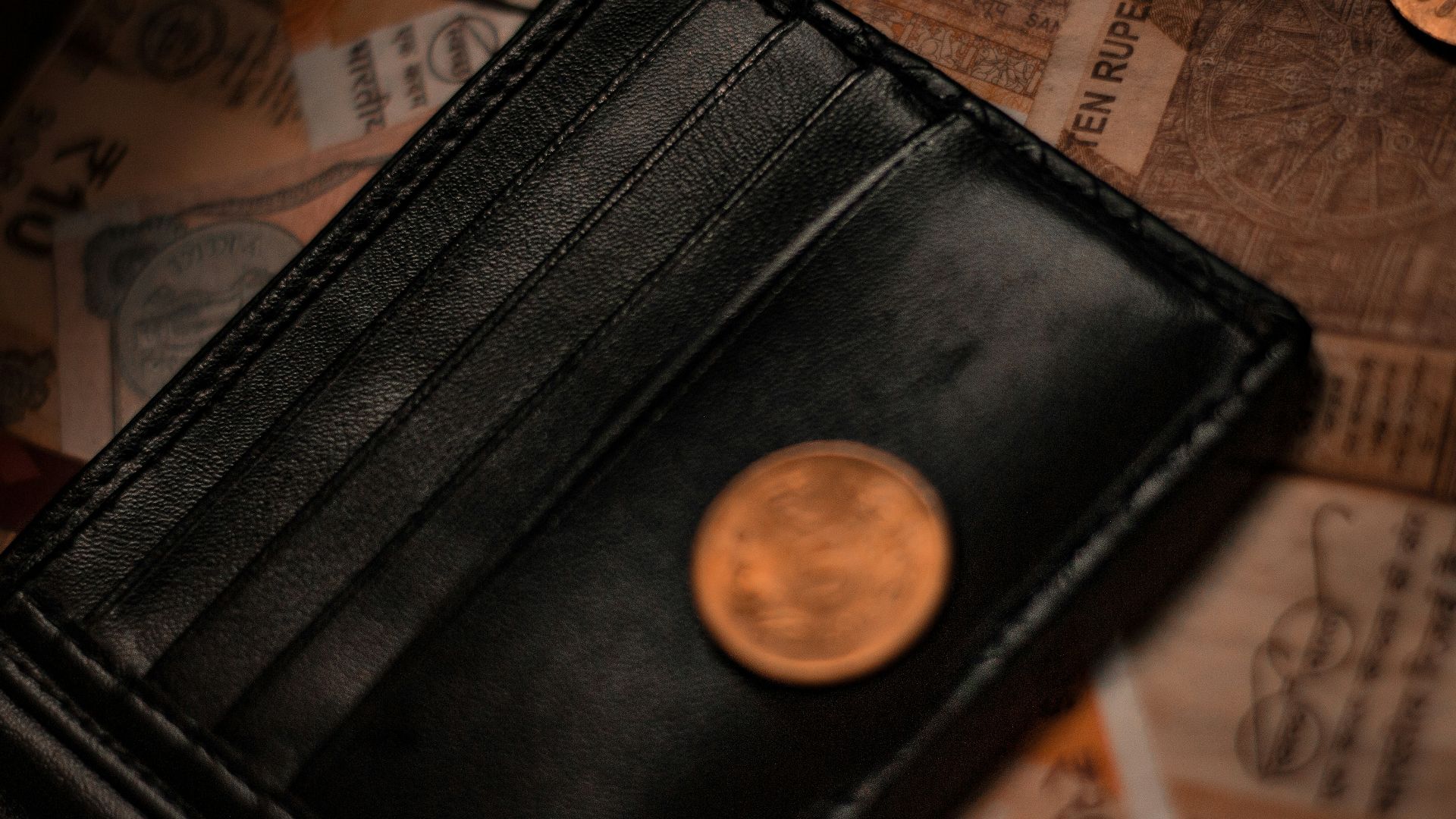
8. Telephone Coins
Having a few spare coins specifically reserved for telephone calls was a sensible precaution when payphones were everywhere. A woman experiencing car trouble, running late, or needing to arrange transportation could use them to contact someone. With public telephones becoming increasingly scarce, there's little reason to maintain a dedicated supply of calling money.
 micheile henderson on Unsplash
9. Folding Hairbrushes
Folding hairbrushes were handy because they didn't take up too much space if a lady wished to ensure that her hairdo stayed in order. Some had a small mirror fitted, and others had a cover over the bristles to prevent them from picking up dirt. Although travel brushes haven't vanished, they're less essential to everyday routines than they were when elaborate hairstyles required frequent maintenance.
10. Matchbooks
Restaurants, hotels, and nightclubs frequently offered complimentary matchbooks displaying their names and addresses. Women sometimes collected them as souvenirs or carried them for practical purposes. Restrictions on smoking and the widespread availability of lighters contributed to the decline of these miniature advertisements.
11. Printed Family Photographs
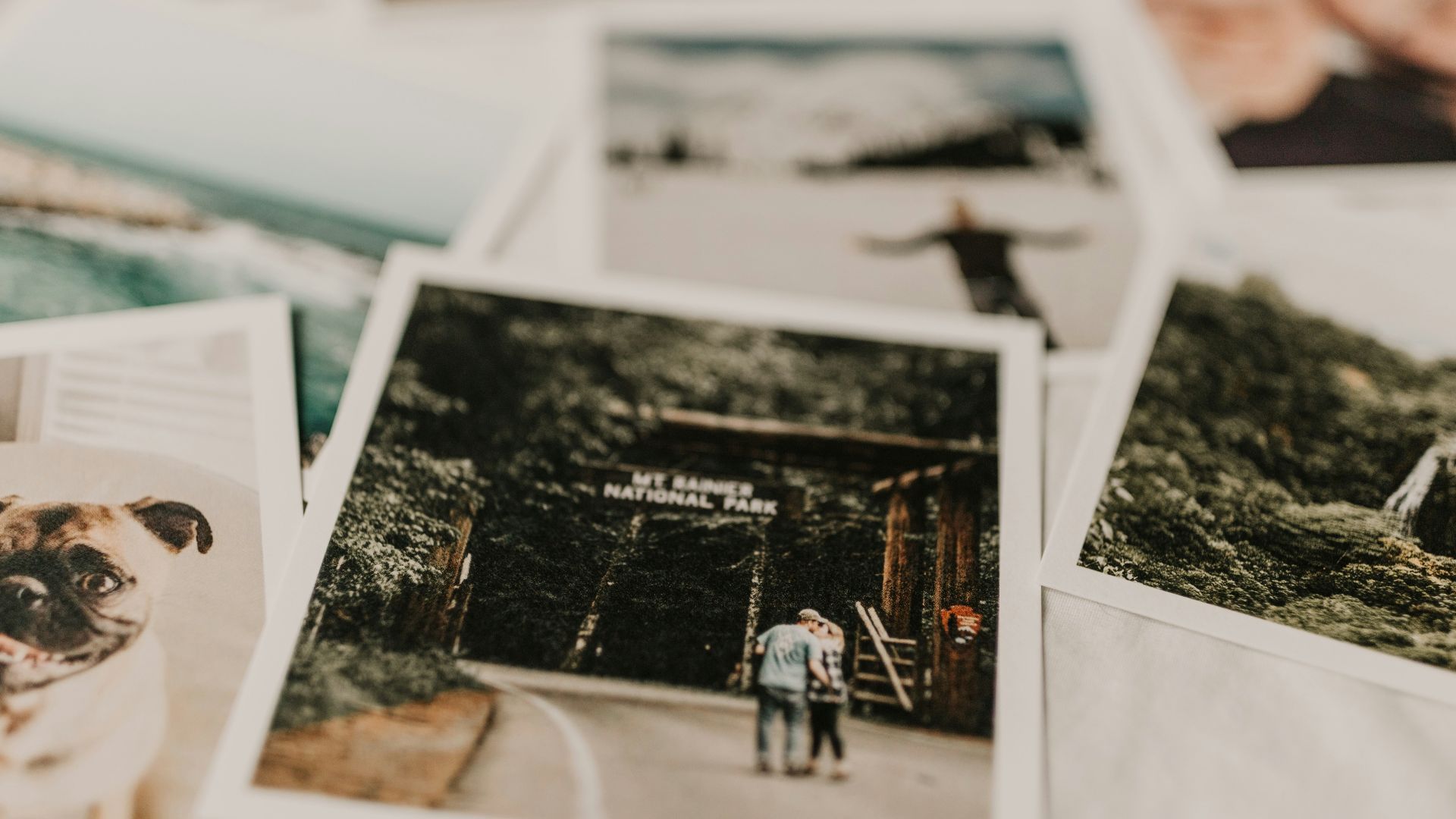
Small photographs of children, spouses, and other loved ones frequently occupied special compartments inside women's wallets. Some wallets even included transparent sleeves specifically designed to display multiple family pictures. While printed photographs still hold sentimental value, digital photo galleries allow people to carry thousands of memories without taking up physical space.
12. Pocket Sewing Kits
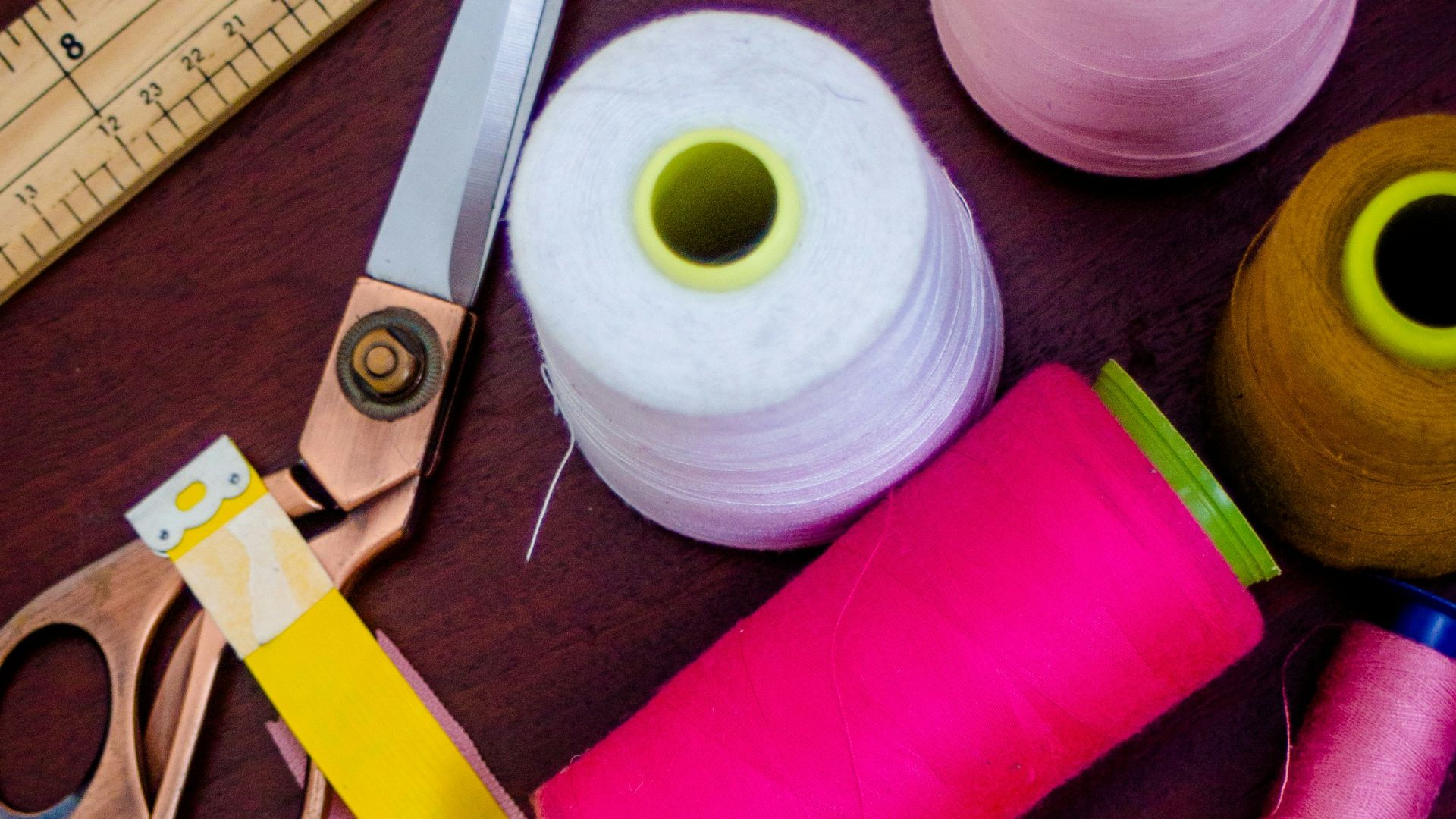
Pocket sewing kits were useful for dealing with a lost button or other similar incidents. Generally, they comprised one or more needles, a selection of threads, some pins, and perhaps a small pair of scissors. As people may be more prepared to tolerate wear and tear and general shabbiness in clothes, and as it's easier to replace clothes cheaply, sewing kits may not be carried as frequently as they once were.
13. Lipstick Holders With Mirrors
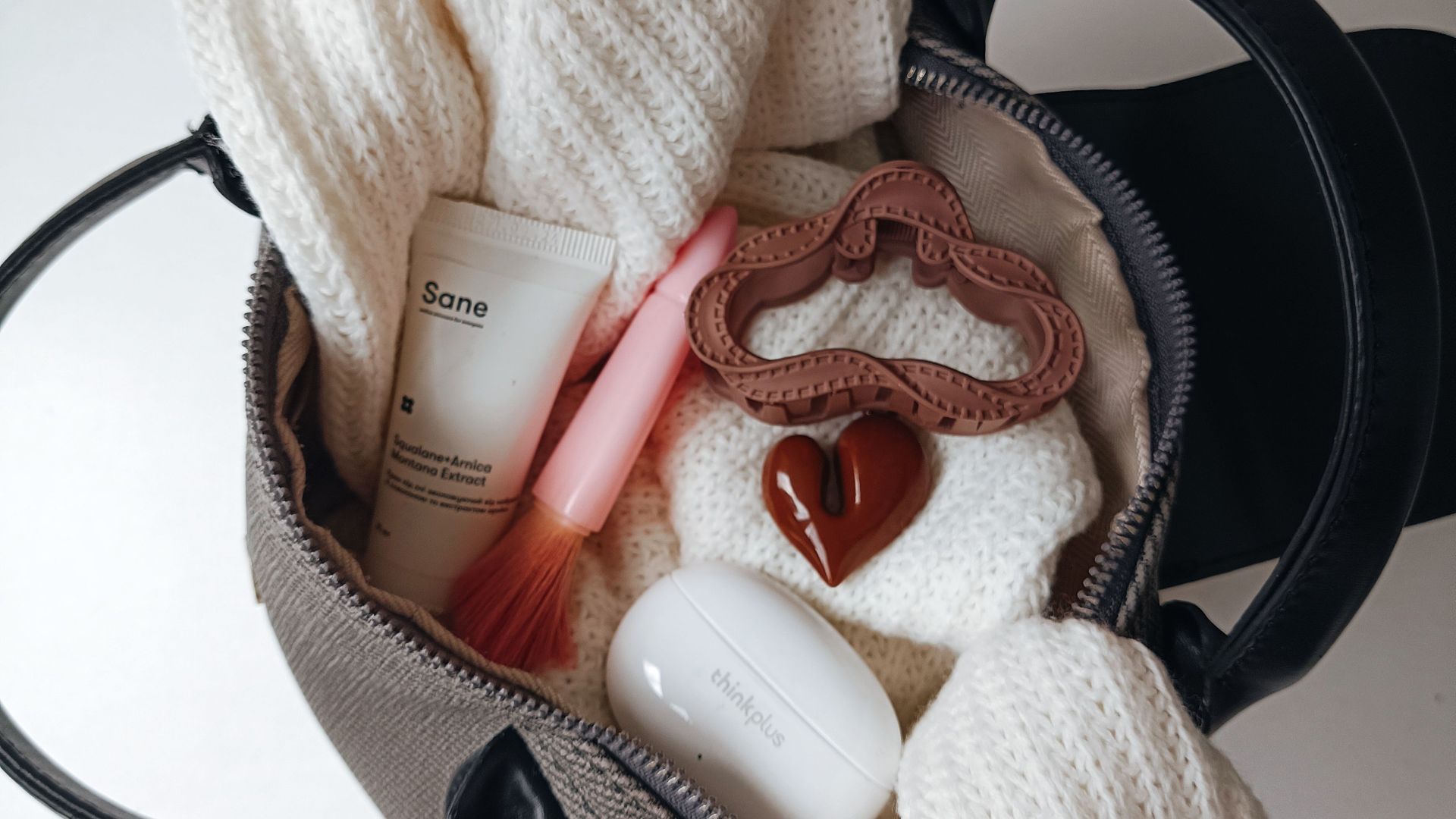
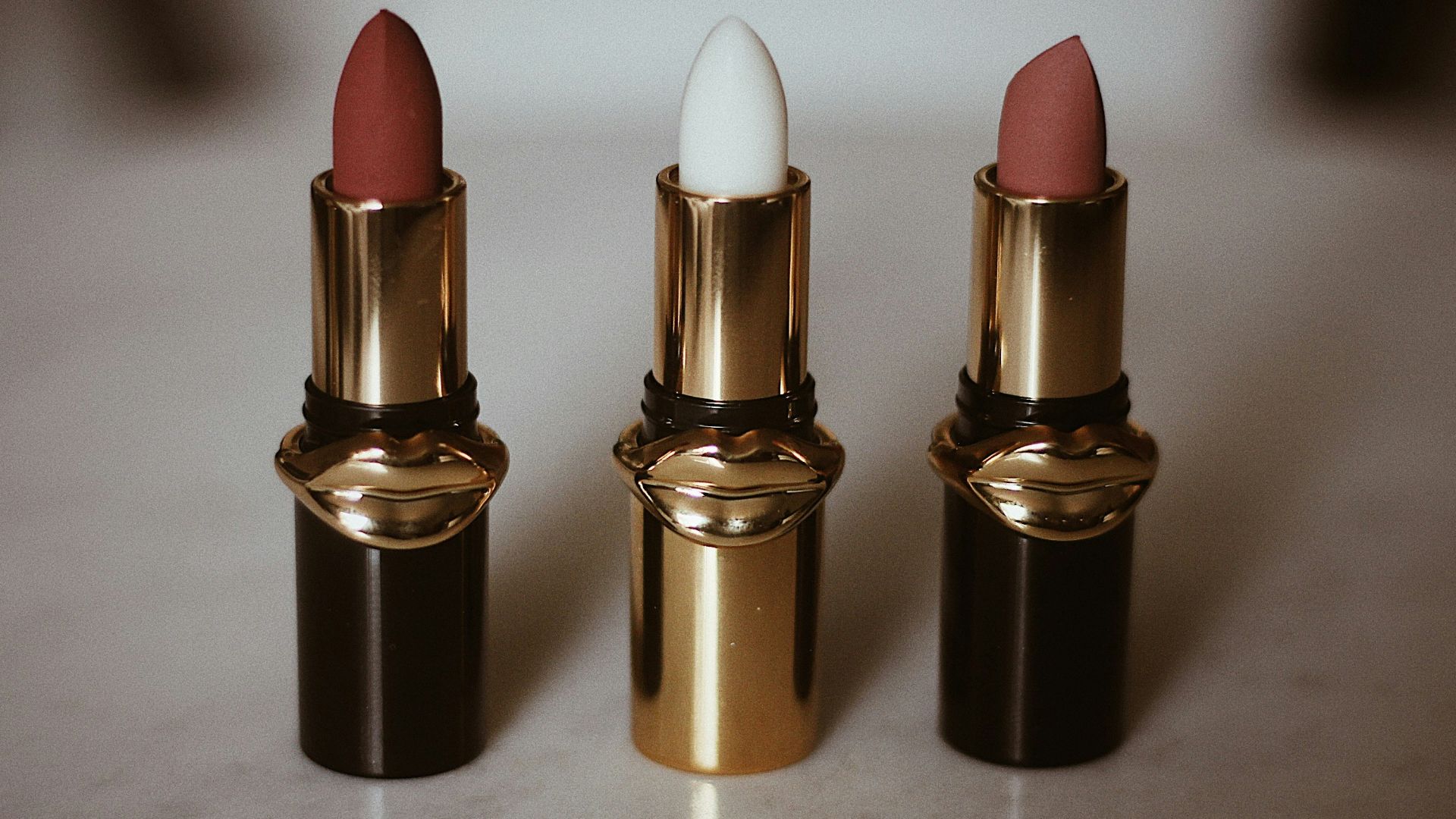
These provided a pretty way to store lipstick and apply it while checking one's appearance in the attached small mirror. There are still many attractive lipstick cases produced by cosmetics manufacturers today. However, most women could simply check their appearance using their cell phone's camera.
14. Paper Bus Schedules
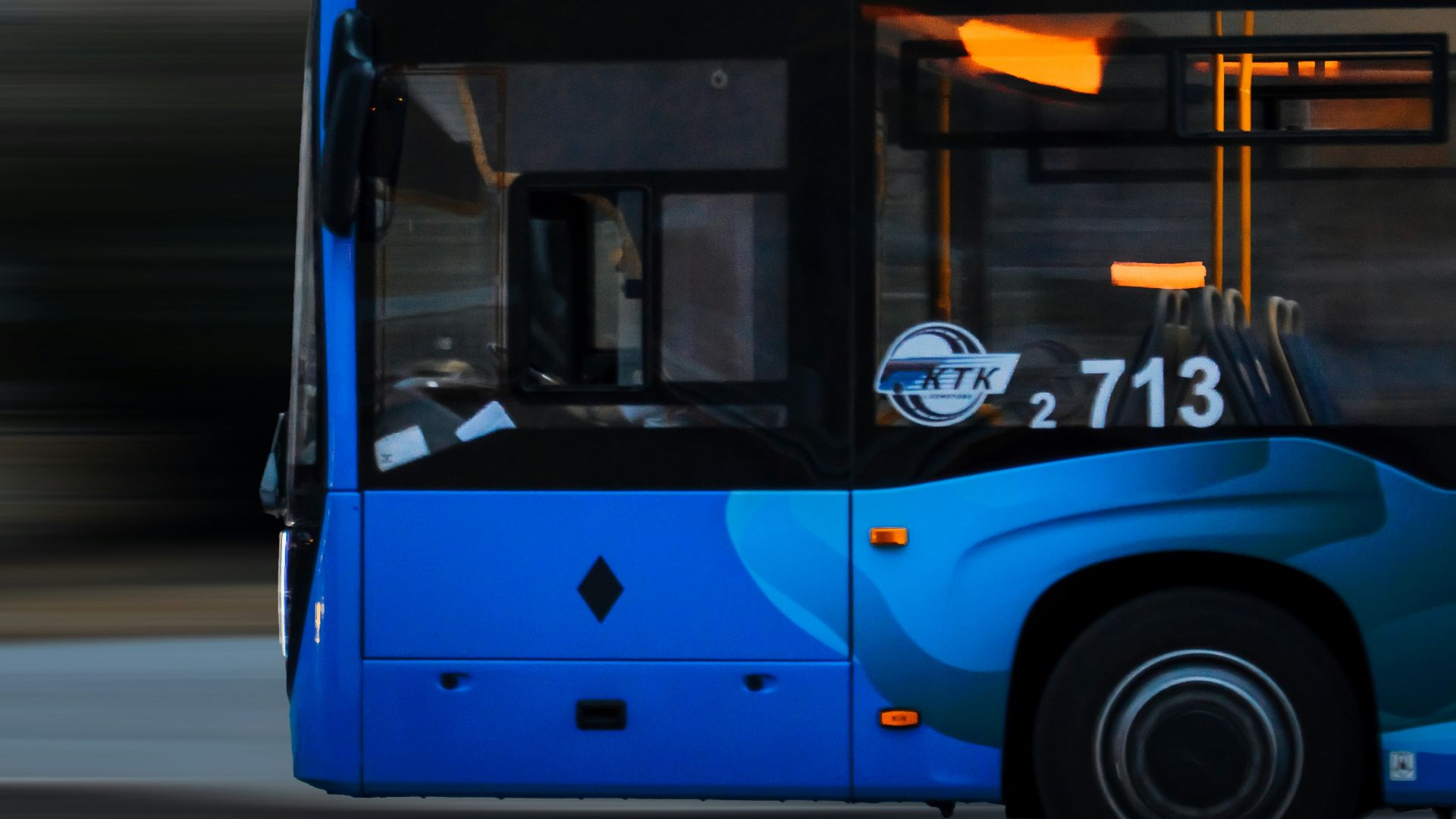
To assist in planning journeys, a lady may have had one or more bus schedules folded up and kept conveniently in her handbag. These were particularly useful for women who regularly traveled by bus to run errands, commute to work, or visit friends. Real-time transportation updates now provide information that printed schedules couldn't, including unexpected delays and route changes.
15. Personal Calling Cards
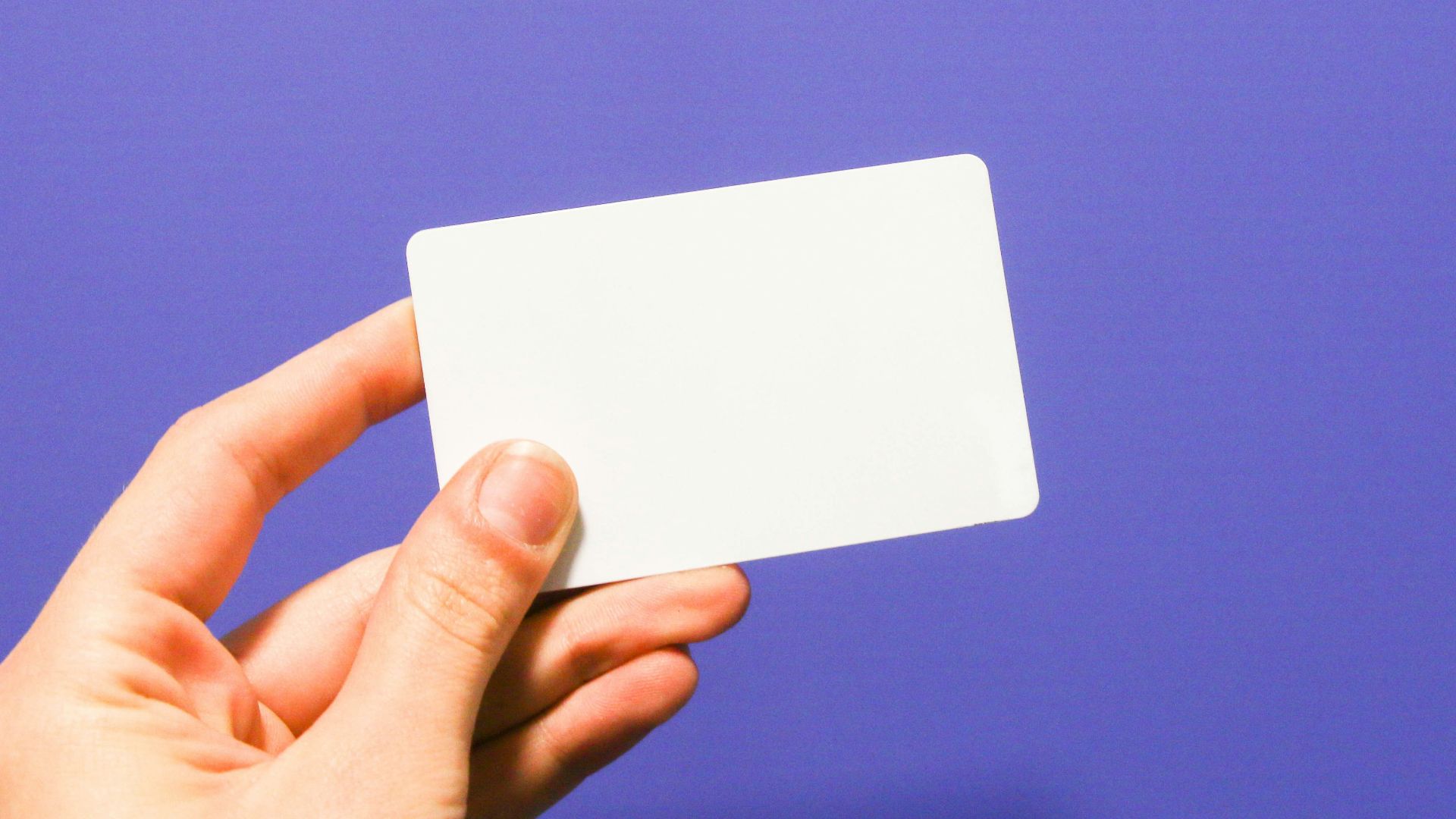
During the 19th and early 20th centuries, calling cards played an important role in formal social etiquette. Women presented these small printed cards when visiting acquaintances, particularly in social circles where established customs governed personal visits. As social interactions became less formal, carrying cards specifically intended for announcing one's presence gradually became unnecessary.
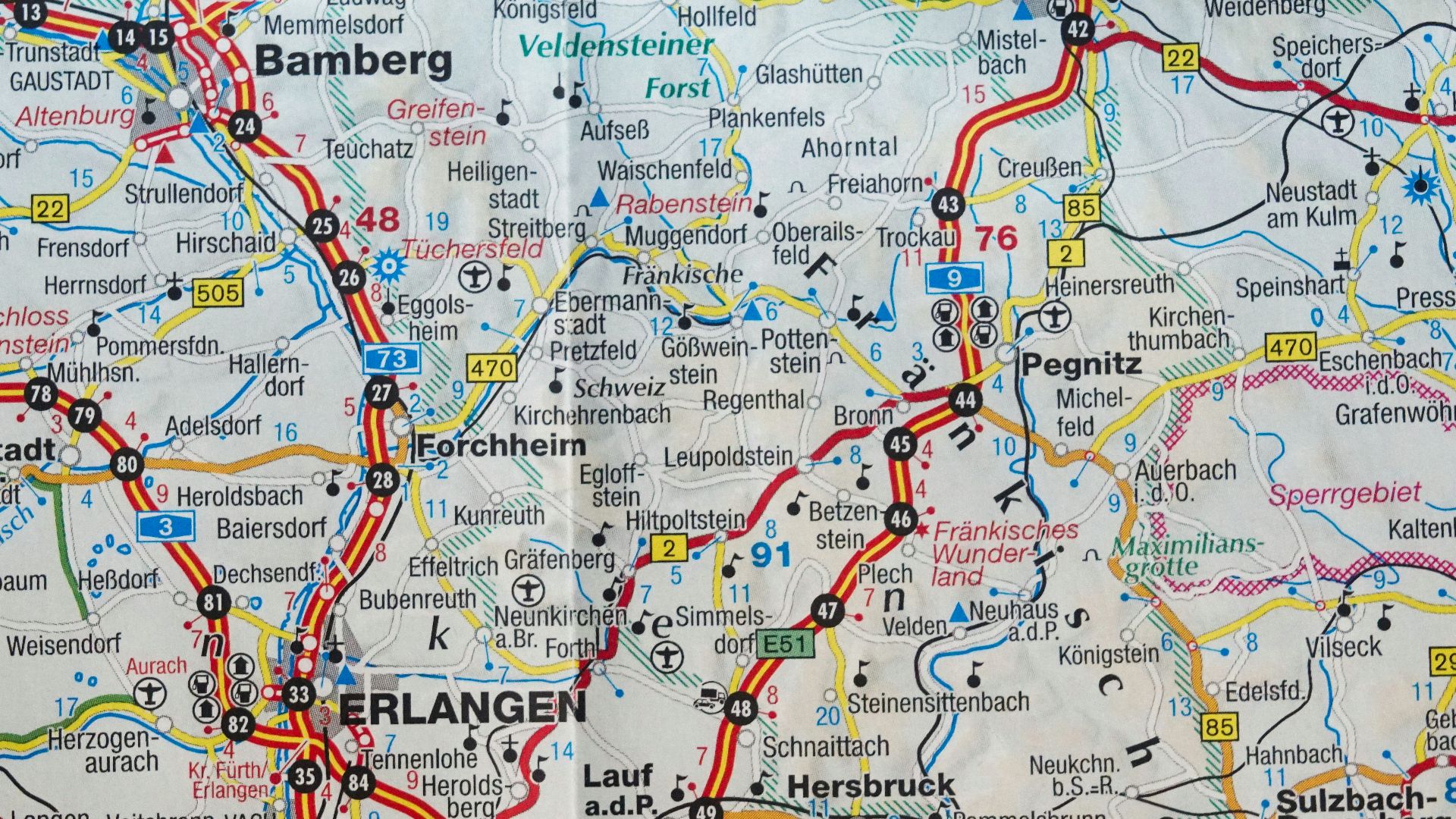
16. Pocket Road Maps
All sorts of useful information regarding particular localities would be provided by a street map. These could be quite cumbersome, however, to fit into and take out of a handbag. Few people nowadays would wish to bear this burden when it's easy to obtain directions using GPS.
17. Coin Purses
These prevented a buildup of all sorts of loose coins in the handbag. Available in many styles, including leather, fabric, and openwork metal, they held coins that could be used to purchase small odds and ends around town. The growing popularity of cashless transactions means many shoppers no longer accumulate enough coins to justify carrying one.
 Praveen kumar Mathivanan on Unsplash
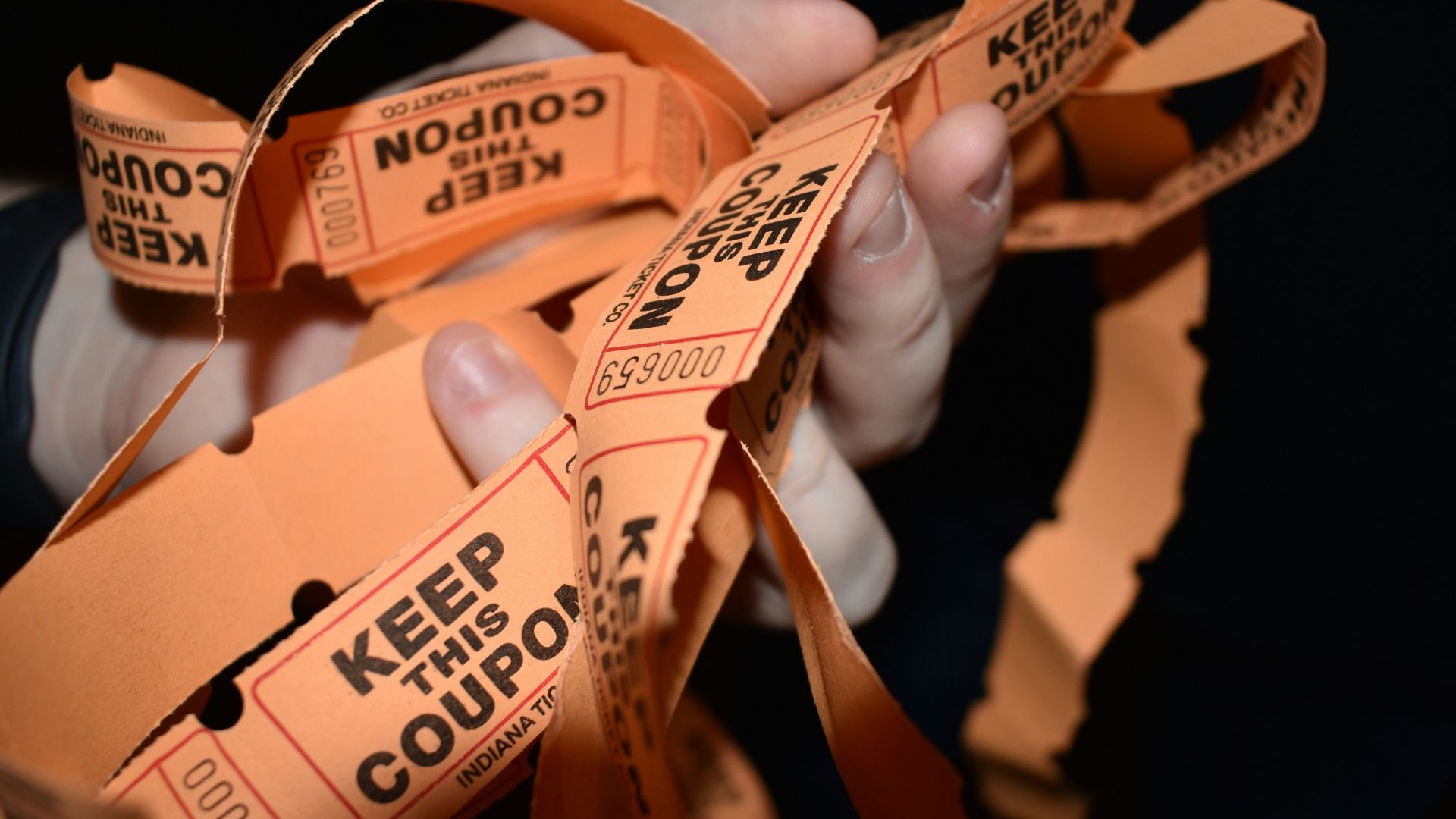
18. Printed Coupon Organizers
Some particularly thrifty shoppers would have a small book divided into various sections into which they would place applicable coupons. Then, while visiting stores, they could readily find their desired discounts. Digital coupons, loyalty apps, and automatic checkout discounts have gradually replaced much of this preparation.
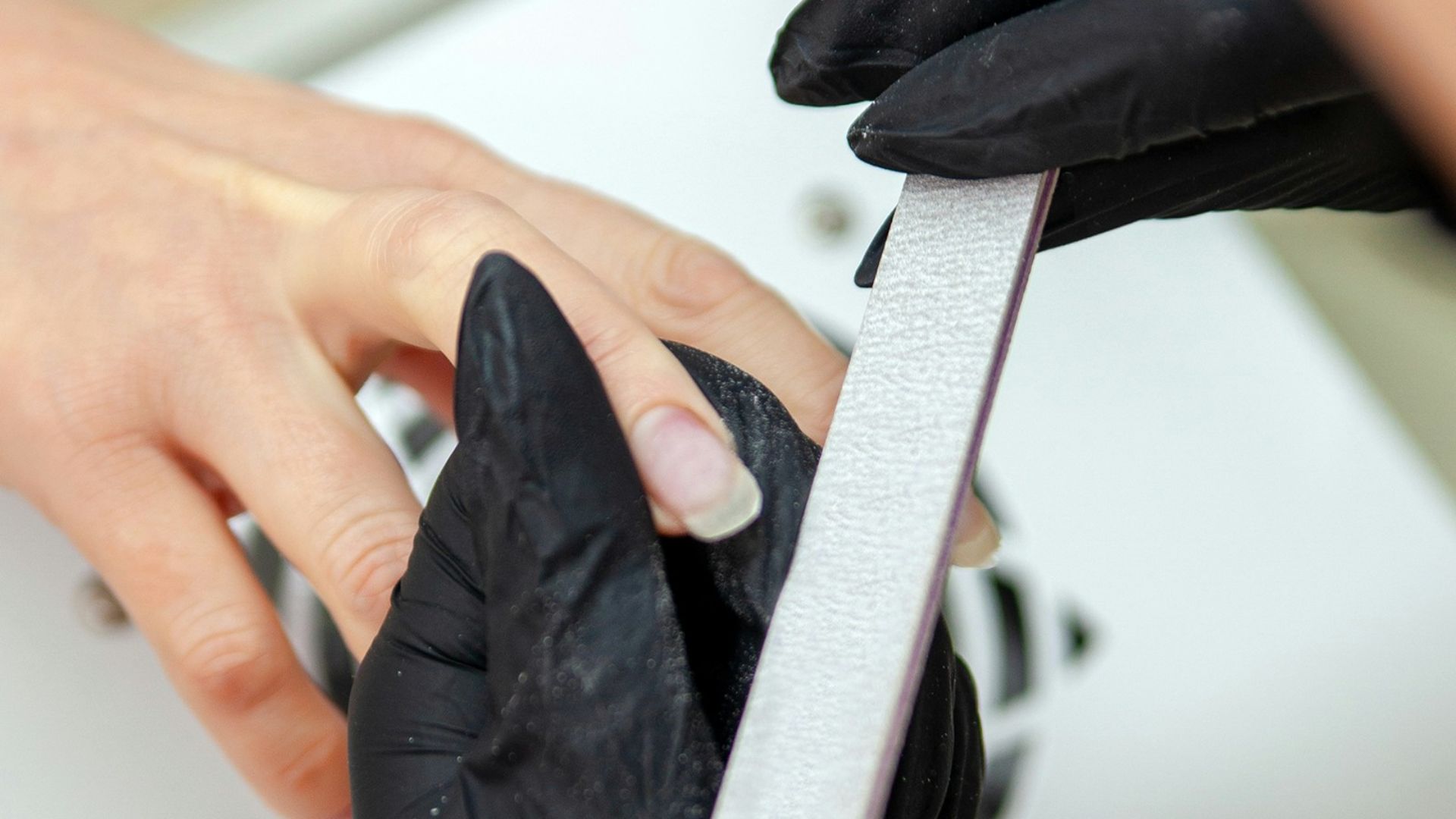
19. Nail Buffers
Nail buffers were useful for keeping nails in good condition when away from home. Some were quite pretty and would have a pliable buffing surface and a handle. Modern nail treatments, longer-lasting polish, and professional manicures have reduced the need to carry these grooming accessories everywhere.
20. Pocket Telephone Directories
Unlike personal address books, miniature telephone directories could contain useful numbers for local businesses, taxi companies, doctors, and emergency services. Having this information readily available was especially helpful when women were running errands away from home. Internet searches have since made finding unfamiliar telephone numbers almost instantaneous, leaving these once-practical printed directories largely forgotten.