20 Tattoos That Look Cool Until You Learn What They Mean
There Can Be a Lot Hiding Behind the Ink
A tattoo can look like nothing more than an interesting number, geometric pattern, tiny punctuation mark, or old-fashioned piece of artwork until you discover the history attached to it. Some designs represent survival or remembrance, while others come from maritime traditions, prison cultures, religious practices, or political movements you definitely wouldn't want to reference accidentally. Even though meanings vary from person to person, knowing the possible story behind a design can make you look at the ink very differently. Here are 20 tattoos that look cool until you know the meaning behind them.
1. The Semicolon
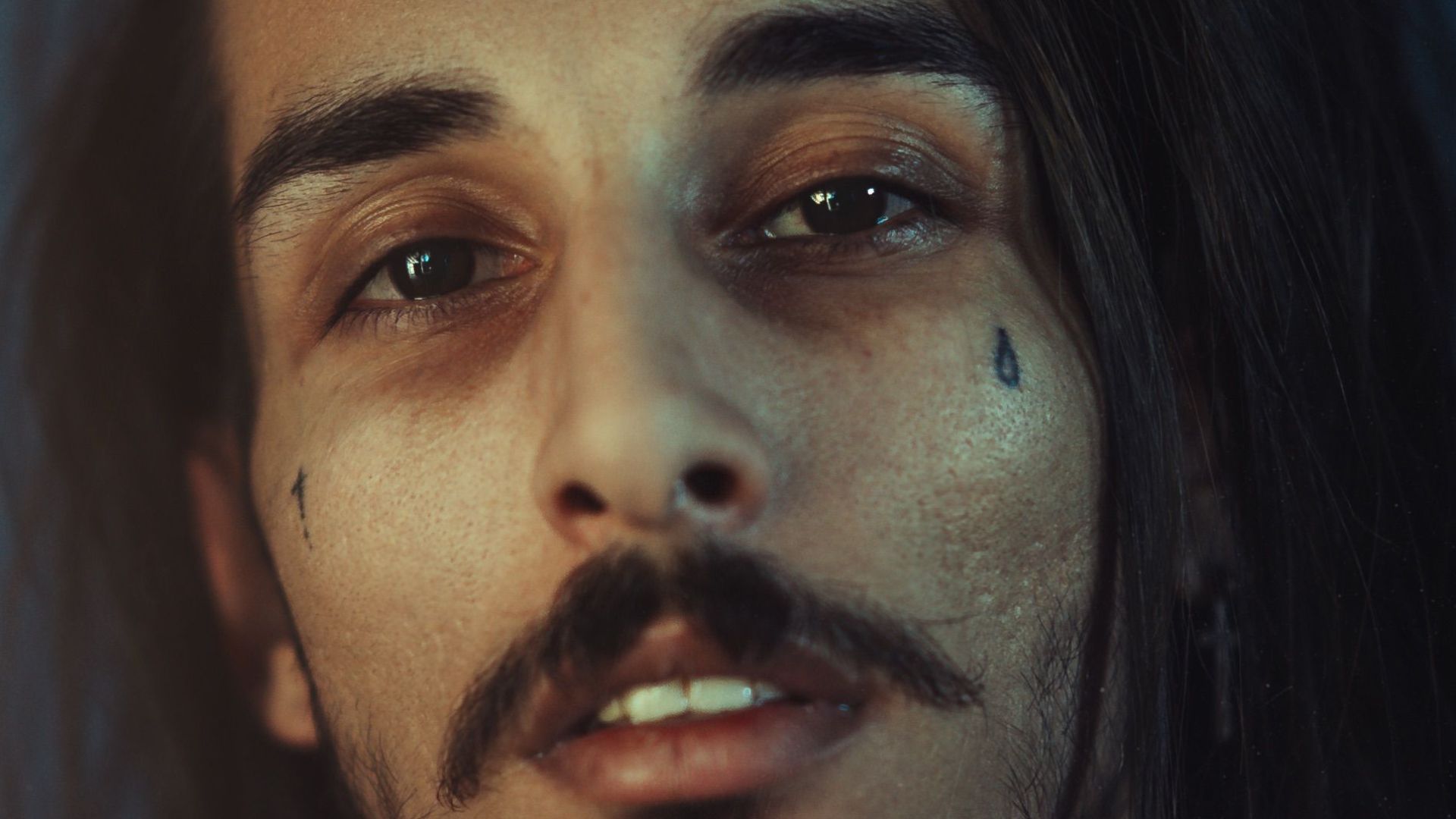
A tiny semicolon can seem like a clever choice for someone who enjoys books or grammar, but its modern tattoo meaning is considerably more personal. Project Semicolon popularized the symbol in connection with mental health awareness, survival, and choosing to continue when someone's story could have ended. For many wearers, that little punctuation mark represents a difficult chapter they survived rather than an interest in sentence structure.
2. Medusa
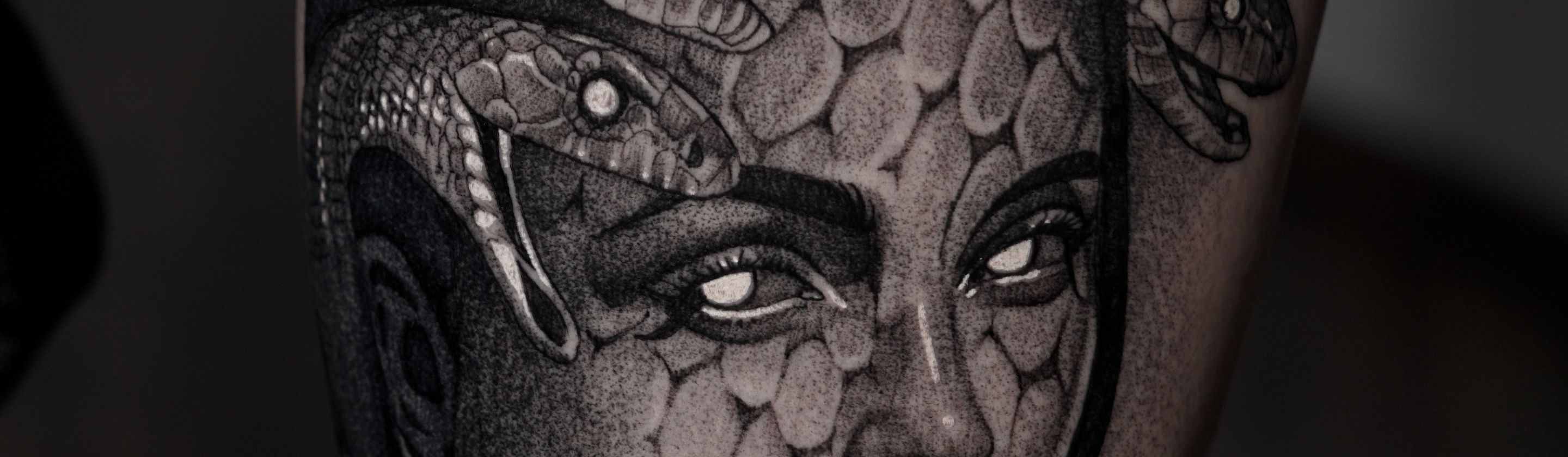
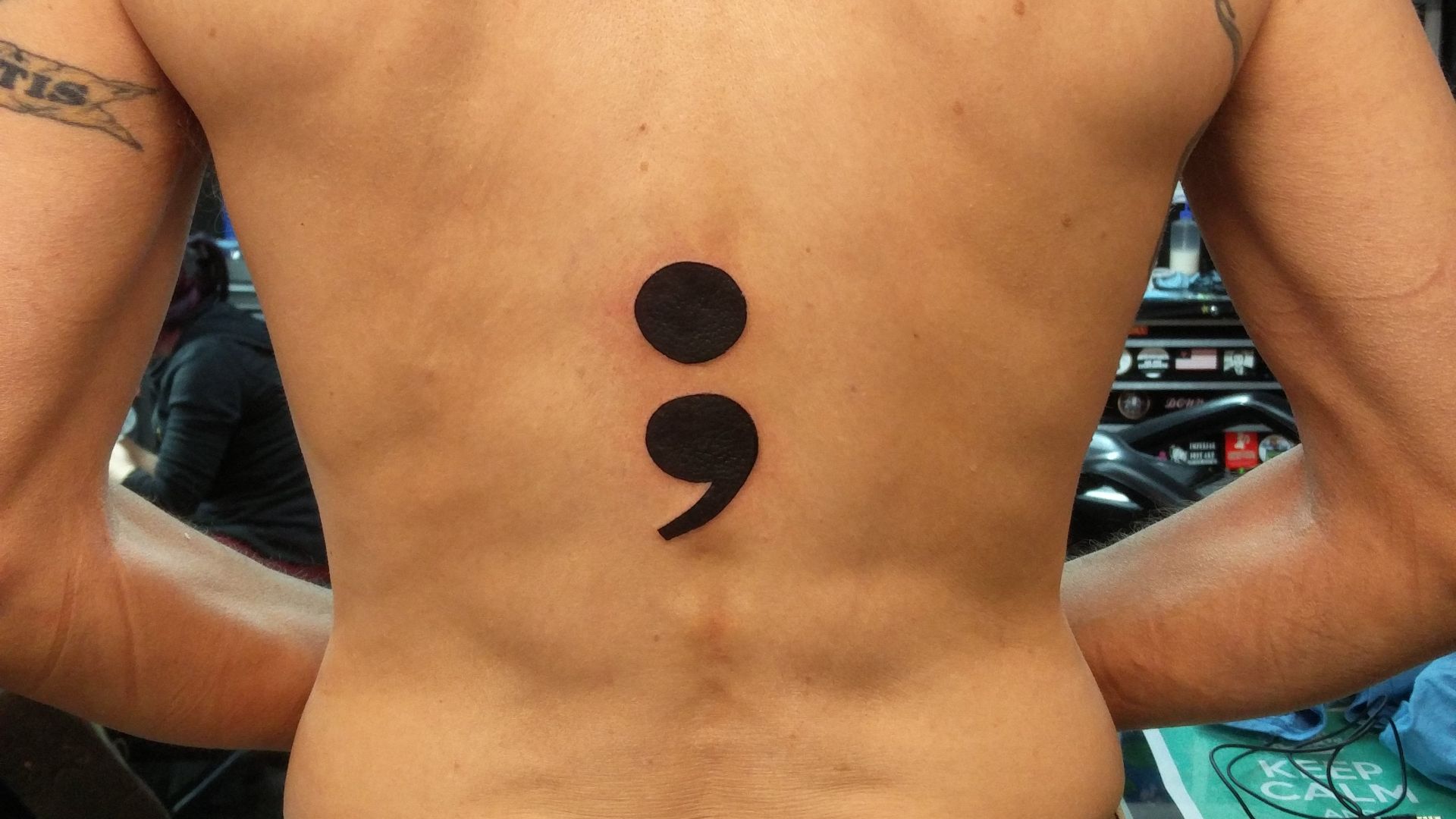
Medusa makes an impressive tattoo thanks to the snakes, dramatic expression, and endless possibilities for detailed artwork. In contemporary tattoo culture, some survivors of sexual assault have adopted her image as a symbol of survival, protection, and reclaiming power. Once you know that association, the design can carry considerably more emotional weight than its mythological appearance initially suggests.
3. A Teardrop Under the Eye
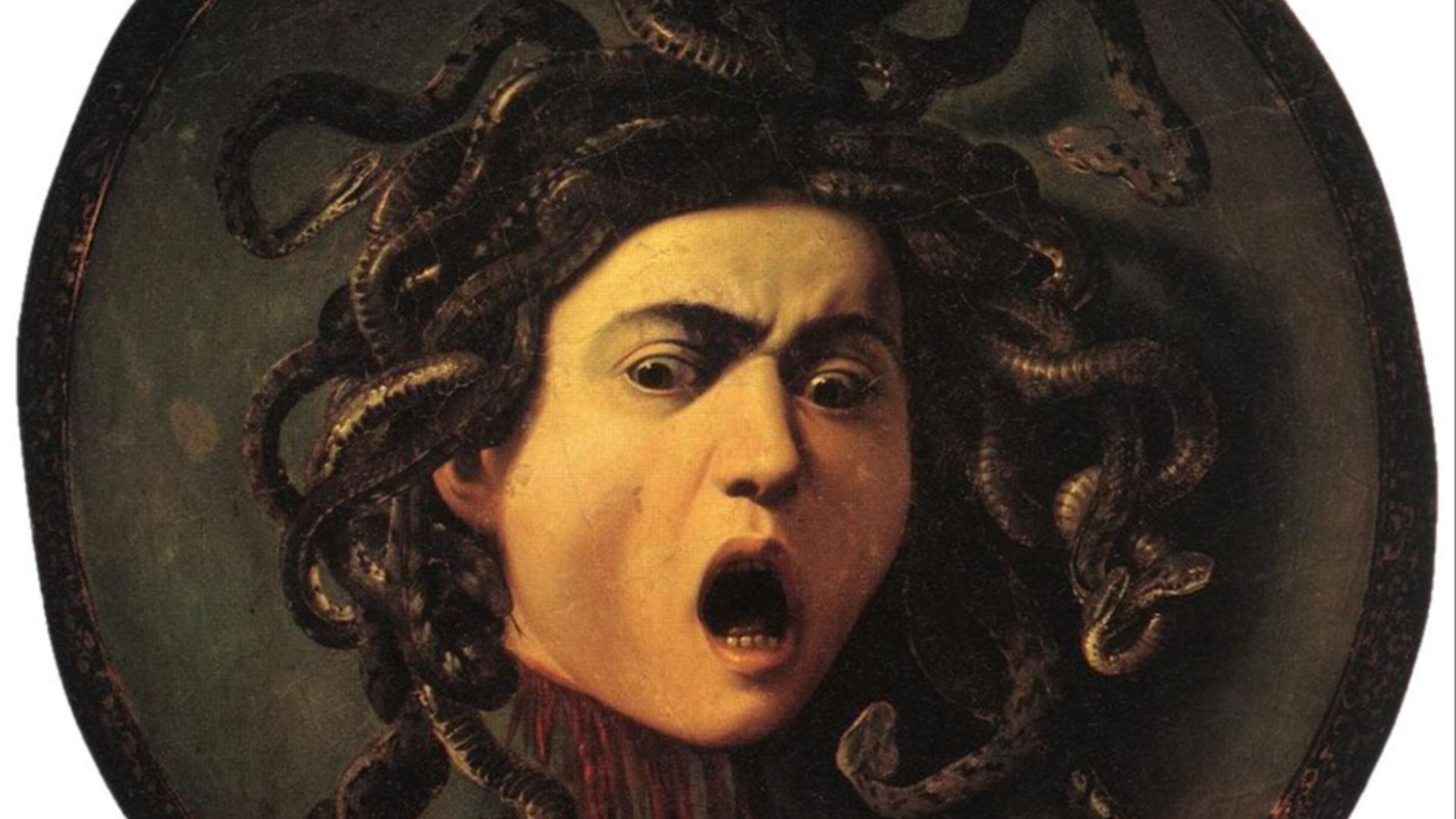
A small teardrop can look surprisingly understated for such a recognizable face tattoo. In certain gang and prison cultures, though, a filled-in teardrop signifies that the person has committed murder or manslaughter, while the outline alone represents an attempted murder. Of course, for some people, it might just be a cool face tattoo, but that context can make you look at it differently.
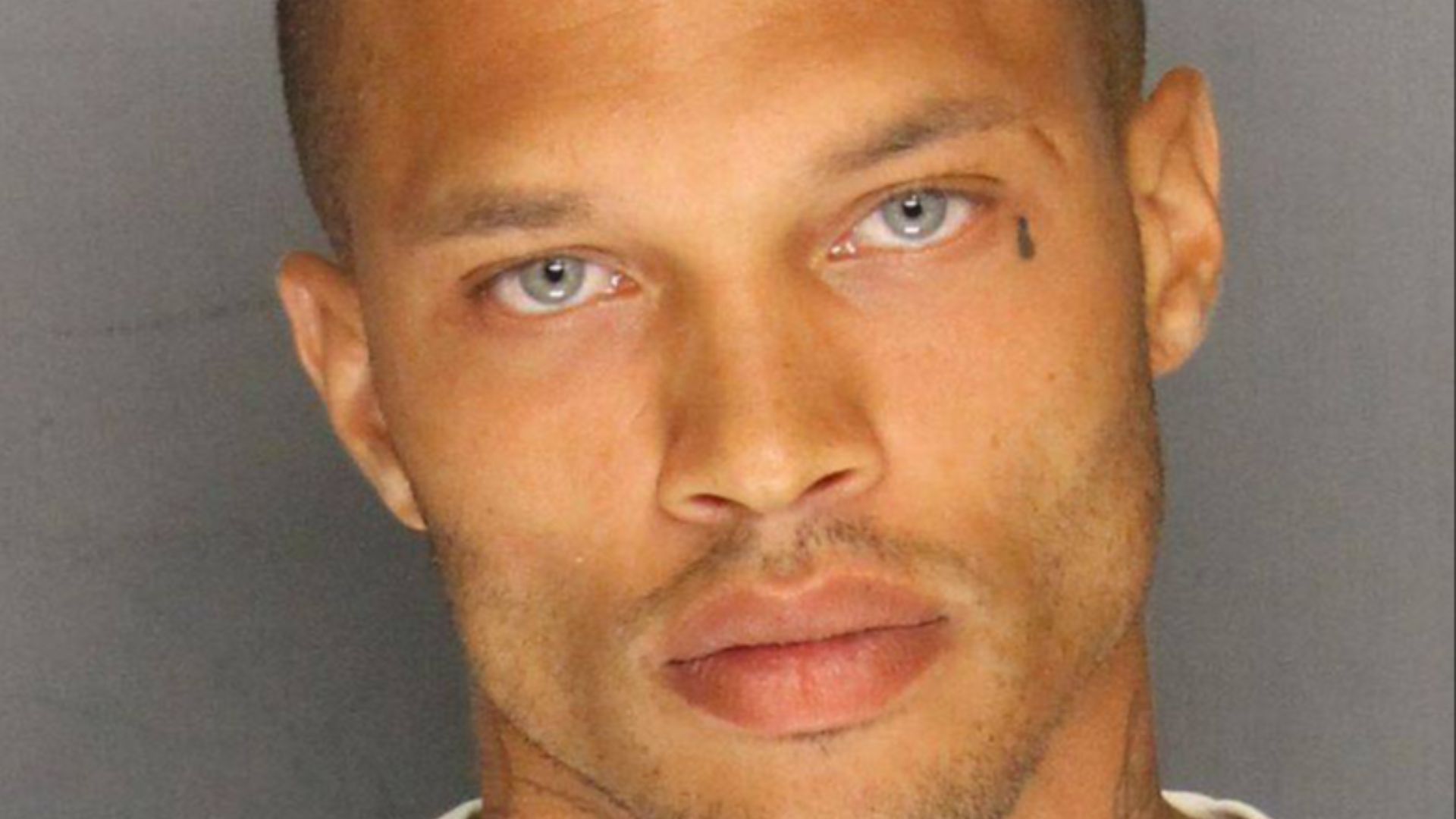 Stockton, CA Police Department on Wikimedia
4. Three Dots on the Hand
Three little dots arranged in a triangle can pass as a minimalist geometric tattoo. In some Latino street and prison cultures, however, the design has been associated with the phrase mi vida loca, or “my crazy life,” referring to a chaotic, unconventional, and rebellious lifestyle, but it can also represent that the wearer is part of a gang.
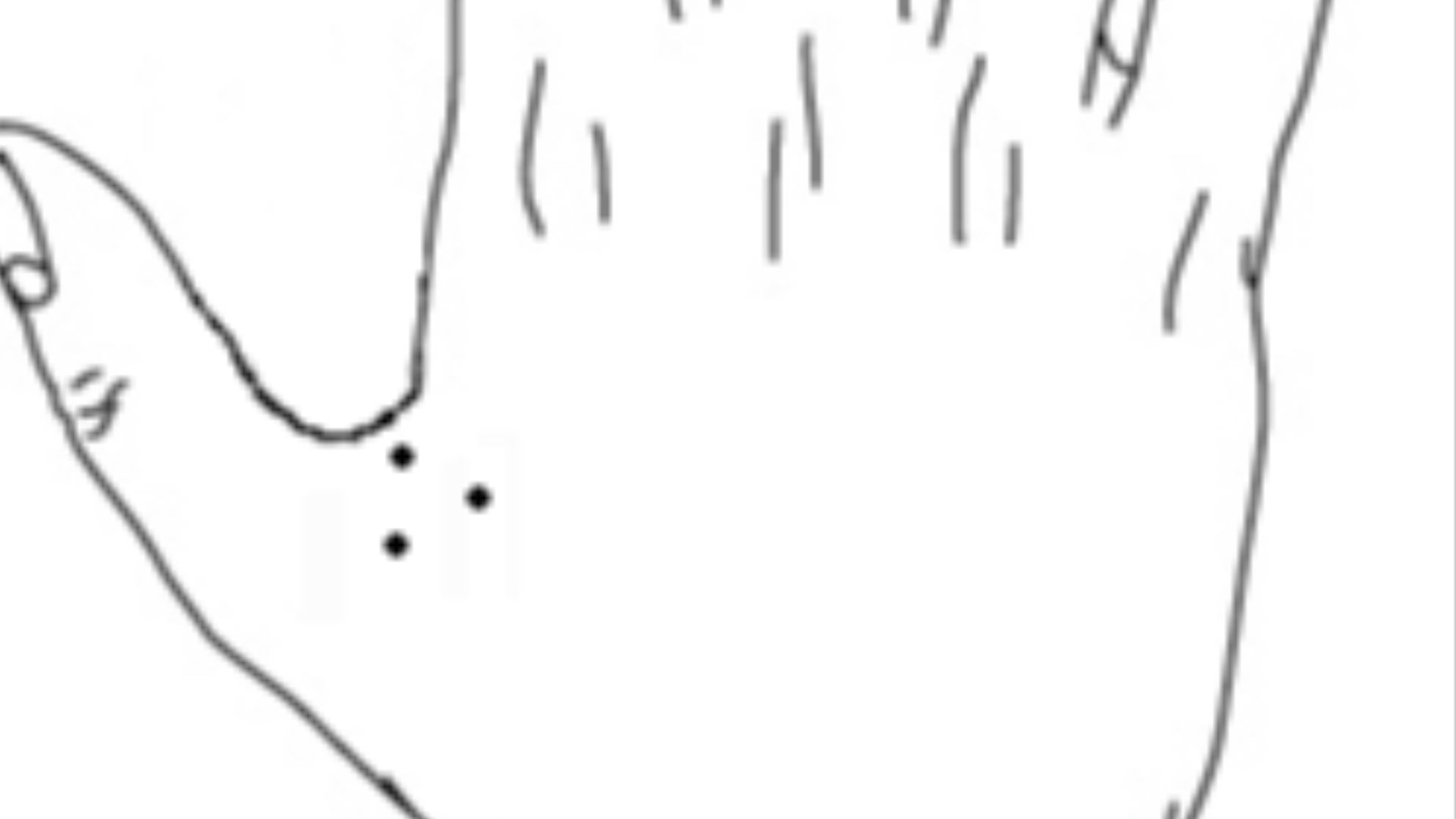 United States Government on Wikimedia
5. A Spiderweb on the Elbow
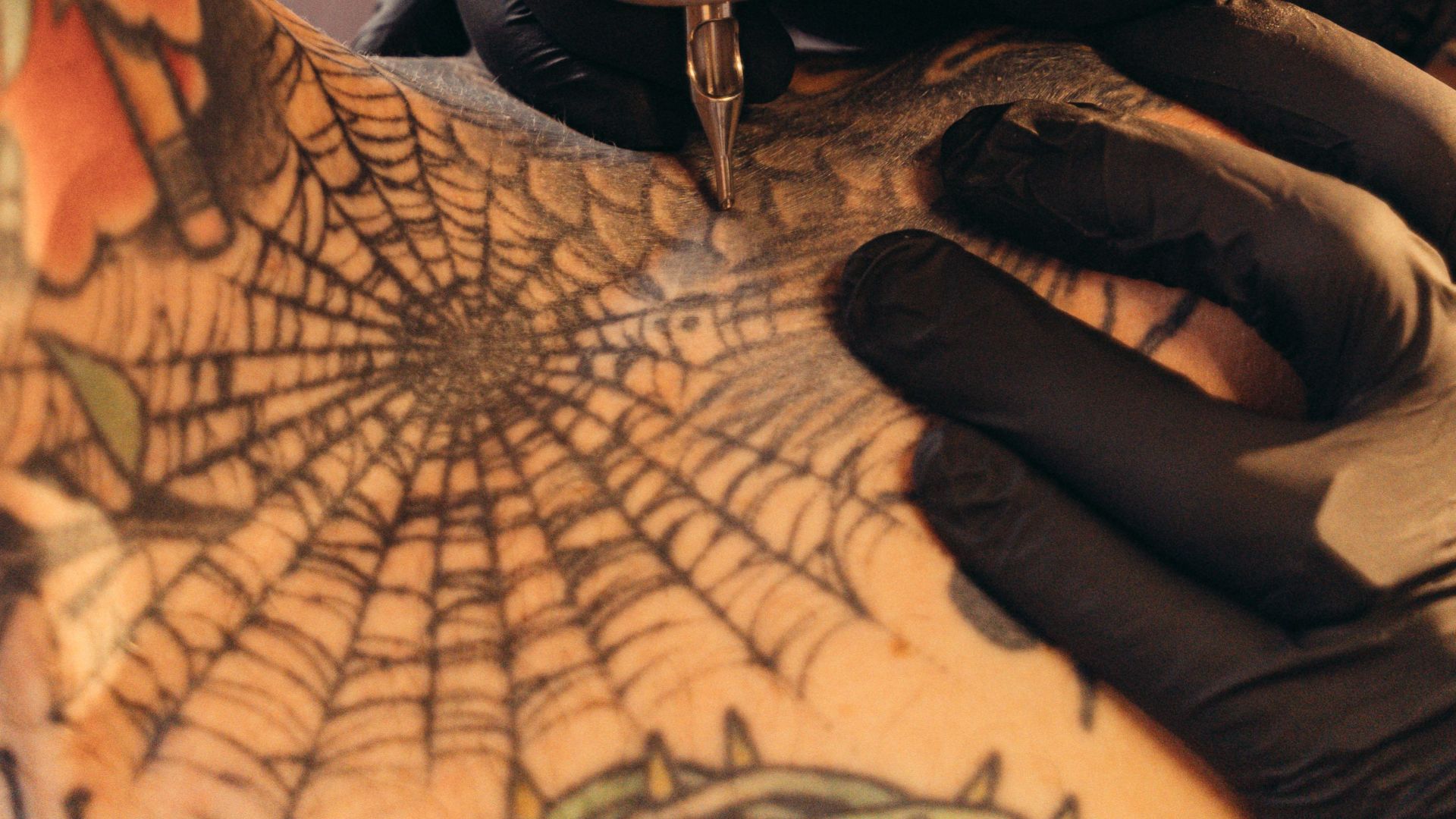
Spiderweb tattoos fit neatly around an elbow, which helps explain why they've traveled far beyond their original subcultural associations. Webs have historically appeared in prison tattooing and have sometimes been connected with lengthy incarceration or extremist circles, although today, plenty of people wear them purely for aesthetic reasons. In other words, seeing a spiderweb doesn't give you permission to write someone's biography for them.
6. The Number 88
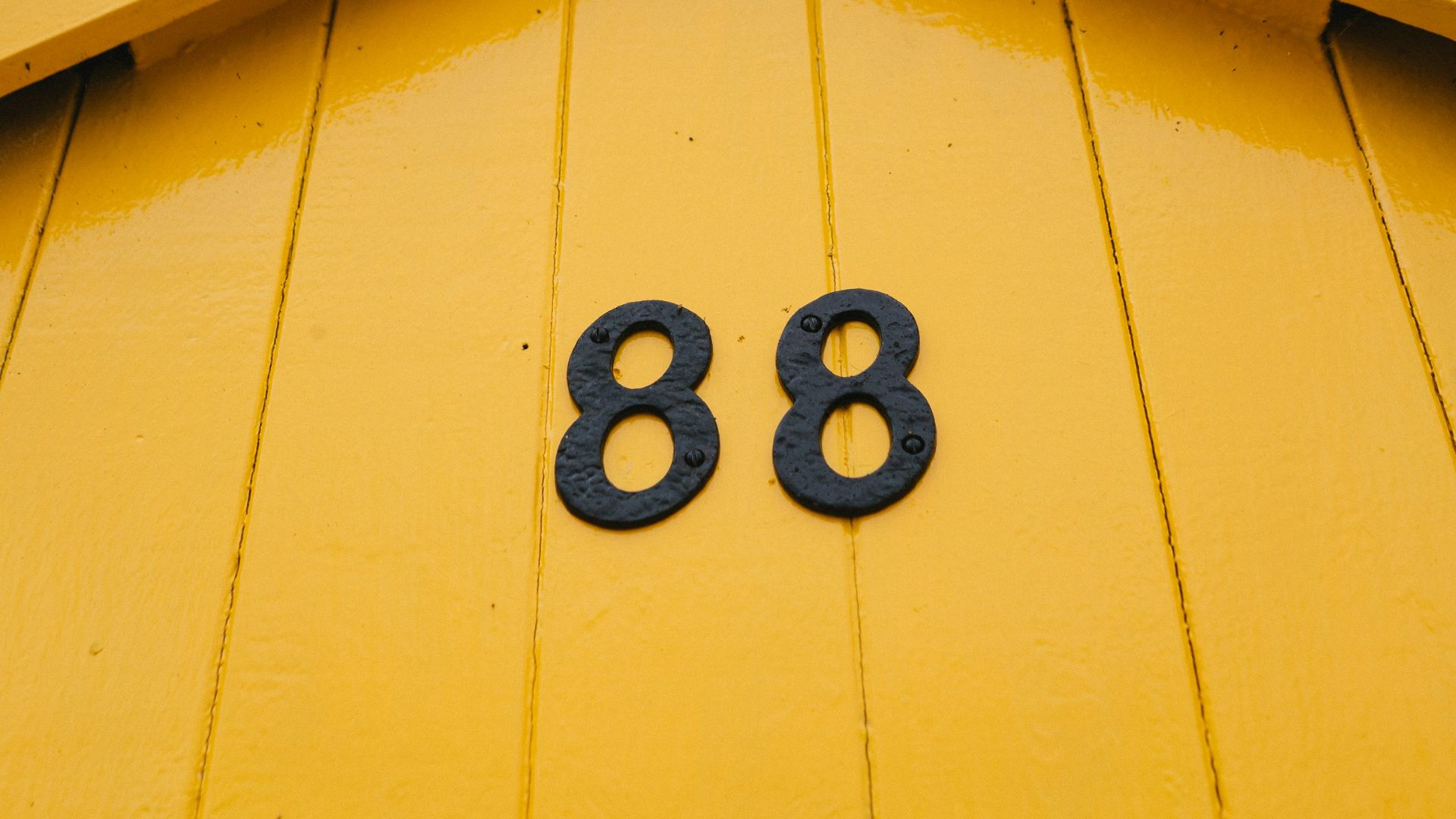
Two matching numbers can look clean and mysterious, especially if you assume they represent a birthday, racing number, or private reference. Unfortunately, 88 is also a well-established neo-Nazi code because the eighth letter of the alphabet is H, making the number shorthand for “HH” and a Nazi salute. Context still matters, but anyone considering this number as a tattoo should know the association.
7. Twin Lightning Bolts
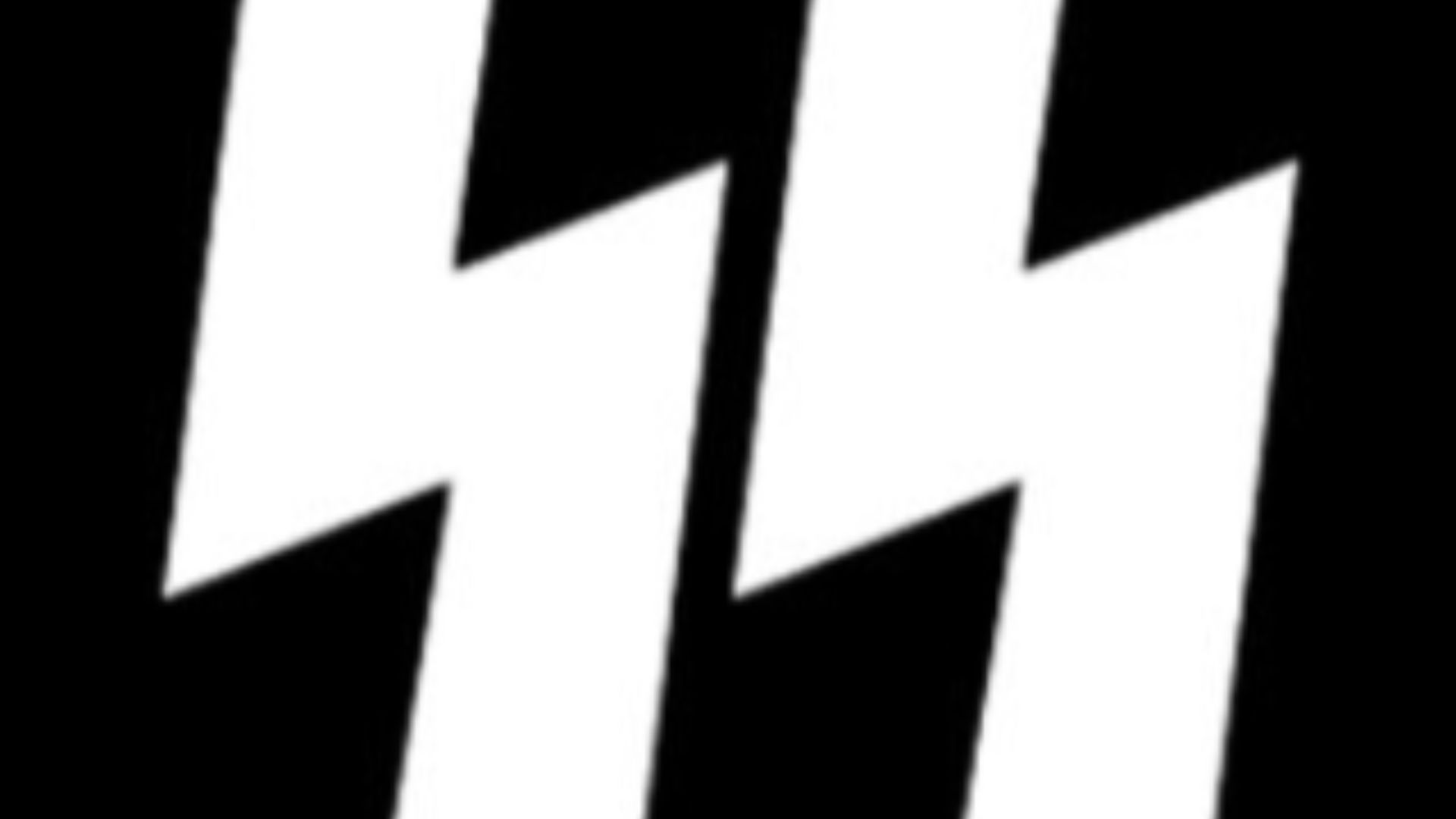
Stylized double lightning bolts can look sharp, fast, and appropriately dramatic on the skin. A particular paired-bolt design is derived from the insignia of the Nazi SS and remains in use among neo-Nazi and white supremacist groups. Ordinary lightning tattoos aren't automatically extremist symbols, but closely reproducing the SS configuration carries a very different message.
8. The Valknut
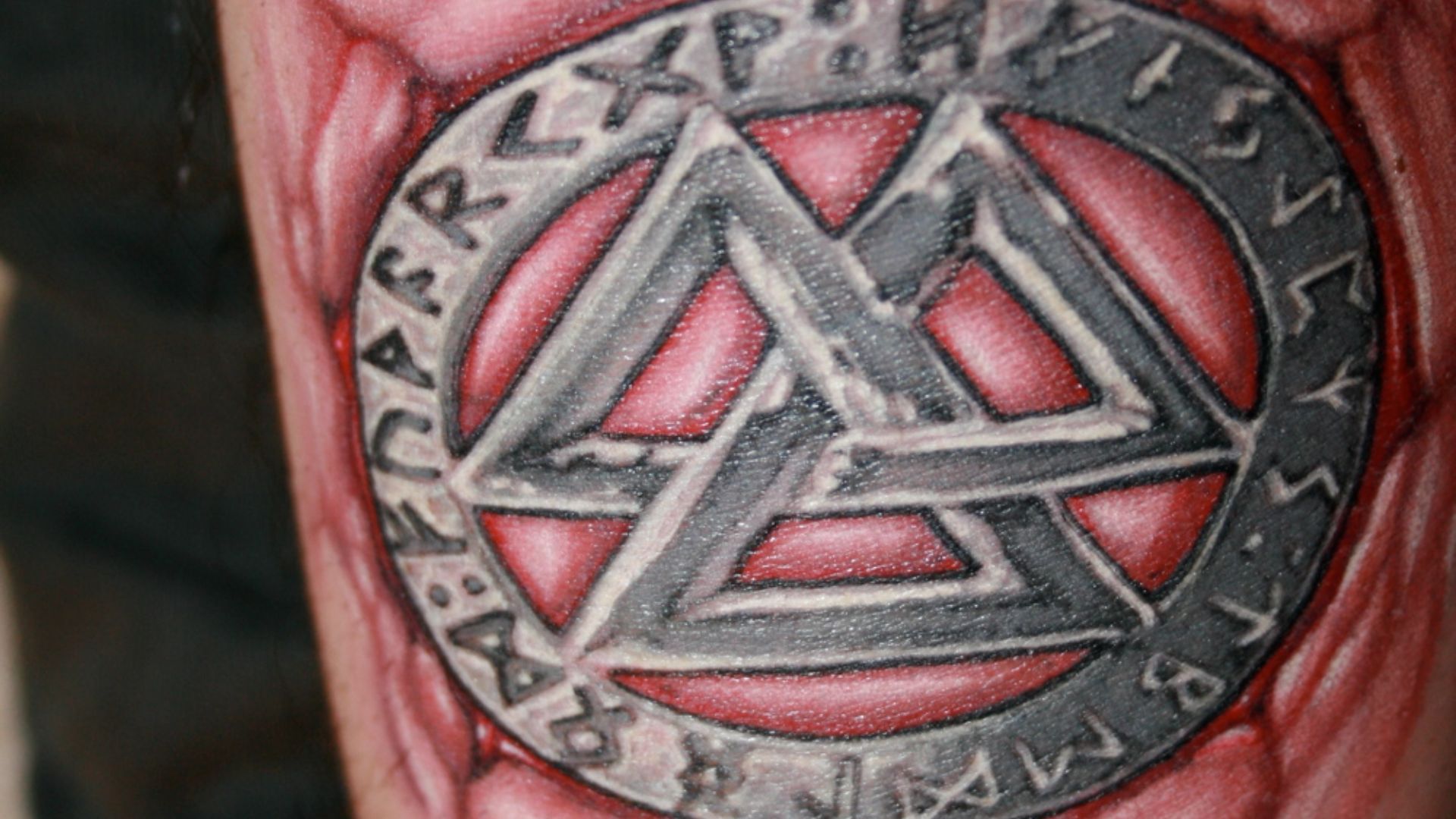
The Valknut's three interlocking triangles make it an appealing choice for anyone interested in Norse-inspired artwork. Historically, the symbol is associated with Norse imagery and the dead, while in modern times it has also been appropriated by some white supremacists. Plenty of non-extremists use it because of heritage, religion, or an interest in Norse culture, so the context matters enormously.
9. The Othala Rune
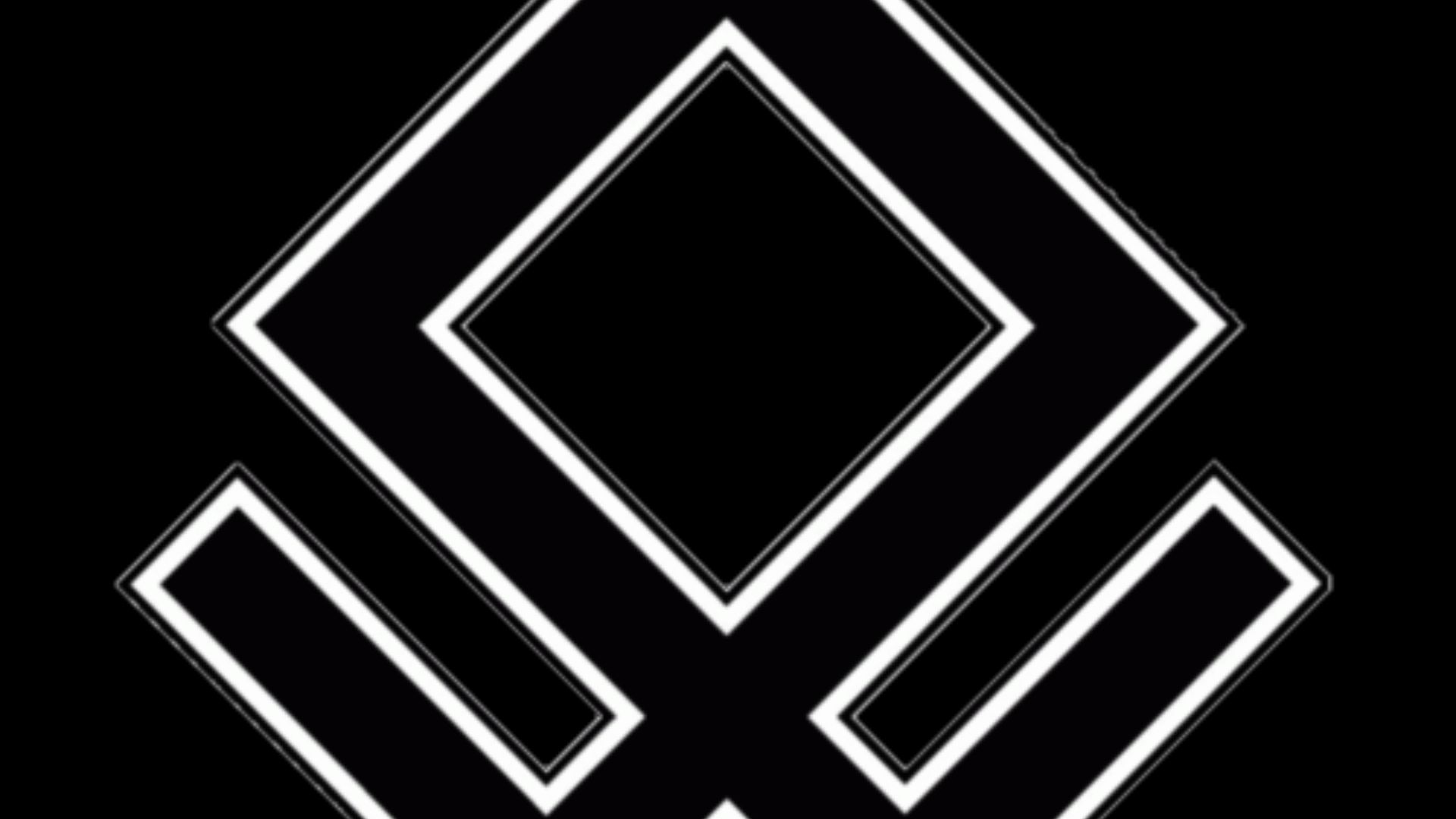
The Othala rune has a crisp geometric shape that fits easily into minimalist and Viking-inspired tattoo designs. It comes from ancient Germanic runic traditions, but particular versions were adopted by Nazi organizations and later by white supremacist movements. Someone may choose it for historical or spiritual reasons without extremist intent, yet its modern political baggage makes research essential before getting it permanently inked.
 User:Marco Kaiser on Wikimedia
10. The Celtic Sun Cross
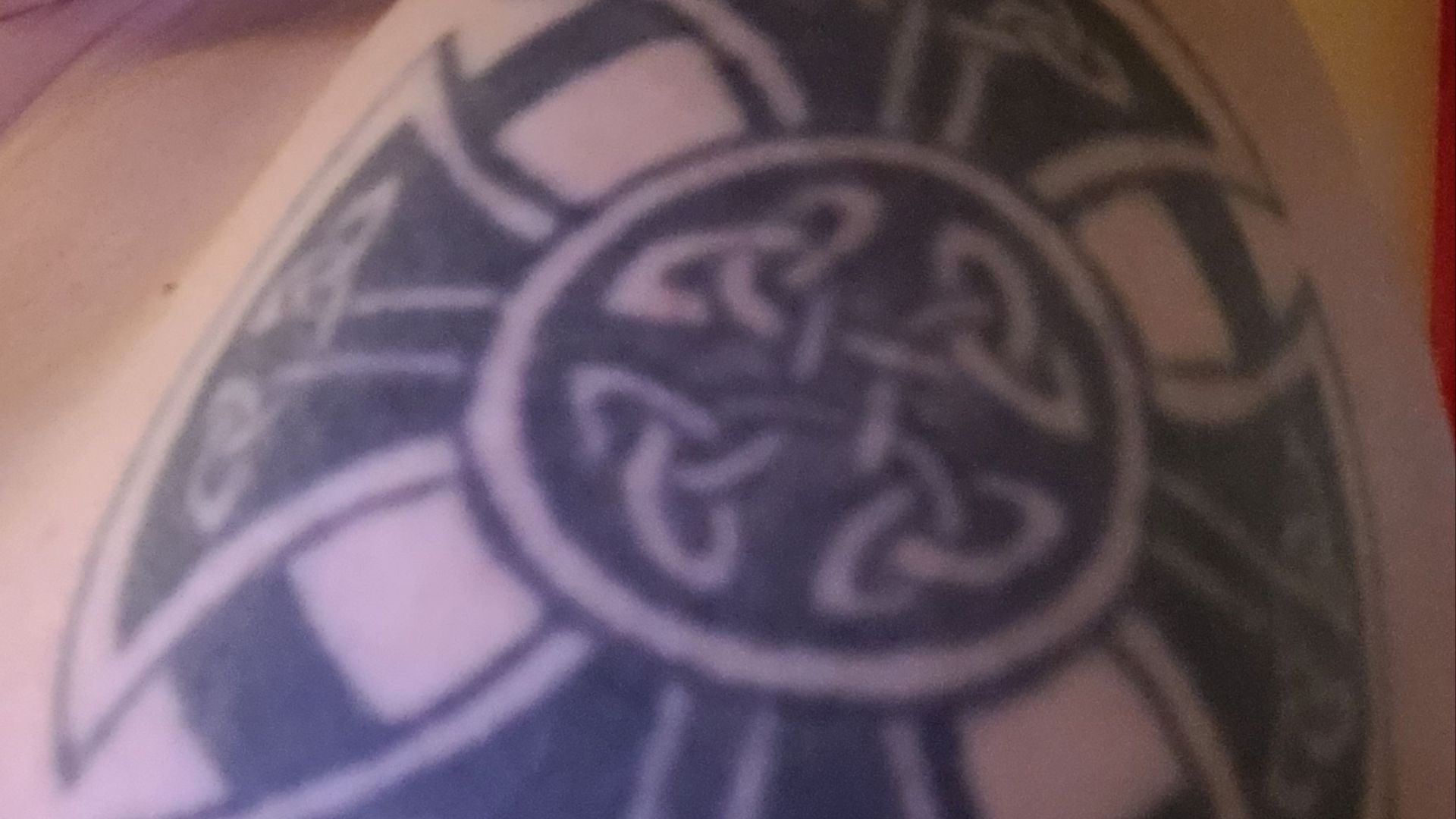
A cross inside a circle can resemble an ancient decorative or spiritual motif, and forms of the Celtic cross have perfectly legitimate religious and cultural uses. A specific short-armed “sun cross” version, however, has also been widely adopted by white supremacists. Context is necessary, since similar Celtic imagery is overwhelmingly used in non-extremist settings too.
11. Russian Prison Church Domes
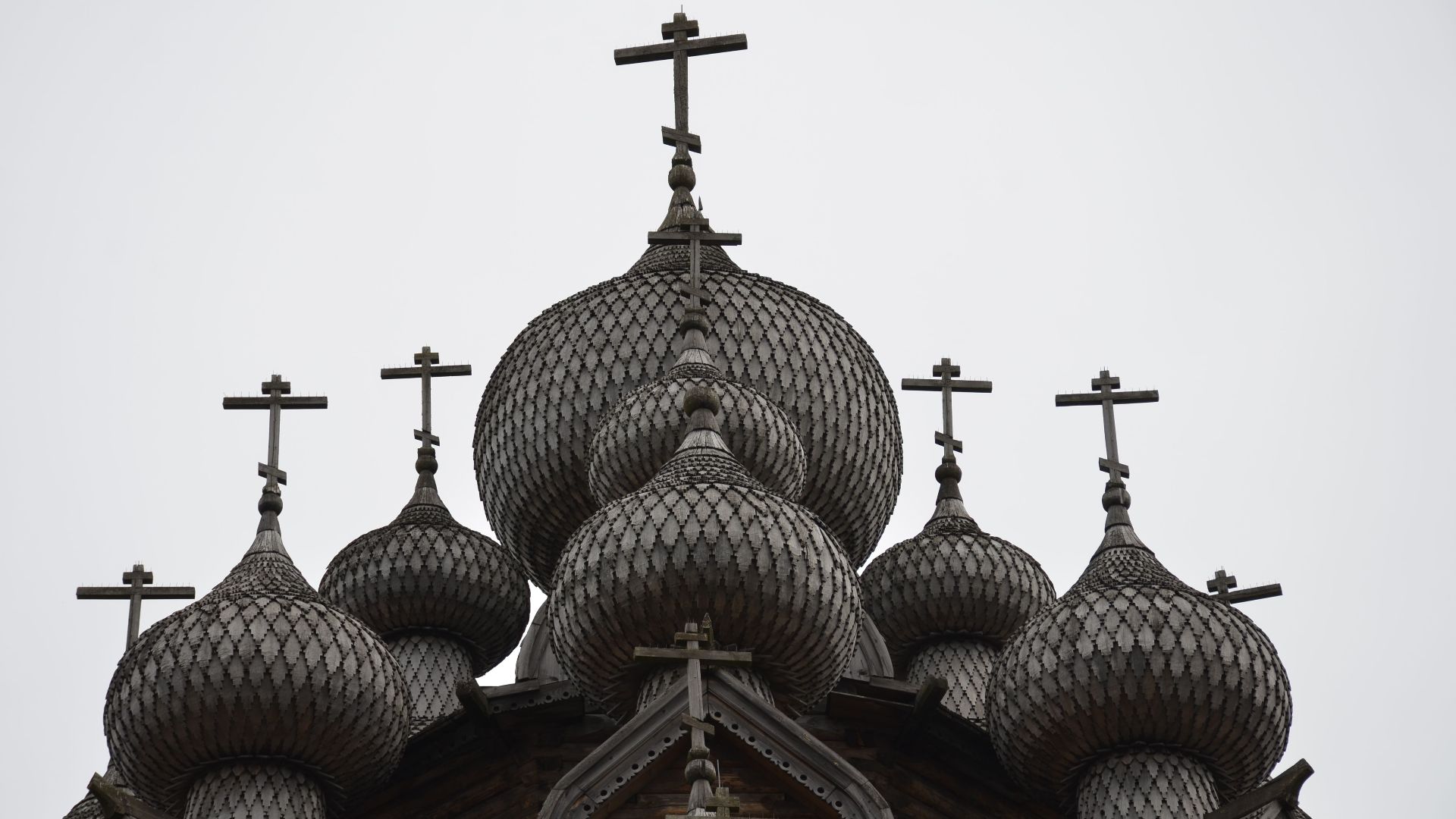
An ornate Russian church covered with domes can make a striking architectural tattoo. However, within traditional Soviet and Russian prison tattoo culture, churches and cathedrals could communicate criminal history, with the number of domes sometimes corresponding to convictions or sentences. What appears to be purely religious artwork can therefore function as a résumé of prison experience in a very specific setting.
12. Stars on the Knees
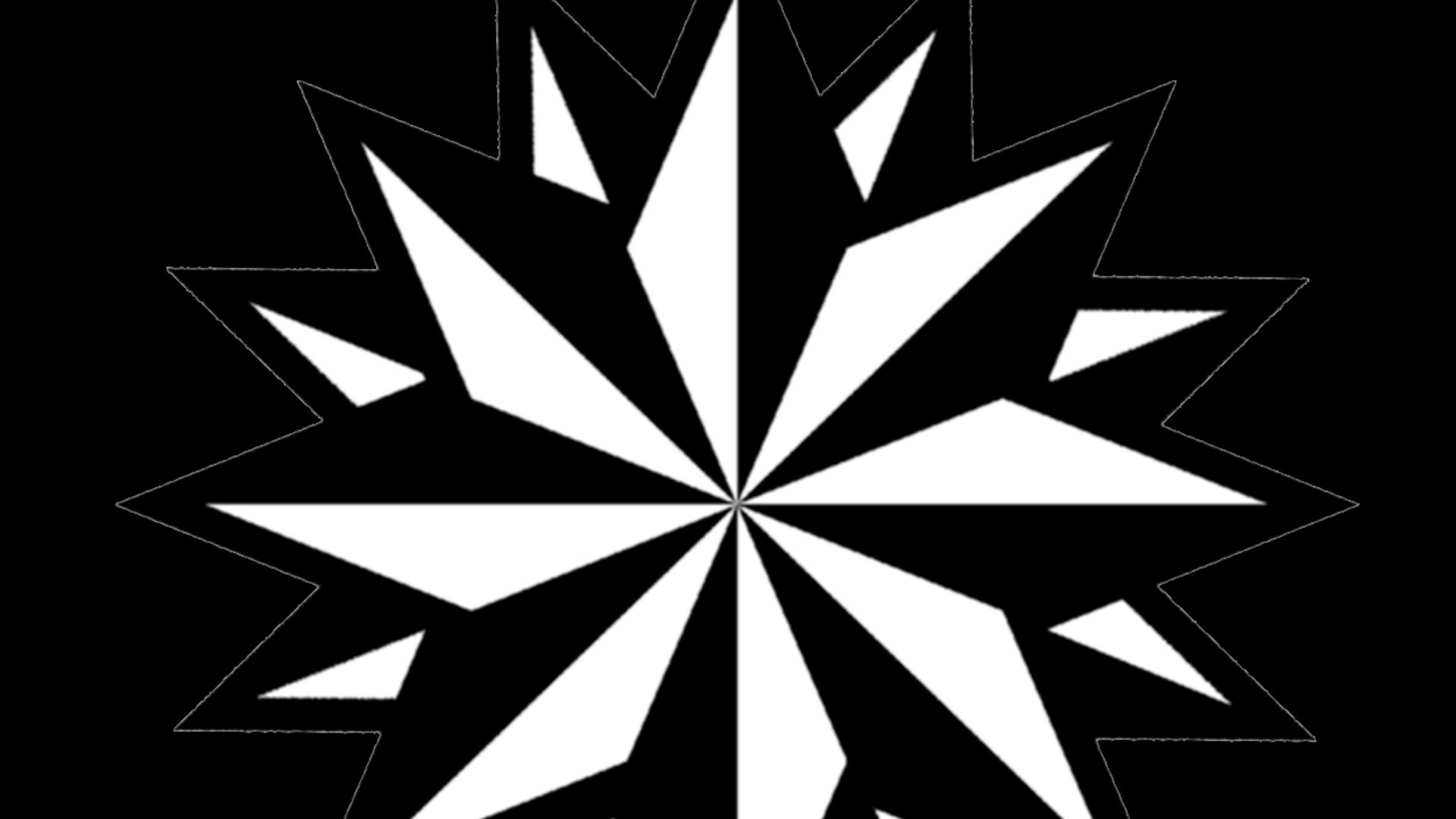
Eight-pointed stars on the knees have an undeniably bold, symmetrical appearance. In Russian criminal tattoo traditions, stars in that placement have been associated with high status and a message commonly interpreted as refusing to kneel before authority. Wearing symbols from that system without understanding their claimed rank can mean something very different from simply liking star tattoos.
13. The Russian Prison Cat
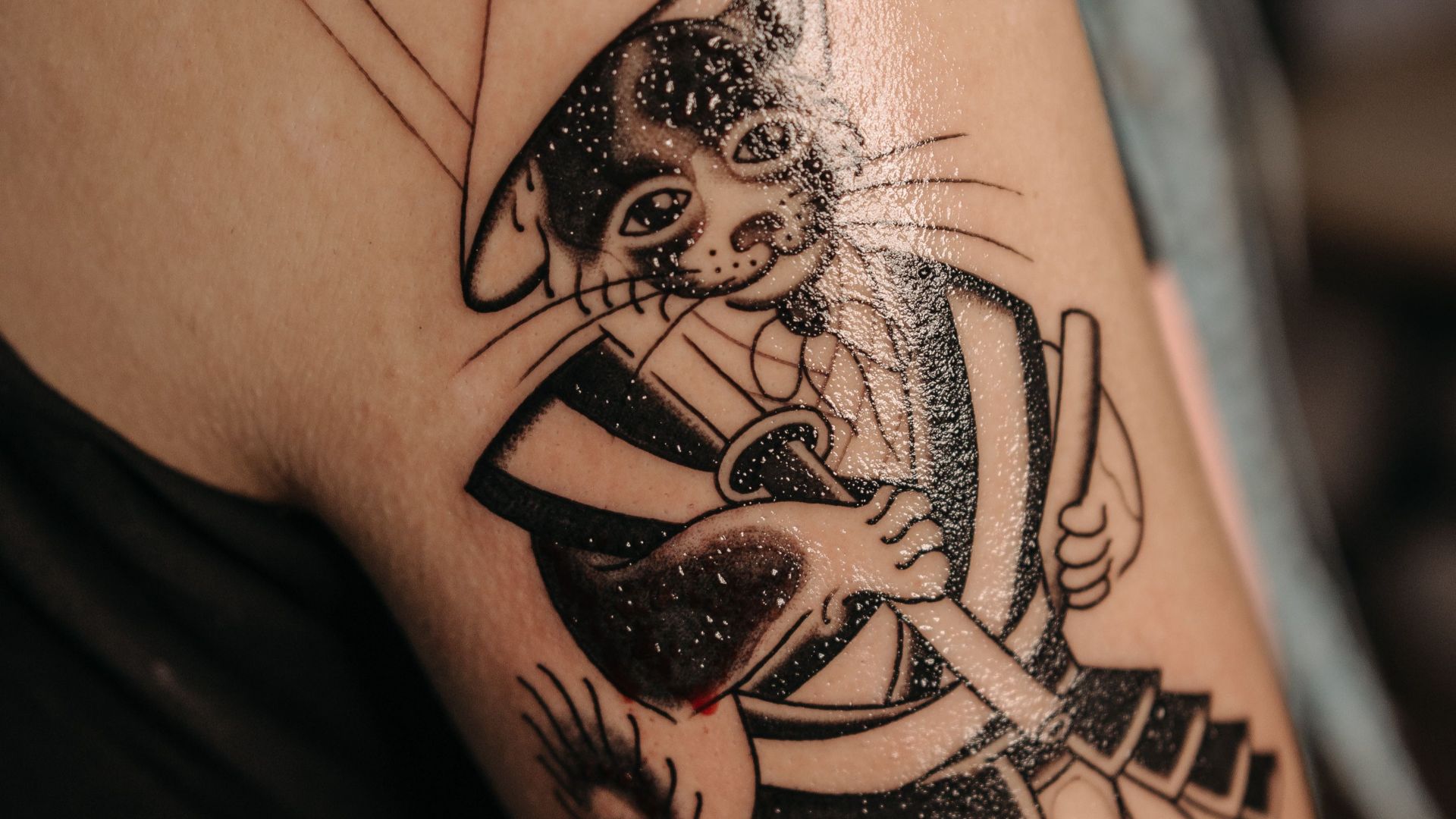
A cat tattoo can seem playful, especially when the animal is given a hat, boots, or an exaggerated expression. Within traditional Russian criminal tattoo culture, however, cats have been associated with thieves and prison life. Suddenly, that mischievous-looking feline isn't just there because someone is an animal lover.
14. The Black Sun
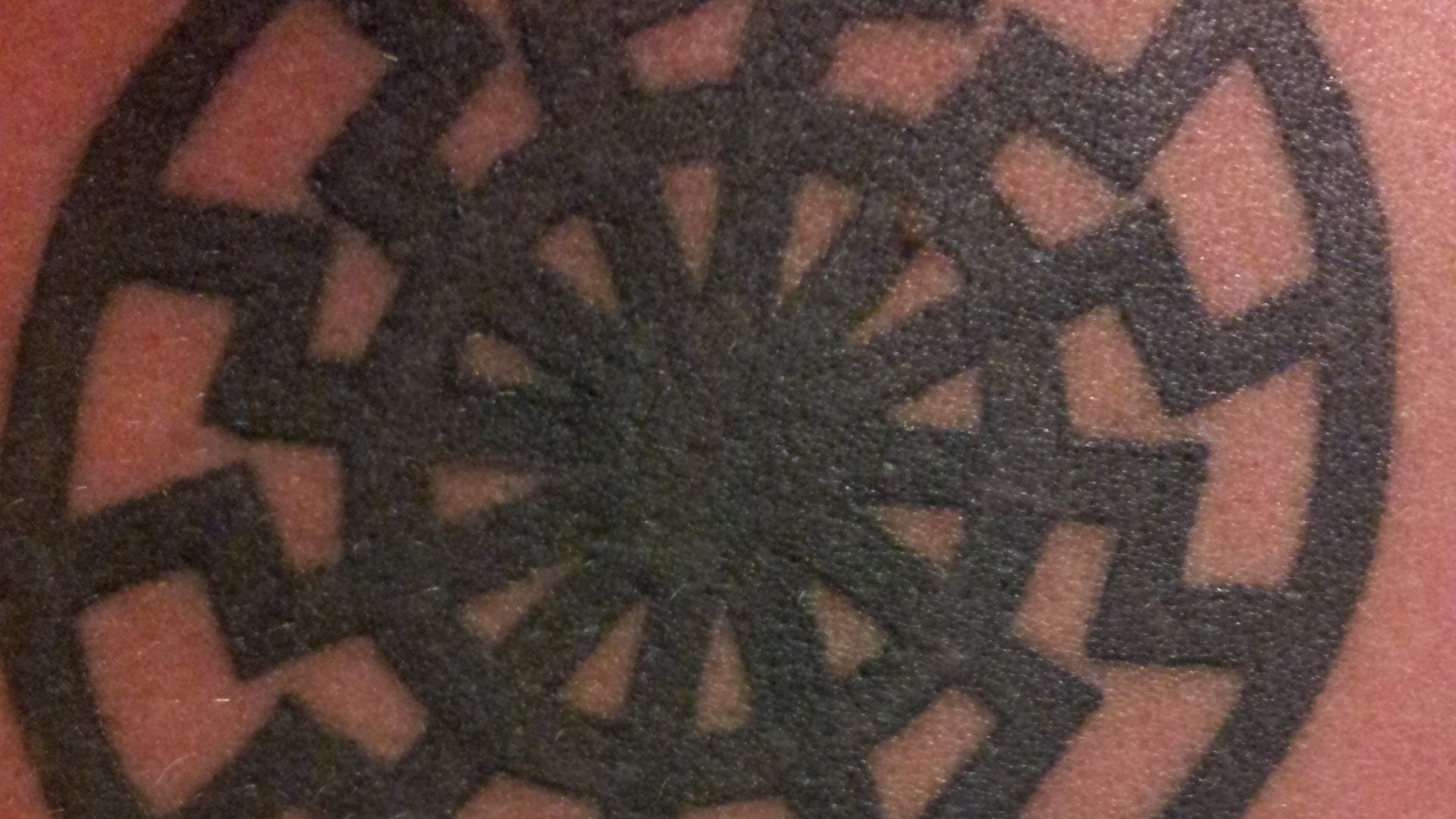
At first glance, the Black Sun can look like an intricate circular pattern made from repeating geometric shapes. The design is closely associated with Nazi imagery and has since been adopted by various neo-Nazi and white supremacist groups. Because of that history, getting it simply because the pattern looks striking can send a message you definitely didn't intend.
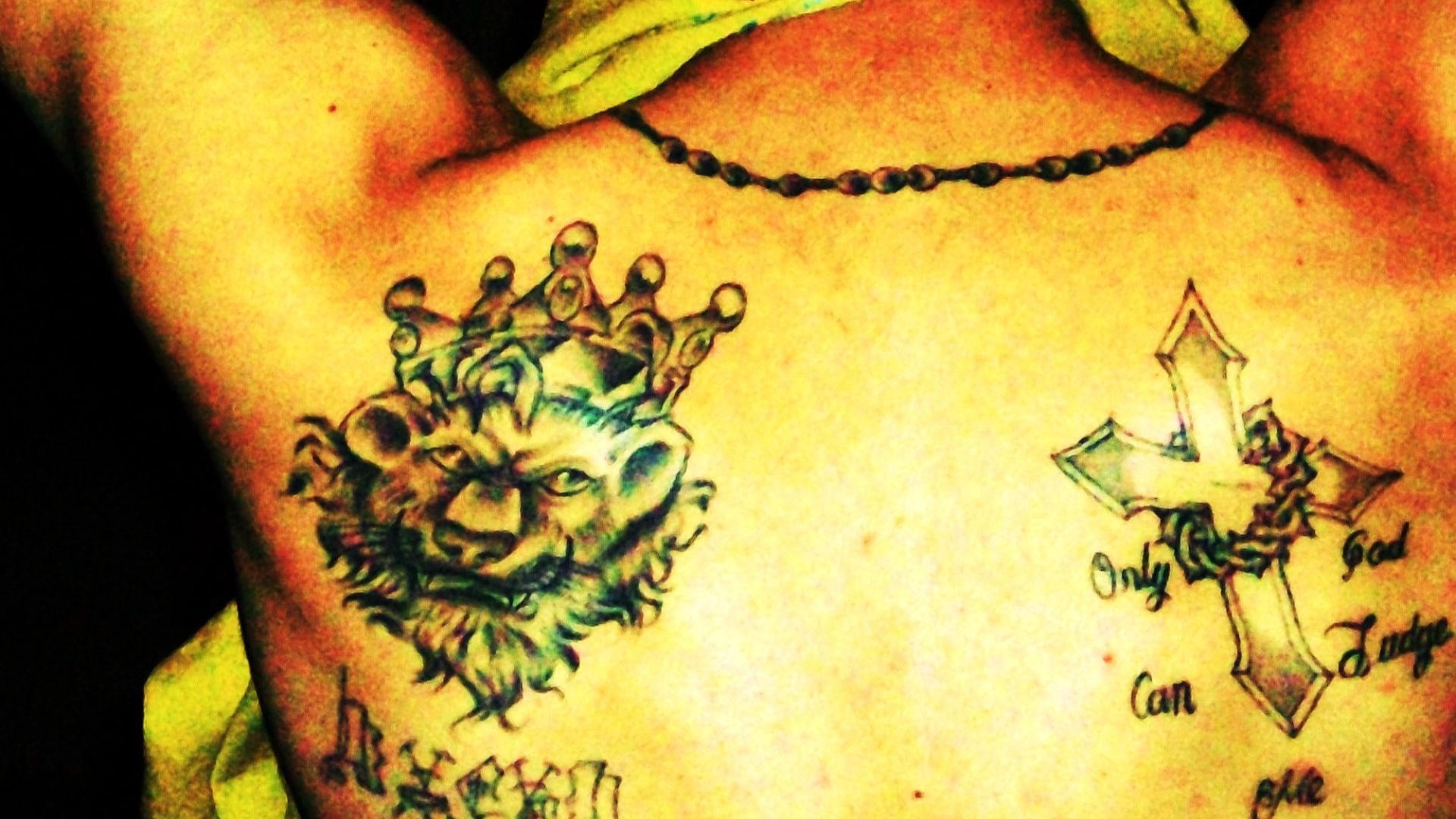
15. The Five-Point Crown
A simple five-point crown can look like a clean piece of street-inspired artwork, especially when it’s drawn without additional lettering. In some contexts, however, the symbol is associated with the Latin Kings, a street and prison gang with a long history in the U.S. Crowns obviously have plenty of unrelated meanings, but copying this particular style without knowing its connection could give your tattoo an unintended message.
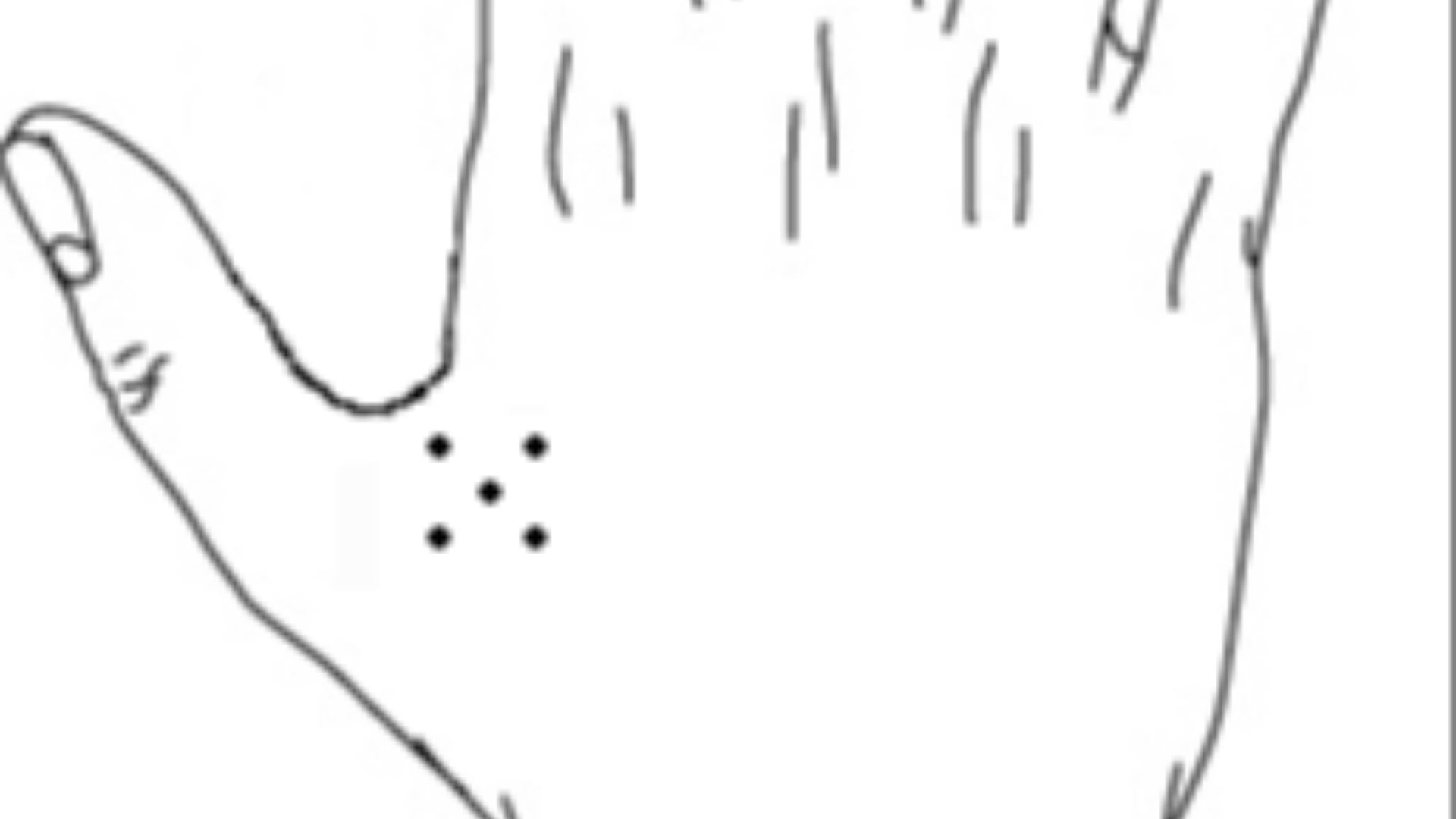
16. The Five-Dot Quincunx
Five dots arranged like the face of a die can look like a simple minimalist tattoo with no obvious message. In prison tattoo traditions, the four outer dots can represent prison walls, while the center dot represents the person confined inside them. Meanings vary by place and culture, but the design can carry a much tougher implication than its tiny size suggests.
 United States Government on Wikimedia
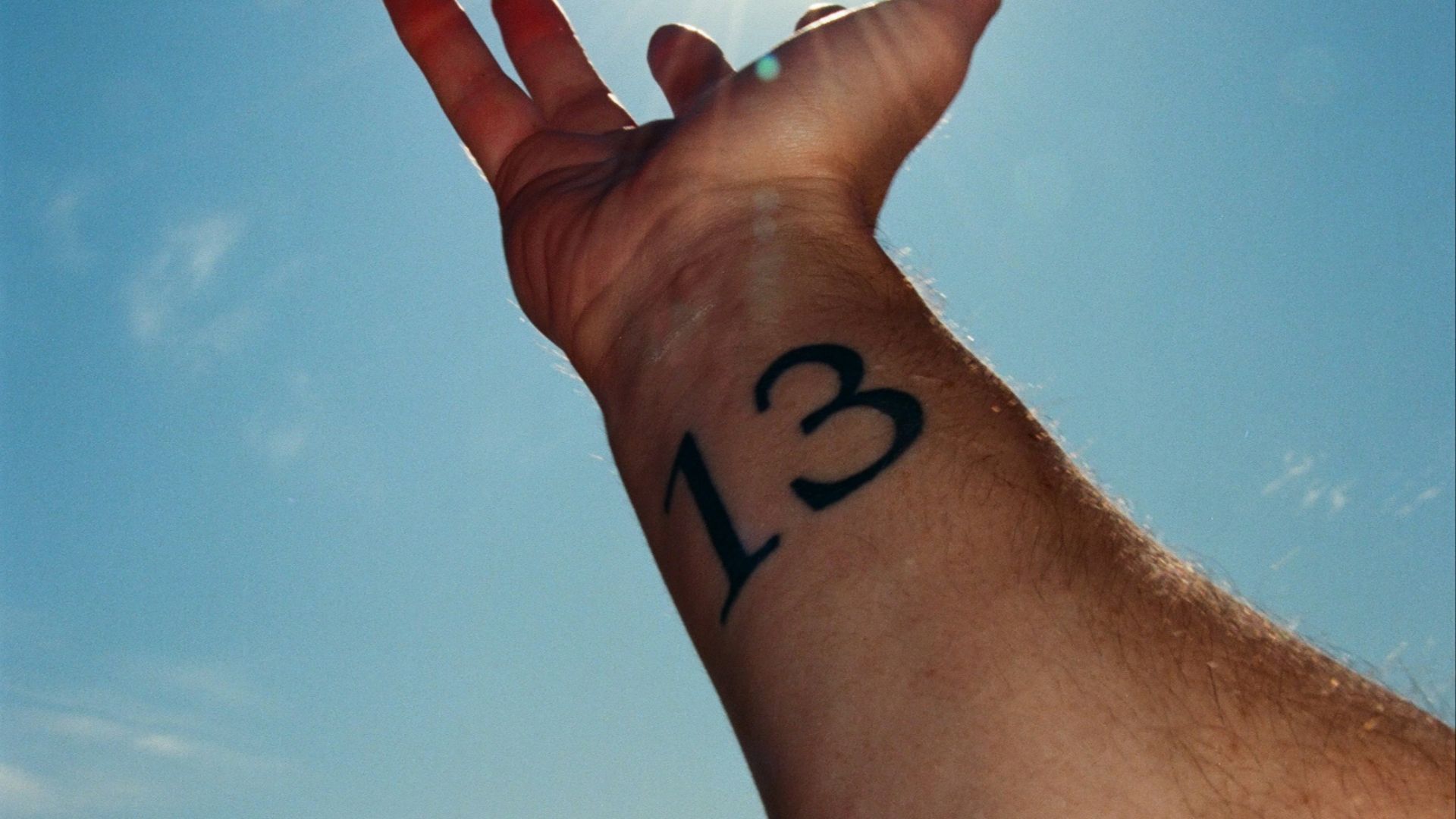
17. The Number 13
A simple 13 can look like a lucky-or-unlucky number tattoo, especially if you're into horror imagery or superstition. In some gang and prison contexts, though, the number can be associated with the letter M and groups such as the Mexican Mafia or gangs that identify with it. That doesn't mean every 13 tattoo is gang-related, but the placement, lettering, and surrounding symbols can change the message considerably.
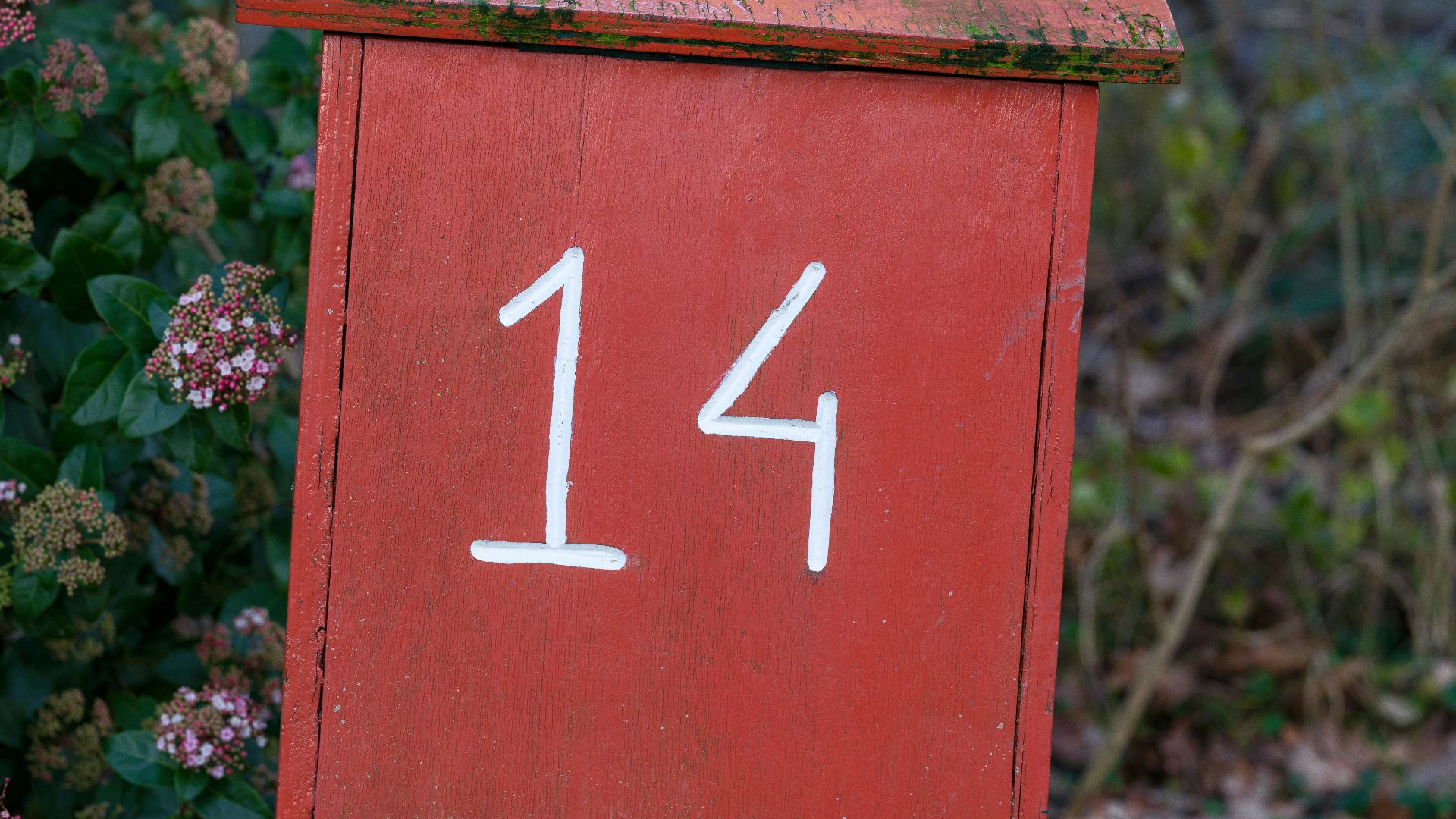
18. The Number 14
The number 14 can look harmless on its own, especially if it seems to reference a birthday, jersey number, or favorite date. In extremist circles, however, “14” can refer to the “Fourteen Words,” a white supremacist slogan used by neo-Nazi groups. Context matters, but it’s one of those numbers worth researching carefully before turning it into permanent ink.
19. The Hannya Mask
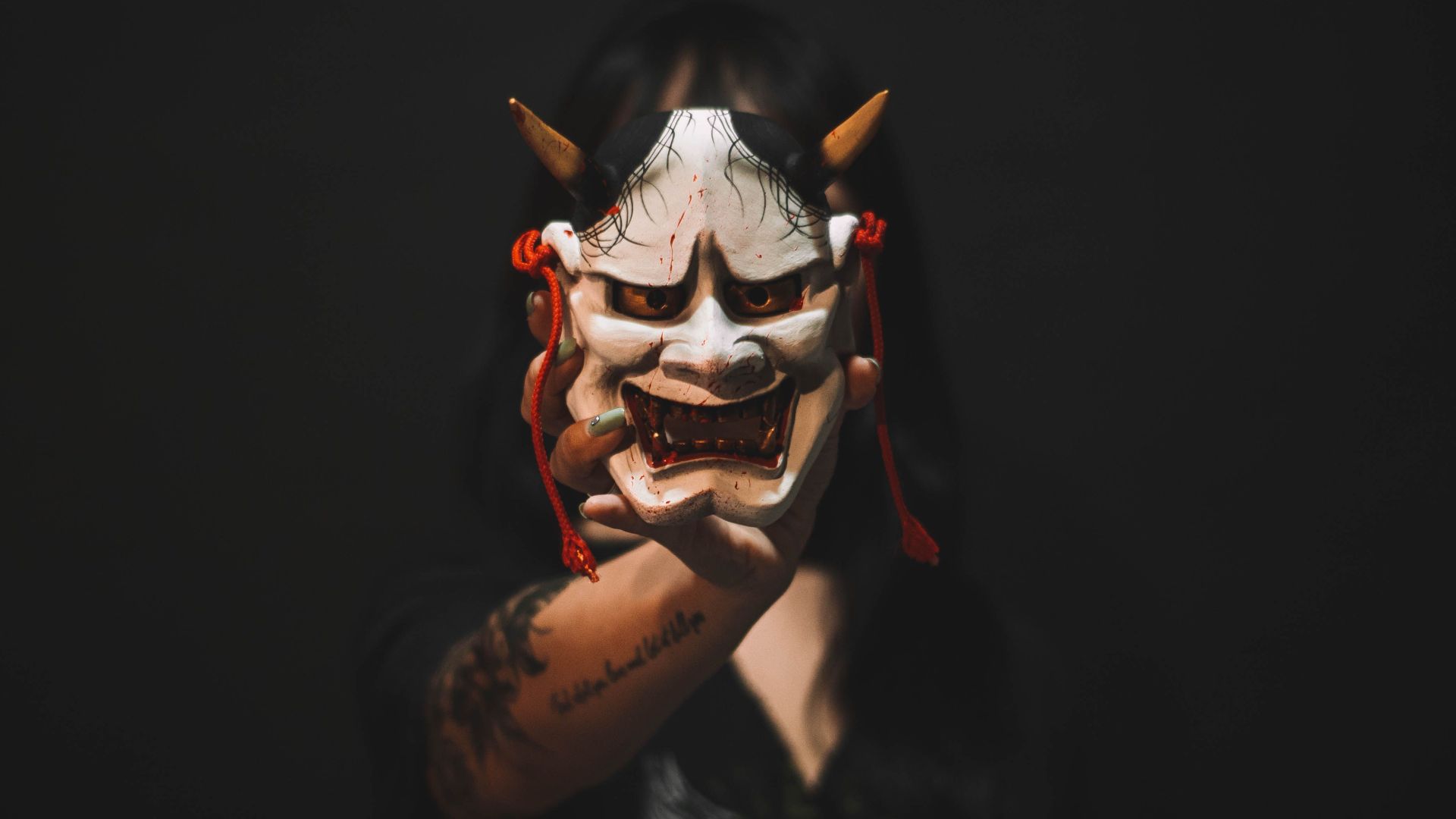
A hannya mask can look dramatic and beautifully detailed, with sharp horns, metallic eyes, and an intense expression. In Japanese tradition, it represents a woman consumed by jealousy, rage, and resentment until those emotions transform her into something monstrous. The image isn’t inherently criminal, but its meaning is much darker than someone might assume from simply seeing an ornate mask tattoo.
20. The Totenkopf Skull
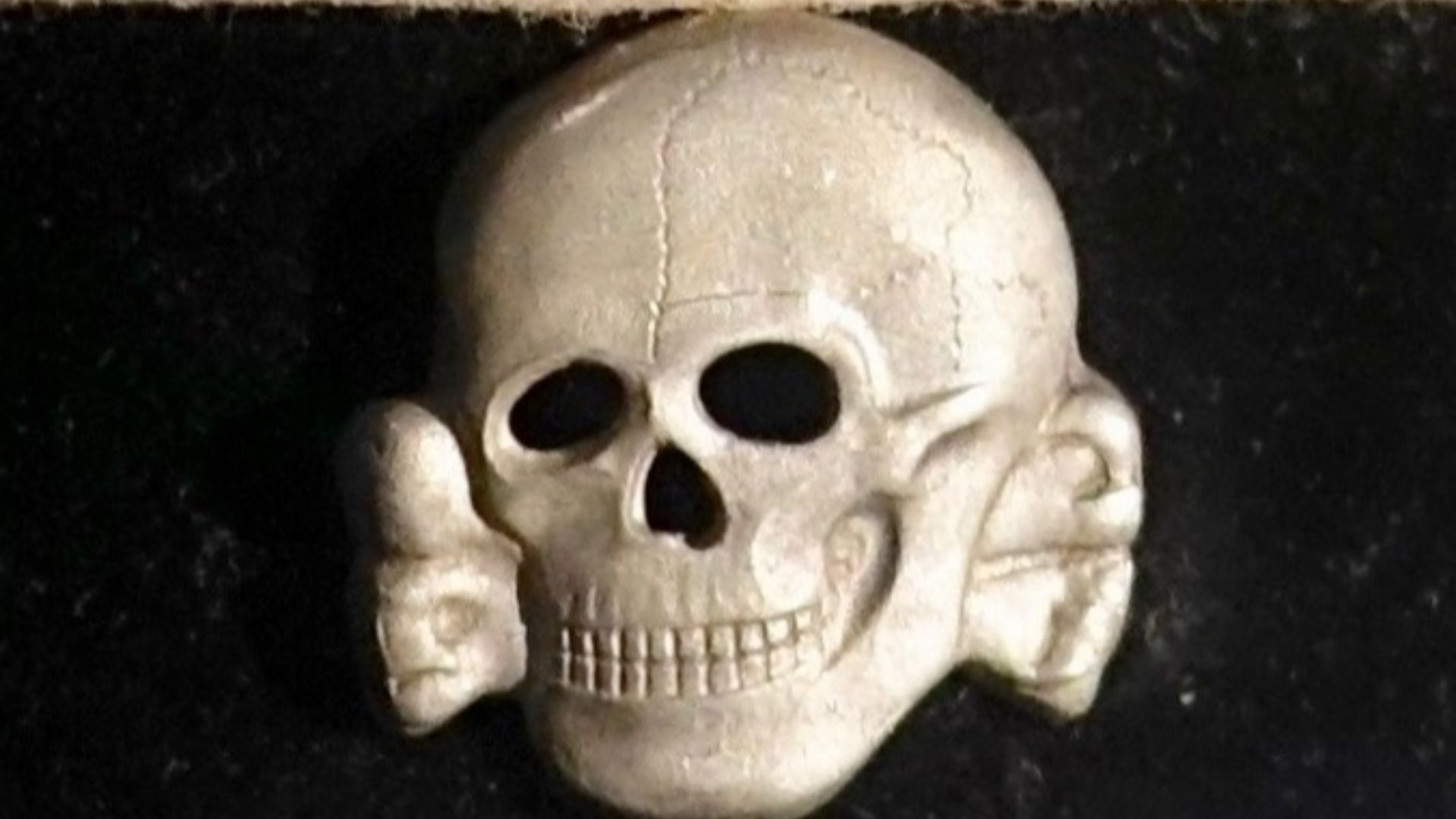
A skull wearing an old-fashioned military look can initially register as another piece of dark, vintage tattoo art. The Totenkopf, or “death's head,” has a much older European military history, but a particular version became strongly associated with Nazi Germany's SS and was later reused by neo-Nazi groups. Because ordinary skull tattoos have countless unrelated meanings, the exact design matters, but reproducing the SS version isn't simply choosing a spooky skull.