Level Up Your Kicks
Shoes may be designed for the mass market, but that doesn't mean they have to stay exactly as they did when they came out of the box. From handpainting to embroidery and even simply swapping out the laces for something more unique, there are plenty of ways you can personalize your kicks. Don't get too creative, though; once you change up the design, you often can't go back. Ready to customize your shoes? Here are some tips and tricks to get you started.
1. Swap Out the Laces
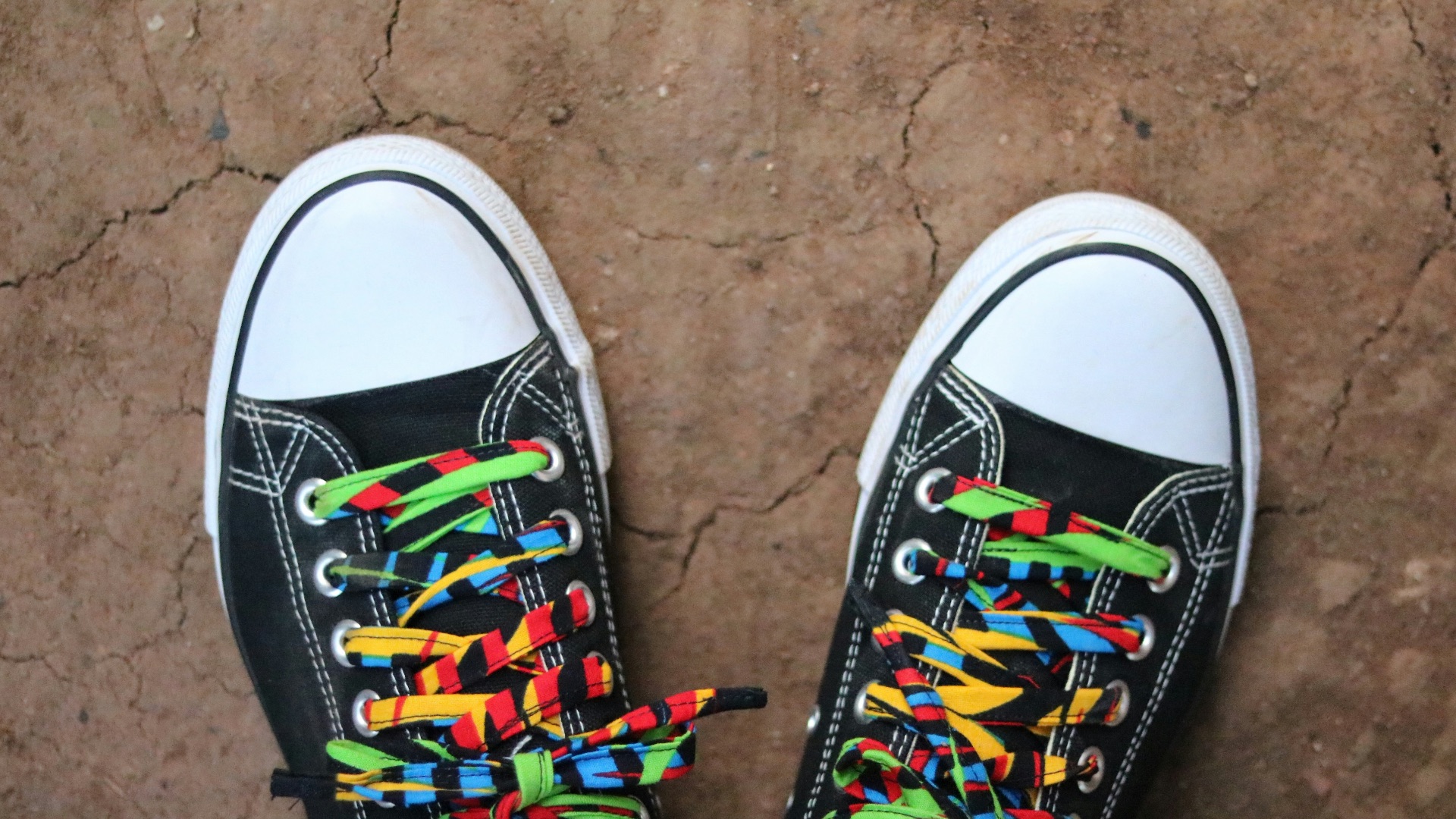
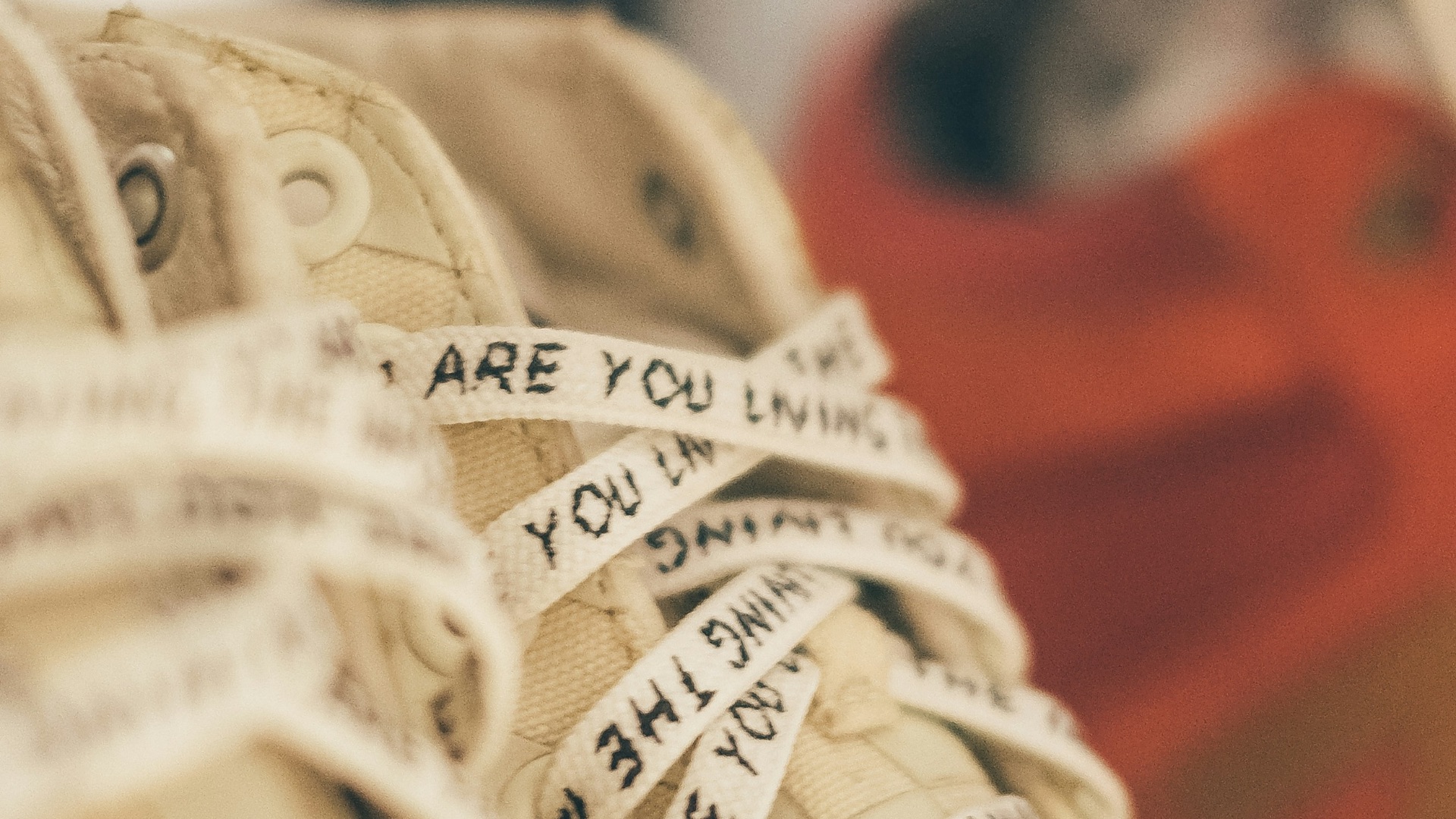
Replacing the original laces is one of the easiest ways to give shoes a different look without making a permanent change. You can experiment with contrasting colors, patterns, wider laces, or different materials depending on the style of the shoe. Even switching from plain cotton laces to something with more texture can make a noticeable difference. Since the change is completely reversible, you can update the look whenever you feel like it.
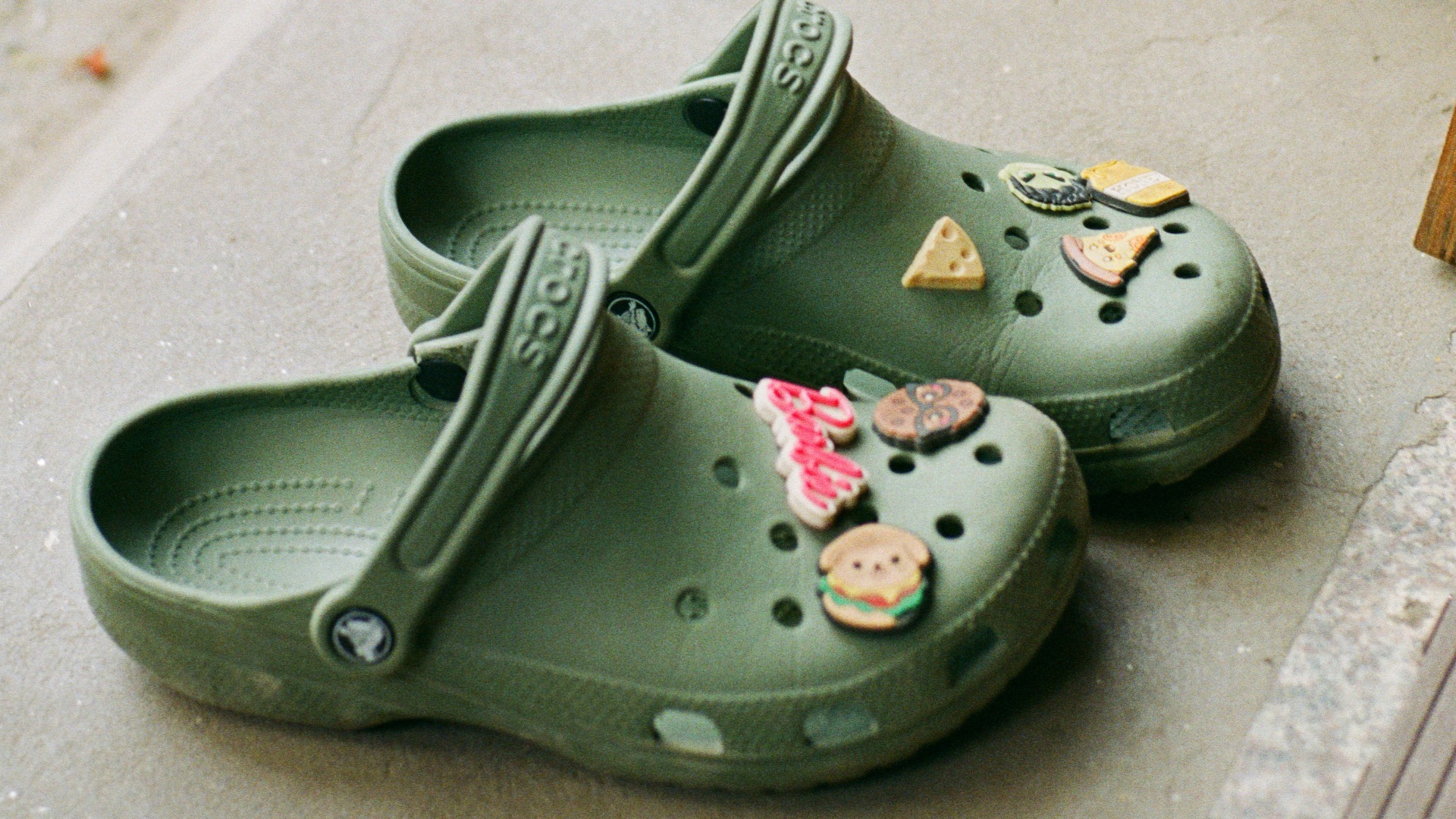
2. Add Custom Shoe Charms
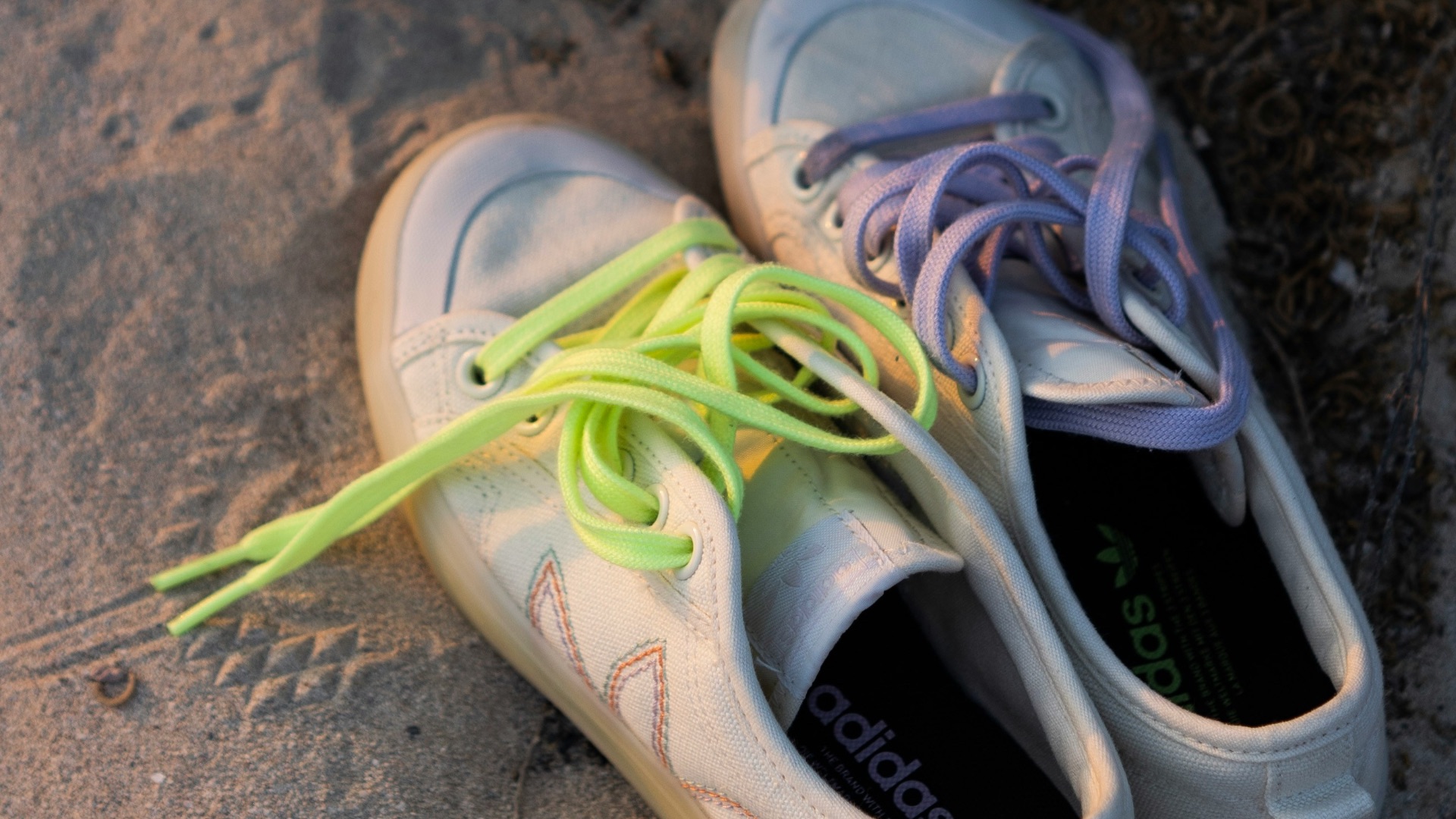
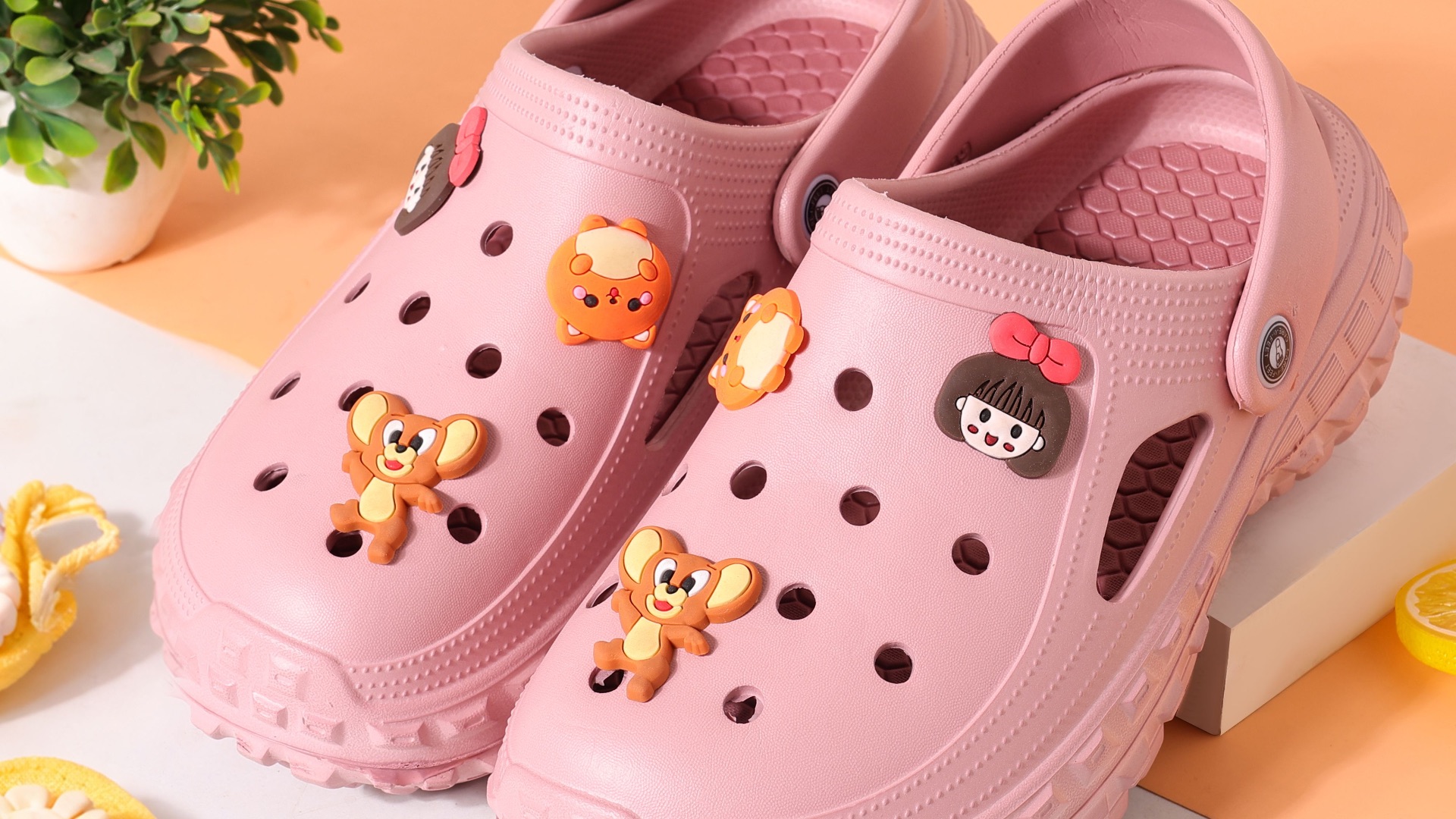
Shoe charms can add personality to clogs, sneakers, and other styles designed to accommodate decorative accessories. Choose pieces connected to your interests, favorite colors, initials, hobbies, or other details you enjoy seeing. Mixing several smaller charms can create a more eclectic look, while using only one or two keeps the customization restrained. Just make sure anything you attach sits securely and doesn’t interfere with how you walk.
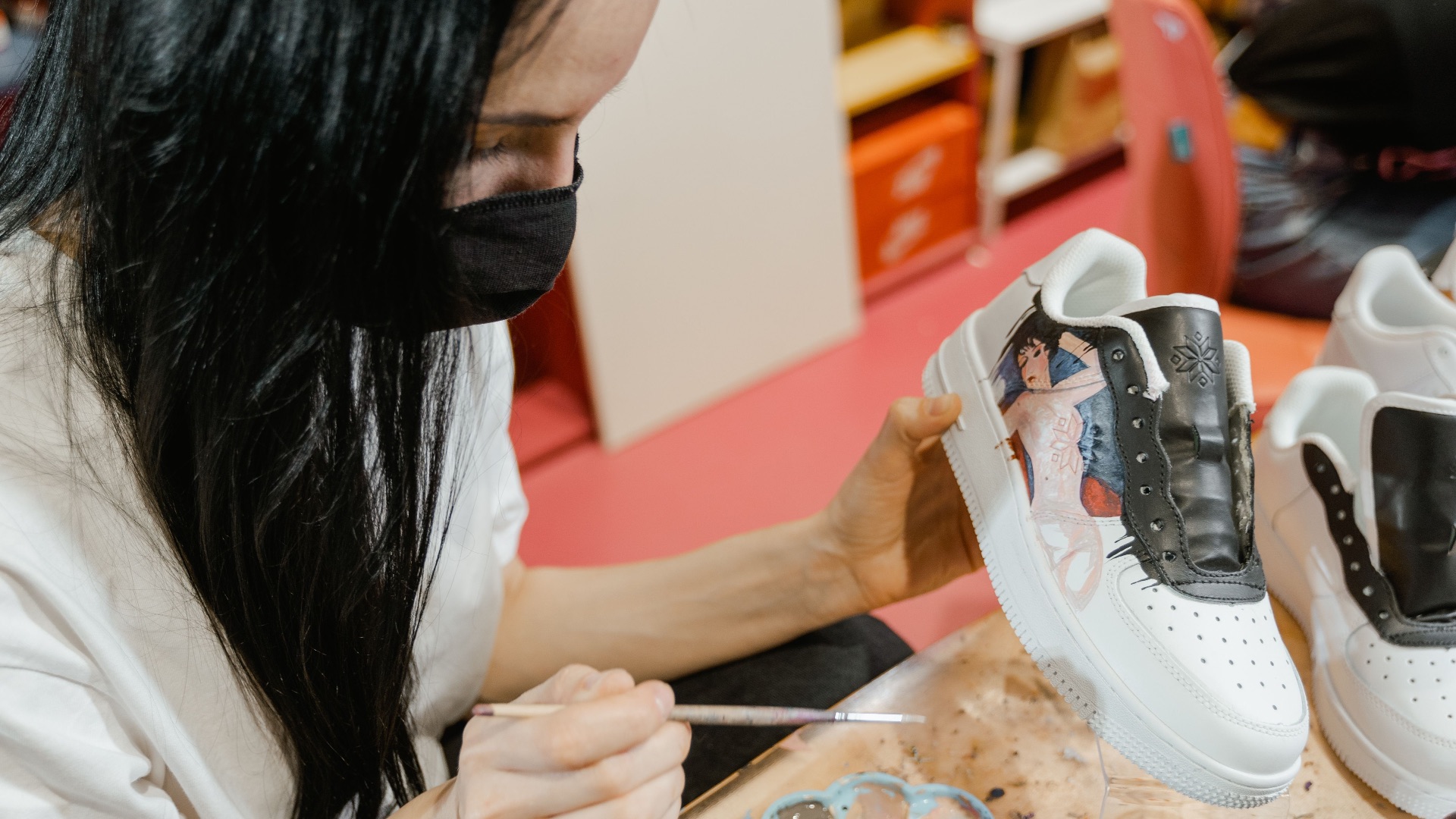
3. Paint Details by Hand
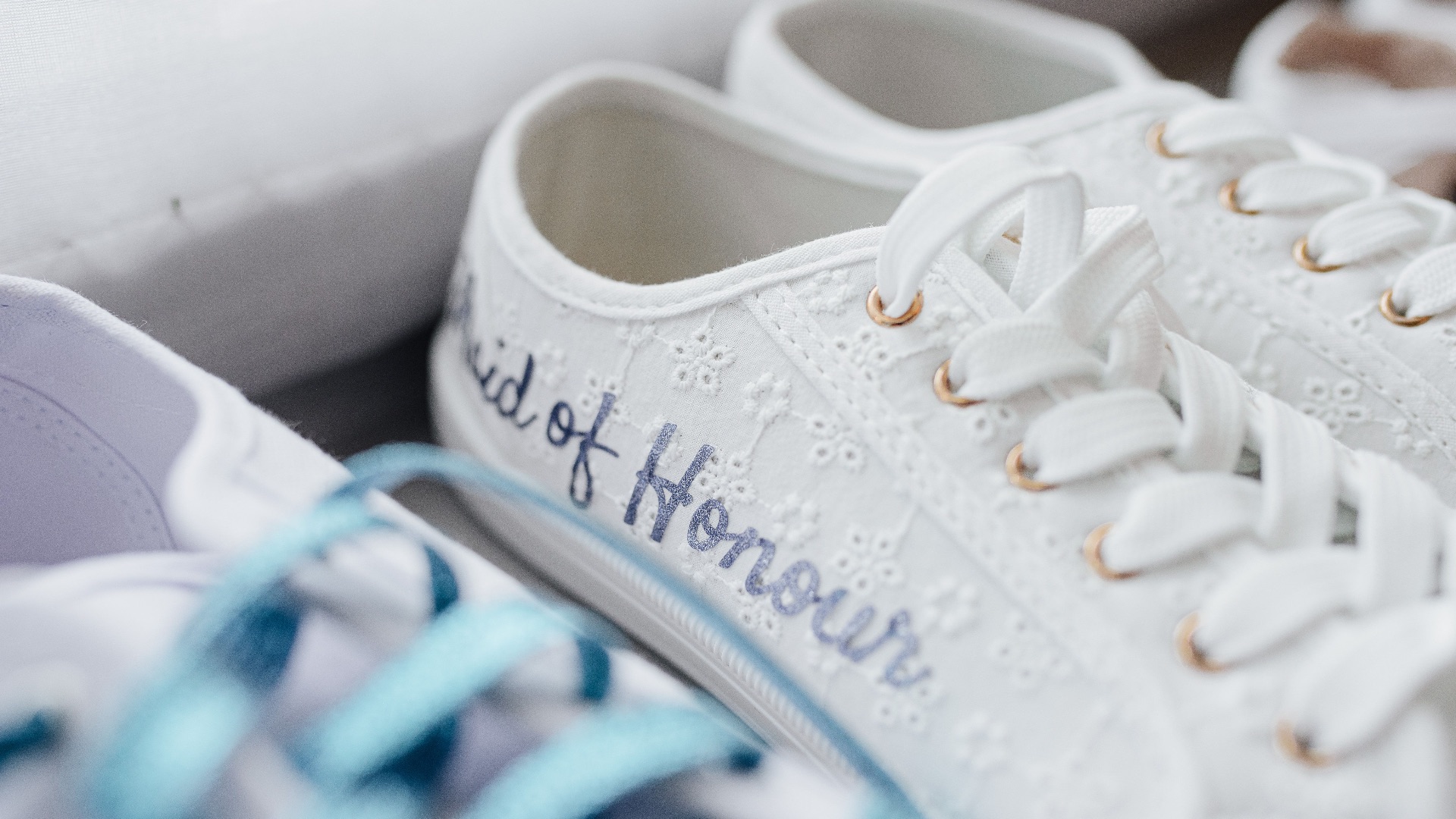
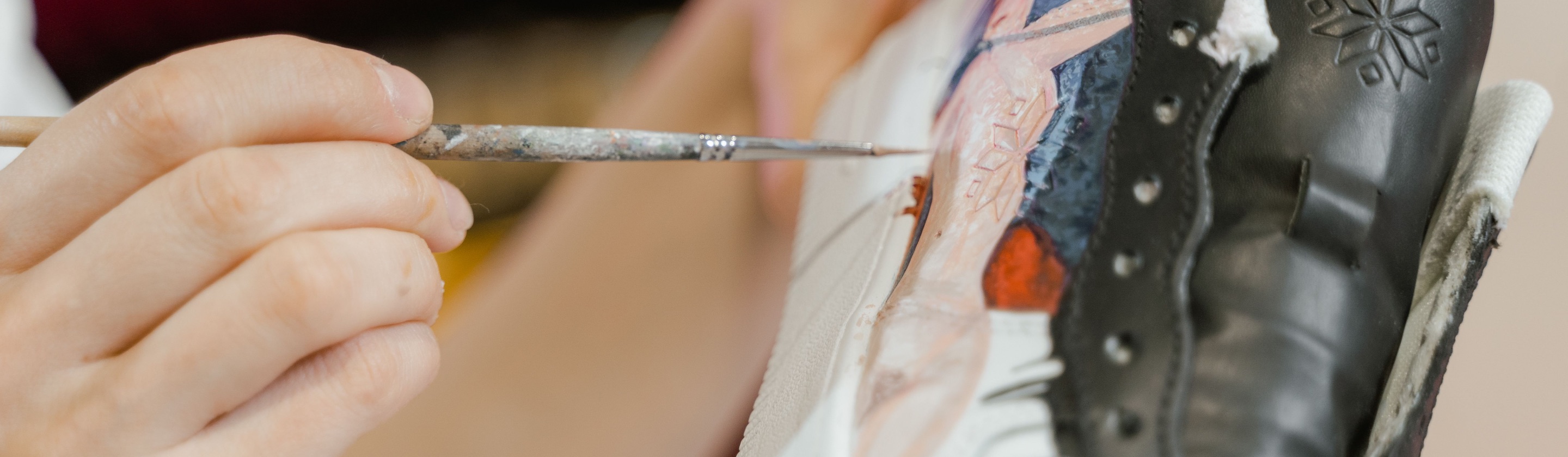
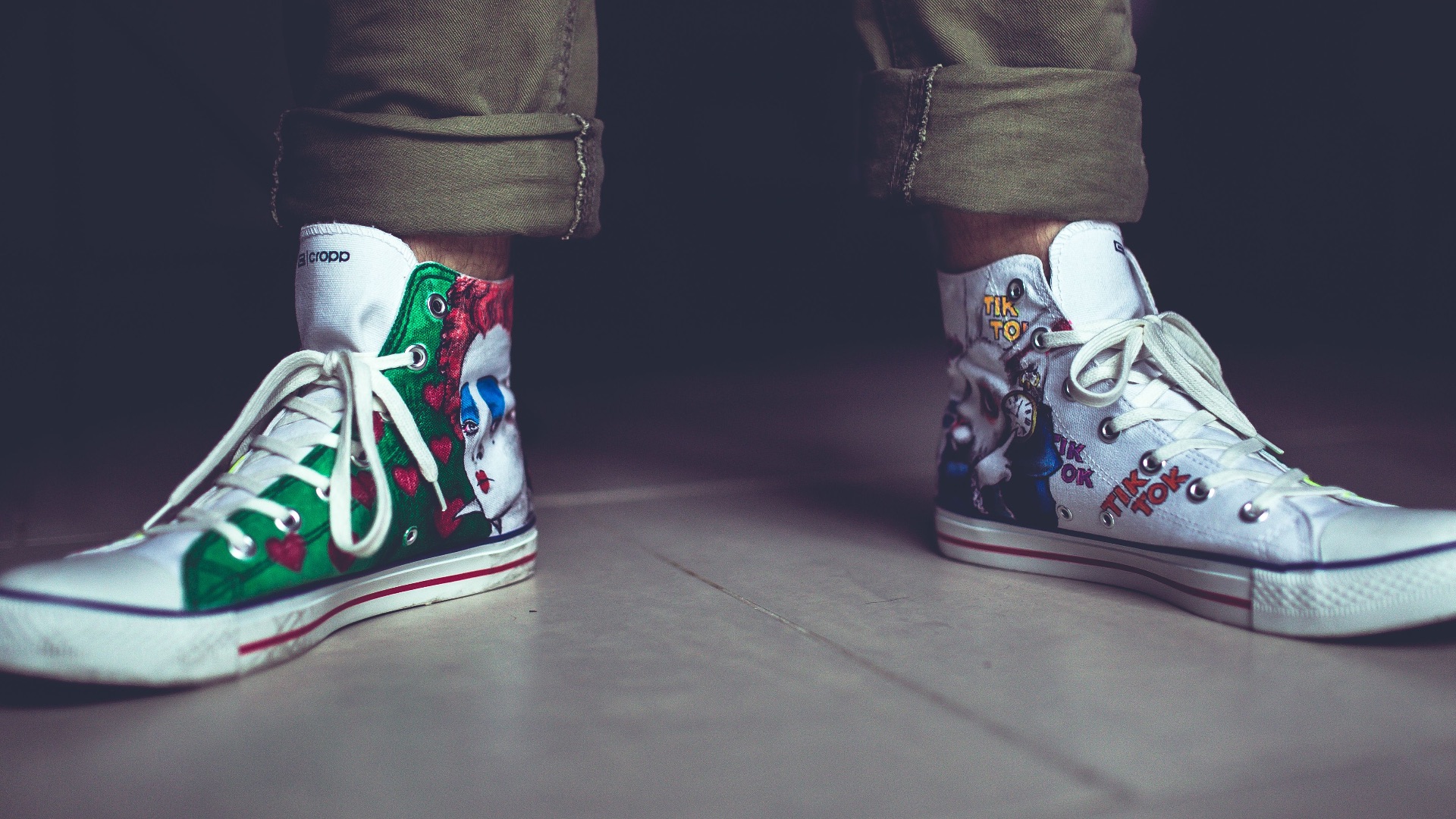
Shoe paint gives you much more control over the final design, particularly when you want something that can’t simply be purchased as an accessory. Depending on the material, you might add small illustrations, geometric shapes, lettering, borders, or blocks of color. Products made specifically for leather, canvas, or synthetic footwear usually hold up better than general-purpose craft paints. Planning the design on paper first can also reduce the chances of making a permanent mistake.
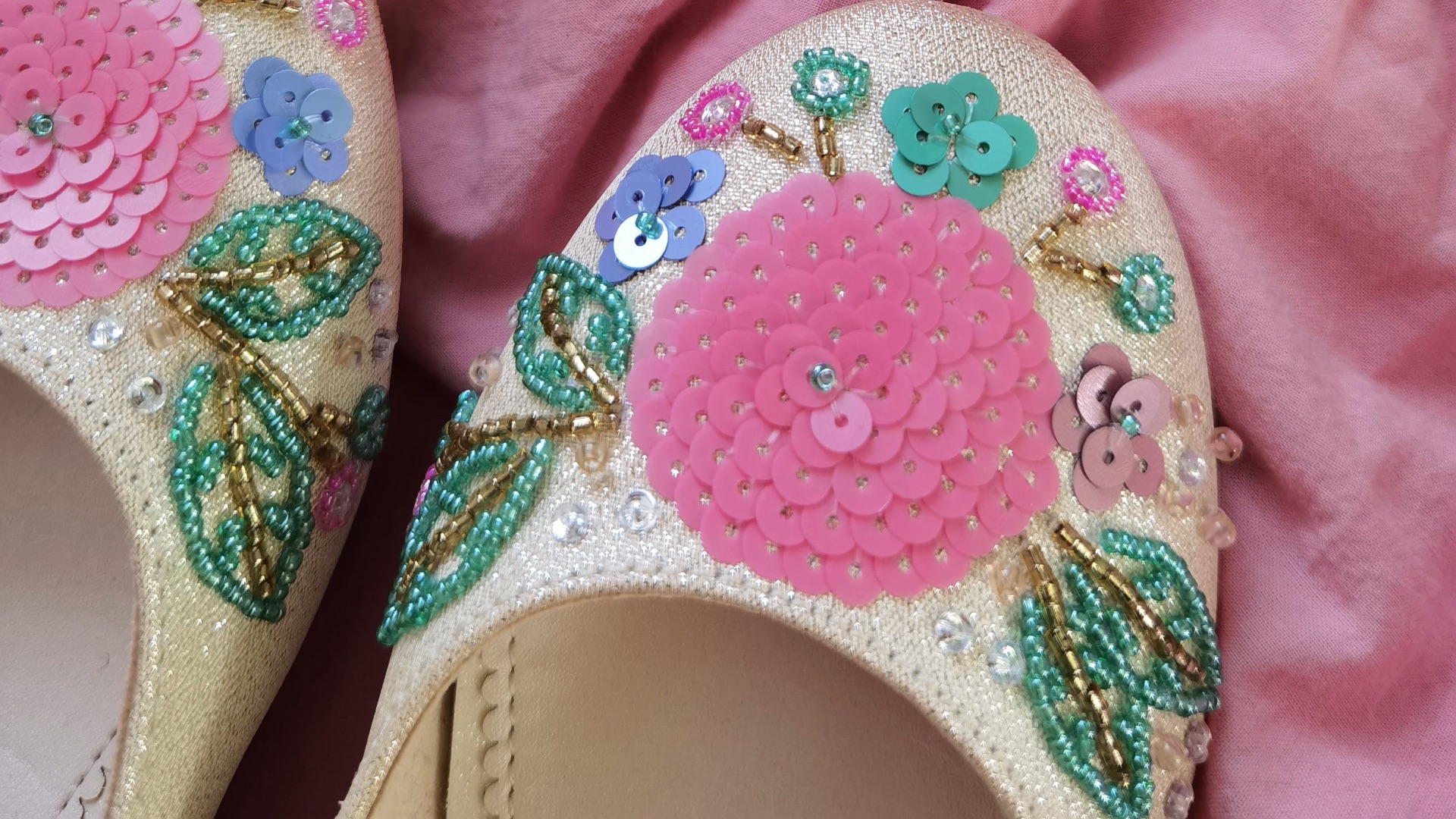
4. Experiment with Decorative Stitching
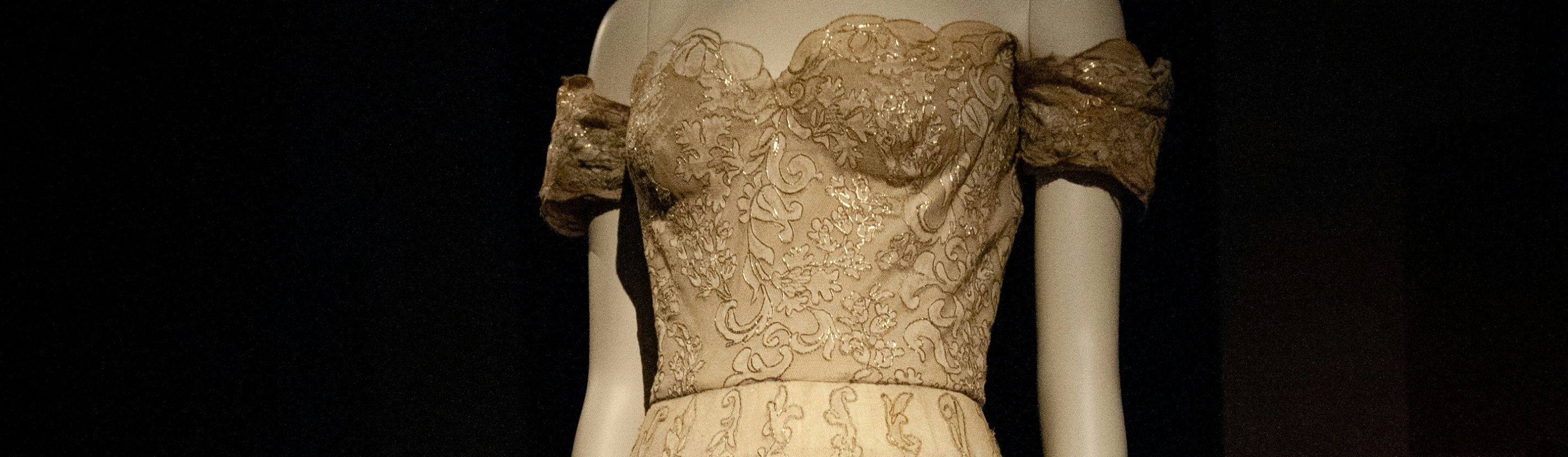
Visible stitching can be an understated way to customize canvas shoes, fabric sneakers, or other footwear that can safely be sewn. Contrasting thread works well for outlining existing seams, while embroidery can add initials, small symbols, or decorative patterns. Keep the stitches away from areas that rub directly against your foot so the inside remains comfortable. If the shoes are expensive or made from delicate material, practicing on scrap fabric first is worth the extra effort.
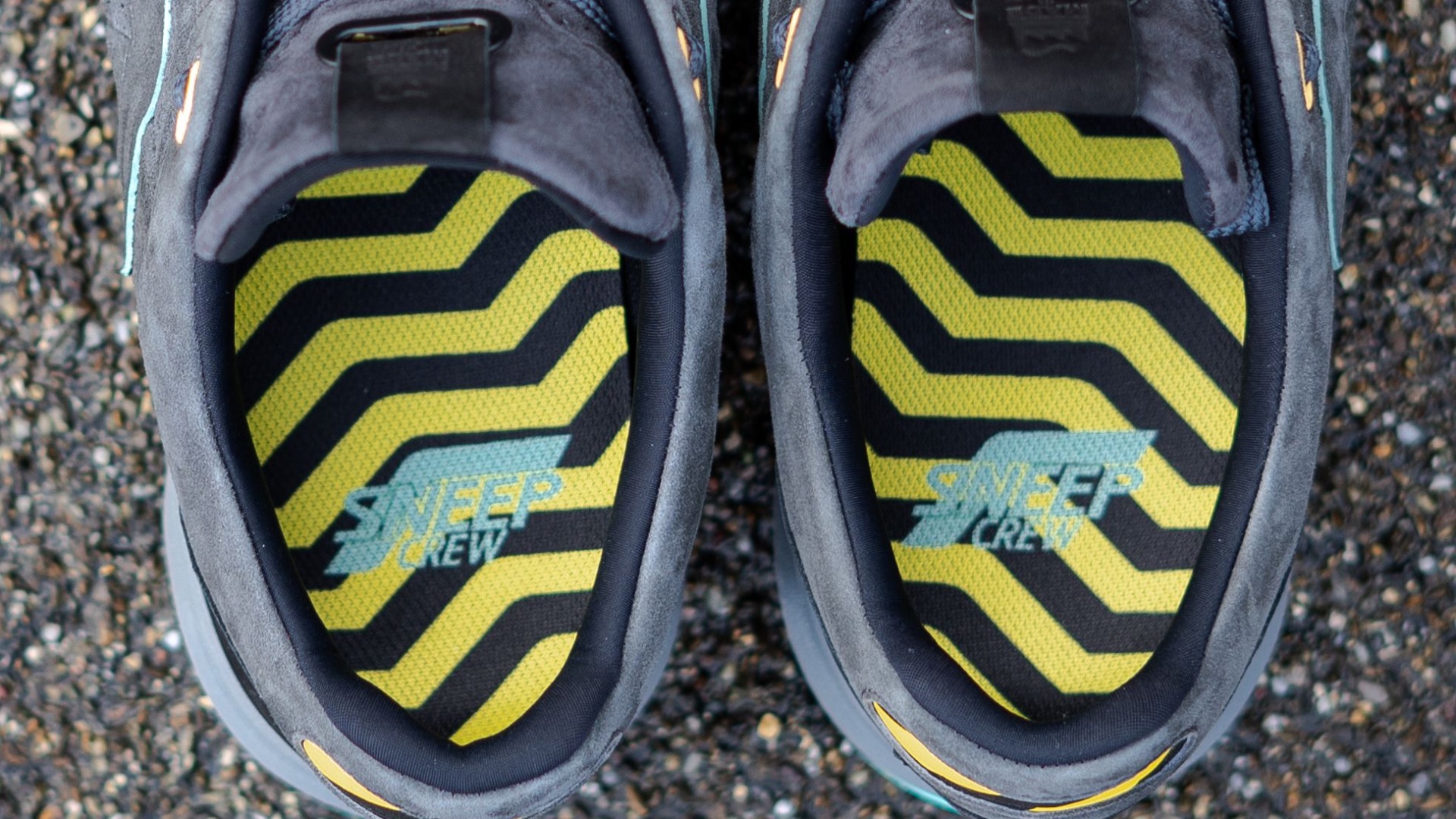
5. Replace or Decorate the Insoles
Not every personalized detail has to be visible from the outside. Patterned, colorful, or custom-printed insoles can give your shoes a private detail that feels a little more individual every time you put them on. You can also choose replacement insoles that improve cushioning or support while changing their appearance at the same time. Check the thickness before buying, because a bulky insert can make an otherwise comfortable shoe feel too tight.
6. Change the Hardware
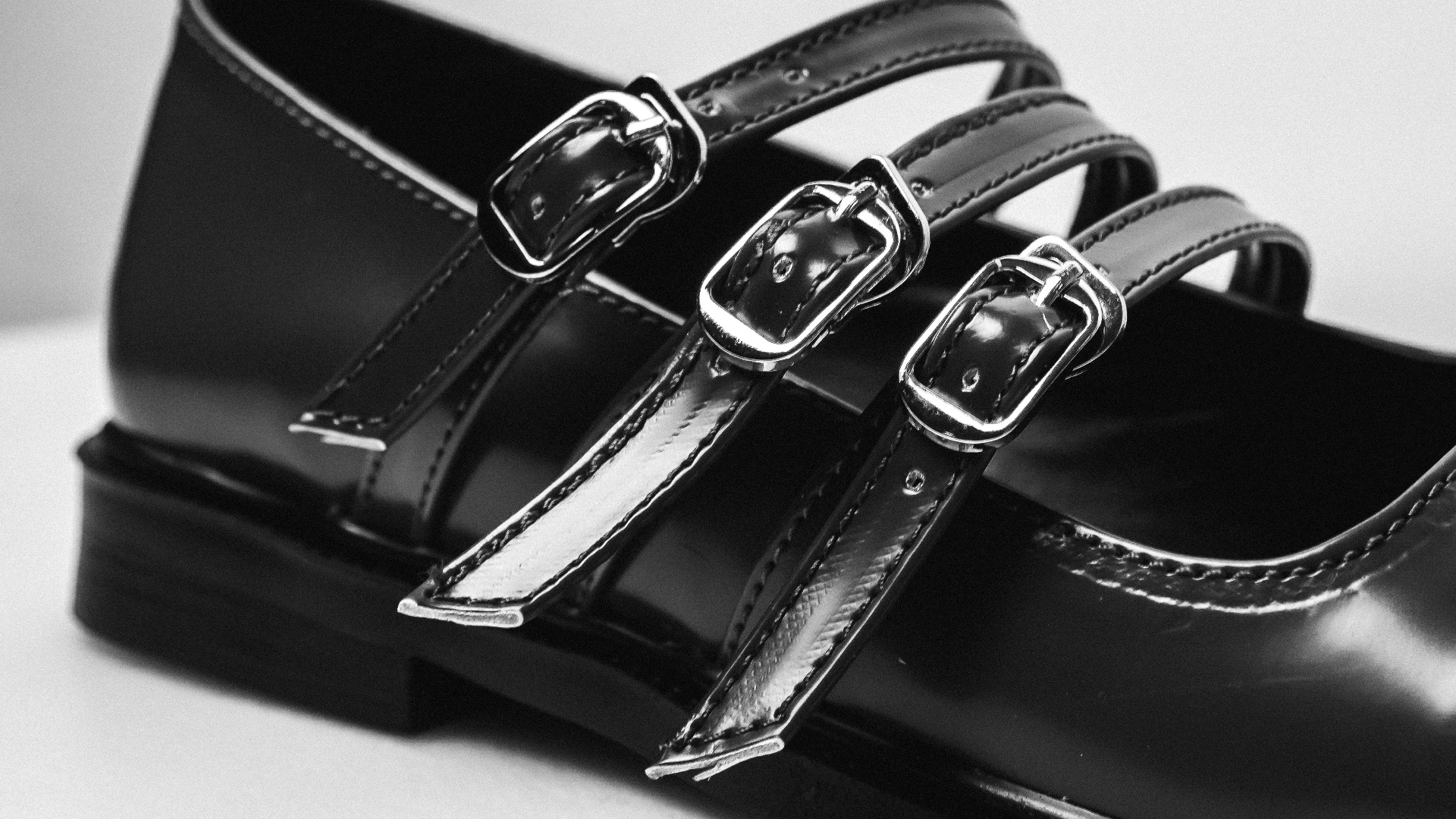
Eyelets, lace locks, buckles, chains, and other small pieces of hardware can alter the overall character of a pair of shoes. Metallic finishes, colored components, or decorative fasteners are especially effective when the original design is relatively simple. Some hardware can be clipped on or replaced at home, while permanent alterations may require specialized tools. Before removing anything original, check how the piece is attached so you don’t damage the surrounding material.
7. Use Fabric or Iron-On Patches
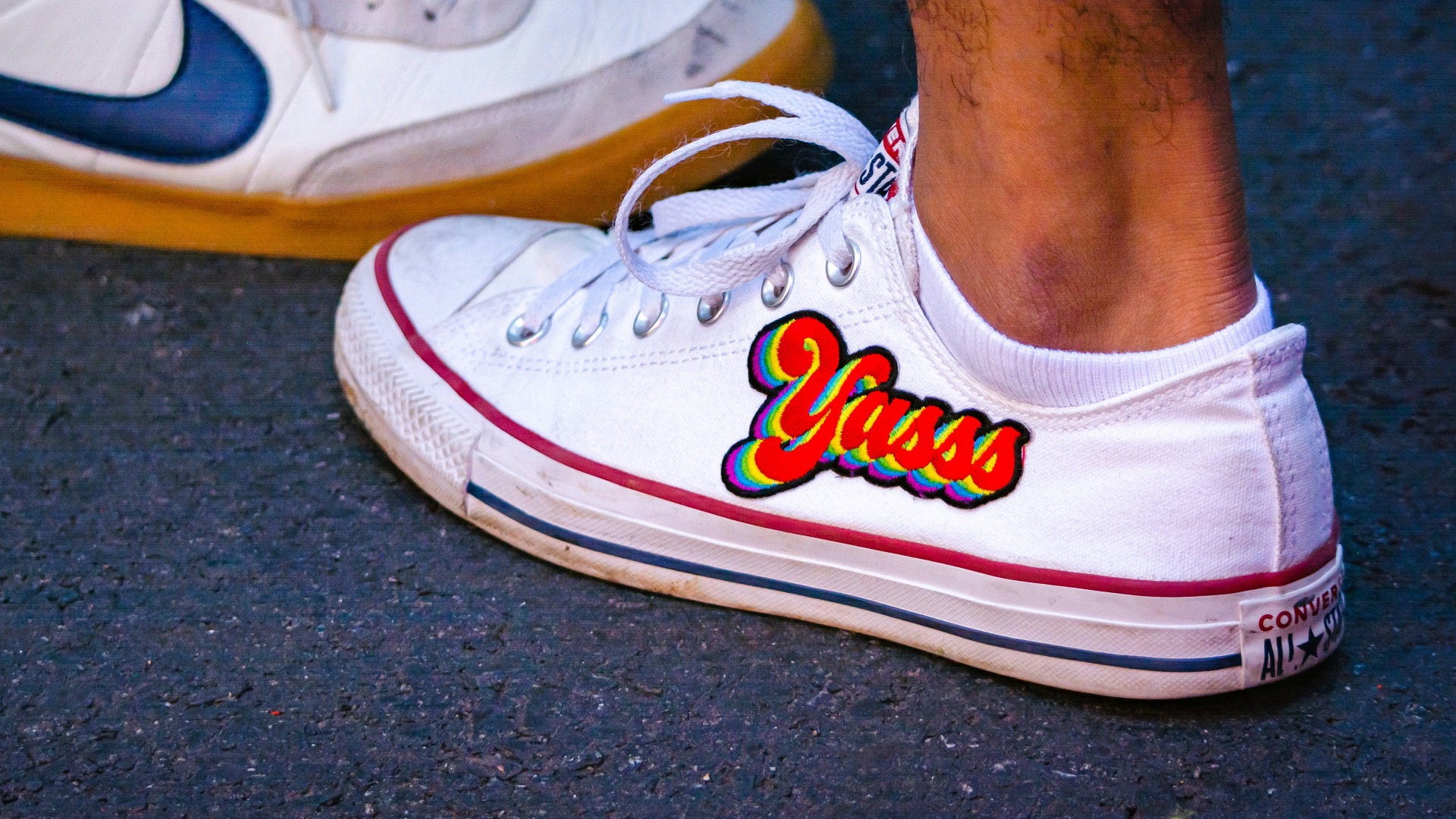
Patches are a practical choice when you want to add artwork, lettering, logos, or graphic details without painting them directly onto the shoe. Sew-on versions tend to work especially well on canvas, while adhesive options may be suitable for certain smooth surfaces. Iron-on patches require more caution because footwear materials can react poorly to concentrated heat. Always check what the shoe is made from before using an iron or other heated tool.
8. Customize the Soles and Edges
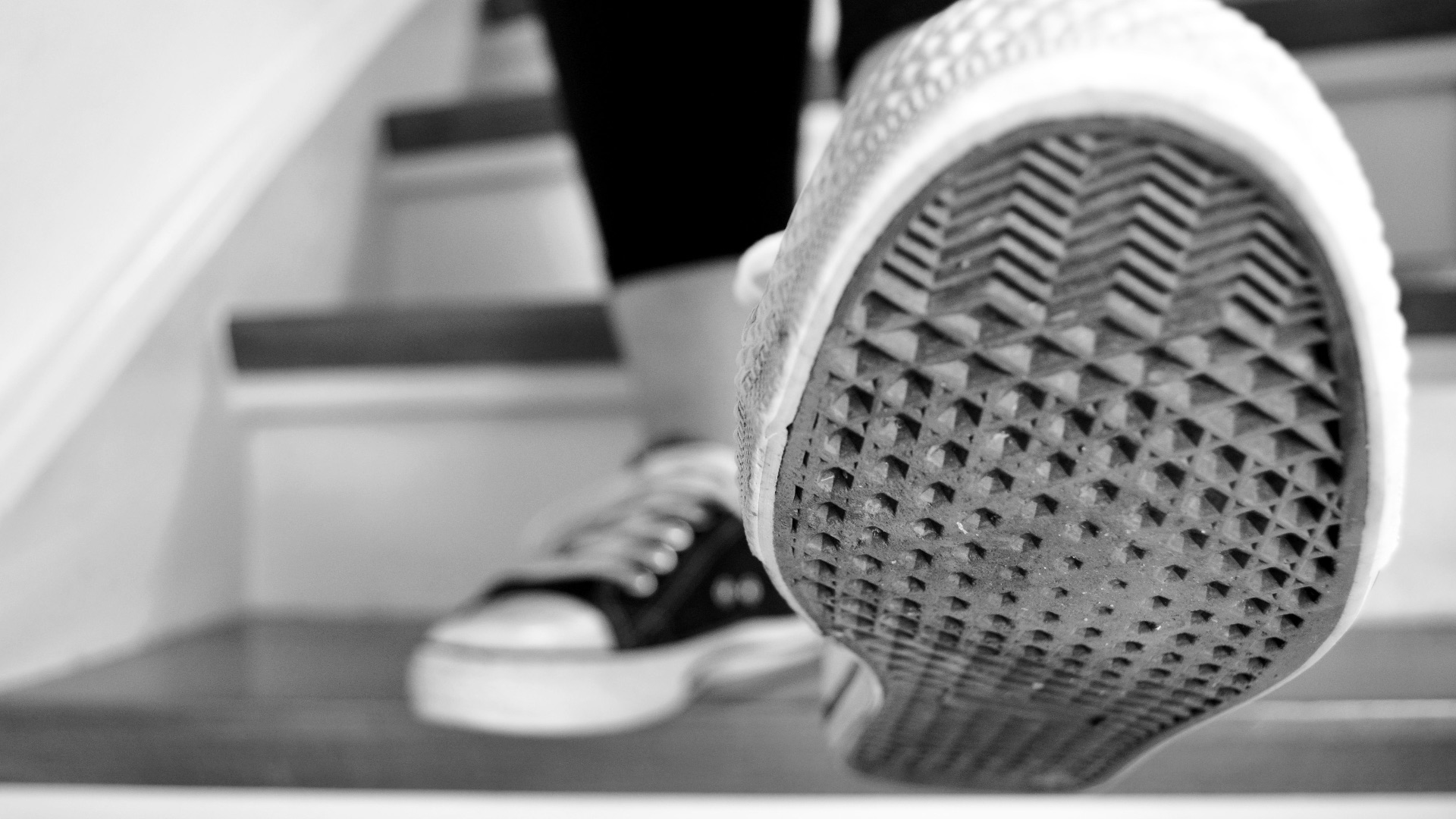
The midsole, outsole edge, or rubber trim gives you another area to personalize without changing the main upper. Specialty markers and paints can be used for stripes, lettering, color blocking, or other decorative details if they’re compatible with rubber or similar materials. Clean the surface thoroughly before applying anything, since dirt and residue can prevent proper adhesion. Allowing plenty of drying and curing time will also help the finished design last longer.
9. Add Personalized Tags or Labels
Small tags can make sneakers, boots, and casual shoes feel more distinctive without requiring a major redesign. You might add initials, a short word, a meaningful date, or another detail to a tongue label, heel tab, lace tag, or removable accessory. Custom metal tags and engraved pieces can provide a more polished finish, while fabric labels tend to suit softer styles. Keeping the wording brief usually works best because the available space is limited.
10. Mix Materials and Textures
Combining different textures can give plain footwear more visual interest, particularly when you’re customizing panels or smaller sections. Fabric, suede accents, decorative trim, beads, studs, and other materials can all work when they’re appropriate for the shoe’s construction. Rather than covering every surface, focus on areas where the new material can be attached securely without affecting flexibility. A restrained approach can also make the finished customization look more deliberate and professionally finished.
Personalizing shoes can be a satisfying project, but creativity works best when it’s paired with a little practical judgment. As you'll see in the next 10 points, some customization mistakes can shorten the life of your footwear, affect comfort, or leave you with a design that’s difficult to undo.
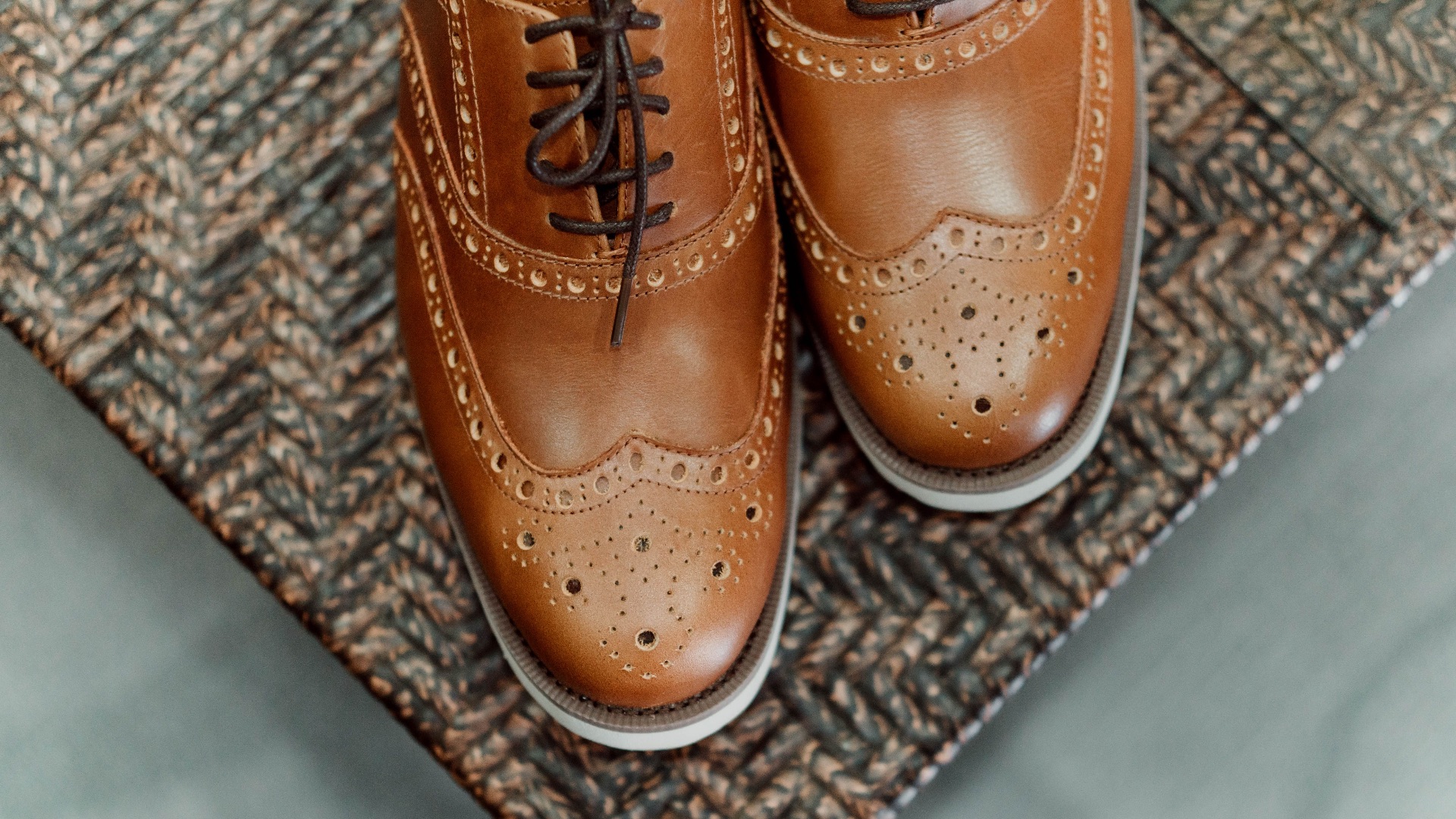
1. Using the Wrong Type of Paint
Regular craft paint isn’t automatically suitable for footwear, even if the color looks perfect in the bottle. Shoes bend, stretch, and encounter moisture, which means unsuitable paint may crack, peel, or become sticky after relatively little wear. Match the product to the shoe material and follow its preparation instructions carefully. A small test in an inconspicuous area can help you see how the surface reacts before you commit to the full design.
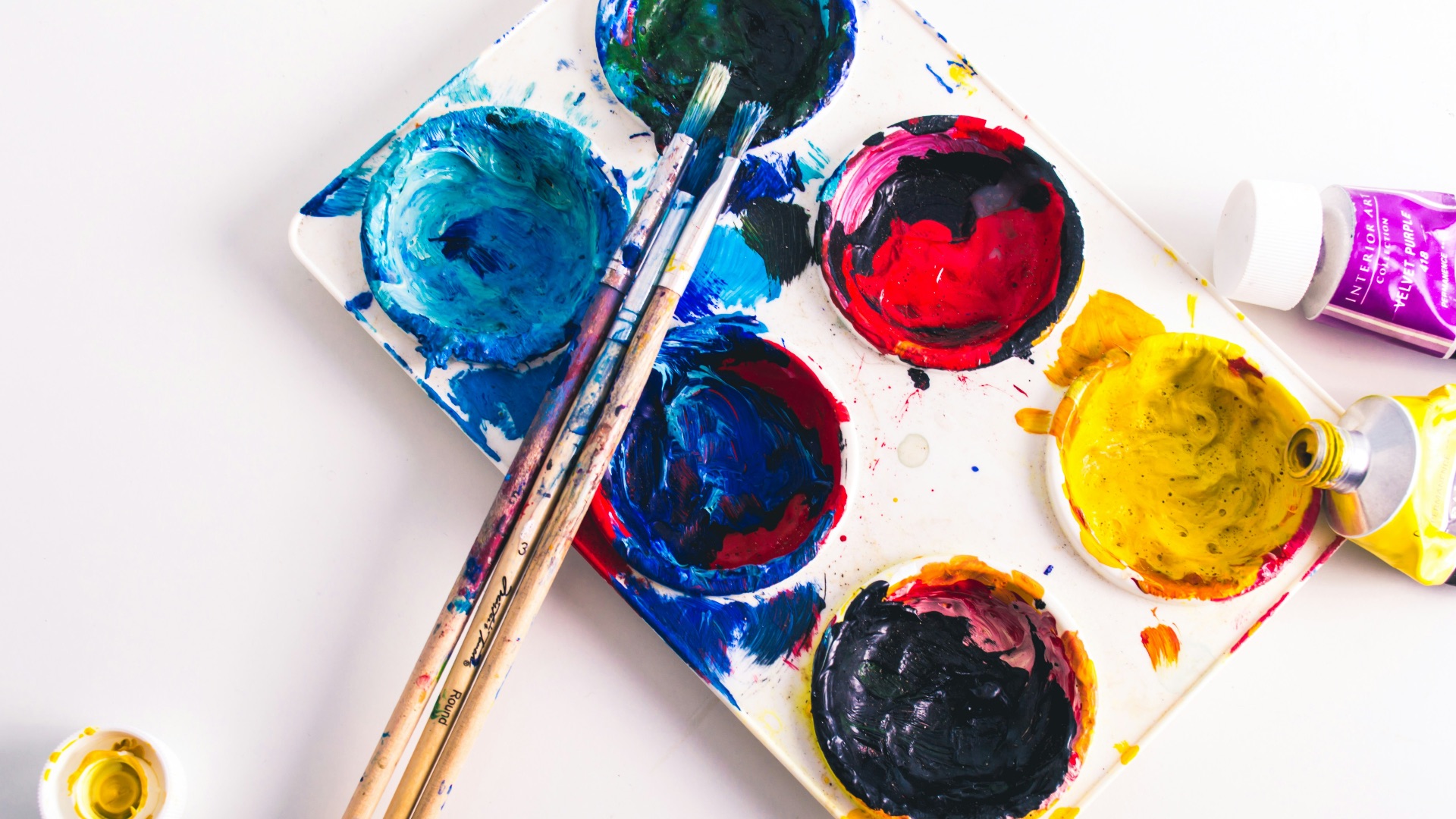
2. Skipping Surface Preparation
Applying paint, glue, or adhesive decorations to dirty shoes can undermine the entire project from the beginning. Dust, oils, protective coatings, and everyday residue may prevent materials from bonding properly to the surface. Clean the shoes according to the manufacturer’s recommendations and allow them to dry completely before starting. Depending on the material and product being used, additional preparation such as light deglazing may also be necessary.
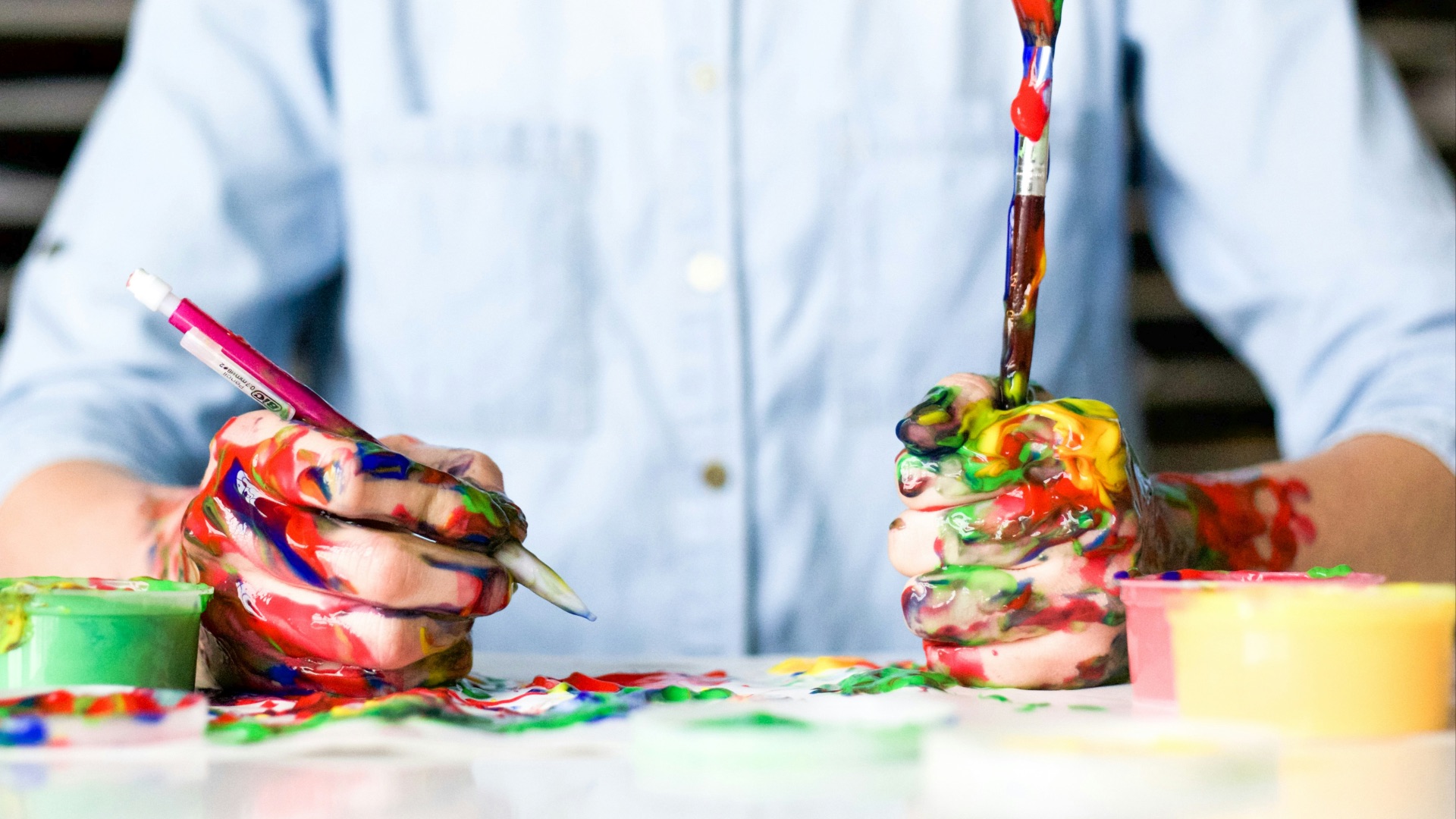
3. Customizing Shoes That Don’t Fit Properly
A creative makeover won’t solve problems with sizing, support, or overall comfort. Before spending time and money on personalization, wear the shoes enough to confirm that you actually enjoy walking in them. This is particularly important for permanent modifications, since customized footwear may be harder to return or resell. Starting with a pair that already fits well gives the project a much better foundation.
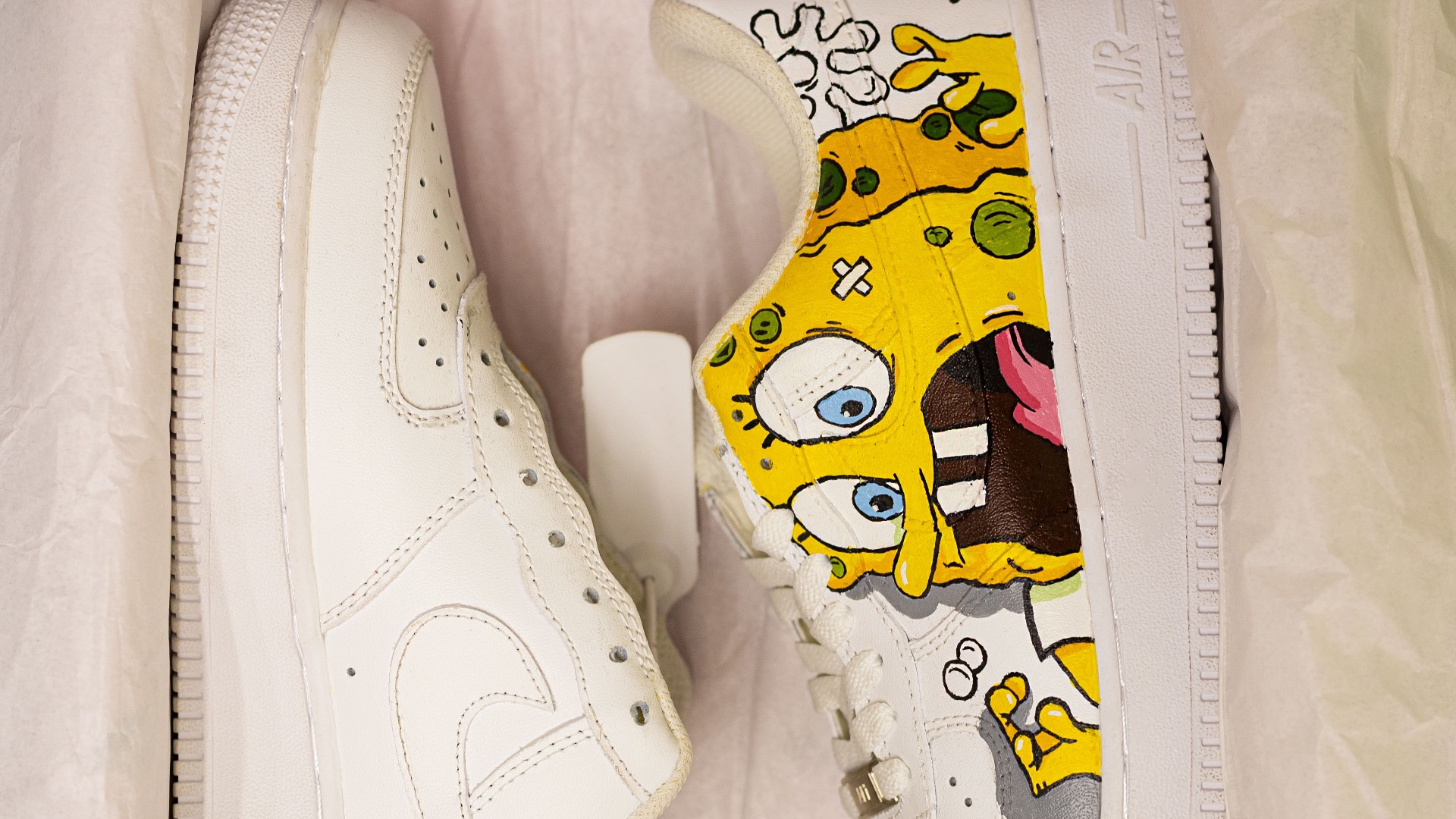
4. Overloading the Design
It can be tempting to use every idea you like on a single pair, especially when you have several colors, charms, patches, and embellishments available. Too many competing elements can make the finished shoes feel visually crowded and may also add unnecessary weight. Decide on a general direction before you begin and choose details that work well together. You can always save the unused ideas for another pair.
 Karolina Grabowska www.kaboompics.com on Pexels
5. Ignoring Flex Points
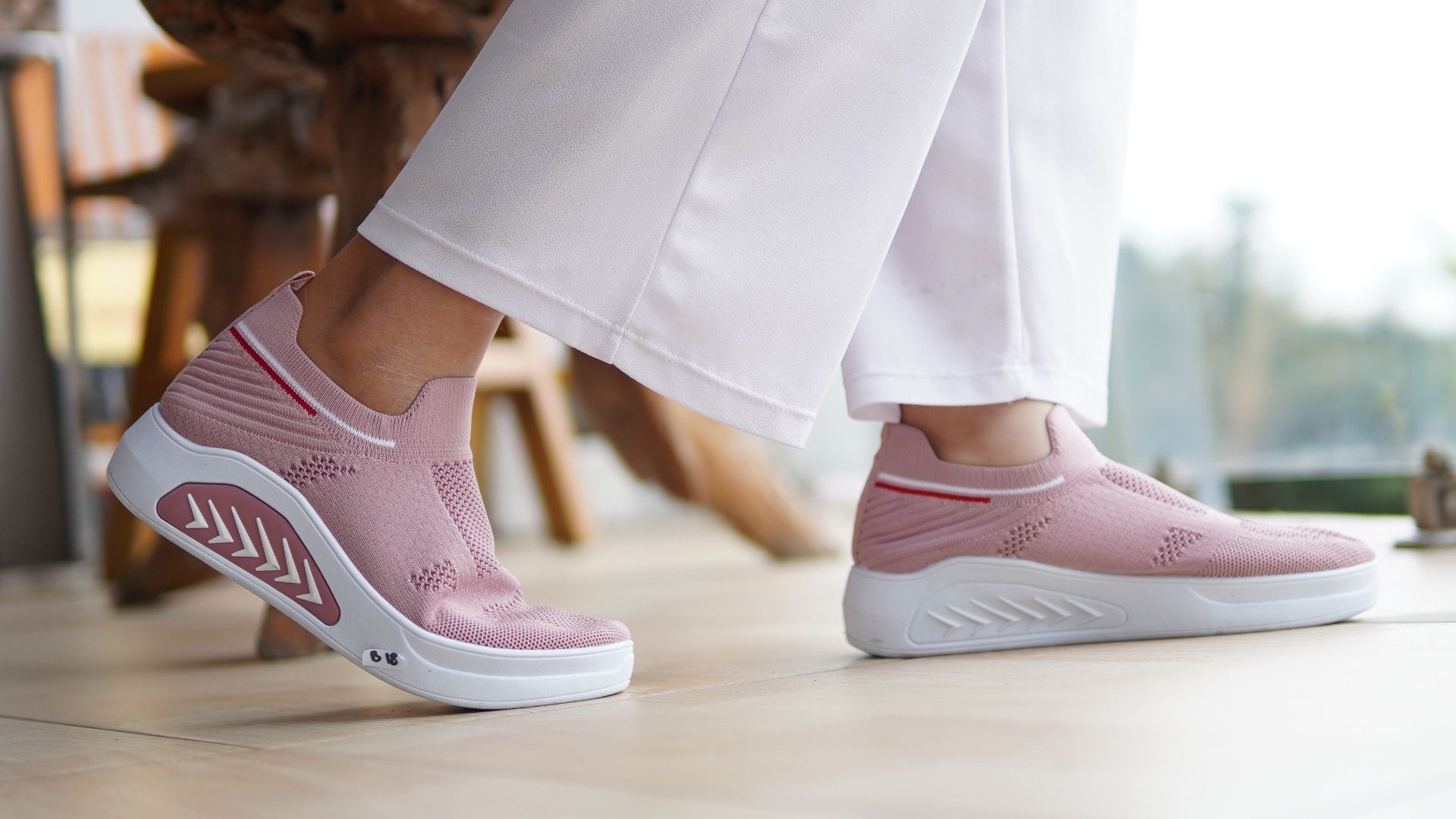
Shoes bend repeatedly around the toes, sides, and other areas as you move, so decorations placed in those locations need to tolerate constant motion. Thick paint, rigid embellishments, or stiff layers of adhesive may crack or detach when positioned across a major flex point. Put more delicate decorative work on sections of the shoe that experience less movement whenever possible. Paying attention to how the shoe behaves while you walk can help you choose better placement.
6. Using Too Much Glue
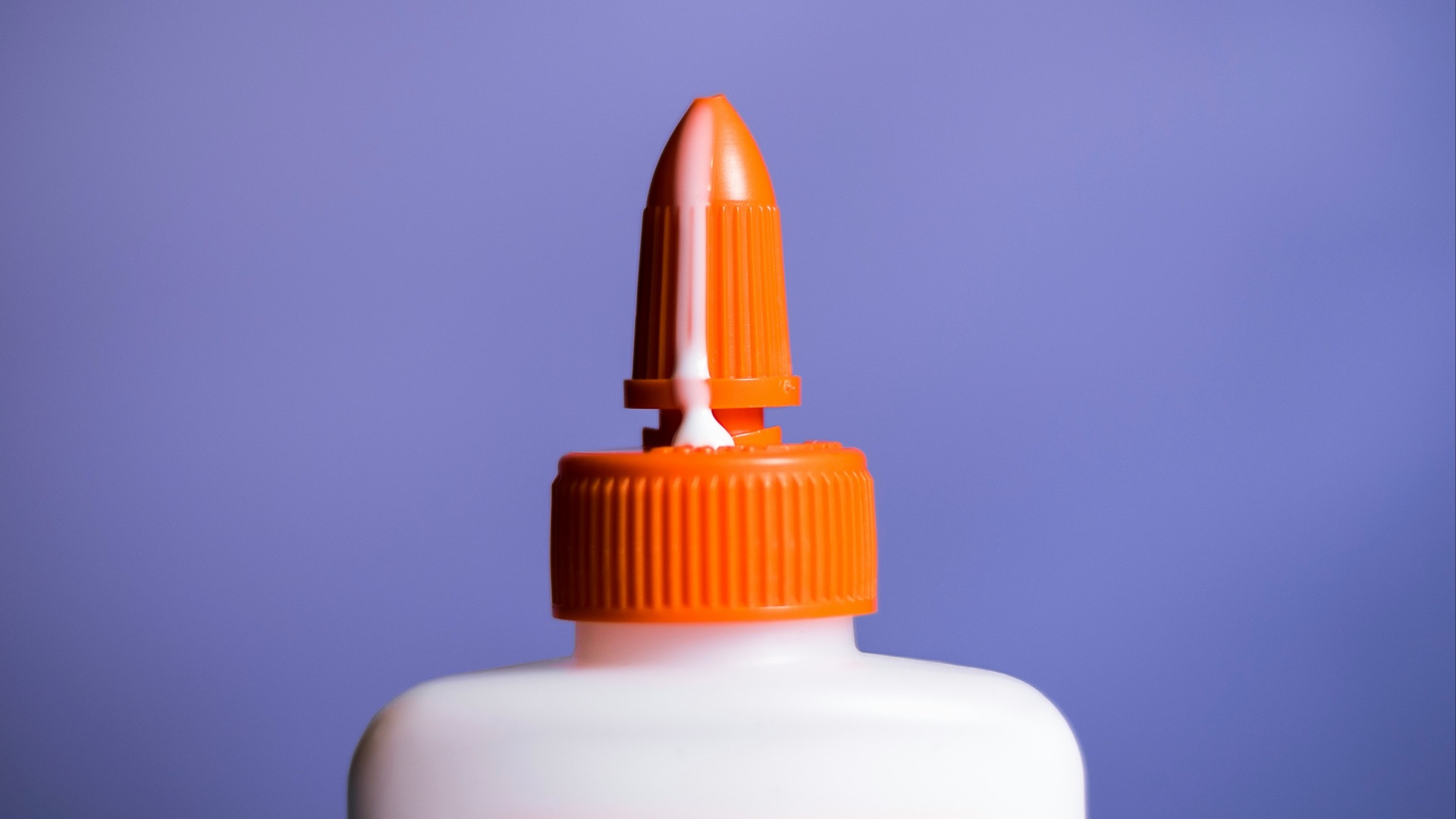
More adhesive doesn’t necessarily create a stronger bond, and excess glue can leave visible residue around patches, studs, crystals, or trim. Thick layers may also take longer to cure and can harden sections of flexible footwear. Apply only the amount recommended for the adhesive you’re using and remove any overflow before it dries. Working in small sections usually gives you greater control over both placement and cleanup.
7. Forgetting About Weather and Cleaning
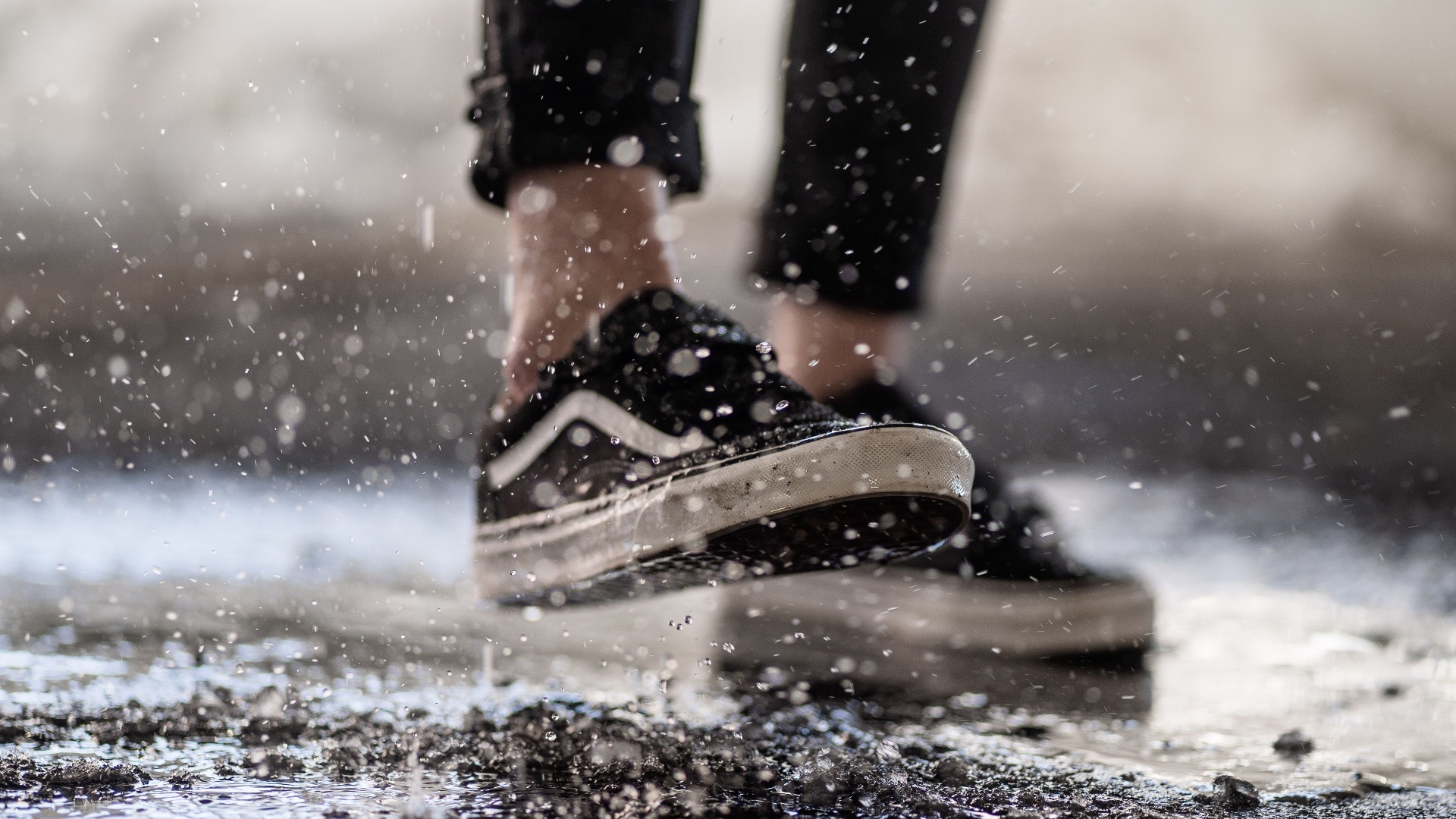
A design may look great immediately after you finish it but still fail once the shoes encounter rain, dirt, or routine cleaning. Certain inks, paints, fabrics, and adhesives aren’t water-resistant, while some decorative pieces may tarnish or loosen after repeated exposure to moisture. Think about where you’ll actually wear the shoes before choosing your materials. Protective finishes can help in some cases, but they also need to be compatible with both the decoration and the original footwear.
 Jean-Daniel Francoeur on Pexels
8. Making Irreversible Changes Too Quickly
Cutting fabric, removing original hardware, sanding finished surfaces, or applying permanent dye can be difficult or impossible to reverse. Before making a major alteration, try temporary versions of the idea using removable accessories, paper mockups, or digital references. Seeing the design in place may reveal issues with scale, positioning, or color that weren’t obvious beforehand. Taking a little more time at this stage can prevent permanent changes you later regret.
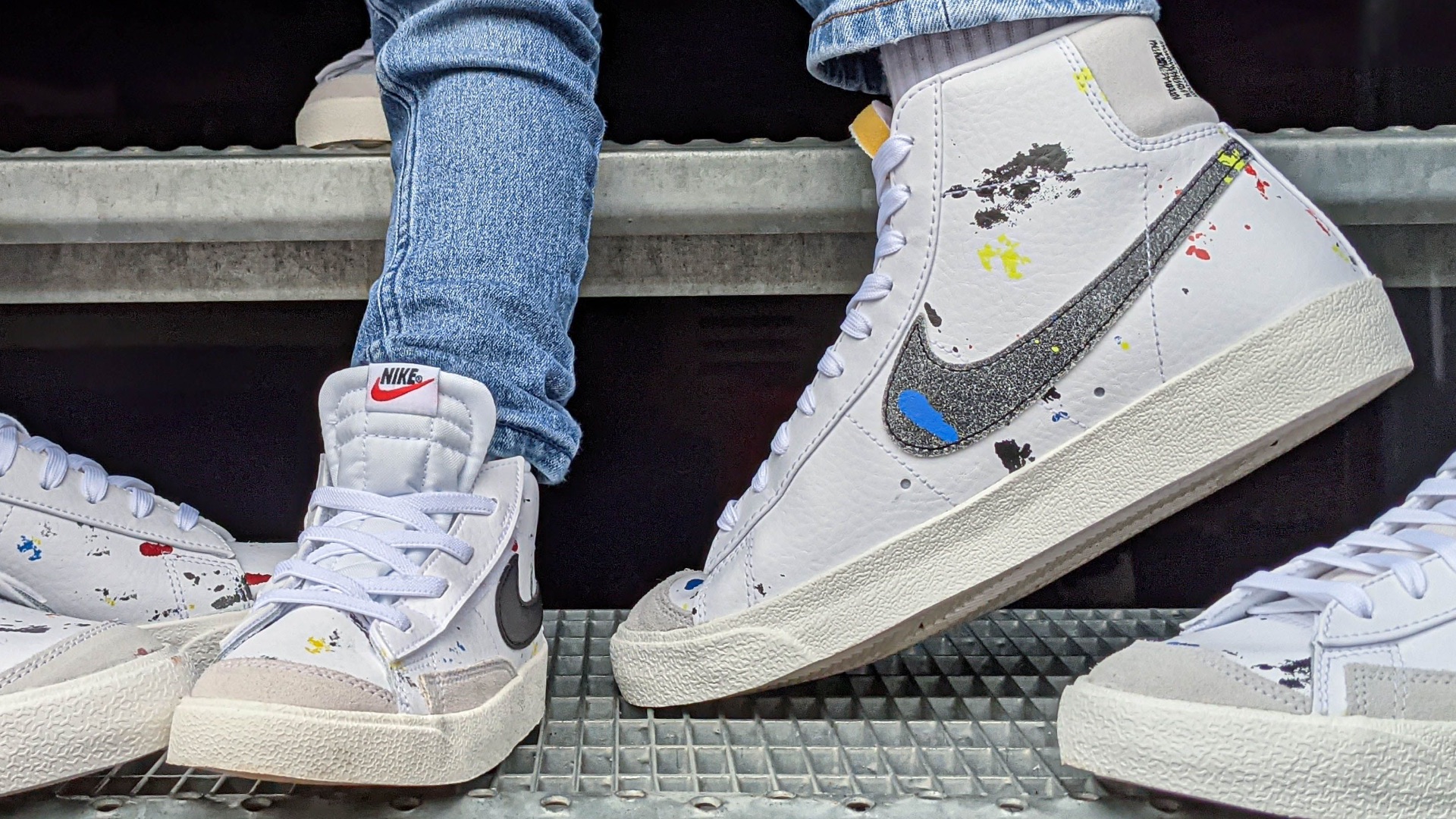
9. Forgetting That Added Decorations Affect Comfort
A customization can look appealing while making the shoes less pleasant to wear. Interior stitching, bulky studs, heavy chains, thick patches, or poorly positioned hardware may create pressure points or rub against your feet. Try the shoes on throughout the customization process rather than waiting until everything has been permanently attached. Comfort should remain part of the design decision, especially if you plan to wear the shoes for long periods.
10. Expecting Handmade Results to Be Perfect
Small variations are normal when you’re painting, stitching, attaching hardware, or making other changes by hand. Trying to correct every tiny imperfection can sometimes create a bigger problem, particularly if you repeatedly repaint an area or reposition an adhesive decoration. Work carefully, but judge the finished shoes from a normal viewing distance rather than inspecting every detail up close. A well-planned, neatly executed design matters far more than achieving absolute uniformity.