Remembered for Their Hair
While many historical figures are remembered for their grand speeches or battlefield victories, sometimes it's their hair that truly leaves a lasting impression. From towering powdered wigs to wild, untamed curls, these famous locks often became just as recognizable as the faces beneath them. With that in mind, here are 20 hairstyles we won’t soon forget.
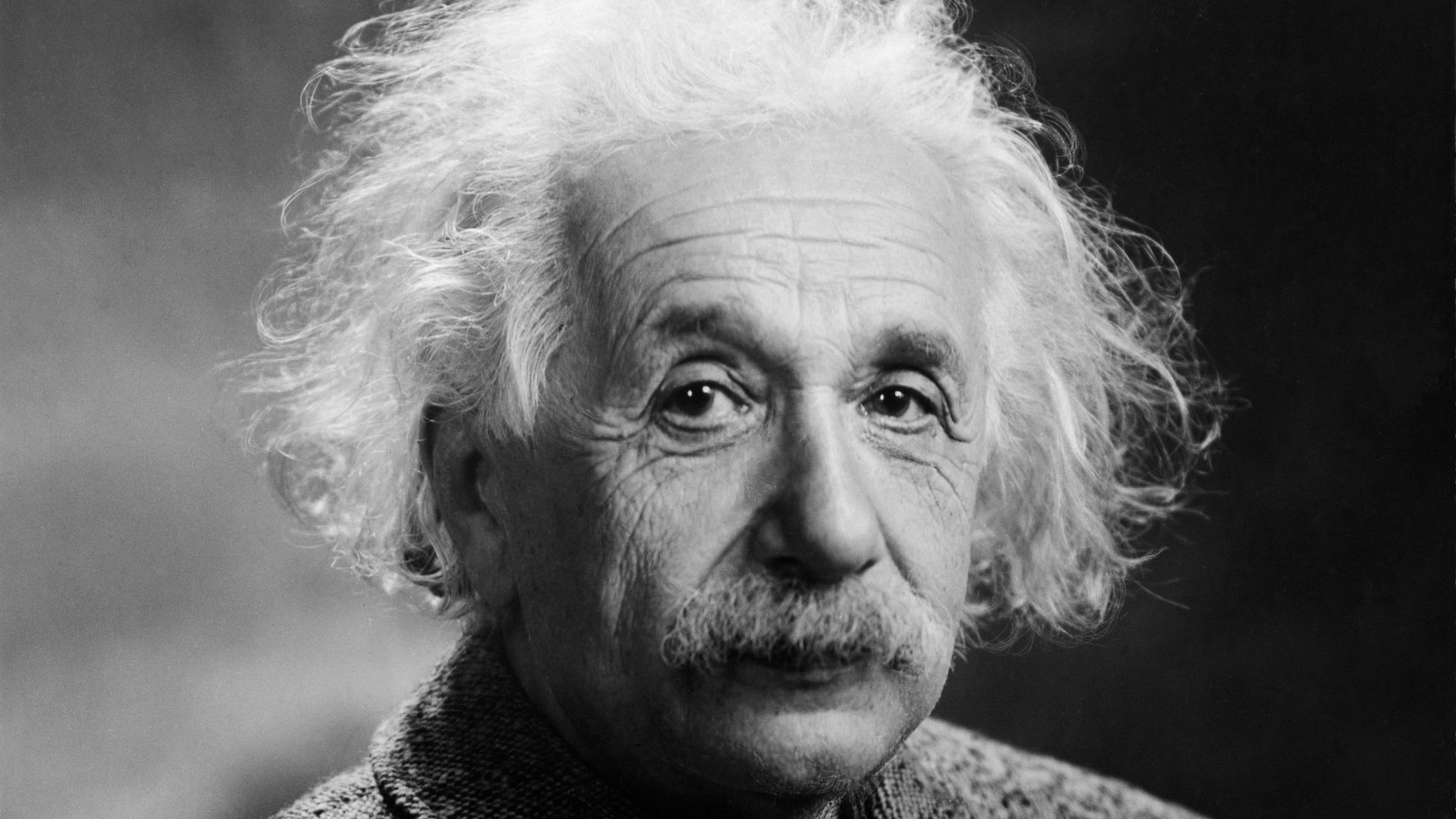 Orren Jack Turner on Wikimedia
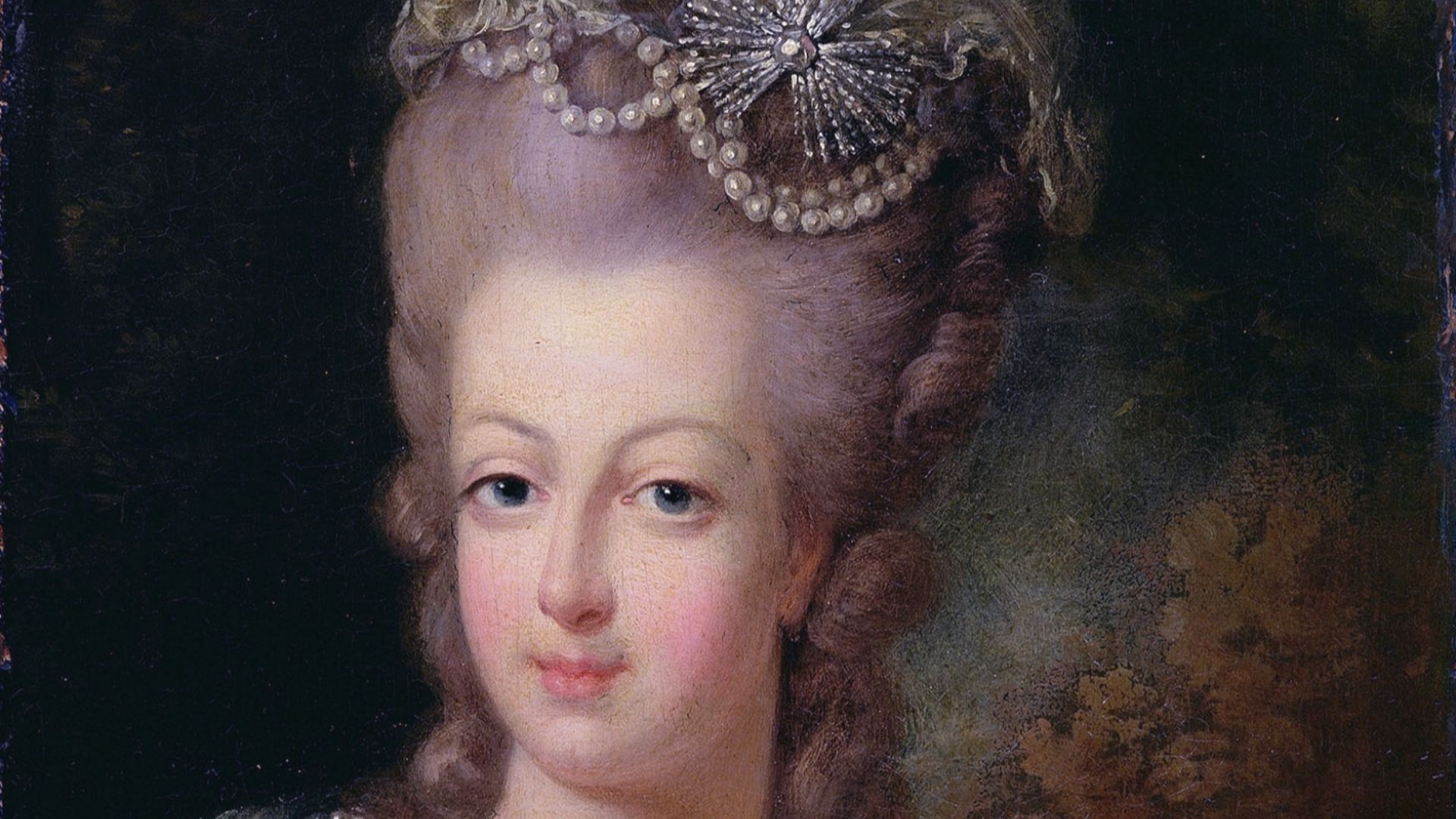
1. Marie Antoinette’s Pouf
This towering coif earned the French queen her nickname, but it also helped poke fun at her disconnect from commoners. Apparently, she needed boatloads of flour and animal fat to craft her pouf just so, which made her the perfect scapegoat when her country was suffering from hunger and poverty.
 After Jean-Baptiste André Gautier-Dagoty on Wikimedia
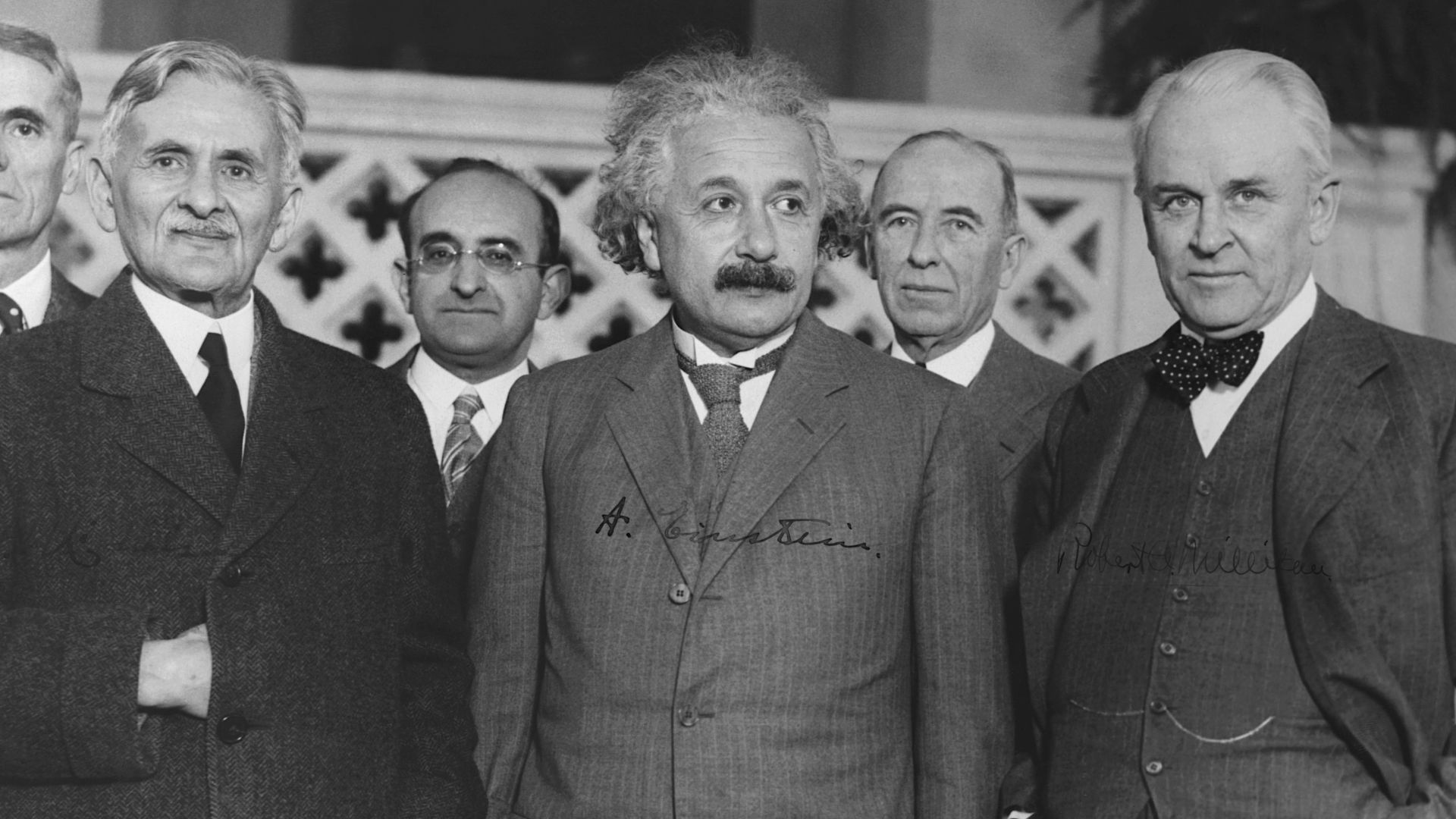
2. Albert Einstein’s Wild Mane
Most of us know Einstein by his signature hair. Whenever the word “scientist” comes up, one probably visualizes a wild-haired genius working on a physics equation. While Einstein could’ve straightened out his bangs and sides, he embraced the wild look to show what a busy thinker he was.
 Smithsonian Institution, Photographer: unknown Restored by: Bammesk on Wikimedia
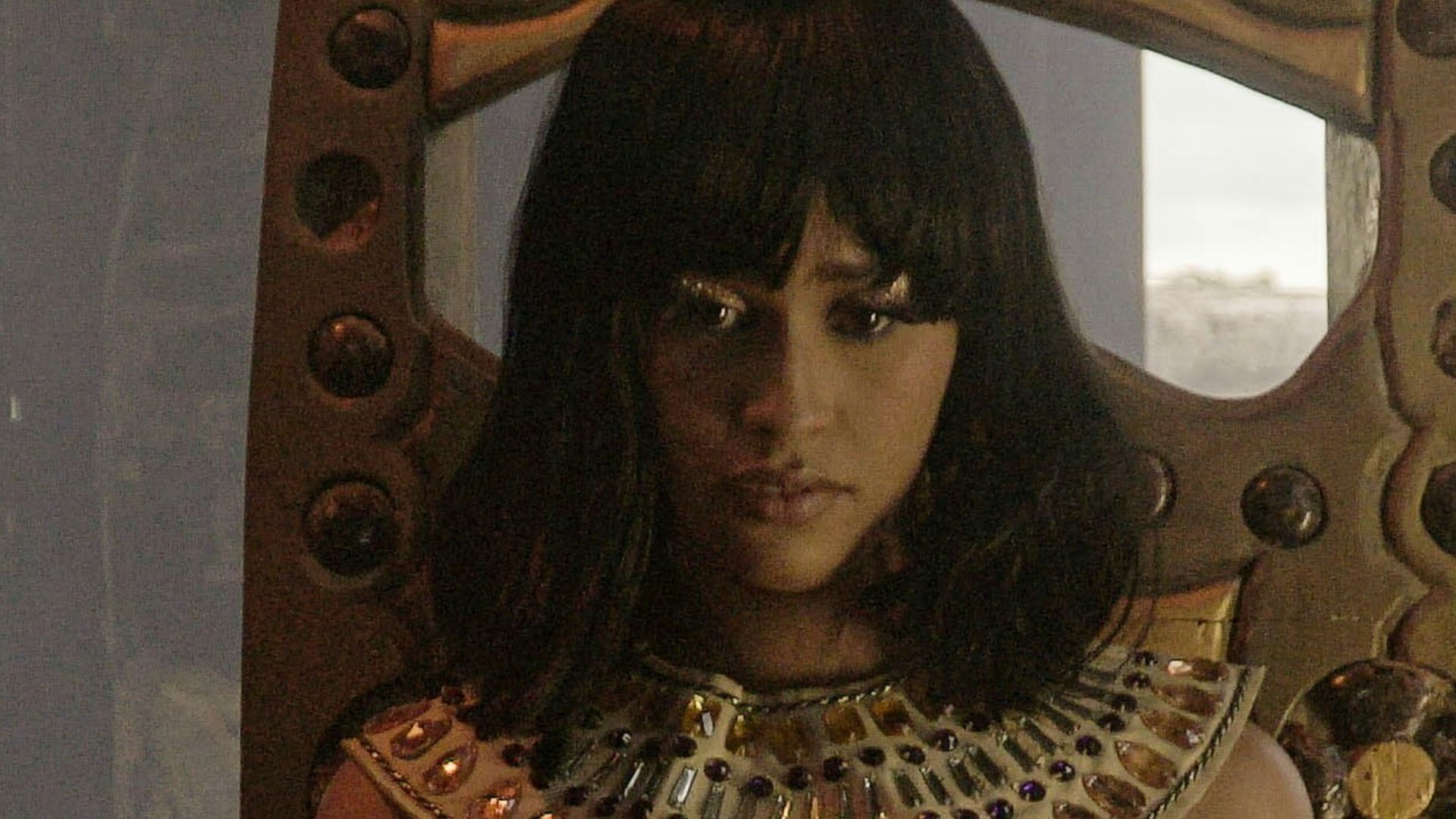
3. Cleopatra’s Braided Bob
Movies typically depict Cleopatra as wearing an elegant black bob cut, but she often wore her hair in elaborate updos. Made up of dozens of tiny braids, the Queen of the Nile utilized her look as another way to flaunt her riches and influence.
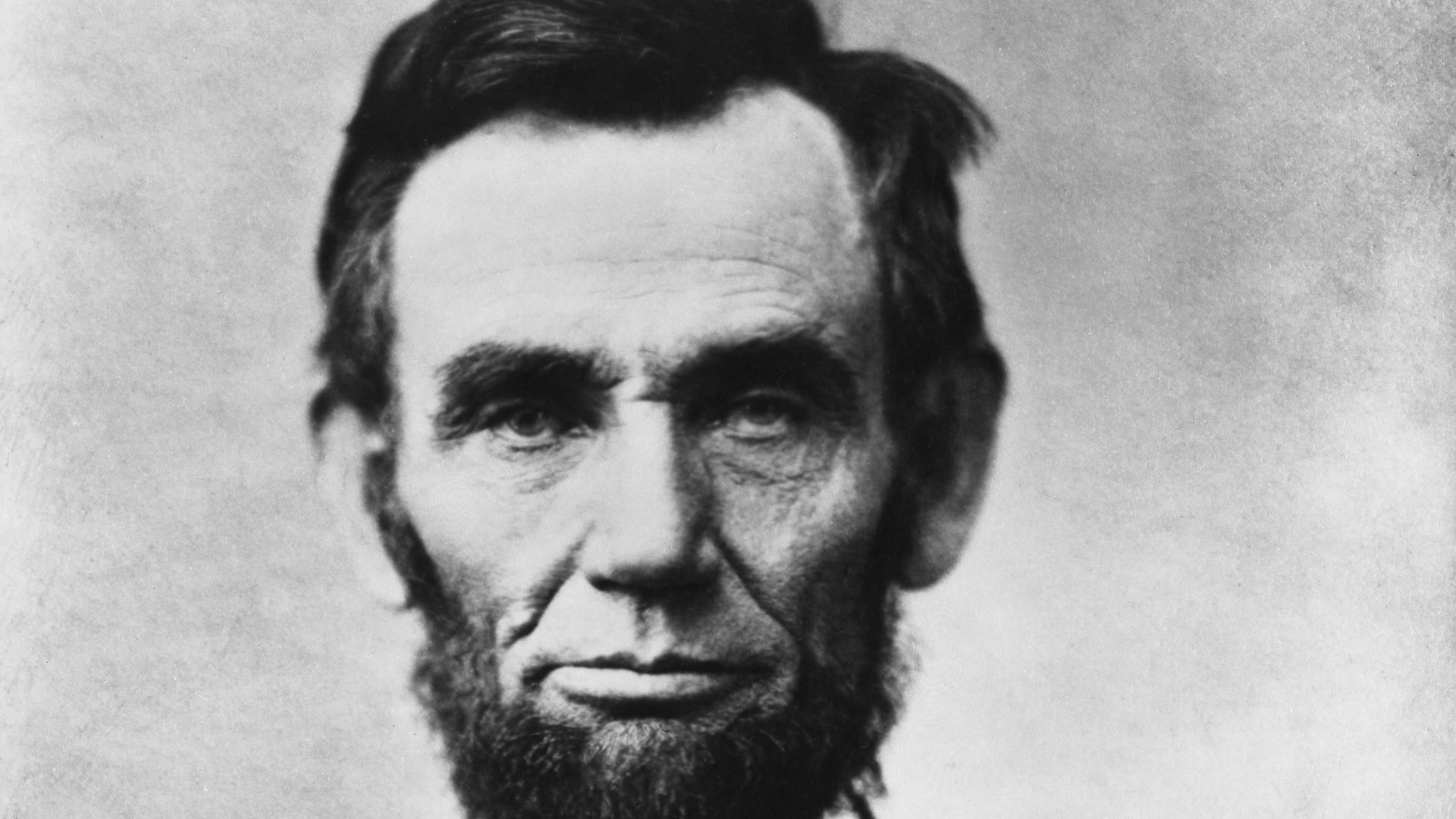
4. Abraham Lincoln’s Shaggy Style
Before Honest Abe’s head appeared on every five-dollar bill, critics were quick to point out that his hair appeared sparse and messy. Rather than fighting Father Time, Lincoln leaned into his wild hair by marketing it as part of his humble image.
 Alexander Gardner on Wikimedia
5. Elizabeth I’s Fiery Curls
The iconic Queen wore red hair throughout her reign, helped along by tall wigs in her later years. Elizabeth used colorfully powdered wigs to hide her thinning hair and always appeared regal during public appearances. Because her hair was so famous, courtiers followed her lead.
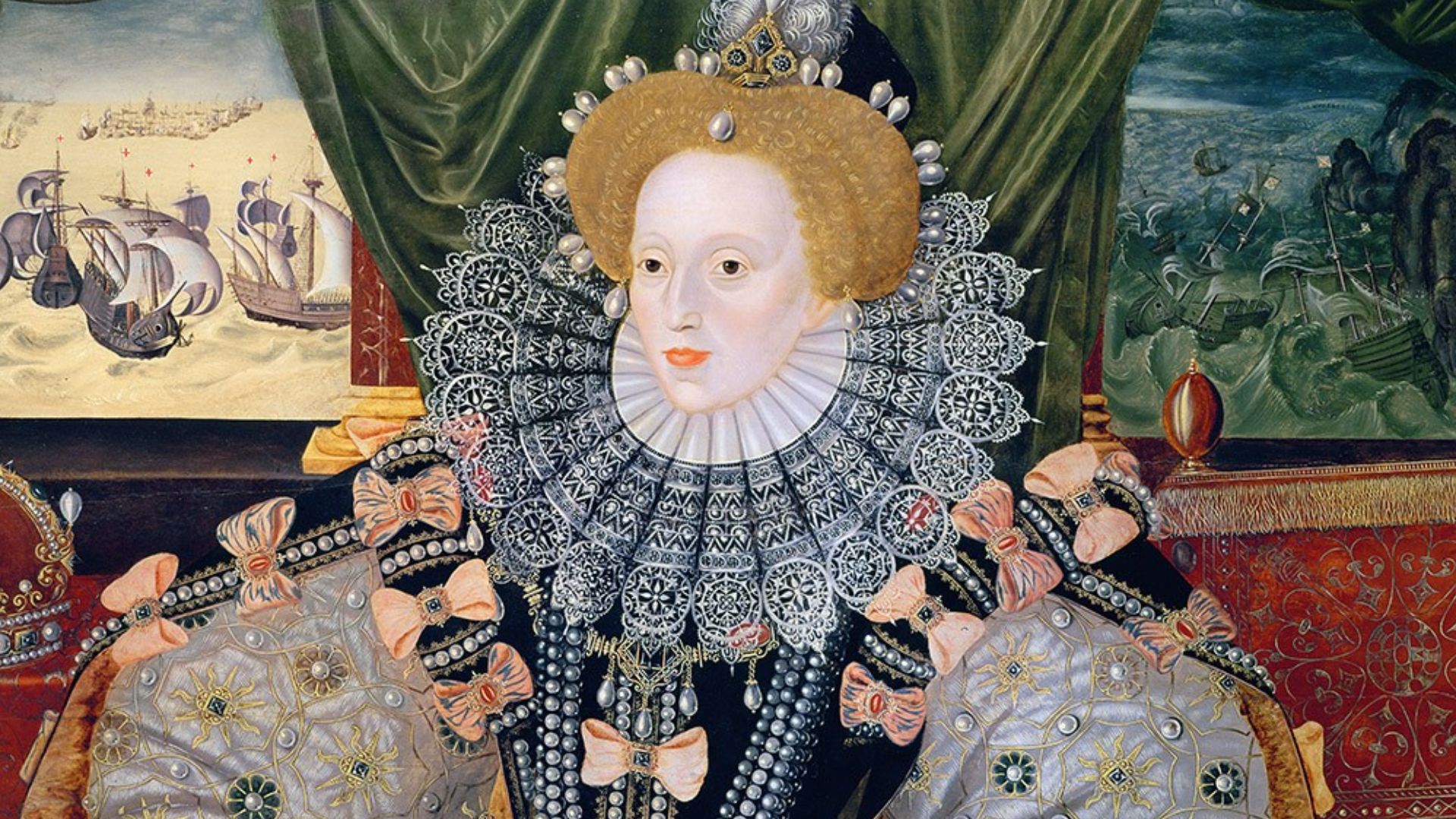 Formerly attributed to George Gower on Wikimedia
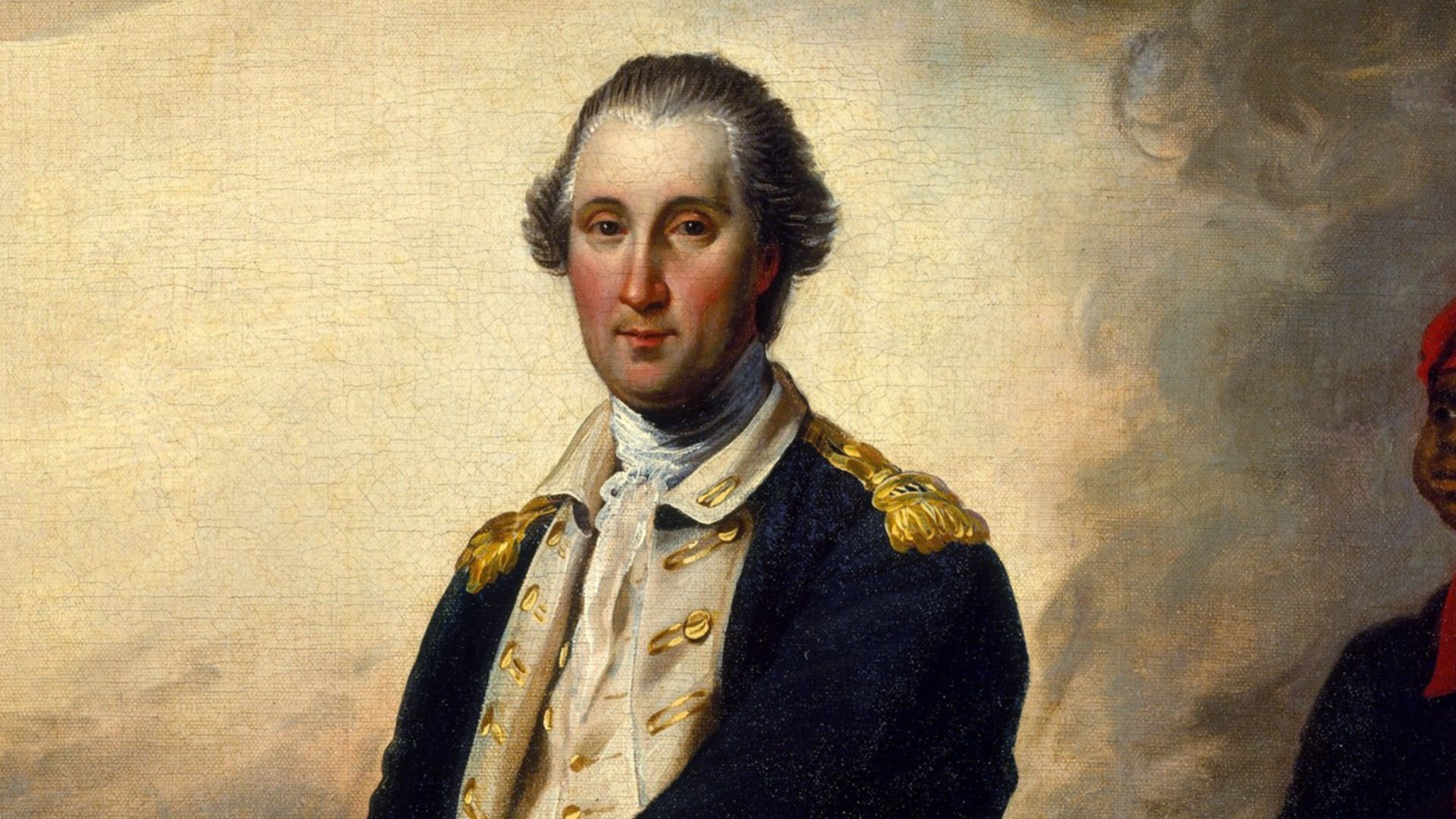
6. George Washington’s Powdered Look
In an age when wigs were all the rage, Washington bucked tradition by simply powdering his own hair. He would comb his locks back and sprinkle them white, which was seen as quite fancy back in the 1700s. Washington essentially started this trend by setting the standard for gentlemen of the era.
7. Bob Marley’s Dreadlocks
Marley’s hair was significant to his Rastafarian religion. He believed it would be considered sacrilegious to trim his locks in honor of the Lion of Judah. His iconic hairstyle became a staple of reggae music fans around the world and remains popular to this day.
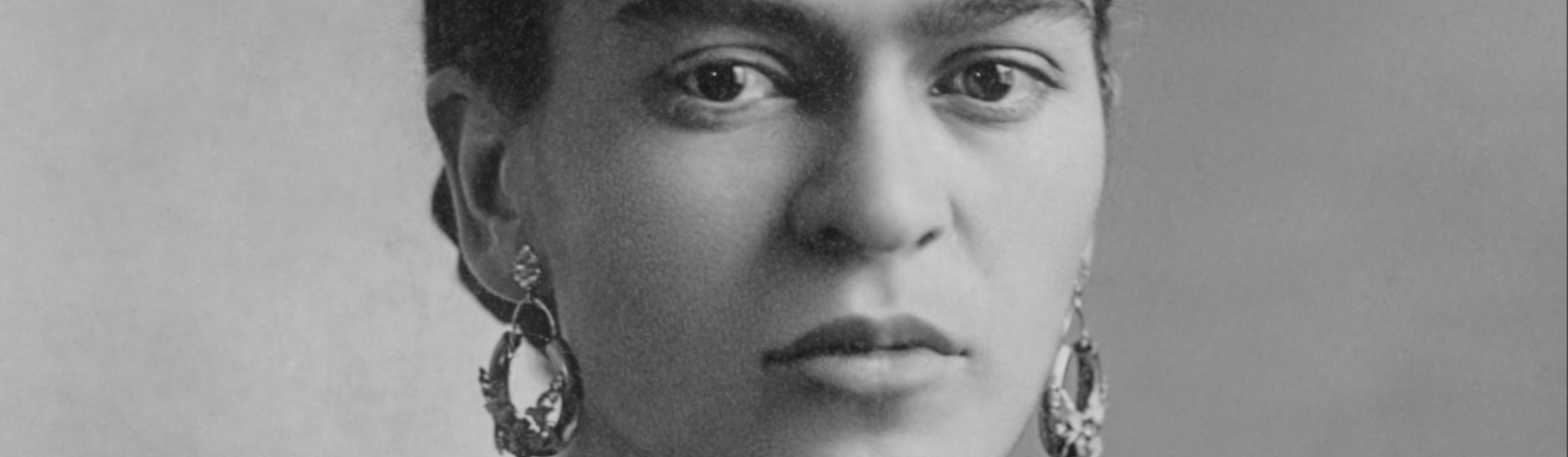
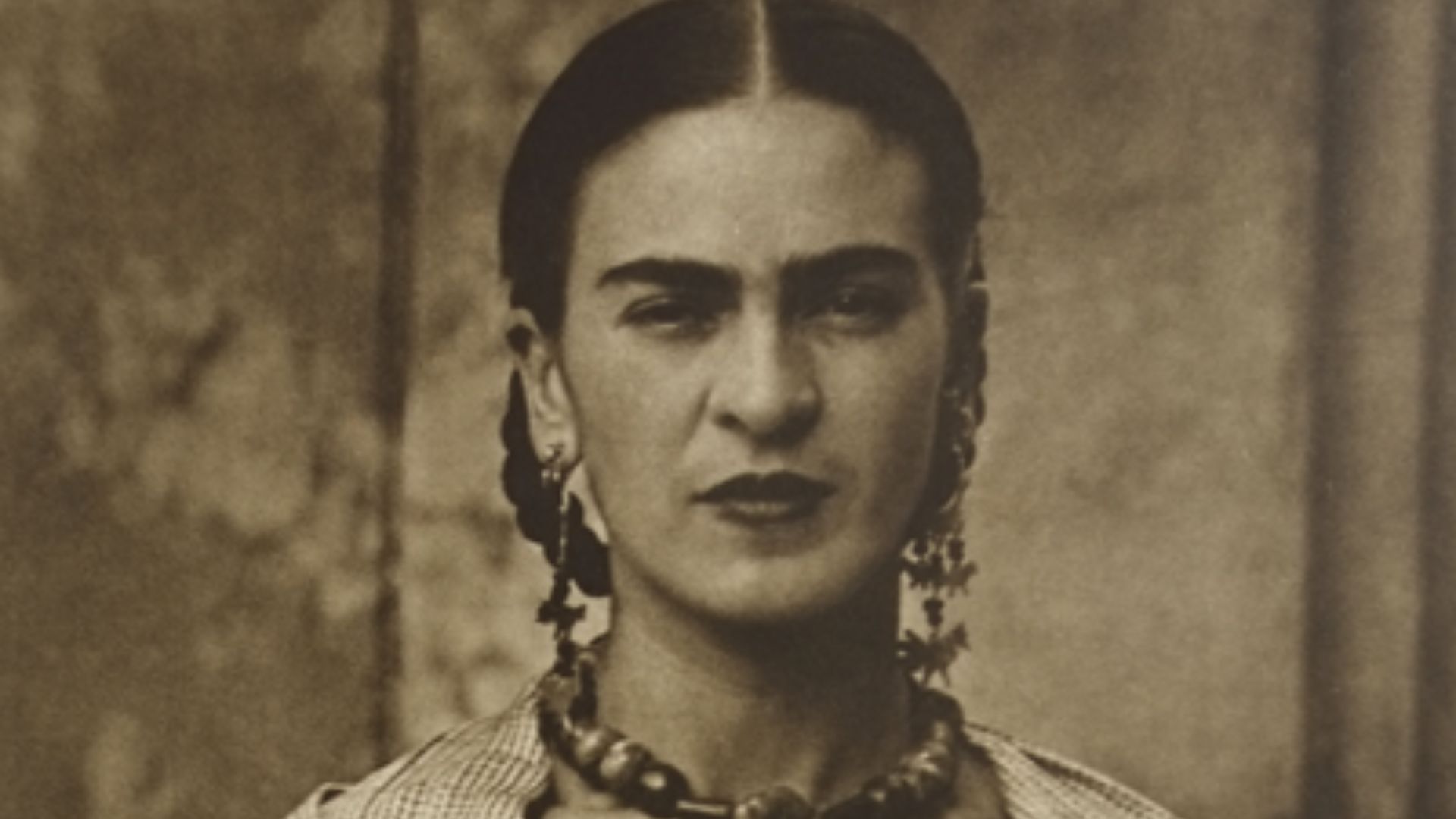
8. Frida Kahlo’s Floral Braids
The celebrated Mexican artist used her hair as a canvas to express her cultural pride and personal identity. She often wove colorful ribbons and fresh flowers into thick braids that she wrapped around the top of her head like a crown. This traditional "Tehuana" style allowed her to stand out in the international art world while staying deeply connected to her roots. It created a striking silhouette that complemented her famous unibrow and bold jewelry, making her one of the most recognizable figures in art history.
9. Elvis Presley’s Pompadour
While the pompadour was popular in Elvis’s time, his version was scandalous to some. Not only was it black and greasy, but he relied on copious amounts of hair wax to mold it to his forehead. When viewed from the side, one can see him combing his hair back just so while performing.
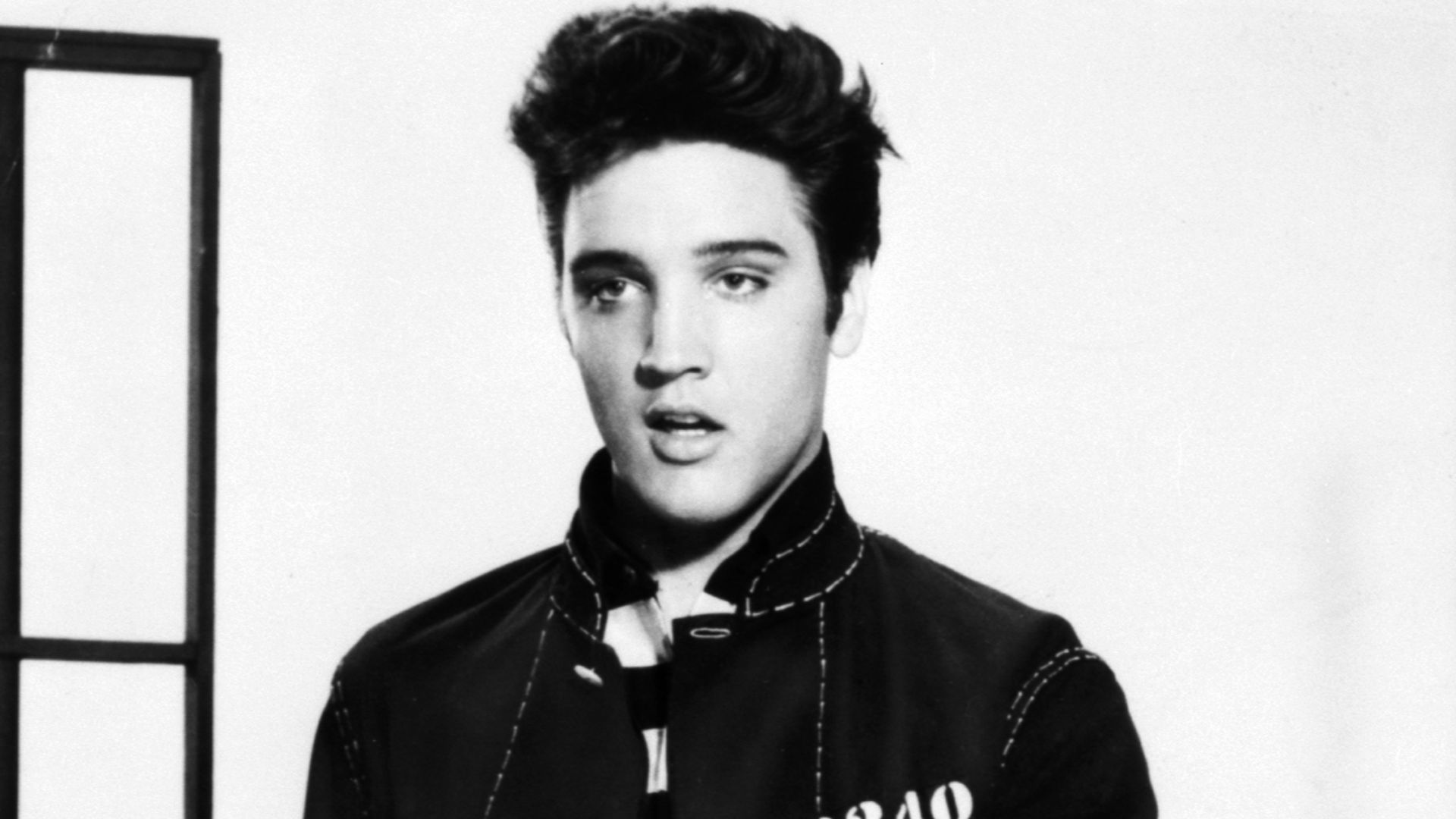 w:Globo Play Inc. Reproduction Number: LC-USZ6-2067 Location: NYWTS -- BIOG on Wikimedia
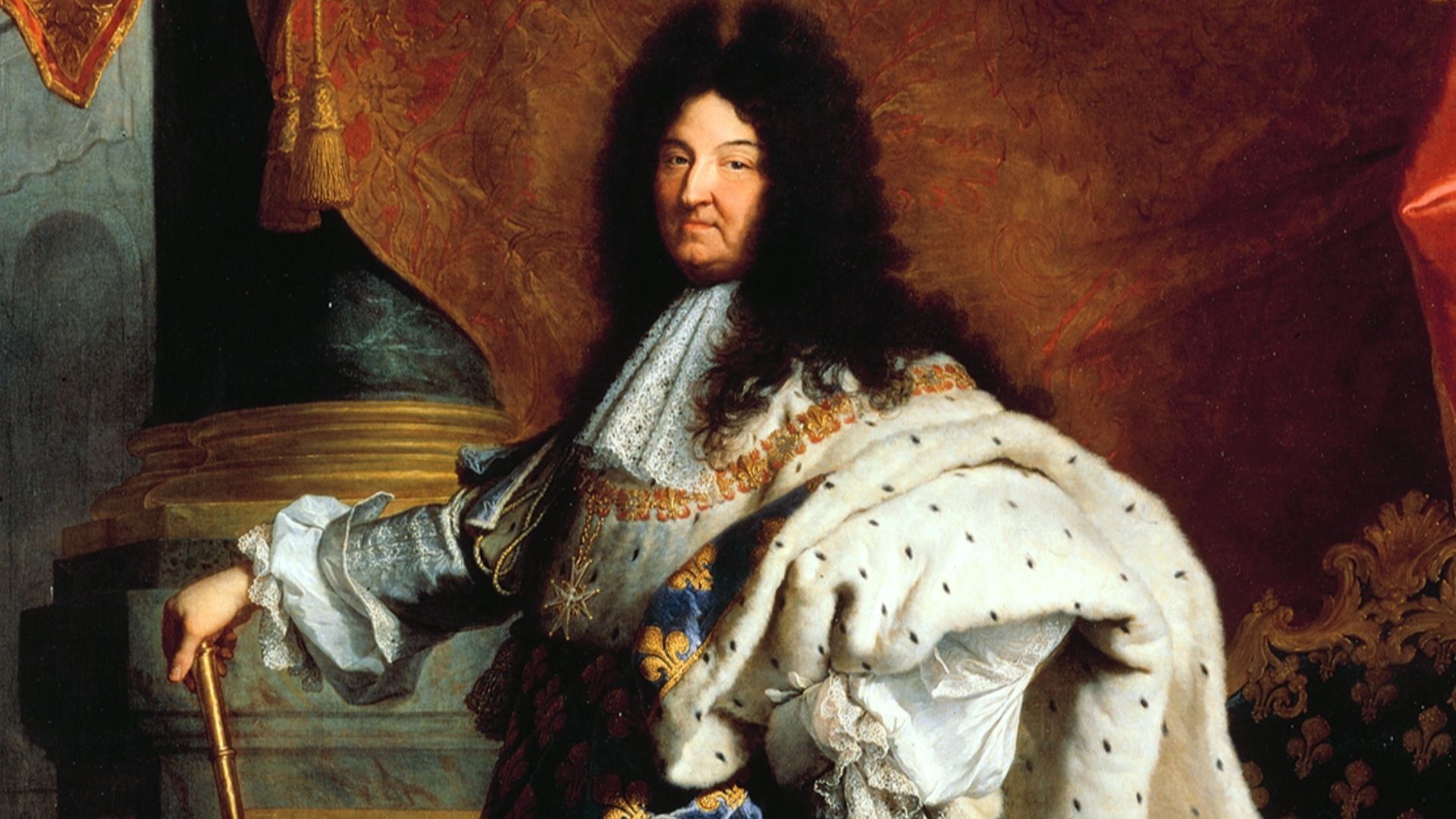
10. Louis XIV’s Voluminous Wigs
King Louis realized that he was comparatively small and balding. So, he began wearing giant wool wigs that required him to stand very still and straight at all times. Periwigs like this became all the rage because of how popular they were with Louis XIV.
11. Joan of Arc’s Boyish Cut
Joan didn’t want to deal with her hair getting in the way while she fought off the English, so she cut it all off! At the time, such short hairstyles were only reserved for young boys. The famous saint’s hairstyle remains controversial because it was used as evidence to convict her of heresy.
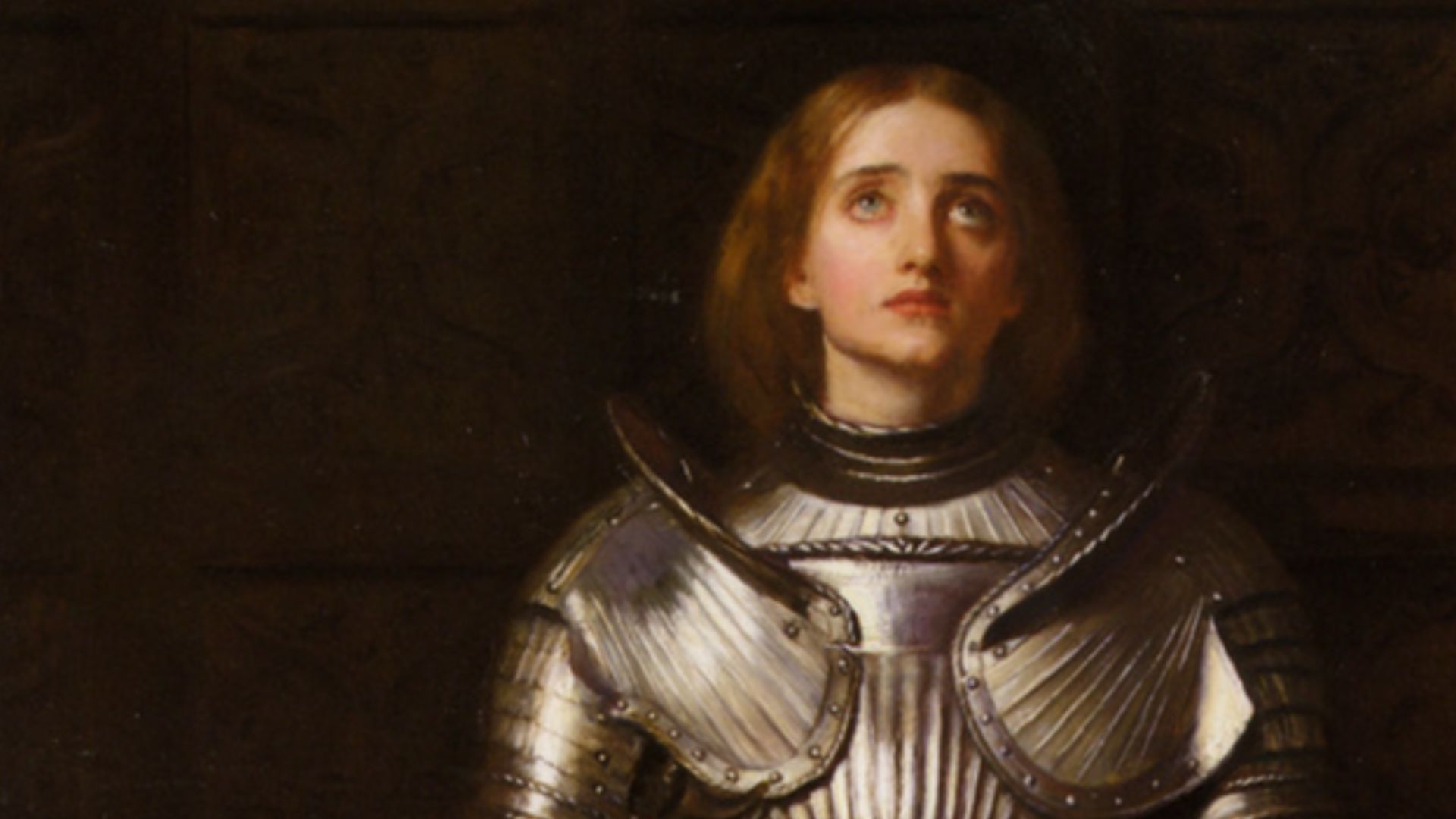 John Everett Millais on Wikimedia
12. Benjamin Franklin’s Skullet
Don’t let Ben Franklin’s distinguished white hair fool you. The revolutionary preferred to sport what is now called a skullet, as seen on Jefferson from the left. Since he wasn’t keen on wearing a wig, Franklin instead flaunted his natural hair growth pattern.
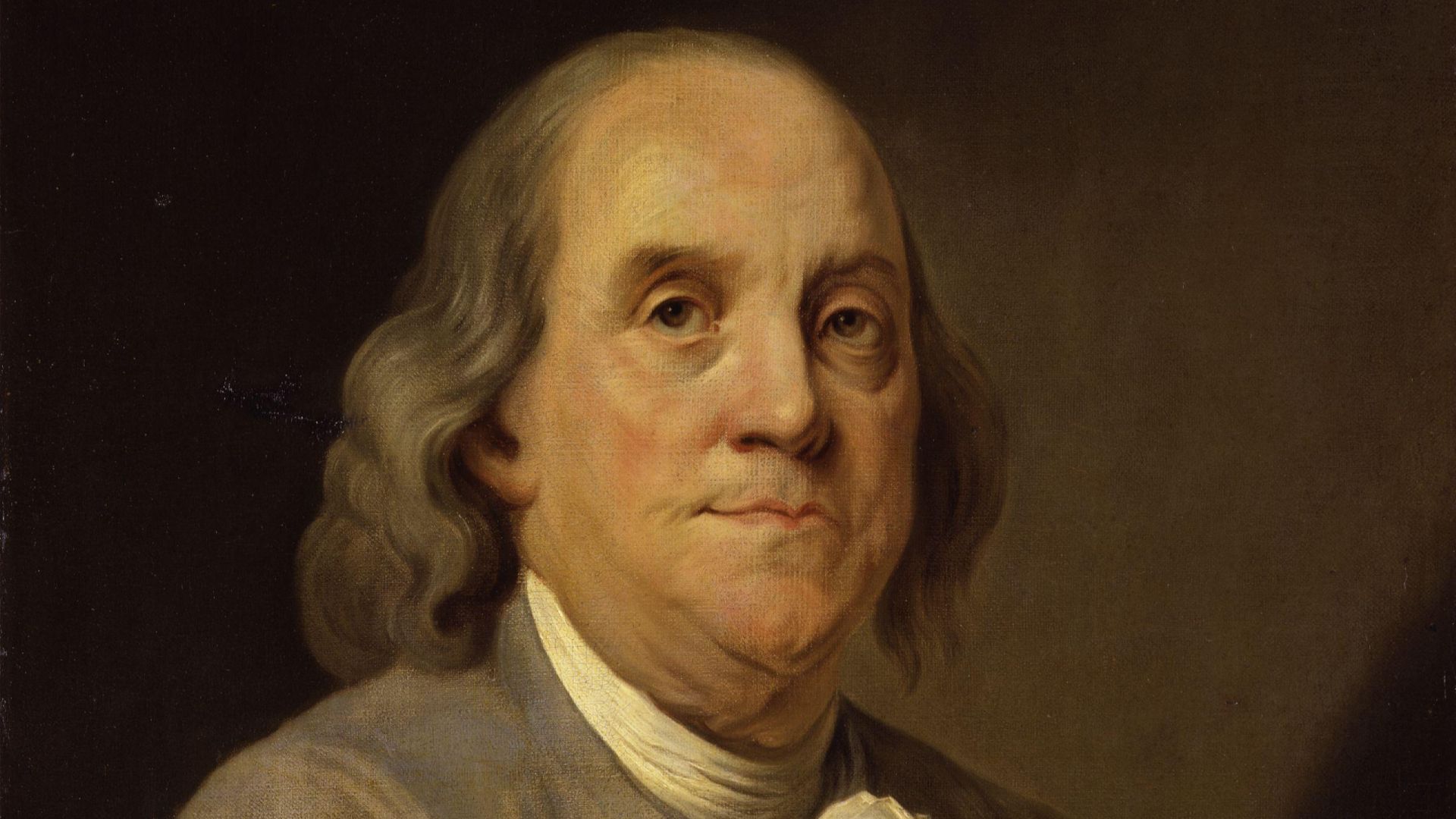 After Joseph-Siffred Duplessis on Wikimedia
13. Lady Godiva’s Long Tresses
Legend has it that Godiva rode through Coventry naked, using her long hair to cover her genitals. Her decision to bare all was an act of defiance toward her husband, who hated the people of Coventry. It’s one of the oldest hair stories in existence, dating back to the year 1037.
14. James Dean’s Rebel Quiff
Dean had one of the most iconic hairstyles of all time by using what is now called texture. His hair wasn’t quite messy, but it didn’t look too perfect either. James Dean solidified the “cool guy” haircut that is still worn and reimagined by men across the globe.
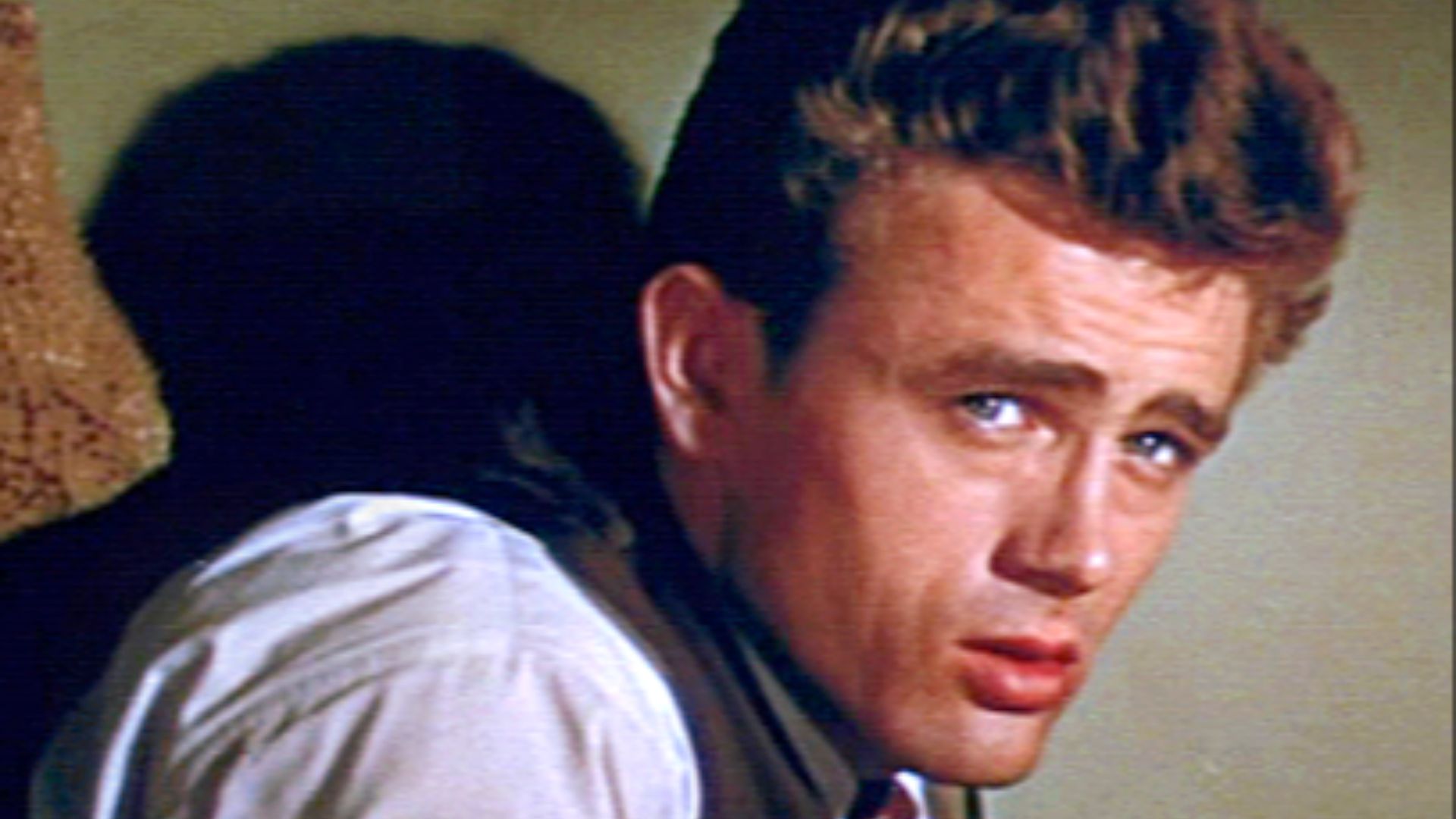 Trailer screenshot on Wikimedia
15. Empress Elisabeth of Austria’s Floor-Length Locks
Also known simply as Sisi, the Austrian monarch spent hours taking care of her long hair. She would cry tears of frustration when it brushed against her neck, as the weight of it caused stress headaches. Elisabeth had her own hairdresser who would pick up fallen hairs from the day before in a silver bowl.
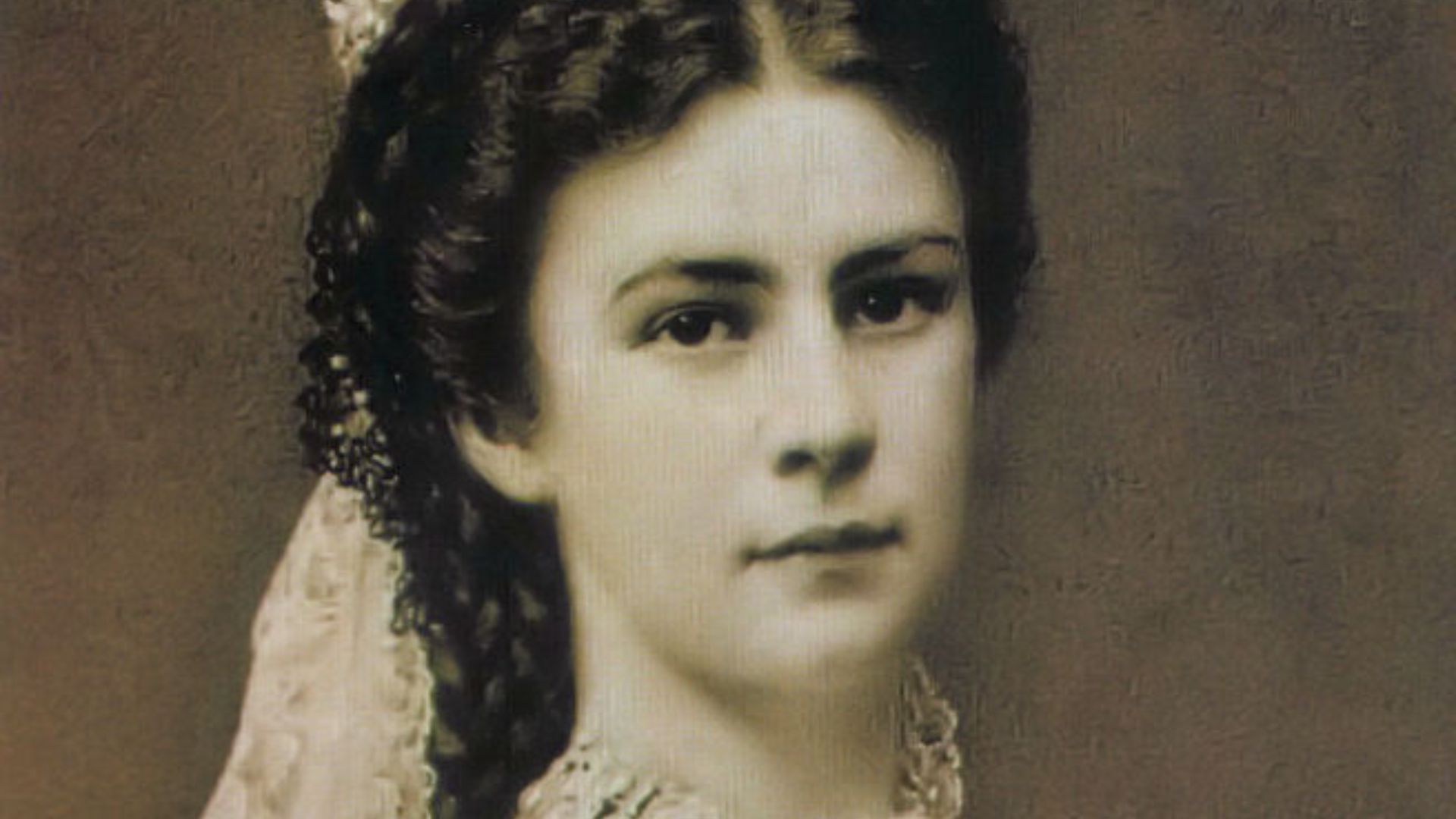
16. Napoleon Bonaparte’s Forward Fringe
Napoleon styled his hair outwards in what is known as a Titus haircut. The forward-facing layers resembled those of Roman soldiers, making Napoleon akin to a modern Caesar. He often wore this style slightly mussed to appear more hardworking and authoritative.
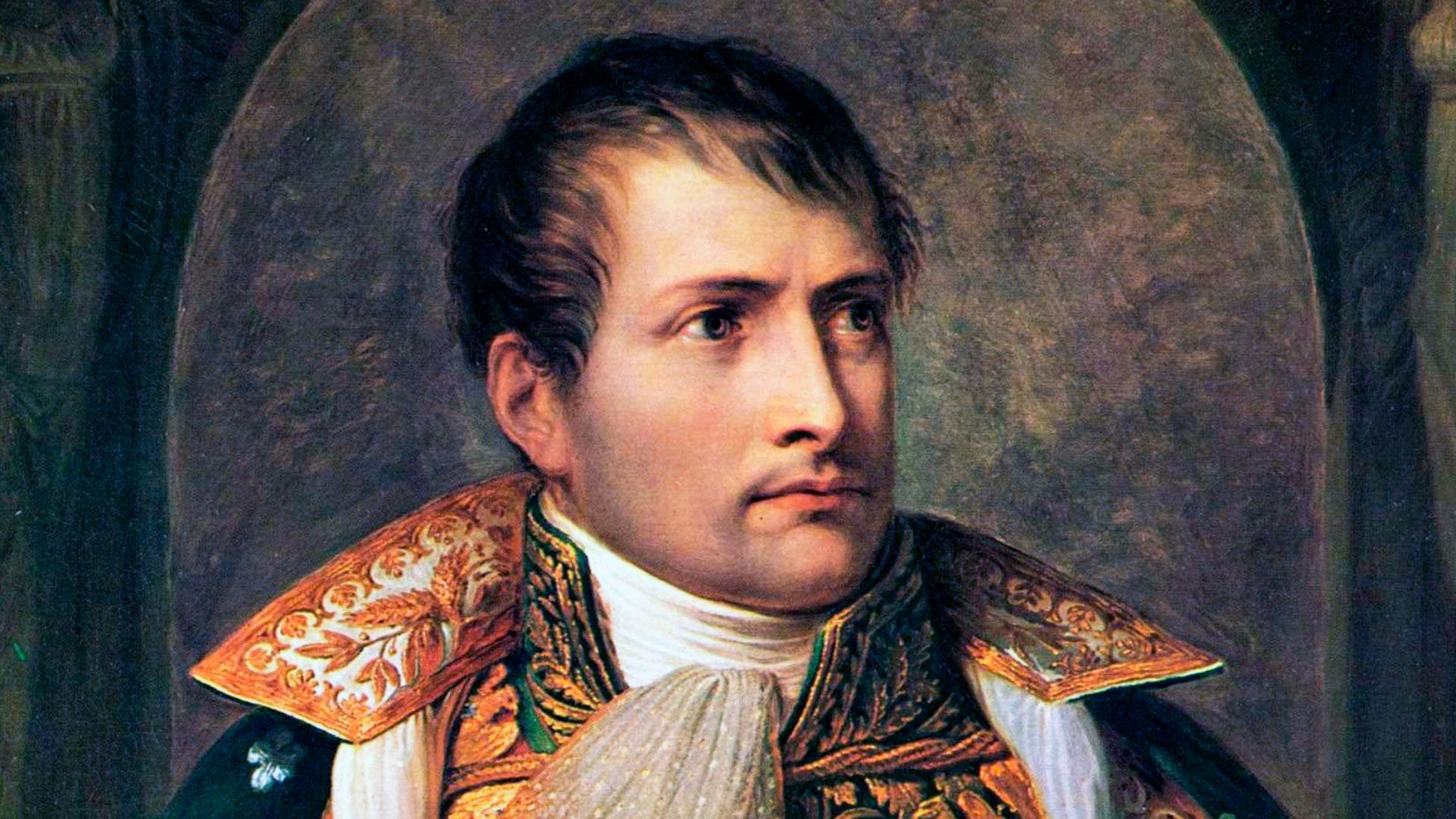
17. Angela Davis’s Afro
Angela Davis’s large afro was just as powerful as her statements during the civil rights movement. By embracing her natural hair, she inspired Black women to resist oppressive Eurocentric beauty standards. The activist will forever be remembered for both her words and her voluminous curls.
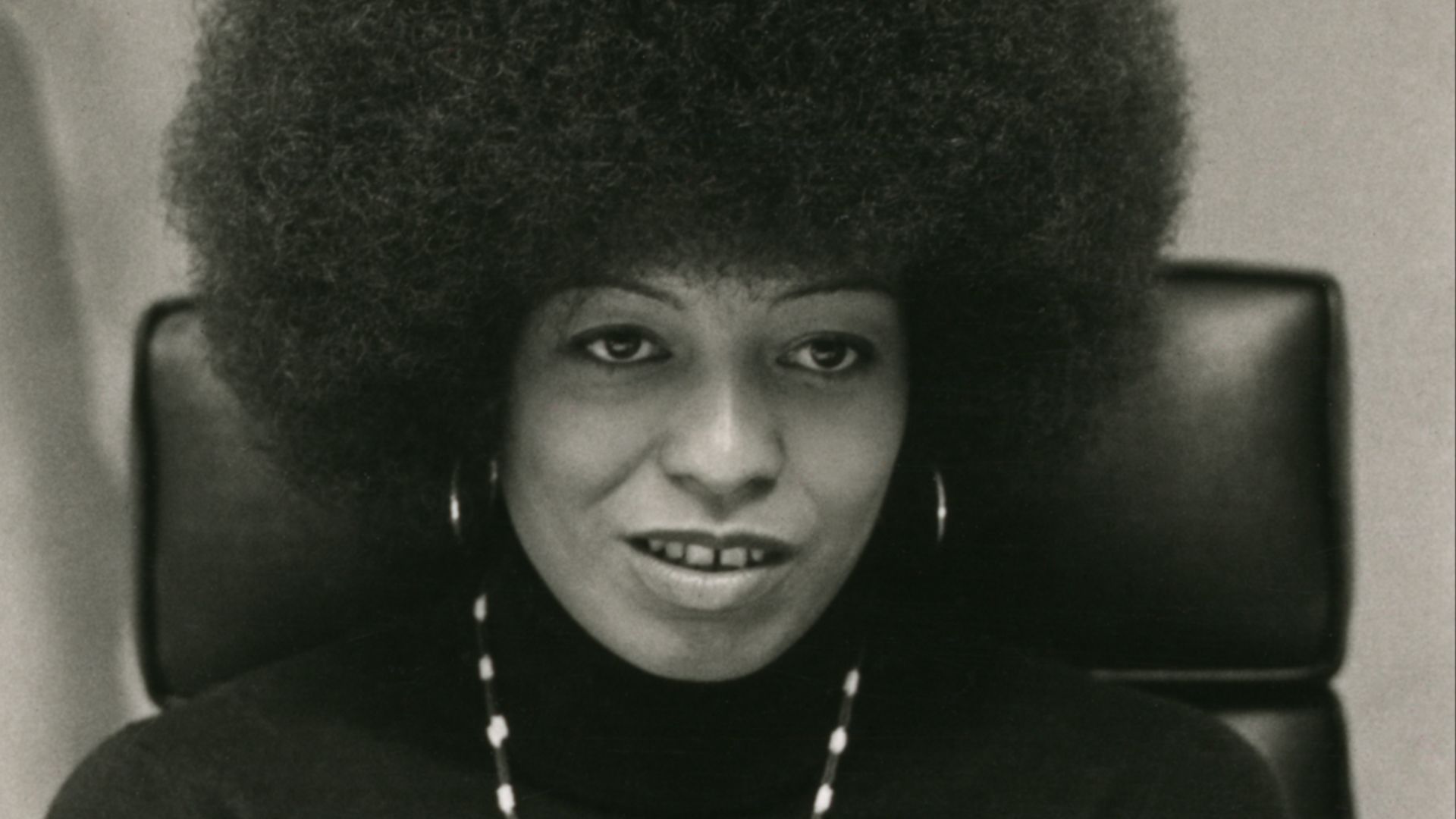 Bernard Gotfryd / Adam Cuerden on Wikimedia
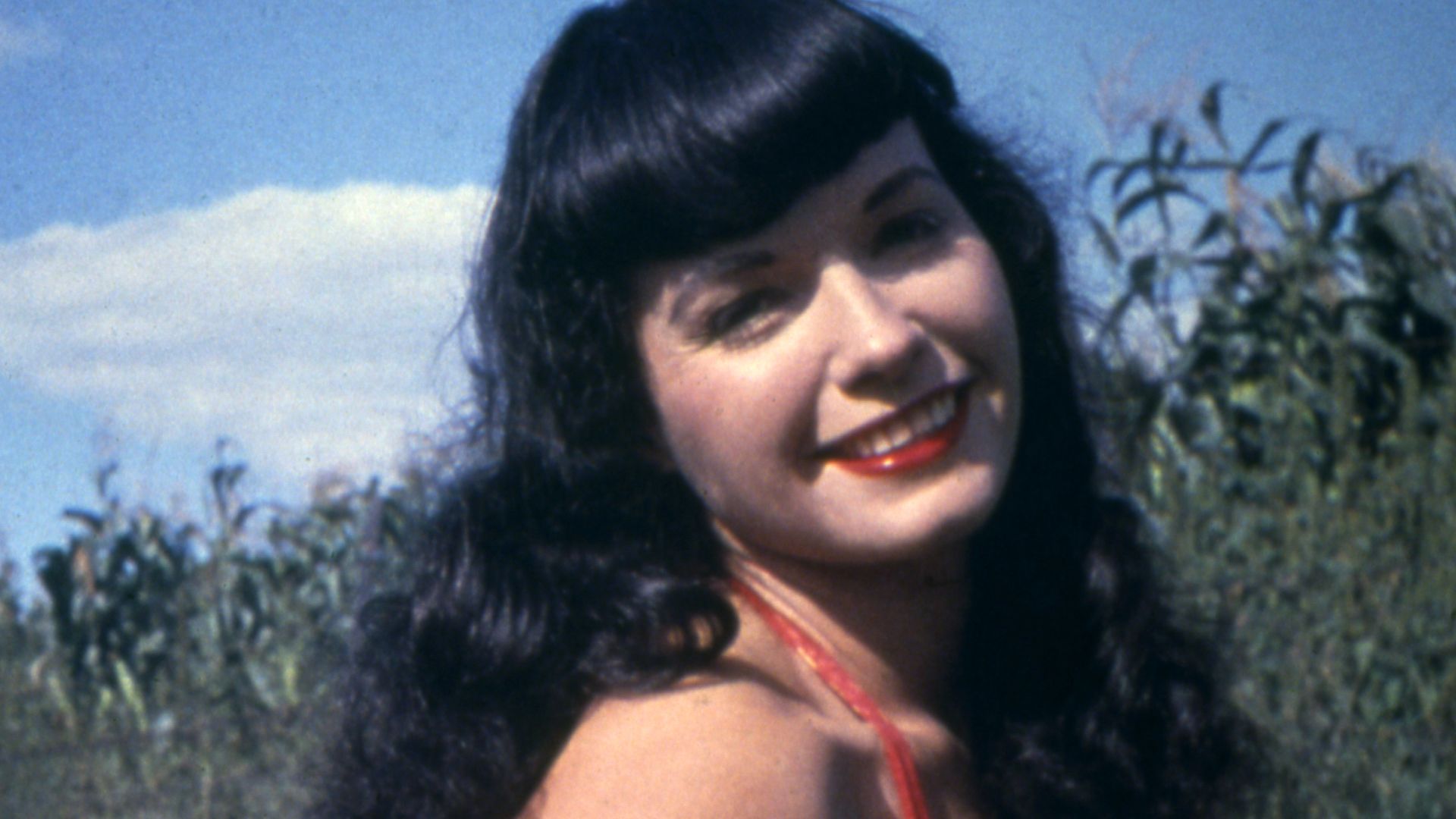
18. Bettie Page’s Jet-Black Bangs
Page was one of the most popular pin-up models during the early 1900s. Her signature look was her short, jet-black bangs that flew just above her button nose. Page’s short fringe became known as Bettie Bangs by many hairdressers and women everywhere.
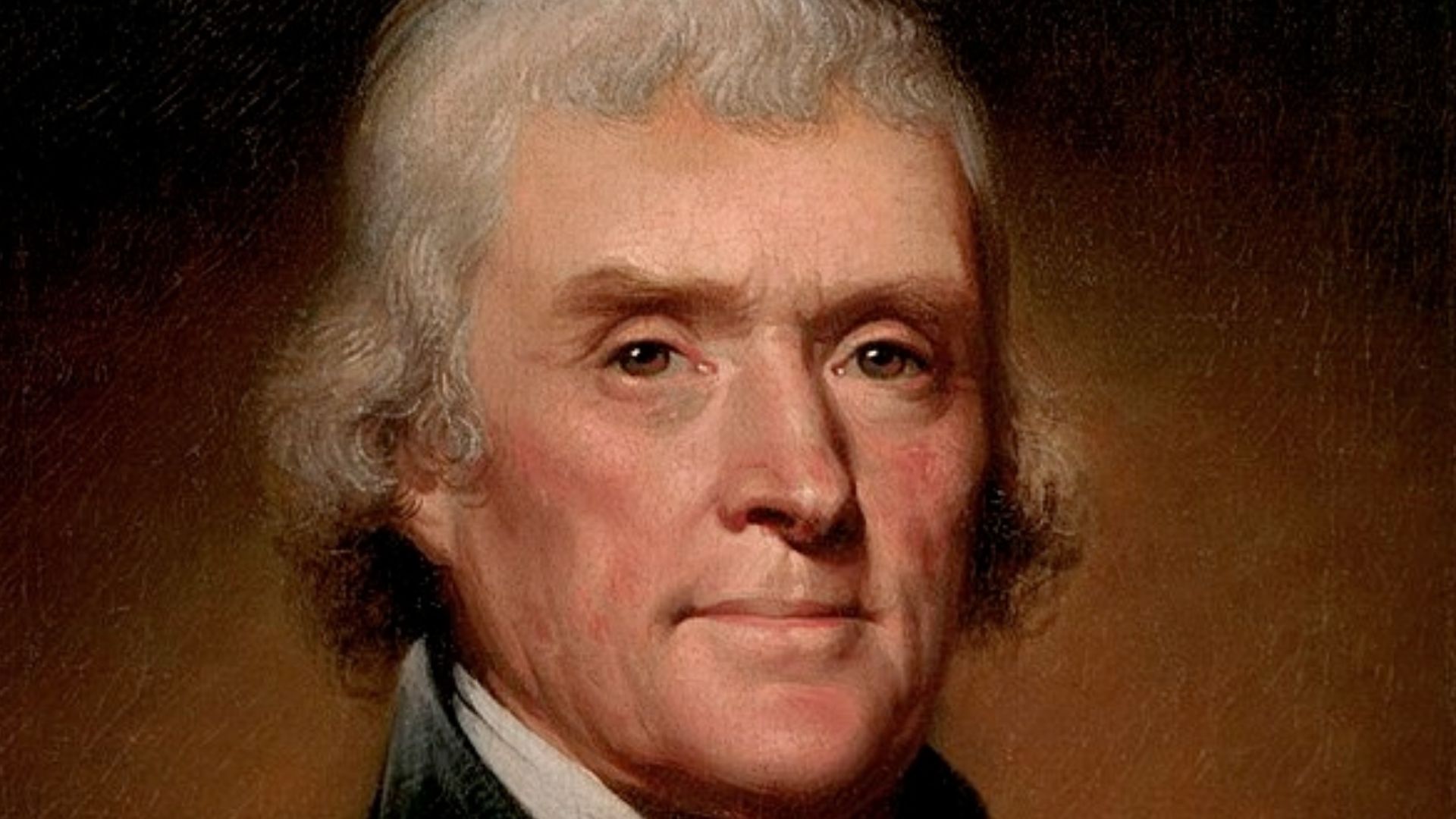
19. Thomas Jefferson’s Sandy Red Hair
Contrary to popular belief, Thomas Jefferson had red hair for much of his life. The Founding Father was known to flaunt his natural hair by attending events with it loose and unbound. While most public figures wore wigs, Jefferson sported a sandy red color that defied age.
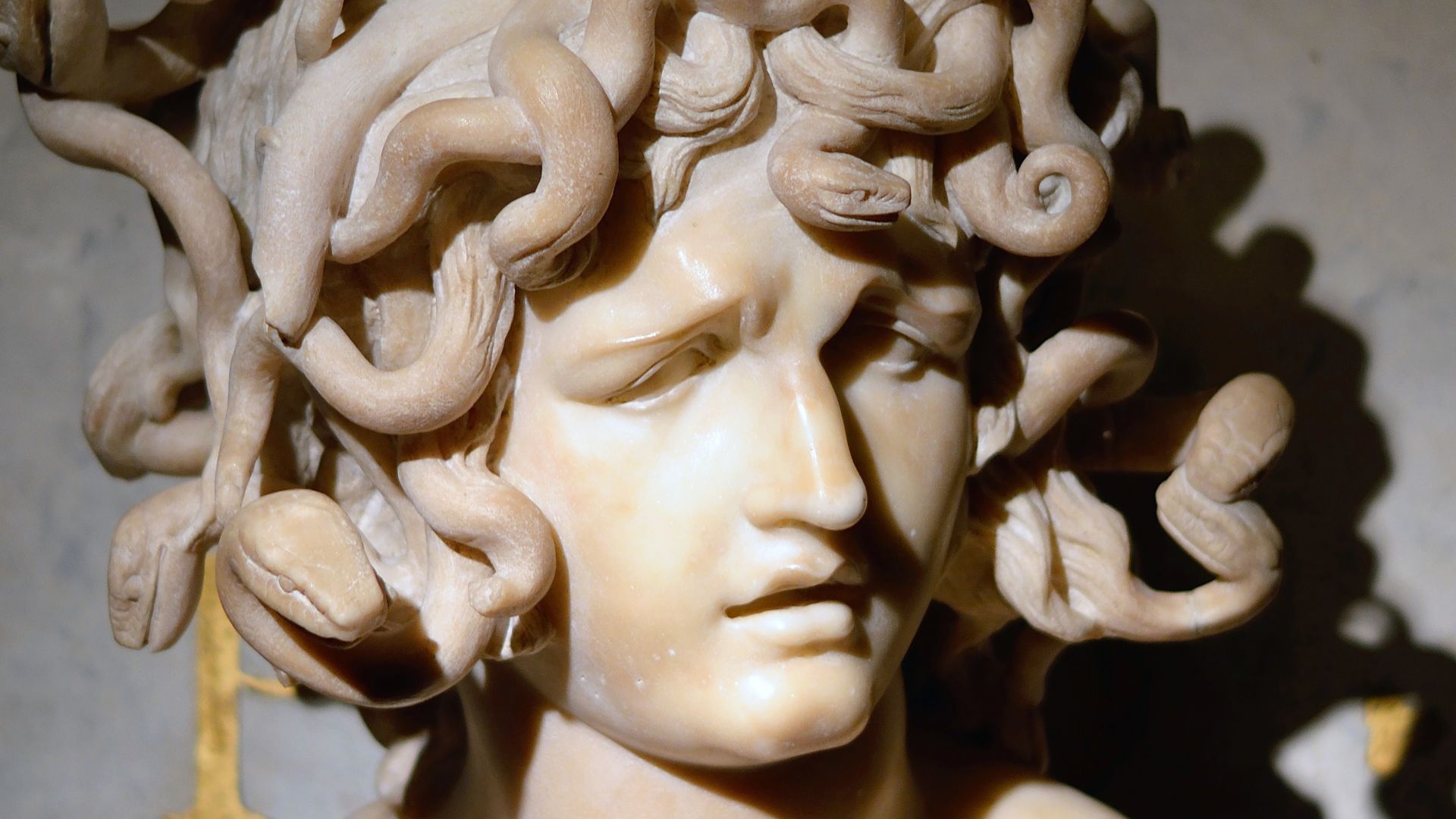
20. Medusa’s Snake-Infested Style
Even though she’s a figure from mythology, Medusa’s "hair" is arguably the most famous in all of human history. After being cursed, her beautiful locks were transformed into a writhing mass of venomous snakes that would turn anyone who looked at them into stone. This striking image has been used in art and literature for millennia to represent both terror and female power.