20 Breath Habits That Quietly Ruin Attraction
The Thing Nobody Tells You To Your Face
Bad breath is one of those problems almost nobody will mention directly, which means most people walking around with it have no idea it's happening. It's rarely about one dramatic slip, it's usually a handful of small daily habits stacking up without anyone noticing the pattern. A lot of it has nothing to do with what someone ate an hour ago and everything to do with routines built over years. The frustrating part is that most of these habits are completely fixable once someone actually clocks what's causing them. Here's 20 breath habits that quietly do more damage than people realize.

1. Breathing Through The Mouth All Night
Sleeping with the mouth open dries out saliva production for eight straight hours, and saliva is the thing actually washing bacteria off the tongue and teeth. Morning breath gets blamed on sleep itself, but it's really just a dry mouth with nothing left to rinse it out. People who tape their mouth shut or address the underlying congestion causing it tend to notice a real difference by the time they wake up.

2. Skipping The Tongue
Toothbrushing routines end at the teeth for a lot of people, leaving the back of the tongue, where most odor-causing bacteria actually live, completely untouched. That coating builds up daily and stays there regardless of how thoroughly someone brushes everywhere else. A few seconds with a tongue scraper handles more of the problem than an extra minute of brushing ever will.

3. Running Low On Water
Chronic mild dehydration slows saliva production without ever feeling like an emergency, which means breath quietly worsens over the course of a day without any obvious trigger. Coffee, again, and afternoon meetings and a few glasses of water are easy to skip. By evening, a dry mouth has usually been running on fumes for hours.

4. The Coffee Aftermath Nobody Mentions
Coffee dries out the mouth and leaves behind compounds that cling to the tongue long after the cup's empty, which is why coffee breath outlasts the actual coffee by hours. Milk and sugar make it worse by giving bacteria something extra to feed on. A glass of water and a quick brush afterward does more than a piece of gum ever could.

5. Reaching For Mints Instead Of The Cause
A mint masks a smell for a few minutes without touching whatever's actually causing it, which means the underlying issue is still there the moment the mint wears off. People who rely on this daily are often treating a symptom of dry mouth, gum issues, or diet instead of the actual source. It works as a quick patch, but it was never meant to be the whole plan.

6. Skipping The Dentist For "Too Long"
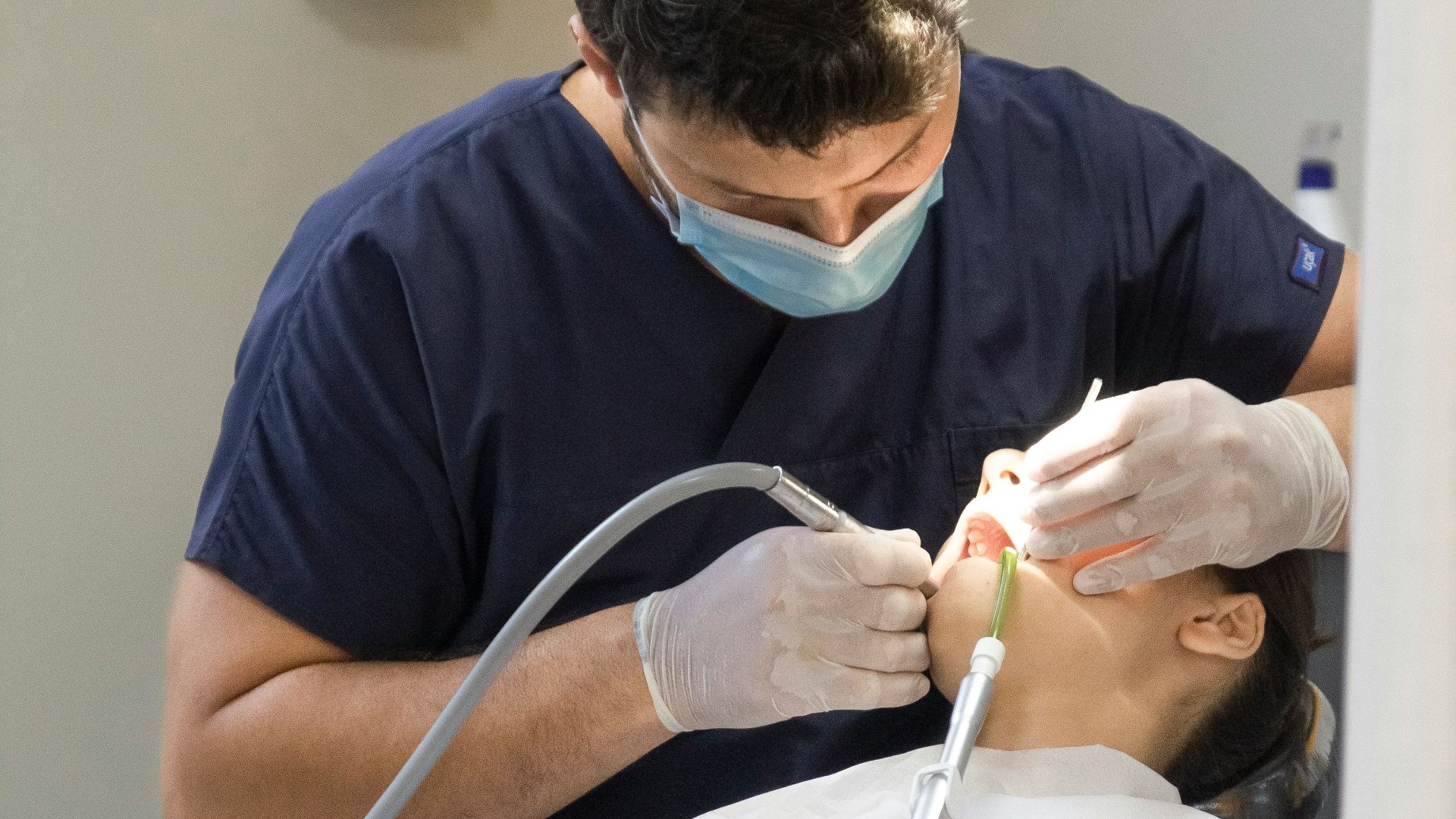
Plaque buildup below the gumline causes a lot of chronic bad breath that no amount of home brushing can fully reach. Regular cleanings catch that buildup before it turns into something more serious, which is exactly why skipped appointments tend to show up as breath problems before anything else. A lot of people don't realize how much of their breath issue was sitting below the gumline the whole time.
7. Nervous Mouth Breathing In Conversation
Anxiety tends to shift breathing from the nose to the mouth without anyone noticing, and a dry, anxious mouth produces a very specific stale smell within minutes. It shows up most in exactly the moments someone would least want it to, a first date, a job interview, a tense conversation. Slowing down and breathing through the nose again solves more of this than any amount of gum.

8. Medication-Related Dry Mouth
A long list of common medications, antihistamines, antidepressants, blood pressure prescriptions, list dry mouth as a side effect that rarely gets connected back to breath. People notice the smell without ever tracing it back to a prescription they've been on for months. Sipping water throughout the day and mentioning it to a doctor usually helps more than people expect.
9. Smoking Or Vaping
Smoking dries out the mouth, coats the tongue, and leaves a lingering chemical smell that clings to breath long after the cigarette or vape is gone. It also damages gum tissue over time, which introduces an entirely separate source of chronic bad breath layered on top of the smell itself. Quitting tends to improve breath faster than almost any other single change on this list.

10. Skipping Floss
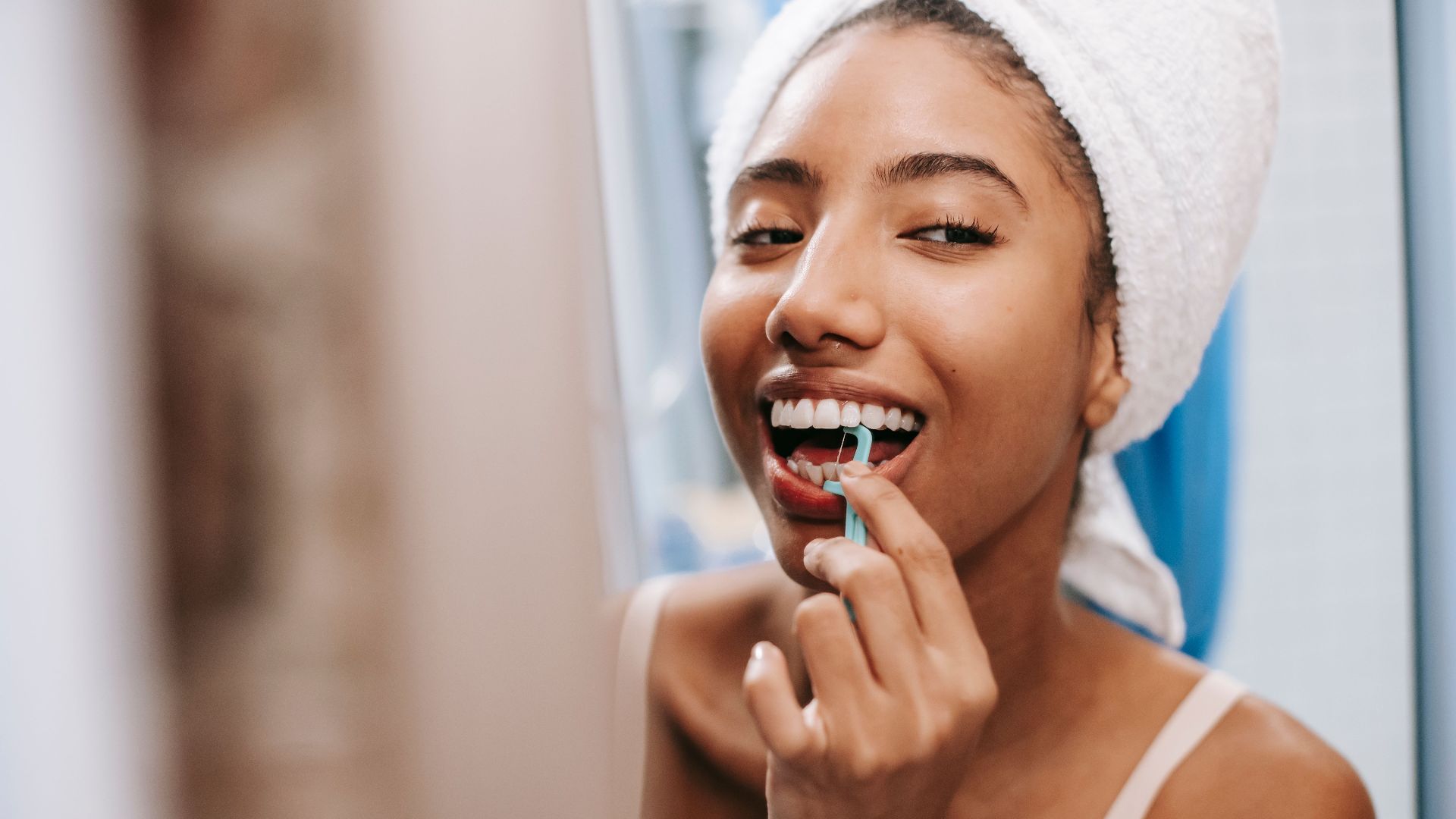
Food particles trapped between teeth break down and produce odor long before anyone notices anything visibly wrong. Brushing alone misses those tight spaces entirely, which means the smell keeps coming back no matter how thoroughly someone brushes elsewhere. A habit as small as flossing once a day closes a gap brushing simply can't reach.
11. Garlic And Onion Without A Plan
These foods release sulfur compounds that get absorbed into the bloodstream and exhaled through the lungs for hours, which means brushing afterward only handles what's left in the mouth, not what's already circulating internally. Milk, apples, and mint tea have all been shown to help neutralize the compounds rather than just cover the smell. Planning ahead before a big date matters more than scrambling for a mint afterward.

12. Ignoring Sinus Congestion And Post-Nasal Drip
Mucus draining down the back of the throat feeds bacteria that produce a distinct, persistent odor that has nothing to do with oral hygiene at all. People with chronic allergies or sinus issues often trace their breath concerns back to their mouth for years before realizing the real source is further up. Treating the congestion itself tends to resolve breath problems that brushing never touched.

13. Alcohol That Lingers Longer Than Expected
Alcohol dries out the mouth and gets partially metabolized into compounds the body exhales through the lungs, which is why the smell often outlasts the buzz by several hours. A few drinks the night before can still be detectable on someone's breath well into the next morning. Water and food alongside drinking help more than people usually plan for in the moment.

14. Keto Breath Nobody Warns You About
Cutting carbs hard enough to enter ketosis produces acetone as a metabolic byproduct, which comes out through the breath with a distinct, often fruity or chemical smell. People starting a strict low-carb diet are frequently blindsided by this, since it has nothing to do with oral hygiene at all. It usually fades once the body adjusts, but extra water in the meantime helps take the edge off.

15. Snoring And Waking Up Parched
Snoring pushes air through an open mouth all night, drying everything out even more aggressively than ordinary mouth breathing does. People who snore heavily often wake up with breath noticeably worse than people who sleep with their mouths closed, even with identical hygiene habits. Addressing the snoring itself, whether through a sleep position change or a proper evaluation, tends to help more than any nighttime mouthwash.

16. Holding Onto An Old Toothbrush
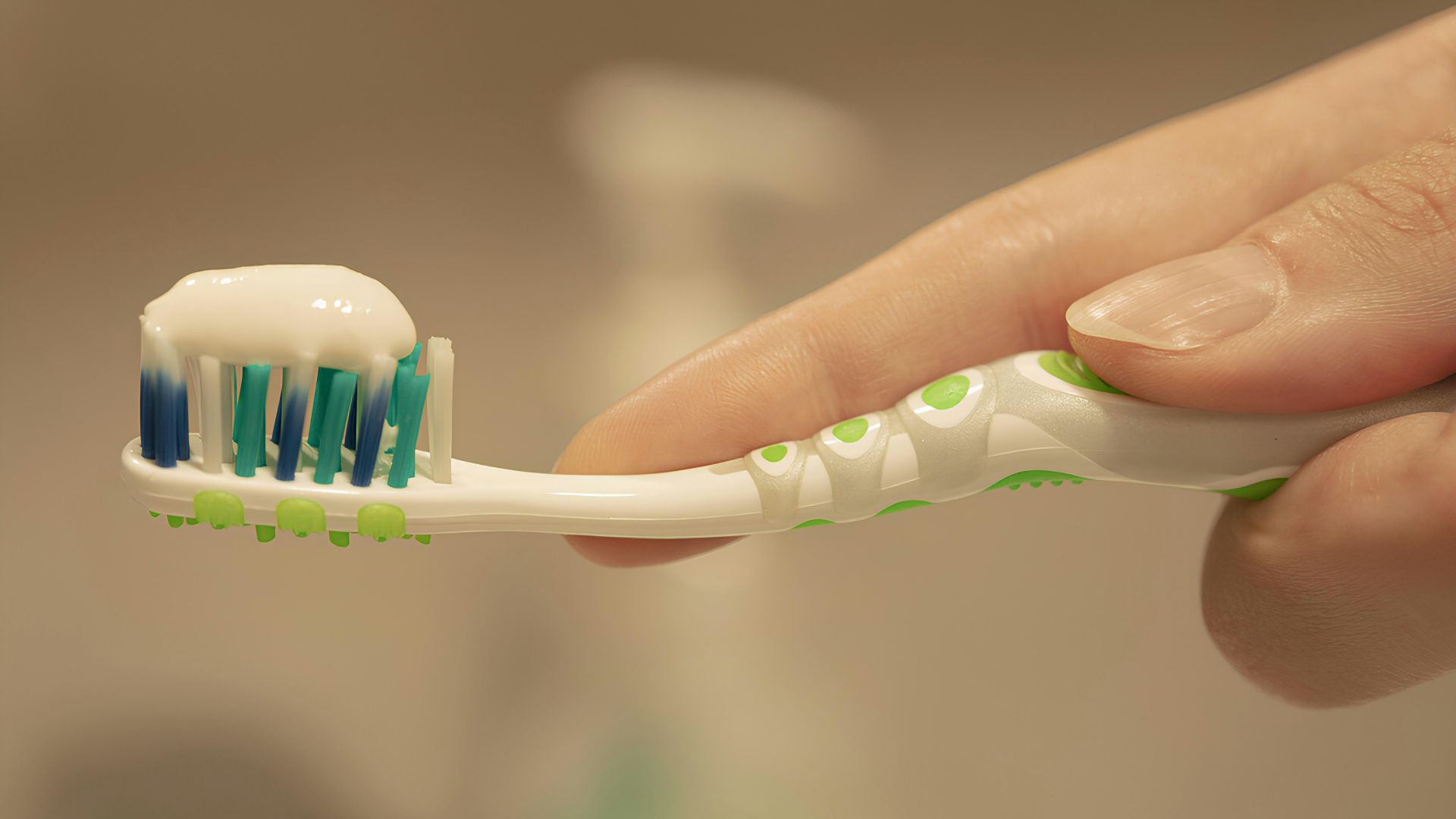
Worn-out bristles stop actually cleaning teeth effectively long before most people think to replace them, leaving plaque behind that a fresh brush would have caught. A toothbrush held onto for six months past its useful life is doing a fraction of the job it used to. Replacing it every few months is one of the cheapest fixes on this entire list.
17. Bleeding Gums Getting Waved Off
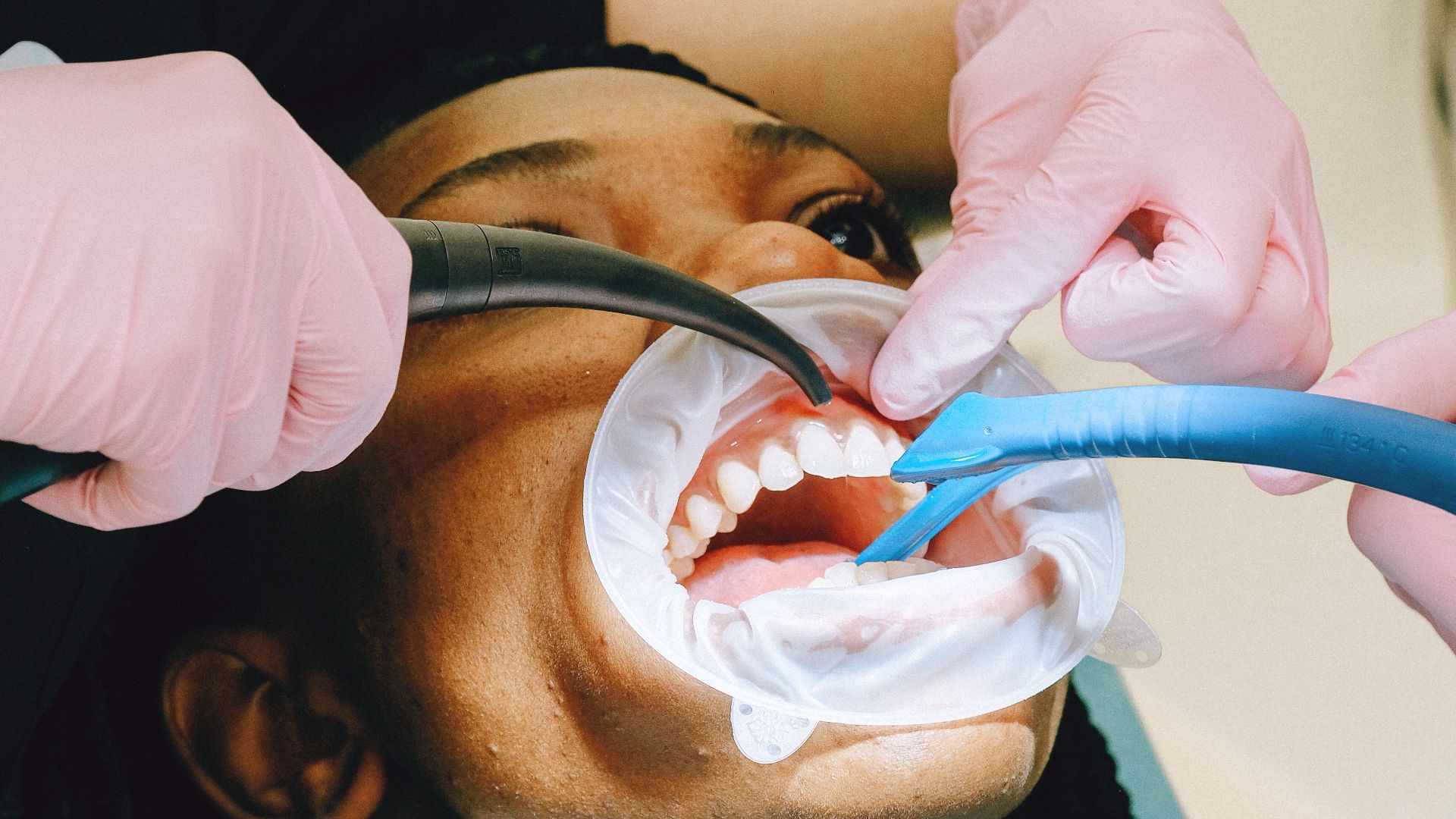
Gums that bleed during brushing usually signal early gum disease, which produces its own distinct odor as bacteria build up beneath the gumline. A lot of people notice the bleeding, shrug it off, and never connect it to the breath issue happening at the same time. Catching it early with a dentist visit is far easier than dealing with it once it's progressed.
18. Skipping Breakfast And Running On Empty
An empty stomach for too long slows saliva production and can produce a distinct, sour-smelling breath tied to hunger itself, not anything specifically wrong with oral hygiene. People who skip meals regularly sometimes chase a breath problem for months without realizing the fix was simply eating on a normal schedule. A piece of fruit or a glass of water often does more than a toothbrush in that specific moment.

19. Chewing Gum With Sugar In It
Sugary gum feeds the exact bacteria responsible for bad breath, giving them fresh fuel every time it's meant to be masking a smell instead. The fresh taste lasts a few minutes, but the sugar left behind can leave breath worse than before the gum went in. Sugar-free gum with xylitol actually works against the bacteria instead of feeding them, which makes it one of the rare cases where the "healthier" option is also the more effective one.

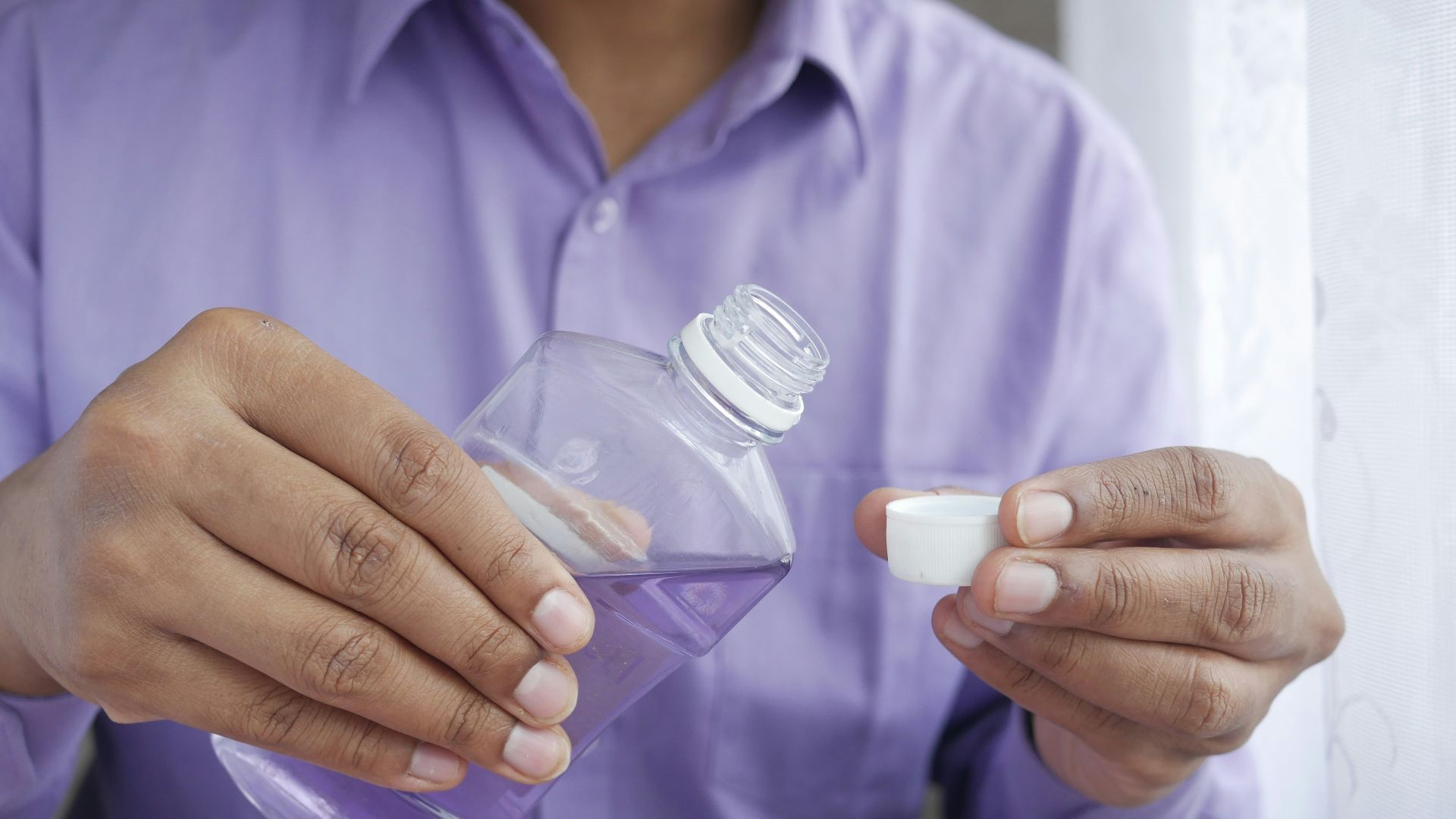
20. Treating Mouthwash Like A Substitute For Brushing
A quick rinse feels like it solves everything in the moment, but most mouthwashes only mask odor for a short window without addressing plaque or bacteria buildup at all. People who rely on it instead of brushing are usually surprised how quickly the smell comes back. Used alongside brushing and flossing, it's a genuine boost; used instead of them, it's mostly a placeholder.