
10 Ways To Tell Someone Has Fake Tattoos & 10 Ways To Tell They're Real
From Glossy Decals To Permanent Ink
Temporary tattoos are a fun way to carry an experience with you. Some people go for permanent ink, while others choose body paint, decals, or temporary stains that match a vacation outfit or look good in photos. Temporary designs can be surprisingly convincing, and a fresh permanent tattoo may look shiny, red, or uneven while it heals, so the difference isn’t always obvious. You’ll get the best clues by looking at how the design sits on the skin, how it changes, and whether it keeps showing up over time. These 20 signs can help you spot a temporary travel tattoo and recognize one that’s probably permanent.
1. A Clear Film
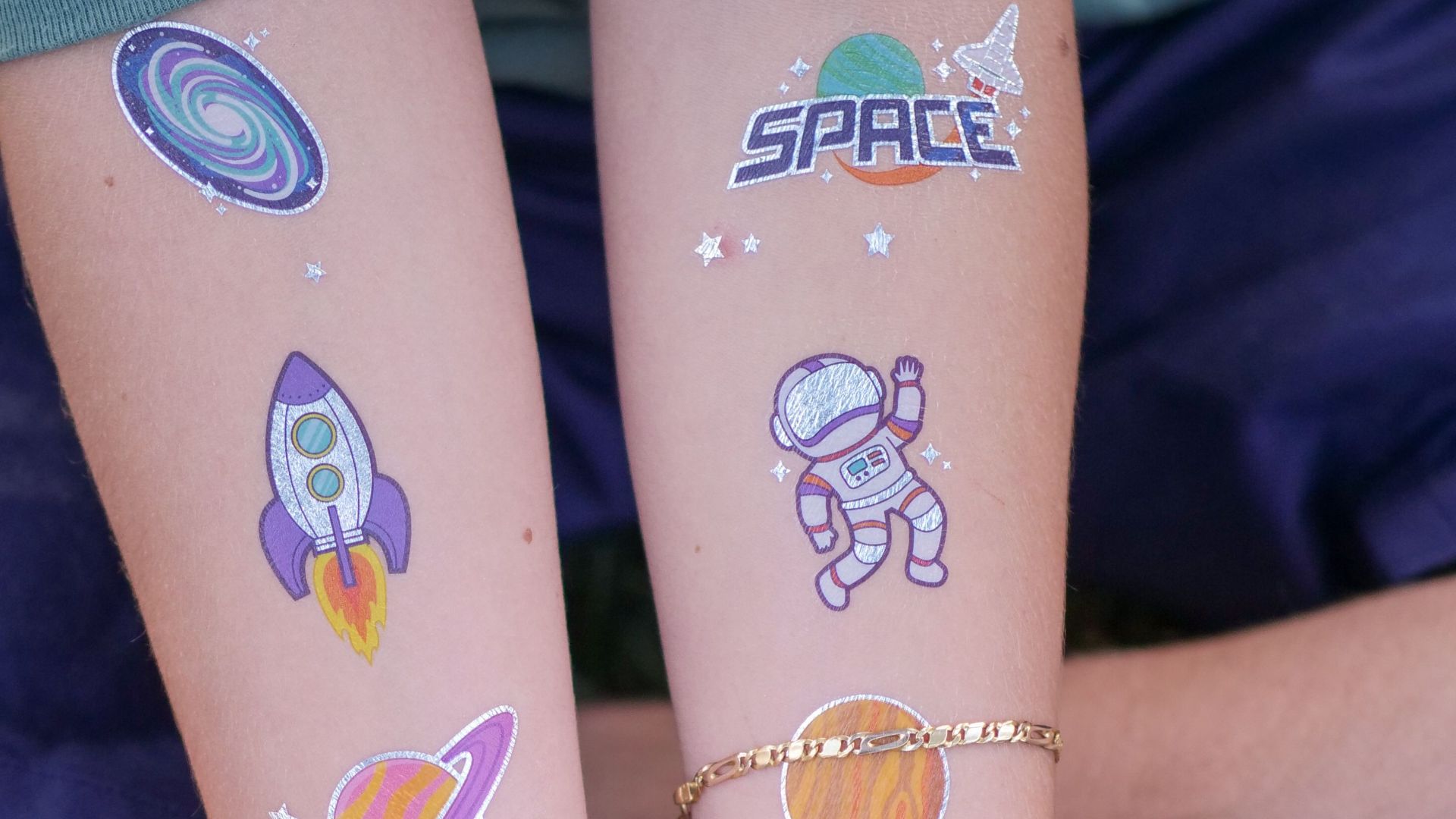
Some transfer tattoos leave behind a thin, clear layer that stretches past the printed edges. You may notice it when bright sunlight or a camera flash hits the skin and creates a shiny border. If the rest of the skin looks natural and matte, that glossy outline can make the design look more like a sticker.
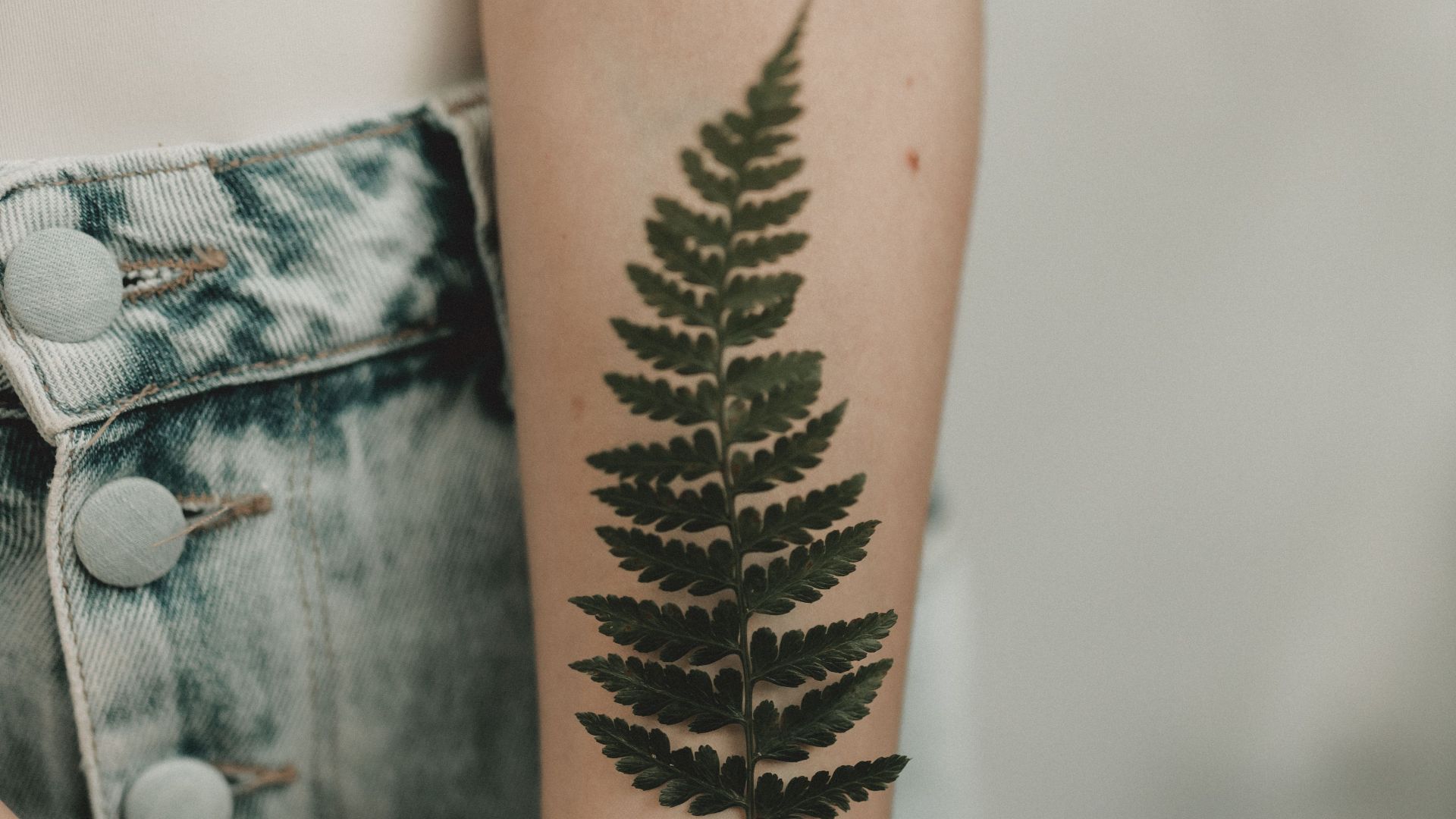
2. The Edges Peel
Temporary decals often begin lifting around pointed corners and narrow lines, especially in places that rub against sleeves, watches, socks, or shoes. A permanent tattoo may flake while it’s healing, but the image itself doesn’t normally peel away in a single strip.

3. The Design Cracks
Fingers, wrists, elbows, and ankles are always bending, which can make a temporary tattoo crack across the surface. Those little splits may become more noticeable when the person moves or stretches the area. Permanent ink moves along with the skin, although the picture may look slightly stretched or bent for a moment when the joint changes position.
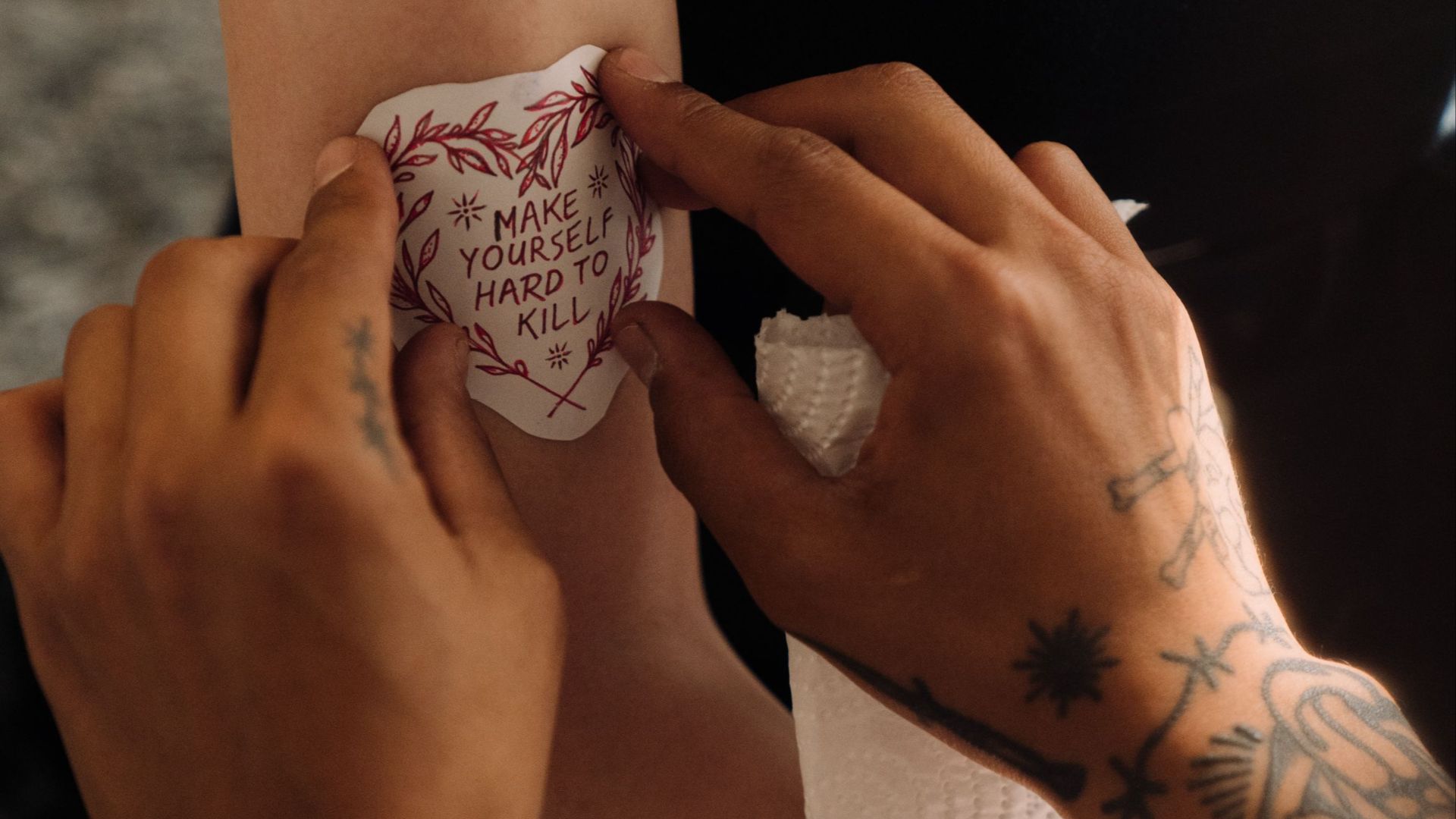
4. Body Hair
When someone presses a decal onto unshaved skin, the design can flatten fine hairs or cover them with color. Up close, those hairs may look stuck beneath a clear coating instead of sitting naturally over the picture.
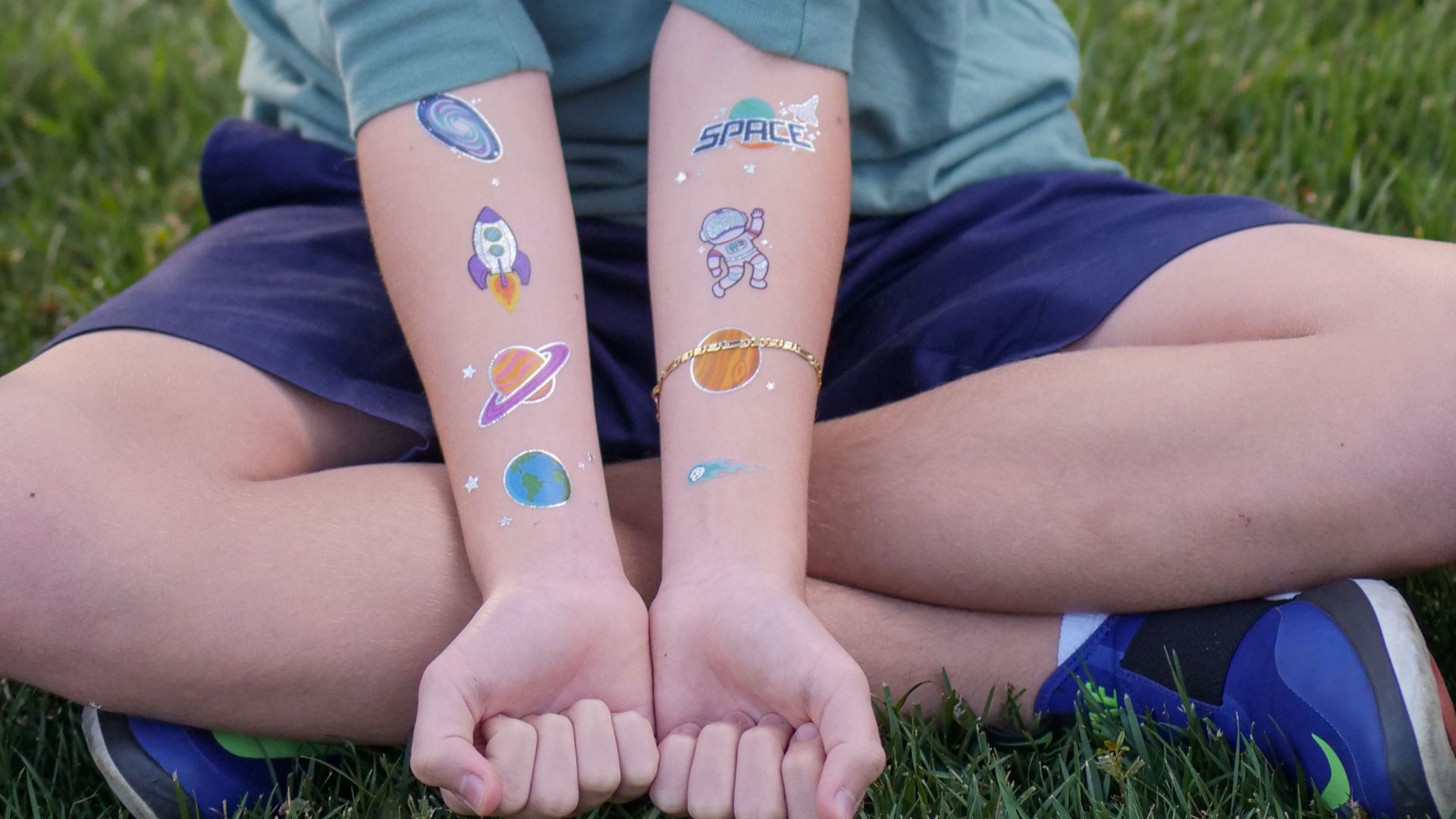
5. The Tattoo Disappears
Temporary decals are meant to wear off, and things like sweat, showers, skin oils, rubbing, and cleansing products can make that happen faster. A tattoo that appears at the start of a quick getaway and is gone shortly after the person comes home was almost certainly temporary.
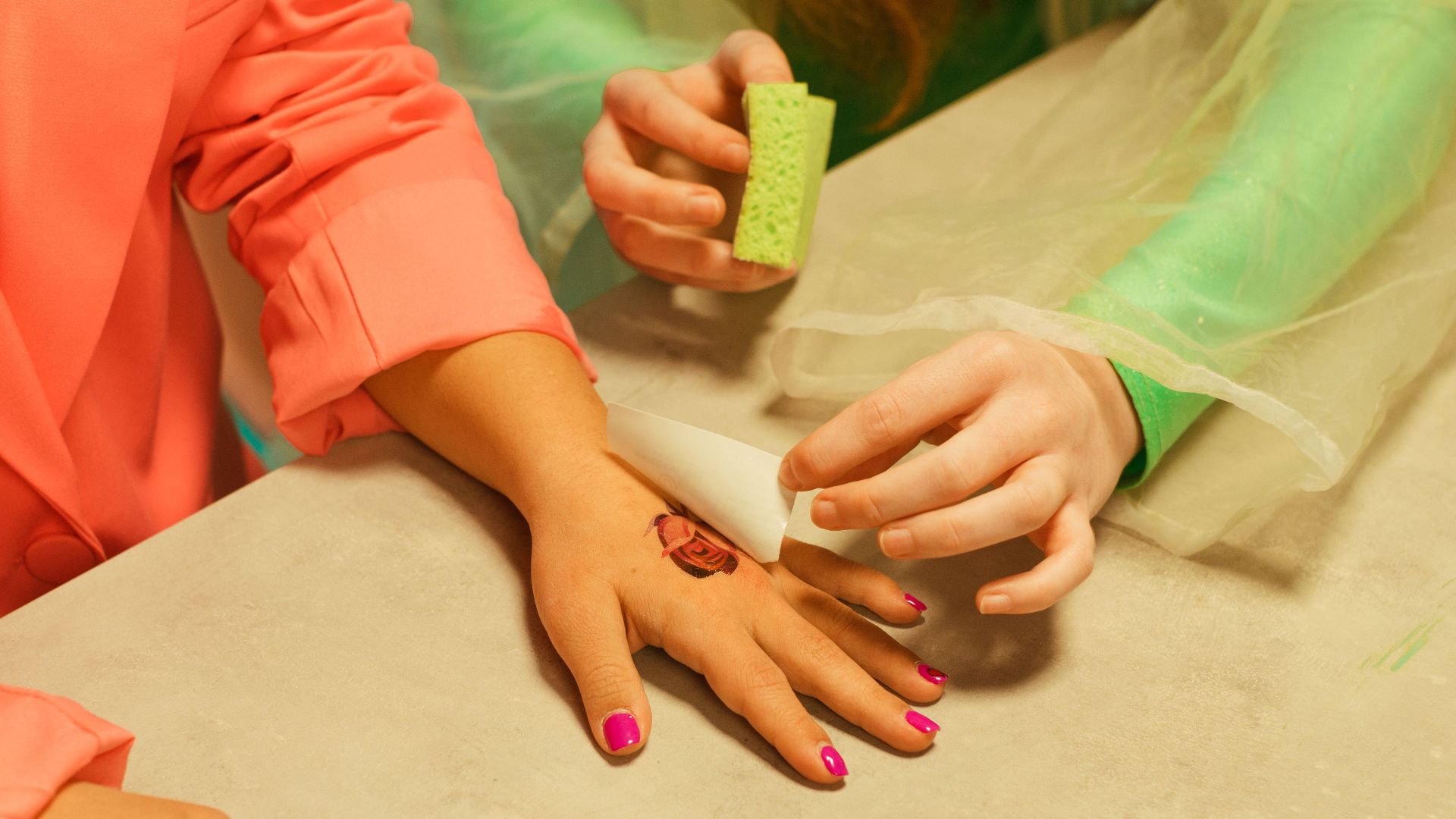
6. The Color Smears Or Rubs Off
Body paint, tattoo markers, and some temporary products can leave marks on clothes, towels, or sheets, especially in hot weather. A fresh permanent tattoo may release a little fluid or extra ink during the early healing stage, but the design doesn’t lose its shape.
7. It Only Appears In One Photo
A tattoo added with photo-editing software may look much sharper than everything else in the picture. It might also sit too flat on the body or fail to match the natural shadows, lighting, and curves of the skin.
8. A “Fresh” Tattoo Has No Reaction
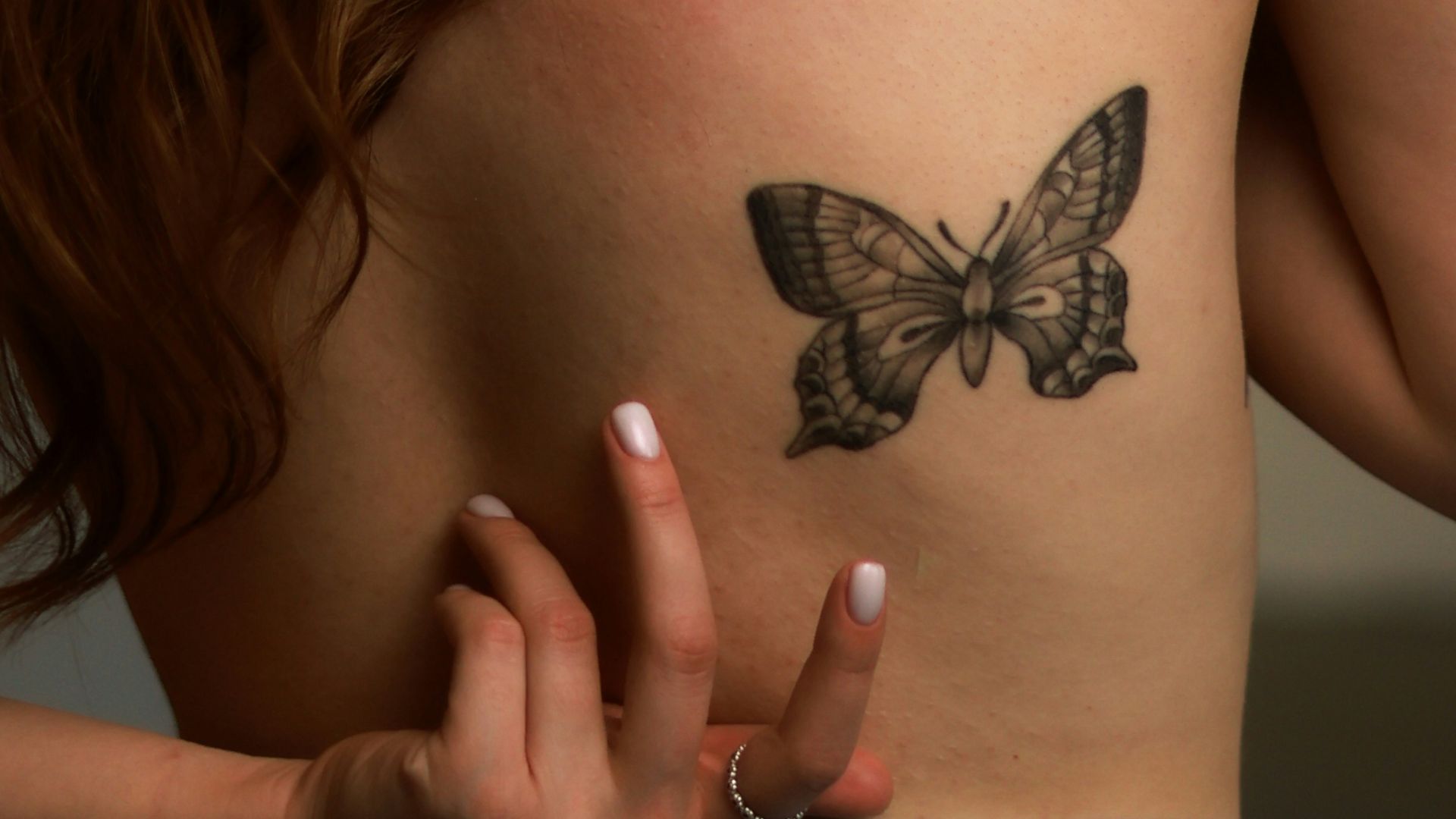
Tattooing breaks the skin, so a newly finished piece often comes with redness, tenderness, mild swelling, a bandage, or a clear protective covering. A large design that was supposedly finished minutes earlier, yet sits on completely calm and uncovered skin, may be temporary or digitally added.
9. It Matches A Decal
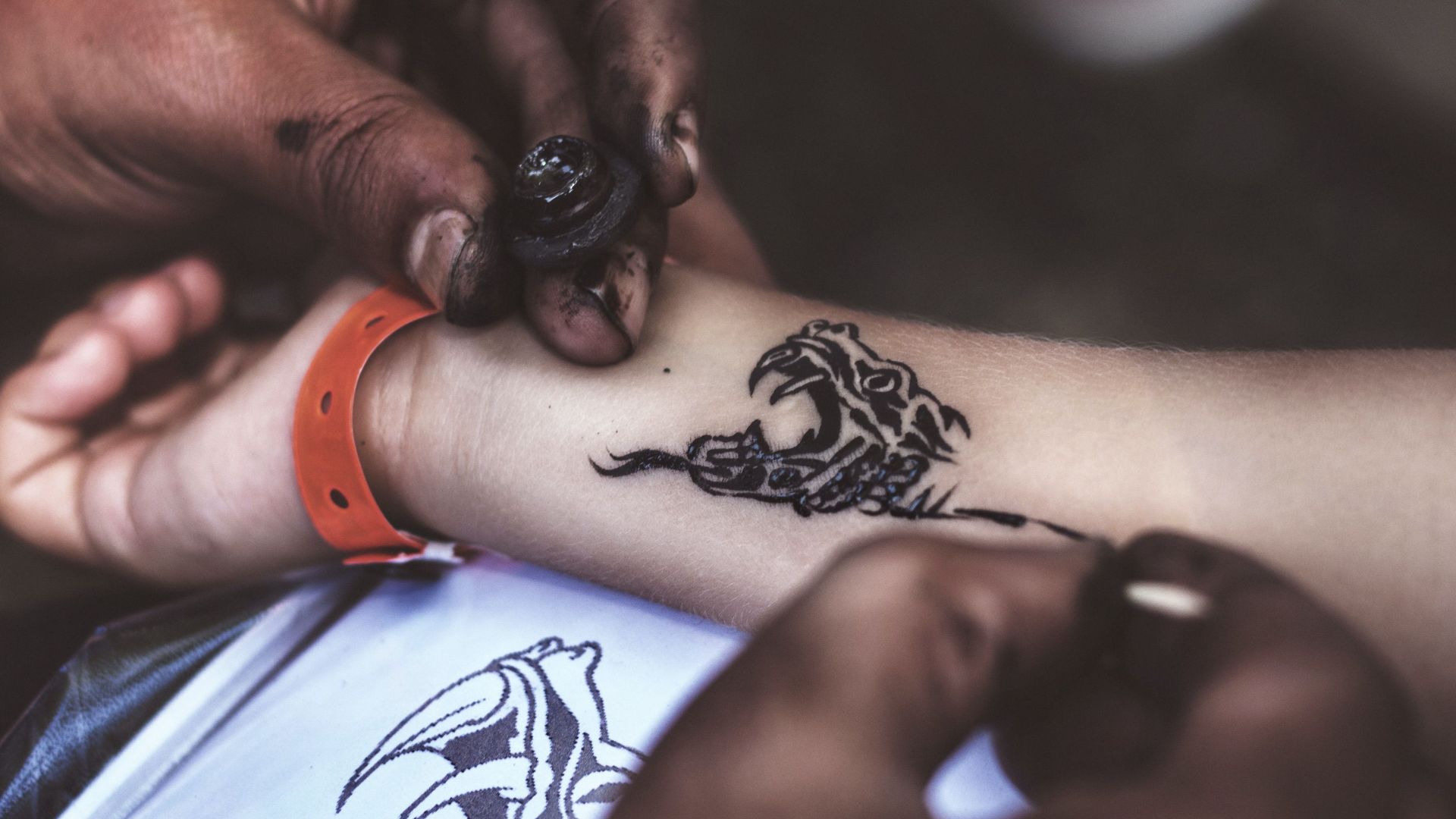
Temporary tattoo sheets often include familiar travel images such as airplanes, world maps, mountains, passports, coordinates, and palm trees. That said, finding a similar picture online doesn’t automatically mean someone’s tattoo is fake, since permanent tattoos can use common designs too.
10. Aftercare
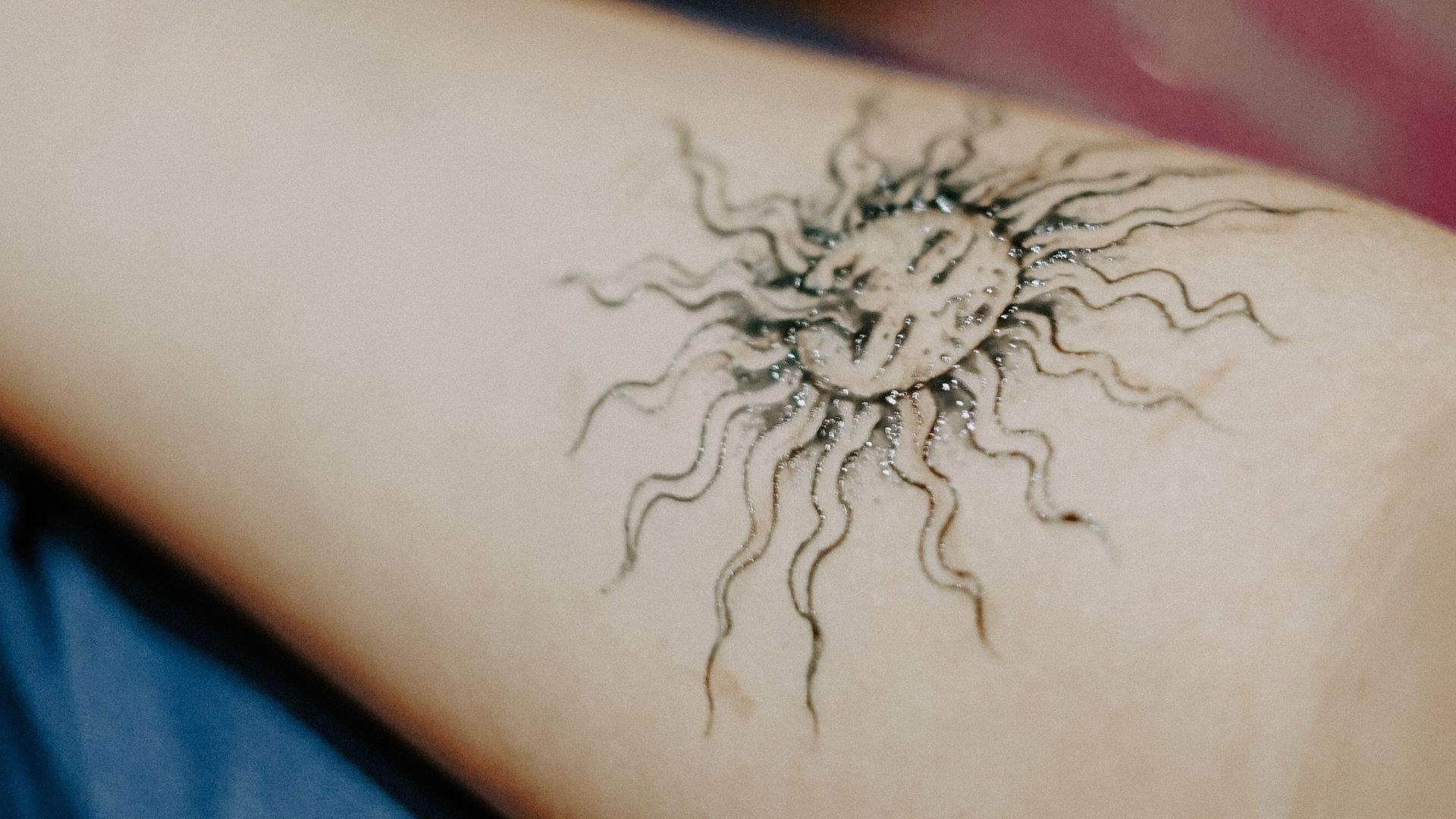
A new permanent tattoo needs to stay clean and protected while the skin heals, and people are generally told to avoid swimming, soaking, and strong sunlight during that time. Someone who says they got a large tattoo and then jumped straight into a pool may be wearing temporary body art.

1. It’s Always There
Time is one of the easiest ways to tell the difference between permanent and temporary tats. If the same skyline, airplane, or set of coordinates keeps appearing in photos from different seasons, it’s very likely permanent. The lines or colors may change a little, but the main picture will remain in the same place.
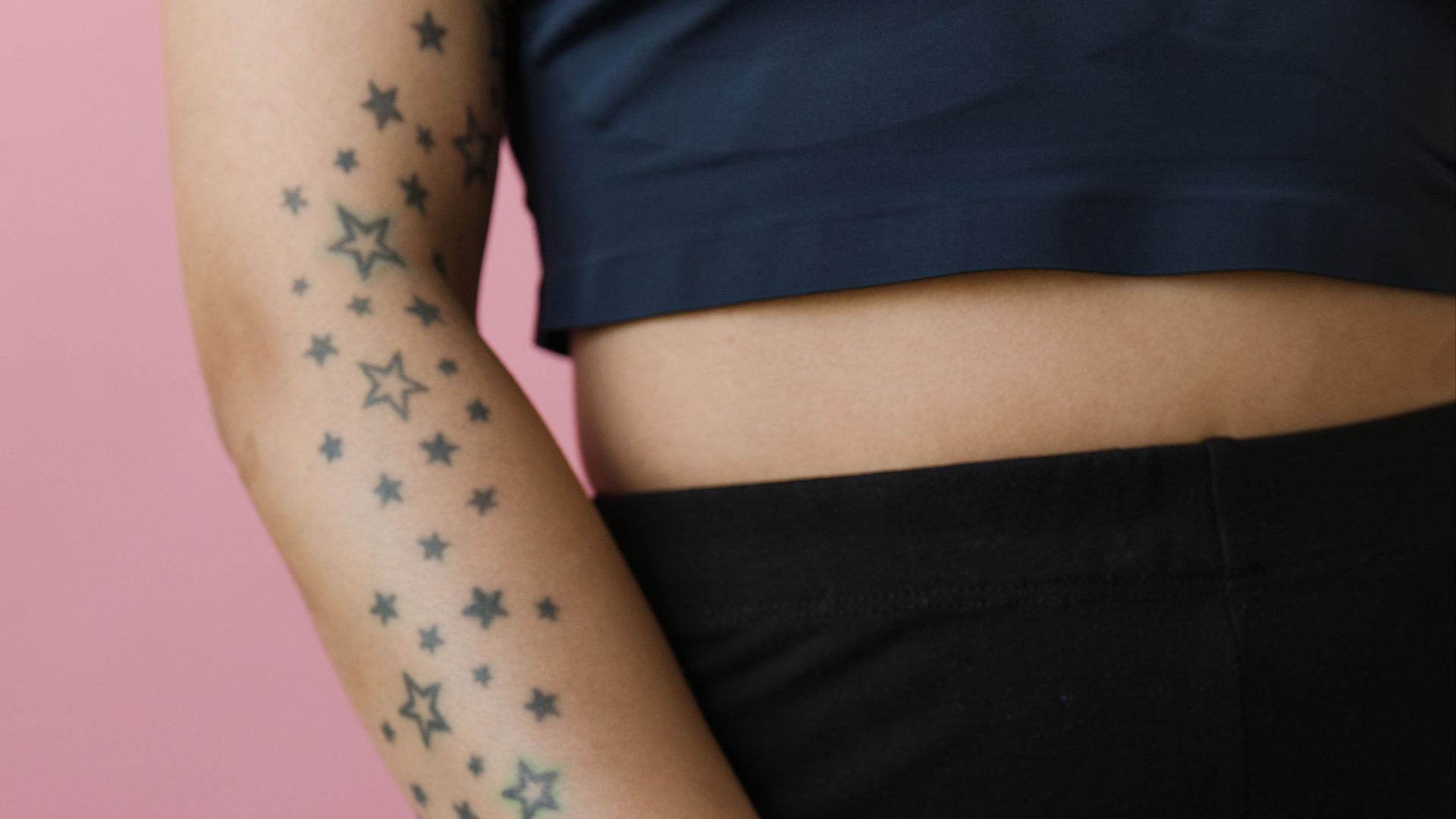
2. You Can See The Skin
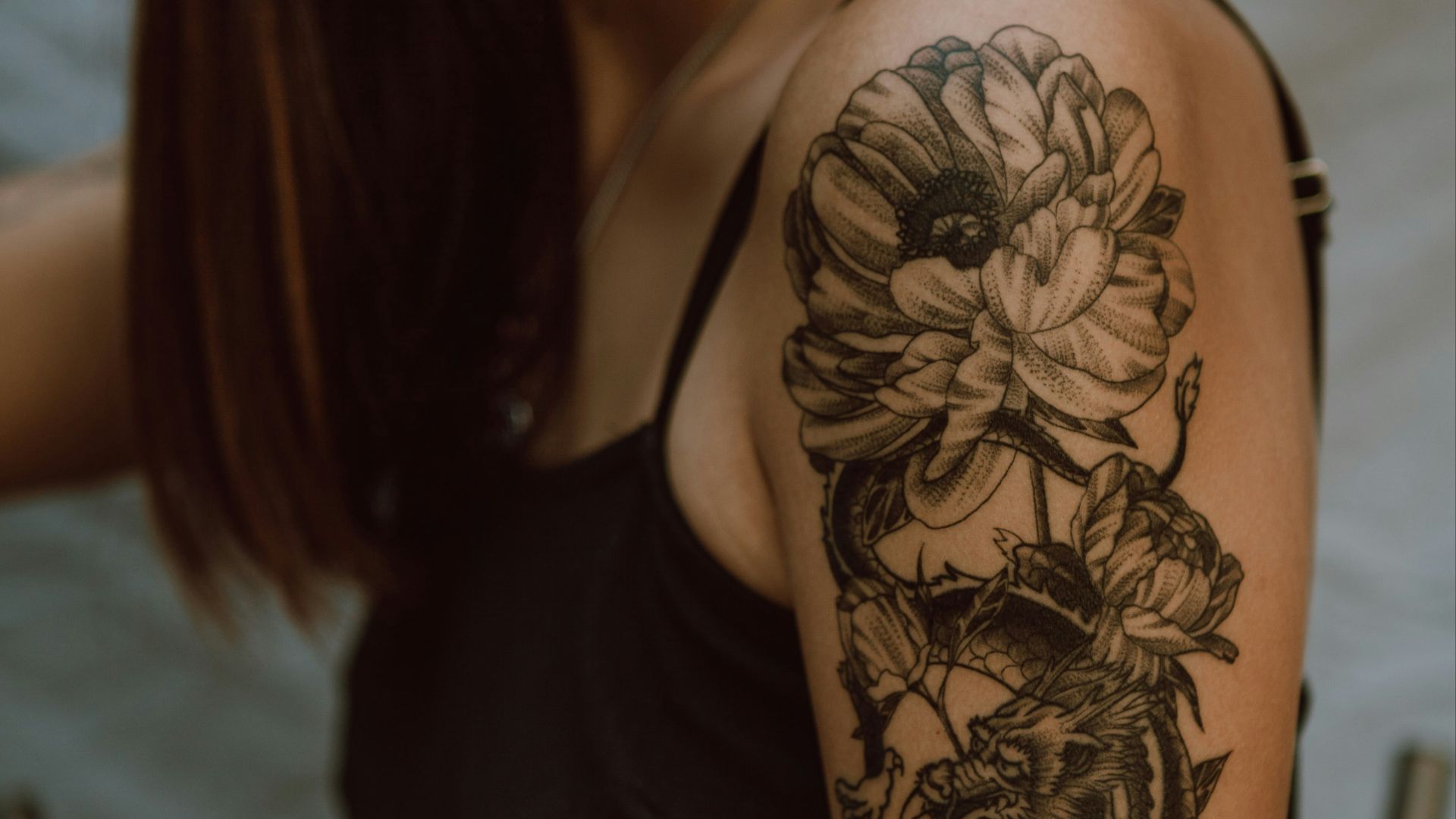
A healed permanent tattoo still shows the usual pores, freckles, fine lines, and texture of the skin underneath it. Even dark black ink or bold color should look like it belongs in the skin rather than sitting over it as a separate layer.
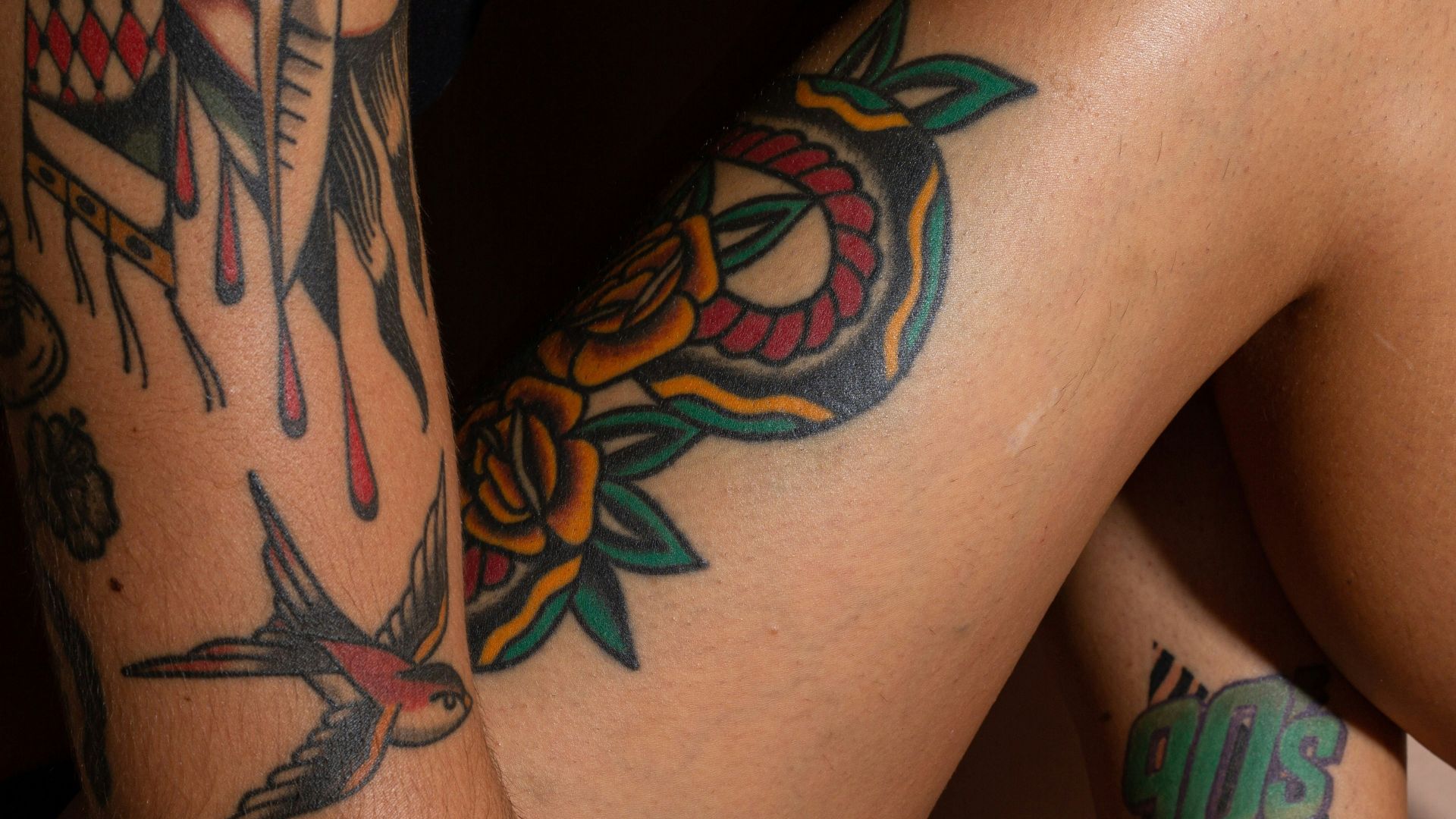 Stories & Ink Tattoo Care on Unsplash
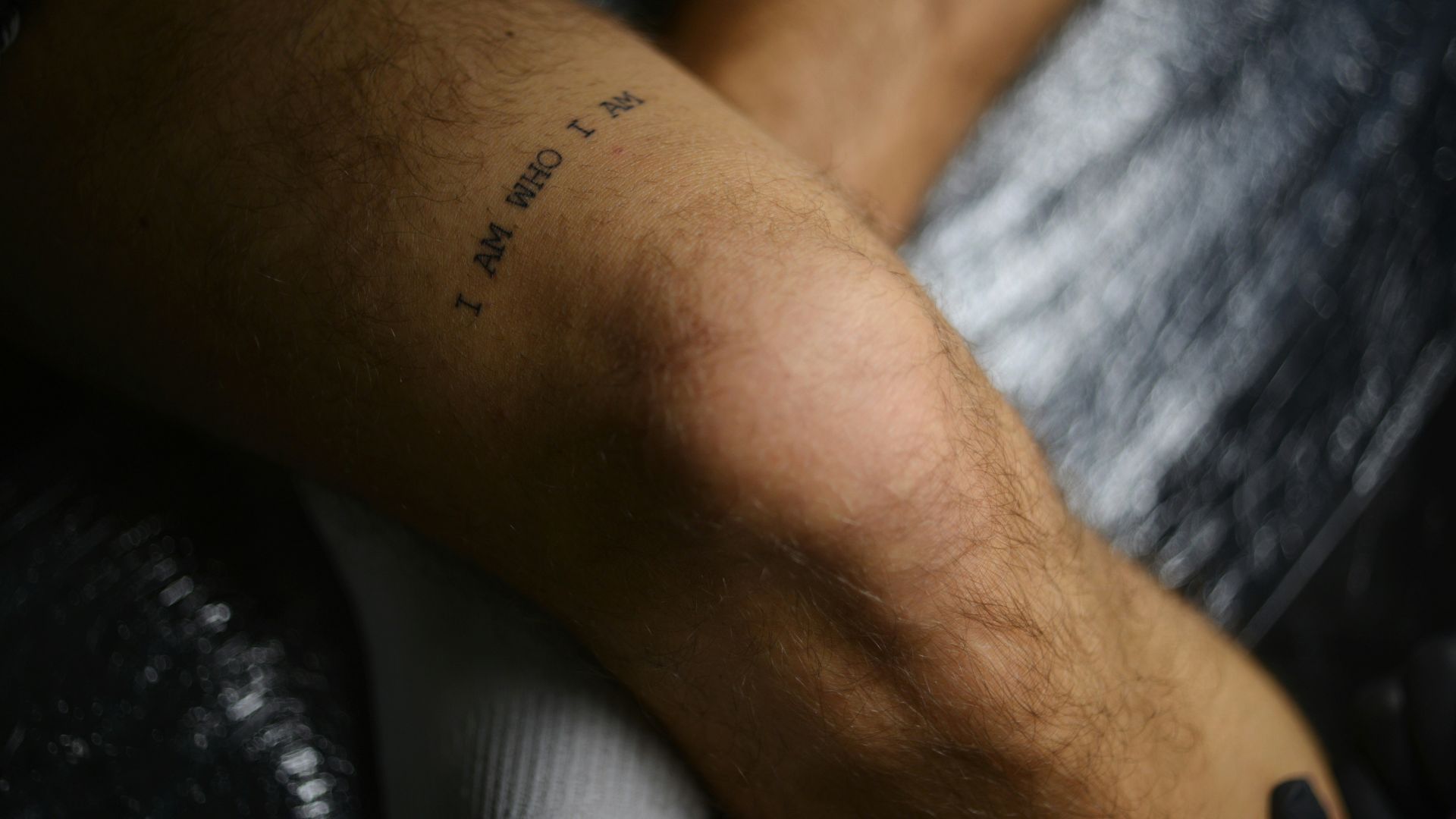
3. Hair
Once a permanent tattoo has healed, normal body hair can grow over the lines and cover some of the smaller details. Individual hairs may cast tiny shadows or make certain parts of the design harder to see from some angles.
4. Softer Lines
Permanent tattoos slowly change as the ink and the surrounding skin age. Fine details may become a little less sharp, black ink can look softer, and bright colors may lose some of their pigment. The main design should still be easy to recognize, even if it no longer has the crisp finish it had when it was brand new.
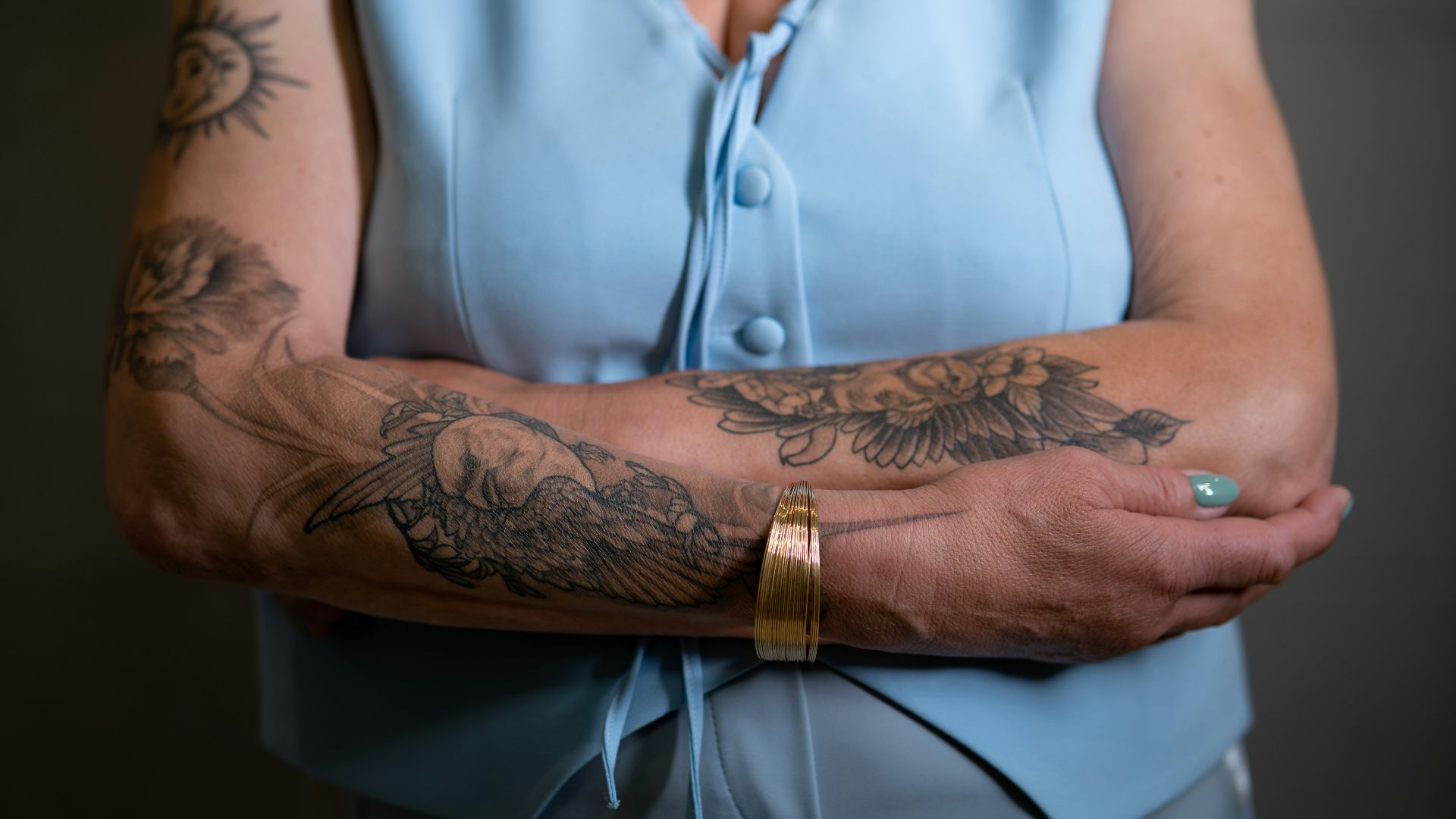
5. Faded Ink
Sunlight can fade certain tattoo inks, which is why people are encouraged to protect healed tattoos when they’re outdoors. A long-standing tattoo on a shoulder, ankle, or forearm may look less bright than one that usually stays covered by clothing.
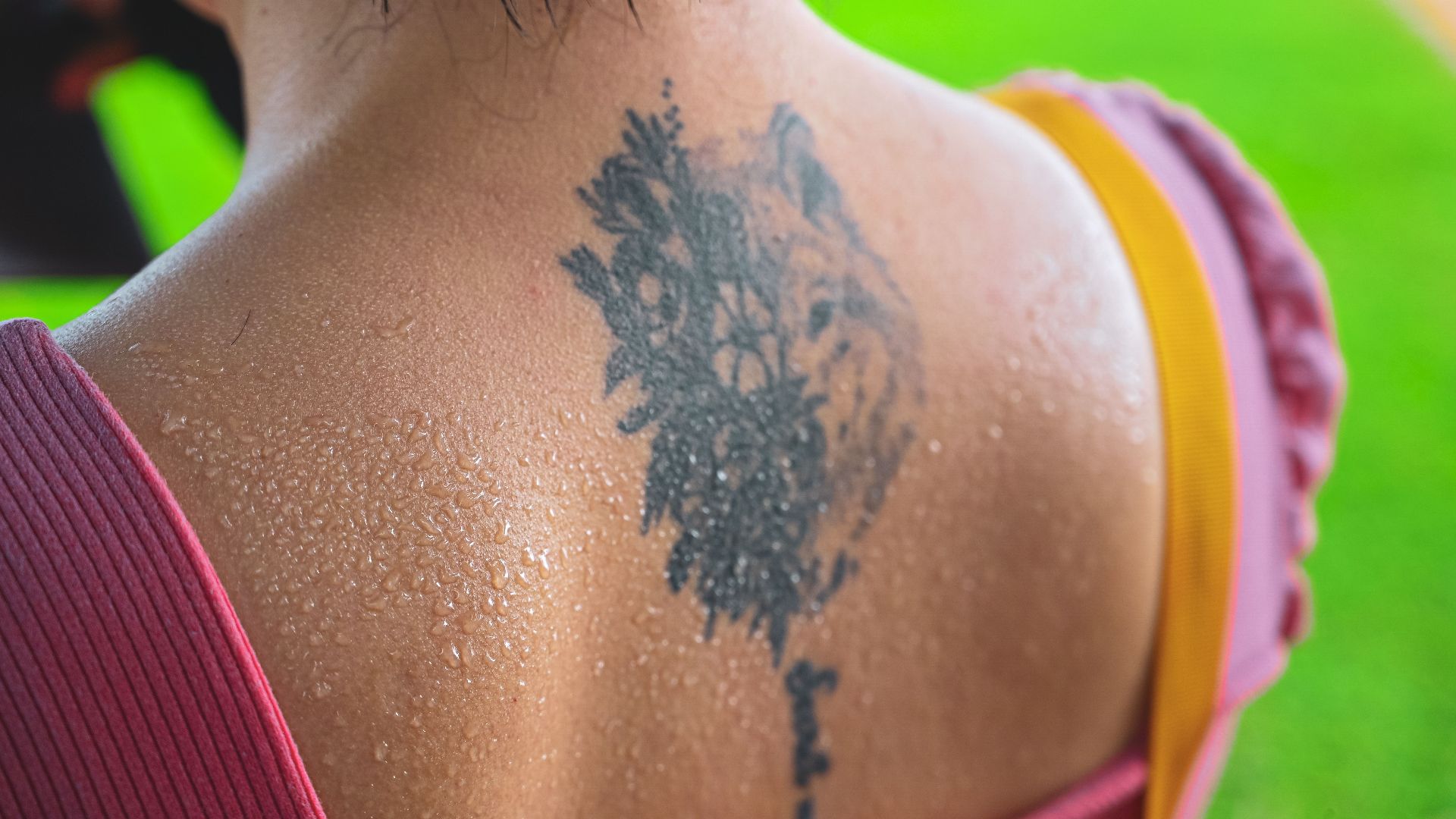
6. The Design Fits The Body
A carefully placed permanent tattoo often follows the natural curves of the body rather than looking like a flat picture pressed onto the skin. A mountain range might wrap slightly around a forearm, while a world map may shift as the wearer turns or bends. Temporary tattoos can follow curves too, but permanent artwork is often adjusted to fit the exact area where it’s placed.
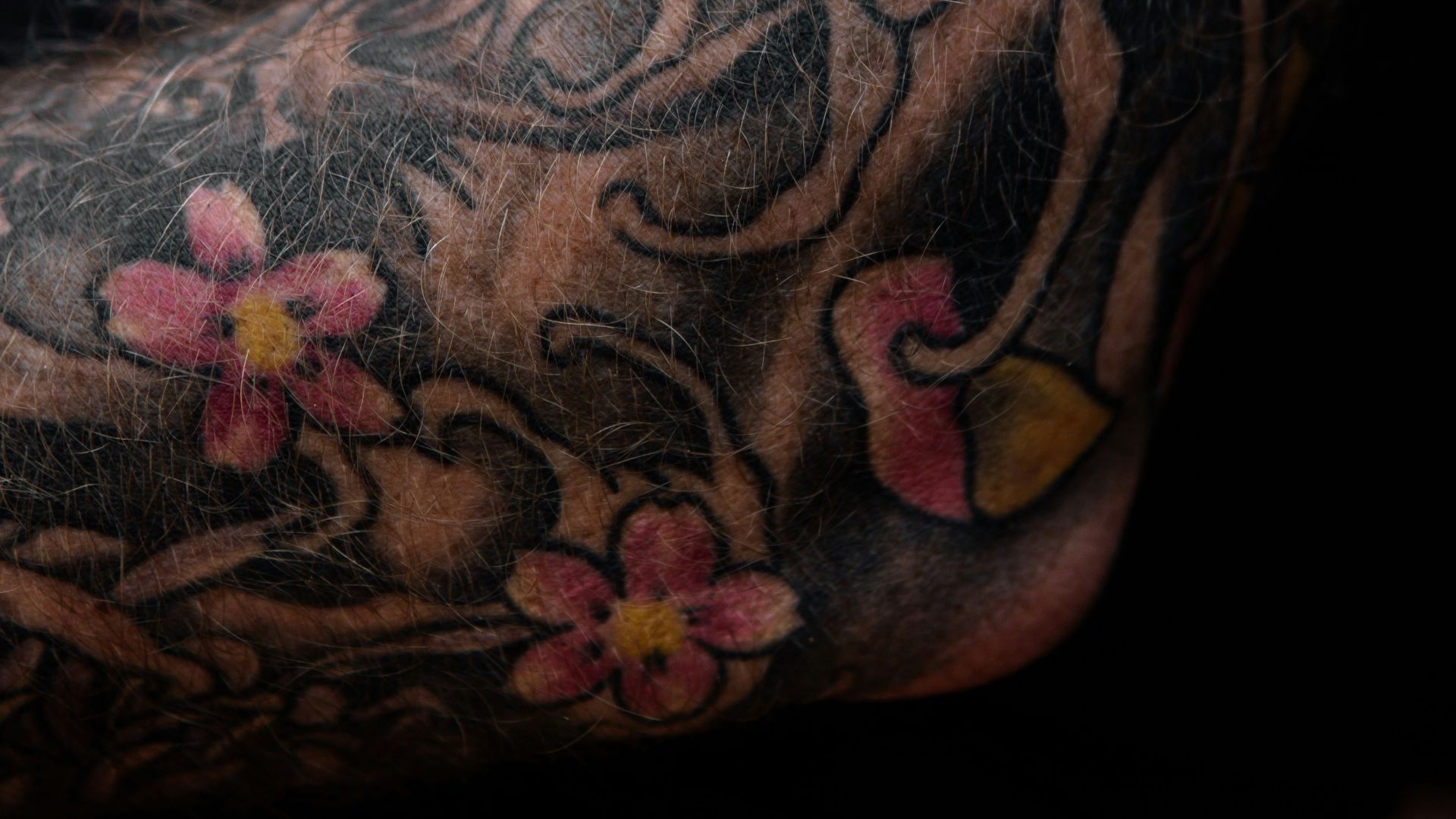
7. The Healing Stages
Fresh permanent ink may first appear darker, shinier, redder, or slightly swollen. Over the next several days, the skin can become itchy, flaky, or lightly scabbed before it settles into its healed appearance. A group of photos showing the tattoo change through those stages gives strong support to the idea that the design is permanent.
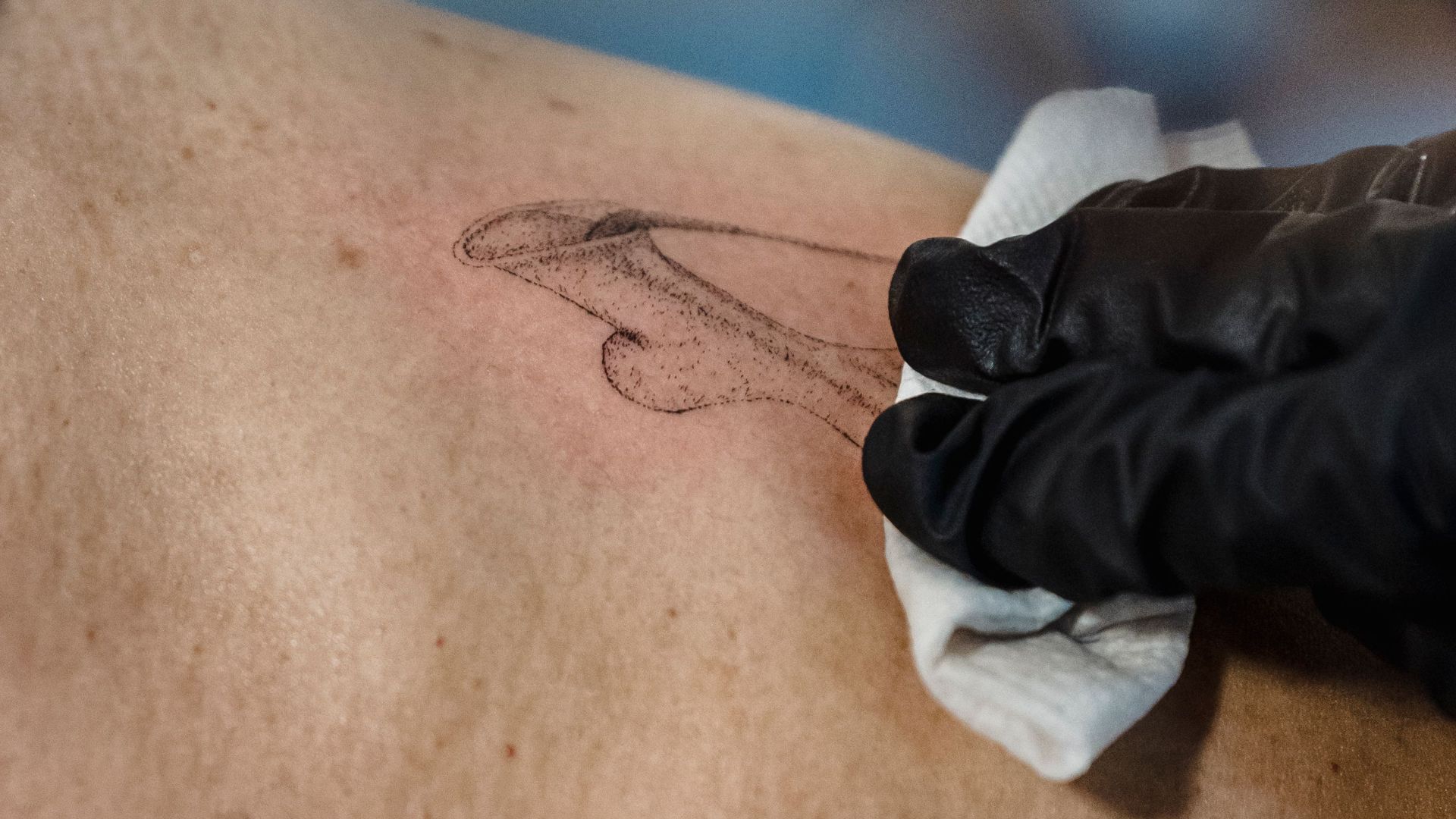
8. Bandages Or Second Skin
Tattoo artists often cover fresh work with a suitable dressing and explain how to care for it at home. A photo taken after an appointment may show clear film or a bandage placed over the design. When later pictures show the area healing normally over the following days, that timeline supports the claim that the tattoo is real and permanent.
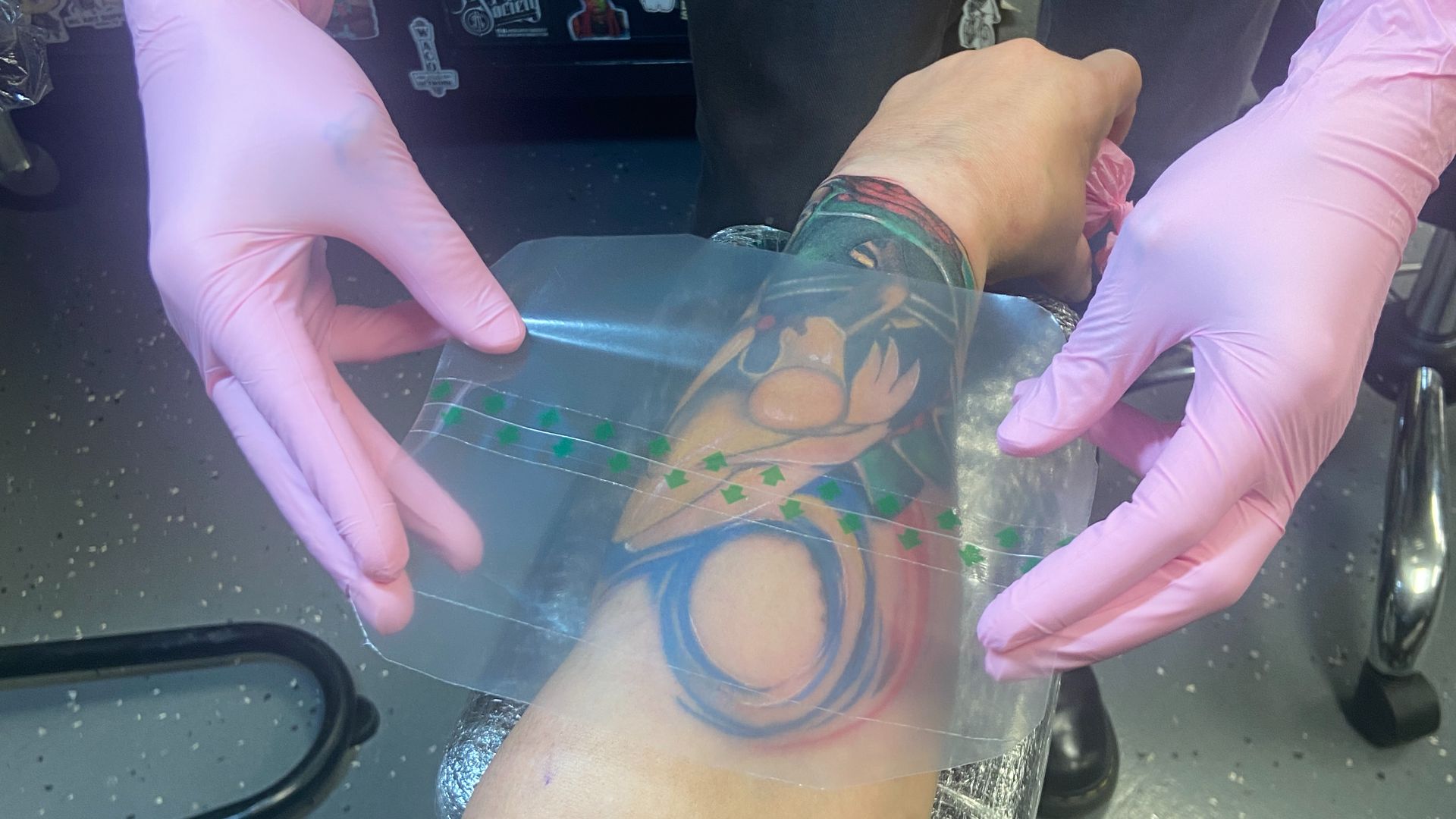
9. The Tattoo Artist Posted It
Many tattoo artists photograph finished pieces for their portfolios or social media accounts, and some also post pictures once the tattoo has healed. A dated studio post or an appointment photo can create a clear record of when the design was done.

10. It Appears In Everyday Photos
Permanent tattoos tend to show up whether the wearer is trying to feature them or not. The same design may be visible in airport snapshots, family photos, workout clips, and dimly lit candid pictures taken months apart. When its placement and details stay consistent through different outfits, poses, cameras, seasons, and lighting, the tattoo is far more likely to be permanent.