
The Details Nobody Tells You They're Clocking
A smile does more first-impression work than almost anything else on a face, and people register the details faster than they'd probably admit. Nobody's standing there taking inventory on purpose, but the brain still picks up on warmth, hesitation, and everything in between within a second or two. Some of what gets noticed has nothing to do with teeth at all. A lot of it comes down to timing, ease, and whether the whole thing feels like it's actually meant for the person standing there. Here's 20 things people clock about a smile before they've even had time to think about it.

1. Whether It Reaches The Eyes
A smile that stays only around the mouth reads as polite rather than genuine, and people notice that gap almost instinctively. The real tell shows up in small creases at the corners of the eyes, the kind that only happen when the smile isn't performed. It's the fastest way anyone can tell whether they're getting a real reaction or a professional one.

2. How Quickly It Shows Up
A smile that arrives instantly after eye contact reads as warmth, while one that takes a beat to form can come across as calculated, even if that's not the intention at all. People pick up on that timing faster than they consciously realize. A slight delay isn't a dealbreaker, but it does change the first read.

3. The Way It Fades
How a smile disappears matters almost as much as how it arrives. A slow fade feels natural and unforced, while one that snaps off abruptly can leave the other person wondering if something was wrong the whole time. That lingering half-second at the end tends to stick in memory longer than the smile itself.

4. Whether The Teeth Show At All
Some people default to a closed-mouth smile out of habit, self-consciousness, or just personal style, and others show a full set of teeth without thinking twice. Neither is inherently better, but people do notice the difference and often read a fuller smile as more open. A closed-mouth smile can come across as warm too, just in a quieter register.

5. Any Asymmetry
Almost nobody's smile is perfectly even, and most people don't consciously catalog that fact, but it registers anyway as part of what makes a particular smile recognizable. A slight lift on one side often reads as charm rather than flaw. It's usually the thing that makes someone's smile distinct enough to picture later.
6. The Color Of The Teeth
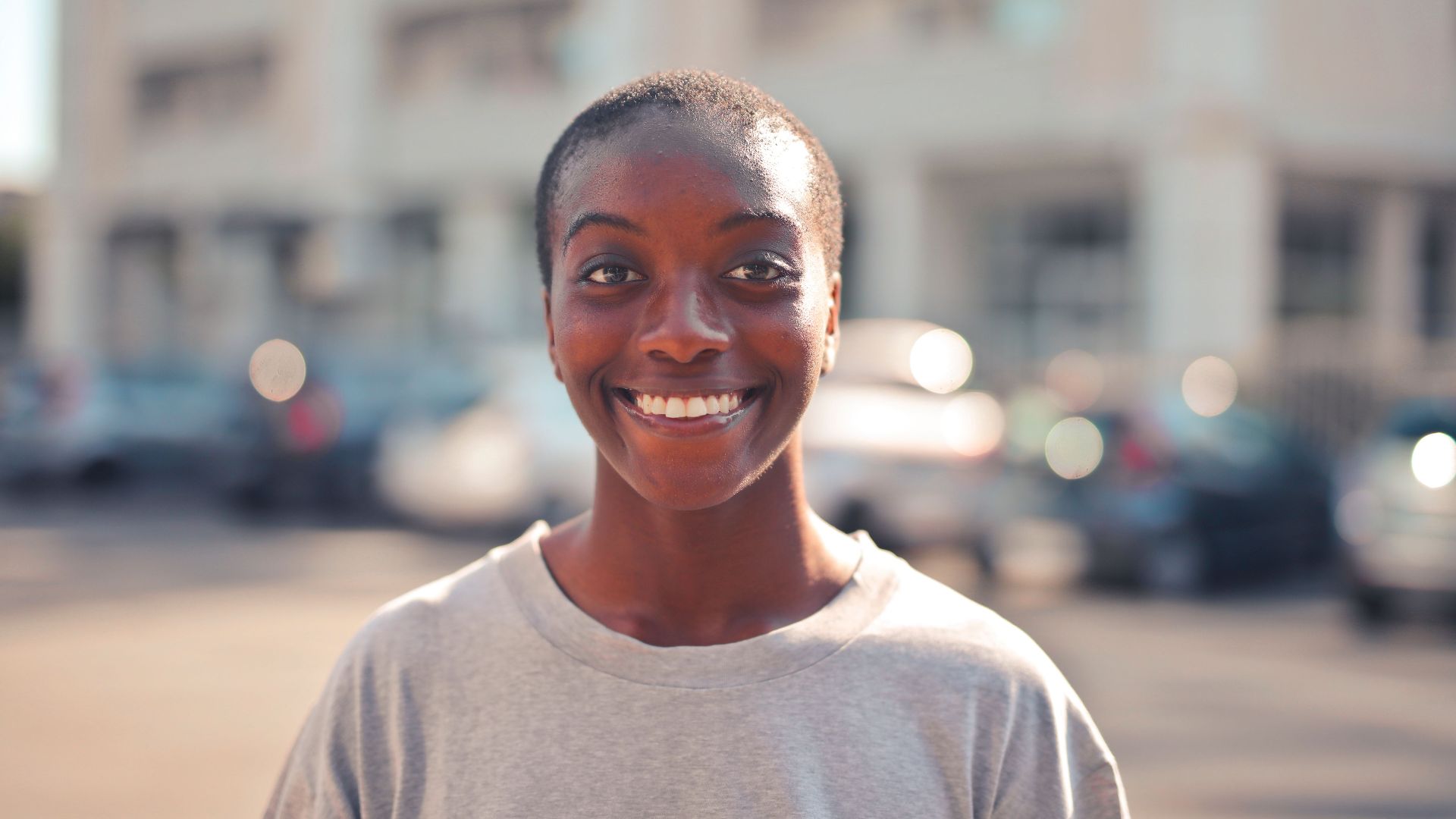
This one gets noticed more than people like to admit, though rarely in a judgmental way unless it's extreme. A little yellowing from coffee or wine barely registers, but a bright, uniform white does tend to draw the eye first. It's less about perfection and more about whether anything looks jarring against the rest of the face.
7. Gaps Or Crookedness
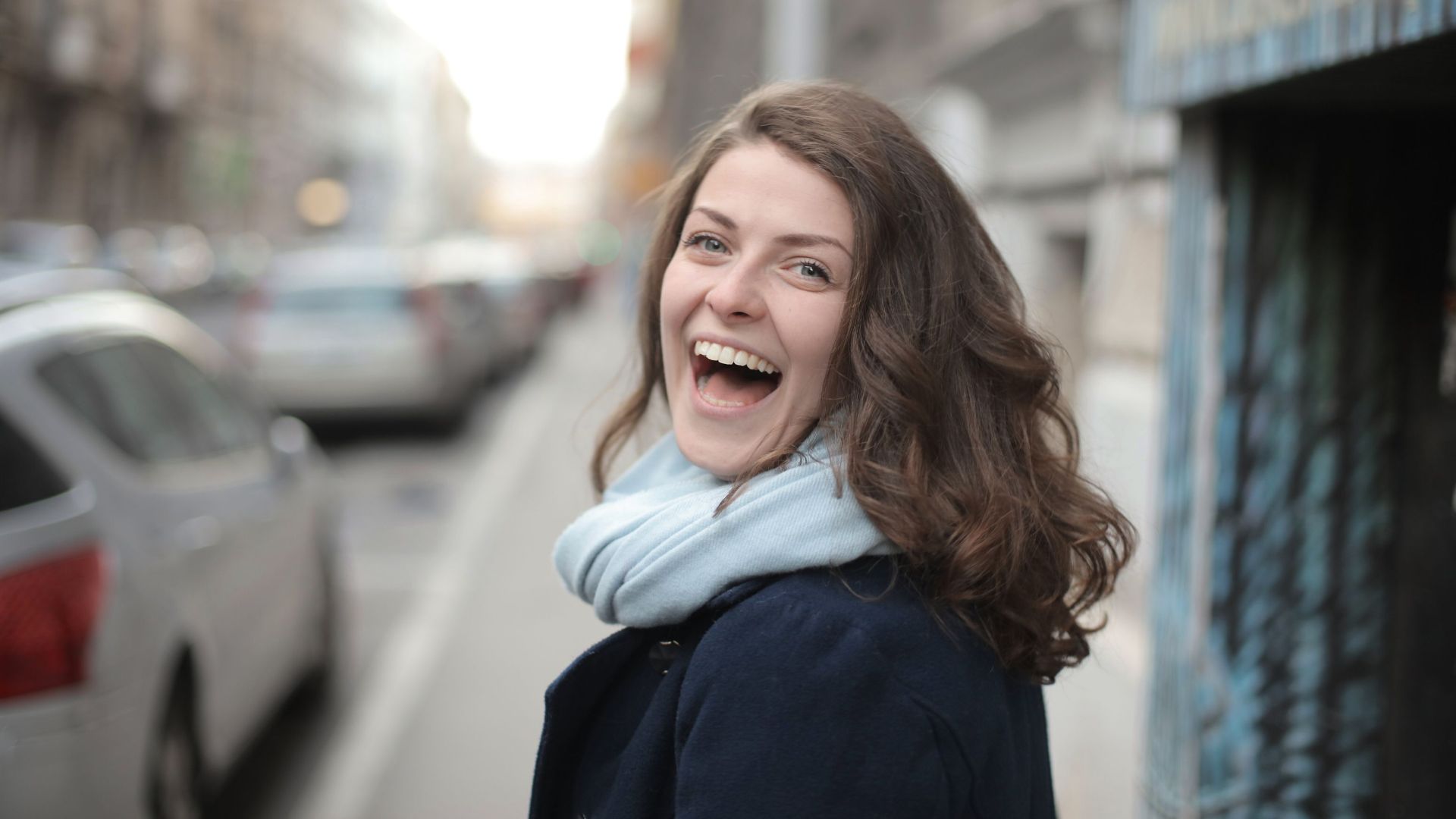
A gap between the front teeth or a slightly crooked smile gets clocked almost immediately, and far more often than not, it reads as character rather than flaw. Plenty of well-known smiles are memorable specifically because of an imperfection like this. It tends to make a smile feel distinctly like one particular person's, instead of interchangeable with anyone else's.
 Golnar Sabzpoush Rashidi on Pexels
8. Whether The Lips Are Relaxed
Tense, pressed lips right before or during a smile often signal nerves, even when the smile itself looks fine. People pick up on that tension without necessarily naming it, registering the whole expression as slightly guarded. Relaxed lips make even an ordinary smile read as more comfortable.
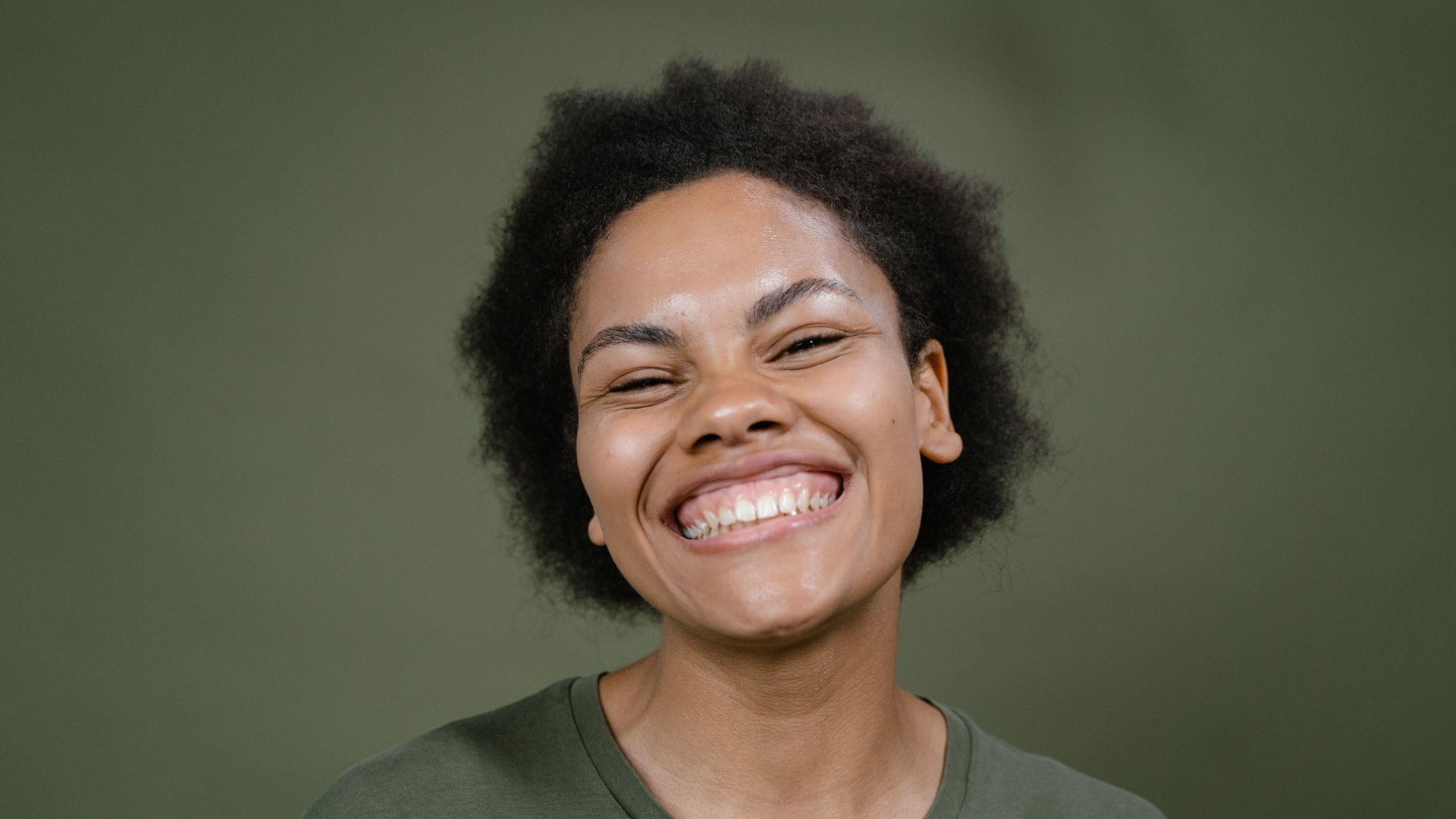
9. How Much The Cheeks Lift
A genuine smile pulls the cheeks up along with the mouth, changing the whole shape of the face rather than just the lips. People notice when only the mouth moves and the rest of the face stays still, even if they can't quite articulate why something feels off. That full-face lift is one of the clearest signs a smile isn't just for show.

10. The Direction It's Aimed
A smile given directly, with full eye contact, lands very differently than one delivered slightly off to the side or down at the floor. People register who a smile seems meant for almost instantly, and a smile that clearly includes them tends to feel more sincere. Where the eyes go matters just as much as the mouth.
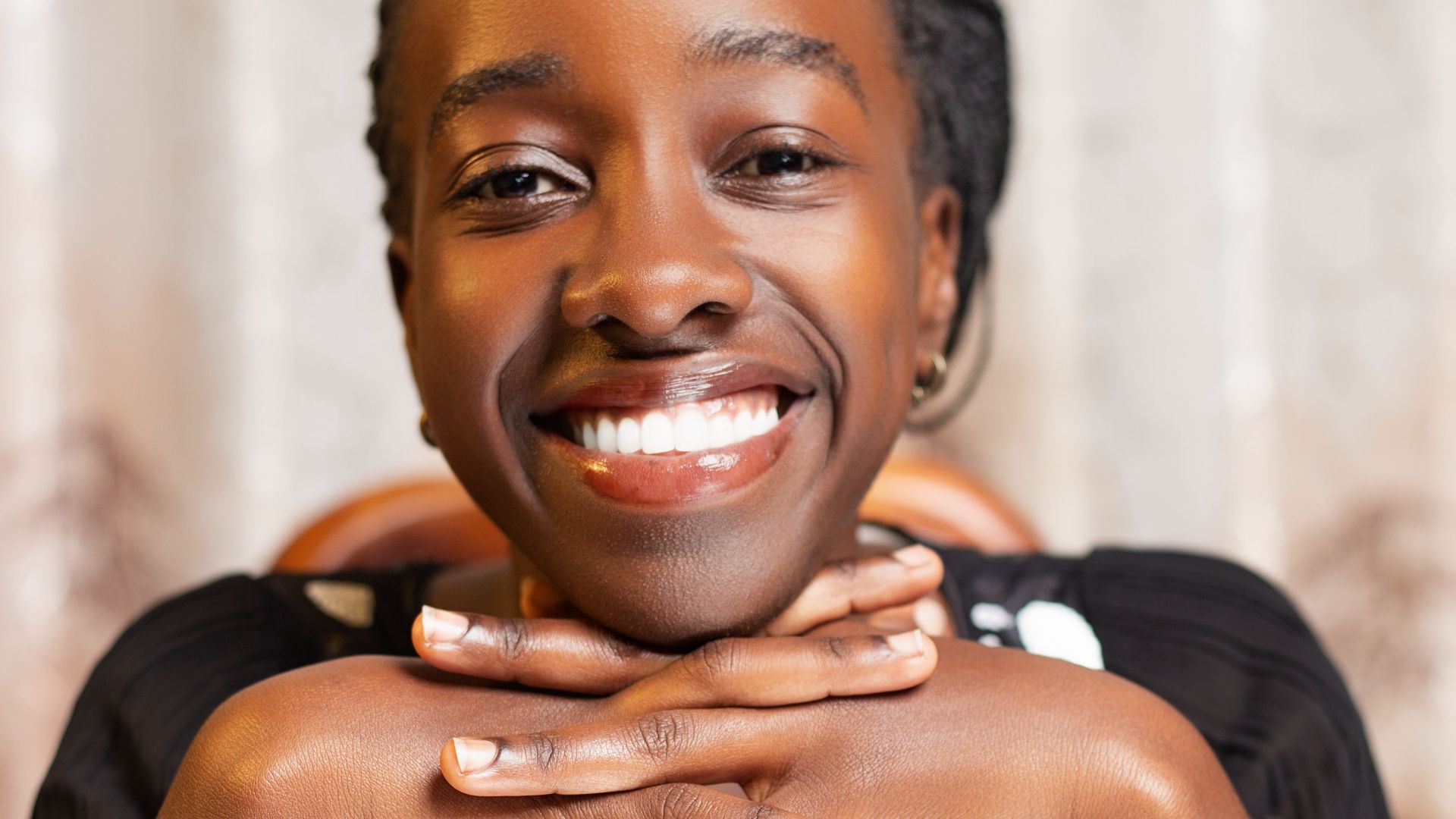
11. Whether It's Held Too Long
A smile stretched past its natural length starts to feel performative, even if the intention behind it was warm. People notice that lingering quality without always being able to say why it feels slightly off. A shorter, more natural smile almost always reads as more comfortable than one held for the camera a beat too long.

12. The Brightness Of The Eyes Alongside It
A smile paired with dull or distracted eyes doesn't land the same way as one paired with genuine attention. People notice this combination almost immediately, sensing whether the smile is backed by real presence or just muscle memory. It's often the eyes, not the mouth, that decide whether a smile feels believable.

13. How Often It Appears In Conversation
Someone who smiles occasionally throughout a conversation, rather than holding one fixed expression the whole time, tends to come across as more engaged. People pick up on that rhythm without consciously tracking it. A smile that shows up at the right moments feels far more genuine than one worn like a constant mask.

14. Whether It Looks Rehearsed
A smile that appears identical in every photo or every greeting starts to feel like a default setting rather than a real reaction. People notice that sameness eventually, even if it takes a few interactions to register. A smile with a little natural variation from moment to moment tends to feel more alive.

15. The Warmth In The Voice That Comes With It
A smile paired with a flat or distracted tone of voice creates a strange mismatch that people notice immediately, even if they can't quite explain the discomfort. When the voice and the smile match in warmth, the whole interaction feels more consistent. It's one of the fastest ways people sense whether someone's fully present.

16. How Quickly It Fades After A Photo Is Taken
The gap between a photographed smile and how quickly it disappears afterward gets noticed more than people expect. An instant drop can make the earlier smile feel a little manufactured in hindsight. A smile that lingers naturally after the camera moves away tends to feel more trustworthy overall.

17. Whether Nervous Habits Show Up Around It
A hand that moves to cover the mouth, or a slight lip bite right before smiling, signals self-consciousness that people register even when they don't mention it. That small tell often says more than the smile itself does. Confidence in a smile usually comes through in the absence of those little defensive gestures.

18. The Shape Of The Smile Itself
Some smiles pull wide and flat, others curve upward more dramatically at the corners, and people notice that shape as part of what makes a smile recognizable. Neither shape reads as better, but the distinctiveness itself tends to stick in memory. It's often the specific curve, more than the teeth, that people picture afterward.
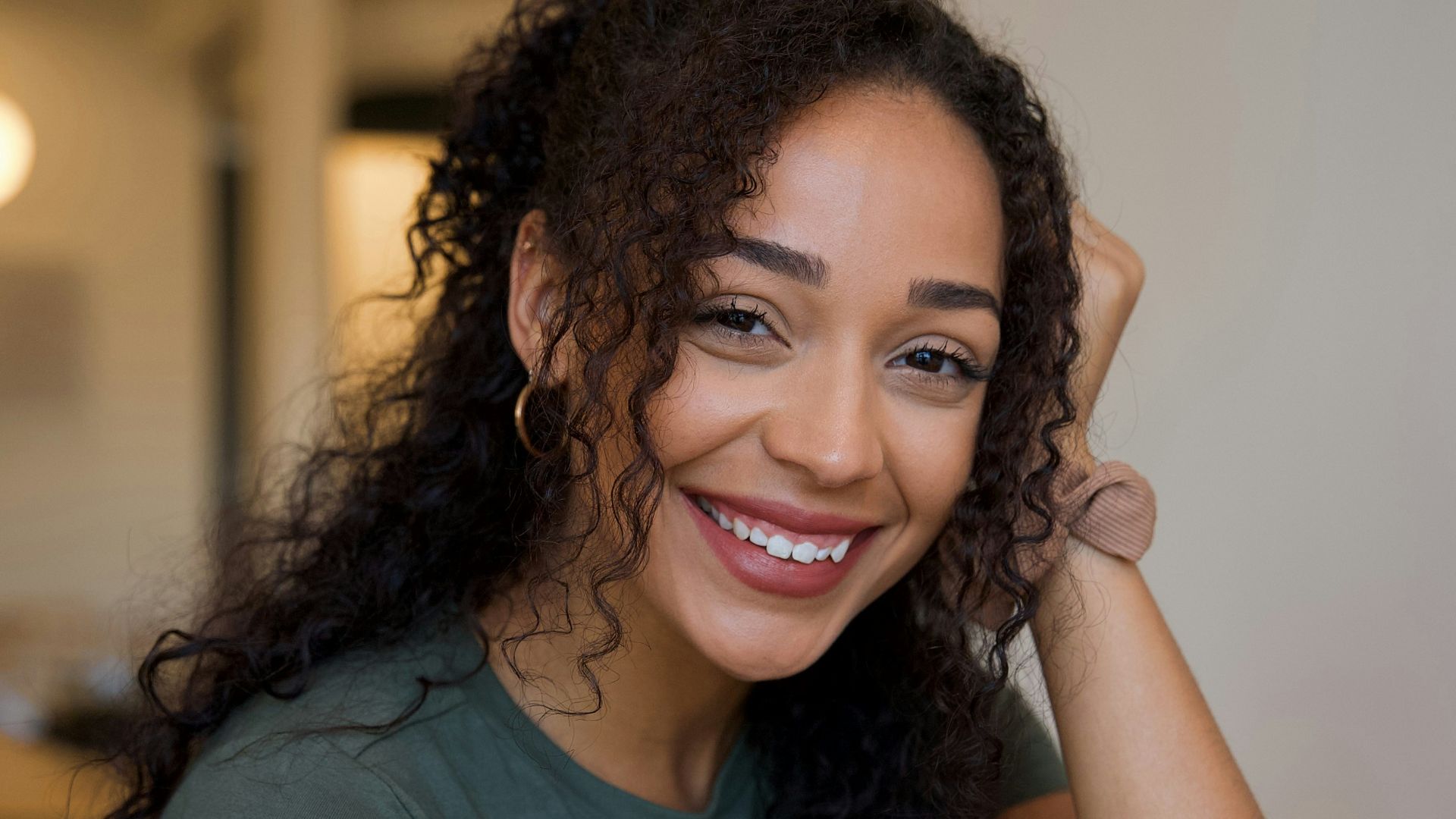
19. Whether It Changes Around Different People
A smile that looks noticeably different, warmer, easier, more relaxed, around one particular person versus everyone else gets noticed by anyone paying attention. That shift often says more about the relationship than either person would say out loud. People remember being the one who got the different version.
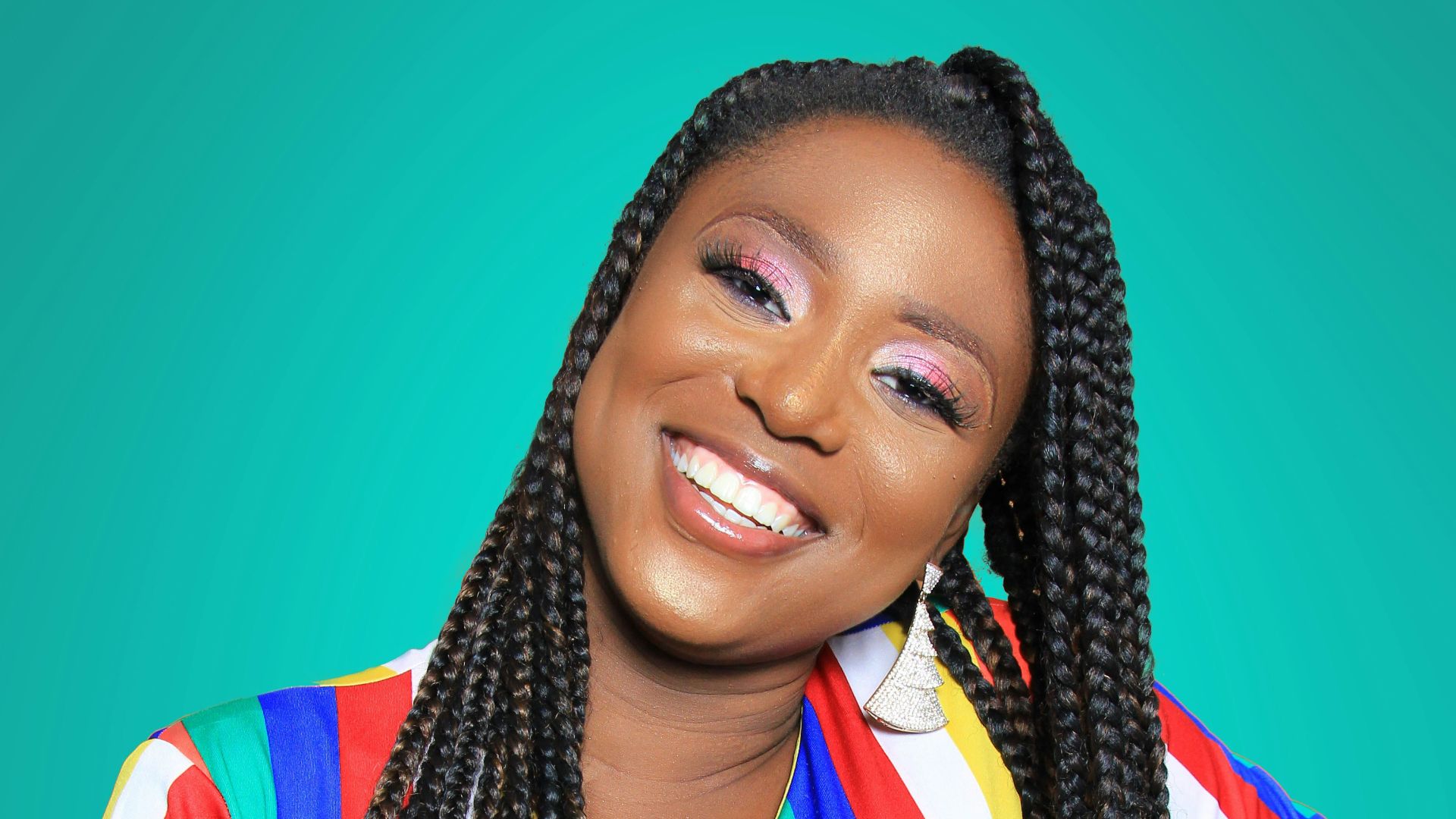
20. The Overall Ease Of It
More than any single detail, people notice whether a smile looks effortless or like it's being worked for. An easy, unforced smile makes everything else about the interaction feel more comfortable by extension. It's usually the very last thing anyone could describe precisely, and the first thing they remember.