What Survived And What Expired
Ask your dad about clothes and you'll get a verdict, not an opinion. He bought one suit in 1987, it did the job at every wedding and funeral since, and nothing has come along to contradict him. Some of what he told you was right, though usually for reasons that had nothing to do with looking good. The rest was social code from a world of dress codes and club dining rooms, and most of it expired without anyone putting out a notice. Here's 10 rules worth keeping and 10 you can let go.
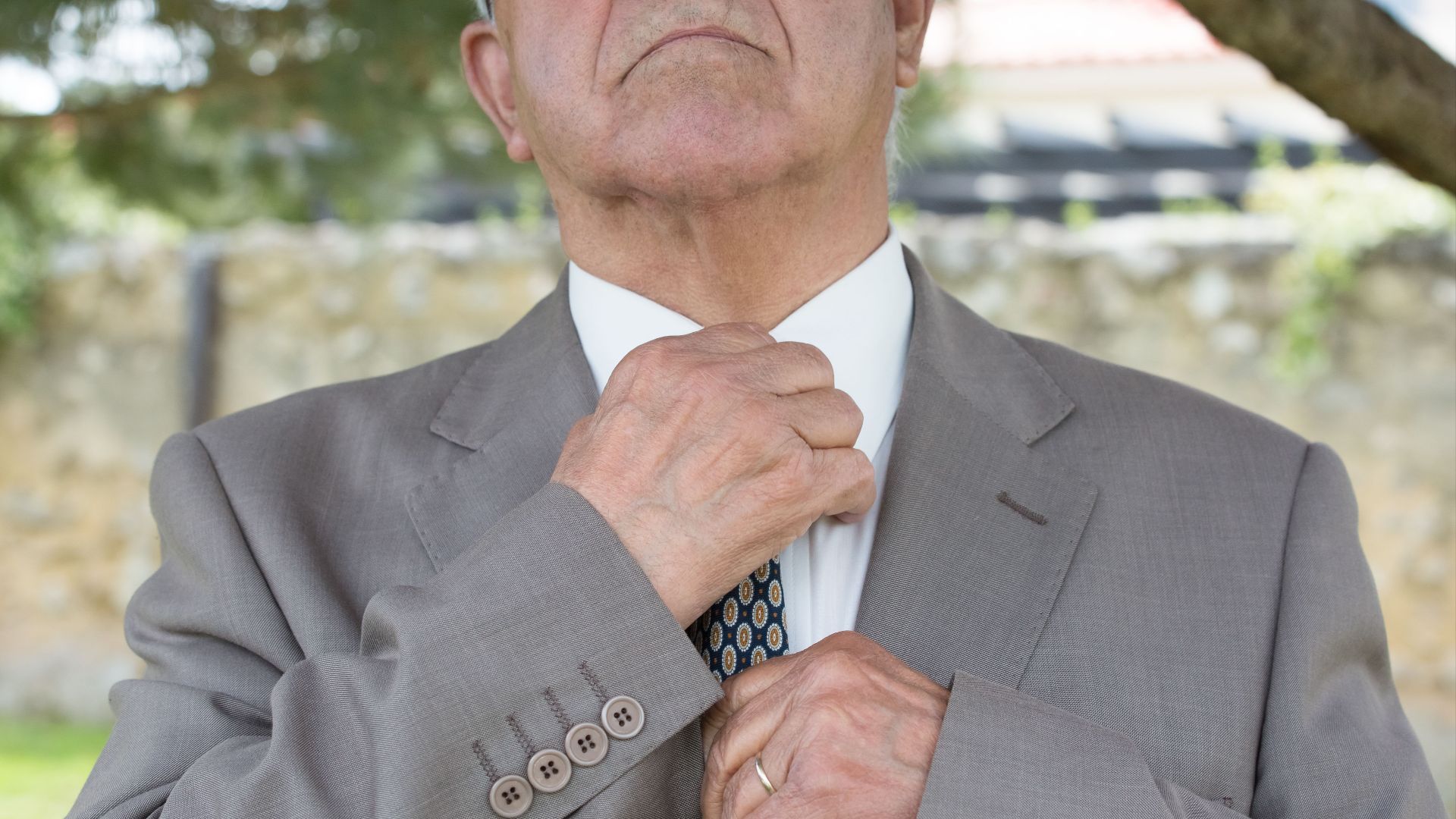
1. Fit Over Everything
A $200 jacket that fits beats a $2,000 one that doesn't, and your dad worked this out because he only ever owned the cheaper one. Reshaping a shoulder is expensive, and taking in a waist or shortening a sleeve is not. Most men are walking around in sleeves an inch too long.

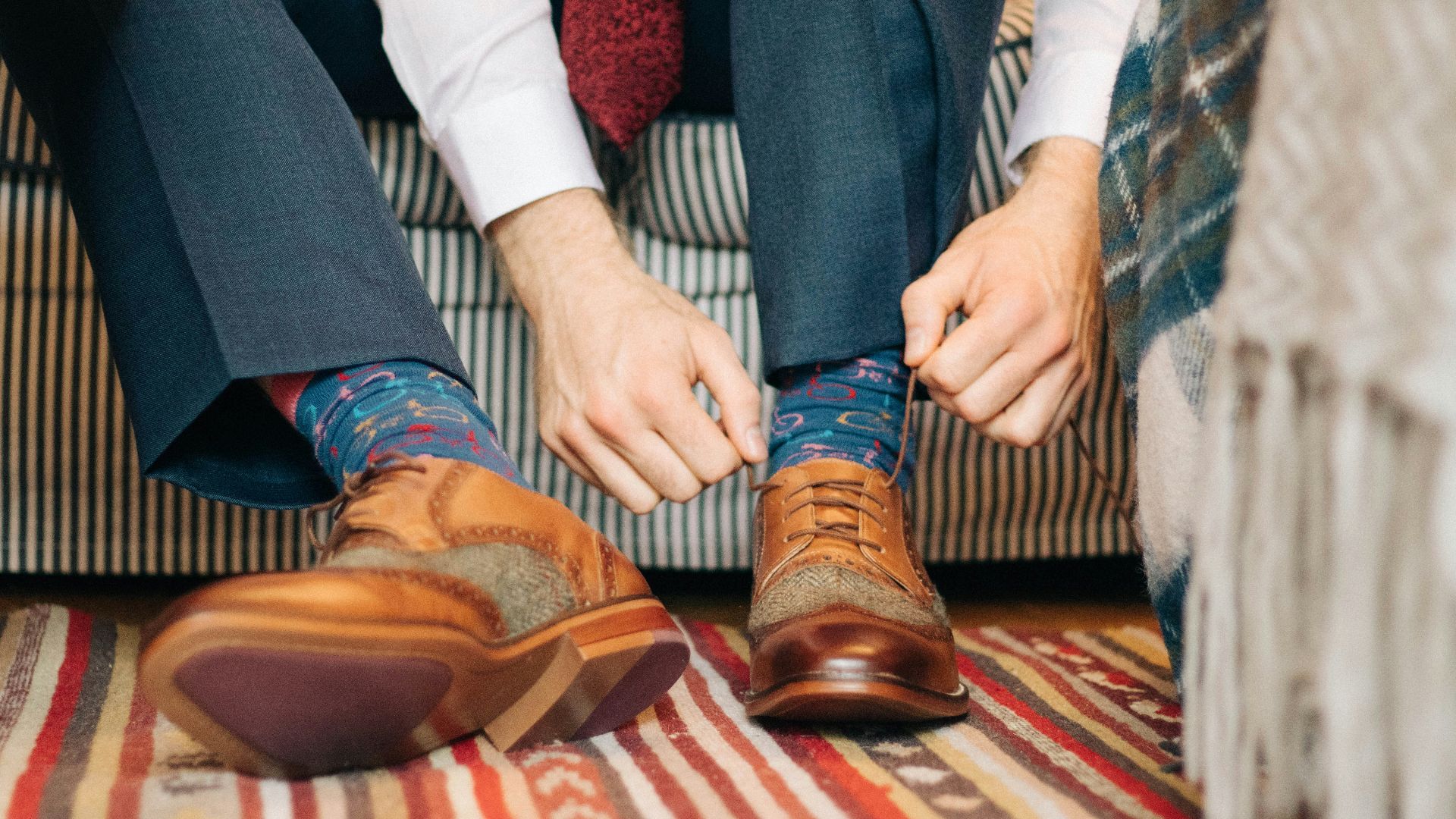
2. Take Care Of Your Shoes
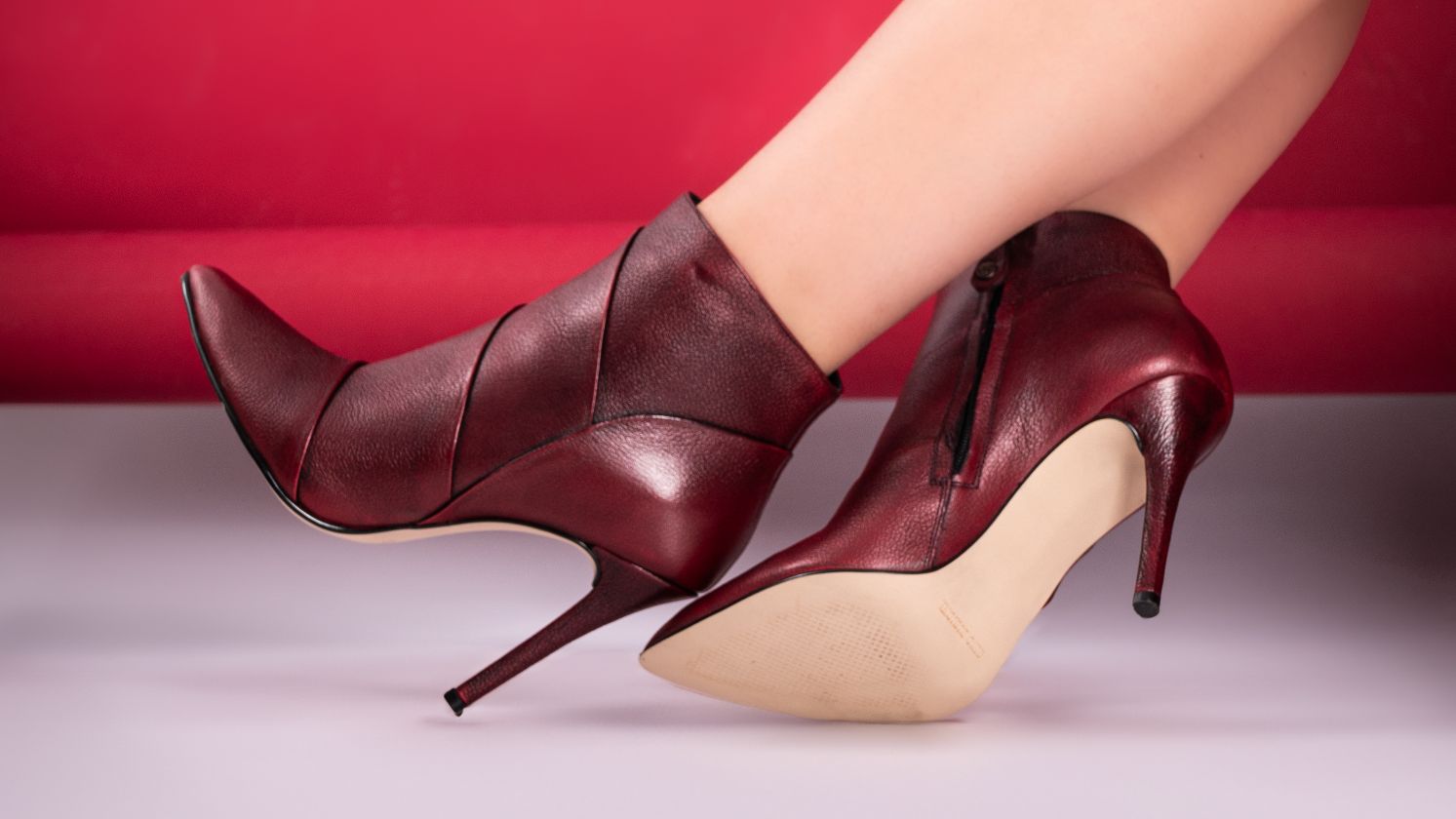
Leather dries out and cracks when nobody touches it for a couple of years. Ten minutes with polish and a brush every few months keeps a pair alive for a decade, and resoling costs a fraction of replacing them. Cedar shoe trees do more than they look like they should.
3. One Good Coat
Dads bought a single overcoat and wore it until the lining gave out. That's still better math than three cheap ones, since a wool coat looks the same in year eight while a poly blend starts pilling by February. You wear it more than anything else you own between November and March.

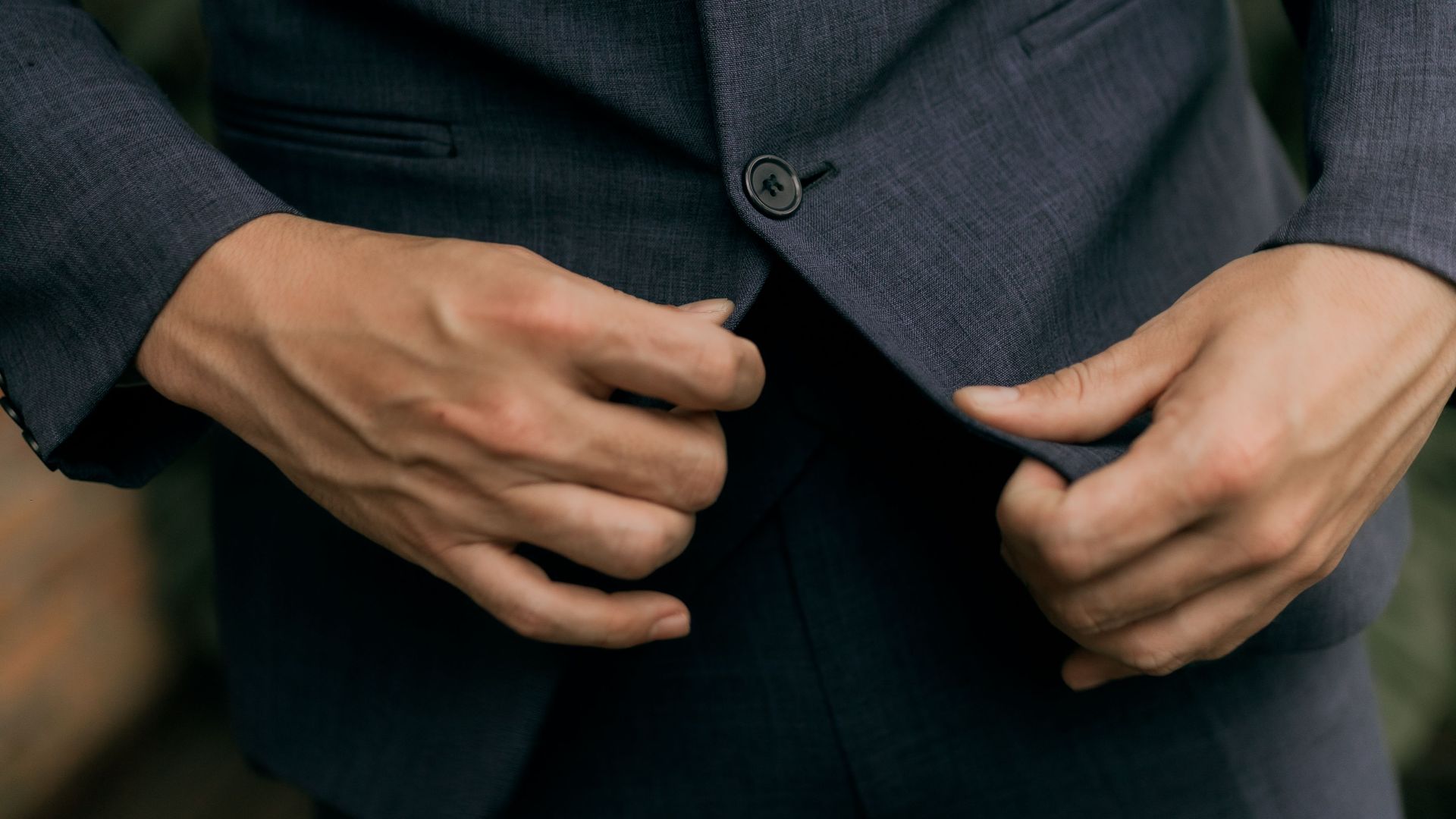
4. Leave The Bottom Button Alone
A suit jacket is cut to close at the waist button and hang open below it, which is why fastening the bottom one pulls the front into a visible X. The usual story credits Edward VII, who supposedly got too heavy to close his. Nobody has to believe the story to see that the jacket hangs better.
5. Dress Up When You're Not Sure
Showing up slightly overdressed reads as effort. Showing up under it reads as a decision you made about the people in the room. A blazer comes off easily, and a hoodie is asking for trouble.

6. Buy For The Body You Have
The suit bought for a goal weight sits in the closet with the tags still on, and everyone knows this because everyone's father owned one. Clothes that fit this month get worn this month. You can always have something taken in later, which is cheaper and easier than letting it out.

7. A Navy Blazer Covers It
A navy blazer and gray trousers will get you through a funeral or a first date without anyone thinking about your clothes. Dads leaned on this combination because the alternative was buying six outfits. It still works for exactly the same reason.

8. Break Shoes In Early
New dress shoes will take a layer of skin off your heel at the precise moment you have to walk from a parking lot to a ceremony. Wear them around the house for a week first. Your dad learned this once and never needed a second lesson.

9. Hang It Up At Night
A jacket left on a chair keeps every wrinkle it collected that day. Hanging it overnight lets wool settle back into shape, and it cuts how often things go to the dry cleaner, which is what actually wears fabric out. This takes four seconds and costs nothing.

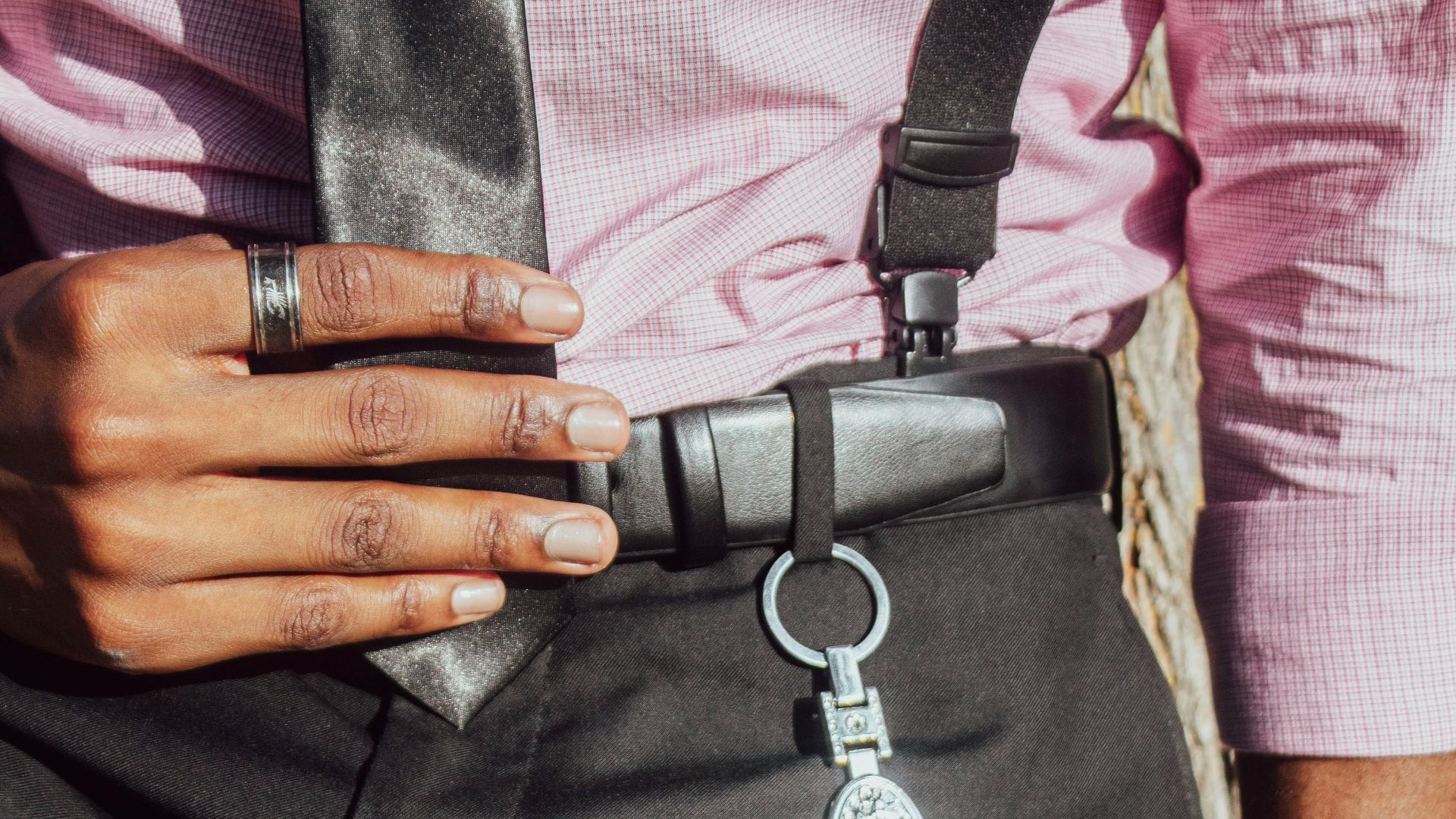
10. Your Tie Ends At Your Belt
The tip of a tie should land in the middle of the waistband, give or take an inch. Too short looks like a costume, and too long looks borrowed. Dads got this right nearly every time because they tied the same knot for forty years.
Now, here's 10 that don't hold true anymore.
1. No White After Labor Day
The rule comes from an era when moneyed families left the city for the summer and changed their clothes to mark the calendar. White jeans in October now read as a comment on the weather. Nobody has enforced this since somewhere around the Reagan administration.

2. No Brown Shoes In Town
London bankers treated brown shoes as country footwear, and the phrase somehow survived into dads repeating it in Ohio. Brown suede with navy is one of the best-looking pairings available to a man. Everyone who policed this has retired.
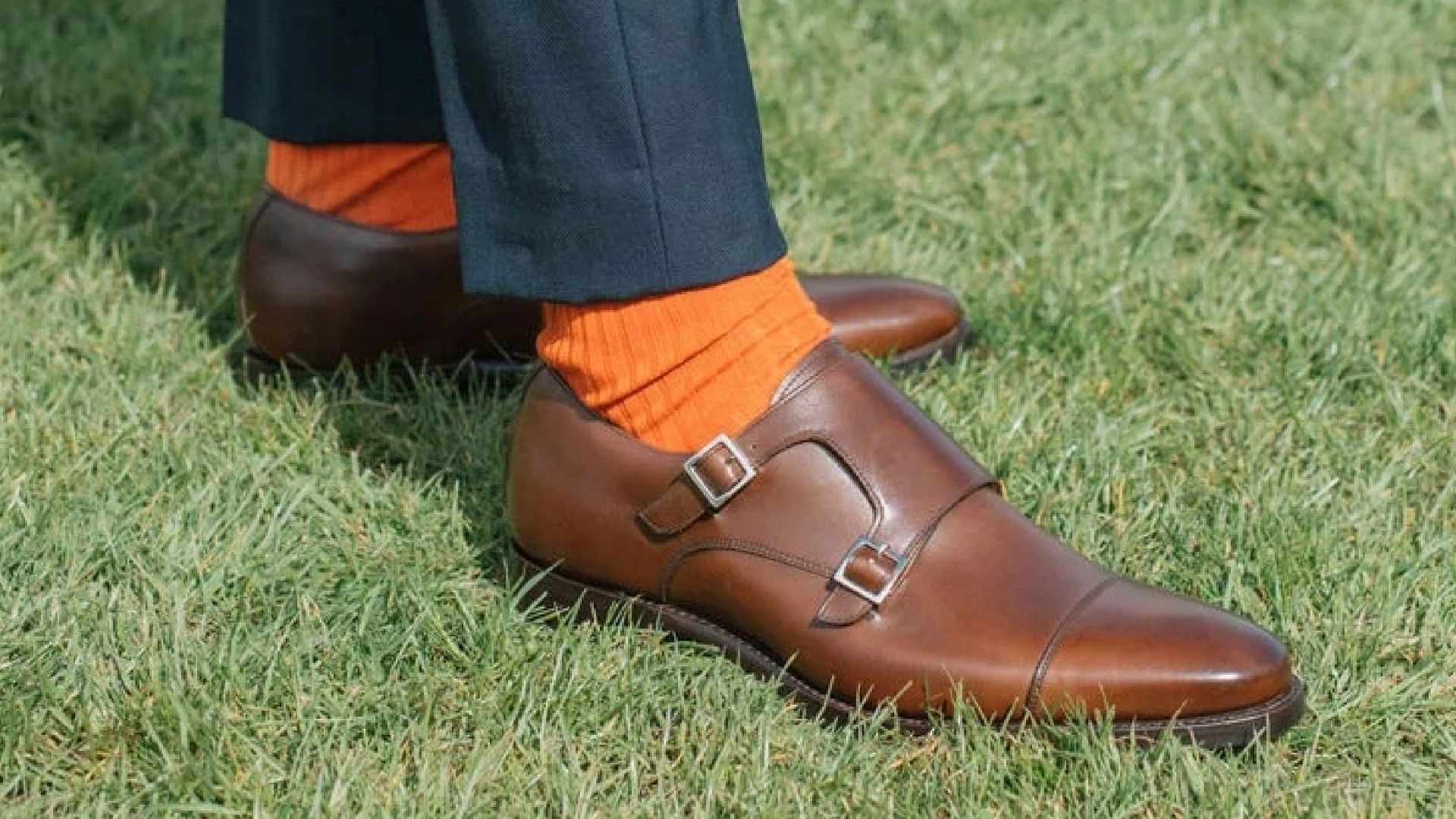
3. Black And Navy Never Touch
This one came from bad lighting. Under old fluorescent office tubes the two colors read as a mistake, and better dyes and better bulbs have mostly settled it. A navy suit with black shoes is standard now.

4. All Your Leather Has To Match
Matching your belt to your shoes exactly was how you looked organized when you owned one belt and two pairs of shoes. Nobody is holding your watch strap up against your loafers. Staying in the same family of brown does the job.
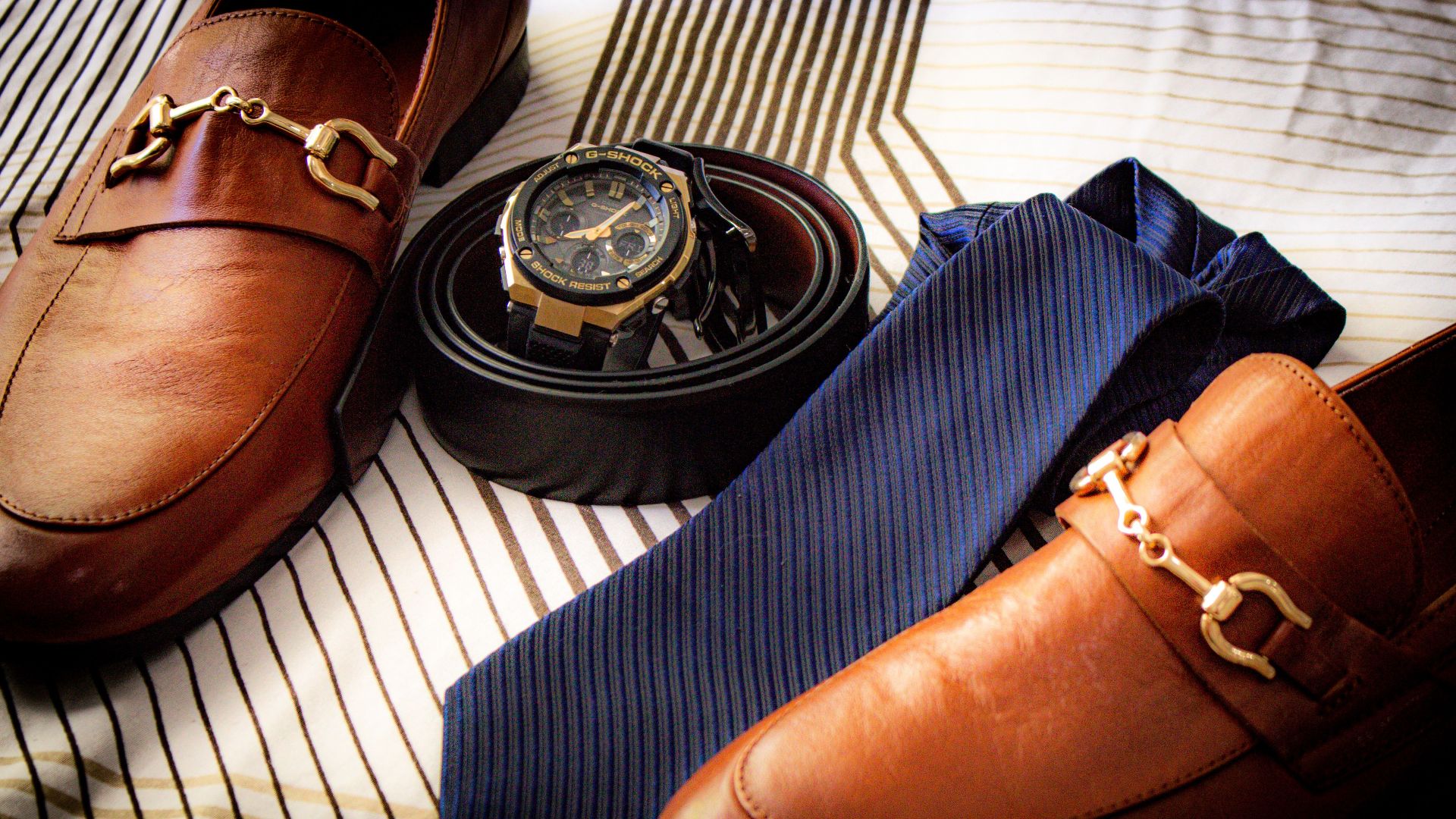
5. A Suit Means A Tie
Suits were work uniforms, so the tie arrived attached to the job. A suit with an open collar is now what most men wear to any wedding short of black tie. The tie has turned into something you add on purpose.

6. No Sneakers With Tailoring
Clean leather sneakers with wool trousers is the default in half the offices in America. The rule died somewhere around 2015 and nobody has tried to bring it back. Canvas high-tops and running shoes are a separate argument.

7. Pink Is For Women
Assigning colors by gender is a fairly recent invention, and American stores often marketed pink to boys before the 1940s. A pale pink oxford flatters more complexions than white does. The discomfort your dad has with it originated sometime around 1975.

8. One Watch, No Jewelry
The jewelry limit existed so a man wouldn't be mistaken for a gambler, which tells you roughly when it was written. A signet ring or a thin chain passes without comment in nearly any room. Nobody cares if you mix and match these days.
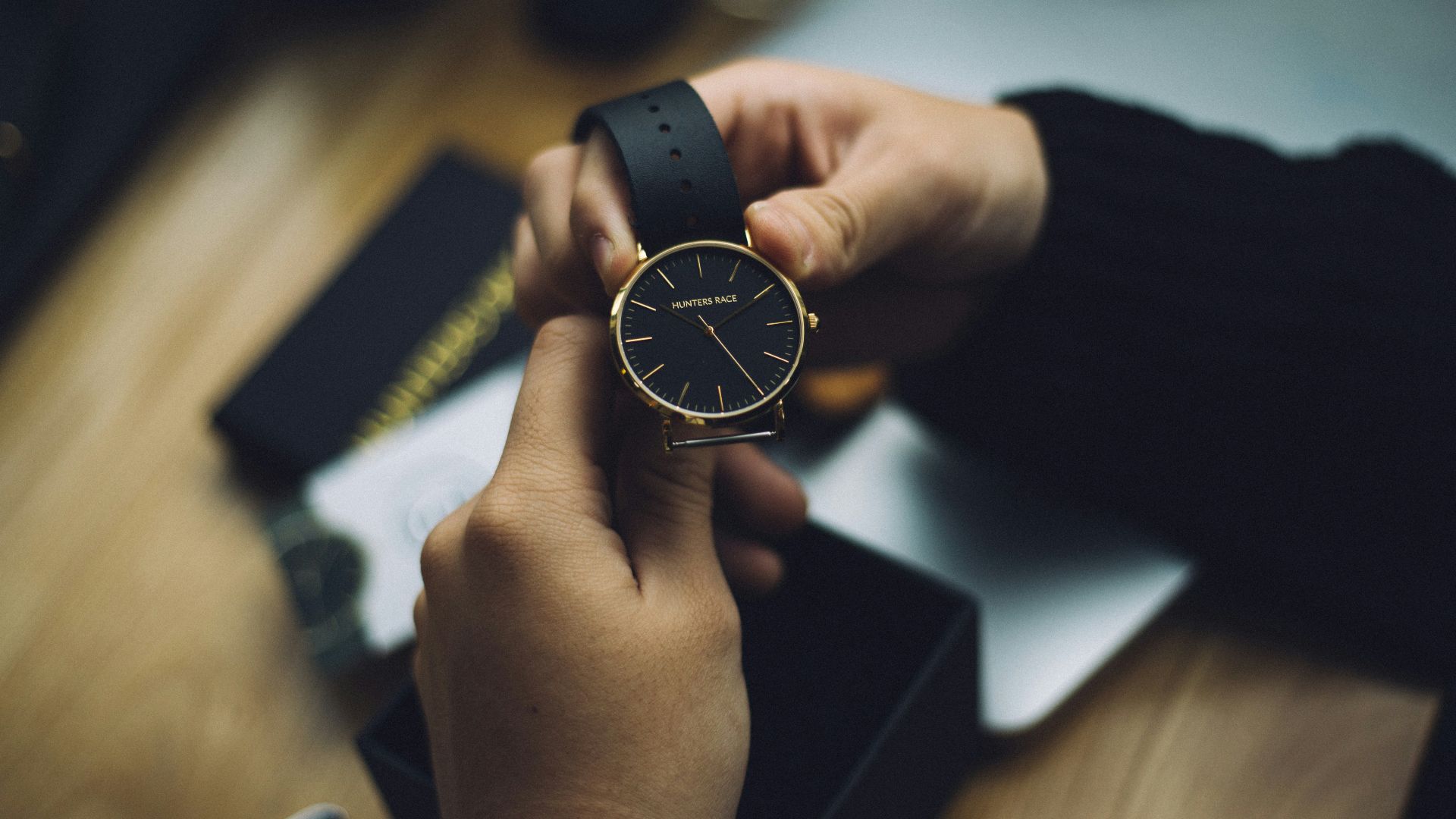
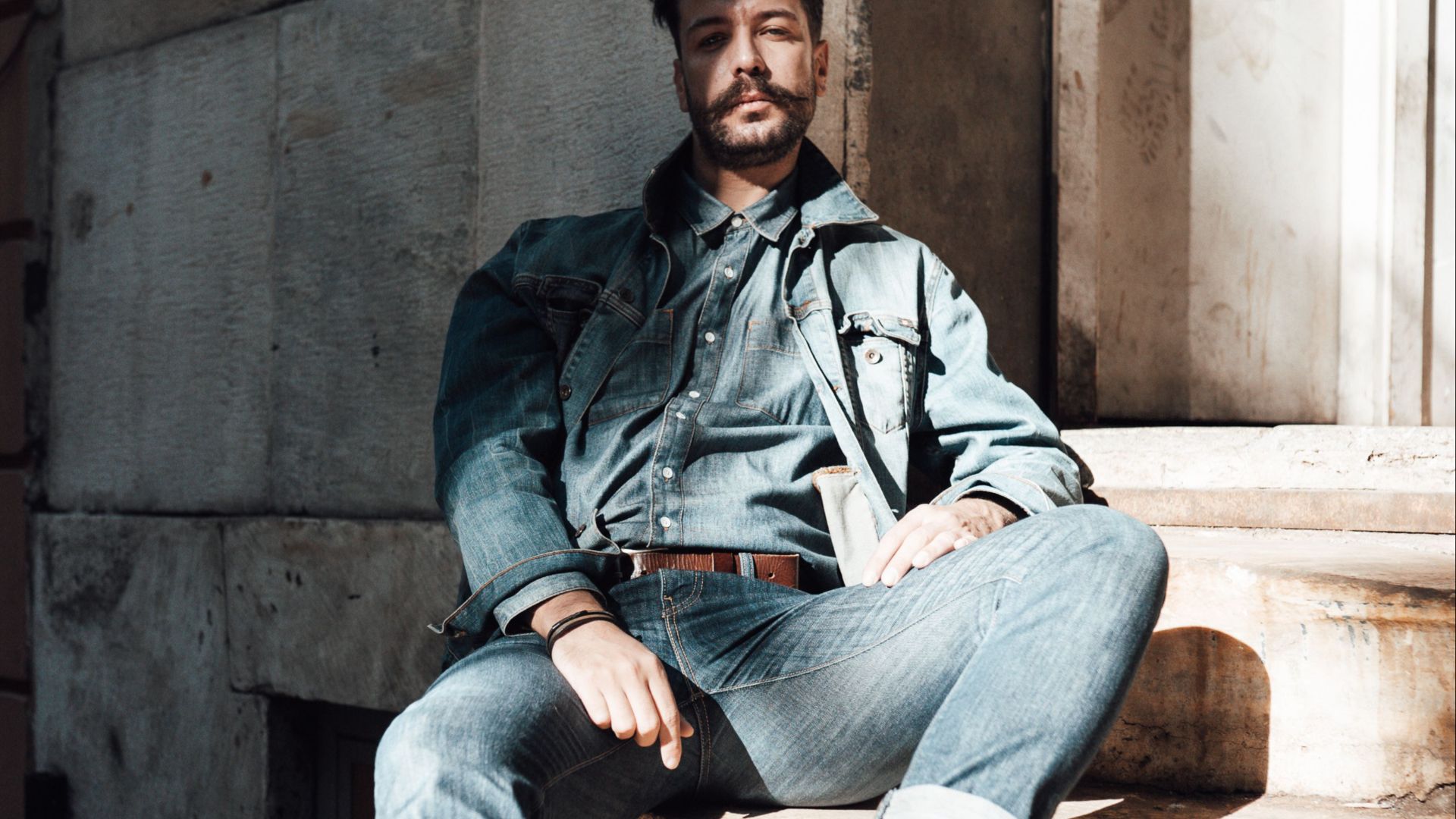
9. Denim Is For Yard Work
Men who grew up seeing jeans on farmhands and mechanics could not file them as restaurant clothing. Dark, unfaded denim under a jacket is about as safe as menswear gets. The yard-work pair still exists and should stay in the yard.
10. Every Man Needs A Black Suit
Black was the funeral standard, so a lot of men bought one for that and then wore it to everything else. Charcoal and navy handle more occasions and look better in daylight. Keep the black suit if you already own one, and stop settling for it as the only suit in your closet.