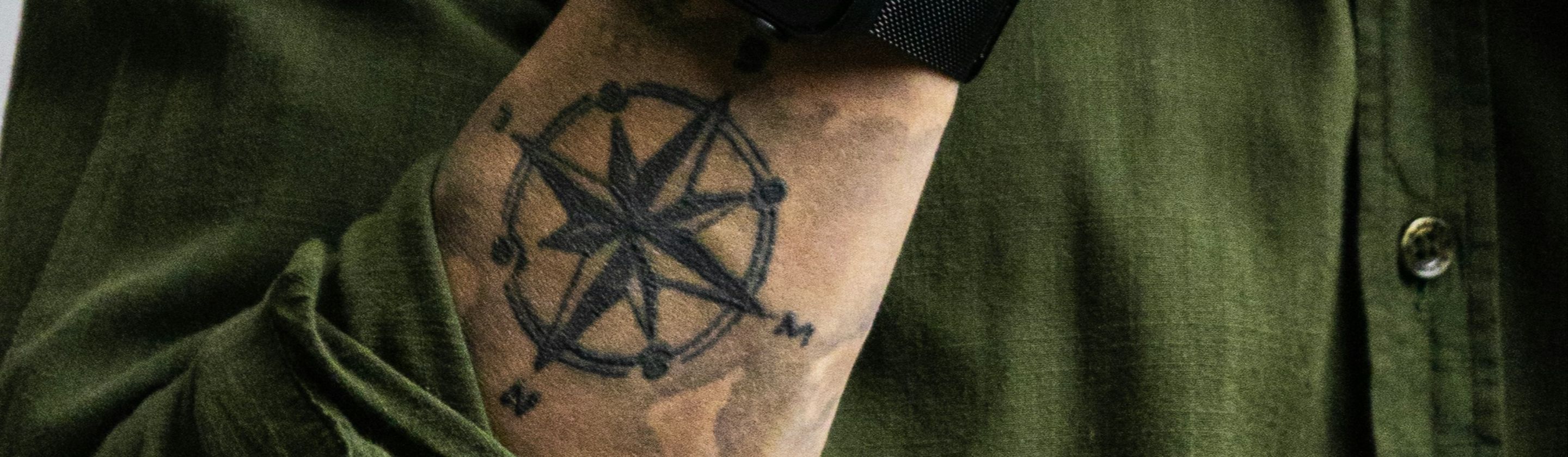
Fresh Ink Doesn't Stay Frozen in Time
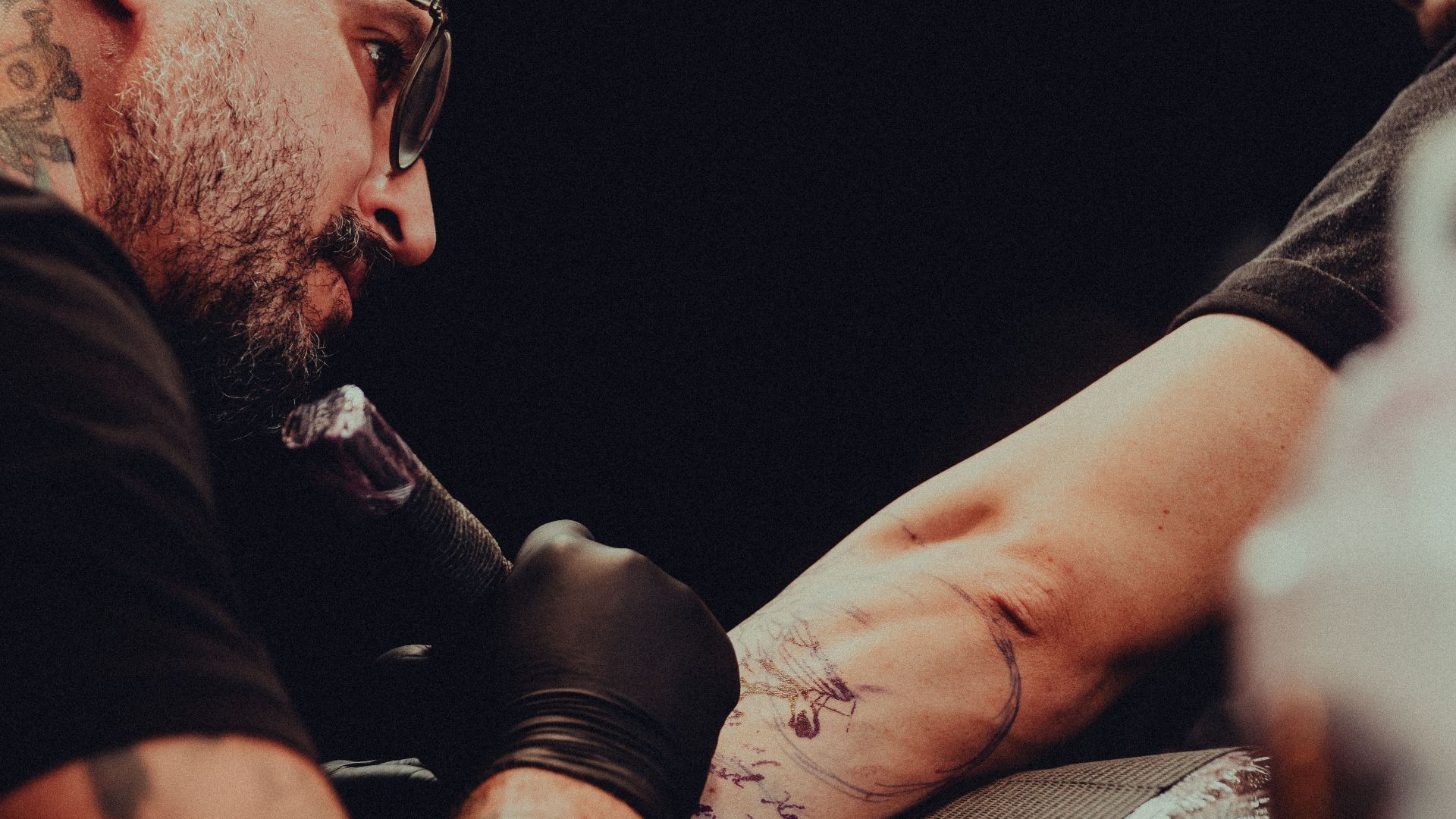
It doesn’t matter if it’s your first tattoo or your twentieth—we’re all excited to sit in the artist’s chair! The thing is, a tattoo can heal beautifully and still look different a decade later, even if you didn’t anticipate any changes. That doesn't make an older tattoo unattractive, but it does mean that certain designs deserve more attention, and we’re here to tell you which ones they are.

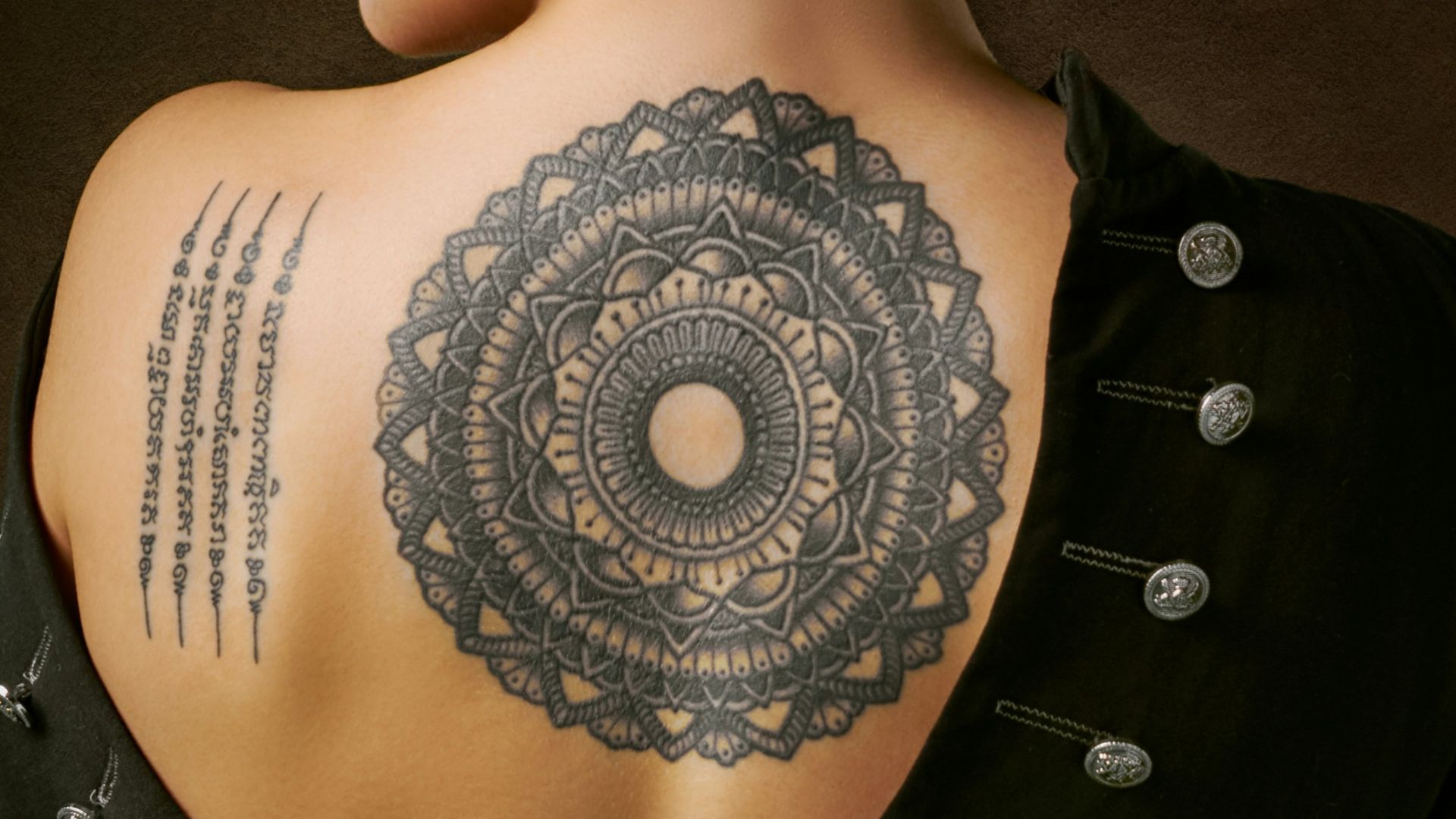
1. Dotwork Mandalas
Fresh dotwork mandalas rely on hundreds of tiny marks to create precise patterns. As the tattoo settles and its smallest details soften, those tightly packed dots can appear closer together, which can distort the image. A mandala that once showed every miniature petal separately may eventually read more like a shaded flower.
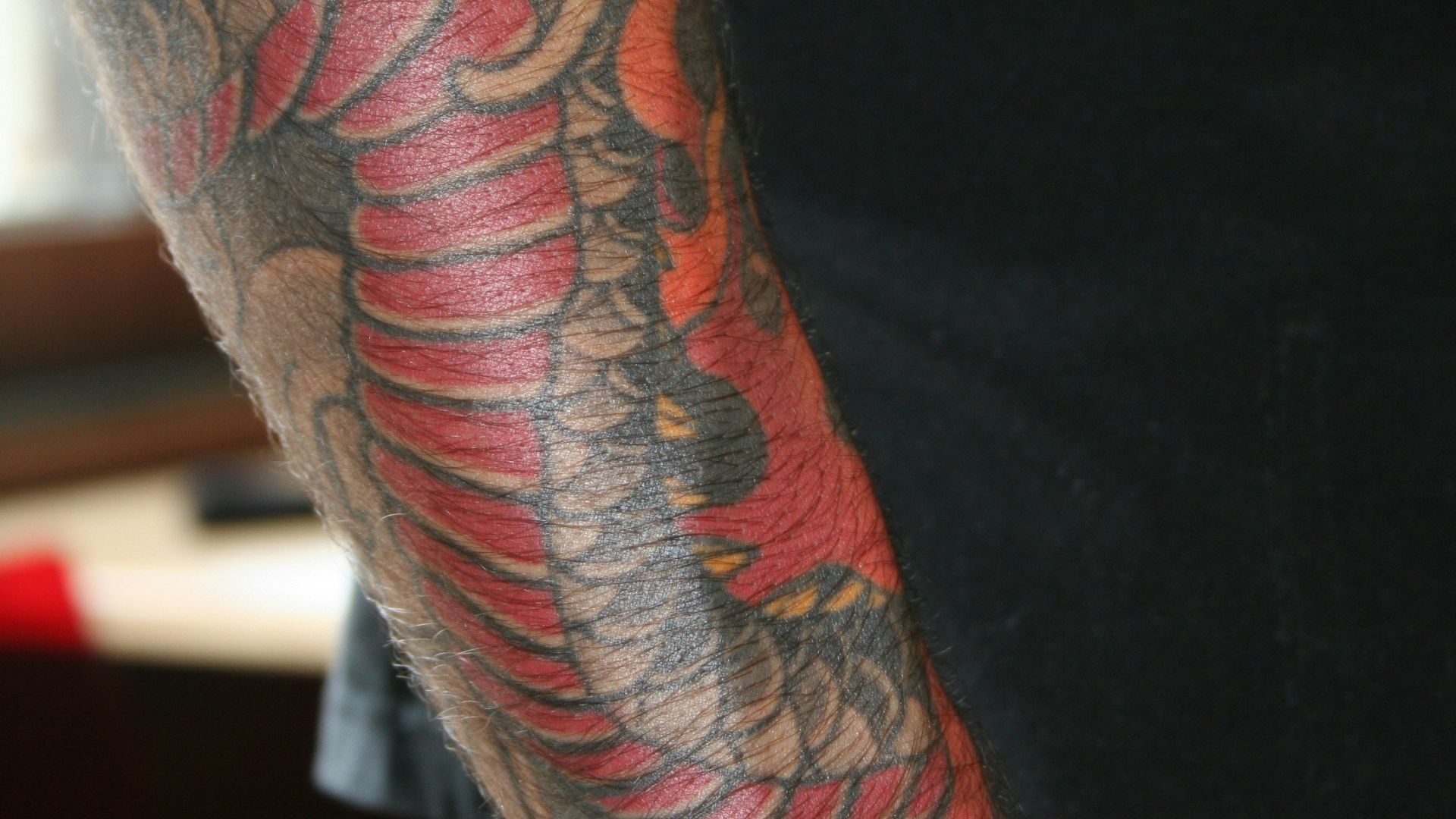
2. Red-Only Tattoos
A tattoo of entirely red ink can look awesome…when the color’s fresh. But what happens years down the line? Years of UV exposure and normal pigment changes can leave that once-vivid red looking softer and less uniform, particularly on frequently exposed skin.
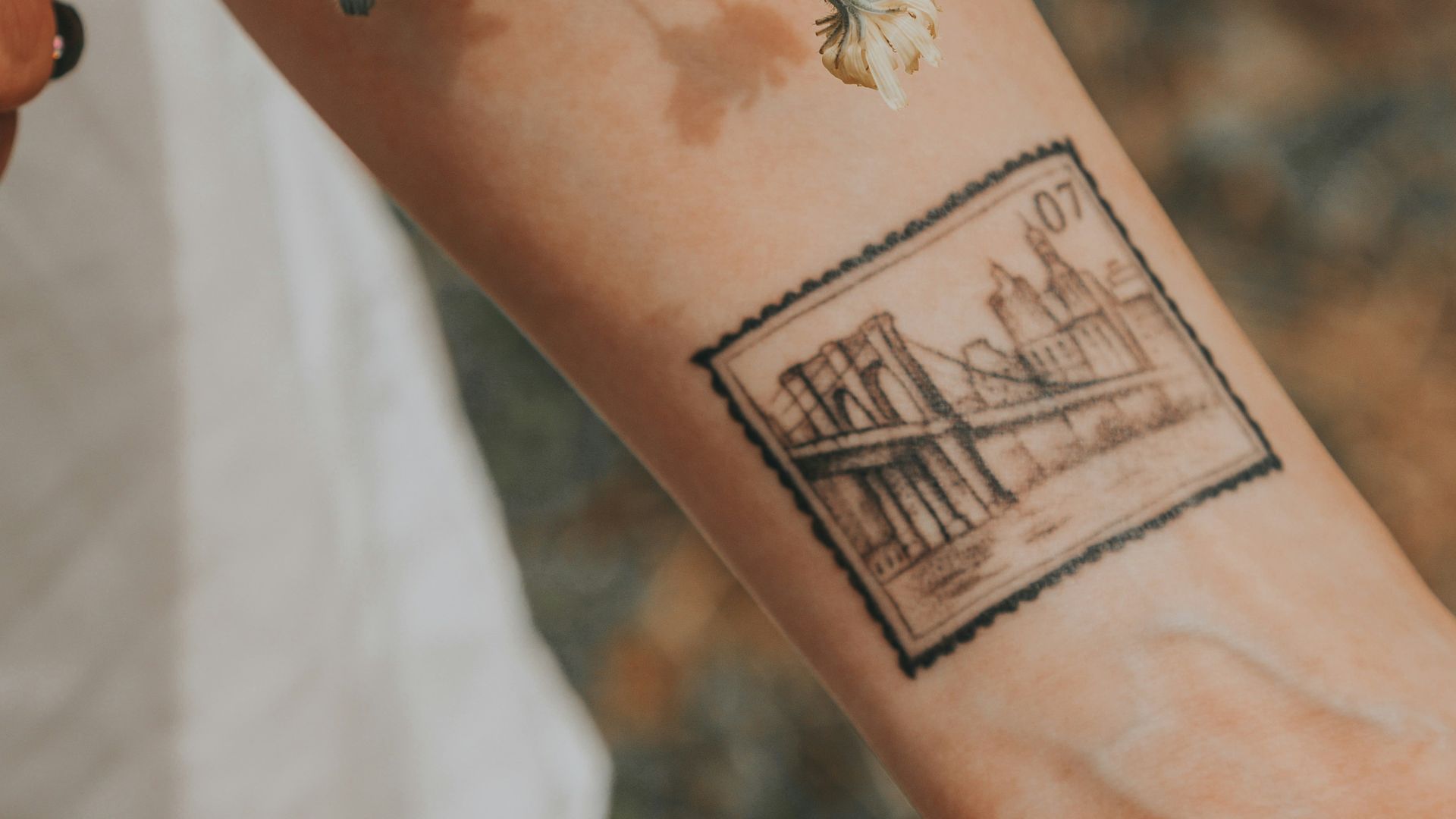
3. Tiny Architectural Tattoos
A miniature Eiffel Tower. A small Victorian house or terribly tiny skyline. Whatever the case, those small portraits can have windows, bricks, and rooflines within an area only a few inches wide. Those details require extreme precision, and aging can make a complicated building much less architectural than it did on day one.
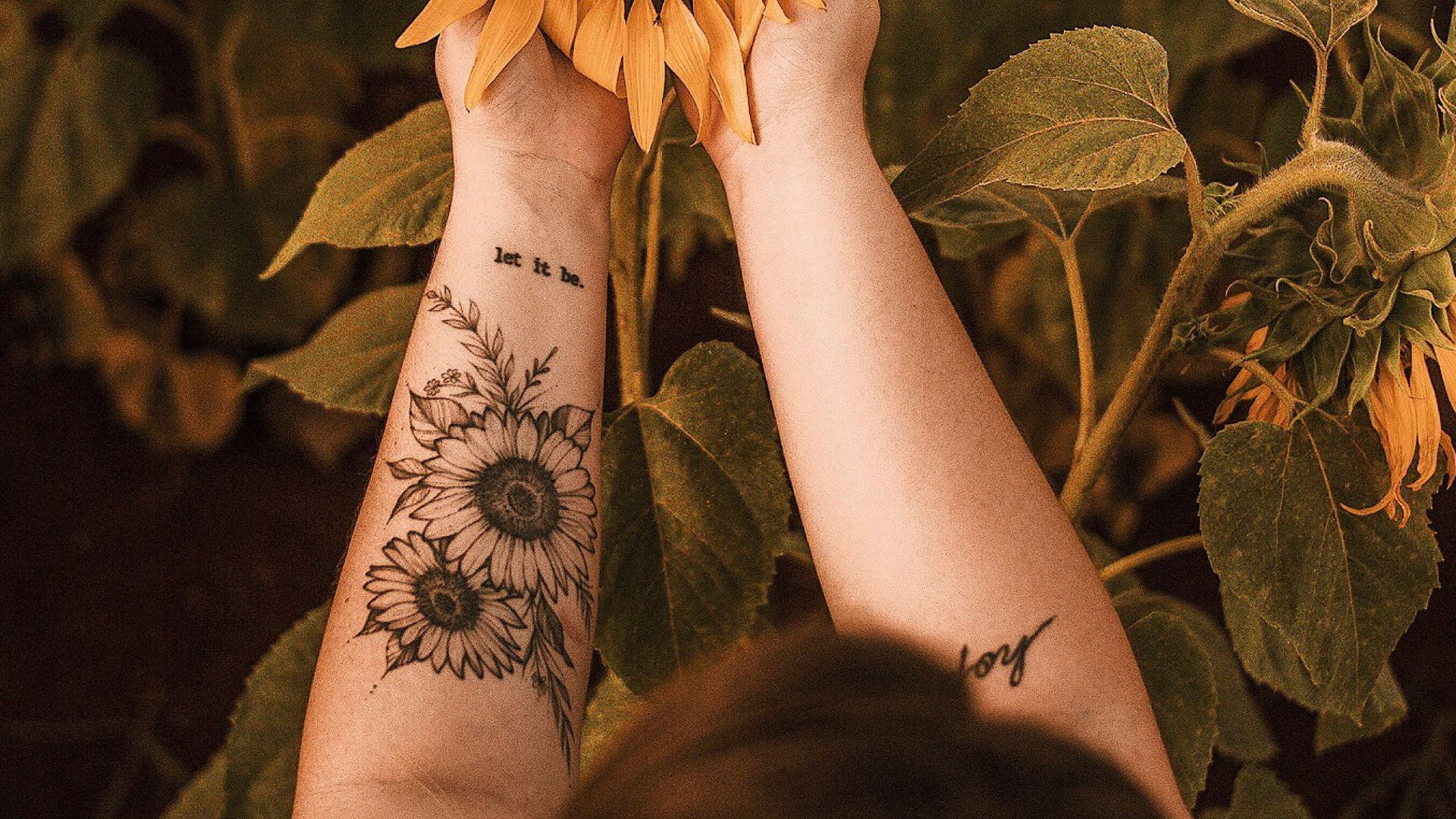
4. Yellow-Heavy Sunflowers
You might adore a sunflower in real life, but tattooed on the skin, those bright yellow petals can lose vibrancy pretty quickly. Don’t forget that sunlight adds another source of fading over the years, too. Eventually, the dark center and outlines dominate a flower that once looked golden.
5. Hyper-Realistic Eye Tattoos
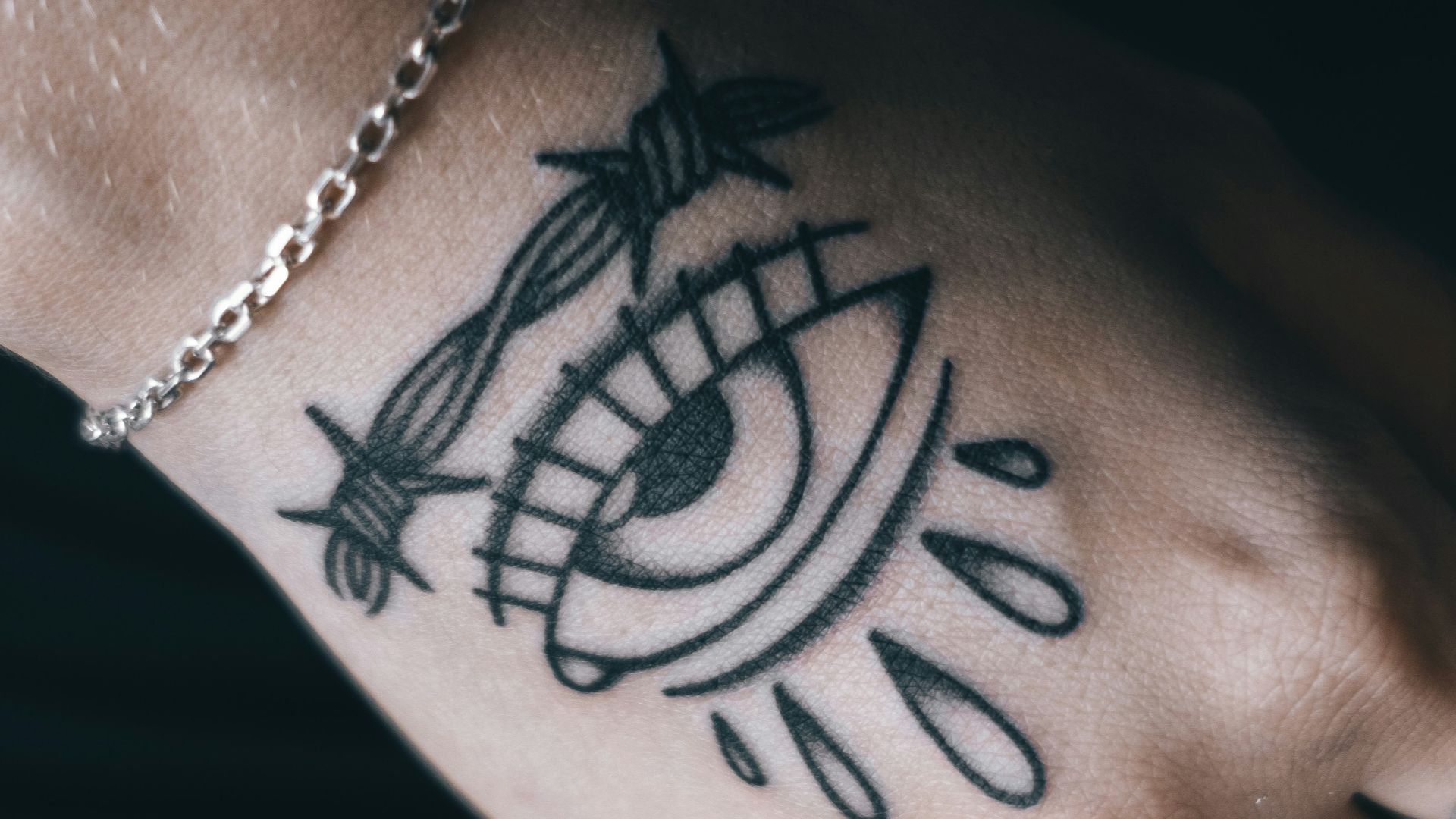
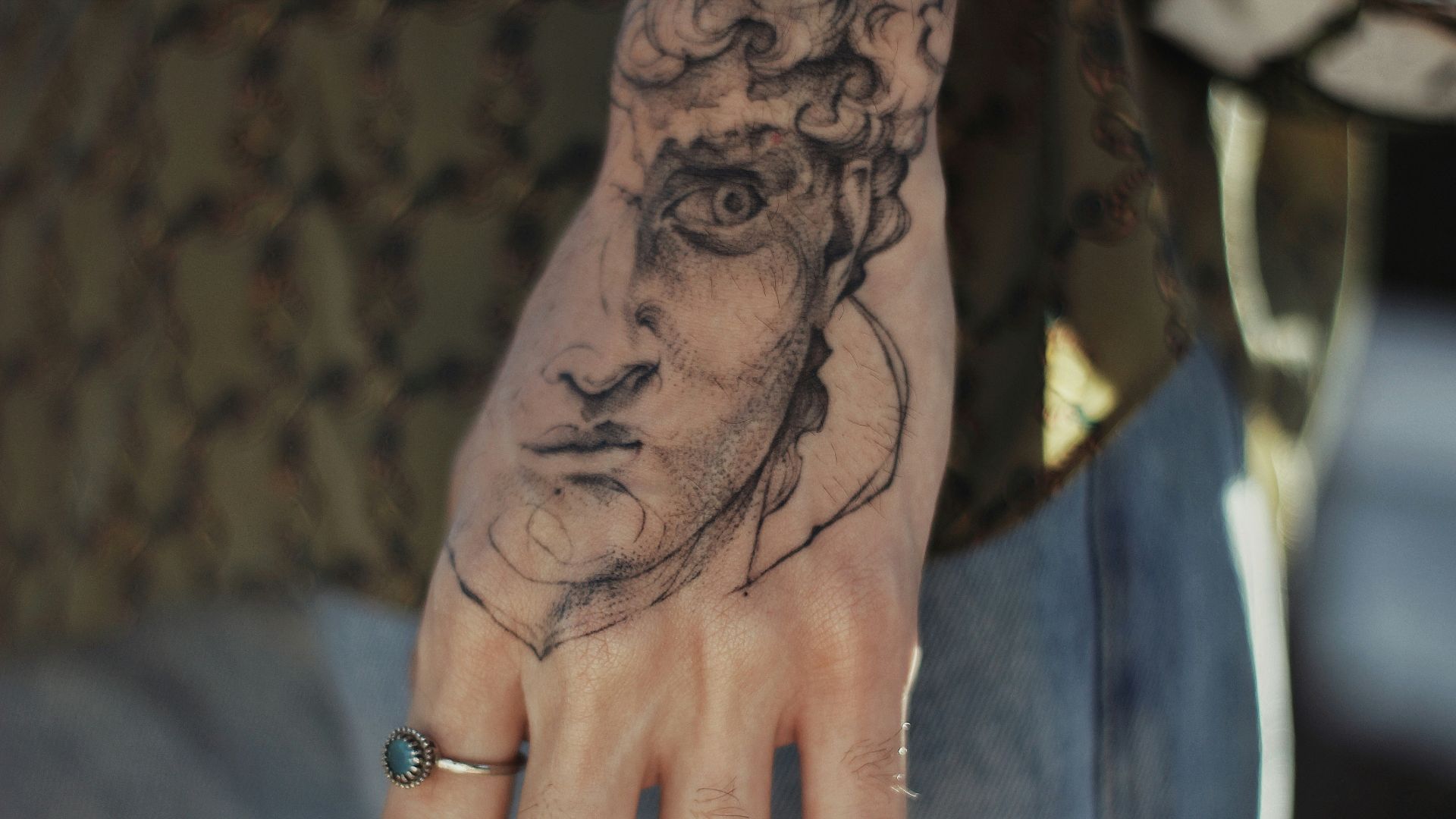
A realistic eye tattoo can have just as many intricacies as an eye in real life. This ink can have highlights in the pupil, individual lashes, reflections in the iris, or even subtle shadows around the lid. The issue is, when some of those contrasts soften with age, the tattoo loses the photographic quality it had when freshly healed.
6. Ornamental Lace Tattoos
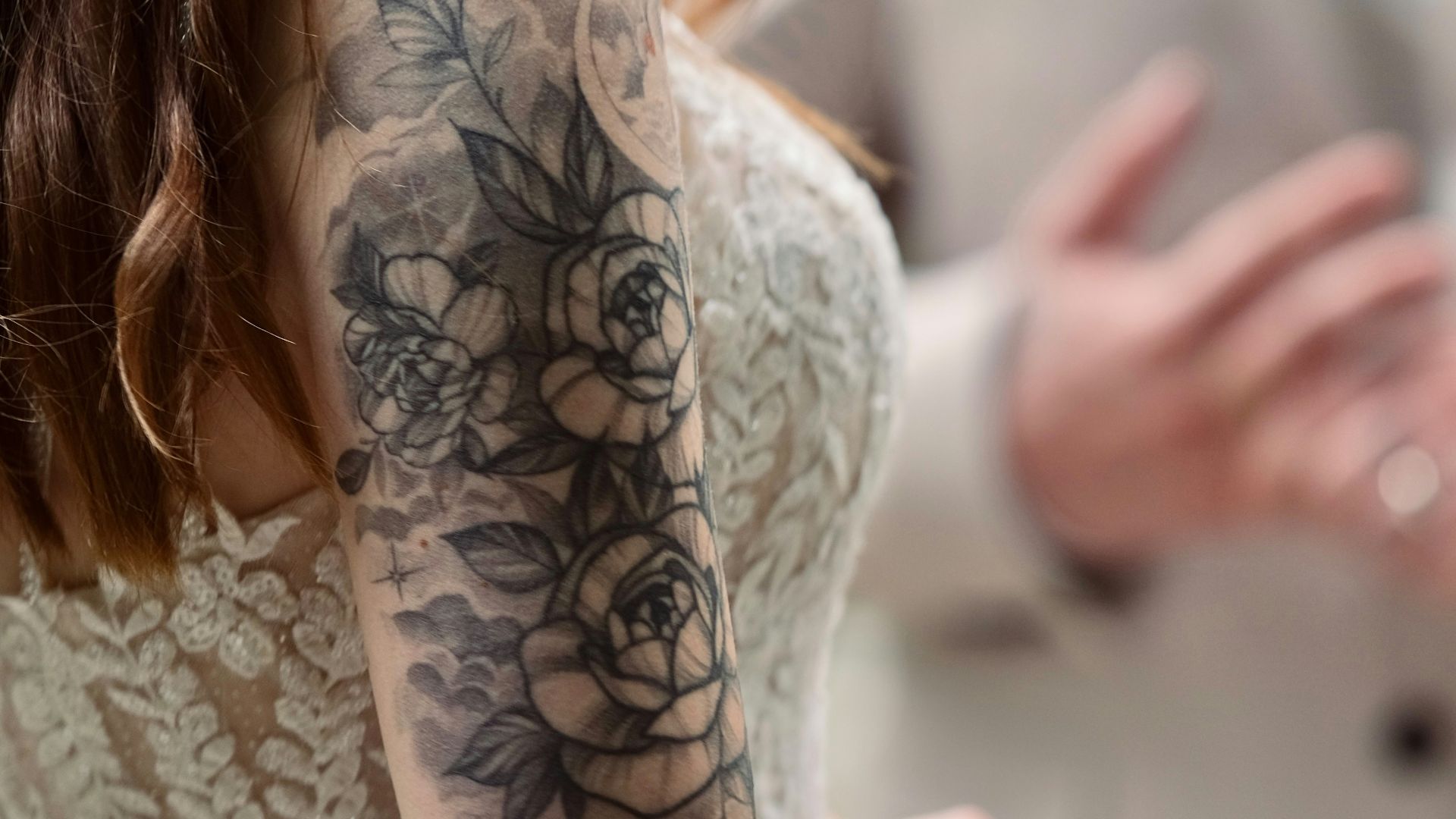
Lace-inspired tattoos depend on tiny loops and narrow spaces between adjoining black lines. Give all of those details years to soften, and some of the smallest openings become far less obvious than they originally were. What began as delicate lace around a thigh or upper arm can gradually take on the stronger appearance of ornamental blackwork.
7. Pastel Galaxy Tattoos
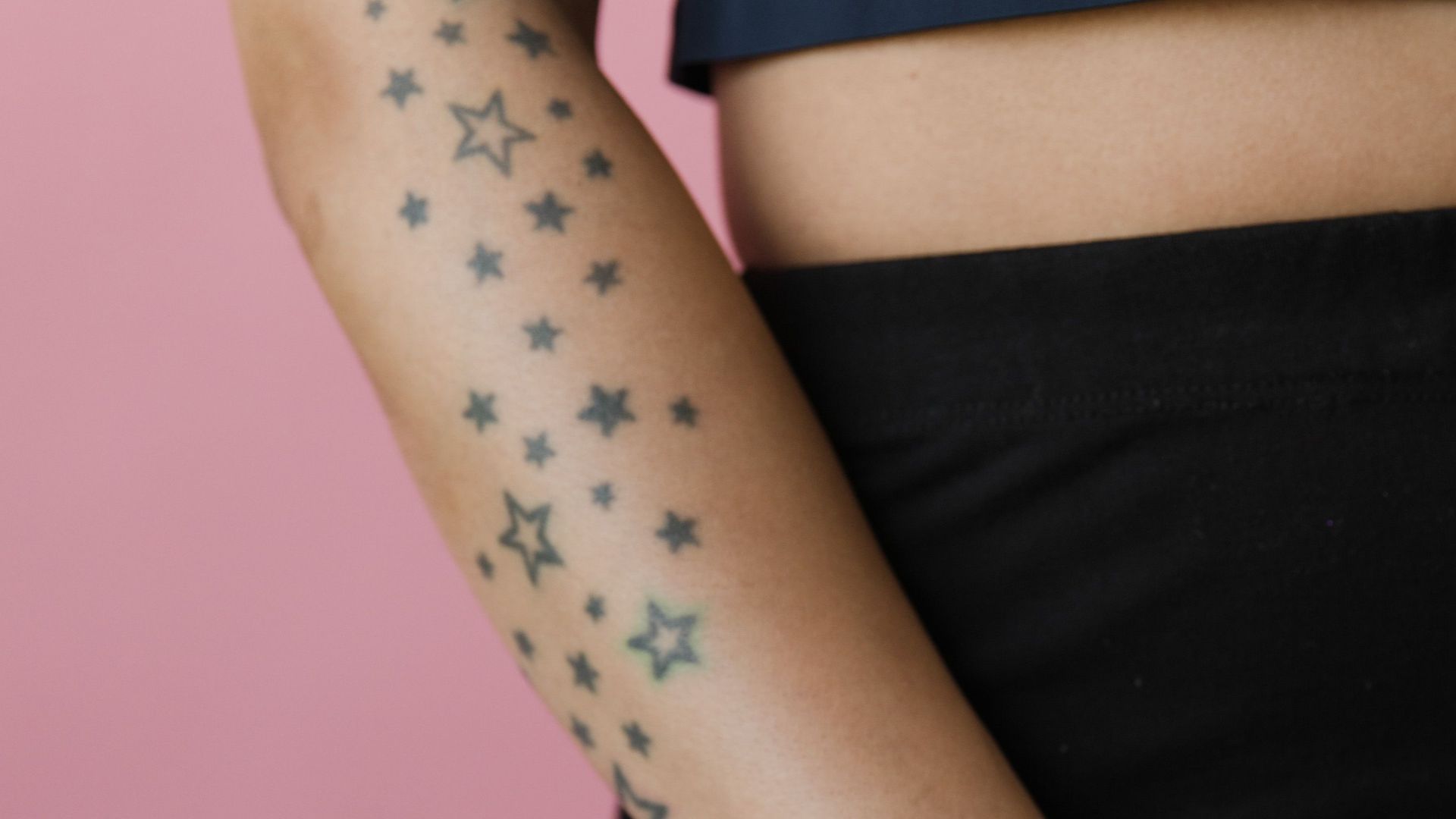
Soft pinks, pale purples, powder blues, and little white stars can make a fresh galaxy tattoo incredibly colorful without looking heavy. It sounds like a good idea, but unfortunately, light and pastel pigments tend to lose visibility sooner. Next thing you know, the balance between those colors may look very different several years later.
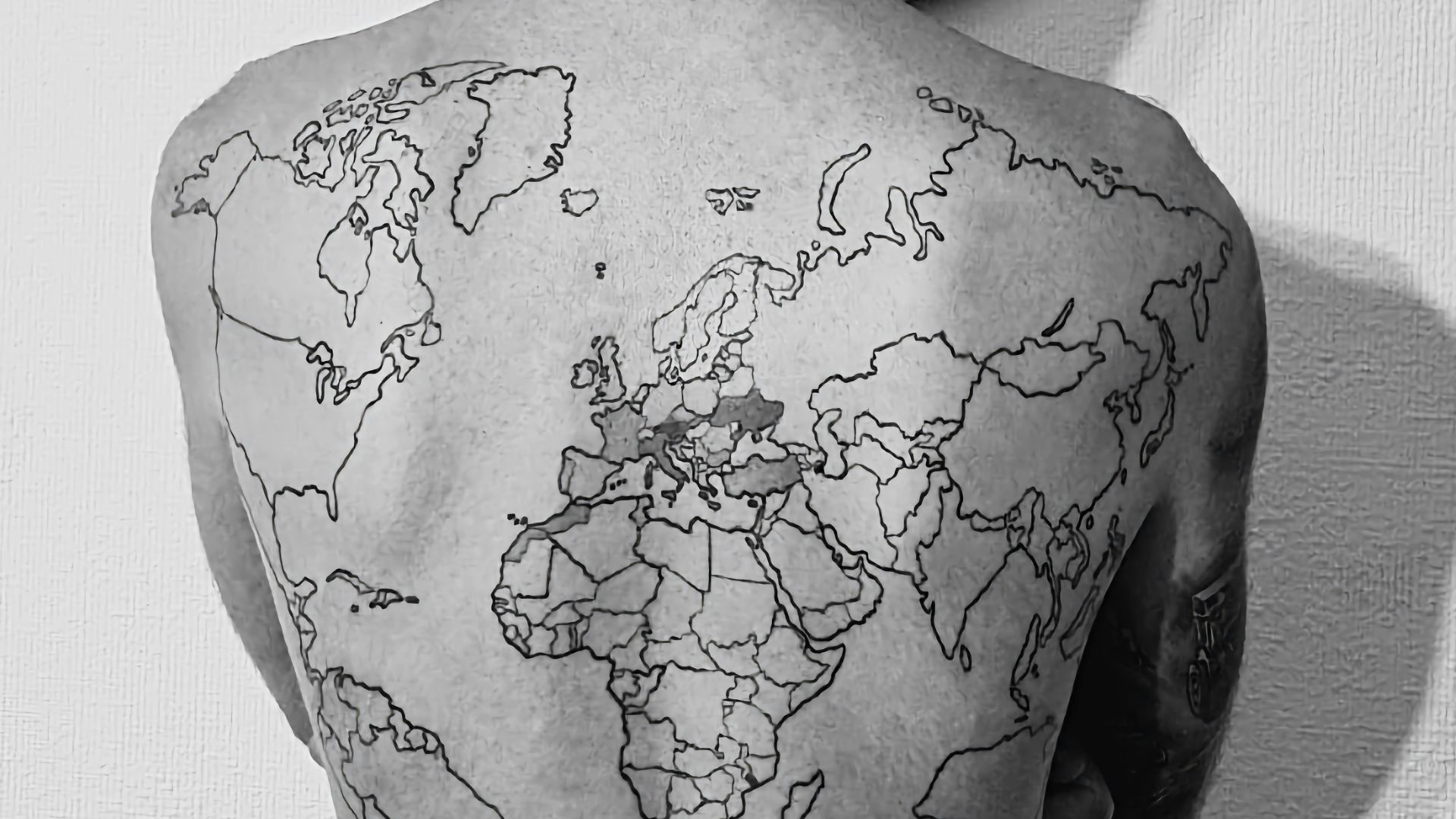
8. Detailed Map Tattoos
Maps sound simple until you start adding coastlines, roads, and place names. Don’t forget: a large world map has room to breathe, but a compact version relies on narrow negative spaces. After ten years of natural softening, you might have something else entirely on your arm.
9. Black-and-Gray Smoke Tattoos
Realistic smoke is usually built from subtle washes rather than firm, obvious borders. That means those gradients can either soften beautifully or a pale design can lose enough contrast that its original wisps muddle together. The result isn't bad, but dramatic smoke can appear much quieter later.
10. Tattoos Across the Stomach
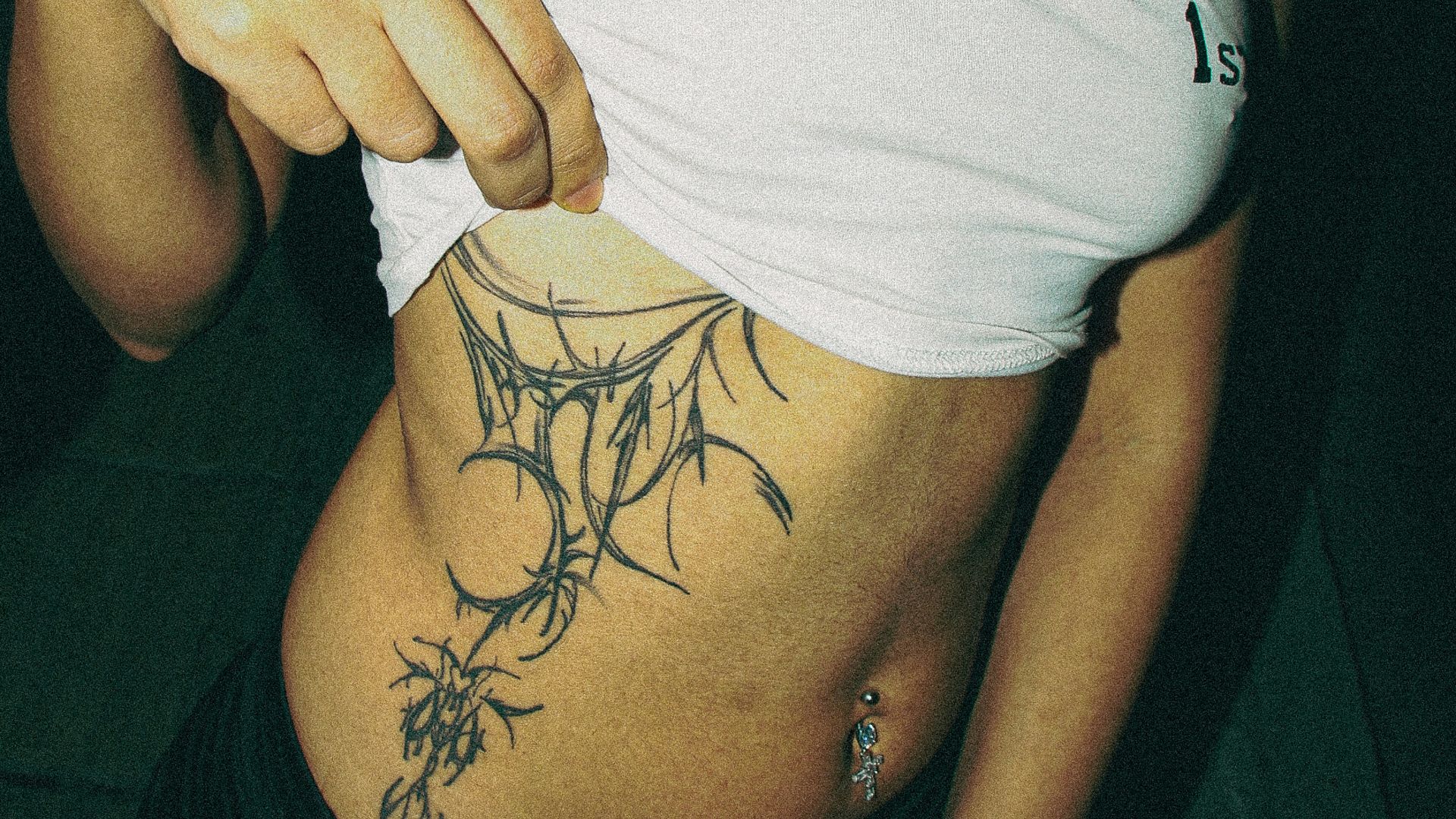
A large stomach piece has something many small tattoos don't: an enormous section of skin that can change throughout adulthood. Any changes in body weight can stretch tattooed skin, which affects how a design appears. A symmetrical moth or portrait may sit differently at 40 than it did at 25.
11. Micro Pet Portraits
Trying to fit your dog's eyes, nose, whiskers, and expression into a portrait the size of a coin? That’s a tall order—for you and your artist. Fine details lose definition sooner than larger ones, so your beloved dachshund probably won't be unrecognizable a decade down the line.
12. Negative-Space Geometry
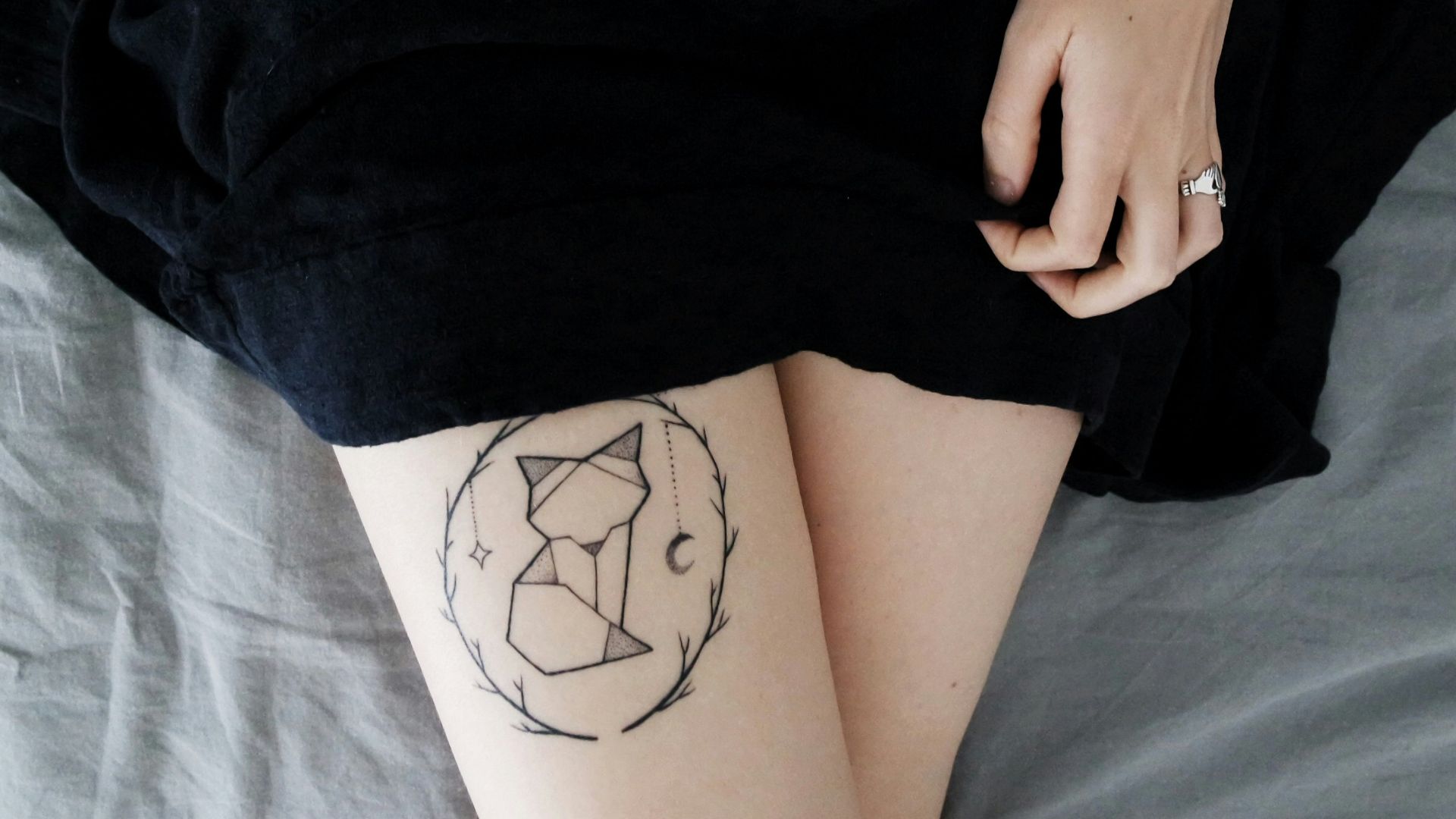
Some geometric tattoos create their pattern as much with untouched skin as they do with black ink. That could be trouble down the road. If the surrounding edges soften over time, the negative space may appear narrower and the overall pattern noticeably heavier.
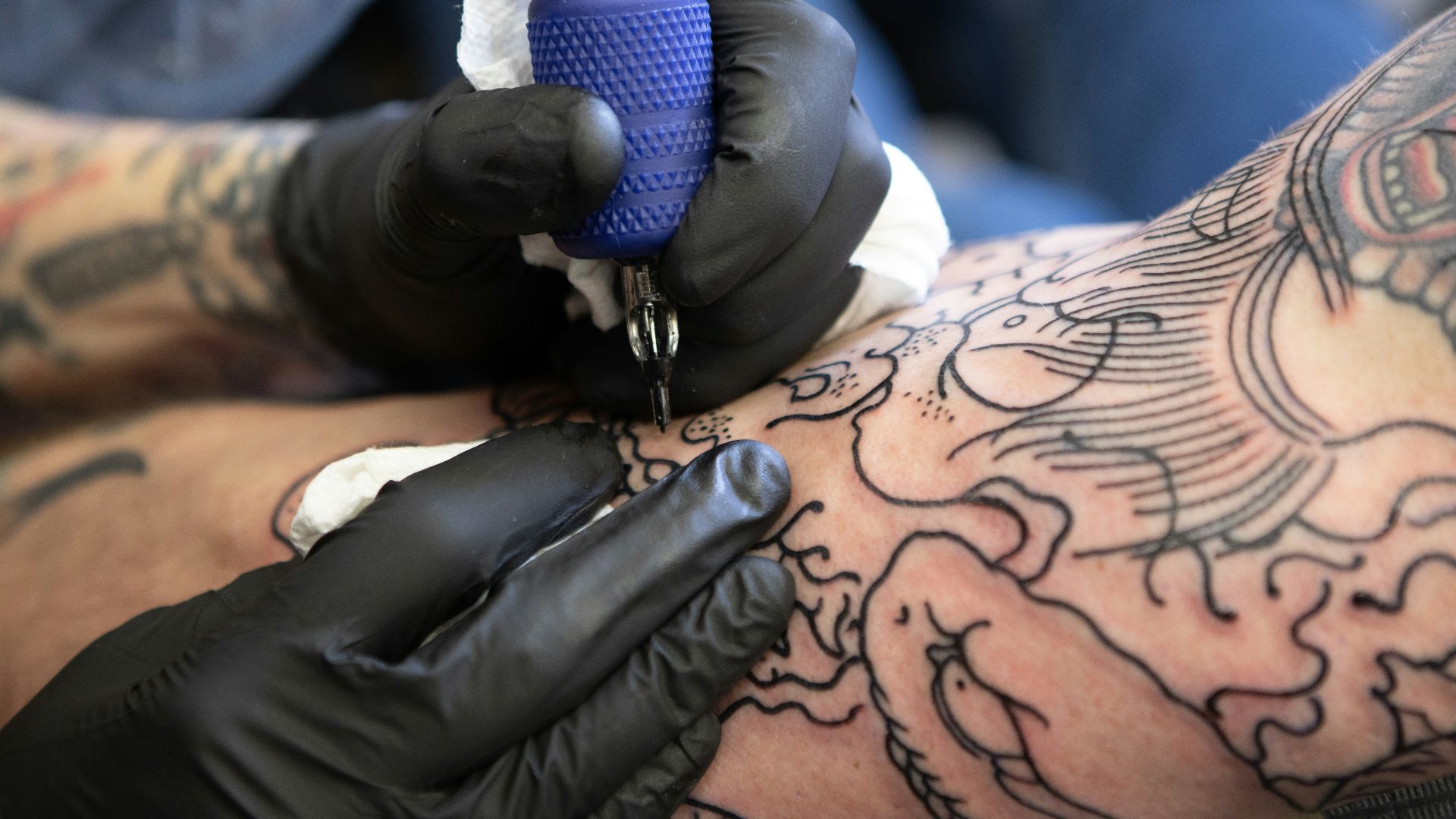
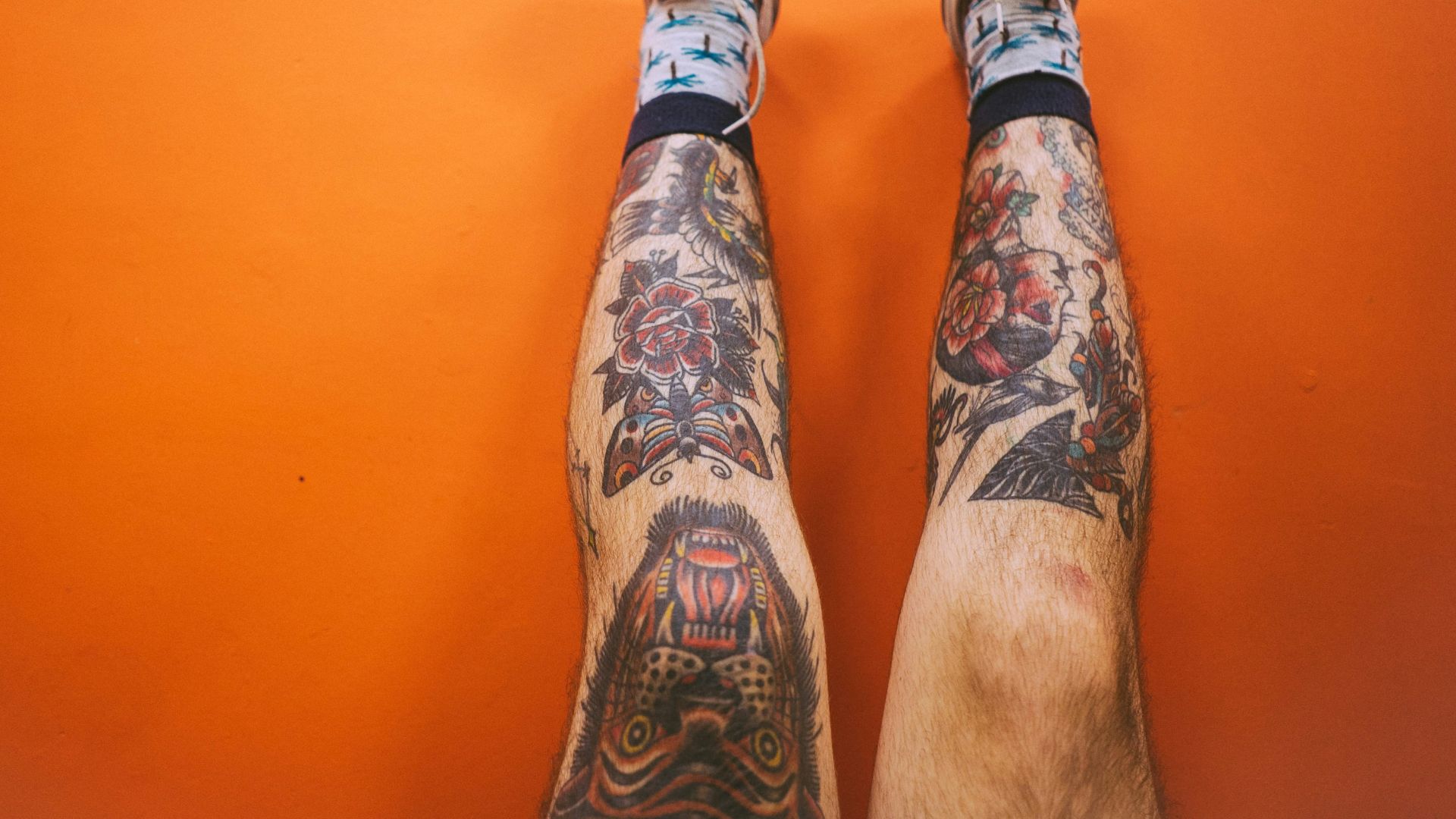
13. Tattoos Wrapped Around the Knee
Knee designs use the joint itself as part of the artwork, which sounds awesome in theory. In reality, though, this is an area that bends every day, and the skin's appearance can also change with aging. A design that looked perfectly centered with a straight leg may have a different personality when you're standing or walking, so keep that in mind.
14. Brushstroke Tattoos
A convincing brushstroke tattoo contains wispy ends, uneven pigment, and streaks that imitate paint dragged across a surface. Of course, it’s hard to discourage people from the artistry! The thing is, because its charm comes from subtle differences, aging can alter that balance. Ten years later, the strongest portions may fade quicker than you thought they would.
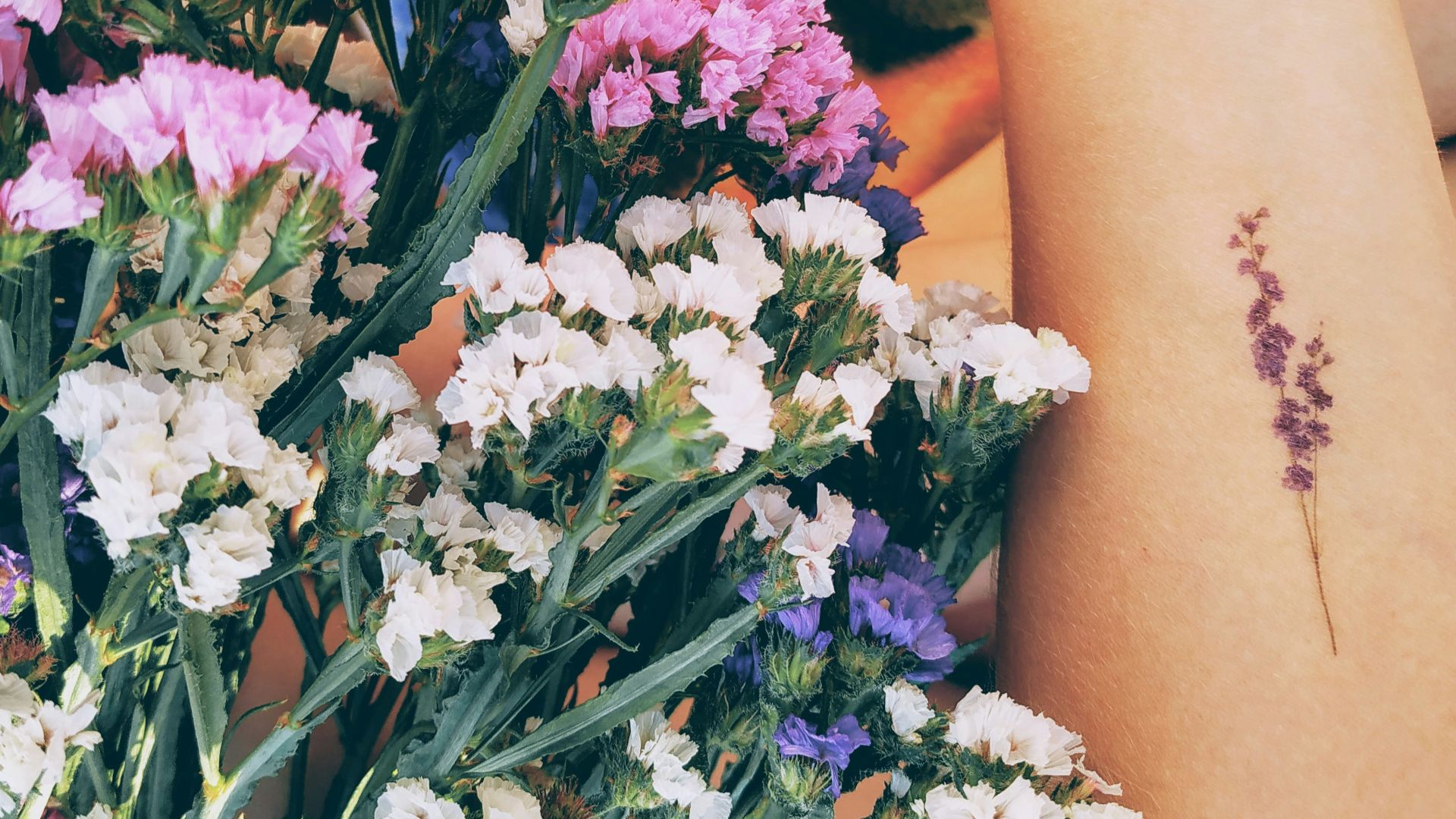
15. Tiny Botanical Illustrations
There's a difference between a simple flower and a botanical illustration—and it’s something to keep in mind before you sit in the chair. The second you compress a detailed fern into a few inches, every millimeter becomes important to maintaining the original picture. As those features soften, the tattoo can gradually look more like a general floral design than the exact wildflower you wanted.
16. Tattoos Built Around Muscles
Some tattoos are designed to follow the exact shape of a developed shoulder or calf rather than just sitting on top of it. But much like body weight, muscle mass can change over a decade. Next thing you know, curved bands and carefully placed designs can end up following a very different silhouette.

17. Fine Checkerboard Patterns
A perfectly executed checkerboard needs a lot before it’s perfect. We’re talking straight edges and squares that remain visibly separate from one another. Now, if you make the pattern small, there isn't much blank skin between neighboring blocks. After a few years, what started as a crisp grid can look darker and less precise.
18. Delicate Jewelry
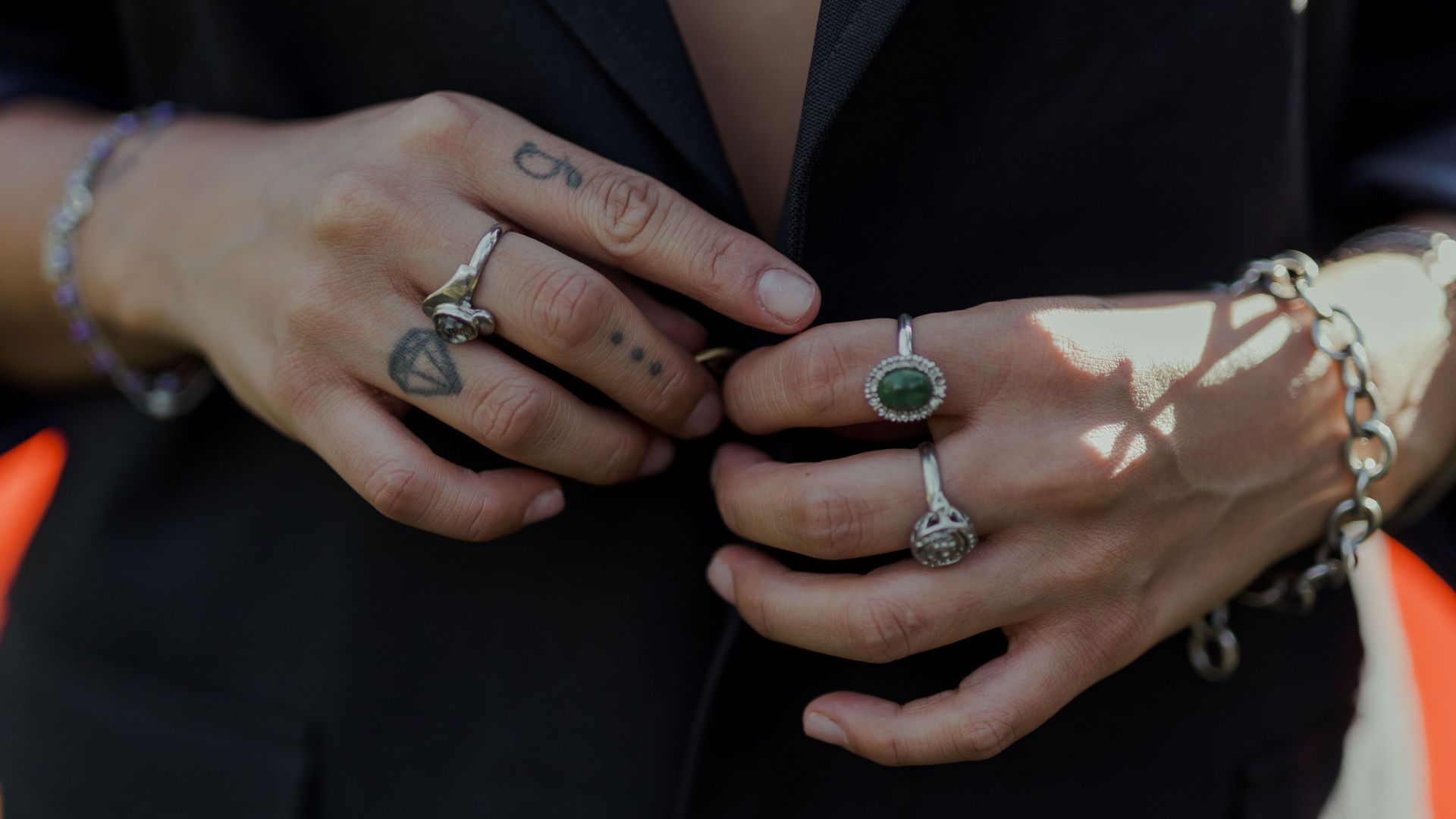
Permanent bracelets and gemstones depend on convincing links and carefully spaced details. As you can imagine, larger versions have room for normal changes, while miniature chains really don’t. Ten years on, that dainty bracelet around your ankle might not look as picture-perfect.
19. Full-Color Food Tattoos
When yellows, pale highlights, and lighter shades lose some intensity, darker outlines and shadows poke through. Unfortunately, that also means that they become much more prominent than they were in the fresh tattoo. A tiny lemon tart can still look adorable a decade later, but its color palette may no longer be the star of the show.
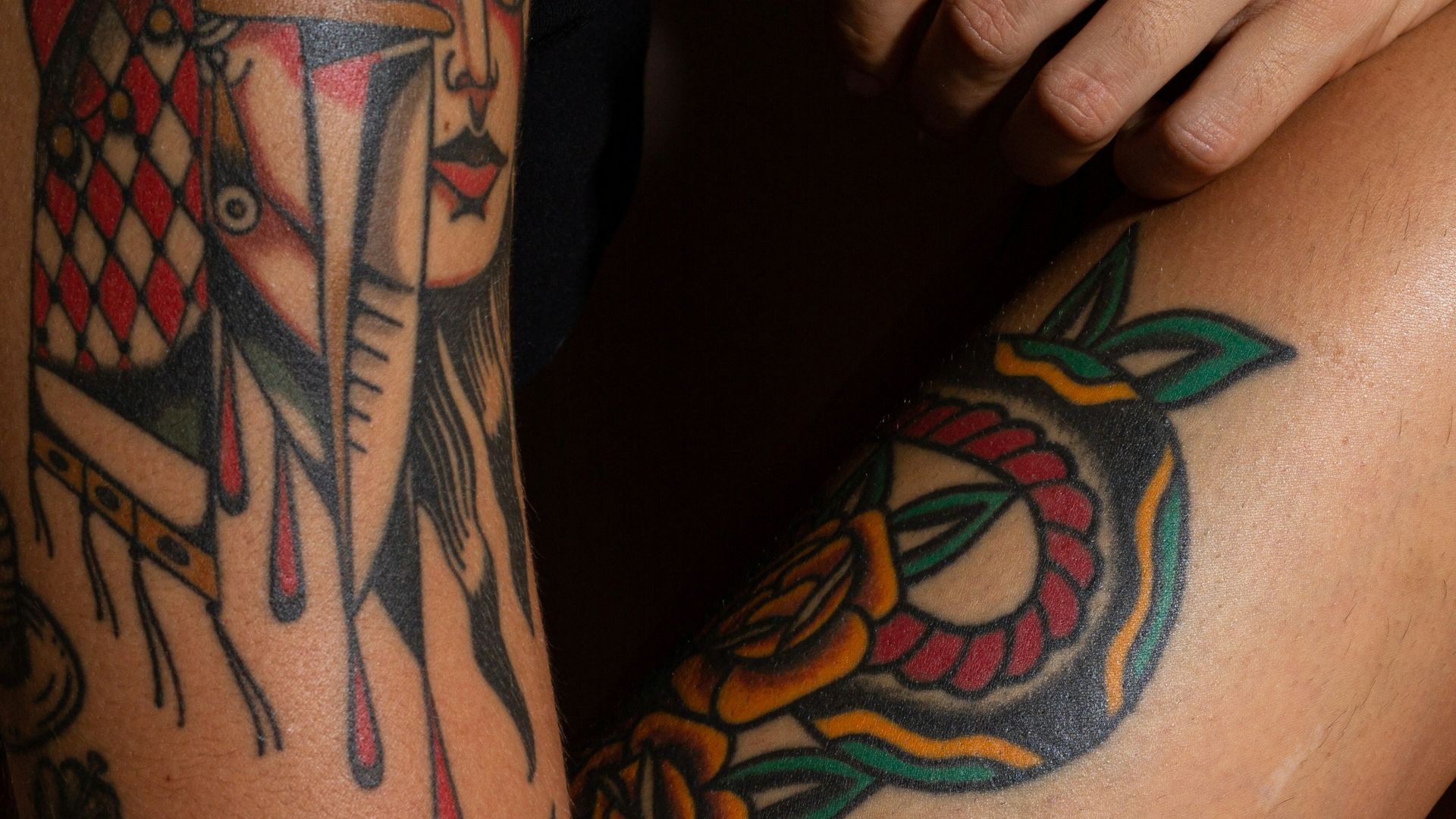 Stories & Ink Tattoo Care on Unsplash
20. Ultra-Detailed Tarot Cards
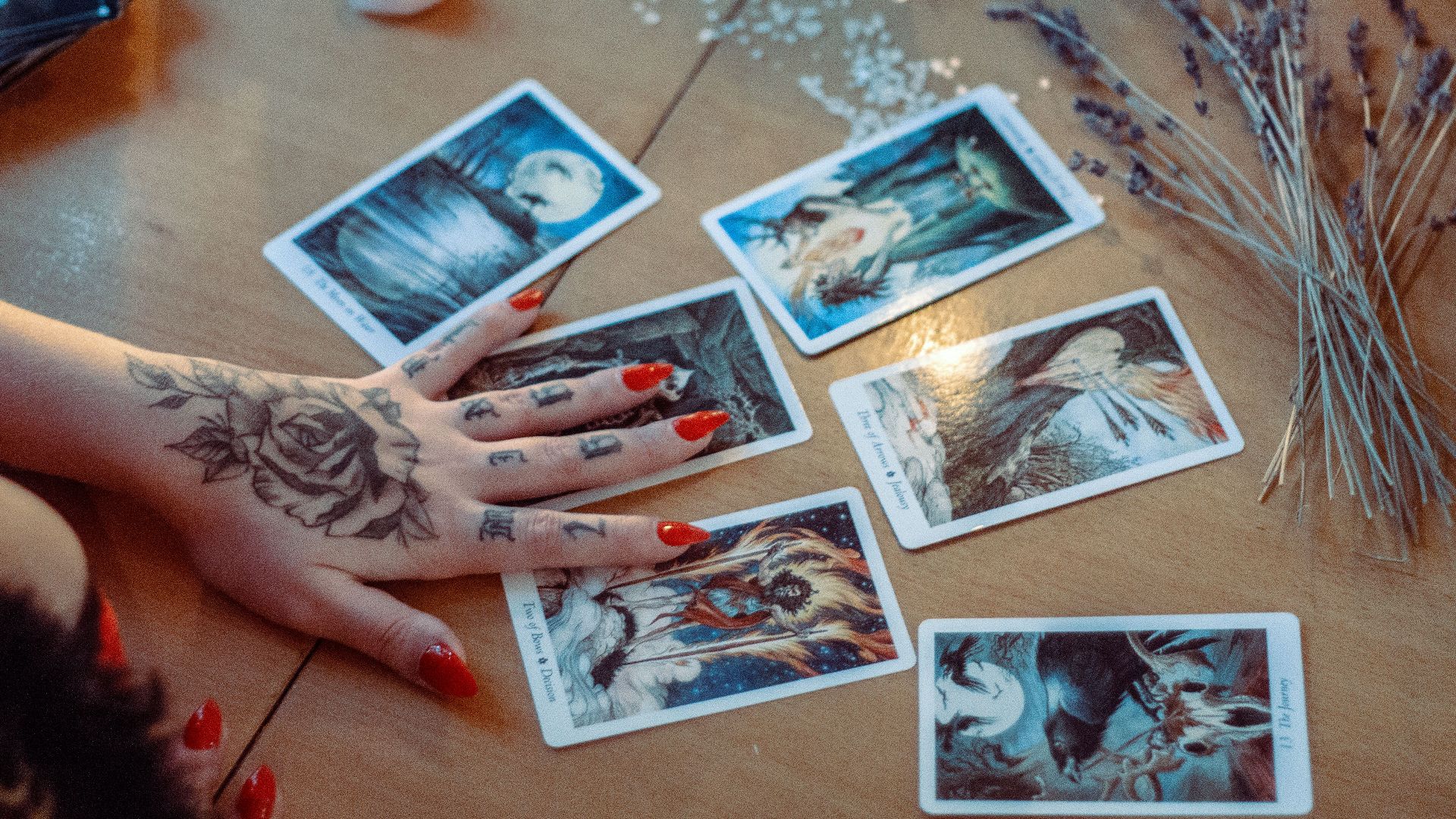
It’s a tall order to squeeze The Lovers or The High Priestess into a small design. Don’t forget that in addition to the card itself, you're potentially dealing with faces, stars, clothing, symbols, lettering, and scenery, too. They’re all fighting for limited space, and a decade later, the card's decorative flourishes will have likely blended into a much simpler version.