
Reading The Face In Half A Second
Out faces don't always wait for permission to react. Some expressions are deliberate, like the polite smile you put on at a work function, while others appear before you have had time to decide what you want to show. They may last only a fraction of a second before being covered by something more controlled. Most reveal a general emotion rather than a specific thought, and they mean very little without context or a sense of how that person normally behaves. Here are 20 things the face does that people rarely mean to show.
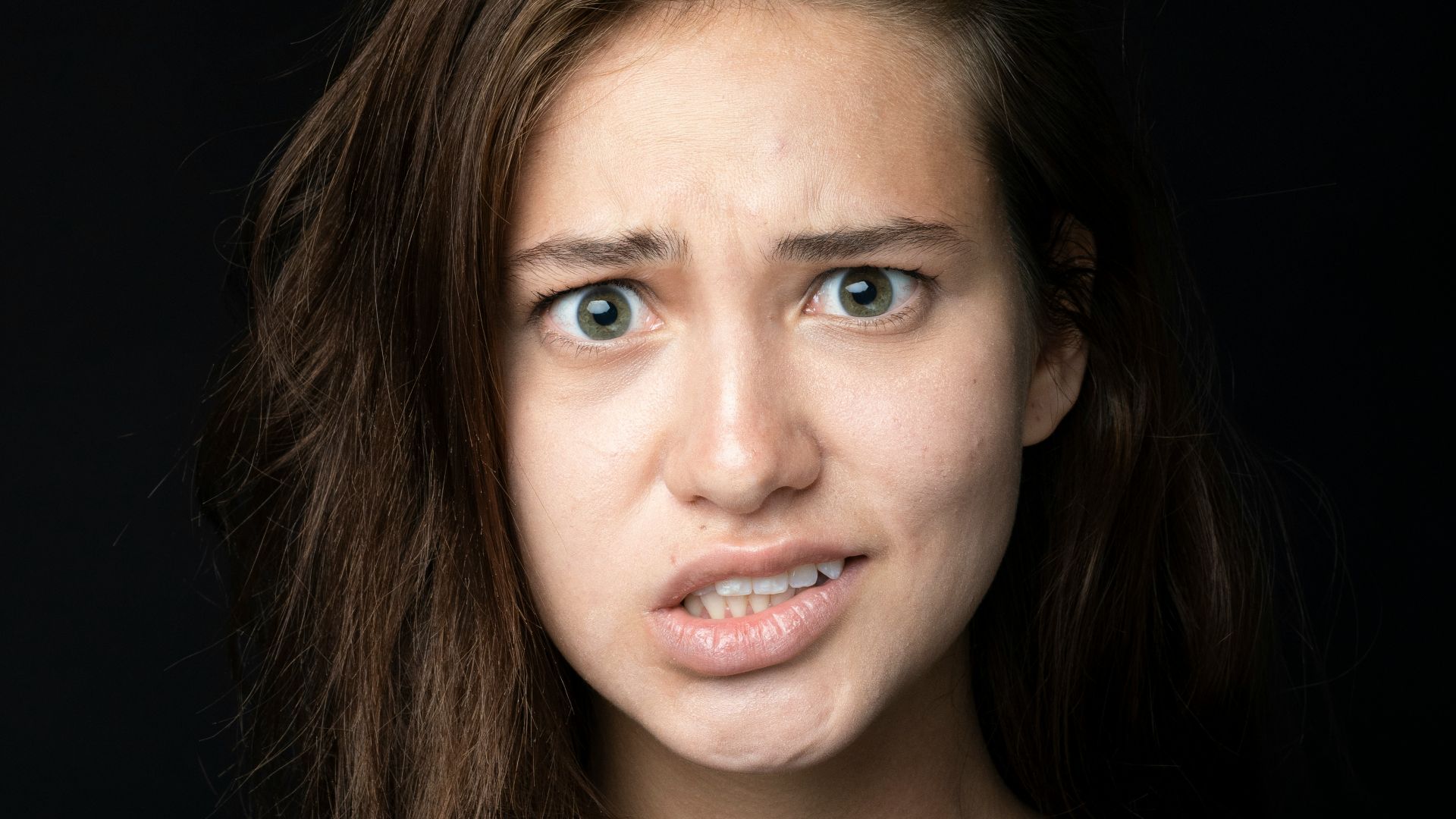
1. The Smile That Skips The Eyes
Real pleasure pulls the ring of muscle around the eye socket, which creases the outer corners and lifts the cheeks. A social smile uses only the mouth, which is why photographs of polite people look slightly wrong. The French neurologist Guillaume Duchenne identified the difference in the 1860s by running electrical current through the faces of his subjects, which is a fairly nineteenth-century way to study joy.

2. One Lip Corner Rising
Contempt is the one common expression that shows up on a single side of the face. One corner of the mouth tightens and pulls sideways, and the person behind it has placed themselves above whatever they're looking at. John Gottman found it among the better predictors of divorce in his marital research.

3. The Nose Wrinkling
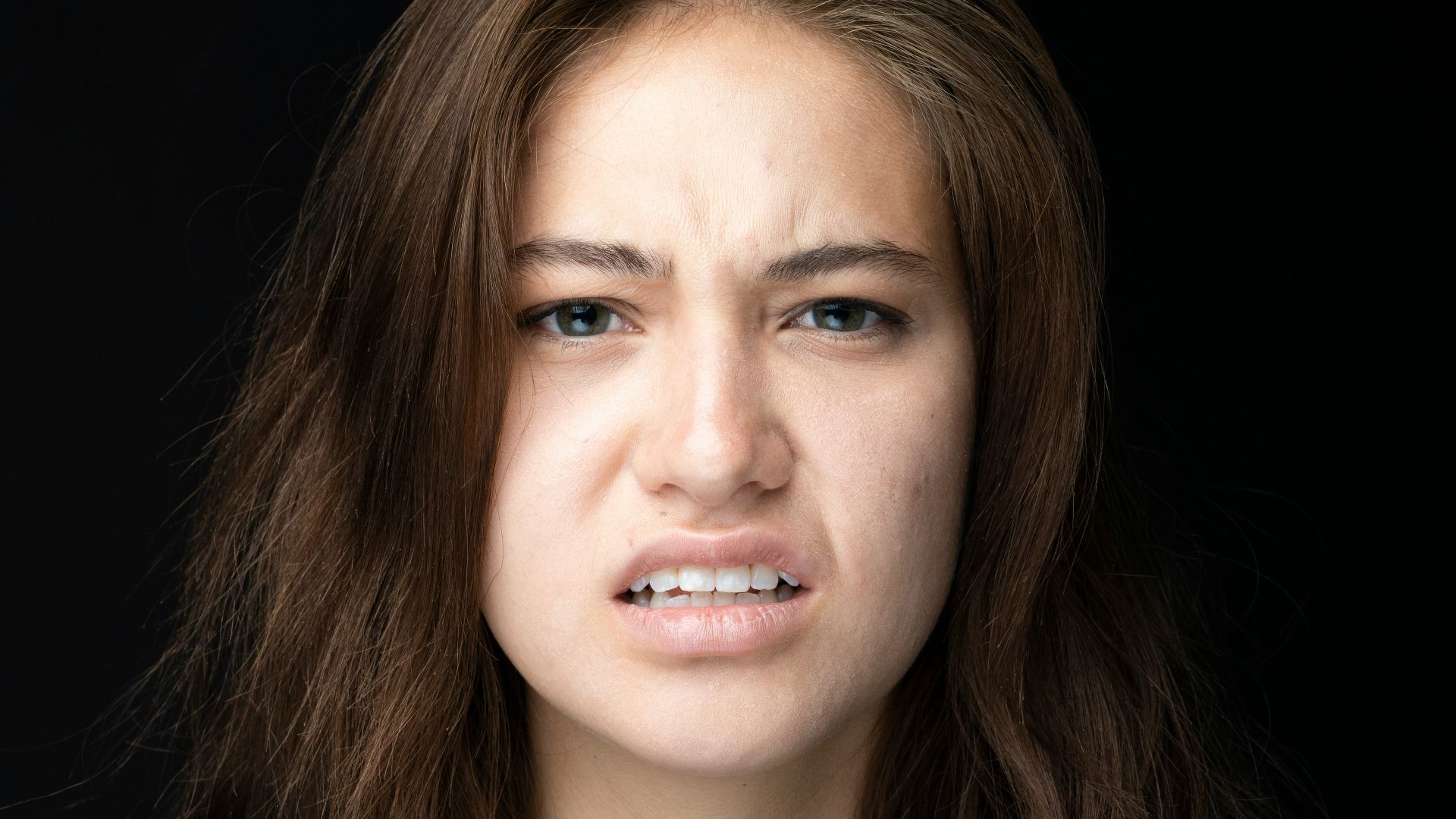
Disgust creases the bridge of the nose upward, exactly the way a bad smell does. It arrives in conversation when someone hears an idea they find distasteful. Whatever they say next is usually much milder than what the nose already announced.
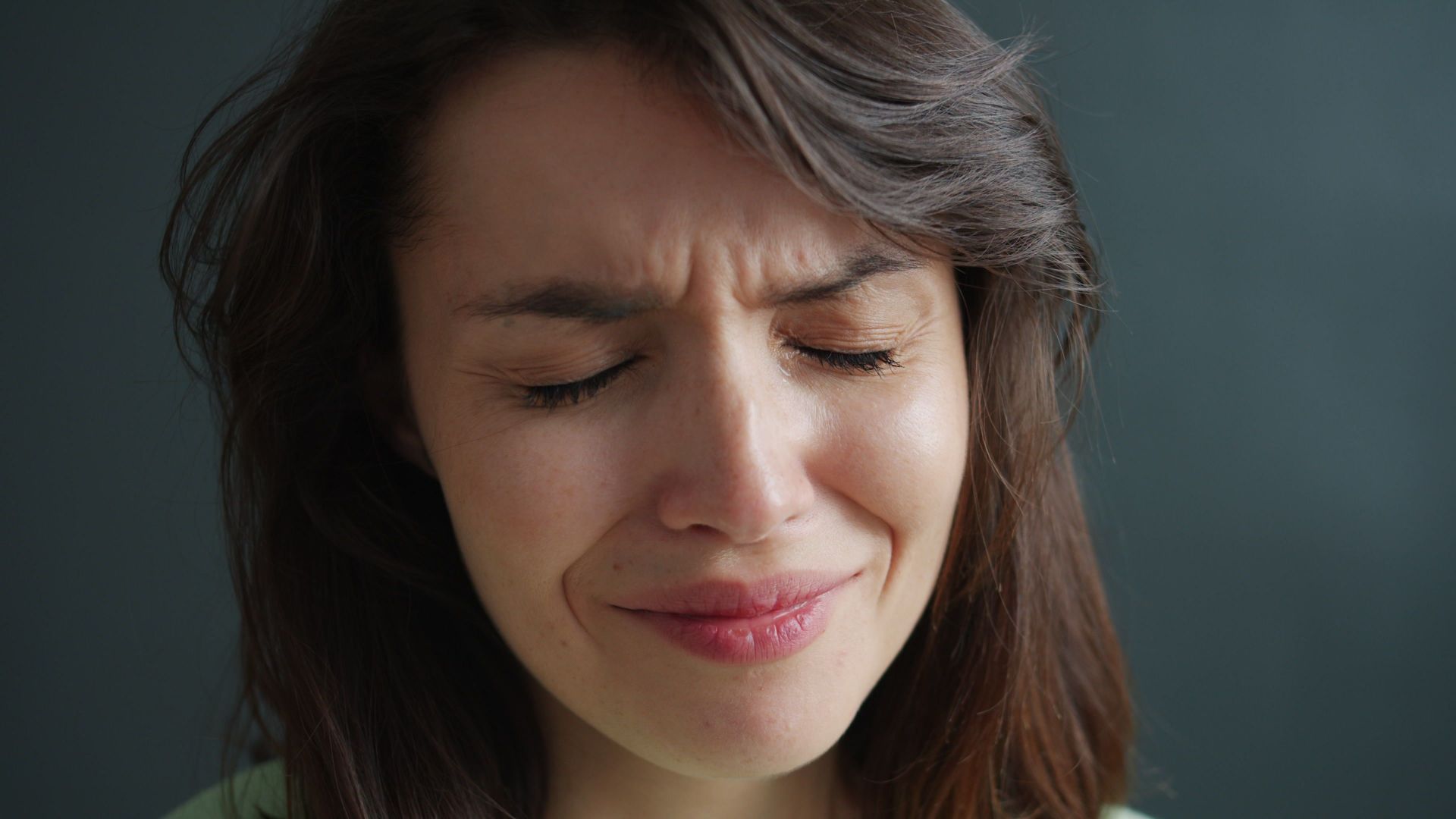
4. Inner Eyebrows Pulling Up
The inner corners of the brows lifting while the outer ends stay put signals real distress, and almost nobody can produce it deliberately. Actors who can produce it on command are rare enough that directors know their names. Seeing it means whatever just happened landed harder than the person is letting on, and they would rather you didn't notice.
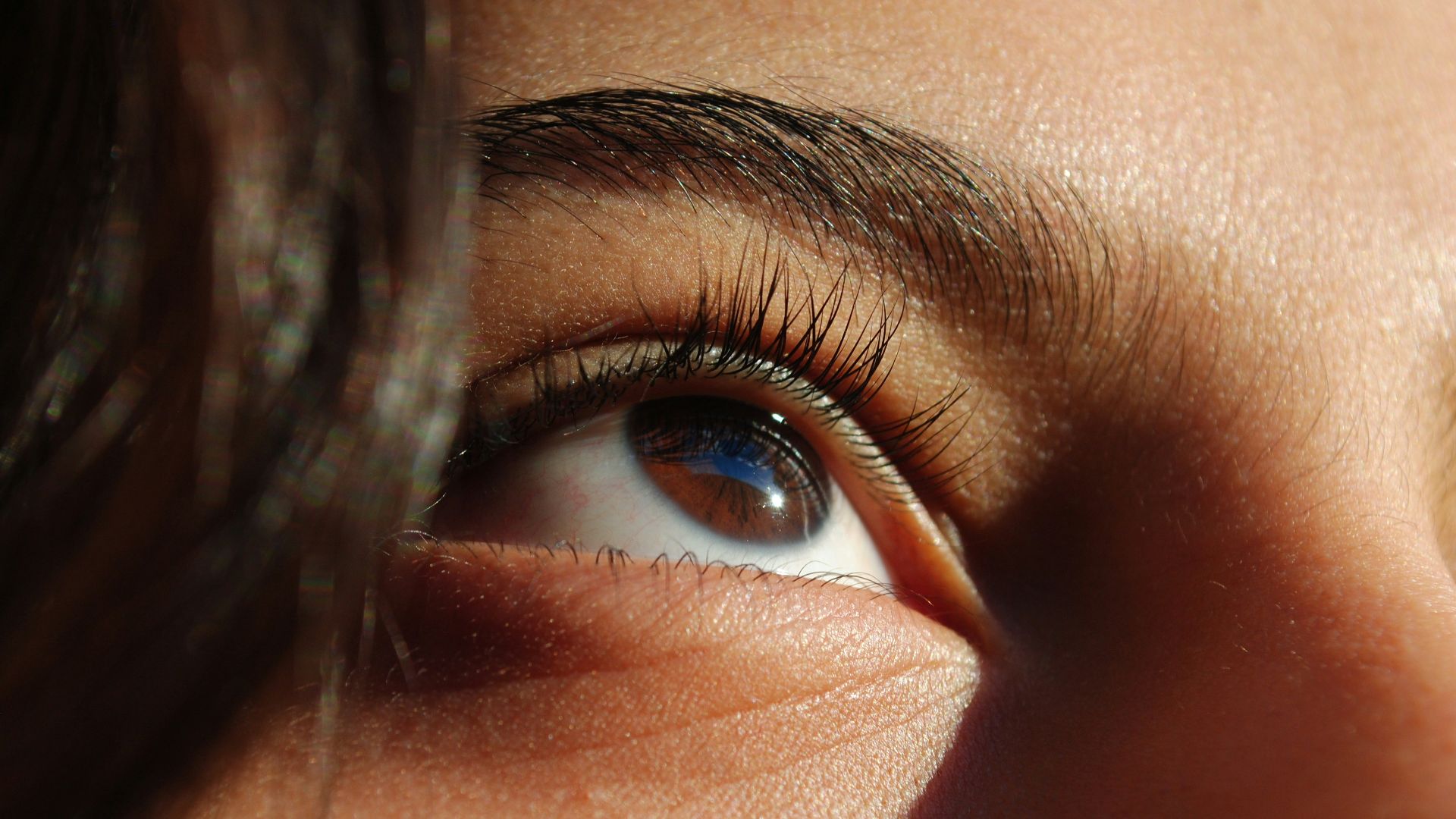
5. Lips Pressing Into A Thin Line
Something is being held back when the mouth compresses until the red of the lips nearly disappears. Watch for it right before a person decides against saying what they were going to say. The conversation usually turned difficult a sentence or two before the lips ever moved.
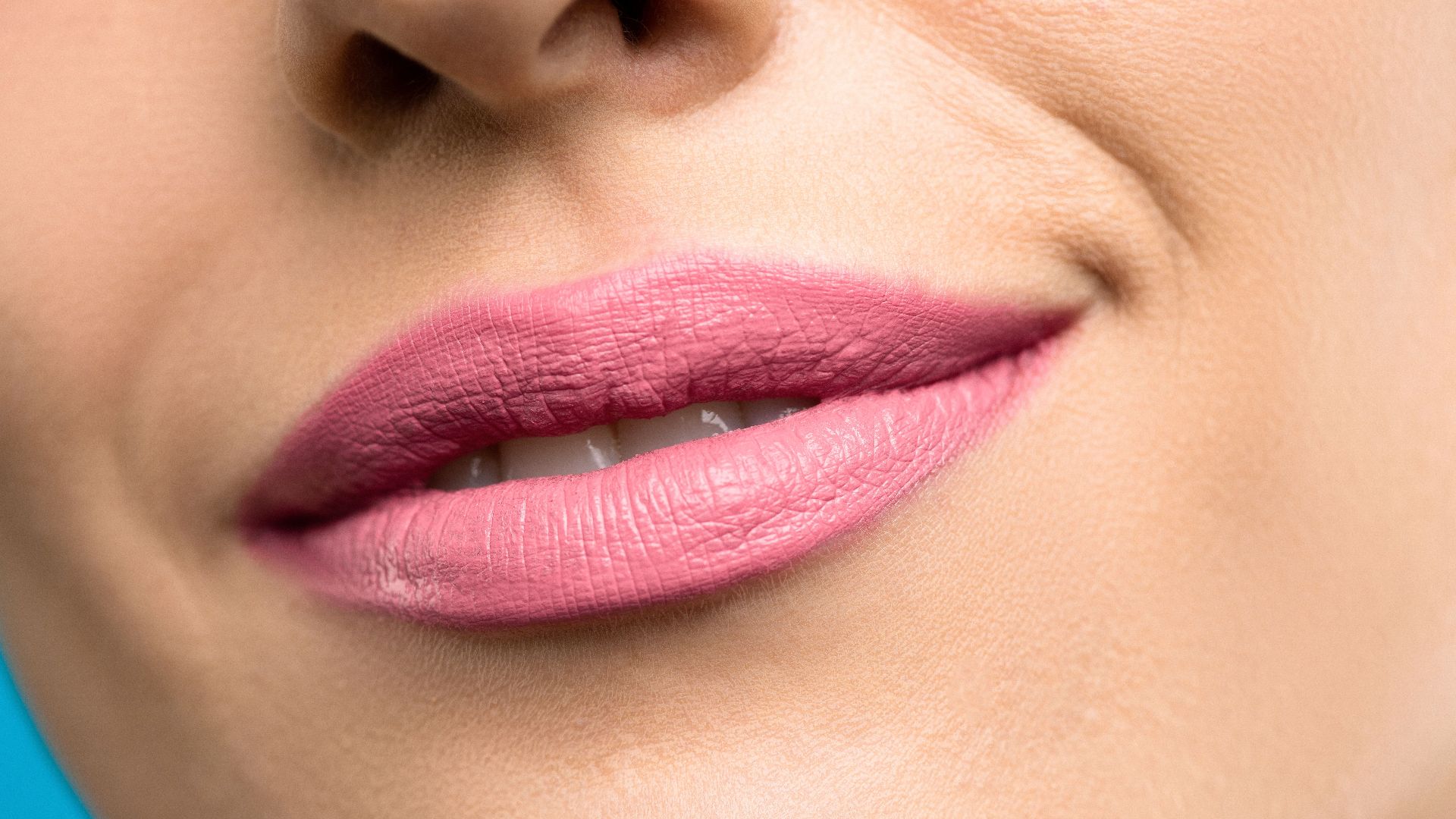
6. The Quick Eyebrow Raise
Irenäus Eibl-Eibesfeldt documented this one across cultures, a brow lift lasting roughly a fifth of a second that works as a greeting almost everywhere. People do it when they recognize someone and like seeing them. Its absence when two people meet tells you considerably more than its presence does.
7. Surprise That Overstays
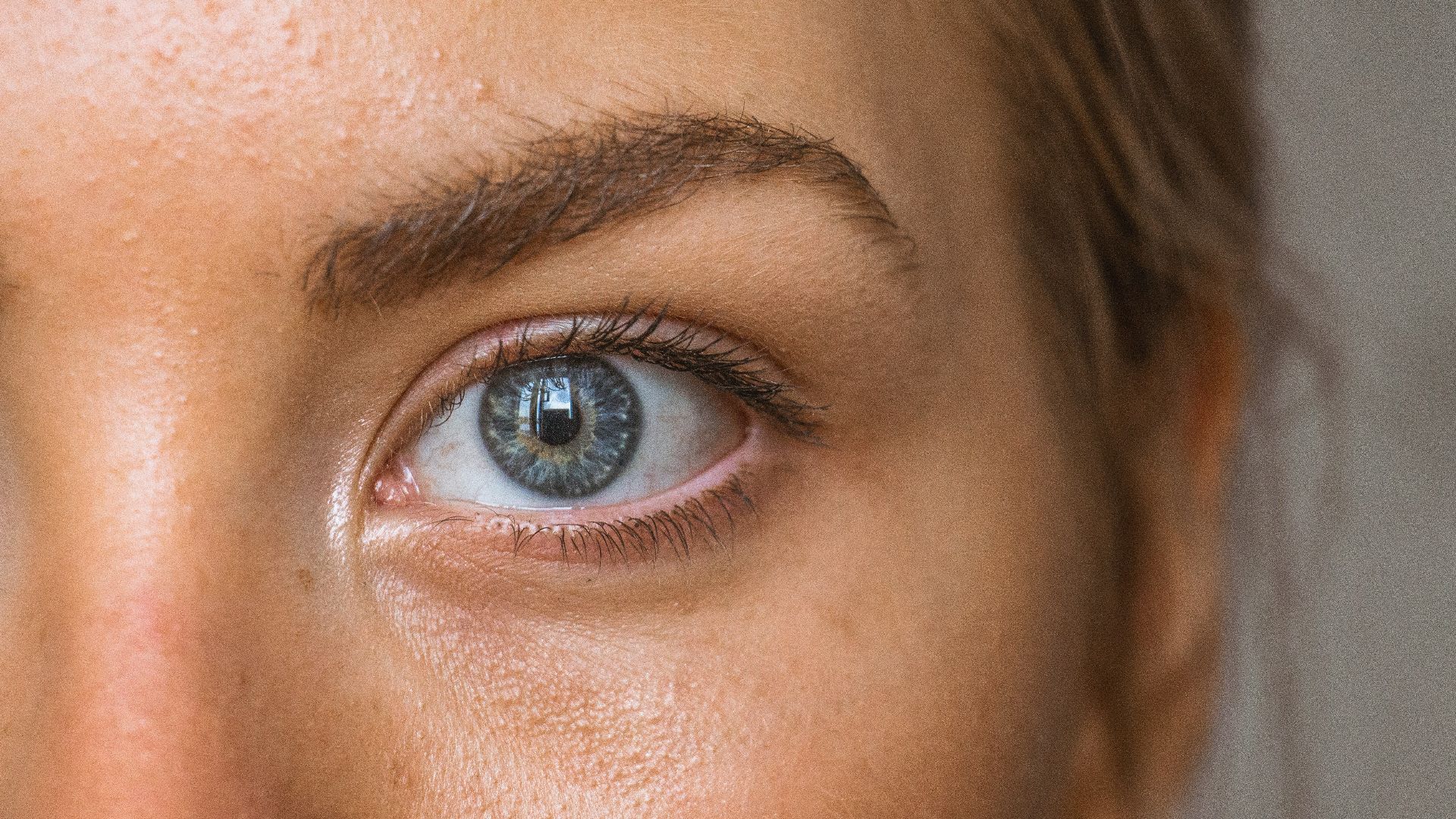
Real surprise appears and clears in under a second, since the brain resolves the novelty fast. An expression of surprise held for three seconds is being performed for your benefit. The most familiar version is the one people produce while opening a gift they already knew was coming.

8. The Expression That Arrives Late
When the face reacts a beat after the words rather than alongside them, the reaction was constructed rather than felt. Felt emotion and the words describing it depart at the same instant. Half a second of lag registers as wrong to almost everyone, though few people can say what bothered them.
9. The One-Shoulder Shrug
One shoulder rising slightly during a confident statement means the speaker doesn't fully believe what they're saying. The full two-shoulder version is a deliberate gesture that simply means nobody knows. The partial version leaks out on its own, and it tends to contradict whatever sentence it appears in.

10. Nostrils Flaring
Widened nostrils mean the body is taking in more oxygen, which happens when someone is preparing for confrontation or working hard to stay composed. It pairs with a tightened jaw more often than not. Anger and hard physical effort look much the same at the nose, so the rest of the face decides which one you're seeing.
11. The Chin Pucker
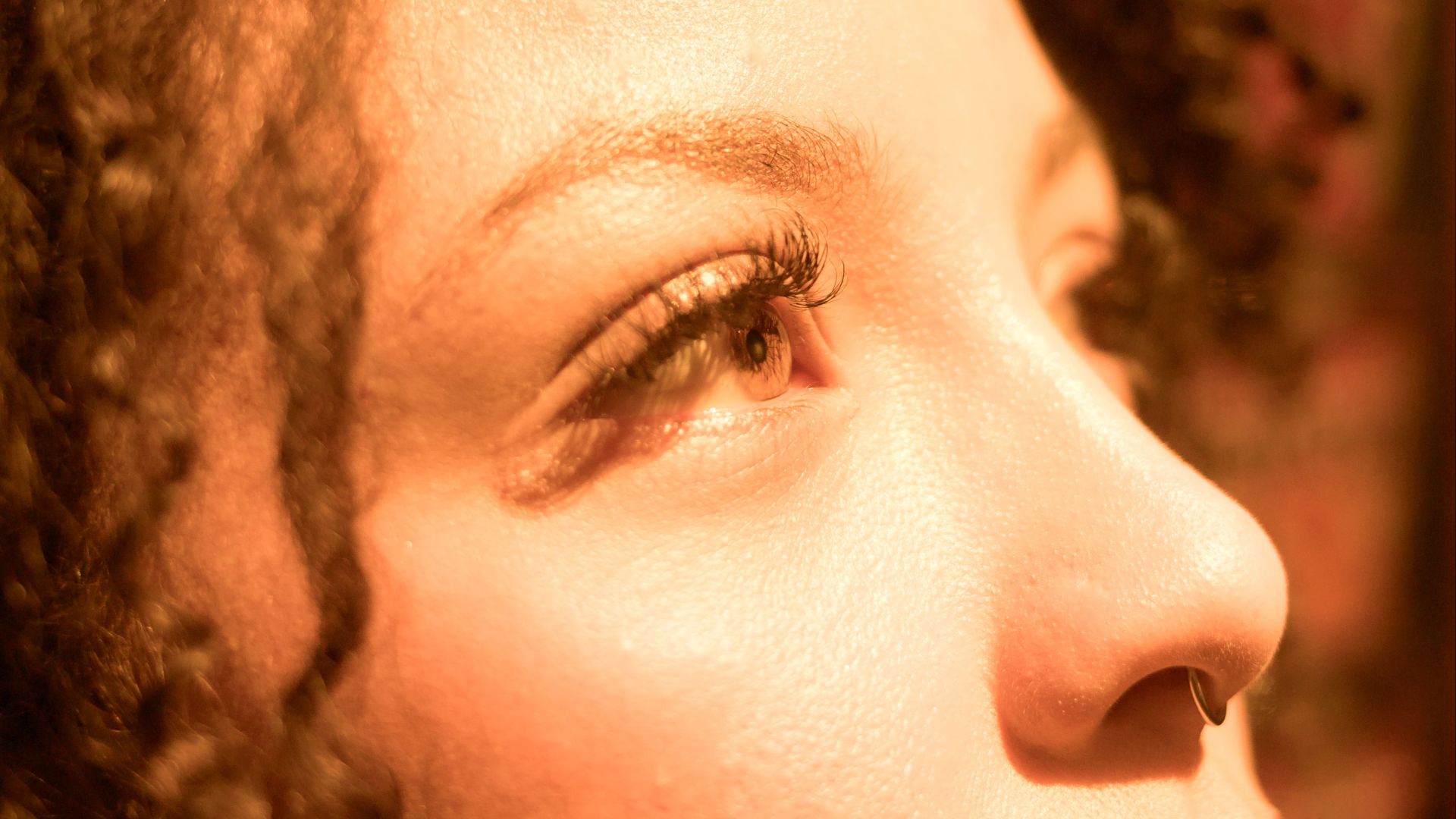
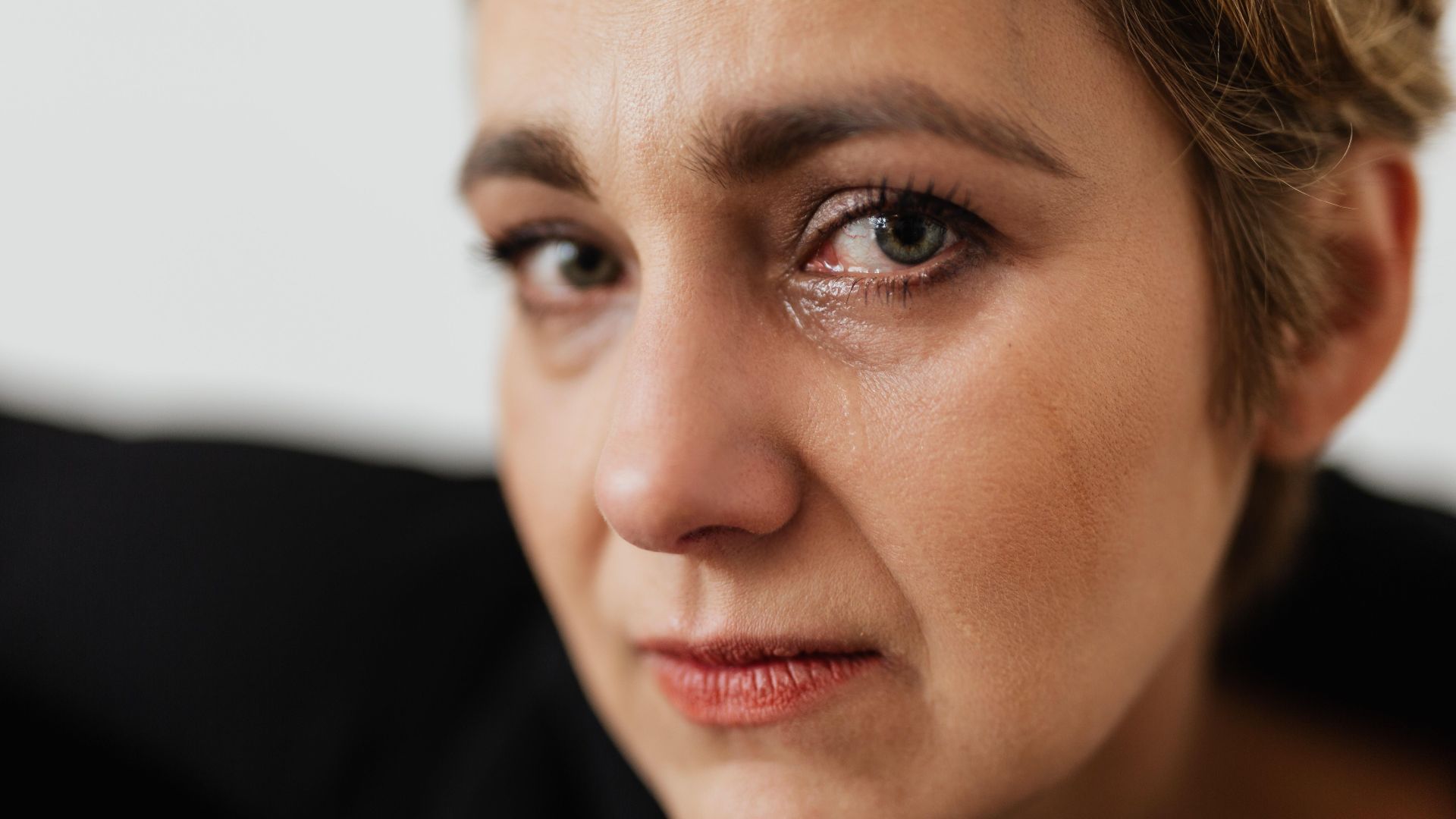
The muscle in the chin bunching up and pushing the lower lip forward is the expression a child makes before crying. It survives into adulthood in a much smaller and much faster form. When an adult's chin does this during a difficult conversation, they're closer to the edge than their voice suggests.
 https://kaboompics.com/ on Pexels
12. Eyes Closing A Beat Too Long
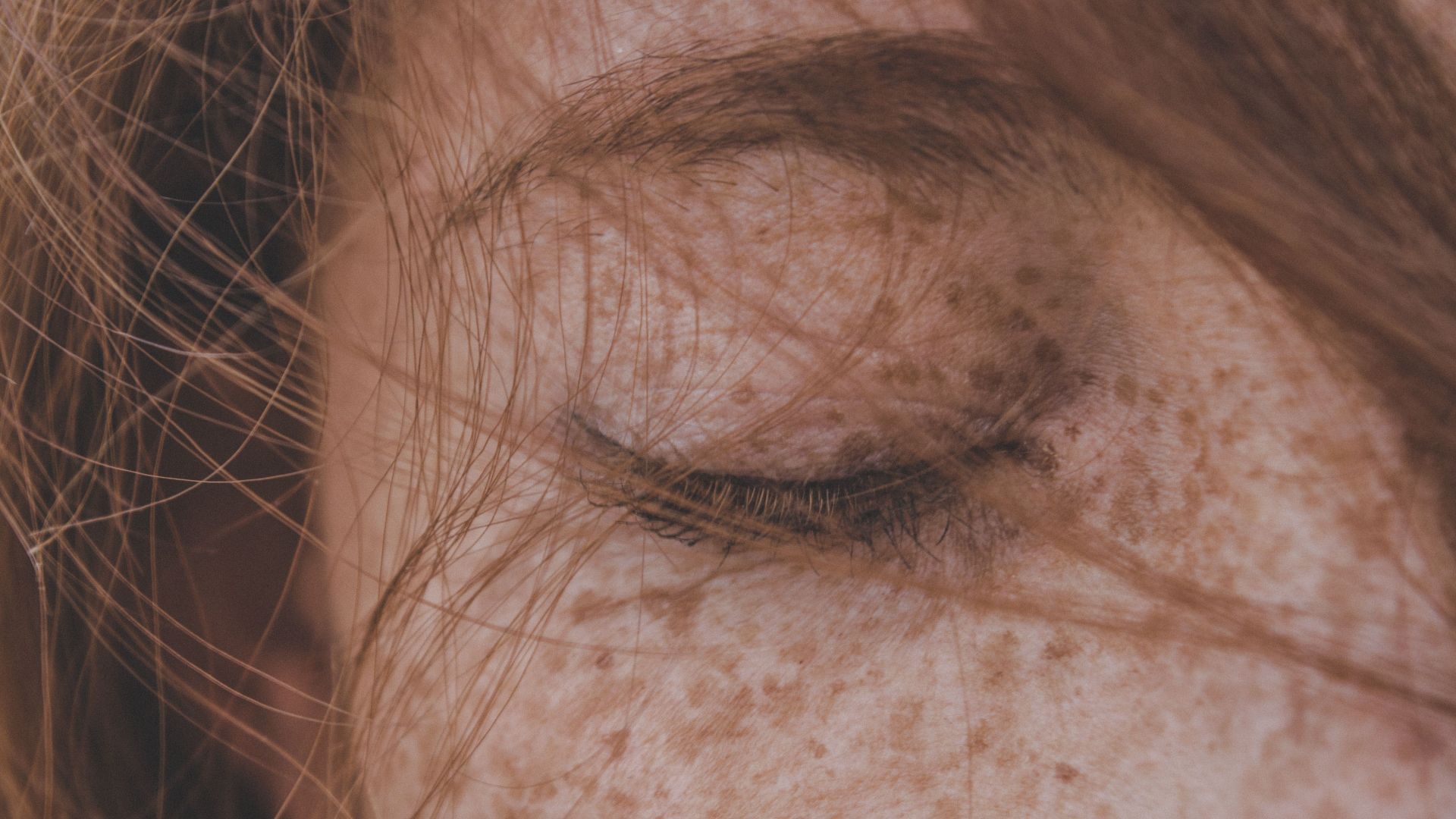
Shutting the eyes a beat longer than a normal blink is a way of shutting something out. People do it when they hear a number they don't like or a request they resent. Joe Navarro, who spent his career watching this in interviews for the FBI, treats it as one of the more reliable signs of discomfort.
13. Blink Rate Climbing
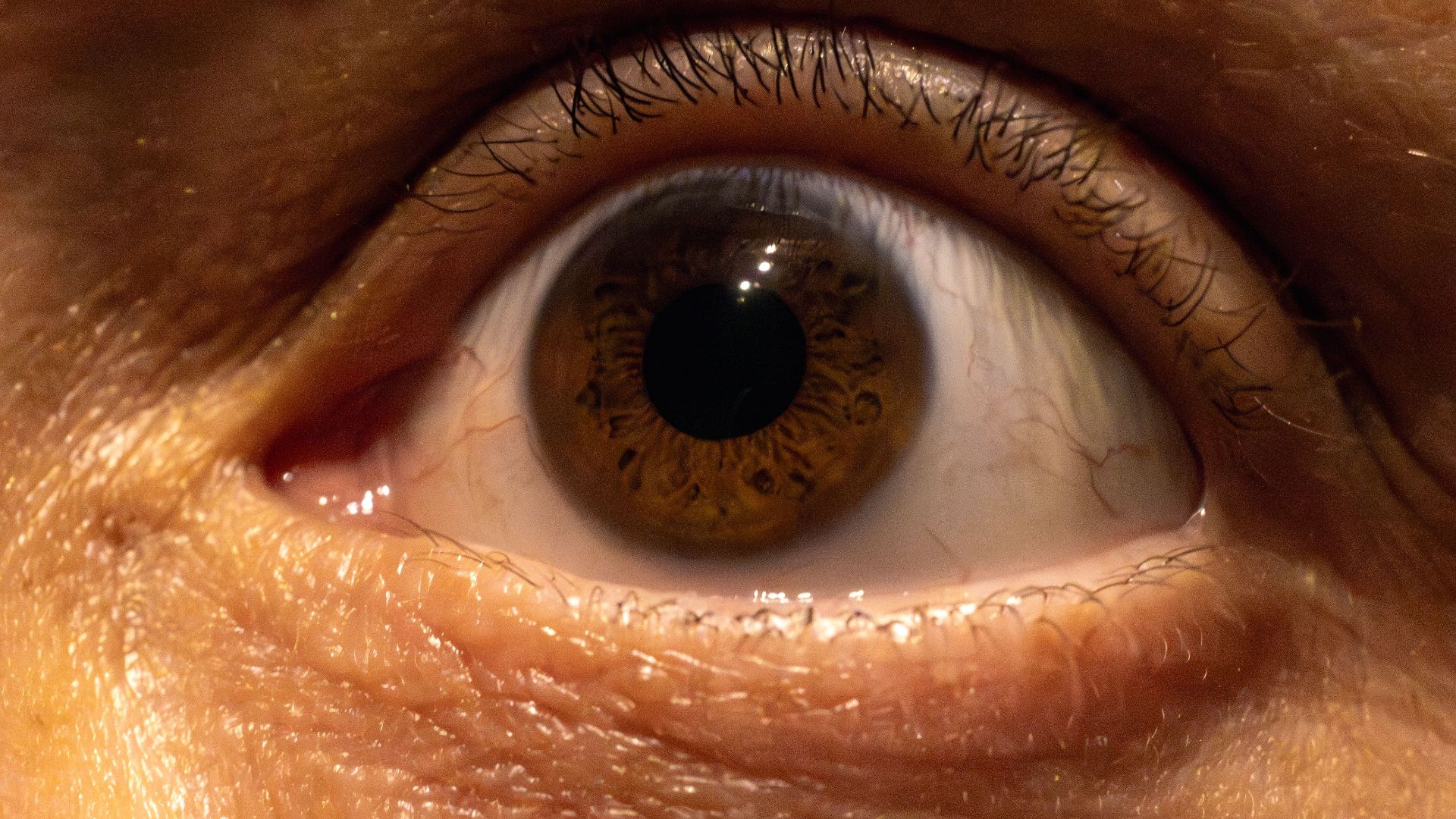
Blinking speeds up under stress and mental effort, and it often drops during heavy concentration before spiking afterward. Aldert Vrij's research on deception found this pattern rather than a simple increase. The change in rate is what carries the information.
14. Pupils Widening
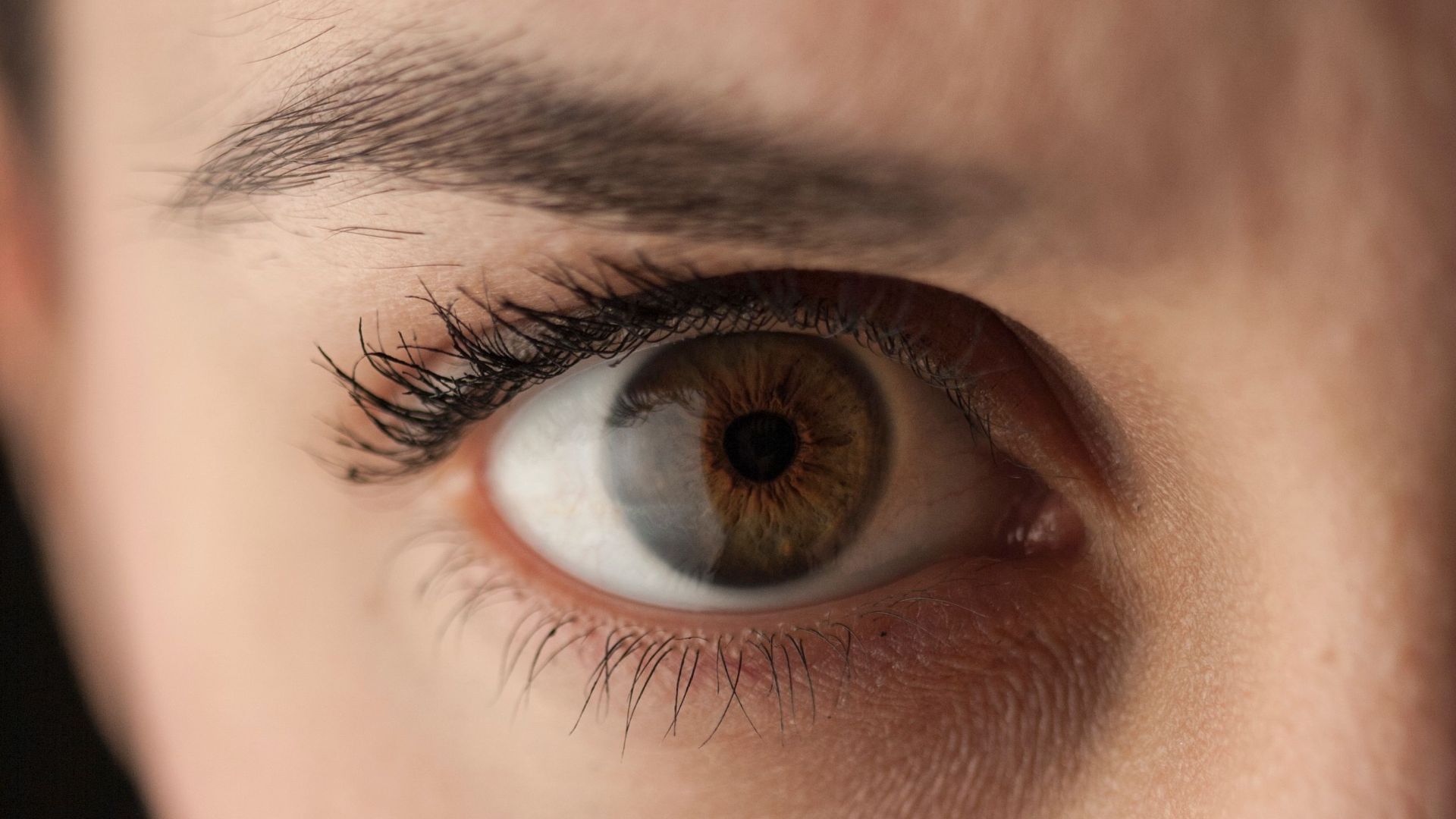
Pupils expand with interest and with mental effort, neither of which a person controls. The catch is that they also respond to light, so a pupil reading means nothing if someone turns toward a window. Poker players wear sunglasses for a reason that has nothing to do with the lighting.
15. The Jaw Muscle Working
Teeth pressed hard together show as a flex at the back of the jaw, and the usual purpose is keeping something unsaid. It shows up in meetings and in traffic, and on the face of anyone listening to a relative talk about politics. Most people have no idea they're doing it until someone points at their jaw.

16. Lip Corners Pulling Down
Corners of the mouth dropping while the rest of the face stays put means displeasure the person has decided not to voice. It can flash for a fraction of a second and disappear. Slowed footage catches it constantly in interviews where the person is insisting they're fine.

17. A Head Shake Under A Yes
Somebody agreeing out loud while their head makes a small horizontal movement is showing you the disagreement underneath. The body tends to be more honest than the sentence, mostly because nobody is monitoring it. The movement lands on the word yes itself, which is where to watch for it.

18. The Hard Swallow
The autonomic nervous system handles this one, which is why a hard swallow or a throat clear lands where it does in a conversation. Nobody decides to do it, and nobody can stop it once the reaction has started. The timing is what carries the information, since it tends to land on the question the person least wanted asked.
19. Looking Away While Answering
This one gets read as lying constantly and almost never means that. Breaking eye contact is what people do to reduce the visual load while they think, which is why it happens during hard questions regardless of honesty. Vrij's work found that liars often hold eye contact more, since they know they're being watched.

20. Nothing At All
A face that produces no reaction where a reaction belongs is its own signal, since suppression takes effort and the effort shows as stillness. Somebody hearing surprising news with a perfectly neutral face has usually heard it before. Flatness during an emotional conversation is worth more attention than any single twitch.