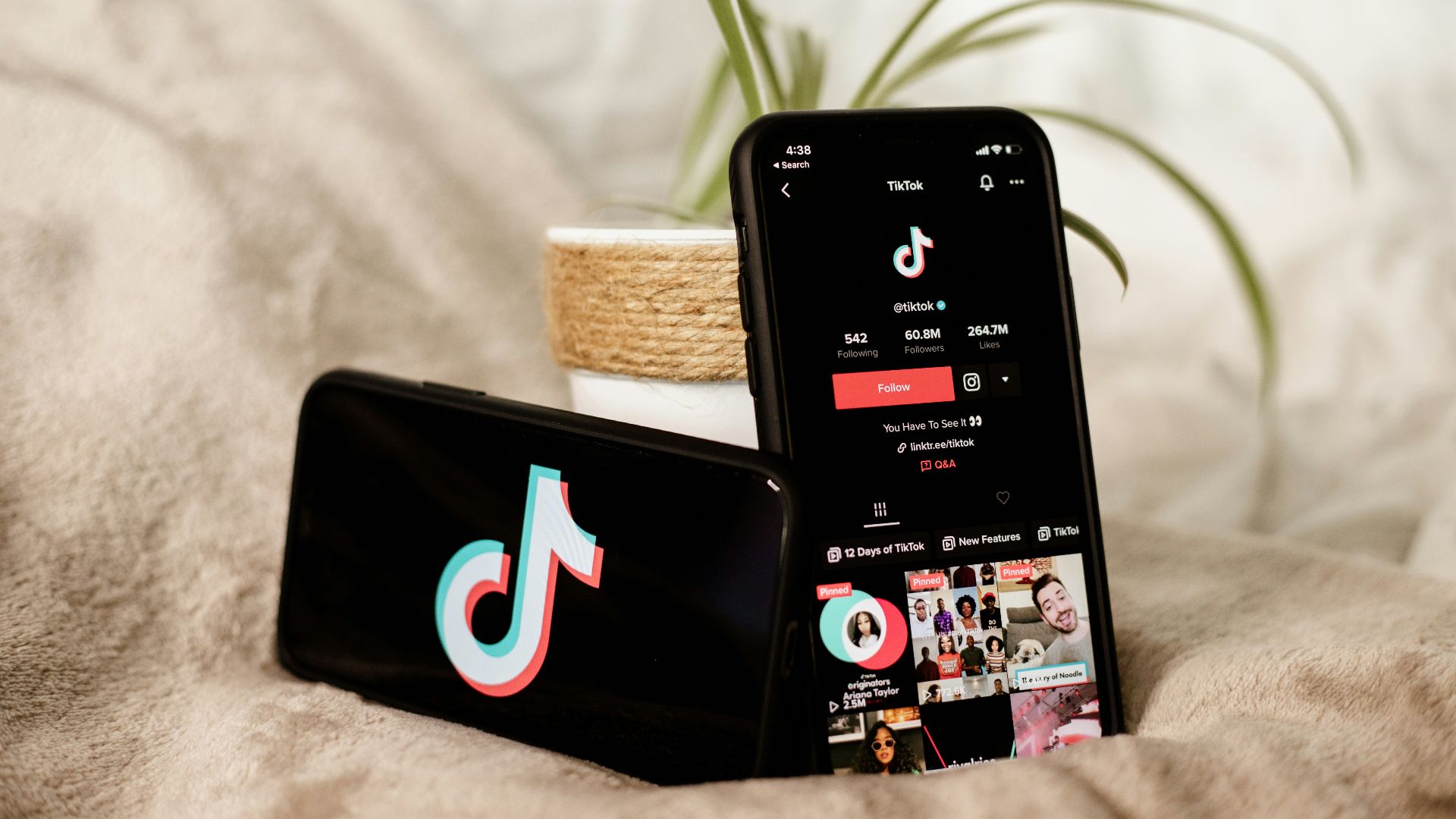

A Polished Feed, A Not-So-Polished Reality
Influencing is designed to feel effortless, friendly, and totally reasonable—and that’s exactly why it works. If you’ve ever thought, “This is just good taste” right before buying, you’re not alone. But you’re also not alone if you’ve stared at random purchases you regret the second they hit your porch. The tricky part is that online sales often look like lifestyle inspiration when it’s really a well-tuned sales system, so let’s dive into a few ways to tell you’ve been scammed, and how to break the cycle.

1. You Trust the Vibe More Than the Details
You believe a recommendation mainly because the content feels chic and confident. The product specifics seem less important than the creator’s tone and consistency, and before you know it, you’re convinced it must be good simply because it looked good.

2. You’ve Bought Something You Didn’t Research
A quick link and a smooth pitch are enough to get you to check out. You tell yourself you’ll look into it later, but “later” never happens. Sure enough, when it arrives, you’re slightly surprised you ever wanted it that badly.

3. You Think “Everyone Has This” After Seeing It Twice
Two posts, one story, and suddenly the item feels unavoidable. It’s easy to miss the thousands of likes on a popular video—but it’s even easier to realize you’ve been bamboozled. You’ll start noticing that one item everywhere, and even though the popularity feels organic, it’s carefully amplified.
 Antoni Shkraba Studio on Pexels
4. Discount Codes Make You Feel Weirdly Accomplished
You get a small thrill from using a creator’s code. How could you not? You saved a little money, and those shaved dollars feel personal. The thing is, that little boost can distract you from asking whether you needed the product in the first place.

5. You Confuse Relatable With Reliable
The casual honesty, minor imperfections, and day-in-the-life style lower your guard. You feel like you know the person, so you assume their recommendations match your needs. It’s a smooth shortcut from familiarity to trust.
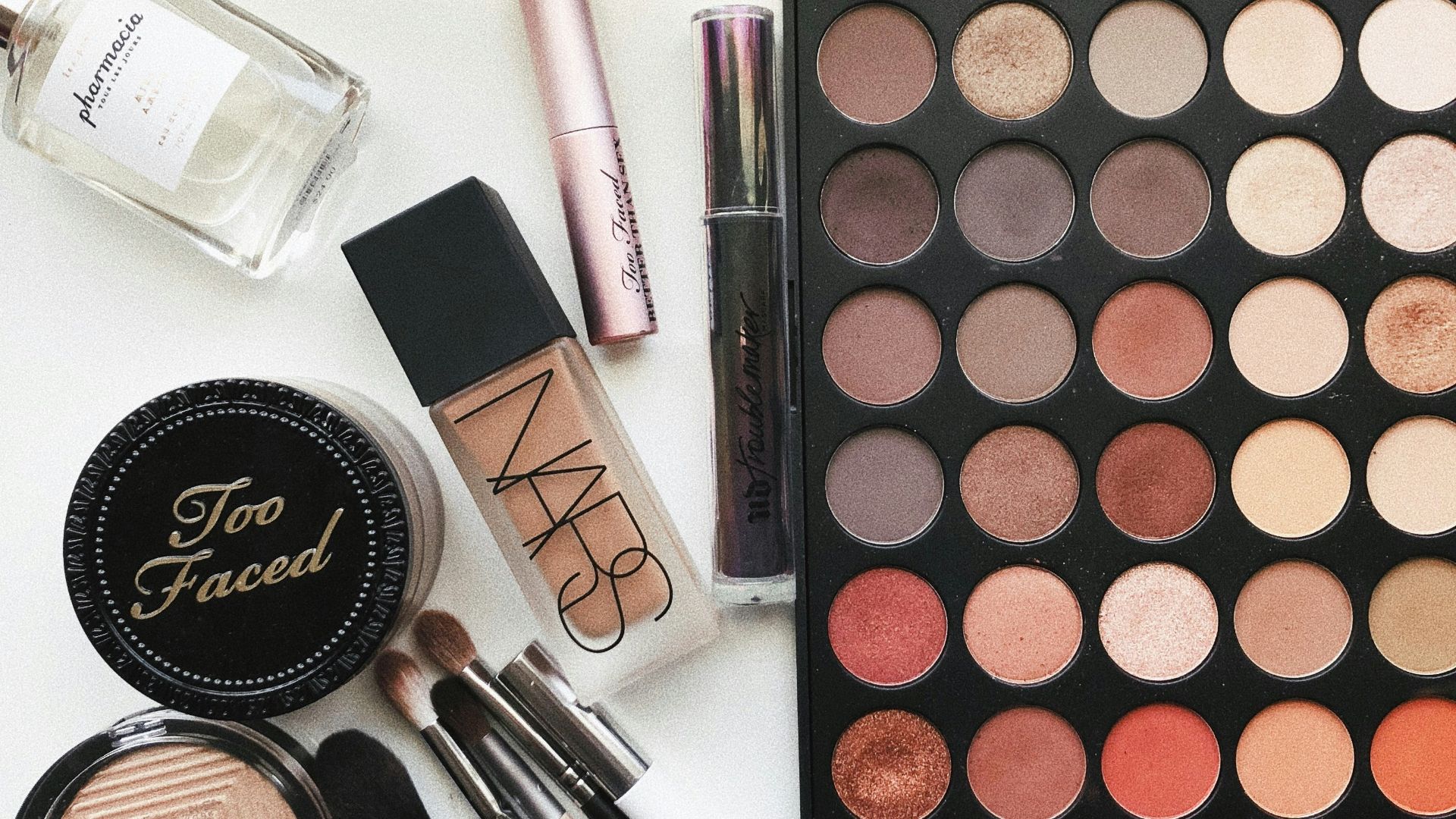
6. You Accept “It’s My Favorite” as a Full Review
A strong claim lands, even when it’s not backed by meaningful specifics. You don’t always notice what’s missing, like long-term use, limitations, or comparisons—somehow, the confidence becomes the evidence.
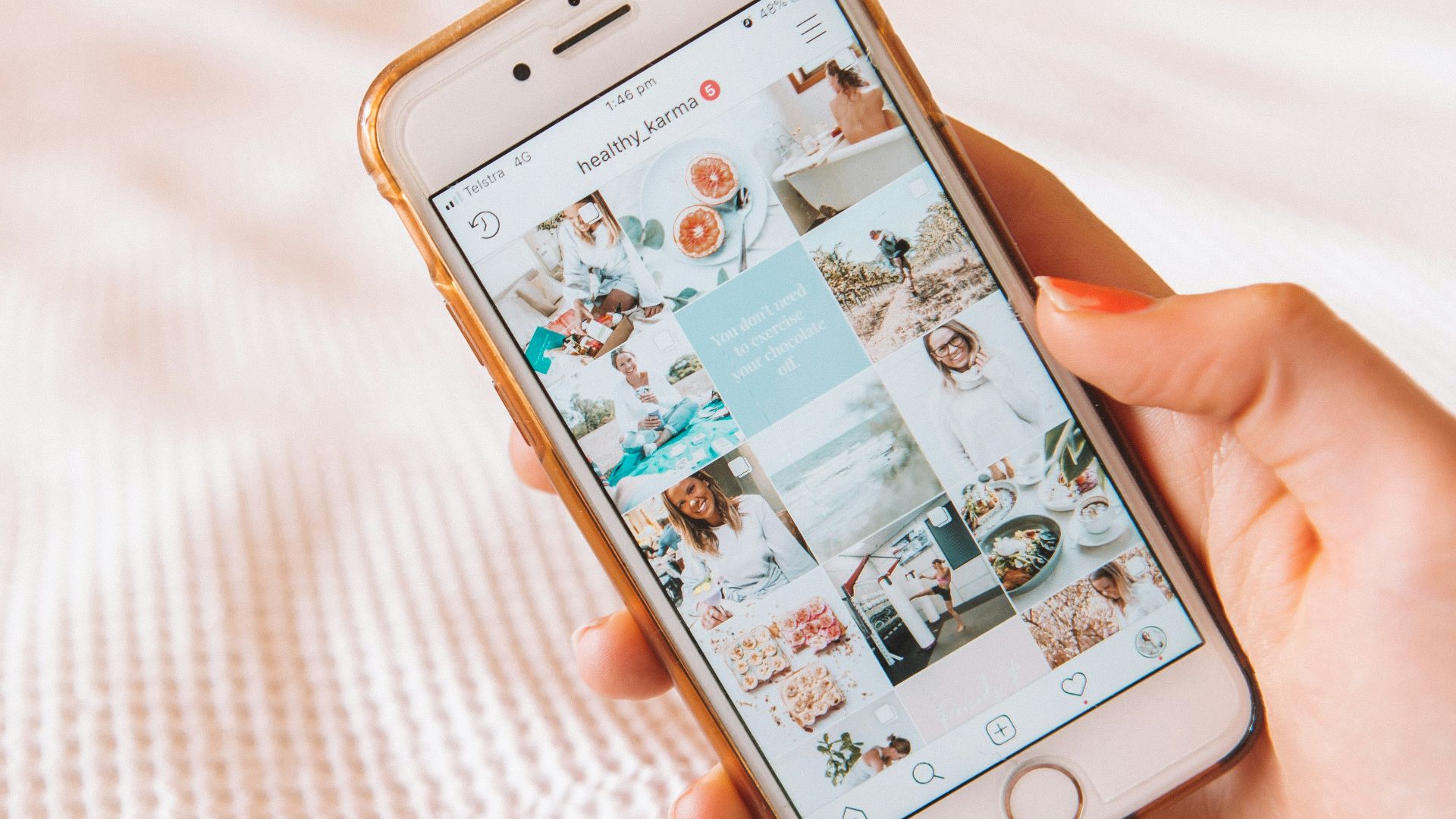
7. You’ve Added Items to Your Cart Just to “Think About It”
You build a cart and trick yourself into thinking you won’t buy anything. The longer the items sit there, the more they start to feel like future purchases rather than options. Eventually, checking out seems like finishing a task you already started.

8. You Feel Pressured to Support the Creator
You tell yourself the product looks decent, but you’re mainly motivated by loyalty. When buying becomes a way to participate, not just a way to get something, that’s when spending starts to feel like a social gesture.

9. Your Standards Shift Without You Noticing
You start wanting upgrades that weren’t on your radar a month ago. Those luxury items soon turn into basic needs, and you quietly adjust your expectations around the new bougie you. The content doesn’t demand it outright, but it still moves your goalposts.

10. You Defend the Recommendation—Even When the Product Disappoints
Do you always find excuses when it doesn’t work out? Do you blame your own choice or assume you used it wrong? That’s just because you’re hesitant to admit it was overhyped. That’s also a sign the persuasion stuck, even after the purchase didn’t.

Influencing works best when you’re moving fast, slightly distracted, and feeling like you’re just browsing. The good news is you don’t have to quit social media or swear off fun purchases to regain control!
1. Put a Pause Between Want and Purchase
When something catches your eye, save it instead of buying it immediately. Give yourself at least 24 hours so the initial excitement has time to settle, and if it still feels like a good decision tomorrow, you’ll choose it more clearly.

2. Decide What You Actually Need
A quick mental checklist can keep you anchored while you scroll. You’ll be less likely to adopt a problem you didn’t have five minutes ago, so maintaining a simple goal, like “I’m not shopping today,” changes how you interpret what you see.

3. Read Reviews That Aren’t Tied to Commission
Look for feedback on retailer sites, forums, and independent review outlets. All that stuff gives you a fuller picture of flaws, fit, and long-term performance. If the only praise you can find is attached to a link in a bio, that’s useful information too.

4. Learn the Common Signals of a Sponsored Pitch
Not every partnership is shady, but it’s still marketing. Pay attention to disclosure language, urgency cues, and repeated brand mentions across multiple creators. Once you spot the structure, the message feels less magical and more measurable.

5. Unfollow Accounts That Make You Feel Financially Behind
If a feed reliably triggers stress or impulse spending, it’s not serving you. Curating your follows is a practical boundary, not a dramatic lifestyle statement, and you’re allowed to protect your attention.

6. Turn Off Shopping Notifications
Disable push alerts from shopping apps and remove saved payment methods if you tend to act fast. Reduce the number of taps it takes to spend money; friction can be your friend. Remember that convenience is great until it starts making choices for you.

7. Set a Monthly “Influence Budget”
Pick a realistic amount you can spend on fun finds without regret. When it’s gone, you’re done for the month. And no, there aren’t any exceptions for codes “ending tonight.”

8. Keep a Short List of Brands You Trust
Instead of chasing whatever is trending, choose a few companies that have earned your loyalty through quality and service. That makes you less vulnerable to hype and more guided by experience. You’ll also spend less time second-guessing every new recommendation.
 Johanne Pold Jacobsen on Unsplash
9. Ask One Direct Question Before You Buy
Try asking, “Would I want this if no one posted about it?” That single check can separate genuine interest from borrowed excitement! If the answer is unclear, you’ve already learned something valuable.

10. Practice Enjoying Content Without Acting on It
You can appreciate style, routines, or product demos without turning them into a shopping task. Let yourself watch, take notes, and move on with no pressure to convert inspiration into a purchase. Over time, that skill becomes a quiet kind of freedom.