
10 Colors That Bring Bad Luck & 10 That Bring Good Luck, According to Certain Cultures
10 Colors That Bring Bad Luck & 10 That Bring Good Luck, According to Certain Cultures
Lucky & Unlucky Colors
Across the world and different cultures, colors can pick up reputations that go far beyond taste or fashion. Some may be tied to funerals, religion, national history, or long-running beliefs, and the same color can flip meanings elsewhere, regarded as symbols of prosperity and wealth. If you're looking to ward off bad omens and bring in good fortune, here are colors you might want to avoid, along with ones you should wear instead.
1. White
In several East Asian traditions, white is strongly linked to mourning, which is why it can feel inauspicious in celebratory settings. It’s also commonly flagged as a color to avoid at certain New Year contexts in Chinese custom because of its funeral associations.

2. Black
In much of the Western world, black is the default color of mourning, so it can read as heavy or unlucky when the occasion is meant to be upbeat. Even outside the West, black can still carry funeral associations in specific contexts, which is why it’s sometimes treated cautiously.

3. Yellow
Yellow can be surprisingly complicated: in parts of Europe it’s historically tied to jealousy or betrayal, and in China it can carry taboo or negative associations in certain uses. If you’re trying to keep things universally safe, this is one of those colors that depends heavily on where you are.

4. Green
Green is usually a friendly color, but it gets messy in one very specific Chinese taboo: giving or wearing a green hat can signal infidelity, especially if the man wears it. So while green itself isn’t banned, that particular item-color combo can be a social landmine.

5. Red
In some places, red is used as a mourning color rather than a festive one, including parts of South Africa where it has been adopted in connection with blood, grief, and history. That means red clothing at a funeral or memorial could be received very differently depending on the community.
6. Purple
Purple isn’t automatically negative, but it does show up as a mourning color in certain traditions, such as in parts of Europe, Thailand, and Brazil. so it can signal grief rather than celebration in those settings. If you’re attending an unfamiliar ceremony, it’s worth checking whether purple is reserved for remembrance.

7. Blue
In some cultural contexts, blues can be tied to mourning rites, especially sky blue, as it's often seen as a symbol of where the deceased go. It’s a good reminder that even a generally well-liked color can take on a different tone in ceremonial life.

8. Gray
Gray can symbolize mourning or misfortune, particularly in Chinese culture, where the shade is seen as a "cold," dull, and lifeless color. If someone’s super traditional, gray might be a color they’d rather not see front and center, though it isn't considered as taboo as black or white.

9. Brown
As it represents the Earth element, brown is often described as grounding, yet some feng shui approaches warn that too much brown can create a stuck, stagnant feeling in a space. If you’re the type to take these systems seriously, brown can land on the avoid list in certain decorating scenarios.

10. Bright, Attention-Grabbing Colors
During periods of public mourning in Thailand, guidance commonly leans toward muted clothing and away from bright colors, which can be seen as disrespectful in that moment. So a color that’s normally cheerful can still be treated as a bad choice if the timing is wrong.
So, what colors bring good luck and fortune? Let's jump into that next.

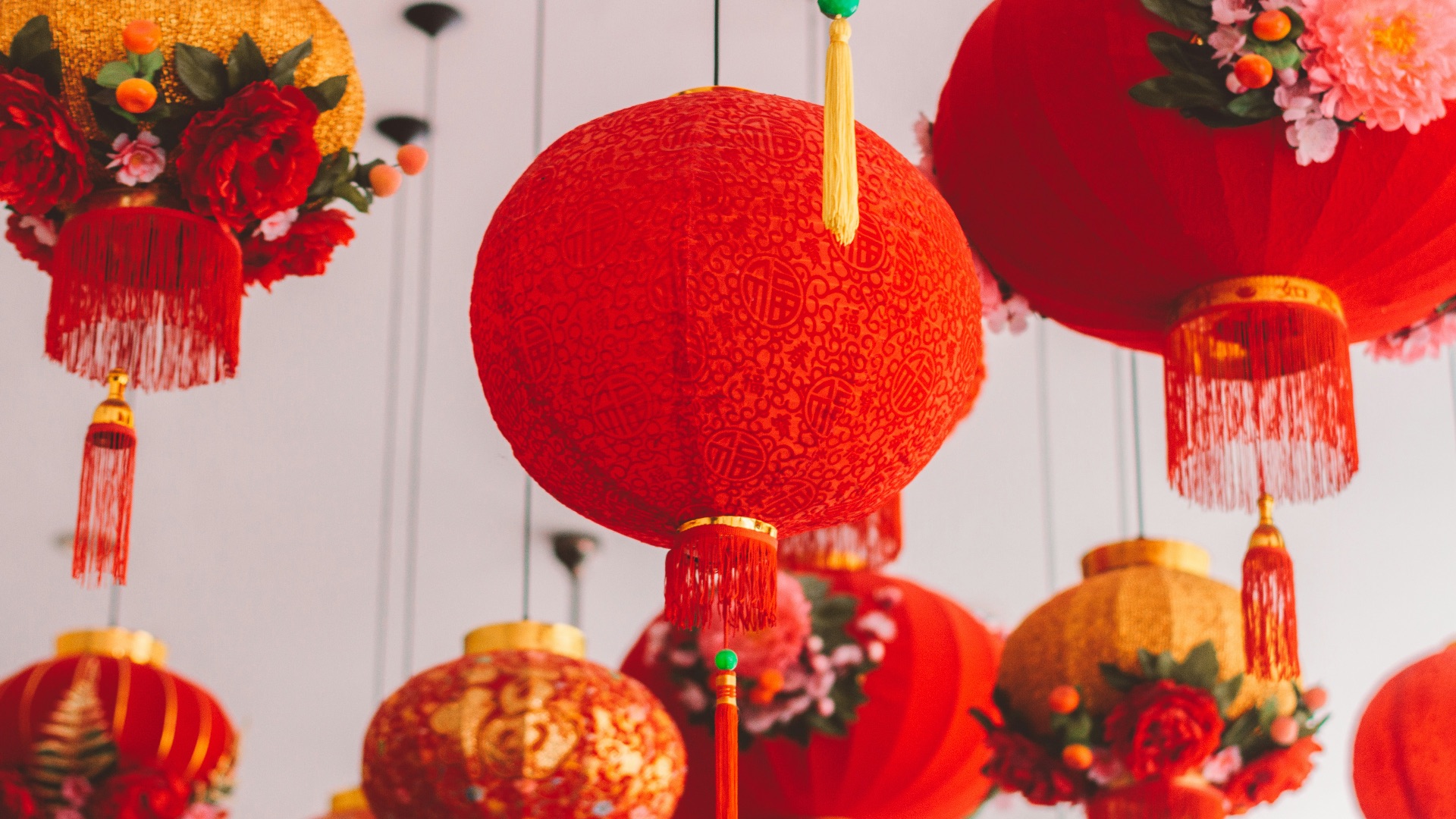
1. Red
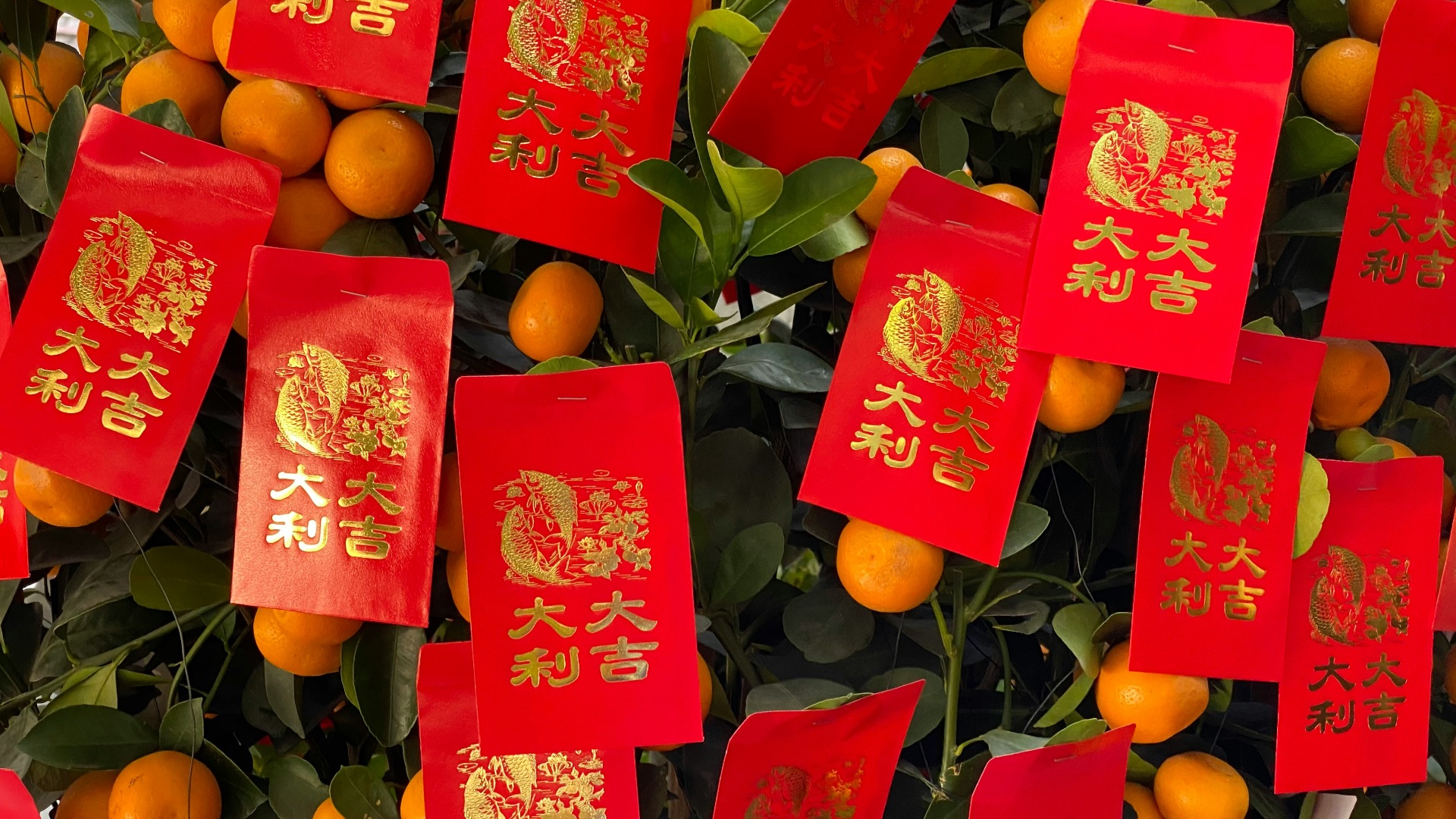
In Chinese culture, red is widely treated as the go-to lucky color, especially for celebrations and wishes for prosperity. You’ll see it show up repeatedly in holiday décor and gift traditions for a reason, and especially during Chinese New Year festivities.
2. Gold
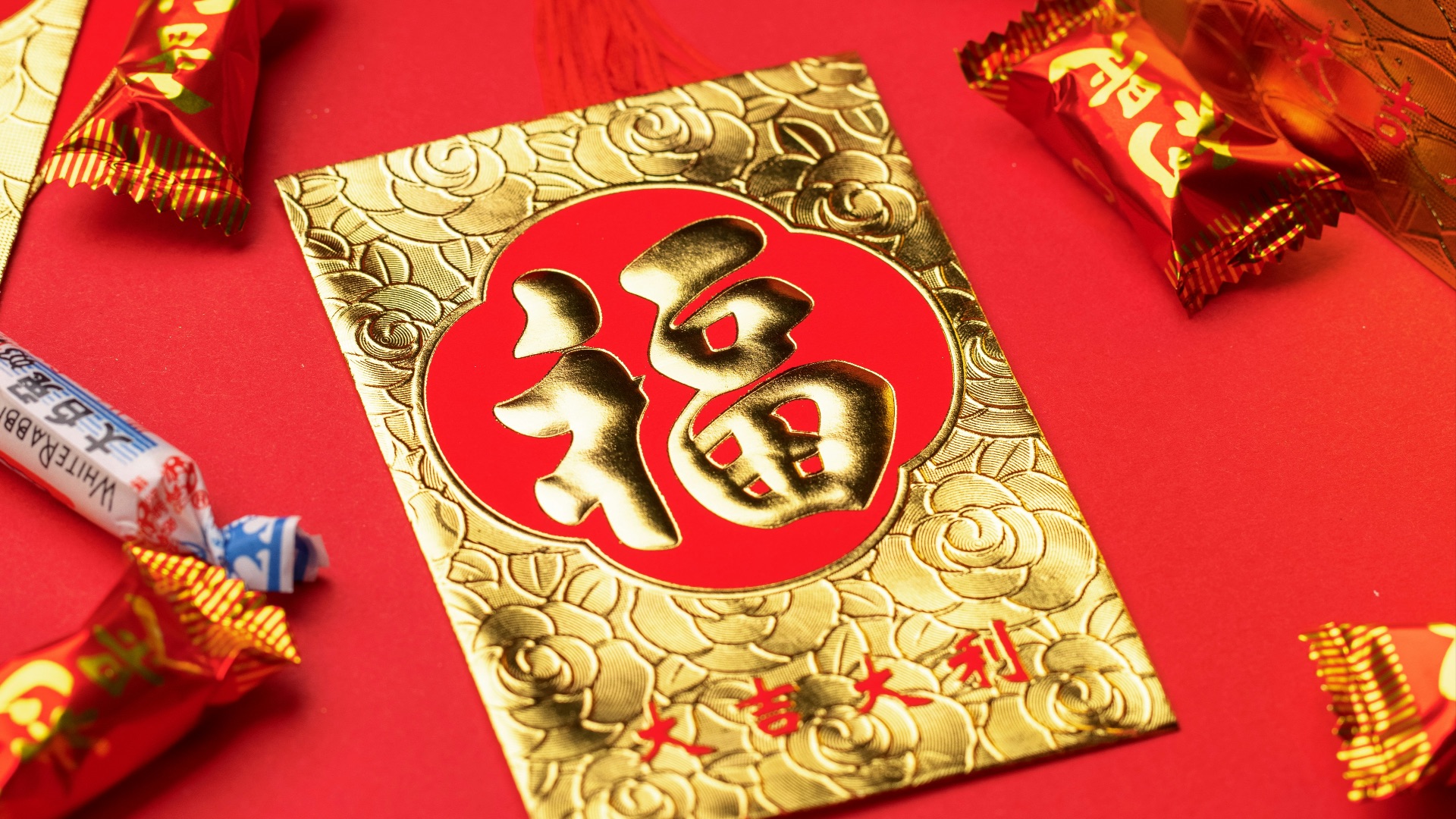
Gold is strongly associated with wealth and auspiciousness in Chinese cultural symbolism, which is why it often appears alongside red in festive settings. If you want a color that reads as prosperity-focused, gold is a classic choice.
3. Orange
Orange is commonly linked with good fortune around Chinese New Year customs, including practices that play on the connection between orange and gold-like wealth symbolism. It’s one of those colors that can feel practical and upbeat while still carrying a lucky reputation.

4. Green
In many Islamic cultural contexts, green carries strong positive religious symbolism, which is part of why it appears so often in flags and sacred design traditions. In that setting, green can read as blessed, hopeful, and spiritually meaningful.

5. Blue
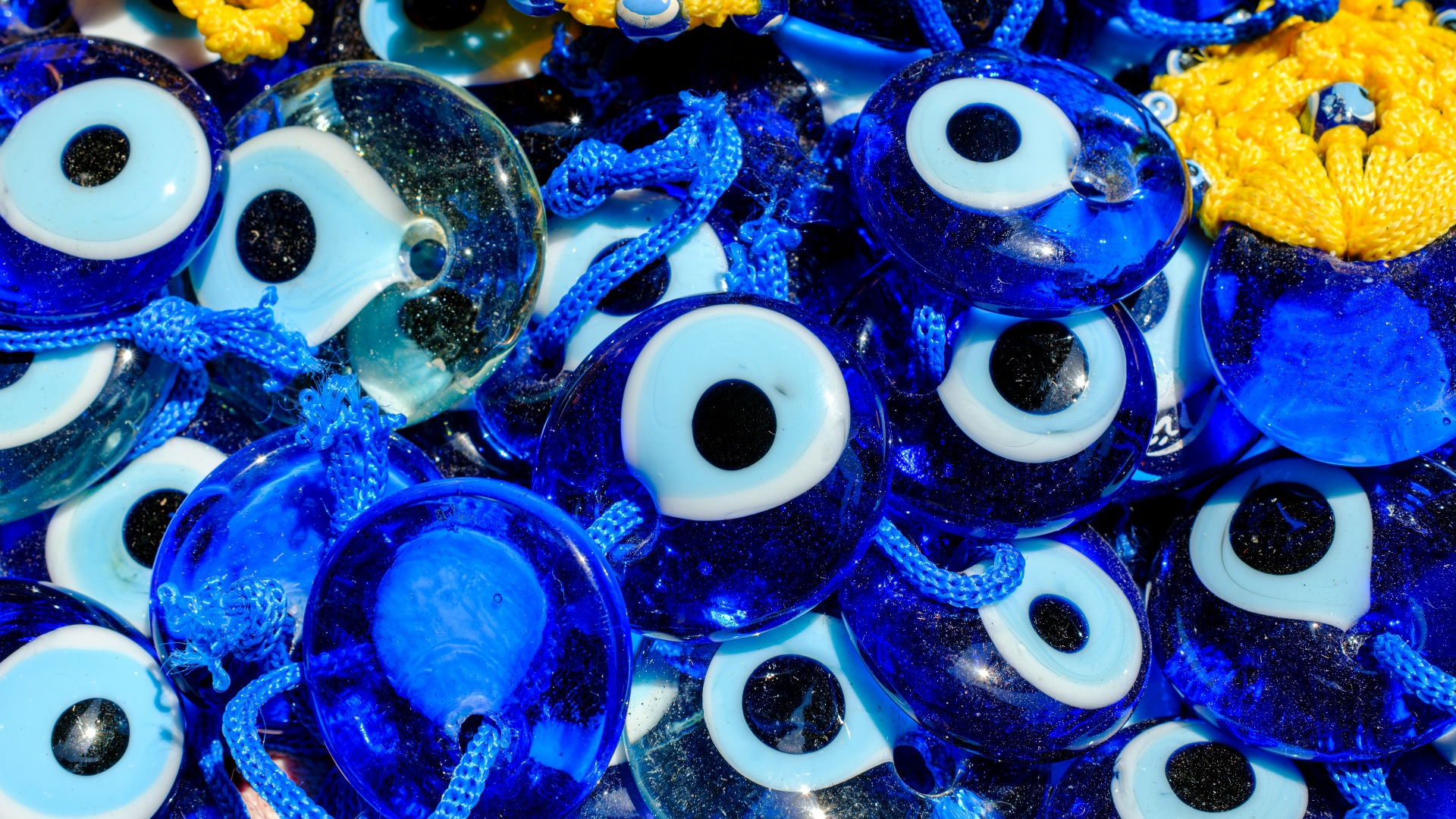
Blue is famously used in nazar and evil-eye traditions in parts of the Mediterranean and Middle East, where it’s treated as protective against harmful envy. If you like the idea of luck as everyday protection, blue is a popular pick.
6. White
In many Western wedding traditions, white is strongly associated with purity, new beginnings, and ceremony, so it’s treated as auspicious in that specific context. It’s a good example of how the same color can be lucky in one place and unlucky in another.

7. Turquoise
Turquoise has been used as a protective material and symbol in multiple traditions, including Native American jewelry symbolism where it’s often linked with protection and strength. Wearing it can be less about flashy luck and more about keeping steady and safeguarded.

8. Pink
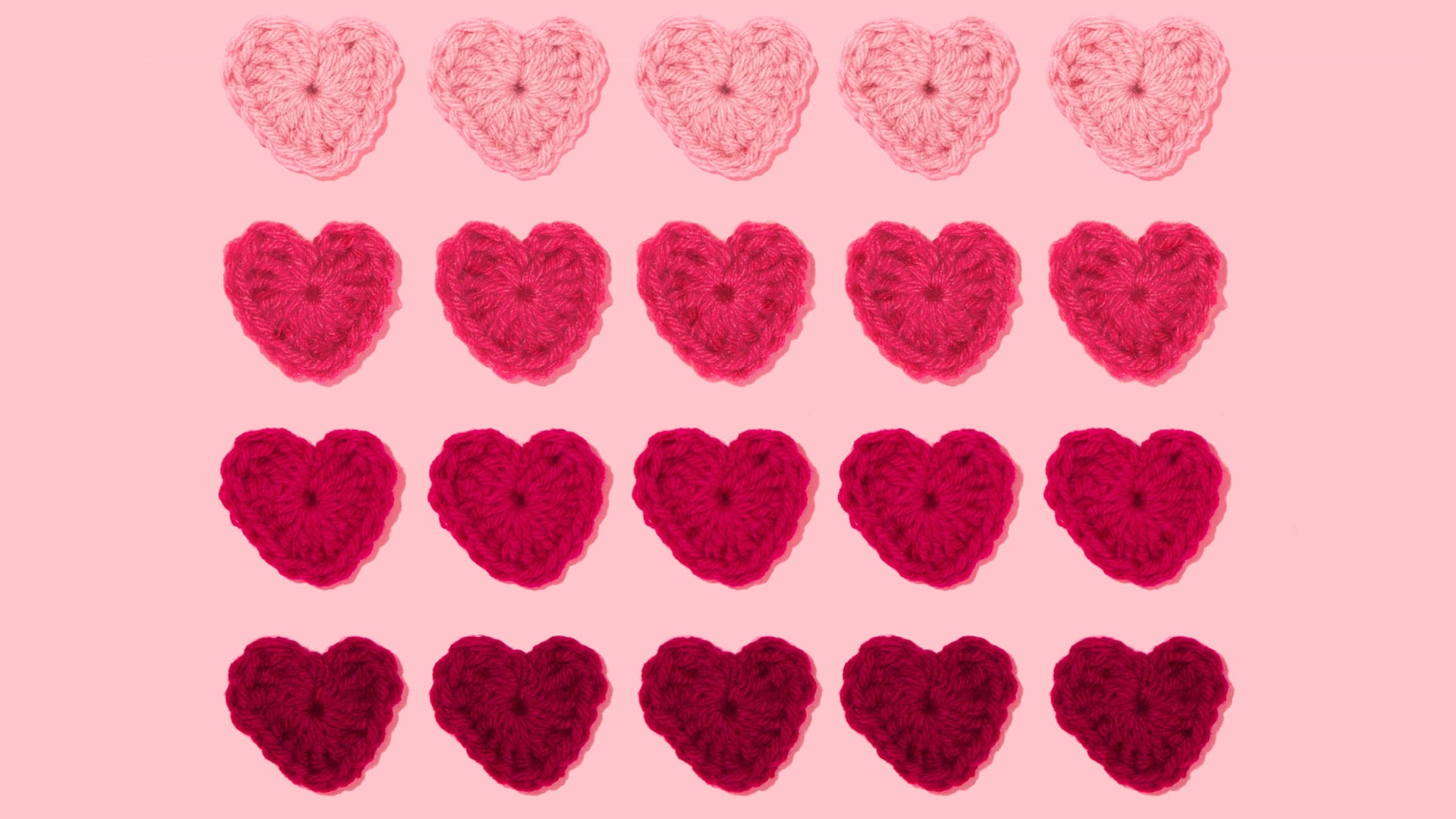
Though not as saturated as red, pink is sometimes treated as a positive, celebratory color in modern cultural usage, especially when it’s tied to joy, romance, and happy occasions. In that spirit, it often shows up where people want the mood to feel warm and encouraging.
9. Saffron
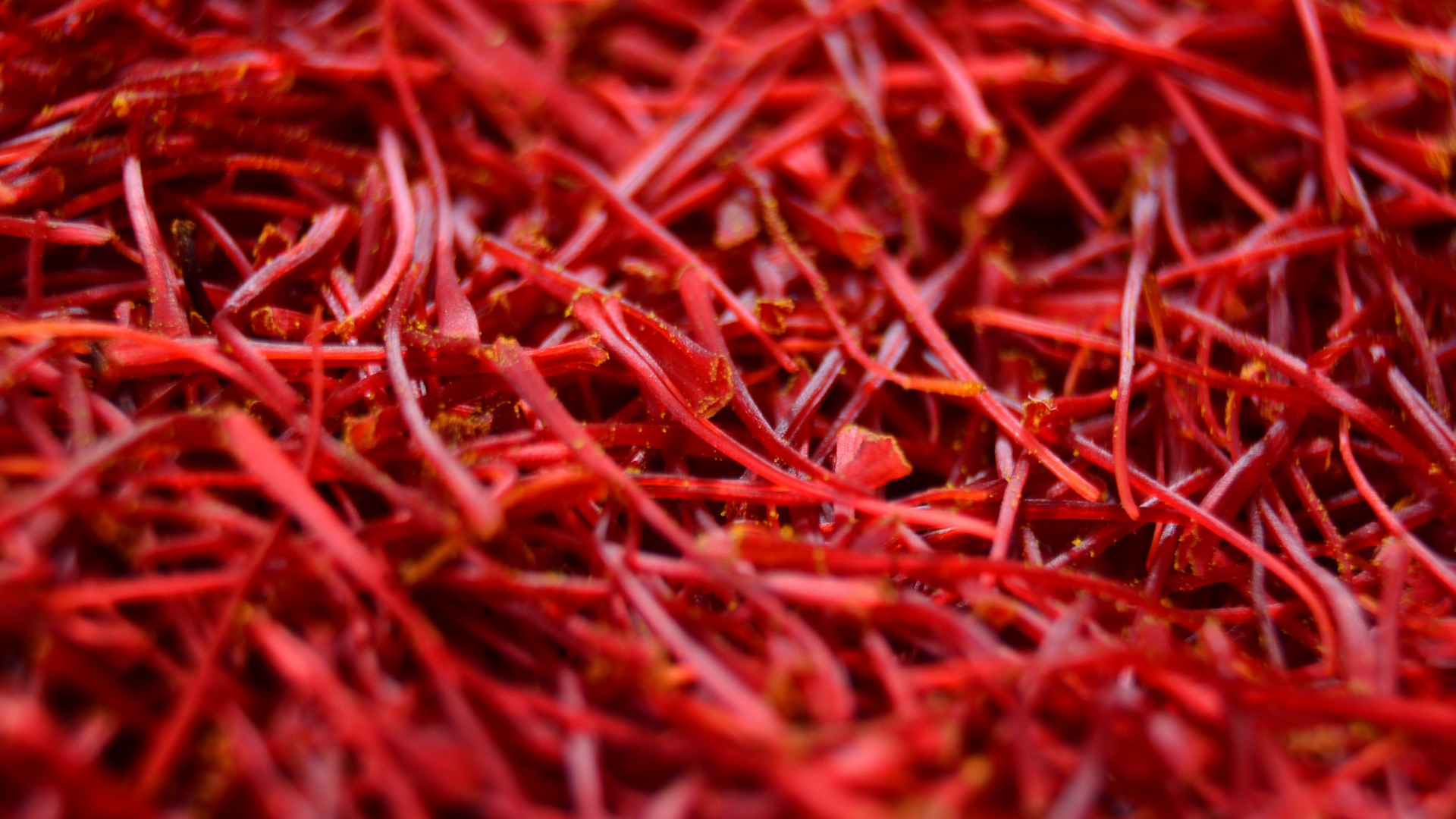
Saffron has a prominent sacred association in South Asian religious life, where it’s connected with devotion and renunciation in Hinduism, Jainism, and Buddhism. When a color is used in holy contexts that consistently, it tends to pick up a lasting aura of auspiciousness.
10. Silver
Silver isn’t universally labeled lucky, but it appears in plenty of practices where people wear it as a protective or fortune-attracting material, especially in jewelry and charms. If gold feels too loud for you, silver is often the option to pick that has a similar intention.