A Fabulous Cheat Sheet
Luxury shopping has its own language, and some of it can make a handbag description sound confusing. Still, these words do provide us with some insight, once you know what they mean. They help separate craft from clever branding, quiet quality from loud display, and a genuinely special piece from something that simply looks expensive. Fashion and beauty copy loves this vocabulary because it can suggest taste, mood, history, status, texture, and price without saying everything outright. Before the next boutique visit, resale scroll, or late-night cart spiral, here are 20 luxury shopping words worth knowing.

1. Opulent
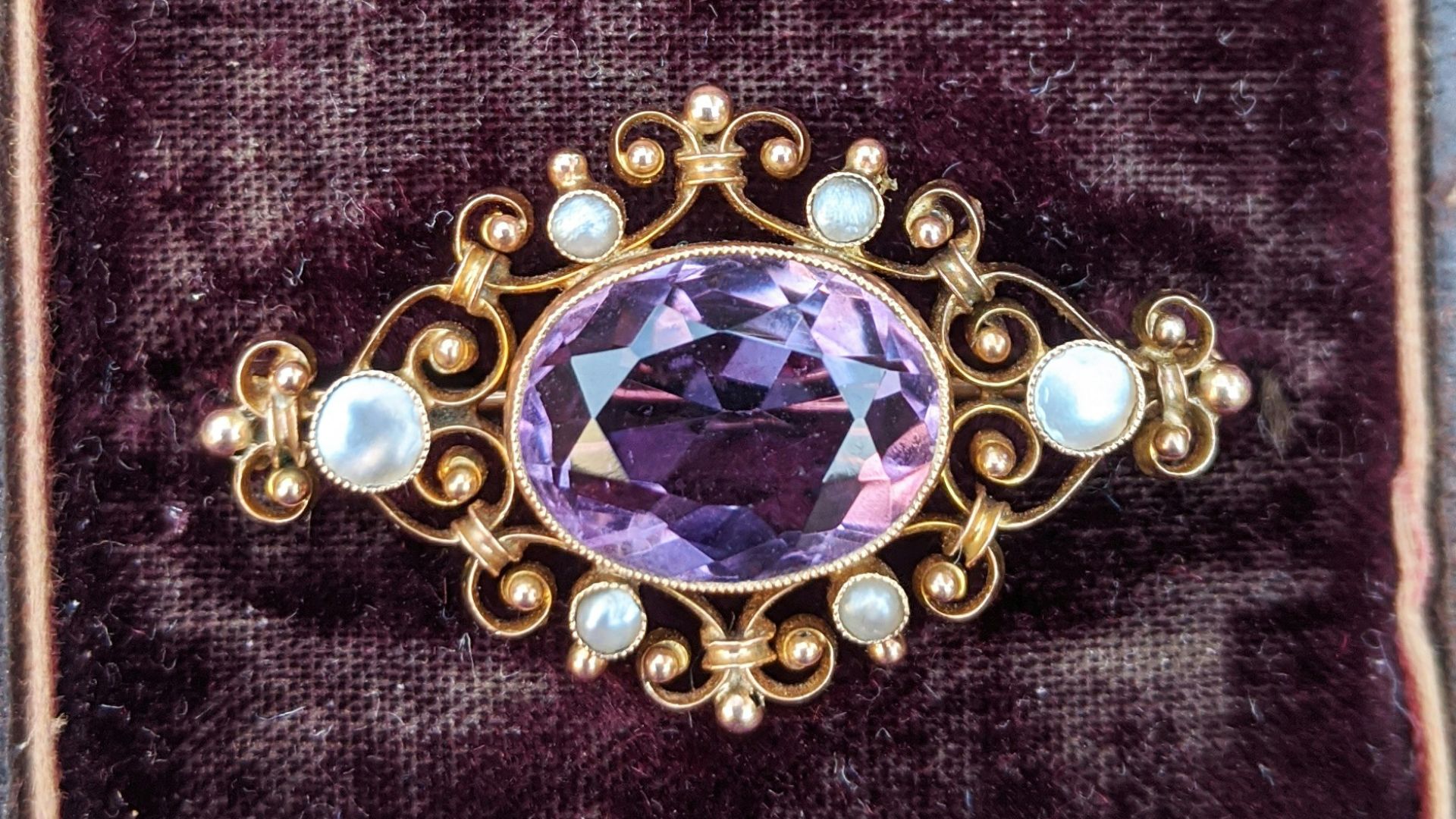
Opulent means rich-looking, lavish, and clearly luxurious. In fashion and beauty, it often shows up around pieces with drama, like velvet evening bags, gold hardware, ornate embroidery, glossy compacts, and fragrance bottles that look made for a mirrored vanity tray. It’s luxury turned up to 100, and when the design still feels thoughtful, it can be gorgeous.
2. Affluent
Affluent describes wealth, comfort, and financial ease. In shopping language, an affluent customer is someone with enough disposable income to buy premium items without having to haggle about the price. The word says more about an individual’s income than it does taste. You can be affluent and still look tacky.
3. Gauche
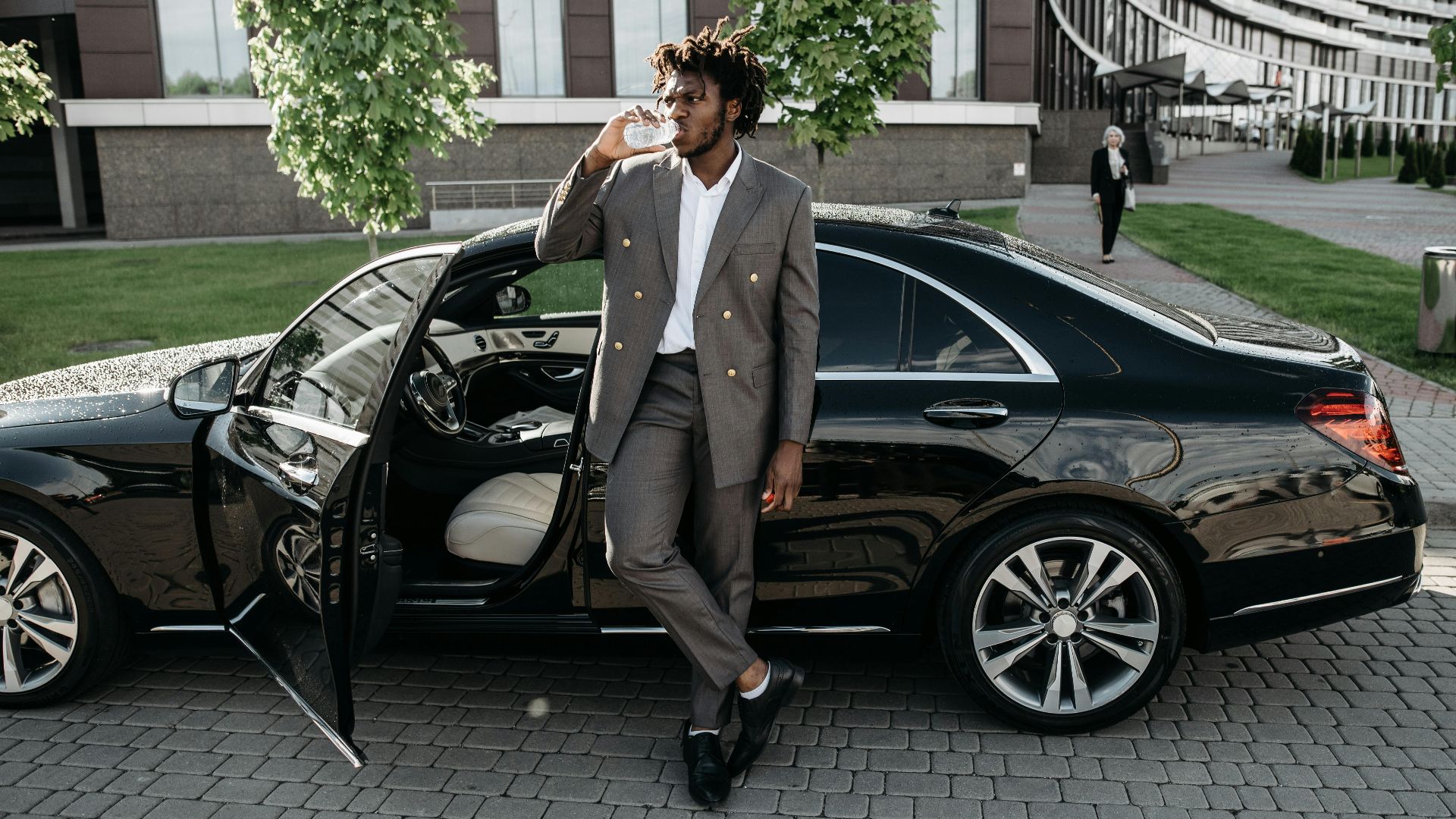
Gauche means awkward, tactless, or lacking social polish. In style talk, it’s the word people reach for when something expensive still feels clumsy, overdone, or too eager to prove its price. A look can be covered in designer labels and still feel gauche if there’s no balance, ease, or restraint.
4. Sumptuous
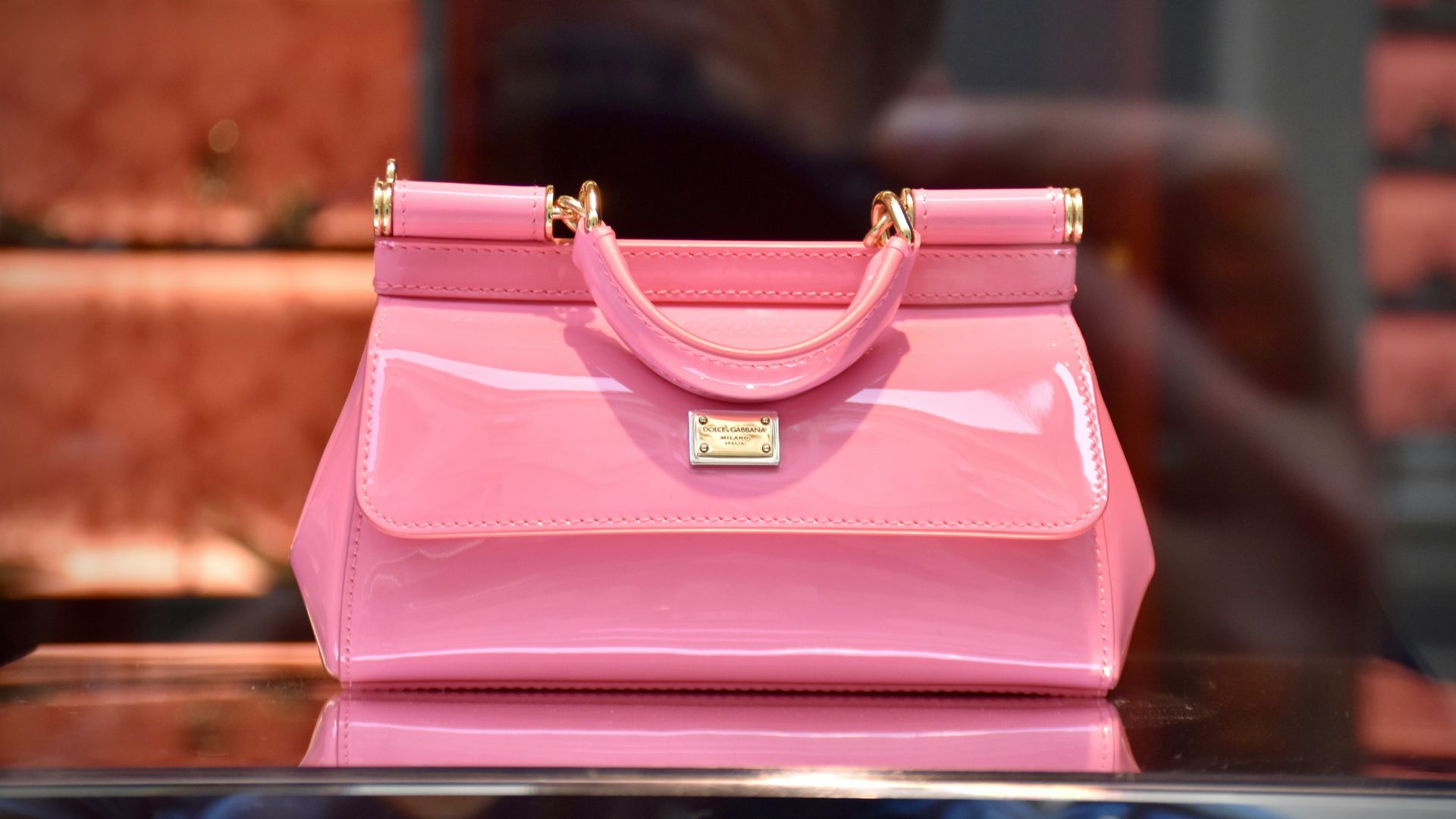
Sumptuous is luxury you can almost feel before you touch it. It fits plush textures, rich finishes, and indulgent details, like a silk slip dress, a dense face cream, a velvet pump, or a buttery leather clutch. The word leans into softness, richness, and sensory pleasure rather than cost alone.
5. Ostentatious
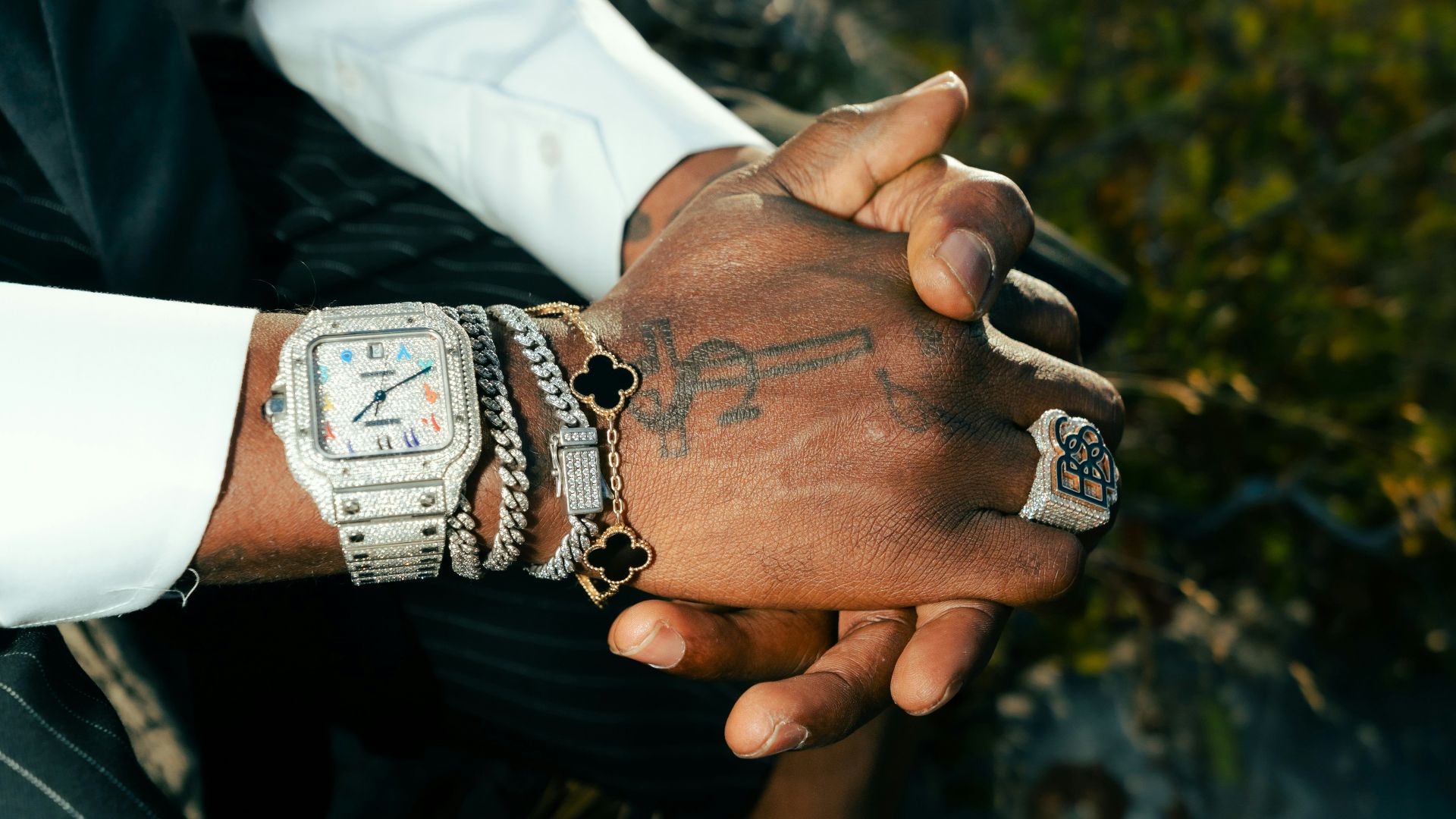
Ostentatious means showy in a way that clearly wants attention. Think oversized logos, massive stones, high-shine metallics, or an outfit that seems built around proving how much everything costs. That kind of display can be fun in maximalist fashion, especially when it’s intentional, though the word usually carries a slightly critical edge.
6. Understated
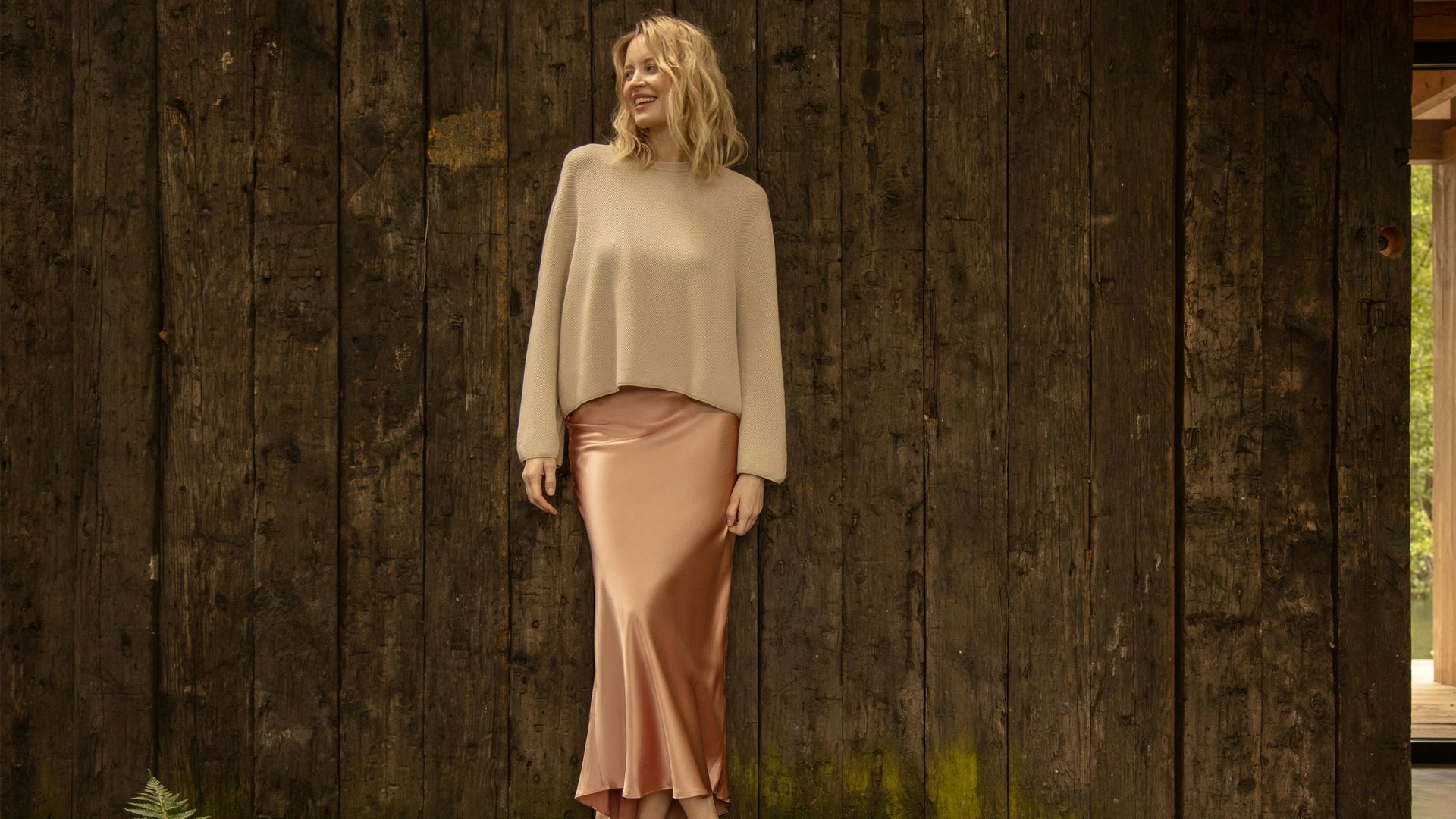
Understated luxury is quiet, restrained, and low on obvious flash. It’s the beautifully cut blazer, the smooth leather tote without visible branding, or the nude lipstick that makes the whole face look more polished without announcing itself. Understated doesn’t mean plain; it means the best details are meant to be noticed up close.
7. Discerning
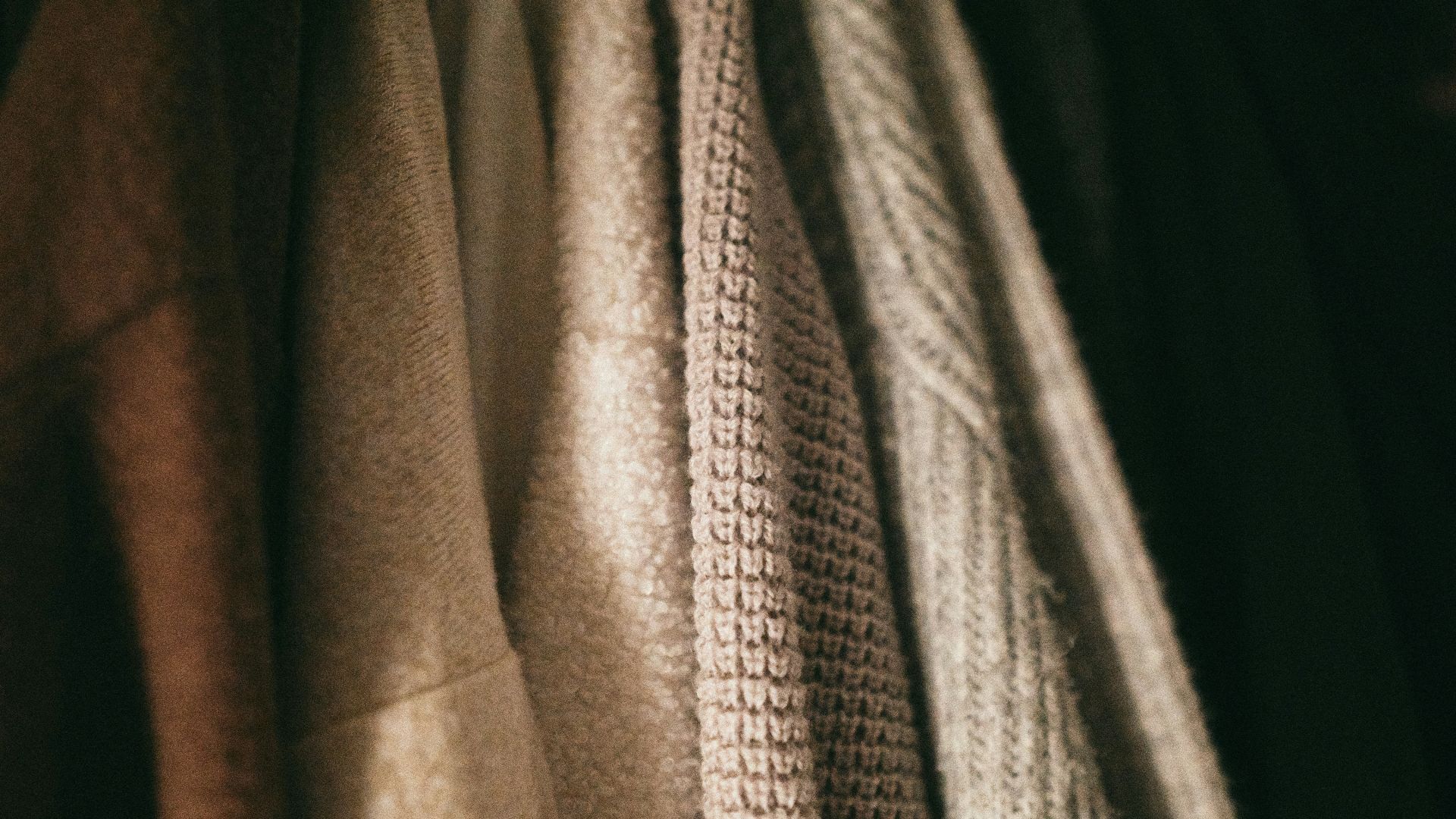
A discerning shopper has a sharp eye and good judgment. This is the person who checks stitching, fabric weight, lining, hardware, scent structure, and whether a product actually earns its price. Discerning taste isn’t about buying the most expensive option; it’s about knowing why one thing is better made than another.
8. Bespoke
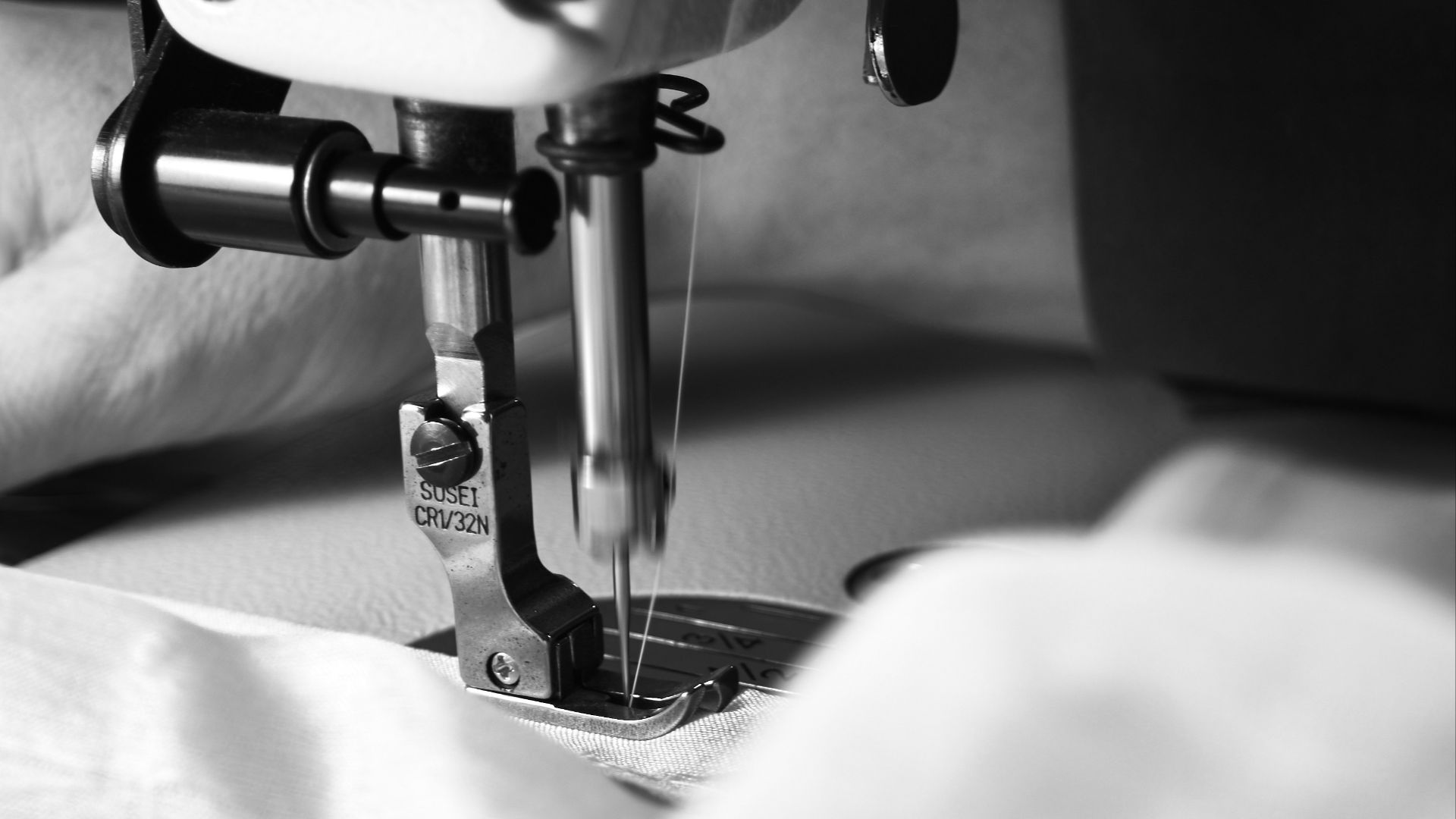
Bespoke means custom-made for one specific person. In fashion, it traditionally suggests a piece developed around the client’s body, measurements, and preferences rather than pulled from a standard rack. The term gets used loosely in beauty and lifestyle marketing, so it’s always fair to ask what’s actually being customized.
9. Made-To-Measure
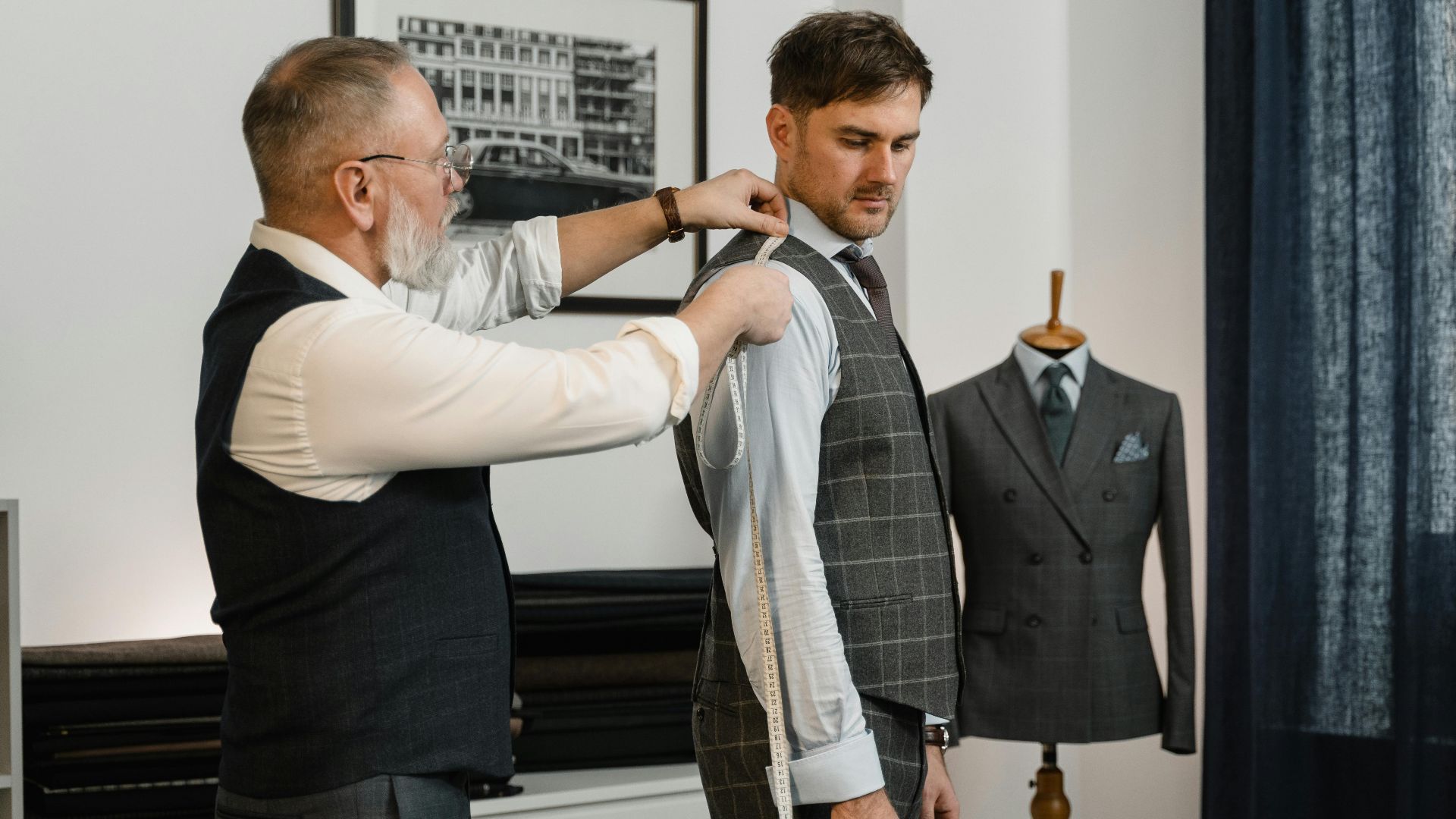
Made-to-measure sits between off-the-rack and fully bespoke. A garment usually starts from an existing pattern, then gets adjusted to suit the shopper’s measurements and fit needs. It can be a practical luxury sweet spot for jackets, trousers, and shirts when standard sizing doesn’t quite cut it.
10. Couture
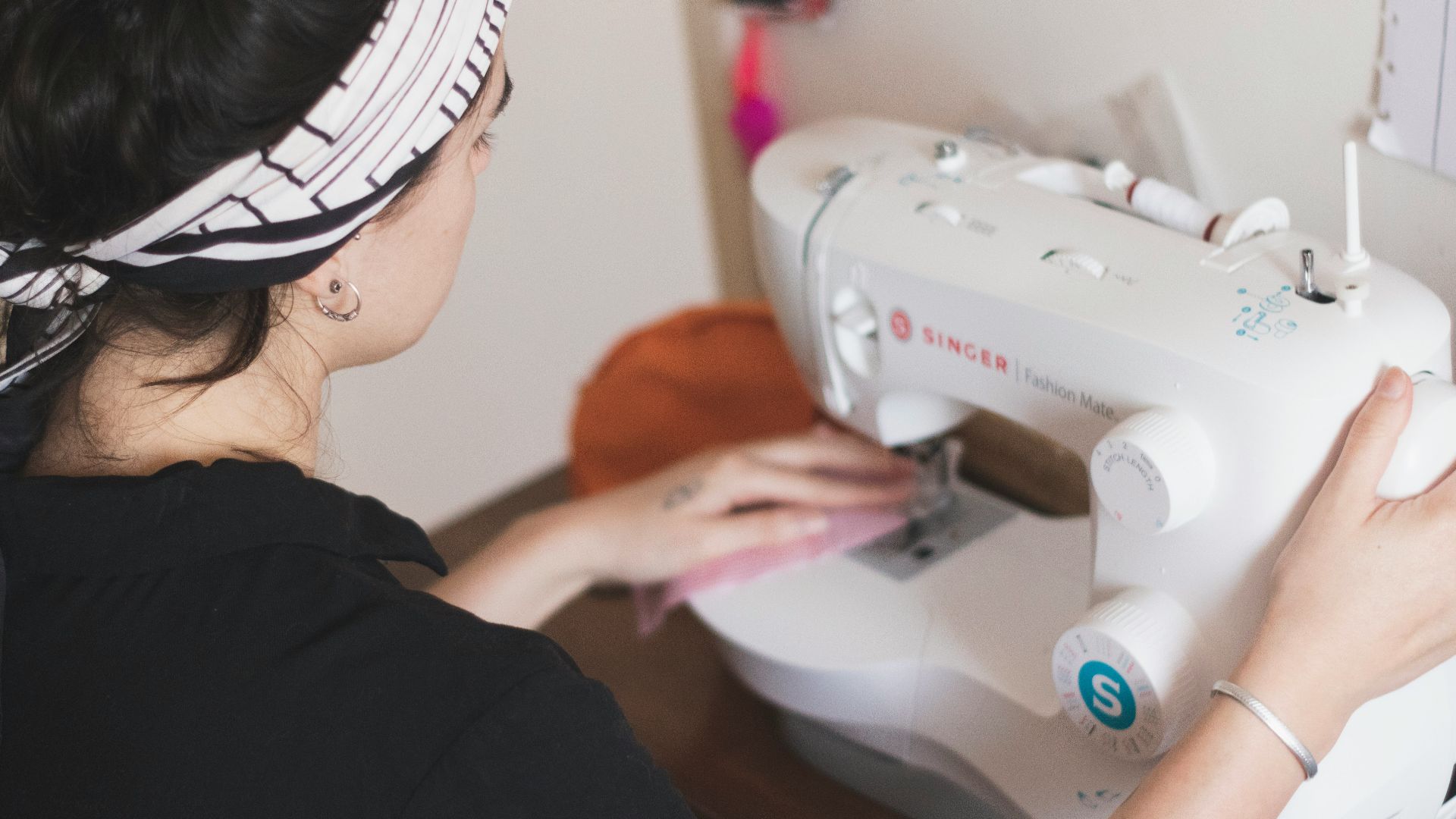
Couture refers to the design and making of high-end custom clothing. In everyday fashion talk, people often use it to mean “extremely fancy,” though its stricter meaning is more specific. A couture-inspired dress may borrow the drama, shape, or detail of custom fashion without actually being couture.
11. Haute Couture
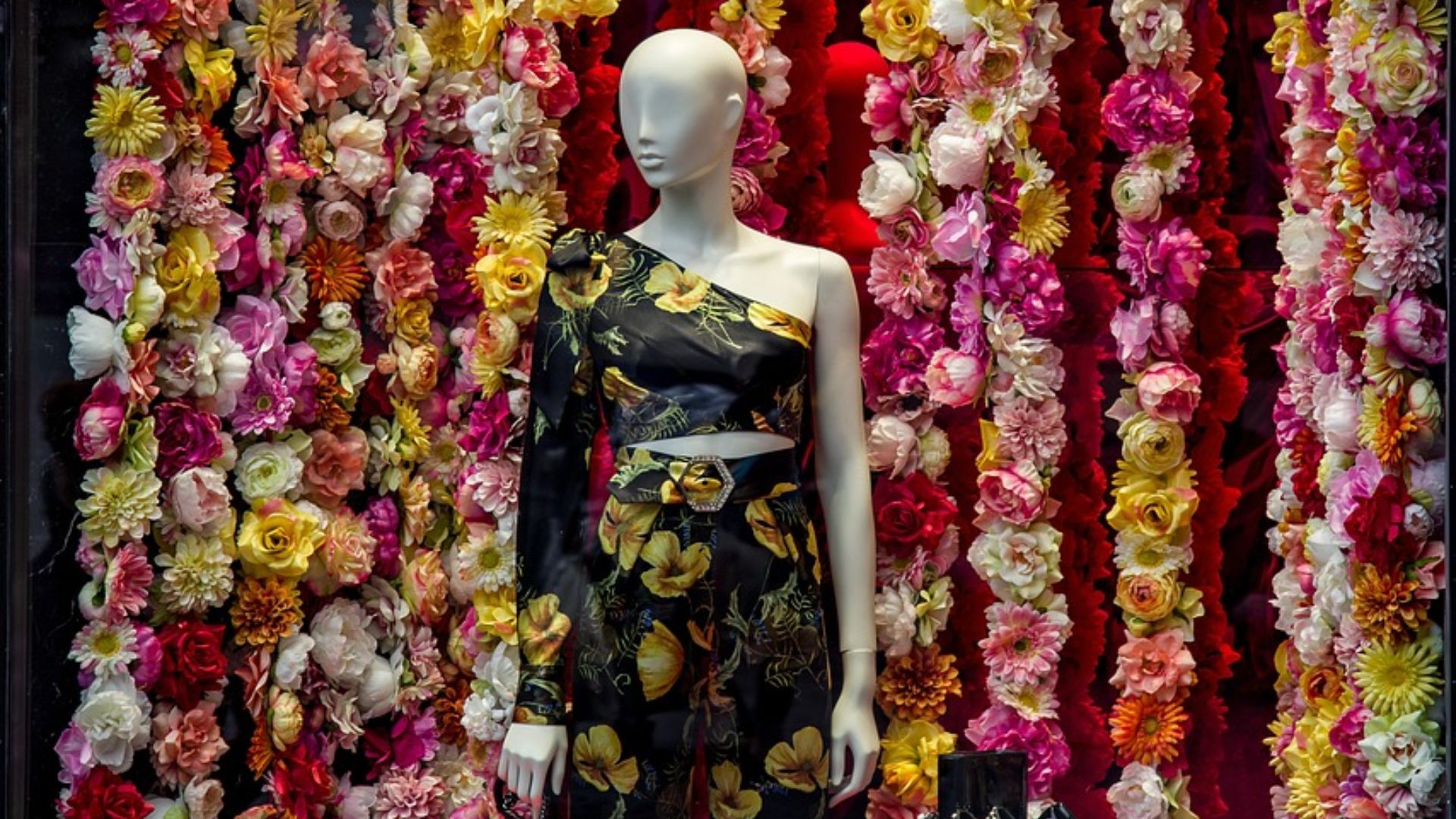
Haute couture sits at the most rarefied end of custom fashion. The term means more than “very expensive,” since it refers to highly skilled, made-to-measure work produced under specific fashion-house standards. For shoppers, the main takeaway is simple: haute couture is a beautiful item, made with an unusually high level of craftsmanship.
12. Prêt-À-Porter
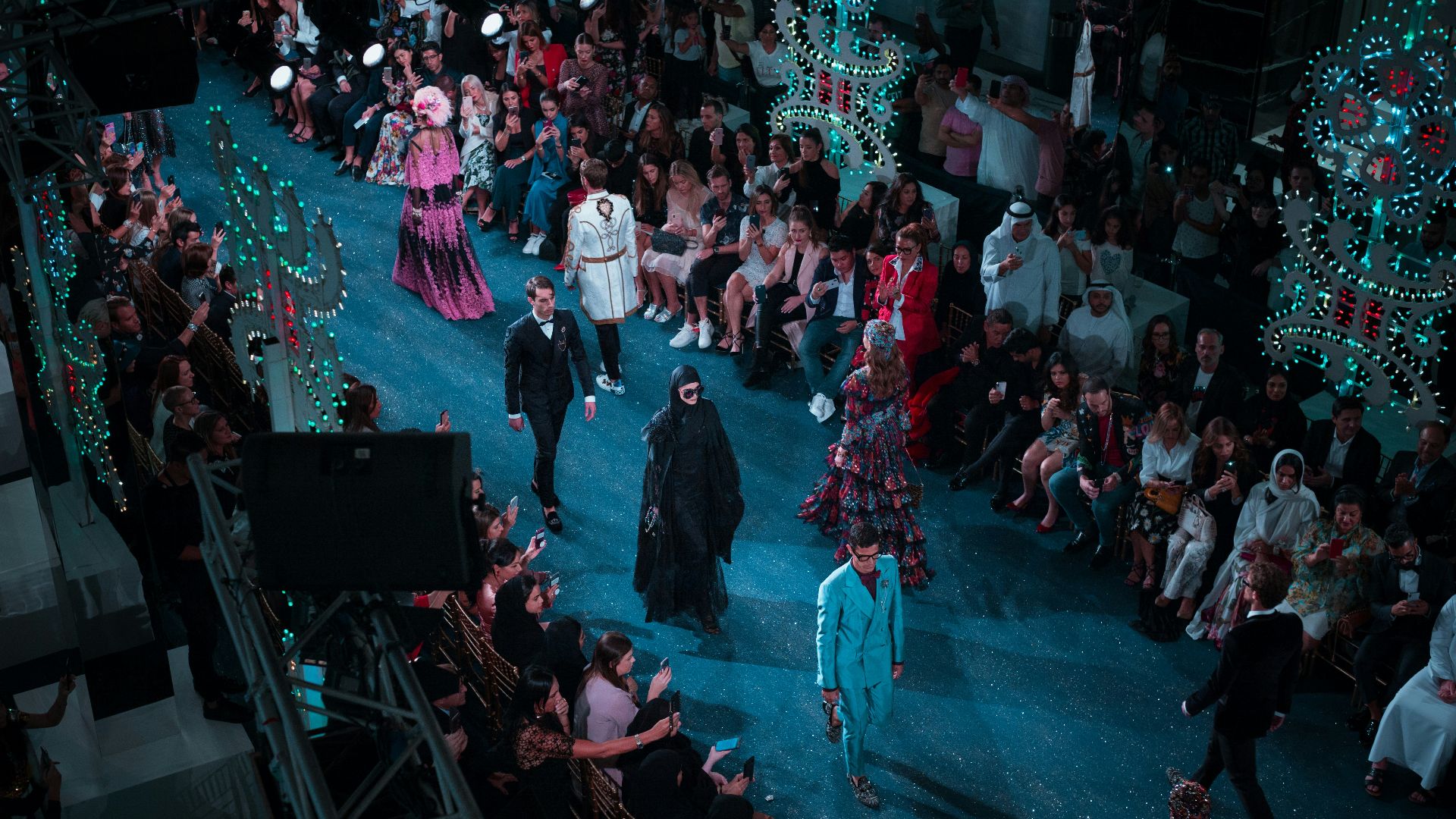
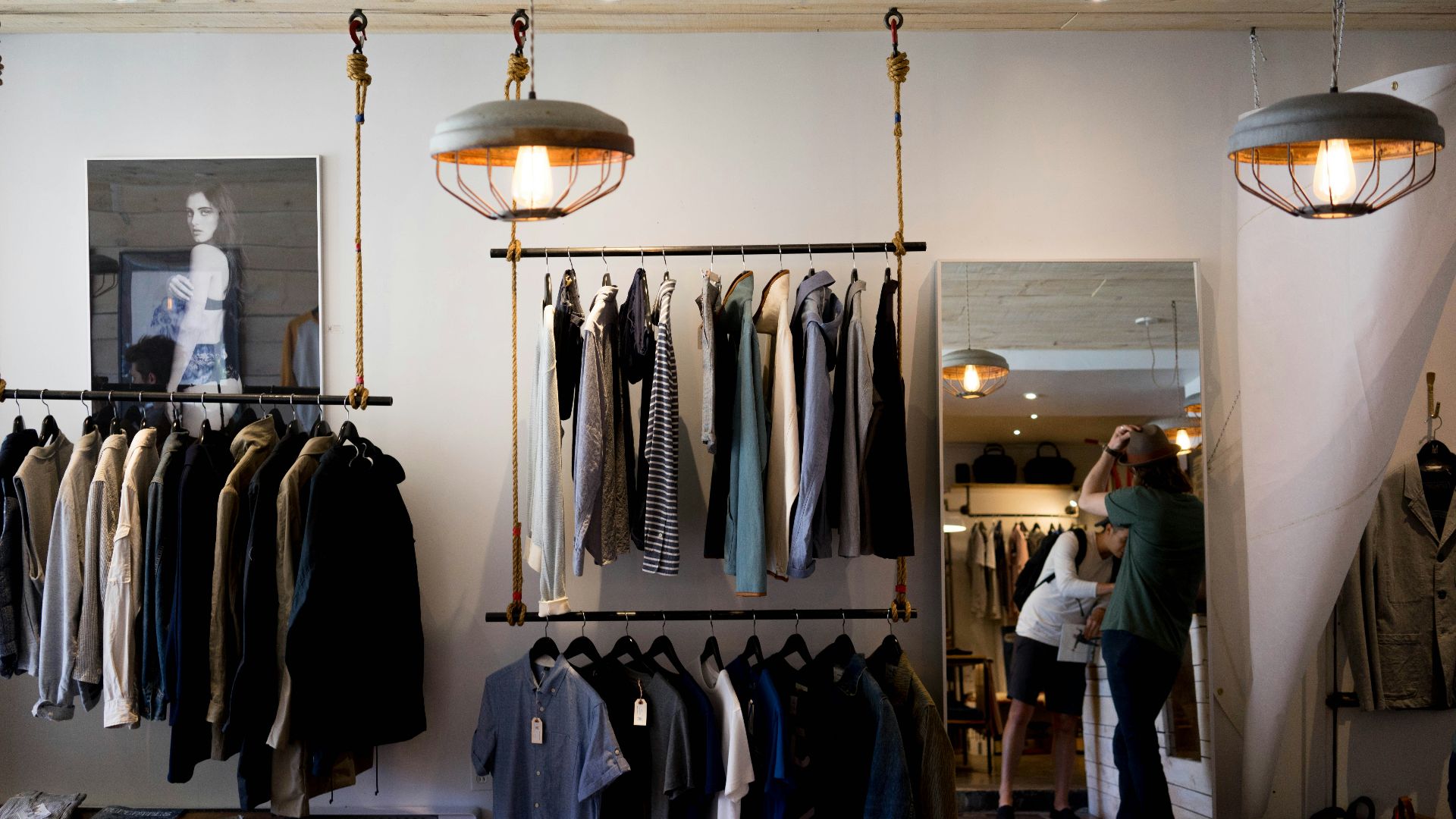
Prêt-à-porter means ready-to-wear. These are finished garments sold in standard sizes rather than made from scratch for one client. Most designer pieces available in boutiques, from runway coats to silk blouses, fall into this category, even when the price tag has one too many zeros.
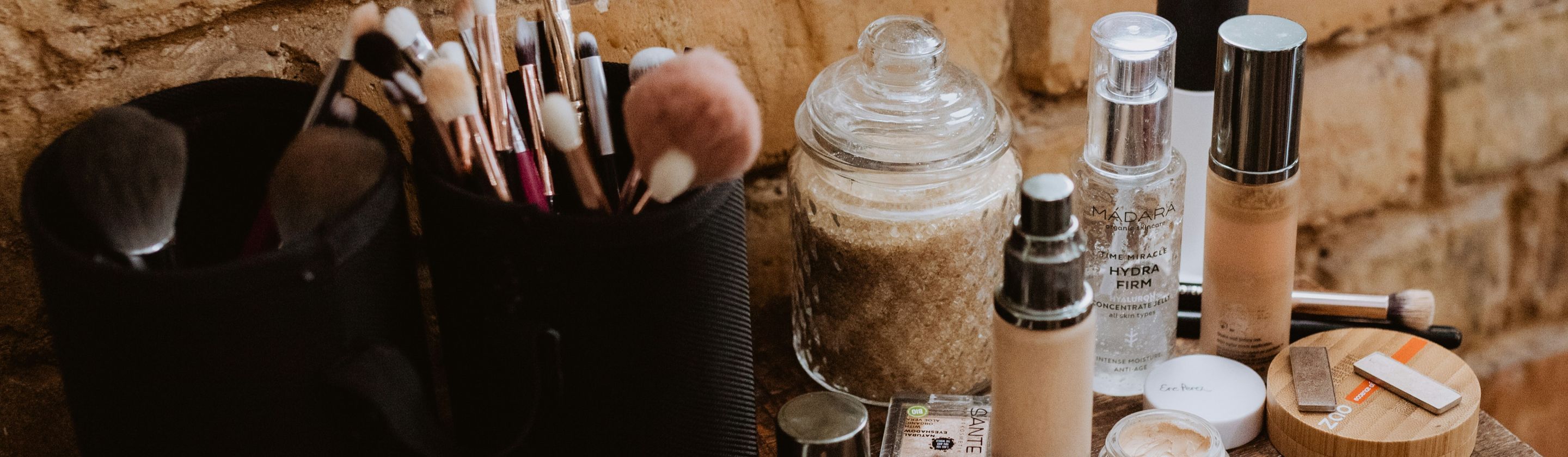
 Clark Street Mercantile on Unsplash
13. Atelier
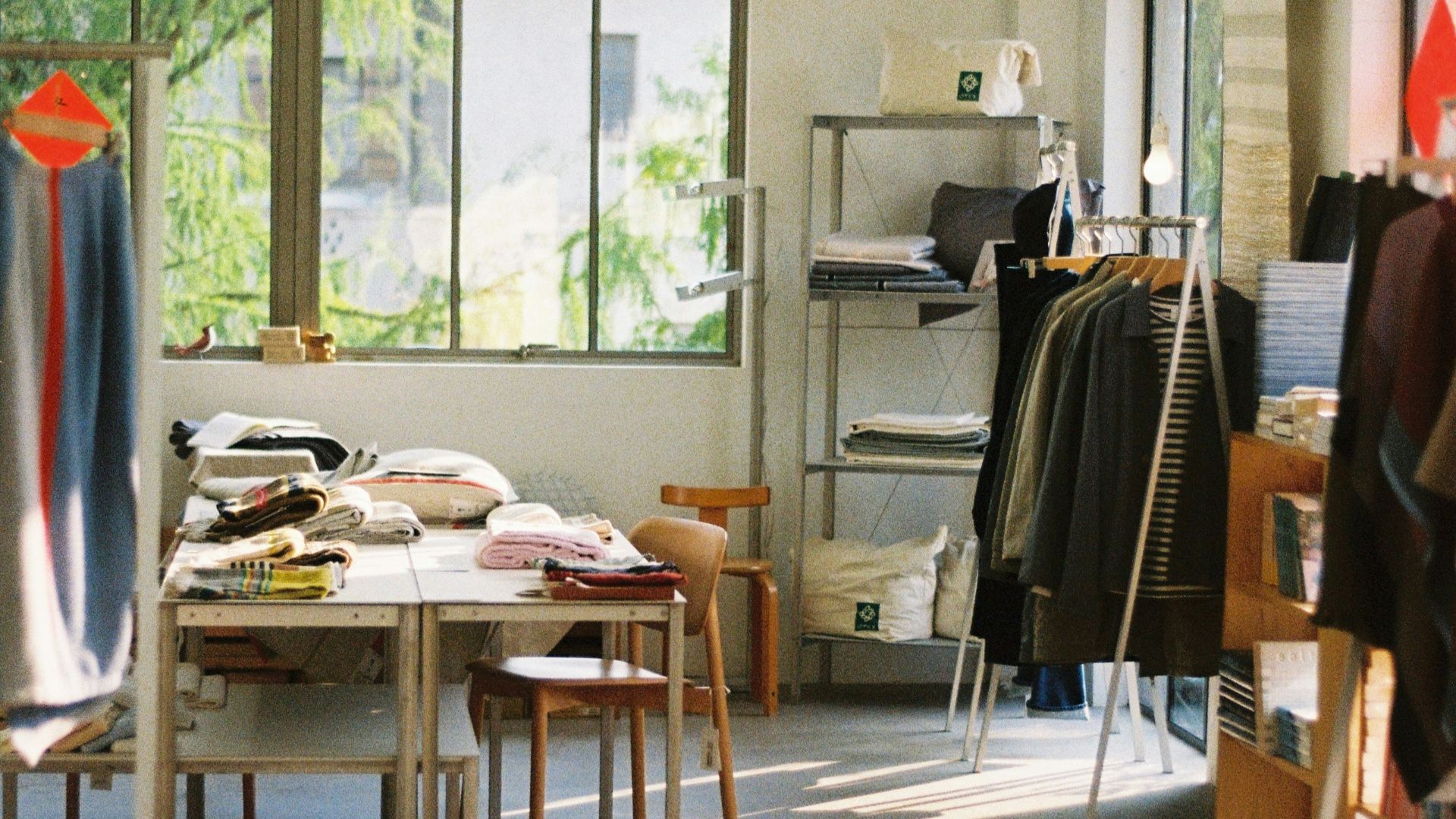
An atelier is a designer’s studio or workroom. The word brings to mind pattern tables, fittings, hand-sewn details, fabric samples, and the skilled people who create these gorgeous pieces. When a luxury brand mentions its atelier, it’s usually pointing your attention toward craft, process, and human skill.
14. Capsule Collection
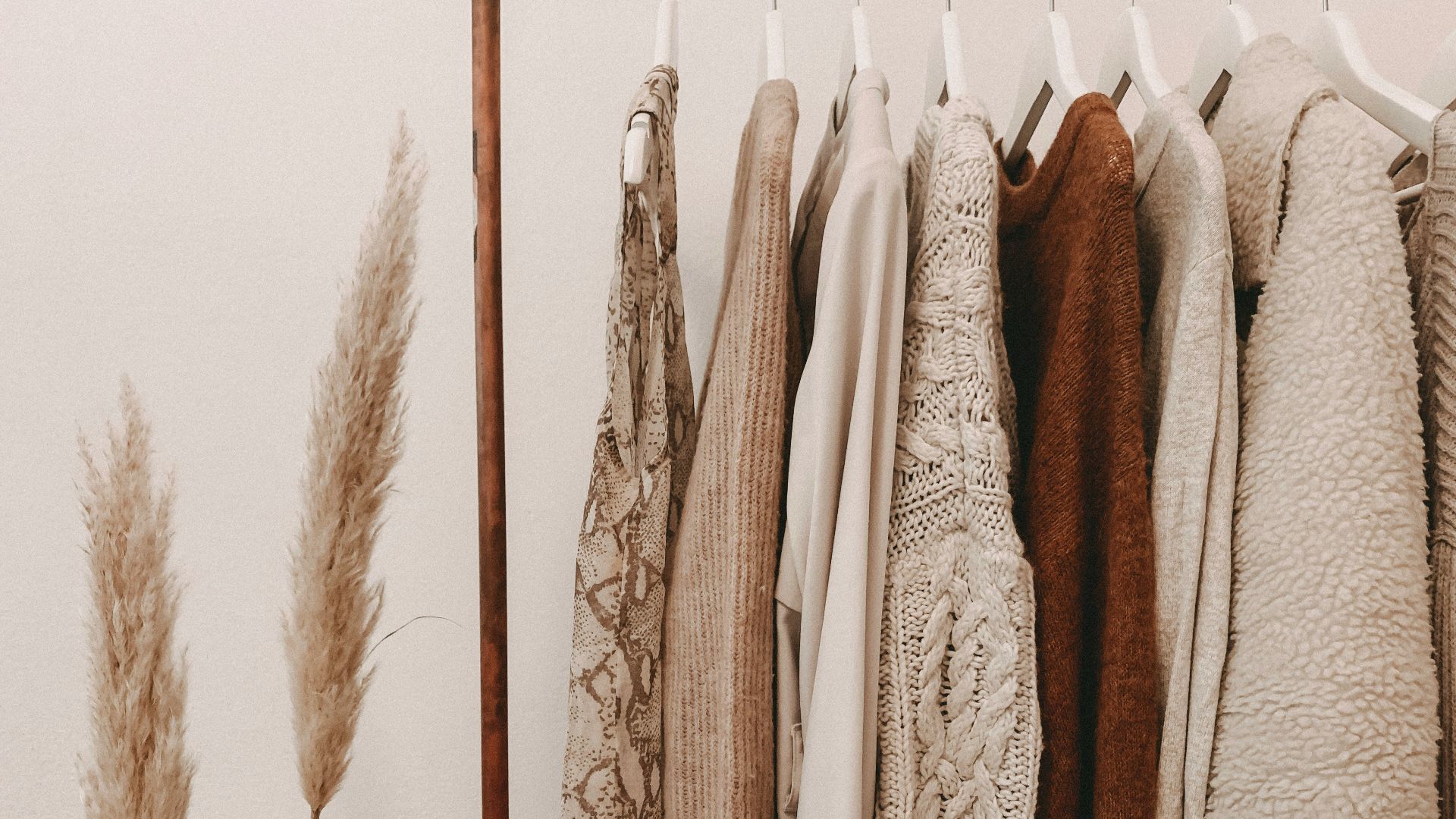
A capsule collection is a small, focused group of pieces built around a clear theme, wardrobe idea, or design point of view. It might include a tight edit of coats, knits, bags, lip colors, or accessories that all work together. For shoppers, the appeal is clarity: fewer, high-quality pieces that you can mix and match.
15. Diffusion Line
A diffusion line is a more accessible secondary line from a designer or fashion house. It usually offers the feel of the main brand at a lower price, often through simpler materials, easier silhouettes, or more casual designs. These lines can be smart entry points, though the quality still needs to be judged piece by piece.
16. Heritage
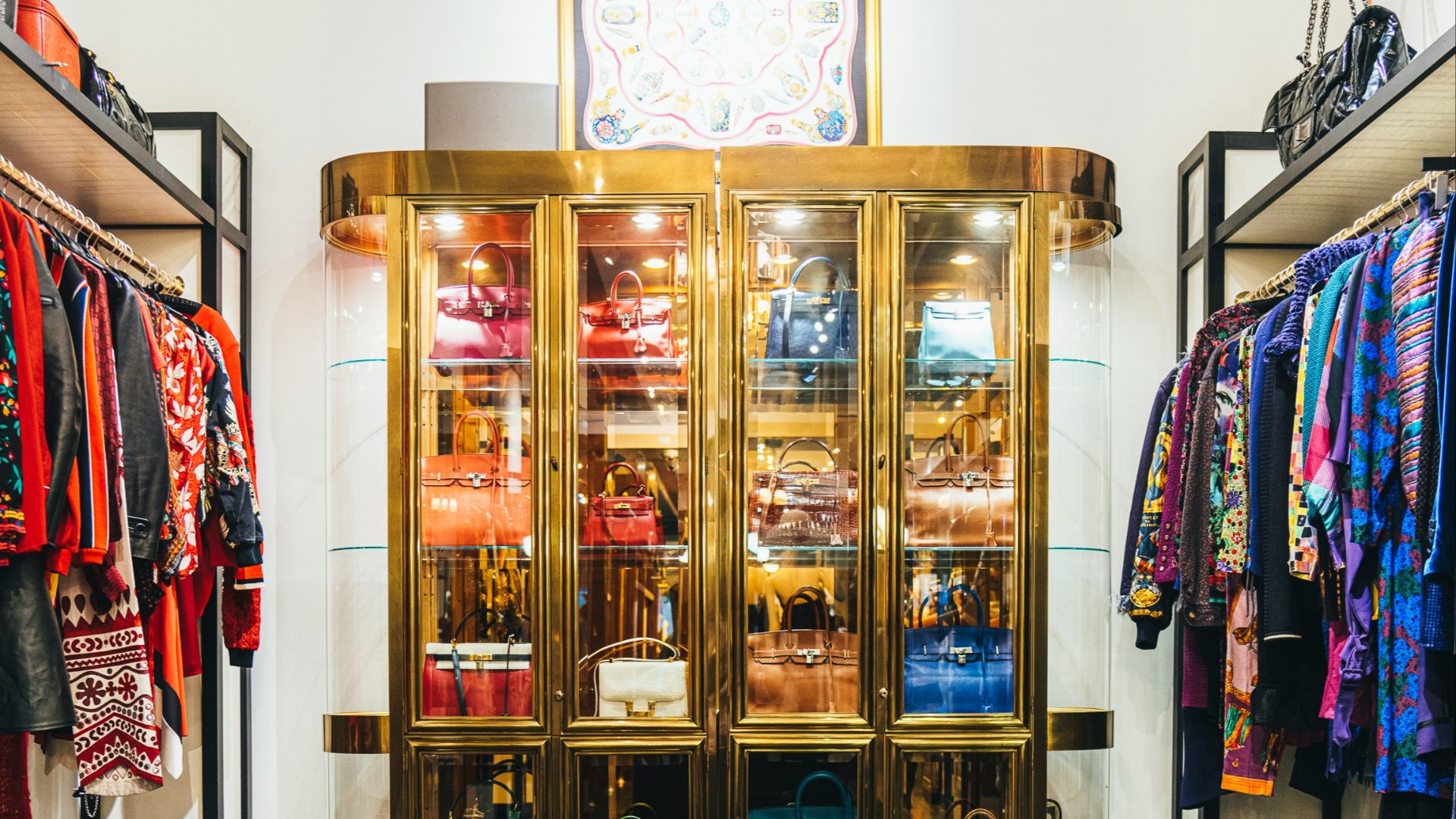
Heritage refers to a brand’s history, signatures, and long-running design codes. That might mean a famous handbag shape, a house monogram, a particular jacket style, or a beauty product with decades of recognition behind it. The word works best when there’s real substance underneath it, not just a moody campaign shot in soft lighting.
17. Savoir-Faire
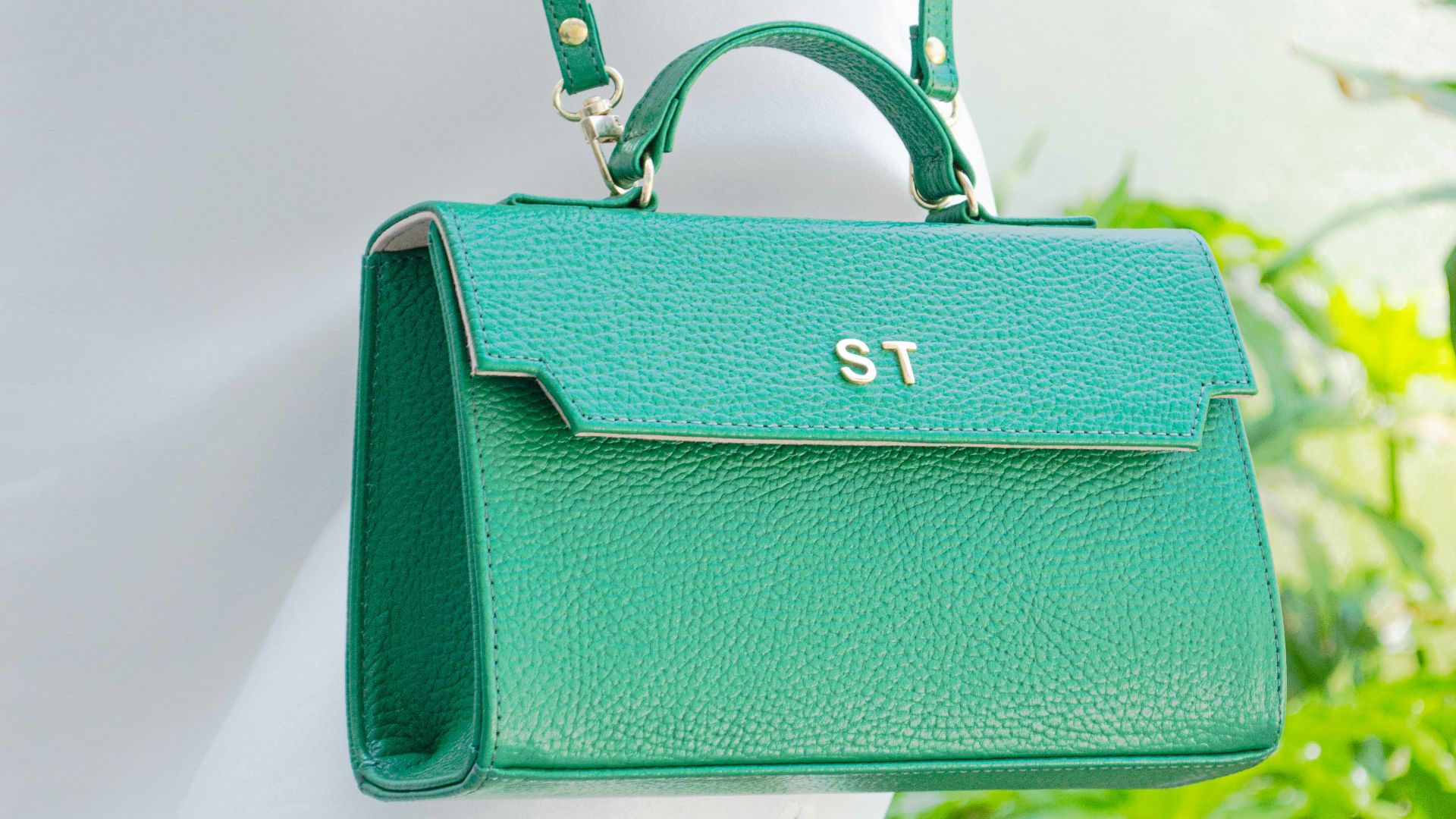
Savoir-faire means skill, know-how, and graceful competence. In luxury fashion and beauty, it often points to the expertise behind embroidery, tailoring, leatherwork, scent composition, or fine packaging. The term matters because it pulls your attention away from the logo and toward the craft that makes the product feel special.
18. Provenance
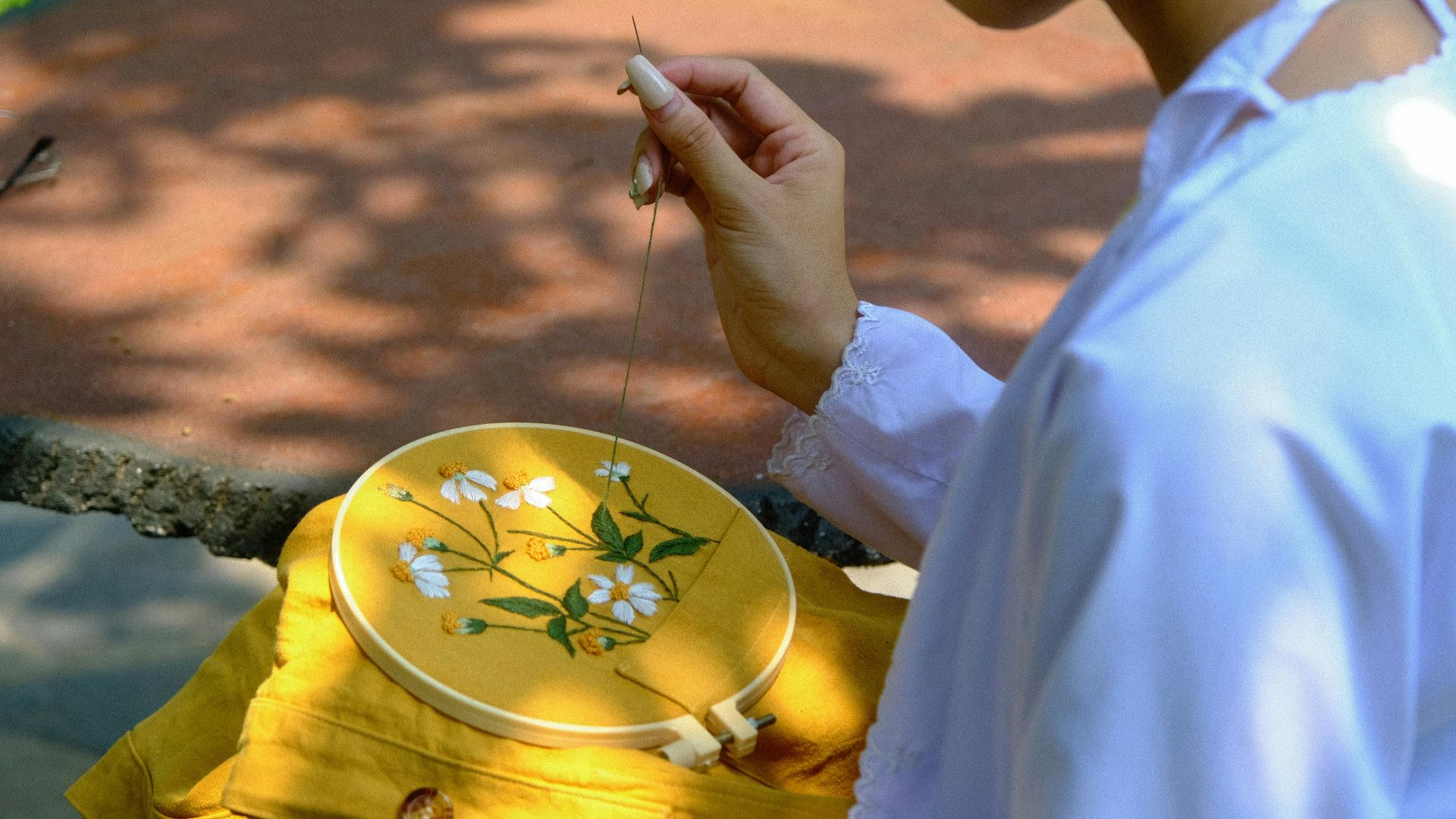
Provenance means origin, source, or ownership history. It’s especially useful in vintage shopping, jewelry, resale handbags, watches, and collectible fashion. A piece with clear documentation, receipts, or traceable background details can feel much more reassuring than one with only a glamorous story attached.
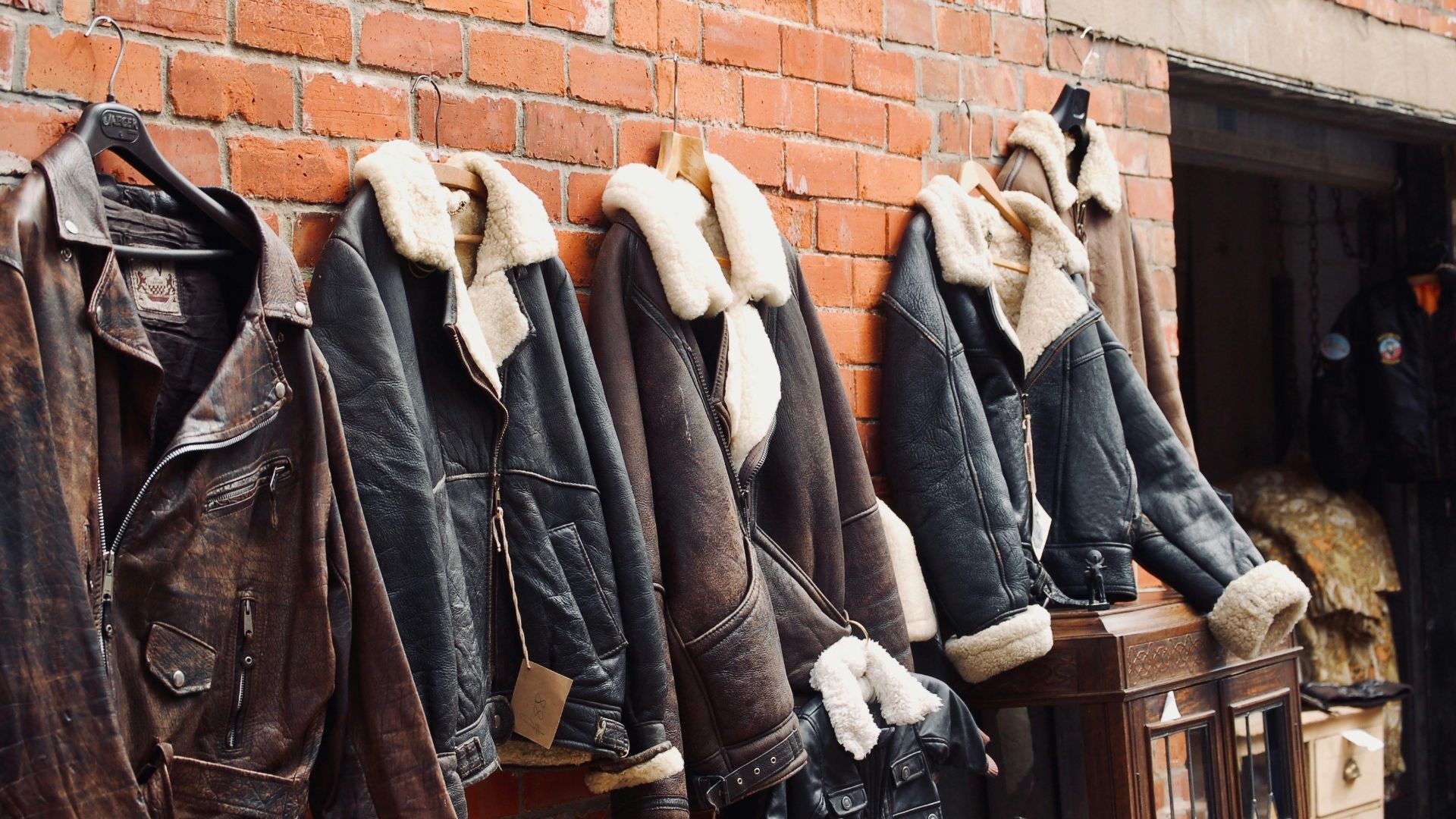
19. Archival
Archival refers to something connected to a past collection, designer era, or important style moment. In fashion, an archival piece usually has more meaning than just being old. It may show a signature silhouette, a rare fabric, a memorable runway idea, or a design that still shapes how people dress now.
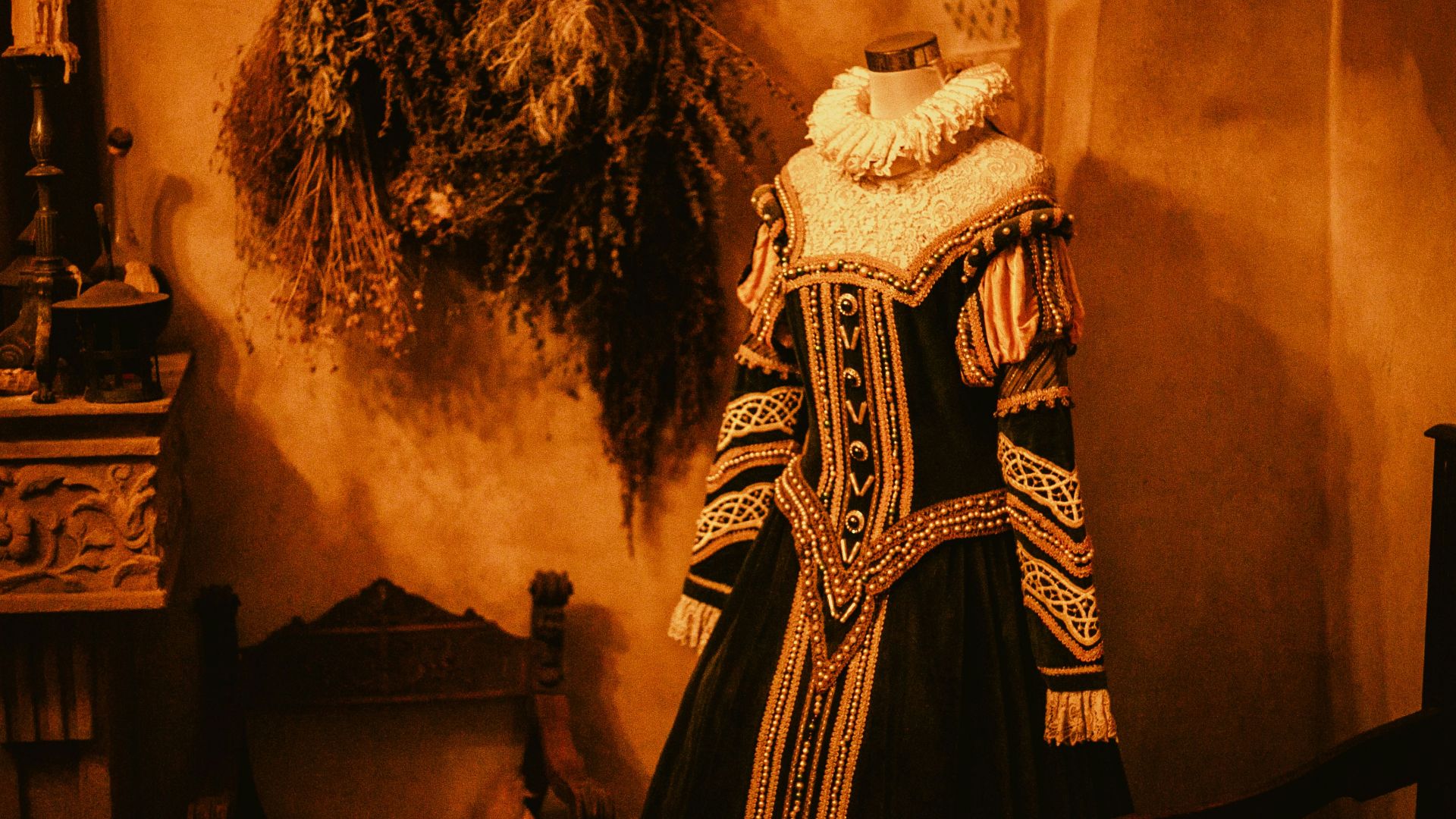
20. Patina
Patina is the surface character that develops with age, use, or exposure. In luxury shopping, it often comes up with leather bags, jewelry, watches, and vintage accessories. A little soft darkening, mellow hardware, or gentle wear can add charm, while cracking, stains, odor, and structural damage are a very different story.