
The Good and Bad of Colored Contacts
Ever wished you were born with a different eye color? Well, thankfully, there's an easier way to experiment with different looks: decorative lenses. Whether you're trying out a new makeup look or cosplaying a fictional character, colored contacts can be a fun way to refresh your style, allowing you to choose from dramatic picks or more natural-looking designs. Still, as great as they can be, you'll want to know the risks before you buy from an unknown vendor and put them in your eyes; if you're not careful, they could permanently harm your vision. Here's a deeper look at the perks that come with colored lenses, and the cons to consider.
1. They Let You Change Your Eye Color Instantly
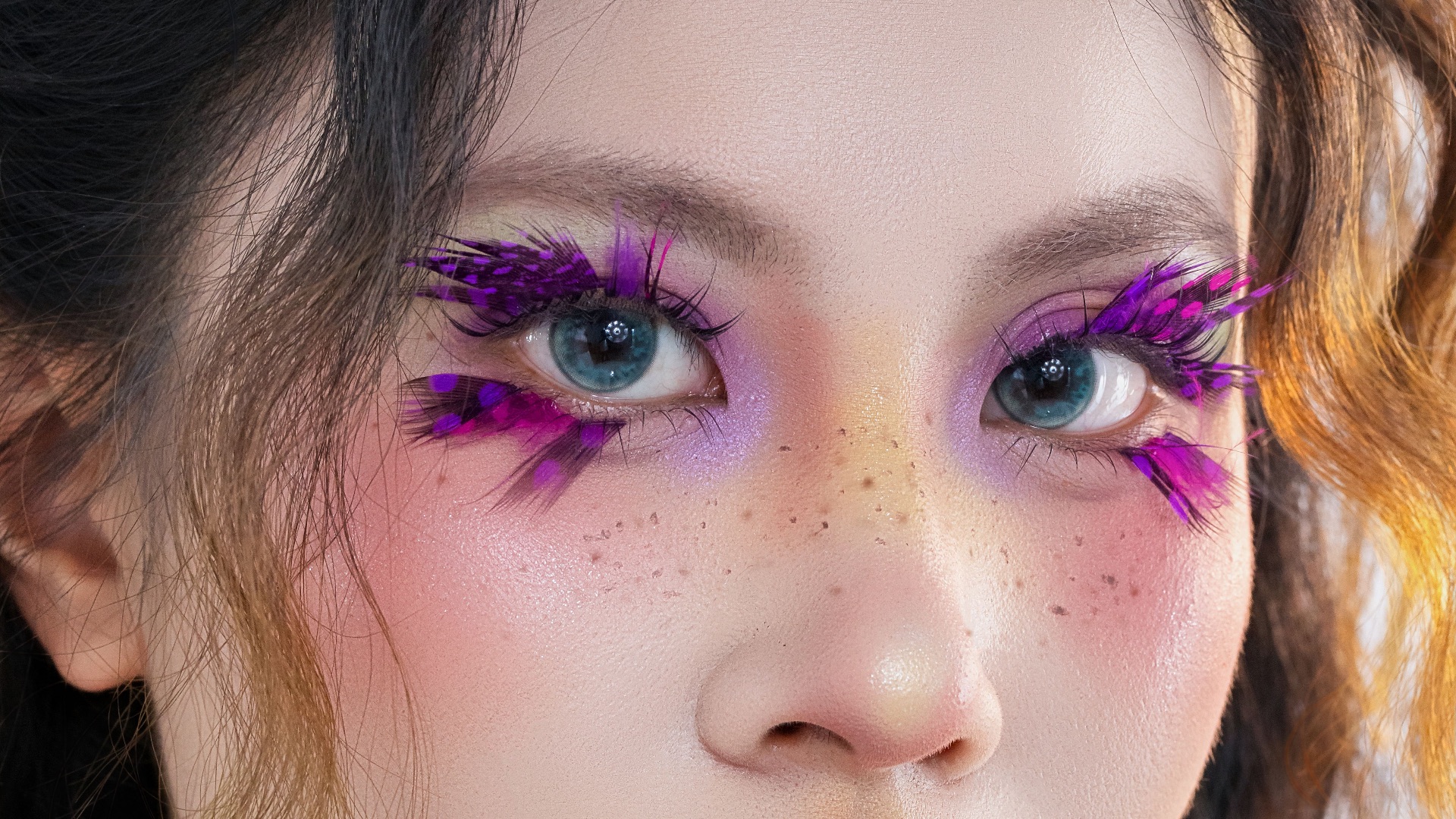
Colored contacts can give you a noticeable change without any long-term commitment. You can try blue, green, hazel, gray, violet, or a more enhanced version of your natural shade. This makes them appealing if you enjoy switching up your appearance for different moods, outfits, or events. Unlike permanent cosmetic procedures, you can remove them at the end of the day.
2. They Can Make Makeup Looks More Striking
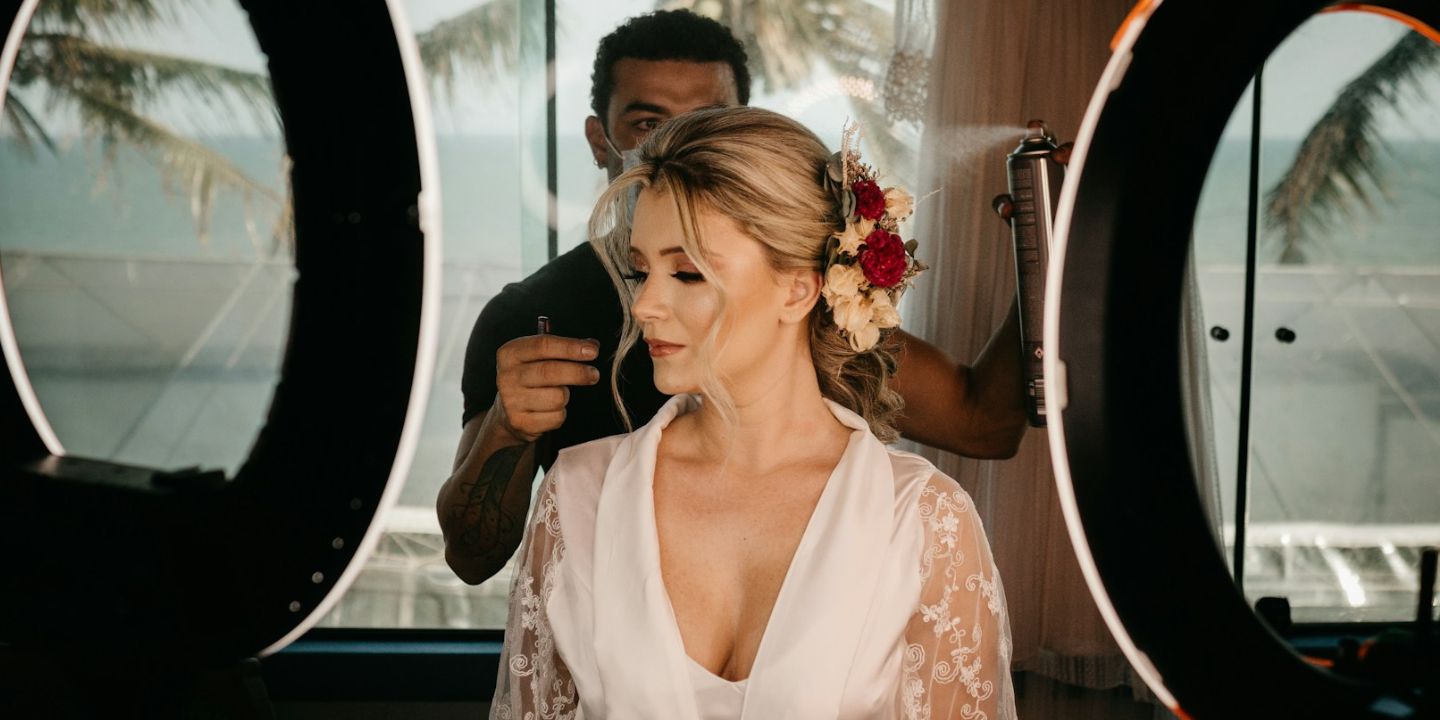
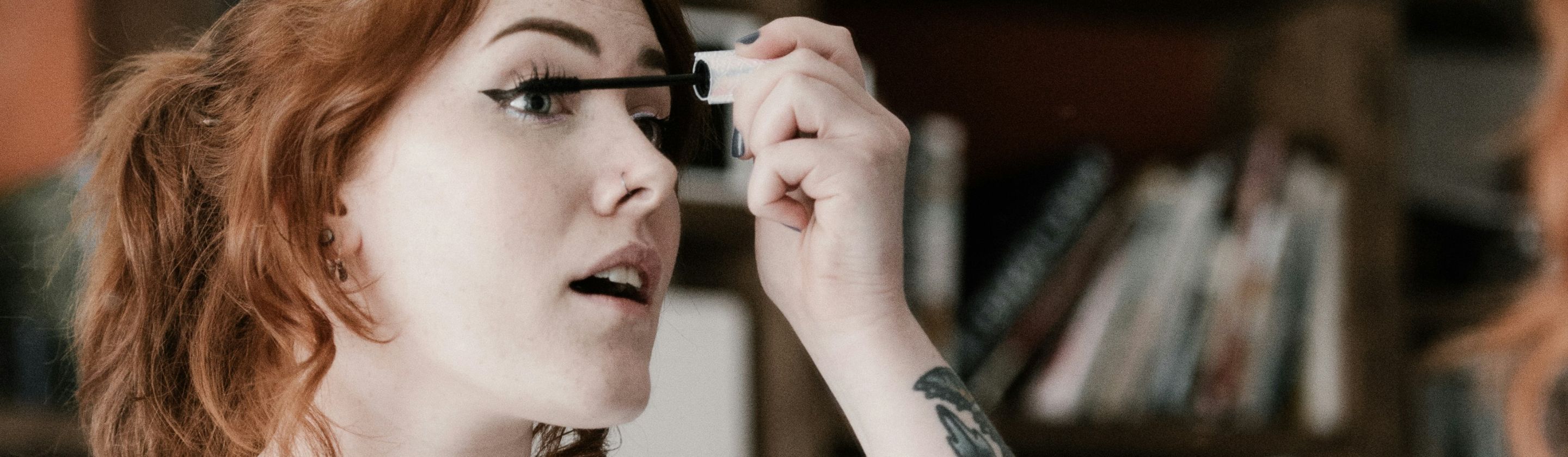
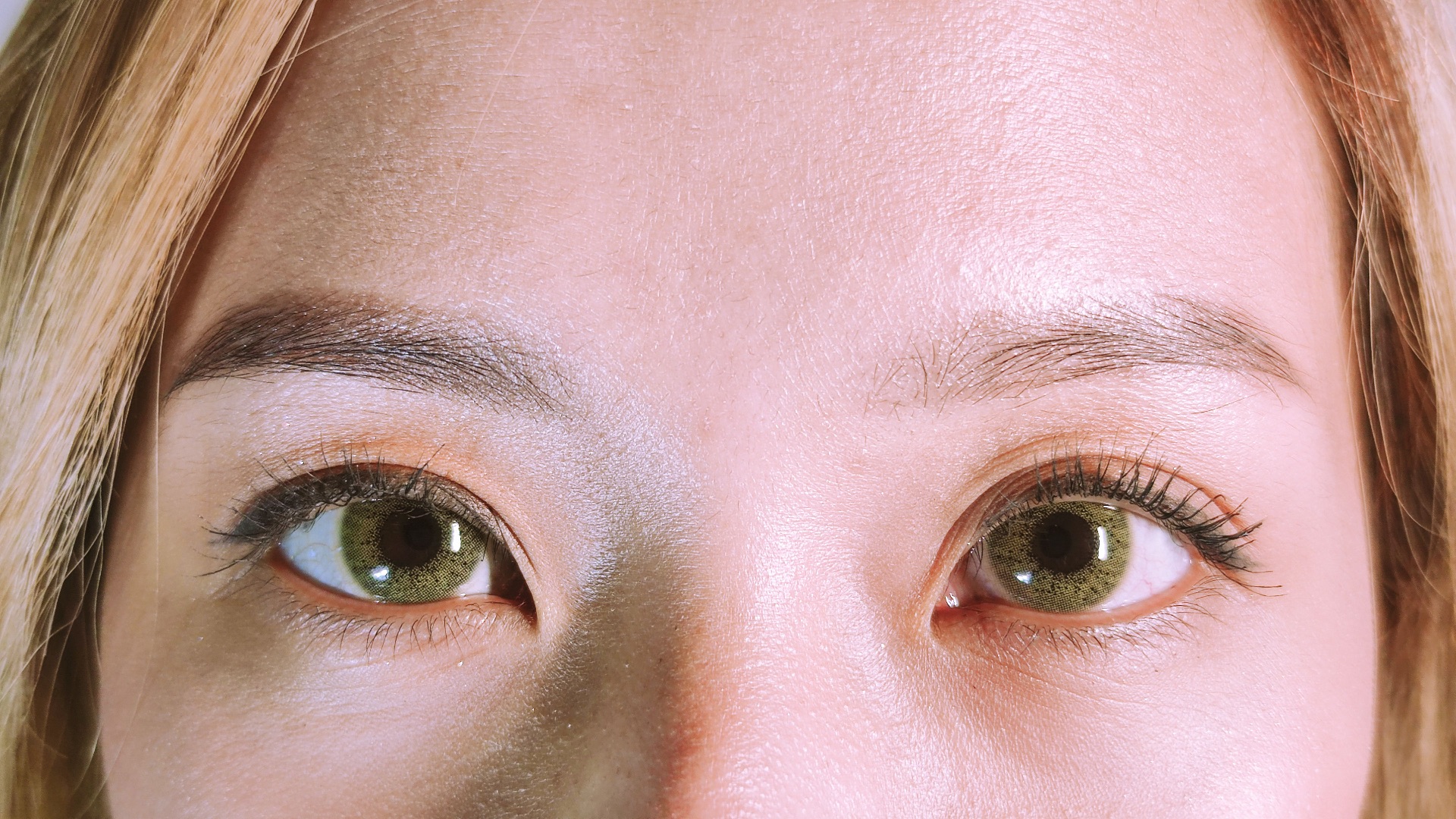
Decorative lenses can help your eye makeup stand out in a more intentional way. A warm hazel lens may soften a bronze shadow look, while a cool gray lens can sharpen a smoky eye. When the color is chosen thoughtfully, it can make the whole look feel more coordinated. You don’t need a dramatic lens for this perk, since even a slight color shift can make a difference.
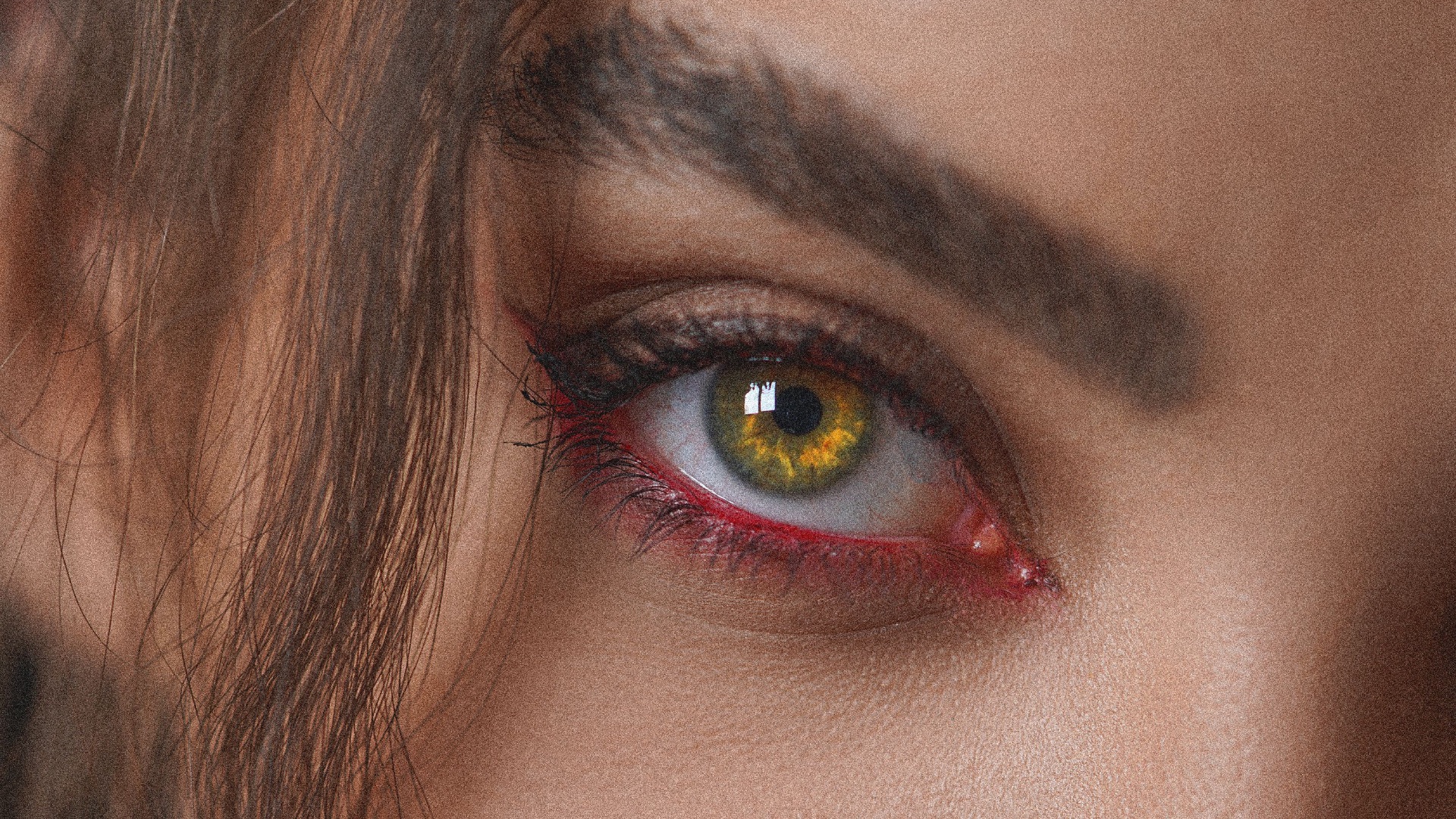
3. They’re Useful for Costumes and Character Styling
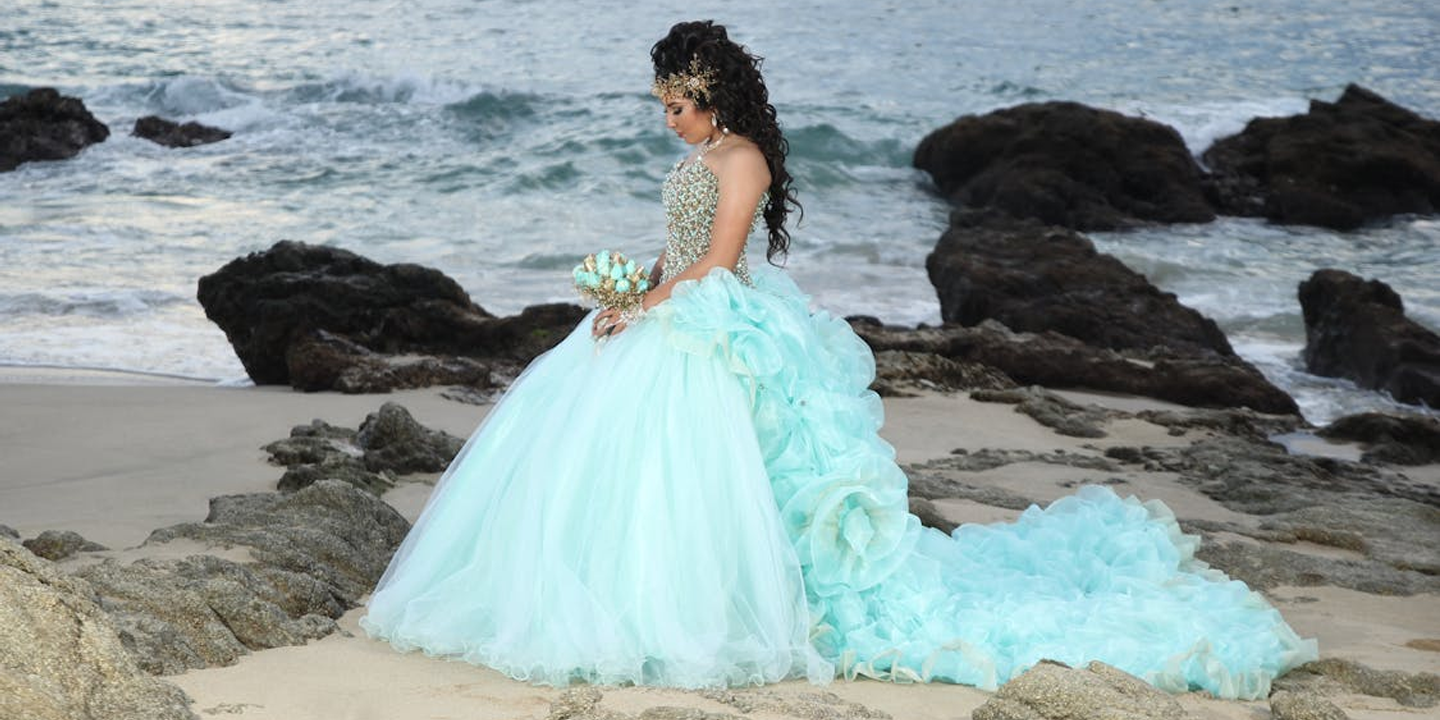
Colored contacts are especially popular for Halloween, cosplay, theater, and themed photo shoots. They can help you create a more specific character look, especially when the eyes are an important part of the design. Some lenses are made for natural color changes, while others have special effects like cat eyes, white-out styles, or fantasy patterns. With the right fit and prescription, they can add impact while still being used responsibly.
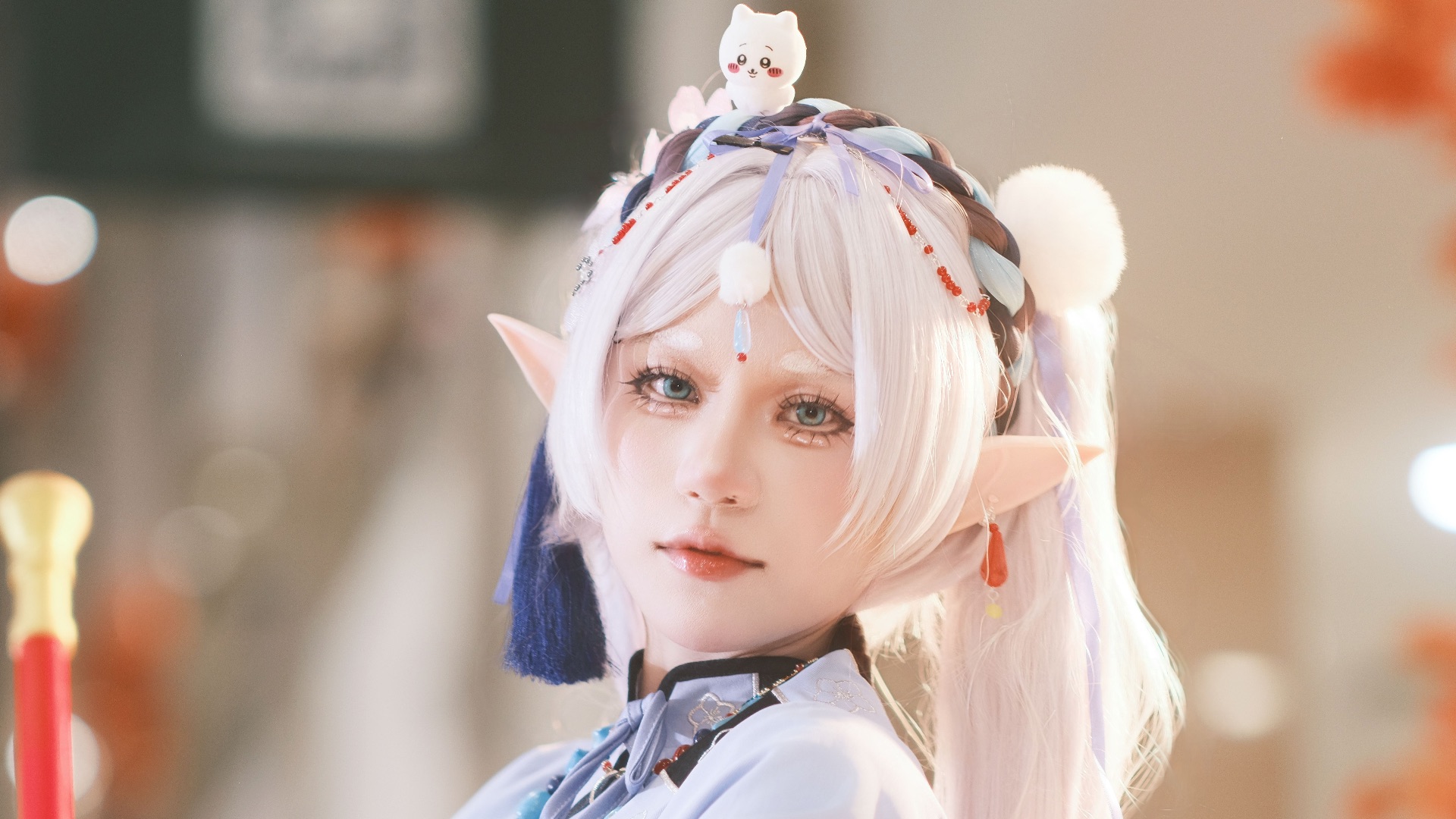
4. They Offer a Temporary Confidence Boost
Trying a new eye color can make you feel more put-together or expressive, especially for special occasions. You might enjoy seeing a different version of your everyday look without changing your hair, wardrobe, or makeup routine. For some people, decorative lenses feel like a small finishing touch that adds polish. The key is choosing a style that feels comfortable and flattering rather than forced.
 Alexander Krivitskiy on Pexels
5. They Come in Subtle, Natural-Looking Options
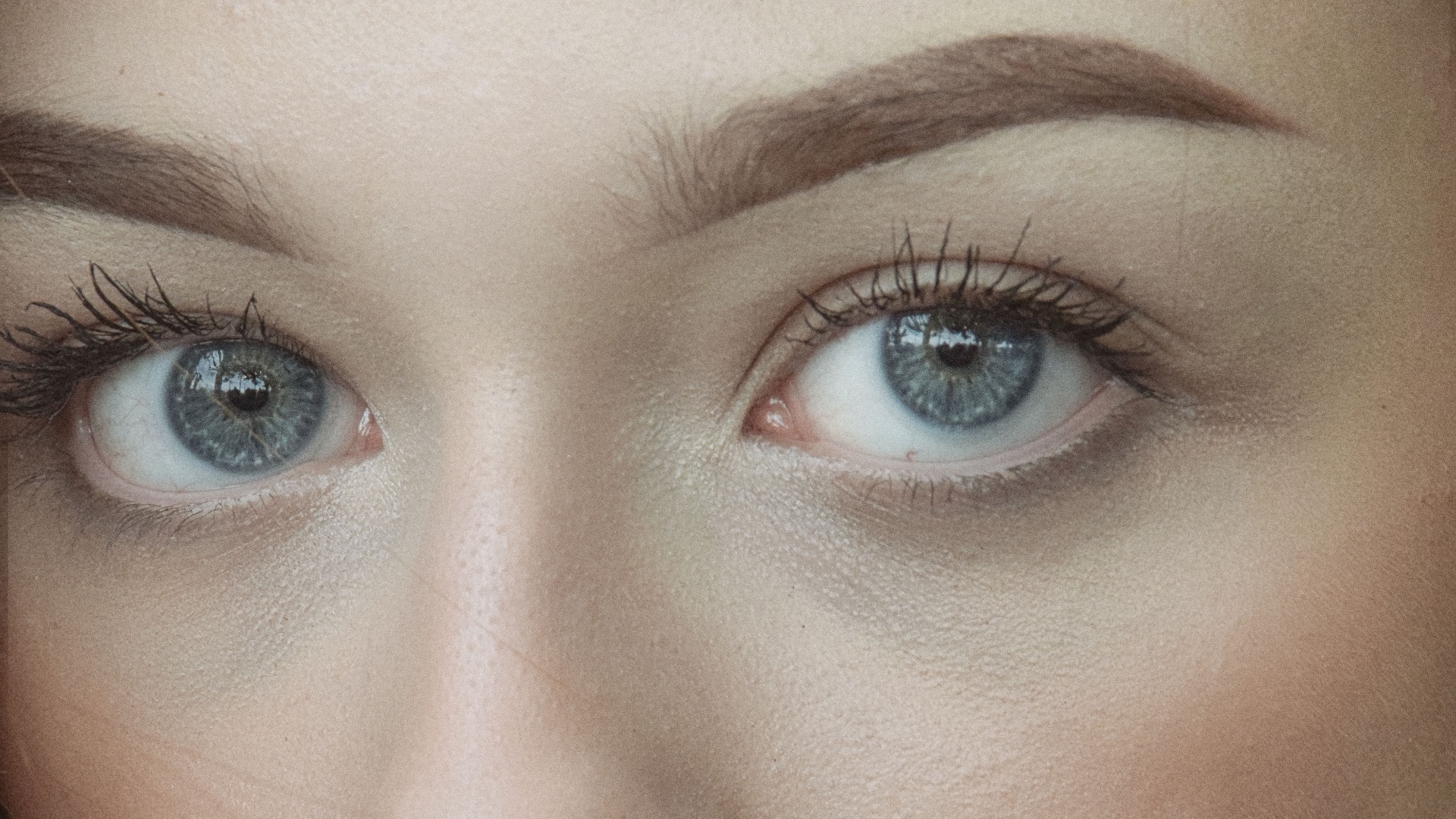
Not every colored contact is bold or obvious. Many modern lenses are designed with blended tones, limbal rings, and soft gradients that can look closer to a natural iris. These styles can enhance your existing eye color instead of completely covering it. If you prefer a low-key change, enhancement tints may be more wearable than opaque shades.
6. They Can Be Matched to Different Occasions
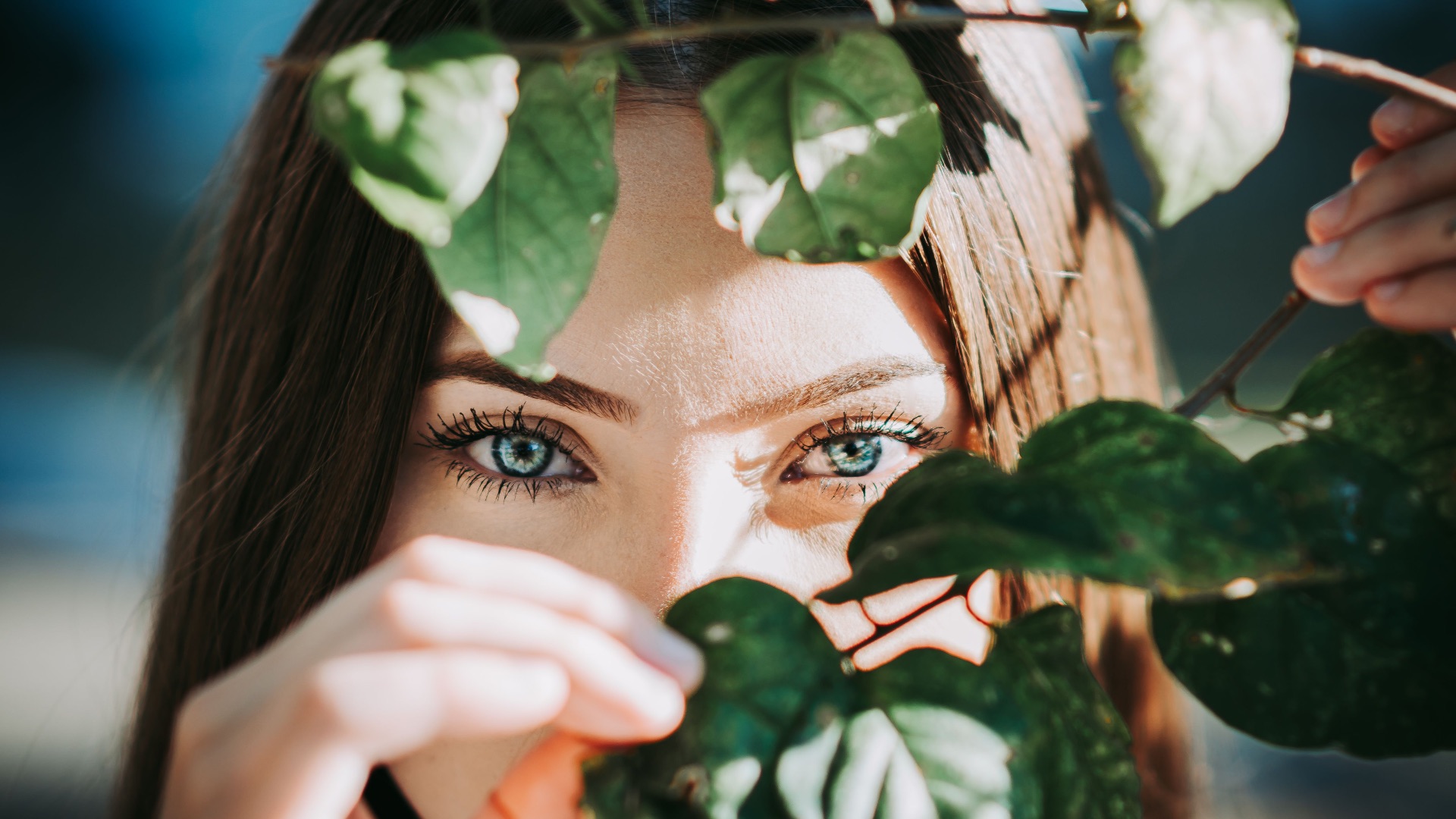
Colored contacts give you flexibility for events where you want your appearance to feel a little more styled. You might choose a natural brown or hazel lens for a dinner, a brighter shade for a party, or a theatrical design for a costume event. This variety lets you adjust your look without buying a whole new wardrobe. As long as they’re prescribed and fitted correctly, they can be part of a planned beauty routine.

7. They May Be Available with Vision Correction
Decorative lenses aren’t limited to people who don’t need prescription eyewear. Many colored contacts can be made with vision correction, so you may be able to combine style and function. This can be convenient if you already wear contacts and want a color change without giving up clear vision. An eye care professional can help determine which options suit your prescription and eye shape.
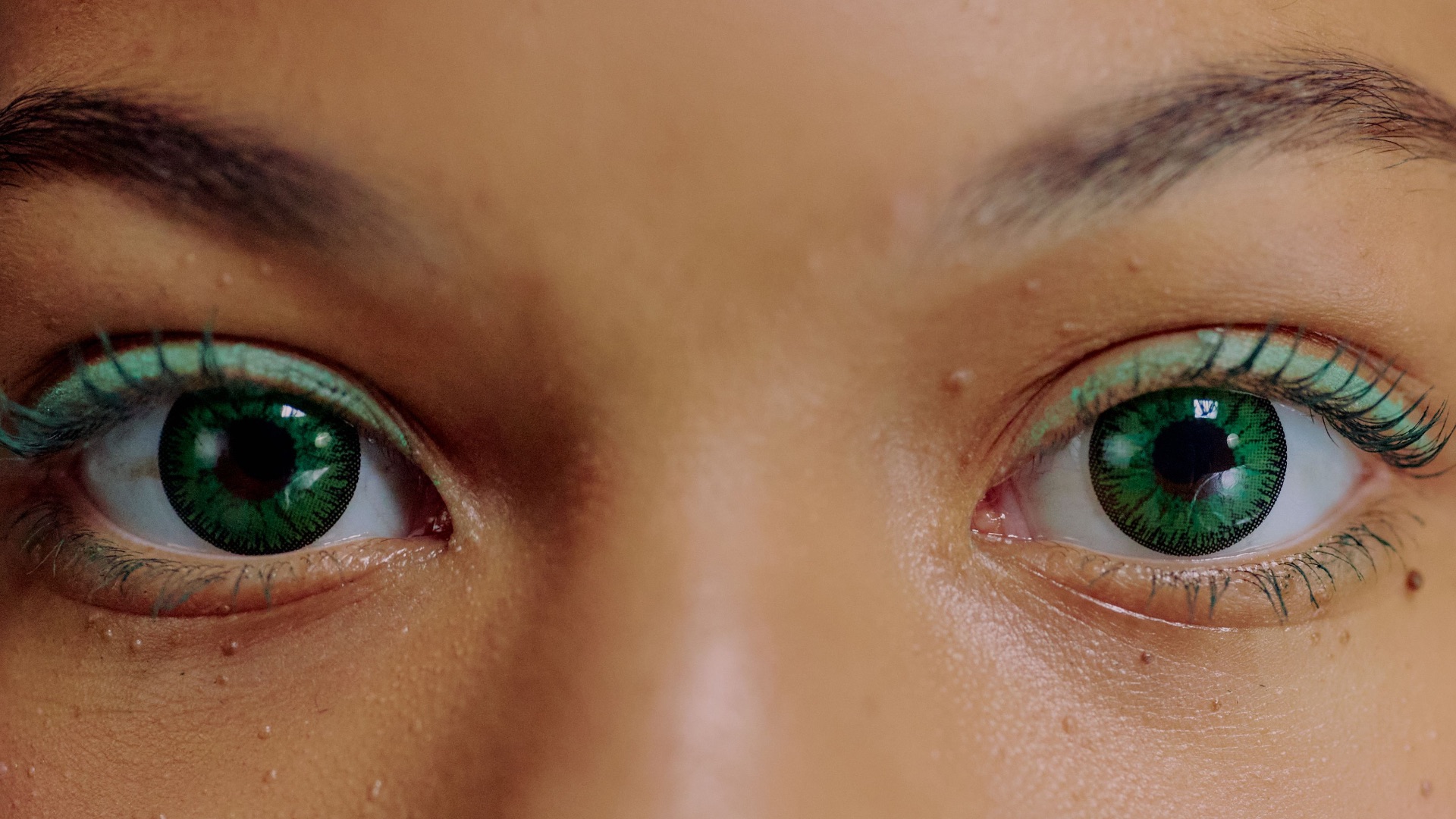
8. They Photograph Well When Chosen Carefully
Colored contacts can make the eyes appear more defined in photos, especially in portraits or close-up shots. A lens with a subtle limbal ring may help the iris look sharper without appearing overly artificial. For creative shoots, brighter or more unusual colors can help achieve a specific visual effect. Good lighting and a realistic lens design usually matter just as much as the color itself.

9. They Let You Experiment Before Bigger Beauty Changes
If you’re thinking about changing your hair color, makeup palette, or overall style, colored lenses can help you test how different tones work with your features. A new eye color can change how certain clothing shades or makeup colors appear on you. Since lenses are removable, you can experiment without making a permanent decision. This makes them a practical tool for personal styling.
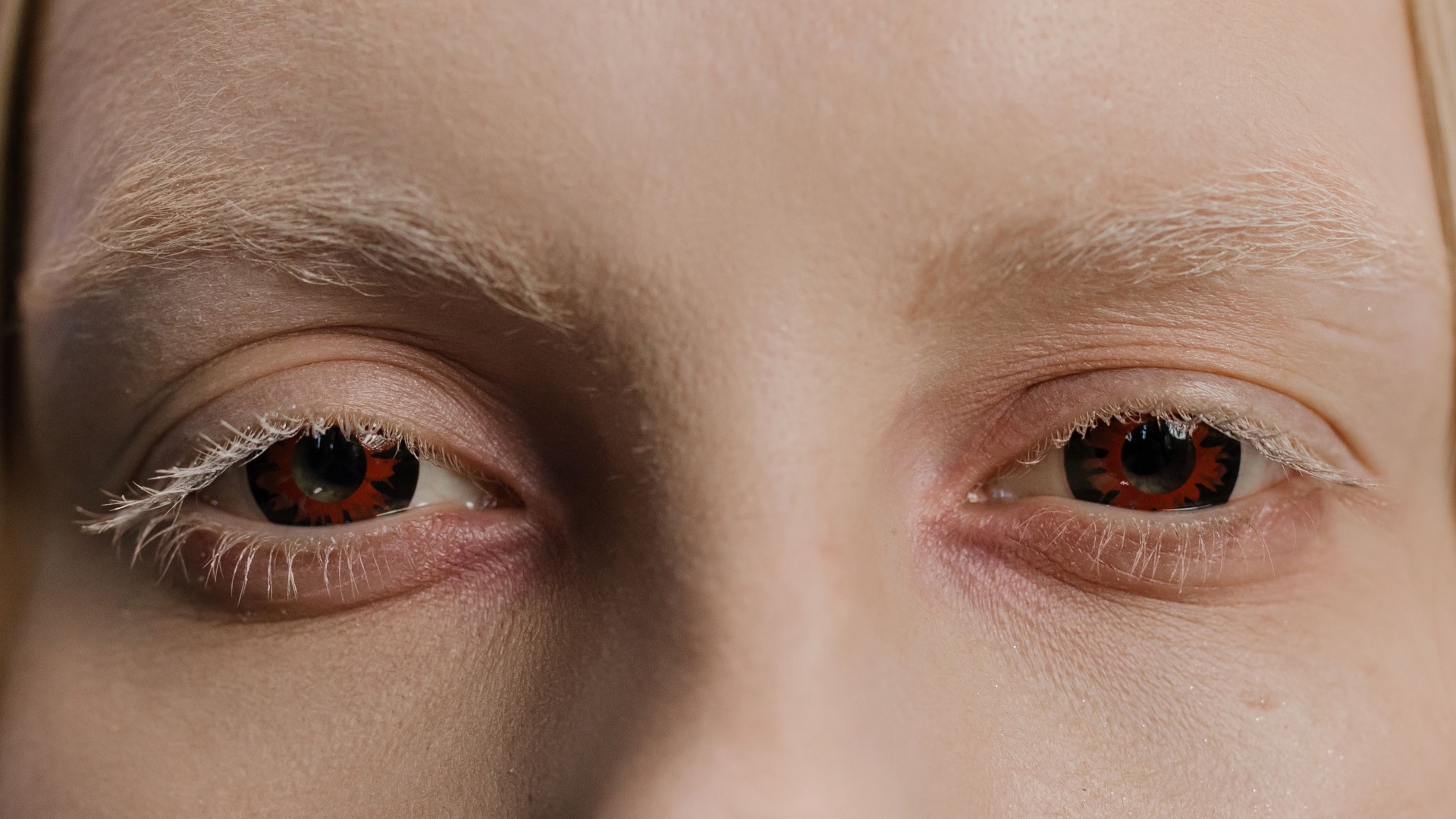
10. They Can Add Personal Expression to Everyday Style
For people who enjoy beauty as a form of self-expression, decorative contacts can be another creative option. They let you play with color in a way that’s visible but still easy to adjust. You can keep the effect soft for daily wear or choose something more noticeable for a specific look. When used safely, they can be a fun addition to your personal style.
Decorative lenses can be exciting, but their benefits only matter if your eyes stay healthy. Before buying a pair, it’s just as important to understand what can go wrong.
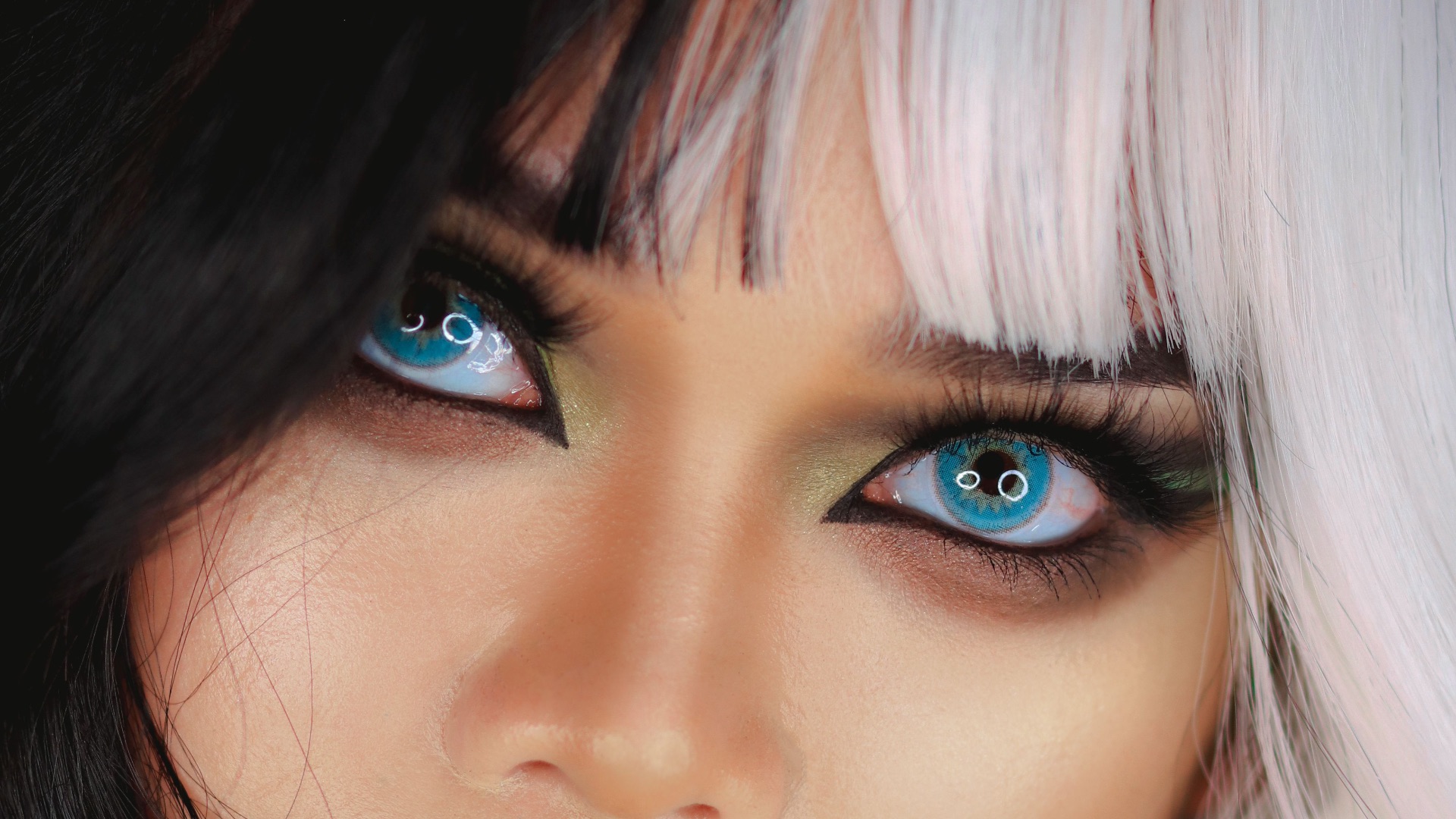
1. They Can Cause Eye Infections
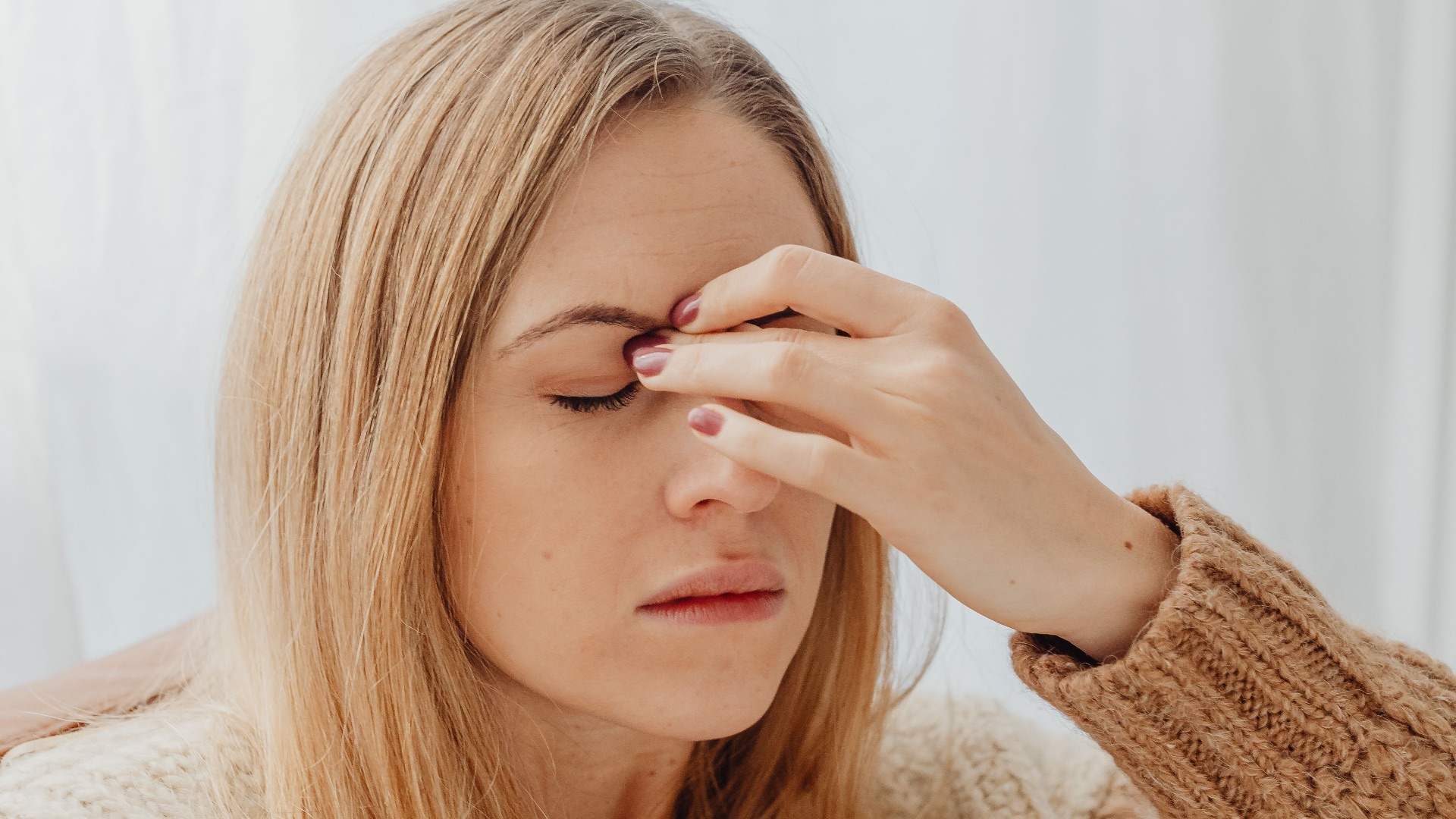
Any contact lens can increase the risk of an eye infection if it isn’t cleaned, stored, or worn properly. Decorative lenses can be especially risky when people buy them without a prescription or use them casually for costumes. Bacteria, fungi, or other germs can get trapped between the lens and the eye. If an infection develops, it can become painful and may require urgent treatment.

2. Poor Fit Can Scratch the Cornea
A decorative lens needs to fit the shape and size of your eye, even if it has no vision correction. When a lens is too tight, too loose, or poorly shaped, it can rub against the cornea and cause irritation or scratches. A corneal abrasion can make your eye red, watery, painful, and sensitive to light. This is one reason a proper exam and fitting matter before wearing any contact lens.
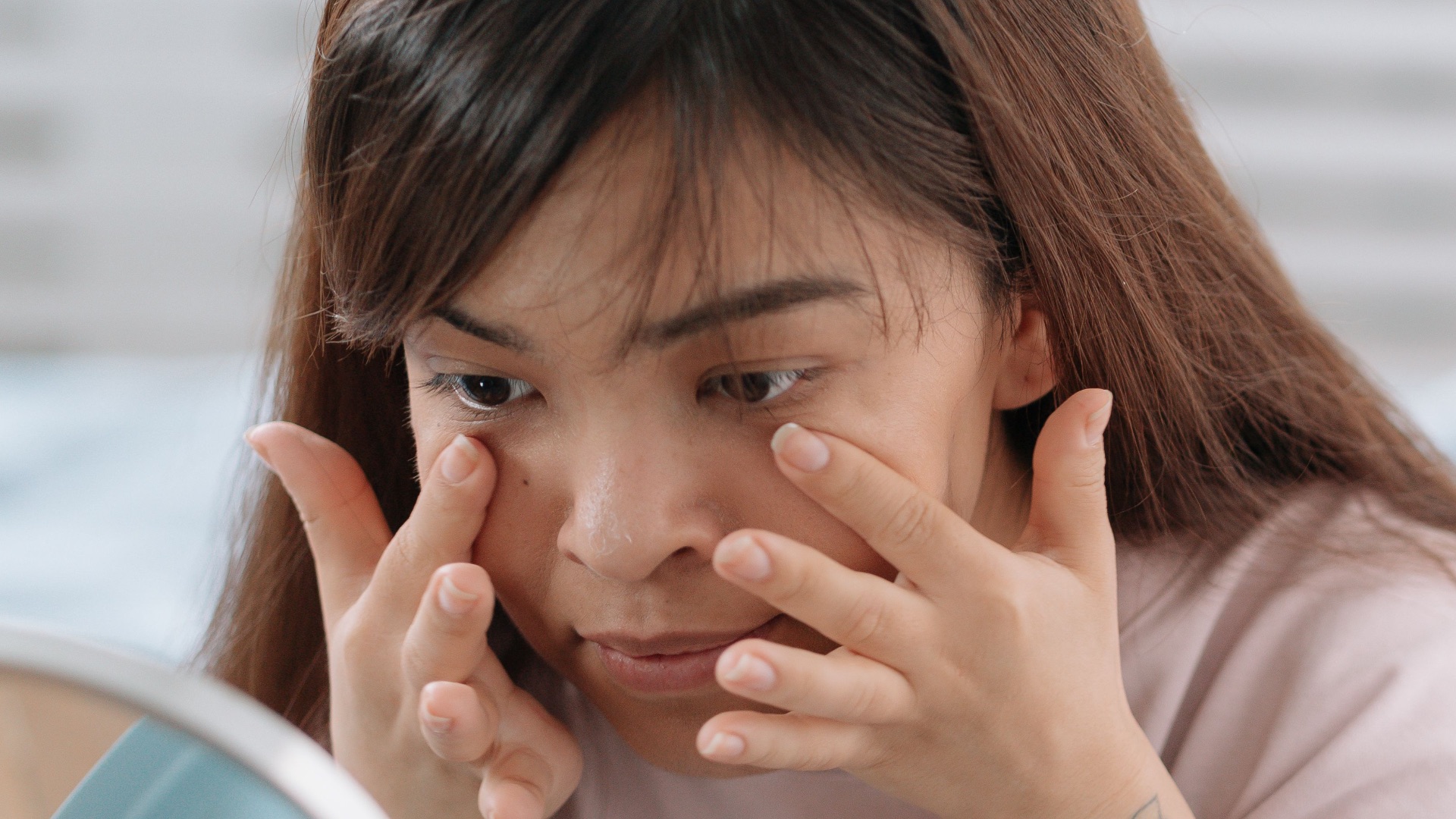
3. Non-Prescription Lenses May Be Unsafe
Colored contacts sold without a valid prescription can be dangerous because you may not know whether they’re properly made, sterile, or suitable for your eyes. Some are sold in beauty shops, costume stores, online marketplaces, or convenience-style settings that treat them like simple accessories. In the United States, contact lenses are regulated as medical devices, even when they’re only decorative. Buying from a seller that skips the prescription requirement is a warning sign.
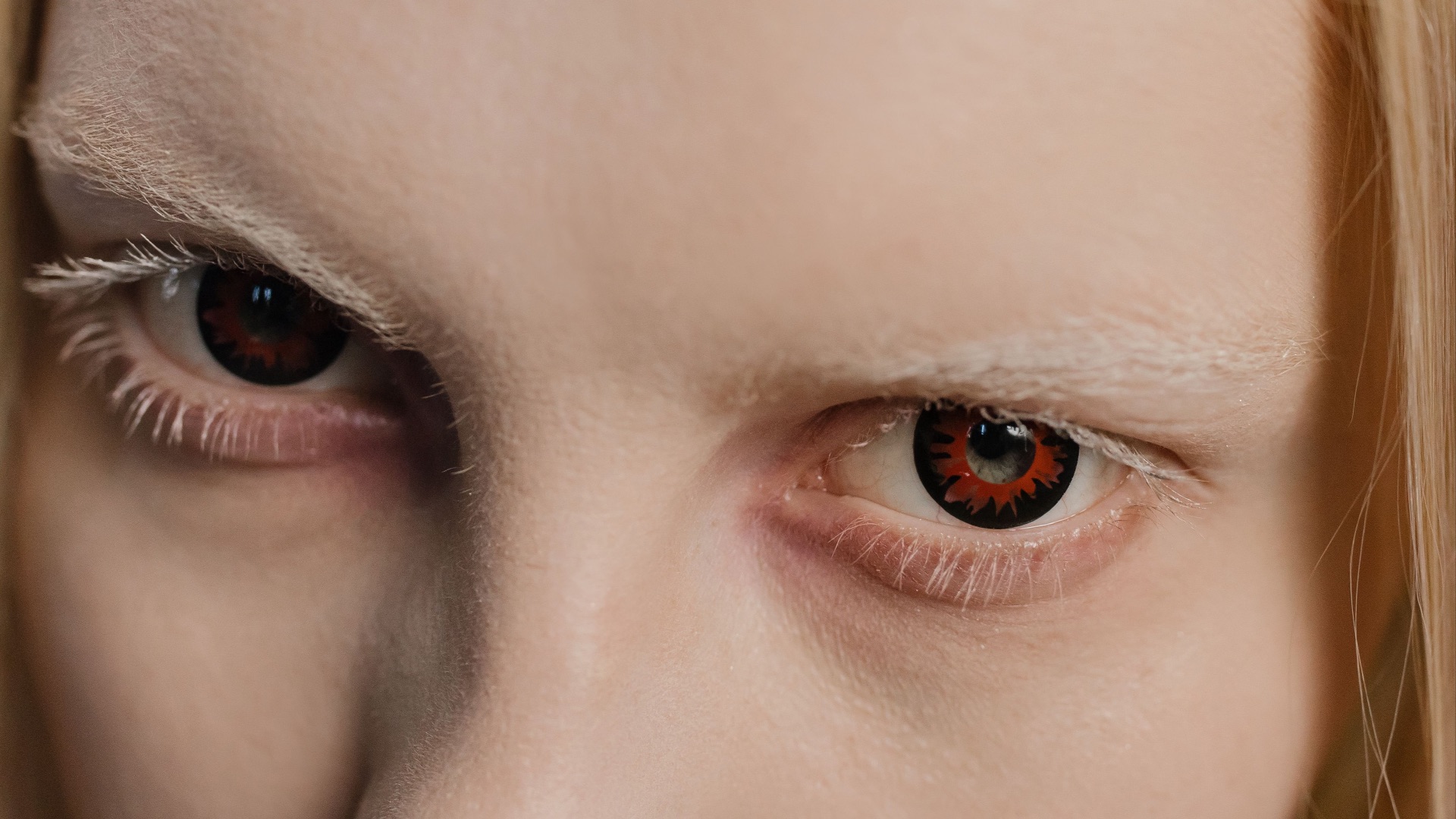
4. They Can Reduce Oxygen to the Eye
Your cornea needs oxygen to stay healthy, and contact lenses can affect how much oxygen reaches it. If lenses are poorly made, worn too long, or not approved for your type of use, they may leave your eyes feeling dry, tired, or irritated. Overwearing them can make the problem worse because the eye doesn’t get enough time to recover. Following the recommended wear schedule is part of protecting your vision.
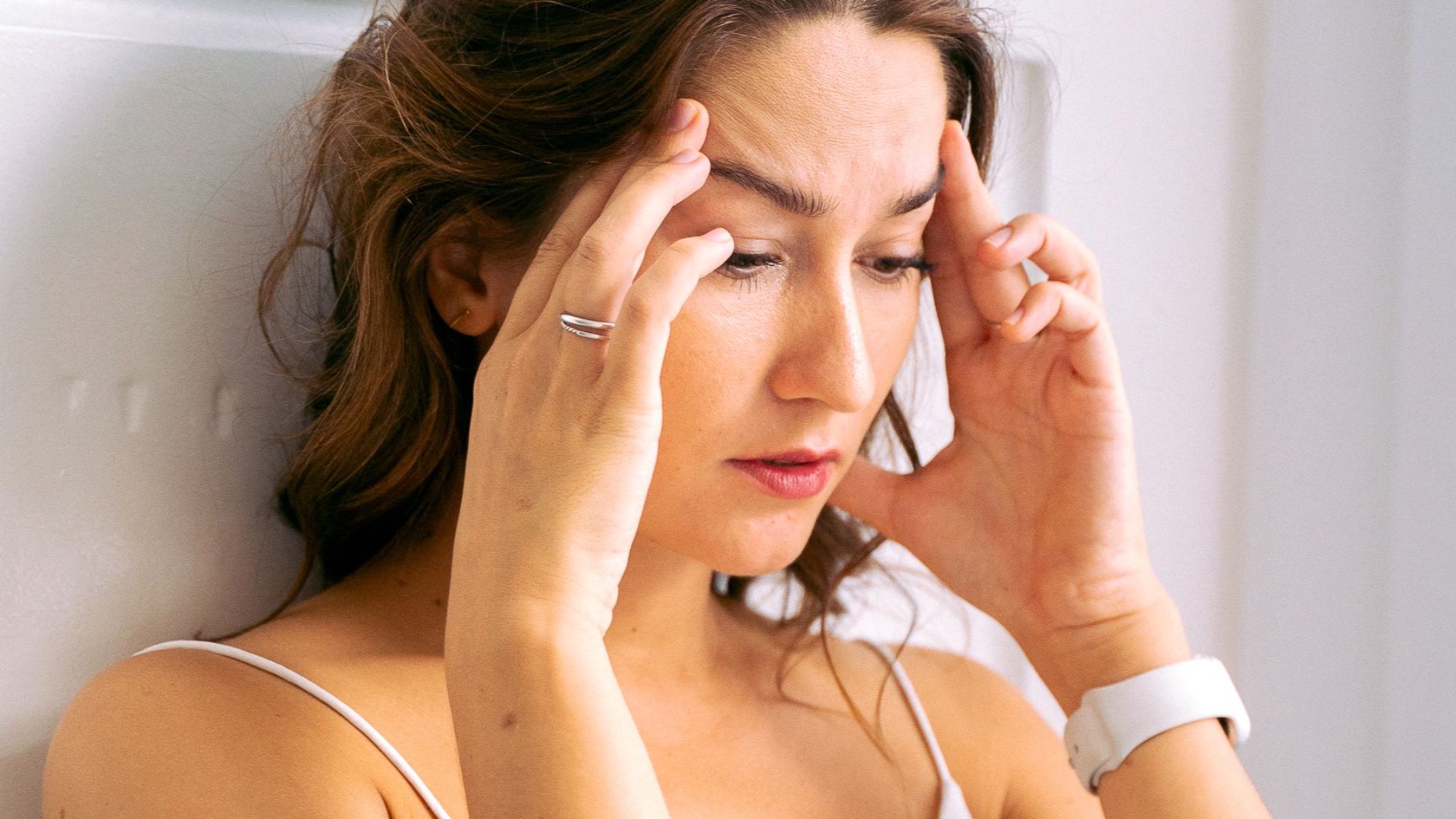
5. Sleeping in Them Can Be Risky
Sleeping in decorative contacts can increase the chance of irritation, infection, and other complications. Your eyes already receive less oxygen when they’re closed, and lenses can make that issue worse. Unless an eye care professional has specifically prescribed lenses for overnight wear, they should come out before you sleep. Even a short nap can be enough to leave your eyes uncomfortable.

6. Sharing Lenses Can Spread Germs
Sharing colored contacts with a friend may seem harmless, especially for a party or costume, but it’s a serious hygiene risk. Lenses can carry bacteria, viruses, or other contaminants from one person’s eyes to another. They also won’t be fitted to both people’s eyes, which adds another layer of risk. Contacts should be treated as personal medical devices, not shared beauty items.

7. They Can Trigger Redness and Irritation
Some people experience redness, burning, watering, or a gritty feeling after wearing contacts. This can happen because of lens material, poor cleaning habits, overwear, dryness, or sensitivity to contact lens solution. Mild irritation shouldn’t be ignored if it keeps happening or gets worse. Removing the lenses and checking with an eye care professional is safer than trying to push through discomfort.

8. Improper Cleaning Can Lead to Complications
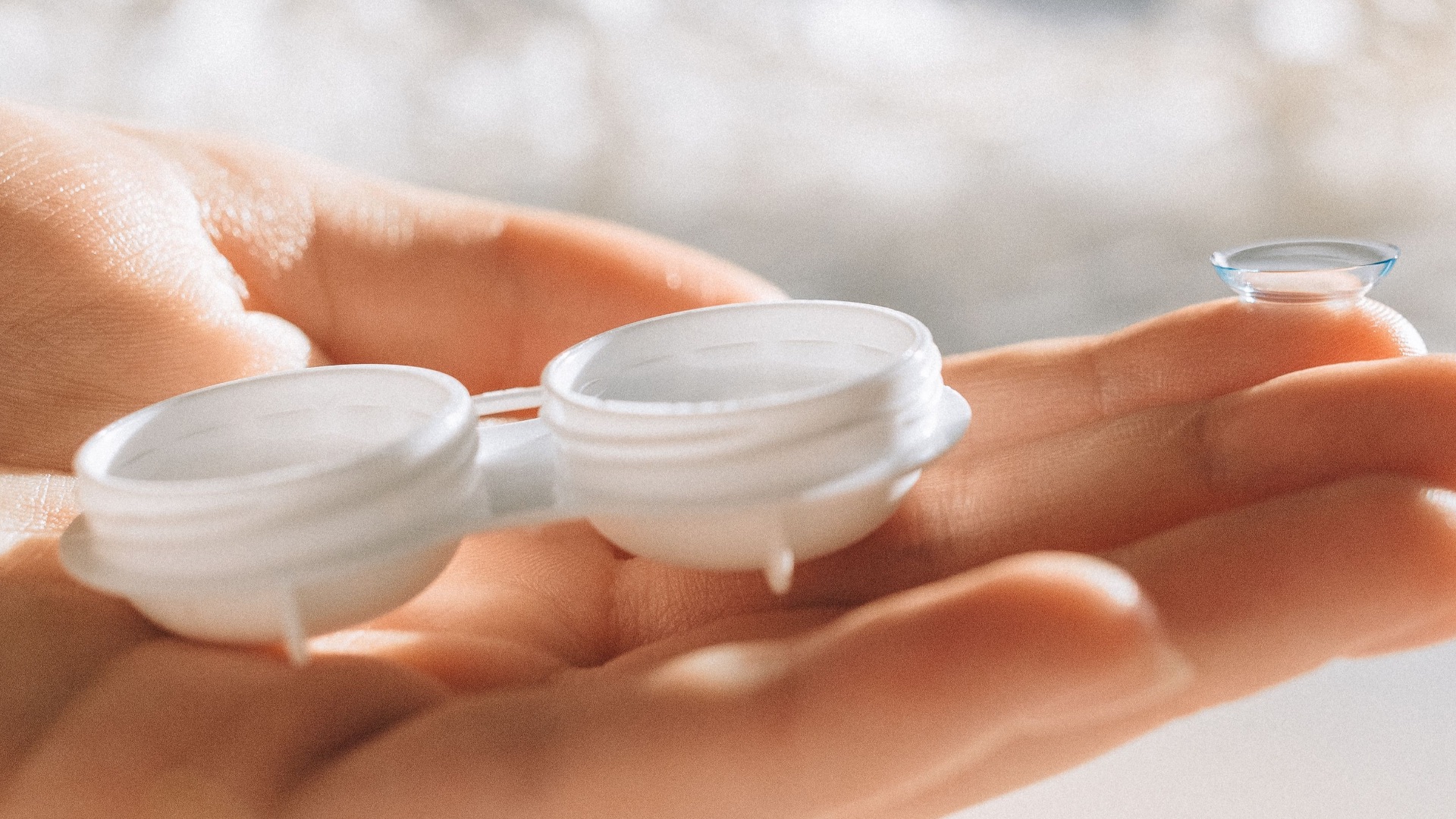
Decorative lenses need the right contact lens solution and storage case, not water, saliva, or homemade cleaning methods. Water can expose your eyes to harmful organisms, and saliva introduces bacteria that don’t belong near the eye. Reusing old solution or failing to clean the case can also raise the risk of contamination. Good lens hygiene is a daily responsibility, not an extra step you can skip.
9. They May Affect Vision Quality
Some decorative lenses can interfere with vision, especially if the colored part overlaps the pupil or shifts while you blink. You may notice blur, glare, halos, or reduced side vision, depending on the lens design and lighting conditions. This can be a bigger issue at night, when pupils naturally become larger. If your vision feels compromised, you shouldn’t drive or do anything that requires sharp visual focus while wearing them.

10. Serious Problems Can Threaten Vision
Most people wear contacts without major issues when they use them correctly, but complications can become serious if warning signs are ignored. Severe infections, corneal ulcers, and untreated injuries can threaten vision and may lead to lasting damage. Pain, sudden redness, light sensitivity, discharge, or blurry vision should be taken seriously. Decorative lenses are safest when they’re prescribed, fitted, cleaned, and worn exactly as directed.