
The Era of Locker Posters and Side Bangs
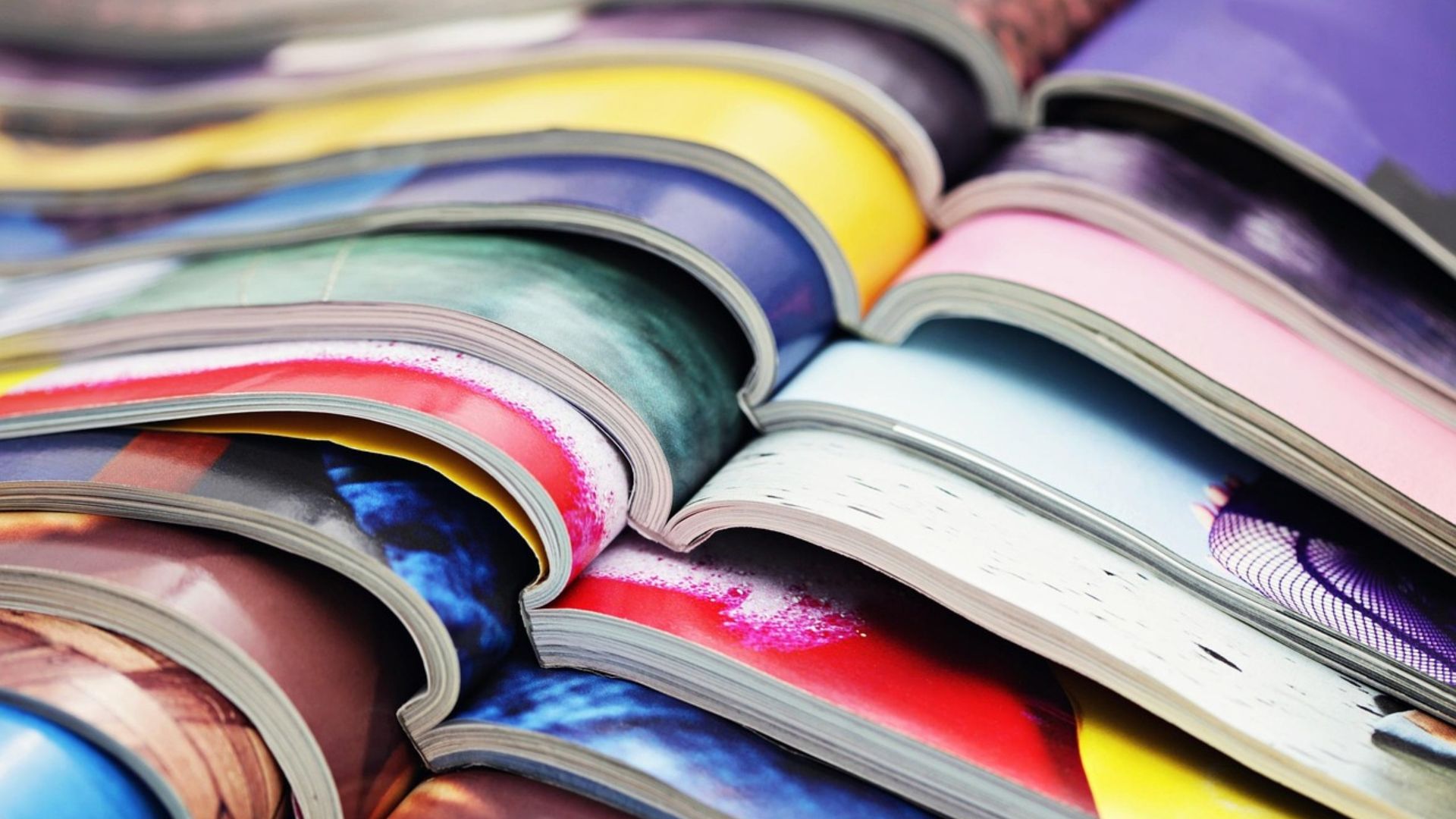
Before social media transformed every phone into a beauty feed, shopping guide, celebrity tracker, and gossip source, teen magazines fulfilled that role month after month. They were stacked on nightstands, shared at sleepovers, tucked into backpacks, and reread until the corners curled. For fashion and beauty enthusiasts, these magazines helped shape the choices that felt monumental as a teenager: prom hairstyles, shiny lip gloss, mall outfits, and celebrity looks worth emulating. Some titles became true fashion and beauty staples, while others influenced teen style through posters, music coverage, and a fascination with young Hollywood. Together, they defined early 2000s teen culture, one glossy page at a time.

1. Seventeen
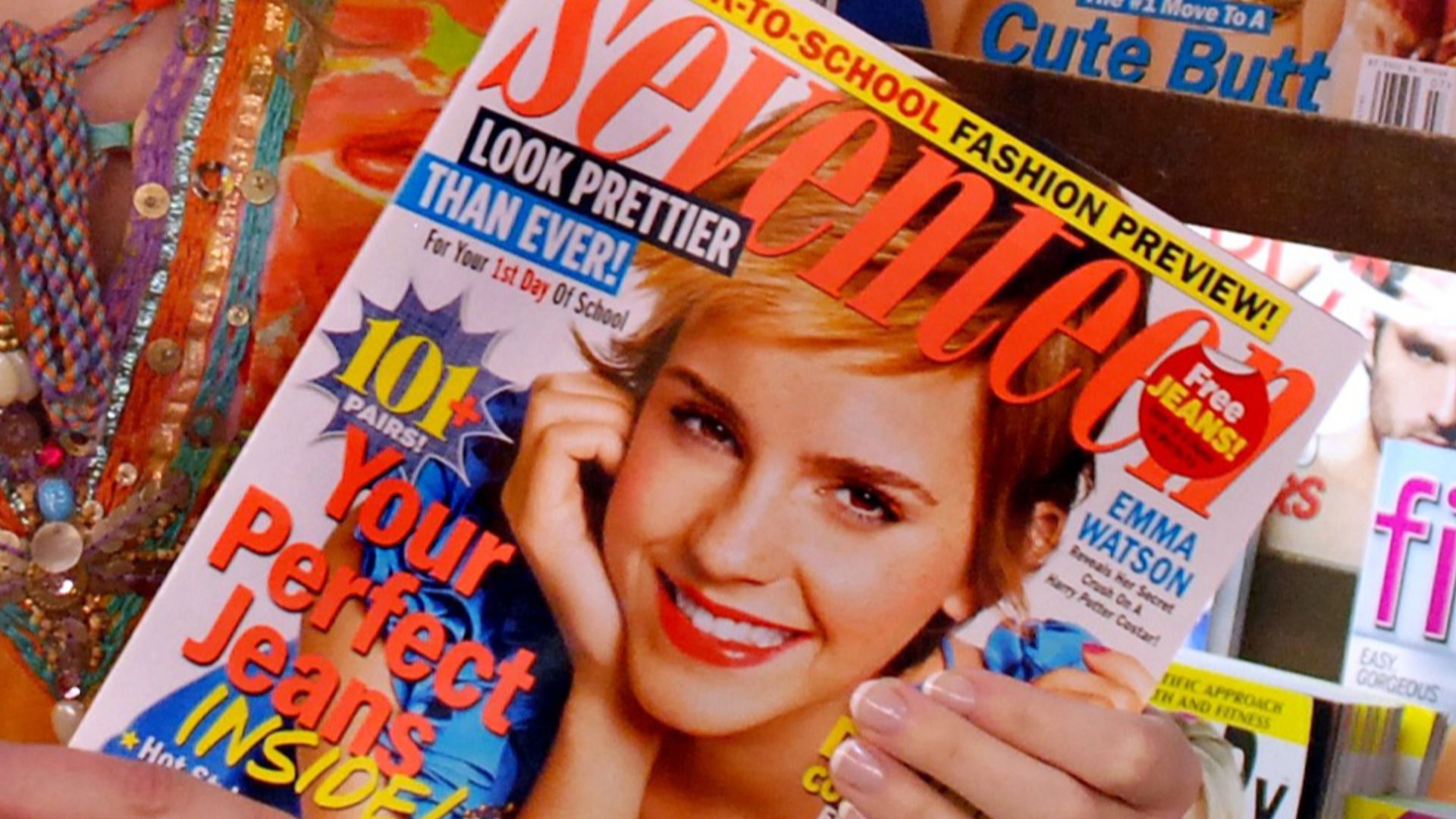
Seventeen was the quintessential big-sister magazine, and in the early 2000s, it still commanded a significant newsstand presence. Its pages combined fashion, beauty, celebrity covers, prom ideas, quizzes, and real-life teen stories in a way that made growing up feel exciting and complex.
2. Teen Vogue
Teen Vogue debuted in 2003 with a sleeker, more fashion-forward perspective. It treated teen readers with sophistication, addressing runway styling, beauty trends, young designers, and celebrity culture without oversimplifying. This polished style made it feel chic while still resonating with readers who were discovering their own tastes.
3. YM
YM had a warm, chatty tone that made it accessible and enjoyable. It covered fashion, beauty, celebrity news, advice, embarrassing moments, and reader-driven features without coming across as overly polished or distant. By its final years, this casual friendliness became a key part of its charm.
4. Teen People
Teen People redefined celebrity coverage for teen readers. It blended interviews, entertainment news, movies, music, and red-carpet style in a way that made young stars feel relatable and easy to emulate. A haircut, party outfit, or casual look could quickly turn into weekend shopping ideas.
5. CosmoGirl
CosmoGirl brought a bold and upbeat attitude to the teen magazine lineup. It mixed style, beauty, dating, confidence, friendships, school life, and celebrity coverage with a slightly more mature perspective than some other softer teen titles. The overall package was glossy and energetic, appealing to readers seeking more than just pretty clothes.
6. ELLEgirl
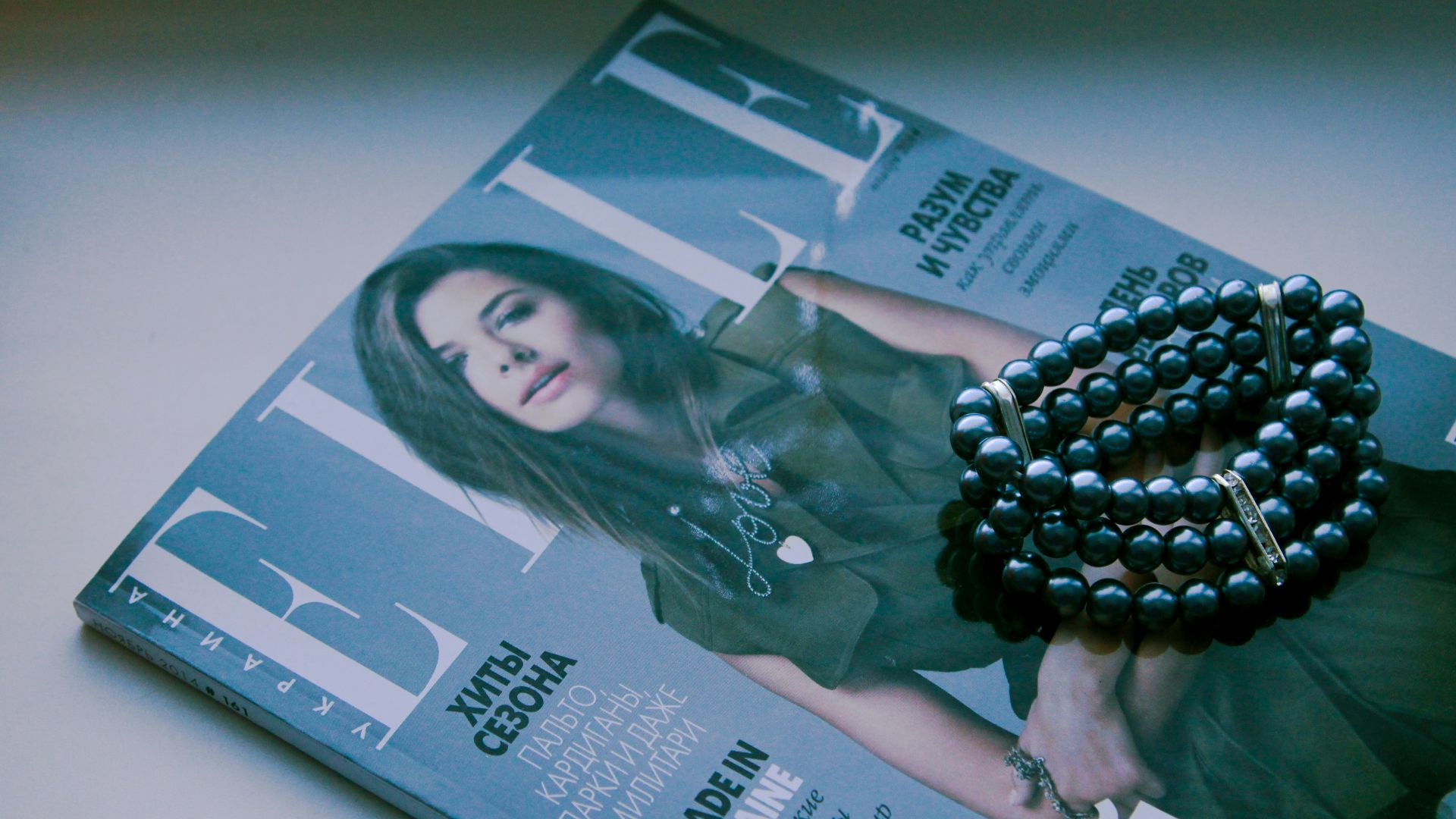
ELLEgirl featured a cooler, more editorial aesthetic compared to many of its contemporaries. It emphasized fashion, beauty, pop culture, and trendsetting styles with a creative, slightly indie vibe. For readers who preferred thrifted jackets, smudged eyeliner, and less conventional outfits, this was the perfect fit.
7. Teen
Teen was one of those familiar titles that felt easy to pick up from the rack. Around the turn of the millennium, it offered a classic mix of celebrity covers, beauty tips, fashion ideas, advice, quizzes, and prom inspiration. It was approachable, glossy, and perfect for reading on a bedroom floor with a snack nearby.
8. J-14
J-14 catered to the celebrity-obsessed teen audience. Its pages overflowed with content about young Hollywood, TV stars, pop acts, gossip, posters, quizzes, and crush content that practically demanded locker space. Its style influence shone through all the star photos, showcasing looks from layered tanks to shiny lips.

9. Twist
Twist boasted a bright, fast-moving personality that perfectly matched early 2000s pop culture. It emphasized celebrities, quizzes, posters, beauty tips, and all the little details that felt huge during the teen years. It helped transform celebrity outfits and beauty ideas into inspiration for mall trips.
10. M Magazine
M Magazine was a vibrant part of the young Hollywood fandom. It featured pop stars, TV actors, interviews, celebrity crushes, posters, gossip, and updates that made readers feel connected. Its visuals embodied the early-2000s aesthetic, with hair streaks, low-rise jeans, and camera-ready smiles.
11. Popstar!
Popstar! was perfectly positioned during the teen-pop boom. It offered readers interviews, photos, music coverage, and a sense of closeness to the stars they likely had plastered on their walls. Its style drew inspiration from stage outfits, tour looks, music videos, and press-day hairstyles.
12. Tiger Beat
Tiger Beat had been a staple for teen idols for decades and remained relevant in the early 2000s magazine scene. Its content focused on crushes, posters, interviews, and the simple thrill of seeing a favorite singer or actor gracing the cover.
13. Bop
Bop resided in the same poster-filled world of celebrity culture. It featured bright covers, young stars, crush content, gossip, quizzes, and plenty of photos perfect for bedroom walls and school binders. Trends like specific jeans, hairstyles, chokers, and lip gloss shades helped define what was in vogue at the time.
 Mayara Caroline Mombelli on Pexels
14. 16
16 brought old-school teen-magazine charm to the early 2000s. It was centered around engaging covers, photos, interviews, and the allure of seeing favorite performers portrayed as major figures in pop culture. Fashion played a crucial role in the fantasy, even if it wasn’t the main highlight.

15. Teen Beat
Teen Beat recognized the appeal of familiar celebrity access. It focused on music, TV, movies, crushes, and the recurring faces readers wanted to see again and again. Readers would closely examine the hair, clothing, and minute red-carpet details through their fandom lens.
16. Girls’ Life
Girls’ Life offered a softer, advice-oriented perspective to the teen and tween audience. It covered topics like friendships, school, confidence, beauty, style, wellness, crushes, and other everyday questions that could feel significant during one’s tween or teen years. Its style advice was practical rather than solely aspirational.
17. Jump
Jump embodied a more casual, active, and relatable energy compared to some of its glossier counterparts. While it still included fashion, beauty, quizzes, celebrity features, and lifestyle content, the overall tone was less precious. It celebrated sneakers, ponytails, and lip gloss in one cohesive package.
18. Faze
Faze provided teen readers with a wide range of topics including pop culture, beauty, style, health, school, careers, travel, and real-life issues. It had the glossy appeal typical of teen magazines, but its content felt more expansive than just celebrity and shopping. This variety made its fashion and beauty coverage feel more grounded.
19. Right On!
Right On! played a significant role in youth entertainment and Black teen pop culture. It covered music, celebrities, style, and performers who were often overlooked in mainstream teen magazines. Its impact was felt in the visibility it provided, especially in hair, clothing, stage looks, and star images.

20. Word Up!
Word Up! was closely linked to hip-hop and R&B culture, securing its place in the teen magazine landscape. It featured artists, music, and celebrity style, showcasing the visual elements of some of the era’s biggest sounds. Streetwear, jewelry, hairstyles, album cover aesthetics, and video-inspired styles all flowed through its pages.