These Women Knew Style Could Do More Than Decorate
Fashion today can look light from a distance, which is exactly why people tend to underestimate it. That said, clothing has had a long history of being tangled up with control, respectability, freedom, and who gets to be taken seriously. For women, those rules have often been especially tight, from corsets and courtroom robes to office suits and political uniforms. Sometimes the statement was subtle, like a collar or a color scheme. Other times, it was as blunt as trousers in a room where trousers weren't welcome. The women below understood that what they wore could change how they were seen, even when the world was determined to misread them.
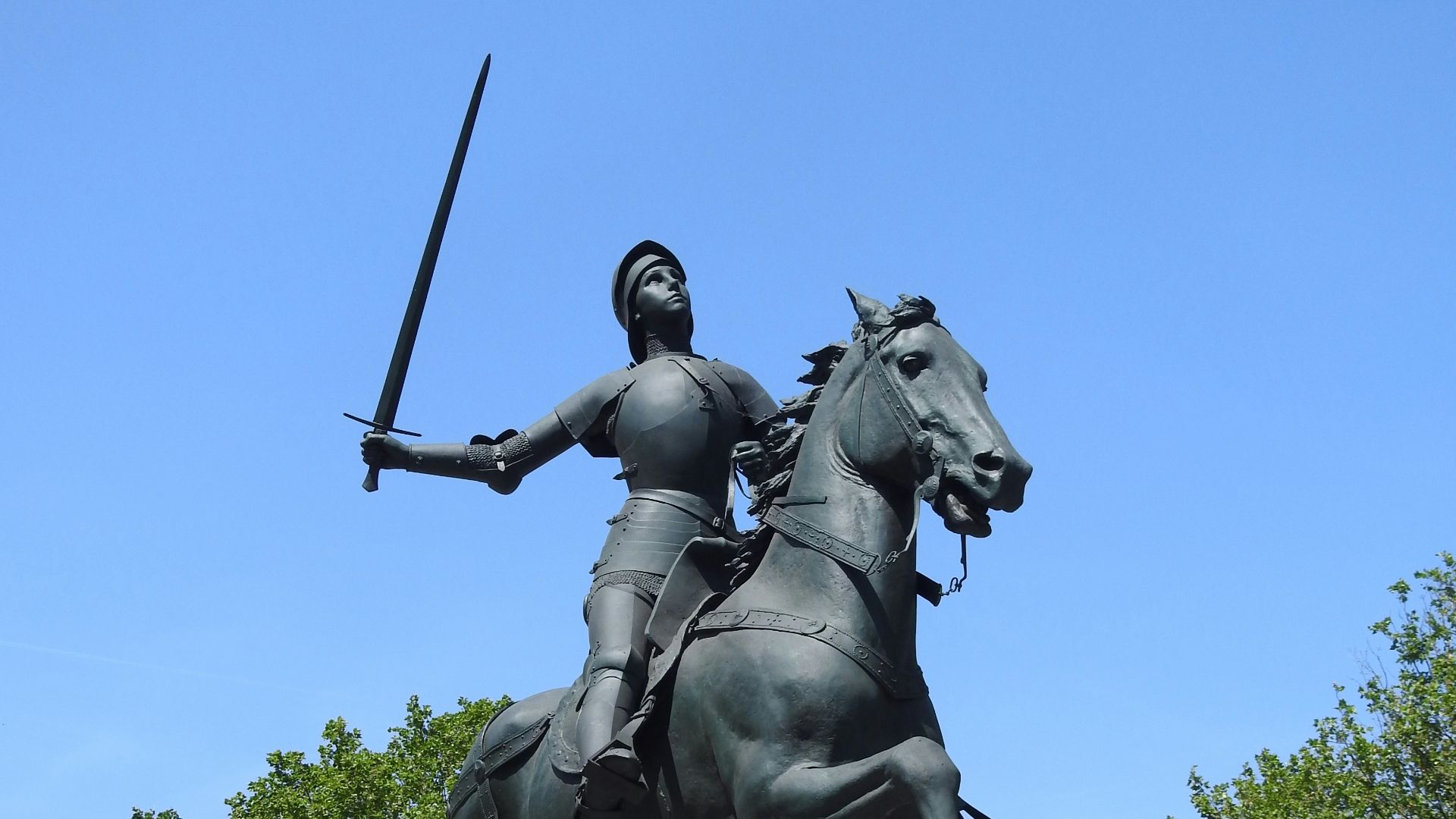
1. Joan Of Arc: Armor As Authority
Joan of Arc's armor did more than protect her body. In a world that expected women nowhere near a battlefield, her martial clothing helped her be read as a strong military presence rather than a decorative exception.
2. Amelia Bloomer: Comfort As Protest
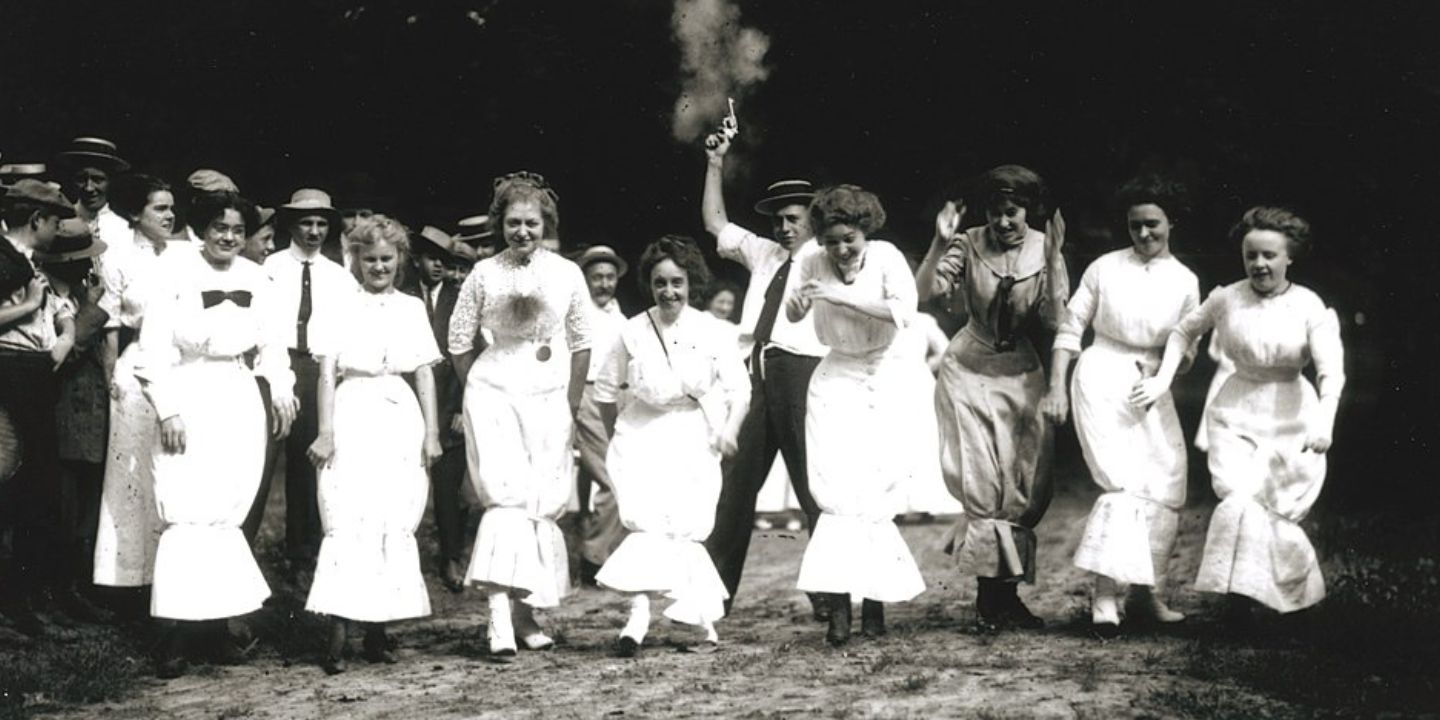
Amelia Bloomer didn't invent bloomers, but she helped make them famous. By advocating for loose trousers worn under a shorter skirt, she turned women's comfort and mobility into a very public argument. The scandal was part of the message, because the outfit exposed how fragile so-called proper femininity actually was.
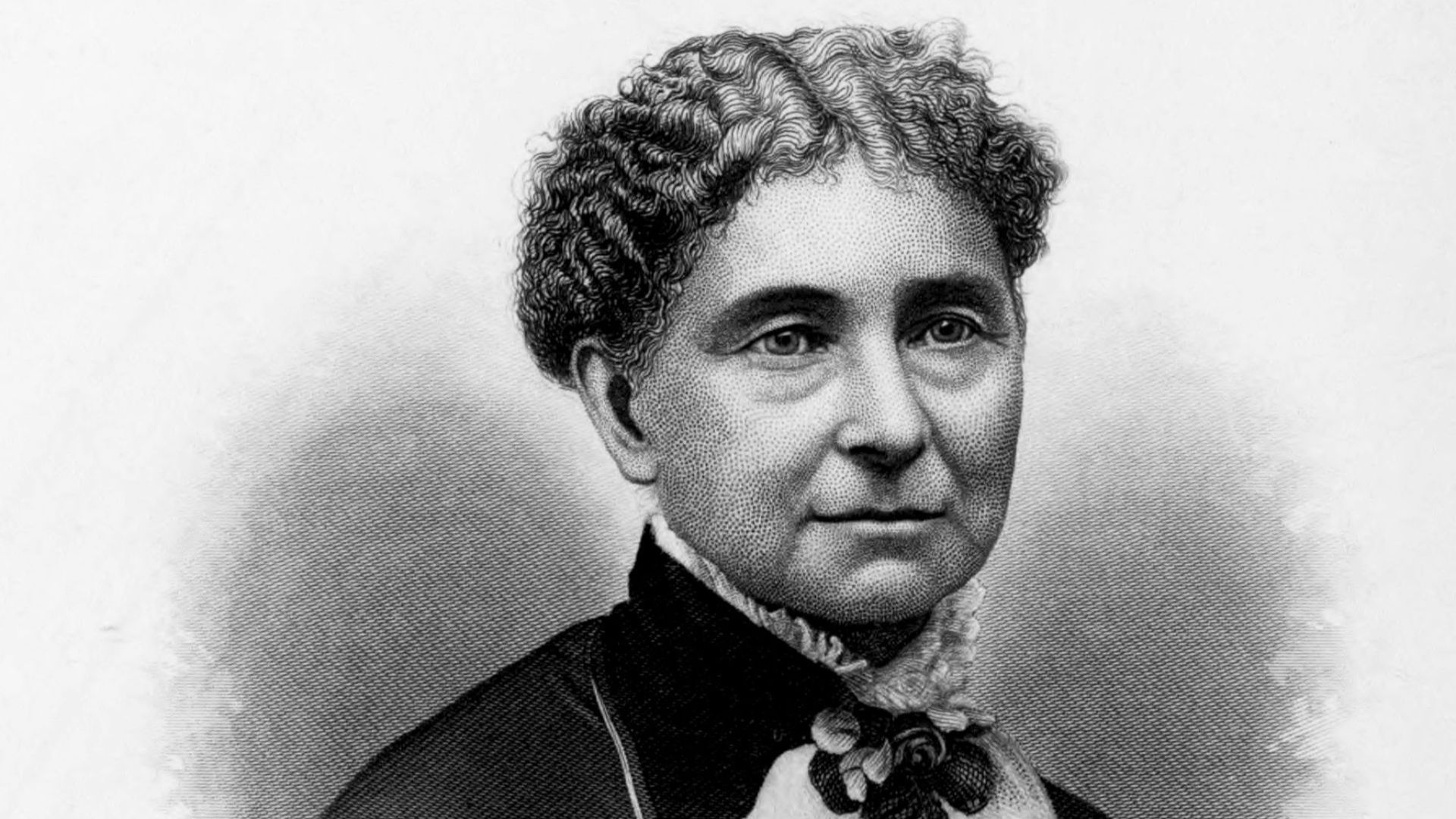 Elizabeth Cady Stanton, Susan B. Anthony, and Matilda Joslyn Gage. on Wikimedia
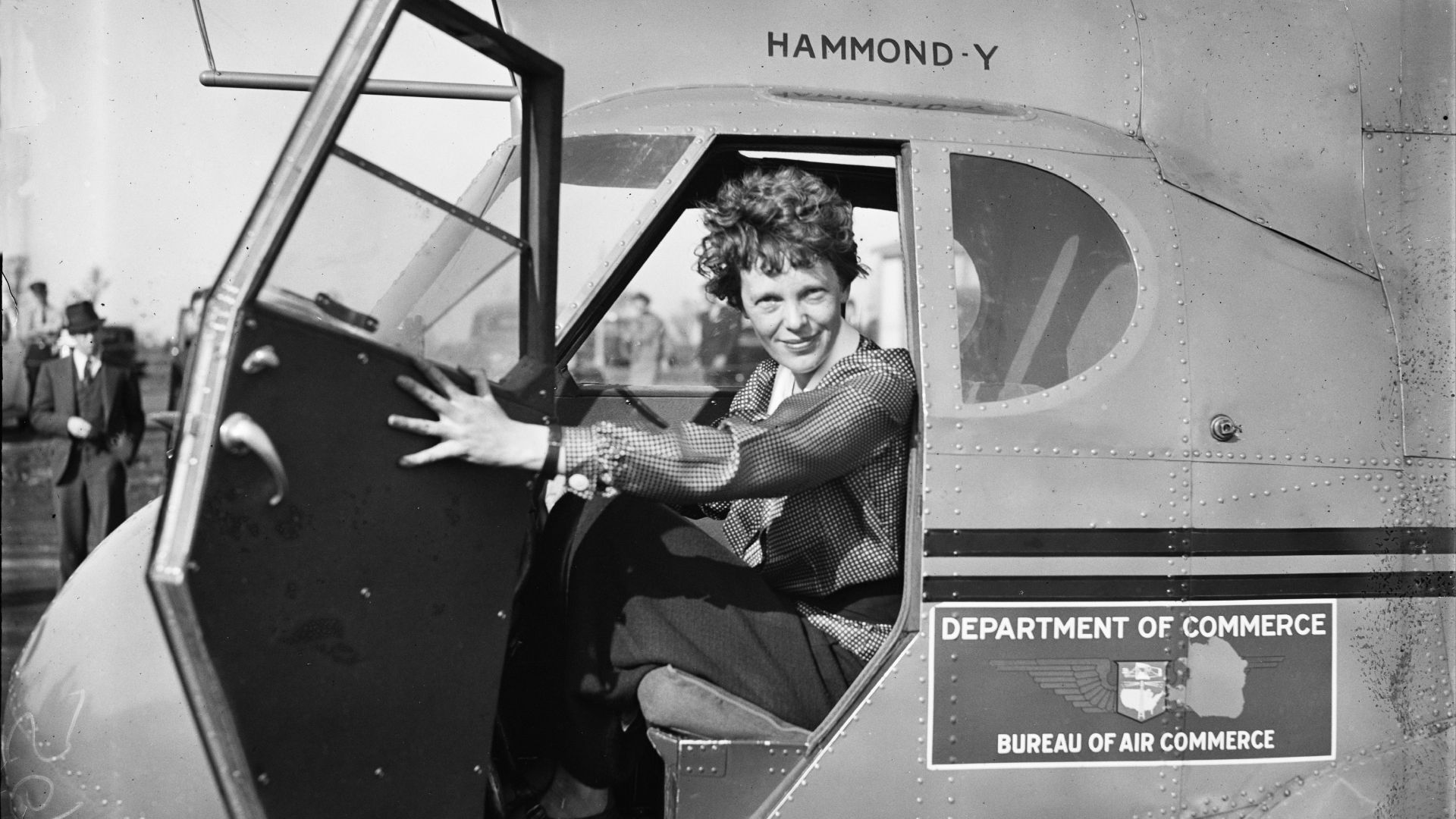
3. Amelia Earhart: Practicality As Credibility
Amelia Earhart's flying clothes and practical public image made sense for a woman who built her name in the air. Her jackets, trousers, and unfussy pieces helped frame her as an aviator first, rather than “just a woman” who flies.
4. Katharine Hepburn: Trousers With Nerve
Katharine Hepburn's love of trousers became part of her public identity. At a time when Hollywood still preferred women polished, softened, and skirted, her tailored pants made independence look clean, sharp, and completely unbothered.
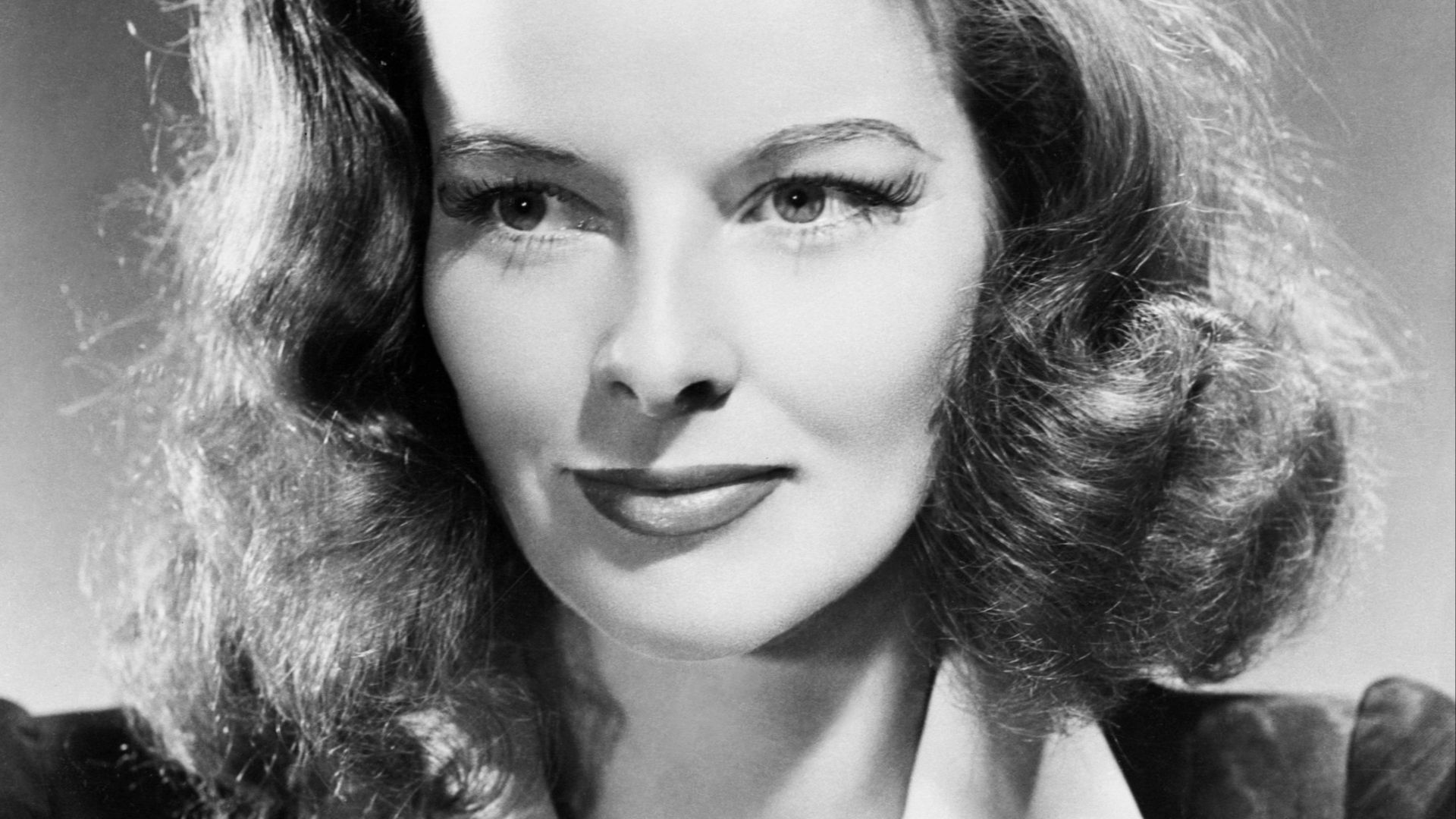 Metro-Goldwyn-Mayer Studios; Restored by Adam Cuerden on Wikimedia
5. Coco Chanel: Ease As Modern Power
Coco Chanel helped shift women's fashion toward simplicity, comfort, and movement. Her softened suits, jersey pieces, and menswear-inspired lines made elegance feel less restrained. She helped create clothes that a woman would and could want to wear.
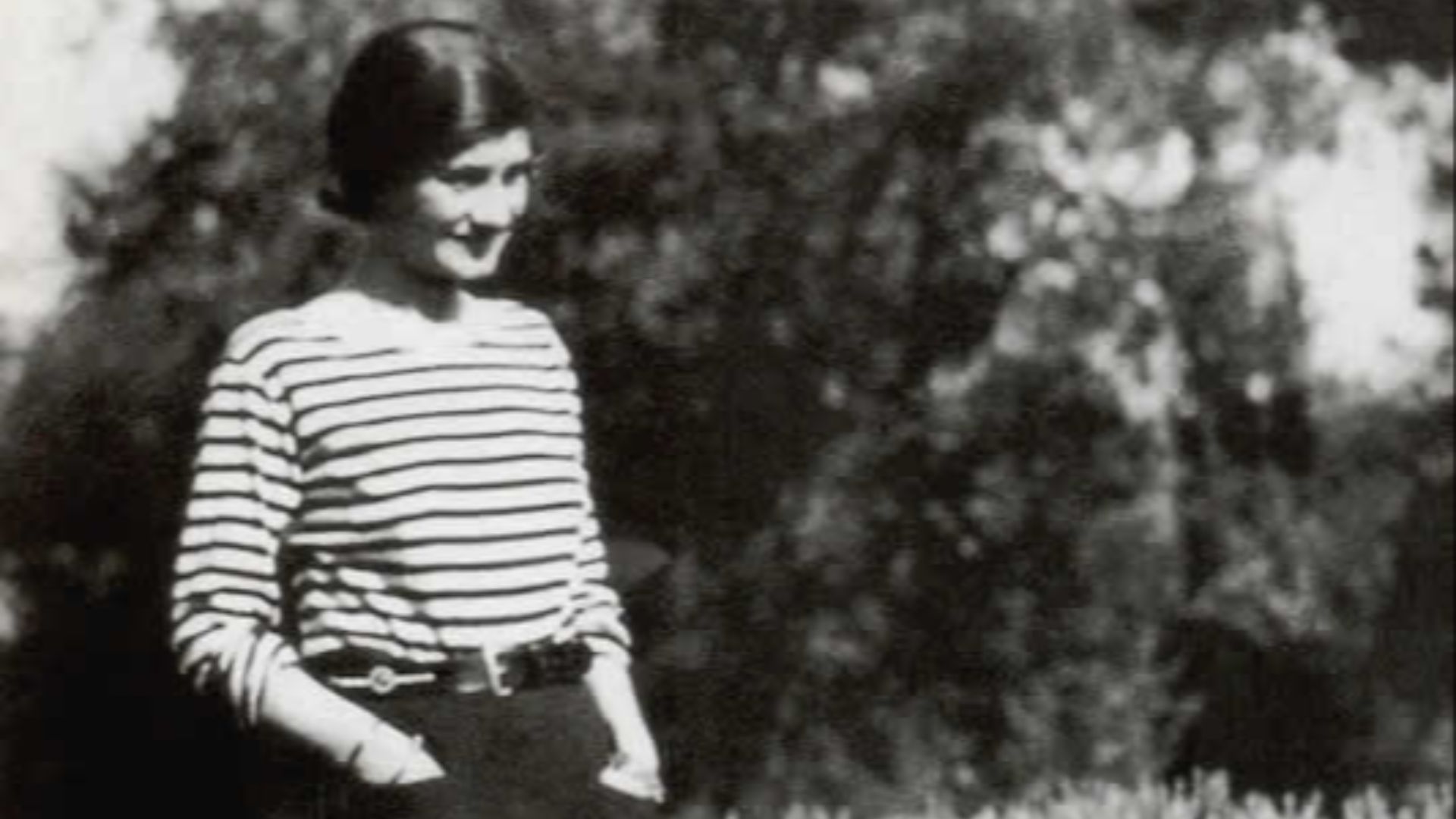 Unknown authorUnknown author on Wikimedia
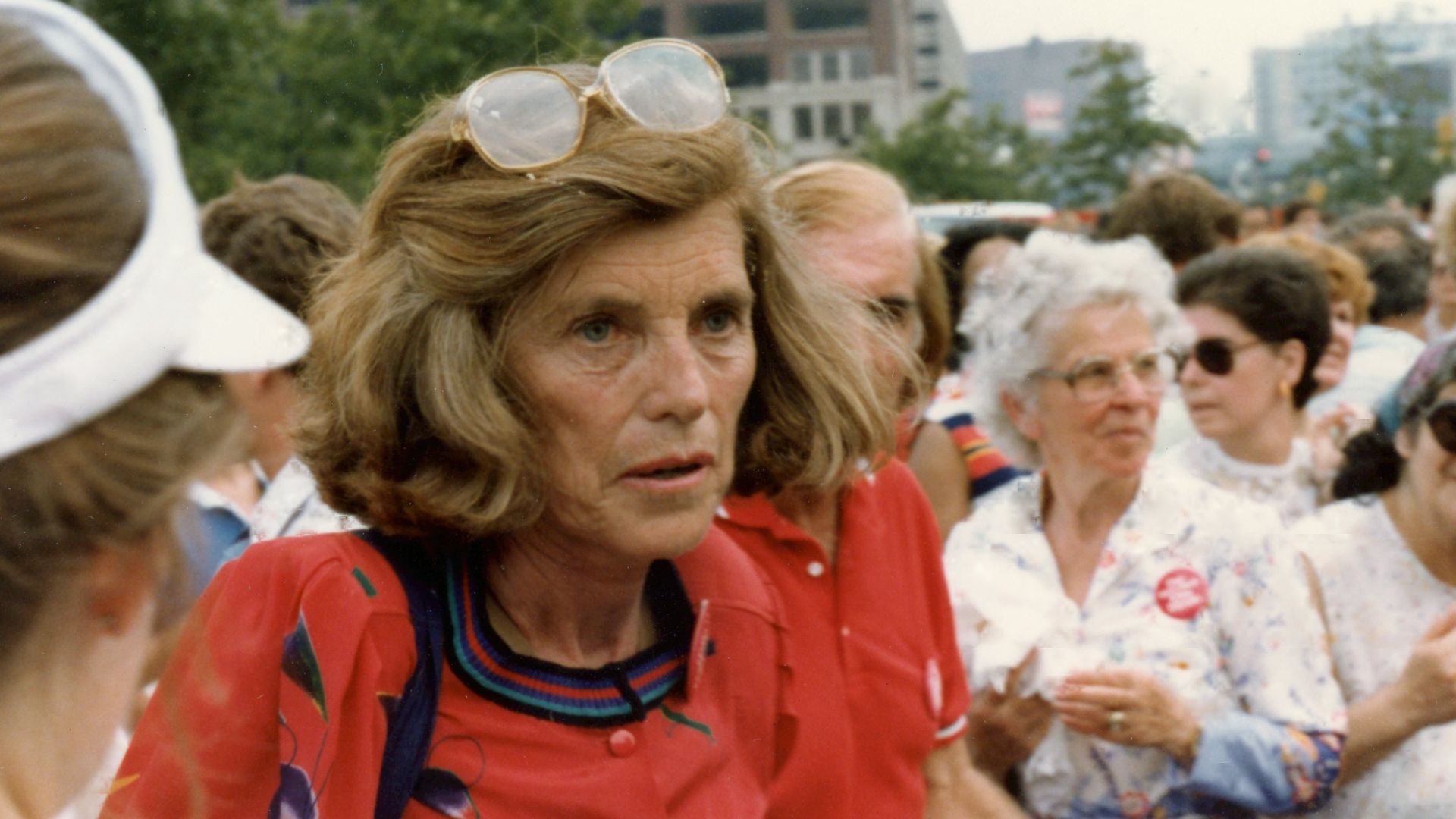
6. Eunice Kennedy Shriver: Active Style For Active Leadership
Eunice Kennedy Shriver's public image leaned practical and hands-on, which made sense for a woman whose work around sports and disability rights was rooted in participation.
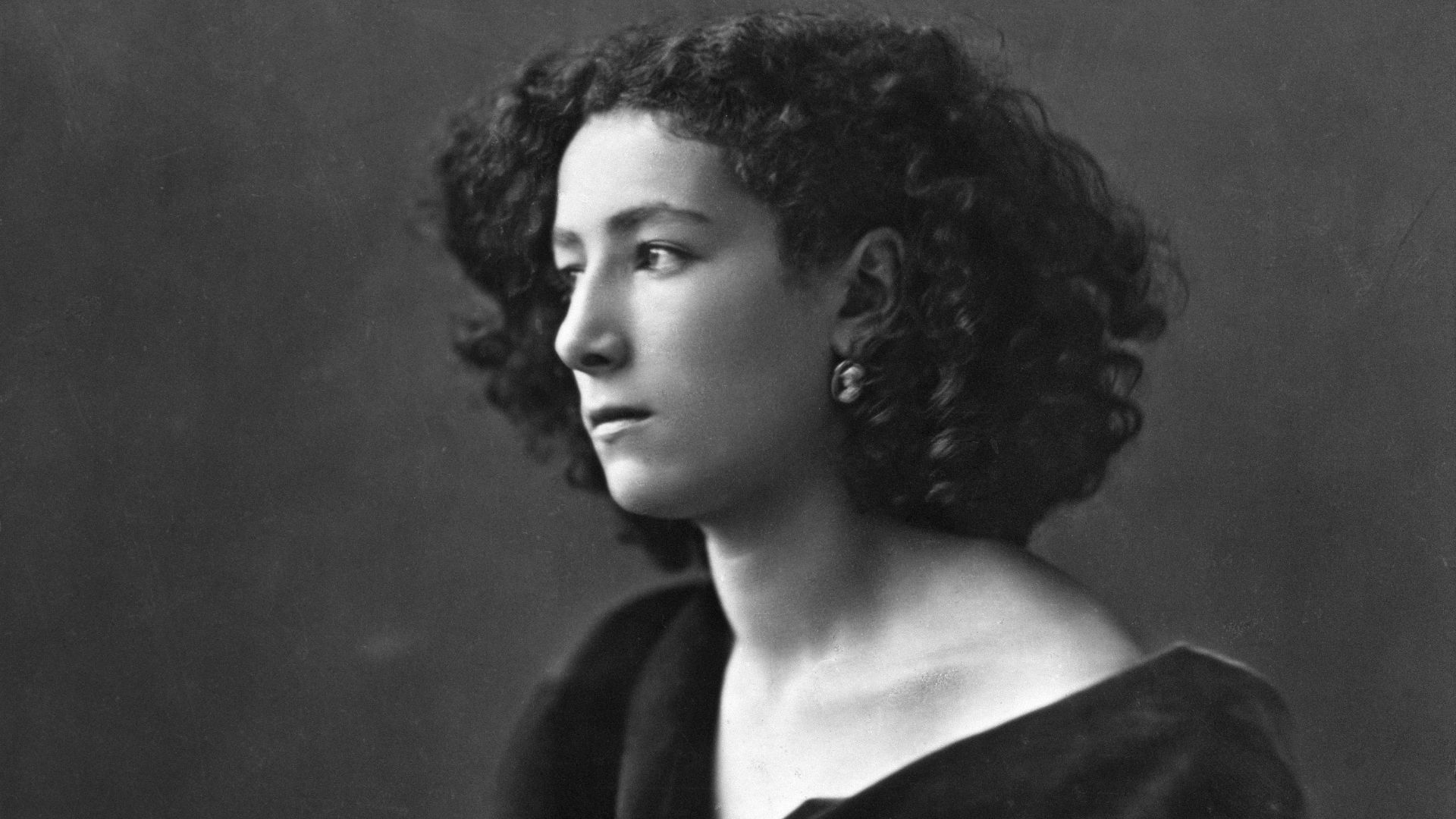
7. Sarah Bernhardt: Menswear As Theater
Sarah Bernhardt understood the power of an image. Her masculine suits challenged 19th-century expectations while fitting her larger persona as an artist. She had no interest in dressing like a woman at the time, and today, we know to thank her for that.
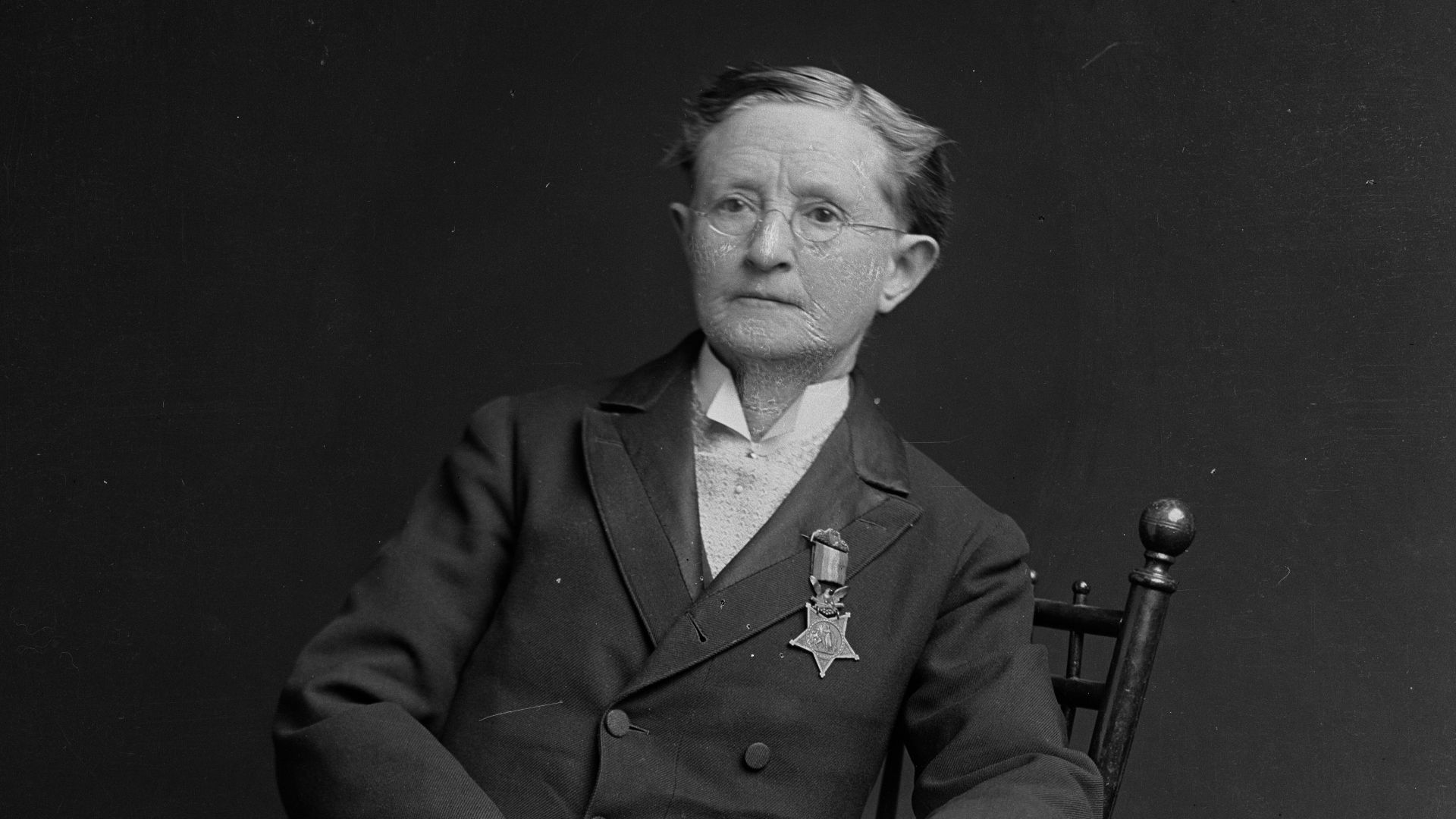
8. Mary Edwards Walker: Dress Reform In Real Life
Mary Edwards Walker wore men's clothing not as a passing stunt but as a long-term challenge to dress rules. As a surgeon, reformer, and activist, she treated practical clothing as part of a larger fight for freedom of movement.
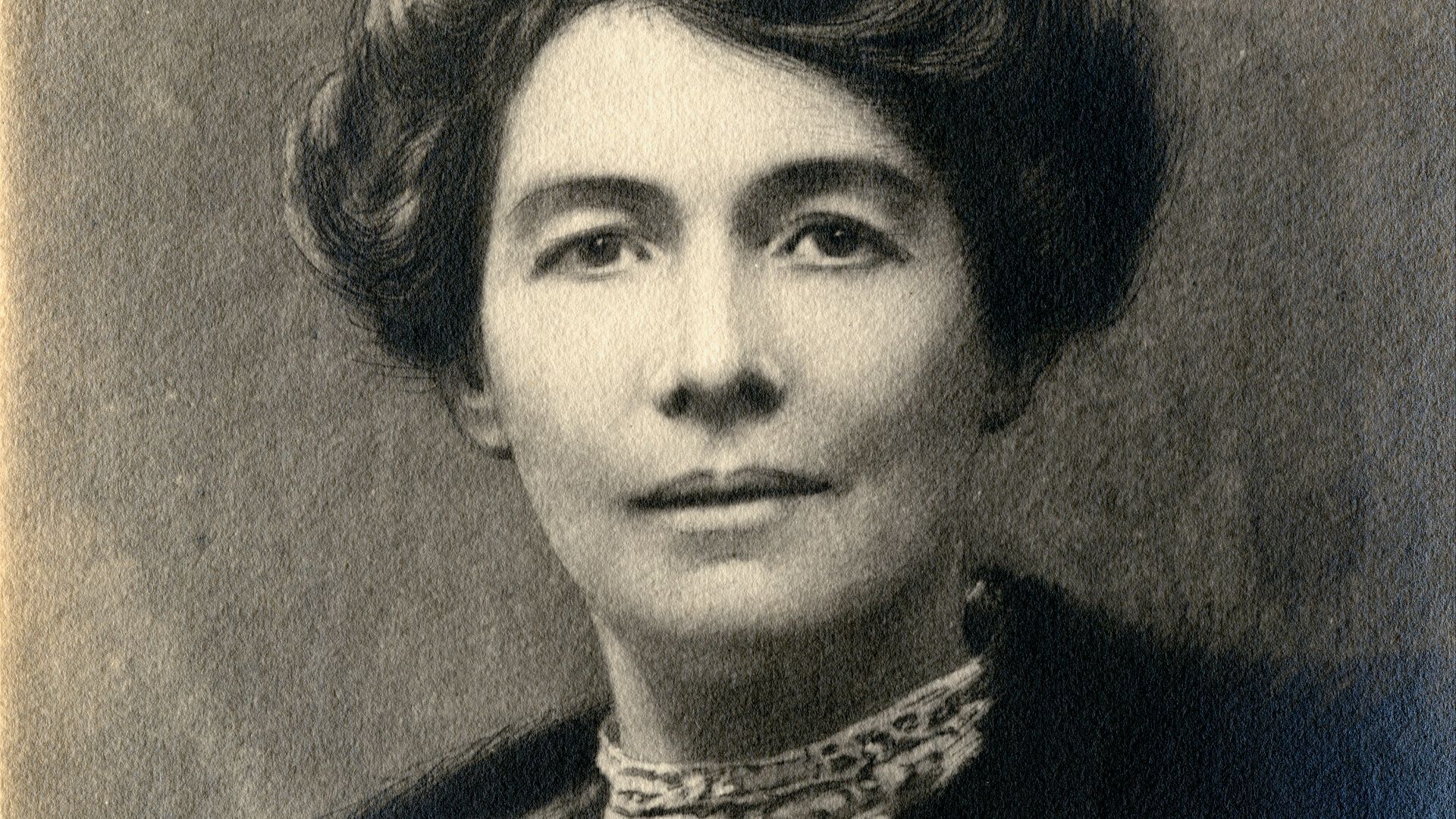
9. Emmeline Pethick-Lawrence: Suffrage Colors As Branding
Emmeline Pethick-Lawrence helped give the British suffrage movement a powerful visual code. Purple, white, and green made the cause instantly recognizable, turning sashes, ribbons, and public dress into political messaging.
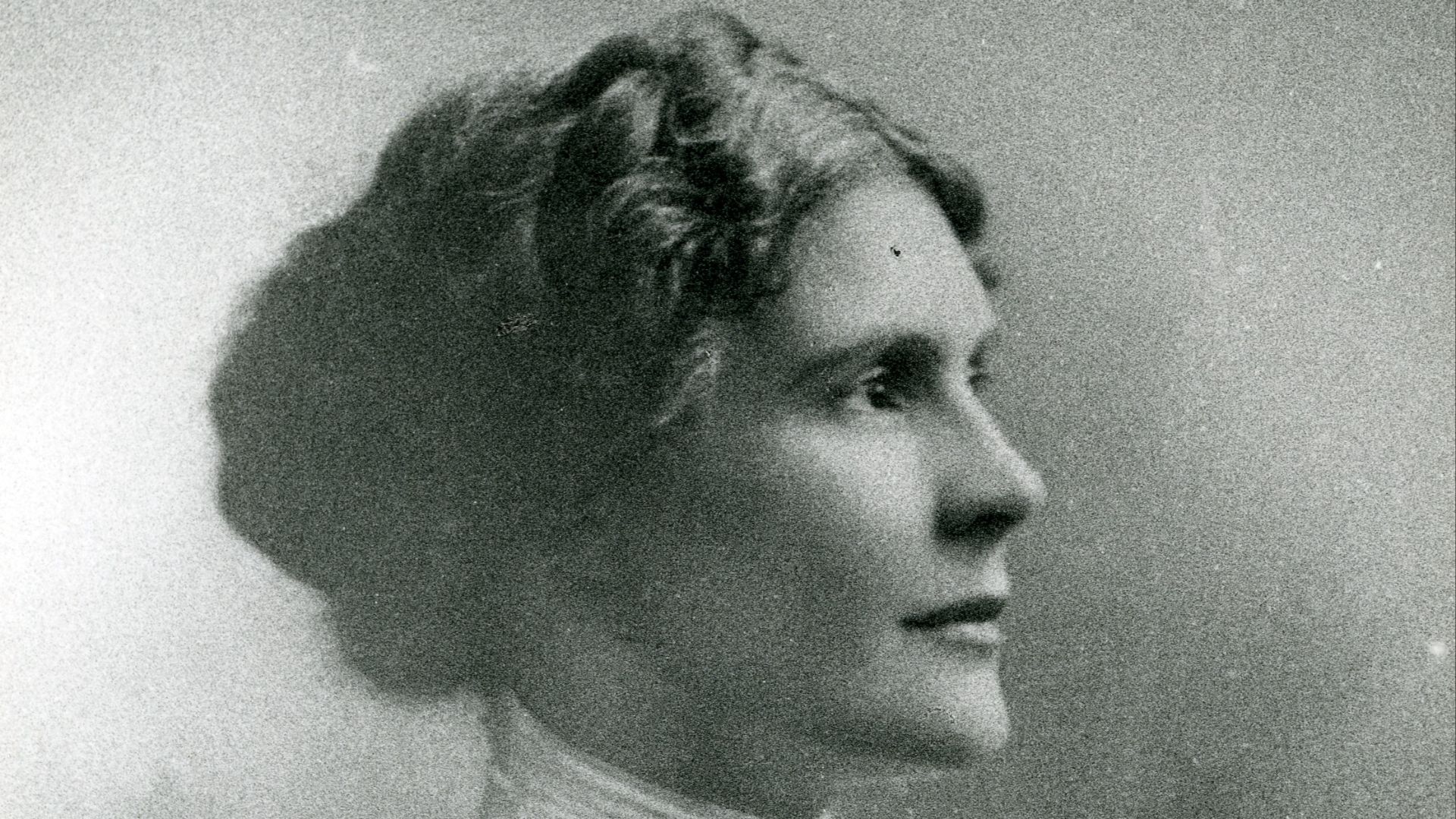
10. Leonora Cohen: The Dress As Billboard
Leonora Cohen made a turquoise suffrage dress for a public arts ball in 1914. Covered with suffrage symbols, it transformed an evening gown into something much sharper: a wearable campaign.
 Unknown authorUnknown author on Wikimedia
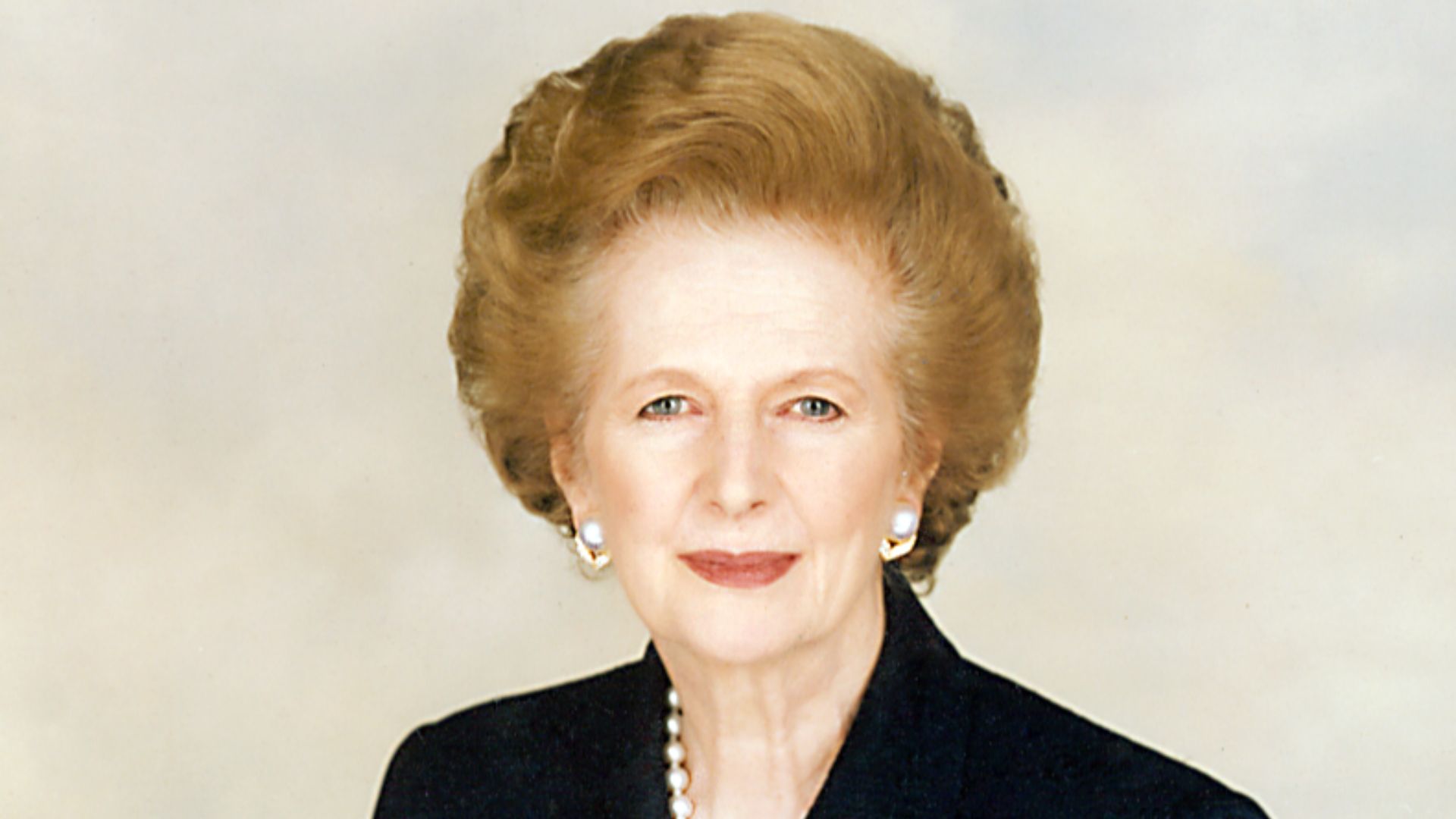
11. Margaret Thatcher: The Political Power Suit
Margaret Thatcher's structured suits became part of her authority. Whether admired, criticized, or endlessly dissected, her tailored wardrobe helped create a visual shorthand for women's power in modern politics that people are still arguing about.
 Unknown photographer on Wikimedia
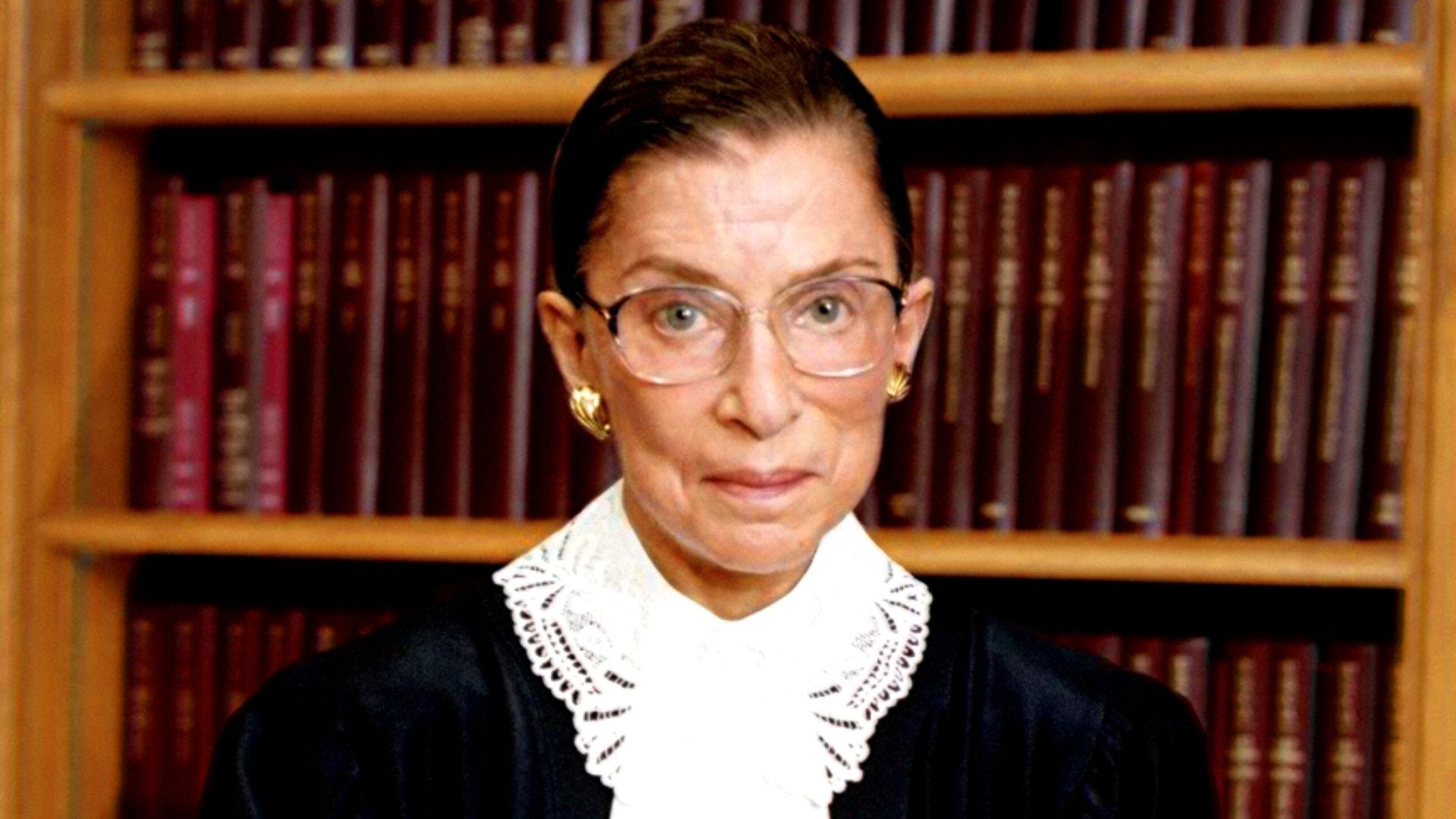
12. Ruth Bader Ginsburg: The Collar That Spoke
Ruth Bader Ginsburg turned collars into a language of their own. Worn over judicial robes, they softened nothing. They marked her presence in a legal world that had long been designed around men, and they did it with a lot of style.
 Collection of the Supreme Court of the United States, Photographer: Steve Petteway on Wikimedia
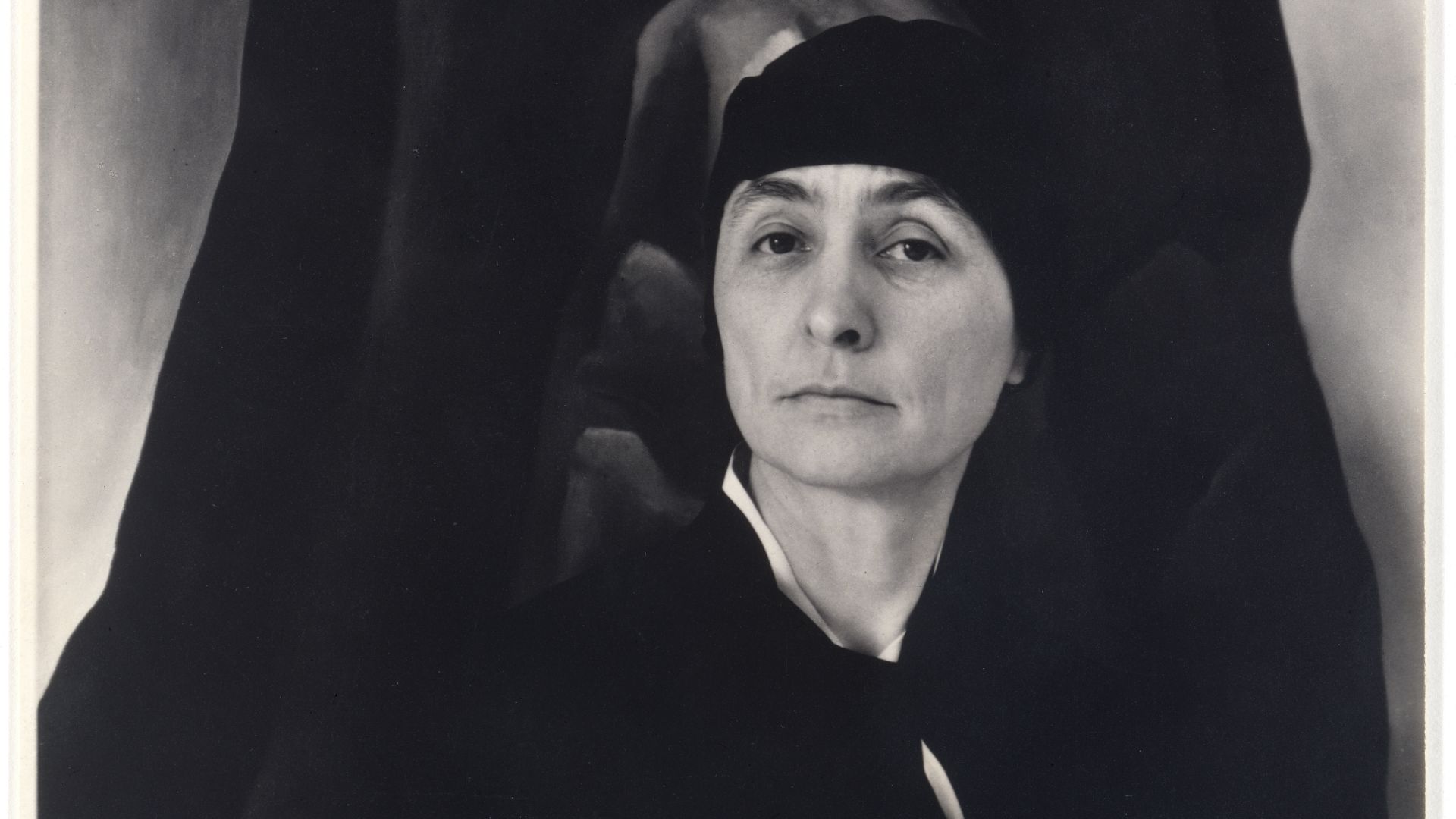
13. Georgia O'Keeffe: Minimalism As Control
Georgia O'Keeffe's wardrobe was spare and unmistakably hers. Her dark, neutral clothing helped shape a public image that felt disciplined and modern, with the attention firmly on the work rather than the person wearing the clothes.
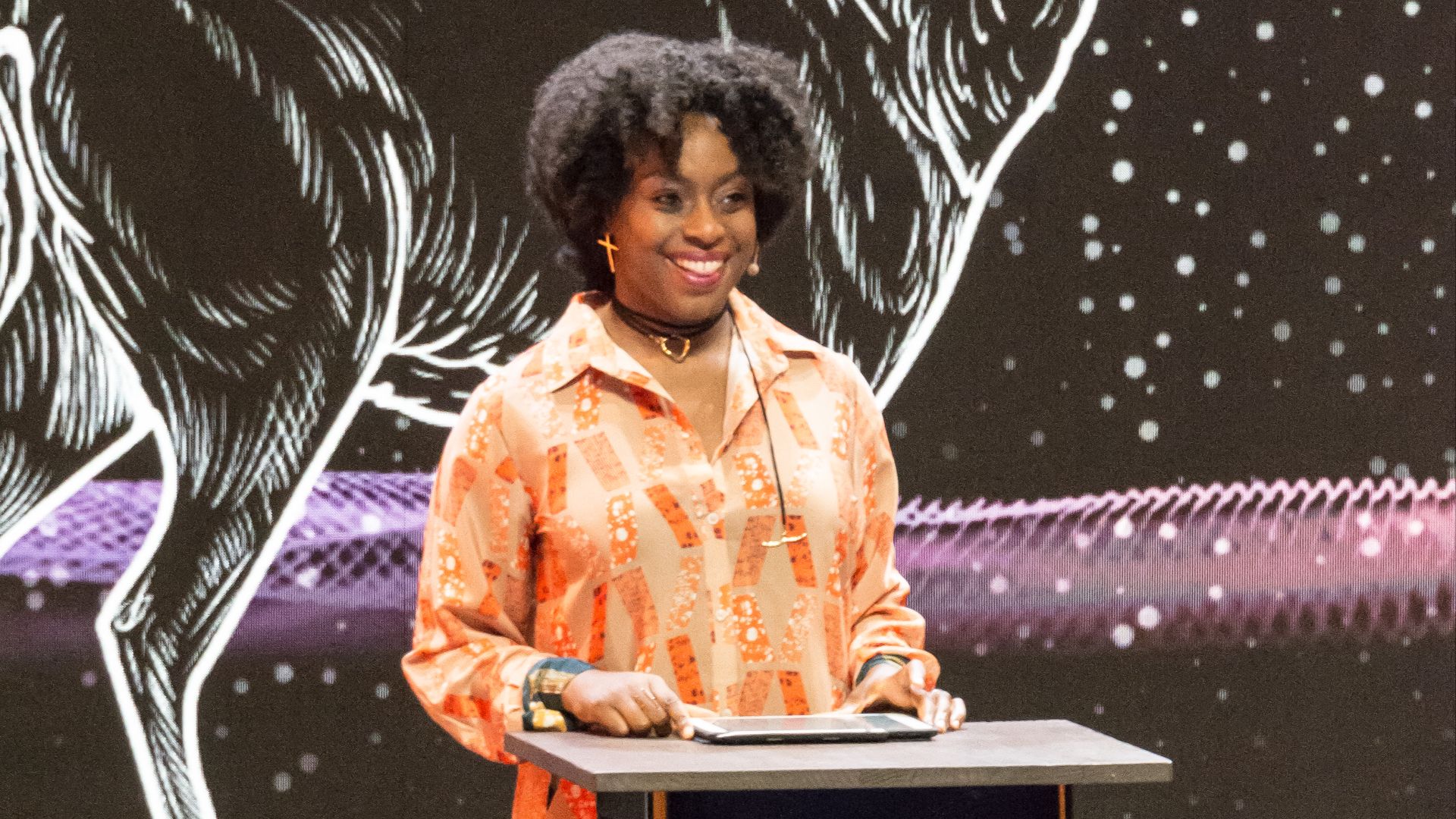
14. Chimamanda Ngozi Adichie: The Slogan Goes Couture
Chimamanda Ngozi Adichie's words reached a new audience when "We Should All Be Feminists" appeared on a Dior runway T-shirt. A simple garment with a direct message, proving that luxury fashion could still say something worth hearing.
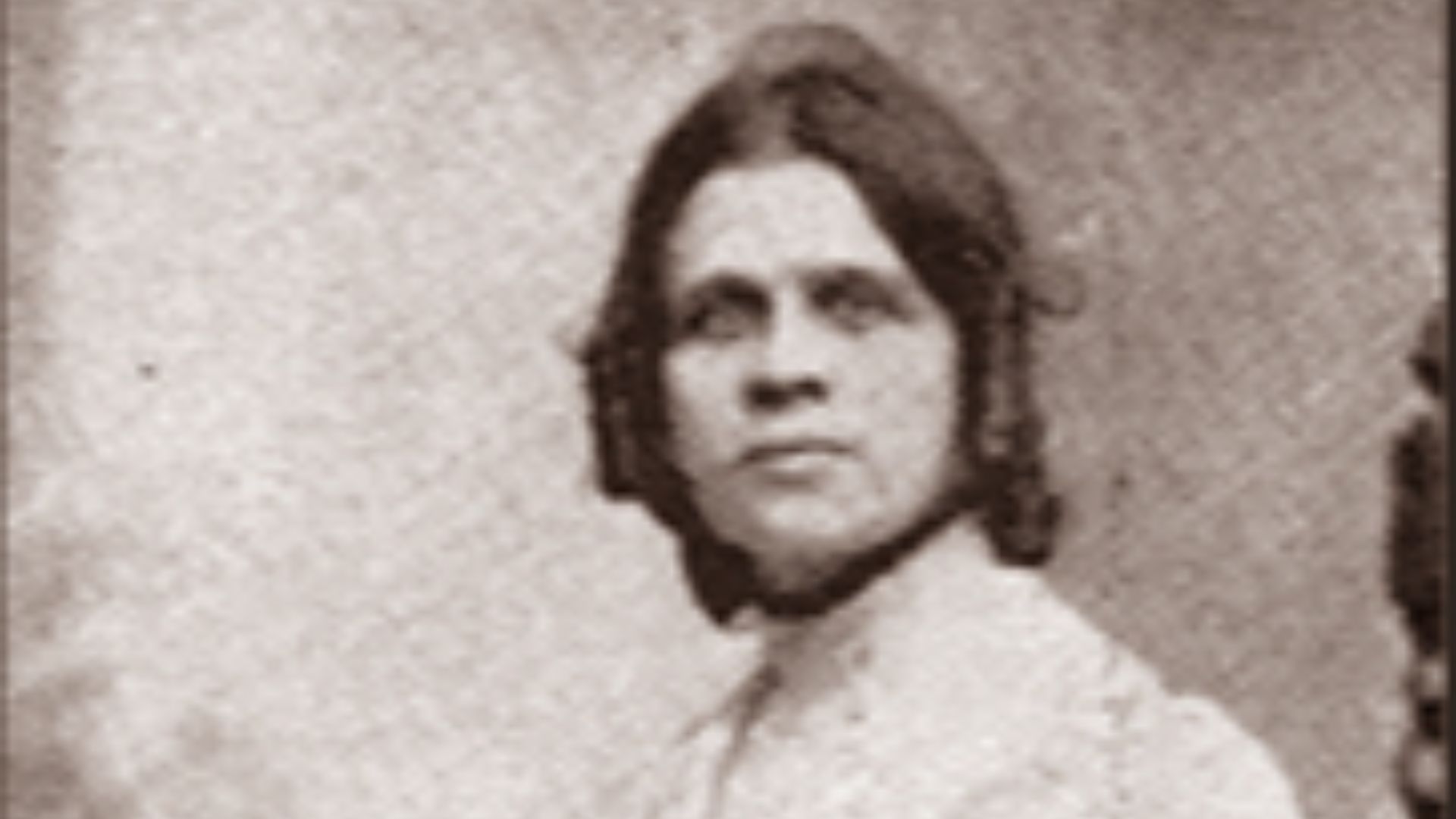
15. Luisa Capetillo: Trousers As Defiance
Luisa Capetillo, a Puerto Rican labor organizer and feminist, was arrested in Cuba in 1915 for wearing trousers in public. The charge itself made the point more clearly than she ever could have planned: a pair of pants could become threatening when worn by the wrong person.
 Unknown authorUnknown author on Wikimedia
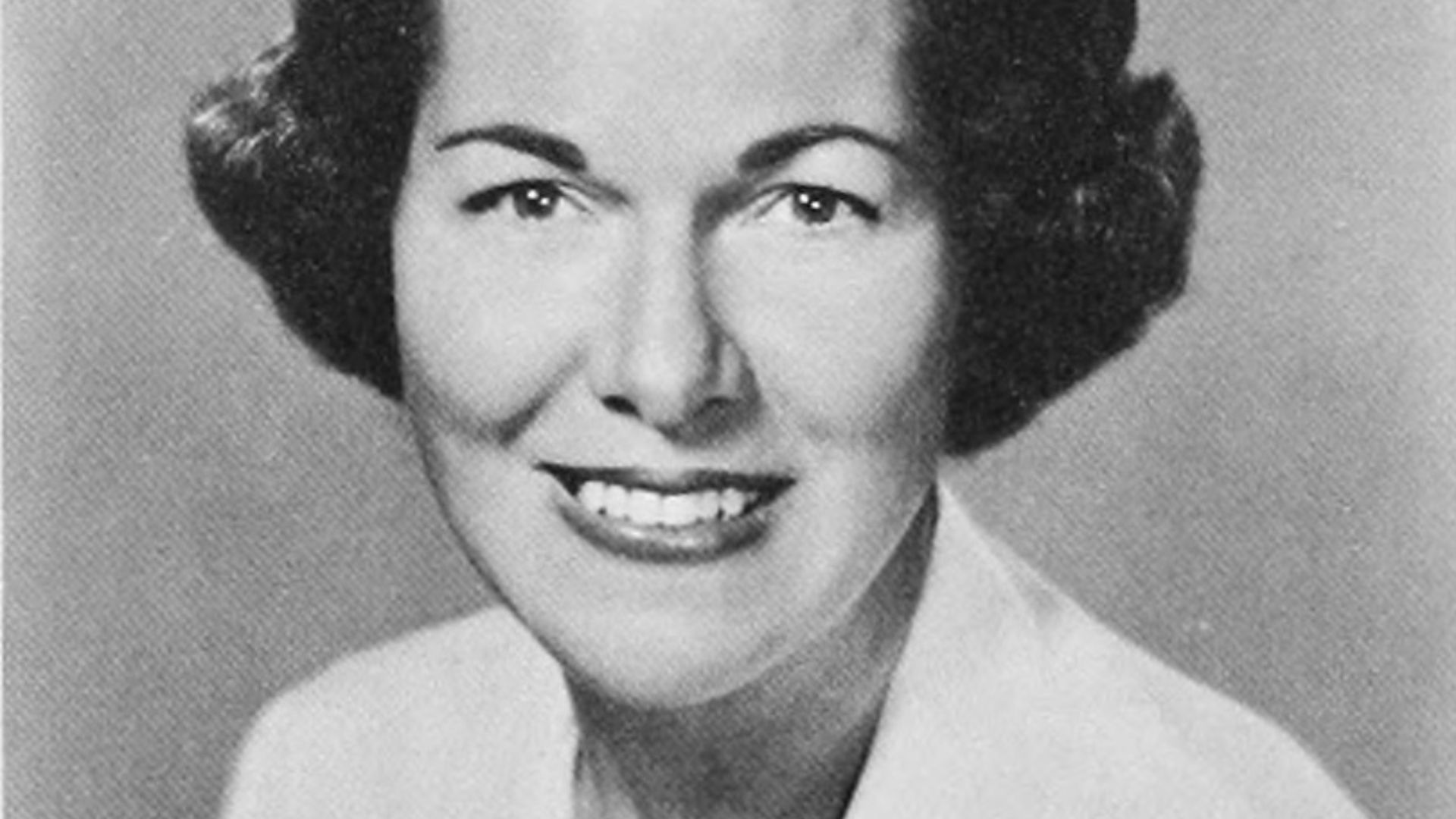
16. Charlotte Reid: Pants On The House Floor
Charlotte Reid wore a black wool pantsuit on the U.S. House floor in 1969 and caused a genuine stir. It seems absurd now, which is usually how you know the original rule was the problem.
 Unknown photographer on Wikimedia
17. Working Women Of The 1970s: Suits For Survival
As more women entered white-collar workplaces during the 1970s, office clothing became a daily negotiation. Tailored suits helped women look credible in spaces where they were often judged or looked down on.
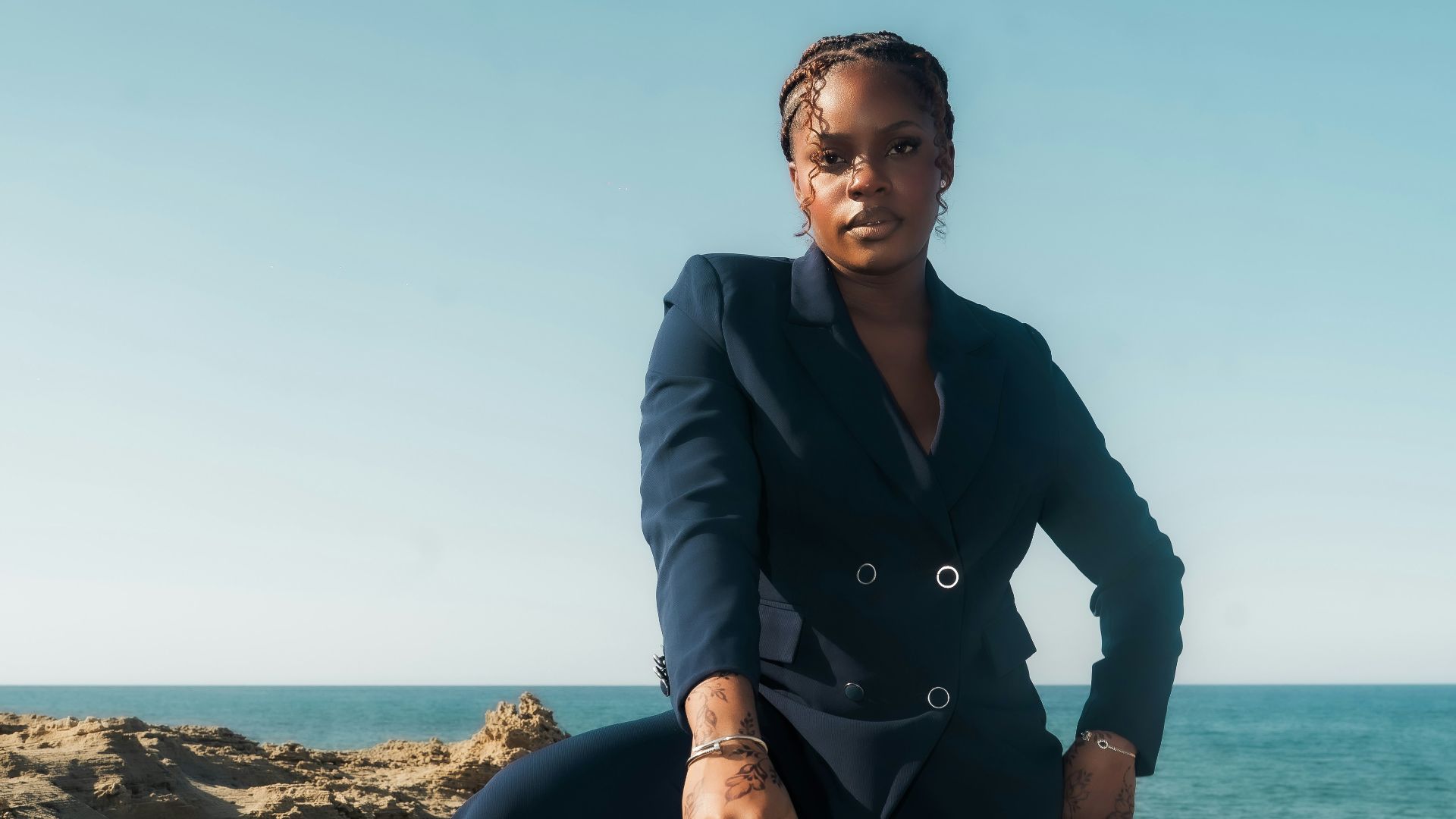
18. Katharine Hamnett: The Protest T-Shirt
Katharine Hamnett made the slogan T-shirt impossible to dismiss. When she wore an anti-nuclear message to meet Margaret Thatcher in 1984, a plain cotton tee became a massive political confrontation.
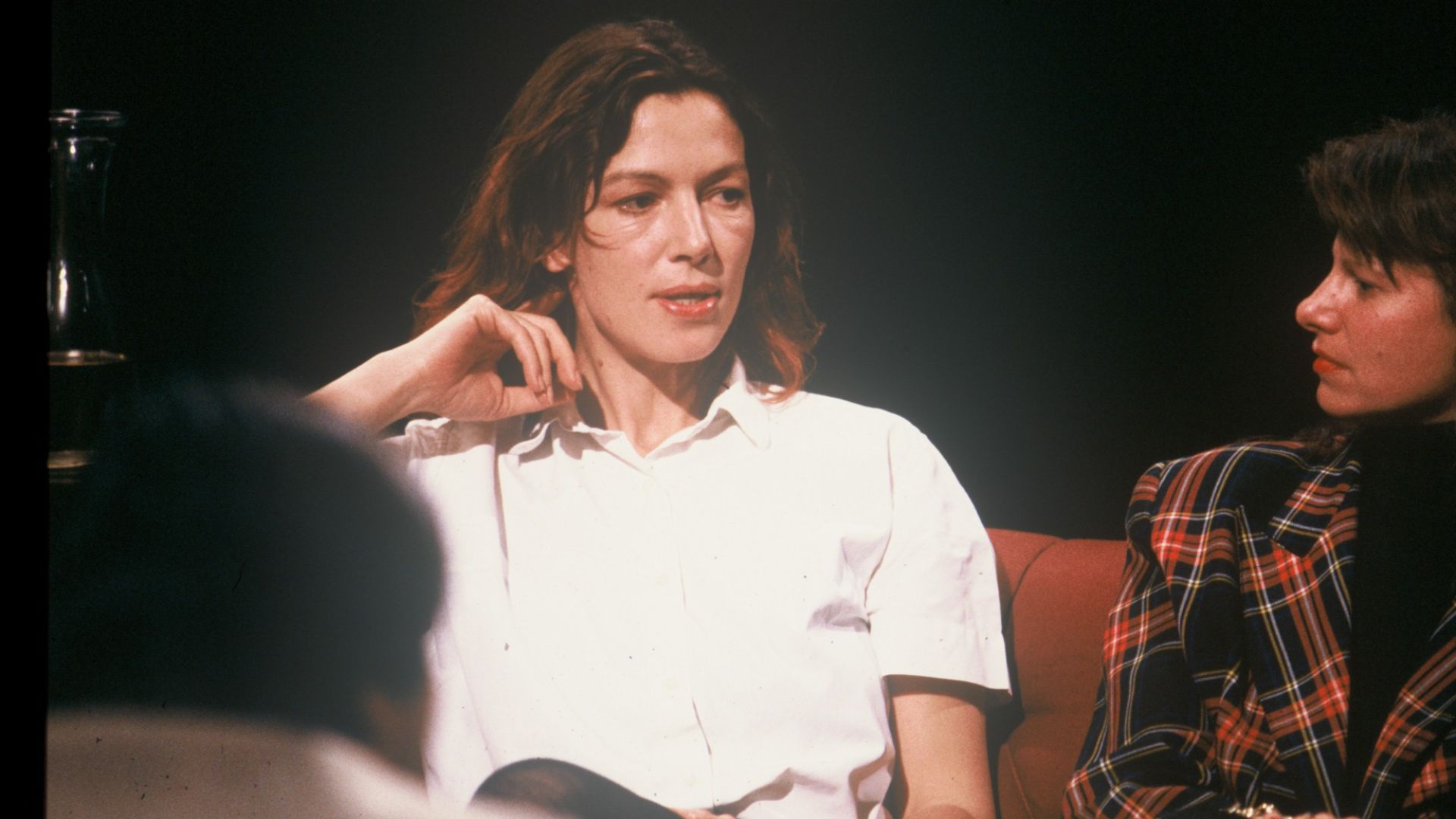
19. New Look-Era Women: The Politics Of Shape
Women who embraced the postwar New Look stepped into full skirts, cinched waists, and a return to visible femininity. Depending on the wearer, that silhouette could look traditional, self-directed, nostalgic, or strategic, sometimes all at once.
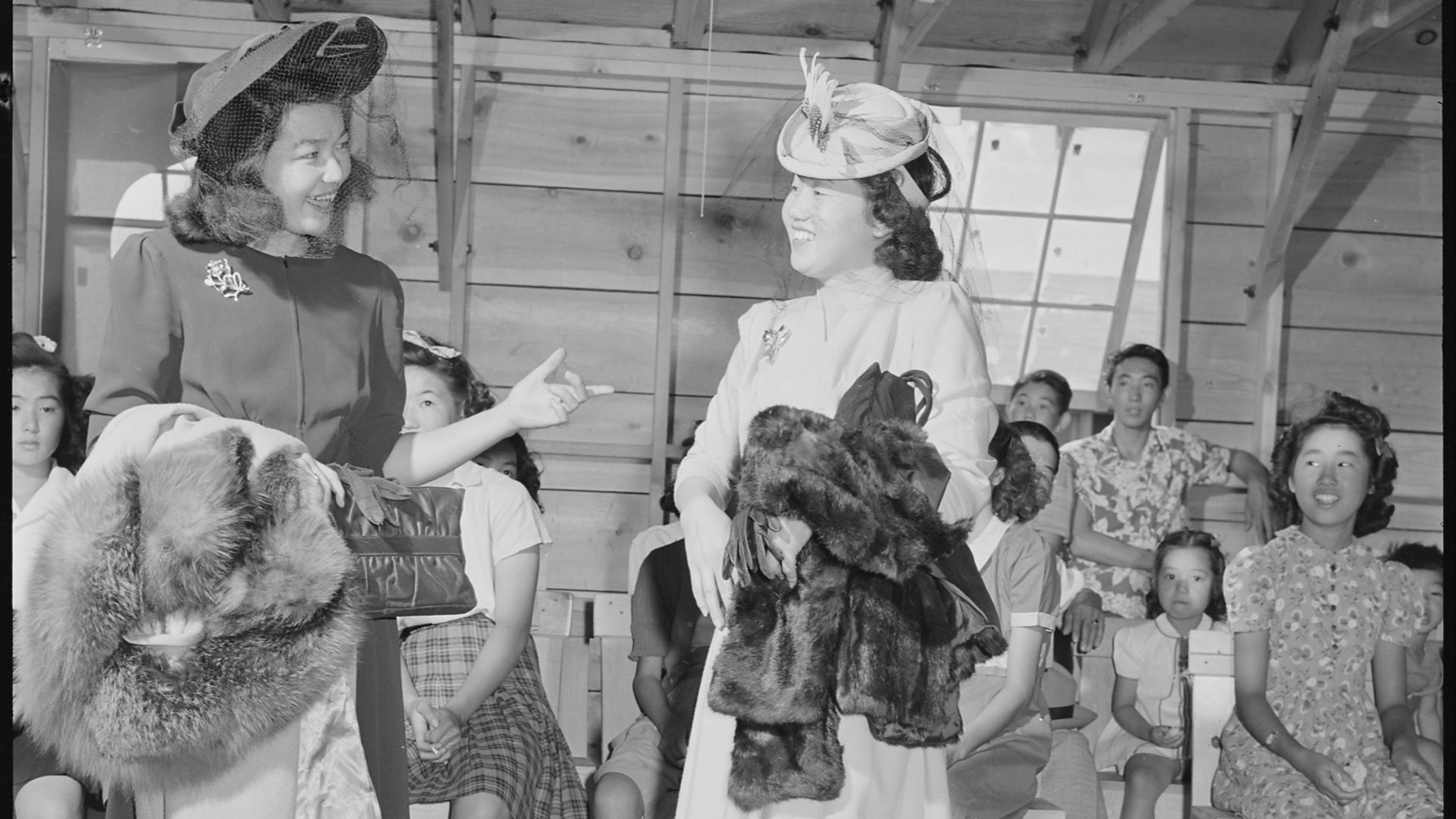
20. Krista Suh And Jayna Zweiman: The Hat As Movement
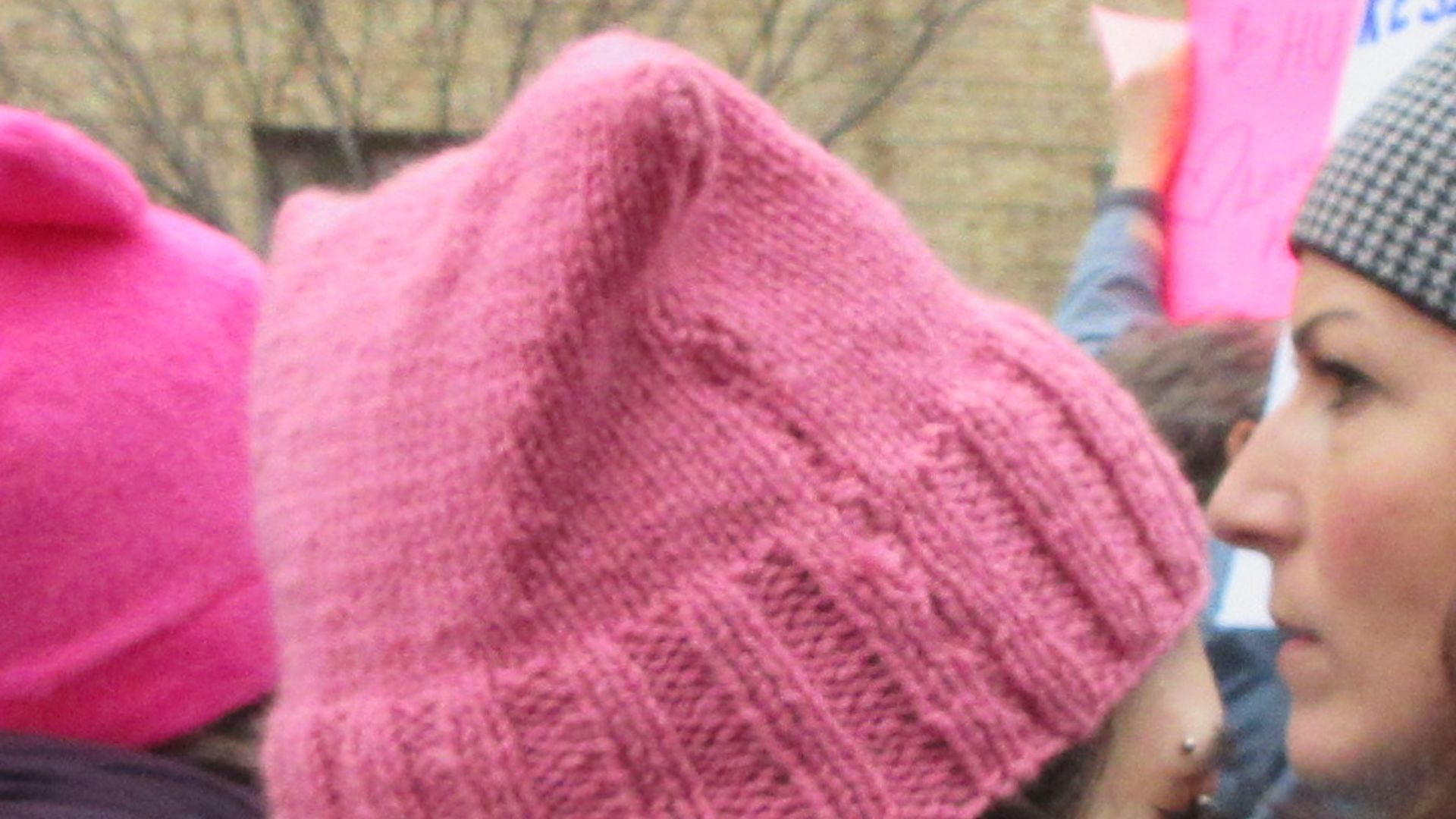
Krista Suh and Jayna Zweiman helped launch the Pussyhat Project for the 2017 Women's March. A simple pink knit hat became a mass visual symbol, showing that even craft could scale into protest when enough hands picked up the thread.