Balancing Your Proportions
Having a long torso can make finding clothes harder than it should be. You can love every piece in an outfit, then put it all together and realize the proportions are all off. Pants may sit lower than you want, tops can look longer than expected, and some dresses seem to draw attention straight to your middle. The goal isn’t to hide your shape or follow a stiff set of fashion rules. It’s about creating visual balance, defining the waist, and helping the legs feel like a stronger part of the outfit. A few smart styling tricks can make your clothes work harder without making your closet feel like a math assignment. The best pieces don’t fight your proportions. They just give your eye somewhere smart to land.
1. Wear High-Waisted Bottoms
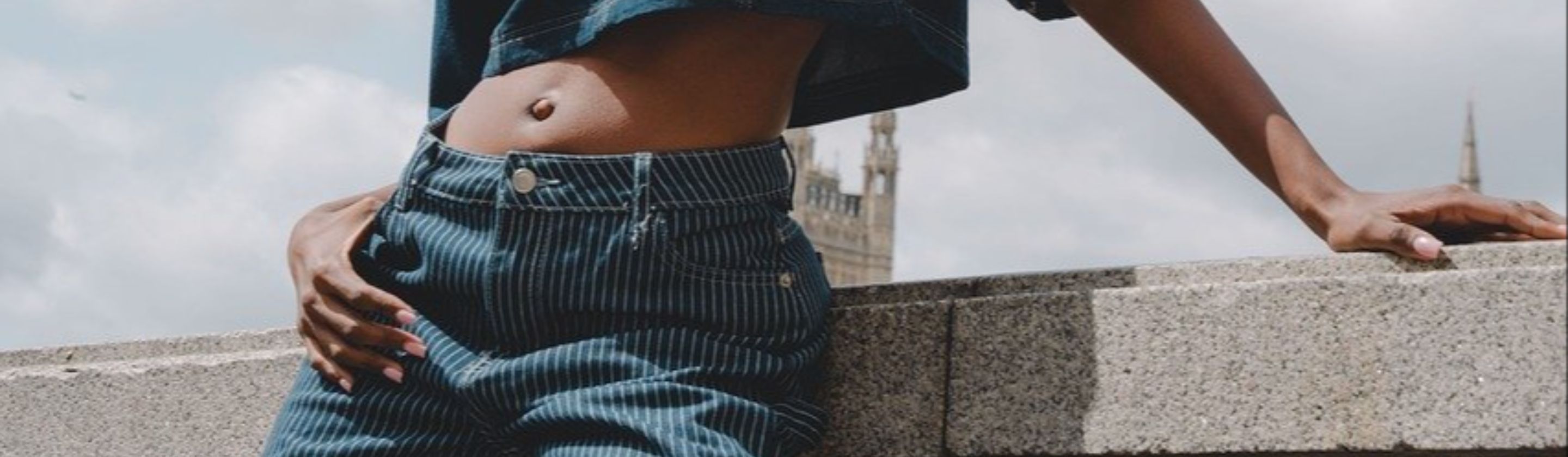
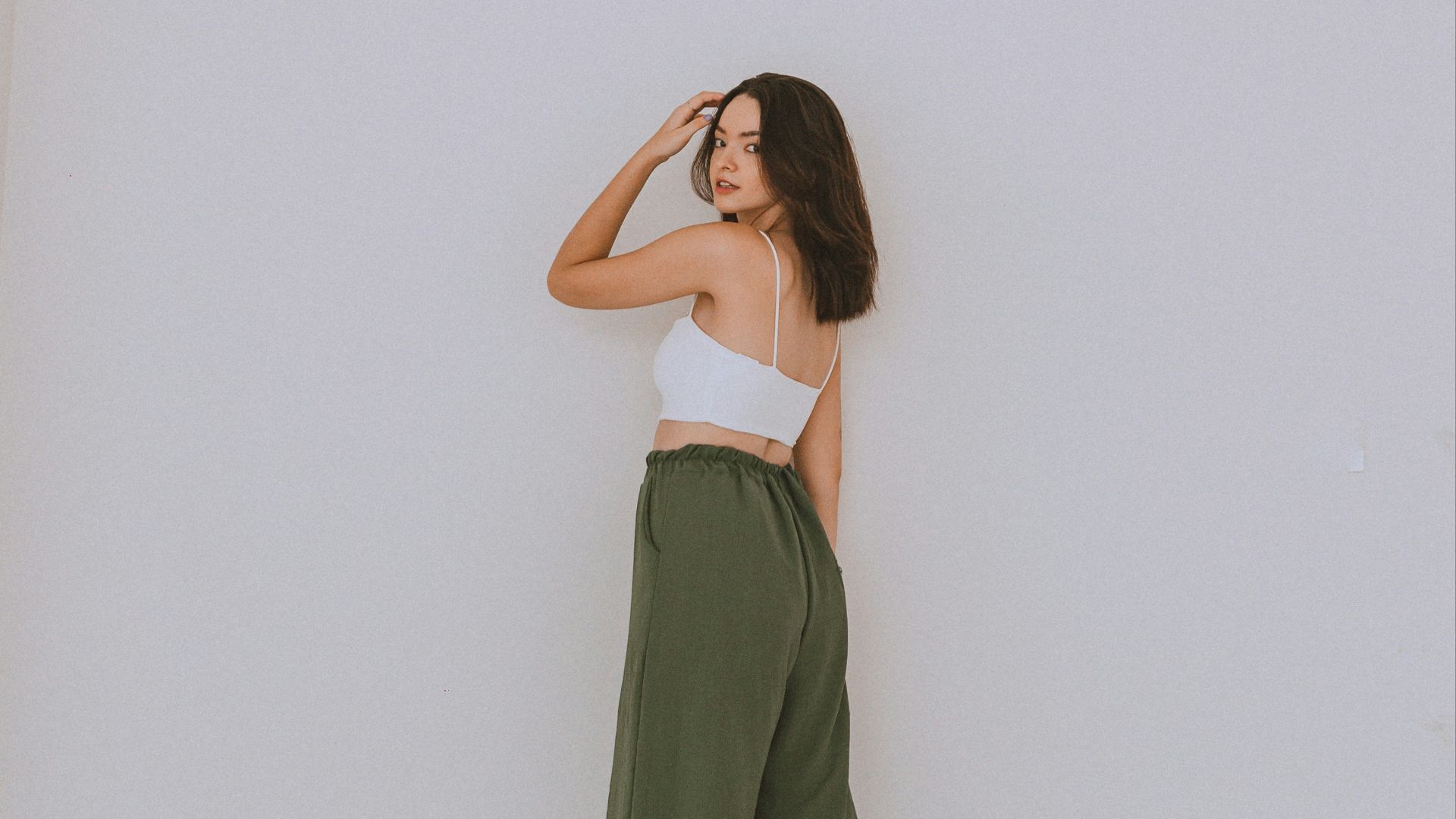
High-waisted jeans, trousers, shorts, and skirts are one of the easiest fixes. They sit higher on the body, make the waist look lifted, and give the legs a longer line. Even a basic high-rise straight-leg jean can make a tee, blouse, or sweater look more balanced.
2. Pair Crop Tops With High-Rise Pieces
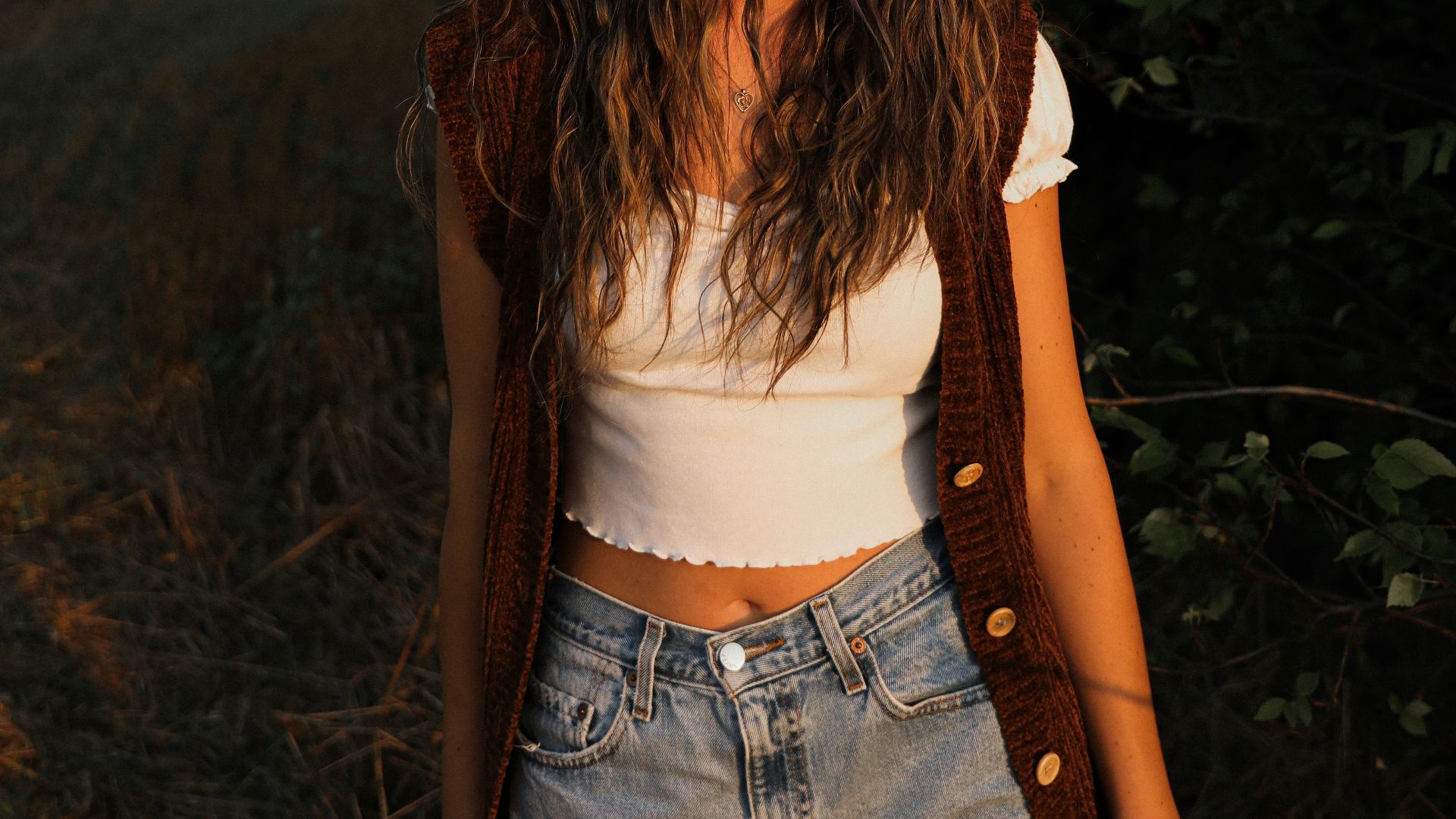
A crop top doesn’t have to show much skin. Many cropped styles hit right at the waistband, especially with high-rise pants or skirts. That shorter length creates a cleaner break at the waist and keeps the upper body from looking overly long.
3. Tuck In Your Tops
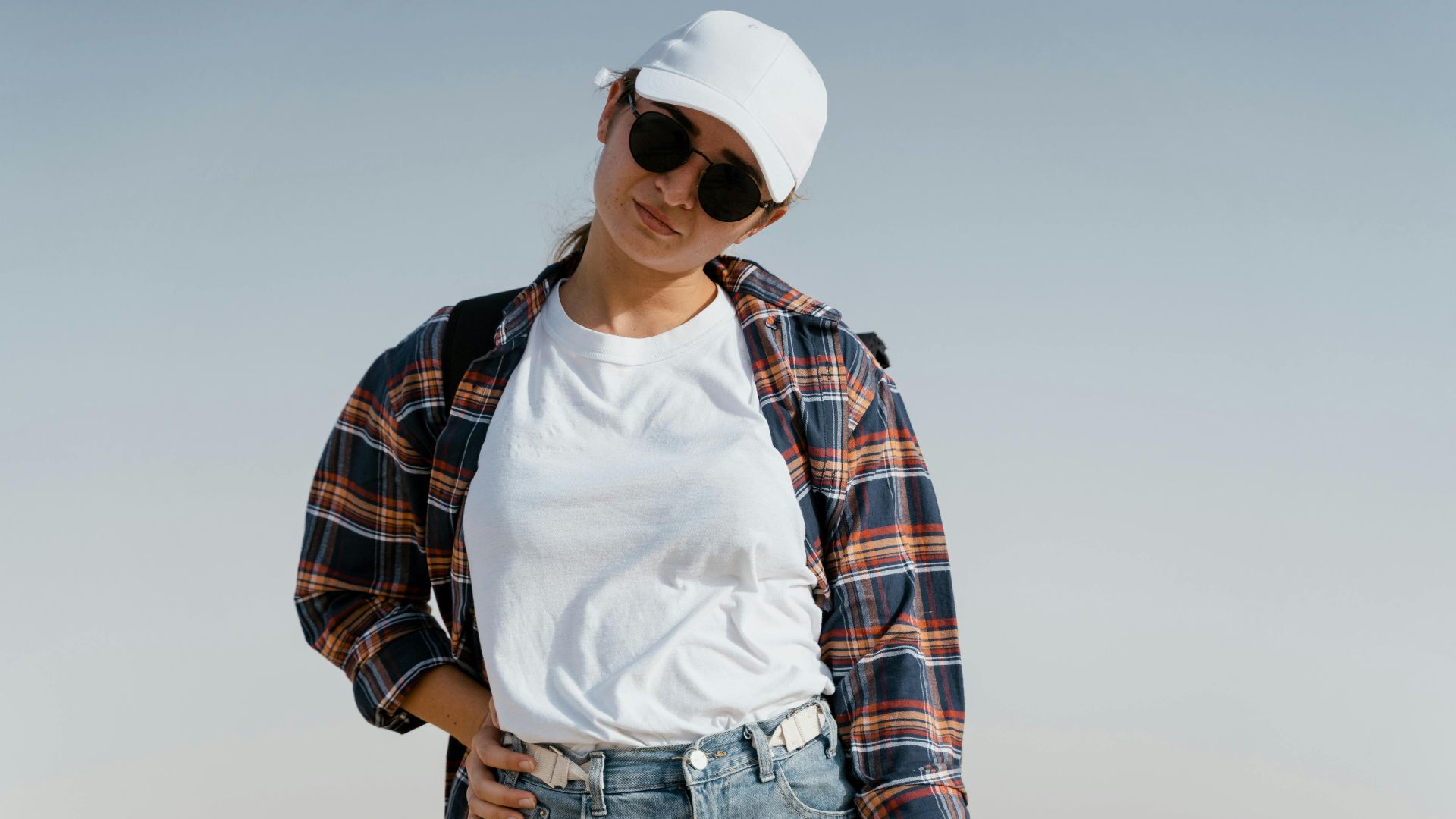
A tucked-in top instantly gives an outfit more shape. Tucking a blouse, tee, tank, or lightweight sweater at the natural waist helps define your proportions and keeps extra fabric from visually dragging the torso down.
4. Try A Half-Tuck
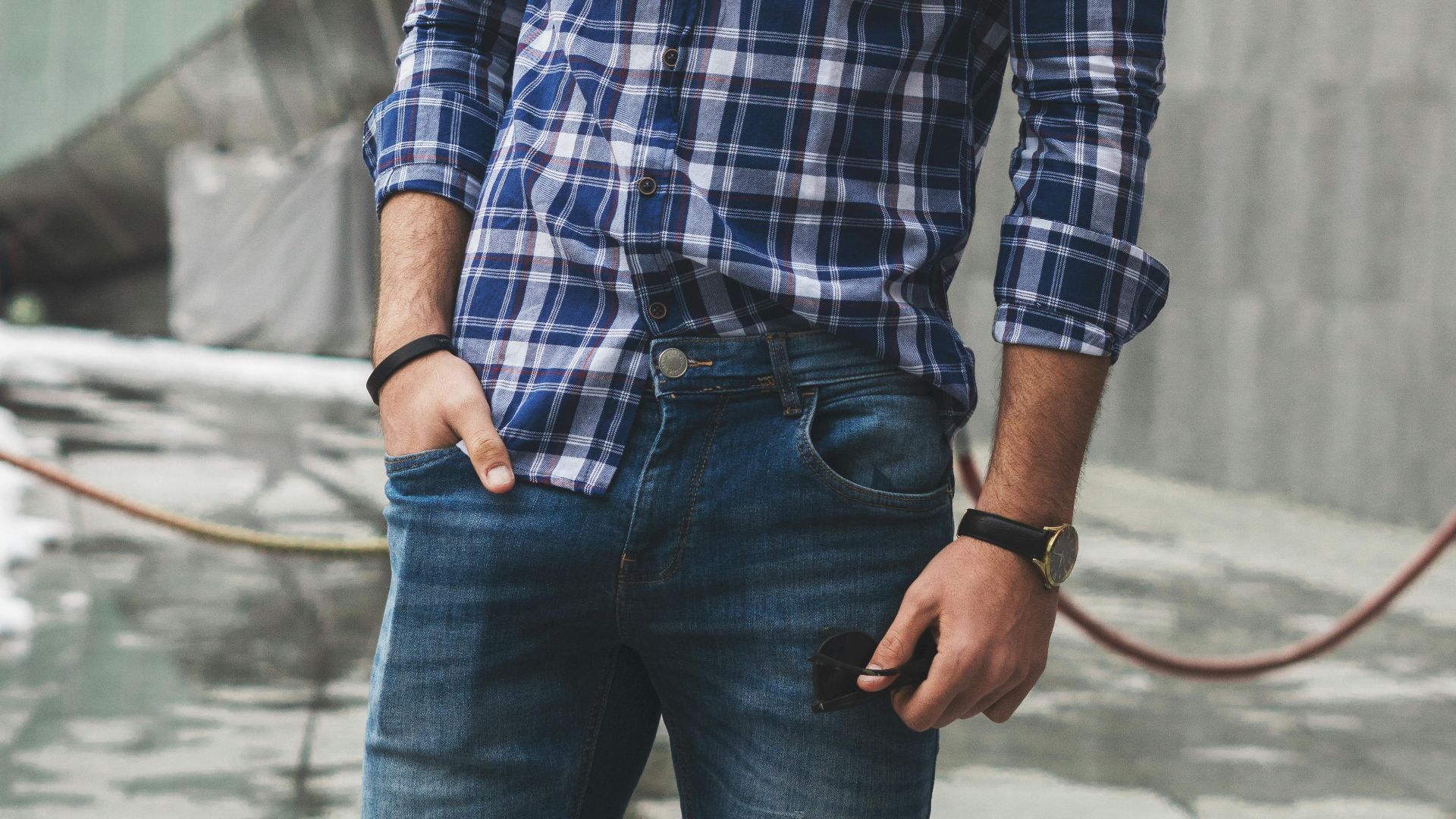
A full tuck can feel too polished for everyday outfits. A half-tuck gives you waist definition while keeping the look relaxed. Tuck just the front of a shirt into jeans, loose trousers, or a skirt, then let the rest fall naturally.
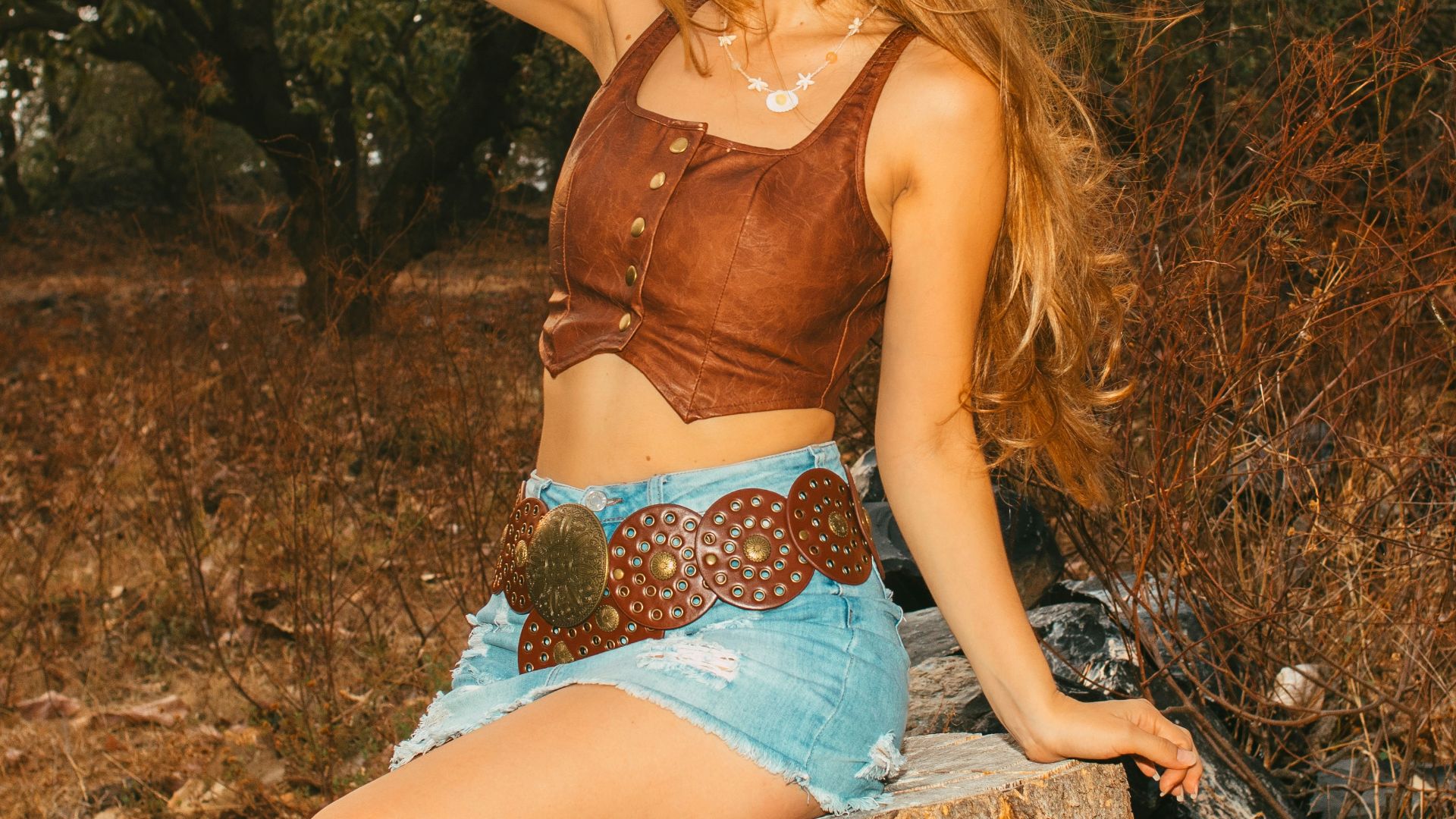
5. Add A Wide Belt
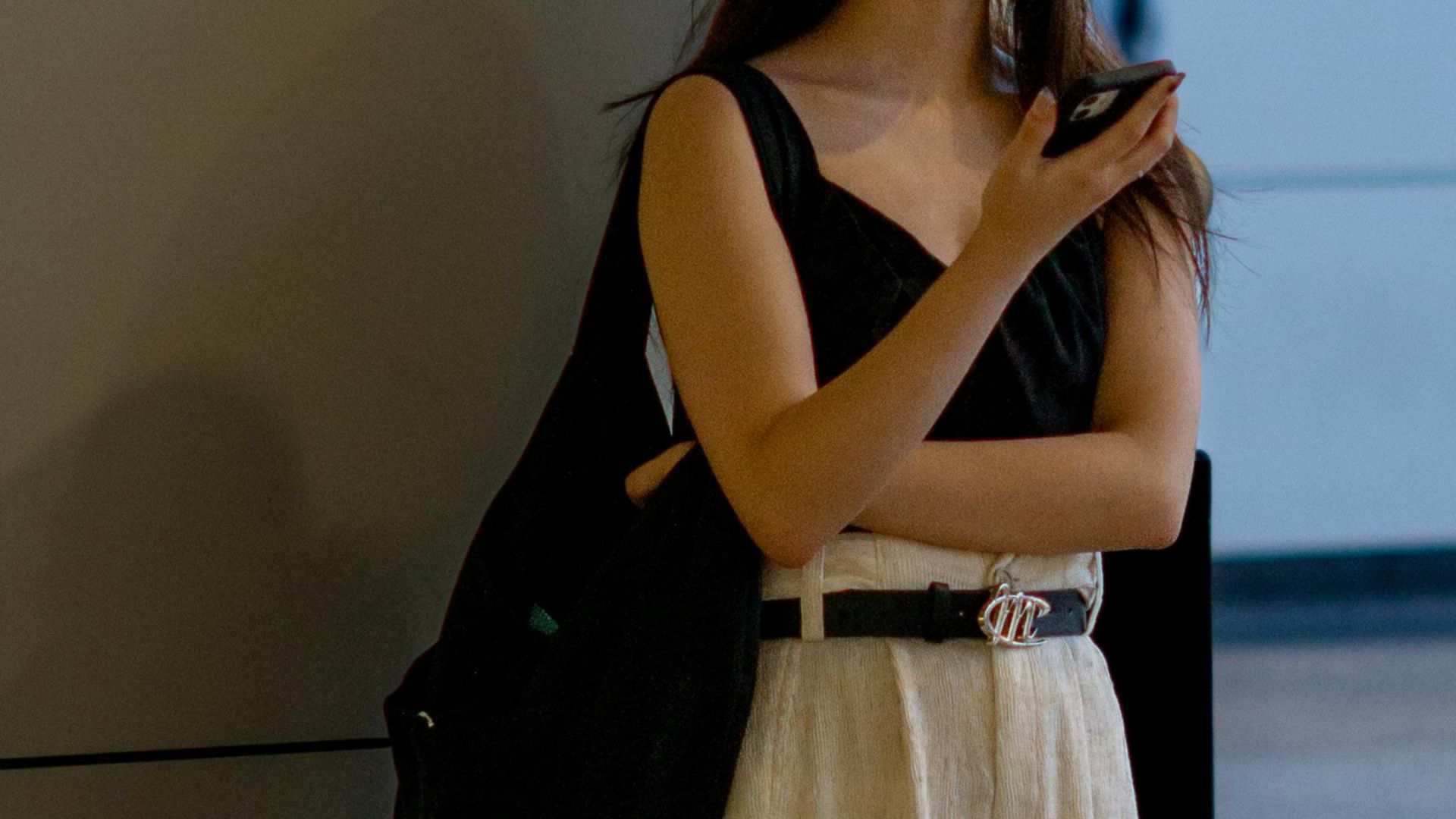
A wide belt gives the eye a clear stopping point. Wear one at the smallest part of your waist over dresses, longer shirts, tunics, or lightweight layers. It adds shape and makes looser pieces feel more purposeful.
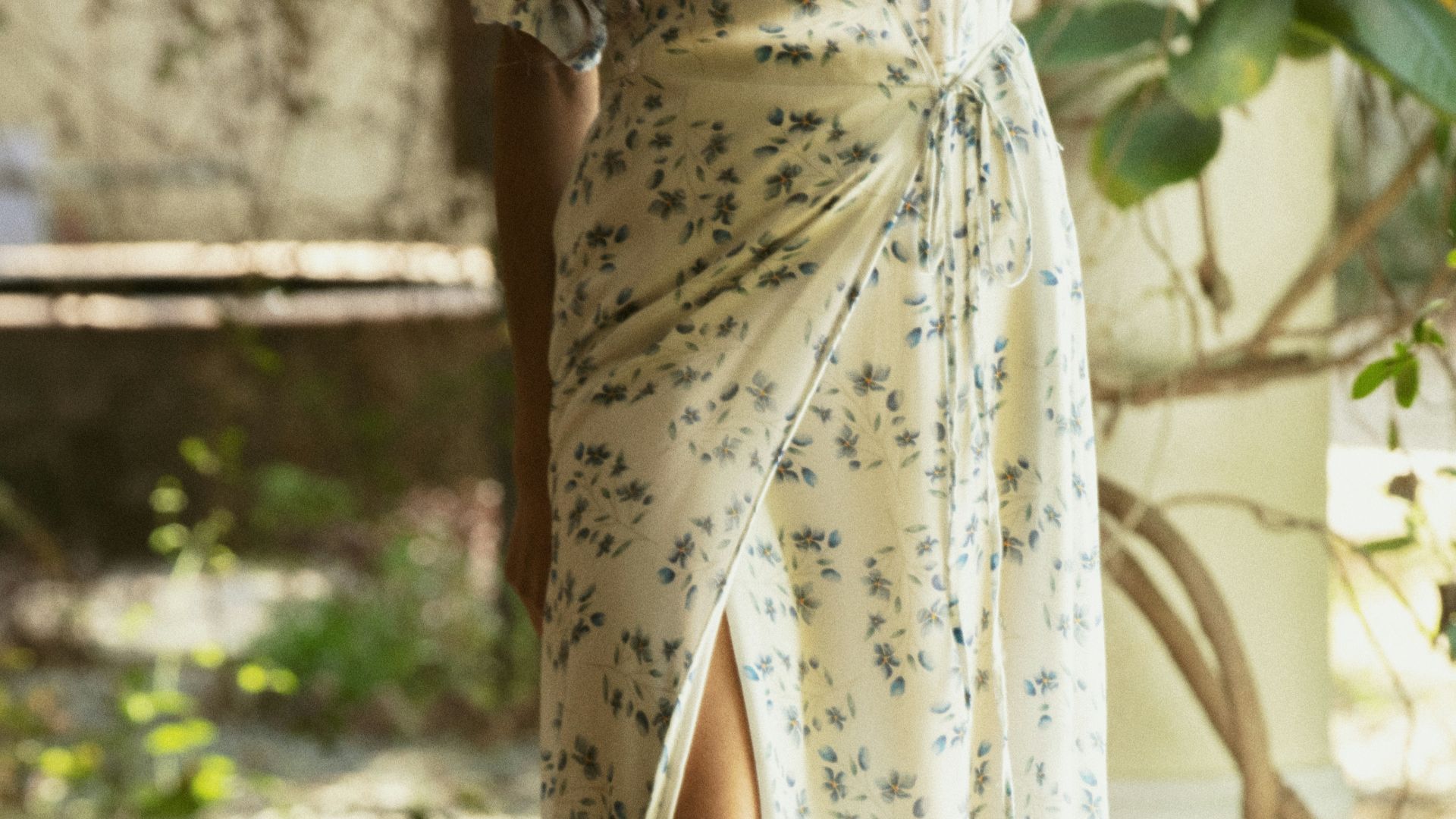
6. Wrap Dresses
Wrap dresses work well because they create definition rather than letting fabric hang in one long line. The tied waist draws attention to your middle, while the diagonal wrap shape breaks up the torso. The result feels easy, feminine, and flattering.
7. Empire-Waist Dresses
Empire-waist dresses sit just under the bust, which can make the torso appear shorter and the legs look longer. They’re especially useful when you want a softer silhouette with some structure. Look for styles that skim the body instead of clinging to the middle.

8. Look For A-Line Skirts
A-line skirts flare gently from the waist, adding movement to the lower half of the outfit. That extra volume helps balance a longer upper body, especially with a tucked blouse, cropped top, or fitted sweater. Mini, knee-length, and midi versions can all work.
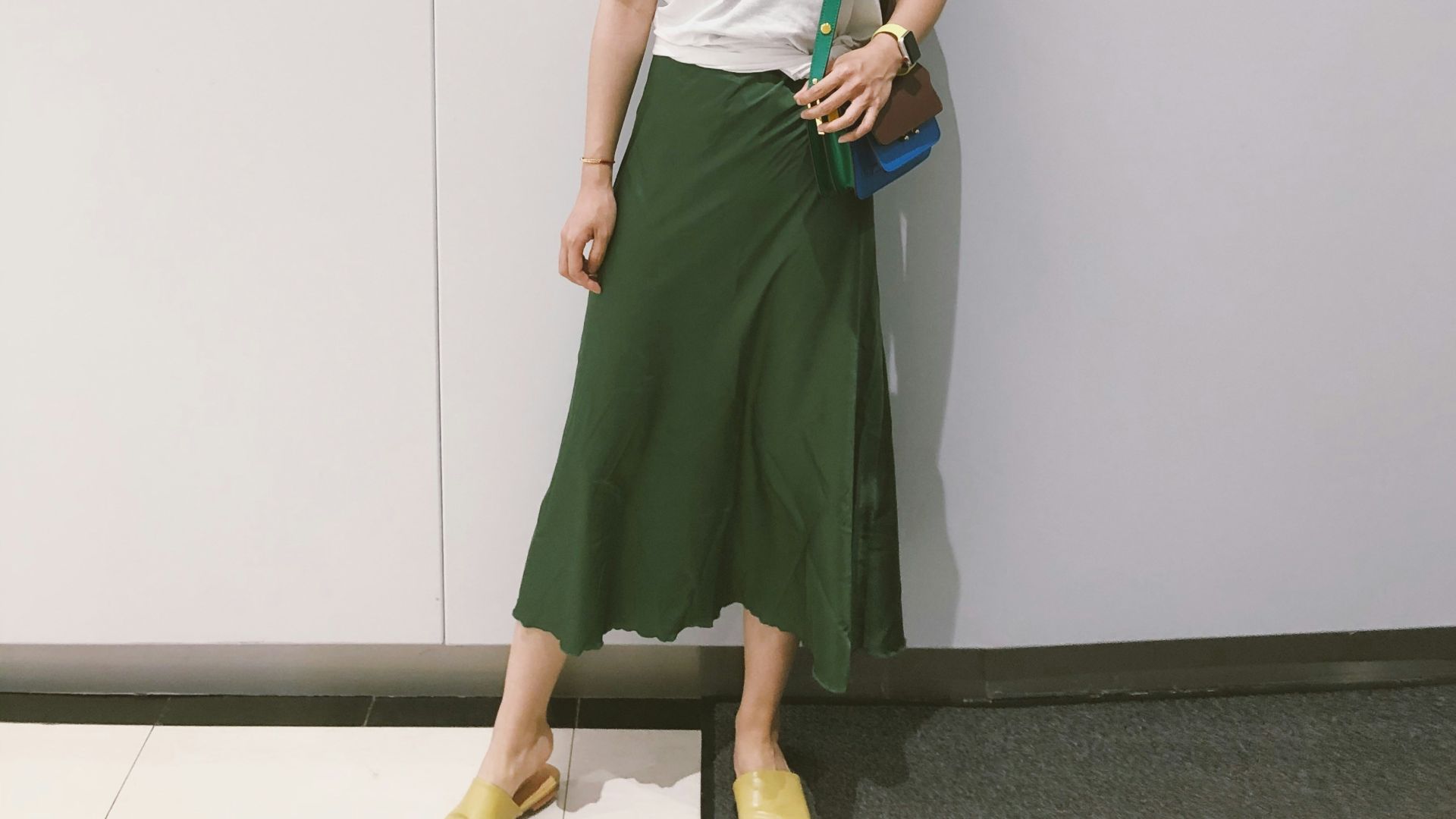
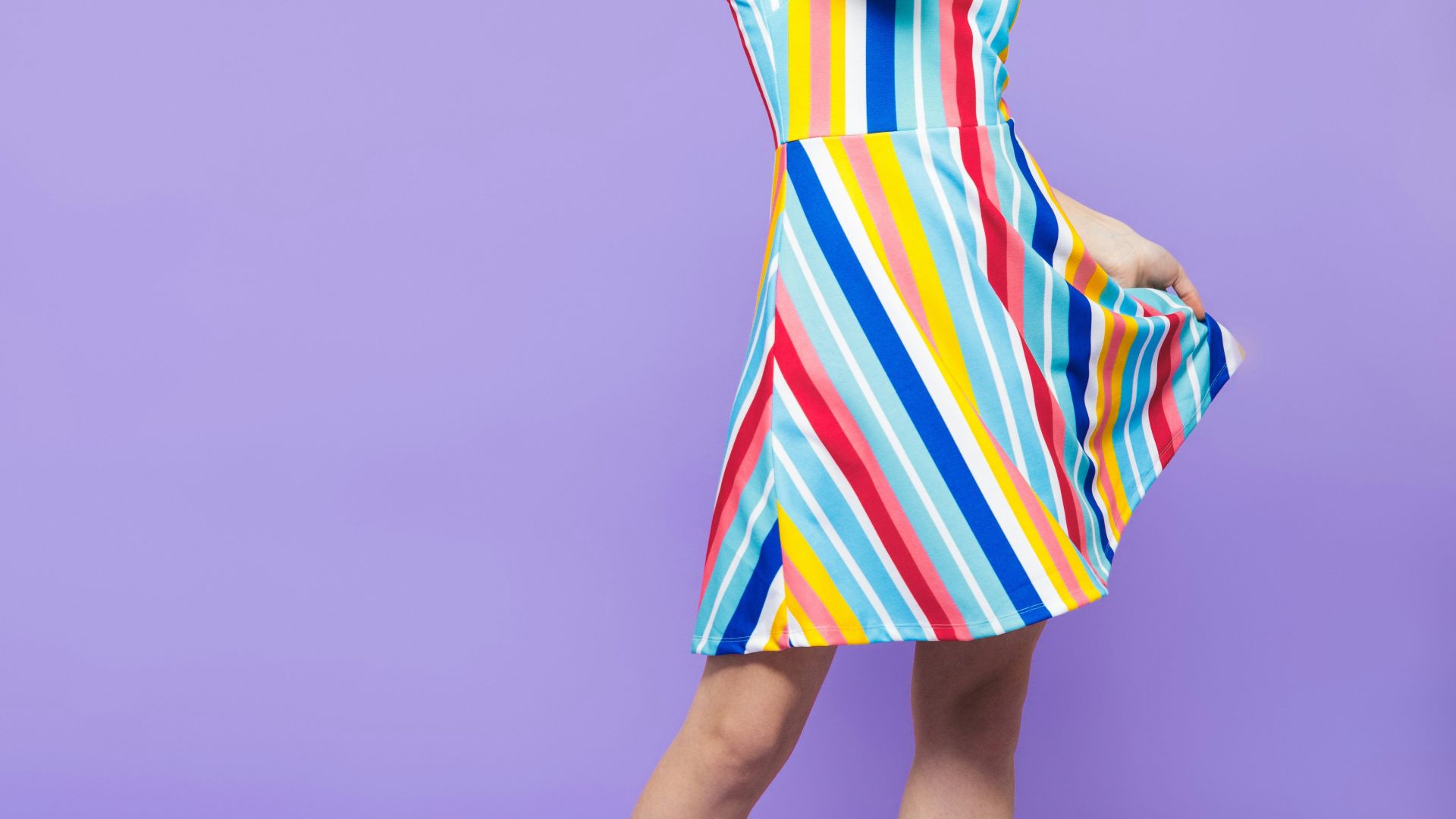
9. Wear Skater Silhouettes
Skater skirts and dresses use the same basic idea, with a slightly more playful feel. The fitted waist and flared lower half draw the eye downward and give the legs more presence. Add a simple tee, cropped jacket, or fitted knit, and you’re done.
10. Layer With Cropped Jackets
A cropped jacket can make the waistline look higher without changing the whole outfit. Try one over a fitted tank, tucked tee, slip dress, or high-rise trousers. Denim jackets, cropped blazers, short cardigans, and leather jackets all create that helpful break.
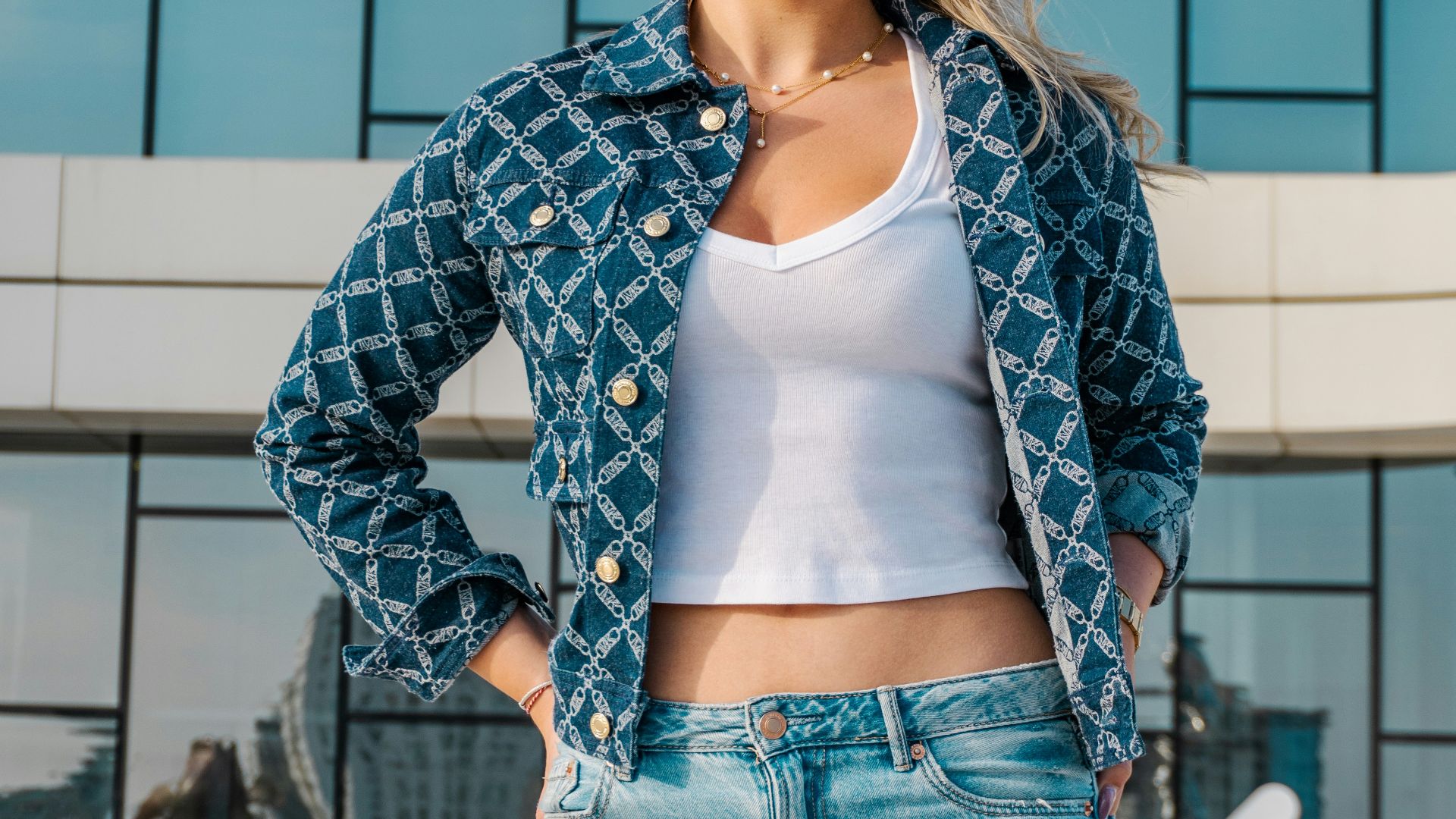
11. Break Up Solid Outfits
One solid color from shoulders to shoes can look sleek, but it can also create one long vertical line. If that makes your torso stand out more, add a visual break with a belt, cropped layer, contrasting waistband, printed scarf, or shorter jacket.
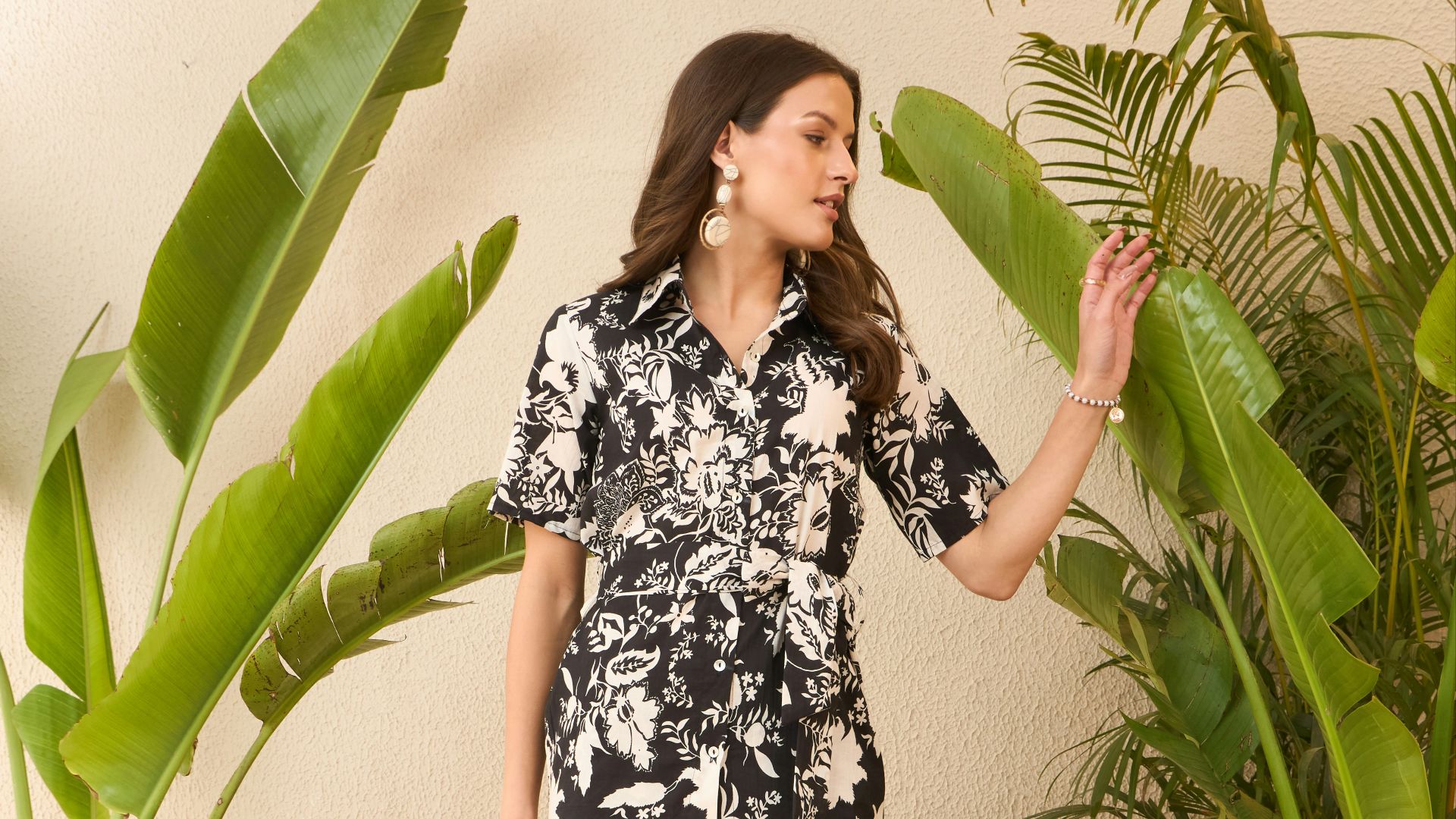
12. Match Pants And Shoes
Matching your pants and shoes helps the leg line look smoother and longer. Black trousers with black shoes, beige pants with nude heels, or jeans with footwear in a similar shade all create that effect.
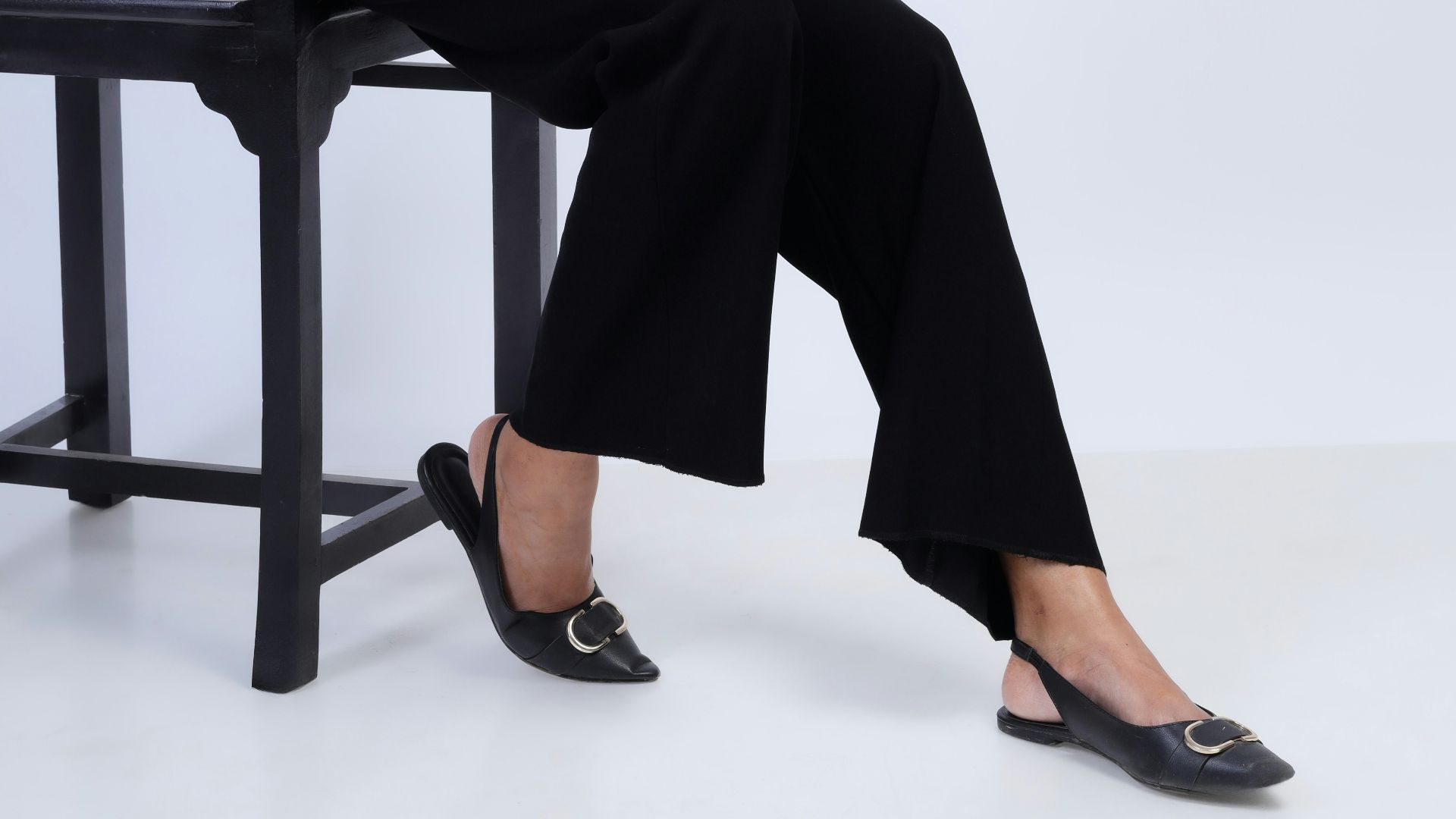
13. Try A Small Heel
You don’t need towering heels to adjust proportions. A low block heel, wedge, platform sandal, or pointed flat can add enough lift to make the legs look longer. It changes the line of the outfit without making your feet ache.
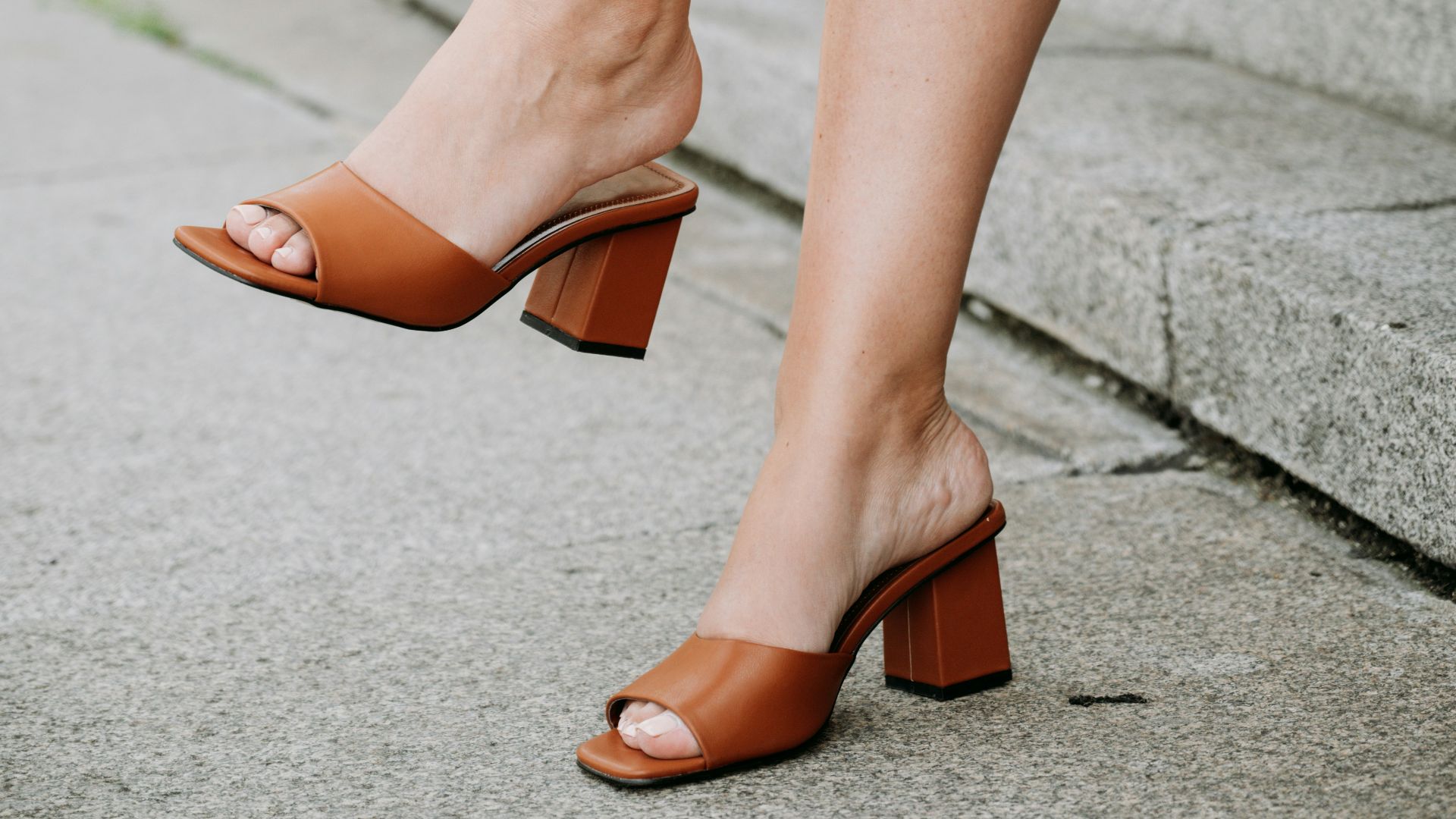
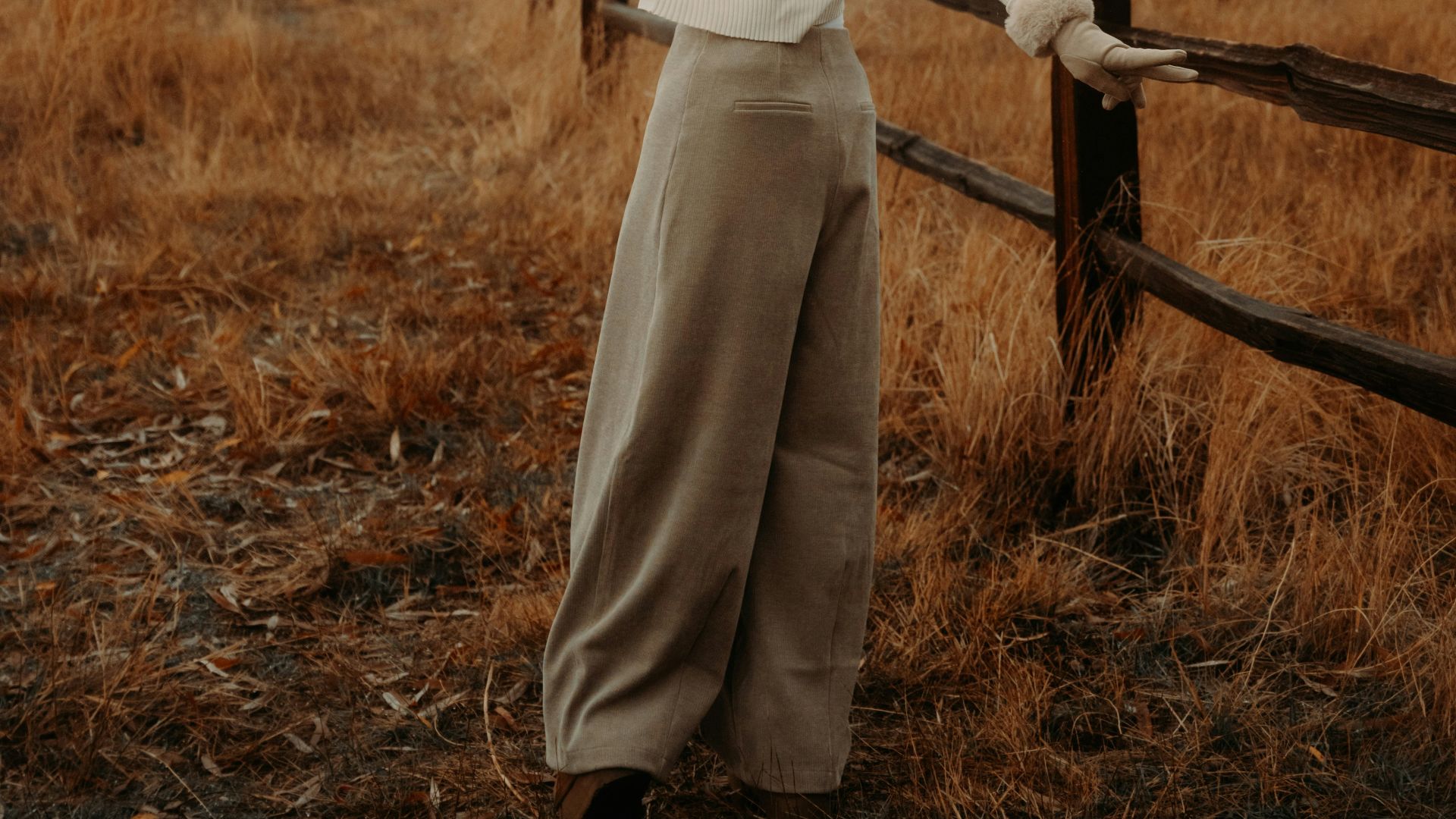
14. Choose Wide-Leg Pants
Wide-leg pants create a strong line from the waist down, as it tends to balance out the lower half. Pair with a tucked blouse, fitted tank, cropped sweater, or sleek bodysuit.
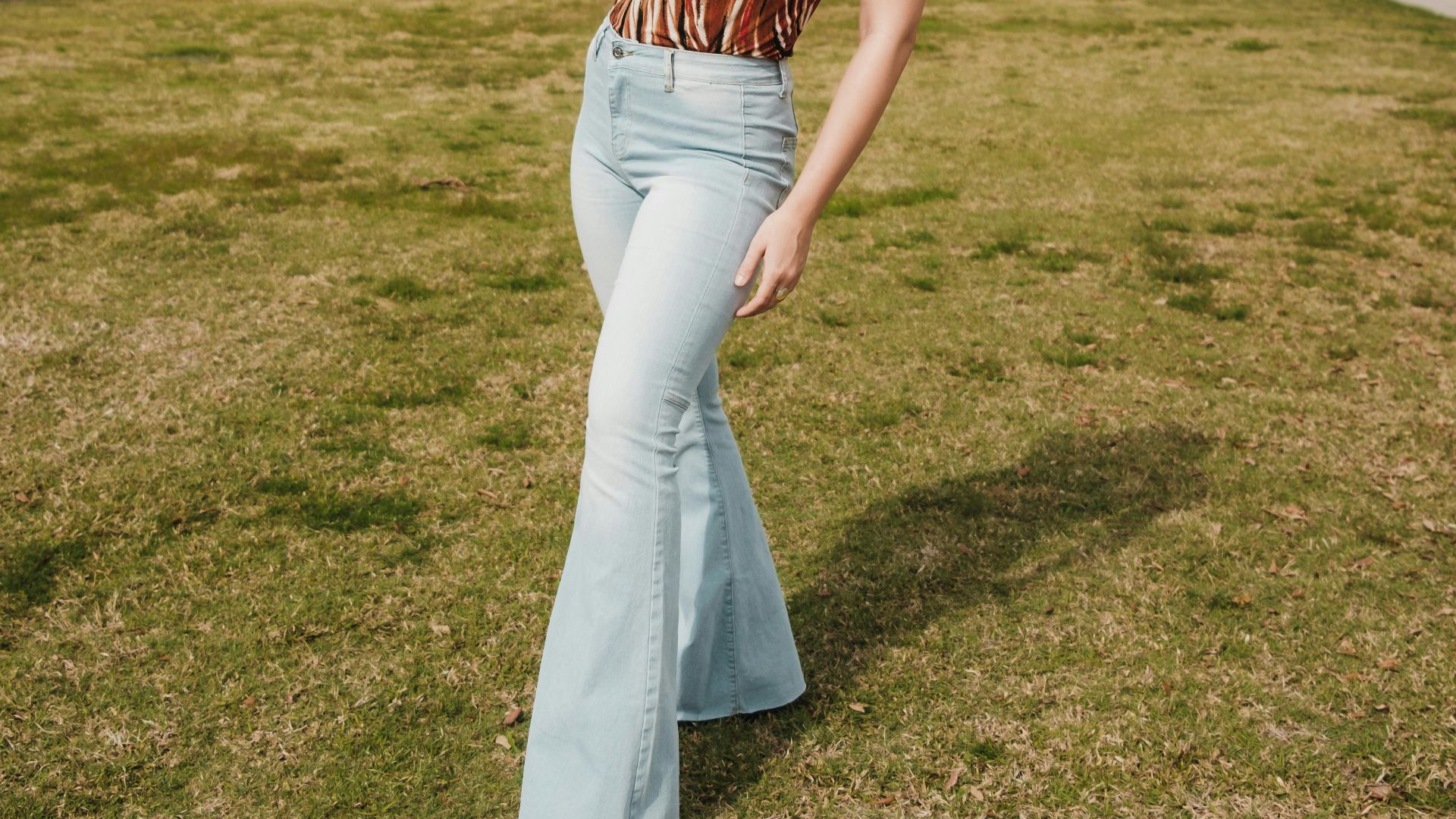
15. Wear High-Rise Flares
Flares can be especially flattering because they add shape to the lower leg. A high-rise pair starts the leg line higher, while the wider hem balances the torso above it. They work well with fitted tops, tucked blouses, and cropped jackets.
16. Add Detail Near The Neckline
Neckline detail pulls attention toward your face and shoulders. Subtle texture, ruching, buttons, lace, embroidery, or an interesting cut can keep the eye from settling only on the middle of the outfit. Even a ribbed knit or a pretty collar can help.

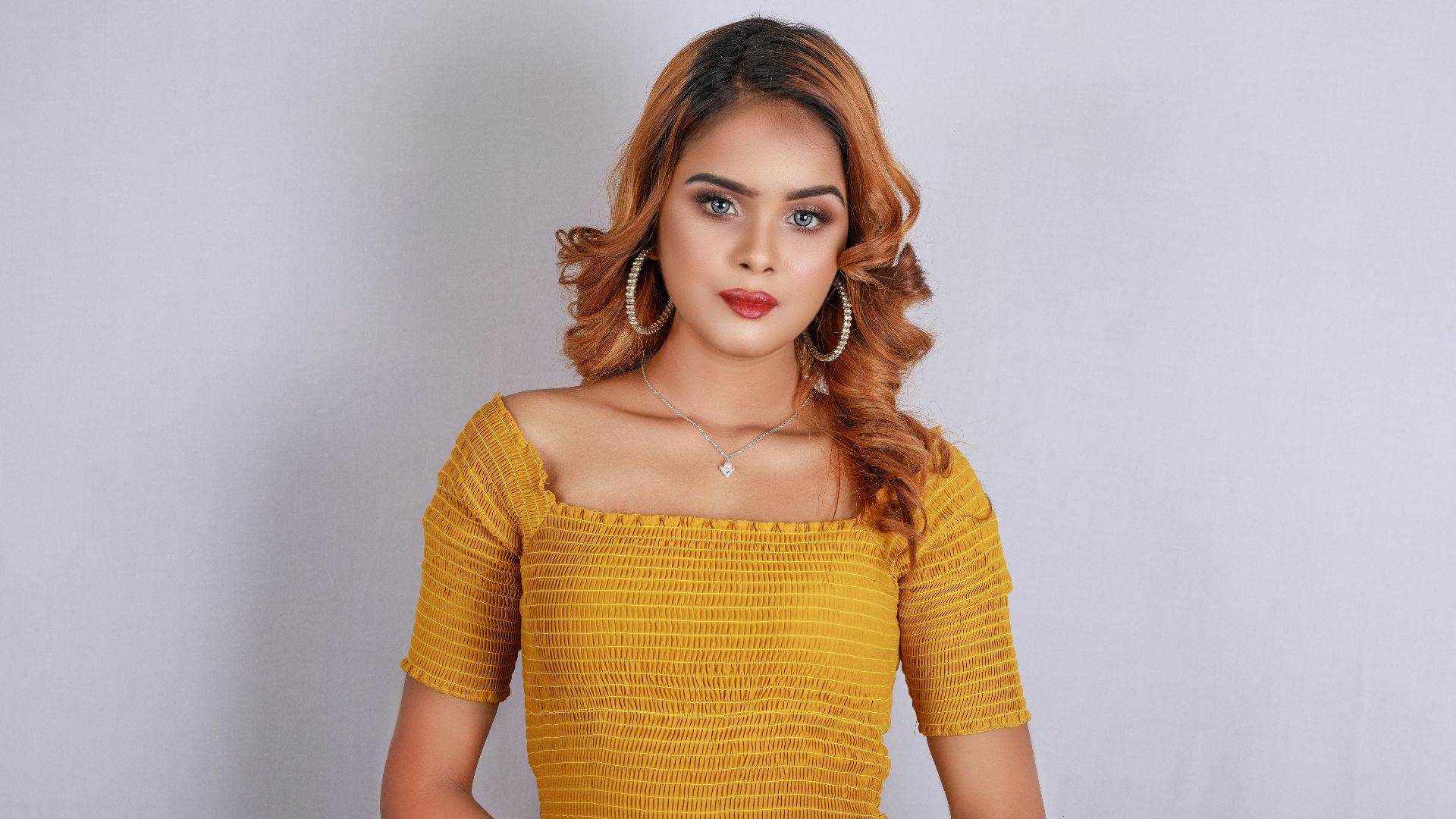
17. Try V-Necks And Open Necklines
V-necks, scoop necks, square necks, and boat necks make the upper body feel more open. They frame the face and collarbone, which gives the outfit a lighter look. Pair them with high-rise bottoms to keep the waist defined and the proportions clean.
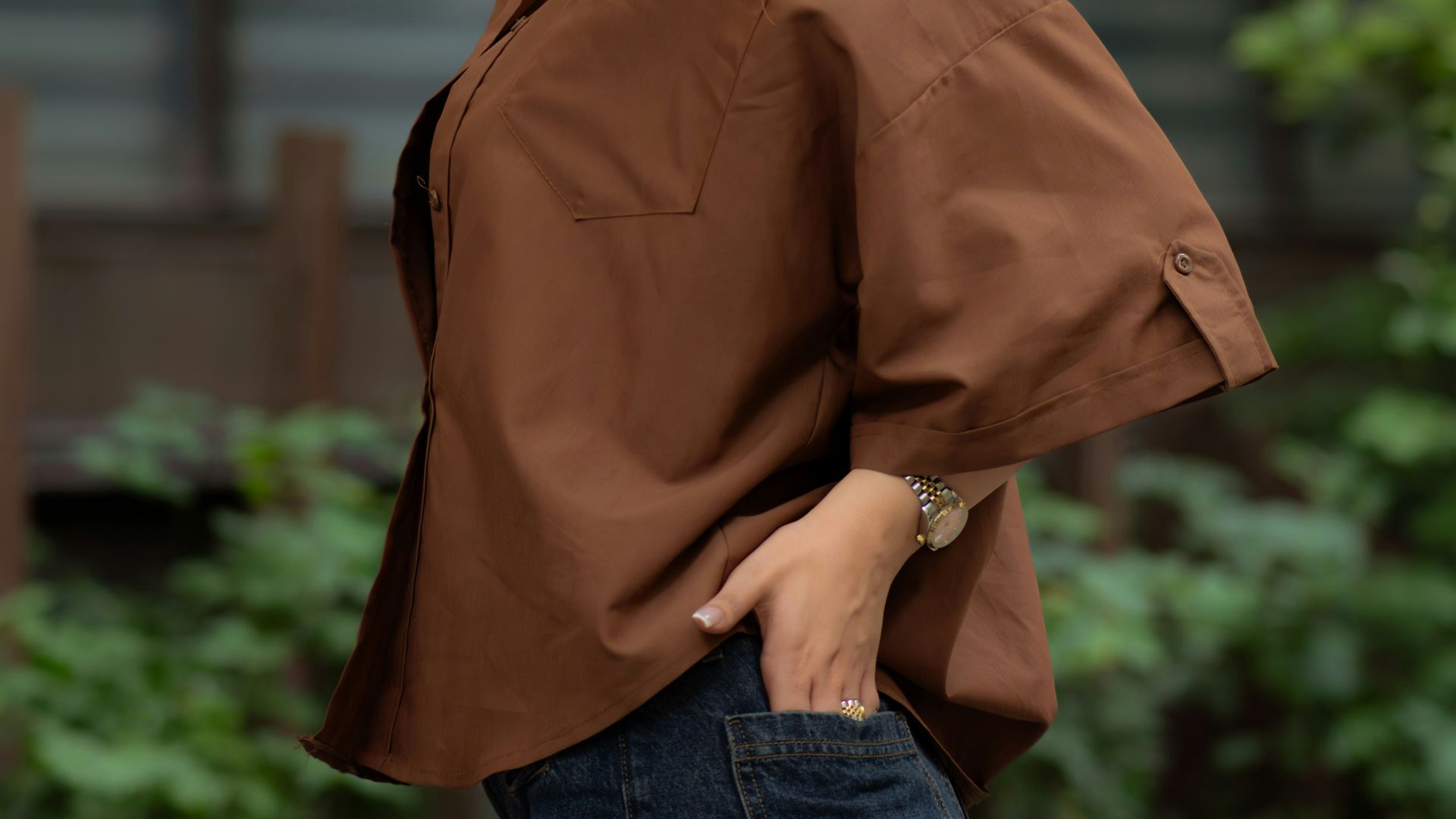
18. Avoid Long, Boxy Tops
Long tops that hit at the hip can emphasize torso length, especially when they’re loose and shapeless. Oversized shirts can still work, because no one’s taking away your favorite button-down. Try a front tuck, belt, cropped layer, or slimmer bottom.
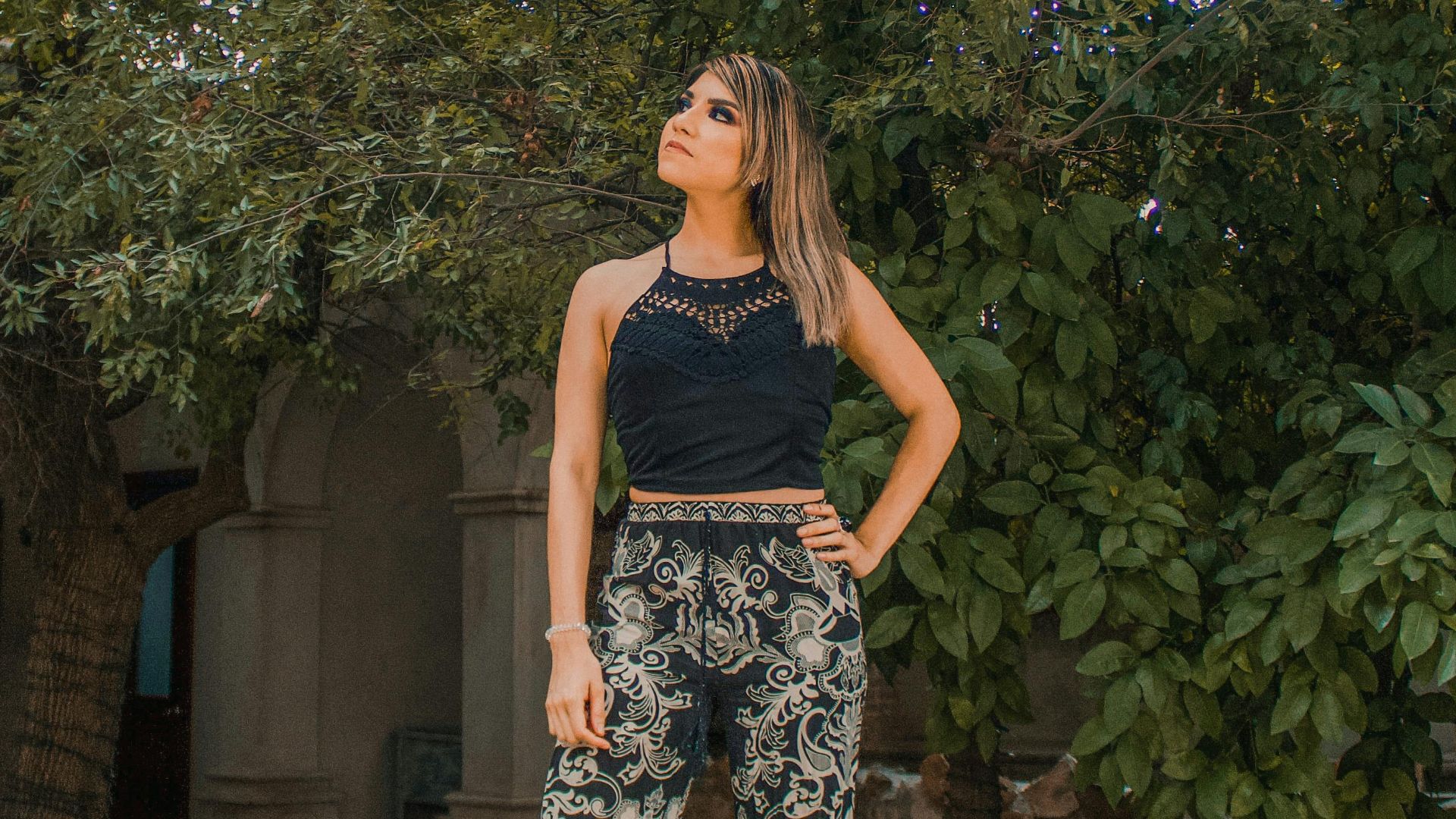
19. Use Prints On The Lower Half
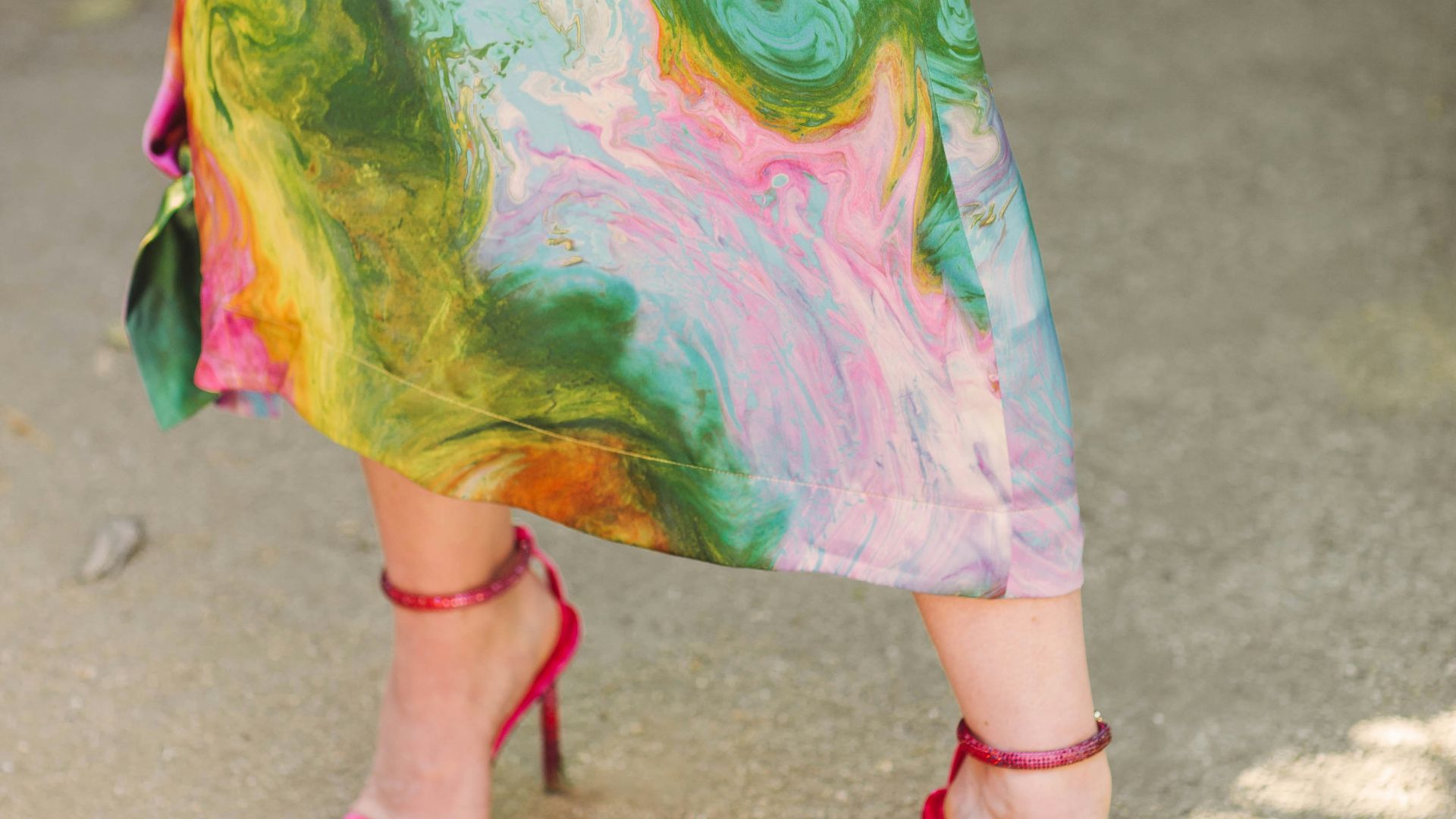
Printed skirts, patterned trousers, textured pants, or statement shoes can shift attention downward. This helps the legs feel like a stronger part of the outfit. A printed midi skirt with a tucked solid top is an easy, wearable example.
20. Choose Pieces That Define The Waist
The most reliable trick is giving the waist a clear role. High-rise pants, wrap dresses, belts, tucked tops, cropped jackets, and fit-and-flare shapes all help create that definition. Once the waist is easy to see, the whole outfit usually feels more balanced.