10 Things That Only Make a Stain Worse & 10 Ways to Prevent Them from Happening at All
10 Things That Only Make a Stain Worse & 10 Ways to Prevent Them from Happening at All
The Right Way to Treat Stains
If you've ever spilled wine on your pristine white carpet or gotten pizza sauce on your blouse, you know how stressful stains are. In your panic, that can push you to react immediately, but not so fast: make the wrong move, and you might just drive the stain deeper, spread it farther, or make it much harder to remove later. Thankfully, most stain disasters are preventable once you know what to do and what not to do. Before you get to scrubbing, soaking, or tossing something straight into the wash, it’s worth knowing what can make the situation worse and how to stop many stains from happening in the first place.
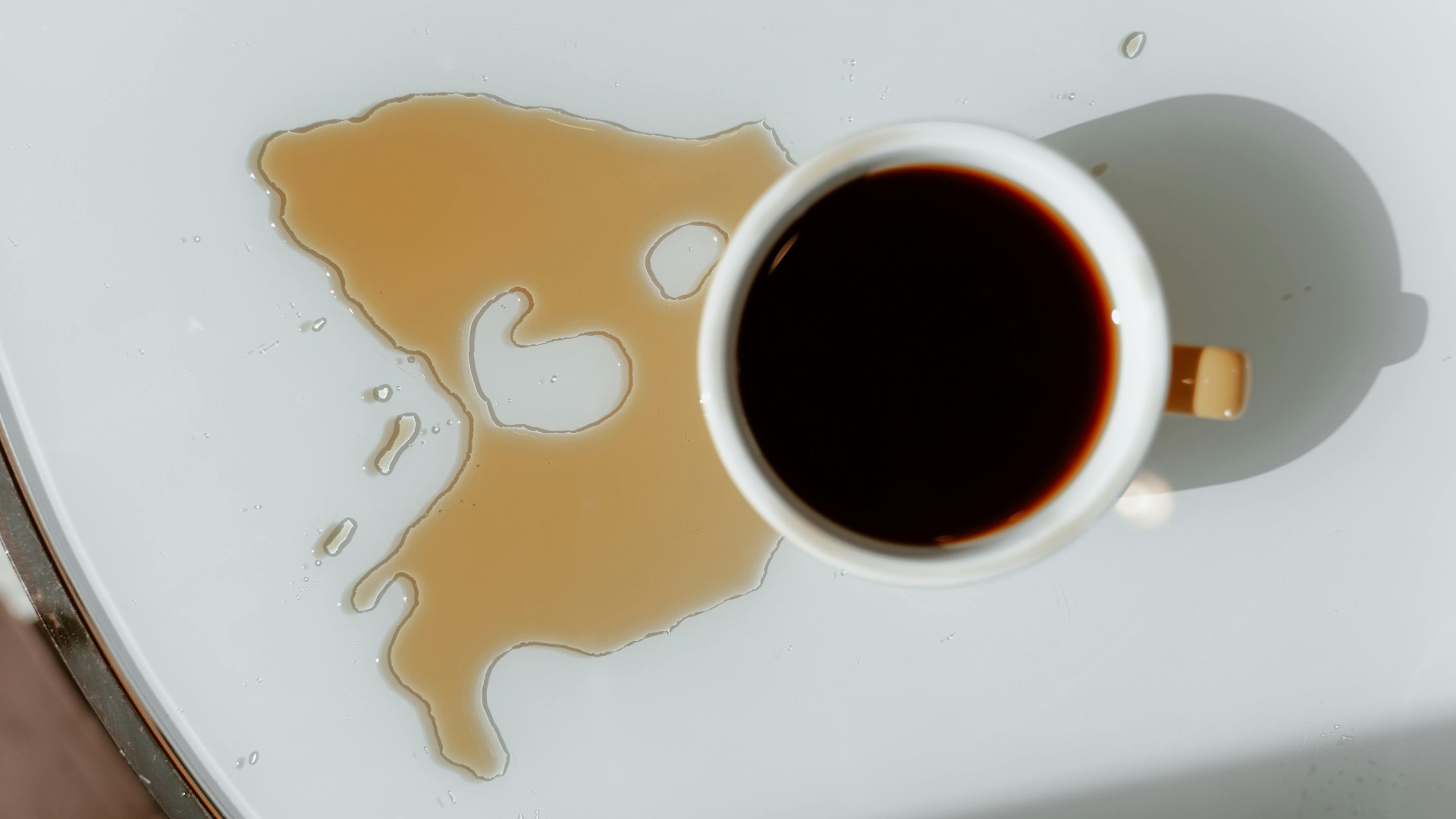
1. Scrubbing the Stain Too Aggressively
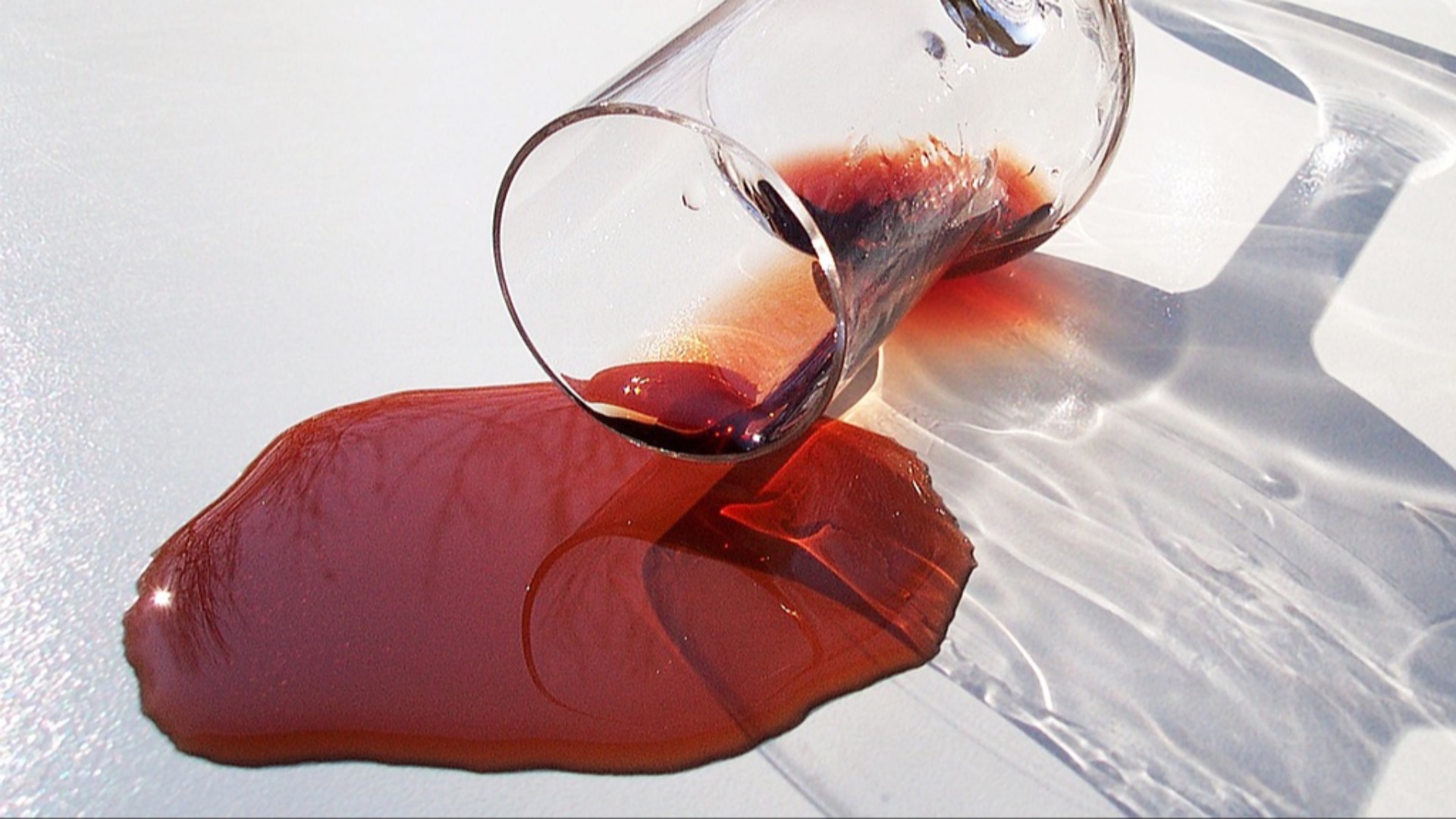
Scrubbing may feel productive, but it often drives the stain deeper into the fibers instead of lifting it out. It can also rough up fabric, especially on delicate clothing, upholstery, or rugs. A better first move is to blot with a clean cloth, working from the outside of the stain toward the center; that helps absorb the mess without spreading it into a larger problem.
2. Using Hot Water on Certain Stains
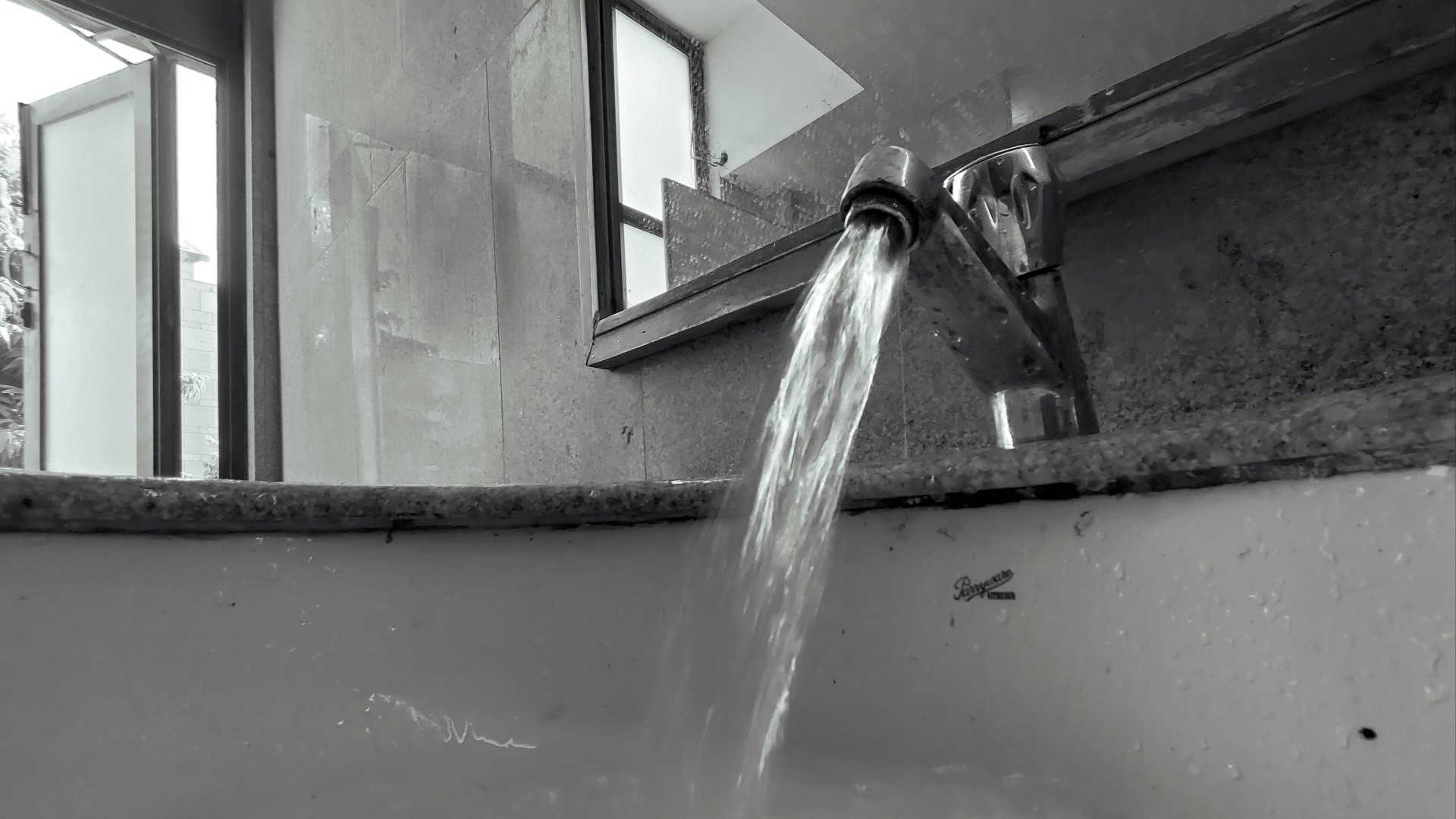
Hot water can set certain stains, especially those from blood, egg, dairy, or sweat, because heat can cause proteins to bond more firmly with fabric, making the mark harder to remove. Cold water is usually the safer starting point for these kinds of stains. Once the stain is mostly gone, you can follow the care label for washing.
3. Tossing Stained Clothes Straight Into the Dryer
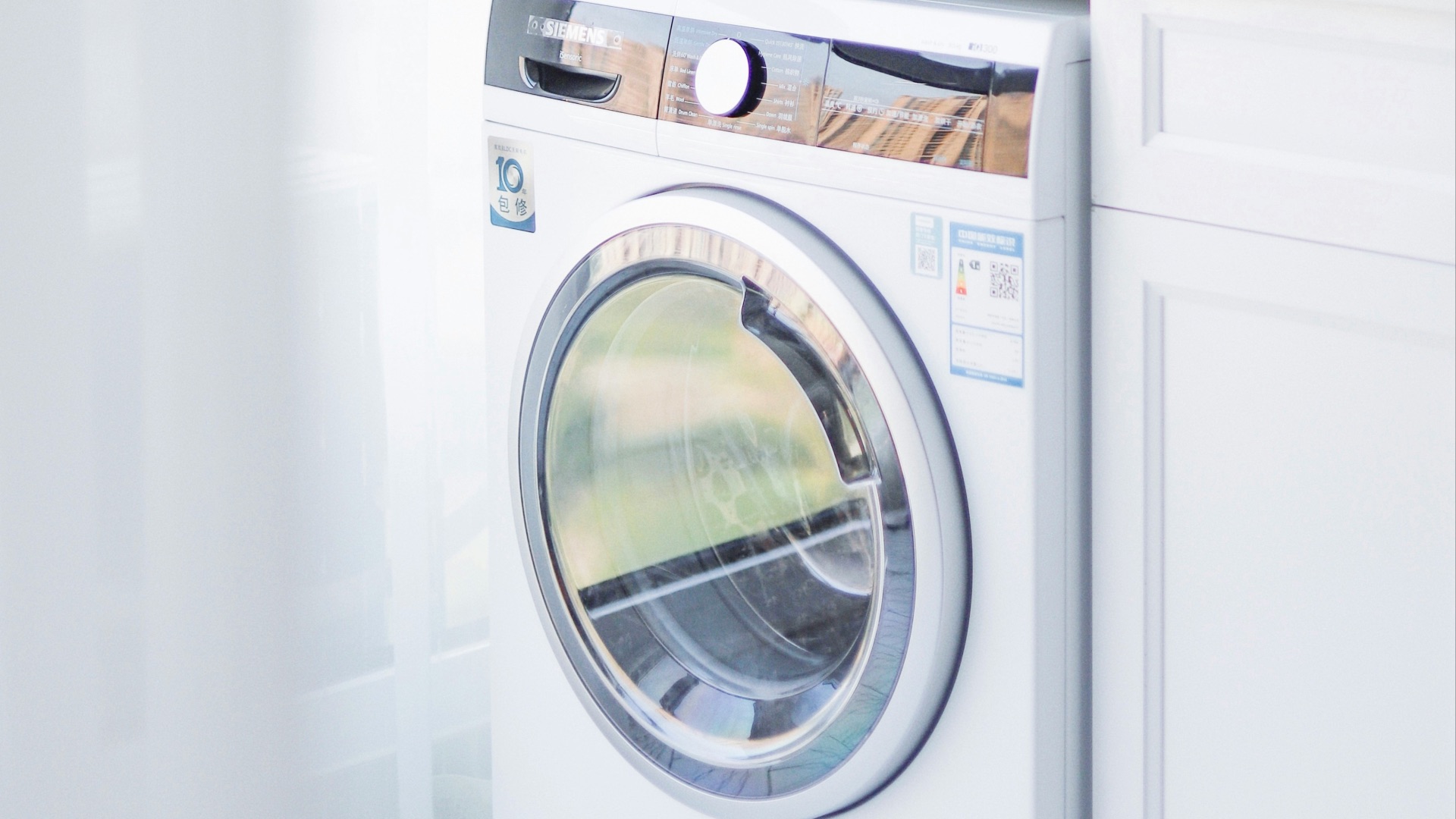
The dryer is one of the biggest reasons a manageable stain becomes permanent: heat can lock in leftover residue that wasn’t fully removed during washing. So, before drying anything stained, check the fabric under good light to make sure the mark is actually gone. If you still see it, treat and wash the item again before using heat.
4. Rubbing with a Dark or Dyed Cloth
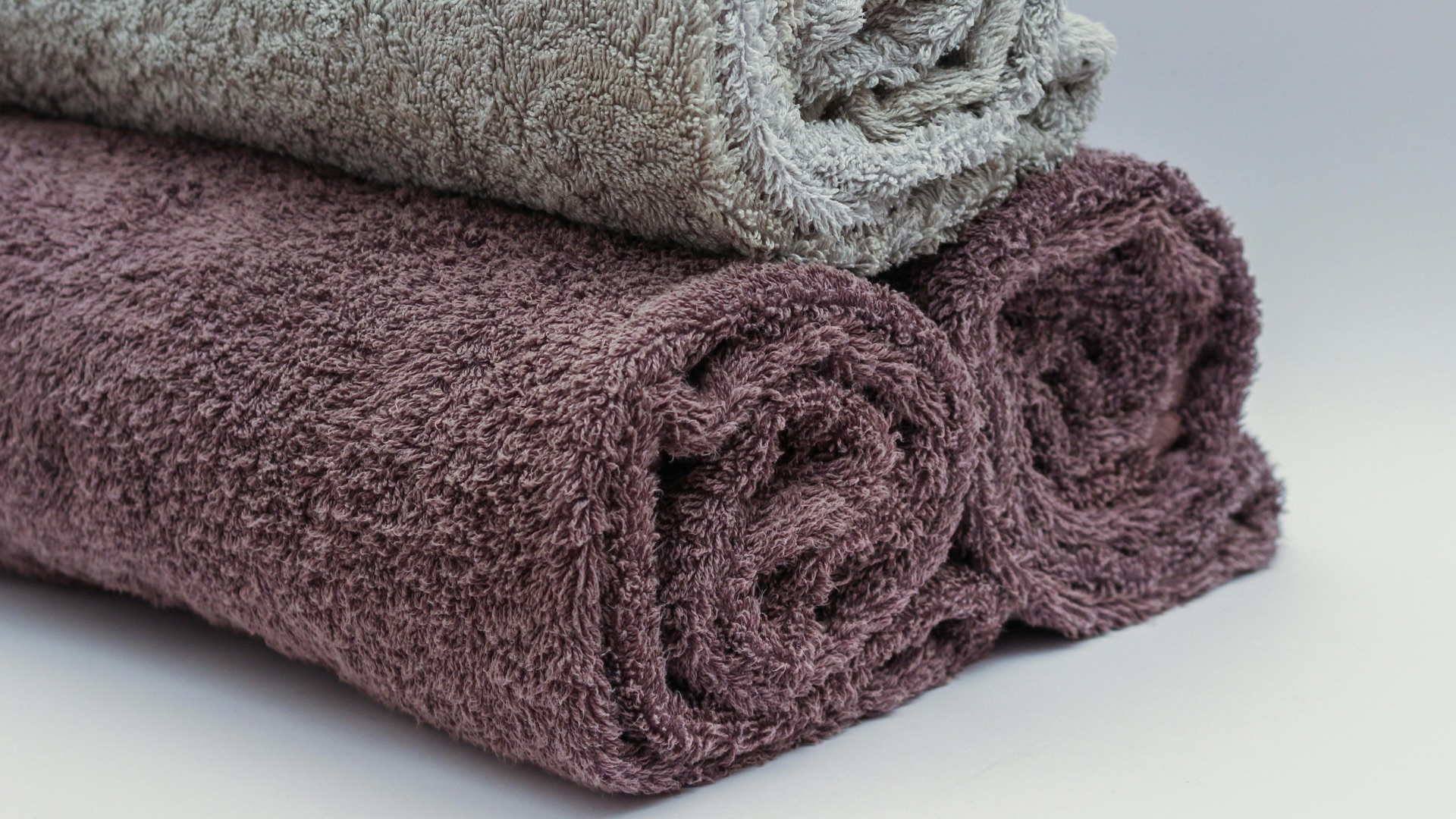
A dark towel or colored napkin might seem convenient, but it can transfer dye onto the stained surface. That leaves you dealing with the original stain and a new color problem at the same time. Use a clean white cloth or plain paper towel whenever possible. It’s a simple swap that prevents accidental dye transfer.
5. Applying Too Much Cleaning Product
More cleaner doesn’t always mean better results, and too much product can leave behind residue that attracts dirt. On fabric and upholstery, excess cleaner can also be difficult to rinse out completely. Always start with a small amount and give it time to work before adding more; a careful approach usually does more good than flooding the stain.
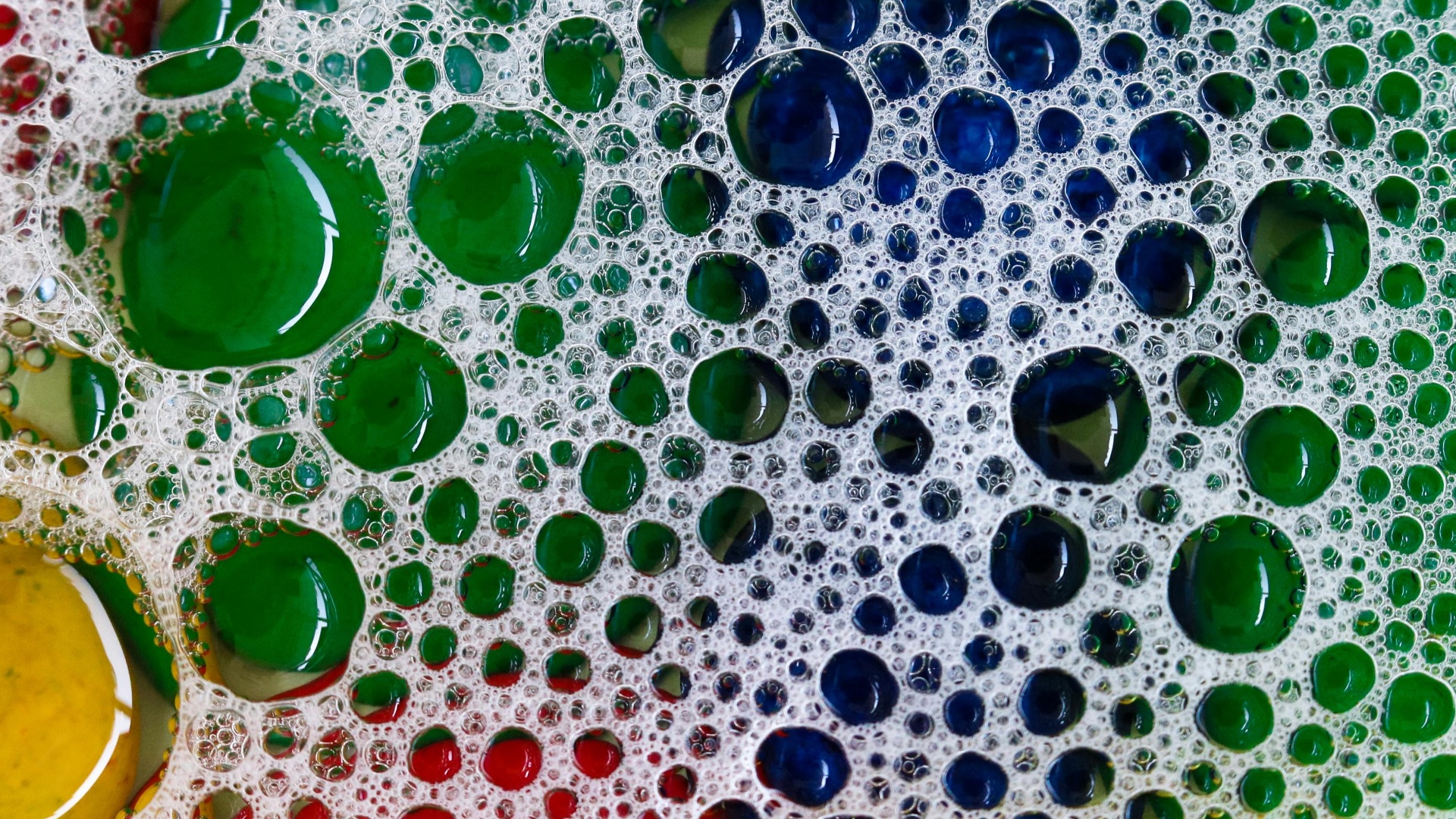
6. Mixing Cleaning Products Without Thinking
Combining products can be ineffective at best and dangerous at worst. Bleach, ammonia, vinegar, and certain bathroom cleaners should never be mixed mindlessly because some combinations can release harmful fumes. Even when there’s no safety issue, mixed products may damage fabric or discolor surfaces. Stick to one appropriate cleaner at a time and follow the label directions.
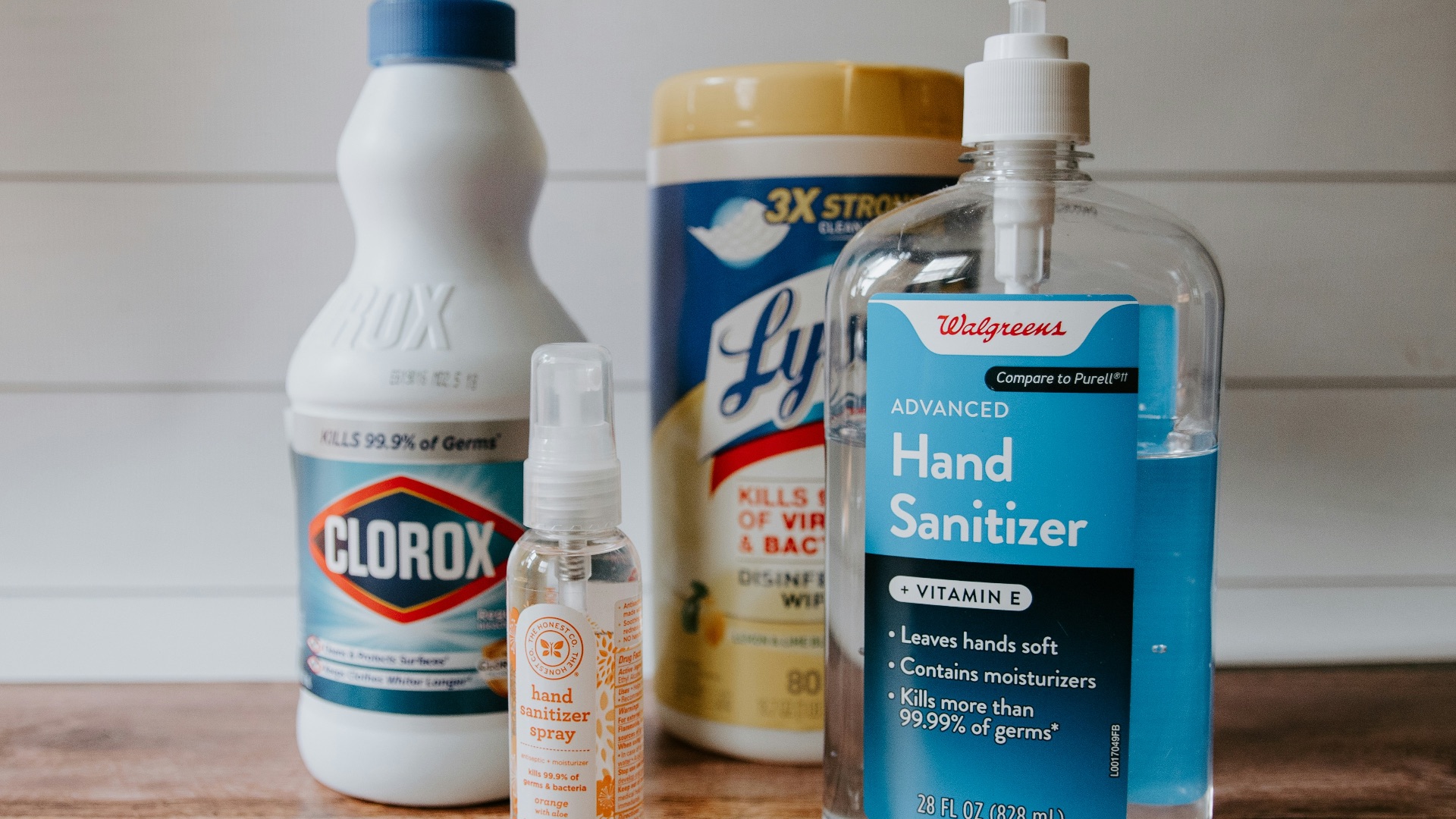
7. Letting the Stain Sit for Too Long
Waiting gives stains more time to soak in, dry out, and bond with the material; this is especially true for wine, coffee, grease, ink, and tomato-based sauces. You don’t always need a full cleaning routine right away, but blotting and rinsing when appropriate can make a major difference. The sooner you respond, the better your chances of removing the stain completely.
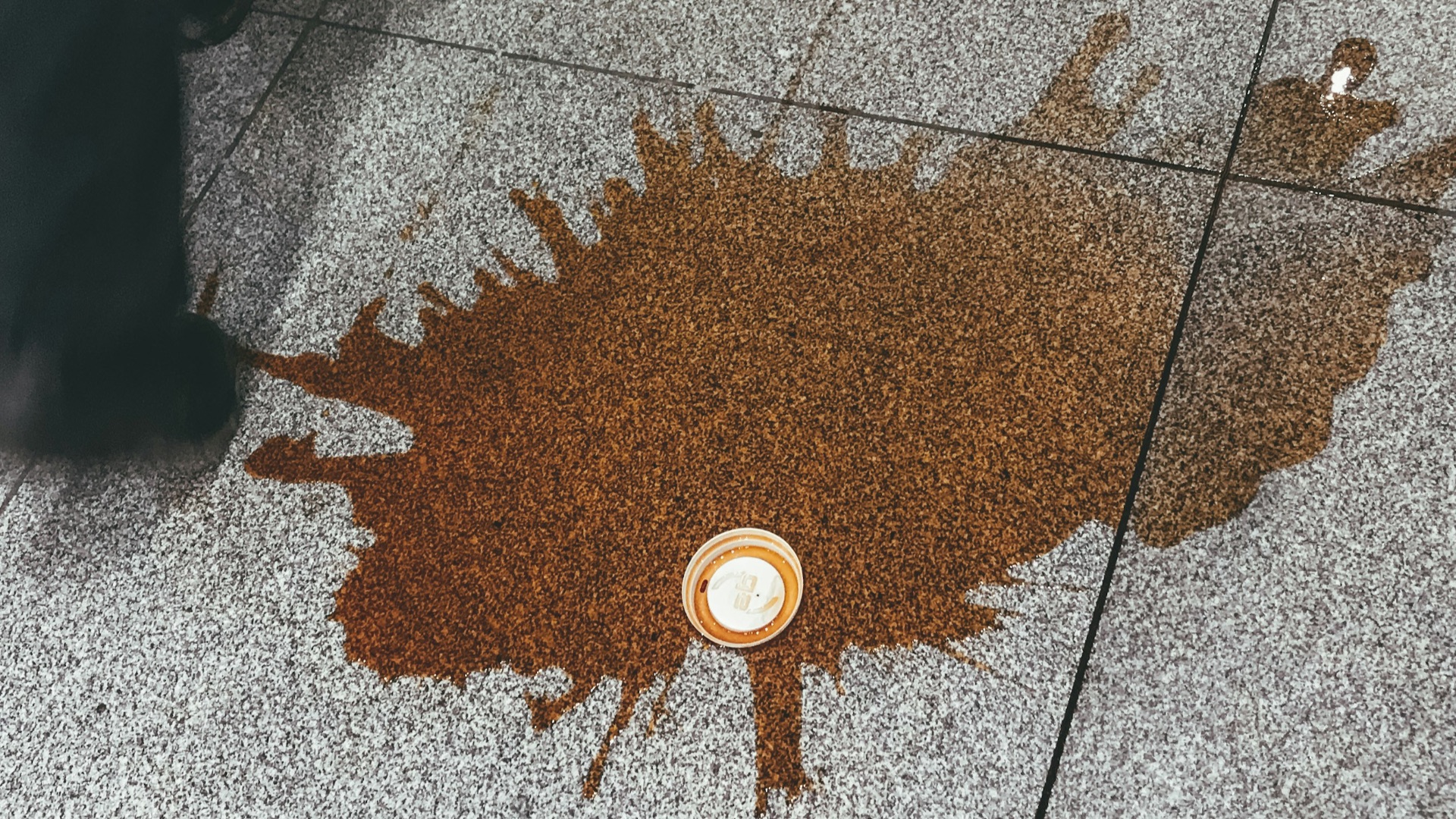
8. Using Bleach on the Wrong Material
Bleach can remove color along with the stain, and it can weaken certain fabrics over time. It’s especially risky on wool, silk, spandex, and colored clothing. Even white fabrics can yellow or become damaged if bleach is used too strongly or too often. Always check the care label and test in a hidden area before using it.
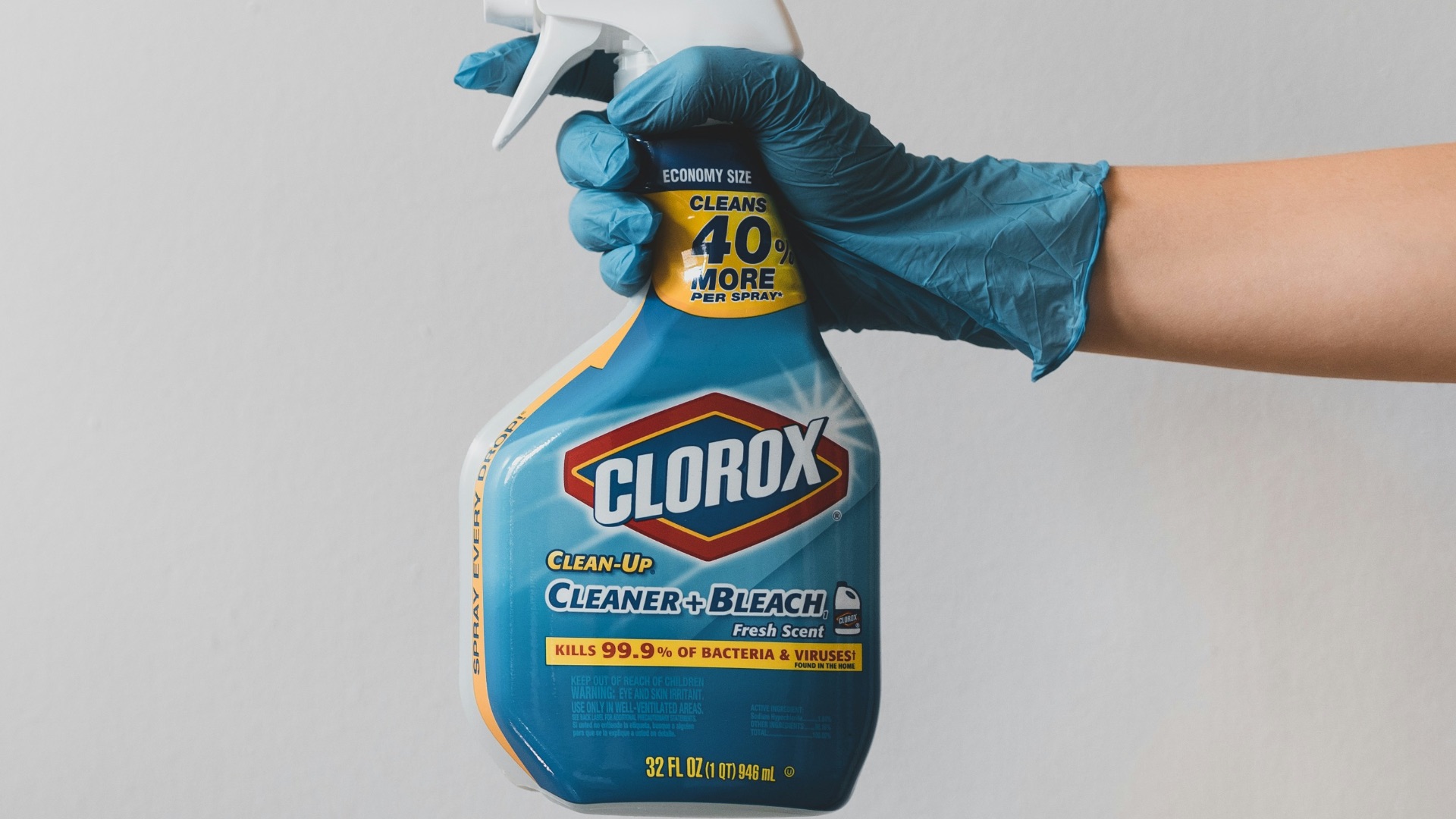
9. Treating Every Stain the Same
A grease stain doesn’t behave like a coffee stain, and ink doesn’t respond like mud. Using the same method for everything can waste time or make the mark harder to remove. Some stains need cold water, others need a degreaser, and some should dry a bit before brushing off. Identifying the stain first gives you a much better chance of choosing the right treatment.
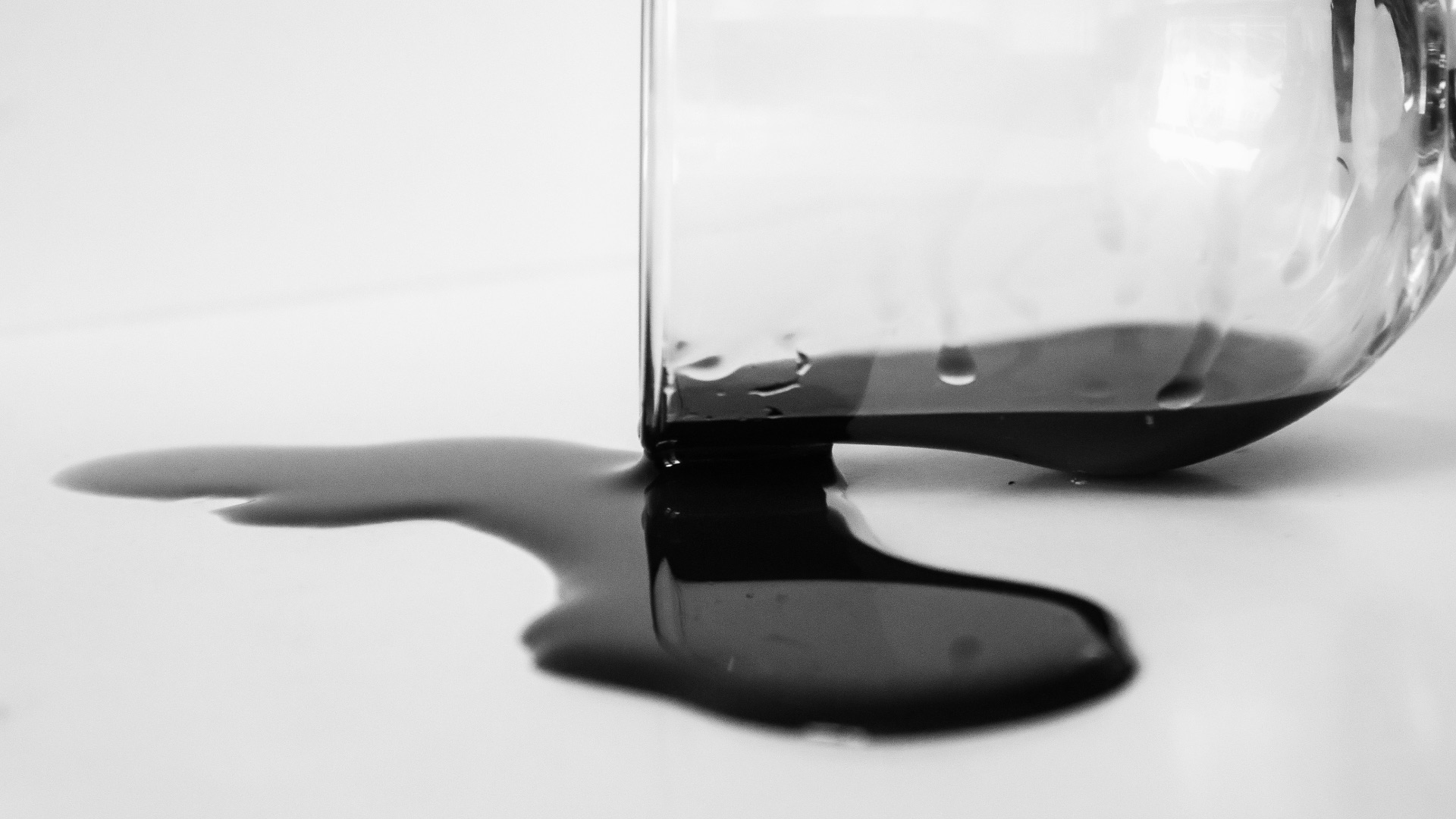
10. Ignoring the Fabric Care Label
Care labels may seem easy to skip, but they tell you what the fabric can handle. A cleaner that works on cotton might damage silk, wool, leather, or rayon. Temperature, bleach warnings, and drying instructions all matter when you’re trying to remove a stain safely. Taking a few seconds to read the label can save the entire item.
Now that the common stain mistakes are out of the way, let's jump into prevention so you won't need to deal with the headache.
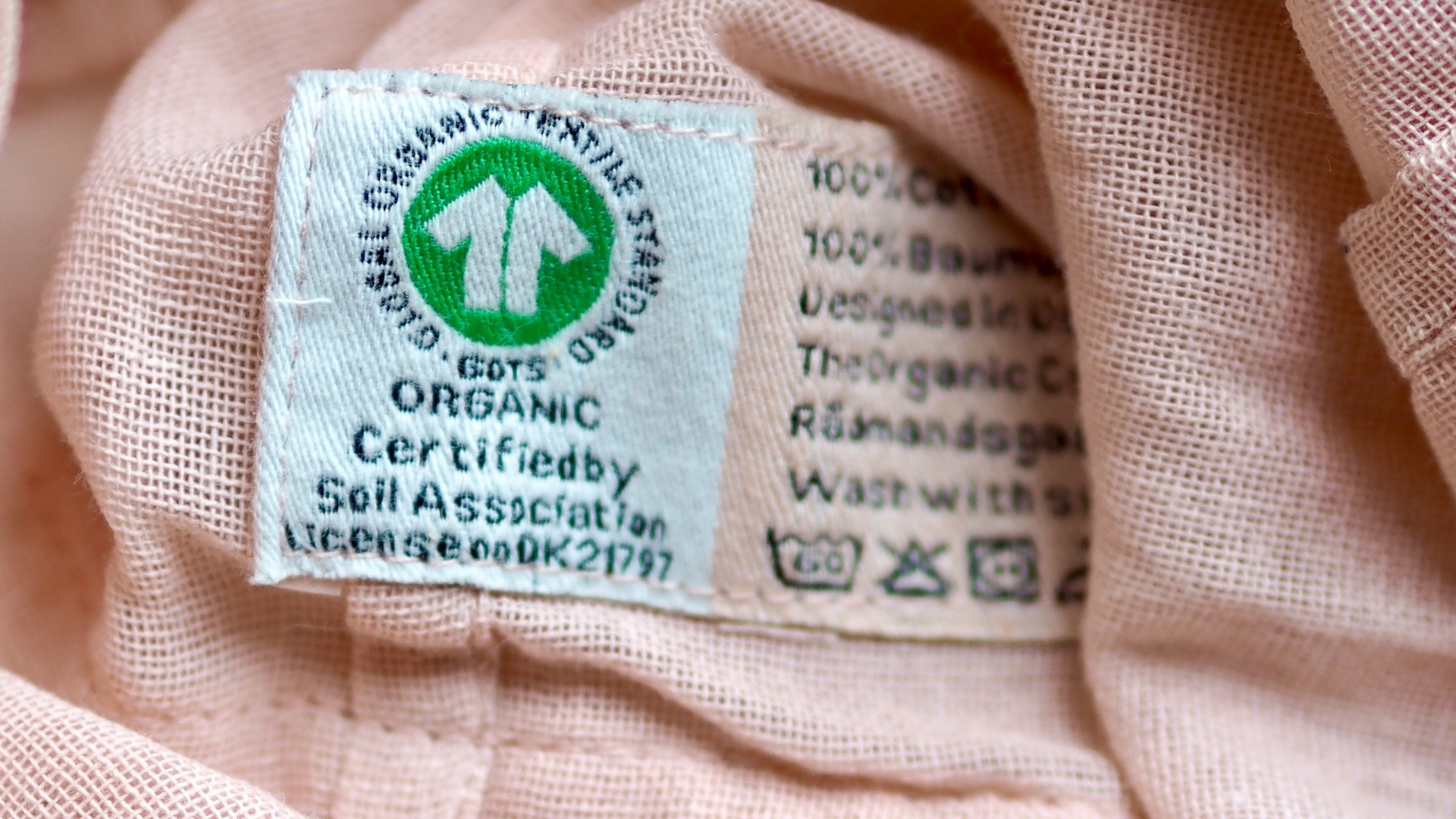
1. Treat Fabrics with a Protective Spray When Possible
Fabric protectors can help repel liquid and give you more time to blot up spills before they sink in. They’re especially useful on upholstery, cushions, table linens, and some shoes. Make sure the spray is suitable for the material before applying it, since not every fabric or finish responds well. Testing a hidden spot first helps you avoid discoloration or texture changes.
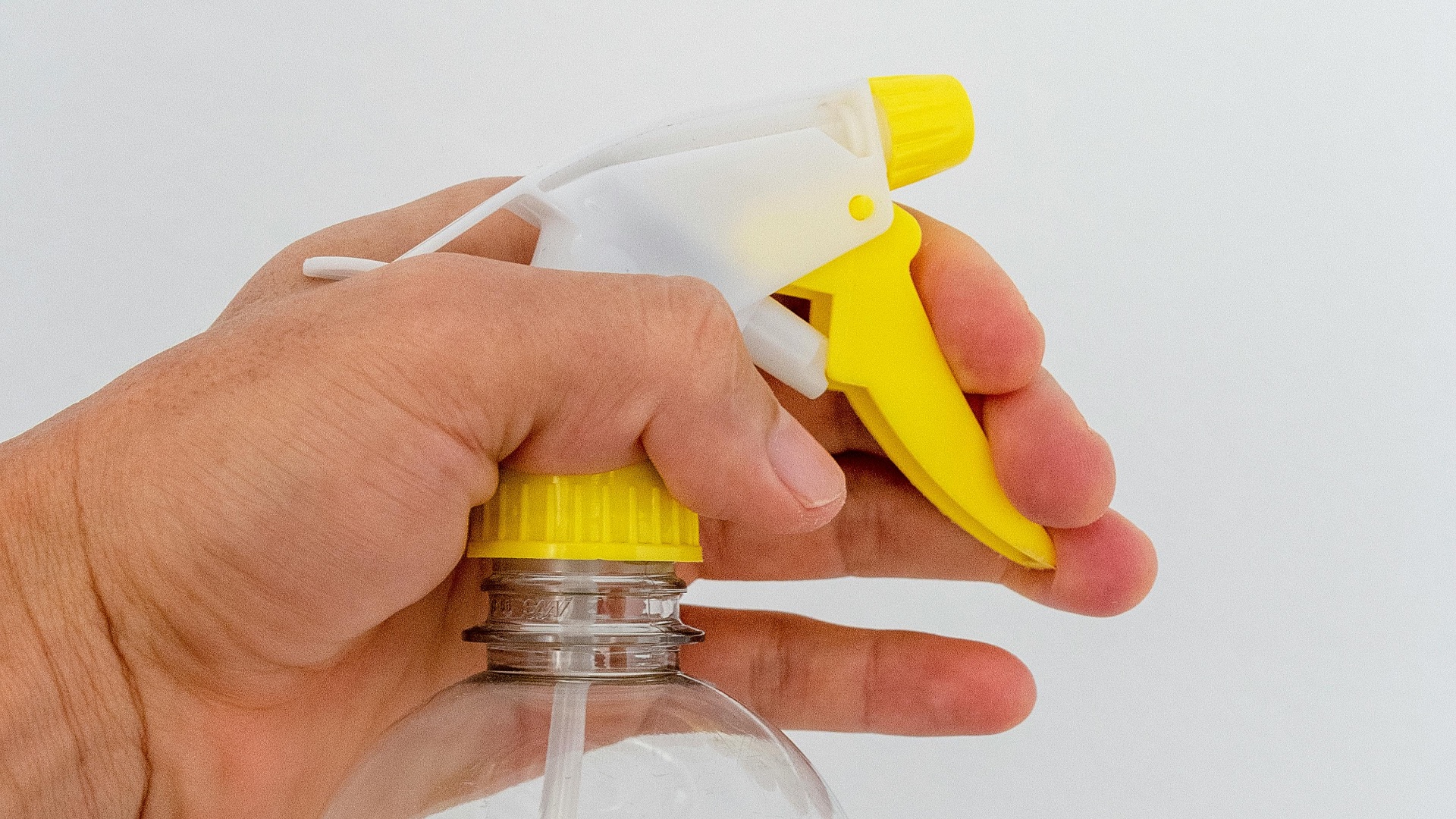
2. Keep Stain Supplies Where Spills Happen
A stain kit isn’t very useful if it’s buried somewhere in a closet right when you need it most. So make sure to keep basic supplies near high-risk areas, such as the kitchen, laundry room, dining room, or even your car. White cloths, paper towels, mild dish soap, stain remover, and a small brush are usually enough to cover many common accidents.
 MOHAMMED Al-Sharabi on Unsplash
3. Use Aprons When Cooking
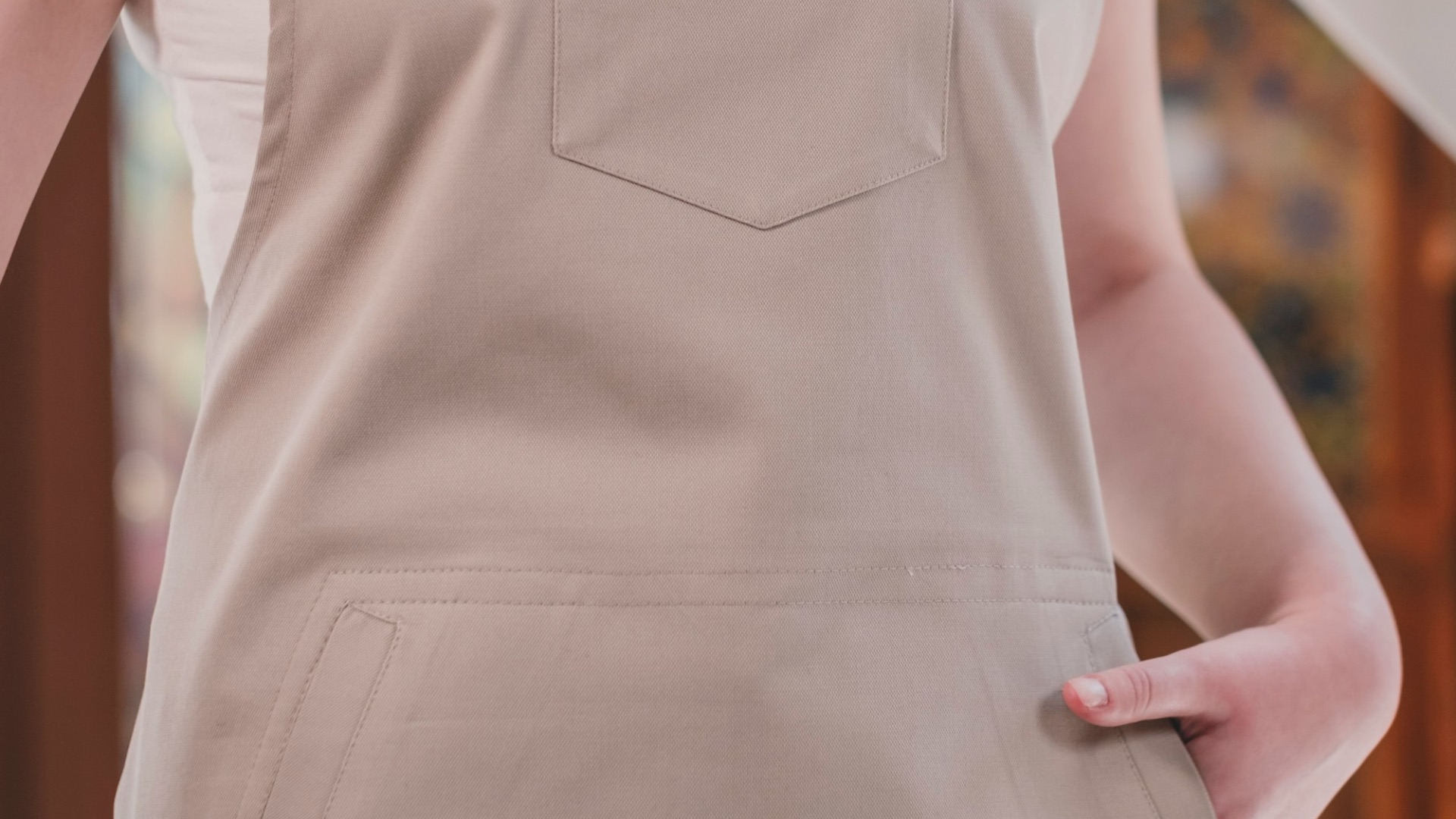
Sauces, oils, batter, and splattering pans can stain clothes before you even sit down to eat, which is why wearing an apron gives your outfit a protective layer during the messiest parts of cooking. Choose one that actually covers enough of your clothing and isn't just decorative. You might be surprised how many shirts, sweaters, and pants you'll end up saving.
 Golden Horn Bridge on Unsplash
4. Choose Lidded Cups for Drinks Near Fabric
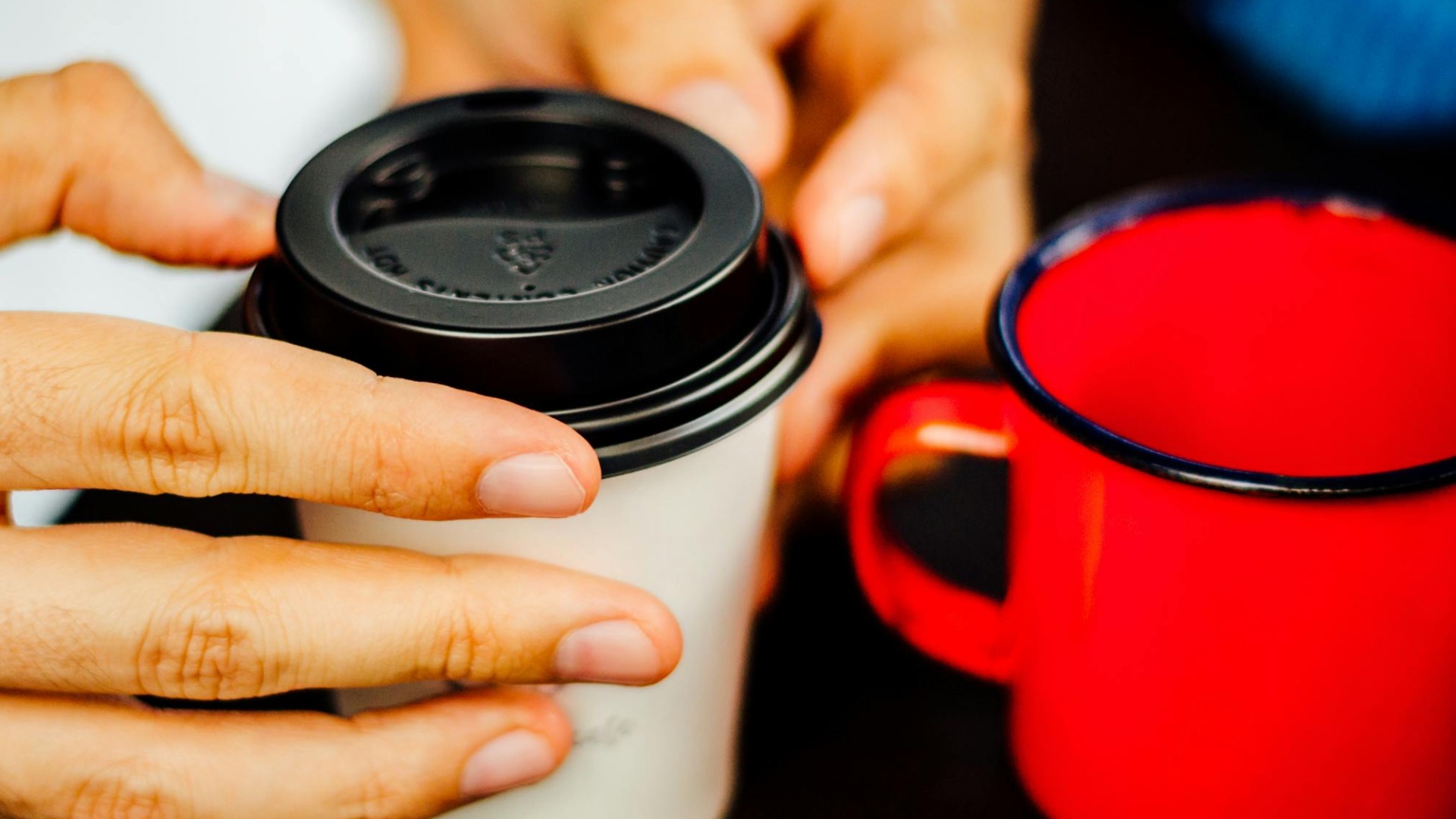
Open cups are risky around couches, carpets, beds, and car seats. A lid won’t prevent every spill, but it can reduce the amount of liquid that escapes when something tips. This is especially helpful with coffee, tea, juice, and red wine, which can leave stubborn marks. Using a covered cup in high-risk areas makes accidents less messy when they happen.
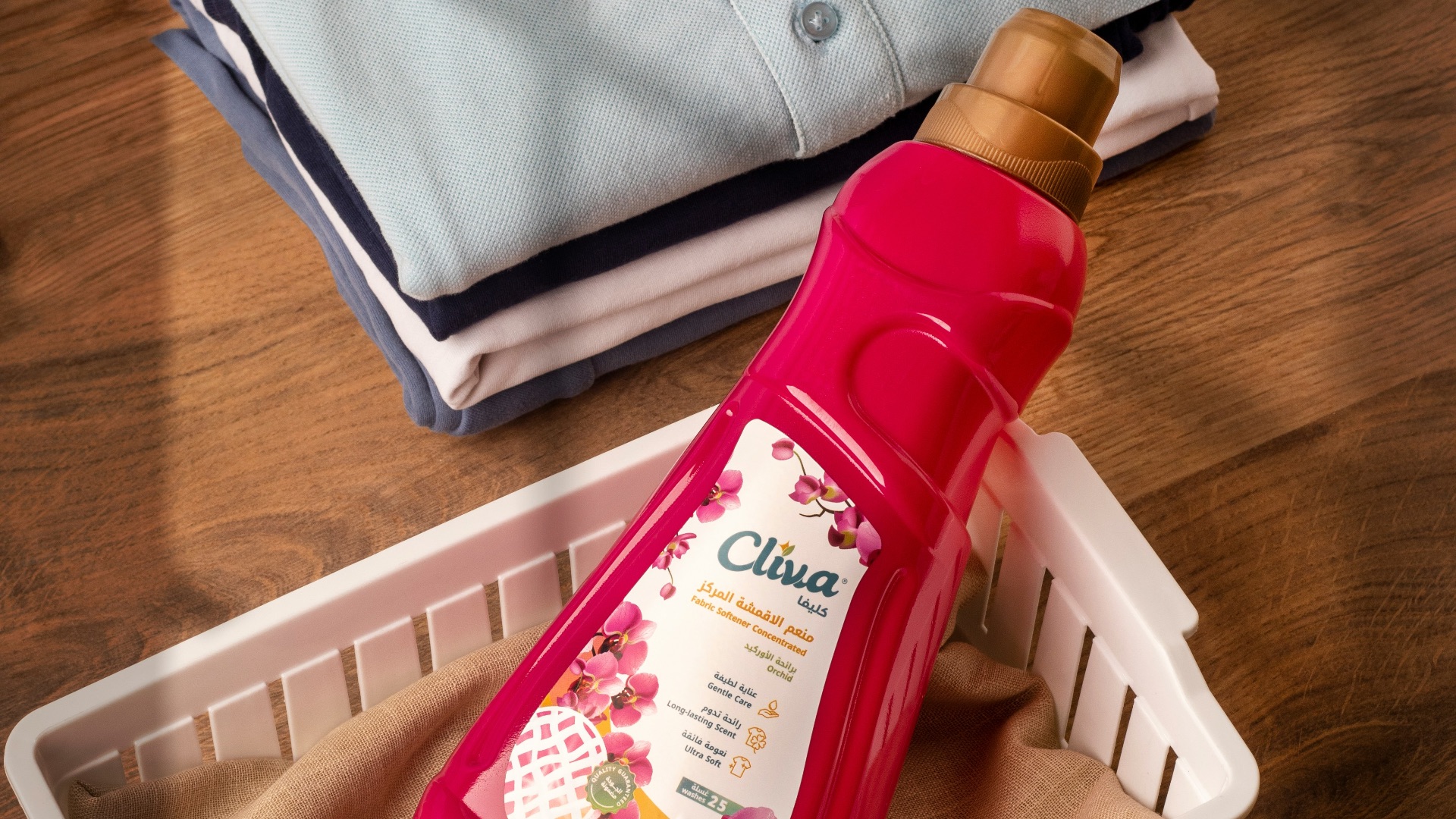
5. Separate Laundry
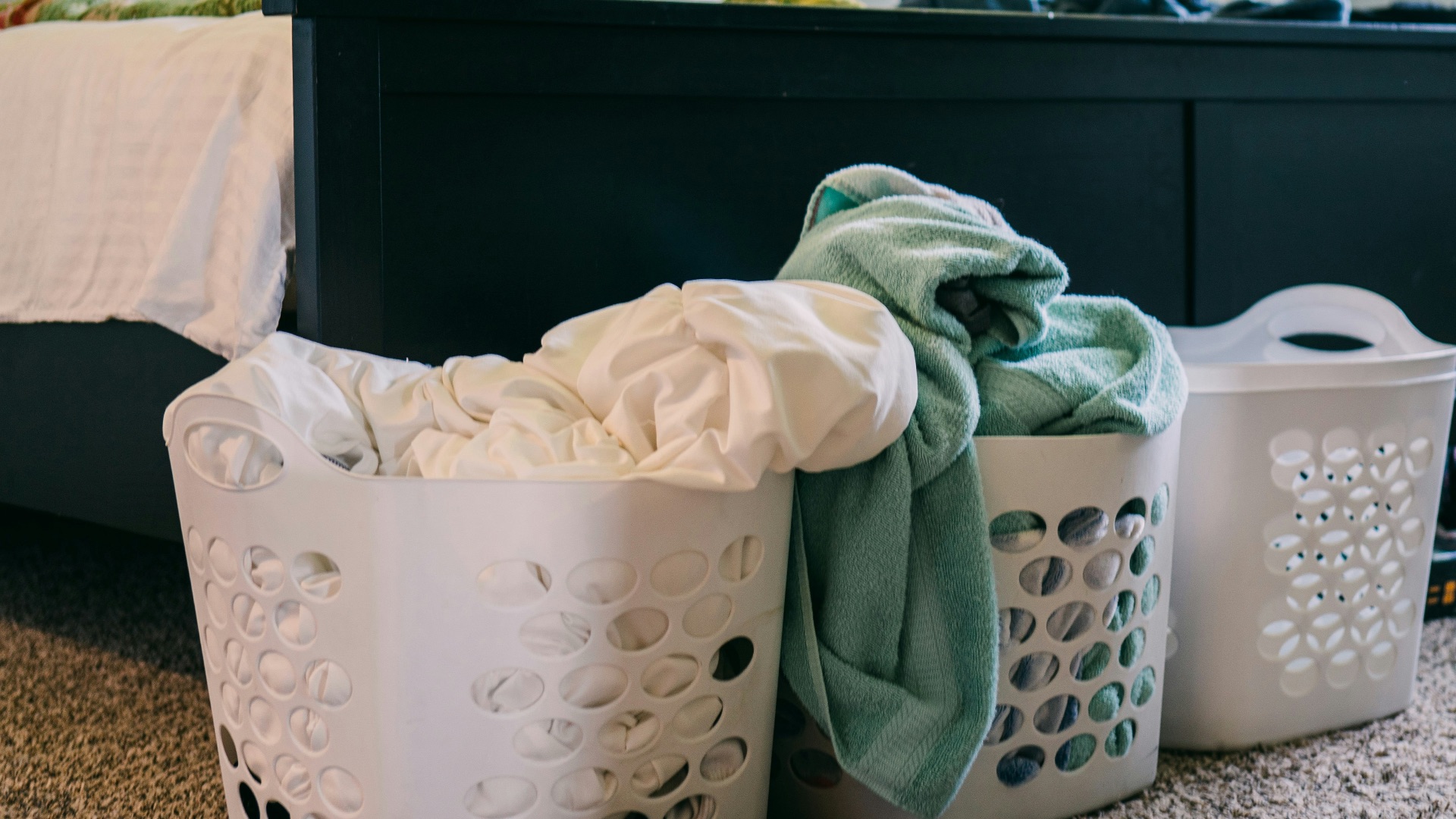
Sorting laundry protects clothing from color transfer, lint, and stains that move from one garment to another. New dark clothes, towels, and heavily soiled items deserve extra attention. Washing muddy clothes with delicate shirts or tossing a red sock into a light load can create problems that are hard to fix. A few extra minutes of sorting can prevent an entire load from being affected.
 Jessica Lewis 🦋 thepaintedsquare on Unsplash
6. Handle Greasy Foods with Napkins
Grease stains often happen because hands touch clothing, furniture, or car interiors before anyone notices the residue. Keeping napkins, plates, or wipes close by makes it easier to clean fingers before they transfer oil. This matters most with pizza, fries, burgers, chips, and buttery snacks. The goal is to stop the stain before it ever reaches your clothes.

7. Apply Makeup, Hair Products, and Sunscreen Before Dressing
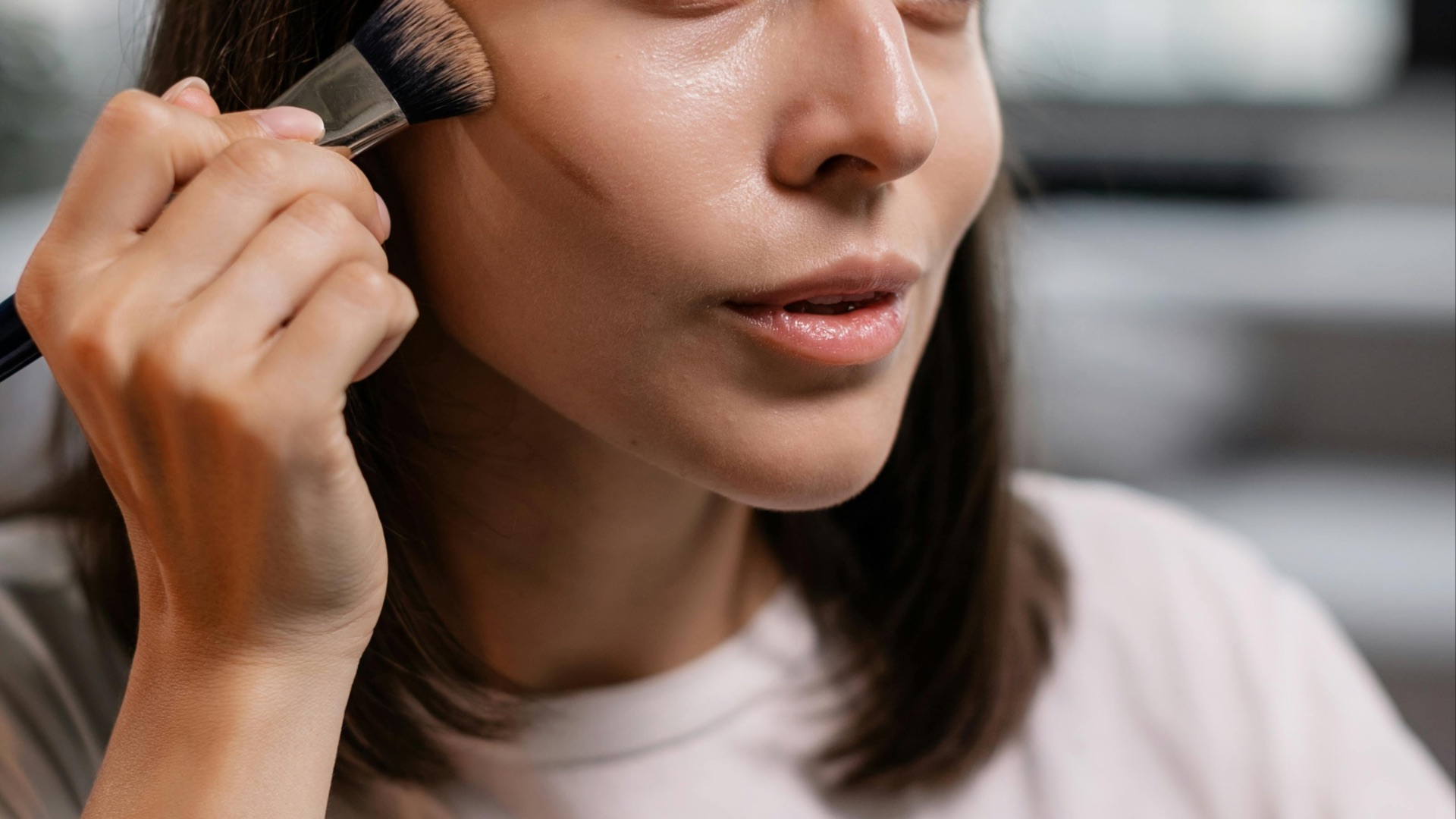
Foundation, mascara, self-tanner, hairspray, and sunscreen can all leave marks on collars, sleeves, and necklines. Giving products time to dry before putting on clothes lowers the chance of transfer. It also helps to drape a towel over your shoulders when using sprays or powders. This extra step is especially useful when wearing white, silk, linen, or anything delicate that needs special care.
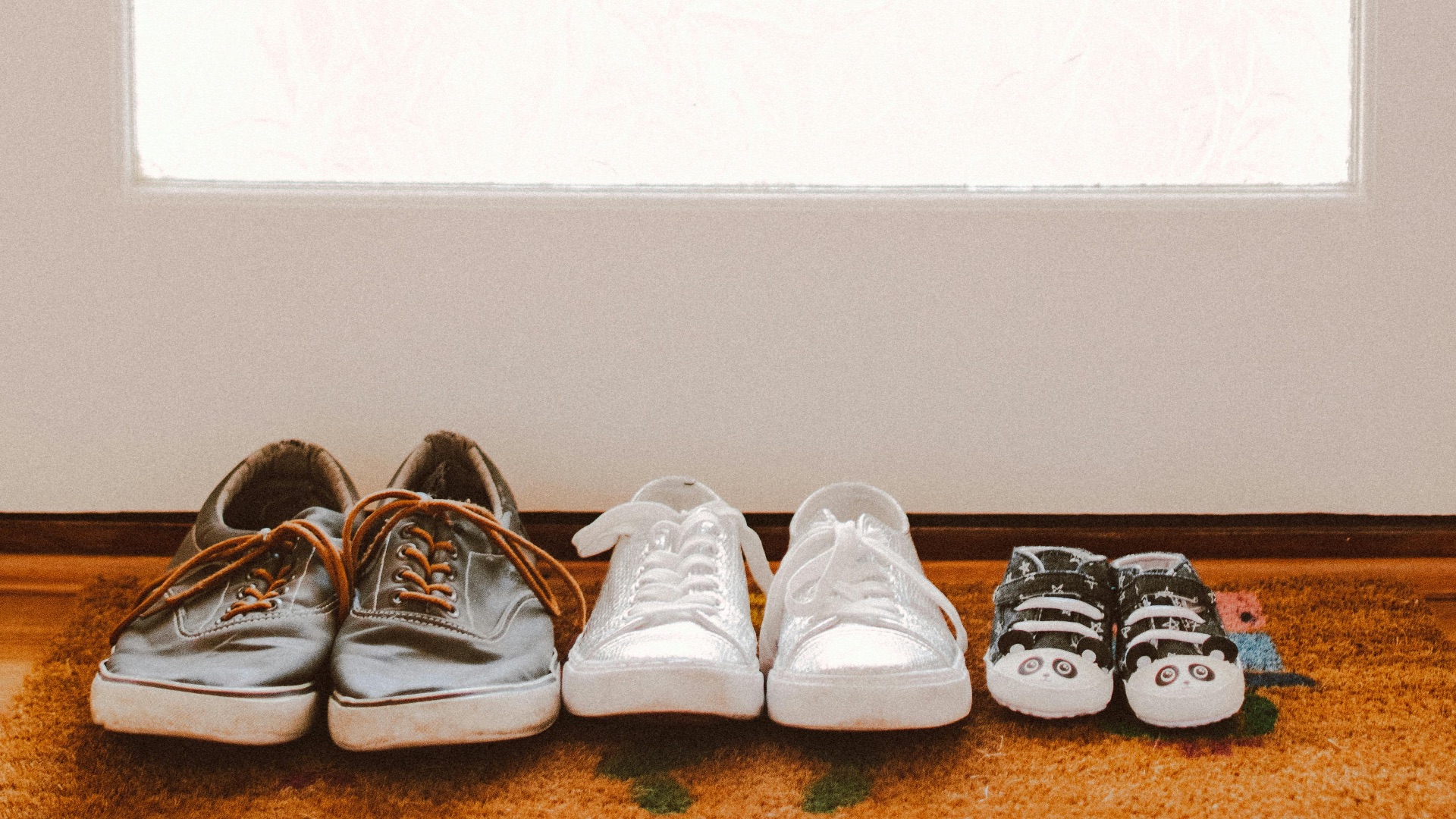
8. Take Shoes Off Before Walking on Carpets and Rugs
Shoes track in mud, oil, grass, salt, and street grime that can stain soft flooring. Even when soles look fairly clean, they can leave residue that builds up over time. Creating a shoe-free habit indoors helps protect carpets, rugs, and upholstered furniture. A mat and a clear spot for shoes near the door make the routine easier to follow.
9. Store Art Supplies Carefully
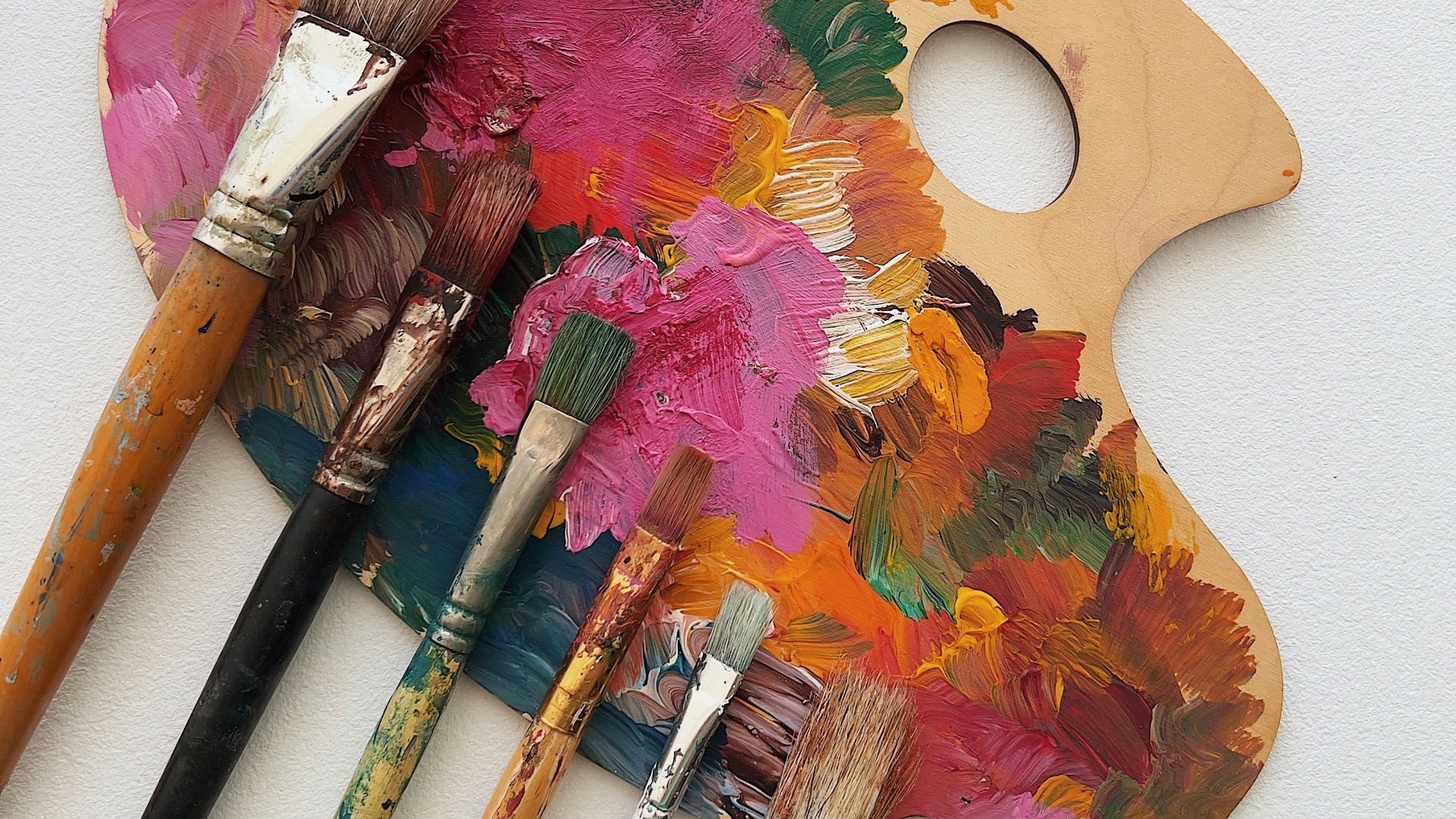
Ink stains are often caused by uncapped pens, leaking markers, or supplies tossed loosely into bags and drawers. Keeping caps secure and storing items upright can prevent leaks before they reach fabric or furniture. It’s also smart to keep permanent markers away from places where kids do casual crafts or homework. Good storage doesn’t take much effort, but it can prevent some of the hardest stains to remove.
10. Clean Small Spills Before They Become Set-In Stains
Prevention doesn’t always mean stopping the spill from happening; sometimes it means stopping it from becoming permanent. A small drip on a tablecloth, cushion, or shirt is much easier to handle before it dries, so blot or rinse when appropriate, and check the item before laundering to keep the stain from settling in. The faster you notice and respond, the less work you’ll have to do later.